Firsthand battlefield analysis of campaigns and battles involving the French Foreign Legion

EXPLORE FOREIGN LEGION: BATTLES | WEAPONS & EQUIPMENT | READING | QUIZ
Walking the battlefields and campaigns of the French Foreign Legion (1831 – present)
Founded in 1831 as a professional, expeditionary arm of the French Army, the French Foreign Legion quickly became synonymous with hard marching, difficult terrain, and operations far beyond metropolitan France. Its first campaigns in Algeria and the Carlist Wars (1833-40) in Spain established the Legion’s reputation for discipline and staying power under fire—a reputation reinforced in Crimea (1853-56), in Italy (1859), and during the brutal fighting in Mexico (1861-67), where the stand at Camerone became the Legion’s defining legend.
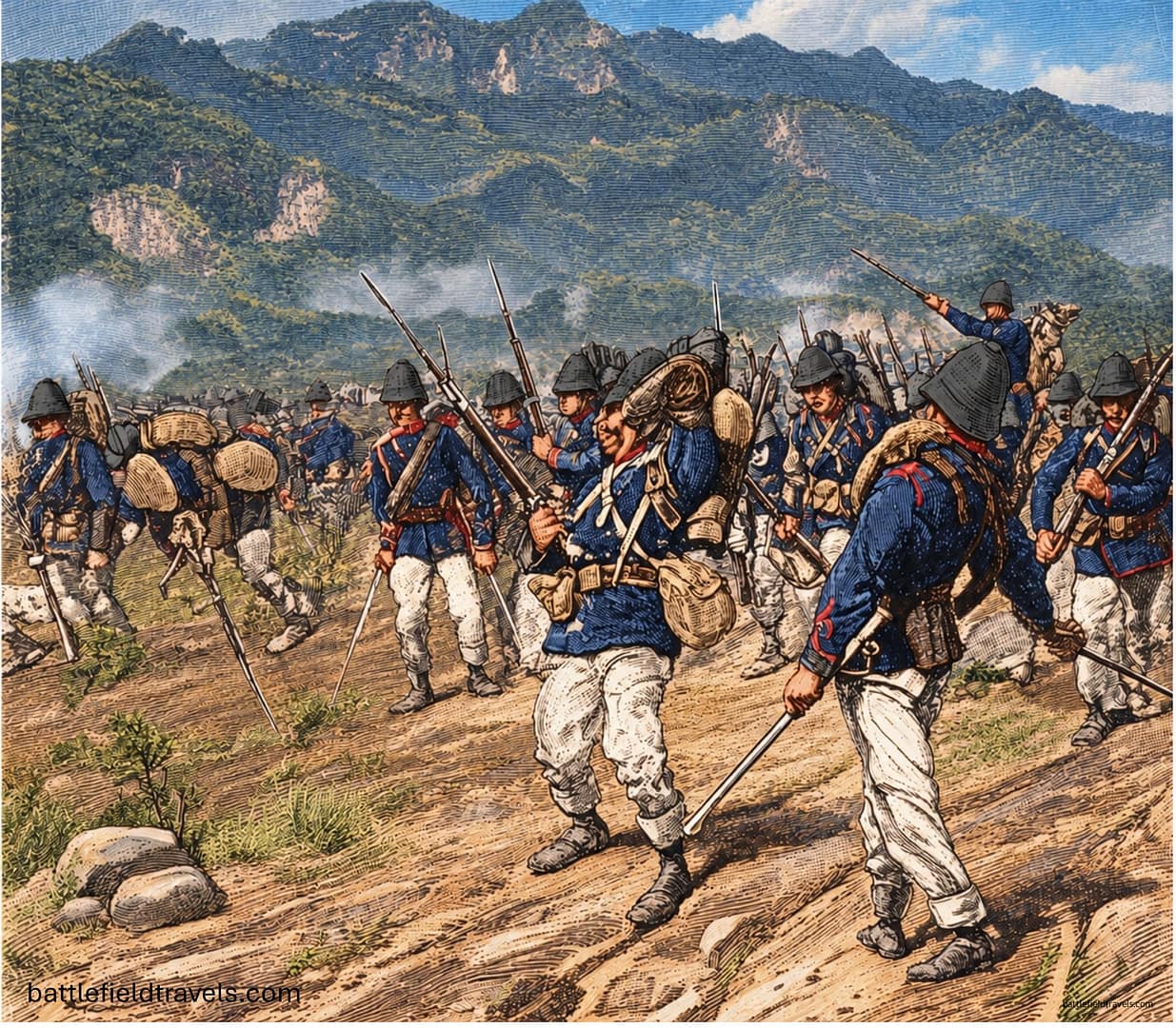
Through the late nineteenth century, Legion battalions fought across the French colonial world: in the mountains and river valleys of Tonkin (1883-1886) against the Black Flag Army; in the Dahomey (1892-94) and Madagascar (1894-95) expeditions; and across North Africa as France extended its control over the Sahara and Morocco. These campaigns demanded small-unit initiative, austere logistics, and the ability to fight in harsh, often unmapped terrain.
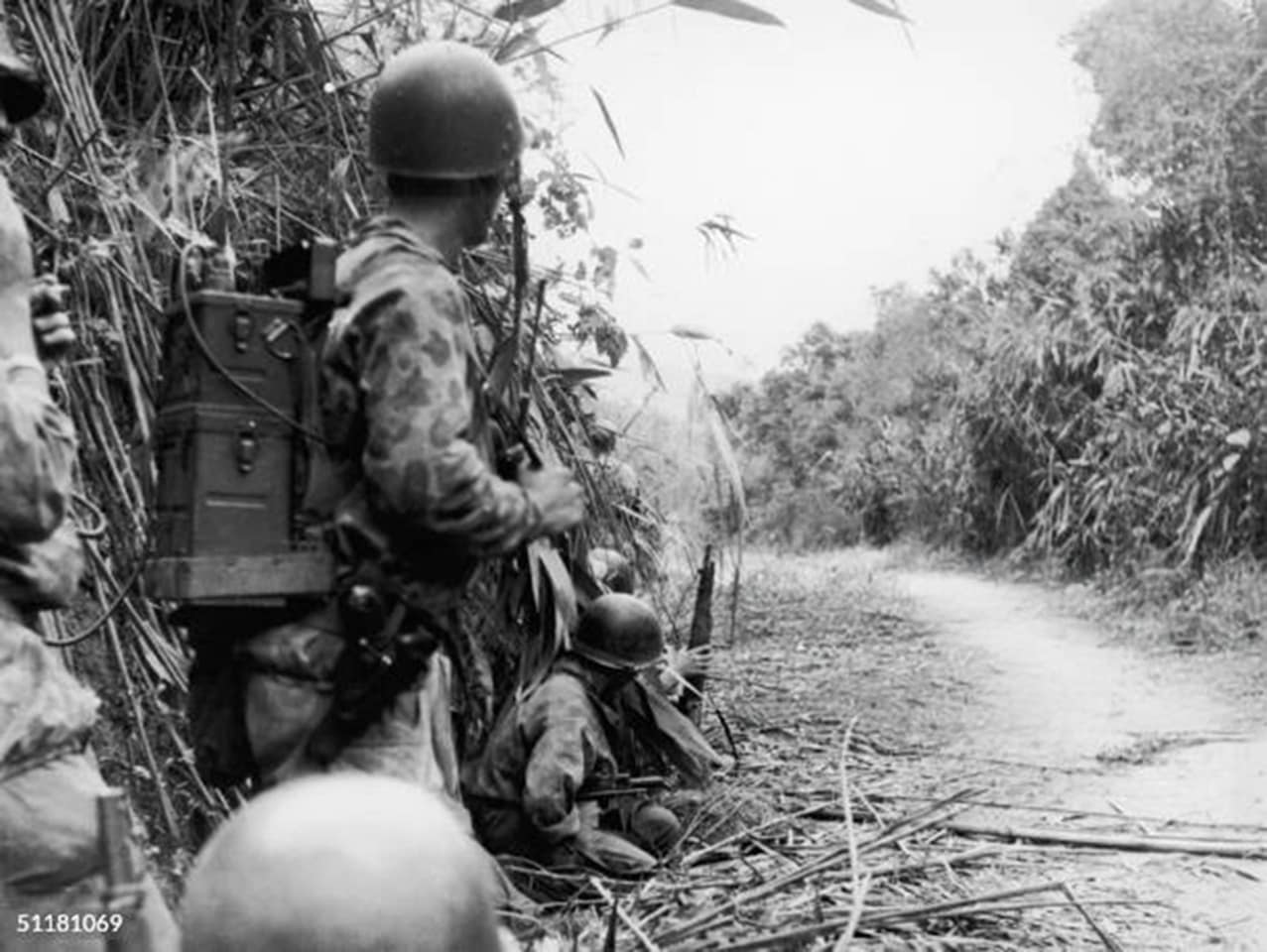
In 1914–18, the March Regiment of the Legion suffered heavy casualties on the Western Front, and its interwar years were spent policing remote outposts from Syria to the Atlas Mountains. The Indochina War (1946–1954) saw the Legion return to Southeast Asia, fighting in the rice paddies, jungles, and high valleys of Việt Bắc, culminating in the defining battle of Dien Bien Phu. The Algerian War (1954–62) kept the Legion engaged in counter-insurgency, mountain warfare, and border operations until independence.
Today the Legion remains a high-readiness, deployable force—active in Africa, the Middle East, and global French operations—still defined by cohesion, endurance, and a culture forged in nearly two centuries of campaigning.
Methodology
BattlefieldTravels analyses campaigns and battles through firsthand terrain-focused fieldwork, period maps, and detailed studies of how the campaigns unfolded. I have walked the ground at Sơn Tây, Bắc Lệ, Hòa Mộc, Tuyen Quang, Lạng Sơn, Đồng Đăng, Route Coloniale 4, Phu Tong Hoa, Nghia Lo, Tu Le, Dien Bien Phu, Na San, Hoa Binh, and many other Legion battle sites.
🏛️Weapons & Equipment: Foreign Legion
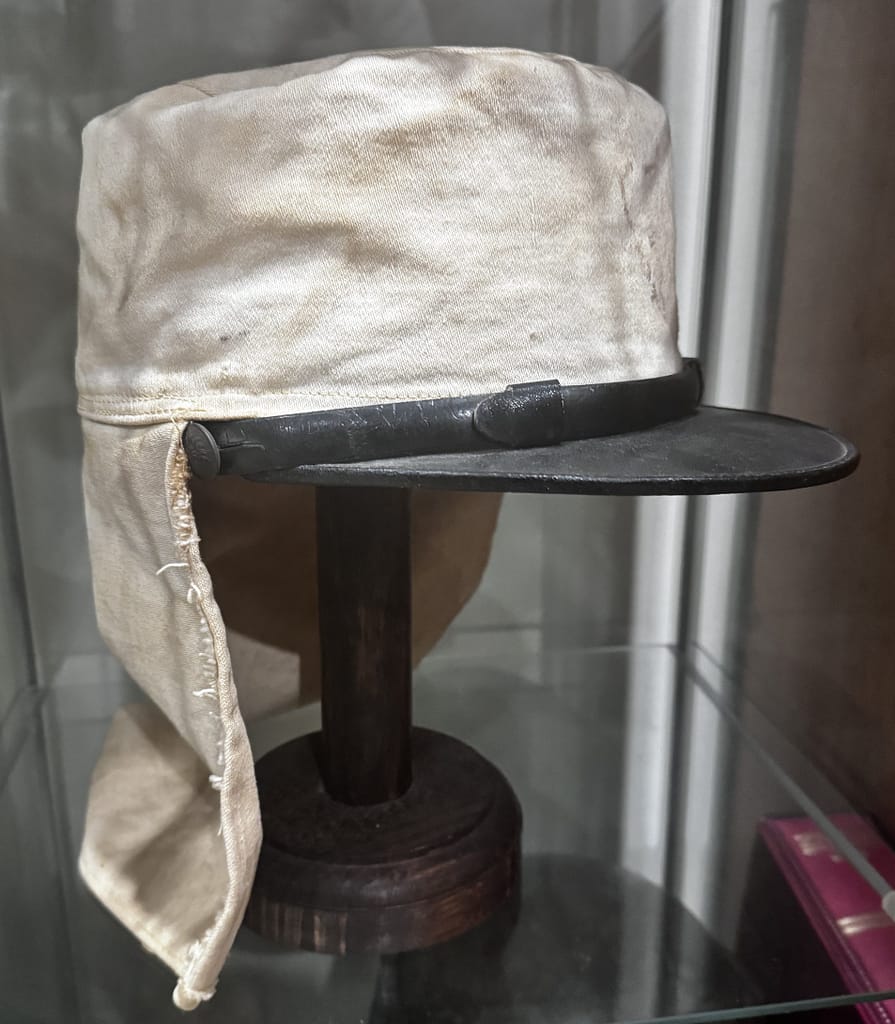
Explore original French Foreign Legion weapons, uiforms and equipment, from my personal collection
From the kepi Blanc to the M1877 Capote and TAP 47/52 camouflage, plus medals from the French colonial campaigns.
📚Recommended Reading: Foreign Legion
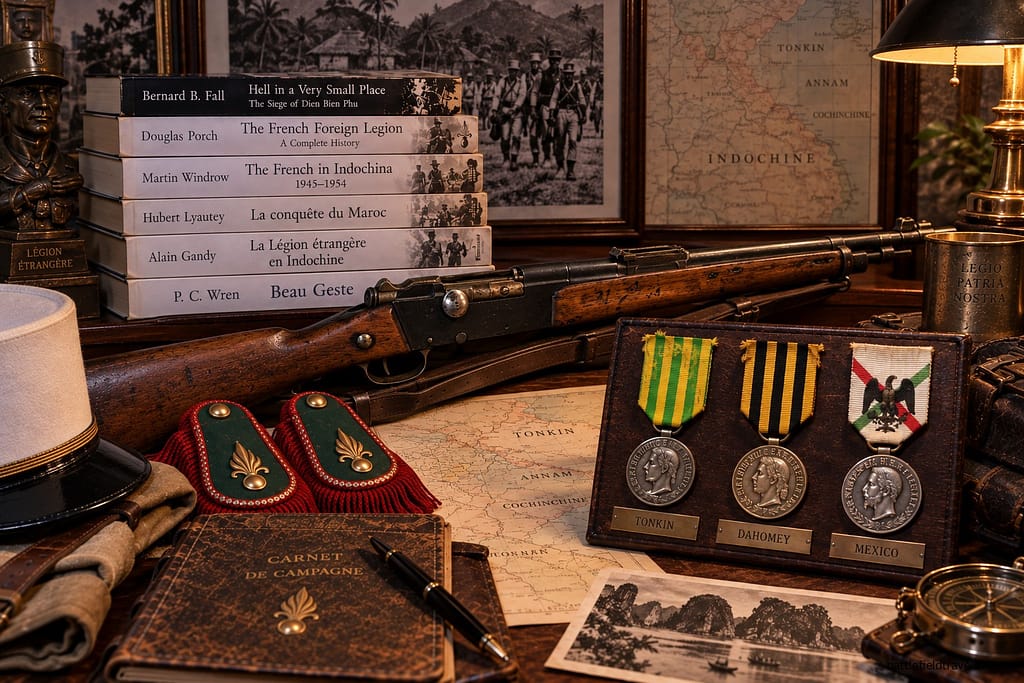
A curated reading list covering Campaigns of the Foreign Legion . The reading list currently focuses on Tonkin Campaign and Indochina War but will continue to grow as I publish new studies and draw upon new resources.
❓French Foreign Legion Quiz
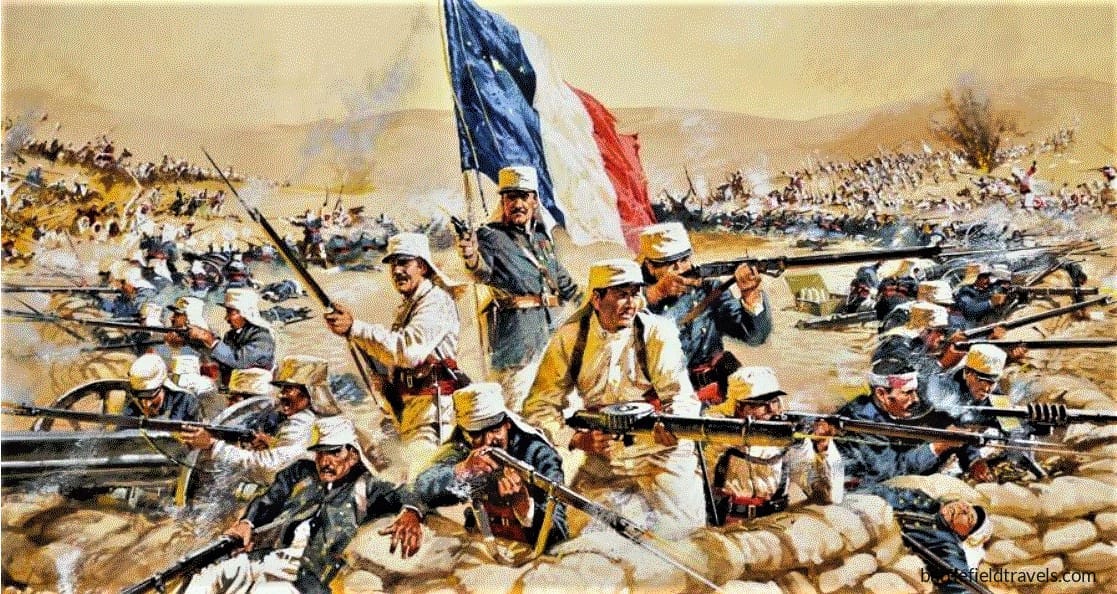
For almost 200 years, the Legion has fought in campaigns from Algeria and Mexico to Madagascar, Indochina and France itself. Test your knowledge with 20 questions , spanning the history of the Legion from its founding in 1831 to the modern era.
Battlefield Studies: the French Foreign Legion
In-depth battlefield analyses based on terrain, primary sources, and on-the-ground exploration.
-
⚔️🔒Son Tay Campaign, Tonkin,
11-17 December 1883
The Son Tay Campaign in December 1883 was part of a series of escalatory conflicts between Chinese and French colonial forces in Tonkin (northern Vietnam) over teh period 1873-1885. For the French, the main protagonist was Liu Yongfu’s Black Flag Army, although Chinese regular forces played an increasing role as the conflict developed. Vietnamese forces…
-
⚔️🔒Ambush at Bắc Lệ, Tonkin,
23-24 June 1884
In June 1884, a French column under Lieutenant Colonel Alphonse Dugenne, comprised of about 465 French troops and 284 Tonkinese auxiliaries, with a supply column of local ‘coolies’ and baggage mules, was attacked by a much larger Chinese regular force near Bắc Lệ, on the road from Phu-Lang-Thuong to Lang Son. The attack was the…
-
⚔️🔒Siege of Tuyên Quang, Tonkin, 24 Nov 1884 – 3 March 1885

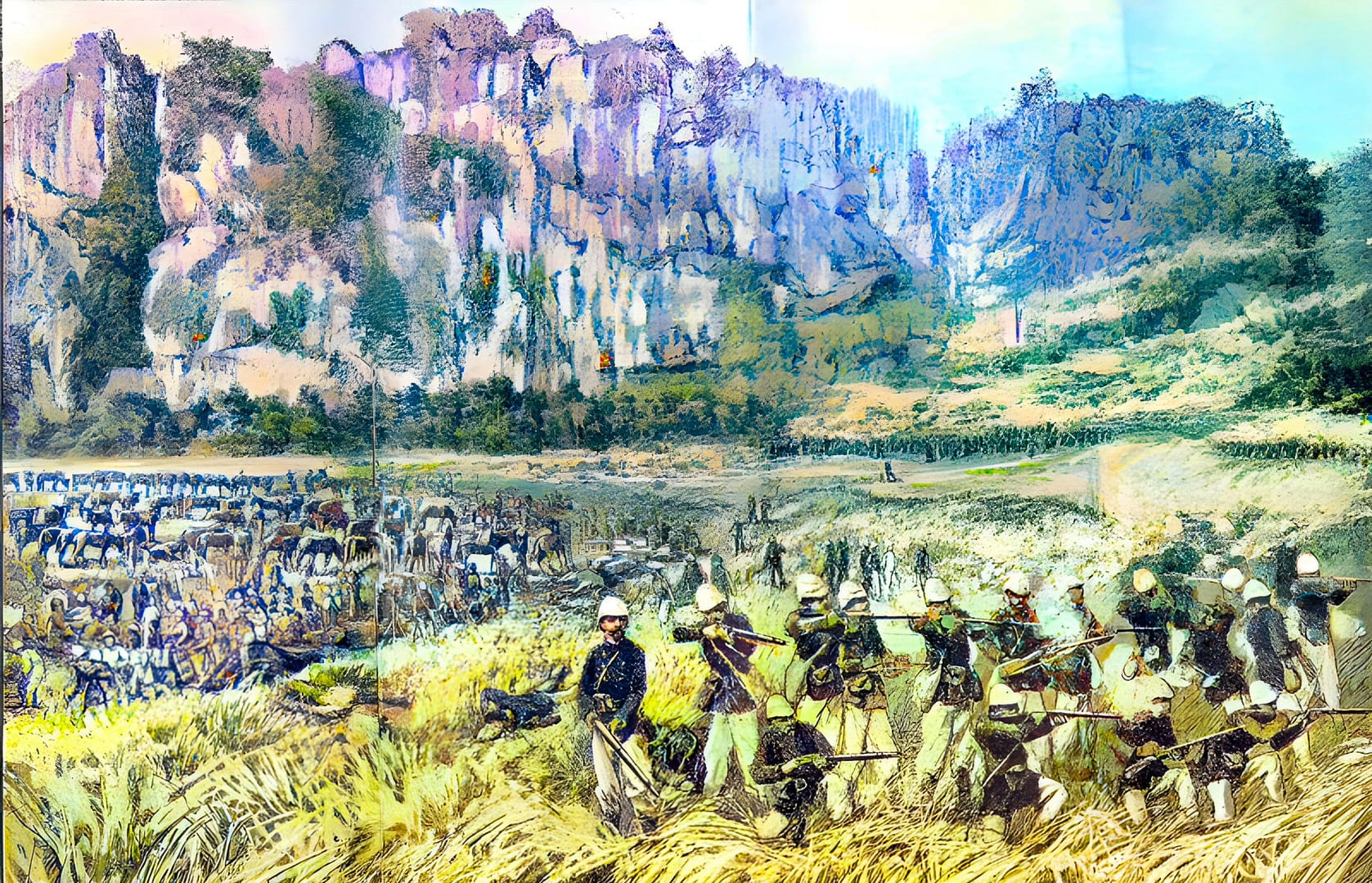
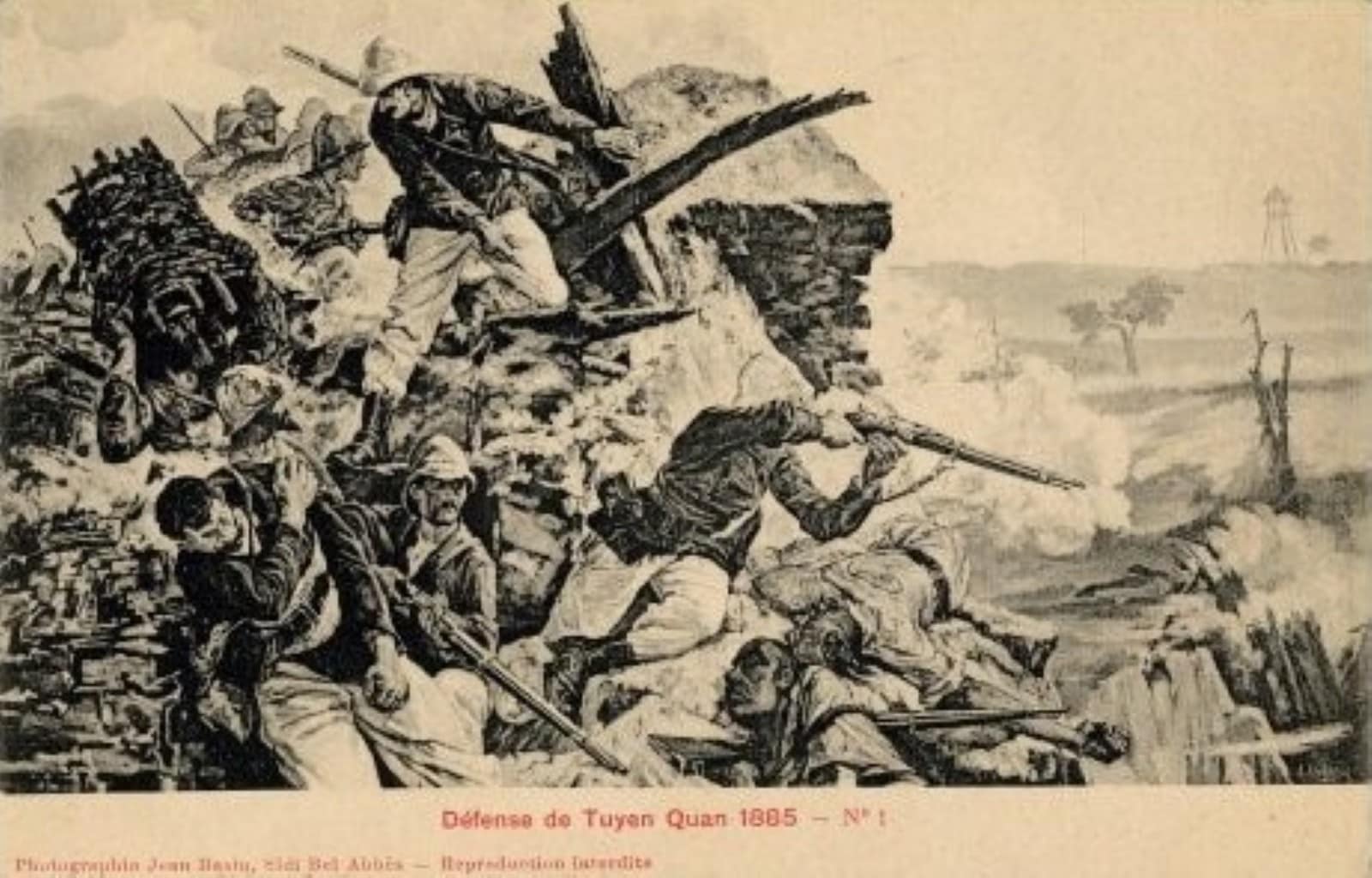
From November 1884 to March 1885, 630 French troops of the Foreign Legion, Marines and Tonkinese Riflemen, held the citadel of Tuyên Quang against a force of 15,000 Chinese and Black Flag Army troops. Their endurance, and Colonel Giovanninelli’s epic relief march, made the siege one of the Foreign Legion’s most legendary battles.
-
⚔️🔒Battle of Hòa Mộc, Tonkin, 2-3 March 1885

The Battle of Hòa Mộc Was the fiercest and most costly battle of the Sino-French War. The battle was fought just a few kilometres south of besieged Tuyên Quang, as Colonel Laurent Giovanninelli’s 3,400 man force made a 300 km forced march to relive the siege, and cleared the final Black Flag position between themselves…
-
📝 🔒Bjerkvik, 13 May 1940 — The Foreign Legion’s amphibious assault at Narvik

On the night of 12–13 May 1940, two battalions of the French Foreign Legion’s 13e Demi-Brigade (13e DBLE), supported by British warships and French light tanks, landed on the shores of Herjangsfjord at Bjerkvik, north of Narvik. Their objective was to outflank German positions blocking the Allied advance south from Gratangen, disrupt German communications and…
-
⚔️🔒Operation LÉA,
(Việt Bắc Campaign), Tonkin,
Oct–Nov 1947
In the autumn of 1947, the French Far East Expeditionary Corps launched Operation LÉA, one of the most audacious operations of the Indochina War. The operation aimed to strike deep into the Việt Bắc, the mountainous sanctuary of northern Tonkin, with the explicit objective of capturing Hồ Chí Minh, dismantling the enemy’s political and military…
-
⚔️🔒Battle of Phủ Tông Hoá, Tonkin, 25 July 1948

The Battle of Phủ Thông Hoá was a small but significant milestone in the French Indochina War. For the French Foreign Legion, it was yet another heroic but costly defence of an isolated outpost against overwhelming odds. The battle entered Legion folklore alongside legendary stands like Camerone and Bir Hakeim. Although the Legion retained control…
-
⚔️🔒Battle of Route Coloniale 4,
(Cao Bang Ridge Disaster),
16 Sep-18 Oct 1950
The Battle of Route Coloniale No. 4 (Cao Bang Ridge Disaster) was one of the worst military defeats in the history of colonial wars, with a French force of ~6,000 troops destroyed. The battle took place along a 137km section of RC4 between Lang Son in the south and Cao Bang in the north. The…
-
⚔️🔒Operation HIRONDELLE, (Raid on Lạng Sơn), Vietnam,
17-21 July 1953
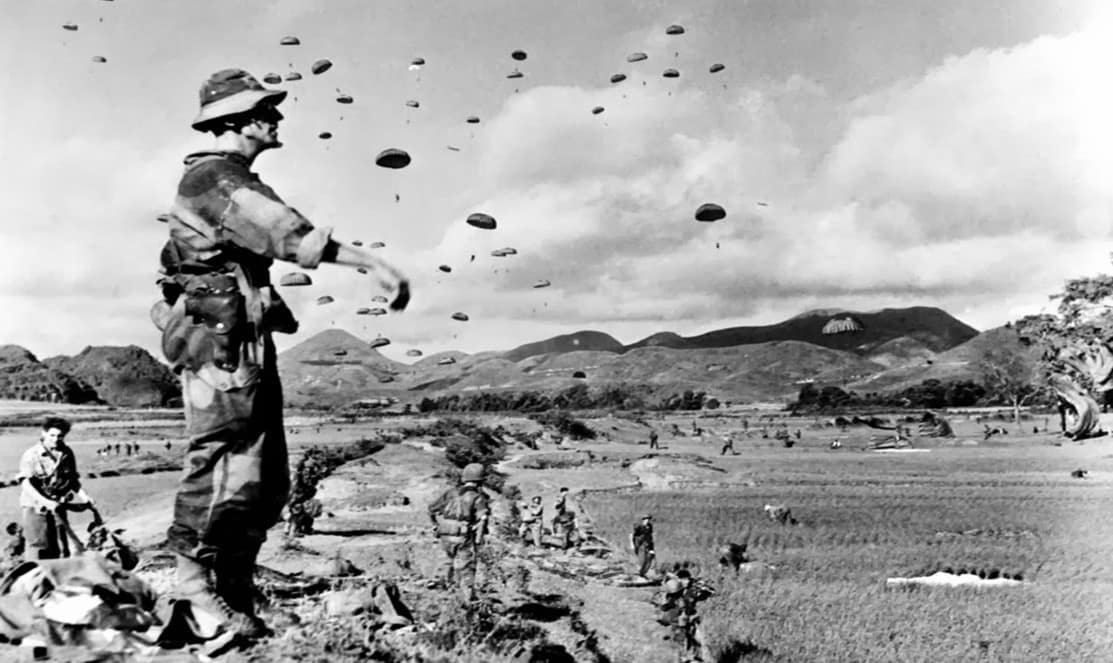
Operation HIRONDELLE, 17 July 1953. The French High Command in Indo-China, acting on time-sensitive intelligence, deployed 2000 paratroopers more than 100km behind enemy lines, destroyed a major Viet Minh logistic hub, then deployed another parachute battalion, a mechanised brigade, and a Naval task force to get them out again. All in the space of 72…
-
⚔️ Battle for Dien Bien Phu, Vietnam,
13 March – 7 May 1954
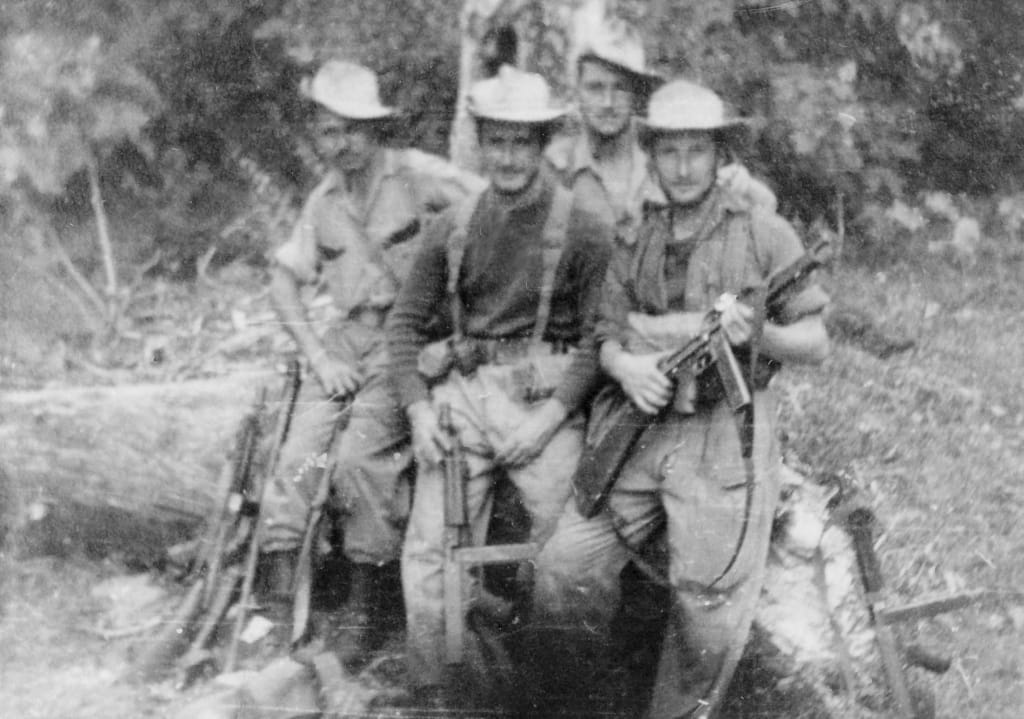
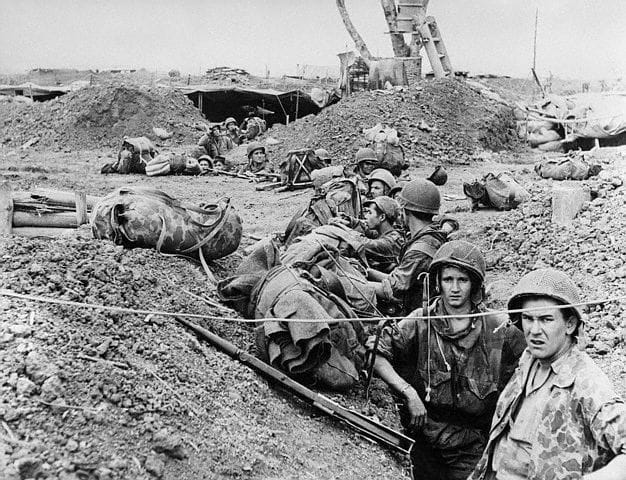
It is difficult to understand the French decision in November 1953 to insert a divisional-sized force into the remote highlands of northern Vietnam. Although the force comprised only about 5% of the French expeditionary forces in Indo-China, it was the best 5%, and ultimately included most of the available parachute battalions from the strategic reserve.
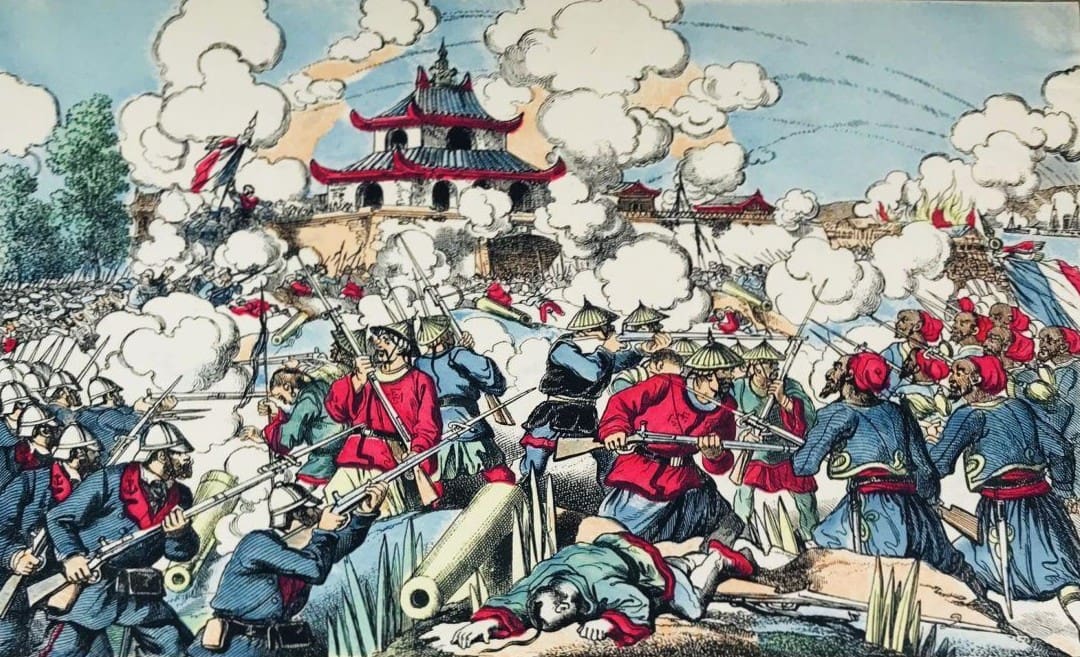


Field Notes: the French Foreign Legion
Short-form observations, terrain insights, and working interpretations from the field. Some posts require access.
-
📝🔒 Field Note: Battle of Nghĩa Lộ, Tonkin, Sep-Oct 1951 – the hilltop positions at Ba Khe

April 2025. Ba Khe, near the village of Cát Thịnh, Yên Bái Province, Vietnam. I am exploring the old Route Coloniale 13 west of Yen Bai, retracing the ground fought over during the October 1951 battle for Nghĩa Lộ. This is steep, broken country. The road winds through narrow valleys, overlooked by sharply rising hills,…
-
📝🔒 Field Note: Battle of Nà Sản, Vietnam, 23 Nov – 10 Dec 1952

April 2025. Nà Sản, Vietnam. Our next stop was at the old fortified ‘hedgehog’ of Nà Sản, just east of Son La. The French and Viet Minh fought a massive battle here in late 1952, the outcome of which convinced the French that holding a remote airbase and using superior French firepower to defeat enemy…
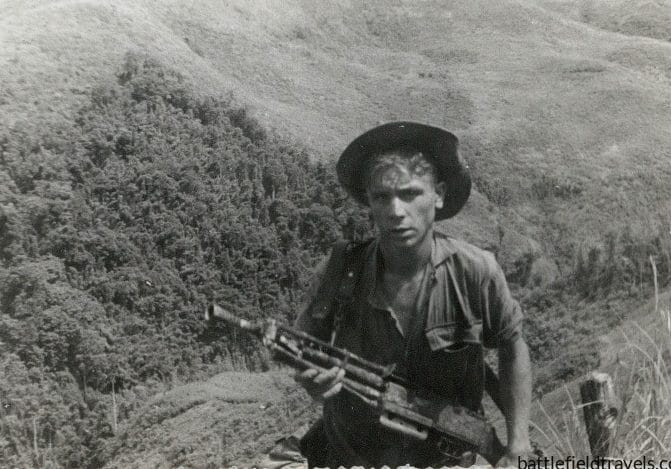

Authored by Mick Prictor, a retired military officer with 40 years’ service, and a military historian specialising in terrain-focused analysis of tactics, doctrine, and command decision-making in land warfare. His work draws on extensive battlefield fieldwork—more than 280 sites worldwide—and one of the world’s largest private collections of historic military arms, uniforms, and equipment. About me
⚔️ Go deeper — Members get exclusive access to the Deep Research Collection, Field Notes, and monthly Research Dispatches. Try membership free for 7 days, cancel anytime. From $9/month.
Selected Legion items from my personal collections
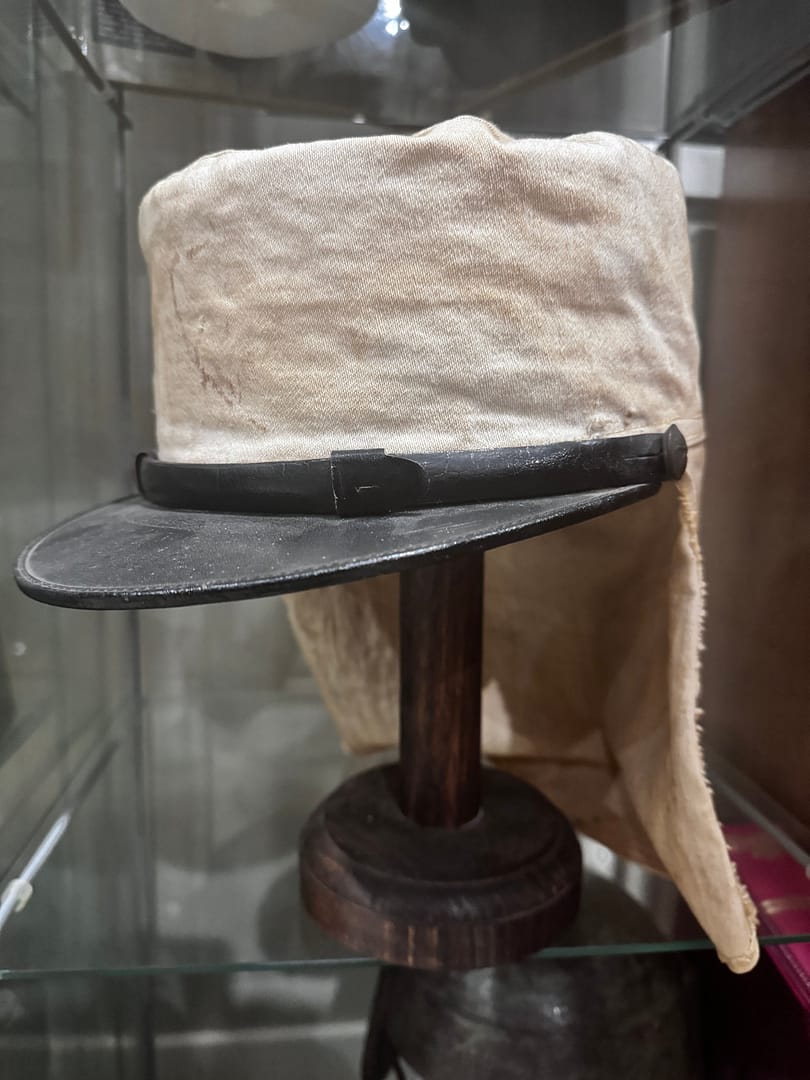
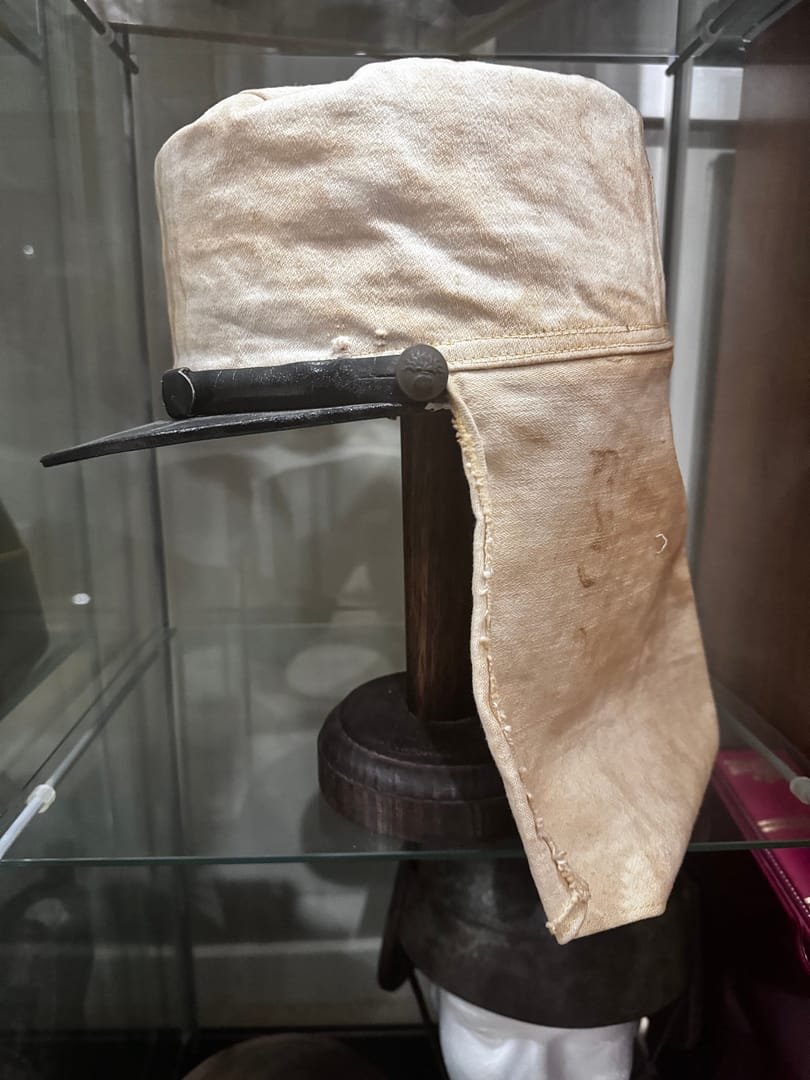
French Foreign Legion Kepi Moutarde and white cover, from my personal collection.
The iconic kepi moutarde (mustard-coloured Foreign Legion kepi) with removable white sun cover was standard wear during France’s North African campaigns of the 1920s, including the violent Rif War in Morocco. The mustard wool body and red piping identify the Legion’s pre-WWII colour scheme, while the white cover provided solar protection during desert operations. Hard-used Legion kepis from this period are rare: they were field-worn in extreme conditions and often replaced in service. This example reflects the Legion’s harsh interwar expeditionary deployments.


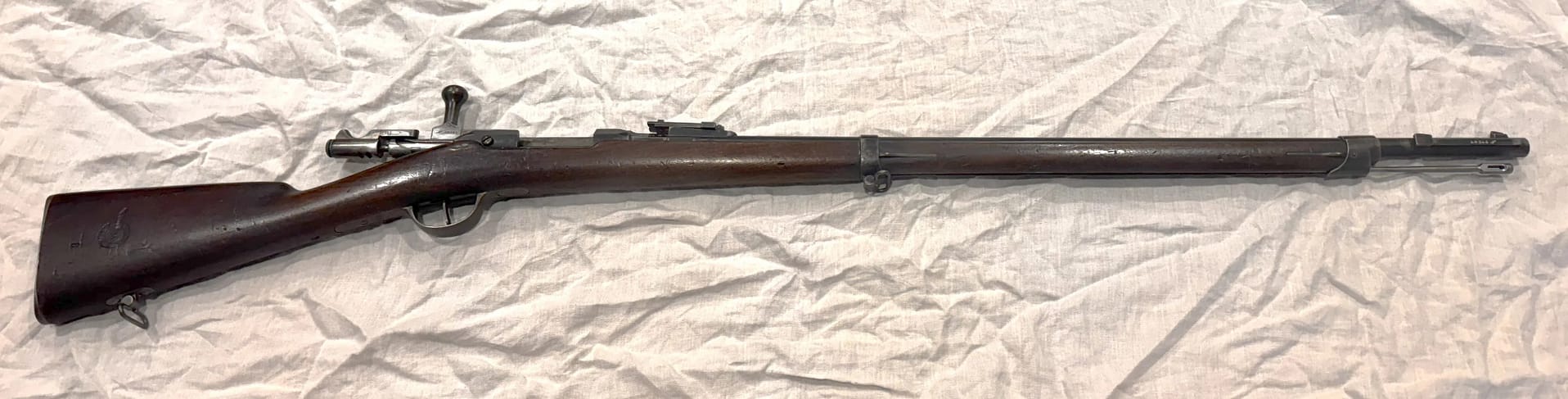
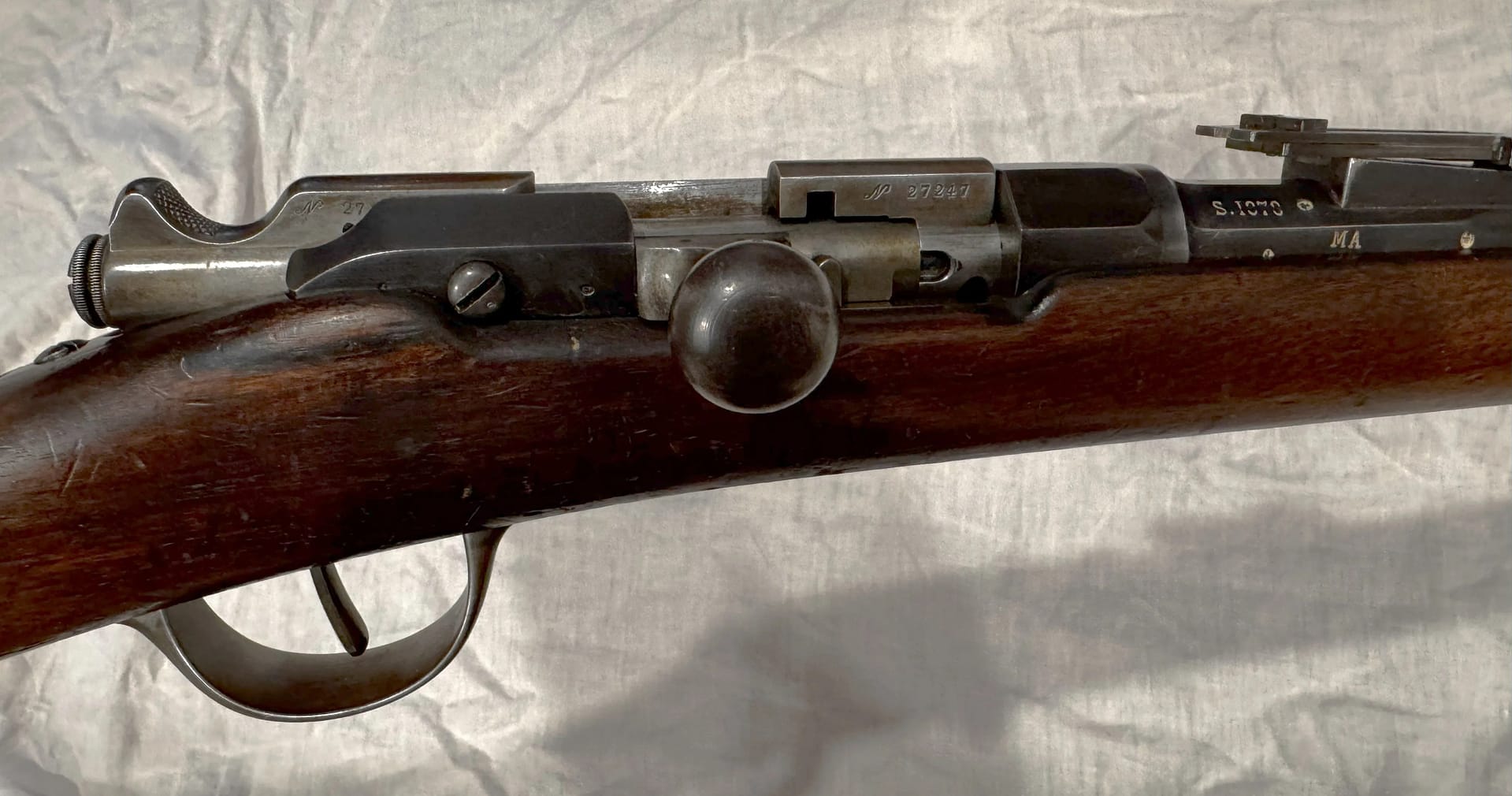
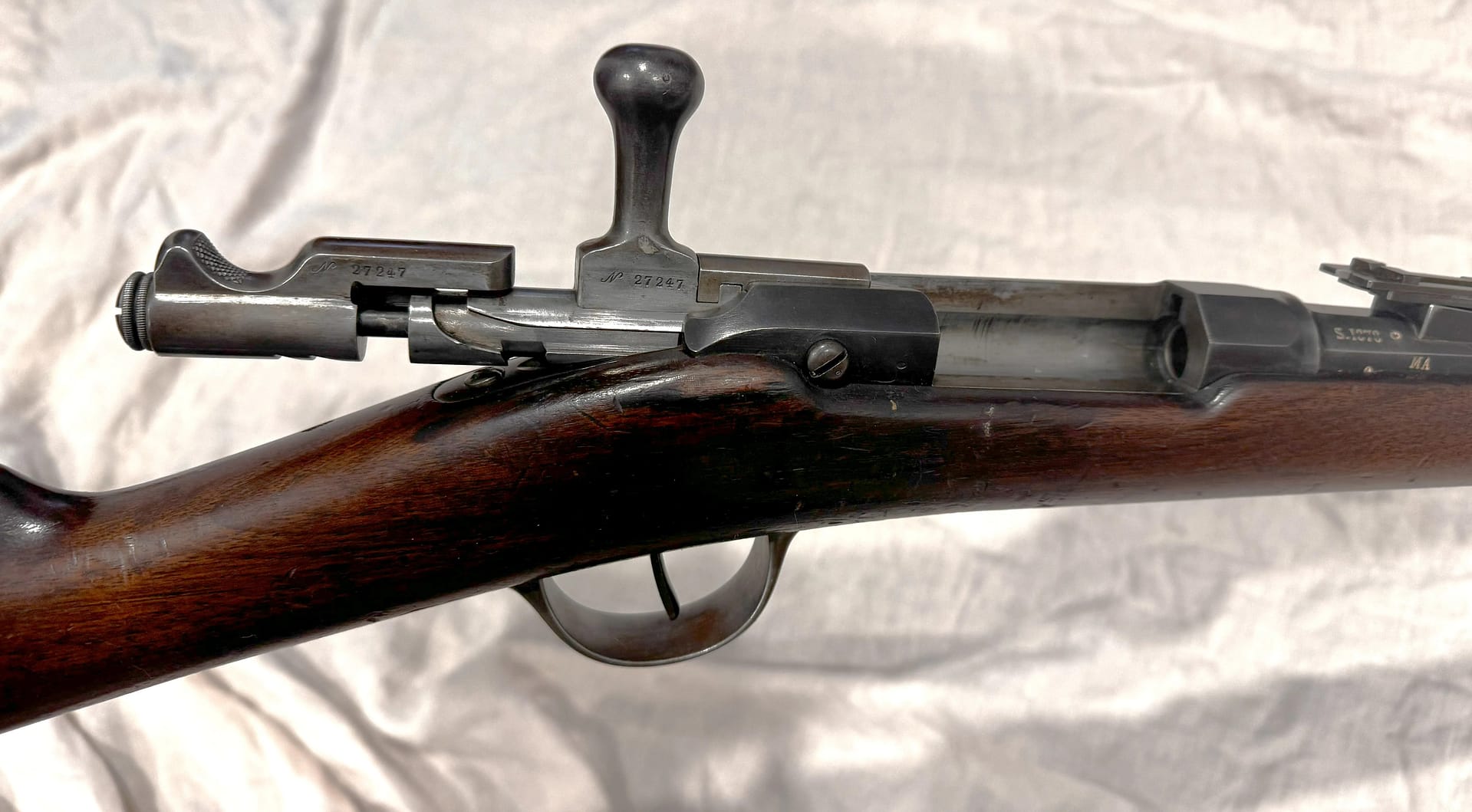
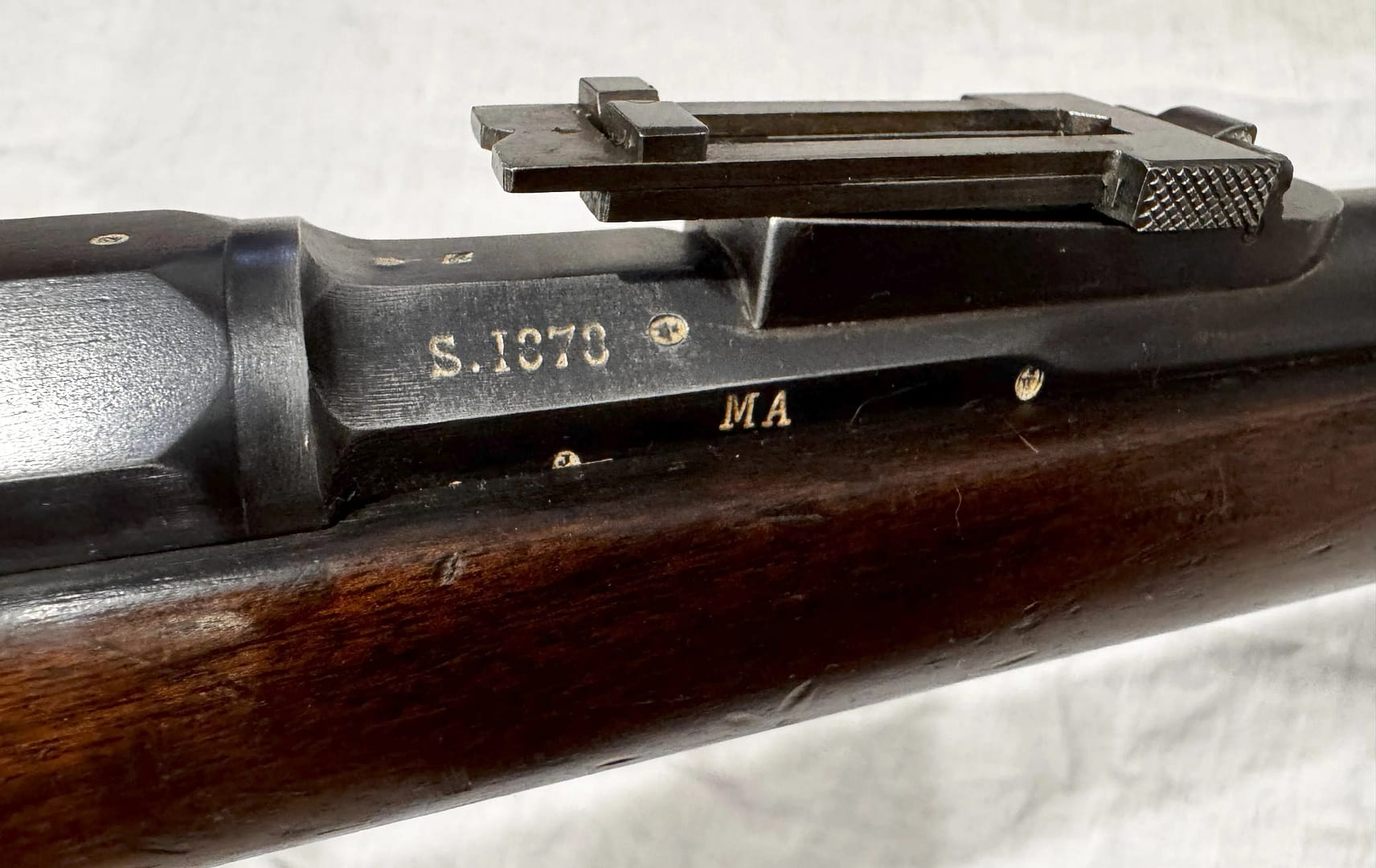
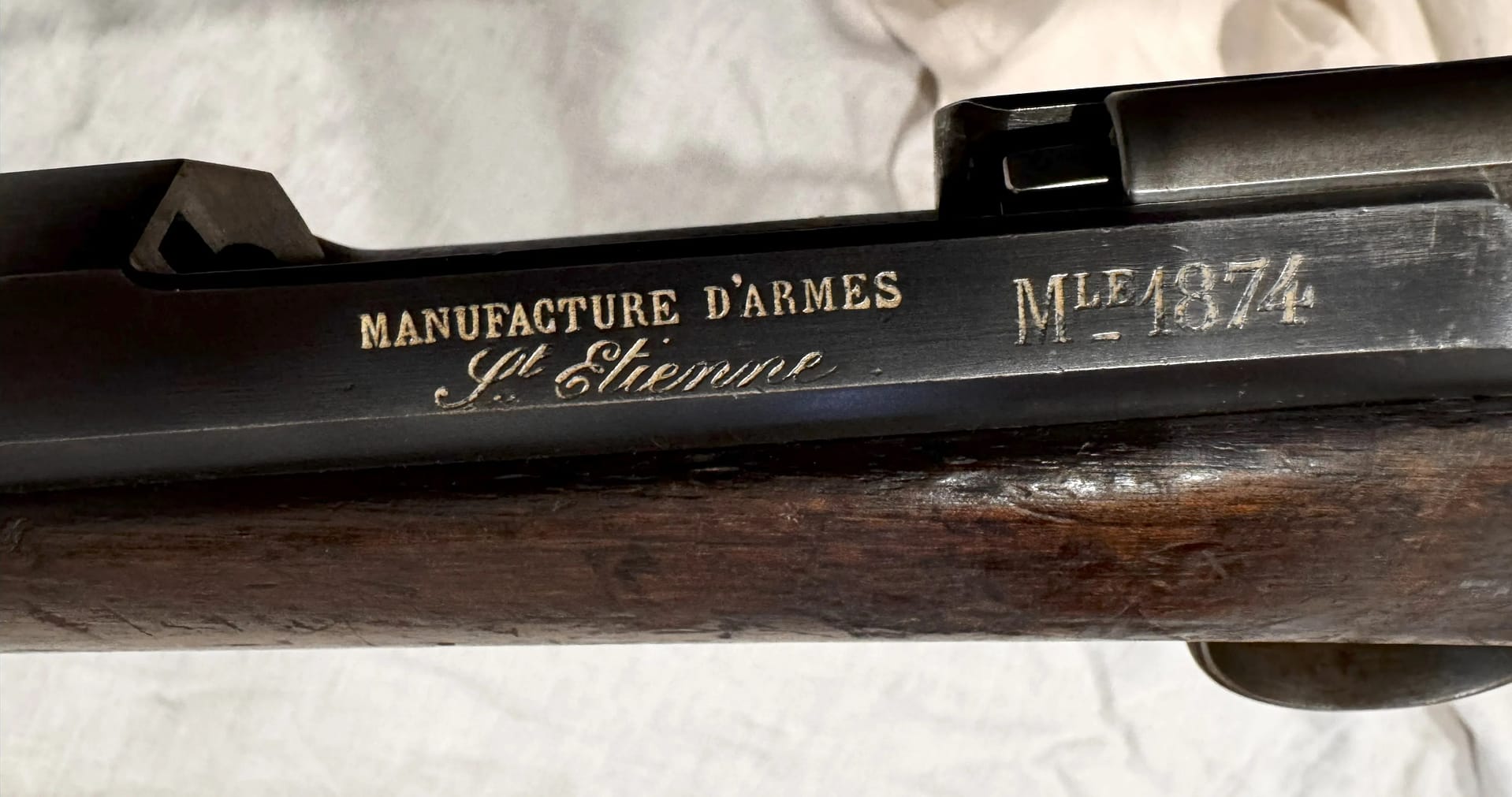
Model 1874 Fusil Gras, 11 x 59mmR, from my personal collection.
The French Model 1874 Gras was the first purpose-built metallic-cartridge infantry rifle adopted by France, chambered for the powerful 11×59mmR Gras round. Developed from the Chassepot bolt-action system, it replaced the paper-cartridge mechanism with a strengthened bolt, extractor, and all-steel receiver. Issued widely across metropolitan, colonial, and Foreign Legion units, it served in North Africa, Indochina, and the early phases of the Great War with second-line and Territorial troops. Robust, accurate, and simple to maintain, the Gras became one of France’s most widely distributed 19th-century rifles.
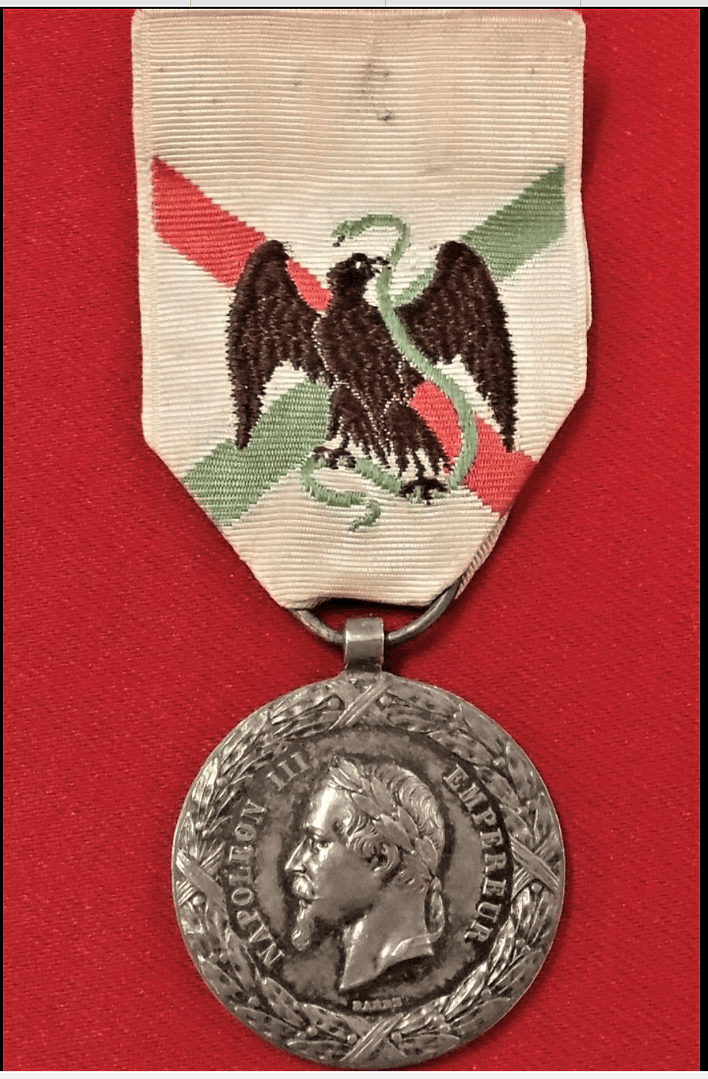
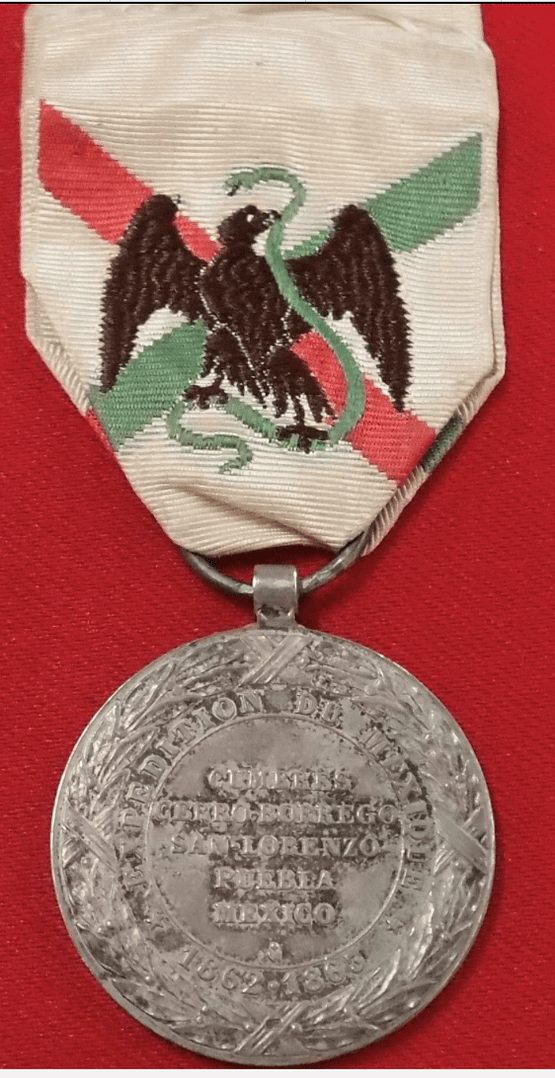
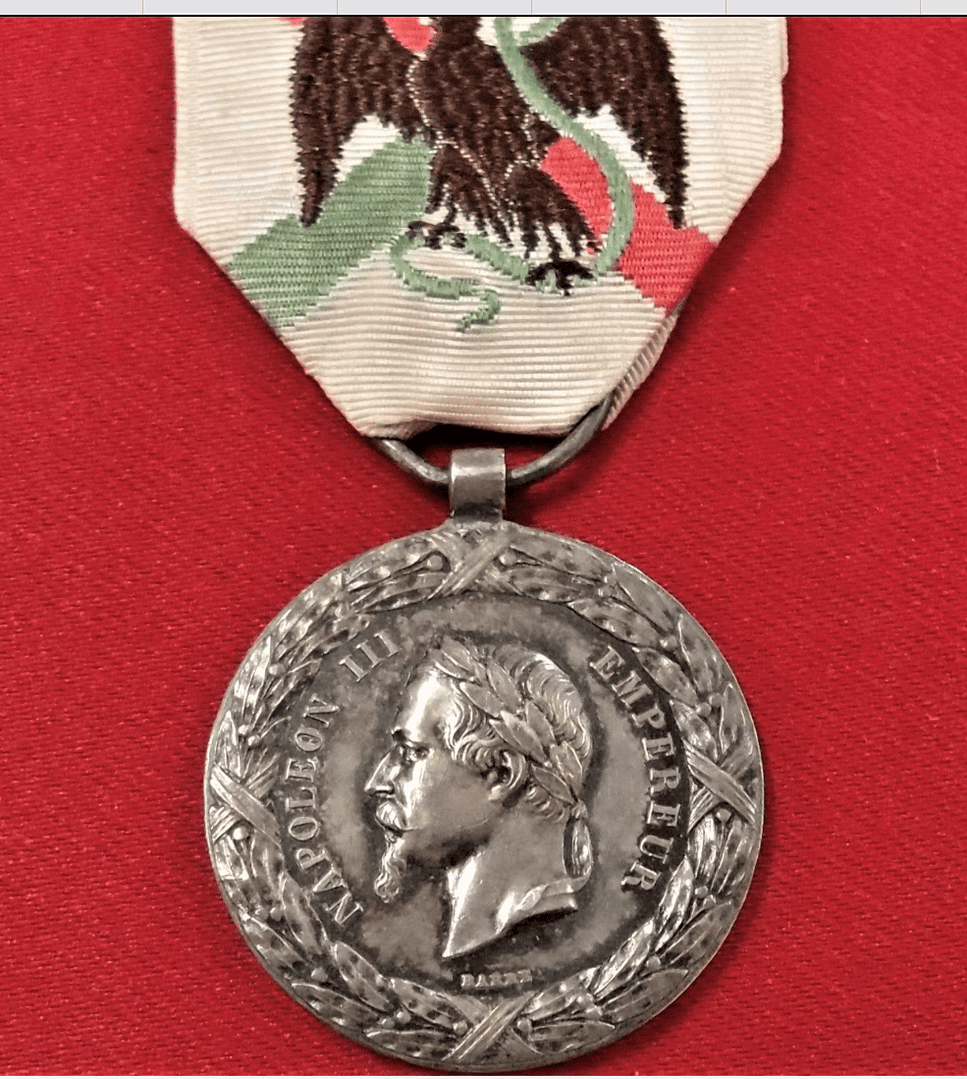
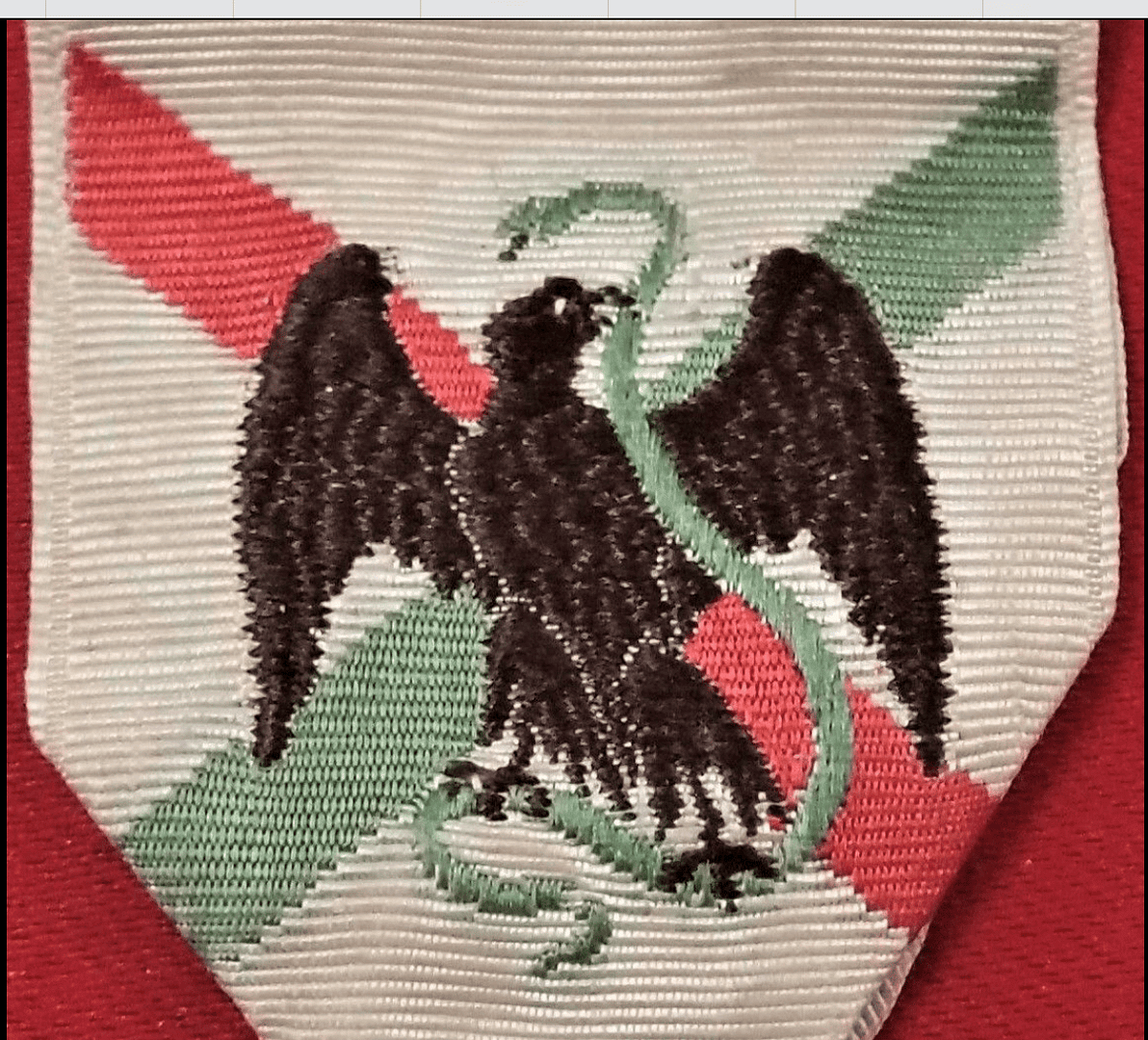
French Campaign medal for the 1863-1867 Mexican Intervention, from my collection
The medal was instituted by Imperial decree on 29 August 1863 to be awarded to participants in the French Expeditionary Corps whose purpose was to create a French-dominated empire in Mexico under Archduke Maximilian of Austria. Battle of Camerone. The Médaille de la Campagne du Mexique commemorates French service during the Mexican Intervention, where expeditionary troops attempted to install Emperor Maximilian I. Awarded to Foreign Legion, Marine Infantry, cavalry, and line units, the medal marks actions at Puebla, Mexico City, and numerous hard-fought guerrilla engagements. Service in Mexico was notoriously harsh, marked by disease, ambush warfare, and extreme climate. The medal remains strongly associated with the Legion’s legendary stand at Camerone (30 April 1863).
Recommended Reading


📚 Further Reading
This battle study nests within the broader analytical framework explored in the Research Hub, where operational methods, operating environments, armies, commanders, and weapons are examined across conflicts and eras. The links below connect related studies across the wider body of battlefield analysis on the BattlefieldTravels site.
Explore hundreds of firsthand battle studies across 2500 years of history
⚔️ Explore all Foreign Legion Battle Studies
Historic weapons and equipment from my persoanl collection covering 500+ years of military history
🏛️Explore the historic weapons and equipment from France’s colonial campaigns
A curated selection of recommended reading, covering all eras of military history
📚 Recommended Reading – Tonkin Campaign
📚 Recommended Reading – Indochina War
🗞️ For updates on new battlefield studies and research insights, you can subscribe to the Newsletter.
Explore Related Themes
Armies: French Army • Viet Minh • Foreign Legion • Troupes de Marine • Black Flag Army
Commanders: Liu Yongfu • General de Negrier • Vo Nguyen Giap
Methods: Ambush • Envelopment • Raid • Airborne • Riverine
Environments: Forest Warfare • Mountain Warfare
Further Study: Tonkin Campaign further reading, Indochina War further reading
Related Battle Studies, Museum Pieces & Reading Resources
 ⚔️🔒Operation LÉA,
(Việt Bắc Campaign), Tonkin,
Oct–Nov 1947
 ⚔️🔒Operation HIRONDELLE, (Raid on Lạng Sơn), Vietnam,
17-21 July 1953
 ⚔️🔒Ambush at Bắc Lệ, Tonkin,
23-24 June 1884
 ⚔️🔒Battle of Route Coloniale 4,
(Cao Bang Ridge Disaster),
16 Sep-18 Oct 1950
 ⚔️🔒Son Tay Campaign, Tonkin,
11-17 December 1883
 ⚔️🔒Battle of Phủ Tông Hoá, Tonkin, 25 July 1948
The Legion was established on 10 March 1831 by King Louis-Philippe as a professional, permanent corps intended for overseas service. Its initial deployments were in Algeria, where it began developing its reputation for cohesion, long marches, and fighting in harsh terrain.
Key formative campaigns included the Carlist Wars in Spain (1835–1839), operations in Algeria, the Crimean War, the Italian campaign of 1859, and the Mexico Expedition—where the stand at Camerone (1863) became the Legion’s defining legend.
The Legion served across the French empire: in Tonkin against the Black Flag Army, in Dahomey and Madagascar, and throughout North Africa and Morocco. These campaigns demanded small-unit leadership, rapid movement, and the ability to fight in mountains, jungles, and deserts.
Foreign volunteers and Legion battalions fought on the Western Front, suffering heavy casualties in trench warfare and the major offensives of 1914–1918. Many later Legion legends were born from this period.
Legion regiments fought in Tonkin, Annam, and Cochinchina from 1946 to 1954. Major engagements include Route Coloniale 4 (1950), the Red River Delta battles, the That Khê–Đông Khê corridor, and Dien Bien Phu, where the Legion’s 1er BEP and 2e BEP were destroyed and re-formed.
Yes. From 1954 to 1962, the Legion fought in counter-insurgency operations, mountain warfare in the Aurès and Kabylia regions, sector security, and border control along the Morice Line.
Modern Legion units remain elite contributors to French operations worldwide, particularly in Africa and the Middle East. They specialise in rapid deployment, desert and jungle warfare, and stabilisation operations.
Almost anyone may enlist, but selection is strict. Recruits sign under a new identity initially, undergo intensive training at Castelnaudary, and must commit to disciplined service in demanding field conditions.
The 1863 stand of 65 Legionnaires against several hundred Mexican troops became the Legion’s symbolic foundation—embodying sacrifice, cohesion, and obeying orders to the last round.
Subscribe to Battlefield Travels and receive a free E-Book Battlefield Guide
Unlock expert battlefield analysis, campaign reconstructions, and historical insights drawn from firsthand exploration and primary sources.
🗺️ You’ll receive:
🎖️ Exclusive historical insights you won’t find elsewhere
📘 A free eBook: 10 Tips for Exploring Historic Battlefields
📰 New battlefield studies straight to your inbox as they are published
⚔️ Go deeper — Members get exclusive access to the Deep Research Collection, Field Notes, and monthly Research Dispatches. Try membership free for 7 days, cancel anytime. From $9/month.