Reconstructing Seven Years War (French and Indian War) battlefields through terrain analysis, primary sources and on-site research
EXPLORE: BATTLES | WEAPONS | READING | QUIZ
Walking the battlefields of the Seven Years War
The Seven Years War (1756–1763) was the first truly global conflict—fought simultaneously in Europe, North America, the Caribbean, India and West Africa. No earlier war saw so many armies manoeuvring across such diverse theatres, from the forests and lakes of North America to the sugar islands of the Caribbean and the open plains of central Europe. Although sparked by dynastic tensions, it became a struggle for continental dominance, imperial expansion and control of global trade routes.
Global theatres of the Seven Years War
In Europe, Frederick the Great fought for Prussia’s survival against an encircling coalition of Austria, France, Russia, Sweden and the Reichsarmee. Here, in Silesia and Bohemia, the war unfolded across villages, vineyards, low ridgelines and river valleys—terrain that became the proving ground for mid-18th century manoeuvre warfare. BattlefieldTravels focuses particularly on this theatre, walking the ground at places such as Lobositz, Chotusitz, Kolín, Leuthen, Hohenfriedberg and others, combining period maps, contemporary accounts and modern GIS tools to understand how these battles were fought and why they unfolded as they did.
But the Seven Years War was far more than a European struggle. In North America, British, French and Indigenous forces clashed at Fort Necessity, Monongahela, Lake George, Fort William Henry, Ticonderoga, Bushy Run, Oswego, Louisbourg and dozens of frontier positions. I have walked and studied many of these sites, examining how dense forests, waterways, ravines and fortifications shaped tactics and outcomes. These studies explore how European armies adapted (or failed to adapt) to irregular terrain, indigenous fighting methods and long-distance campaigning.
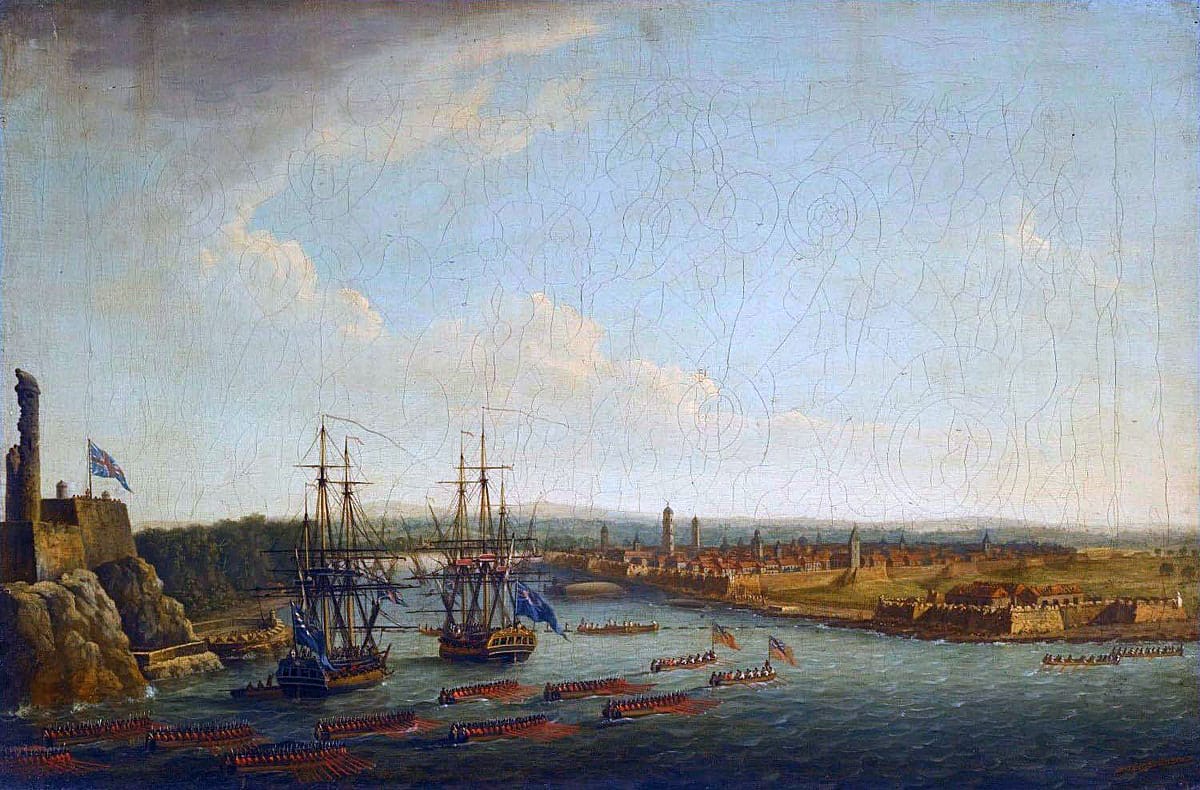
In the Caribbean, sieges and amphibious operations turned fortified harbours such as Fort San Carlos and Fort Charlotte into strategic prizes, while naval and land actions in West Africa formed part of the same contest for maritime supremacy.
Methodology for battlefield analysis
Rather than treating the Seven Years War as a sequence of victories and defeats, the BattlefieldTravels methodology is to examine how organisation, command culture, weapons, doctrine, logistics and terrain interacted across very different environments. Each battlefield study blends on-site photography, annotated maps, 3D terrain visualisations and a wide range of primary and secondary sources, providing not just a narrative of each action but a clear understanding of why events unfolded the way they did.
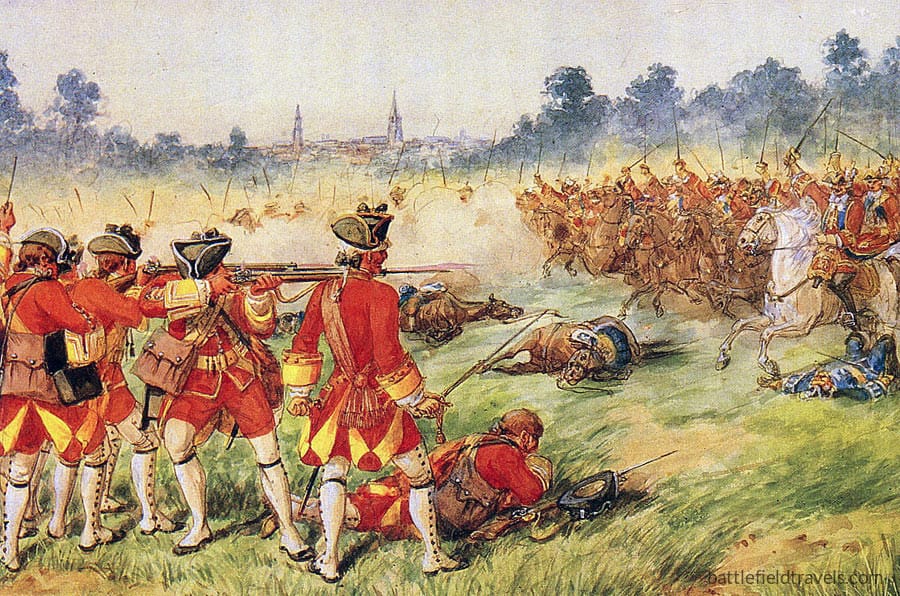
🏛️Weapons & Equipment: Seven Years’ War

Explore original weapons and equipment from the Seven Years’ War (French and Indian War), drawn from my personal collection. Muskets, pistols, swords, bayonets and military equipment from Prussia, Austria, Britain, France, America, the Netherlands and Russia — personally handled, photographed and examined by me.
📚Recommended Reading: Seven Years War
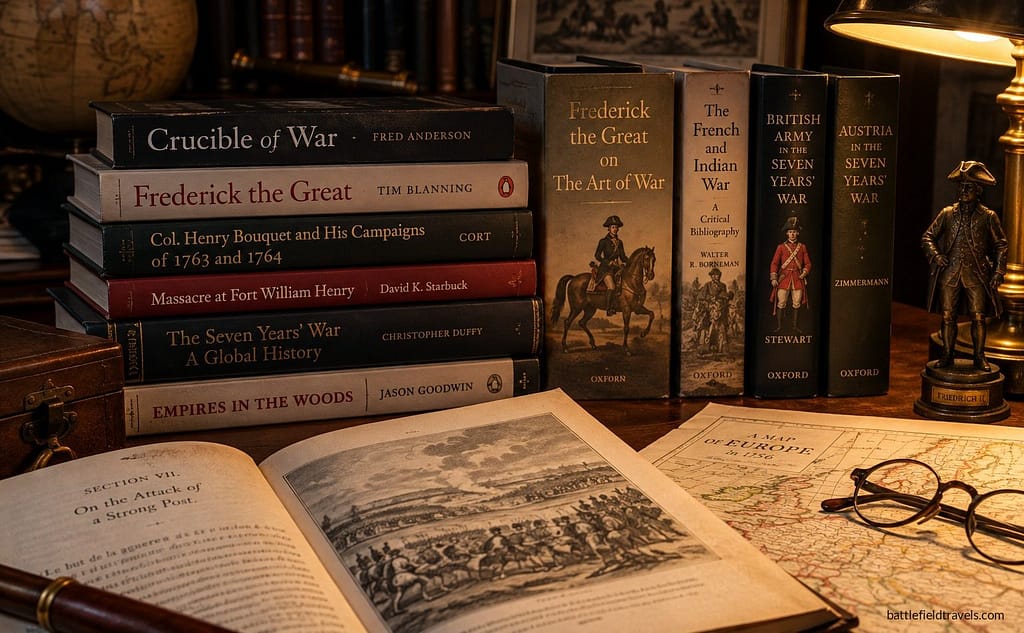
A curated reading list covering the Seven Years’ War across its European, North American and South Asian theatres. Explore campaign histories, battlefield studies, biographies, primary accounts and contemporary military writings used in the research behind Battlefield Travels.
❓Seven Years’ War (French & Indian War) Quiz
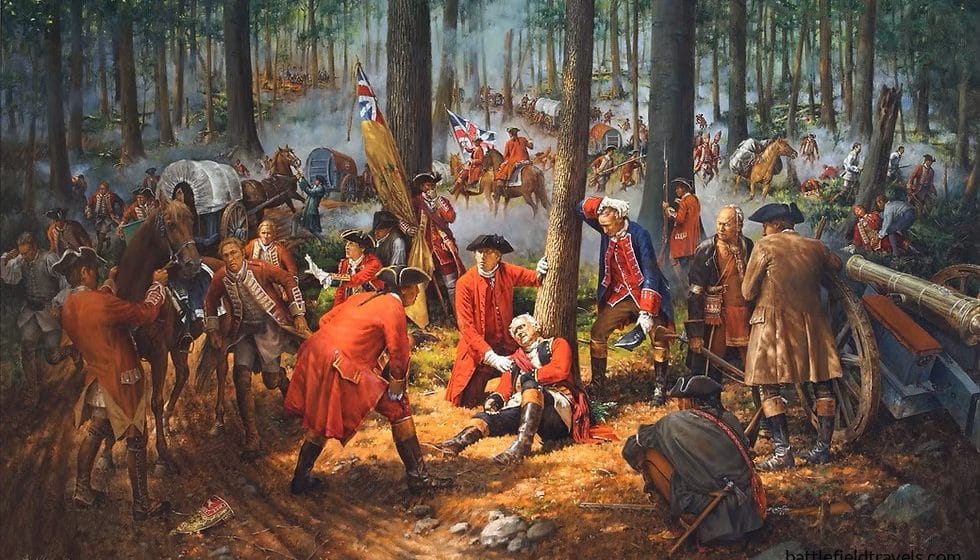
Forty questions spanning the Seven Years’ War and French and Indian War — from Frederick the Great and the struggle for Silesia to Quebec, India, Havana and Manila. Test yourself, challenge your students, or use it as a classroom resource.
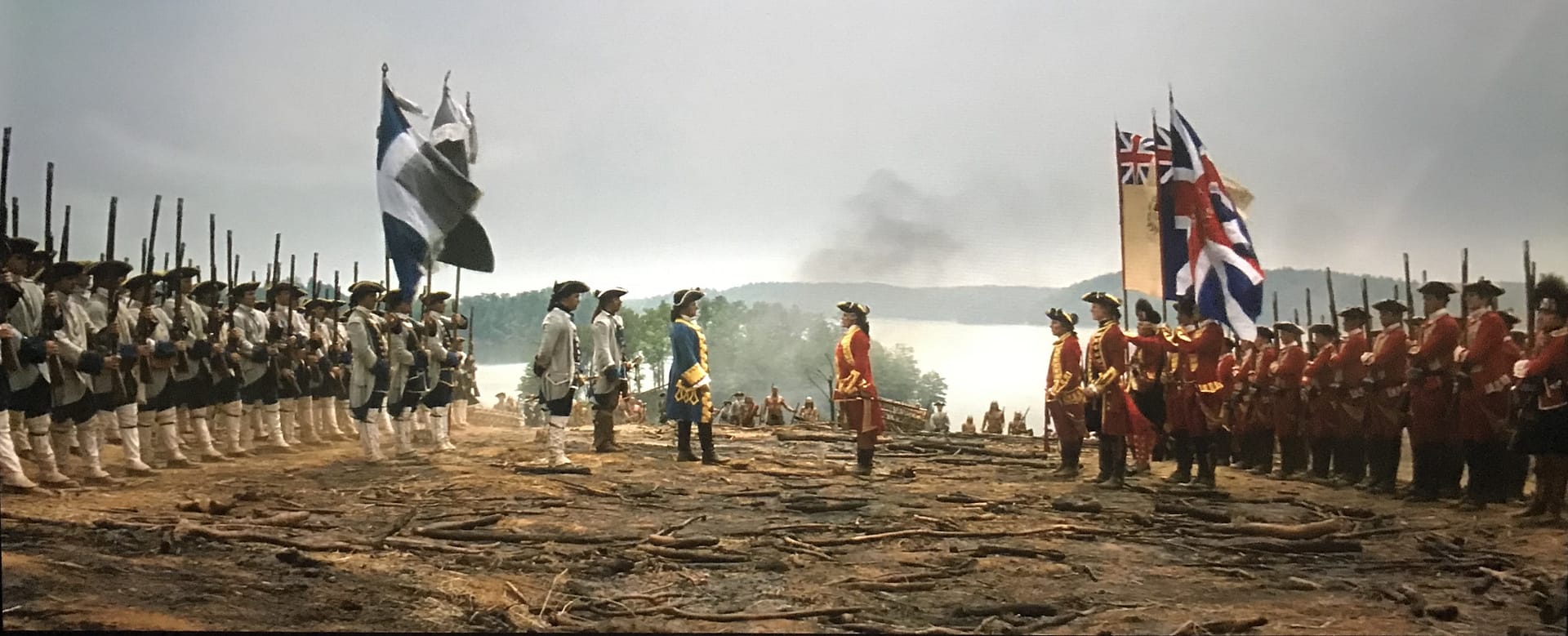
Battles: Seven Years War (French and Indian War)
Below are all current BattlefieldTravels studies for the Seven Years War, covering key battles, campaign phases and associated sites. New studies are added as further battlefields are walked and analysed.
-
⚔️ Siege of Fort William Henry, New York,
3-9 August 1757
Fort William Henry would probably be an obscure footnote in the history of the Seven Years War, except for two events. The first was the massacre of British prisoners at the hands of French-allied indian forces. The second event was the publishing in 1826 of a novel by American author James Fennimore Cooper – ‘The…
-
⚔️ Battle of Leuthen, Silesia (Poland),
5 December 1757
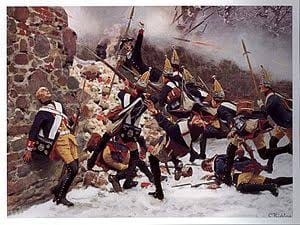
The Battle of Leuthen, 5 December 1757, is one of the great battles of history, students of military history would consider it somewhat of a pilgrimage to visit this site. After defeating a Fench/Imperial Army of almost twice its size at the Battle of Rossbach a month earlier, Frederick’s Army had marched 275km in 12…
-
⚔️ Fortress of San Carlos,
Havana, Cuba,
1763-1774
La Cabaña: Spain’s Response to the Capture of Havana! Built after the British capture of Havana in 1762, the Fortress of San Carlos de la Cabaña (1763–1774) was Spain’s answer to securing the Caribbean. The massive Vauban-style bastion complex dominated Havana harbour, served as a prison and execution ground in later centuries, and today remains…
-
⚔️ Battle of Bushy Run, Pennsylvania,
05-06 August 1763
The Battle of Bushy Run, fought on August 5-6, 1763, was a major engagement during Pontiac’s War, a widespread Native American uprising against British postwar policies in the Great Lakes region following the French and Indian War. The war was named after Pontiac, an Ottawa chief who led a coalition of tribes dissatisfied with British…


Authored by Mick Prictor, a retired military officer with 40 years’ service, and a military historian specialising in terrain-focused analysis of tactics, doctrine, and command decision-making in land warfare. His work draws on extensive battlefield fieldwork—more than 280 sites worldwide—and one of the world’s largest private collections of historic military arms, uniforms, and equipment. About me
⚔️ Go deeper — Members get exclusive access to the Deep Research Collection, Field Notes, and monthly Research Dispatches. Try membership free for 7 days, cancel anytime. From $9/month.
Explore Related Themes
Armies: Prussian Army • Austrian Army • French Army
Commanders: Frederick the Great • Count Leopold von Daun • Maquis de Montcalm
Methods: Oblique Order • Envelopment
Environments: Forest Warfare • Mountain Warfare
Further Study: Seven Years War Reading List
Related Battle Studies, Museum Pieces & Reading Resources


These studies combine terrain analysis, historical mapping, primary sources, and on-site research to reconstruct how commanders saw the ground and why battles unfolded as they did.
Key studies include Lobositz, Chotusitz, Leuthen and the wider campaigns across Silesia, Bohemia, North America, the Caribbean, and Northern Europe.
No. While Central Europe is a major focus, the accompanying research includes battlefields in North America, the Caribbean and other global theatres of the war.
Terrain analysis clarifies lines of sight, avenues of approach, dead ground, and deployment options—revealing why armies chose specific tactics, formations and timings.
Subscribe to Battlefield Travels and receive a free E-Book Battlefield Guide
Unlock expert battlefield analysis, campaign reconstructions, and historical insights drawn from firsthand exploration and primary sources.
🗺️ You’ll receive:
🎖️ Exclusive historical insights you won’t find elsewhere
📘 A free eBook: 10 Tips for Exploring Historic Battlefields
📰 New battlefield studies straight to your inbox as they are published

⚔️ Go deeper — Members get exclusive access to the Deep Research Collection, Field Notes, and monthly Research Dispatches. Try membership free for 7 days, cancel anytime. From $9/month.