Dispatches go out monthly. If you are reading this as a forwarded copy and would like to subscribe, you can do so at BattlefieldTravels.com.
Research Dispatch — From Guadalcanal to Narvik
The past few months have included intensive fieldwork, writing and several longer-term projects beginning to come together. My recent work has remained heavily focused on research, preparation and fieldwork in Guadalcanal, while several major studies from earlier fieldwork in Vietnam and South Africa have progressed to publication.
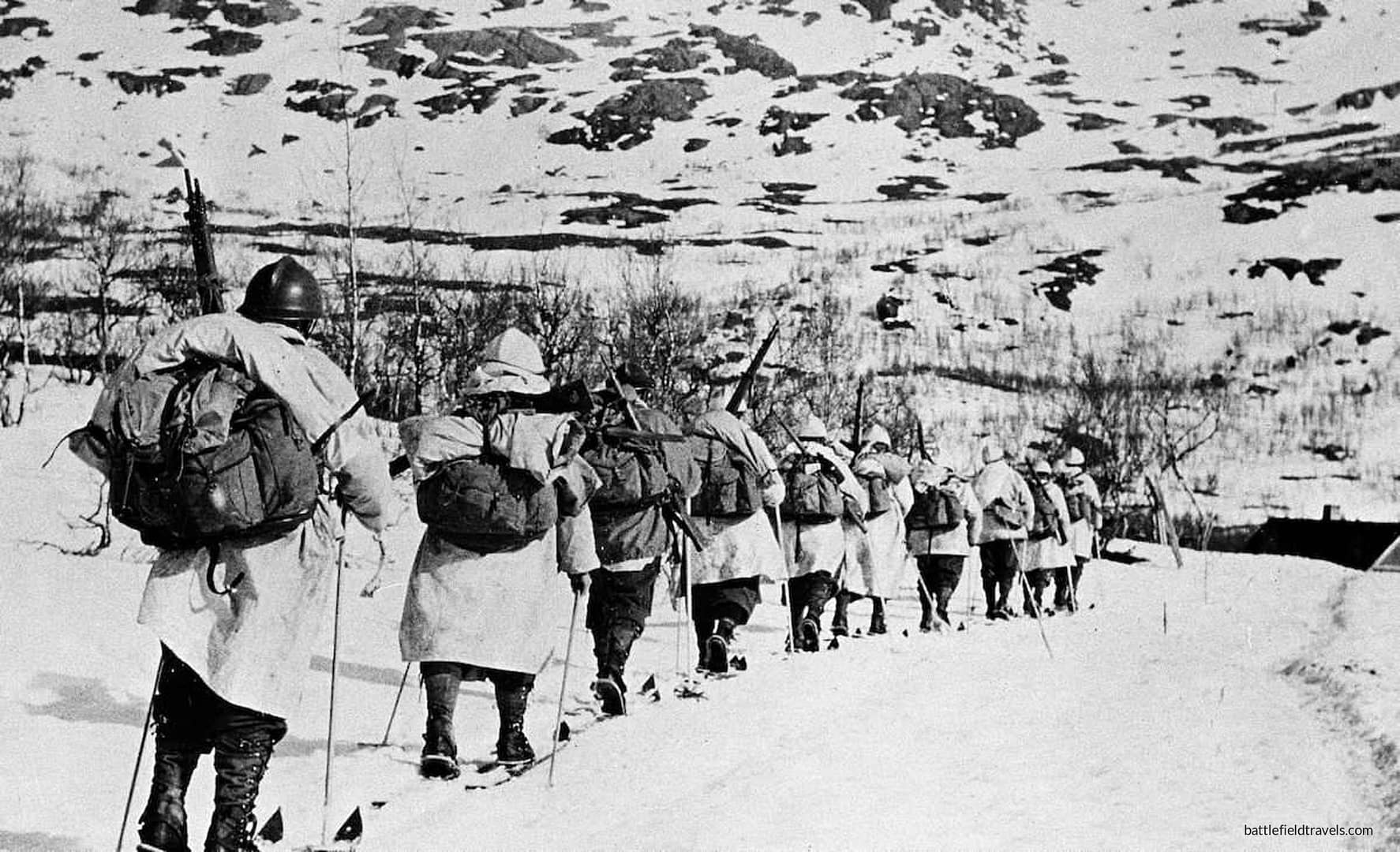
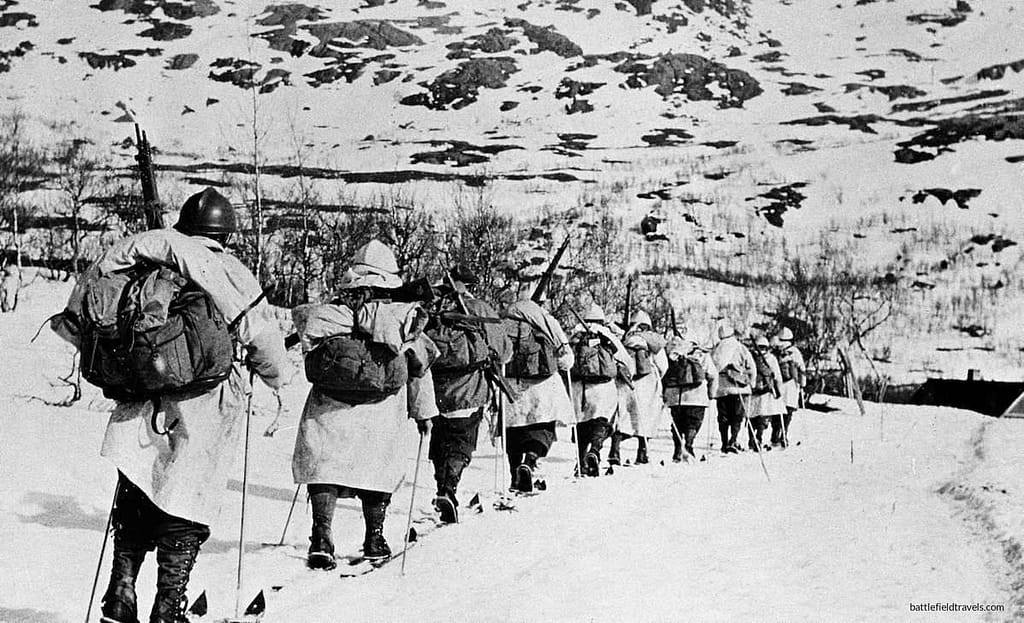
The next period of fieldwork represents another substantial shift in geography and era: Viking and Anglo-Saxon England, the Norman Conquest, the Wars of the Roses and the English Civil War, before eventually heading north to one of the most fascinating campaigns of the Second World War—the Narvik Campaign, 1940.
Looking Back at Guadalcanal
My recent Guadalcanal fieldwork continues to feed into the research. Walking the ground reinforced something that maps alone do not reveal. The 1942–43 campaign was fought across a surprisingly compact region, about 15km from west to east and no more than about 6km from the coast. The single most important terrain feature of the Guadalcanal Campaign was the alluvial plain around the Lunga River. This is the only area in the Solomons flat enough to host a major airfield. The Japanese started building one, the Americans took it from them, and the Japanese spent six months trying to take it back. Everything else in the campaign was secondary.
The Guadalcanal work will continue to appear through a combination of Battle Studies and shorter Field Notes. More importantly, it has provided another substantial body of field evidence for my broader research into terrain, battlefield perception and decision-making.
Recently published
⚔️ Churchill and the Chieveley Armoured Train
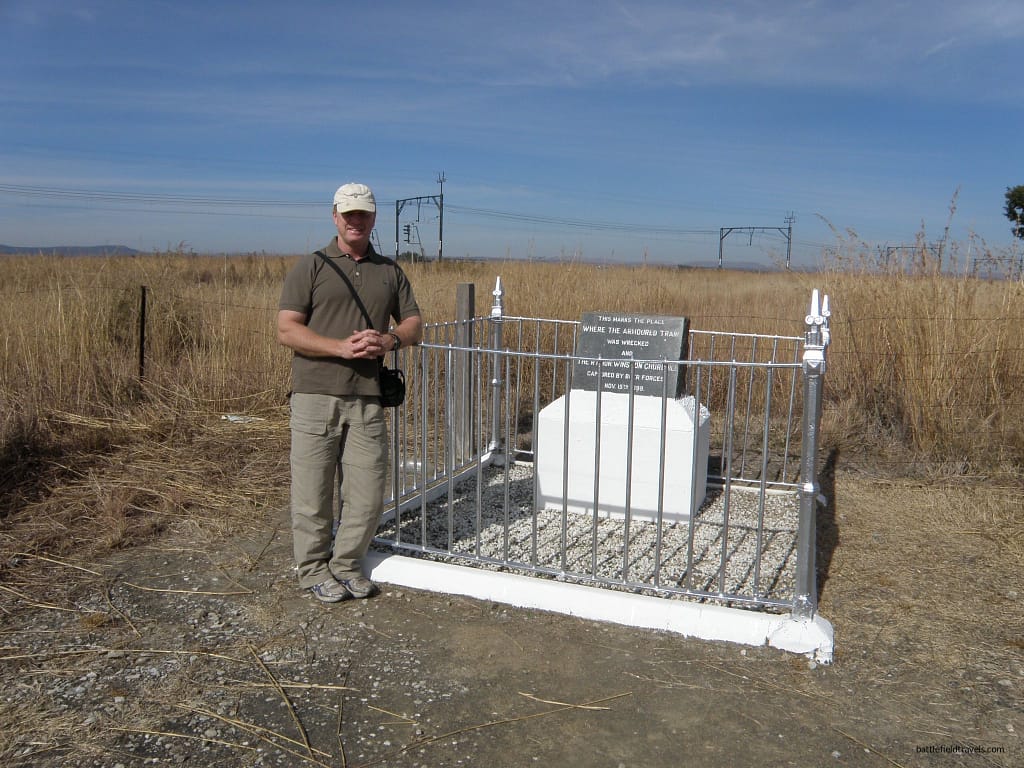
I have just published a full account of Winston Churchill’s armoured train ambush at Chieveley in November 1899, based on my 2011 fieldwork in South Africa. The incident is usually remembered because the 24-year-old Churchill was captured there and subsequently escaped from Boer captivity.
⚔️ Battle Study: Hòa Mộc, 3 March 1885
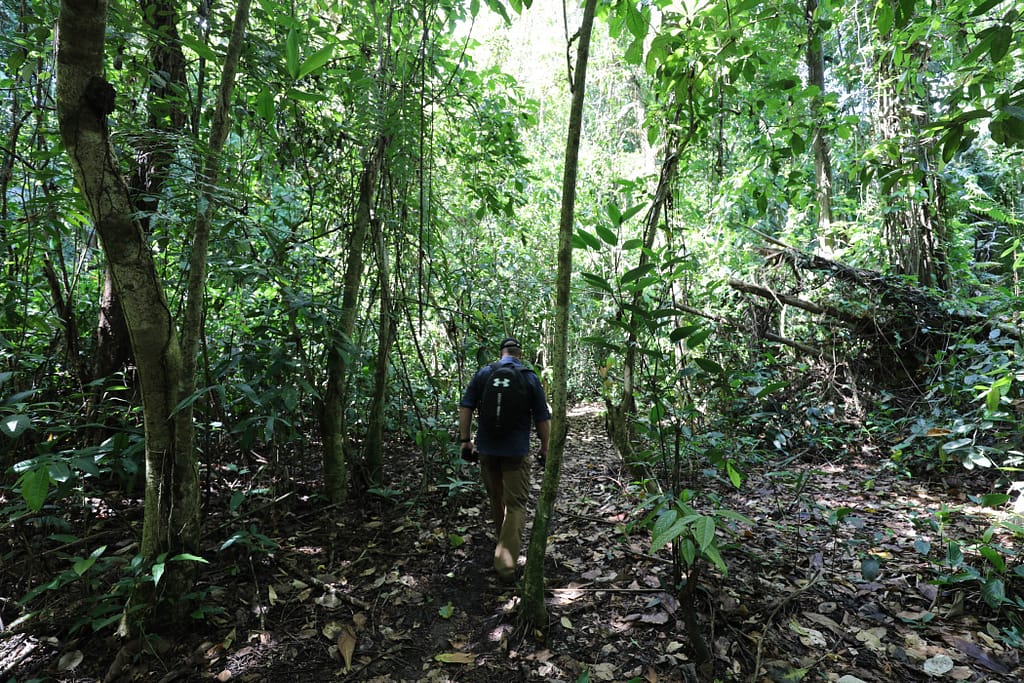
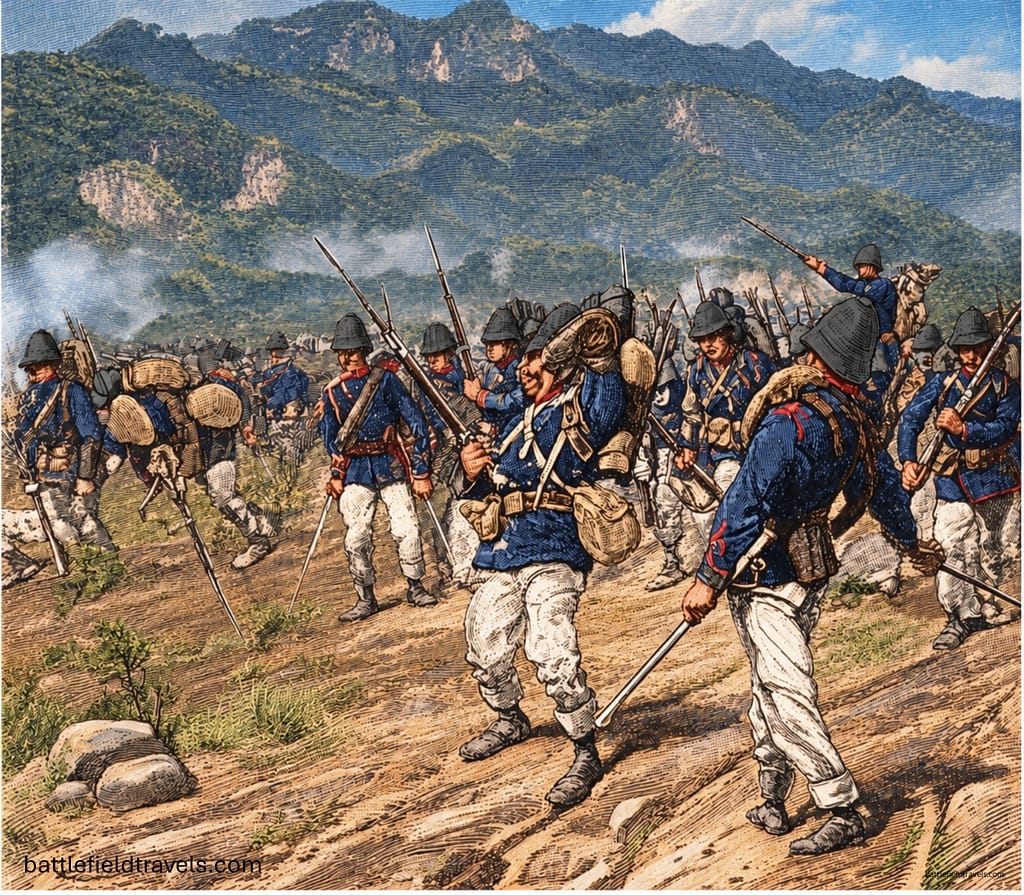
My new 8,500-word study of the March 1885 Battle of Hòa Mộc examines the French attempt to relieve the besieged garrison at Tuyên Quang. The battlefield is particularly fascinating because Laurent Giovanninell’s Brigade marched nearly 300 kilometres in tne days through some of the most forbidding terrain on earth. The French column was forced through a constricted landscape of jungle, field fortifications and successive defensive positions—another case where relatively small terrain features shaped the way a battle unfolded.
❓A New Military Quiz Hub
Something a little different has also been developing on Battlefield Travels. I recently created a military history quiz based on something I used to give my fellow soldiers many years ago: military operational codenames. It proved surprisingly popular, so I created several more. The military quizzes now have their own Quiz Hub and cover battles, campaigns, weapons, military terminology, operational codewords and military thinkers and theorists.
There are already more than 500 questions in eight published quizzes! They are intended to be challenging rather than trivial. If you can consistently score 100 per cent, you probably don’t need Battlefield Travels!
Works in progress
⚔️ Indochina — Lang Son Campaign and Nghĩa Lộ
At the same time, several studies from my April 2025 fieldwork in Vietnam are finally coming together. Two much larger Indochina projects are also taking shape. The first is the Lang Son Campaign of 1885, tracing the French advance towards the Chinese frontier, the fighting around Đồng Đăng and the events that culminated in the retreat from Lạng Sơn and political crisis in Paris.
The second is Nghĩa Lộ in October 1951, where French paratroopers attempted to hold a remote valley position against the Việt Minh. My fieldwork at the citadel, Hill 405, Gia Hội, Tú Lệ, Ba Khe, Ca Vinh, Yên Bái and the surrounding approaches is allowing me to relate the surviving French accounts to the terrain at a very granular level.
⚔️ Battle Study — Balibo, East Timor: 2 RAR Airmobile Insertion, 1999
In October 1999, as part of the INTERFET operation, soldiers of the 5th Aviation Regiment and 2nd Battalion Royal Australian Regiment conducted the Australian Army’s largest airmobile operation since the Vietnam War. WIth teh support of friends and colleagues, many of whom participated in the mission, I have been gathering the primary source evidence I need to do this article justice.
💡Tactical Innovation — Fire Force: The Rhodesian Bush War
The Rhodesian Security Forces’ Fire Force concept represents one of the most tactically effective counter-insurgency adaptations of the twentieth century. A reaction force built around surveillance, rapid response, helicopter insertion, paradrop, and ground blocking forces, designed to convert insurgent contact into encirclement and destruction faster than the enemy could disperse. A study in doing more with less.
That’s the public Research Dispatch complete for September. Members can continue below for my Forward Look — the forthcoming fieldwork, research questions and battle studies that will shape BattlefieldTravels over the coming months.

Authored by Mick Prictor, a retired military officer with 40 years’ service, and a military historian specialising in terrain-focused analysis of tactics, doctrine, and command decision-making in land warfare. His work draws on extensive battlefield fieldwork—more than 280 sites worldwide—and one of the world’s largest private collections of historic military arms, uniforms, and equipment. About me
Subscribe to Battlefield Travels and receive a free E-Book Battlefield Guide
Unlock expert battlefield analysis, campaign reconstructions, and historical insights drawn from firsthand exploration and primary sources.
🗺️ You’ll receive:
🎖️ Exclusive historical insights you won’t find elsewhere
📘 A free eBook: 10 Tips for Exploring Historic Battlefields
📰 New battlefield studies straight to your inbox as they are published

⚔️ Go deeper — Members get exclusive access to the Deep Research Collection, Field Notes, and monthly Research Dispatches. Try membership free for 7 days, cancel anytime. From $9/month.