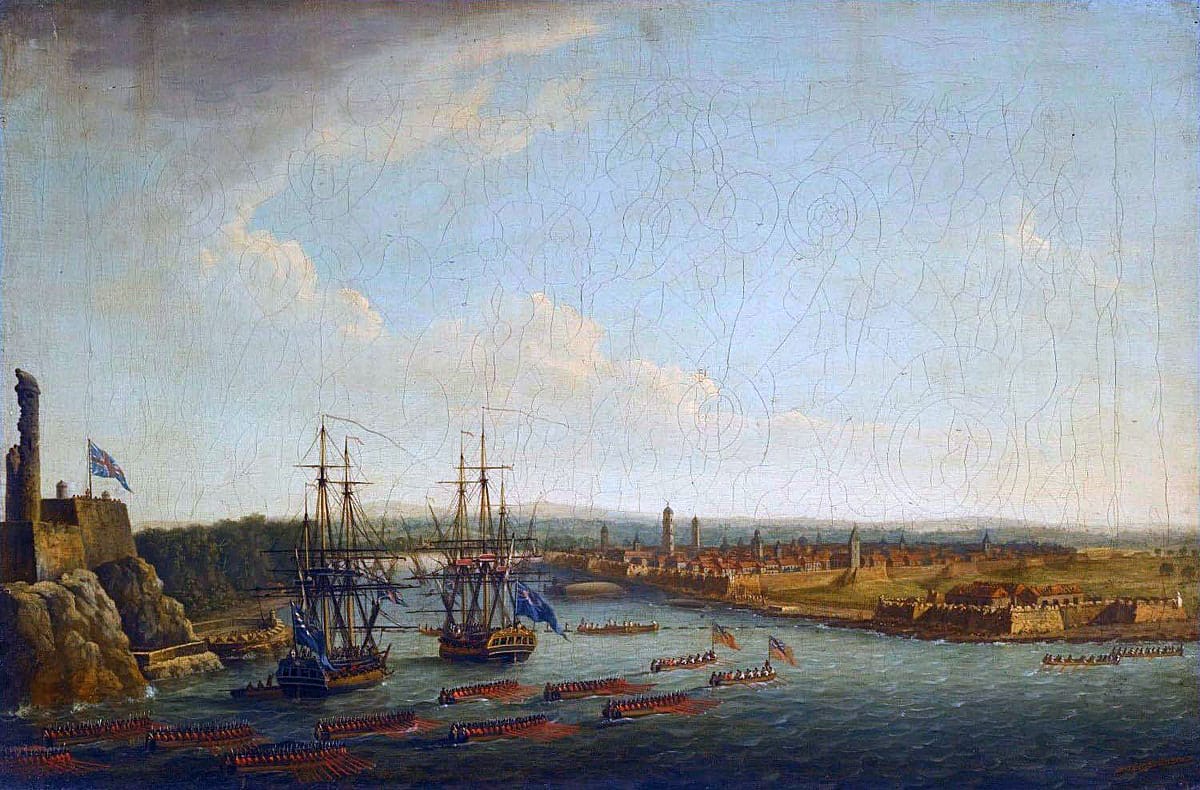
La Cabaña: Spain’s Response to the Capture of Havana!
Built after the British capture of Havana in 1762, the Fortress of San Carlos de la Cabaña (1763–1774) was Spain’s answer to securing the Caribbean. The massive Vauban-style bastion complex dominated Havana harbour, served as a prison and execution ground in later centuries, and today remains one of the largest colonial fortresses in the Americas.
Key facts
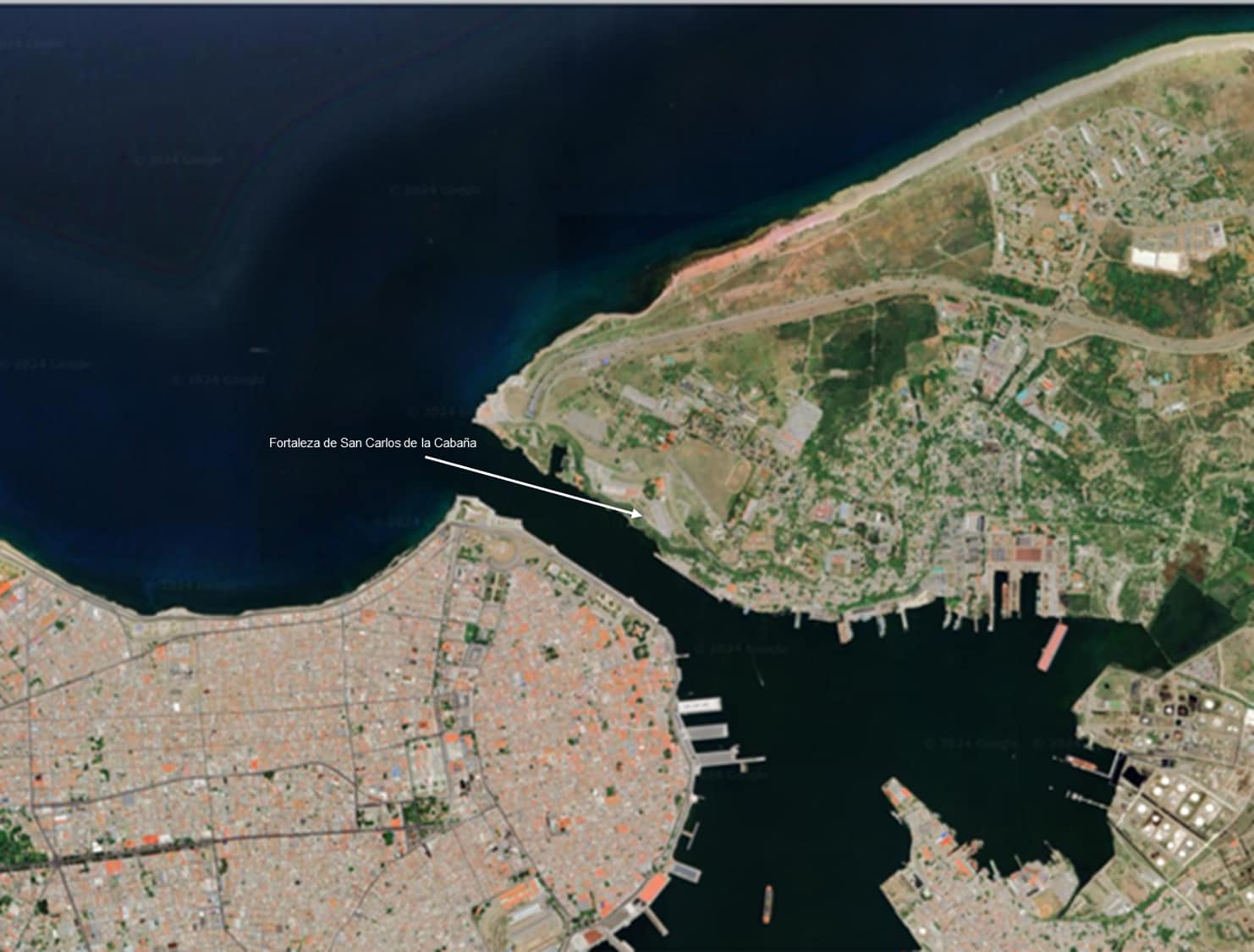
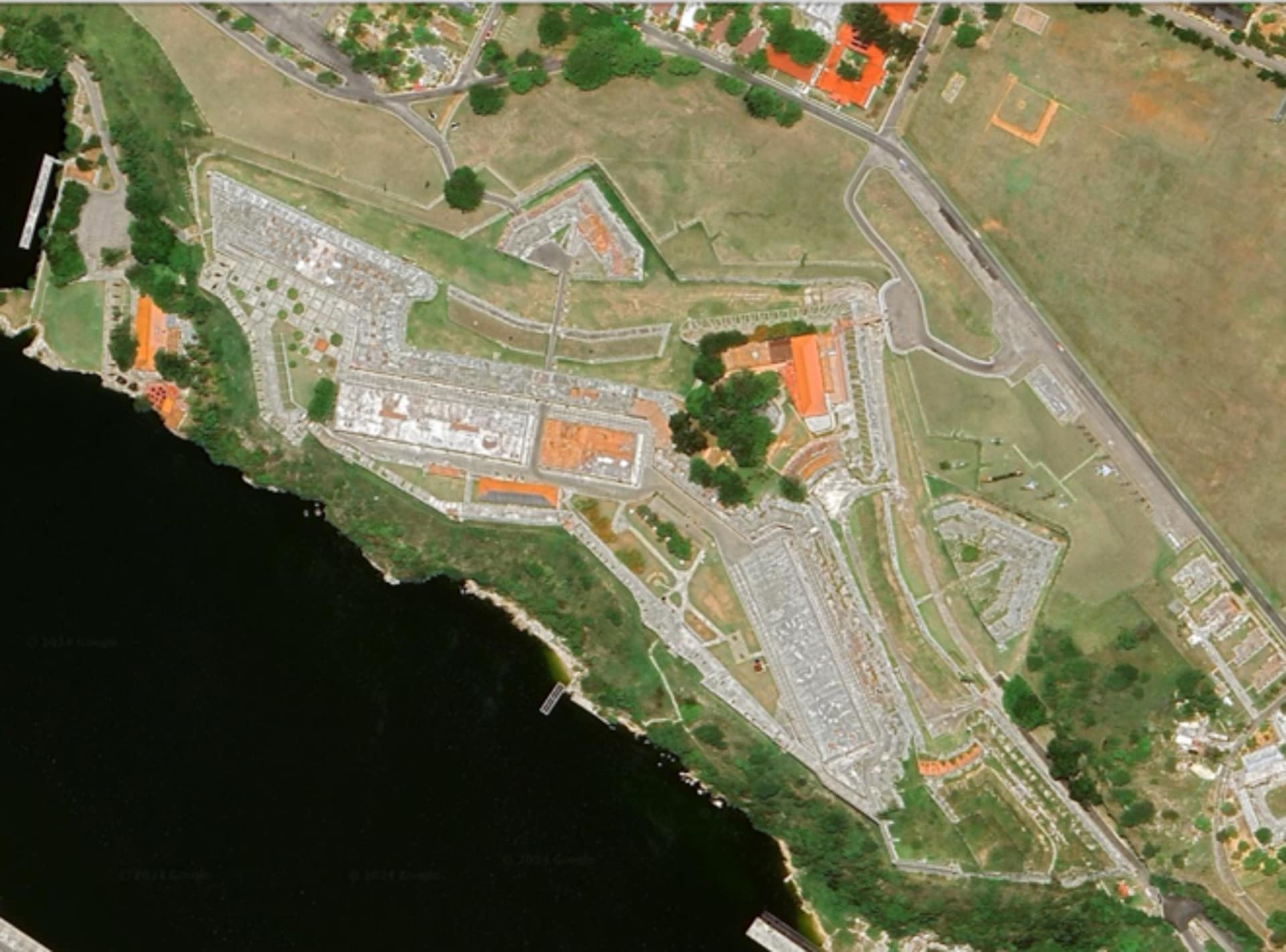
Google Earth map – Location of Fortress of San Carlos
Strategic Context: Why Havana Was the Key to the Caribbean
Havana was the linchpin of Spain’s colonial empire in the Americas. Every year, treasure fleets from Mexico and South America assembled in Havana harbour before crossing the Atlantic. The port also functioned as the primary naval base in the Caribbean, with a shipyard capable of building and repairing men-of-war. Whoever held Havana controlled the maritime artery between Europe and the Americas.
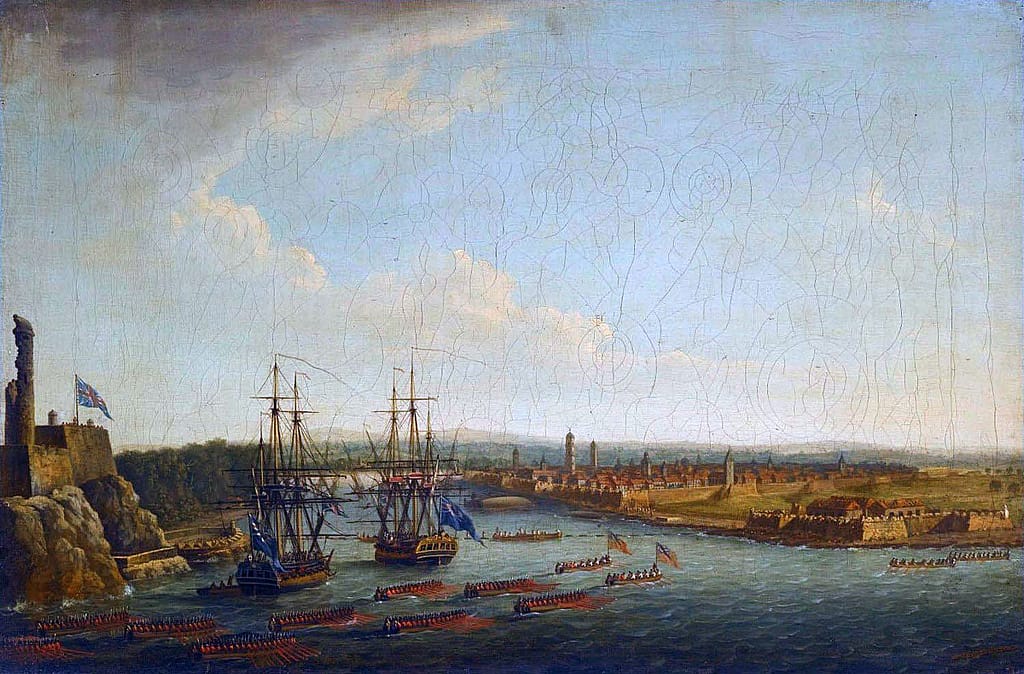
During the Seven Years’ War (1756–1763), Britain sought to strike at Spain’s colonies once Madrid entered the war in 1762. An expeditionary force of 200 ships and 20,000 troops attacked Havana in June 1762. The Spanish defenders, outnumbered and short of supplies, held out in Morro Castle for two months. Once Morro fell, the British stormed Havana on 14 August. The capture was one of the largest amphibious operations of the eighteenth century and demonstrated Havana’s vulnerability. Though Britain returned Havana to Spain under the Treaty of Paris (1763) in exchange for Florida, the experience forced Spain to rethink its Caribbean defences.
Construction and design of La Cabaña Fortress (1763–1774)
In response, the Spanish Crown ordered a new fortress system. Work began in 1763 on the Fortaleza de San Carlos de la Cabaña, built on the heights of La Cabaña directly opposite Morro Castle. The engineer Silvestre Abarca designed the works in the Vauban style:
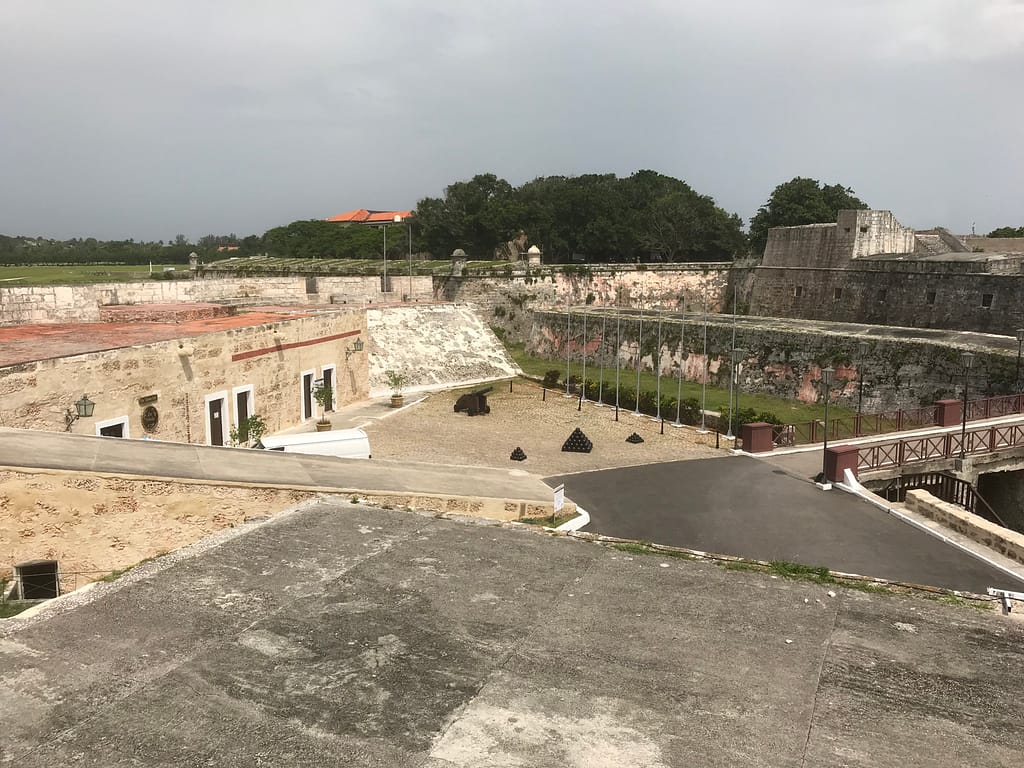
- Curtain walls and bastions forming a long irregular trace, nearly 700 metres in length.
- Demi-lunes and ravelins covering the approaches.
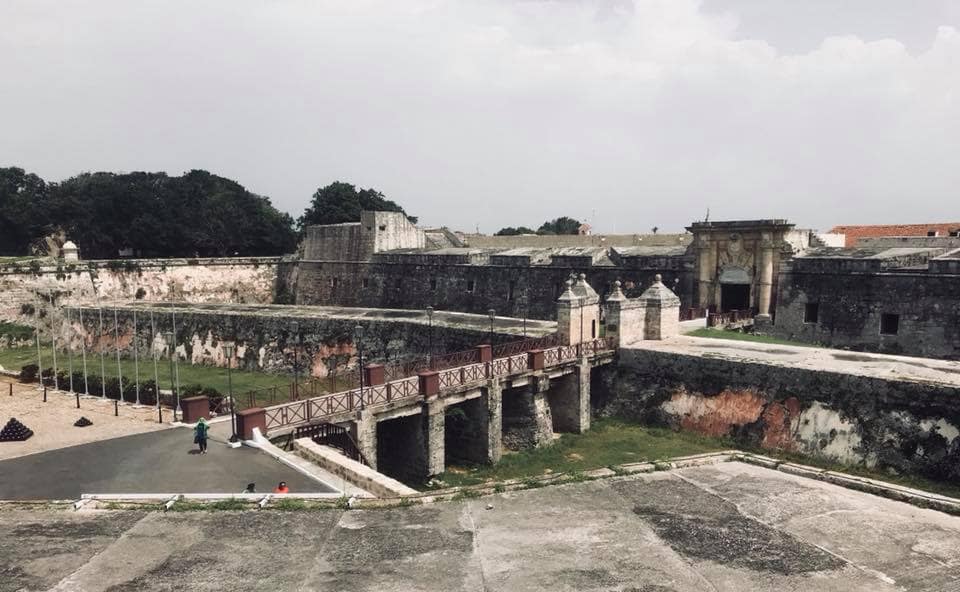
- Deep ditches and glacis, forcing an attacker to cross exposed killing ground.
- Casemates and bombproof barracks sufficient to house several thousand troops.
By its completion in 1774, La Cabaña was the largest fortress complex in the Americas, dwarfing even El Morro. Armed with hundreds of cannon, it rendered any future amphibious assault on Havana prohibitively costly. Along with Morro Castle and the harbour boom chain, La Cabaña transformed Havana into one of the most heavily defended ports in the world.
Later military use in the Nineteenth Century
Though conceived to prevent another foreign invasion, La Cabaña’s later role was largely internal. During the Cuban War of Independence (1868–1898), Spanish forces used it as a prison and place of execution for captured rebels. Its grim reputation overshadowed its original defensive purpose.
Following the Spanish–American War of 1898, the United States briefly occupied the fortress. It continued to serve the Cuban Army in the republican era, still functioning more as a prison than as a fortress in active defence.
Revolutionary period: Che Guevara and La Cabaña
After the Cuban Revolution of 1959, La Cabaña once again became a centre of power. Che Guevara was appointed commander of the fortress and used it to consolidate revolutionary control of Havana. Batista’s officers, political opponents, and suspected counter-revolutionaries were imprisoned here. Military tribunals and executions were conducted within its walls, adding a modern layer to its history as a site of repression.
⚔️ Go deeper — Members get exclusive access to the Deep Research Collection, Field Notes, and monthly Research Dispatches. Try membership free for 7 days, cancel anytime. From $9/month.
The Fortress Today: Museum and Heritage Site
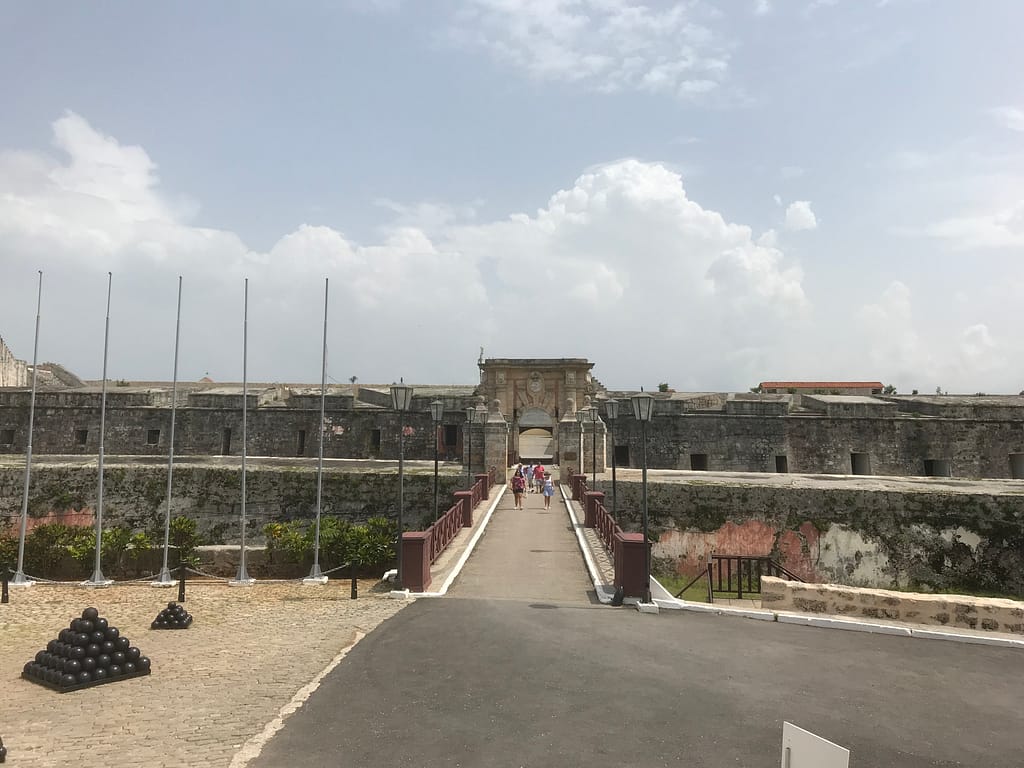
Today, La Cabaña is part of the Parque Histórico Militar Morro-Cabaña, a UNESCO World Heritage Site. The fortress has been partially restored and houses museums, cultural exhibits, and book fairs. Visitors can explore its bastions, ditches, and casemates, gaining a sense of its scale and power.
One of the most popular traditions is the Cañonazo de las Nueve — the ceremonial firing of a cannon at 9 p.m., echoing the original practice of closing Havana harbour for the night. The ceremony, conducted by soldiers in eighteenth-century uniforms, is a striking reminder of the fortress’s military origins.
The visitor centre and small museum provide context on both the Seven Years’ War and the fortress’s later use. Guided tours are available, though self-guided exploration of the ramparts is equally rewarding. A full circuit of the site takes 3–4 hours, with sweeping views across Havana harbour and the city skyline.
Travel Notes and Practicalities
- Location: eastern side of Havana harbour, directly across from Morro Castle.
- Access: reachable by tunnel or ferry from central Havana.
- Facilities: museum, café, gift shop; interpretation panels at major bastions.
- Time required: allow half a day to walk the ramparts, ditches, and interior exhibitions.
- Travel note: entry to Cuba, particularly from the United States, is subject to strict controls. Visits must usually be framed as educational or cultural exchanges.
Link to the Trip Advisor page on Fortaleza de San Carlos
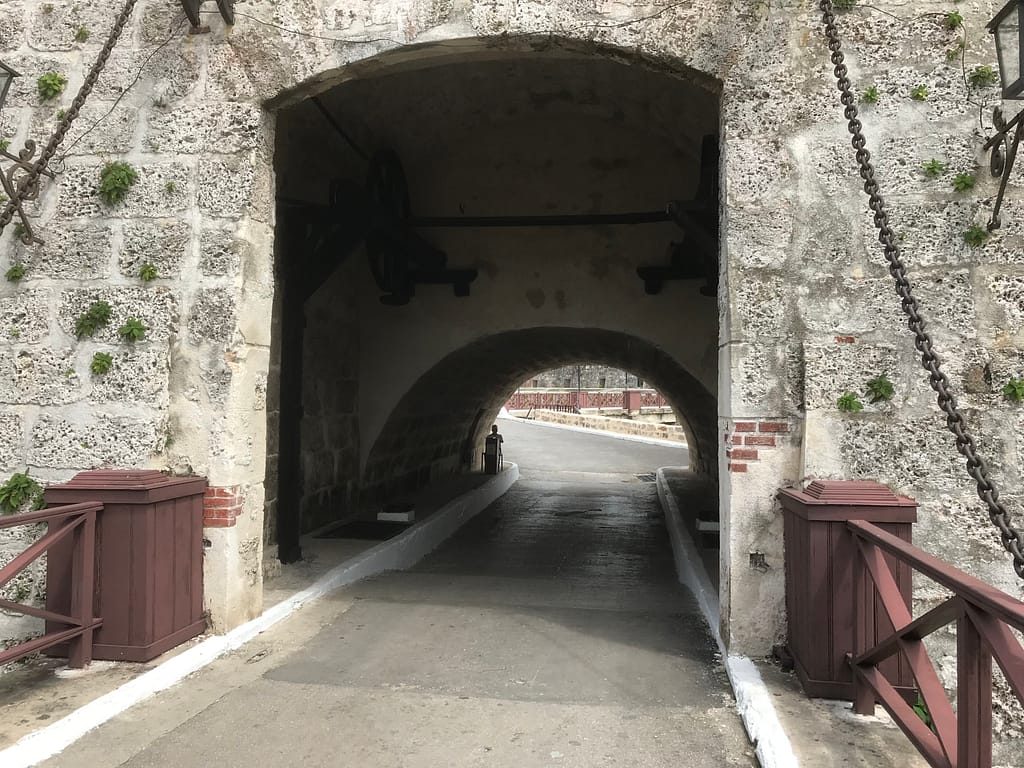
Additional images: Fortaleza de San Carlos de la Cabaña guarding Havana Harbour

Found this useful? Buy me a coffee — it helps fund future battlefield research


Authored by Mick Prictor, a retired military officer with 40 years’ service, and a military historian specialising in terrain-focused analysis of tactics, doctrine, and command decision-making in land warfare. His work draws on extensive battlefield fieldwork—more than 280 sites worldwide—and one of the world’s largest private collections of historic military arms, uniforms, and equipment. About me
📚 Further Reading – Seven Years War
This battle study nests within the broader analytical framework explored in the Research Hub, where operational methods, operating environments, armies, commanders, and weapons are examined across conflicts and eras. The links below connect related studies across the wider body of battlefield analysis on the BattlefieldTravels site.
⚔️ Explore all battle studies from the Seven Years War
🏛️Explore the museum of Seven Years War historic weapons and equipment
The book list for this conflict includes the leading campaign studies, memoirs, and operational analyses of the Seven Years’ War, selected specifically to complement this battlefield study.
📚 Seven Years War – Recommended Reading
🗞️ For updates on new battlefield studies and research insights, you can subscribe to the Newsletter.
Related Battle Studies, Museum Pieces & Reading Resources


🧭 Battlefield Travel Guide: Fortress of San Carlos de la Cabaña, Havana (1763–1774)
Getting There
- Location: Eastern side of Havana harbour, directly opposite Morro Castle.
- Access: Reachable by road tunnel under the harbour or by ferry from Old Havana.
- Parking: Visitor parking available near the entrance gates.
Site Orientation
- Key Features: Long curtain walls with bastions, ravelins, and ditches in Vauban style; bombproof barracks and casemates.
- Best Vantage Points: Ramparts overlooking Havana harbour and Morro Castle; bastion platforms with views across the city.
- Walking Routes: Guided tours available; self-guided circuits of the ramparts and ditches take 2–3 hours.
Museums & Visitor Centres
- On-site: Small museum inside the fortress with displays on the Seven Years’ War, colonial defences, and Cuban revolutionary period.
- Nearby: Morro Castle and the Parque Histórico Militar Morro-Cabaña complex, a UNESCO World Heritage site.
On-Site Experience
- Interpretive Signage: Plaques at major bastions and casemates; guided tours provide detailed context in English and Spanish.
- Atmosphere: Massive walls, long ditches, and wide harbour views give a vivid sense of eighteenth-century fortress design.
- Unique Feature: The nightly “Cañonazo de las Nueve” ceremony at 9 p.m., with costumed soldiers firing the traditional cannon to close Havana harbour.
Nearby Points of Interest
- Related Sites: Castillo del Morro (Morro Castle) guarding the harbour entrance; Havana’s colonial fortifications and old city walls.
- Local: Old Havana (Habana Vieja), a UNESCO World Heritage district with plazas, churches, and museums.
Practical Tips
- When to Visit: Evening recommended to see the Cañonazo ceremony; daylight hours best for walking the full ramparts.
- Facilities: Visitor centre, café, restrooms, and shaded courtyards.
- Notes: Travel to Cuba may be subject to restrictions (particularly from the USA). Allow 3–4 hours to explore the site fully.
Subscribe to Battlefield Travels and receive a free E-Book Battlefield Guide
Unlock expert battlefield analysis, campaign reconstructions, and historical insights drawn from firsthand exploration and primary sources.
🗺️ You’ll receive:
🎖️ Exclusive historical insights you won’t find elsewhere
📘 A free eBook: 10 Tips for Exploring Historic Battlefields
📰 New battlefield studies straight to your inbox as they are published

⚔️ Go deeper — Members get exclusive access to the Deep Research Collection, Field Notes, and monthly Research Dispatches. Try membership free for 7 days, cancel anytime. From $9/month.