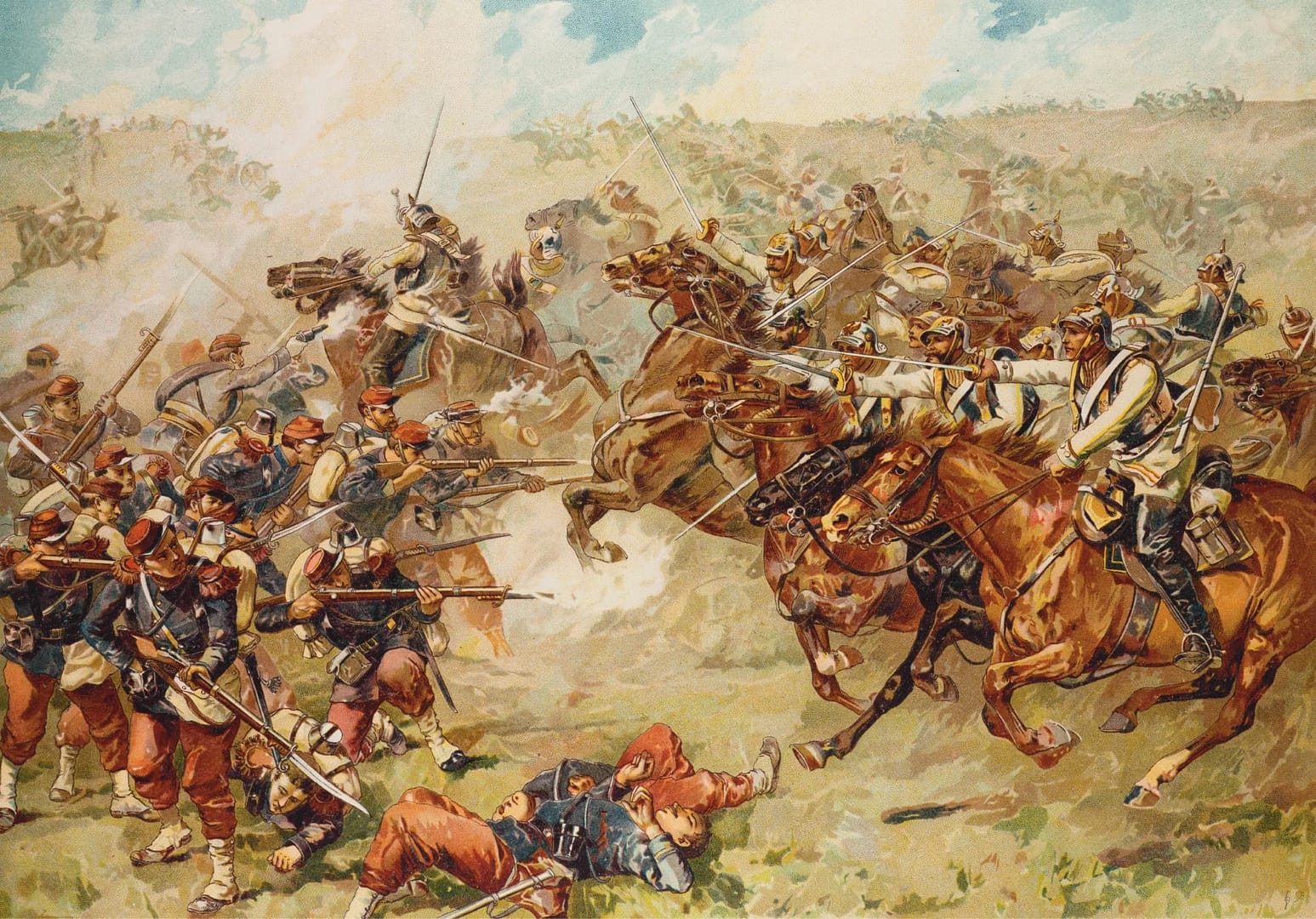
A desperate encounter battle on the Verdun Road
The Battle of Mars-la-Tour was fought for a single operational prize: the road from Metz to Verdun. After the frontier defeats of early August 1870, Marshal Achille Bazaine sought to withdraw the French Army of the Rhine westward along the Verdun Road to link up with Marshal MacMahon’s field army around Chalons.
German reconnaissance and aggressive marching intercepted this movement near Mars-la-Tour and Vionville, resulting in an encounter battle where a relatively small Prussian force fixed a much larger French army in place. The battle was tactically inconclusive but operationally decisive, as Bazaine’s army was driven back on Metz and forced to fight another desperate battle two days later.
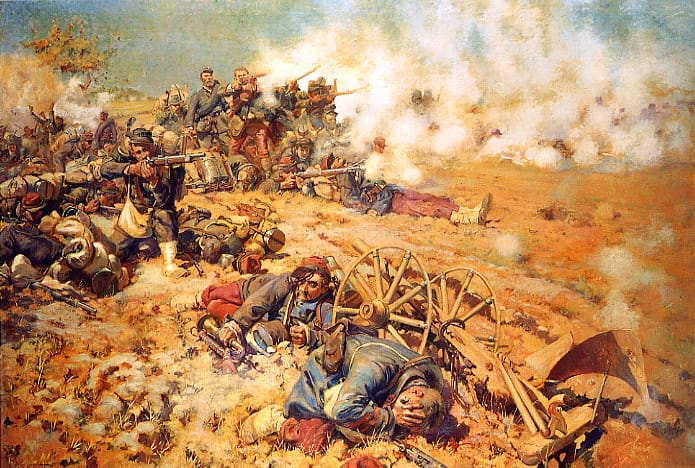
Key facts
🗺️ Battle of Mars-la-Tour (also known as the Battle of Rezonville or Vionville), 16 August 1870
⚔️ Franco-Prussian War, 1870-71 Mars-la-Tour was a meeting engagement in which forces were committed progressively as they became available. By the end of the day, approximately 80,000 troops of the French Army of the Rhine and a similar number from Prince Friedrich Karl’s Second Army had become engaged in the fighting.
🎯 Objective: The French were seeking to withdraw from the fortified city of Metz to Verdun. The Prussians sought to hold the French at Metz in a battle of annihilation
Visit my virtual museum of weapons, uniforms and equipment of the Franco-Prussian War
Google Earth map: location of the Mars-la-Tour battlefield
🧭🥾 Walking the Battlefield
I visited the Mars-la-Tour and Gravelotte–Saint Privat battlefields in October 2024. I had studied the Franco-Prussian War for many years, and arrived equipped with a range of primary and secondary accounts, including memoirs, unit histories, and period maps. I had also overlaid period maps onto Google Earth GIS to precisely locate key battlefield sites.
What struck me most at Mars-la-Tour was the linear nature of the battlefield. The Verdun Road was the objective. The French needed it open to allow their withdrawal from Metz to Verdun; the Prussians wanted to block it and trap Bazaine’s army. So the battle developed along the road between Vionville and Mars-la-Tour, and primarily along its northern side, as newly arriving French units lapped around the Prussian flank, and newly arriving Prussian units sought to hold their ground.
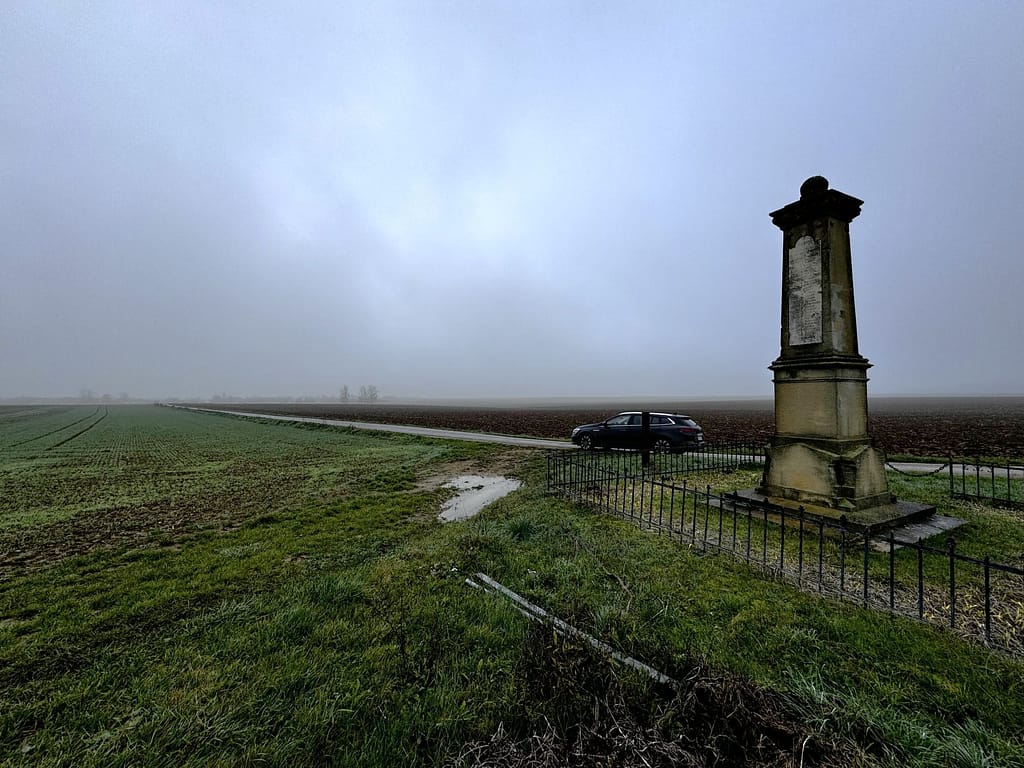
The other striking aspect is the memorial landscape. Lorraine (Lothringen in German language) was annexed by Germany after 1871, and the Germans erected dozens of monuments to regiments that fought in the battle, as well as individual actions like von Bredow’s cavalry charge. After 1918, Lorraine was returned to France but the French were in no mood to commemorate a 50-year old defeat, and the carnage of the First World War was fresh in national memory. Consequently, there are many German monuments and few French monuments in what is now French territory.
Table of Contents
- Strategic Context – The Franco-Prussian War of 1870-1871
- Opposing Forces at Mars-la-Tour
- Early morning: Initial contact on the Verdun Road
- 🔒Late morning: Escalation at Vionville–Rezonville
- 🔒Mid-afternoon: Crisis of III Corps and von Bredow’s intervention
- 🔒Mid to late-afternoon: German reinforcements and stabilisation
- 🔒Evening: French withdrawal route blocked
- 🔒Late evening: Withdrawal to the Gravelotte-Saint Privat line
- 🔒Consequences and operational assessment
- 🔒The Mars-la-Tour battlefield today
- 🔒📚 Notes and References
- 🧭 Battle of Mars-la-Tour Battlefield Travel Guide (16 August 1870)
- FAQ: Battle of Mars-la-Tour (1870)
Strategic Context – The Franco-Prussian War of 1870-1871
Origins of the Franco-Prussian War
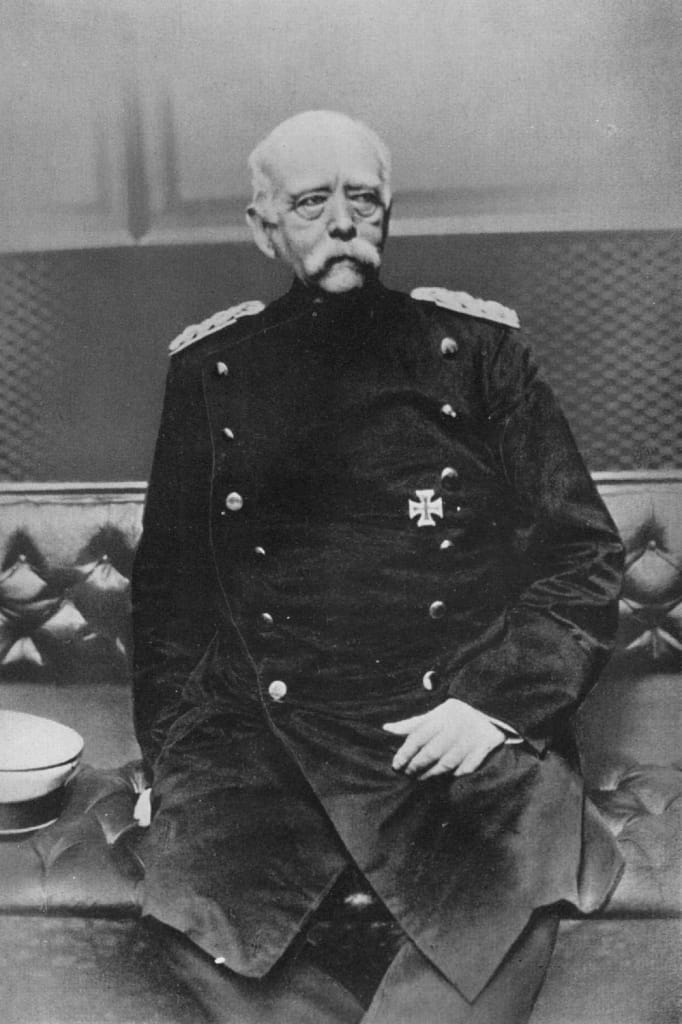
The Franco-Prussian War erupted on 19 July 1870, ignited by Otto von Bismarck’s calculated manipulation of the Spanish succession crisis. The immediate trigger was the edited publication of the Ems Dispatch, which Bismarck deliberately abridged to harden its tone and provoke French outrage. The result was precisely what he intended: France declared war, appearing the aggressor, thereby unifying the southern German states behind Prussia and diplomatically isolating Paris.
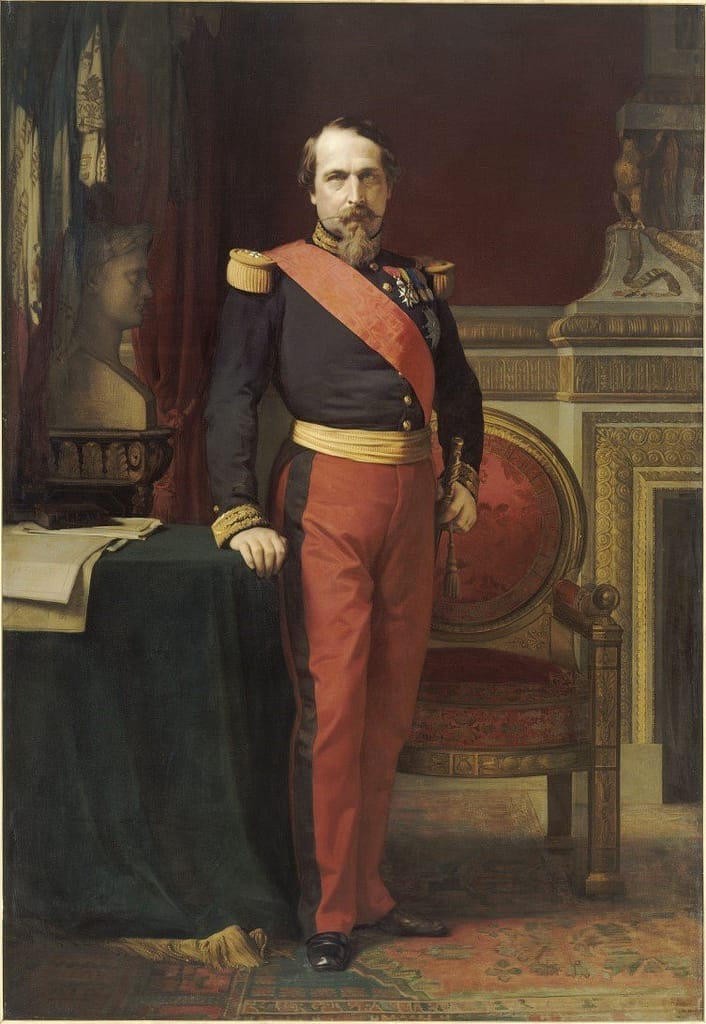
France, under Emperor Napoleon III, entered the conflict confident in its professional army, battle-hardened in Algeria, Crimea, Italy, and Mexico. However, this confidence was undermined by structural and doctrinal weaknesses. French mobilisation plans lacked coherence, railway integration was fragmented, and the army lacked a modern general staff capable of coordinating large-scale operations.1Shann, Stephen and Delperier, Louis, . French Army 1870-71, Franco Prussian War (1) (Oxford: Osprey Publishing, 1991), p. 122. Prussia and its allies, by contrast, fielded a larger force able to concentrate rapidly through the disciplined work of the General Staff, pre-prepared war plans, and an integrated modern railway network.
Opening clashes on the frontier
At the outbreak of war, Napoleon III placed himself at the head of the Army of the Rhine, deploying his corps along the Alsace–Lorraine frontier in expectation of an advance into German territory. Instead, the initiative passed immediately to the Prussians. The German forces advanced westward in three converging columns: the First Army under Steinmetz moving toward the Saar, the Second Army under Prince Friedrich Karl advancing through the central axis toward Lorraine, and the Third Army under Crown Prince Friedrich Wilhelm pushing through the southern approaches into Alsace. Rather than seizing the initiative through offensive action, French corps remained dispersed along the frontier and were forced to react to these coordinated German advances.2Howard, Michael. The Franco-Prussian War (London: Methuen, 1961), p. 77-80.
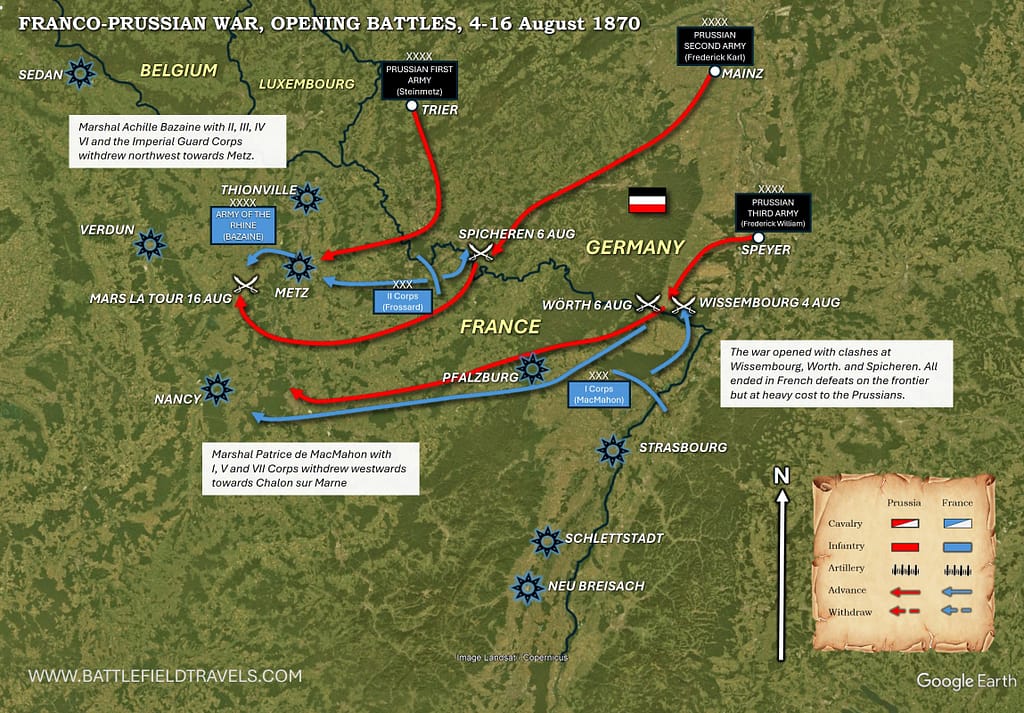
Early August French defeats and withdrawal
By early August, Prussian victories at Wissembourg (4 August), Spicheren (6 August), and Wörth (6 August) had shattered French frontier defences, inflicting heavy losses and forcing a disordered retreat into Lorraine. The French Army of the Rhine, comprised of eight Corps, retreated from the frontier in two separate bodies. The I, V and VII Corps under Marshal Patrice de MacMahon made a long retreat westwards towards Châlons-sur-Marne. The II, III, IV, VI, and Imperial Guard Corps retreated northwest towards Metz, under command of Marshal François Achille Bazaine, who assumed full command on 12 August as Napoleon III’s health faltered. By 14 August, Bazaine’s army was concentrated around the fortified city of Metz. This force, numbering 140,000–160,000 men and backed by abundant supplies in Metz’s magazines, prioritised preservation over further offensive action.

Bazaine’s cautious temperament inclined him toward defensive positions anchored on the fortress rather than aggressive counteroffensives. Only on 15 August, amid mounting evidence of Prussian forces crossing the Moselle to the south and threatening his lines of retreat, did Bazaine belatedly resolve to withdraw the army westward toward Verdun. His aim was to evade encirclement, link up with MacMahon around Châlons, and preserve the Army of the Rhine as a viable field force capable of future operations.
The armies converge west of Metz
Moltke, aiming not just to defeat but to annihilate the French field armies, directed the Prussian Second Army (Prince Friedrich Karl) to cross the Moselle south of Metz and swing northwest, interposing across potential French withdrawal routes toward Verdun and a junction with reinforcements under Marshal MacMahon at Châlons. The First Army (Steinmetz) was to fix the French frontally to the east of Metz. Uncertainty clouded German intelligence as reconnaissance failed to identify which of the three roads from Metz Bazaine would take: west via Mars-la-Tour/Vionville, northwest via Doncourt, or north via Briey/St. Privat.
An unplanned rear-guard action east of Metz at Borny-Colombey (14 August) delayed the French further, reinforcing Bazaine’s hesitancy. At 10:00 hrs on 15 August, he ordered a westward march toward Verdun, but execution was sluggish.3Howard, The Franco-Prussian War, p. 145. Corps moved in march formations, with vast gaps, clogged supply trains, and minimal mutual support. By the evening of 15 August, the army remained east of the critical corridor, with columns strung from Gravelotte to Vionville/Rezonville, and still tethered to Metz for security.4Bazaine, François Achille. Episodes de la guerre de 1870 (Paris, 1883), p. viii.

An encounter battle on the Verdun Road
Aggressive Prussian initiative now filled the vacuum. Prince Friedrich Karl, acting on cavalry reports of French movement, pushed General Constantin von Alvensleben’s III Corps (about 30,000 men) forward to seize the Verdun road near Vionville and Mars-la-Tour. Friedrich Karl accepted the risk of engaging superior forces in order to deny the French withdrawal route. Moltke endorsed this audacity, believing that Bazaine’s army had already marched west and Second Army was facing only a rearguard.
Thus, on 16 August 1870, the armies collided in an unplanned meeting engagement west of Metz: the French belatedly seeking to disengage westward without urgency, the Prussians boldly interposing a fraction of their strength to force a decisive battle. This clash of hesitation against initiative at Mars-la-Tour would decide whether Bazaine’s army escaped as a viable field force or was pinned, drawn back toward Metz, and exposed to encirclement under worsening odds.
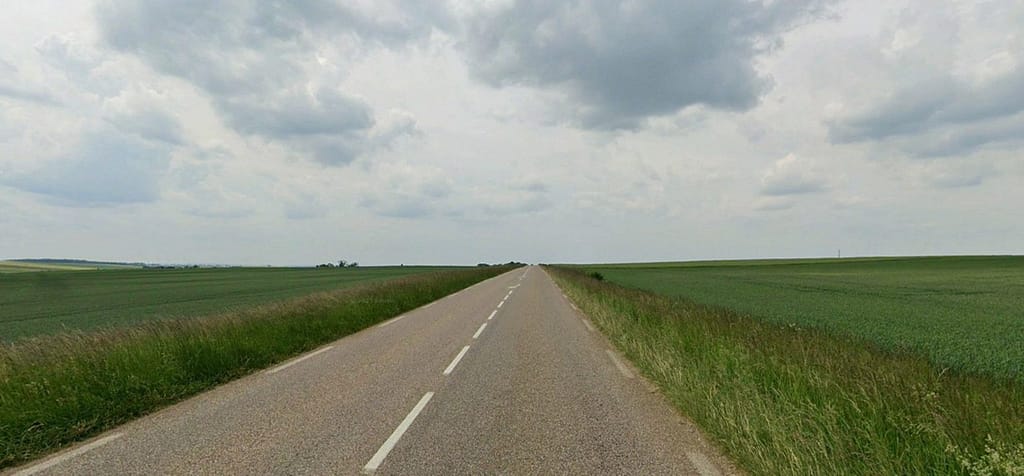
The terrain – Verdun Road Corridor
The Battle of Mars-la-Tour was fought astride the Metz–Verdun road, the principal western exit route for the French Army of the Rhine. This axis ran through Vionville, Rezonville, and Mars-la-Tour, forming a narrow corridor bounded by shallow ridges and villages that offered intermittent cover but limited depth. German control of this road, even temporarily, was sufficient to interrupt French withdrawal and force a general engagement.
The ground west of Metz consists of gently rising plateaus broken by low ridgelines and cultivated undulations, rather than dominant heights. Villages such as Vionville, Flavigny, and Rezonville provided hard cover and rallying points but could be turned or bypassed. Artillery positions were therefore decisive: guns placed on modest elevations south of the Verdun road could dominate approaches without requiring full crest occupation.5Howard, The Franco-Prussian War, p. 146..
Rather than prominent defendable features, the Battle of Mars-la-Tour was strongly influenced by micro-terrain—the small scale terrain features that often do not appear on maps and can only be seen when you are standing on the ground. Even slight elevations provided observation and artillery positions that allowed relatively small German forces to hold against French attacks. At the western end of the battlefield, a steep sided ravine would slow and disrupt both sides and render them vulnerable to enemy fire. The commanders who could recognise and exploit subtle terrain advantages were able to create local superiority, while those who overlooked them risked potential disaster. The concept of exploiting small scale terrain features in battle is examined further in the Micro-Terrain and Battlefield Decision-Making research hub.
Opposing Forces at Mars-la-Tour
 French Army of the Rhine
 French Army of the Rhine
Commander: Marshal François-Achille Bazaine
Strength: approx. 110,000–115,000 men, ~520 guns
By mid-August 1870 the French Army of the Rhine had regrouped around Metz following the frontier defeats. Although still numerically strong and well-armed, it was operationally encumbered by dispersed corps, slow movement, and an increasingly defensive command outlook.
At Mars-la-Tour the army was in the act of withdrawing, not deployed for battle, and its formations were stretched along multiple road axes with limited mutual support.

French Corps in the Mars-la-Tour Sector (west to east):
- II Corps – General Charles Frossard. Leading elements on Verdun road near Vionville and Rezonville.
- III Corps – General Edmond Leboeuf. On secondary routes, partially echeloned south of the main axis.
- IV Corps – General Ladmirault. Marching west from Metz on parallel roads, not yet concentrated.
- VI Corps – General François Canrobert. In rear, closer to Metz, with limited immediate influence on the battle.
- Imperial Guard Corps – General Bourbaki. Held near Metz as a strategic reserve, only partially committed at Mars-la-Tour.
- Cavalry Reserve – General Forton. Deployed in squadrons for reconnaissance and flank security.6Wawro, Geoffrey. The Franco-Prussian War (Cambridge: Cambridge University Press, 2003), p.151-152.
French strengths:
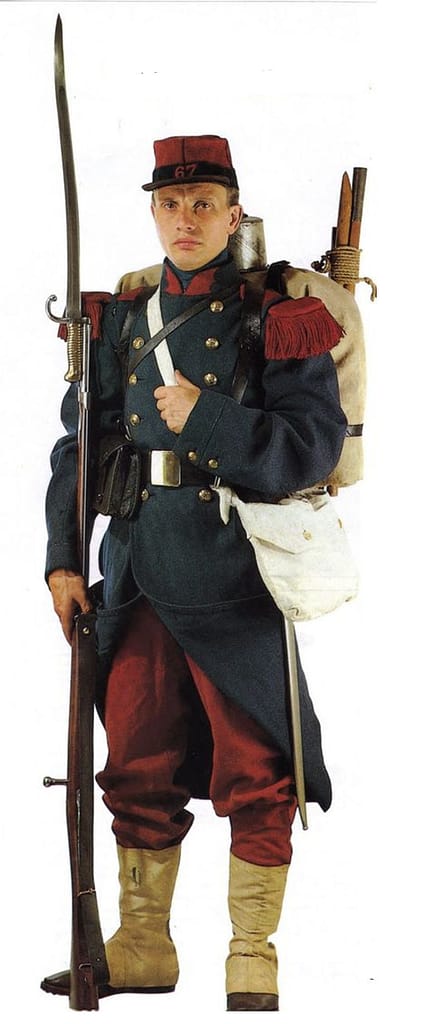
- Infantry firepower: the Chassepot rifle significantly outranged the Prussian Dreyse.
- Numerical superiority: French forces locally outnumbered the initial German formations.
- Modern artillery doctrine: mitrailleuses and artillery integrated into defensive fires.
French Limitations:
- Dispersed marching columns: corps arrived piecemeal and without unified control.
- Cautious command culture: reluctance to force a decision despite local advantage.
- Poor reconnaissance: limited awareness of German intentions and movements.
German Second Army
 German Second Army
- Commander: Prince Friedrich Karl of Prussia
- Strength in theatre: approx. 130,000–140,000 men (only a fraction engaged initially)
While the German First Army attacked Metz from the east to maintain pressure, the German Second Army was executing Moltke’s manoeuvre to cut the French line of retreat.
At Mars-la-Tour, German forces entered battle incrementally, with III Corps acting independently before the remainder of the army could concentrate. As additional infantry corps and cavalry elements arrived, Friedrich Karl deployed them rapidly into line, defeating each French attempt to regain the initiative.
German success depended on initiative at corps and divisional level rather than numerical strength.
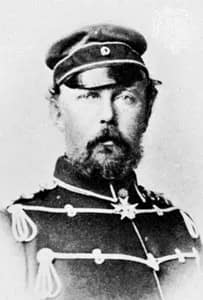
German Corps engaged or committed during the battle:
- III Corps – General Constantin von Alvensleben. Advanced aggressively toward the Verdun road; initiated contact without orders.
- X Corps – General Constantin von Voigts-Rhetz. Arrived during the afternoon, stabilising the German centre.
- IX Corps – General Manstein. Reinforced later stages of the battle.
- Cavalry Divisions – General von Rheinbaben. Conducted reconnaissance and mounted interventions, including von Bredow’s charge.7Wawro, The Franco-Prussian War, p.151-152.
German Strengths:
- After suffering a series of traumatic defeats by Napoleon Bonaparte’s armies, the Prussian military had undergone a period of inflection and reform. By 1870, the Prussian command and staff system had leapt ahead of its rivals.
- With a trained, professional general staff, fully developed war plans, and a command culture that demanded a bias for action, the Prussian military system was the best in Europe
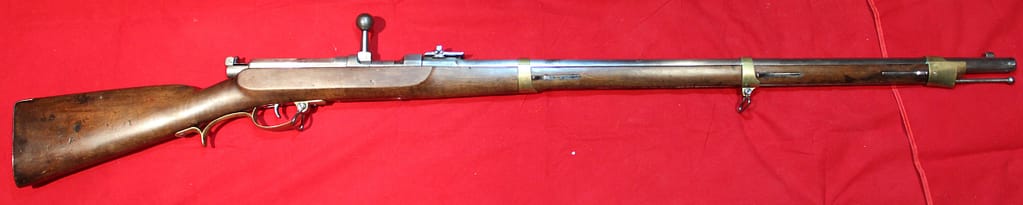
- The Prussian Dreyse Needle-Rifle was now outclassed by the superior French Chassepot, but the German artillery branch equipped with Krupp steel breech-loaders significantly outclassed their muzzle-loader equipped French counterparts
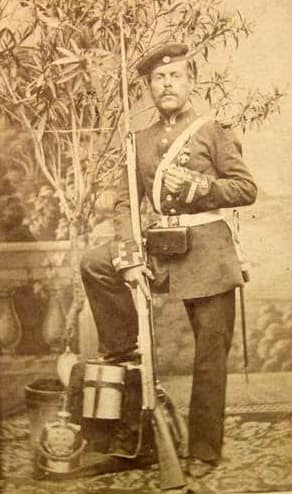
Technology spotlight
The Franco-Prussian War of 1870-71 took place at a time of rapid technological development in firearms. The American Civil War, with both sides armed with minie-ball firing, muzzle-loading rifle-muskets, had ended only five years earlier. The Austro-Prussian War of 1866 had pitted an Austrian army armed with rifle-muskets against a Prussian army armed with breech-loading Dreyse needle-rifles, with a loss exchange of around 5:1 in favour of the Prussians when they fought. By 1870, the Dreyse was effectively obsolete against the French Chassepot, which had twice the range and was more accurate. Both from my personal collection.

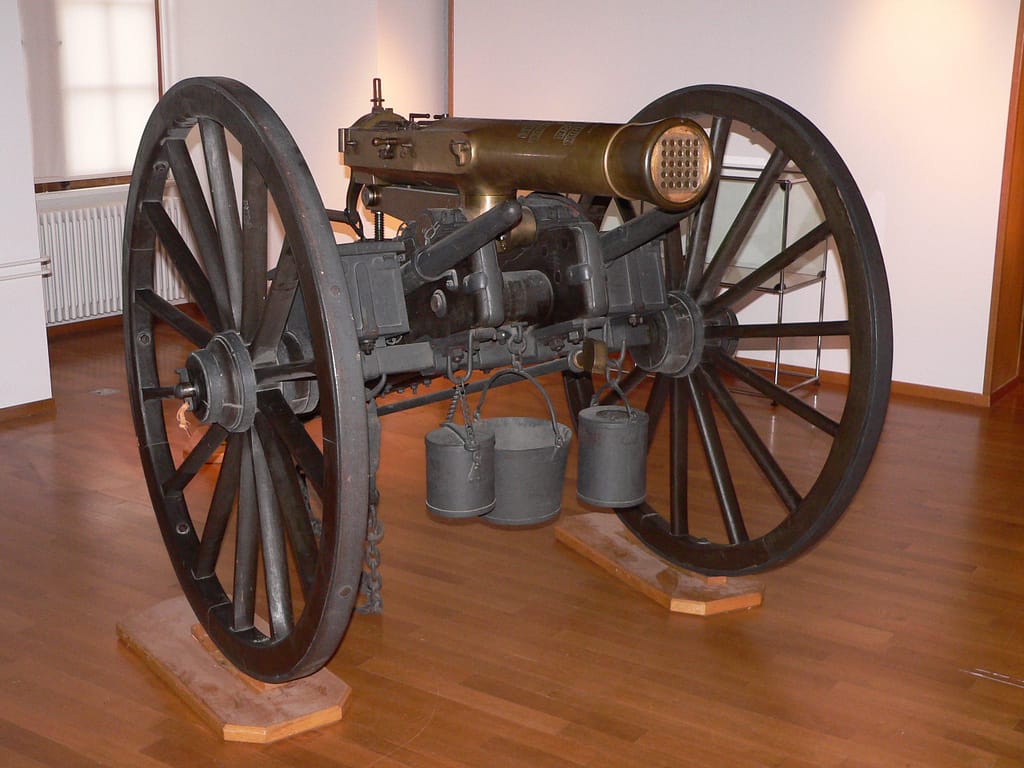
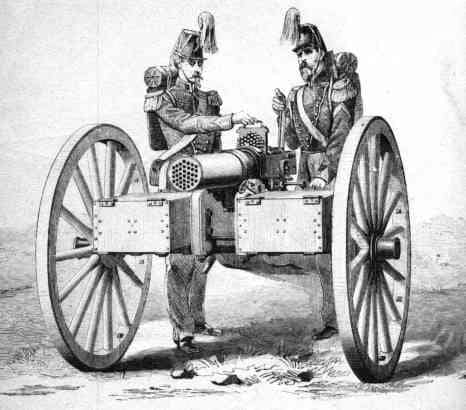
The Reffye Mitrailleuse was early form of machine gun. The French version was based on 25 x 13mm rifled barrels. The Mitrailleuse was loaded using pre-filled plates, and fired with a crank handle. Its maximum rate of fire was around 200-250 rounds per minute. The Mitrailleuse was extremely powerful and accurate, and the heavy 13mm projectiles would group tightly at 2,000+ metres to devastating effect. Unfortunately, the Prussian artillery was better and would specifically target the Mitrailleuse batteries.
Early morning: Initial contact on the Verdun Road
III Corps flanking movement
At first light on 16 August, General Constantin von Alvensleben’s III Corps was advancing west from the Moselle crossings toward the Metz–Verdun road, operating on the assumption that the French Army of the Rhine was already in full retreat toward Verdun. Alvensleben’s orders were vague: to move westward, reconnoitre aggressively, and deny the French freedom of manoeuvre if contact was made. He did not expect to encounter the main body of Bazaine’s army.10Wawro, The Franco-Prussian War, p. 152.
First contact near Vionville
At approximately 07:00 hrs, elements of General Hermann von Redern’s 13th Cavalry Brigade made contact with French cavalry screens near Vionville. The French cavalry belonged to General Marquis de Forton’s 3rd Reserve Cavalry Division, which was leading the French withdrawal along the Verdun axis. Following behind the French cavalry screen was General Charles Frossard’s II Corps. The French were not deployed for battle. French divisions were strung out along the road network, with artillery and trains intermingled. Despite this, the initial French resistance was firm, supported by rapid deployment of Chassepot-armed infantry and divisional artillery.
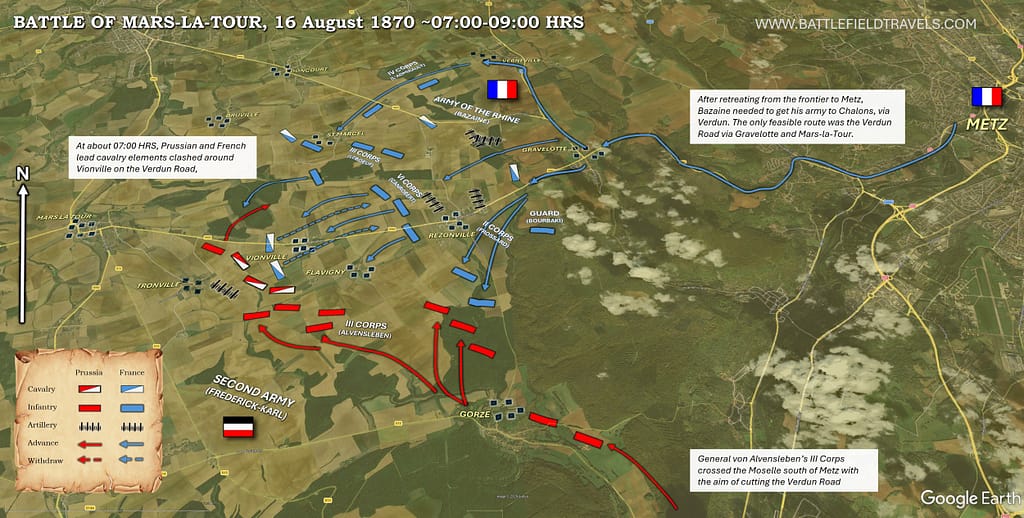
German deployments on the Metz-Verdun Road
Believing that Bazaine’s army had already marched west, and he was facing only its rearguard, Alvensleben made a critical decision. Without waiting for orders from Prince Friedrich Karl or Moltke, he ordered III Corps to attack and hold ground astride the Verdun road. This decision committed approximately 20,000 German troops against what was, in reality, the forward elements of an army several times their size. Alvensleben’s intent was not to defeat the French outright, but to fix them in place long enough for German reinforcements to arrive.11Barry, Quintin. The Franco-Prussian War, 1870-71, Volume 1, The Campaign of Sedan (Warwick: Helion & Company, 2007), p. 119.
By 09:00, German infantry had deployed south and north of Vionville, with batteries unlimbered on shallow rises overlooking the road. French commanders, including Frossard and elements of Leboeuf’s III Corps, now recognised that German forces were attempting to interdict the withdrawal rather than merely skirmish. Nevertheless, Bazaine issued no immediate order to concentrate and destroy the isolated German corps. The opportunity to overwhelm III Corps at the outset was already beginning to slip away.12Wawro, The Franco-Prussian War, p.153-155.
👉 Continue reading — this article is part of the BattlefieldTravels Deep Research Collection. The full 8,716-word analysis draws on primary and secondary accounts of the 1870 Battle of Mars-la-Tour, GIS analysis and extensive fieldwork on the Mars-la-Tour battlefield. Primary source examination, tactical conclusions, and notes & references that exist nowhere else in English. Try membership free for 7 days.
📚 Further Reading
This battle study nests within the broader analytical framework explored in the Research Hub, where operational methods, operating environments, armies, commanders, and weapons are examined across conflicts and eras. The links below connect related studies across the wider body of battlefield analysis on the BattlefieldTravels site.
⚔️ Explore all battle studies from the Franco-Prussian War 1870–1871
🏛️Explore the museum of Franco-Prussian War weapons and artefacts
🗞️ For updates on new battlefield studies and research insights, you can subscribe to the Newsletter.
You may also like


🧭 Battle of Mars-la-Tour Battlefield Travel Guide (16 August 1870)
The battlefield of Mars-la-Tour lies on the rolling plateau west of Metz, where villages, shallow ridgelines, and long sightlines shaped one of the most consequential meeting battles of the Franco-Prussian War. Fighting centred on the corridor between Vionville and Rezonville, where German forces intercepted Marshal Bazaine’s attempted withdrawal toward Verdun and forced the Army of the Rhine back toward Metz. This guide follows the battlefield by key villages and movement corridors, allowing visitors to read the ground and understand why control of roads, folds in the terrain, and village strongpoints mattered more than any single dramatic moment.
Getting There
- The battlefield lies in northeastern France, west of Metz, in the Lorraine region (Moselle département).
- Metz is the best base for visiting the battlefield, with fast road access to Mars-la-Tour, Vionville, Flavigny and Rezonville.
- Driving is the most practical option; the key villages are close together but dispersed across rural roads and open farmland.
- The modern D903/D903a corridor broadly reflects the operational axis of movement west from Metz toward Verdun.
- Museum of 1870. The Museum of 1870 and the Annexation at Gravelotte is the most comprehensive Franco-Prussian War museum in Europe, and is a must-do prior to visiting Mars-la-Tour battlefield
Site Orientation – The Mars-la-Tour Battlespace
- The terrain is a gently undulating plateau with long fields of fire, broken by shallow folds, hedgerows, and village clusters that became tactical strongpoints.
- Unlike many “named” battlefields, Mars-la-Tour is best understood as a chain of connected fights along a road network rather than a single focal point.
- Visibility can be deceptive: slight rises and depressions create dead ground and conceal movement until forces are close to villages and road junctions.
- Key insight: the battle’s operational meaning lay in blocking the French westward withdrawal corridor, not in capturing ground for its own sake.
Mars-la-Tour – Western Approaches and the Withdrawal Corridor
- Mars-la-Tour sits near the western edge of the battlefield area and helps frame the larger operational problem: the French attempt to withdraw from Metz toward Verdun.
- This is a useful start point for understanding why German forces sought to fix the French in place and prevent a clean withdrawal west.
- Key insight: the “battlefield” is a corridor — the decisive question is which army controlled the roads linking Metz to the west.
Vionville – First Major Contact and Village Fighting
- Vionville was one of the key village objectives fought over repeatedly, anchoring the eastern portion of the battlespace closest to Metz.
- From the village edges, note the limited covered routes available for infantry and artillery to move under fire between open fields and shallow folds.
- Key insight: control of villages such as Vionville allowed forces to hold road junctions and constrain enemy movement even without continuous trench lines.
Flavigny – The Central Plateau and Artillery Ground
- Flavigny sits near the central fighting zone and helps explain the battle’s shifting geometry as reinforcements arrived and lines extended across the plateau.
- Walk or drive the local roads between villages to see how movement is channelled into predictable corridors despite the “open” appearance of the terrain.
- Key insight: on this battlefield, small changes in elevation matter because they determine where guns can deploy, observe, and dominate approaches.
Rezonville – The Breakout Axis and the Road to Verdun
- Rezonville lies along the French breakout axis and became a key focal point as the battle expanded westward through the day.
- The village and approaches highlight why control of a small number of strongpoints could decide whether a large army could pass through a narrow operational corridor.
- From Rezonville, you can visualise the “hinge” problem faced by Bazaine: advance west under pressure or fall back toward Metz to preserve cohesion.
- Key insight: Mars-la-Tour was not a single breakthrough attempt — it was repeated local fighting that cumulatively prevented the French from disengaging cleanly.
On-Site Experience
- The battlefield is largely rural and agricultural, with limited formal interpretation compared to major modern war sites.
- The value lies in reading the ground: road alignments, village spacing, sightlines, and the subtle rises that shape observation and fire.
- To make the visit meaningful, use period maps and modern satellite imagery to link the villages into a single battlespace rather than isolated stops.
- Key insight: this is an ideal staff-ride battlefield — the operational logic becomes clearer the more you move between villages and look back along the corridor.
Nearby Points of Interest
- Metz – fortress city and strategic anchor of the campaign; useful context for why the Army of the Rhine became tied to the Metz defensive complex.
- Gravelotte–St Privat (18 August 1870) – the next major battle in the sequence, fought only days later as the French were driven back toward Metz.
- Verdun – while better known for 1916, Verdun’s road network and strategic position were central to the 1870 operational problem.
FAQ: Battle of Mars-la-Tour (1870)
Mars-la-Tour mattered because it disrupted Marshal Bazaine’s attempt to withdraw the French Army of the Rhine from Metz toward Verdun. Although the battle was tactically inconclusive, it blocked the French escape route and forced the army back toward Metz, shaping the siege and the wider campaign.
The Battle of Mars-la-Tour was fought on 16 August 1870, during the opening phase of the Franco-Prussian War.
Mars-la-Tour lies west of Metz in northeastern France. The battlefield area around Vionville, Flavigny and Rezonville is accessible by road and can be explored as a staff ride, with many key terrain features and village fight locations still recognisable. operation unfolded across northern Vietnam, centred on Bắc Kạn, Chợ Mới, Chợ Đồn, the Lô River system, and the road networks of Route Coloniale 3 and Route Coloniale 4.
The French Army of the Rhine was led by Marshal François Achille Bazaine, while the German forces were part of the Prussian-led armies under overall direction of King Wilhelm I and Helmuth von Moltke, with corps-level fighting led by senior Prussian commanders on the field.
Mars-la-Tour began as a meeting engagement rather than a planned set-piece battle. German forces advanced on limited information and collided with French columns moving west, and the fighting escalated as both sides committed more troops to control the road network and surrounding villages.
French attacks created repeated opportunities for a breakout, but the withdrawal was slowed by congestion, uncertain command decisions, and intense fighting around key villages and road junctions. German forces held long enough for reinforcements to arrive, closing the escape corridor and pushing the French back toward Metz.
Subscribe to Battlefield Travels and receive a free E-Book Battlefield Guide
Unlock expert battlefield analysis, campaign reconstructions, and historical insights drawn from firsthand exploration and primary sources.
🗺️ You’ll receive:
🎖️ Exclusive historical insights you won’t find elsewhere
📘 A free eBook: 10 Tips for Exploring Historic Battlefields
📰 New battlefield studies straight to your inbox as they are published

⚔️ Go deeper — Members get exclusive access to the Deep Research Collection, Field Notes, and monthly Research Dispatches. Try membership free for 7 days, cancel anytime. From $9/month.