How to neutralise Europe’s greatest fort?
Exploring Fort Eben-Emael
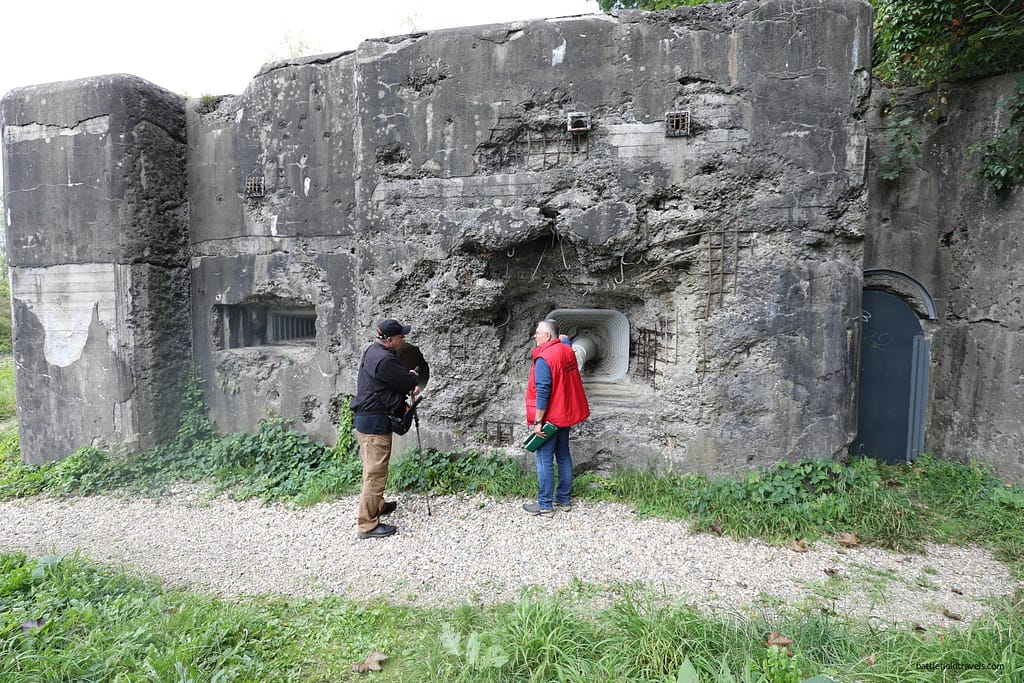
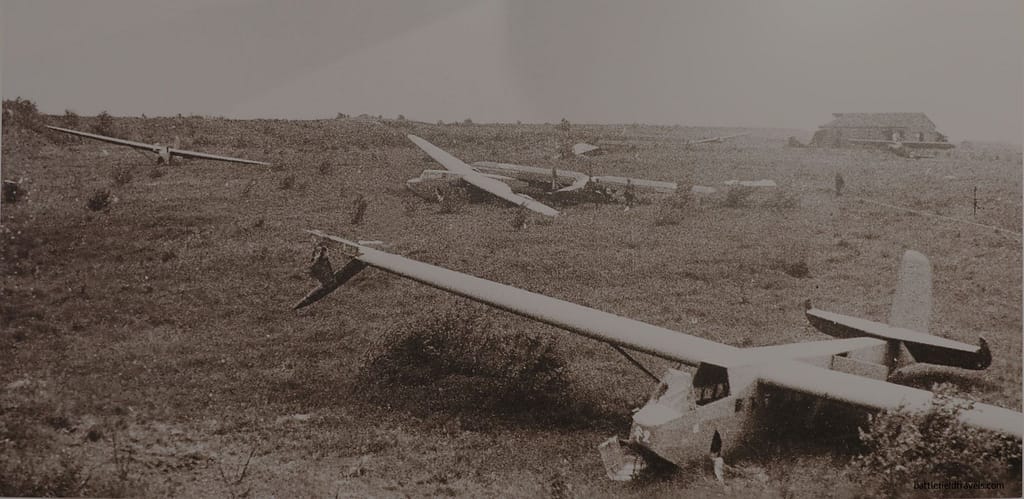
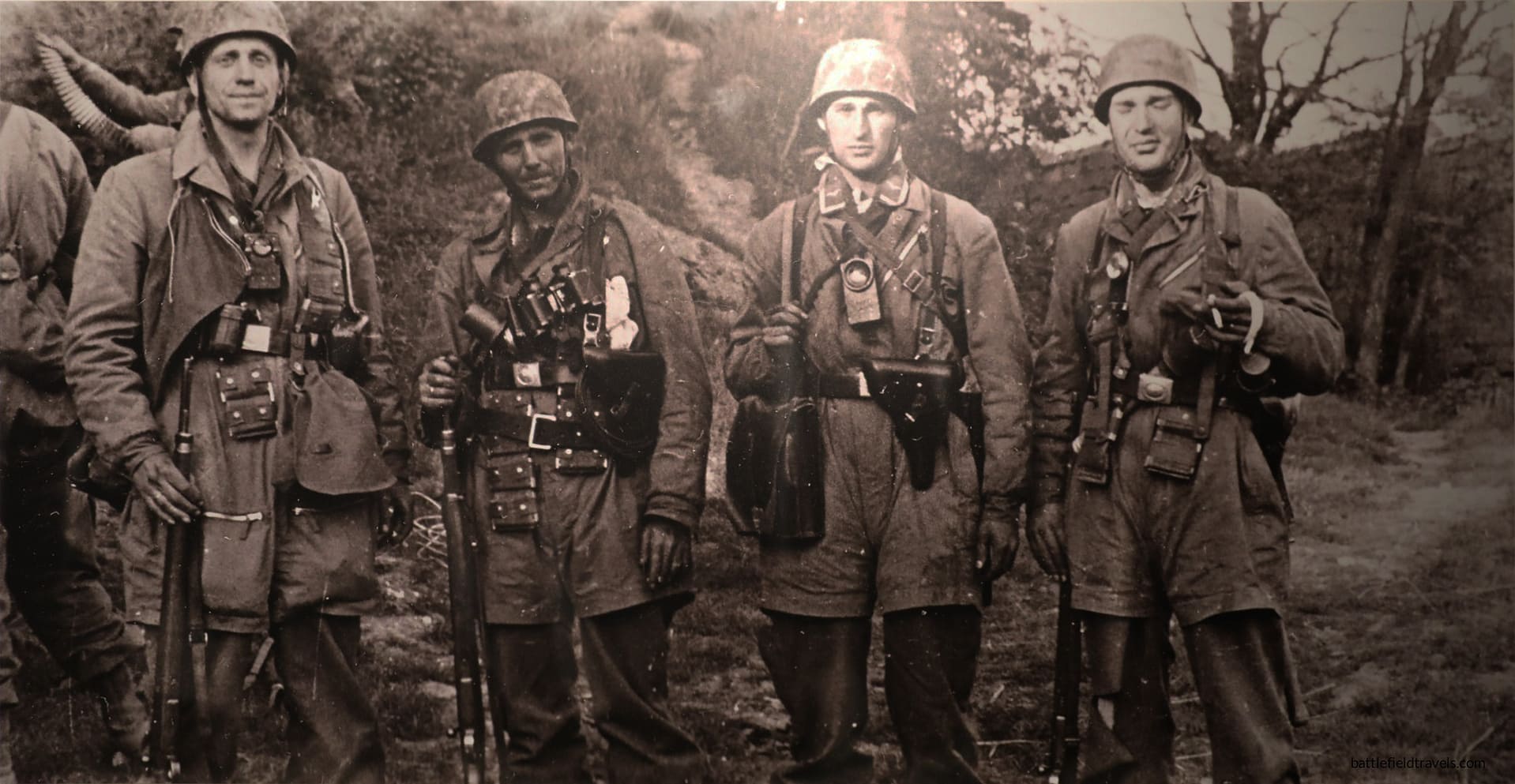
October 2025, Fort Eben-Emael, Liège, Belgium. I am exploring the great Belgian fortress of Eben-Emael with Rene, a former Belgian Paracommando Engineer. In May 1940, this was the site of one of the boldest, most dramatic actions in military history. A handful of German glider-borne assault engineers neutralised the most powerful fortress in Europe in under twenty-four hours, using a weapon no defender had previously encountered.
Building the new fort system, 1932-1935
After the Liège forts failed to halt the German advance in 1914, the Belgians realised that their 1880s-vintage fort system was obsolete and was catastrophically vulnerable to heavy artillery. On 15 August 1914, Fort de Loncin had been destroyed by a single German 420mm shell striking its magazine, killing 350 of its garrison in an instant. The lesson was taken seriously.
Between 1932 and 1935, Belgium constructed four new forts to cover the Meuse River crossings and the newly-built Albert Canal: Fort d’Aubin-Neufchâteau, Fort de Battice, Fort de Tancrémont, and Fort Eben-Emael. Belgian strategic planners planned to delay any future German invasion on this defensive line until French and British forces could reinforce them. Eben-Emael was the largest and most powerful of the new forts.
Eben-Emael layout
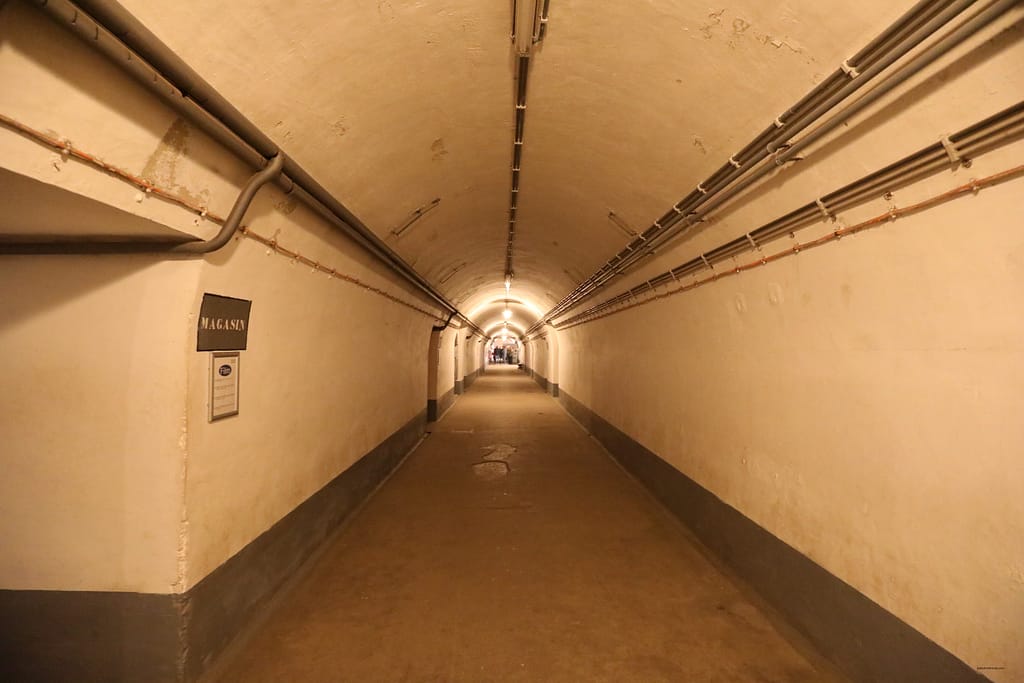
Built into a natural plateau behind the Meuse and the Albert Canal, the fort was a major engineering achievement. Its surface area covered approximately 75 acres. Its garrison of around 1,200 men operated a formidable array of weaponry from retractable armoured cupolas and casemates: 120mm guns capable of hitting targets at over 17 kilometres, 75mm anti-tank guns, 60mm anti-tank guns, and dozens of machine gun positions covered every approach. The walls and cupolas were designed to withstand direct hits from the heaviest artillery then in service. Underground, the garrison had its own power plant, hospital, barracks, ammunition stores, and command facilities. Each gun emplacement had its own separate ammunition magazine, a specific lesson learned from the Fort de Loncin experience.
By any conventional measure, Eben-Emael was impregnable. The Belgian military planners were confident that even a determined German assault would take days to reduce it, buying time for the Allied response to the invasion. They were wrong.
👉 Members continue here — terrain analysis of the assault positions, GIS mapping of the glider landing zones, and field observations from inside the fort that have not appeared in a published battle study. Try membership free for 7 days.

Authored by Mick Prictor, a retired military officer with 40 years’ service, and a military historian specialising in terrain-focused analysis of tactics, doctrine, and command decision-making in land warfare. His work draws on extensive battlefield fieldwork—more than 280 sites worldwide—and one of the world’s largest private collections of historic military arms, uniforms, and equipment. About me
📚 Further Reading – World War Two
This battle study nests within the broader analytical framework explored in the Research Hub, where operational methods, operating environments, armies, commanders, and weapons are examined across conflicts and eras. The links below connect related studies across the wider body of battlefield analysis on the BattlefieldTravels site.
⚔️ Explore all battle studies from World War Two 1939-1945
🏛️Explore the museum of World War Two historic artefacts
The book list for this conflict includes the finest campaign studies, memoirs, and operational analyses available on the D-Day landings, selected specifically to complement this battlefield study.
📚World War Two – Recommended Reading
🗞️ For updates on new battlefield studies and research insights, you can subscribe to the Newsletter.
Subscribe to Battlefield Travels and receive a free E-Book Battlefield Guide
Unlock expert battlefield analysis, campaign reconstructions, and historical insights drawn from firsthand exploration and primary sources.
🗺️ You’ll receive:
🎖️ Exclusive historical insights you won’t find elsewhere
📘 A free eBook: 10 Tips for Exploring Historic Battlefields
📰 New battlefield studies straight to your inbox as they are published

⚔️ Go deeper — Members get exclusive access to the Deep Research Collection, Field Notes, and monthly Research Dispatches. Try membership free for 7 days, cancel anytime. From $9/month.
Very interesting overall and I was surprised regarding the shaped charges – and impressive landings so close to objectives. Kinda like the Pegasus Bridge landings that were even closer. And rehearse, rehearse, rehearse.
Tom, Eben Emael was a discontinuity in military history. For all of previous history, the Belgian defenses would have worked. But 5he Germans changed the calculus with a glider-borne silent assault and hollow-charge weapons that could be carried by a single man and breach massive concrete and steel fortifications. We walked through some of the defenses that had been breached. Devastating damage – nobody has been in them since. I am going to develop this as a Tactical Innovation article.
Mick