Selected works on Ancient Greek Warfare
Overview of the Ancient Greek era
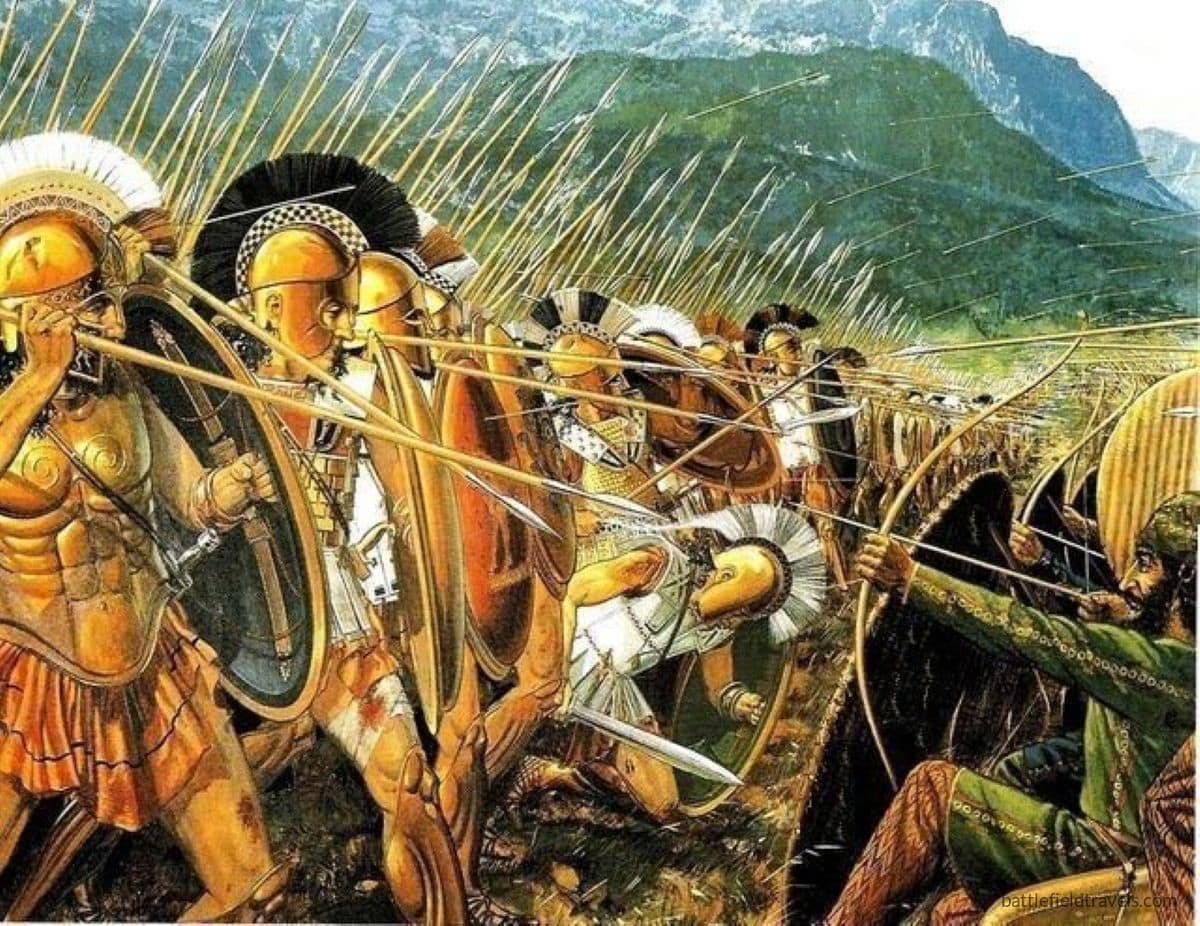
Ancient Greek warfare evolved over more than a thousand years, from the heroic-age conflicts of the Archaic period to the professional armies of the Hellenistic world. Warfare in Greece was shaped by rugged terrain, fiercely independent city-states, and military systems that reflected local identity and civic duty. The hoplite phalanx dominated much of the classical era, emphasising discipline, cohesion, and the political unity of the polis. At sea, Greek fleets pioneered ramming tactics, naval manoeuvre, and the massed use of the trireme fleet.
From the Homeric period to the Persian Wars, the Peloponnesian War, and the rise of Macedon to Alexander’s campaigns, Greek armies influenced the tactics, organisation, and military thought of every civilisation around the Mediterranean. The Hellenistic kingdoms that followed blended Greek, Persian, and local traditions into highly adaptive, combined-arms forces.
This section gathers essential reading on Greek military systems, campaigns, leaders, and the evolution of warfare in the ancient world.
Related Battle Studies, Museum Pieces & Reading Resources


The Amazon links on the Reading Room pages are powered by AAWP

Reading
The reference collection below includes the key books and references I have used in preparing for and undertaking studies of ancient battlefields.
Ancient Greek Wars
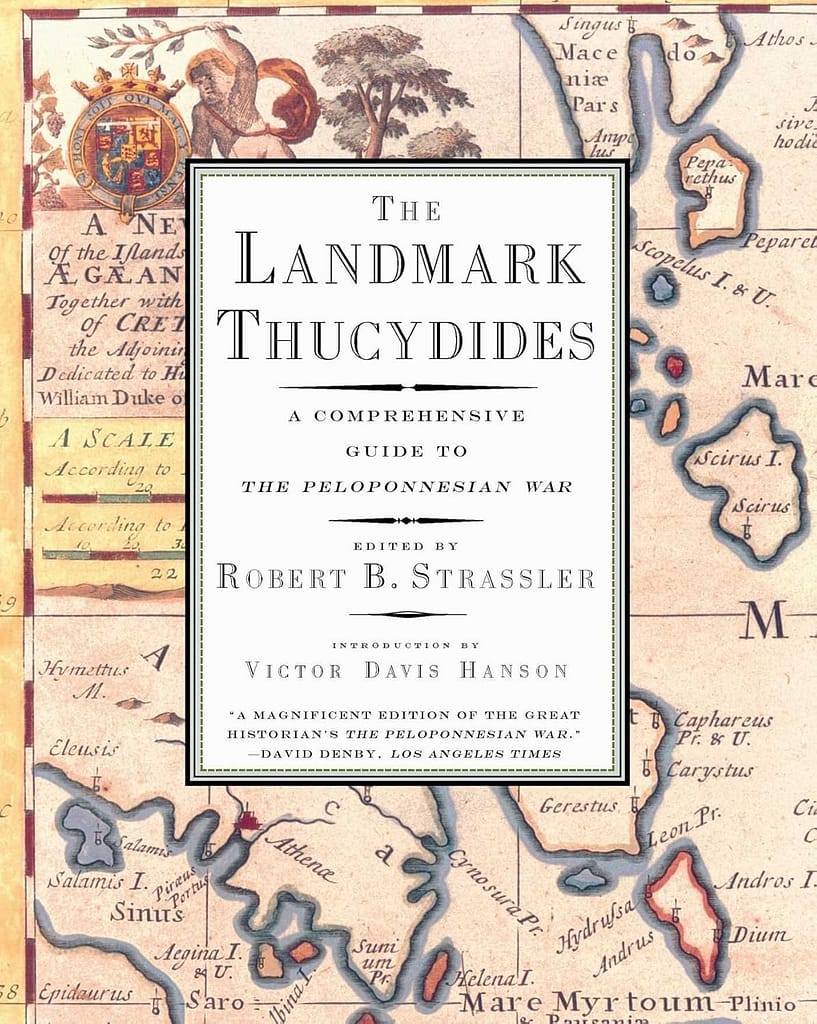
The Landmark Thucydides: A Comprehensive Guide to the Peloponnesian War
Thucydides called his account of two decades of war between Athens and Sparta “a possession for all time,” and indeed it is the first and still the most famous work in the Western historical tradition.
Considered essential reading for generals, statesmen, and liberally educated citizens for more than 2,000 years, The Peloponnesian War is a mine of military, moral, political, and philosophical wisdom.


No products found.


This one is a novel, but the epic story telling makes it feel like a first person account of Thermopylae:


Authored by Mick Prictor, a retired military officer with 40 years’ service, and a military historian specialising in terrain-focused analysis of tactics, doctrine, and command decision-making in land warfare. His work draws on extensive battlefield fieldwork—more than 280 sites worldwide—and one of the world’s largest private collections of historic military arms, uniforms, and equipment. About me
FAQ – Greek Warfare Reading Room
This reading list is curated to highlight works that examine Greek warfare through the study of sources, archaeology, organisation, weapons, and battlefield practice. Priority is given to studies that address how Greek armies fought in practice, rather than relying solely on literary tradition or later interpretation.
While hoplite warfare is an important component of Greek military history, the list also includes works that address light troops, cavalry, naval warfare, siege operations, and the evolution of tactics across different Greek states and periods.
Terrain was often decisive. Narrow passes, ridgelines, river valleys, and broken ground frequently shaped the deployment and effectiveness of Greek forces. Commanders regularly sought terrain that constrained enemy movement or reinforced the strengths of their own troops.
The list includes a mix of introductory works and more specialised studies. Readers new to the subject may wish to begin with the general overviews before progressing to detailed analyses of specific battles or regions.
No. This is a selective reading list intended to guide further study rather than provide exhaustive coverage. Additional works may be added as new scholarship and archaeological evidence emerge.
Subscribe to Battlefield Travels and receive a free E-Book Battlefield Guide
Unlock expert battlefield analysis, campaign reconstructions, and historical insights drawn from firsthand exploration and primary sources.
🗺️ You’ll receive:
🎖️ Exclusive historical insights you won’t find elsewhere
📘 A free eBook: 10 Tips for Exploring Historic Battlefields
📰 New battlefield studies straight to your inbox as they are published

⚔️ Go deeper — Members get exclusive access to the Deep Research Collection, Field Notes, and monthly Research Dispatches. Try membership free for 7 days, cancel anytime. From $9/month.