Selected works on the Spanish Conquest of the New World

Overview of the Spanish Conquest of the New World
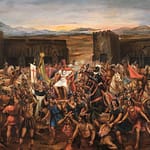
The Spanish Conquest of the New World was one of history’s most rapid and transformative military campaigns. Following Columbus’s first voyage in 1492, successive expeditions under conquistadors such as Hernán Cortés and Francisco Pizarro extended Spanish authority across the Caribbean, Mexico, and South America. Driven by a fusion of royal ambition, personal enrichment, and religious zeal, the conquistadors combined Renaissance military organisation, seafaring skill, and firearms with indigenous alliances and ruthless opportunism.
In 1519, Cortés landed in Mexico with fewer than six hundred men, forging a coalition of discontented tribes to overthrow the Aztec Empire at Tenochtitlán by 1521. Pizarro’s capture of the Inca ruler Atahualpa at Cajamarca in 1532 and his defeat of Manco Inca’s rebellion repeated the pattern on an even grander scale. Steel weapons, horses, and cannon provided tactical advantage, but disease, political division, and calculated diplomacy were equally decisive.
By the 1570s, Spanish rule extended from northern Mexico to Chile, supported by a colonial bureaucracy and missionary infrastructure. The conquests redefined global power, transferring vast wealth to Europe and initiating centuries of demographic and cultural change. Yet they also generated enduring debate over the morality of empire and the destruction of indigenous civilisations. The Spanish Conquest remains a study in audacity, logistics, and asymmetric warfare at the dawn of the modern world.
Related Battle Studies, Museum Pieces & Reading Resources


The Amazon links on the Reading Room pages are powered by AAWP

Reading
The reference collection below includes the key books and references I have used in preparing for and undertaking studies of battlefields in the New World.
The Inca Empire


The Aztec Empire
The Mayans

Authored by Mick Prictor, a retired military officer with 40 years’ service, and a military historian specialising in terrain-focused analysis of tactics, doctrine, and command decision-making in land warfare. His work draws on extensive battlefield fieldwork—more than 280 sites worldwide—and one of the world’s largest private collections of historic military arms, uniforms, and equipment. About me
FAQ – Spanish Conquest of the New World
This reading list is curated to prioritise works that examine the Spanish conquests through primary sources, operational realities, and decision-making under unfamiliar conditions. Emphasis is placed on studies that address terrain, logistics, indigenous political structures, weapons, and command relationships, rather than purely triumphalist or legend-driven narratives.
While key commanders inevitably feature, the list also includes works that explore broader Spanish expeditionary methods, indigenous responses, coalition warfare, and the structural factors—terrain, disease, logistics, and local alliances—that shaped outcomes beyond individual leadership.
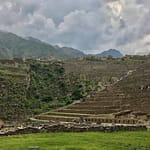
Terrain was a decisive factor. Dense jungles, mountain passes, causeways, lakeside cities, and river systems shaped movement, communication, and combat. Many Spanish successes and failures can only be understood by examining how commanders interpreted and exploited unfamiliar terrain, often with indigenous guides and allies.
The list includes a mix of accessible overviews and more specialised academic studies. Readers new to the topic may wish to begin with the general works before moving on to campaign- or region-specific titles.
No. This is a selective reading list intended to guide serious study rather than provide exhaustive coverage. Additional works may be added as research perspectives evolve and new scholarship emerges.
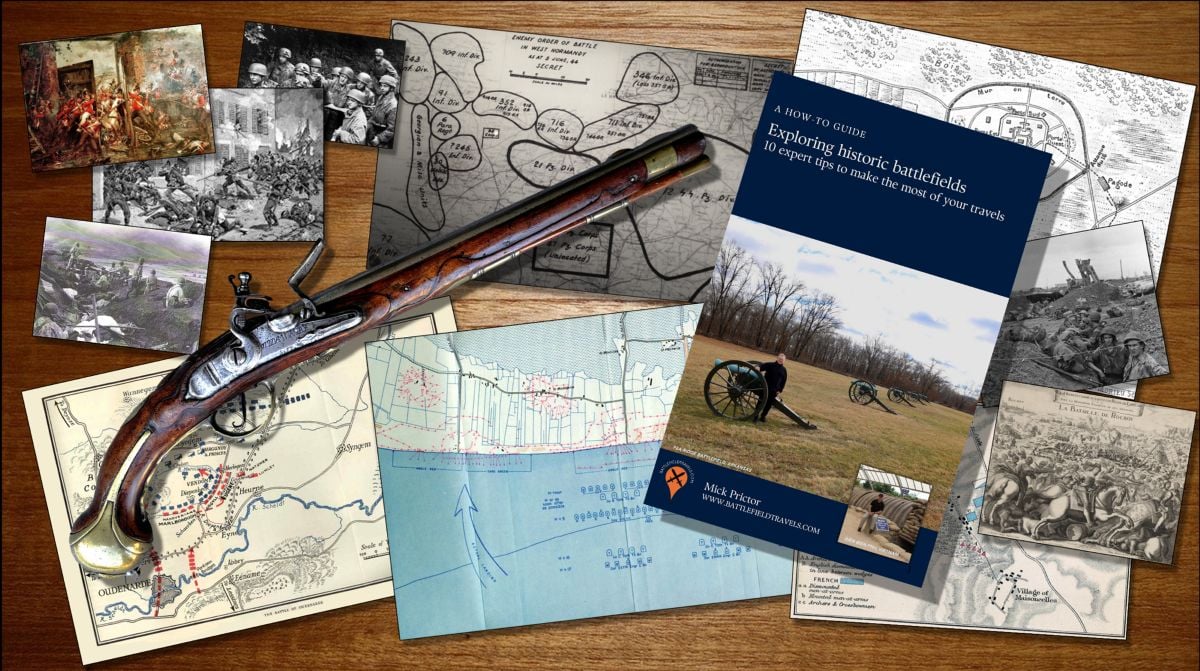
Subscribe to Battlefield Travels and receive a free E-Book Battlefield Guide
Unlock expert battlefield analysis, campaign reconstructions, and historical insights drawn from firsthand exploration and primary sources.
🗺️ You’ll receive:
🎖️ Exclusive historical insights you won’t find elsewhere
📘 A free eBook: 10 Tips for Exploring Historic Battlefields
📰 New battlefield studies straight to your inbox as they are published
⚔️ Go deeper — Members get exclusive access to the Deep Research Collection, Field Notes, and monthly Research Dispatches. Try membership free for 7 days, cancel anytime. From $9/month.