Selected works on the Thirty Years War
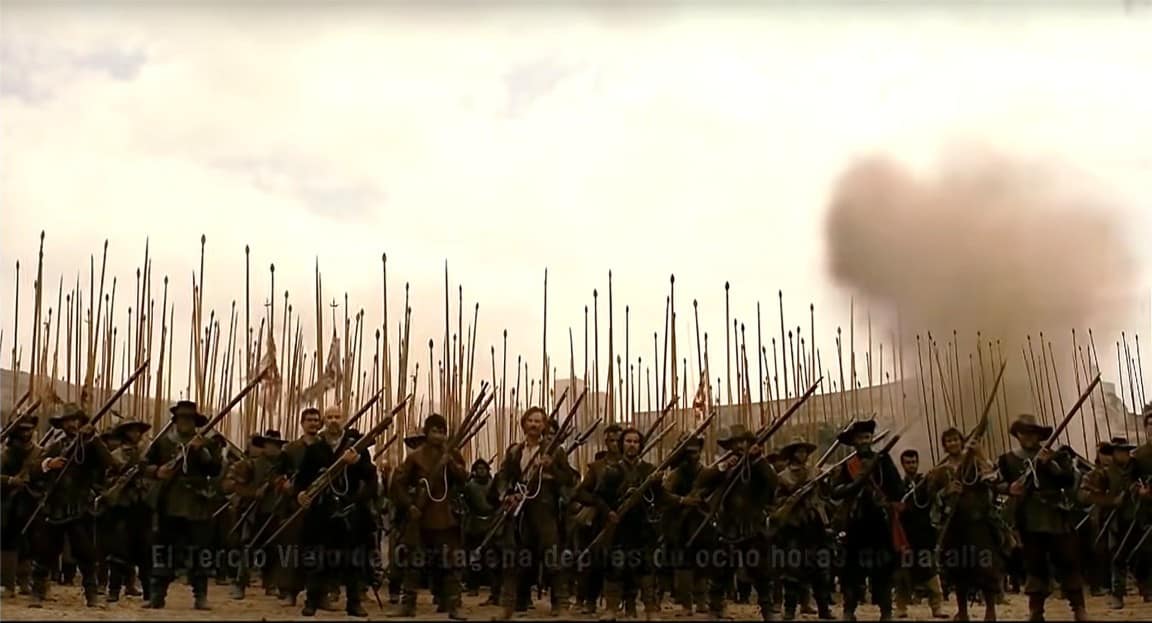
Understanding Europe’s defining early-modern conflict through its historians
The Thirty Years’ War has attracted some of the richest and most contested scholarship in early-modern military history. Because the conflict spans religion, politics, dynastic ambition, state formation, and military revolution, no single narrative can fully capture its complexity. Instead, historians have approached the war through multiple lenses — confessional conflict, geopolitical rivalry, fiscal-military pressures, and the evolution of tactics and command — creating a diverse literature that rewards careful reading.
Modern understanding of the war owes much to the work of historians such as Geoffrey Parker, Peter Wilson, C. V. Wedgwood, and Günther Franz. Wedgwood’s The Thirty Years War remains a highly readable classic, notable for its narrative sweep and human focus. Parker’s contributions, especially on the “military revolution” thesis, explore how gunpowder, fortifications, logistics and state capacity shaped the conflict’s campaigns. Peter Wilson’s Europe’s Tragedy stands today as the most comprehensive single-volume study, synthesising political, social, and operational perspectives across the entire war.
Specialist works deepen this picture. Studies of Gustavus Adolphus and the Swedish army—by scholars such as Michael Roberts and William Guthrie—highlight reforms in drill, firepower, linear tactics, and combined arms. Others focus on the Imperial and Catholic League systems, exploring how commanders like Tilly and Wallenstein balanced recruitment, finance, and manoeuvre in a fragmented political landscape. Research into the socioeconomic impact of the war, including depopulation, famine and the burdens of billeting, has reshaped understanding of how early-modern armies operated and endured.
For readers exploring the battles themselves, the Thirty Years’ War offers fertile ground for comparing doctrine, organisation and the influence of terrain—from the wooded ridges at Lützen to the fortified towns of the Rhineland and the open manoeuvre spaces of northern Germany. The literature gathered here provides both entry points and advanced studies, helping readers engage with one of Europe’s most transformative and devastating conflicts.
Related Battle Studies, Museum Pieces & Reading Resources


The Amazon links on the Reading Room pages are powered by AAWP

Reading
The reference collection below includes the key books and references I have used in preparing for and undertaking studies of battlefields of the Thirty Years War.
The Thirty Years War


Authored by Mick Prictor, a retired military officer with 40 years’ service, and a military historian specialising in terrain-focused analysis of tactics, doctrine, and command decision-making in land warfare. His work draws on extensive battlefield fieldwork—more than 280 sites worldwide—and one of the world’s largest private collections of historic military arms, uniforms, and equipment. About me
Frequently asked questions
Excellent entry points include C. V. Wedgwood’s classic The Thirty Years War and Peter Wilson’s comprehensive Europe’s Tragedy. Both provide broad context, clear campaigning narratives and strong overviews of the political and religious dynamics.
Which modern historians offer the most authoritative analysis?
Interpretations differ because the war intersects religion, dynastic rivalry, territorial ambition and the balance of power in early-modern Europe. Historians place varying emphasis on these factors, resulting in differing explanations for why the conflict escalated and endured.
Gustavus Adolphus introduced reforms in drill, firepower, linear tactics and combined arms that gave Sweden temporary battlefield superiority. Historians debate the extent of his innovations, but most agree that his approach accelerated changes in early-modern warfare.
Many contemporary accounts are partisan or limited in scope. Modern historians cross-reference chronicles with administrative records, correspondence, archaeological evidence and logistical data to produce more accurate interpretations of campaigns and command decisions.
Subscribe to Battlefield Travels and receive a free E-Book Battlefield Guide
Unlock expert battlefield analysis, campaign reconstructions, and historical insights drawn from firsthand exploration and primary sources.
🗺️ You’ll receive:
🎖️ Exclusive historical insights you won’t find elsewhere
📘 A free eBook: 10 Tips for Exploring Historic Battlefields
📰 New battlefield studies straight to your inbox as they are published

⚔️ Go deeper — Members get exclusive access to the Deep Research Collection, Field Notes, and monthly Research Dispatches. Try membership free for 7 days, cancel anytime. From $9/month.