Selected works on the Russo-Finnish ‘Winter War’

Overview of the Russo-Finnish Winter War
The Winter War was fought between the Soviet Union and Finland from 30 November 1939 to 13 March 1940. Triggered by Soviet territorial demands following the Molotov–Ribbentrop Pact, it became one of the most remarkable defensive campaigns of the twentieth century. The Red Army invaded with over 450,000 men, expecting a swift victory; the Finnish Army, under Marshal Carl Gustaf Emil Mannerheim, fielded barely 180,000, equipped with limited armour and artillery.
The Finns relied on mobility, camouflage, and deep knowledge of their forested terrain. Ski troops executed hit-and-run ambushes, cut Soviet columns into isolated segments, and destroyed them piecemeal using “motti” tactics at Suomussalmi/Raate Road. On the Karelian Isthmus, the Mannerheim Line absorbed repeated Soviet assaults despite heavy bombardment. Freezing conditions, poor Soviet coordination, and inadequate logistics compounded Red Army losses.
By February 1940, Soviet reinforcements and improved tactics finally broke Finnish resistance. The Moscow Peace Treaty ceded the Karelian Isthmus and parts of Lapland to the USSR, but Finland preserved its independence — a rare outcome against Stalin’s forces. The war exposed serious flaws in Soviet command and prompted major reforms before the German invasion of 1941. For Finland, it became a symbol of national endurance and tactical ingenuity against overwhelming odds.
Related Battle Studies, Museum Pieces & Reading Resources


The Amazon links on the Reading Room pages are powered by AAWP

Reading
The reference collection below includes the key books and references I have used in preparing for and undertaking studies of the Winter War battlefields.
The Winter War


Authored by Mick Prictor, a retired military officer with 40 years’ service, and a military historian specialising in terrain-focused analysis of tactics, doctrine, and command decision-making in land warfare. His work draws on extensive battlefield fieldwork—more than 280 sites worldwide—and one of the world’s largest private collections of historic military arms, uniforms, and equipment. About me
FAQ – Winter War (1939–1940) Reading Room
This reading list is curated to prioritise works that analyse the Winter War through operations, command decision-making, terrain, weather, and adaptation. Emphasis is placed on studies grounded in primary sources and serious operational analysis rather than purely diplomatic or anecdotal accounts.
While Finnish adaptation and motti tactics are central, the list also includes works examining Soviet doctrine, command structure, logistics, and learning during the conflict. Understanding the war requires examining how both sides interpreted and responded to the same terrain and conditions.
Terrain and weather were decisive. Forests, lakes, road networks, snow cover, and extreme cold constrained movement and logistics, magnifying the effects of micro-terrain and favouring forces able to disperse, conceal movement, and operate off established roads.
The list includes both accessible overviews and more specialised operational studies. Readers new to the conflict may wish to begin with general histories before moving on to campaign- or unit-level analyses.
No. This is a selective reading list intended to guide serious study rather than provide exhaustive coverage. Additional works may be added as new scholarship and archival material become available.
Subscribe to Battlefield Travels and receive a free E-Book Battlefield Guide
Unlock expert battlefield analysis, campaign reconstructions, and historical insights drawn from firsthand exploration and primary sources.
🗺️ You’ll receive:
🎖️ Exclusive historical insights you won’t find elsewhere
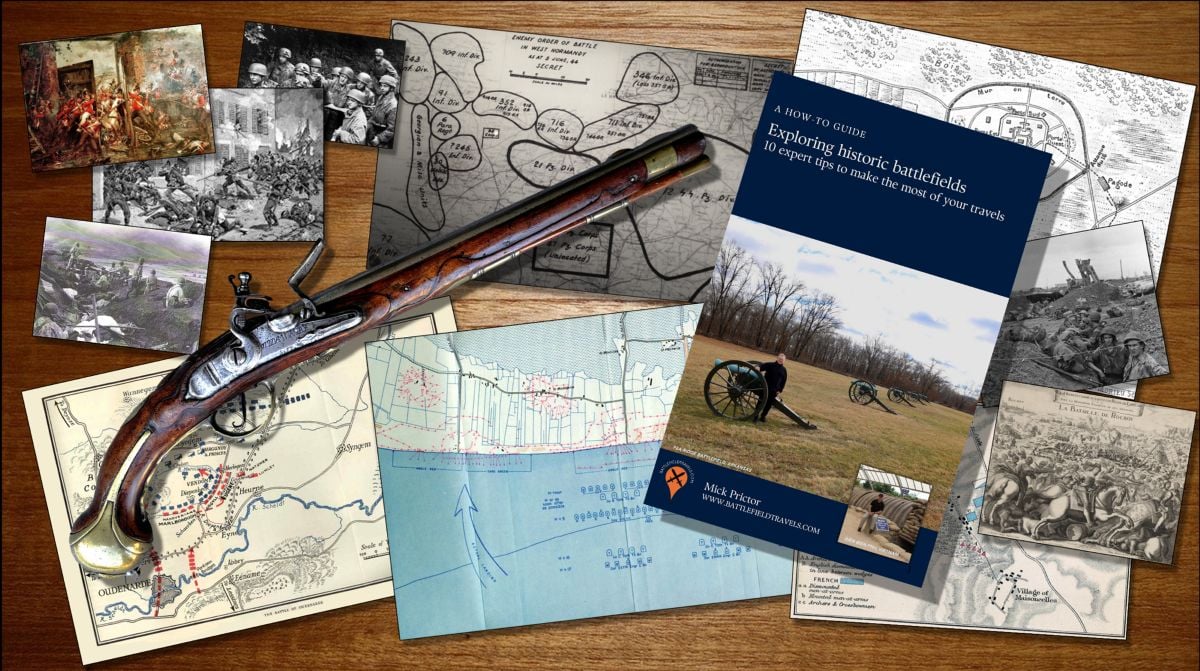
📘 A free eBook: 10 Tips for Exploring Historic Battlefields
📰 New battlefield studies straight to your inbox as they are published
⚔️ Go deeper — Members get exclusive access to the Deep Research Collection, Field Notes, and monthly Research Dispatches. Try membership free for 7 days, cancel anytime. From $9/month.