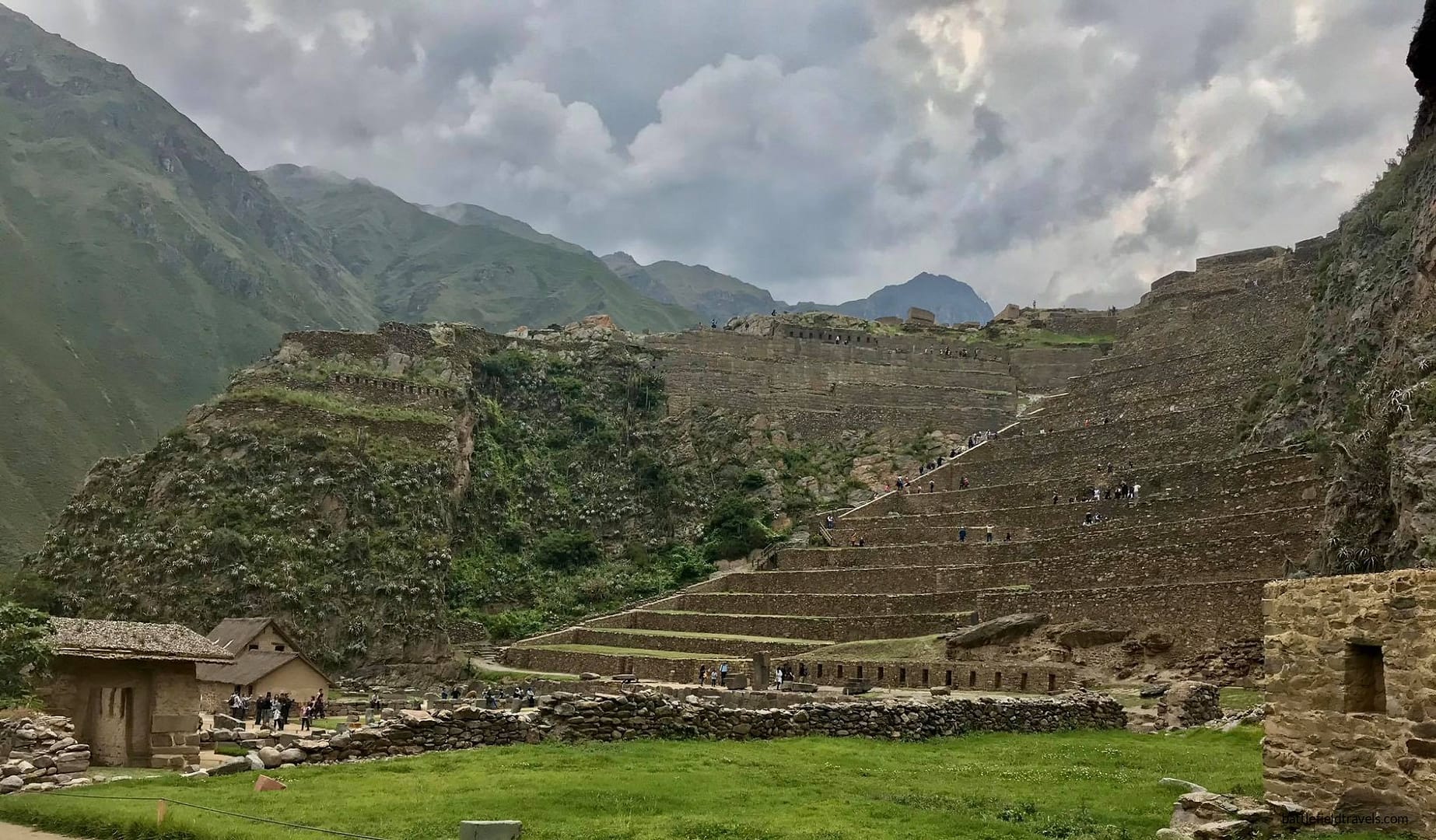
February 2020, Ollantaytambo, Sacred Valley, Peru. I am exploring the site of a 1537 battle between Manco Inca’s indigenous forces and the Spanish Conquistadors under Hernando Pizarro. Part of the Spanish conquest of the New World.
Reconstructing the battlefields of the Spanish conquest of the New World through terrain analysis, primary sources and on-site research
Spanish conquest of the New World. The Capture of Atahualpa in Cajamarca (Battle of Cajamarca) 1532, by Juan Lepiani.
Walking the battlefields of the Spanish Conquest of the New World
The Spanish conquest of the New World was not a single campaign, but a series of dramatic encounters, alliances, rebellions and military expeditions that unfolded across the Caribbean, Mexico, Central America and the Andes. Between the late 15th and mid-16th centuries, Spanish conquistadors, Indigenous allies, rival polities and powerful empires fought across forests, high plains, volcanic valleys and some of the world’s most extreme mountain landscapes. The resulting conflicts reshaped entire civilisations, while leaving behind battlefields — from the Valley of Mexico to the Peruvian Andes — whose terrain still reveals much about how these campaigns were fought.
Mesoamerica – Aztec Empire and Mayans
In Mesoamerica, the encounter between Hernán Cortés and the Aztec Empire set the tone for conquest warfare: shifting alliances, internal rivalries, and the decisive influence of geography and urban fortification. The march on Tenochtitlan was shaped by lake systems, causeways and densely built cityscapes that produced sieges, street fighting and amphibious operations unlike anything encountered in Europe.
Peru – the Inca Empire
Further south, the campaigns against the Inca Empire were fought across some of the most formidable terrain in the world. The Andes offered high-altitude strongholds, narrow defiles, steep agricultural terraces and road systems that favoured defence and rapid movement by local forces. Battles and sieges — including the Siege of Cusco, where Spanish and Indigenous allies held the city against overwhelming Inca counterattacks, and the defence of Ollantaytambo, where Inca forces under Manco Inca used terraces, fields, stone fortresses and diverted river waters to halt the Spanish — reveal how terrain and Indigenous tactical adaptation shaped every phase of the conflict.
Final campaigns
The final campaigns of the conquest pushed deep into remote valleys, jungle fringes and isolated highland enclaves as the last Inca resistance under Vilcabamba shifted to guerrilla warfare, ambushes and fortified refuges. By the 1570s, Spanish rule had extended across the former Inca heartlands, but resistance, cultural survival and Indigenous agency continued in complex forms.
This collection of battlefield studies examines these campaigns through archaeological evidence, Indigenous accounts, Spanish chronicles and modern field reconnaissance — revealing not only what happened during the conquest, but how the landscapes of the New World shaped the encounter between empires.
Spanish Conquest of the New World – Battlefield Studies
In-depth battlefield analyses based on terrain, primary sources, and on-the-ground exploration.
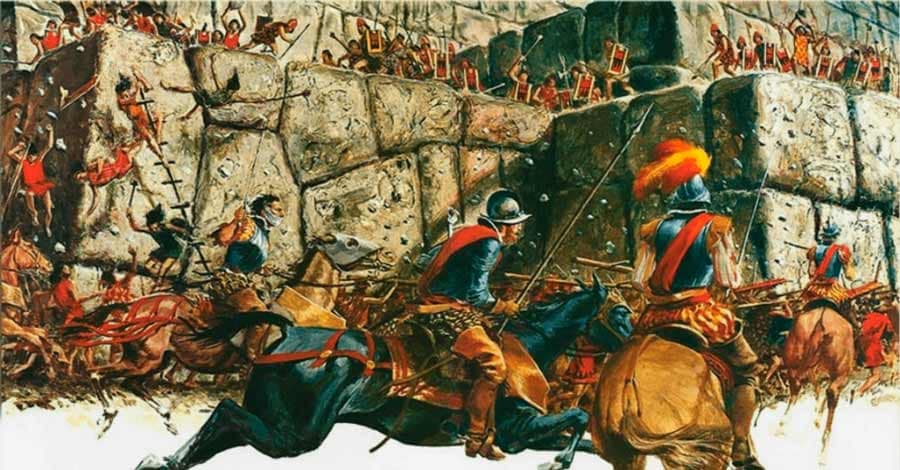
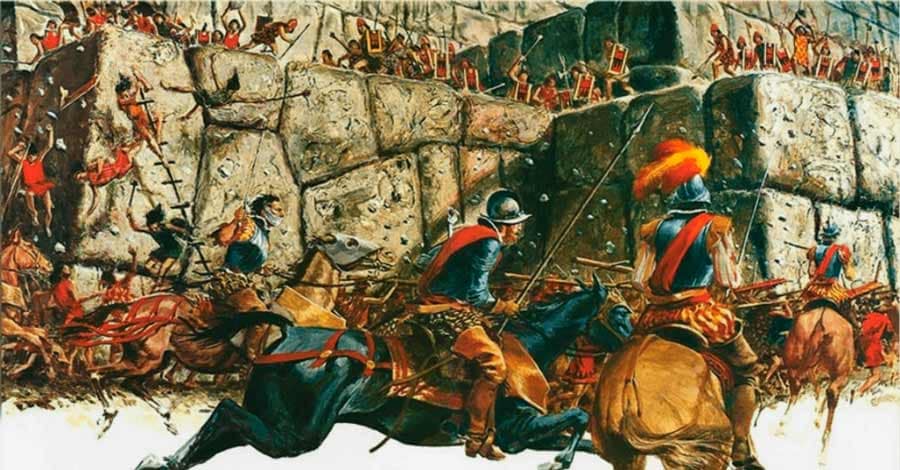
The Battle of Sacsayhuamán was a significant milestone in the Spanish conquest of the Inca Empire. While the Inca warriors demonstrated bravery and tenacity, they were unable to overcome the superior weaponry and tactics of the Spanish conquistadors. The Spanish victory at Sacsayhuamán ended the Inca attempt to reclaim Cusco.
February 2020, Ollantaytambo, Sacred Valley, Peru. I am exploring the site of a 1537 battle between Manco Inca’s indigenous forces and the Spanish Conquistadors under Hernando Pizarro. Part of the Spanish conquest of the New World.
Over thousands of years of warfare, armies have sought ways to gain advantage on the battlefield. Sometimes the solution was a new weapon. Sometimes it was a radical new method. Often it was a combination of both. From the disciplined ranks of the Greek phalanx to pike-and-shot warfare to the interlocking machine-gun fire plans of the twentieth century, tactical innovations have repeatedly reshaped how battles are fought.
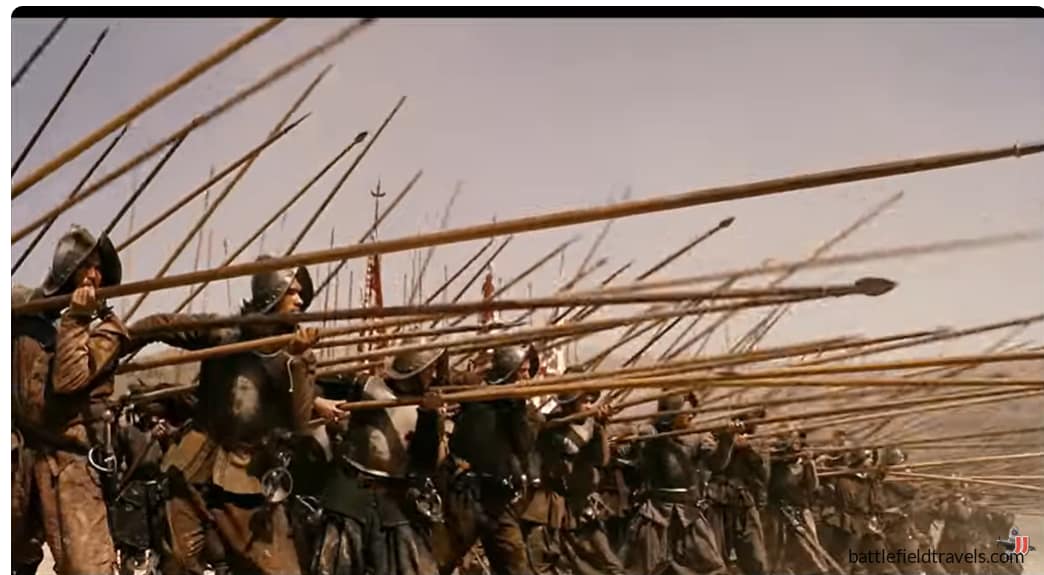
The widespread adoption of firearms by European armies created a new tactical dilemma. The previously invulnerable pike formations were now extremely vulnerable to gunpowder weapons, while the musketeers remained vulnerable to enemy cavalry. What was needed was a combined-arms system in which the relative advantages of the musket, pike, cavalry, and artillery could cover each…
Authored by Mick Prictor, a retired military officer with 40 years’ service, and a military historian specialising in terrain-focused analysis of tactics, doctrine, and command decision-making in land warfare. His work draws on extensive battlefield fieldwork—more than 280 sites worldwide—and one of the world’s largest private collections of historic military arms, uniforms, and equipment. About me
⚔️ Go deeper — Members get exclusive access to the Deep Research Collection, Field Notes, and monthly Research Dispatches. Try membership free for 7 days, cancel anytime. From $9/month.
What periods and regions are covered in the Spanish Conquest collection?
The collection spans campaigns in Mesoamerica and the Andes between 1492 and 1572, including Aztec, Maya and Inca conflicts.
Which battlefields are included or planned?
Published studies include the Siege of Cusco, with forthcoming articles on Ollantaytambo and other key engagements across the Inca heartlands and the wider conquest.
Why is terrain so important in understanding the Spanish Conquest?
Battles were fought across extreme landscapes — high mountains, narrow valleys, fortified terraced sites and vast urban centres — all of which shaped tactics, movement and the outcomes of sieges and engagements.
How do Indigenous sources inform these studies?
Accounts from Inca, Aztec and other Indigenous peoples provide essential perspectives on alliances, resistance strategies and local knowledge of terrain.
Can these historic sites still be visited today?
Yes. Many — including Cusco, Ollantaytambo and other Andean fortresses — retain significant archaeological features and landscape continuity.
Subscribe to Battlefield Travels and receive a free E-Book Battlefield Guide
Unlock expert battlefield analysis, campaign reconstructions, and historical insights drawn from firsthand exploration and primary sources.
🗺️ You’ll receive:
🎖️ Exclusive historical insights you won’t find elsewhere
📘 A free eBook: 10 Tips for Exploring Historic Battlefields
📰 New battlefield studies straight to your inbox as they are published
Claim Your Free Battlefield Travel Guide
Get your free e-book, exclusive tips, and updates on new battlefield studies.
Thank you!
You have successfully joined our subscriber list.
⚔️ Go deeper — Members get exclusive access to the Deep Research Collection, Field Notes, and monthly Research Dispatches. Try membership free for 7 days, cancel anytime. From $9/month.
The Battle of Sacsayhuamán was a significant milestone in the Spanish conquest of the Inca Empire. While the Inca warriors demonstrated bravery and tenacity, they were unable to overcome the superior weaponry and tactics of the Spanish conquistadors. The Spanish victory at Sacsayhuamán ended the Inca attempt to reclaim Cusco.