The Crimean War
The Crimean War (1853–1856) was fought between Russia and an allied coalition of Britain, France, the Ottoman Empire, and later Sardinia-Piedmont. The conflict stemmed from Russian pressure on the Ottoman Empire and wider concerns over the European balance of power. After initial fighting in the Balkans and the Black Sea, the allies launched an expedition to the Crimean Peninsula to neutralise the Russian naval base at Sevastopol.
Weapons and technology
The war marked a transitional phase in military technology. Allied infantry were increasingly equipped with rifled muskets firing Minié-type expanding projectiles, extending effective engagement ranges well beyond those of earlier smoothbore arms. French forces fielded the Modèle 1851 Minié rifle, while British troops carried the Pattern 1853 Enfield rifle-musket. Russian infantry remained largely equipped with smoothbore muskets in the early stages, affecting tactical engagement distances.
Operations in Crimea evolved into positional warfare dominated by field fortifications, siege artillery, and trench systems. At Alma, Balaklava, and Inkerman, manoeuvre remained important, but the protracted siege of Sevastopol (1854–1855) demonstrated the growing lethality of rifled fire, heavy guns, and engineered defensive works. Artillery duels, counter-battery fire, and systematic siege parallels anticipated later nineteenth-century warfare.
British, French, Sardinian, and Turkish forces operated under severe climatic and logistical constraints. The war exposed deficiencies in supply systems, medical services, and command structures across all armies. It also highlighted the increasing relationship between industrial capacity, weapons production, and sustained expeditionary operations.
All artefacts shown are from my personal collection and photographed firsthand.
Long Arms of the Crimean War
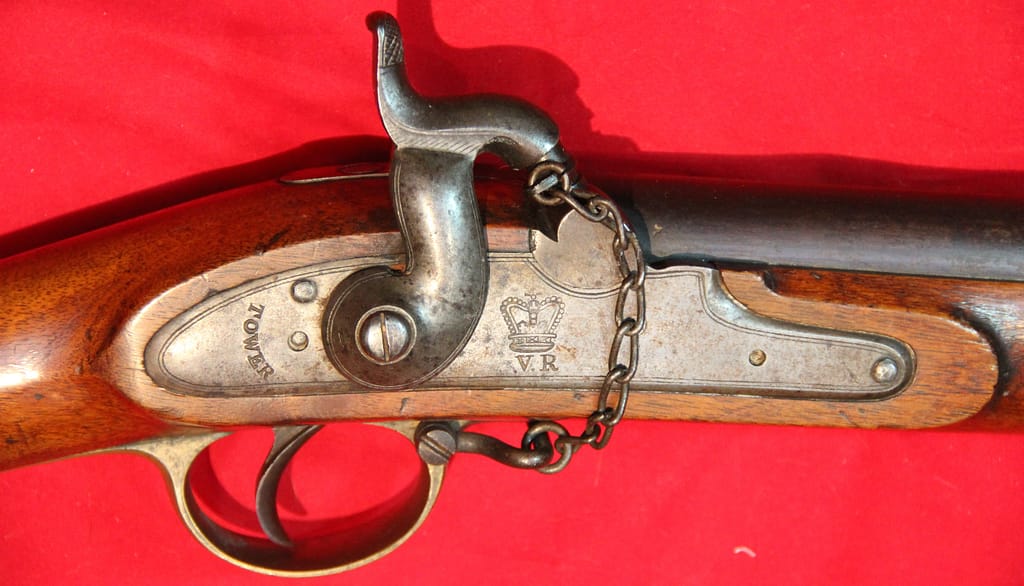
Pattern 1853 Enfield Rifle-Musket, from my personal collection.
The Pattern 1853 Enfield was a muzzle-loading percussion rifle-musket of .577 calibre, manufactured at the Royal Small Arms Factory, Enfield, and by numerous British contractors. It fired a conical Minié-type bullet and featured rifled grooves that greatly improved accuracy over earlier smoothbore muskets. Widely exported, it became one of the most important infantry weapons of the mid-19th century and saw extensive service in the Crimean War and with both Union and Confederate forces during the American Civil War, as well as in British imperial campaigns. The Enfield was valued for its accuracy, reliability, and effective range compared to earlier infantry arms.


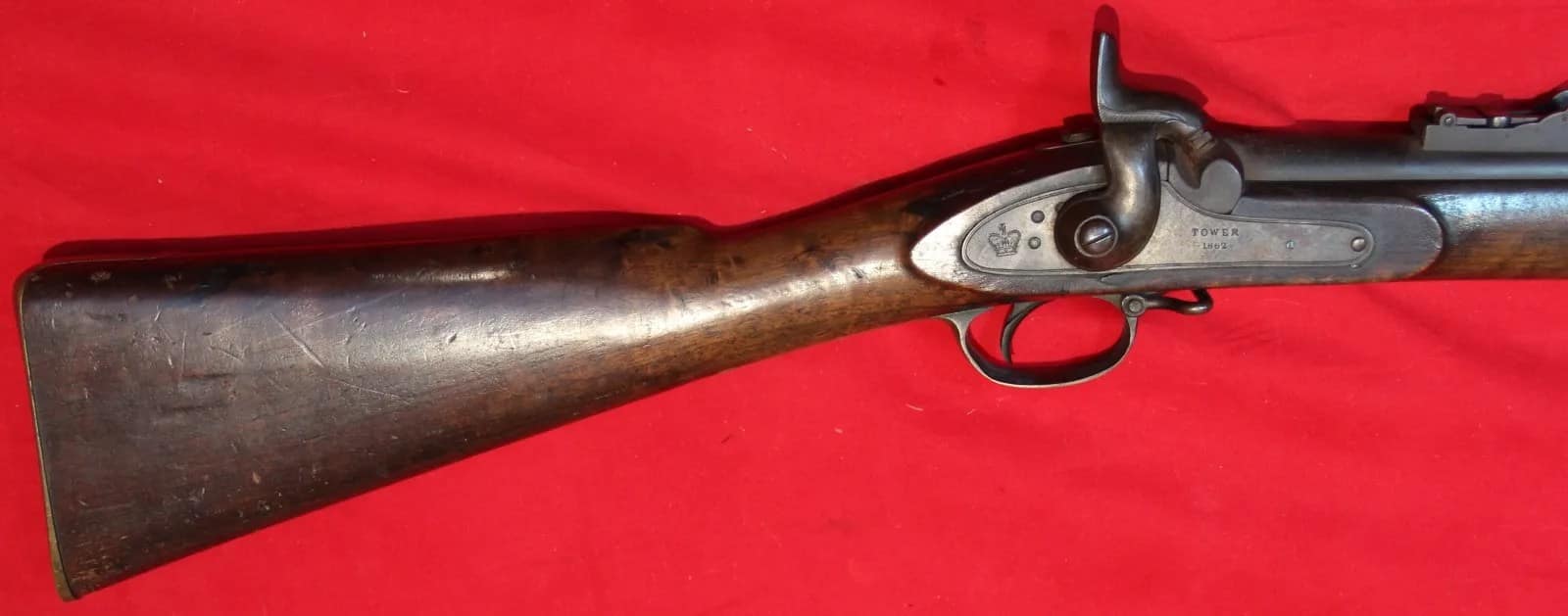
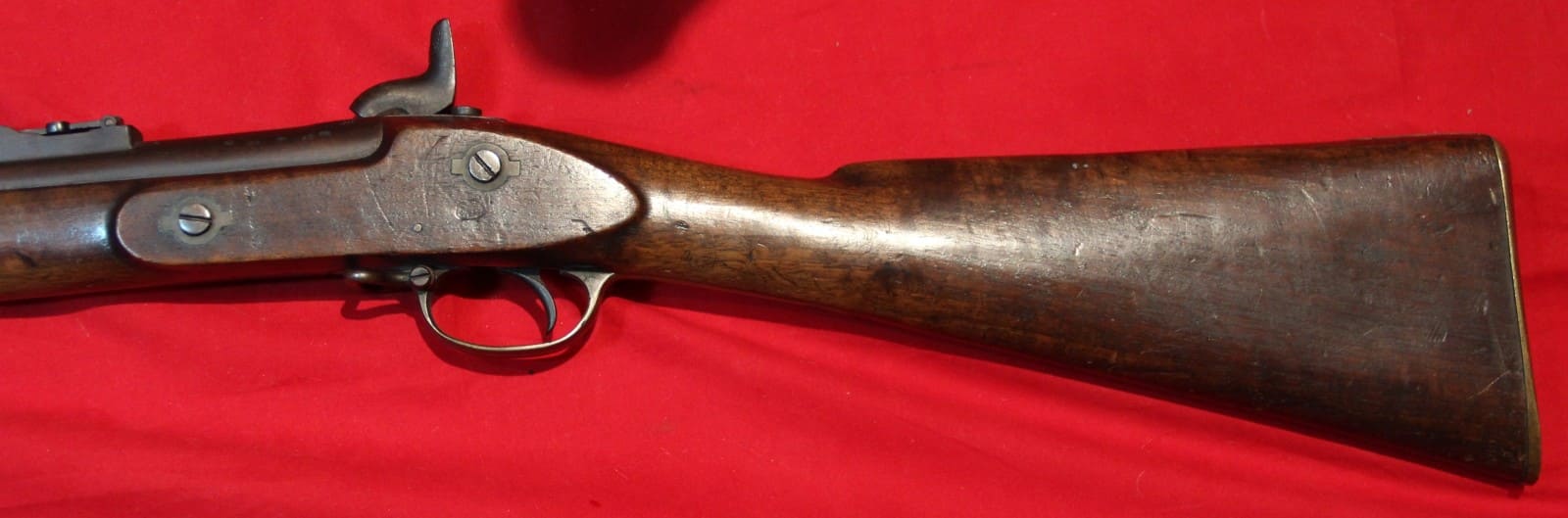
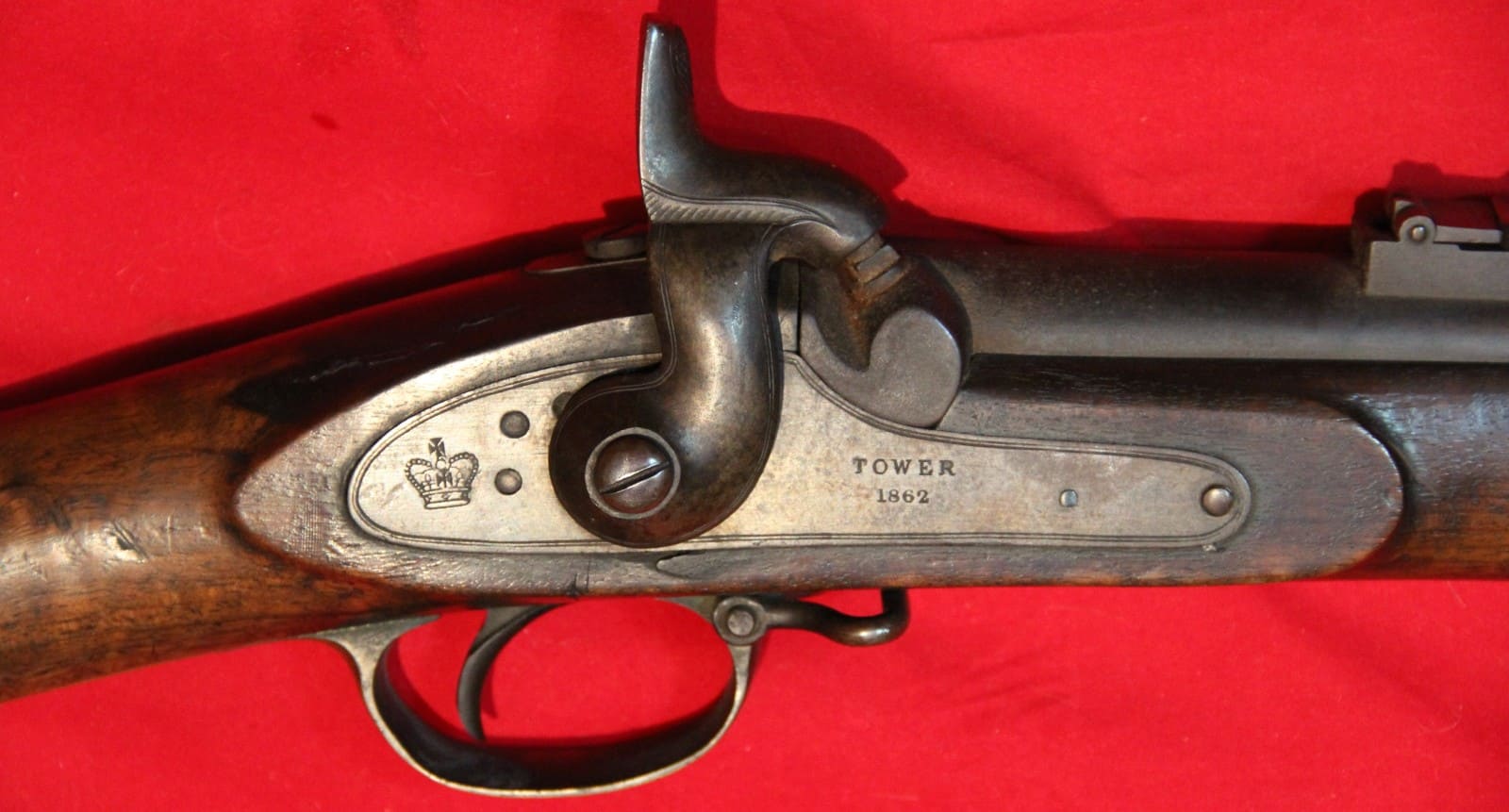
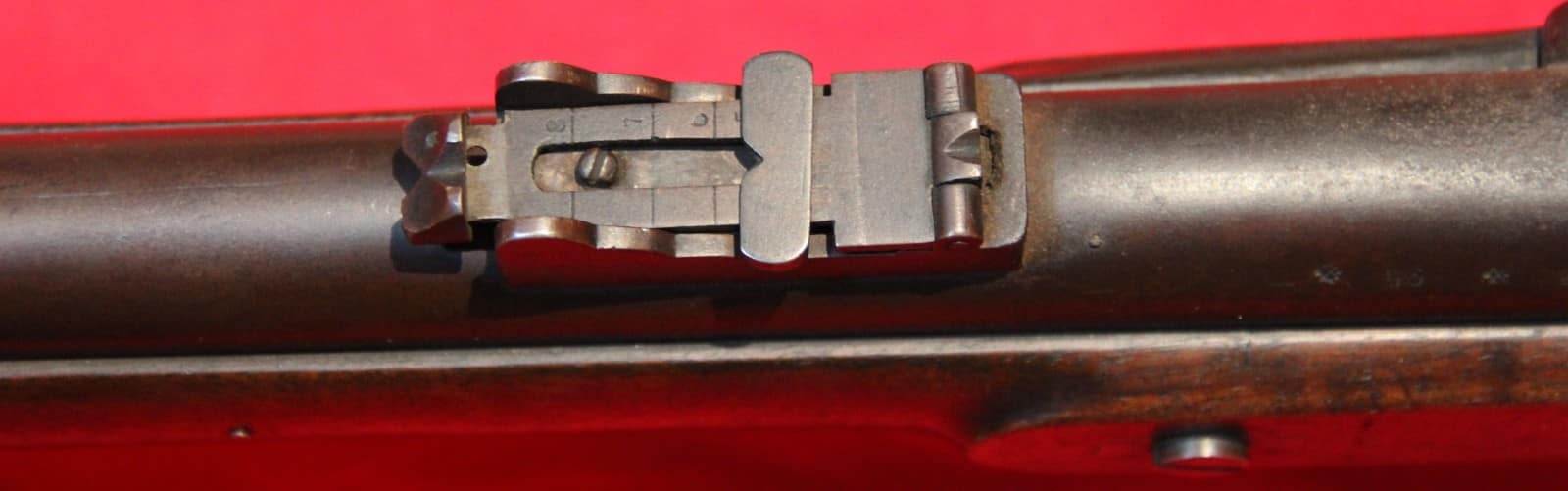
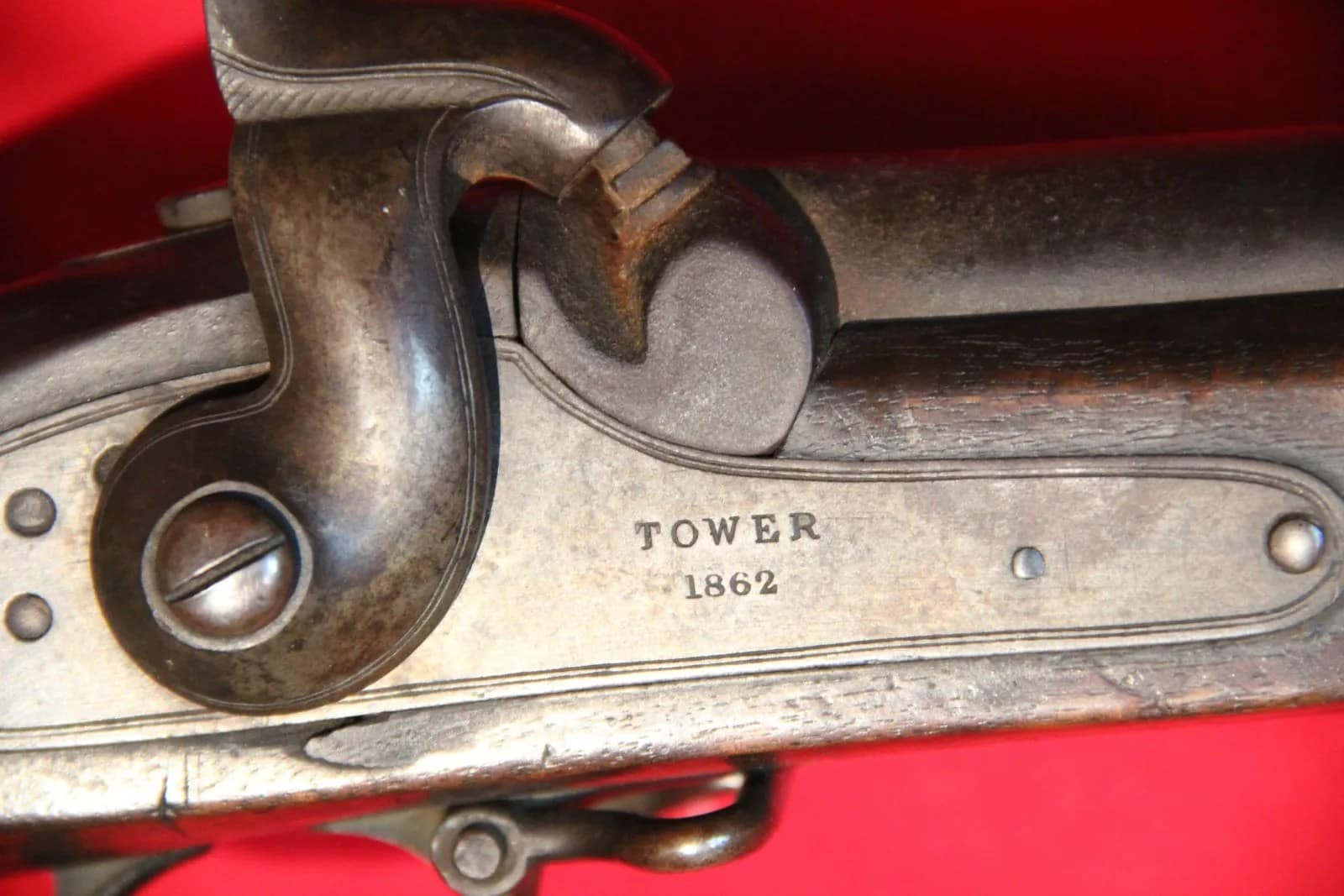
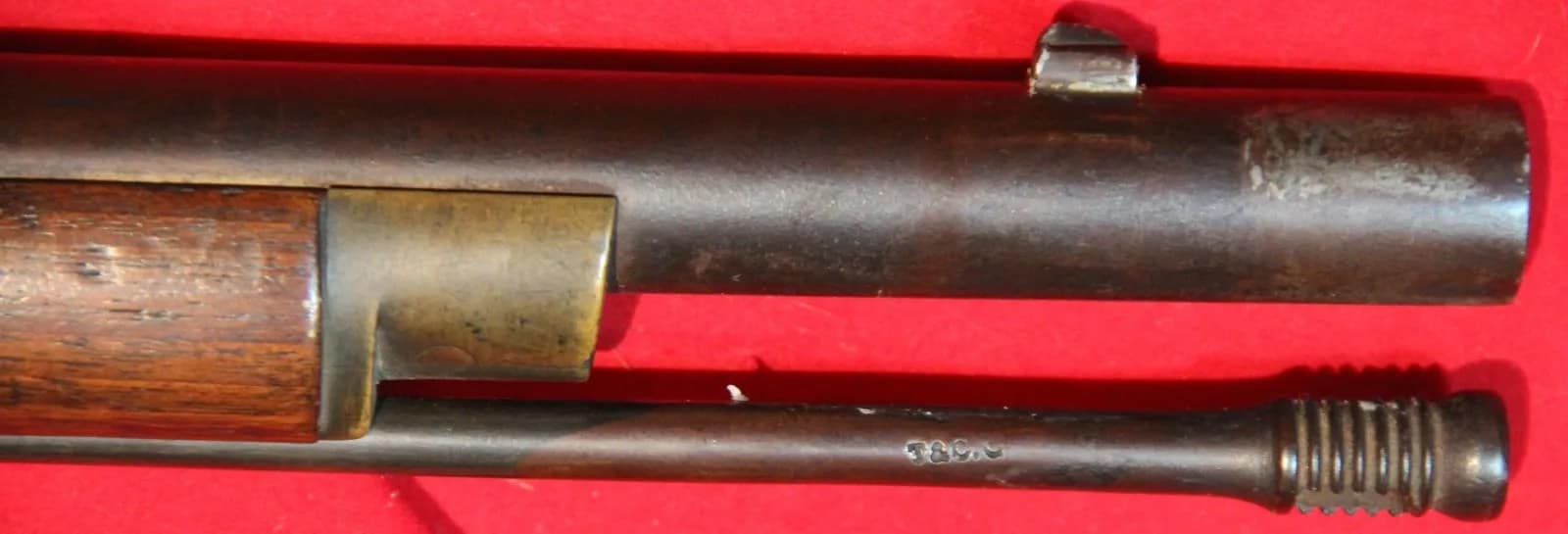
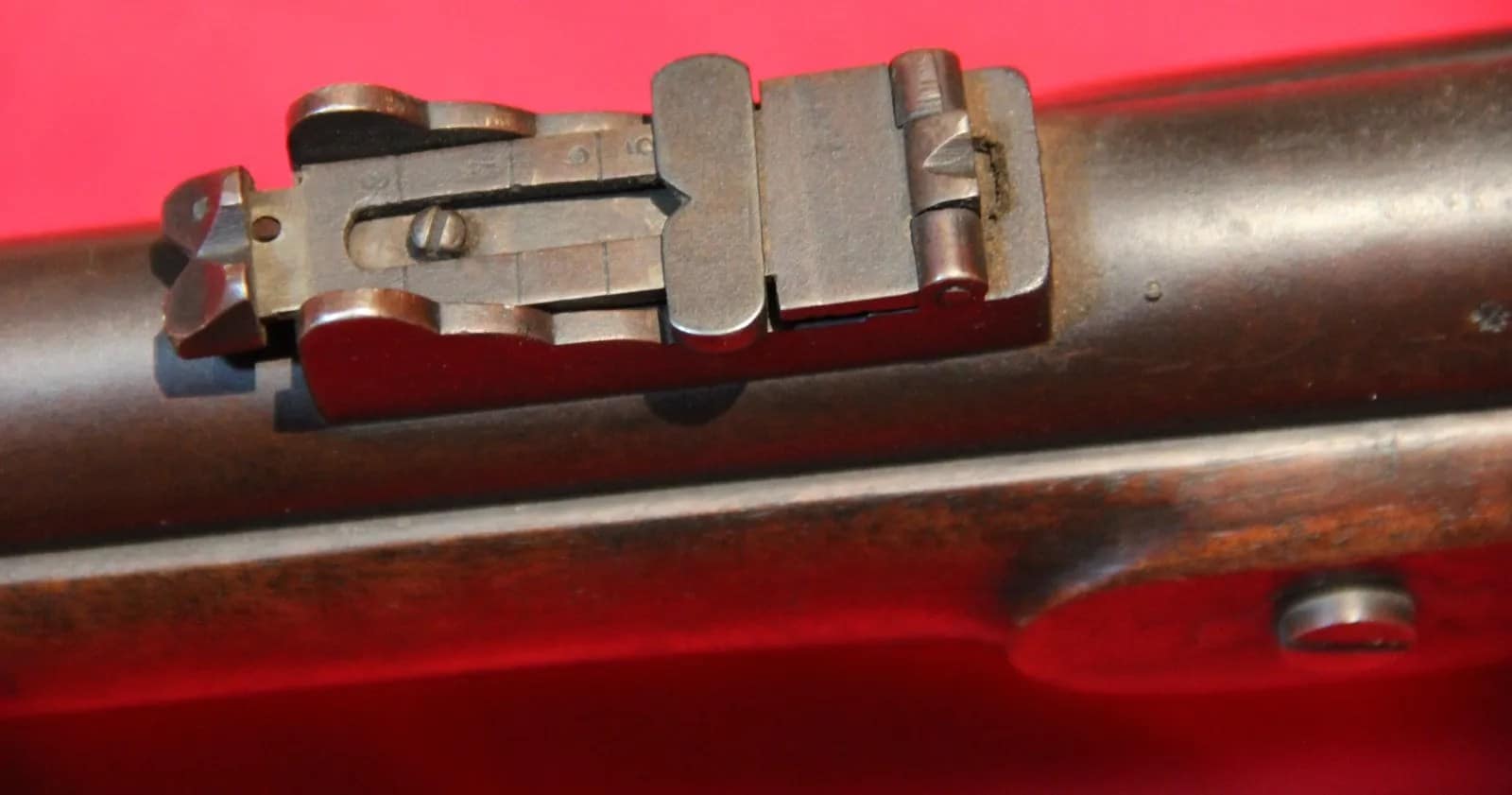
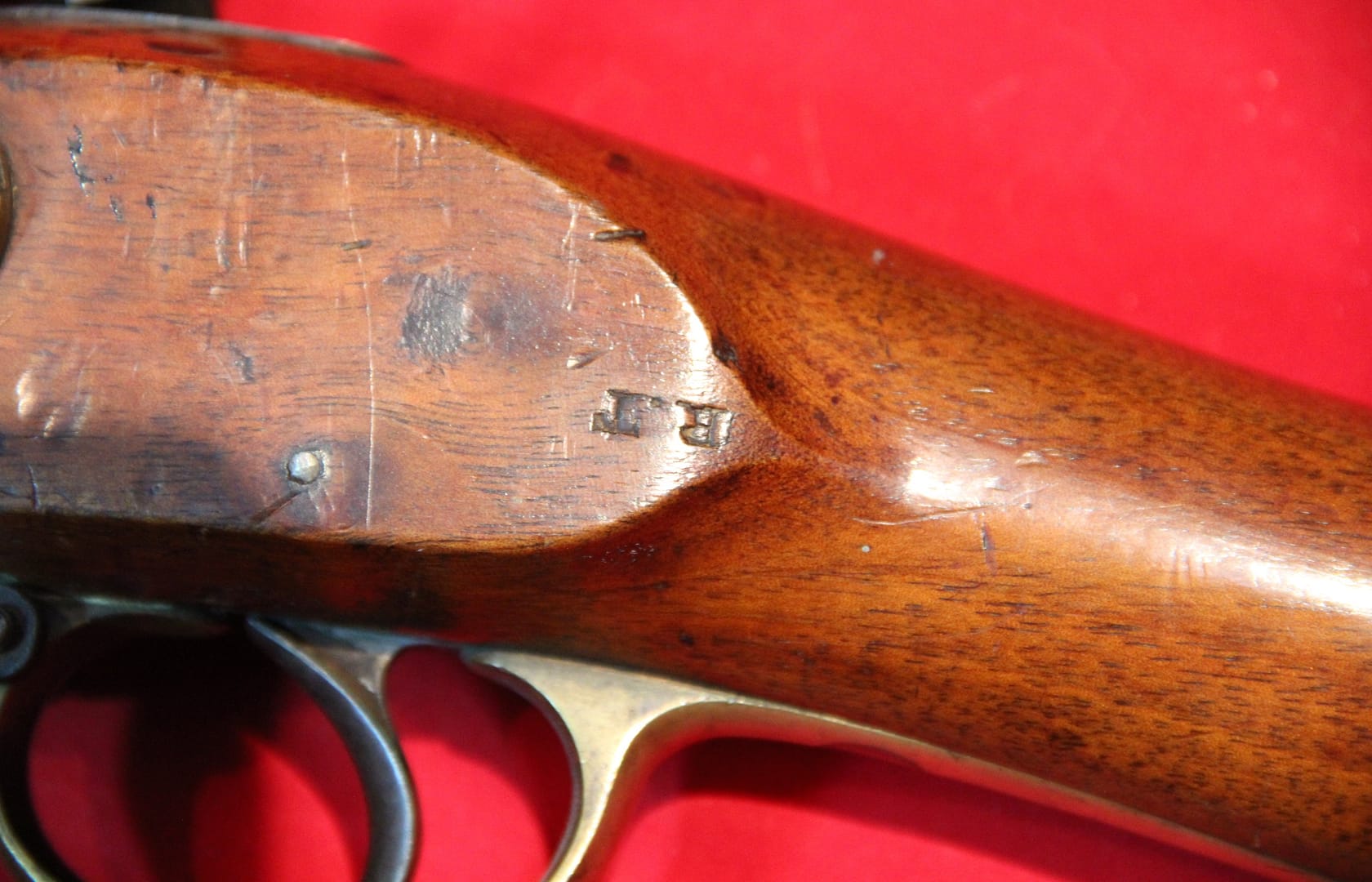
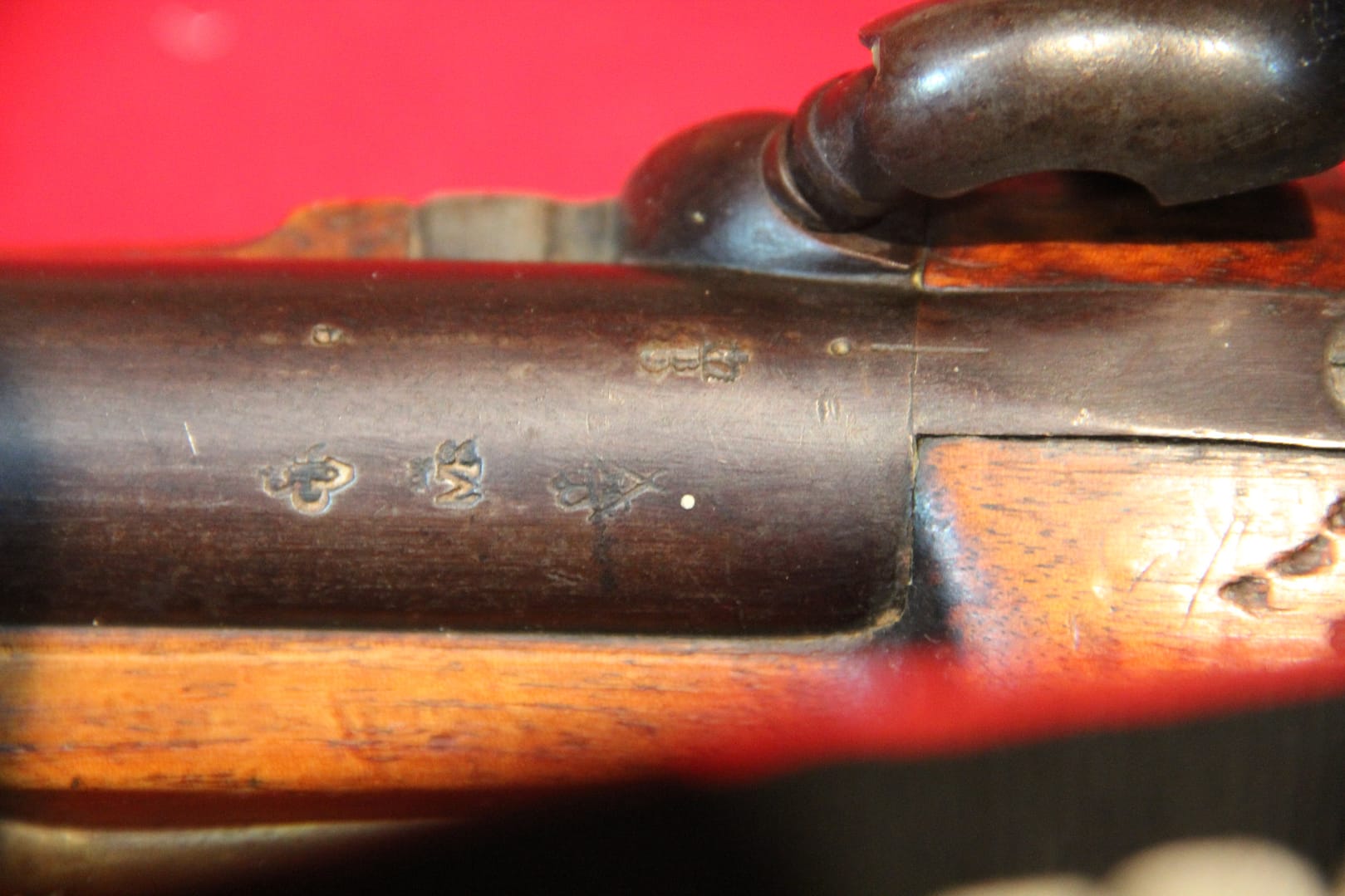
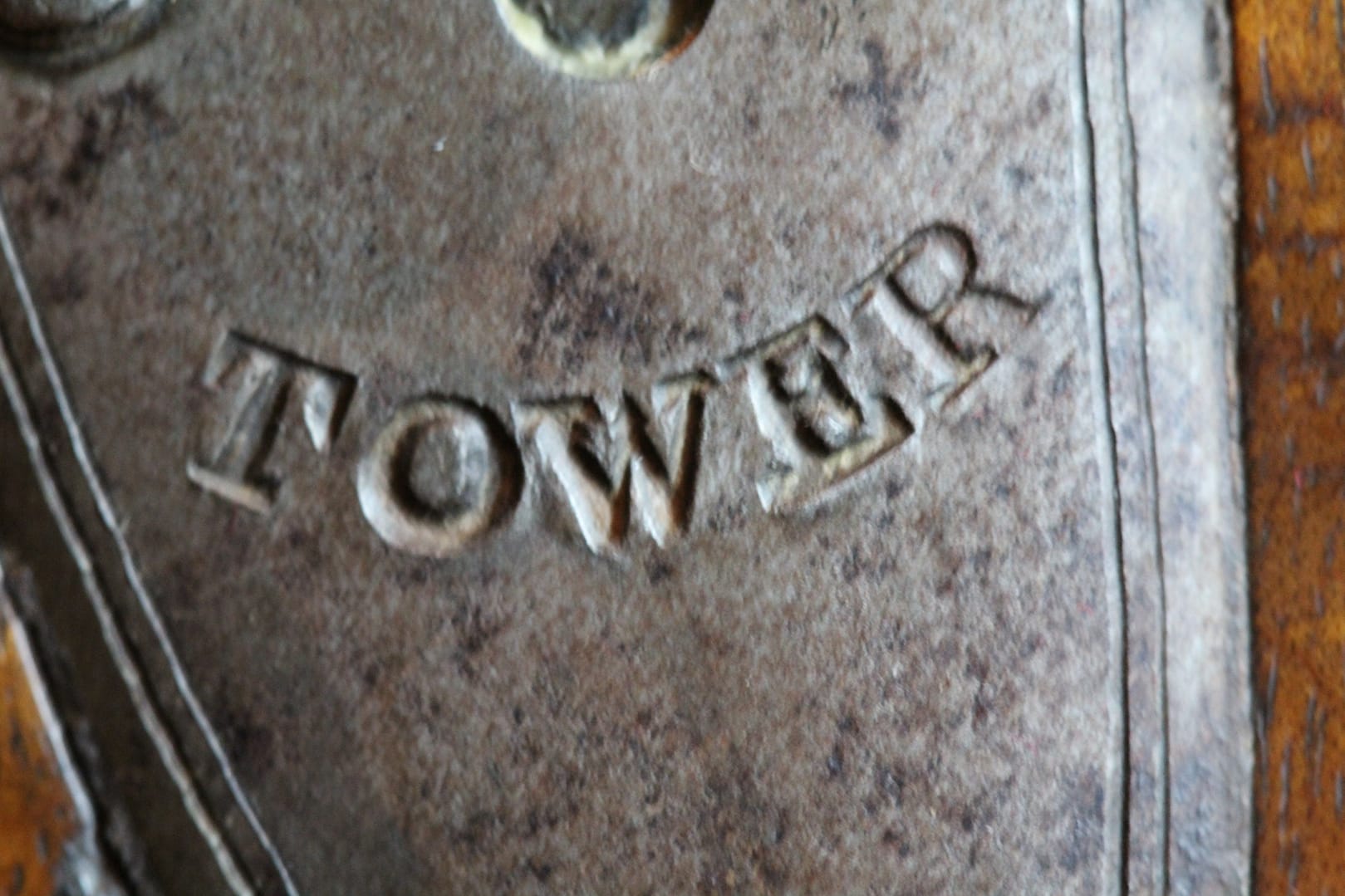
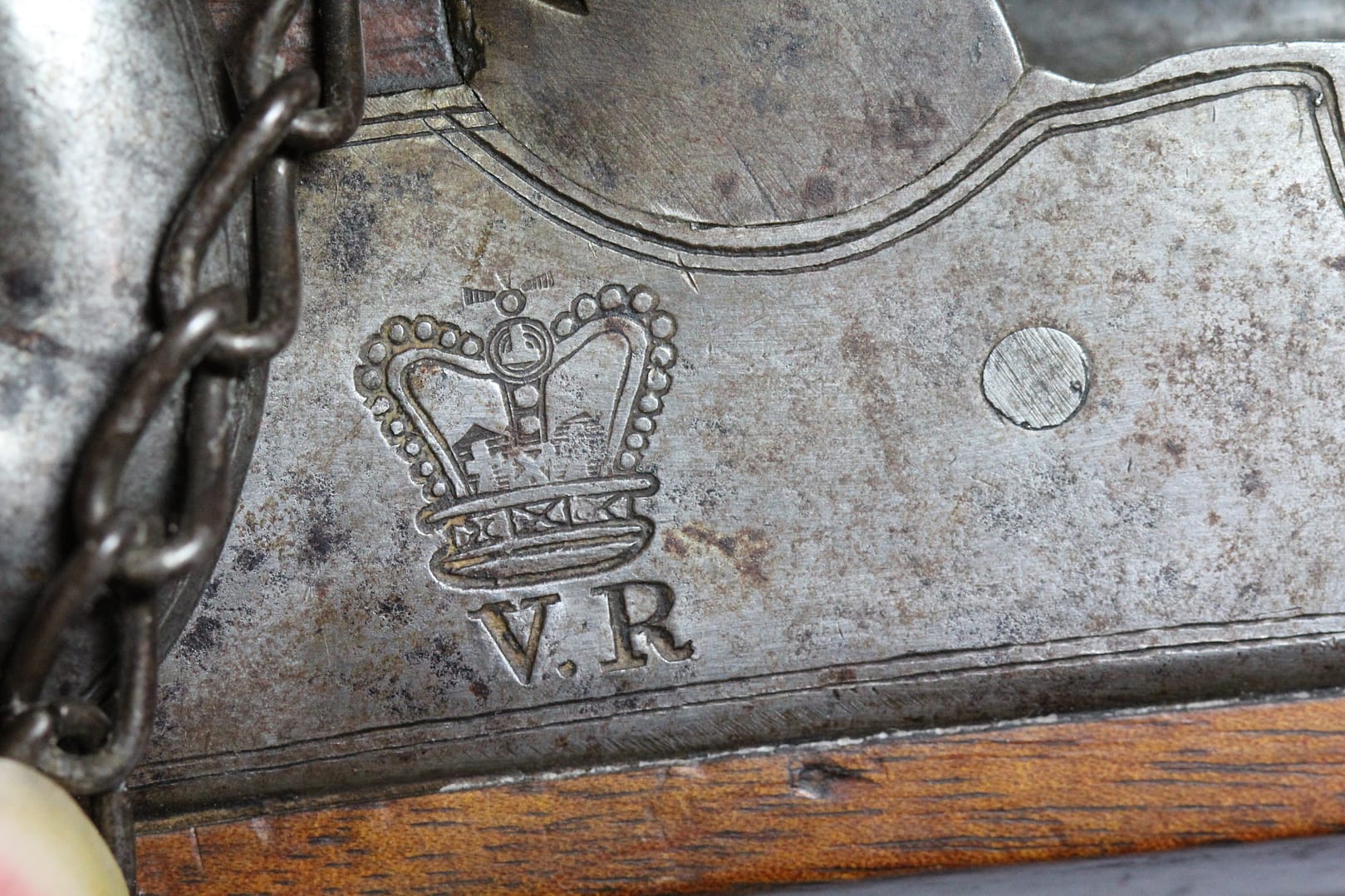
British Pattern 1839 Percussion Musket – the first standard issue percussion musket for the British Army, from my personal collection
The Pattern 1839 musket was a smoothbore percussion infantry arm of .75 calibre and the first percussion musket adopted as a standard issue weapon by the British Army. Manufactured at the Royal Small Arms Factory and by numerous contractors, it fired a round ball using a percussion cap ignition system. The pattern represented a major step in the transition from flintlock to percussion arms, improving reliability and rate of fire. Issued widely during the early Victorian period, it saw service in imperial campaigns before being superseded by the Pattern 1842 and later rifled muskets as small-arms technology advanced.


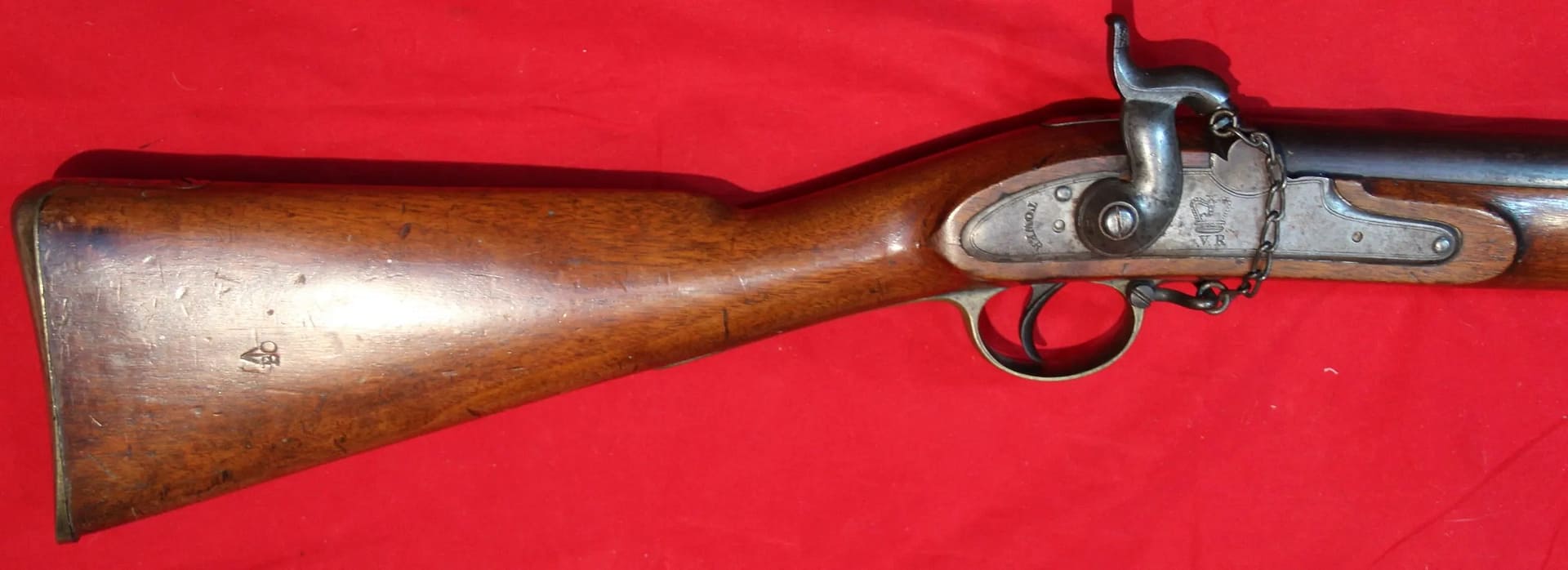
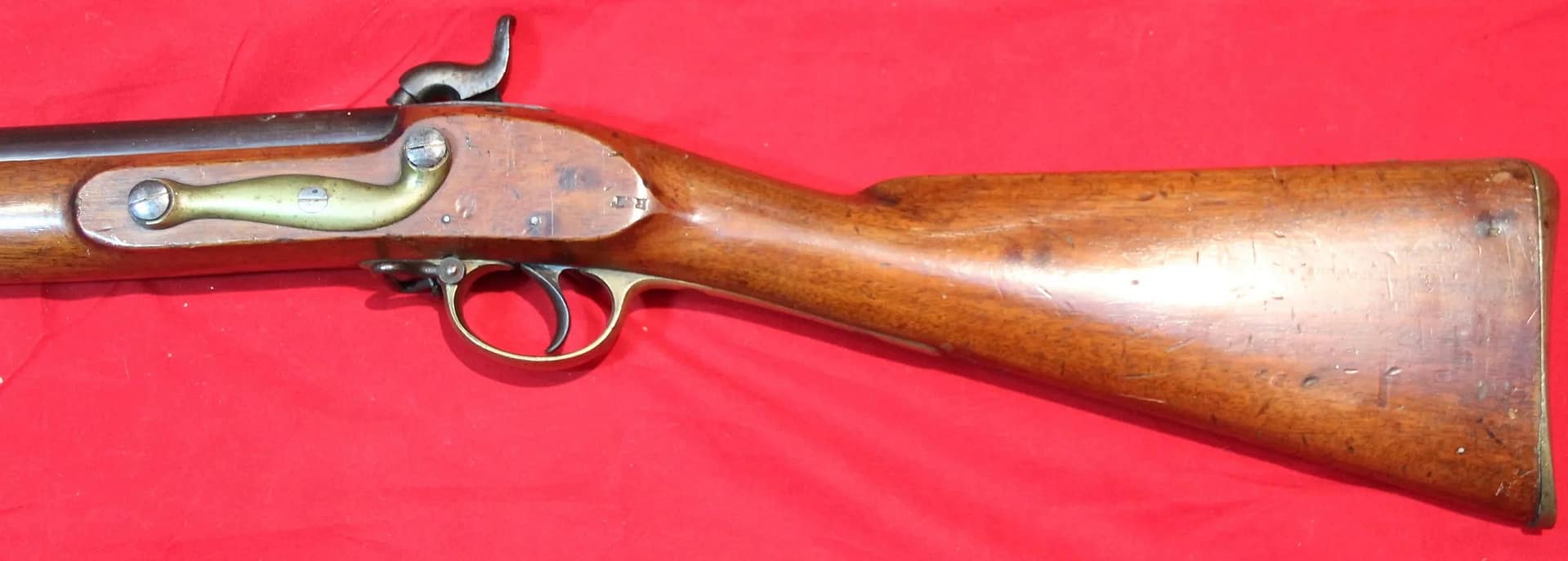
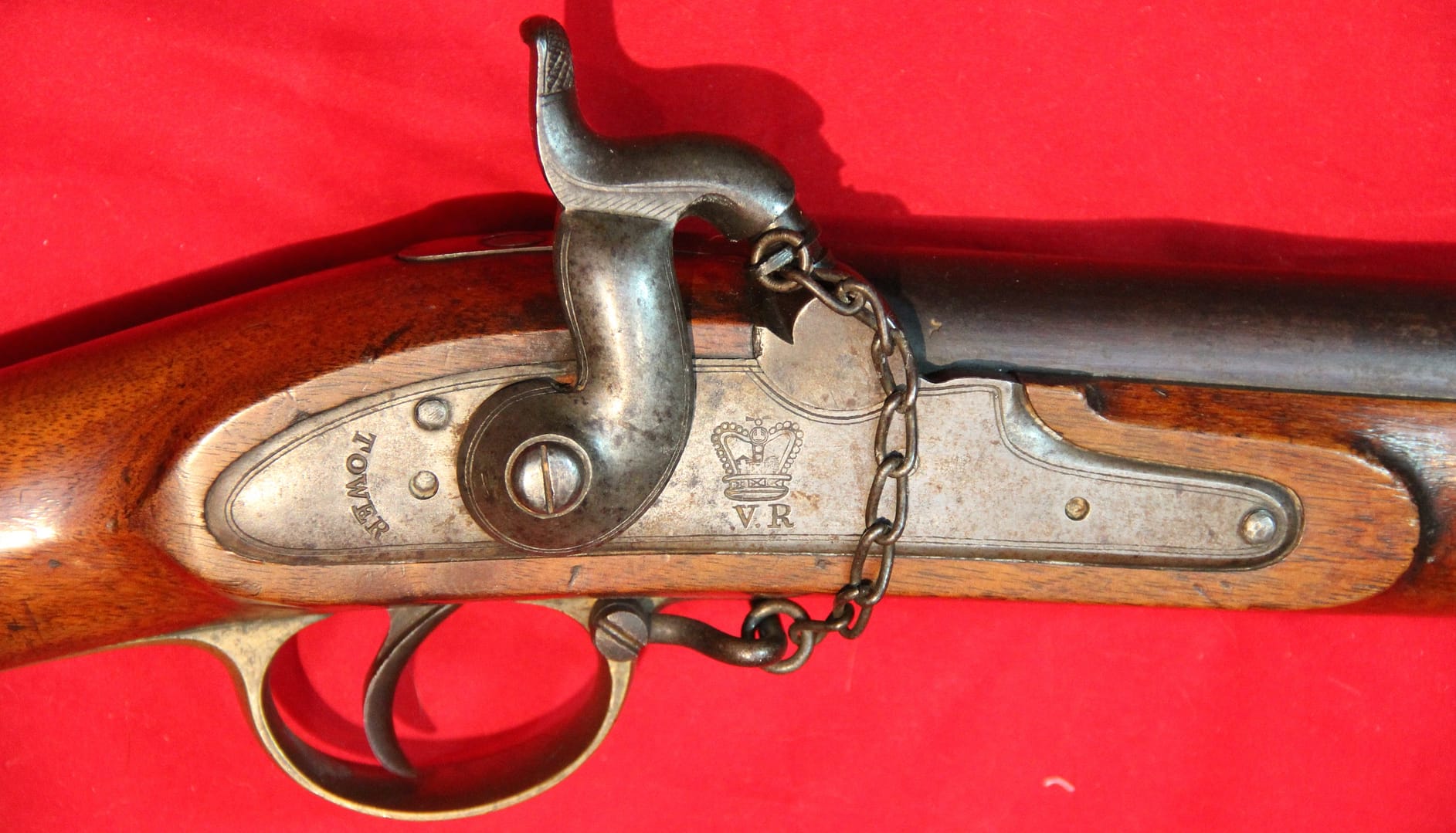
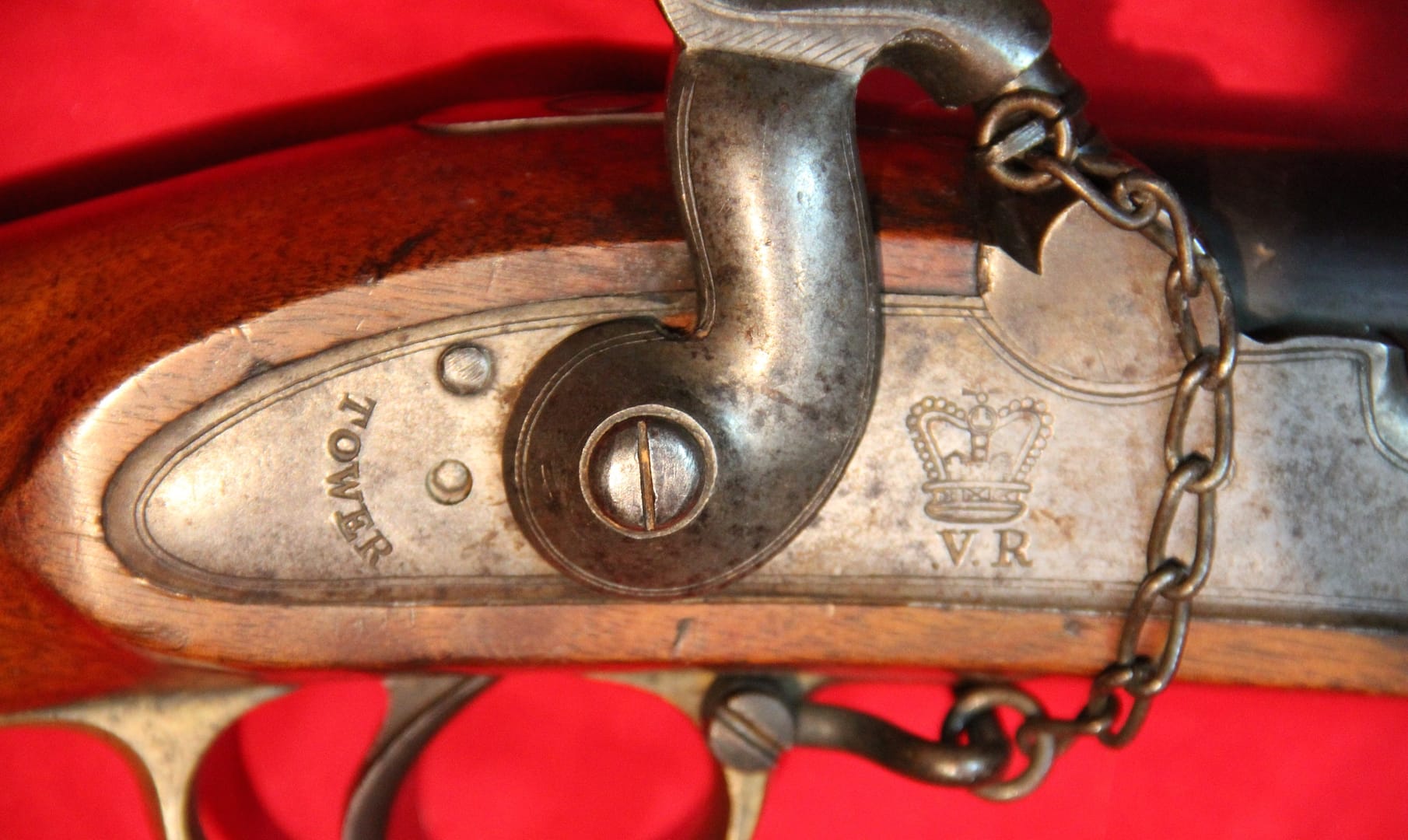
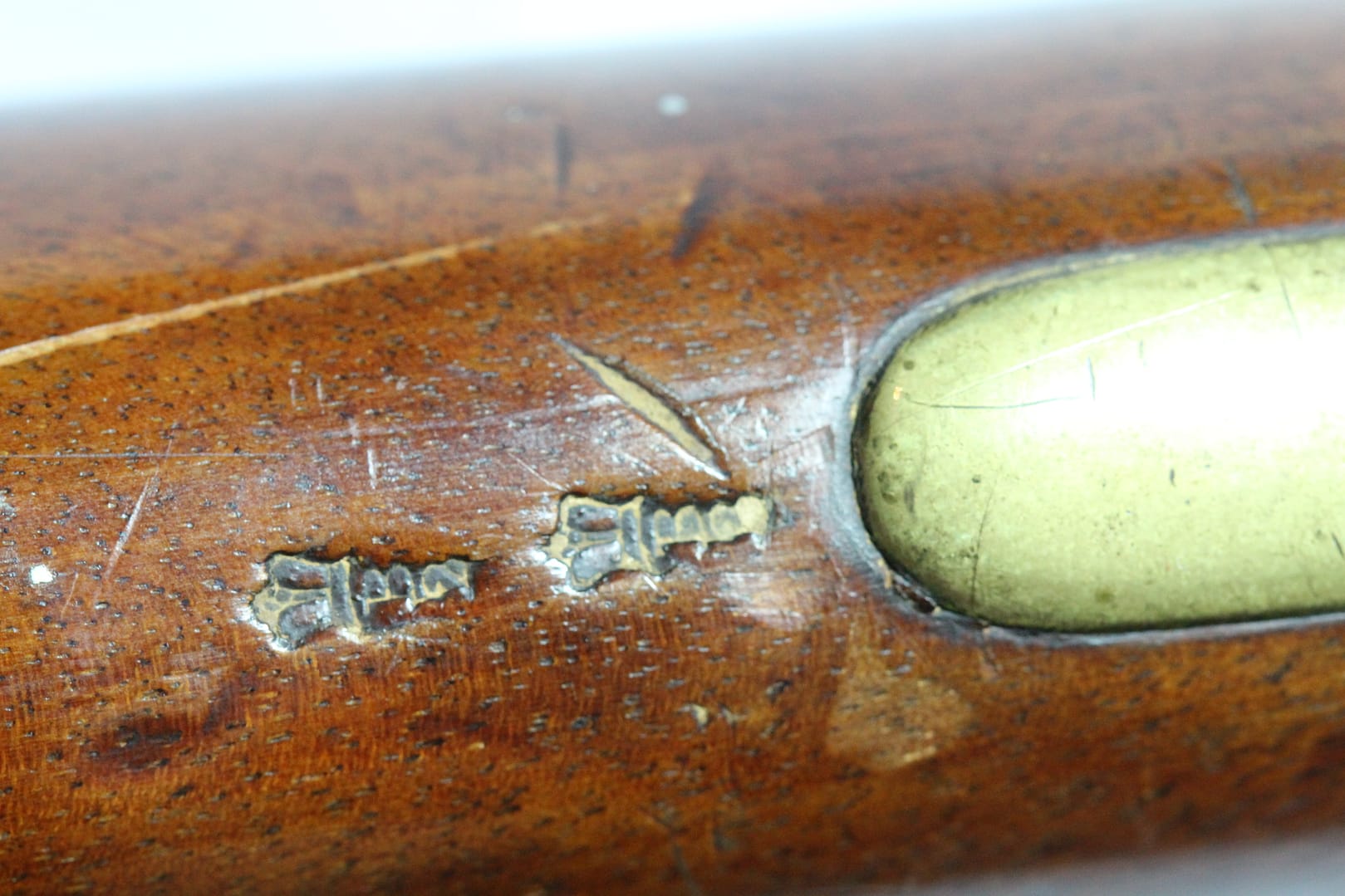
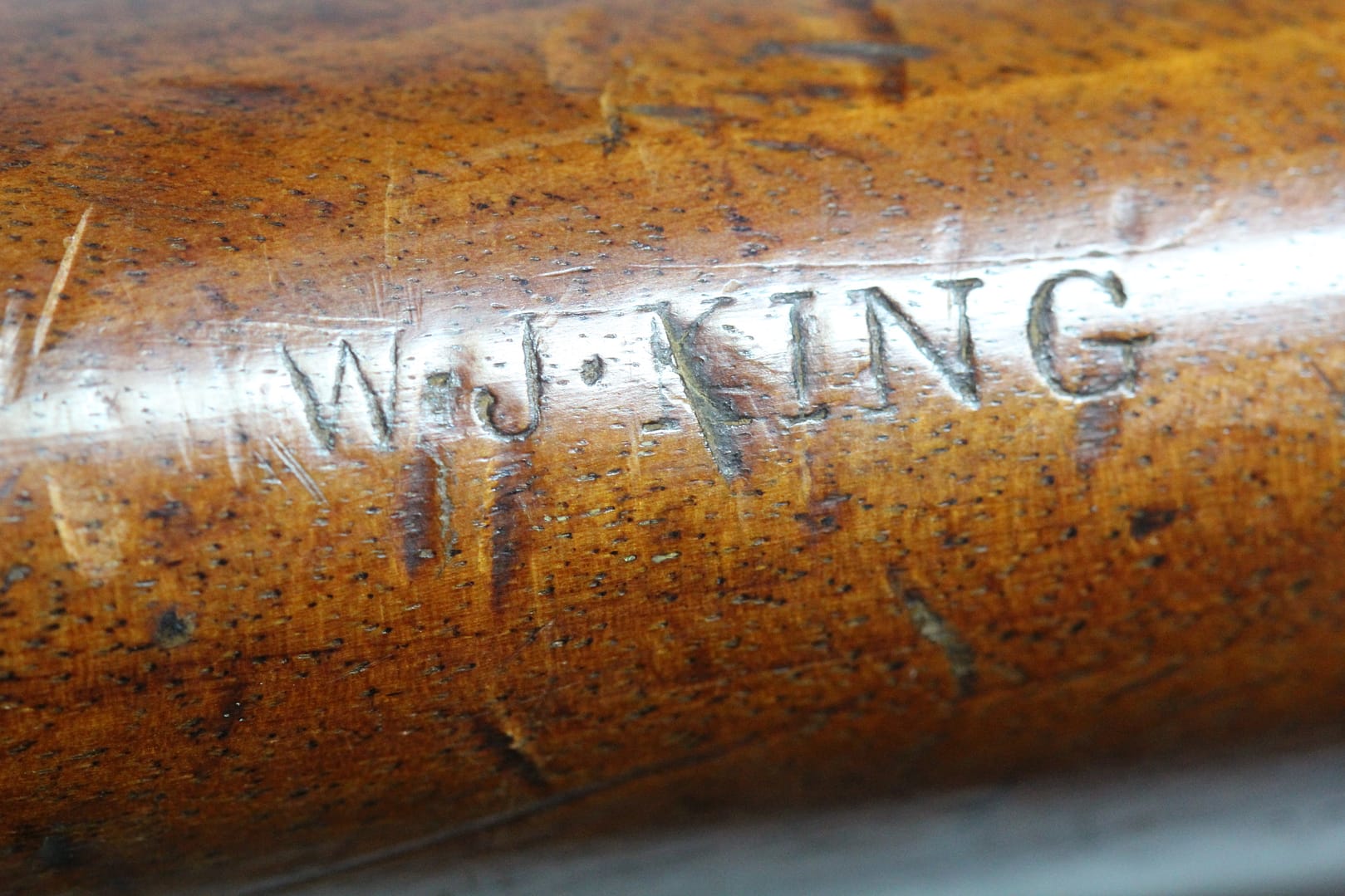
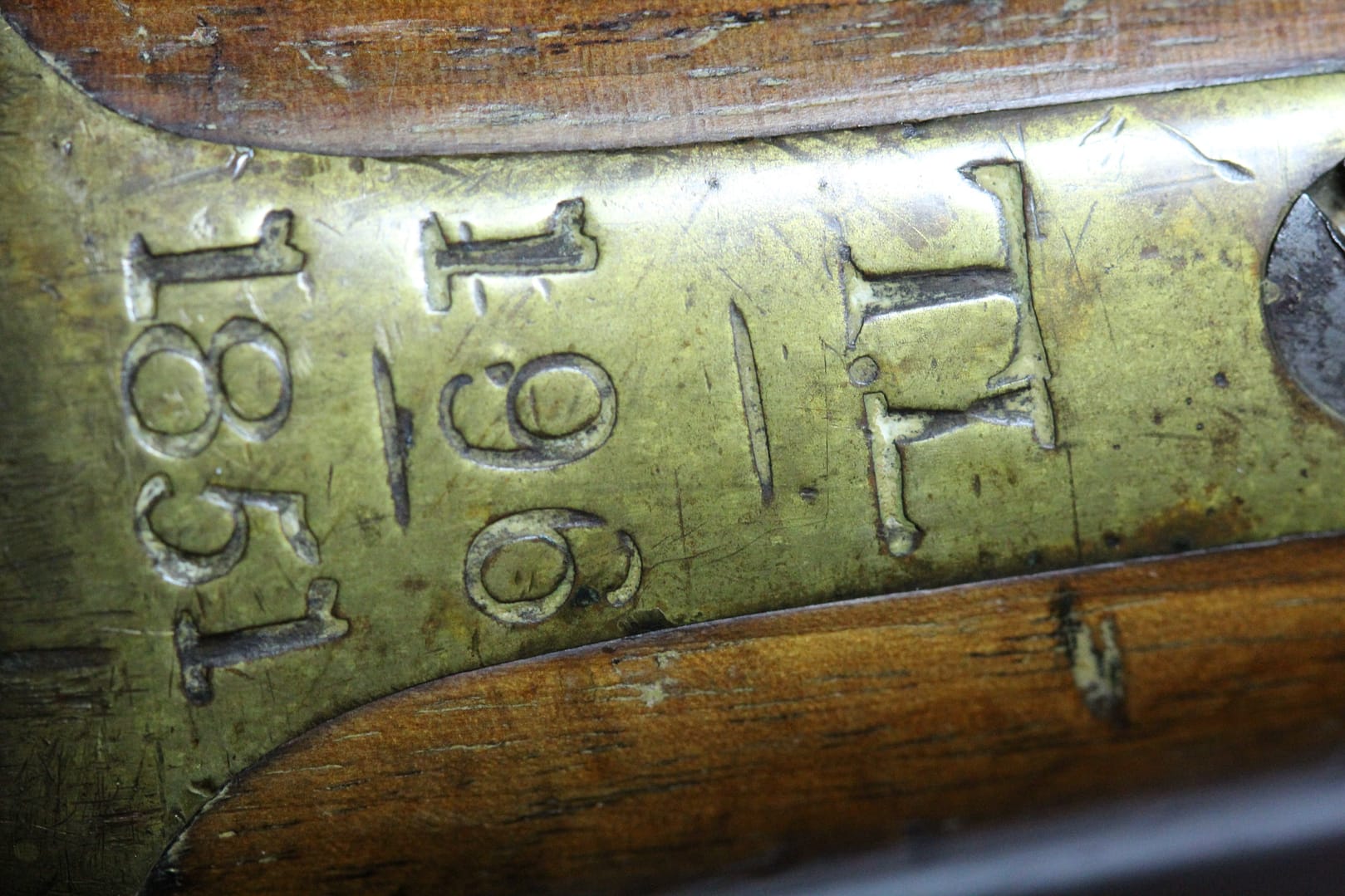
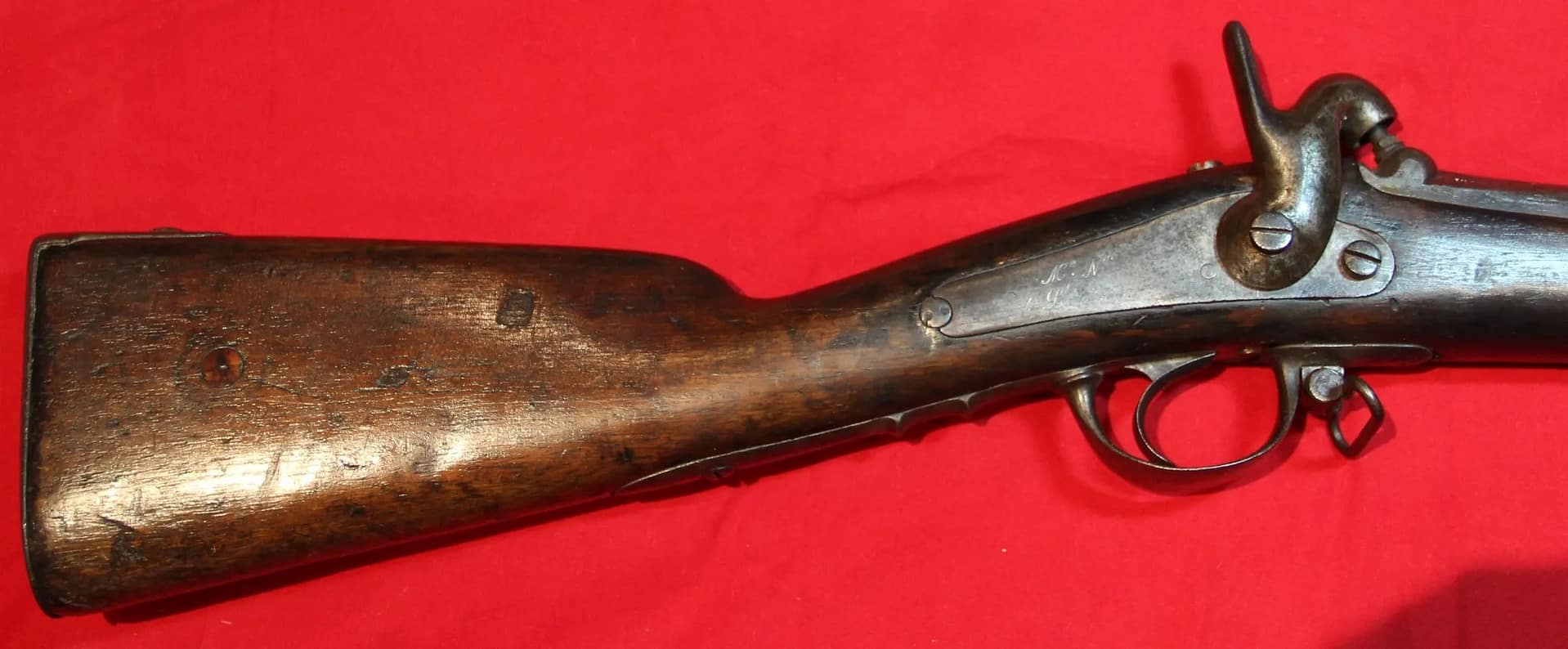
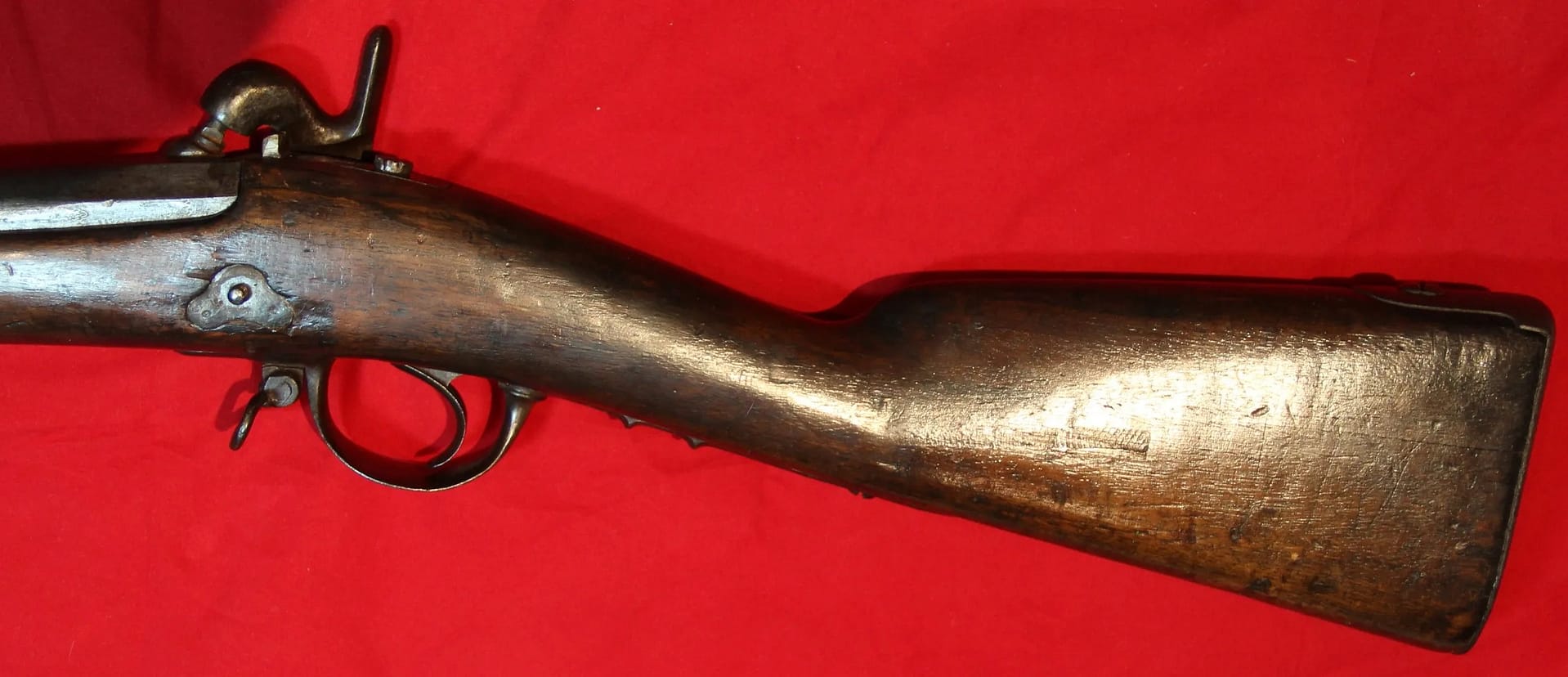
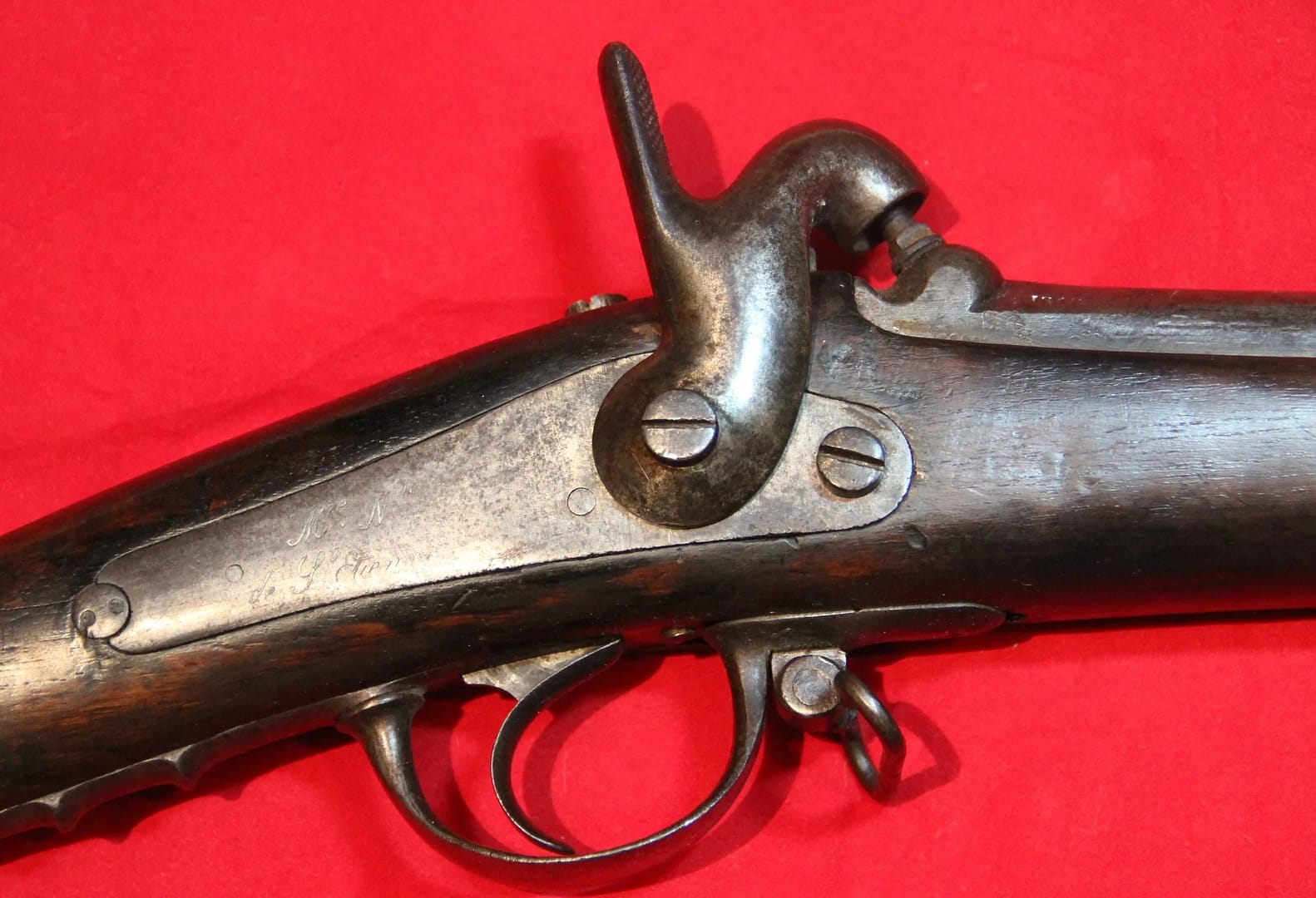
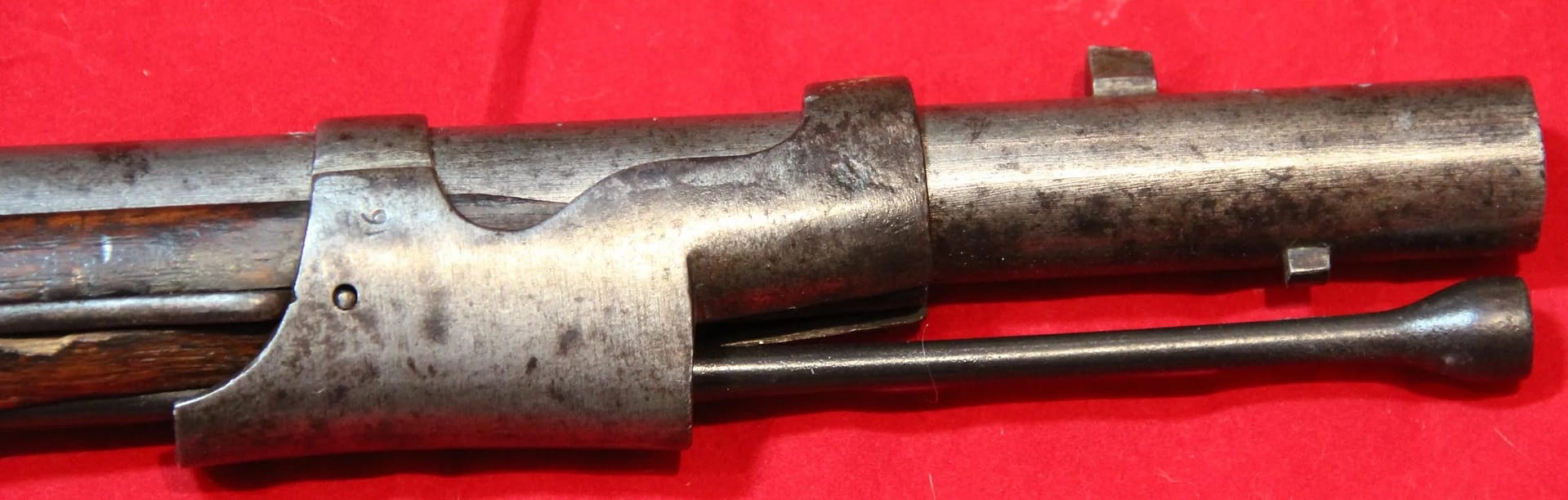
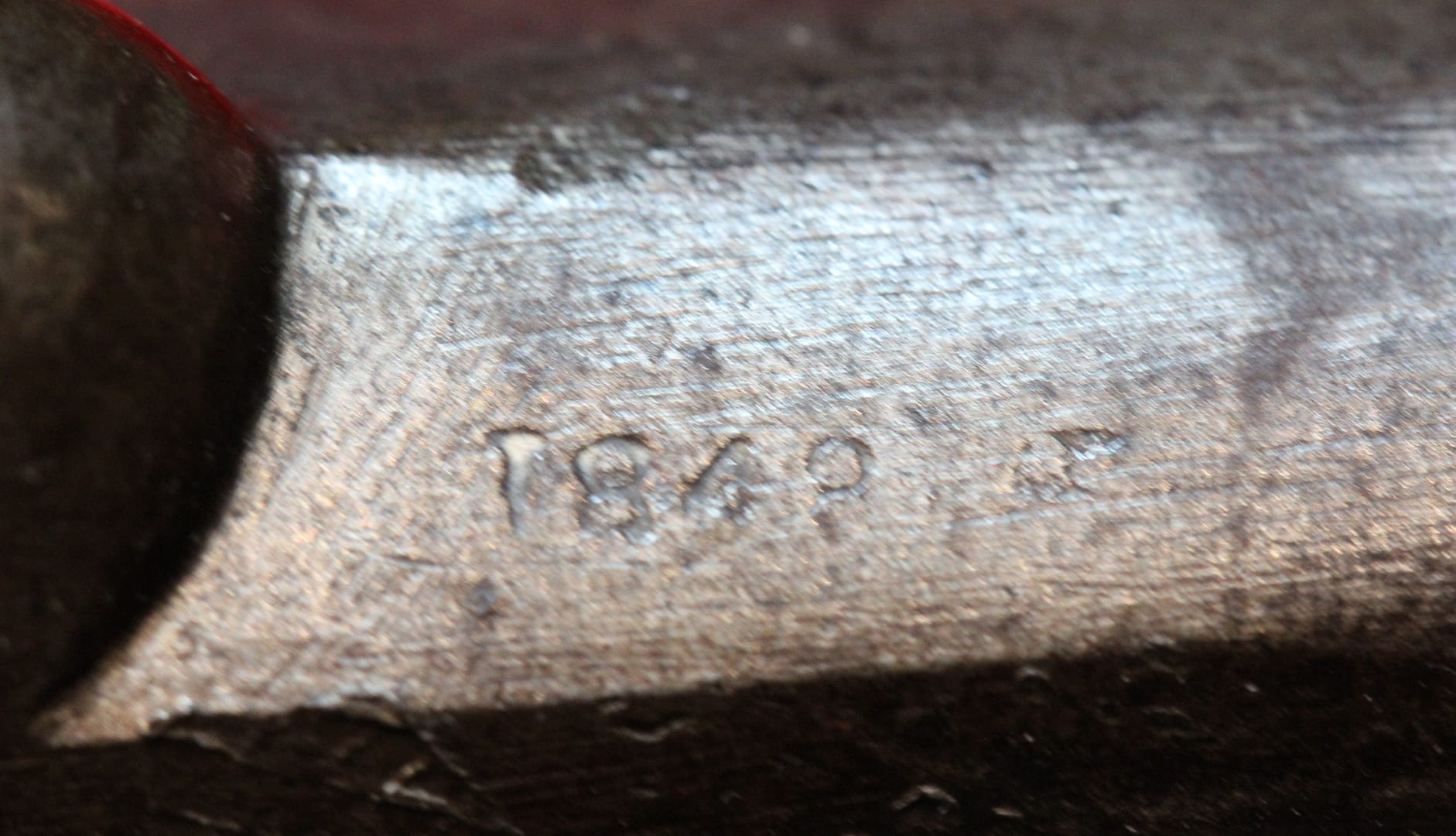
French Model 1842 Dragoon Rifled Percussion Musket, from my personal collection
The French Model 1842 Dragoon musket was a percussion muzzle-loading firearm originally produced as a smoothbore of approximately 18 mm (.71 calibre) and later rifled to fire a conical Minié-type projectile. Manufactured at French state arsenals including Châtellerault, Saint-Étienne, and Tulle, it represented an important transitional weapon in the evolution of French small arms. Intended for mounted troops but also issued more broadly, rifled examples saw service during mid-19th-century conflicts and remained in use into the early years of the Franco-Prussian War (1870–71), particularly with reserve and second-line units as more modern breech-loaders entered service.


🧭 From Weapons to Battlefield Use
This page shows weapons and equipment of the Crimean War. All items are from my personal collection.
But what images and data don’t show is how these weapons were actually used on the ground—how weapon characteristics, tactics, innovation, terrain, and movement shaped their effectiveness in battle.
👉 That layer—how firepower, positioning, and terrain interact in real engagements—is explored in:
⚔️Battlefield Studies ◊ 💡Tactical Innovations ◊ 📝Field Notes
Pistols of the Crimean War
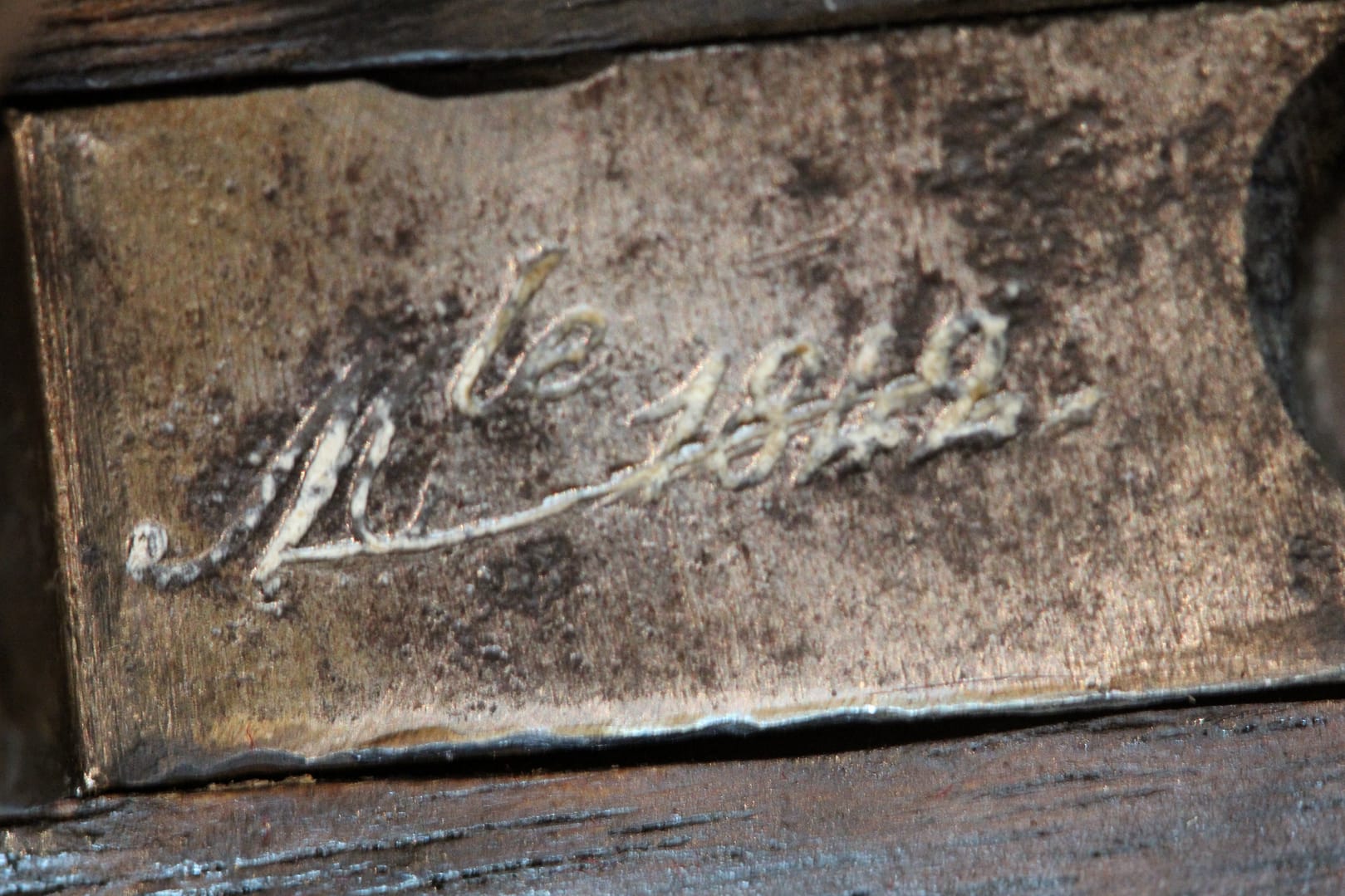
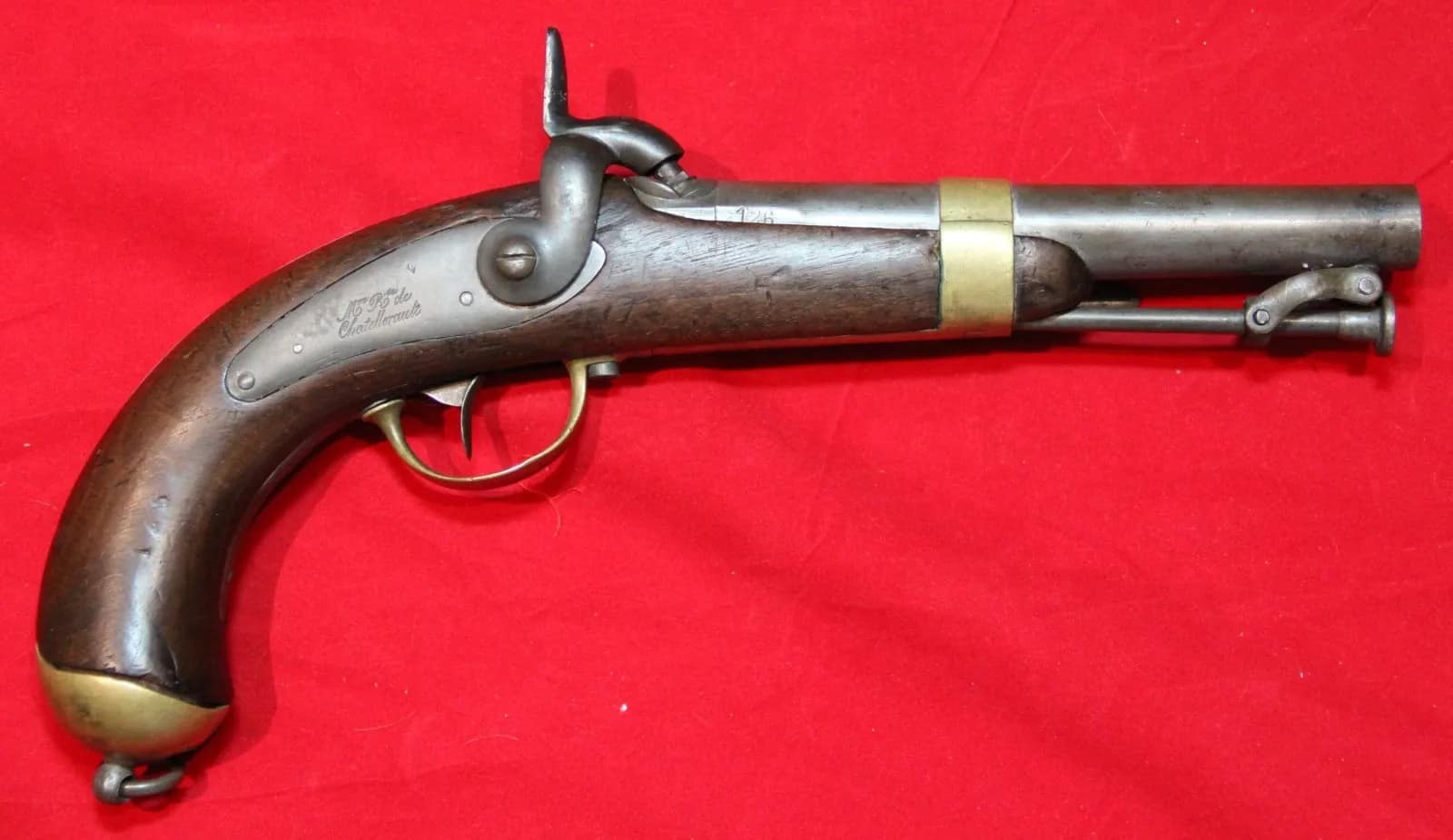
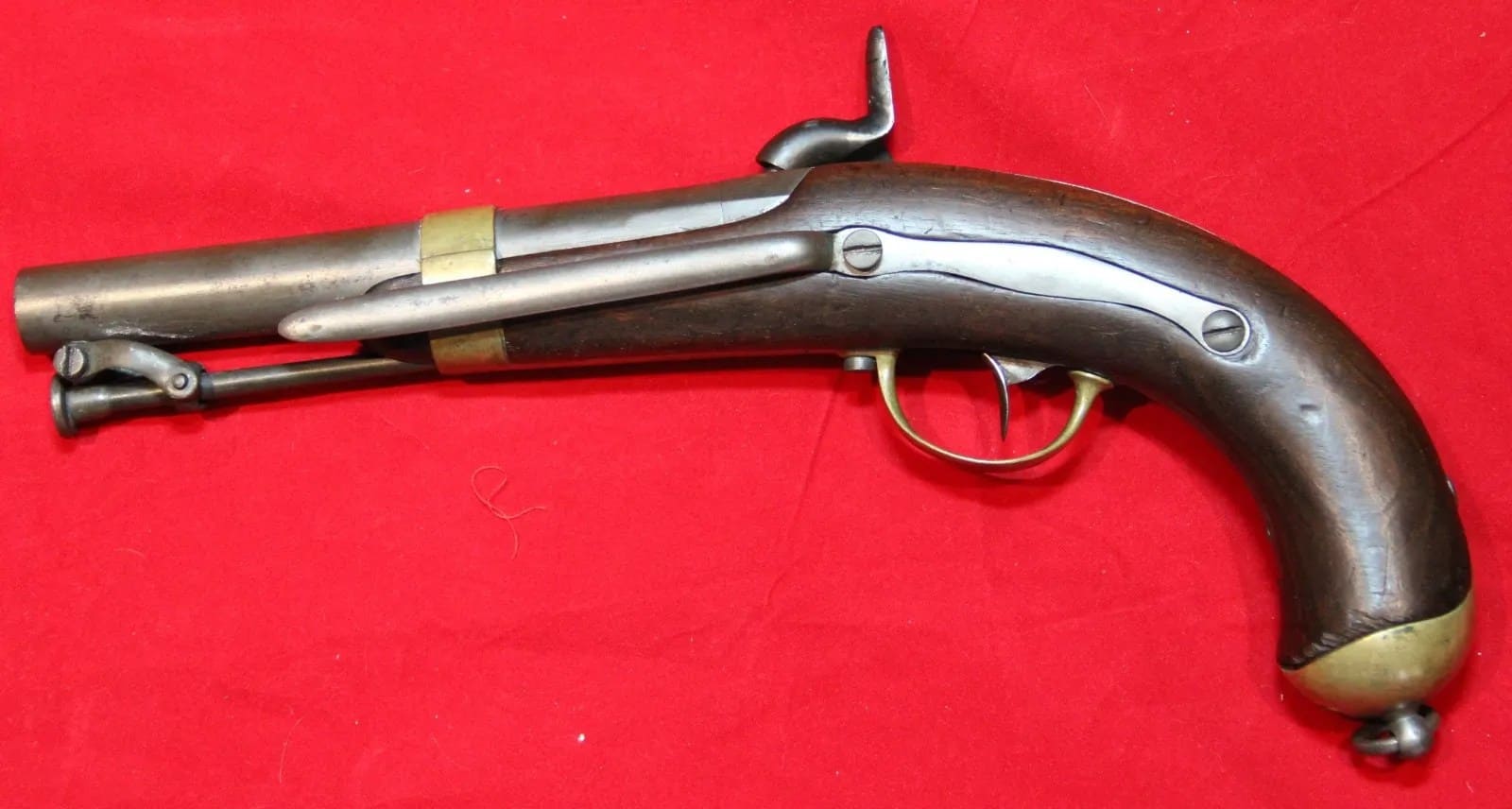
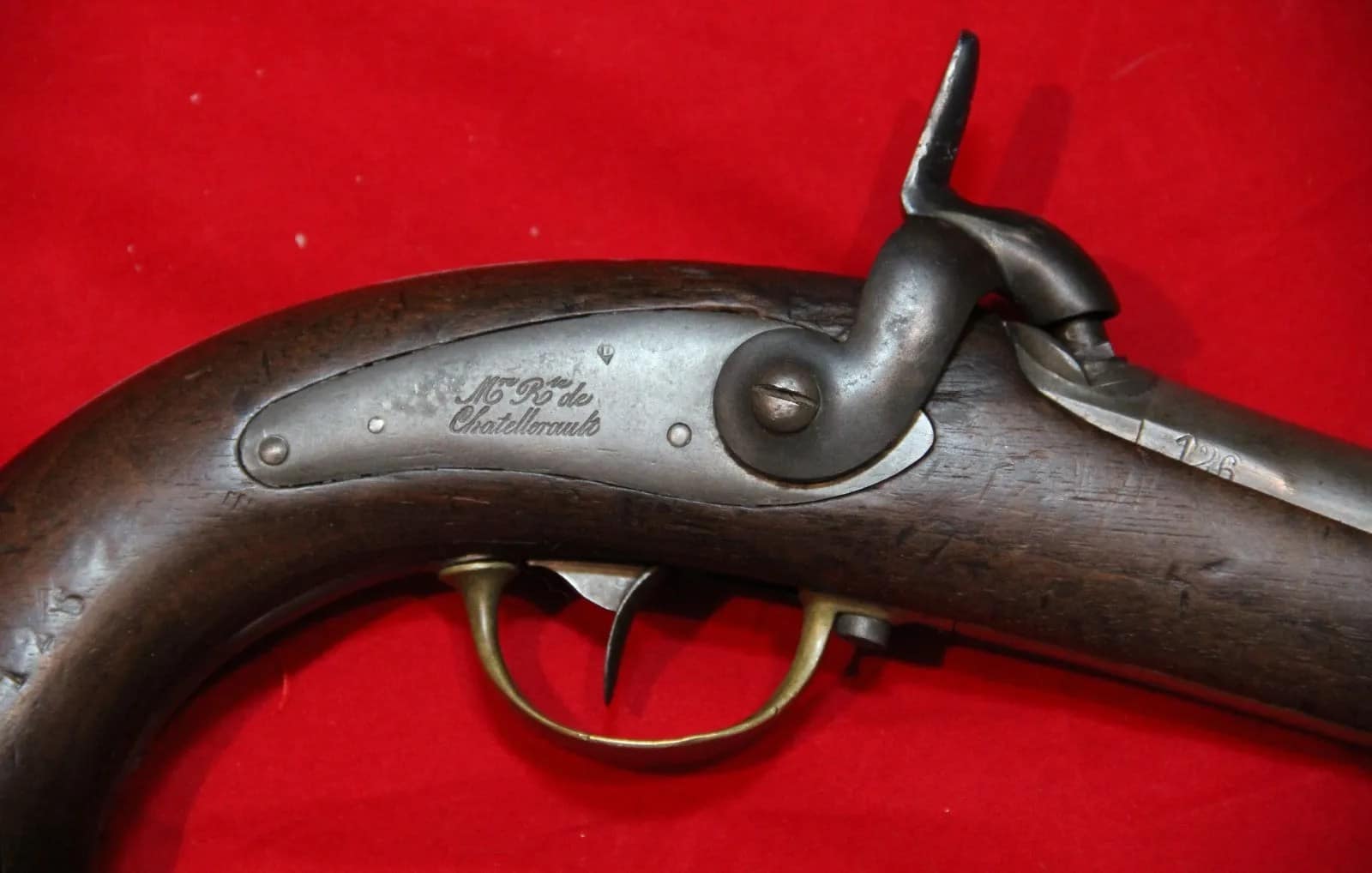
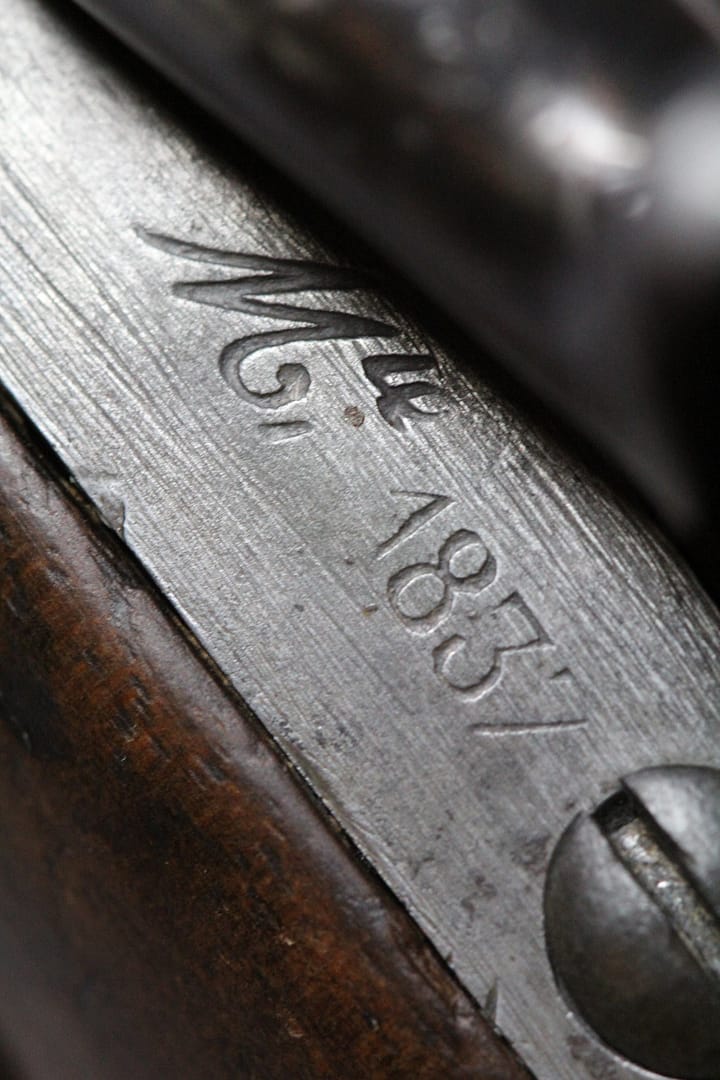
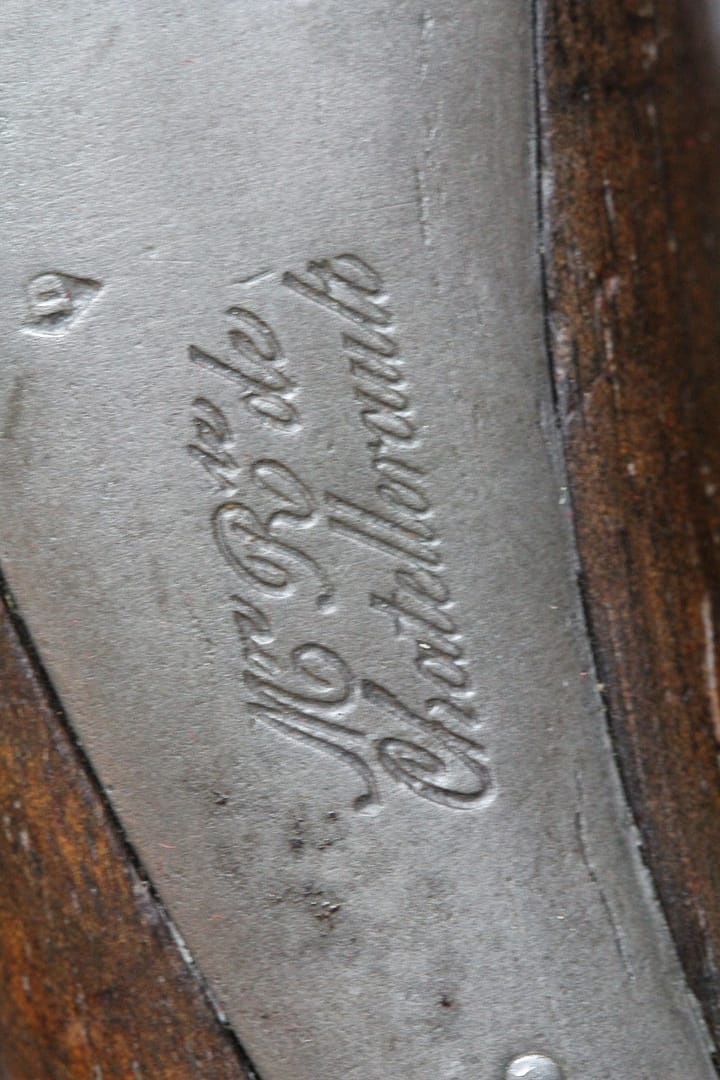
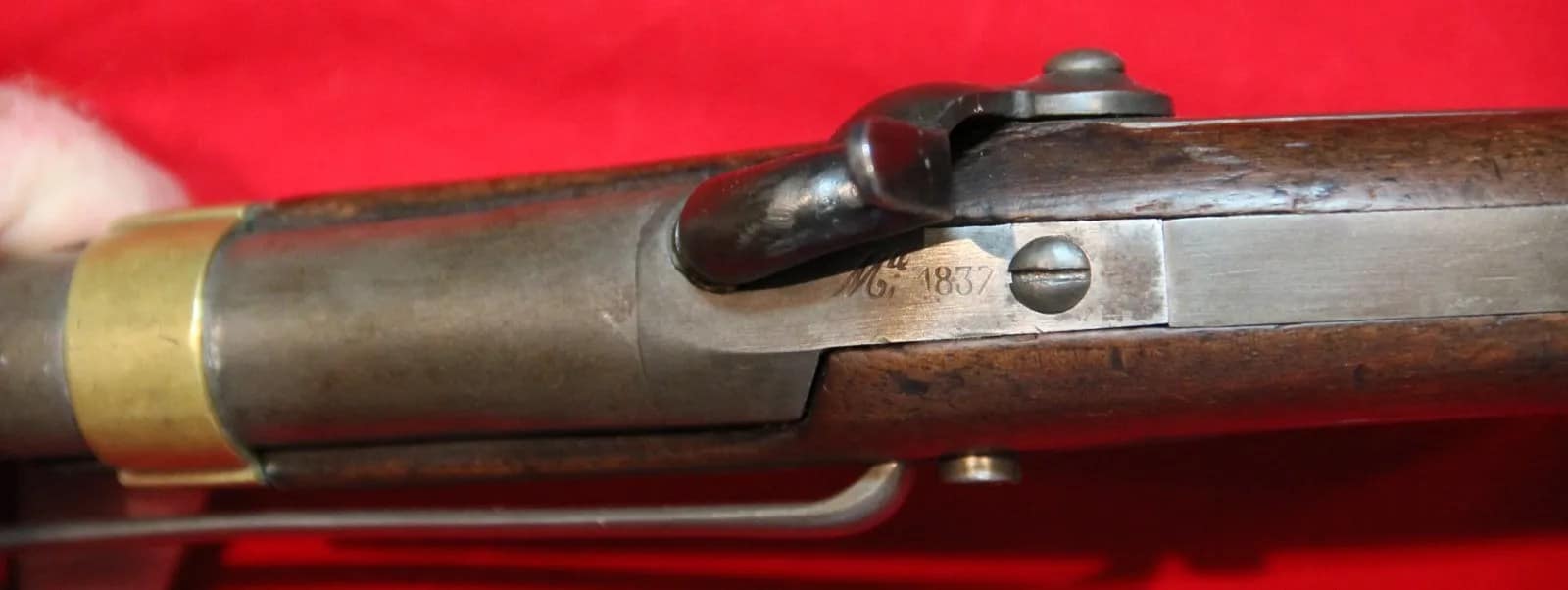
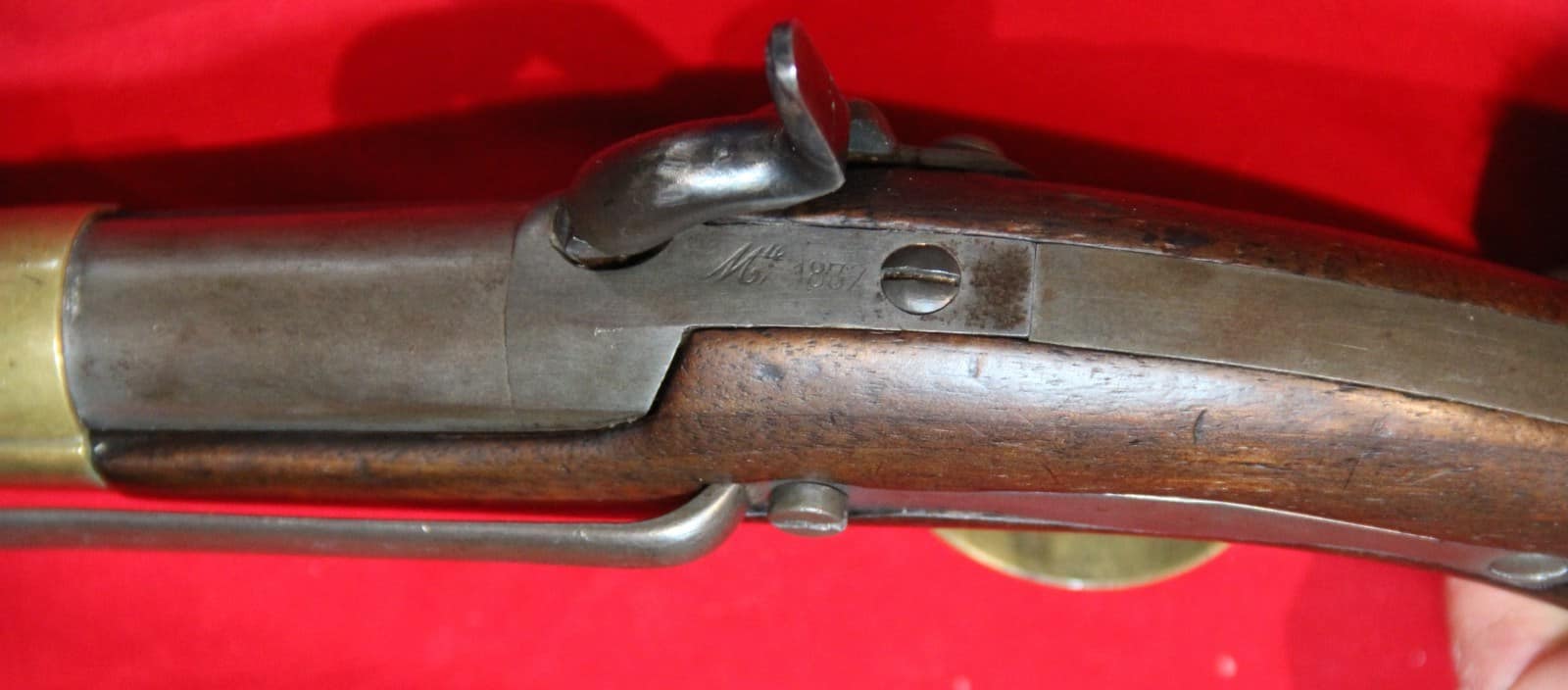
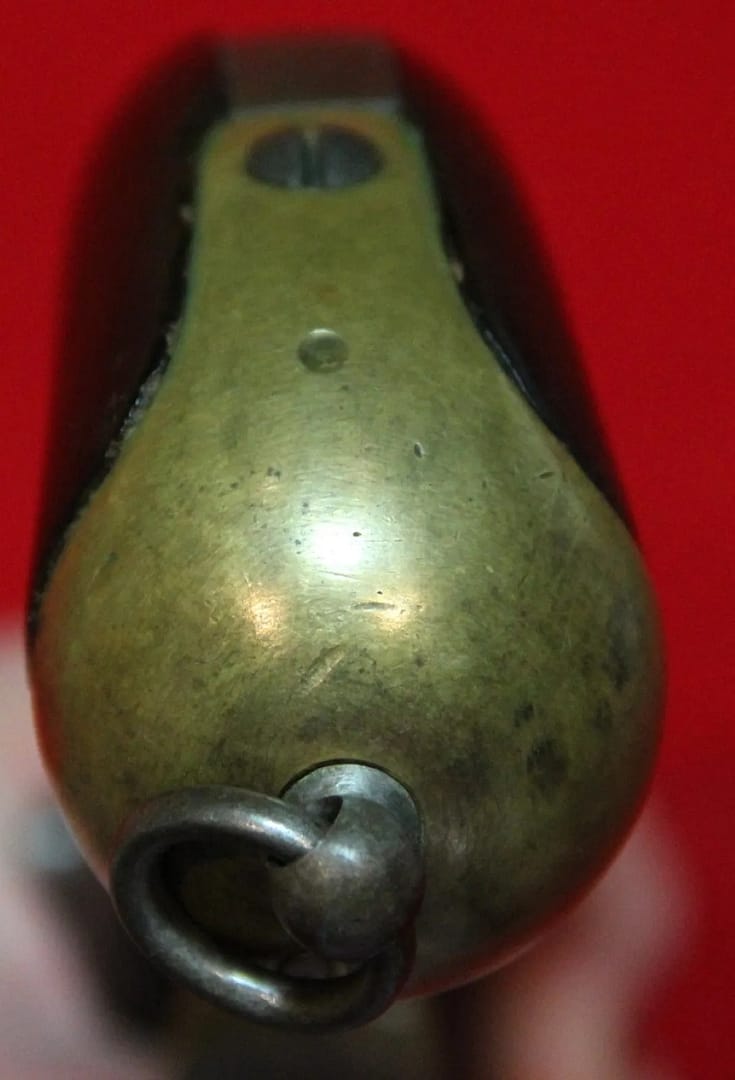
French Model 1837 Marine Pistol, from my personal collection
The French Model 1837 Marine Pistol was adopted for naval service during the early percussion era. Designed for reliability in maritime conditions, it replaced earlier flintlock patterns with a percussion ignition system less susceptible to moisture. A single-shot, smoothbore pistol of approximately .69 calibre, it featured brass furniture and a robust walnut stock suited to shipboard use. Issued to sailors and marines, it supported close-quarters combat during boarding actions and shore operations. The M1837 reflects the broader nineteenth-century transition from flintlock to percussion arms within the French military system.
Edged weapons of the Crimean War
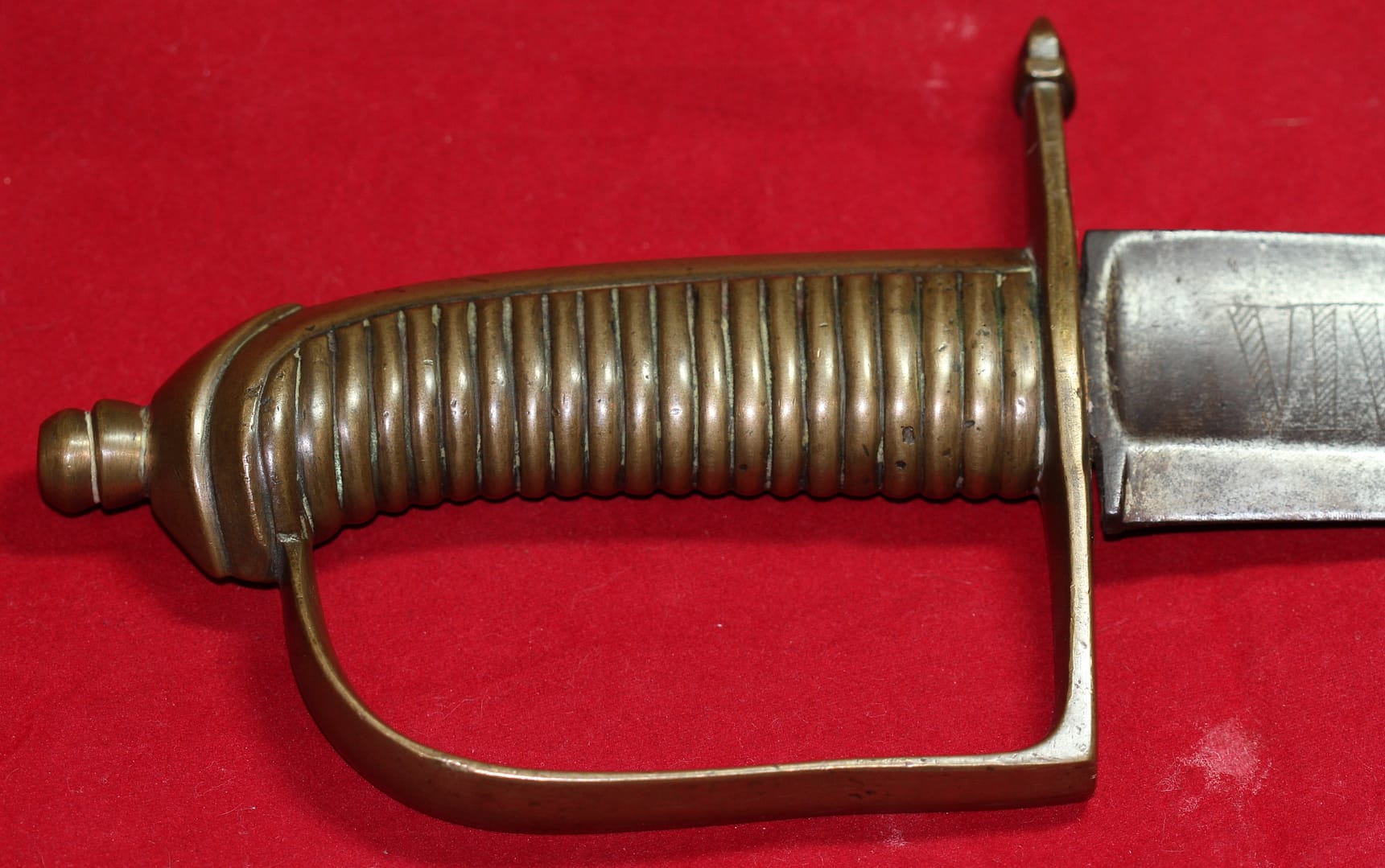
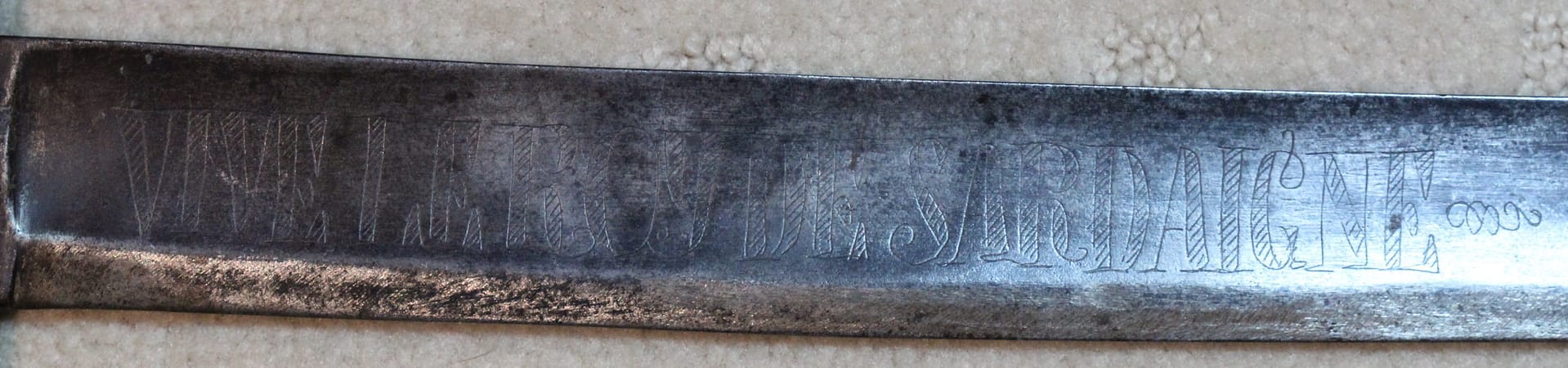
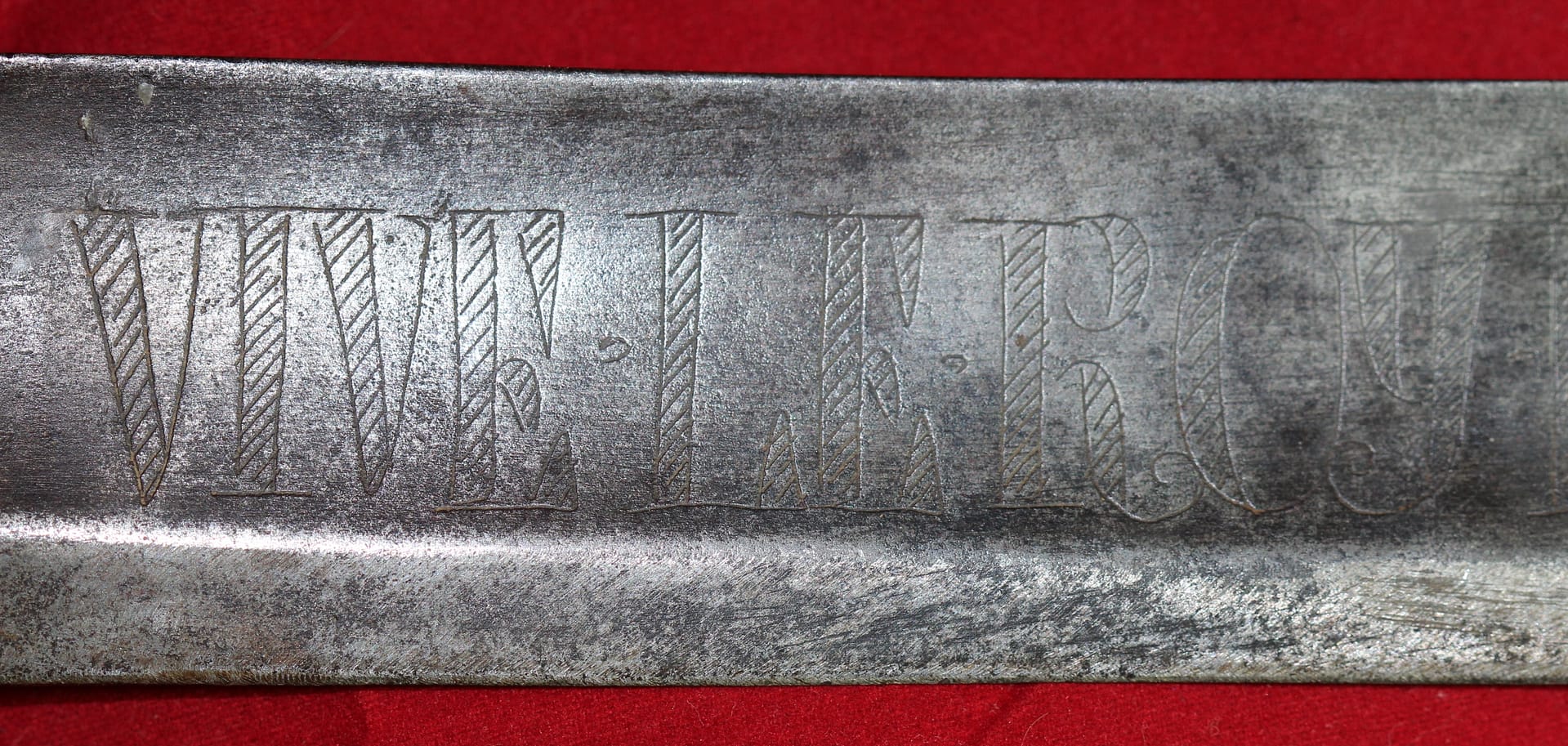
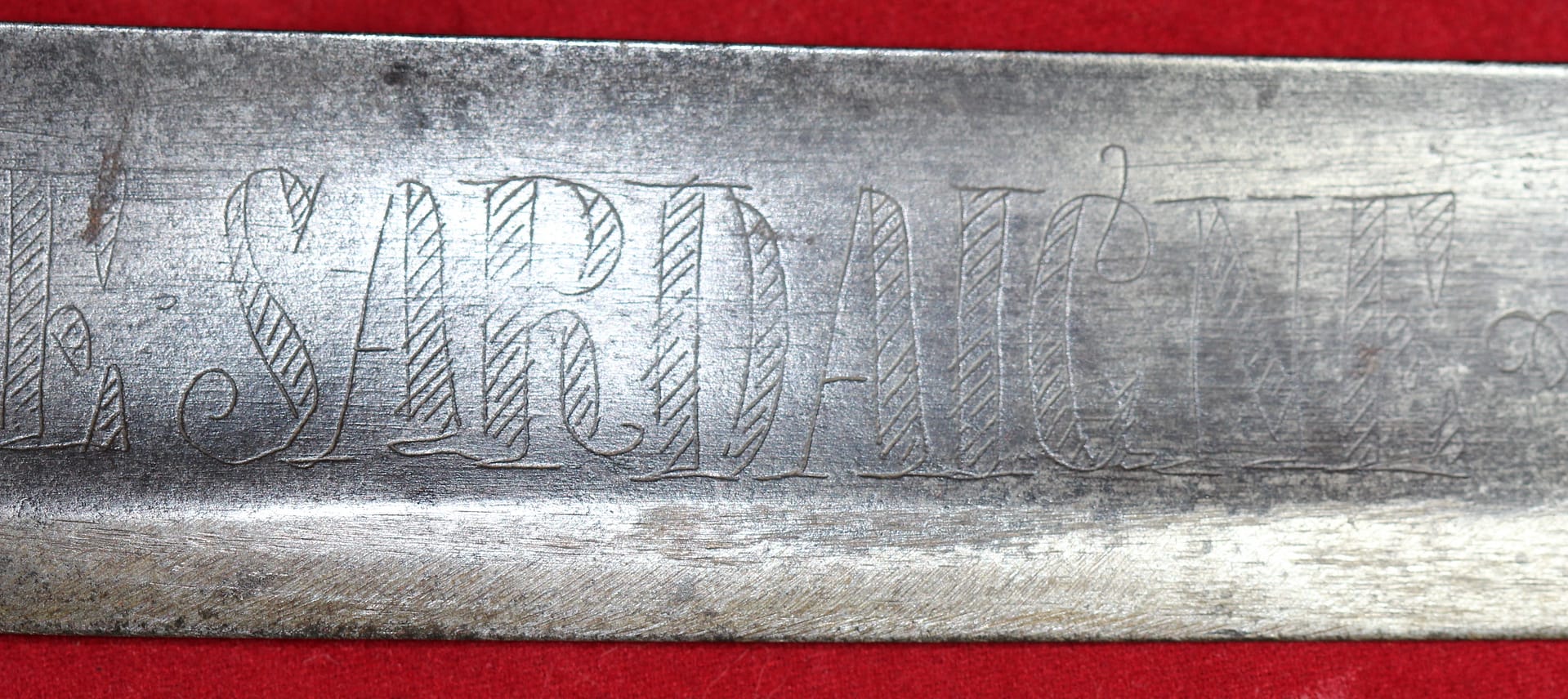
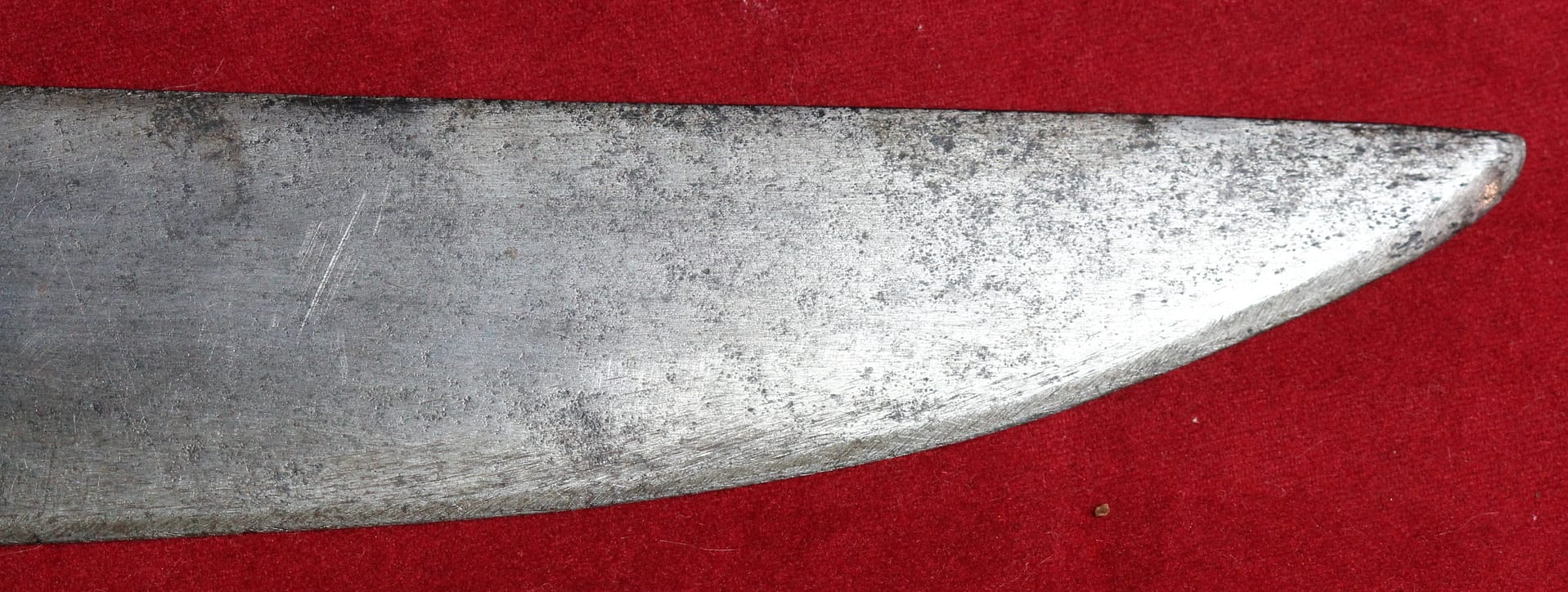
Crimean War Sardinian Grenadier Infantry Hanger — “Vive Le Roi de Sardaigne”, from my personal collection
This short infantry sword, or hanger, is engraved “Vive le Roi de Sardaigne,” marking it to the Kingdom of Sardinia, a key ally of Britain and France during the Crimean War (1853–56). Typically carried by grenadier or elite infantry troops, such weapons were intended for close combat and as a symbol of status within the regiment. Manufactured in the mid-19th century and reflecting contemporary European military style, the hanger represents the contribution of Sardinian forces to the allied campaign, particularly their participation alongside French and British troops in the later stages of the war.


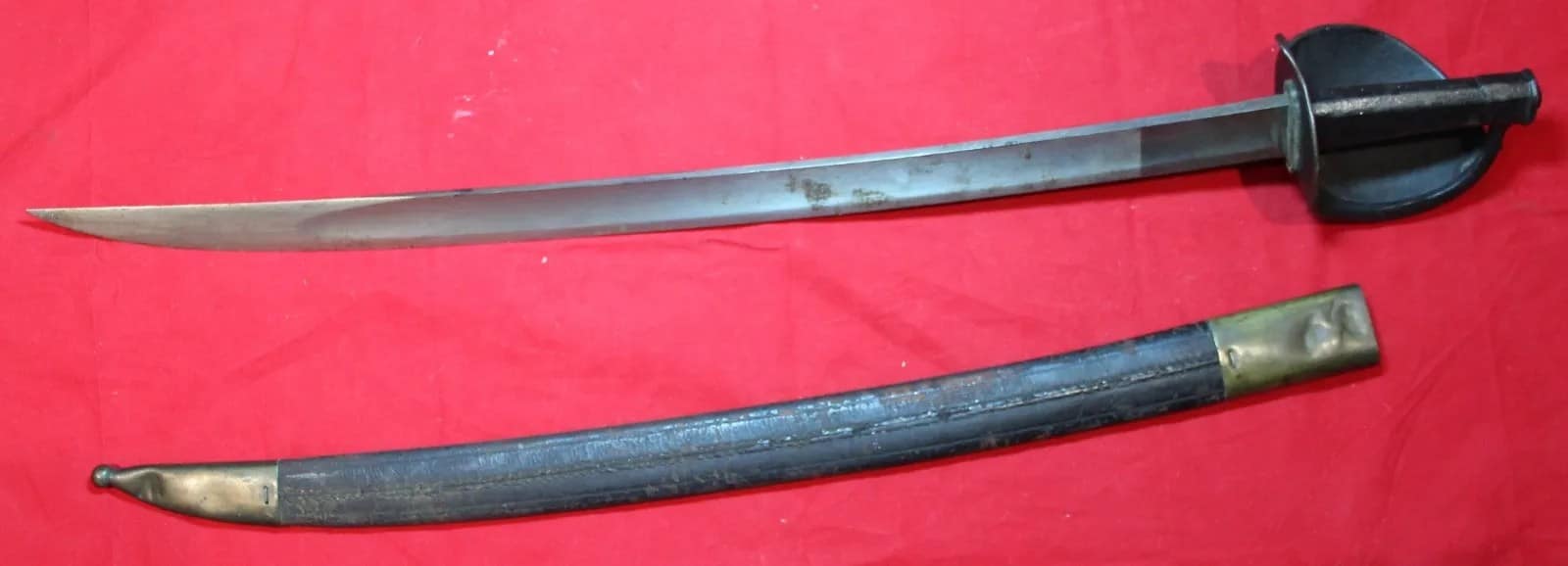
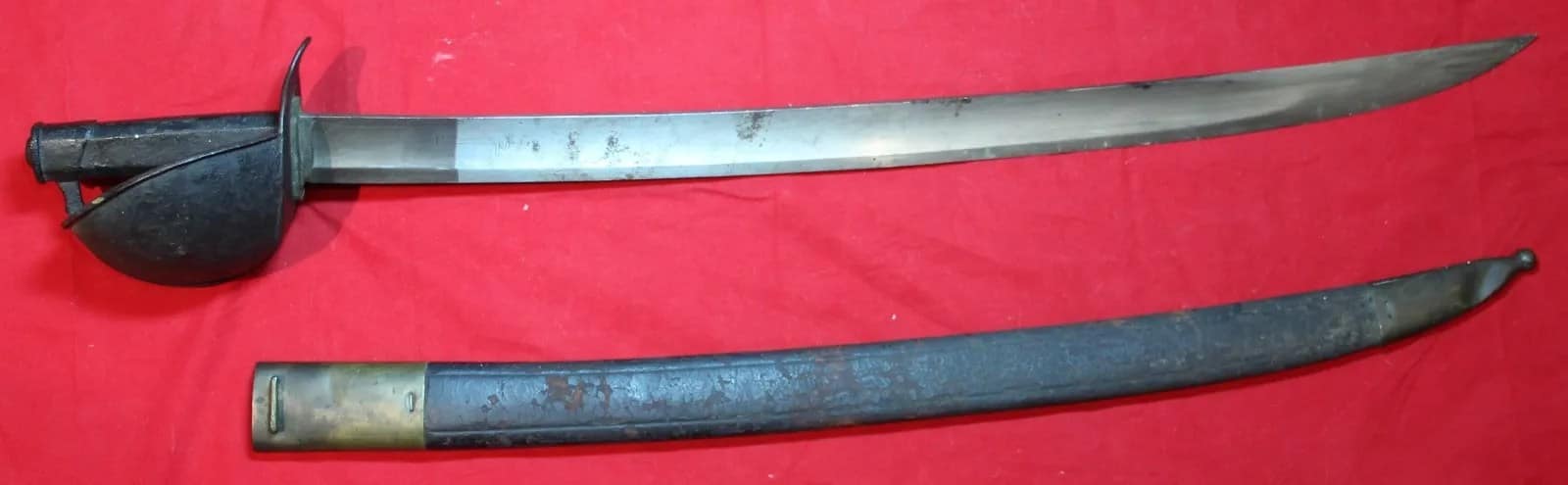
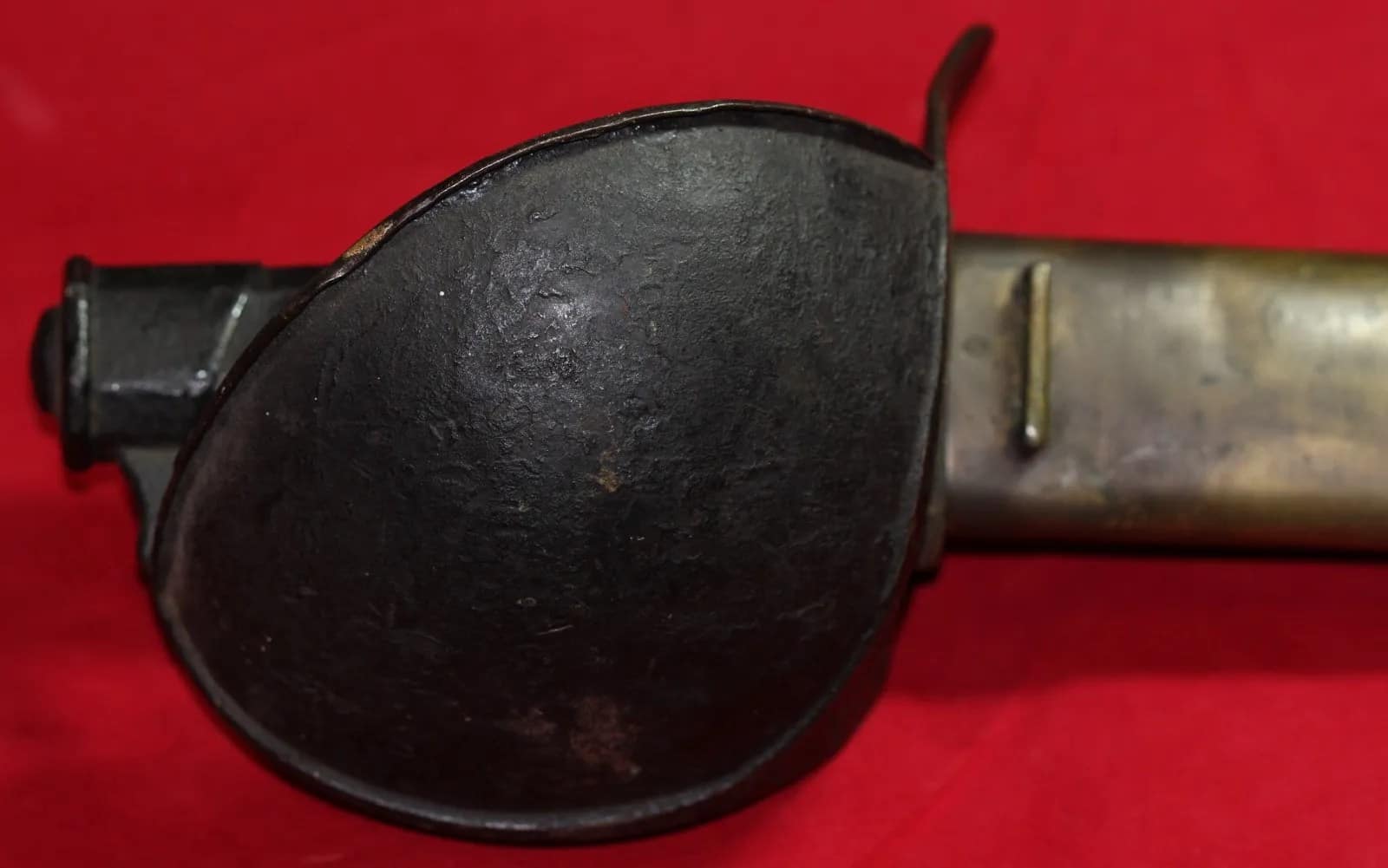
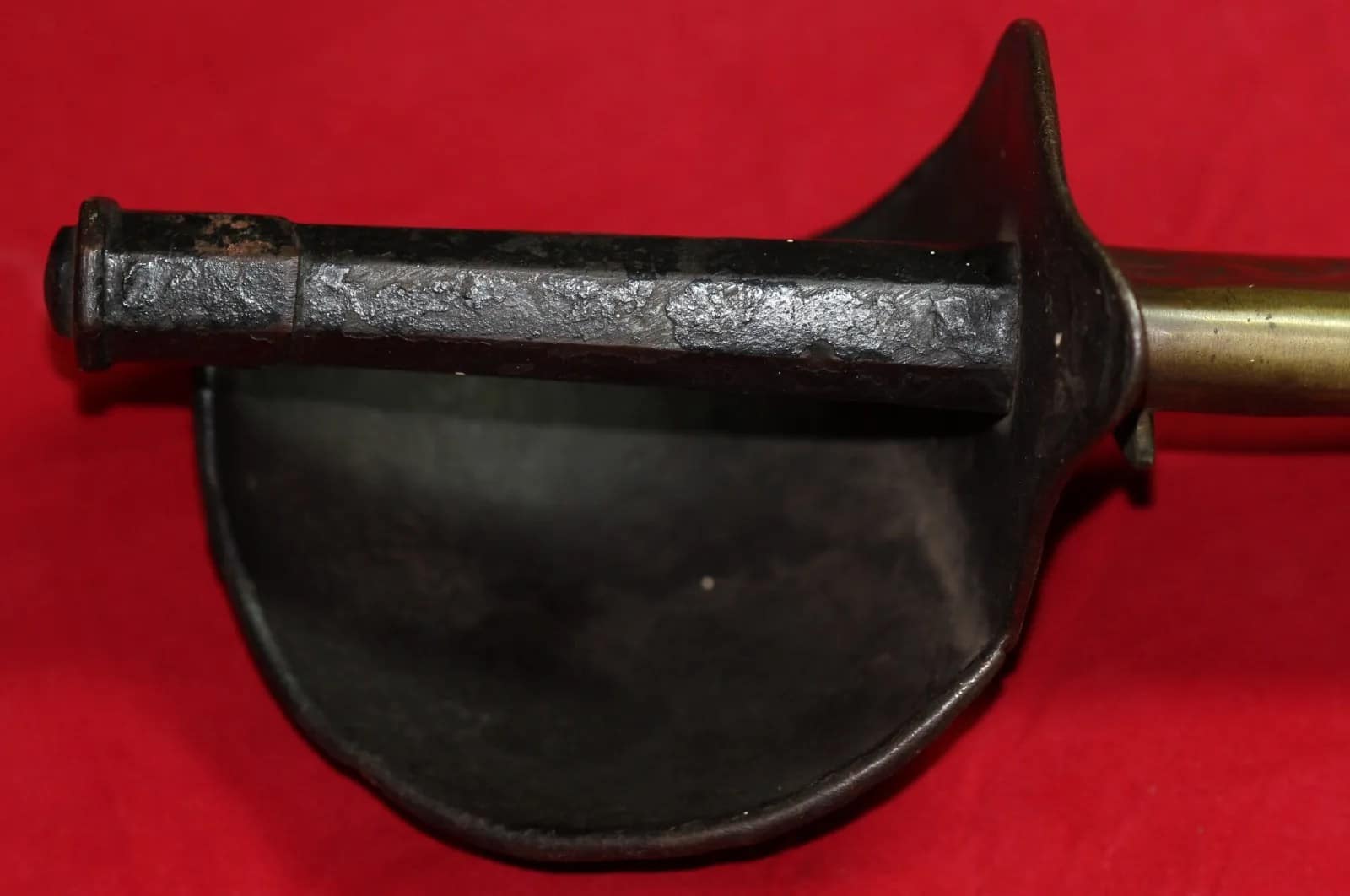
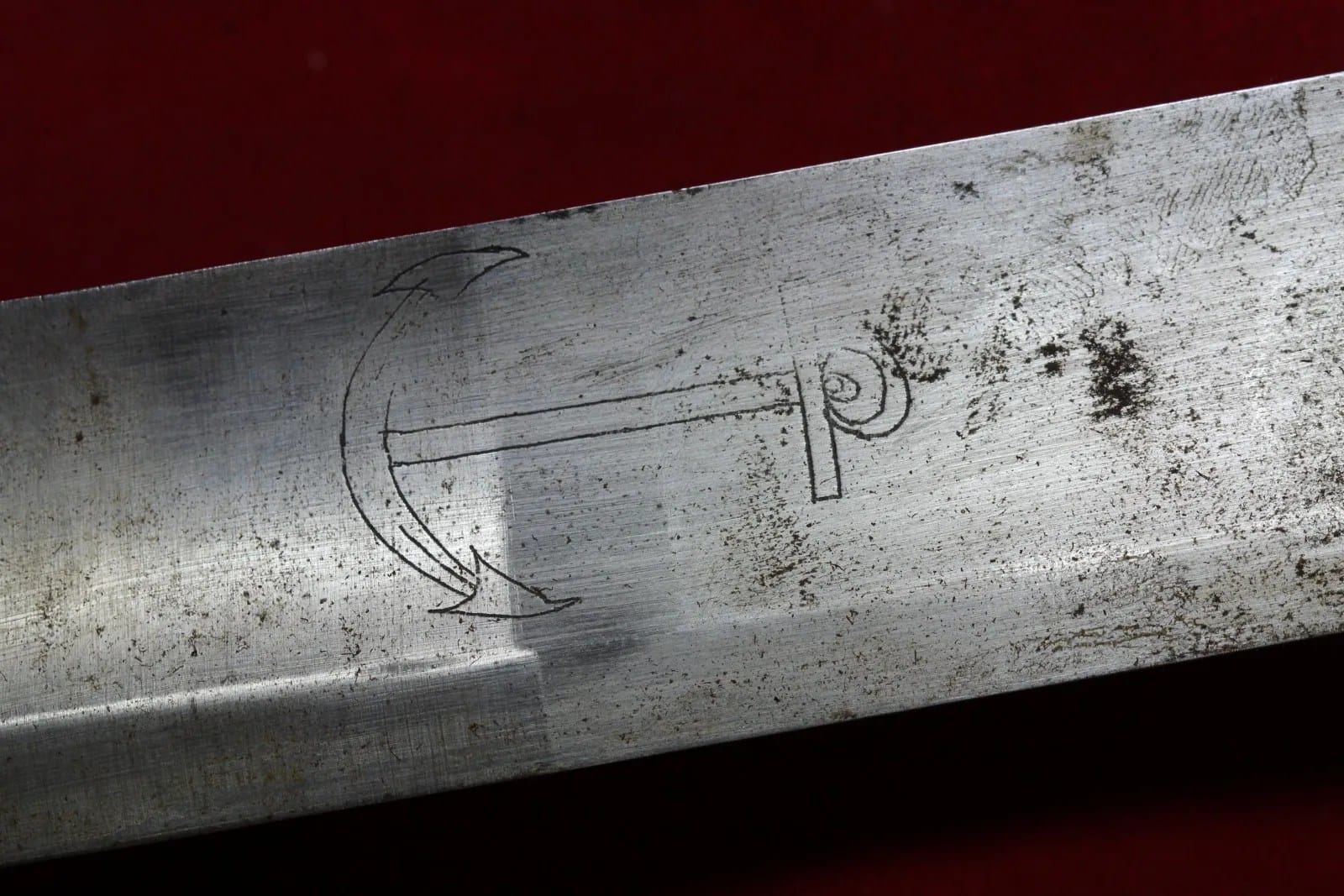
French M1837 Naval Cutlass, from my personal collection
The French M1837 Naval Cutlass was introduced to equip sailors and marines for close-quarters combat at sea. Designed as a robust boarding weapon, it featured a broad, slightly curved blade and a blackened, solid brass hilt offering hand protection in confined fighting spaces. Compact and durable, it was suited to shipboard use where space restricted longer weapons. Issued throughout the mid-nineteenth century, the M1837 reflects French naval standardisation during a period of global maritime deployment, colonial operations, and evolving steam-powered fleets. It remained a practical sidearm for naval personnel engaged in boarding, defence, and shore actions.
Accoutrements of the Crimean War
Crimean War Medal Group to a soldier of the 71st Foot (Highland Light Infantry) Regiment. From my personal collection
This medal group is attributed to Robert Campbell of the 71st and comprises the Crimea Medal, the Indian Mutiny Medal, and the Turkish Crimea Medal. The Crimea Medal was awarded for service in the Crimean War (1853–56), while the Turkish Crimea Medal was issued by the Ottoman Empire to allied troops in recognition of their contribution to the campaign. The Indian Mutiny Medal reflects subsequent service during the Indian Rebellion of 1857–58. Together, the group illustrates the extended operational service of a British rifleman across major mid-19th-century imperial campaigns.
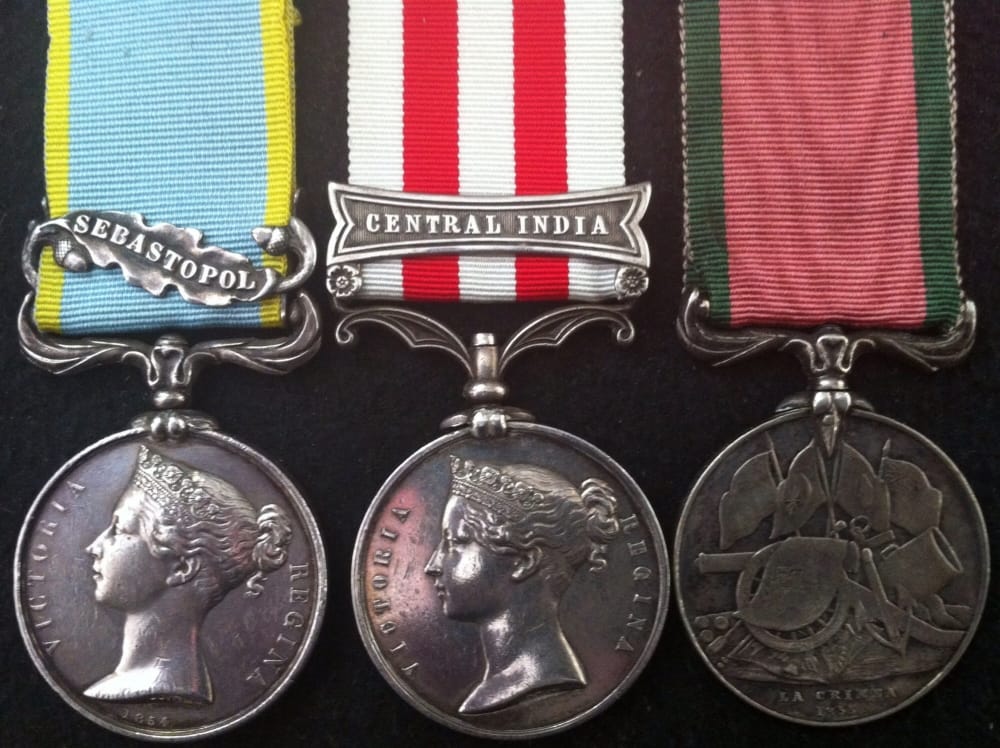
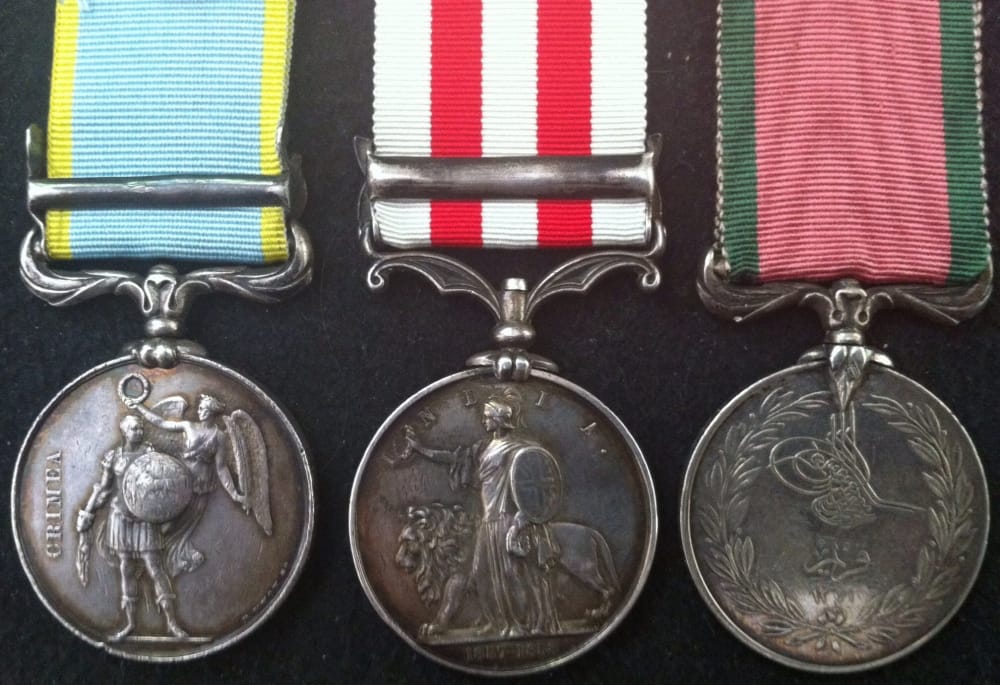
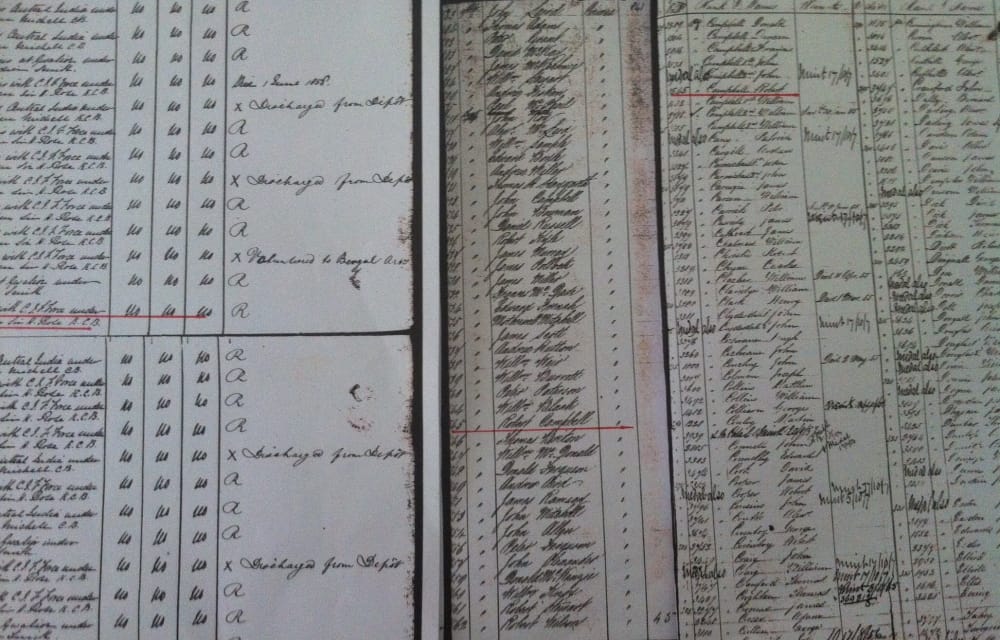
Medal Group, Robert Campbell of the 71st. Crimea Medal, Indian Mutiny Medal. Turkish Crimea Medal.
Found this useful? Buy me a coffee — it helps fund future battlefield research


Authored by Mick Prictor, a retired military officer with 40 years’ service, and a military historian specialising in terrain-focused analysis of tactics, doctrine, and command decision-making in land warfare. His work draws on extensive battlefield fieldwork—more than 280 sites worldwide—and one of the world’s largest private collections of historic military arms, uniforms, and equipment. About me
Crimean War – Weapons FAQ
The Crimean War began over Russian pressure on the Ottoman Empire and disputes concerning influence in the Black Sea region. Britain and France intervened to prevent Russian expansion and to maintain the European balance of power. Diplomatic tensions escalated after Russian occupation of Ottoman territories in the Balkans. The conflict widened into a major coalition war.
Sevastopol was Russia’s principal naval base on the Black Sea. The allied expedition to Crimea aimed to neutralise this base and reduce Russian maritime capability. The resulting siege (1854–1855) became the central operation of the war. Control of Sevastopol directly affected Russian strategic reach in the region.
The war marked the widespread battlefield use of rifled muskets firing Minié-type projectiles. British troops carried the Pattern 1853 Enfield rifle-musket, while French forces fielded the Modèle 1851 Minié rifle. These weapons extended effective infantry engagement ranges beyond earlier smoothbores. Heavy artillery and siege guns dominated operations around Sevastopol.
Yes. The conflict featured rifled small arms, extensive trench systems, telegraph communications, steam-powered naval forces, and war reporting by correspondents. The prolonged siege environment and logistical strain anticipated later industrial-era conflicts. Organisational weaknesses in supply and medical systems were exposed.
The war concluded with the Treaty of Paris in 1856. Russia accepted restrictions on its naval presence in the Black Sea. The settlement temporarily checked Russian expansion and preserved the Ottoman Empire’s territorial integrity. However, underlying tensions in Eastern Europe remained unresolved.
Subscribe to Battlefield Travels and receive a free E-Book Battlefield Guide
Unlock expert battlefield analysis, campaign reconstructions, and historical insights drawn from firsthand exploration and primary sources.
🗺️ You’ll receive:
🎖️ Exclusive historical insights you won’t find elsewhere
📘 A free eBook: 10 Tips for Exploring Historic Battlefields
📰 New battlefield studies straight to your inbox as they are published

⚔️ Go deeper — Members get exclusive access to the Deep Research Collection, Field Notes, and monthly Research Dispatches. Try membership free for 7 days, cancel anytime. From $9/month.