Reconstructing the Roman Republic and Roman Empire era battlefields through terrain analysis, primary sources and on-site research
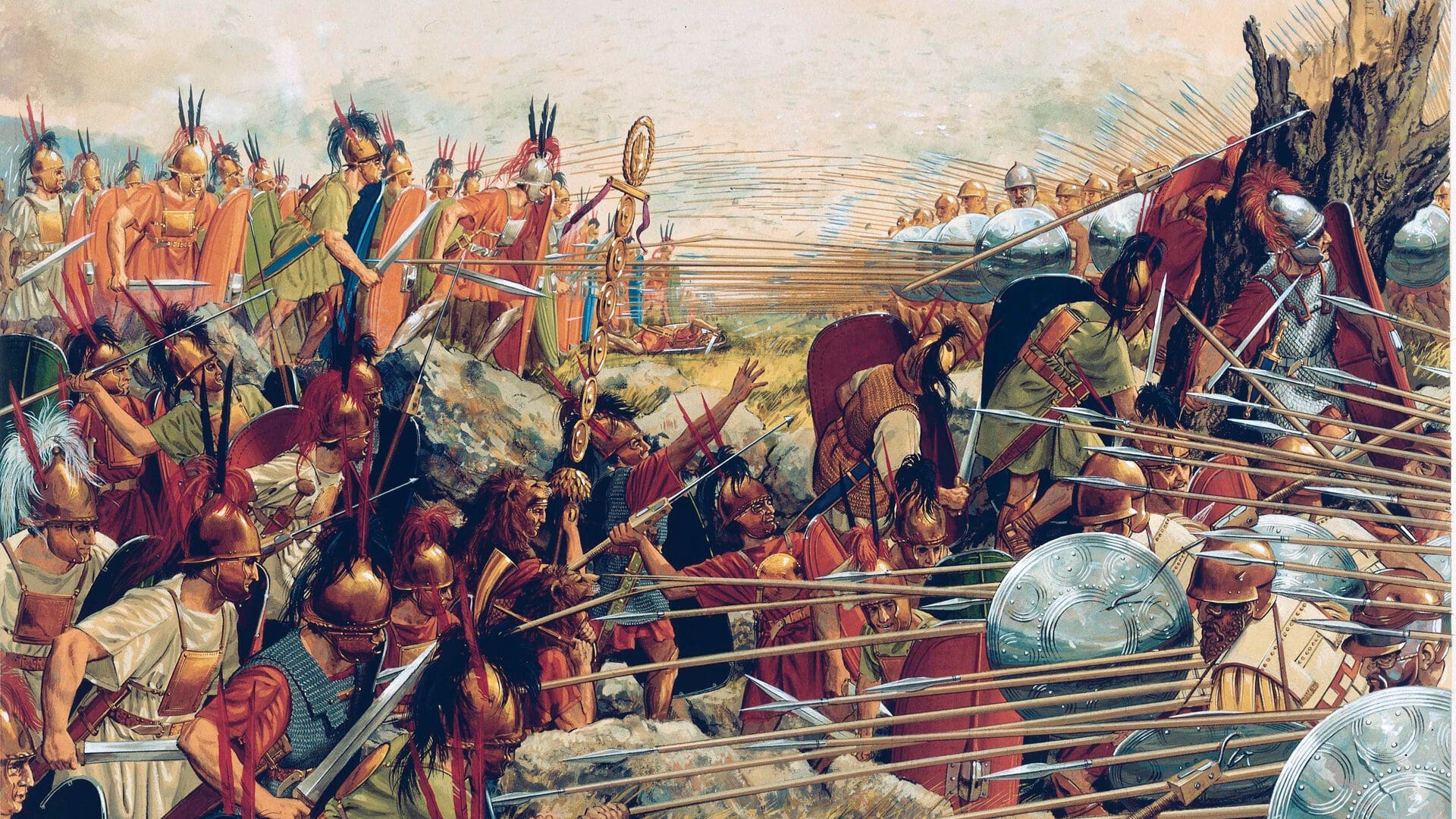
Walking the battlefields of Roman-era conflicts
The wars of the Roman Republic and Empire unfolded across an exceptionally diverse geographic and cultural landscape. Roman armies fought in dense Germanic forests, across the open plains of Gaul, among the fortified hilltop oppida of central Europe, and along long defensive frontiers stretching from Britain to the Danube and the Euphrates. Each theatre presented Rome with distinct operational challenges, and battlefield outcomes were often shaped as much by terrain and movement corridors as by leadership, doctrine or numbers.
The West
In the west, the Gallic campaigns of Julius Caesar demonstrated how rivers, valleys, oppida and tribal fortifications dictated manoeuvre, logistics and siege warfare. At Alesia, the dramatic double-ring fortifications and dominating high ground created a battle defined by engineering, observation and strict control of approach routes. Further south and east, the clash on the Catalaunian Plains presented a wholly different problem-set: an open, rolling landscape where wide visibility, cavalry manoeuvre and coordinated infantry deployment determined the ebb and flow of one of the late Empire’s most consequential engagements.
Germania
North of the Alps, the forested valleys and marshlands of Germania posed the most severe environmental tests to Roman arms. The catastrophic ambush in the Teutoburg Wald exposed the vulnerabilities of Roman column movement in confined wooded terrain, where narrow tracks, sodden lowlands and broken visibility allowed Germanic forces to dictate every phase of the battle. Teutoburg revealed the limits of Roman tactical doctrine when forced into terrain fundamentally unsuited to its strengths.
The East and South
In the east, Rome and, later, the Eastern Roman Empire confronted powerful adversaries across a vast frontier — from the Parthians and Sassanids to the waves of Goths, Huns, and other migrating peoples displaced by pressures further east. These conflicts often unfolded in mixed terrain: fortified cities, river basins, arid steppes and open plains where mobility and frontier logistics were decisive.
To the south, Rome battled the Carthaginians, Numidians and Egyptians, fighting across deserts, rough uplands, cultivated plains and littoral seas. These campaigns underscored Rome’s reliance on adaptability: shifting between infantry-dominated warfare, naval operations and complex coalition or proxy conflicts.
This collection of Roman battlefield studies examines these campaigns through a terrain-focused, ground-truth lens — combining archaeological evidence, ancient sources, period reconstructions and detailed modern field reconnaissance to explain not only what occurred on these battlefields, but why events unfolded the way they did across the diverse landscapes of the Roman world.
Roman Era Battlefield Studies
In-depth battlefield analyses based on terrain, primary sources, and on-the-ground exploration.
-
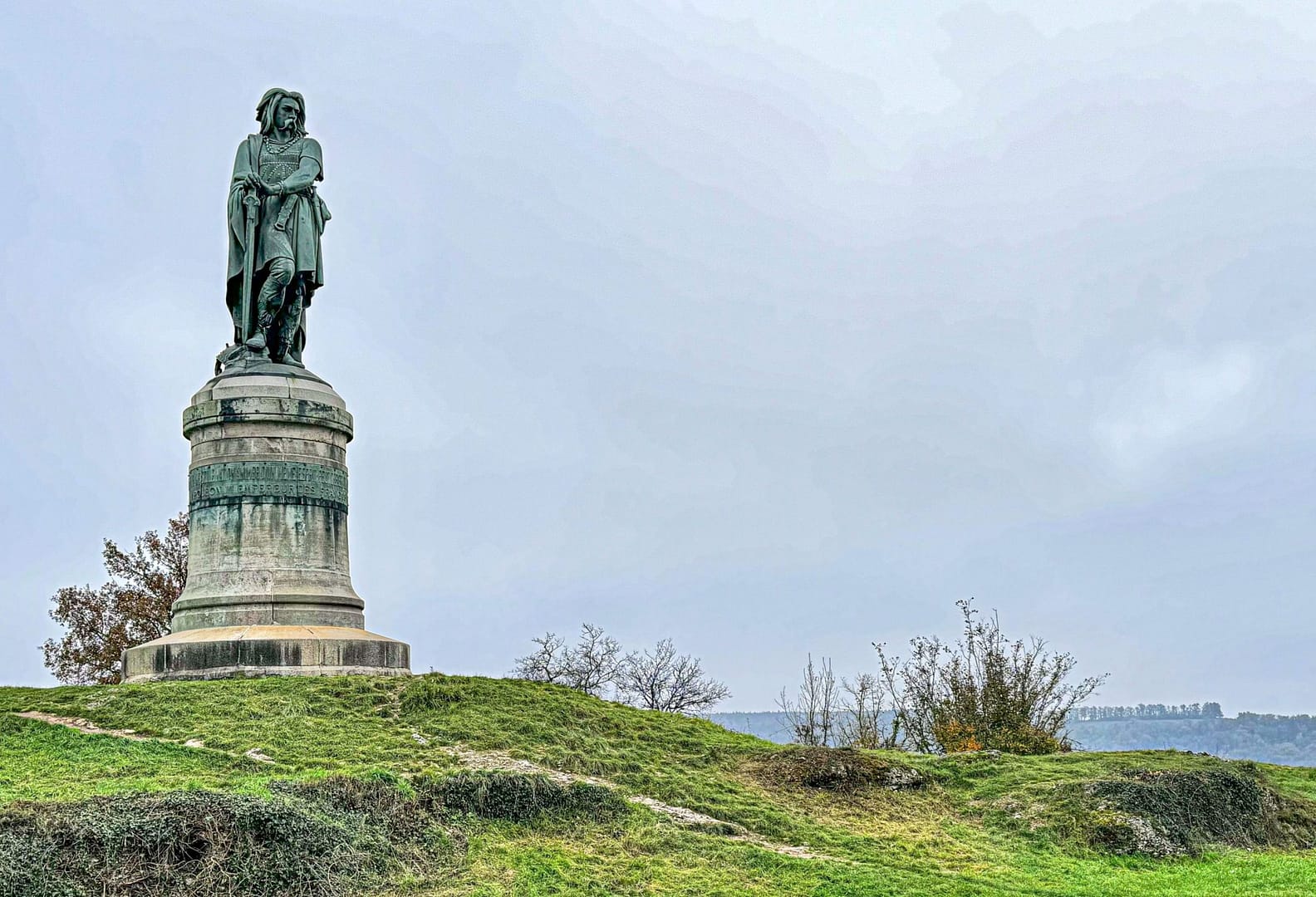
⚔️ Siege of Alesia,
Caesar’s Gallic Wars,
~September 52 BC
The siege of Alesia in 52 BC was the culmination of Julius Caesar’s conquest of Gaul and his battle against the Gallic leader Vercingetorix. Caesar wrote about it in his book ‘Battles for Gaul’ as part of his self-promotion effort. Vercingetorix and Alesia are the basis for René Goscinny’s ‘Asterix and Obelisk’ cartoons. The siege…
-
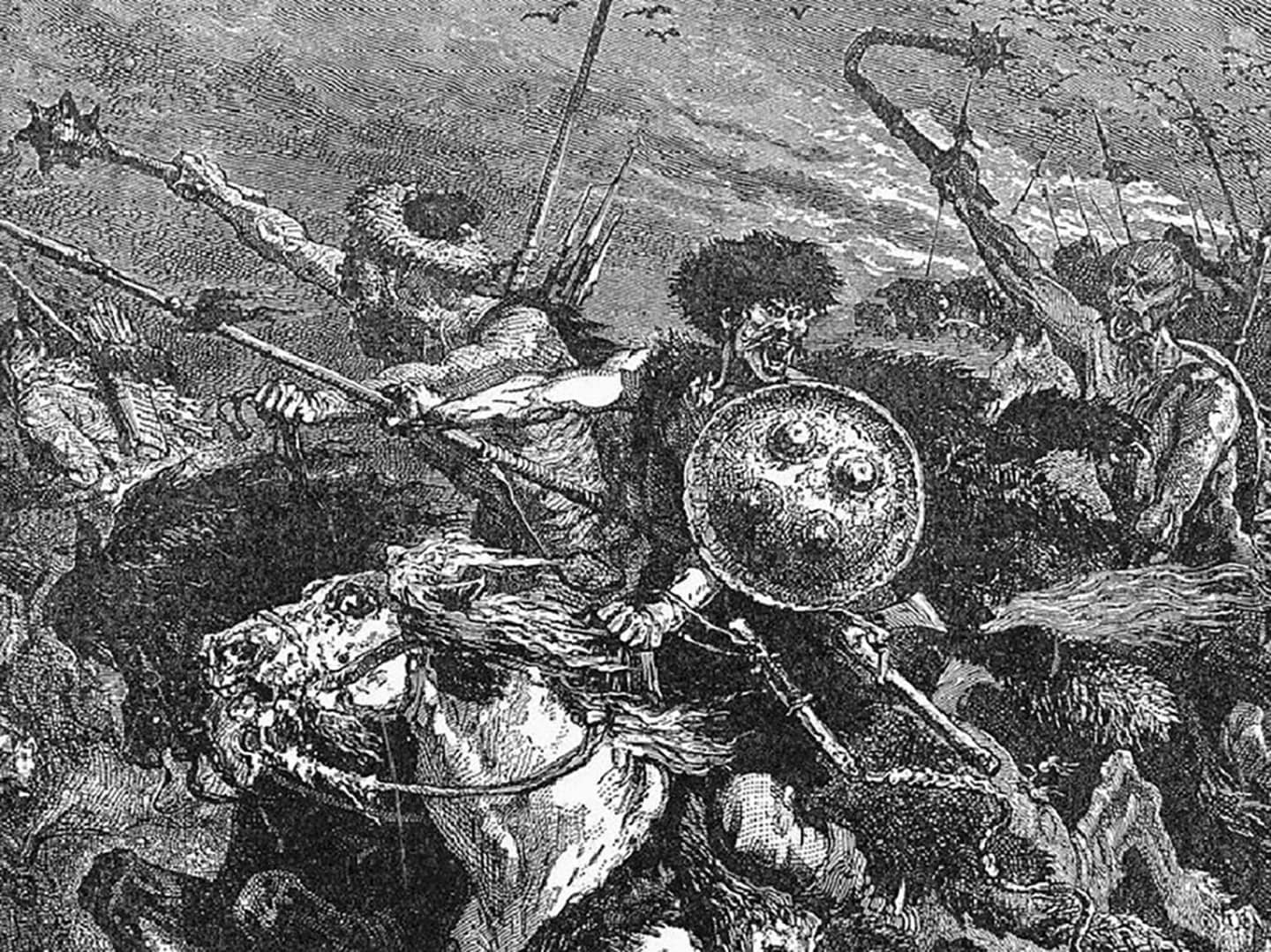
⚔️🔒Battle of the Catalaunian Fields, France, ~20 June 451 AD

The 451 AD Battle of the Catalaunian Fields (also known as the Battle of Chalons or the Battle of Maurica), between a Romano-Visigothic force and Hunnic-Gothic coalition led by Attila the Hun, was one of the decisive battles in history, and the last major victory for the western Roman Empire before it succumbed to barbarian…
Roman Era Field Notes
Short-form observations, terrain insights, and working interpretations from the field. Some posts require access.
-
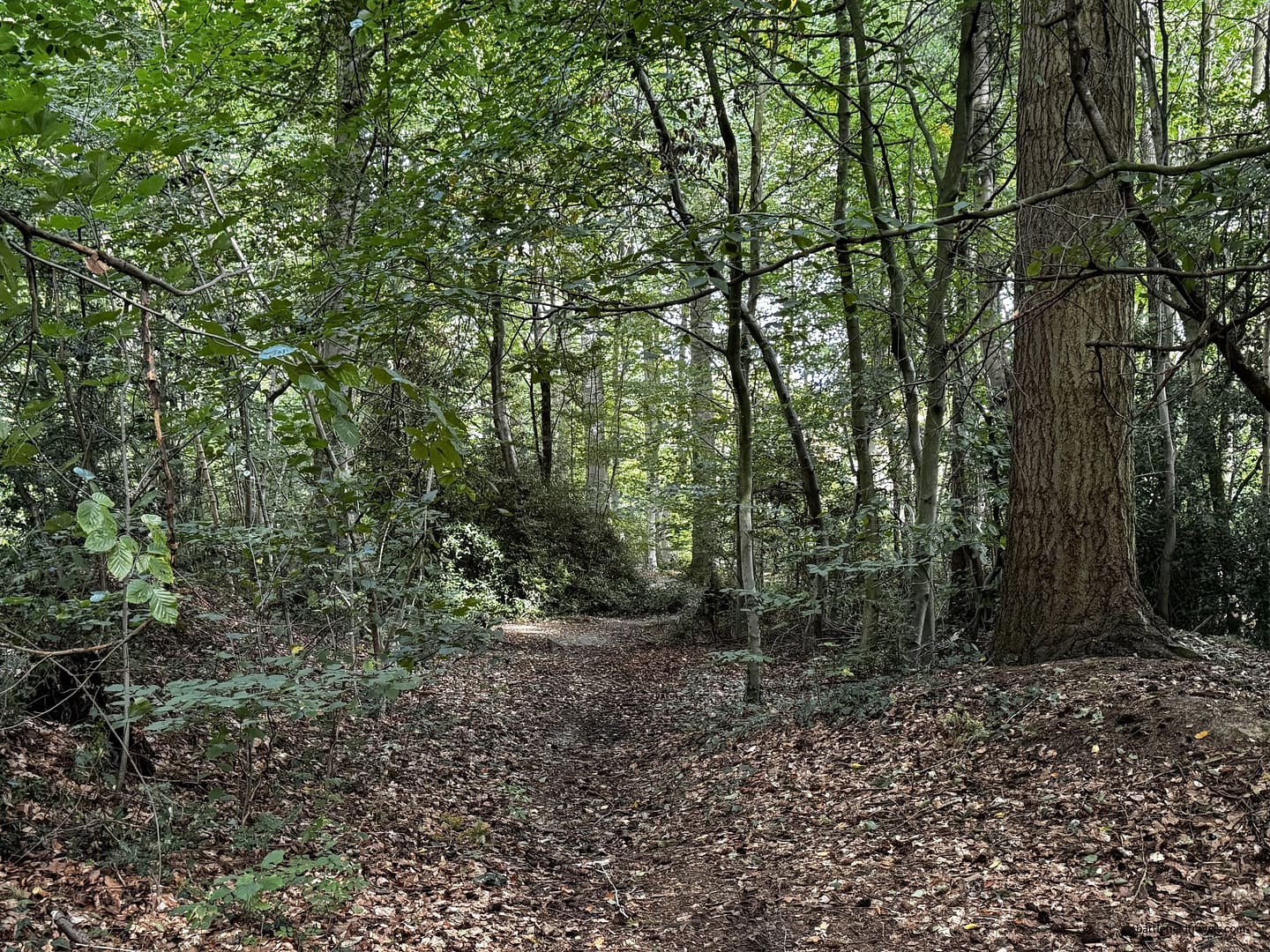
📝🔒 Field Note: Battle of Teutoburg Forest (Kalkriese), Germany, AD 9

October 2025, Kalkriese, Germany. I am exploring the ancient battlefield of Teutoberg Forest, accompanied by Stefan, the Chief Archaeologist at the site. In AD 9, Roman General Varus led a punitive expedition of three veteran Legions into the area of Teutoberg Forest. Arminius led the Roman Legions to a location near present-day Kalkriese. Here, the…

Authored by Mick Prictor, a retired military officer with 40 years’ service, and a military historian specialising in terrain-focused analysis of tactics, doctrine, and command decision-making in land warfare. His work draws on extensive battlefield fieldwork—more than 280 sites worldwide—and one of the world’s largest private collections of historic military arms, uniforms, and equipment. About me
⚔️ Go deeper — Members get exclusive access to the Deep Research Collection, Field Notes, and monthly Research Dispatches. Try membership free for 7 days, cancel anytime. From $9/month.
Explore Related Themes
Armies: Roman Army • Persian Army • Gallic Army • Hun Army
Commanders: Julius Caesar • Flavius Aetius • Vercingetorix • Attila the Hun
Methods: Mounted warfare • Siege warfare
Environments: Forest Warfare • Mountain Warfare
Further Study: Ancient Roman Warfare Reading List
Each study uses terrain analysis, archaeological evidence and on-site field reconnaissance to explain how ground, movement corridors and visibility shaped Roman tactics and battle outcomes.
Currently Alesia and the Catalaunian Plains are published, with Teutoburg Forest and additional Roman frontier studies forthcoming.
Roman doctrine, formations and column movement were highly sensitive to terrain. Forests, rivers, hillforts, open plains and narrow valleys often dictated whether legions could deploy effectively — or were forced into disadvantageous fights.
Yes. The collection examines battles from the late Republic through the Imperial period, including campaigns in Gaul, Germania and along Rome’s eastern and southern frontiers.
Many sites retain key terrain features, including Alesia, the Catalaunian Plains and the Teutoburg Forest, allowing modern visitors to walk the ground and understand the landscapes of ancient conflict.
Subscribe to Battlefield Travels and receive a free E-Book Battlefield Guide
Unlock expert battlefield analysis, campaign reconstructions, and historical insights drawn from firsthand exploration and primary sources.
🗺️ You’ll receive:
🎖️ Exclusive historical insights you won’t find elsewhere
📘 A free eBook: 10 Tips for Exploring Historic Battlefields
📰 New battlefield studies straight to your inbox as they are published

⚔️ Go deeper — Members get exclusive access to the Deep Research Collection, Field Notes, and monthly Research Dispatches. Try membership free for 7 days, cancel anytime. From $9/month.
