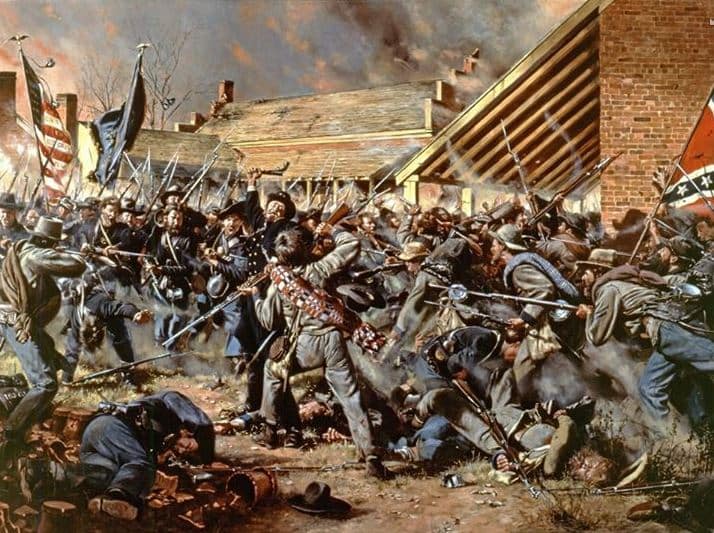
On the evening of 30 November 1864, Gen. John Bell Hood hurled his Army of Tennessee against entrenched Union forces at Franklin, Tennessee. Five hours of brutal fighting cost the Confederacy thousands of casualties and some of its finest generals. This battlefield study examines the strategy, terrain, and leadership decisions that made Franklin a decisive prelude to the Battle of Nashville.
Reconstructing American Civil War battlefields through terrain analysis, primary sources and on-site research
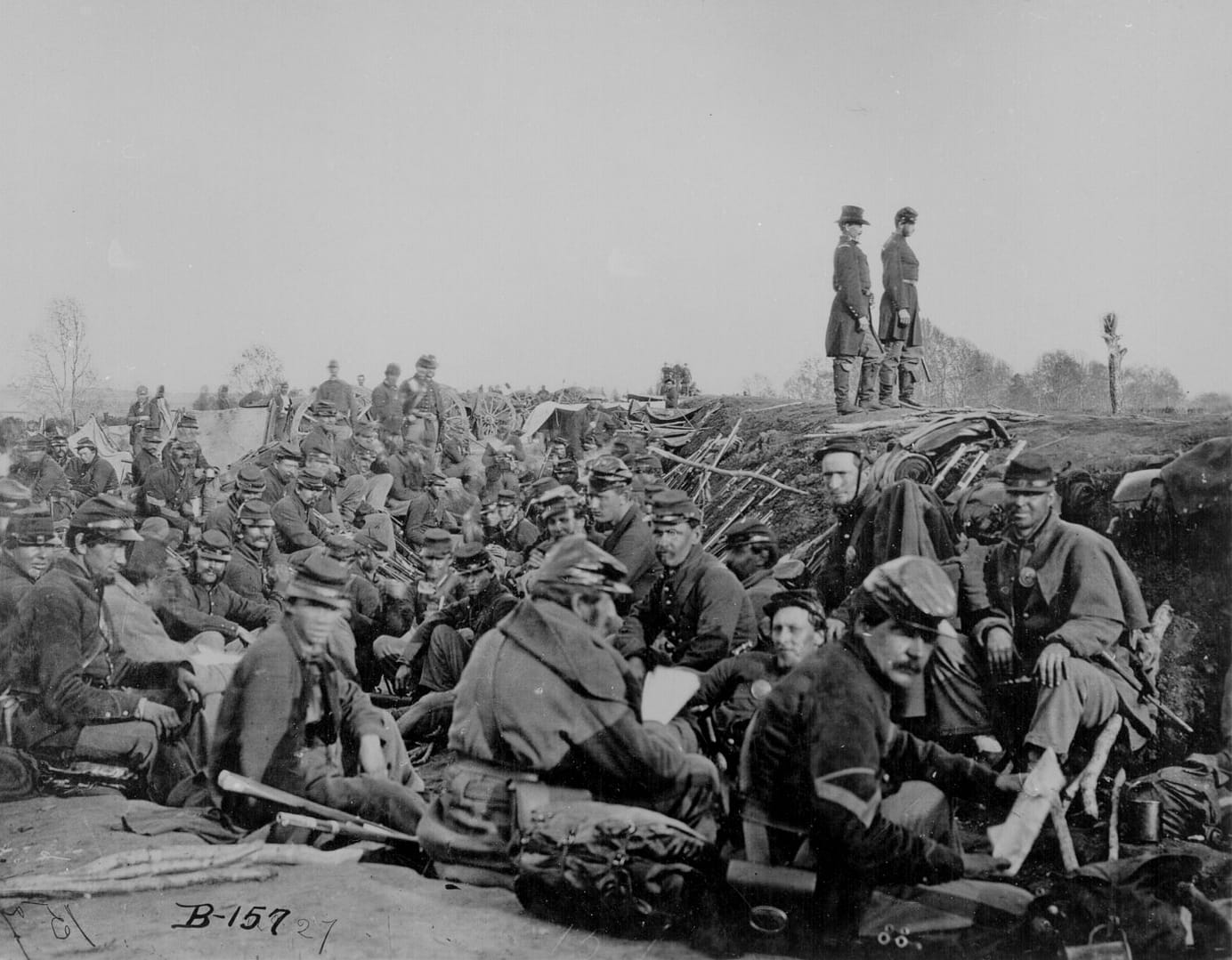
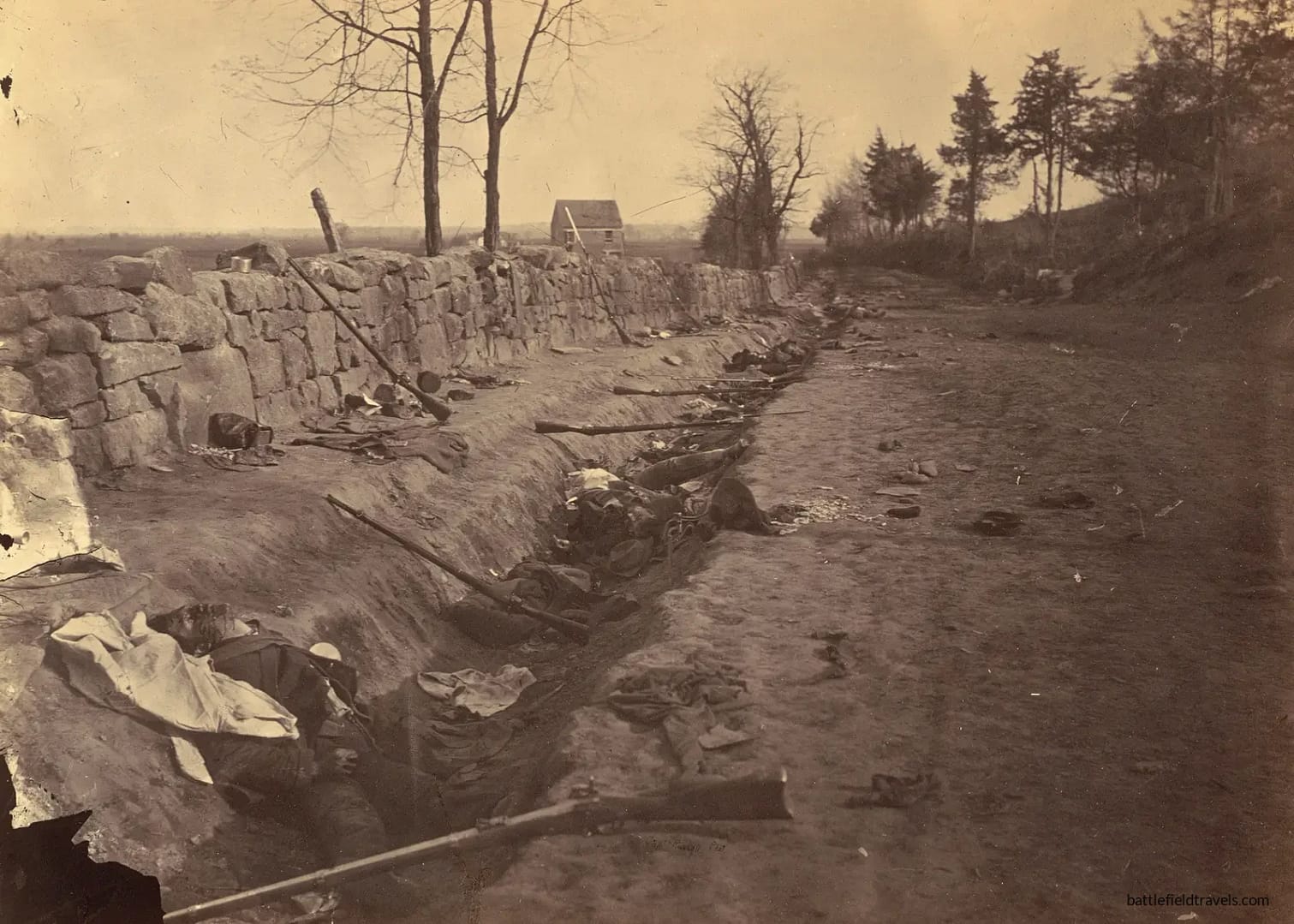
Union troops of General John Sedgwick’s corps, early 1863.
Walking the battlefields of the American Civil War (1861-1865)
Origins of the war
The American Civil War (1861–1865) was a continental-scale conflict fought across an extraordinary range of landscapes — rolling farmland, dense forests, mountain passes, river valleys, coastal fortifications, swamps, rail hubs and vast open plains. Shaped at the highest levels by questions of slavery, union, strategy and industrial capacity, the war was ultimately decided on the ground: by infantry regiments advancing through choke points in the Wilderness, artillery massed on commanding heights like Cemetery Ridge and Missionary Ridge, and commanders making decisions amid dust, smoke, noise and often limited visibility.
The theatres
No two theatres were alike:
In the Eastern Theatre, armies manoeuvred across a compact corridor between the capitals at Washington and Richmond, fighting along ridges, rivers and road networks that constrained movement and amplified the importance of terrain — from the stone walls of Fredericksburg and the bold manoeuvres of Chancellorsvilleto the tangled undergrowth of the Wilderness.
In the Western Theatre, vast distances, river systems and rail junctions shaped operations from Shiloh to Vicksburg, Chattanooga, Franklin and Atlanta. The great manoeuvre campaigns of Grant and Sherman unfolded across broken ridgelines, mountain gaps and deep river crossings that dictated tempo, supply, and the ability to concentrate force.
In the Trans-Mississippi, from the early battles at Wilson’s Creekand Pea Ridge, on the plains of Arkansas to the bayous of Louisiana, terrain and climate dictated a very different style of warfare, marked by dispersed forces, irregular operations and complex logistics.
This collection of battlefield studies approaches the war through a modern, terrain-focused lens. Each article integrates period maps, contemporary sketches, first-hand accounts, geological features, environmental constraints and detailed on-site reconnaissance. By walking the ground — from the open ridges of Gettysburg to the sunken lanes of Antietam, the steep slopes of Lookout Mountain, the ravines of Chickamauga and the trenches of Petersburg — these studies illuminate the relationships between landscape, doctrine, weapons, command culture, and tactical outcomes.
Methodology
The methodology applied across these studies examines the match between terrain and manoeuvre, visibility and fields of fire, the use of cover and obstacles, command-and-control limitations, and the role of railroads, rivers, fords, ferries and urban terrain. Whether your interest lies in the intense attrition battles of the East, the sweeping operational campaigns of the West, or the lesser-known engagements across the far reaches of the conflict, these battlefield studies offer clear, ground-truth insights into how and why the Civil War unfolded as it did.
I have walked the ground on more than fifty Civil War battlefields. New studies will appear here as they are completed and published.
On the evening of 30 November 1864, Gen. John Bell Hood hurled his Army of Tennessee against entrenched Union forces at Franklin, Tennessee. Five hours of brutal fighting cost the Confederacy thousands of casualties and some of its finest generals. This battlefield study examines the strategy, terrain, and leadership decisions that made Franklin a decisive…
The Battle of Pea Ridge, fought from 7-8 March 1862 in northwestern Arkansas, was a pivotal engagement in the American Civil War. This battle was crucial for control of Missouri and the Trans-Mississippi theater. Brigadier-General Samuel R. Curtis led the Union Army of the Southwest into Arkansas after pushing Confederate forces out of Missouri. In…
The Battle of Wilson’s Creek, Missouri, on 10 August 1861, was the second major battle of the American Civil War (after 1st Bull Run) and the first major battle west of the Mississippi. After a decade of conflict between pro-slavery and anti-slavery factions along the Kansas-Missouri border, there was already a long history of enmity,…
After the disastrous Battle of Fredericksburg in December 1862, President Lincoln replaced General Ambrose Burnside with General ‘Fighting’ Joe Hooker. Hooker’s army of about 134,000 Federal troops on the north side of the Rappahannock River faced about 60,000 Confederate troops under General Robert E. Lee on the south side. Hooker’s plan was bold. In response,…
Authored by Mick Prictor, a retired military officer with 40 years’ service, and a military historian specialising in terrain-focused analysis of tactics, doctrine, and command decision-making in land warfare. His work draws on extensive battlefield fieldwork—more than 280 sites worldwide—and one of the world’s largest private collections of historic military arms, uniforms, and equipment. About me
⚔️ Go deeper — Members get exclusive access to the Deep Research Collection, Field Notes, and monthly Research Dispatches. Try membership free for 7 days, cancel anytime. From $9/month.
What makes these American Civil War studies different?
Each study uses terrain analysis, period maps and on-site research to show how ground, movement and command decisions shaped the battle.
Does this collection focus only on the Eastern Theatre?
It includes major Eastern and Western battles and can expand as new studies — such as Gettysburg, Antietam or Shiloh — are added.
Can I visit these Civil War battlefields today?
Yes. Many key sites, including Gettysburg, Antietam and Shiloh, are preserved as national parks with extensive interpretation.
Do the articles include maps and detailed sources?
Each study integrates period cartography, historical sources and field reconnaissance to provide clear, evidence-based terrain insight.
Subscribe to Battlefield Travels and receive a free E-Book Battlefield Guide
Unlock expert battlefield analysis, campaign reconstructions, and historical insights drawn from firsthand exploration and primary sources.
🗺️ You’ll receive:
🎖️ Exclusive historical insights you won’t find elsewhere
📘 A free eBook: 10 Tips for Exploring Historic Battlefields
📰 New battlefield studies straight to your inbox as they are published
Claim Your Free Battlefield Travel Guide
Get your free e-book, exclusive tips, and updates on new battlefield studies.
Thank you!
You have successfully joined our subscriber list.
⚔️ Go deeper — Members get exclusive access to the Deep Research Collection, Field Notes, and monthly Research Dispatches. Try membership free for 7 days, cancel anytime. From $9/month.
Battlefields and historic conflict sites of the American frontier, from the Indian Wars to the outlaw era.
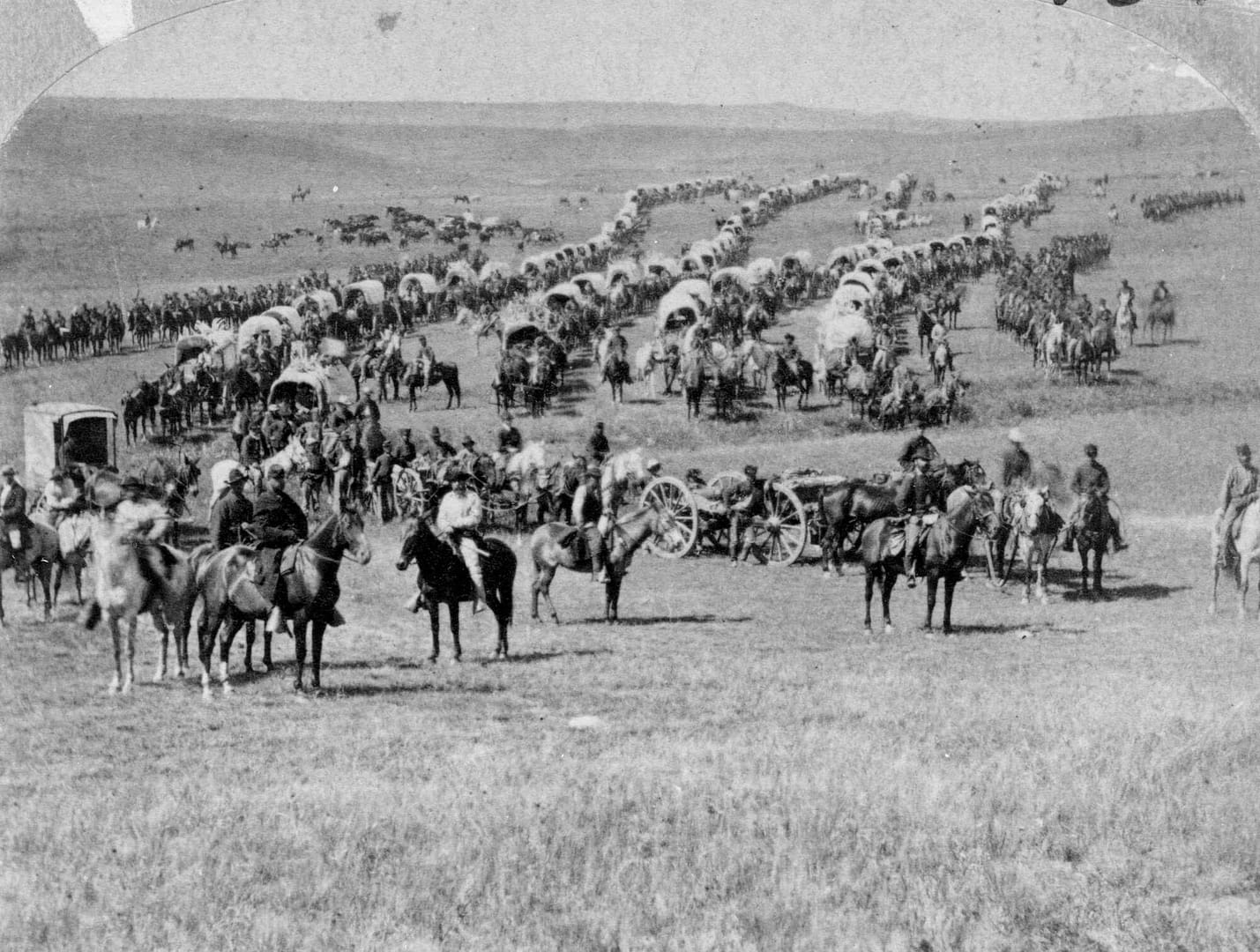
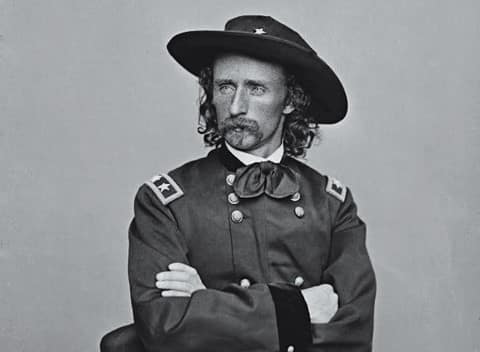
Black Hills Expedition of 1874, led by Lieutenant Colonel George Armstrong Custer. Photograph, taken by W.H. Illingworth.
Walking the battlefields and shoot-outs of America’s Old West
The American frontier was a vast, shifting landscape shaped by Indigenous resistance, military expeditions, settlement, and the collision of cultures across two centuries. Stretching from the eastern woodlands to the Great Plains and the desert Southwest, the Old West was never a single moment in time but a long, uneven process of exploration, conflict, and contested control. Its events ranged from cavalry campaigns against Native nations, to sectional violence along the Missouri–Kansas border, to the turbulent era of frontier towns, outlaws, and lawmen that emerged after the Civil War.
This landing page brings together the battlefields, raids, forts, and historic sites across the Old West that I have visited and walked. Each study follows the same methodology used throughout BattlefieldTravels.com: terrain-led analysis, on-site photography, reconstruction of the tactical environment, and close attention to the lived experience of those who fought there. Whether on the ridges above the Little Bighorn, the desert approaches to Fort Bowie, or the streets of Tombstone and Coffeyville, these landscapes still reveal why events unfolded the way they did. Together, they form a coherent picture of the conflicts that shaped the American frontier and the myths that followed.
Battle Studies in America’s Old West
Indian Wars
The Indian Wars spanned centuries of resistance, treaty-making, broken promises, and military campaigns across the plains, mountains, and deserts of North America. These studies focus on the key battlefields and forts where U.S. forces and Native nations confronted each other in decisive moments. The terrain remains central to understanding how mounted warriors, infantry, and scouts fought across vast and difficult landscapes.
Fort Bowie was built during the American Civil War by Union Army units from California. The fort protected the important Apache Pass through to New Mexico, and the nearby Apache Springs. For about 30 years, the fort was the hub of operations against Cochise, Geronomo and the Chiricahua Apaches
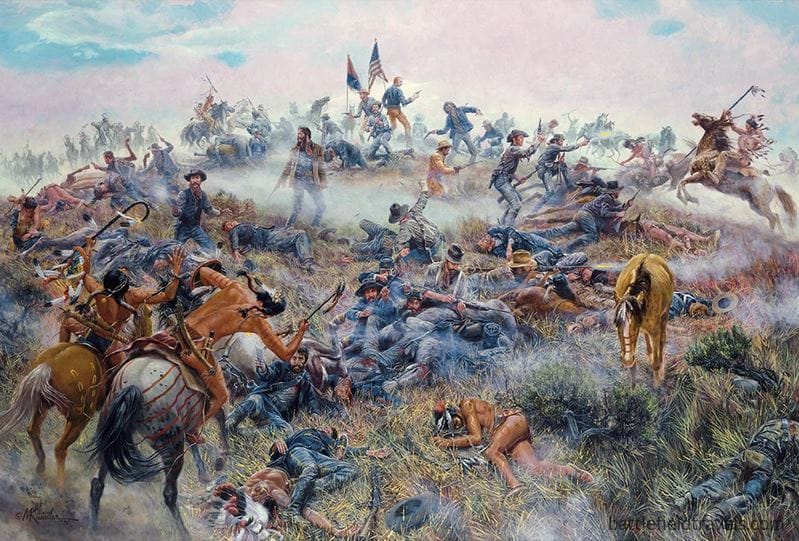
The Battle of the Little Bighorn, fought on June 25-26, 1876, was a clash between the United States Army and the combined forces of Lakota Sioux, Northern Cheyenne, and Arapaho tribes. The battle took place in and around a major Indian camp along the Little Bighorn River in southeastern Montana Territory.
Springfield Armory produced the weapons that armed America’s soldiers from the Revolution to Vietnam. Founded in 1794, it became the birthplace of U.S. precision manufacturing — a model for armouries worldwide. Today, the historic complex houses Springfield Technical Community College, carrying forward the legacy of industry, innovation, and craftsmanship. The old Main Arsenal building preserves…
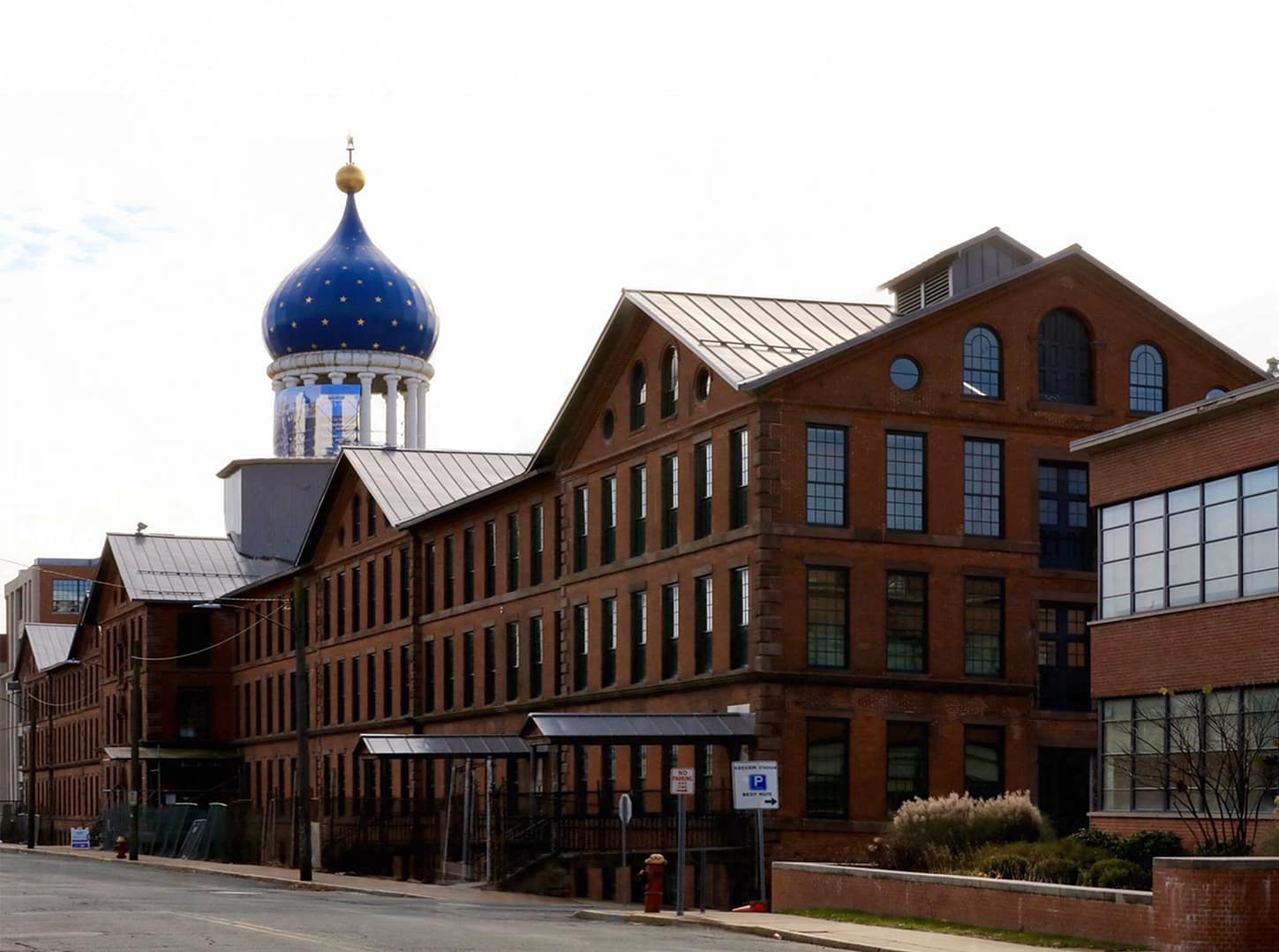
The Colt Revolver is synonymous with America’s Old West, and this is where they were made! Samuel Colt was an American inventor and industrialist renowned for revolutionizing repeating firearms with his invention of the Colt revolver. In 1836, Colt patented his first revolver design, the Colt Paterson, which featured a rotating 5-round cylinder, and single-action…
Bleeding Kansas & Border Warfare
Before the Civil War erupted in the East, Kansas and Missouri were already locked in a violent struggle over slavery, settlement, and political control. Guerrilla raids, reprisals, and skirmishes turned frontier towns into battlegrounds. These sites capture the intensity of that border conflict and reveal how the frontier became a proving ground for irregular warfare.
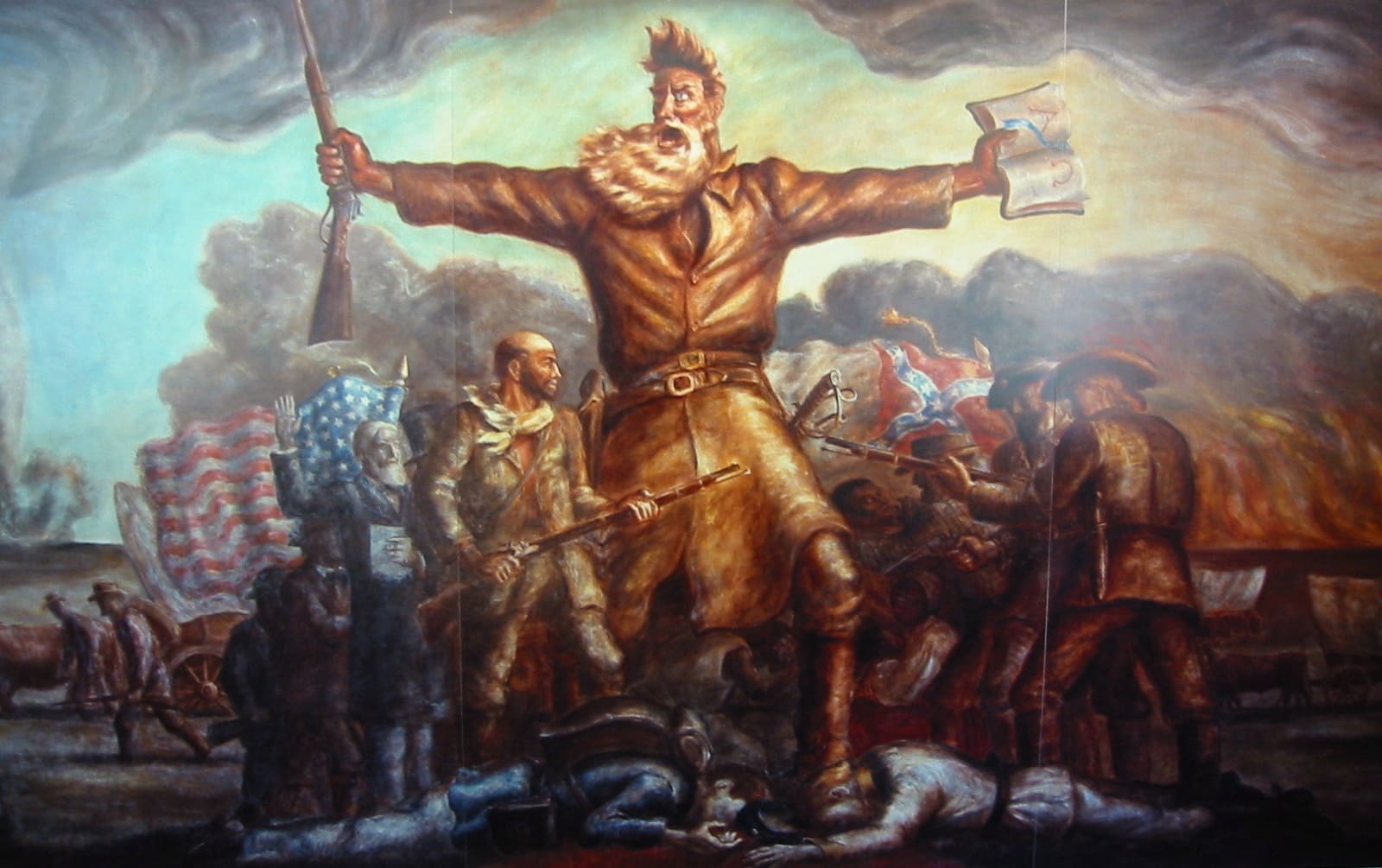
The Battle of Black Jack was a small skirmish with just a few casualties, but it was really the first violent confrontation between the pro-slavery and anti-slavery forces. It presaged the Civil War that engulfed America in 1861.
After the Civil War, a new kind of frontier violence emerged in the growing towns and railheads of the American West. Outlaws, lawmen, and vigilantes clashed in streets, saloons, banks, and corrals as communities struggled to impose order. These studies examine the places where those confrontations unfolded and how the terrain and town layouts shaped the outcomes of famous gunfights and raids.
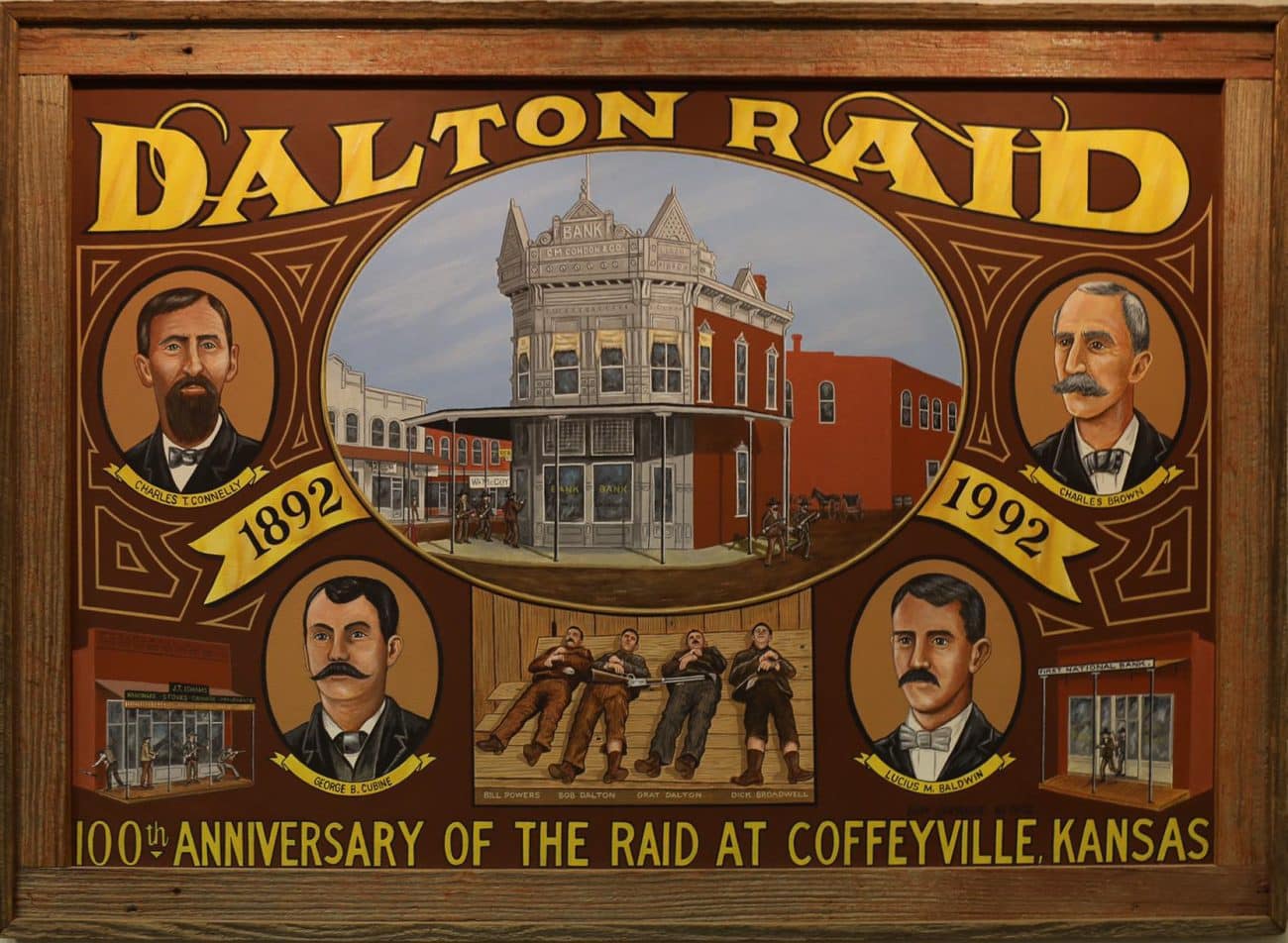
The day the Dalton Gang rode into Coffeyville and into the history books! Not actually a battlefield; more of a Wild West shootout. In a place even many of my American friends have never heard of! This little town in southeast Kansas was the scene of one of the great good guy-bad guy confrontations of…
Authored by Mick Prictor, a retired military officer with 40 years’ service, and a military historian specialising in terrain-focused analysis of tactics, doctrine, and command decision-making in land warfare. His work draws on extensive battlefield fieldwork—more than 280 sites worldwide—and one of the world’s largest private collections of historic military arms, uniforms, and equipment. About me
⚔️ Go deeper — Members get exclusive access to the Deep Research Collection, Field Notes, and monthly Research Dispatches. Try membership free for 7 days, cancel anytime. From $9/month.
What is considered the “American Old West” on this site?
On BattlefieldTravels.com, the “American Old West” refers to frontier conflict and expansion from roughly the early 19th century through the early 20th century. This includes the Indian Wars, Bleeding Kansas and border warfare, frontier fort campaigns, and the era of outlaws and lawmen after the Civil War. The focus is on ground-truth battlefield analysis: how terrain, movement corridors and tactics shaped clashes across the plains, deserts and woodlands.
Why are some events placed under Indian Wars and others under Bleeding Kansas?
The Indian Wars involve conflict between the United States and Native American nations across the plains, mountains and Southwest. Bleeding Kansas refers specifically to the violent struggle over slavery and settlement on the Missouri–Kansas border before and during the Civil War. While both occurred on the frontier, they have distinct causes, participants and tactical environments, so they are treated as separate categories.
Why isn’t Quantrill’s Raid included under the Old West?
Quantrill’s Raid on Lawrence (1863) is categorised under the American Civil War because it was part of the wider guerrilla conflict in the Trans-Mississippi theatre. Although later members of Quantrill’s band became famous outlaws, the raid itself was a Civil War operation rather than a postwar frontier gunfight.
What makes these Old West battlefields worth studying today?
Many of these sites preserve the original terrain—ravines, creek lines, ridges, prairies and desert approaches—that dictated how small units manoeuvred and fought. Understanding these landscapes provides insight into the tactical problems faced by cavalry patrols, Native war parties, guerrilla bands and frontier lawmen, and why events unfolded as they did.
Are all sites on this page locations you’ve personally visited?
Yes. Every battlefield or frontier site listed here has been walked, photographed and analysed on the ground. In some cases these visits occurred years before BattlefieldTravels was created, but each study reflects first-hand observation of the terrain and its tactical implications.
Will more Old West battlefields be added in future?
Yes. The category will expand as additional battlefields, frontier forts and key locations are visited and documented. Expected future studies include sites from the Plains Wars, Apache conflicts, major gunfights, and Seminole War battlefields.
Subscribe to Battlefield Travels and receive a free E-Book Battlefield Guide
Unlock expert battlefield analysis, campaign reconstructions, and historical insights drawn from firsthand exploration and primary sources.
🗺️ You’ll receive:
🎖️ Exclusive historical insights you won’t find elsewhere
📘 A free eBook: 10 Tips for Exploring Historic Battlefields
📰 New battlefield studies straight to your inbox as they are published
Claim Your Free Battlefield Travel Guide
Get your free e-book, exclusive tips, and updates on new battlefield studies.
Thank you!
You have successfully joined our subscriber list.
⚔️ Go deeper — Members get exclusive access to the Deep Research Collection, Field Notes, and monthly Research Dispatches. Try membership free for 7 days, cancel anytime. From $9/month.
The Battle of Black Jack was a small skirmish with just a few casualties, but it was really the first violent confrontation between the pro-slavery and anti-slavery forces. It presaged the Civil War that engulfed America in 1861.
The Battle of Pea Ridge, fought from 7-8 March 1862 in northwestern Arkansas, was a pivotal engagement in the American Civil War. This battle was crucial for control of Missouri and the Trans-Mississippi theater. Brigadier-General Samuel R. Curtis led the Union Army of the Southwest into Arkansas after pushing Confederate forces out of Missouri. In response, Confederate Major General Earl Van Dorn devised an ambitious plan to strike Curtis’ army from the rear, severing its supply lines and potentially reclaiming Missouri for the Confederacy. This maneuver led to the Battle of Pea Ridge, one of the most significant battles west of the Mississippi River.
The Battle of Wilson’s Creek, Missouri, on 10 August 1861, was the second major battle of the American Civil War (after 1st Bull Run) and the first major battle west of the Mississippi. After a decade of conflict between pro-slavery and anti-slavery factions along the Kansas-Missouri border, there was already a long history of enmity, conflict and atrocity in this theater.
In August 1861, a small Union army of about 5,400 troops under Brigadier General Nathaniel Lyon was actively campaigning to keep Missouri from going over to the Confederacy. A mixed Confederate force of about 12,500 troops under Major General Sterling Price was looking for him. They met at Wilson’s Creek, near Springfield Missouri, on 10 August 1861.
After the disastrous Battle of Fredericksburg in December 1862, President Lincoln replaced General Ambrose Burnside with General ‘Fighting’ Joe Hooker. Hooker’s army of about 134,000 Federal troops on the north side of the Rappahannock River faced about 60,000 Confederate troops under General Robert E. Lee on the south side. Hooker’s plan was bold. In response, Robert E. Lee, made some of the boldest decisions in military history, and achieved his greatest victory.
Selected works on America’s Old West
American Indian Wars – Custer’s Last Stand on the Little Bighorn, 25 June 1876
Overview of America’s Old West
The American Indian Wars spanned nearly three centuries of conflict between European colonial powers, the United States, and the Indigenous nations of North America. Beginning with early struggles between settlers and native confederacies in Virginia and New England, warfare evolved alongside the frontier. Each generation saw renewed contest for land, trade, and sovereignty — from King Philip’s War (1675–76) and Pontiac’s Rebellion (1763–64) to the complex alliances of the War of 1812.
During the nineteenth century, expansion across the Great Plains and the Southwest brought the U.S. Army into protracted campaigns against highly mobile tribal forces. Leaders such as Tecumseh, Cochise, and Sitting Bull commanded warrior societies whose mastery of terrain and small-unit tactics challenged conventional military practice. Battles at the Little Bighorn, the Washita, and Sand Creek reflected both resistance and tragedy as federal policy turned to forced relocation and reservation confinement.
By the end of the century, the frontier had closed. The 1890 engagement at Wounded Knee marked the symbolic end of organised armed resistance, though its legacy endures in memory and identity. The Indian Wars significantly influenced U.S. military doctrine, frontier logistics, and perceptions of irregular warfare — a protracted, bitter conflict that paralleled the development of the modern American state.
The Amazon links on the Reading Room pages are powered by AAWP
Reading
The reference collection below includes the key books and references I have used in preparing for and undertaking studies of America’s Old West battlefields.
Stunning photographs of the famed battle at Little Bighorn highlight this impressive study that also contains a vivid non-fiction narrative of General Custer’s last battle.
Nathaniel Philbrick, author of In the Hurricane’s Eye, Pulitzer Prize finalist Mayflower, and Valiant Ambition, is a historian with a unique ability to bring history to life. The Last Stand is Philbrick’s monumental reappraisal of the epochal clash at the Little Bighorn in 1876 that gave birth to the legend of Custer’s Last Stand. Bringing a wealth of new information to his subject, as well as his characteristic literary flair, Philbrick details the collision between two American icons- George Armstrong Custer and Sitting Bull-that both parties wished to avoid, and brilliantly explains how the battle that ensued has been shaped and reshaped by national myth.
In 1879, a military court of inquiry was convened in Chicago to determine the issue of cowardice on the part of Major A. Reno at the Battle of the Little Bighorn.
And a fascinating group of witnesses they were. Here is the testimony of the sardonic Captain Frederick Benteen, international man of intrigue Charles DeRudio, heroic young Dr. Henry Porter, future-General Edward Godfrey, the trumpeter John Martin, interpreter Fred Gerard and 17 others, including Reno himself.
In graphic detail, the survivors recount their disastrous rout in the Valley fight at the hands of hundreds of Sioux warriors, their disorganized retreat to the bluffs, and their bewilderment at what they believed had been their abandonment by General George Armstrong Custer. They spent two days under a withering hailstorm of gunfire from thousands of Sioux and Cheyenne, led by Crazy Horse, Gall, Sitting Bull, and others.
Stunning photographs of the famed battle at Little Bighorn highlight this impressive study that also contains a vivid non-fiction narrative of General Custer’s last battle.
In October 1892 the notorious Dalton gang concluded their days of outlawry at Coffeyville, Kansas, with a bold attempt to rob two banks at once in broad daylight. The raiders–Bob, Grat, and Emmett Dalton, Bill Powers, and Dick Broadwell–were nothing more than common hoodlums, says author Robert Barr Smith. The real heroes of the day were the townspeople, who spontaneously turned out in haste and in force to dispatch the outlaws in a bloody downtown shoot-out. Smith sorts out the truth from the legends and suggests answers to some of the perplexing questions about the Coffeyville fight–including whether or not there was a sixth man who got away. In addition, Smith recounts the violent aftermath of the fight: the trial and later life of Emmett Dalton, the only outlaw to survive the raid; and the bloody ends of the Dalton gang’s successors, Bill Doolin and Bill Dalton.
Authored by Mick Prictor, a retired military officer with 40 years’ service, and a military historian specialising in terrain-focused analysis of tactics, doctrine, and command decision-making in land warfare. His work draws on extensive battlefield fieldwork—more than 280 sites worldwide—and one of the world’s largest private collections of historic military arms, uniforms, and equipment. About me
How were the books in this America’s Old West reading list selected?
This reading list is curated to prioritise works that examine frontier warfare through military operations, command decision-making, terrain, logistics, and adaptation. Emphasis is placed on studies grounded in primary sources and serious historical analysis rather than romanticised or purely popular accounts.
Does this reading list focus only on U.S. Army operations?
No. The list includes works that address both U.S. military forces and Indigenous opponents, recognising that these conflicts can only be understood by examining how different societies interpreted terrain, mobility, logistics, and combat in radically different ways.
How important was terrain in the conflicts of the American West?
Terrain was often decisive. Plains, river valleys, badlands, forests, deserts, and mountain ranges shaped movement, visibility, supply, and tactical options. Indigenous forces frequently exploited micro-terrain—ravines, ridgelines, river crossings, and concealment—to offset numerical or technological disadvantages.
Are these books suitable for readers new to the subject?
The list includes a mix of accessible overviews and more specialised campaign- and battle-focused studies. Readers new to the topic may wish to begin with the general works before moving on to detailed analyses of specific conflicts or regions.
Is this intended to be a complete bibliography of the American frontier wars?
No. This is a selective reading list intended to guide serious study rather than provide exhaustive coverage. Additional works may be added as scholarship evolves and new perspectives emerge.
Subscribe to Battlefield Travels and receive a free E-Book Battlefield Guide
Unlock expert battlefield analysis, campaign reconstructions, and historical insights drawn from firsthand exploration and primary sources.
🗺️ You’ll receive:
🎖️ Exclusive historical insights you won’t find elsewhere
📘 A free eBook: 10 Tips for Exploring Historic Battlefields
📰 New battlefield studies straight to your inbox as they are published
Claim Your Free Battlefield Travel Guide
Get your free e-book, exclusive tips, and updates on new battlefield studies.
Thank you!
You have successfully joined our subscriber list.
⚔️ Go deeper — Members get exclusive access to the Deep Research Collection, Field Notes, and monthly Research Dispatches. Try membership free for 7 days, cancel anytime. From $9/month.
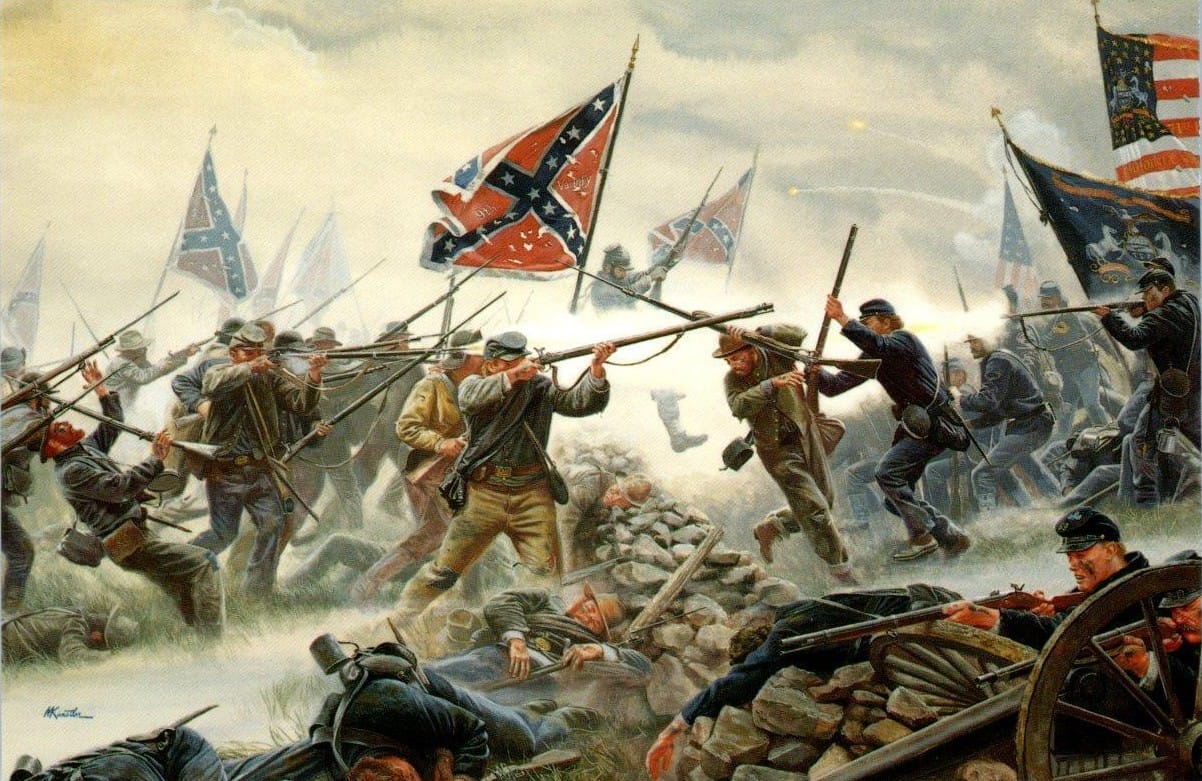
American Civil War – The High Tide at Gettysburg, 3 July 1863, by Mort Kunstler
Best Books on the American Civil War
The American Civil War has generated one of the largest bodies of military and historical literature devoted to any conflict. More than 160 years after Appomattox, new studies continue to revisit its armies, commanders and campaigns, while an enormous collection of letters, diaries, memoirs, official reports and contemporary newspapers preserves the experiences of those who fought and lived through the war.
For someone approaching the subject, the difficulty is therefore not finding books, but deciding where to begin. Broad histories provide the strategic and political framework, while campaign and battle studies examine Gettysburg, Antietam, Shiloh, Vicksburg, Chancellorsville and the Overland Campaign in extraordinary detail. Biographies explore figures such as Grant, Lee, Sherman and Jackson, while specialist works examine weapons, logistics, intelligence, medicine, naval warfare, slavery and emancipation, and the experiences of ordinary soldiers and civilians.
The literature has also changed considerably over time. Early memoirs and regimental histories were often written by participants seeking to record—and sometimes defend—their own experiences. Later generations of historians have drawn on an increasingly rich documentary record to reassess commanders, reconstruct campaigns and battlefields, and examine the political, social and economic dimensions of the war alongside its military history. As a result, books written generations apart can offer strikingly different interpretations of the same events.
This reading guide brings together recommended books on the American Civil War, from accessible introductions and major narrative histories to campaign studies, biographies, primary accounts and specialist works. It is intended both for readers beginning their study of the war and for those looking to explore particular battles, commanders and themes in greater depth.
The reference collection below includes the key books and references I have used in preparing for and undertaking studies of the American Civil War battlefields.
By May of 1863, the Stone Wall at the base of Marye’s Heights above Fredericksburg loomed large over the Army of the Potomac, haunting its men with memories of slaughter from their crushing defeat there the previous December. They would assault it again with a very different result the following spring when General Joe Hooker, bogged down in bloody battle with the Army of Northern Virginia around the crossroads of Chancellorsville, ordered John Sedgwick’s Sixth Corps to assault the heights and move to his assistance.
One of the most dramatic battles of the Civil War, Chancellorsville was Robert E. Lee’s masterpiece. Outnumbered two to one, Lee violated a cardinal rule of military strategy by dividing his small army, sending Stonewall Jackson on his famous twelve-mile march around the Union flank. Charging out of the Wilderness with Rebel yells, Jackson’s troops destroyed one entire corps of the Union army, and Lee drove the rest across the Rappahannock River. Lee’s great victory came at great cost, however: Jackson, making a night reconnaissance, was accidentally shot by his own troops and died eight days later. And ironically, the momentum of Lee’s greatest triumph pushed him to launch an aggressive campaign that led to his greatest defeat, at Gettysburg.
One of the most dramatic battles of the Civil War, Chancellorsville was Robert E. Lee’s masterpiece. Outnumbered two to one, Lee violated a cardinal rule of military strategy by dividing his small army, sending Stonewall Jackson on his famous twelve-mile march around the Union flank. Charging out of the Wilderness with Rebel yells, Jackson’s troops destroyed one entire corps of the Union army, and Lee drove the rest across the Rappahannock River. Lee’s great victory came at great cost, however: Jackson, making a night reconnaissance, was accidentally shot by his own troops and died eight days later. And ironically, the momentum of Lee’s greatest triumph pushed him to launch an aggressive campaign that led to his greatest defeat, at Gettysburg.
One of the most dramatic battles of the Civil War, Chancellorsville was Robert E. Lee’s masterpiece. Outnumbered two to one, Lee violated a cardinal rule of military strategy by dividing his small army, sending Stonewall Jackson on his famous twelve-mile march around the Union flank. Charging out of the Wilderness with Rebel yells, Jackson’s troops destroyed one entire corps of the Union army, and Lee drove the rest across the Rappahannock River. Lee’s great victory came at great cost, however: Jackson, making a night reconnaissance, was accidentally shot by his own troops and died eight days later. And ironically, the momentum of Lee’s greatest triumph pushed him to launch an aggressive campaign that led to his greatest defeat, at Gettysburg.
One of the most dramatic battles of the Civil War, Chancellorsville was Robert E. Lee’s masterpiece. Outnumbered two to one, Lee violated a cardinal rule of military strategy by dividing his small army, sending Stonewall Jackson on his famous twelve-mile march around the Union flank. Charging out of the Wilderness with Rebel yells, Jackson’s troops destroyed one entire corps of the Union army, and Lee drove the rest across the Rappahannock River. Lee’s great victory came at great cost, however: Jackson, making a night reconnaissance, was accidentally shot by his own troops and died eight days later. And ironically, the momentum of Lee’s greatest triumph pushed him to launch an aggressive campaign that led to his greatest defeat, at Gettysburg.
One of the most dramatic battles of the Civil War, Chancellorsville was Robert E. Lee’s masterpiece. Outnumbered two to one, Lee violated a cardinal rule of military strategy by dividing his small army, sending Stonewall Jackson on his famous twelve-mile march around the Union flank. Charging out of the Wilderness with Rebel yells, Jackson’s troops destroyed one entire corps of the Union army, and Lee drove the rest across the Rappahannock River. Lee’s great victory came at great cost, however: Jackson, making a night reconnaissance, was accidentally shot by his own troops and died eight days later. And ironically, the momentum of Lee’s greatest triumph pushed him to launch an aggressive campaign that led to his greatest defeat, at Gettysburg.
By May of 1863, the Stone Wall at the base of Marye’s Heights above Fredericksburg loomed large over the Army of the Potomac, haunting its men with memories of slaughter from their crushing defeat there the previous December. They would assault it again with a very different result the following spring when General Joe Hooker, bogged down in bloody battle with the Army of Northern Virginia around the crossroads of Chancellorsville, ordered John Sedgwick’s Sixth Corps to assault the heights and move to his assistance.
By May of 1863, the Stone Wall at the base of Marye’s Heights above Fredericksburg loomed large over the Army of the Potomac, haunting its men with memories of slaughter from their crushing defeat there the previous December. They would assault it again with a very different result the following spring when General Joe Hooker, bogged down in bloody battle with the Army of Northern Virginia around the crossroads of Chancellorsville, ordered John Sedgwick’s Sixth Corps to assault the heights and move to his assistance.
By May of 1863, the Stone Wall at the base of Marye’s Heights above Fredericksburg loomed large over the Army of the Potomac, haunting its men with memories of slaughter from their crushing defeat there the previous December. They would assault it again with a very different result the following spring when General Joe Hooker, bogged down in bloody battle with the Army of Northern Virginia around the crossroads of Chancellorsville, ordered John Sedgwick’s Sixth Corps to assault the heights and move to his assistance.
By May of 1863, the Stone Wall at the base of Marye’s Heights above Fredericksburg loomed large over the Army of the Potomac, haunting its men with memories of slaughter from their crushing defeat there the previous December. They would assault it again with a very different result the following spring when General Joe Hooker, bogged down in bloody battle with the Army of Northern Virginia around the crossroads of Chancellorsville, ordered John Sedgwick’s Sixth Corps to assault the heights and move to his assistance.
One of the most dramatic battles of the Civil War, Chancellorsville was Robert E. Lee’s masterpiece. Outnumbered two to one, Lee violated a cardinal rule of military strategy by dividing his small army, sending Stonewall Jackson on his famous twelve-mile march around the Union flank. Charging out of the Wilderness with Rebel yells, Jackson’s troops destroyed one entire corps of the Union army, and Lee drove the rest across the Rappahannock River. Lee’s great victory came at great cost, however: Jackson, making a night reconnaissance, was accidentally shot by his own troops and died eight days later. And ironically, the momentum of Lee’s greatest triumph pushed him to launch an aggressive campaign that led to his greatest defeat, at Gettysburg.
The Chancellorsville campaign is a description of the battlefield and a thorough, exhaustive study of military dispatches, orders, after-battle reports and personal narratives of eyewitnesses.
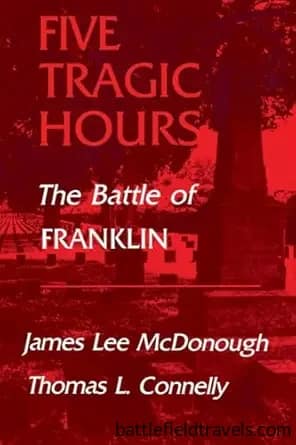
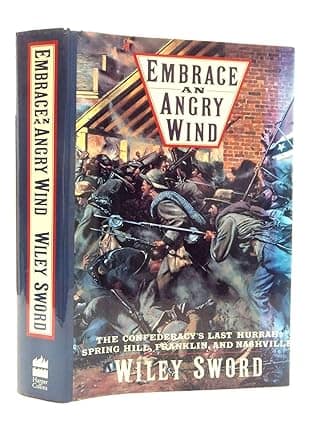
On a November afternoon in 1864, the weary Gen. John Bell Hood surveyed the army waiting to attack the Federals at Franklin, Tennessee. He gave the signal almost at dusk, and the Confederates rushed forward to utter devastation. This book describes the events and causes of the five-hour battle in gripping detail, particularly focusing on the reasons for such slaughter at a time when the outcome of the war had already been decided.
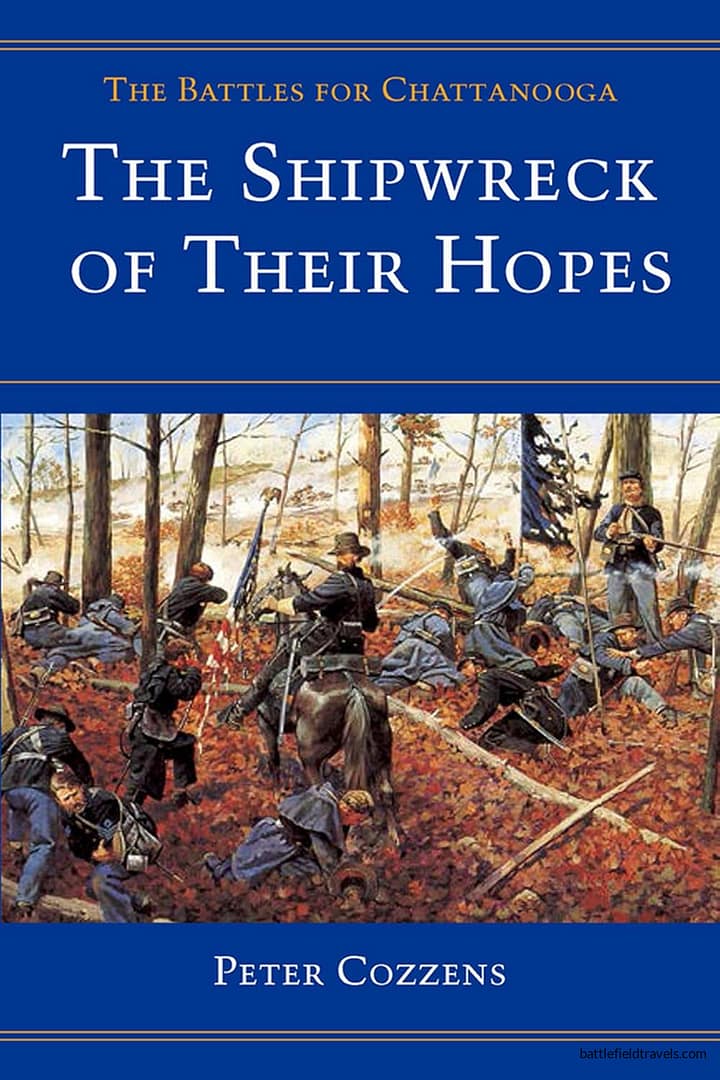
The battle around Chattanooga in the late fall of 1863 were among the most decisive of the Civil War, opening the Deep South to the Union and setting the stage for the Atlanta campaign and the March to the Sea. After Chattanooga, the principal Confederate army in the West fought without spirit or hope of victory. Cozzens’s comprehensive account details movements of individual regiments, even as it reveals the larger impact of the campaign on the outcome of the war.
The 1862 battle of Pea Ridge in northwestern Arkansas was one of the largest Civil War engagements fought on the western frontier, and it dramatically altered the balance of power in the Trans-Mississippi. This study of the battle is based on research in archives from Connecticut to California and includes a pioneering study of the terrain of the sprawling battlefield, as well as an examination of soldiers’ personal experiences, the use of Native American troops, and the role of Pea Ridge in regional folklore.
The 1862 battle of Pea Ridge in northwestern Arkansas was one of the largest Civil War engagements fought on the western frontier, and it dramatically altered the balance of power in the Trans-Mississippi. This study of the battle is based on research in archives from Connecticut to California and includes a pioneering study of the terrain of the sprawling battlefield, as well as an examination of soldiers’ personal experiences, the use of Native American troops, and the role of Pea Ridge in regional folklore.
In the summer of 1861, Americans were preoccupied by the question of which states would join the secession movement and which would remain loyal to the Union. This question was most fractious in the border states of Maryland, Kentucky, and Missouri. In Missouri, it was largely settled at Wilson’s Creek on August 10, 1861, in a contest that is rightly considered the second major battle of the Civil War.
In the summer of 1861, Americans were preoccupied by the question of which states would join the secession movement and which would remain loyal to the Union. This question was most fractious in the border states of Maryland, Kentucky, and Missouri. In Missouri, it was largely settled at Wilson’s Creek on August 10, 1861, in a contest that is rightly considered the second major battle of the Civil War.
Claiborne Fox Jackson (1806-1862) remains one of Missouri’s most controversial historical figures. Elected Missouri’s governor in 1860 after serving as a state legislator and Democratic party chief, Jackson was the force behind a movement for the neutral state’s secession before a federal sortie exiled him from office. Although Jackson’s administration was replaced by a temporary government that maintained allegiance to the Union, he led a rump assembly that drafted an ordinance of secession in October 1861 and spearheaded its acceptance by the Confederate Congress.
This is about a lesser known battle in northern Arkansas. However, this was not an unimportant battle but one that is important in realizing the context of the civil war in the west in later years. Mr. Shea does a wonderful job of explaining the battle itself but he also does a great job of putting the battle into the larger context of the war – espeically in the early years. The text flows very nicely and the battle is easy to understand. If you have read my other reviews of civil war books, you know that one of my biggest complaitns is that the books lack the necessary number of maps. I like a book that has a new map for every major change in the position of the various units.
Authored by Mick Prictor, a retired military officer with 40 years’ service, and a military historian specialising in terrain-focused analysis of tactics, doctrine, and command decision-making in land warfare. His work draws on extensive battlefield fieldwork—more than 280 sites worldwide—and one of the world’s largest private collections of historic military arms, uniforms, and equipment. About me
How were the books in this American Civil War reading list selected?
This reading list is curated to prioritise works that examine the American Civil War through operational analysis, command decision-making, terrain, and logistics. Preference is given to studies grounded in primary sources and campaign-level or tactical analysis rather than purely political or diplomatic histories.
Does this reading list focus only on major campaigns and commanders?
While major battles and senior commanders are represented, the list also includes works that address army organisation, logistics, engineering, and the experience of fighting at tactical and operational levels, where terrain often exerted decisive influence.
How important was terrain in the American Civil War?
Terrain was fundamental. Rivers, ridgelines, forests, road networks, and micro-features such as sunken roads, stone walls, and fieldworks shaped observation, movement, and protection. Misreading terrain frequently resulted in disproportionate casualties or lost opportunities.
Are these books suitable for readers new to the American Civil War?
The list includes a mix of accessible overviews and more specialised analytical studies. Readers new to the war may wish to begin with the general histories before progressing to campaign- or battle-focused works.
Is this intended to be a complete bibliography of the American Civil War?
No. This is a selective reading list intended to guide serious study rather than provide exhaustive coverage. Additional works may be added as research interests and scholarship continue to develop.
Subscribe to Battlefield Travels and receive a free E-Book Battlefield Guide
Unlock expert battlefield analysis, campaign reconstructions, and historical insights drawn from firsthand exploration and primary sources.
🗺️ You’ll receive:
🎖️ Exclusive historical insights you won’t find elsewhere
📘 A free eBook: 10 Tips for Exploring Historic Battlefields
📰 New battlefield studies straight to your inbox as they are published
Claim Your Free Battlefield Travel Guide
Get your free e-book, exclusive tips, and updates on new battlefield studies.
Thank you!
You have successfully joined our subscriber list.
⚔️ Go deeper — Members get exclusive access to the Deep Research Collection, Field Notes, and monthly Research Dispatches. Try membership free for 7 days, cancel anytime. From $9/month.
The Colt Revolver is synonymous with America’s Old West, and this is where they were made! Samuel Colt was an American inventor and industrialist renowned for revolutionizing repeating firearms with his invention of the Colt revolver. In 1836, Colt patented his first revolver design, the Colt Paterson, which featured a rotating 5-round cylinder, and single-action cocking.




 Indian Wars


 Bleeding Kansas & Border Warfare
 Wild West Gunfights & Outlaw Era