Reconstructing battlefields of the Crusades through terrain analysis, primary sources and on-site research
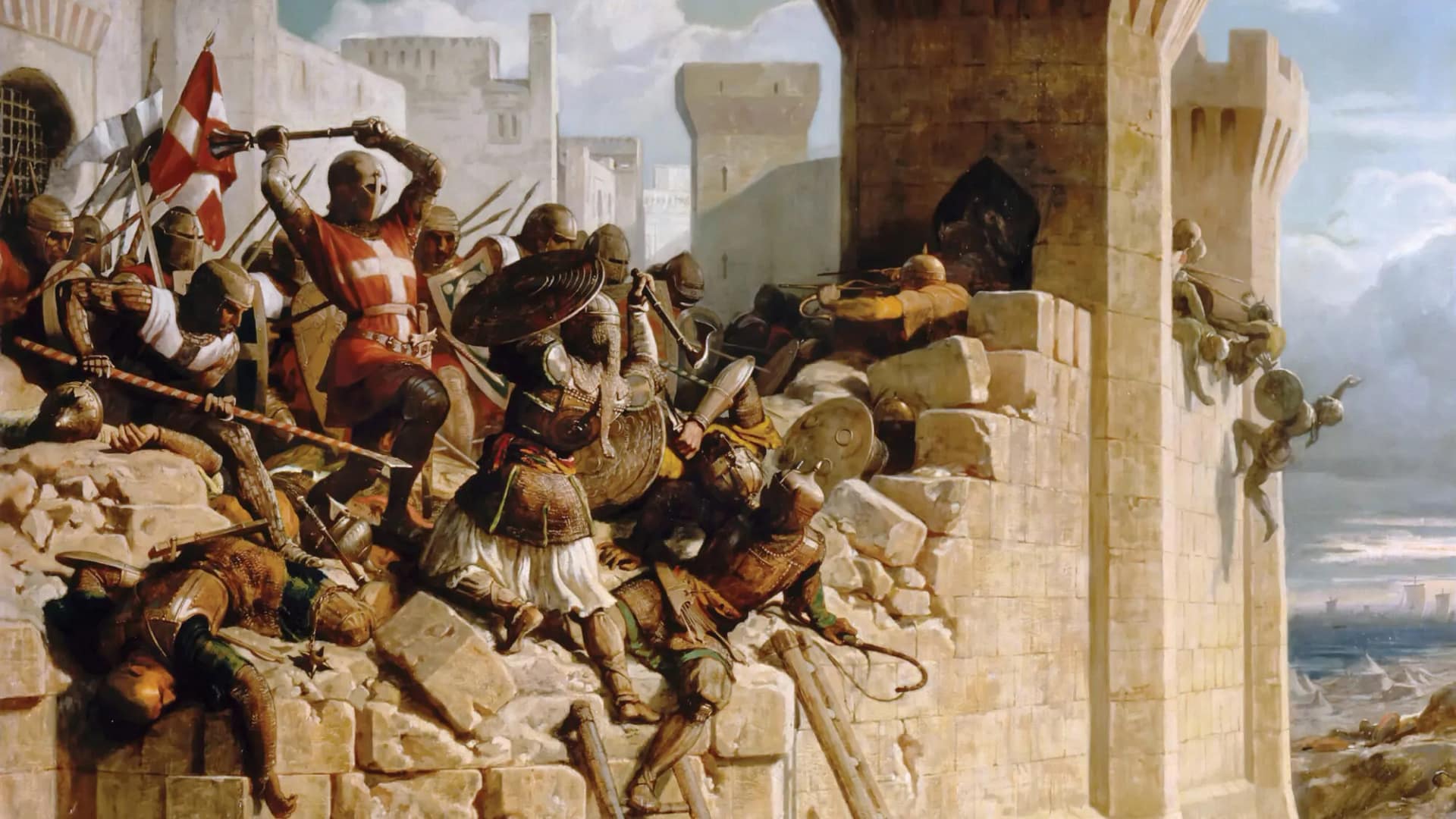
Walking the battlefields of the Crusades
Origins of the Crusades
The Crusades were a series of campaigns over nearly two centuries that pitted the Christian kingdoms of Europe against the Islamic empires of the East. The period was dominated by sieges and shifting alliances that drew warriors, pilgrims, monarchs and empires into one of the most enduring military struggles of the medieval world. Fought from Anatolia and the Levant to Egypt, North Africa and the Baltic, these conflicts unfolded across deserts, fortified cities, mountain passes, fertile plains and caravan routes that shaped every operational decision.
The origins of the conflict can be traced to the Battle of Manzikert in 1071, where a Seljuk Turk army destroyed the Byzantine army. After Manzikert, the Byzantine frontiers in Asia Minor were severely weakened, and the Seljuk Turks occupied Jerusalem. In response, the Byzantine Emperor appealed for help against the advancing Turks, and Pope Urban II called for a Crusade to recapture the Holy Land, particularly Jerusalem, from Muslim control.
1st to 3rd Crusades
The First Crusade (1096–1099) set the pattern for the many crusades that followed. European leaders gathered volunteer armies for the long marches across Anatolia. Major cities were besieged, and battles were fought for control of roads and river crossings. The captures of Antioch and Jerusalem were achieved only through determined siegecraft, internal factional struggles and timely reinforcements, establishing Crusader states that were permanently vulnerable to geography and distance.
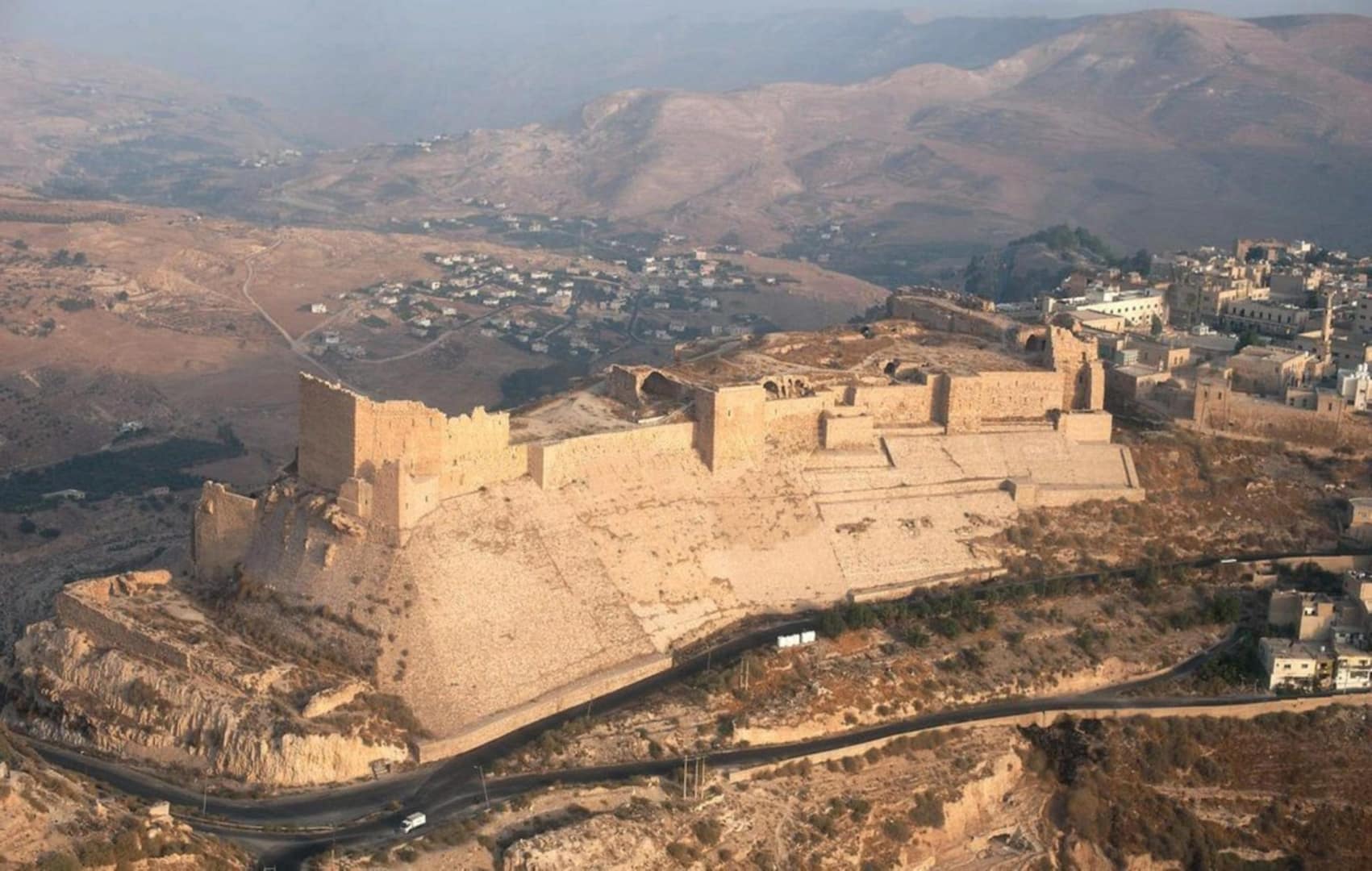
At the Battle of Hattin in 1187, Saladin lured the Crusader Army to its destruction, leaving the already vulnerable Crusader states almost defenceless. Jerusalem fell to the Saracens, and despite a powerful Third Crusade led by Richard I of England and Phillip of France, Jerusalem was not retaken. Commanders such as Saladin and Richard the Lionheart clashed at battles where terrain dictated tempo: Richard’s coastal march to Acre, the fighting withdrawal at Arsuf and the defence of strongpoints such as Kerak Castle, where the fortress’s towering spur and multi-layered fortifications allowed a small garrison to withstand repeated assaults.
Later Crusades
The later Crusades shifted the theatre repeatedly: a Byzantine–Crusader clash during the Fourth Crusade, Egypt as the objective during the Fifth and Seventh Crusades, and the increasingly desperate defence of the remaining Crusader strongholds along the Levantine coast. Cities such as Acre, Montfort, Krak des Chevaliers and Jerusalem became focal points of siege warfare and counter-siege innovation, culminating in the fall of Acre in 1291 and the end of the Crusader period in the Levant.
This collection of battlefield studies examines these campaigns through medieval chronicles, archaeological remains, fortress architecture and on-ground reconnaissance — explaining how strategy, leadership and terrain shaped one of history’s most complex and iconic periods of warfare.
Battle Studies in the Crusade period
Below are all current BattlefieldTravels studies for the Crusades, covering key battles, campaign phases and associated sites. New studies are added as further battlefields are walked and analysed.
-
⚔️ The Crusades: Kerak Castle under siege,
1183-1188
Kerak Castle, in present-day Jordan, is one of the best-preserved castles in the Levant. Ruled by Raynald de Châtillon, the castle played a crucial role in the late 12th century as a strategic outpost of the Crusader Kingdom of Outremer. Kerak was subjected to three major sieges in 1183, 1184, and 1187-88, as part of…

Authored by Mick Prictor, a retired military officer with 40 years’ service, and a military historian specialising in terrain-focused analysis of tactics, doctrine, and command decision-making in land warfare. His work draws on extensive battlefield fieldwork—more than 280 sites worldwide—and one of the world’s largest private collections of historic military arms, uniforms, and equipment. About me
⚔️ Go deeper — Members get exclusive access to the Deep Research Collection, Field Notes, and monthly Research Dispatches. Try membership free for 7 days, cancel anytime. From $9/month.
Explore Related Themes
Armies: English Army • French Army • Saracen Army
Commanders: Richard the Lionheart • Saladin • Baldwin IV
Methods: Longbow • Mounted warfare • Siege warfare • Fortress Warfare
Environments: Forest Warfare • Mountain Warfare • Desert Warfare
Further Study: Medieval Warfare Reading List
The landing page spans the full sequence from the First Crusade (1096–1099) to the fall of Acre in 1291, including major Levantine, Anatolian and Egyptian campaigns.
Published studies include Kerak Castle, with future coverage planned for key sieges and battles such as Antioch, Jerusalem, Hattin, Arsuf, Acre and the fortified castles of the Crusader states.
Fortified positions such as Kerak, Krak des Chevaliers and Montfort dominated roads, water sources and regional trade routes, allowing small garrisons to hold strategic terrain against larger armies.
Yes. Many castles and battlefield landscapes in Jordan, Israel, Lebanon and Turkey preserve significant medieval structures and terrain continuity, allowing modern visitors to understand the ground as it was fought over.
Subscribe to Battlefield Travels and receive a free E-Book Battlefield Guide
Unlock expert battlefield analysis, campaign reconstructions, and historical insights drawn from firsthand exploration and primary sources.
🗺️ You’ll receive:
🎖️ Exclusive historical insights you won’t find elsewhere
📘 A free eBook: 10 Tips for Exploring Historic Battlefields
📰 New battlefield studies straight to your inbox as they are published

⚔️ Go deeper — Members get exclusive access to the Deep Research Collection, Field Notes, and monthly Research Dispatches. Try membership free for 7 days, cancel anytime. From $9/month.