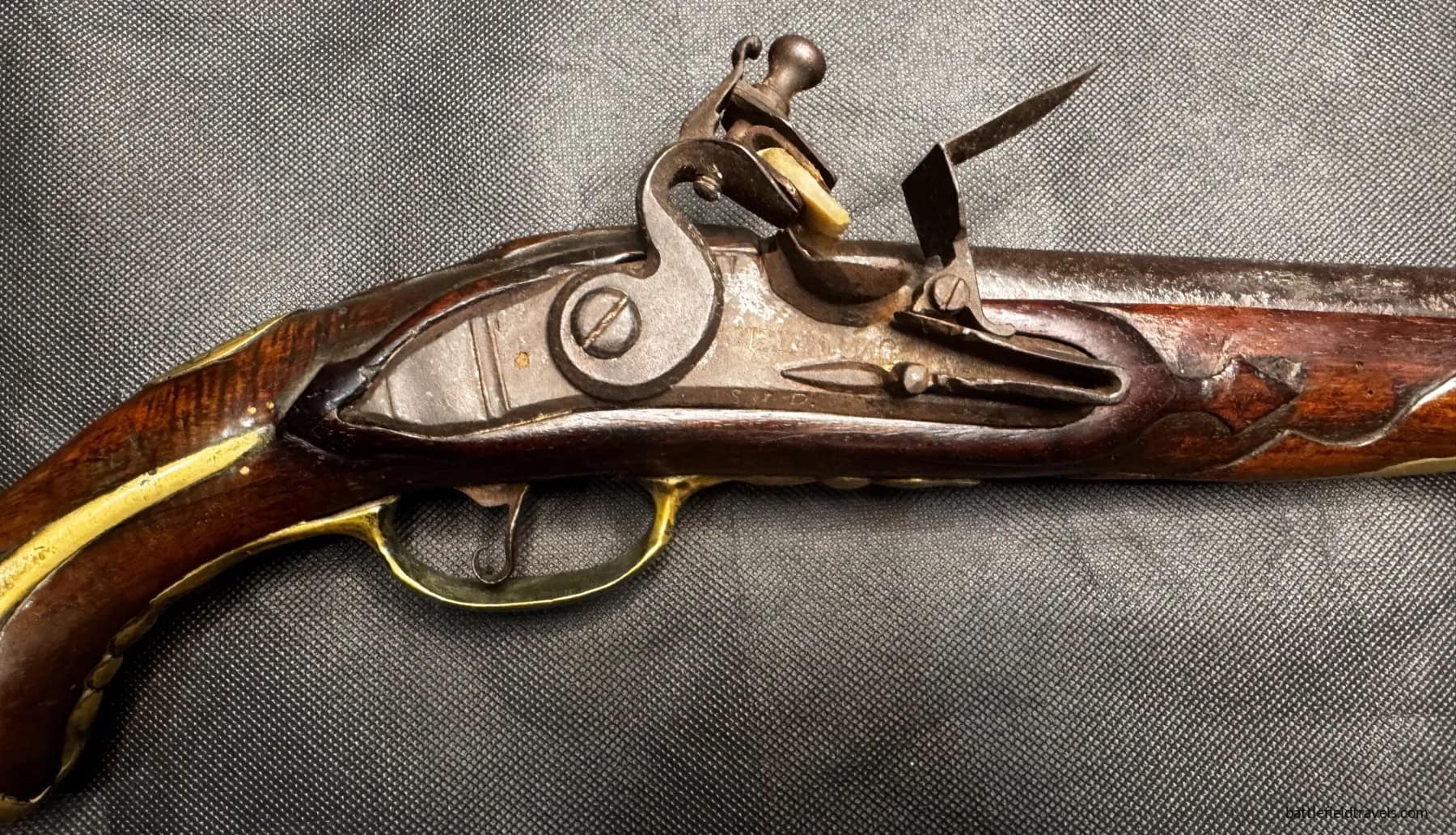
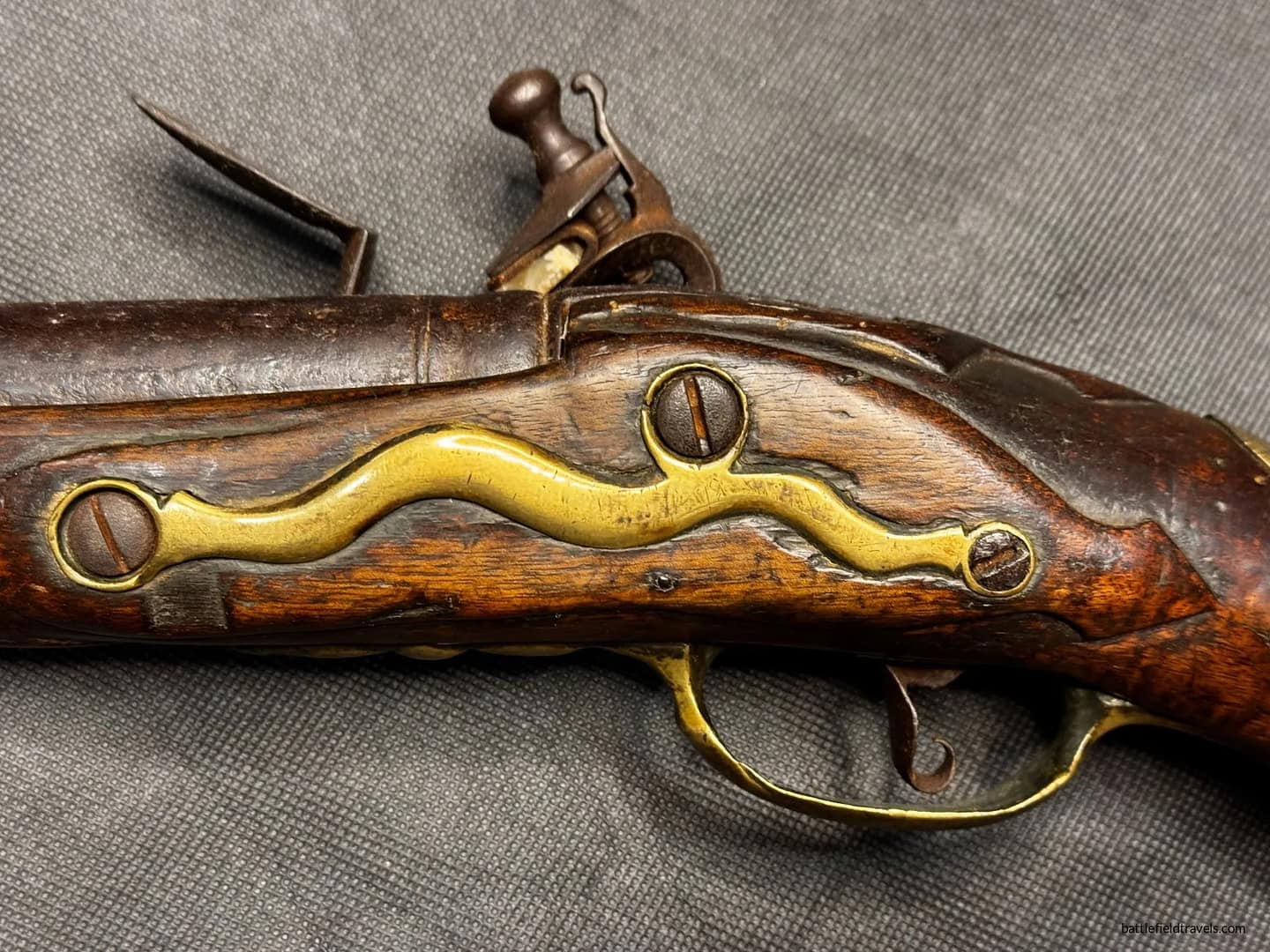
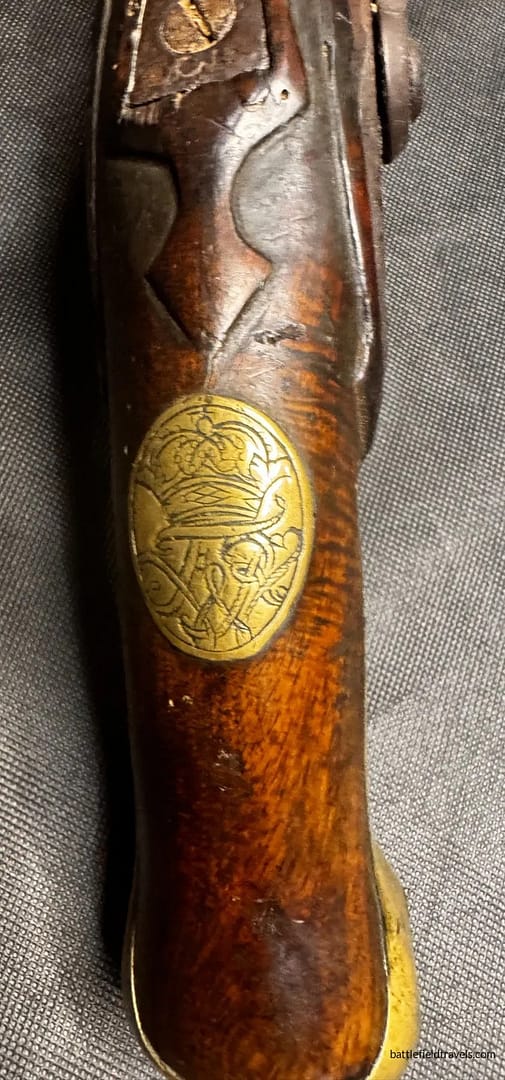
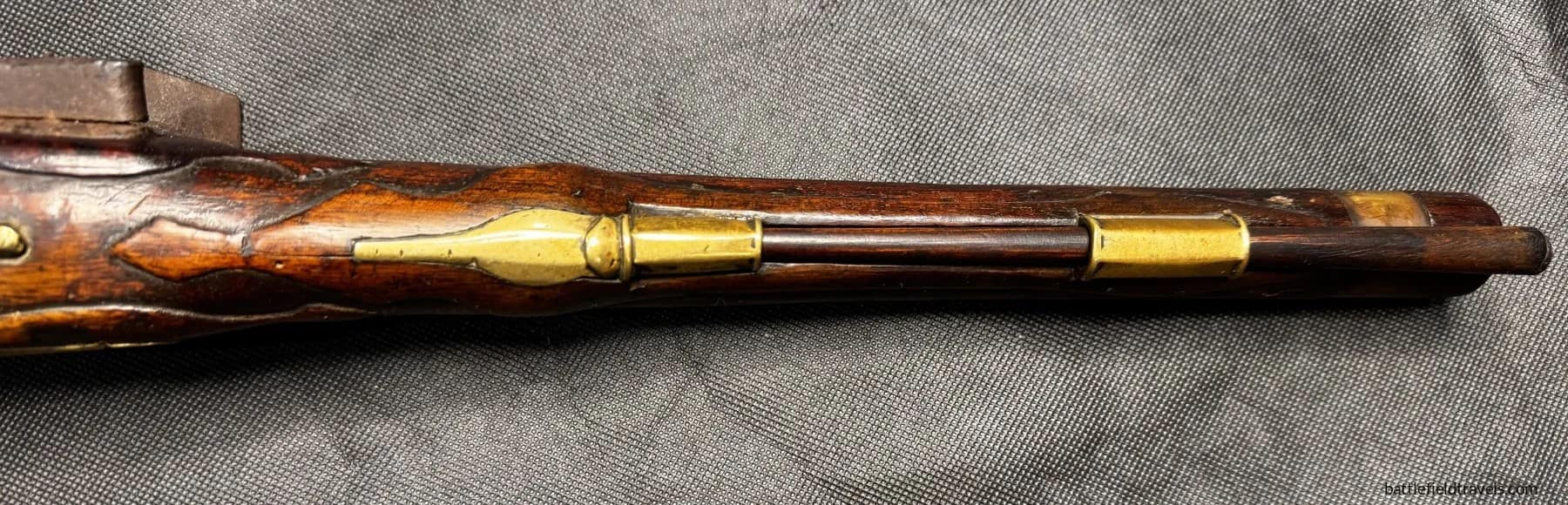
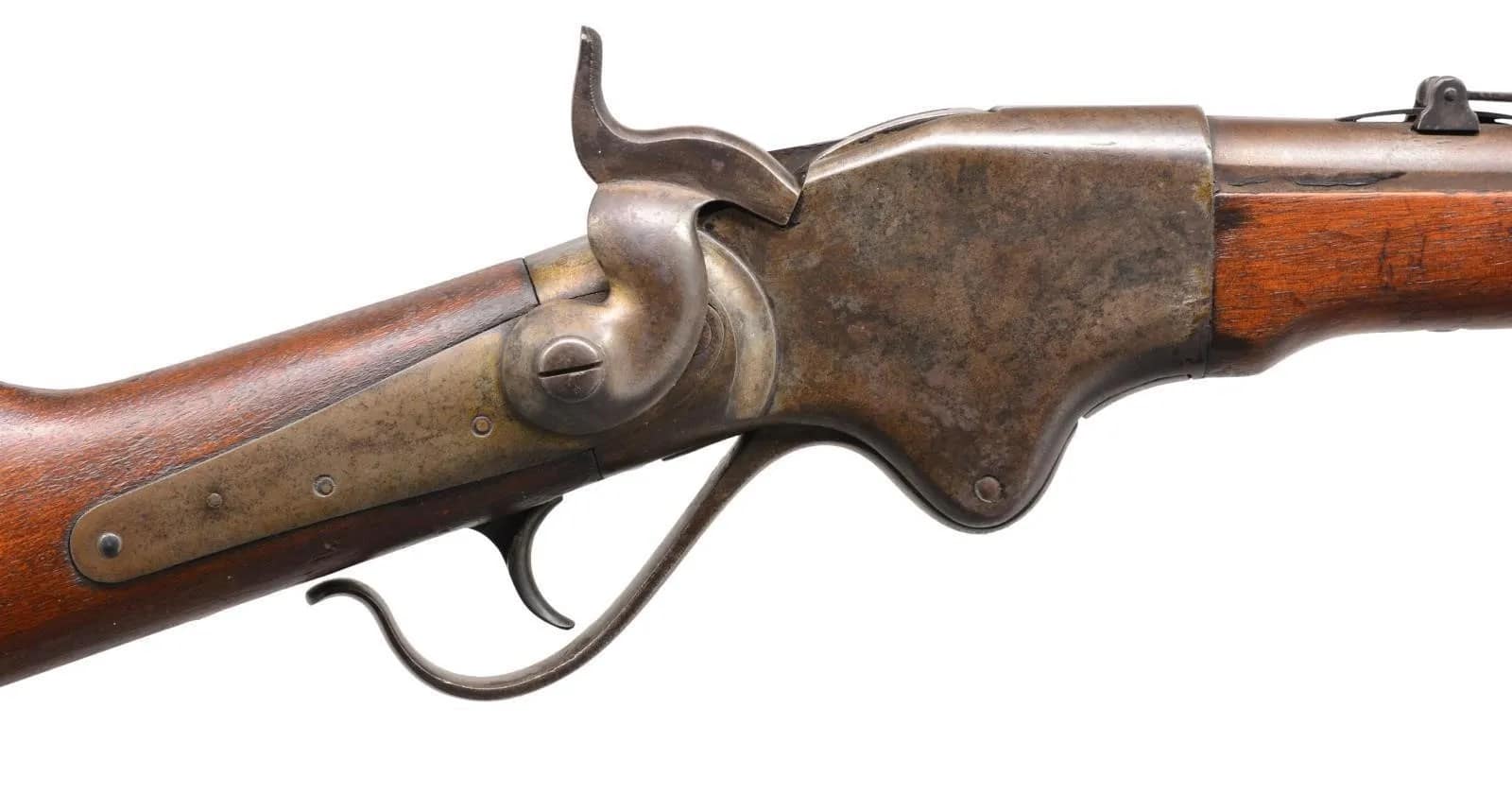
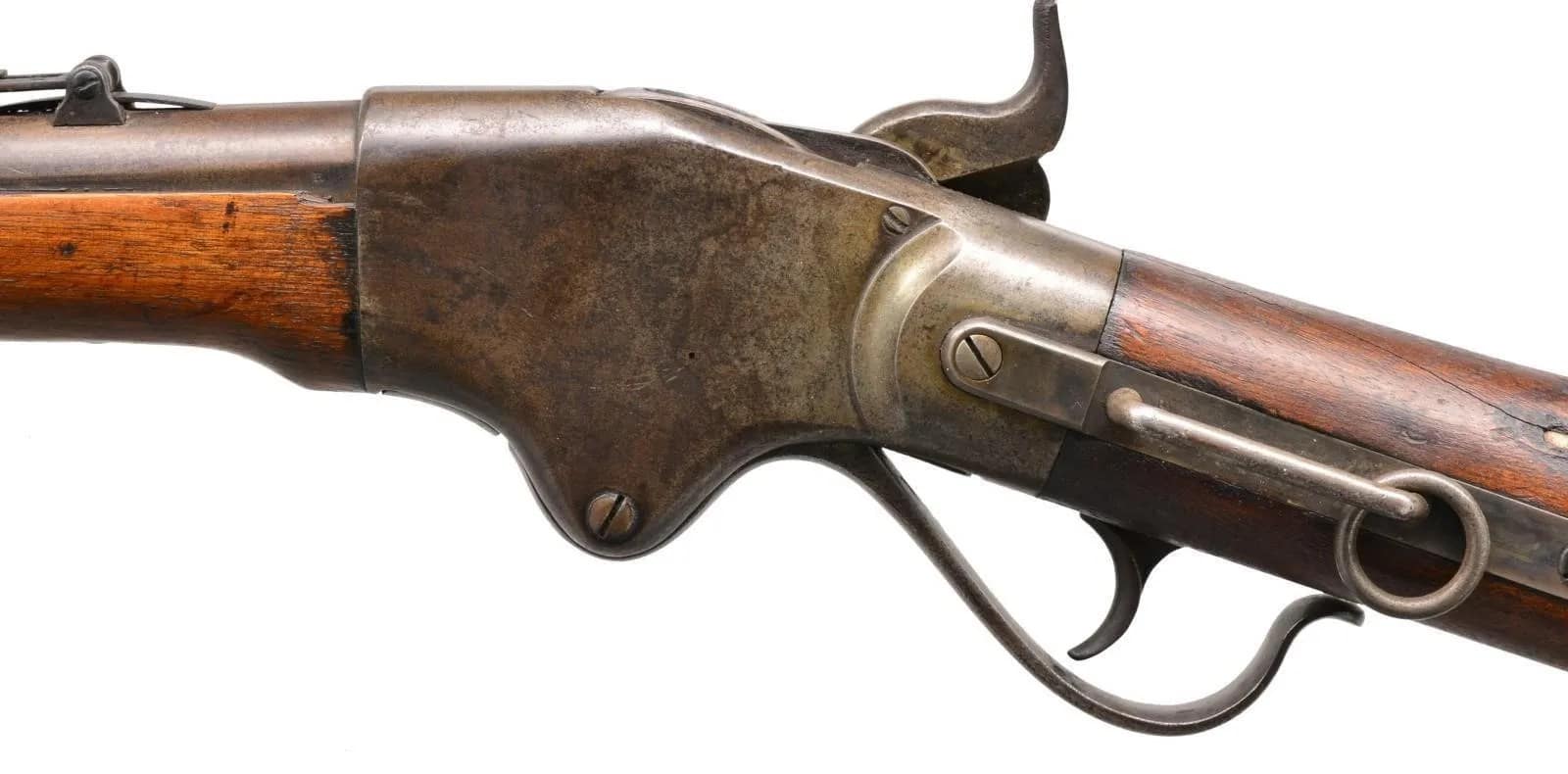
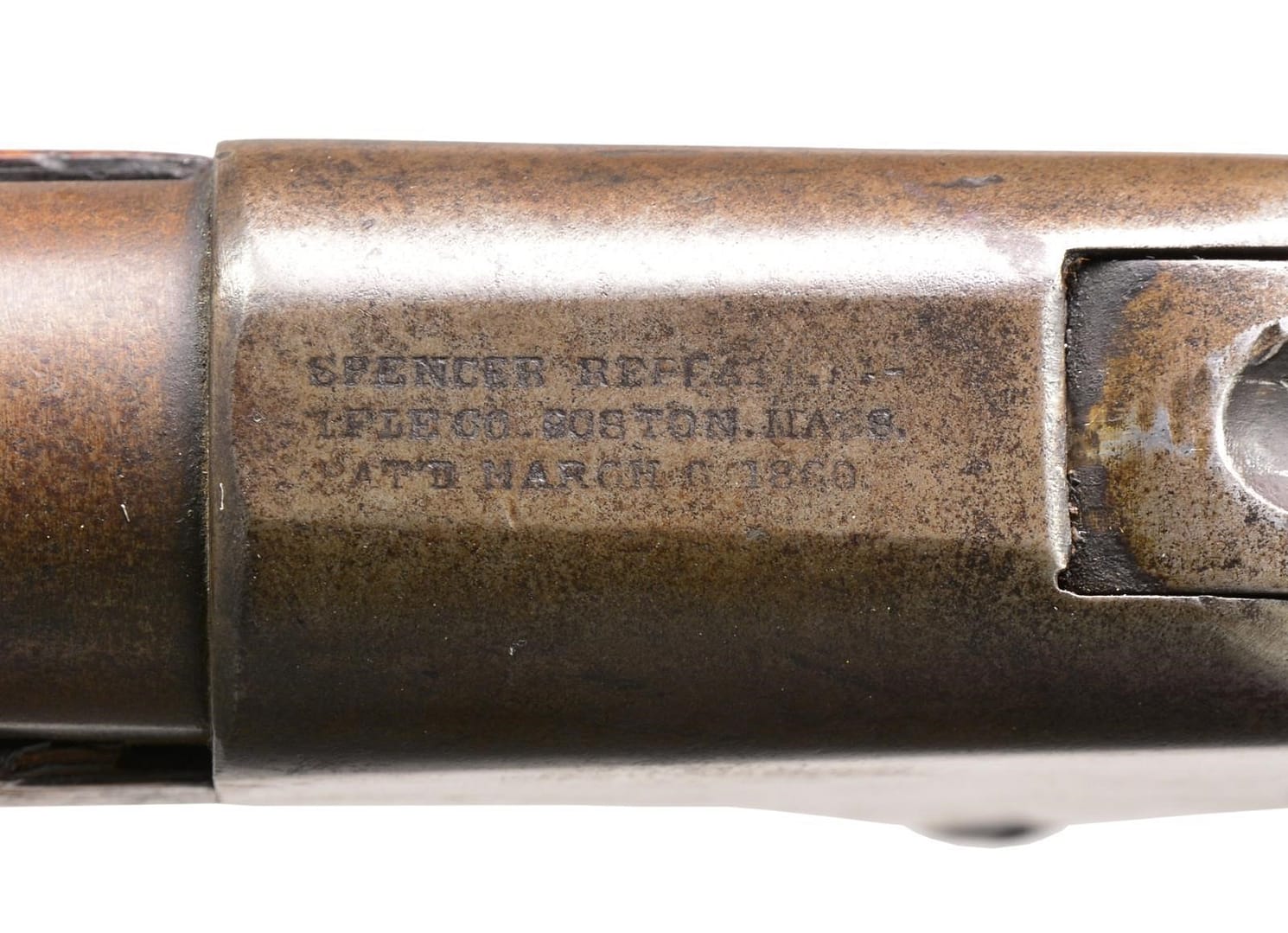
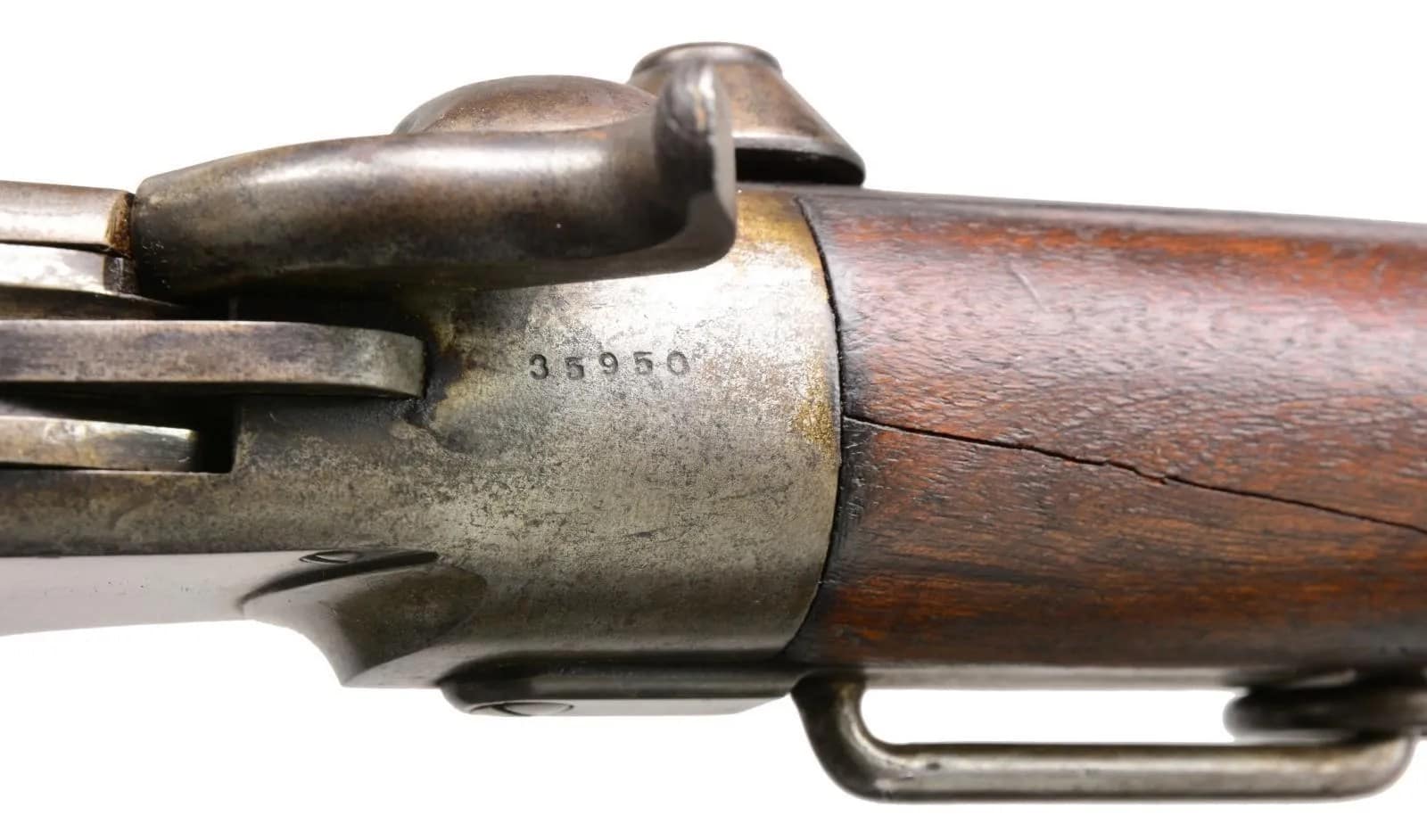
Battlefields and historic conflict sites of the American frontier, from the Indian Wars to the outlaw era.
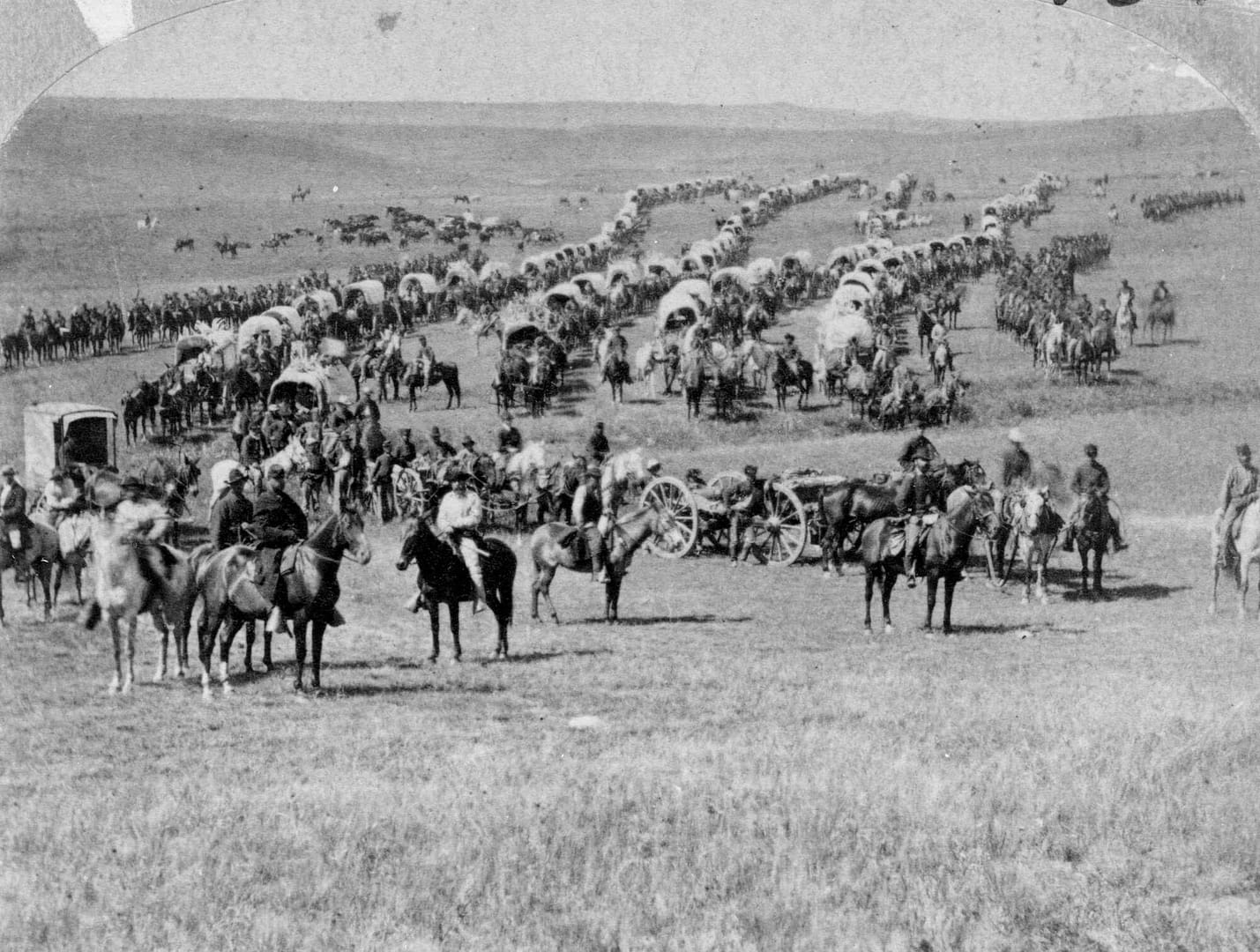
Walking the battlefields and shoot-outs of America’s Old West
The American frontier was a vast, shifting landscape shaped by Indigenous resistance, military expeditions, settlement, and the collision of cultures across two centuries. Stretching from the eastern woodlands to the Great Plains and the desert Southwest, the Old West was never a single moment in time but a long, uneven process of exploration, conflict, and contested control. Its events ranged from cavalry campaigns against Native nations, to sectional violence along the Missouri–Kansas border, to the turbulent era of frontier towns, outlaws, and lawmen that emerged after the Civil War.
This landing page brings together the battlefields, raids, forts, and historic sites across the Old West that I have visited and walked. Each study follows the same methodology used throughout BattlefieldTravels.com: terrain-led analysis, on-site photography, reconstruction of the tactical environment, and close attention to the lived experience of those who fought there. Whether on the ridges above the Little Bighorn, the desert approaches to Fort Bowie, or the streets of Tombstone and Coffeyville, these landscapes still reveal why events unfolded the way they did. Together, they form a coherent picture of the conflicts that shaped the American frontier and the myths that followed.
Battle Studies in America’s Old West
 Indian Wars
 Indian Wars
The Indian Wars spanned centuries of resistance, treaty-making, broken promises, and military campaigns across the plains, mountains, and deserts of North America. These studies focus on the key battlefields and forts where U.S. forces and Native nations confronted each other in decisive moments. The terrain remains central to understanding how mounted warriors, infantry, and scouts fought across vast and difficult landscapes.
-
⚔️ Fort Bowie, Apache Pass, Cochise and Geronimo,
1862-1894
Fort Bowie was built during the American Civil War by Union Army units from California. The fort protected the important Apache Pass through to New Mexico, and the nearby Apache Springs. For about 30 years, the fort was the hub of operations against Cochise, Geronomo and the Chiricahua Apaches
-
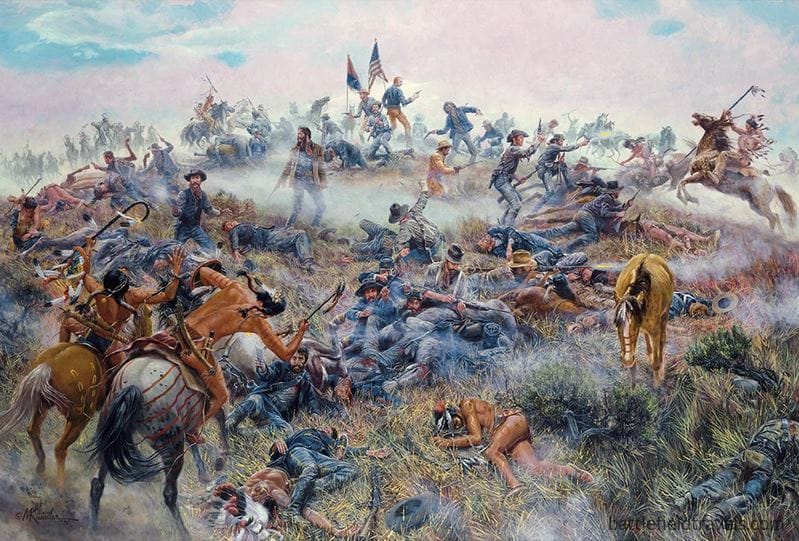
⚔️🔒Battle of the Little Bighorn, Montana Territory,
25-26 June 1876
The Battle of the Little Bighorn, fought on June 25-26, 1876, was a clash between the United States Army and the combined forces of Lakota Sioux, Northern Cheyenne, and Arapaho tribes. The battle took place in and around a major Indian camp along the Little Bighorn River in southeastern Montana Territory.
-
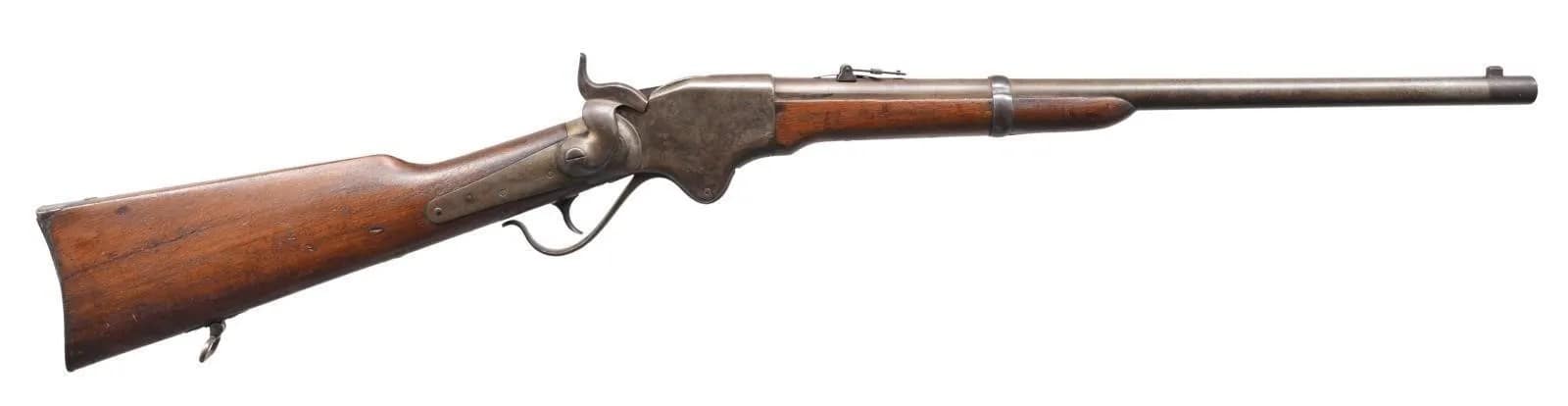
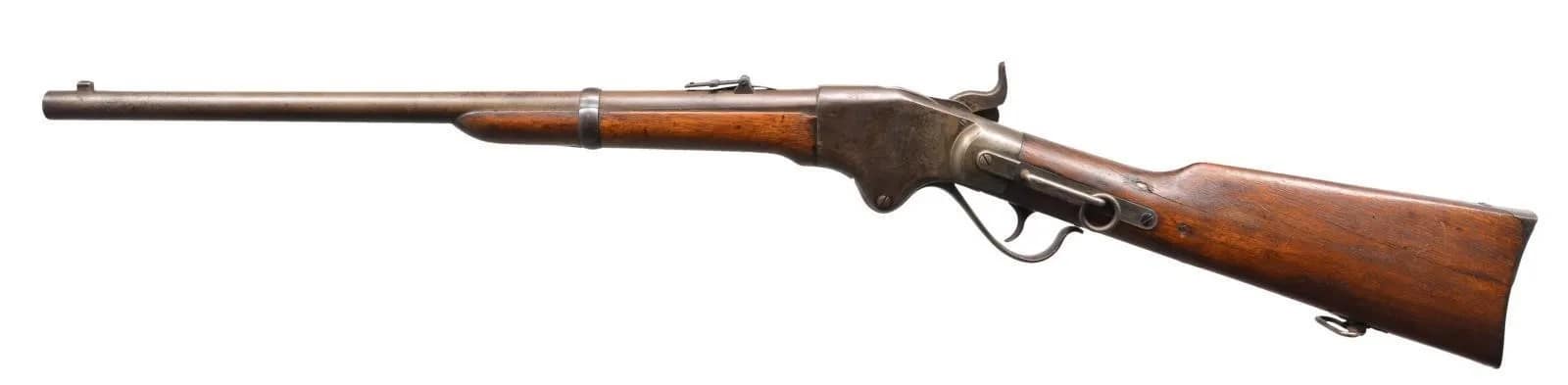
⚔️ Springfield Armory, Massachusetts
1794-1968
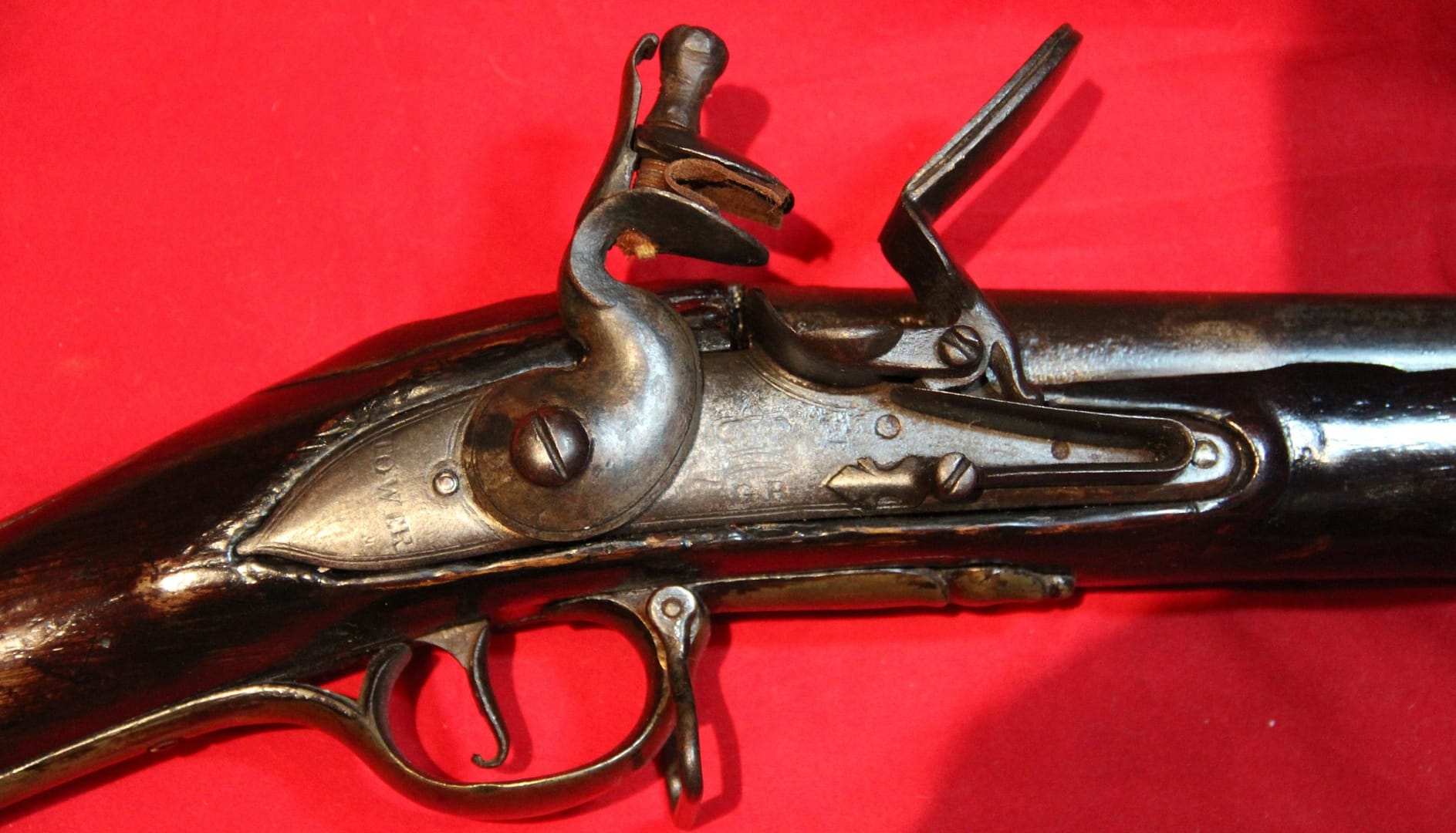
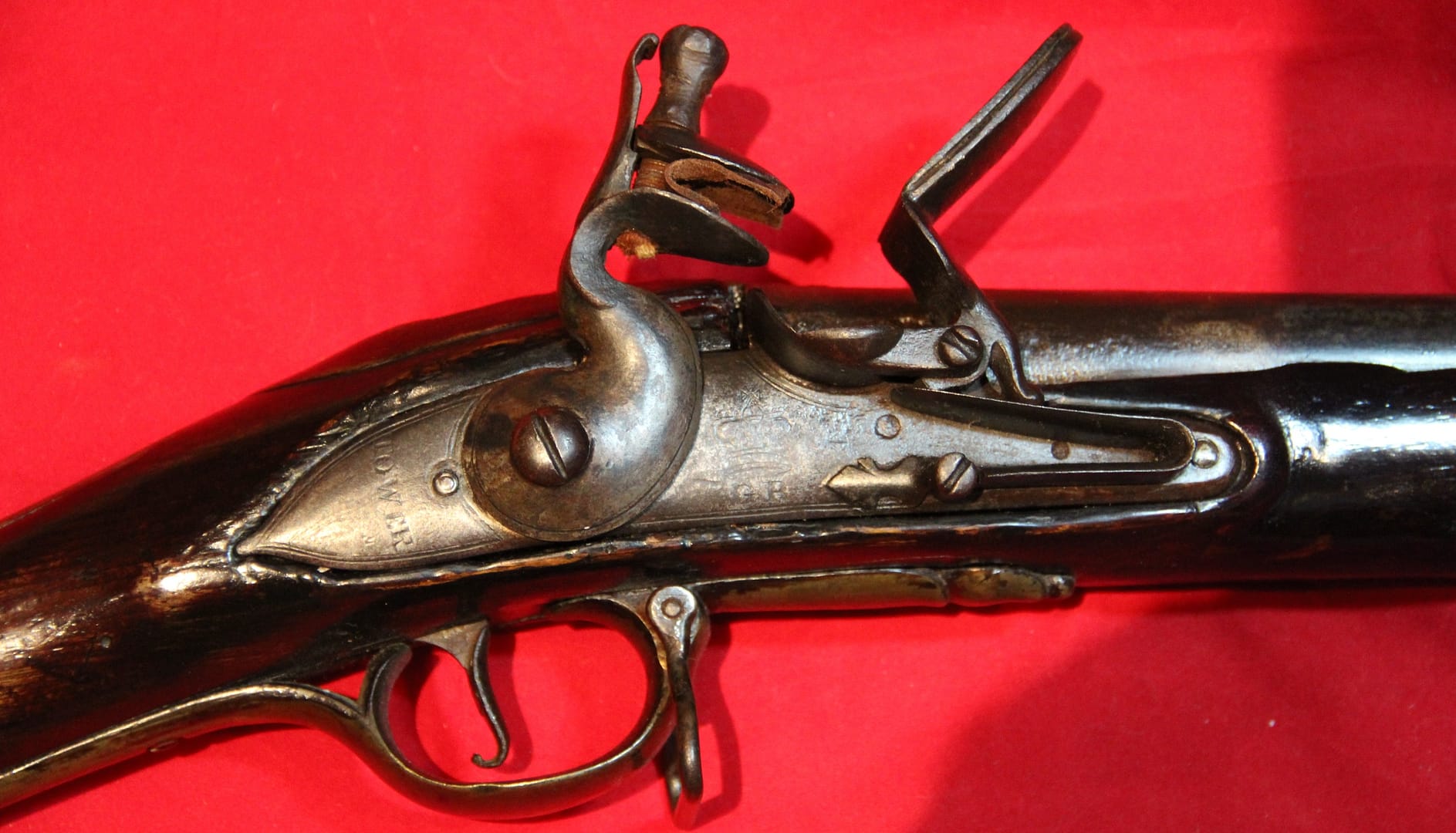
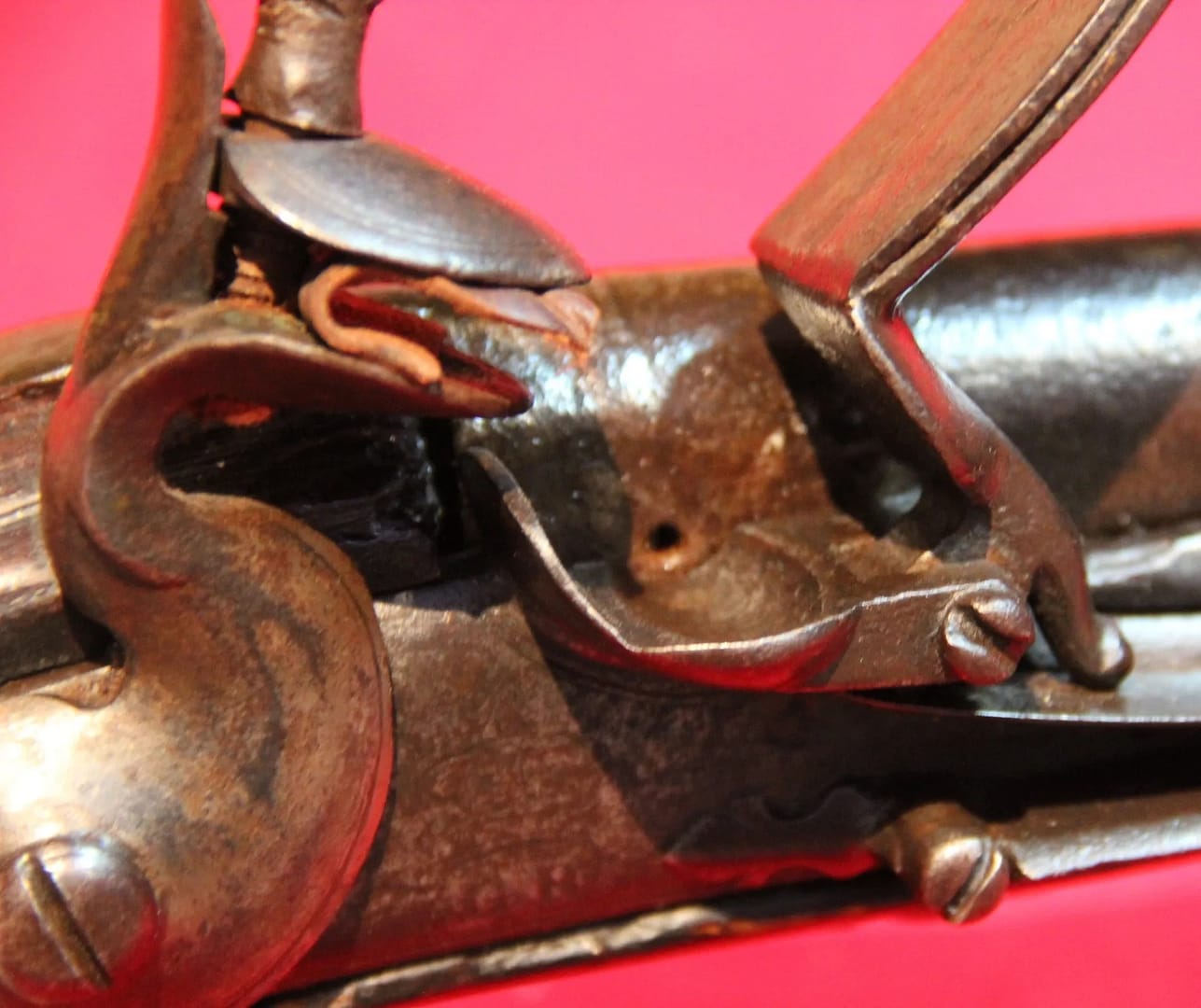
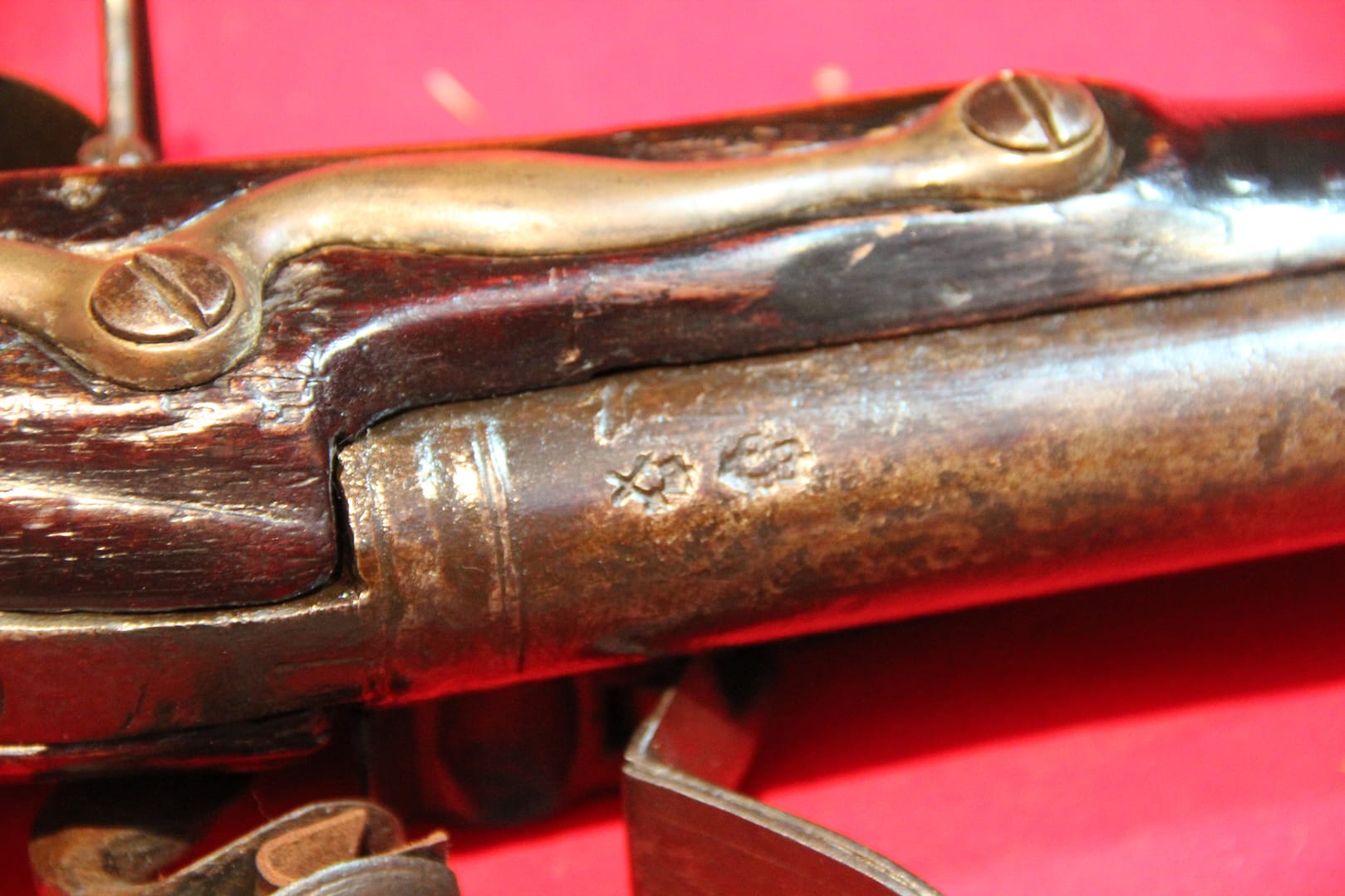
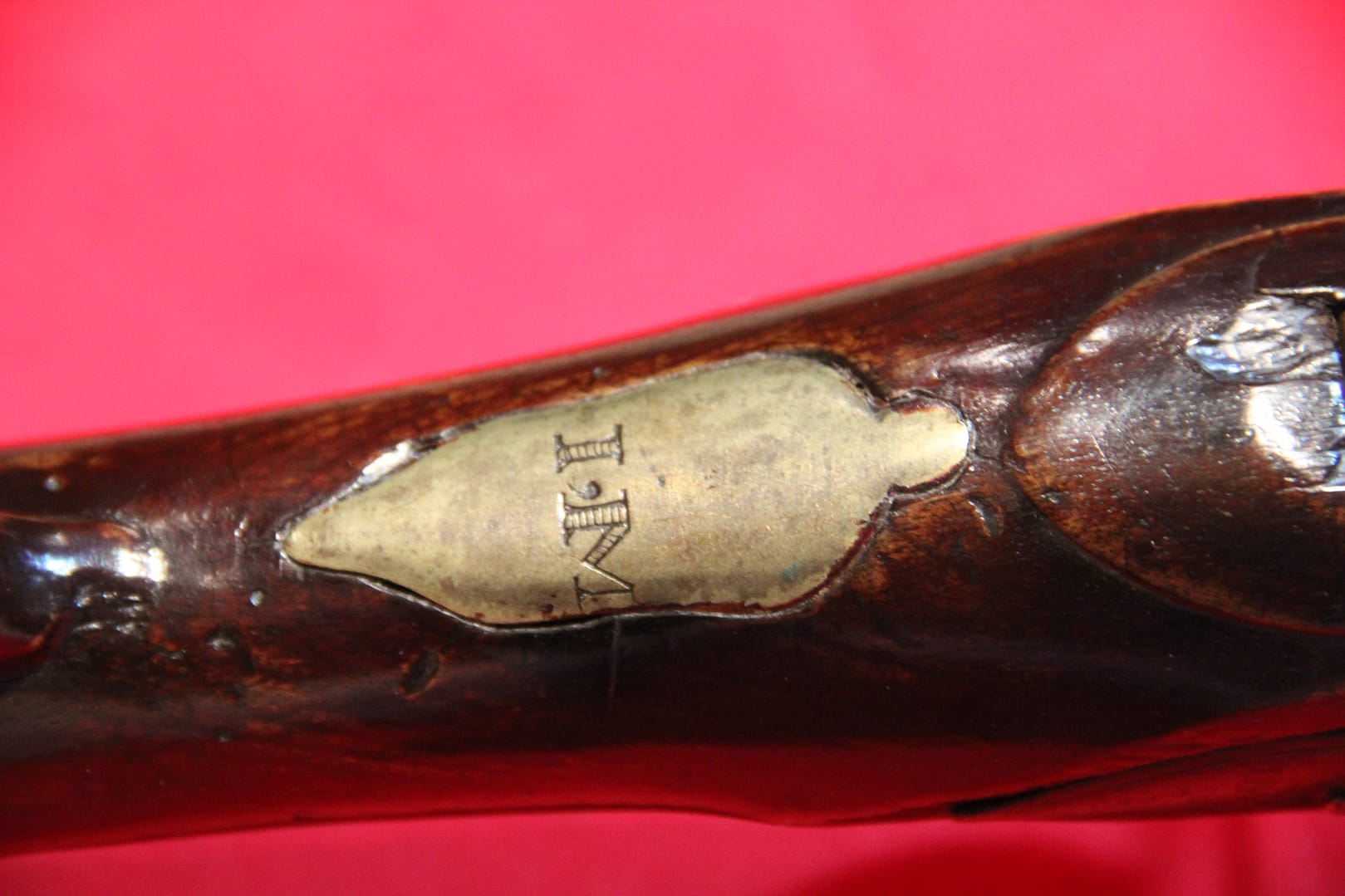
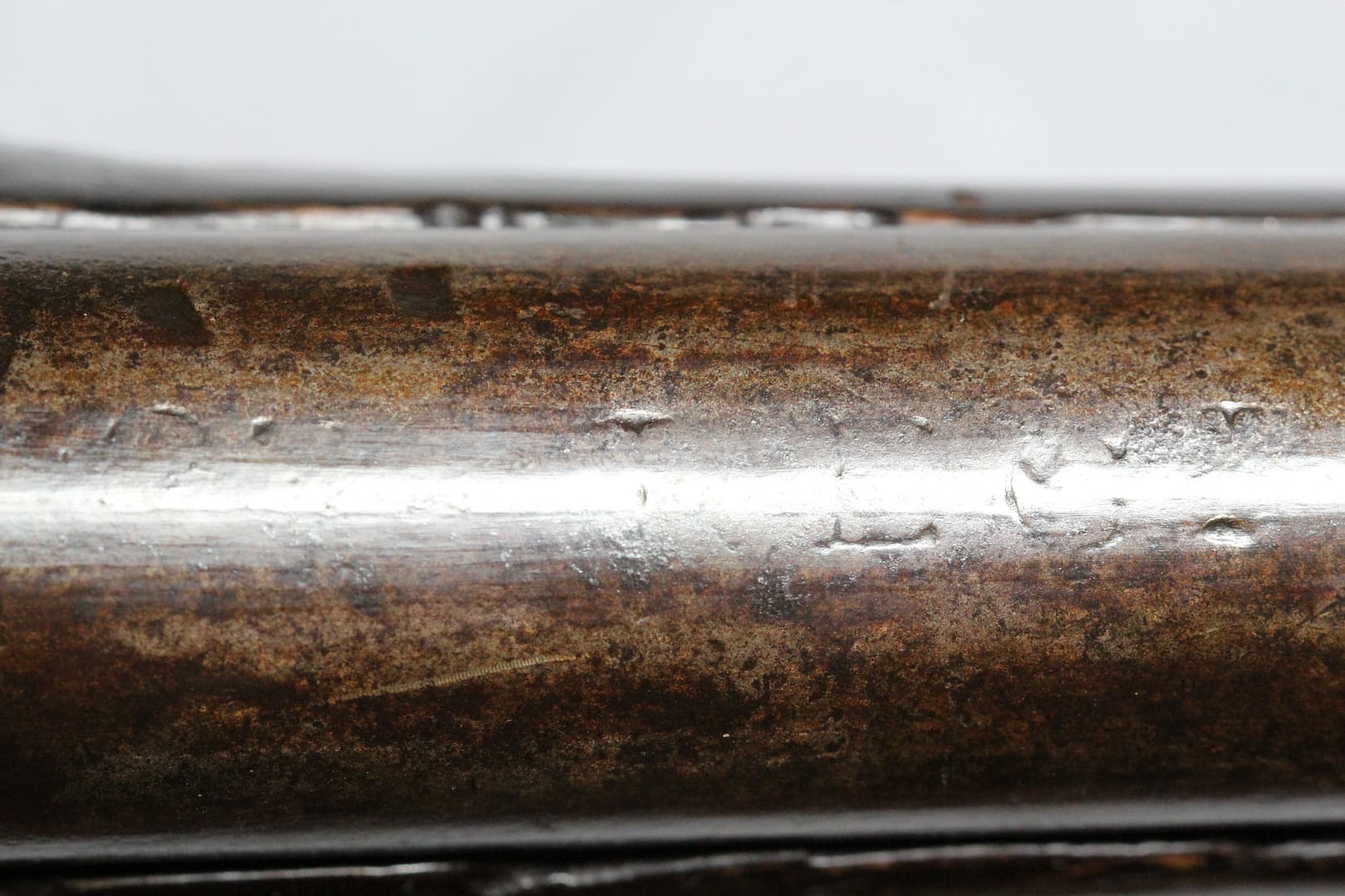
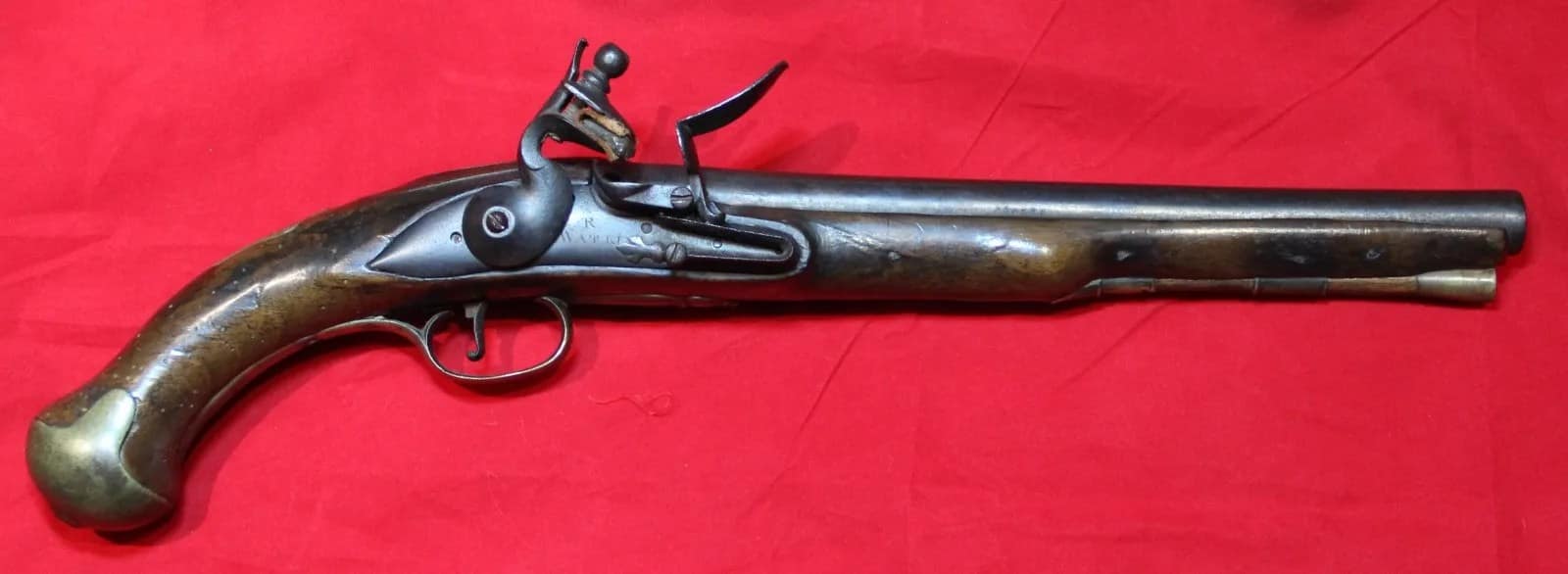
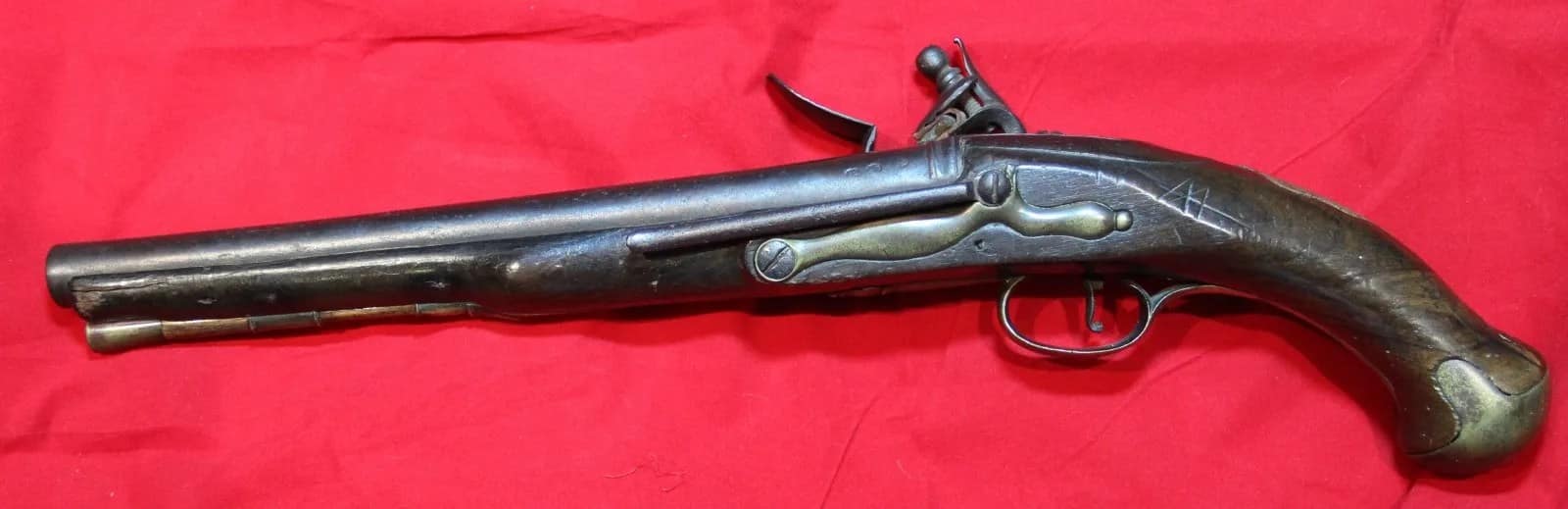
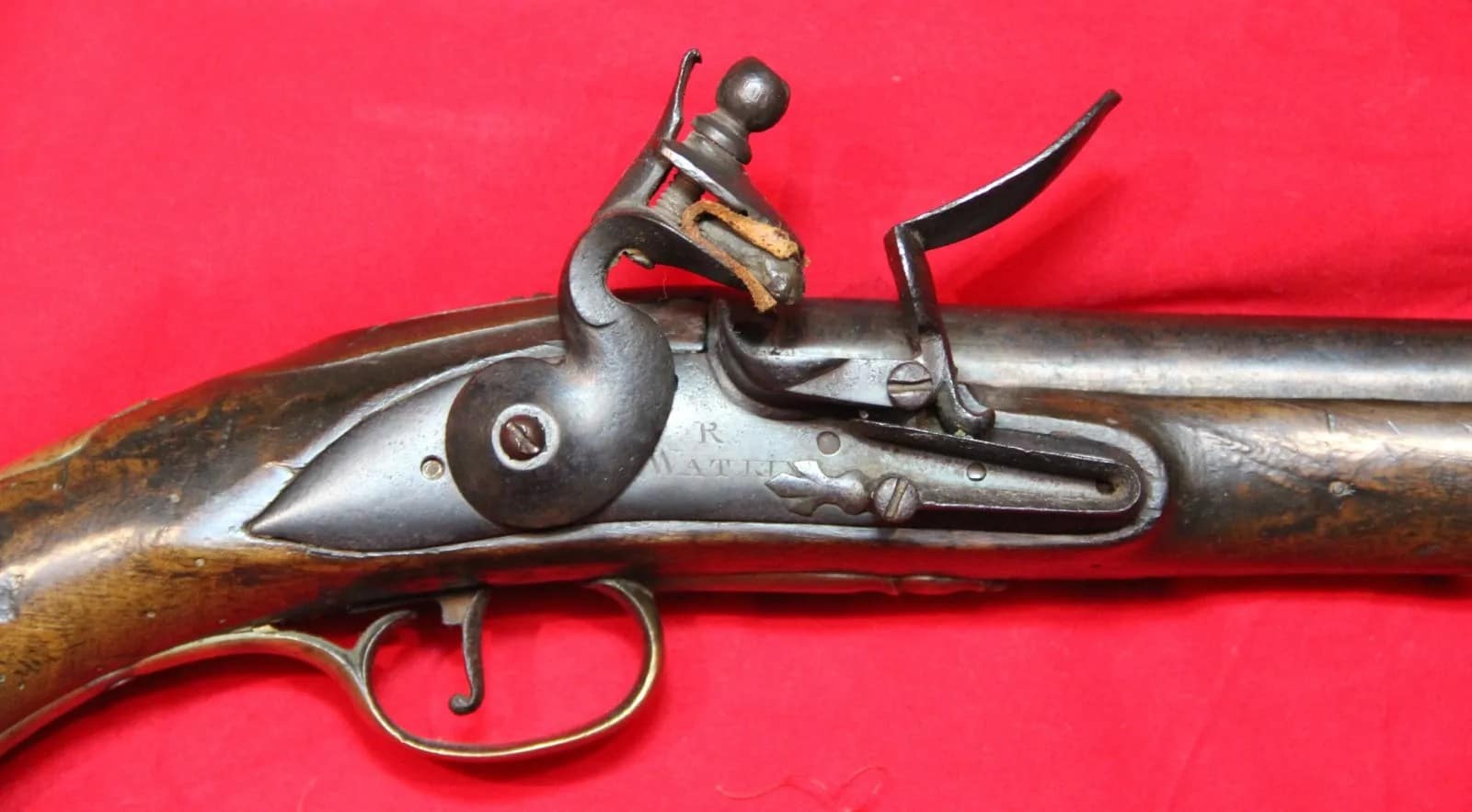
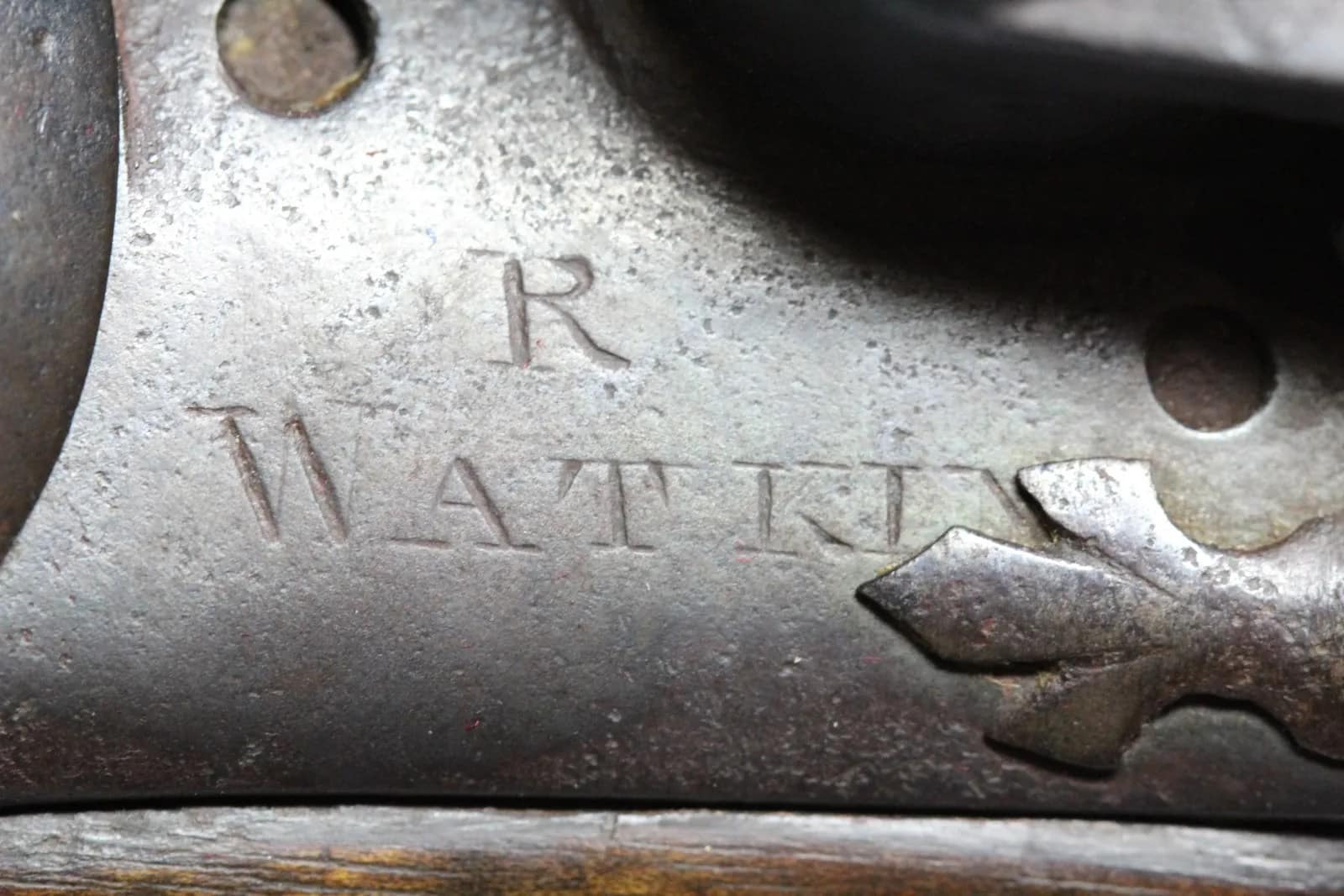
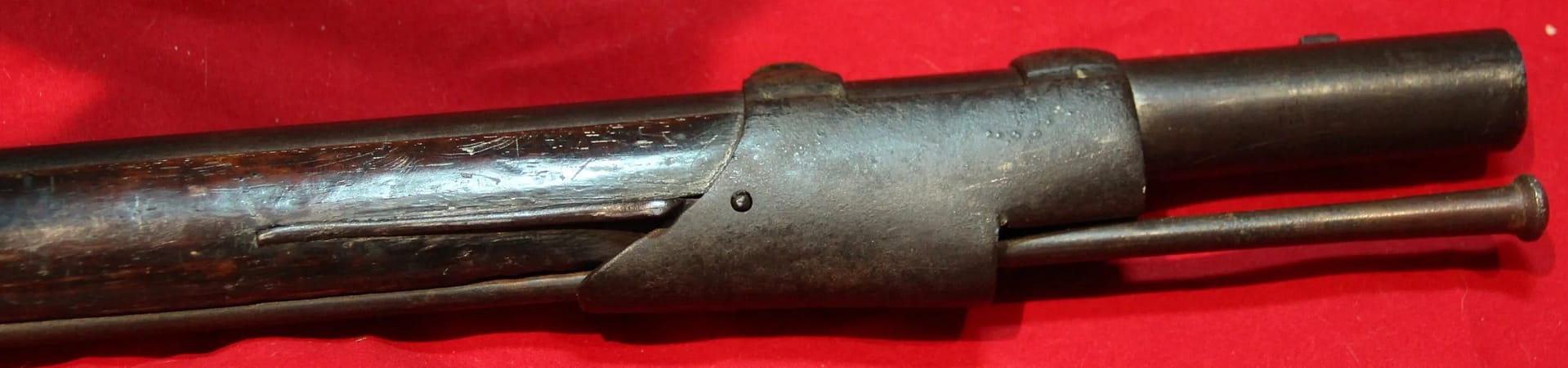
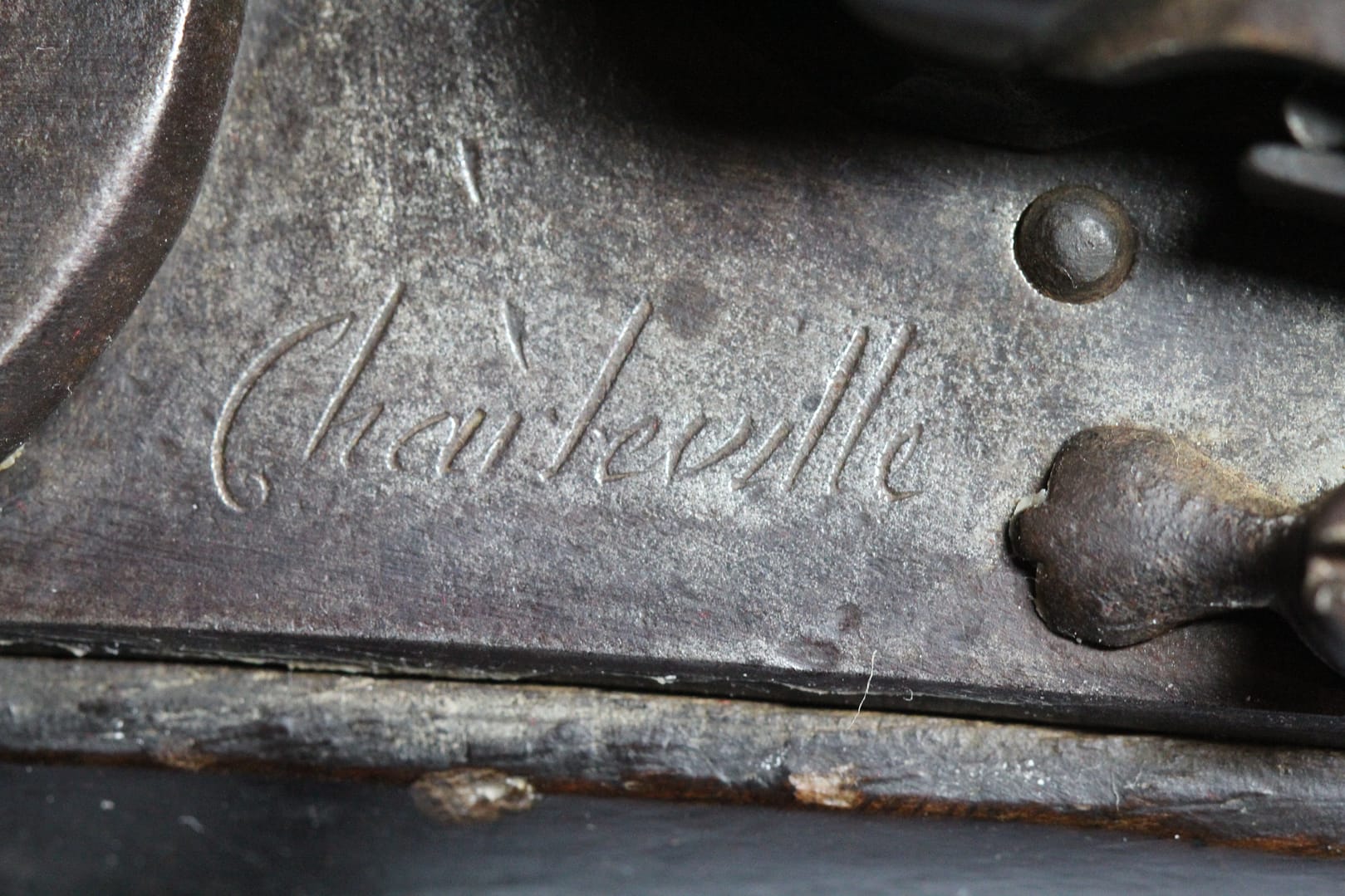
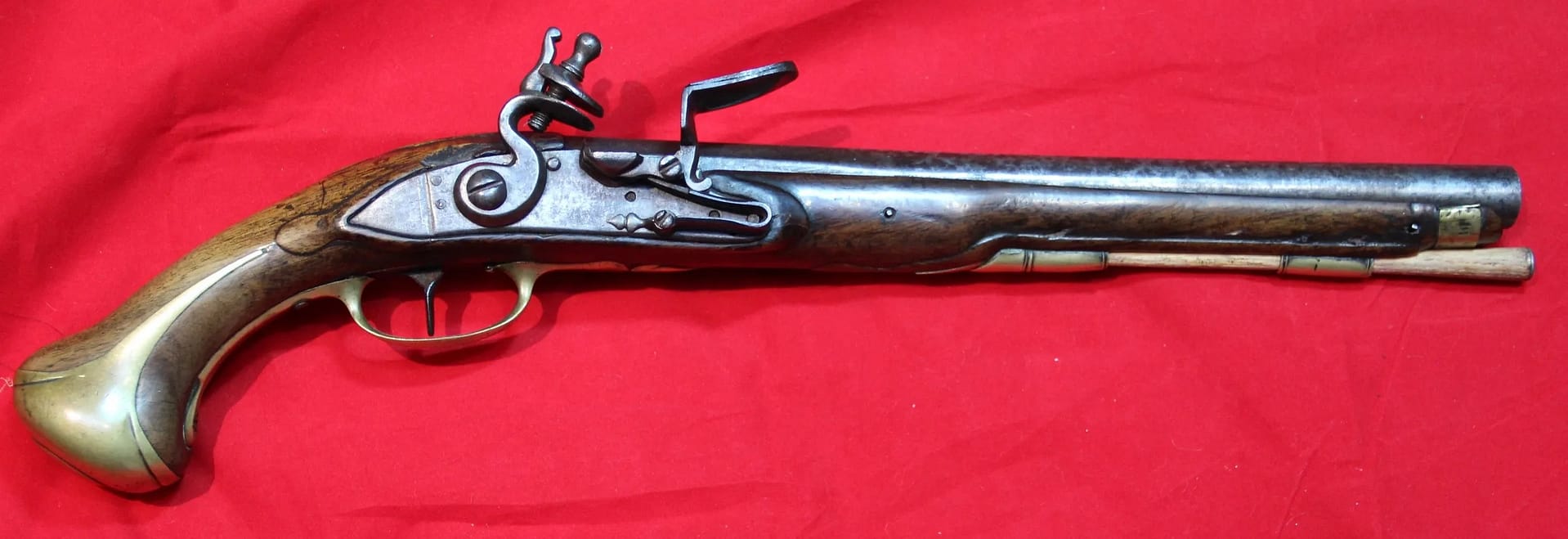
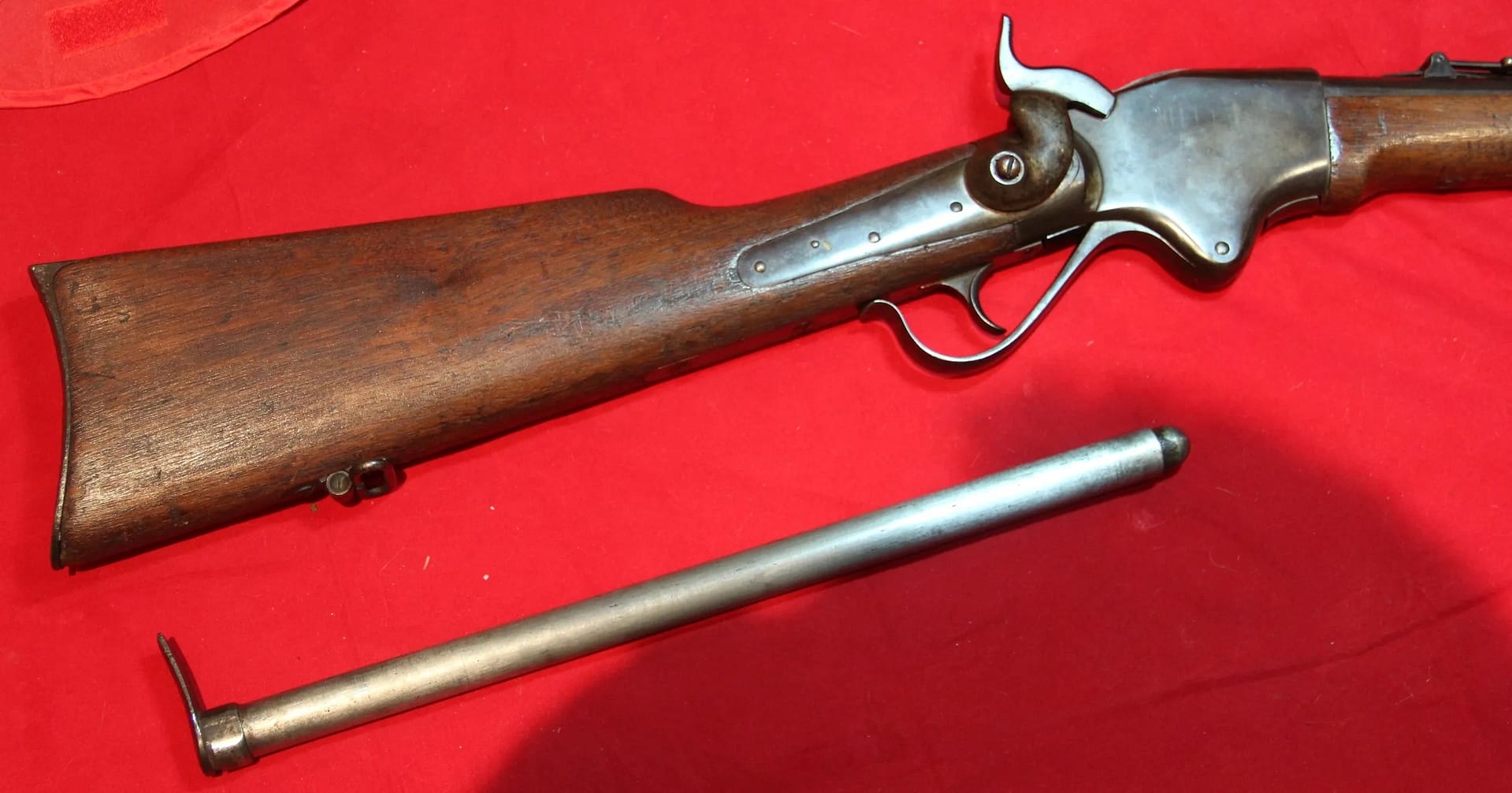
Springfield Armory produced the weapons that armed America’s soldiers from the Revolution to Vietnam. Founded in 1794, it became the birthplace of U.S. precision manufacturing — a model for armouries worldwide. Today, the historic complex houses Springfield Technical Community College, carrying forward the legacy of industry, innovation, and craftsmanship. The old Main Arsenal building preserves…
-
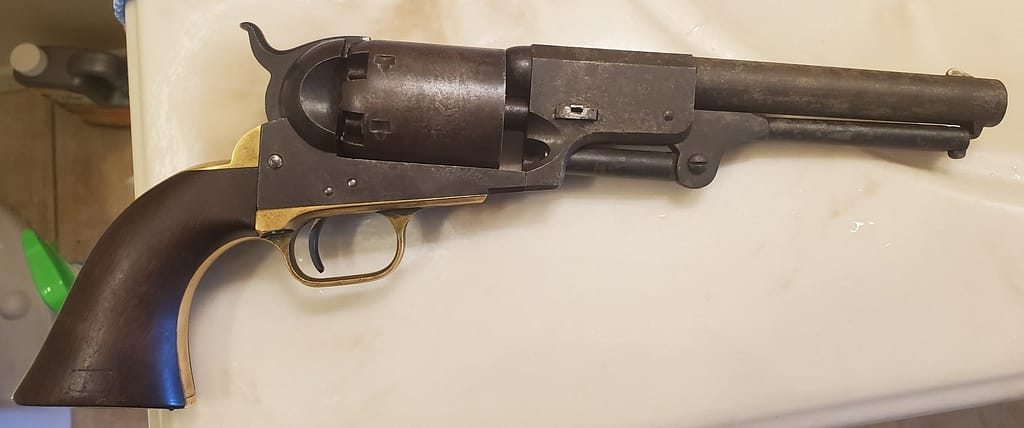
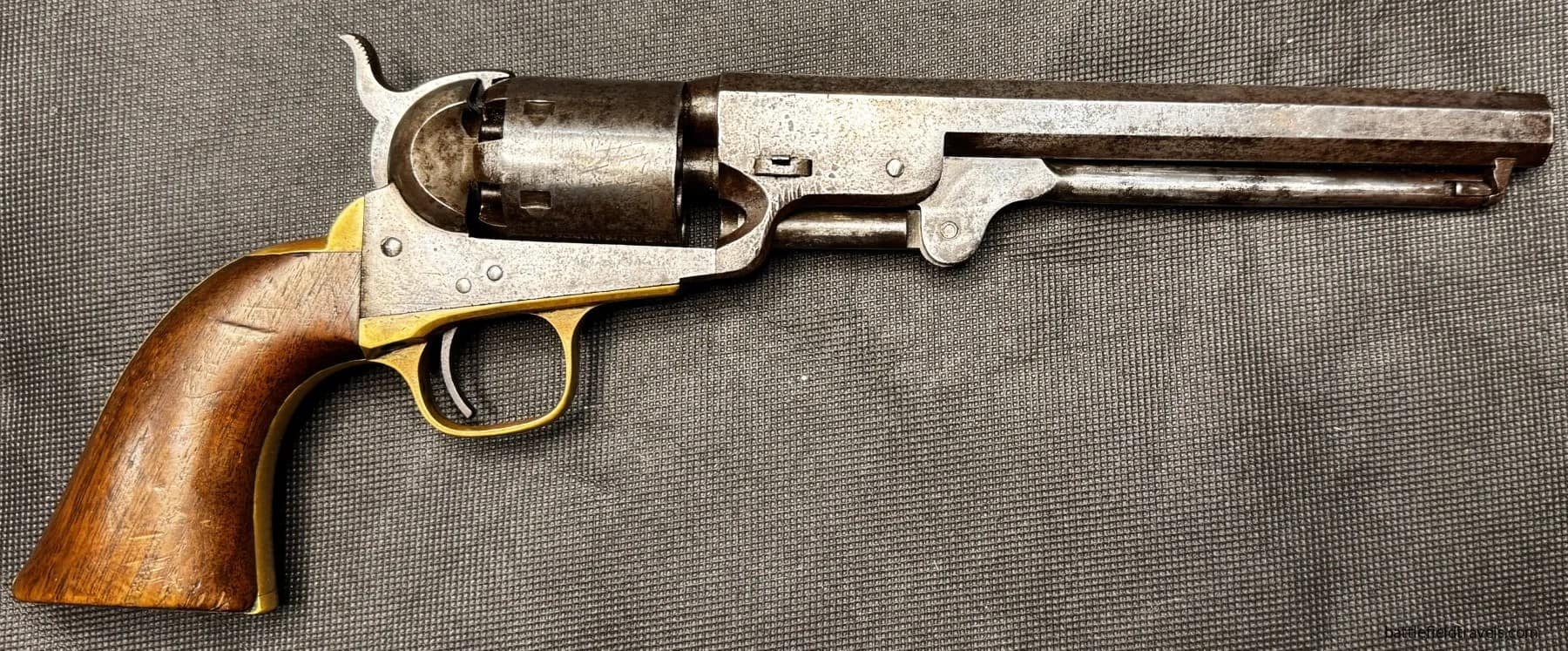
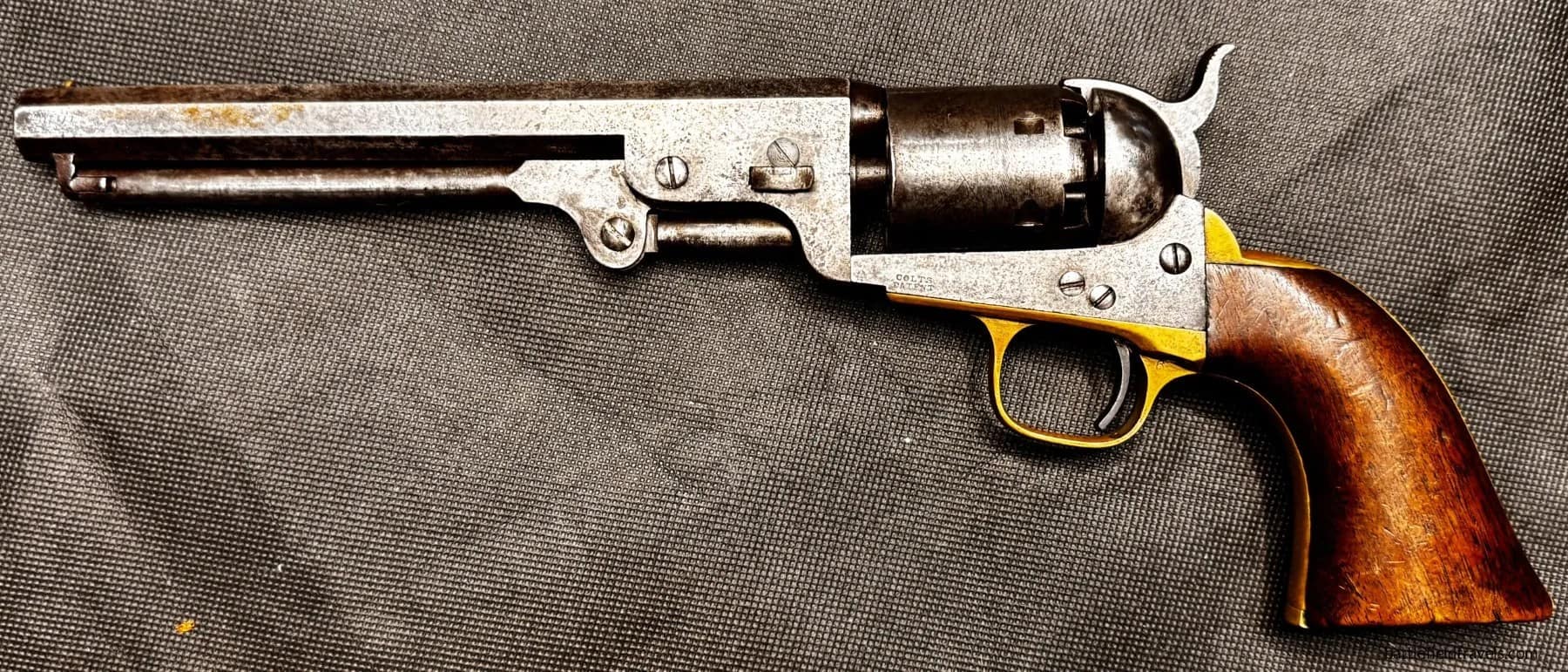
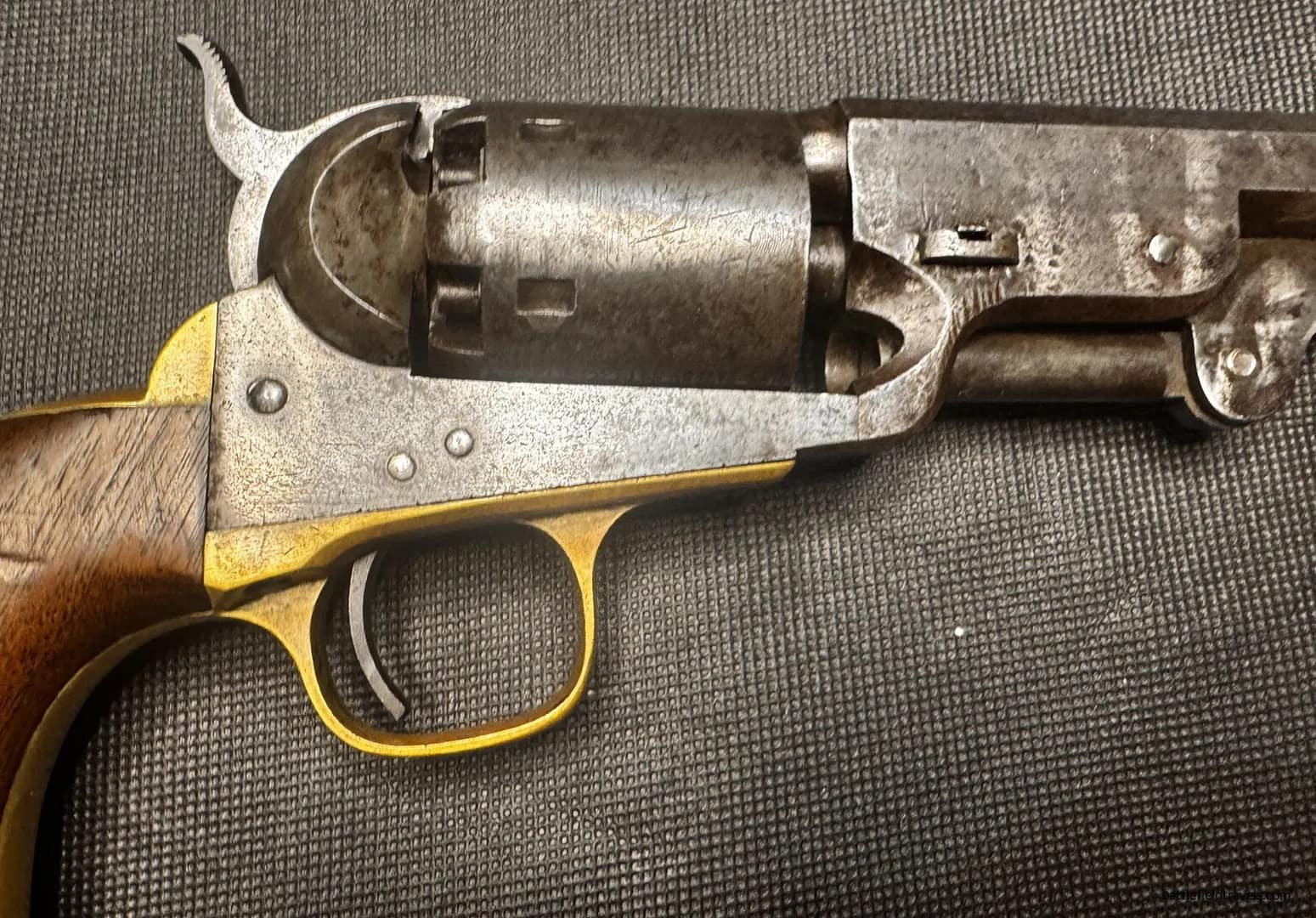
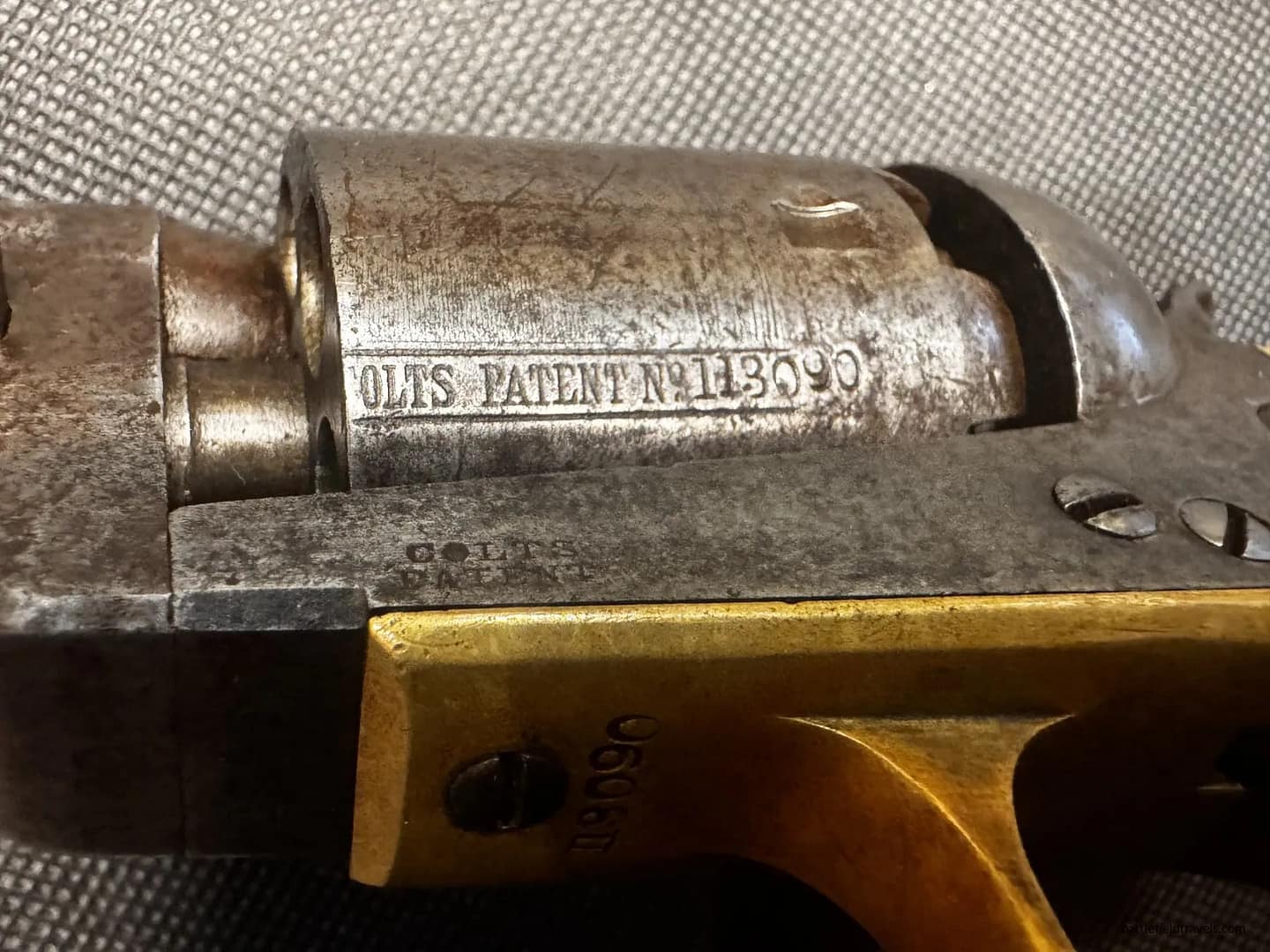
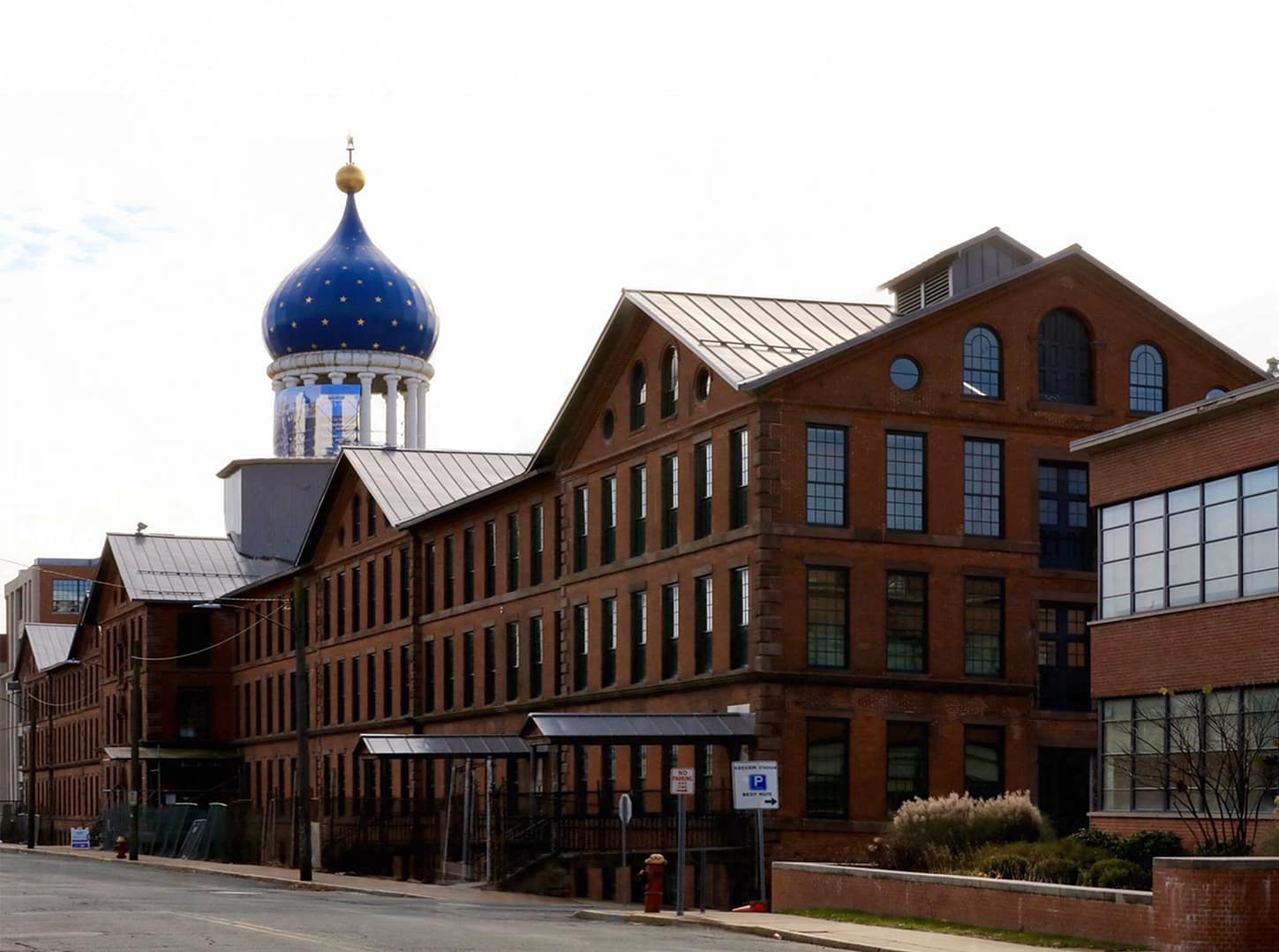
⚔️ ‘Coltsville’ Colt Firearms, Hartford CT,
1855-1994
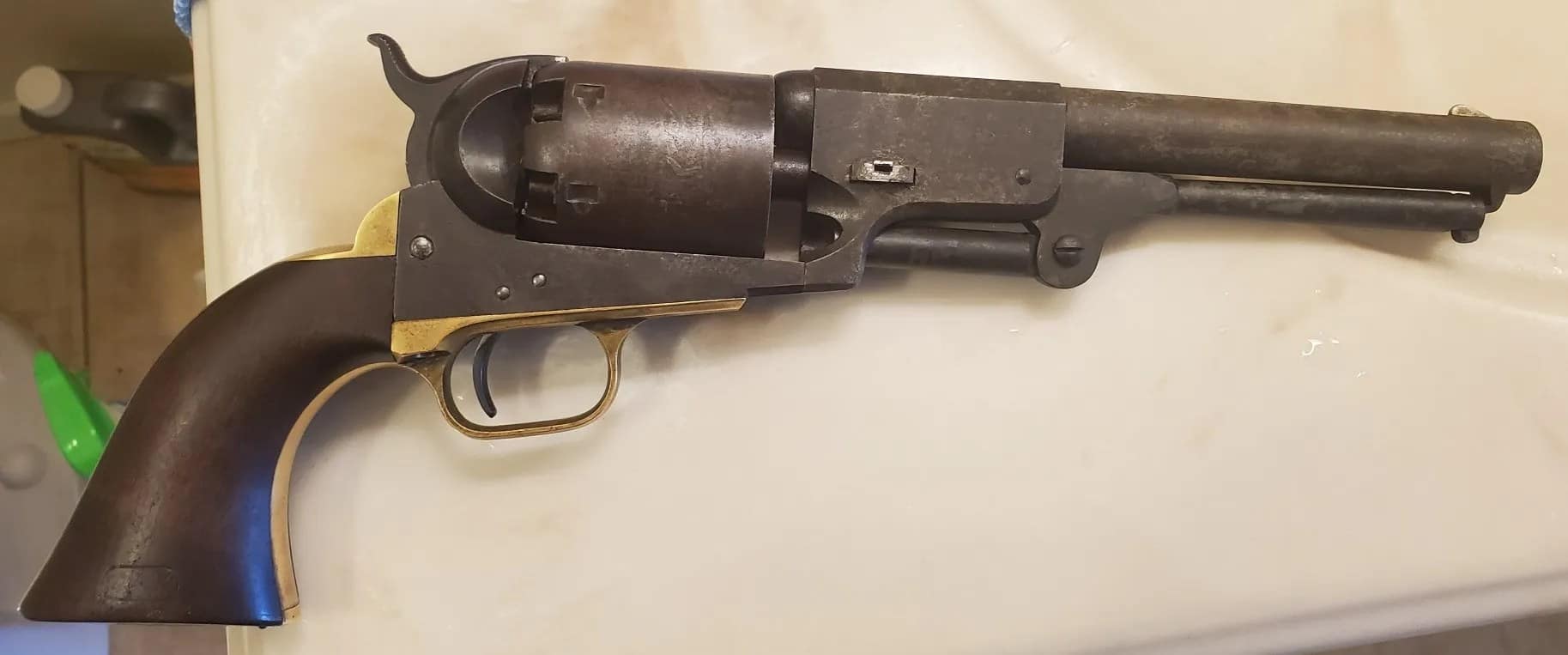
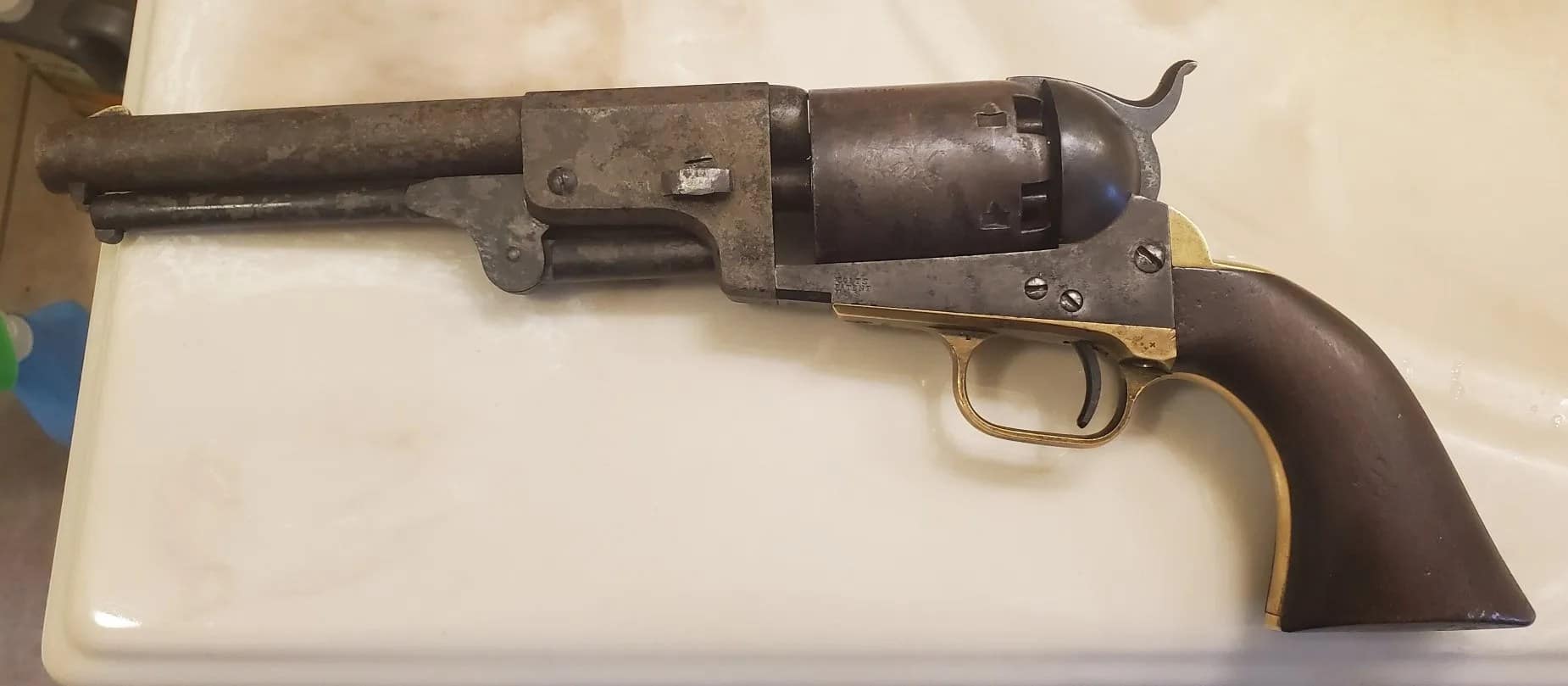
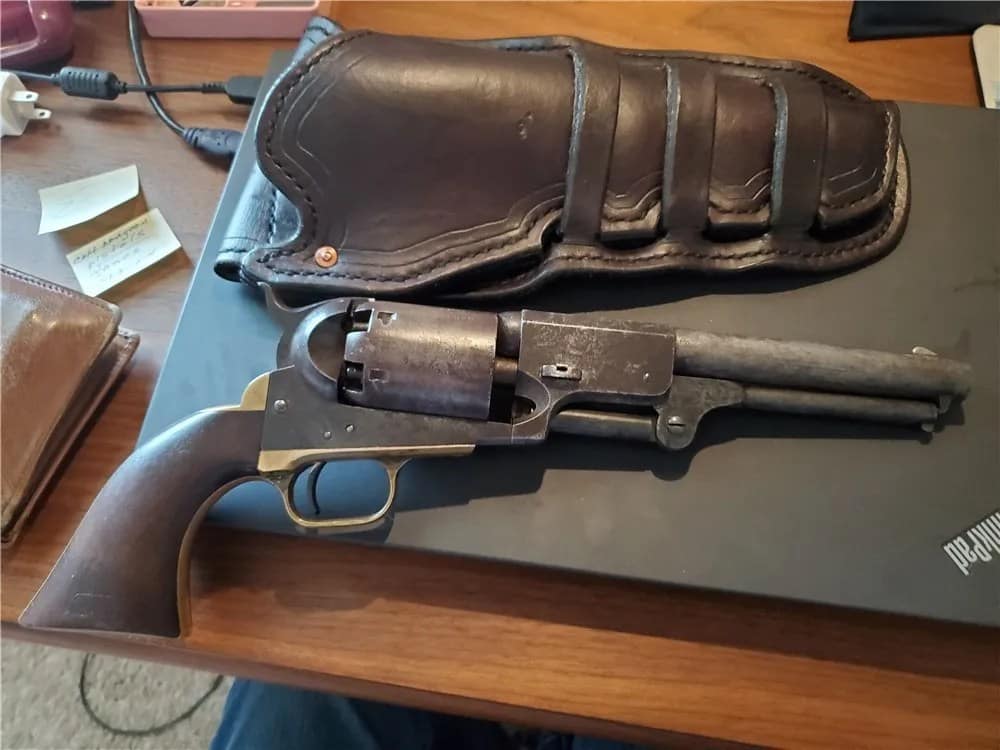
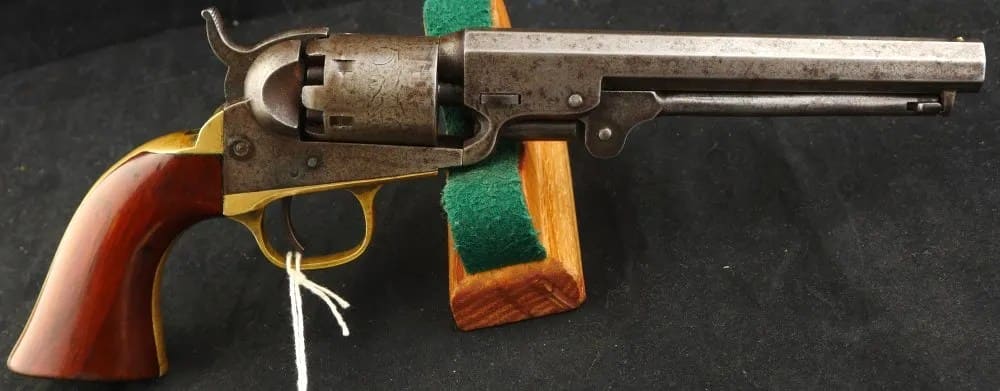
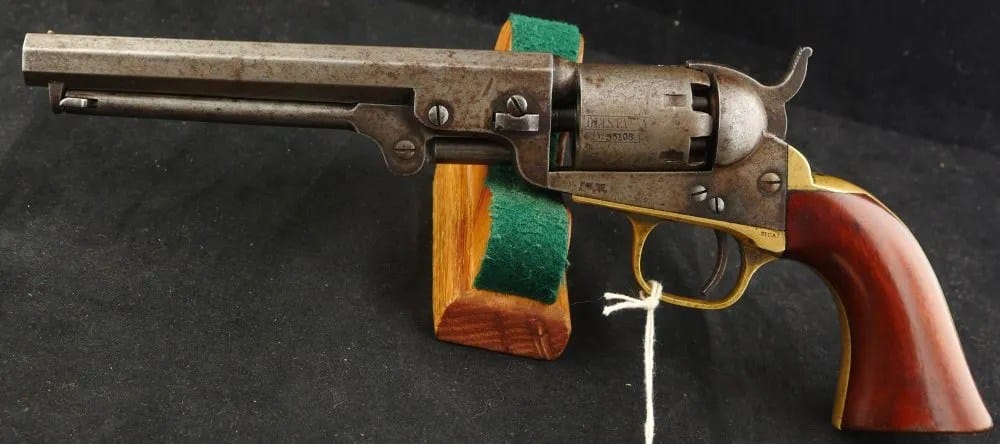
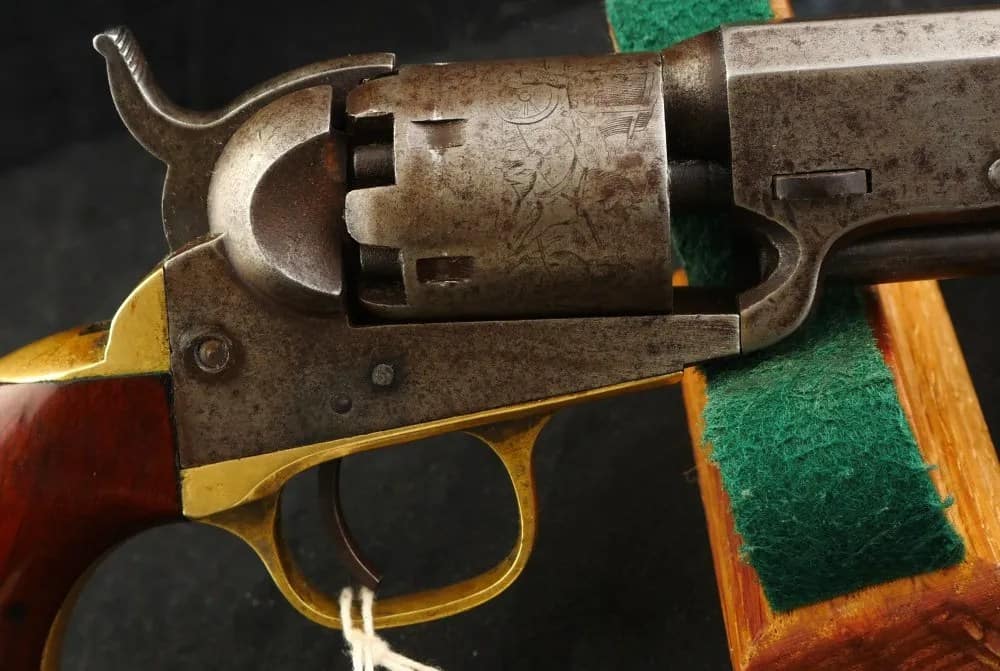
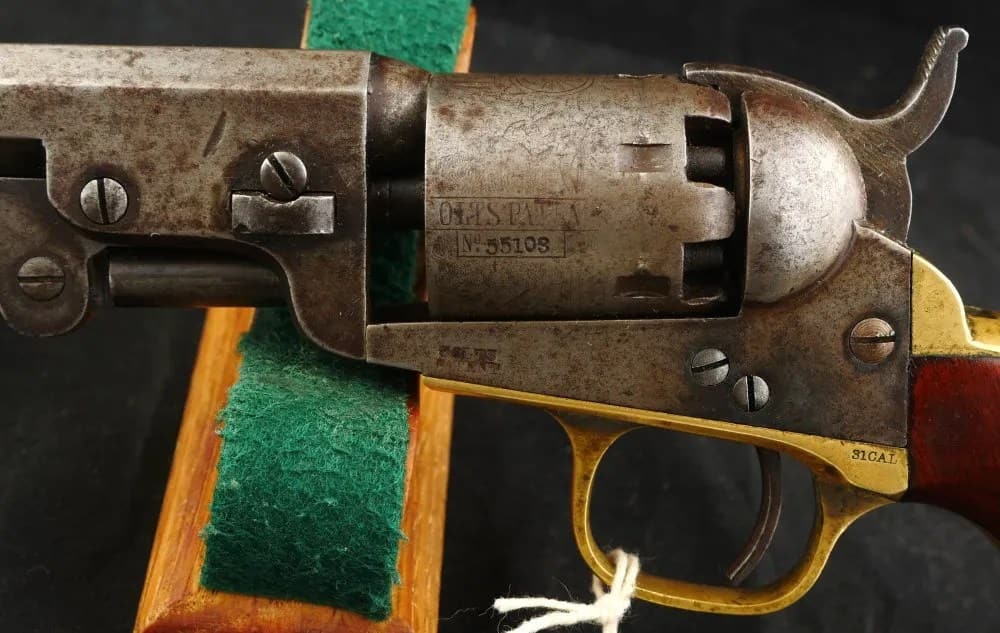
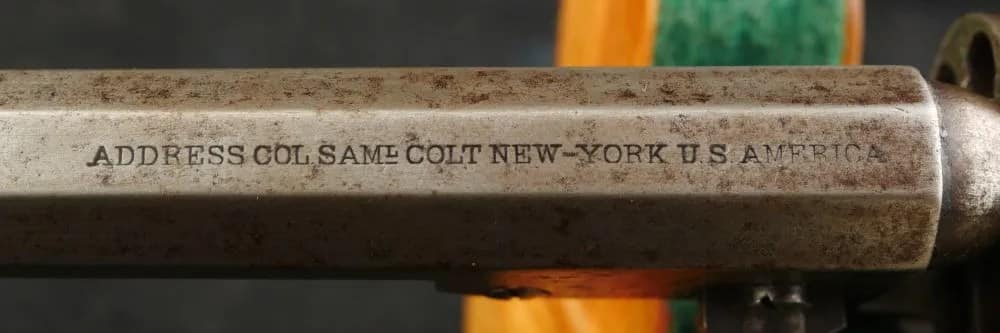
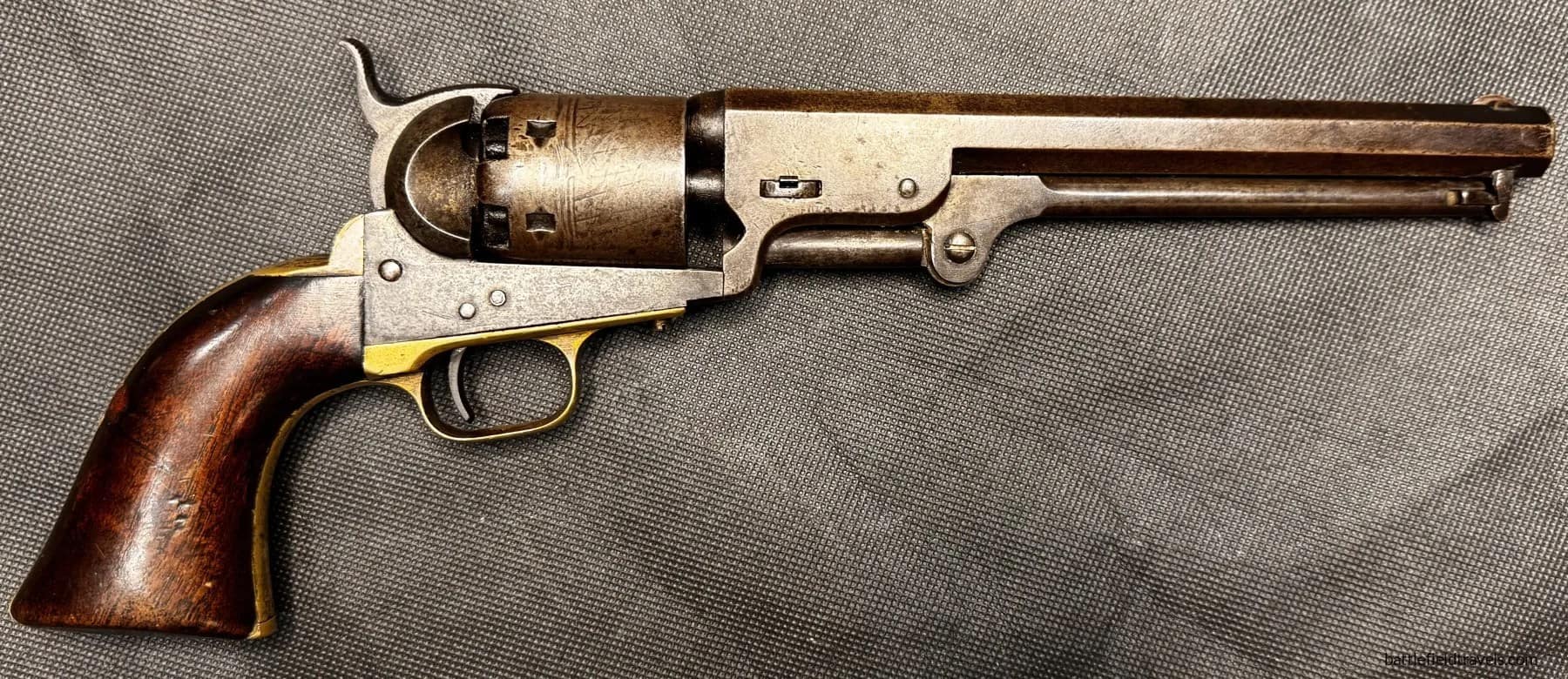
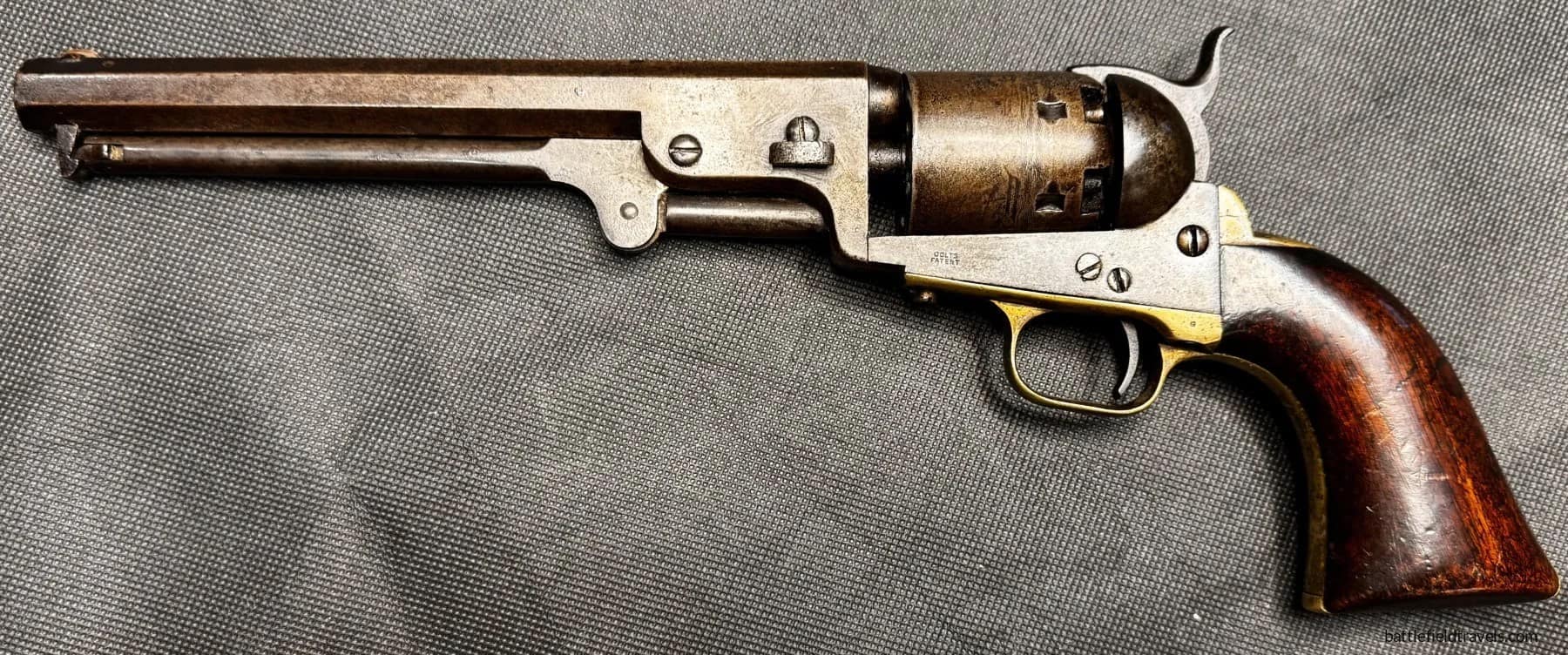
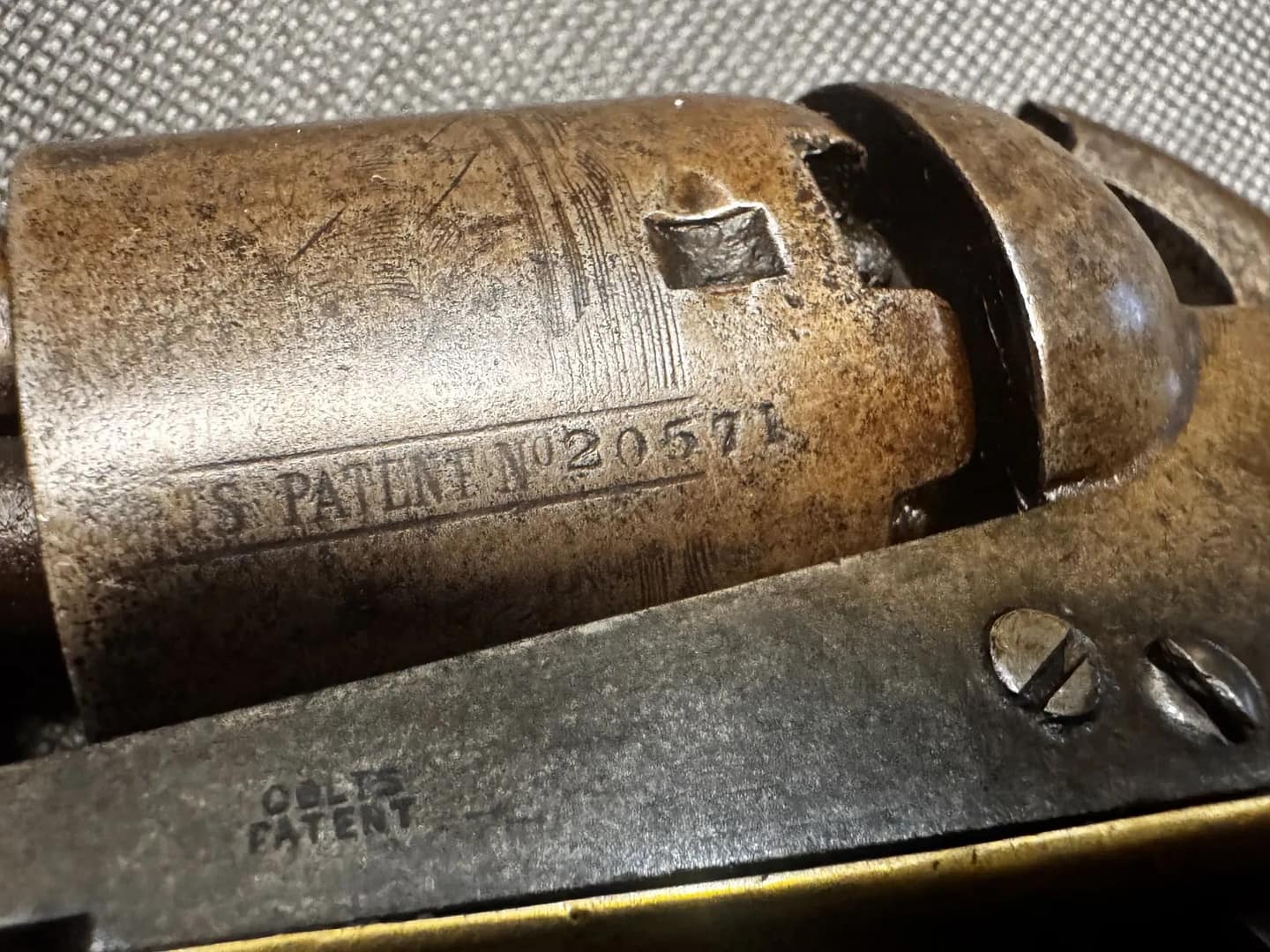
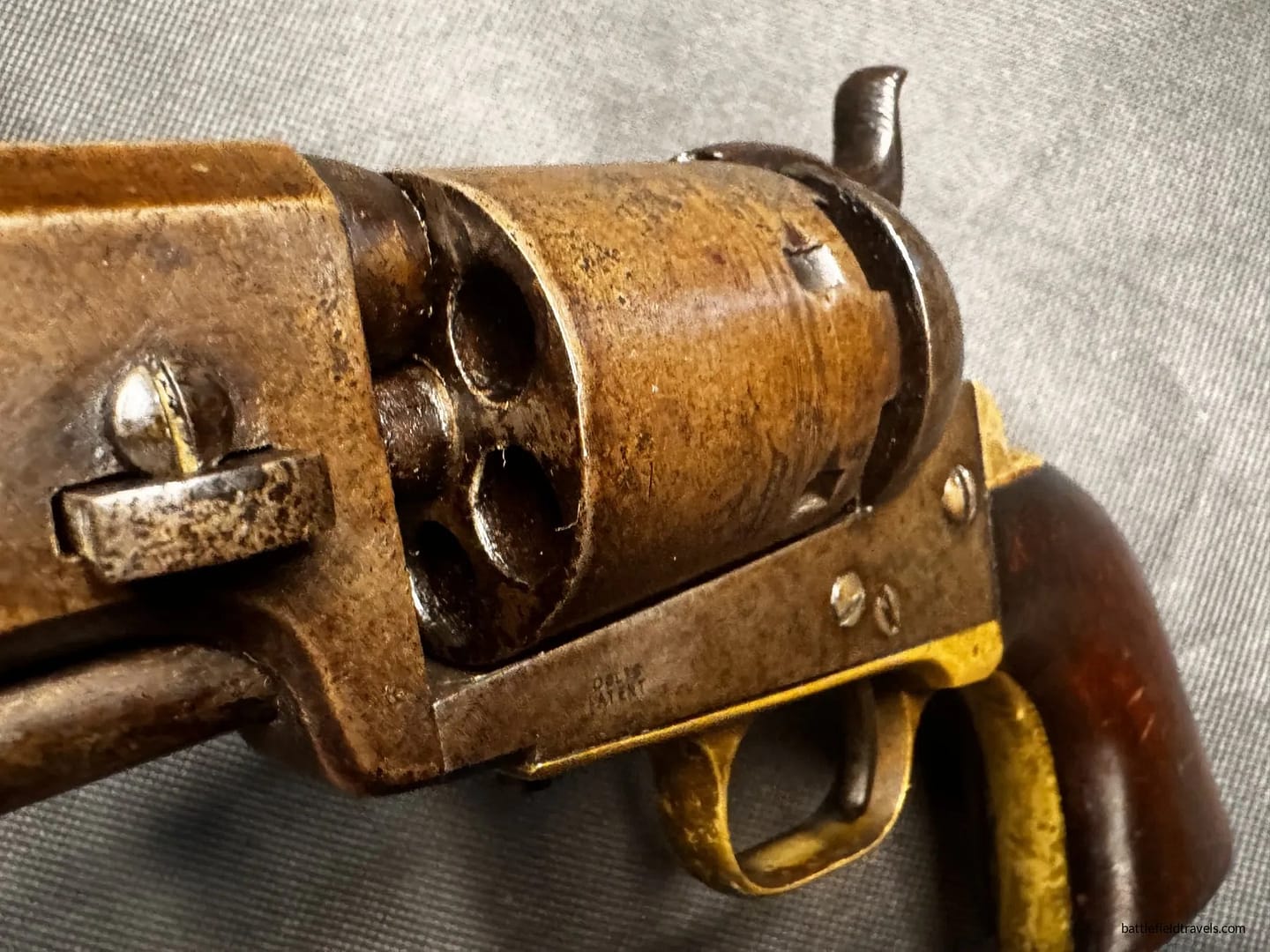
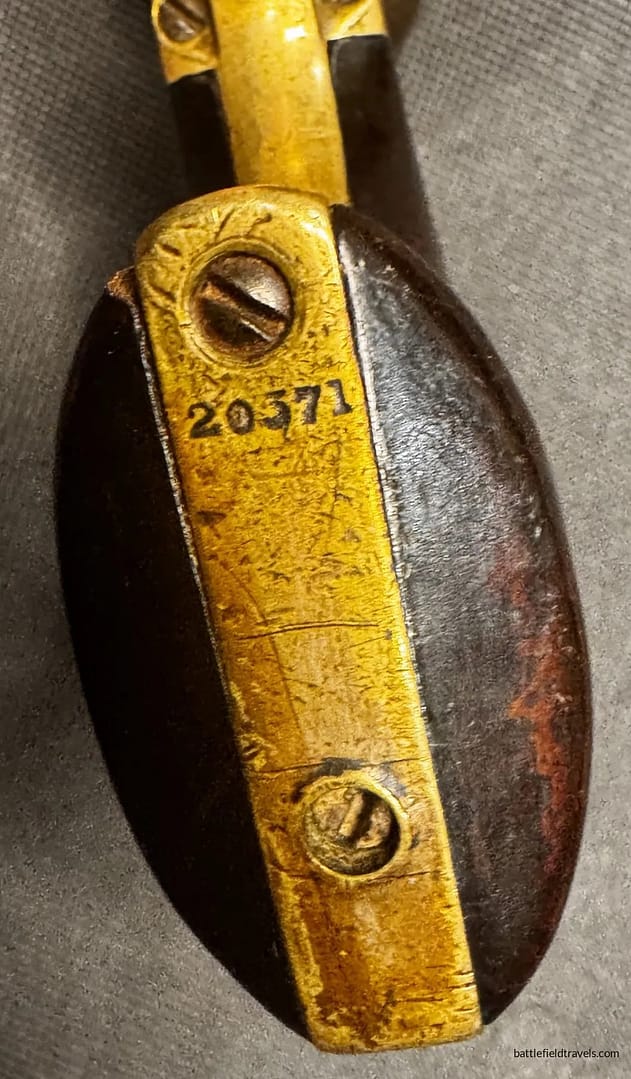
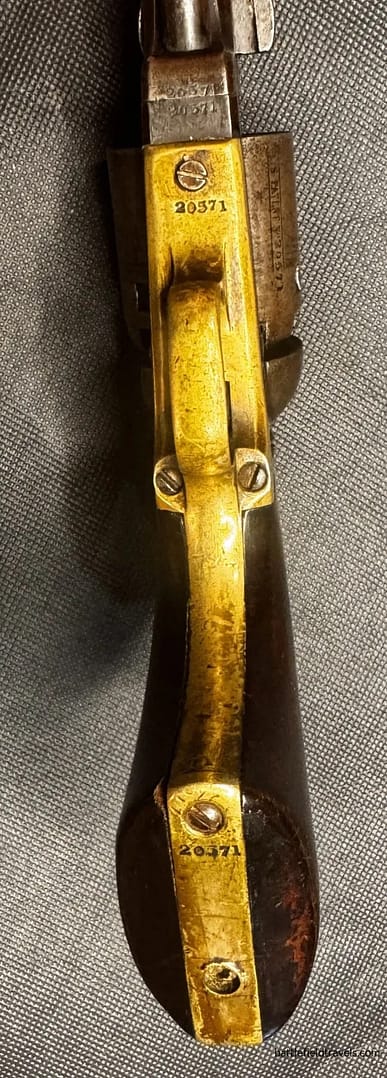
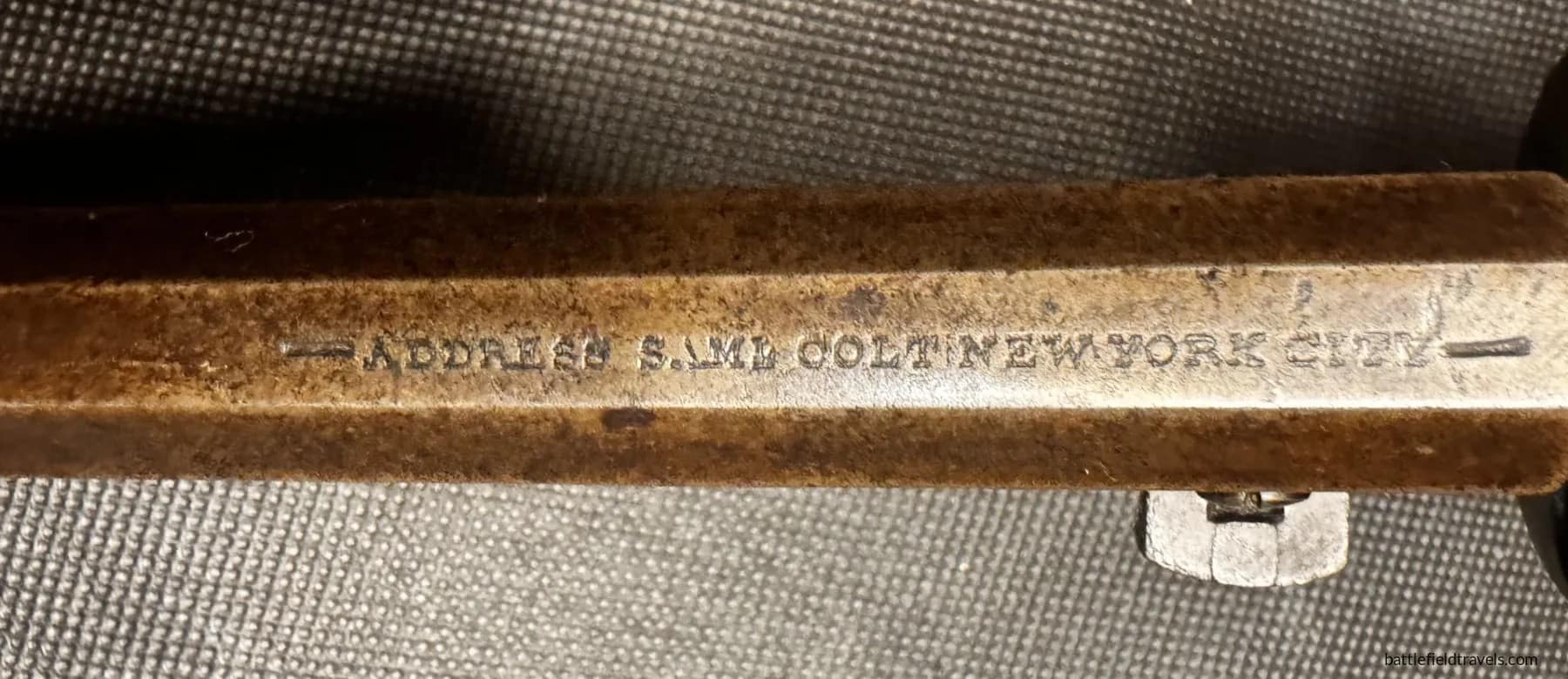
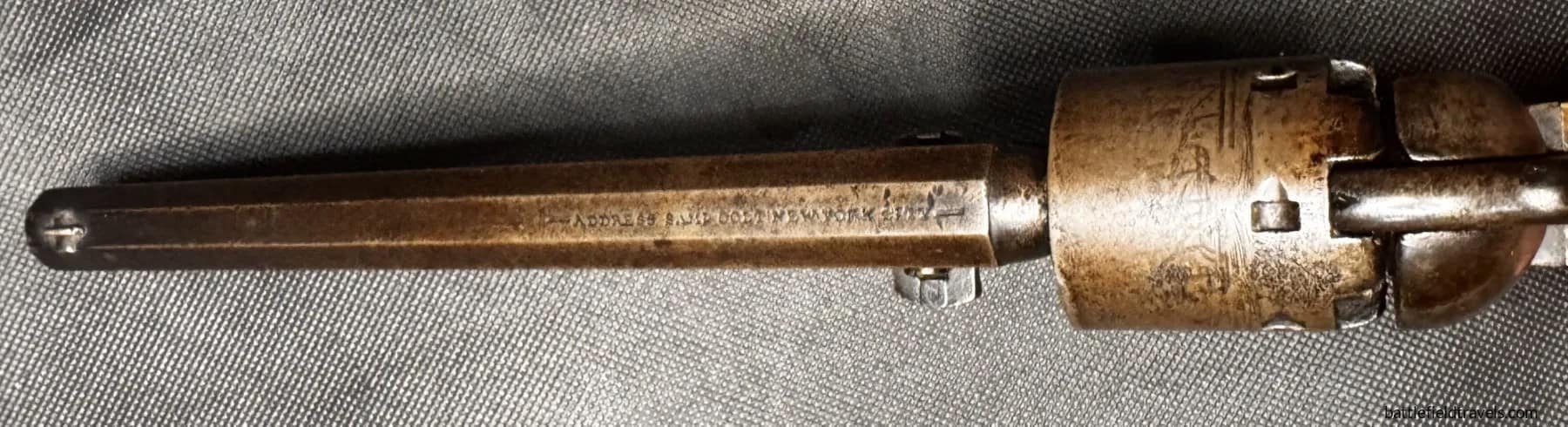
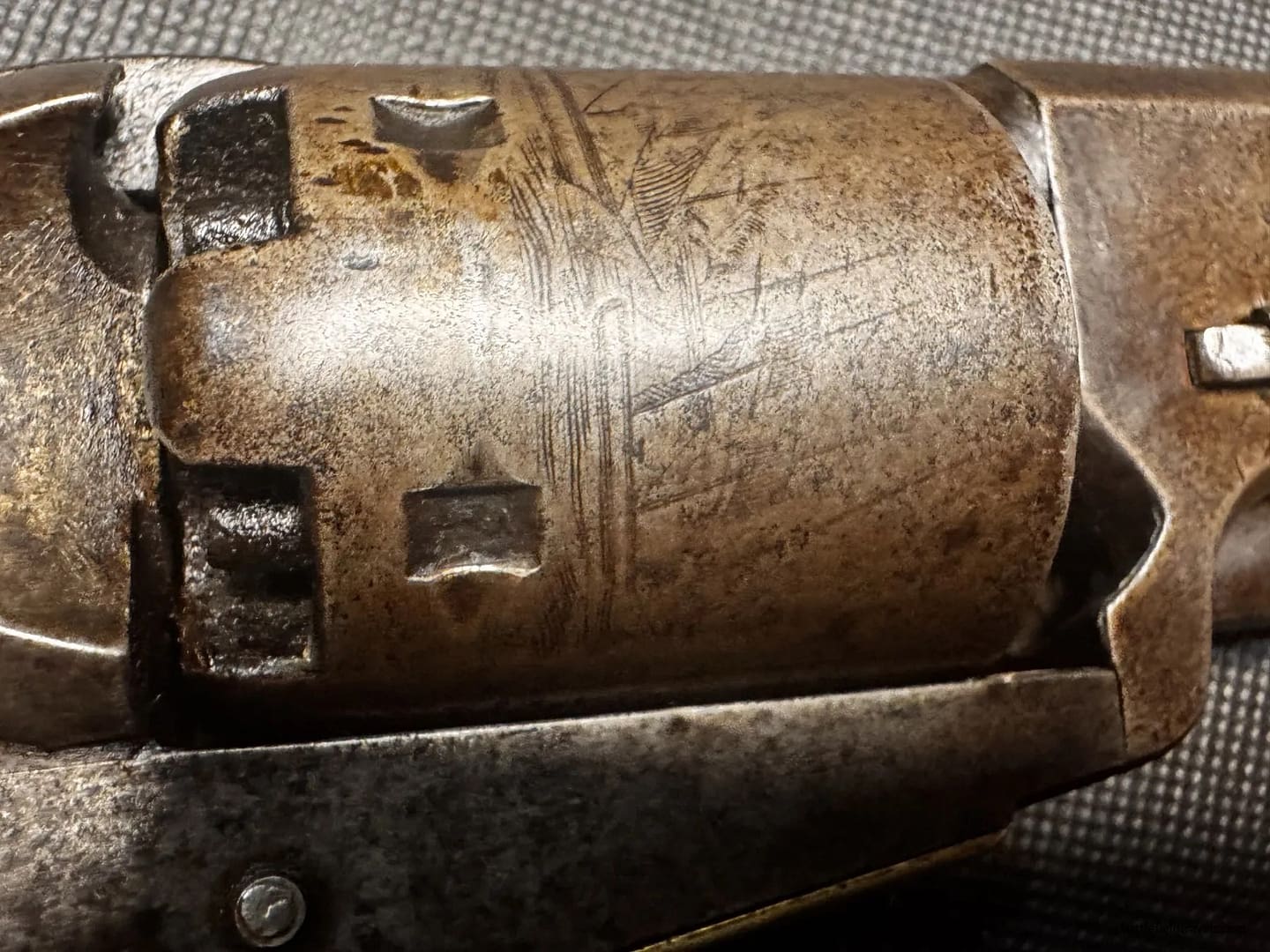
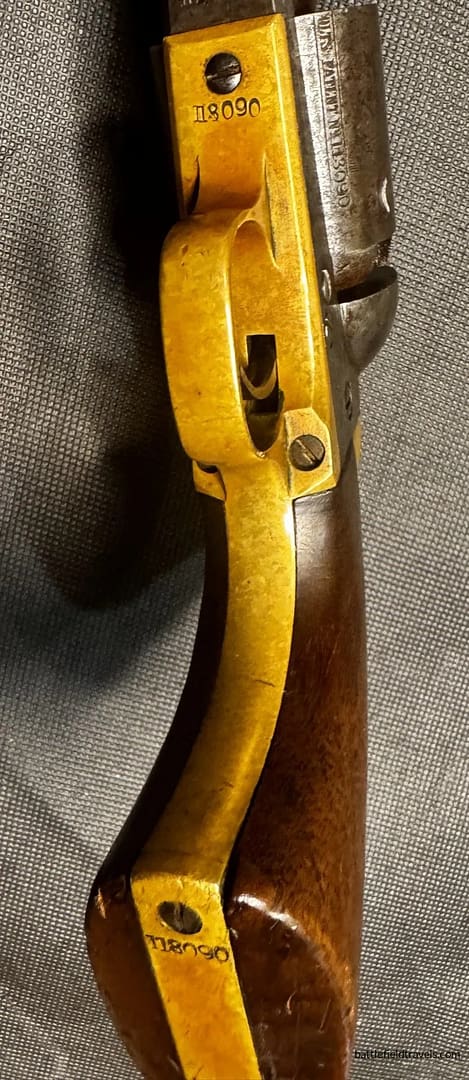
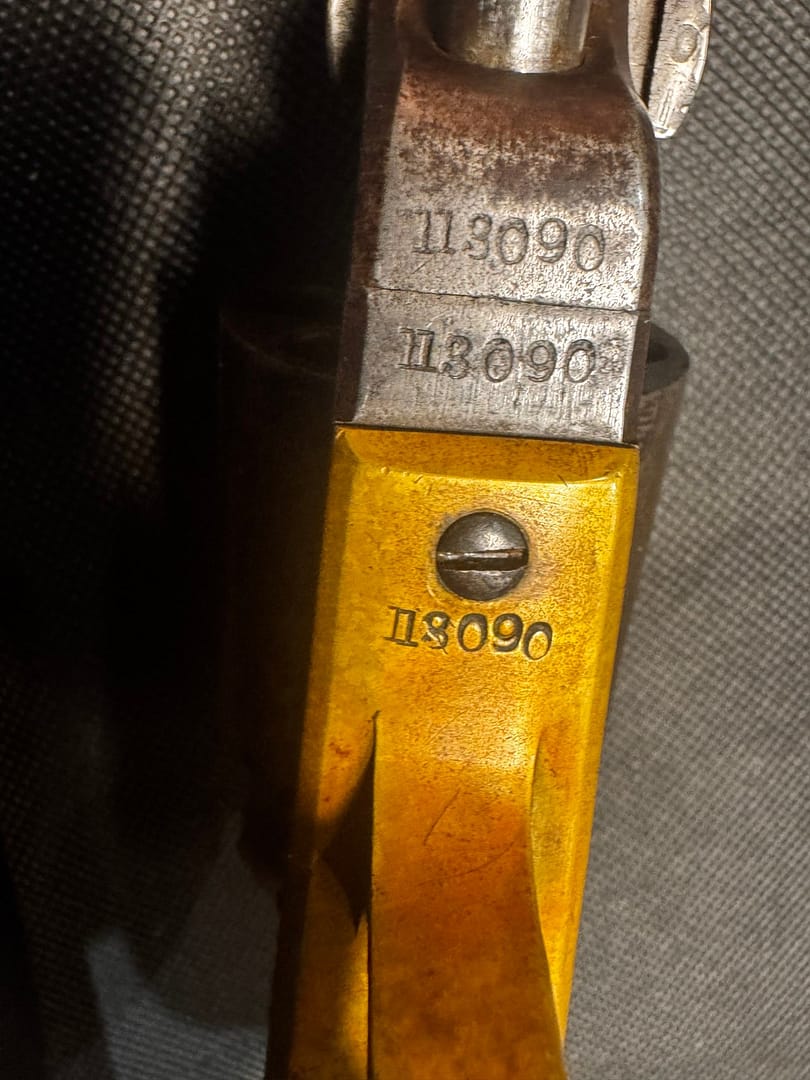
The Colt Revolver is synonymous with America’s Old West, and this is where they were made! Samuel Colt was an American inventor and industrialist renowned for revolutionizing repeating firearms with his invention of the Colt revolver. In 1836, Colt patented his first revolver design, the Colt Paterson, which featured a rotating 5-round cylinder, and single-action…


 Bleeding Kansas & Border Warfare
 Bleeding Kansas & Border Warfare
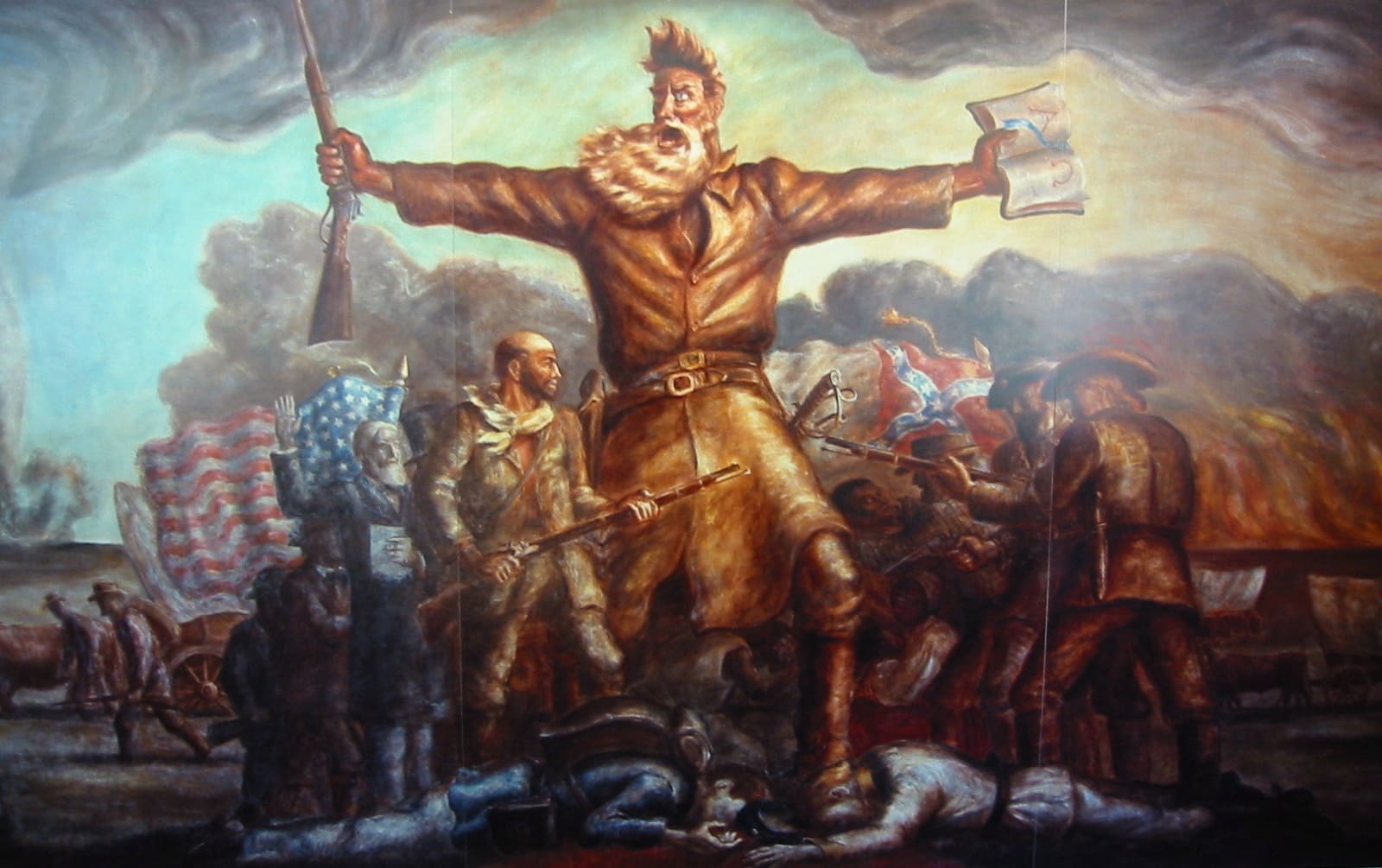
Before the Civil War erupted in the East, Kansas and Missouri were already locked in a violent struggle over slavery, settlement, and political control. Guerrilla raids, reprisals, and skirmishes turned frontier towns into battlegrounds. These sites capture the intensity of that border conflict and reveal how the frontier became a proving ground for irregular warfare.
-
⚔️ Battle of Black Jack, Kansas,
2 June 1856
The Battle of Black Jack was a small skirmish with just a few casualties, but it was really the first violent confrontation between the pro-slavery and anti-slavery forces. It presaged the Civil War that engulfed America in 1861.
 Wild West Gunfights & Outlaw Era
 Wild West Gunfights & Outlaw Era
After the Civil War, a new kind of frontier violence emerged in the growing towns and railheads of the American West. Outlaws, lawmen, and vigilantes clashed in streets, saloons, banks, and corrals as communities struggled to impose order. These studies examine the places where those confrontations unfolded and how the terrain and town layouts shaped the outcomes of famous gunfights and raids.
-
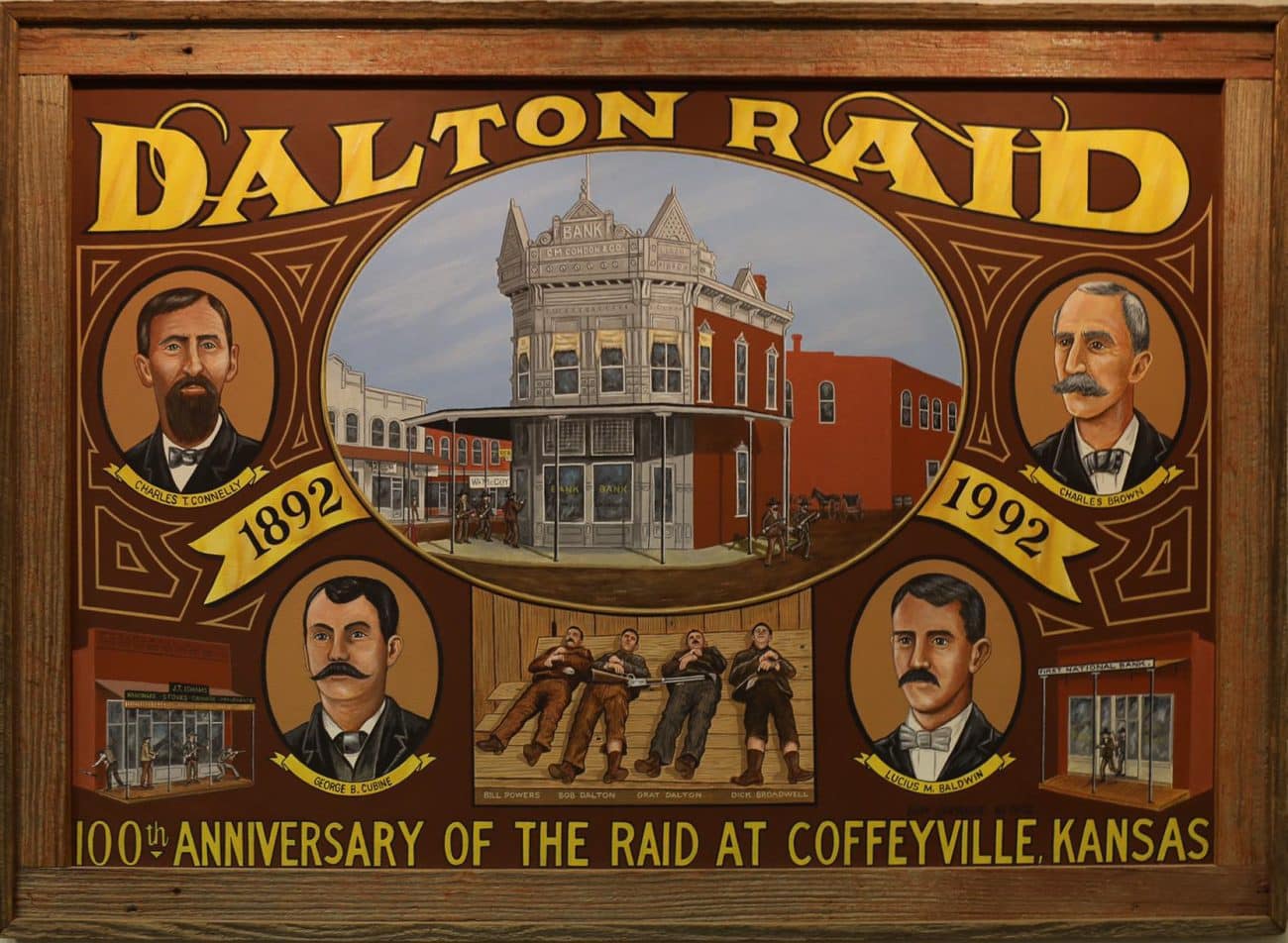
⚔️ Dalton Gang Raid on Coffeyville, Kansas,
5 October 1892
The day the Dalton Gang rode into Coffeyville and into the history books! Not actually a battlefield; more of a Wild West shootout. In a place even many of my American friends have never heard of! This little town in southeast Kansas was the scene of one of the great good guy-bad guy confrontations of…

Authored by Mick Prictor, a retired military officer with 40 years’ service, and a military historian specialising in terrain-focused analysis of tactics, doctrine, and command decision-making in land warfare. His work draws on extensive battlefield fieldwork—more than 280 sites worldwide—and one of the world’s largest private collections of historic military arms, uniforms, and equipment. About me
⚔️ Go deeper — Members get exclusive access to the Deep Research Collection, Field Notes, and monthly Research Dispatches. Try membership free for 7 days, cancel anytime. From $9/month.
Explore Related Themes
Armies: American Army • Native American Warriors
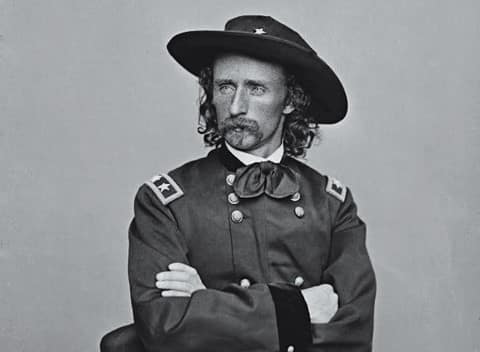
Commanders: George Custer • Sitting Bull • Crazy Horse • John Brown
Methods: Mounted warfare • Raids
Environments: Forest Warfare • Mountain Warfare
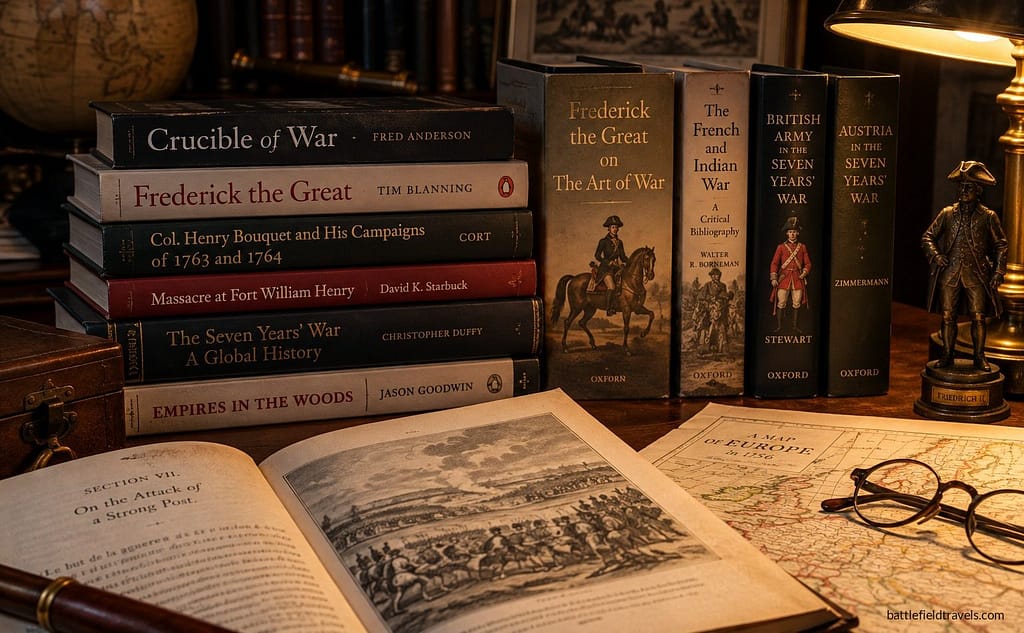
Further Study: America’s Old West Reading List
On BattlefieldTravels.com, the “American Old West” refers to frontier conflict and expansion from roughly the early 19th century through the early 20th century. This includes the Indian Wars, Bleeding Kansas and border warfare, frontier fort campaigns, and the era of outlaws and lawmen after the Civil War. The focus is on ground-truth battlefield analysis: how terrain, movement corridors and tactics shaped clashes across the plains, deserts and woodlands.
The Indian Wars involve conflict between the United States and Native American nations across the plains, mountains and Southwest. Bleeding Kansas refers specifically to the violent struggle over slavery and settlement on the Missouri–Kansas border before and during the Civil War. While both occurred on the frontier, they have distinct causes, participants and tactical environments, so they are treated as separate categories.
Quantrill’s Raid on Lawrence (1863) is categorised under the American Civil War because it was part of the wider guerrilla conflict in the Trans-Mississippi theatre. Although later members of Quantrill’s band became famous outlaws, the raid itself was a Civil War operation rather than a postwar frontier gunfight.
Many of these sites preserve the original terrain—ravines, creek lines, ridges, prairies and desert approaches—that dictated how small units manoeuvred and fought. Understanding these landscapes provides insight into the tactical problems faced by cavalry patrols, Native war parties, guerrilla bands and frontier lawmen, and why events unfolded as they did.
Yes. Every battlefield or frontier site listed here has been walked, photographed and analysed on the ground. In some cases these visits occurred years before BattlefieldTravels was created, but each study reflects first-hand observation of the terrain and its tactical implications.
Yes. The category will expand as additional battlefields, frontier forts and key locations are visited and documented. Expected future studies include sites from the Plains Wars, Apache conflicts, major gunfights, and Seminole War battlefields.
Subscribe to Battlefield Travels and receive a free E-Book Battlefield Guide
Unlock expert battlefield analysis, campaign reconstructions, and historical insights drawn from firsthand exploration and primary sources.
🗺️ You’ll receive:
🎖️ Exclusive historical insights you won’t find elsewhere
📘 A free eBook: 10 Tips for Exploring Historic Battlefields
📰 New battlefield studies straight to your inbox as they are published

⚔️ Go deeper — Members get exclusive access to the Deep Research Collection, Field Notes, and monthly Research Dispatches. Try membership free for 7 days, cancel anytime. From $9/month.