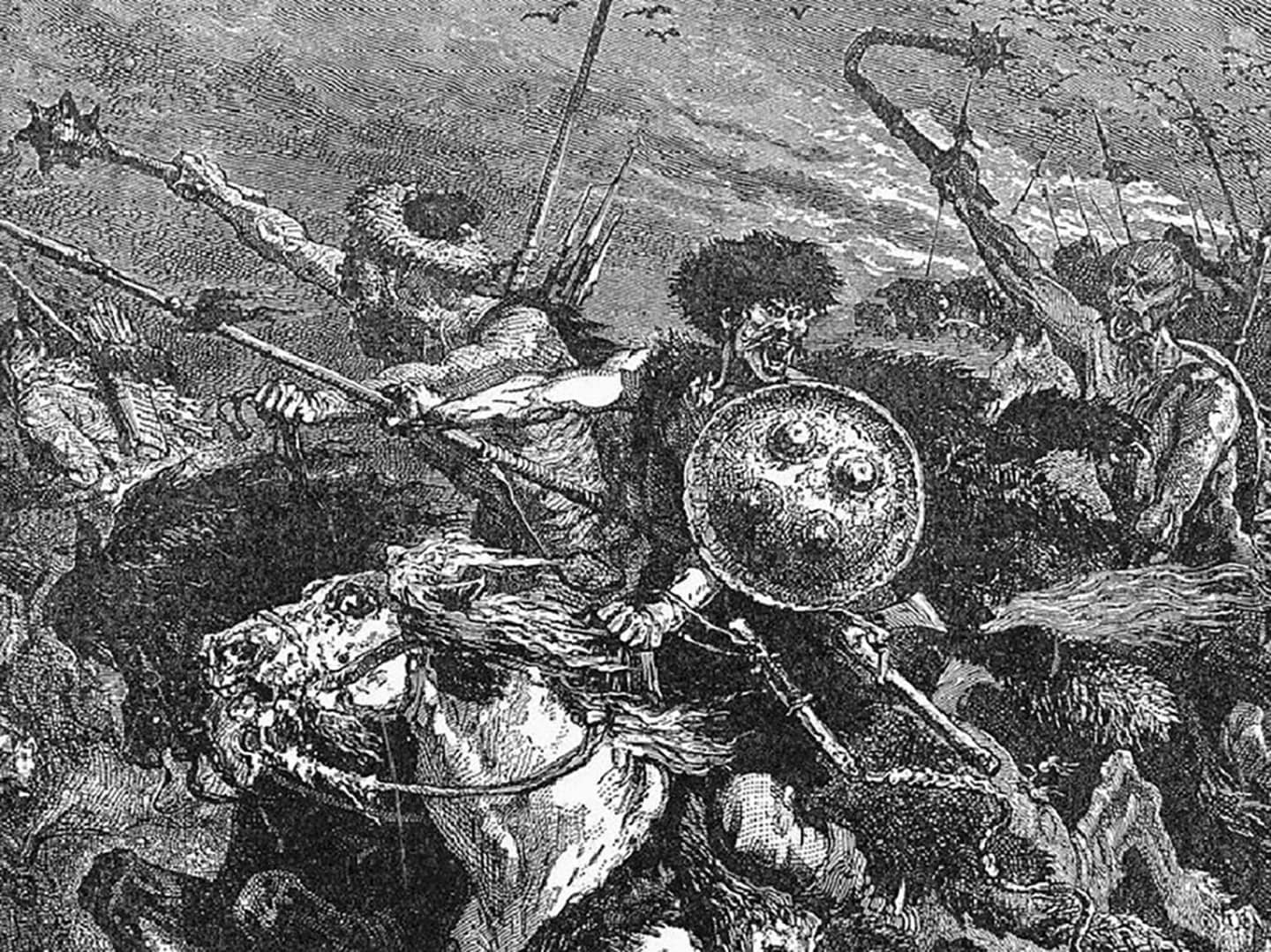
This tag spans ancient and early medieval engagements involving Persian forces, highlighting imperial strategy, cavalry traditions, and large-scale manoeuvre warfare.
How well do you really know the Battle of Thermopylae?
This 20-question military history quiz goes beyond Leonidas and the 300, testing your knowledge of the Greek and Persian forces, commanders, terrain and the events of the three-day battle. Score 60% to pass — but expect a challenge.
Reconstructing Ancient Greek era battlefields through terrain analysis, primary sources and on-site research
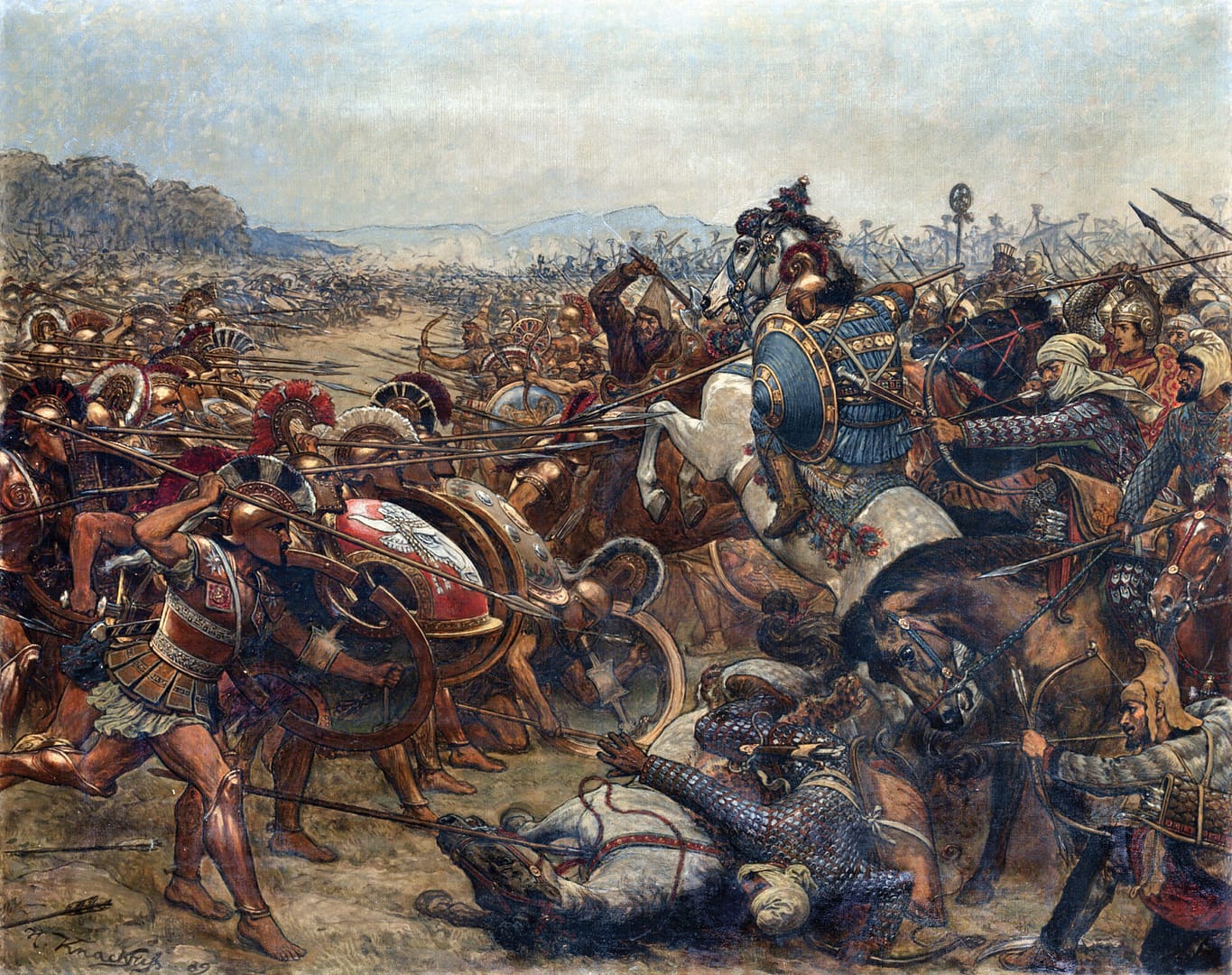
Battle of Marathon, 490 BC
Walking the ground of the Ancient Greek-era battlefields
The Ancient Greek world produced some of history’s most influential battles, campaigns and military cultures. From the Bronze Age palatial centres of Mycenae and Tiryns to the hoplite clashes of the Classical period, the naval and land battles of the Persian Wars, and the sweeping manoeuvres of the Hellenistic age, Greek warfare evolved across more than a millennium of political upheaval and shifting alliances. Each conflict unfolded across a landscape of mountains, coastal plains, narrow defiles and fortified cities that shaped how armies moved, deployed and fought.
Bronze Age
Greek military history begins in the Late Bronze Age, with the fortified citadels of Mycenae and Tiryns, whose cyclopean walls and elevated positions reveal an early world of palace-based warfare, raiding networks and complex regional rivalries. This period culminates in the legendary conflict remembered as the Trojan War, where myth and archaeology intersect along the Aegean seaboard — a subject of ongoing research and field exploration.
Persian Wars
By the 5th century BC, the Greek city-states faced existential threats during the Persian Wars, where battles such as Marathon and Thermopylae demonstrated how small forces could exploit terrain and discipline to resist overwhelming numbers. Marathon’s open coastal plain enabled decisive shock combat, while the narrow pass at Thermopylae forced the Persians into a confined space where Greek hoplites could hold firm against superior numbers.
Rise of Macedonia
As Greek city-states turned against one another, the Peloponnesian War brought campaigns across Attica, Boeotia, the Peloponnese, and the Aegean — sieges, naval battles and protracted attrition that reshaped the Greek world. In the 4th century BC, the rise of Macedon under Philip II and Alexander the Great transformed Greek warfare again, fusing the phalanx with cavalry manoeuvre, engineering and large-scale campaigning across Asia.
Hellenistic era
The final chapters of Greek independence played out during the Hellenistic period, as successor kingdoms fought for dominance until the expanding Roman Republic intervened decisively at battles such as Cynoscephalae and Pydna. By 146 BC, Greece was incorporated into the Roman world.
This collection of battlefield studies explores these conflicts through archaeological evidence, ancient sources, period reconstructions and on-site fieldwork — explaining not only what occurred in these battles, but how the landscapes of Greece shaped them across more than a thousand years.
Battle Studies in the Ancient Greek era
Below are all current BattlefieldTravels studies for the wars of the Ancient Greek era, covering key battles, campaign phases and associated sites. New studies will be added as further battlefields are walked and analysed.
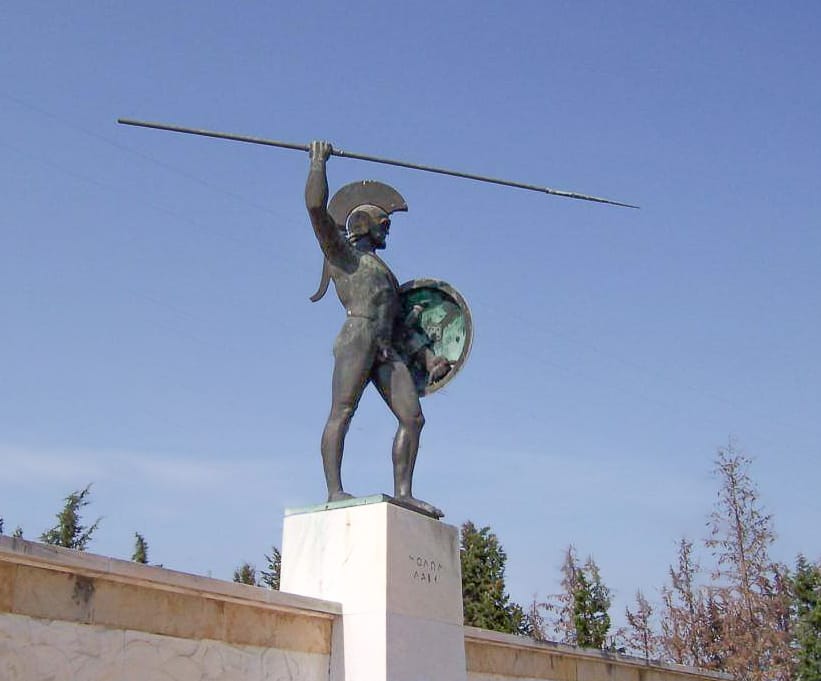
The Battle of Thermopylae in 480 BC is one of the defining battles of history. A small force of 300 Spartans, supported by allied Greek contingents, held back a much larger Persian force for several days and bought time for the Greek city states to coordinate their defence.
Authored by Mick Prictor, a retired military officer with 40 years’ service, and a military historian specialising in terrain-focused analysis of tactics, doctrine, and command decision-making in land warfare. His work draws on extensive battlefield fieldwork—more than 280 sites worldwide—and one of the world’s largest private collections of historic military arms, uniforms, and equipment. About me
⚔️ Go deeper — Members get exclusive access to the Deep Research Collection, Field Notes, and monthly Research Dispatches. Try membership free for 7 days, cancel anytime. From $9/month.
What periods are covered in the Ancient Greek conflicts collection?
The landing page spans the Late Bronze Age, Classical period, Persian Wars, Peloponnesian War, Macedonian expansion and the Hellenistic era up to the Roman conquest.
Which Ancient Greek battlefields are included or planned?
Published studies include Marathon and Thermopylae, with Mycenae, Tiryns and sites linked to the Trojan War in development. Future studies will expand across the Classical and Hellenistic worlds.
Why is Ancient Greece important for understanding the evolution of warfare?
Greek conflicts shaped the development of the phalanx, citizen armies, naval power, siegecraft, combined arms and large-scale manoeuvre — influencing Western military thought for centuries.
How does terrain affect Greek battlefields?
Greece’s mountains, narrow passes, coastal plains and fortified hilltops often dictated how armies deployed and fought, making ground analysis essential to understanding outcomes.
Are these archaeological sites still visitable today?
Yes. Locations such as Marathon, Thermopylae, Mycenae and Tiryns retain significant archaeological remains and landscape features accessible to visitors.
Subscribe to Battlefield Travels and receive a free E-Book Battlefield Guide
Unlock expert battlefield analysis, campaign reconstructions, and historical insights drawn from firsthand exploration and primary sources.
🗺️ You’ll receive:
🎖️ Exclusive historical insights you won’t find elsewhere
📘 A free eBook: 10 Tips for Exploring Historic Battlefields
📰 New battlefield studies straight to your inbox as they are published
Claim Your Free Battlefield Travel Guide
Get your free e-book, exclusive tips, and updates on new battlefield studies.
Thank you!
You have successfully joined our subscriber list.
⚔️ Go deeper — Members get exclusive access to the Deep Research Collection, Field Notes, and monthly Research Dispatches. Try membership free for 7 days, cancel anytime. From $9/month.
Reconstructing the Roman Republic and Roman Empire era battlefields through terrain analysis, primary sources and on-site research
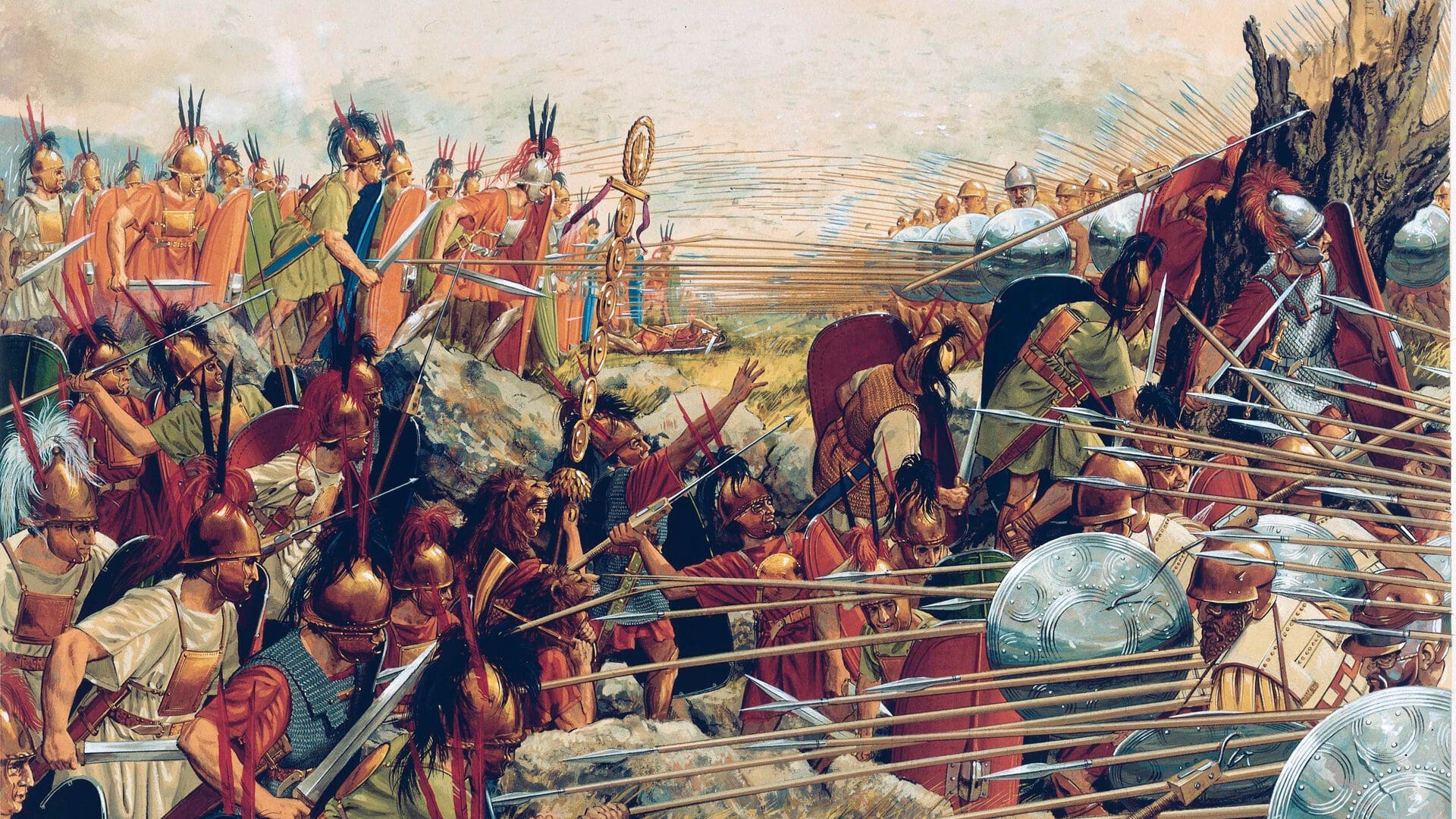
Battle of Pydna, 22 June 168 BC, Third Macedonian War, Watercolour by Peter Connolly
Walking the battlefields of Roman-era conflicts
The wars of the Roman Republic and Empire unfolded across an exceptionally diverse geographic and cultural landscape. Roman armies fought in dense Germanic forests, across the open plains of Gaul, among the fortified hilltop oppida of central Europe, and along long defensive frontiers stretching from Britain to the Danube and the Euphrates. Each theatre presented Rome with distinct operational challenges, and battlefield outcomes were often shaped as much by terrain and movement corridors as by leadership, doctrine or numbers.
The West
In the west, the Gallic campaigns of Julius Caesar demonstrated how rivers, valleys, oppida and tribal fortifications dictated manoeuvre, logistics and siege warfare. At Alesia, the dramatic double-ring fortifications and dominating high ground created a battle defined by engineering, observation and strict control of approach routes. Further south and east, the clash on the Catalaunian Plains presented a wholly different problem-set: an open, rolling landscape where wide visibility, cavalry manoeuvre and coordinated infantry deployment determined the ebb and flow of one of the late Empire’s most consequential engagements.
Germania
North of the Alps, the forested valleys and marshlands of Germania posed the most severe environmental tests to Roman arms. The catastrophic ambush in the Teutoburg Wald exposed the vulnerabilities of Roman column movement in confined wooded terrain, where narrow tracks, sodden lowlands and broken visibility allowed Germanic forces to dictate every phase of the battle. Teutoburg revealed the limits of Roman tactical doctrine when forced into terrain fundamentally unsuited to its strengths.
The East and South
In the east, Rome and, later, the Eastern Roman Empire confronted powerful adversaries across a vast frontier — from the Parthians and Sassanids to the waves of Goths, Huns, and other migrating peoples displaced by pressures further east. These conflicts often unfolded in mixed terrain: fortified cities, river basins, arid steppes and open plains where mobility and frontier logistics were decisive.
To the south, Rome battled the Carthaginians, Numidians and Egyptians, fighting across deserts, rough uplands, cultivated plains and littoral seas. These campaigns underscored Rome’s reliance on adaptability: shifting between infantry-dominated warfare, naval operations and complex coalition or proxy conflicts.
This collection of Roman battlefield studies examines these campaigns through a terrain-focused, ground-truth lens — combining archaeological evidence, ancient sources, period reconstructions and detailed modern field reconnaissance to explain not only what occurred on these battlefields, but why events unfolded the way they did across the diverse landscapes of the Roman world.
Roman Era Battlefield Studies
In-depth battlefield analyses based on terrain, primary sources, and on-the-ground exploration.
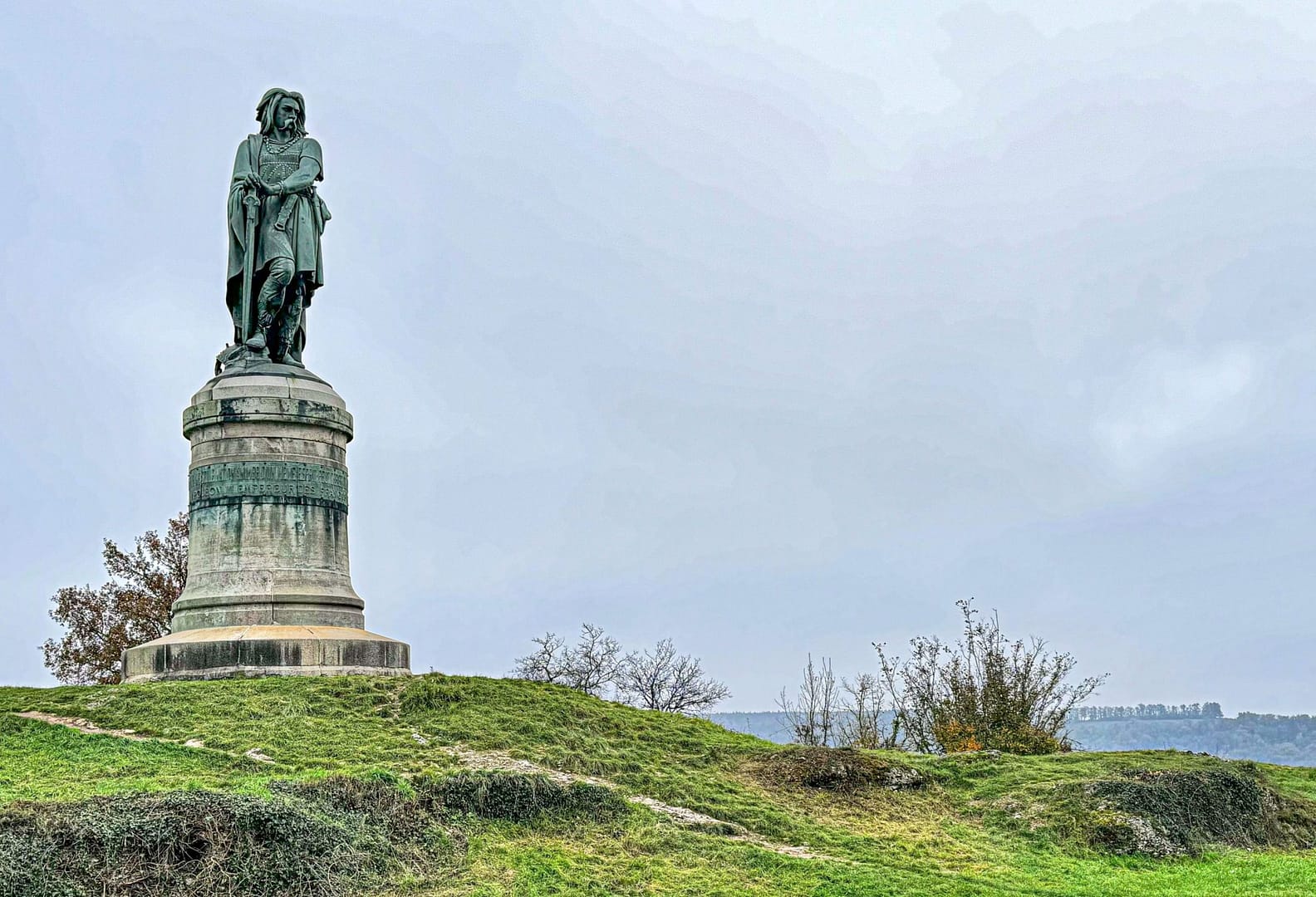
The siege of Alesia in 52 BC was the culmination of Julius Caesar’s conquest of Gaul and his battle against the Gallic leader Vercingetorix. Caesar wrote about it in his book ‘Battles for Gaul’ as part of his self-promotion effort. Vercingetorix and Alesia are the basis for René Goscinny’s ‘Asterix and Obelisk’ cartoons. The siege…
The 451 AD Battle of the Catalaunian Fields (also known as the Battle of Chalons or the Battle of Maurica), between a Romano-Visigothic force and Hunnic-Gothic coalition led by Attila the Hun, was one of the decisive battles in history, and the last major victory for the western Roman Empire before it succumbed to barbarian…
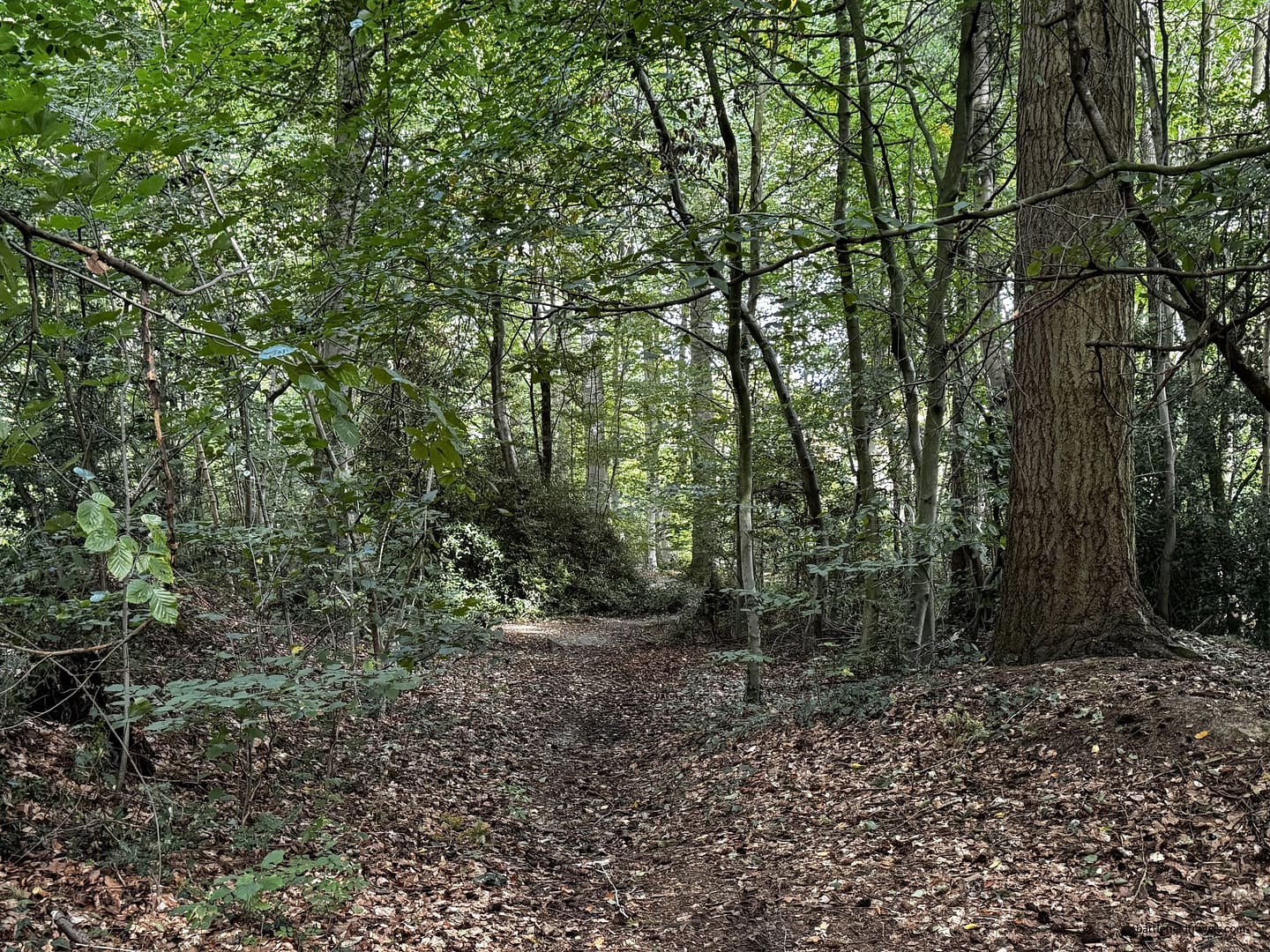
October 2025, Kalkriese, Germany. I am exploring the ancient battlefield of Teutoberg Forest, accompanied by Stefan, the Chief Archaeologist at the site. In AD 9, Roman General Varus led a punitive expedition of three veteran Legions into the area of Teutoberg Forest. Arminius led the Roman Legions to a location near present-day Kalkriese. Here, the…
Authored by Mick Prictor, a retired military officer with 40 years’ service, and a military historian specialising in terrain-focused analysis of tactics, doctrine, and command decision-making in land warfare. His work draws on extensive battlefield fieldwork—more than 280 sites worldwide—and one of the world’s largest private collections of historic military arms, uniforms, and equipment. About me
⚔️ Go deeper — Members get exclusive access to the Deep Research Collection, Field Notes, and monthly Research Dispatches. Try membership free for 7 days, cancel anytime. From $9/month.
What makes these Roman battlefield studies unique?
Each study uses terrain analysis, archaeological evidence and on-site field reconnaissance to explain how ground, movement corridors and visibility shaped Roman tactics and battle outcomes.
Which Roman battles are included in this collection?
Currently Alesia and the Catalaunian Plains are published, with Teutoburg Forest and additional Roman frontier studies forthcoming.
Why is terrain so important in understanding Roman warfare?
Roman doctrine, formations and column movement were highly sensitive to terrain. Forests, rivers, hillforts, open plains and narrow valleys often dictated whether legions could deploy effectively — or were forced into disadvantageous fights.
Do these studies cover both Republican and Imperial conflicts?
Yes. The collection examines battles from the late Republic through the Imperial period, including campaigns in Gaul, Germania and along Rome’s eastern and southern frontiers.
Are these Roman battlefields still visitable today?
Many sites retain key terrain features, including Alesia, the Catalaunian Plains and the Teutoburg Forest, allowing modern visitors to walk the ground and understand the landscapes of ancient conflict.
Subscribe to Battlefield Travels and receive a free E-Book Battlefield Guide
Unlock expert battlefield analysis, campaign reconstructions, and historical insights drawn from firsthand exploration and primary sources.
🗺️ You’ll receive:
🎖️ Exclusive historical insights you won’t find elsewhere
📘 A free eBook: 10 Tips for Exploring Historic Battlefields
📰 New battlefield studies straight to your inbox as they are published
Claim Your Free Battlefield Travel Guide
Get your free e-book, exclusive tips, and updates on new battlefield studies.
Thank you!
You have successfully joined our subscriber list.
⚔️ Go deeper — Members get exclusive access to the Deep Research Collection, Field Notes, and monthly Research Dispatches. Try membership free for 7 days, cancel anytime. From $9/month.
Battle of Pydna in 168 BC, Third Macedonian War by Peter Connolly.
Overview of the era of Roman Warfare
From the rise of the early Republic in 509 BC to the fall of the Western Empire in AD 476, Roman warfare shaped the political and military landscape of Europe, North Africa, and the Near East for nearly a millennium. Rome’s armies evolved from citizen militias into highly professional legions supported by auxilia drawn from across the empire. Their success rested on discipline, engineering, logistics, and an ability to adapt foreign weapons, tactics, and ideas, whether from Samnites, Greeks, Carthaginians, Gauls, Persians or Huns.
Over this long span of history, Roman commanders refined siegecraft, field fortification, naval warfare, and combined-arms manoeuvre on a scale unmatched by their contemporaries. From the Battle of Cannae to the Siege of Alesia and the Battle of the Catalaunian Plains, from the Teutoburg Forest to the eastern frontier, the Roman way of war influenced every army it encountered.
This section gathers the essential reading that illuminates Rome’s military system, campaigns, commanders, and enduring legacy.
The Amazon links on the Reading Room pages are powered by AAWP
Reading
The reference collection below includes the key books and references I have used in preparing for and undertaking studies of ancient battlefields.
Caesar portrayed his invasion of Gaul as being a defensive pre-emptive action, most historians agree that the wars were fought primarily to boost Caesar’s political career and to pay off his massive debts. Even so, Gaul was extremely important to Rome, as they had been attacked many times by the Gauls. Conquering Gaul allowed Rome to secure the natural border of the river Rhine. Caesar painstakingly describes his military campaign, and this is it is still the most important historical source on the Gaul campaign. It is also a masterwork of political propaganda, as Caesar was keenly interested in manipulating his readers in Rome as he published this book just as the Roman Civil war began. W. A. Macdevitt’s
Caesar’s Legions laid siege to Vercingetorix’s Gallic army in one of the most tactically amazing battles of all time. Outnumbered 6:1, the Romans built siege lines facing inward and outward and prevented the Gauls from breaking the siege. The campaign leading to the battle revealed ingenuity on both sides, though in the end Caesar established his fame in these actions.
In 52 BC, Caesar’s continued strategy of annihilation had engendered a spirit of desperation, which detonated into a revolt of Gallic tribes under the leadership of the charismatic, young, Arvernian noble, Vercingetorix. Though the Gallic people shared a common language and culture, forging a coalition amongst the fiercely independent tribes was a virtually impossible feat, and it was a tribute to Vercingetorix’s personality and skill.
On August 9, 378 AD, at Adrianople in the Roman province of Thrace (now western Turkey), the Roman Empire began to fall. Two years earlier, an unforeseen flood of refugees from the East Germanic tribe known as the Goths had arrived at the Empire’s eastern border, seeking admittance. Though usually successful in dealing with barbarian groups, in this instance the Roman authorities failed. Gradually coalesced into an army led by Fritigern, the barbarian horde inflicted on Emperor Valens the most disastrous defeat suffered by the Roman army since Hannibal’s victory at Cannae almost 600 years earlier.
A description of Attila the Hun’s invasion of Gaul in AD 451, the Roman response and the eventual battle of Chalons.
The battle of the Catalaunian Fields saw two massive, powerful empires square up in a conflict that was to shape the course of Eurasian history forever. For despite the Roman victory, the Roman Empire would not survive for more than 15 years following the battle, whilst the Huns, shattered and demoralized, would meet their downfall against a coalition of German tribes soon after.
This book, using revealing bird’s-eye-views of the plains of Champagne and detailed illustrations of the opposing warriors in the midst of desperate combat, describes the fighting at the Catalaunian Fields and reveals the broader campaign of Hunnic incursion that led up to it.
Drawing on the latest research, Simon MacDowall reveals the shocking intensity and appalling casualties of the battle, whilst assessing the wider significance and consequences of the campaign.
Evan Schultheis reconsiders the evidence for Attila the Hun’s most famous battle, the climax of his invasion of the Western Roman Empire that had reached as far as Orleans in France. Traditionally considered one of the pivotal battles in European history, saving the West from conquest by the Huns, the Catalaunian Fields is here revealed to be significant but less immediately decisive than claimed.
This new study exposes oversimplified views of Attila’s army, which was a sophisticated and complex all-arms force, drawn from the Huns and their many allies and subjects. The ‘Roman’ forces, largely consisting of Visigoth and Alan allies, are also analyzed in detail. The author, a reenactor of the period, describes the motives and tactics of both sides. Drawing on the latest historiography and research of the primary sources, and utilizing Roman military manuals, Evan Schultheis offers a completely new tactical analysis of the battle and a drastic reconsideration of Hun warfare, the Roman use of federates, and the ethnography of the Germanic peoples who fought for either side. The result is a fresh and thorough case study of battle in the 5th century.
“…a lively, often insightful account of the declining years of Roman power in the West which will be of interest to students of Roman history, the onset of the Dark ages and early Byzantine history.” – NYMAS Review
In AD 453 Attila, with a huge force composed of Huns, allies and vassals drawn from his already-vast empire, was rampaging westward across Gaul (essentially modern France), then still nominally part of the Western Roman Empire. Laying siege to Orleans, he was only a few days march from extending his empire from the Eurasian steppe to the Atlantic. He was brought to battle on the Cataluanian Plain and defeated by a coalition hastily assembled and led by Aetius.
Who was this man that saved Western Europe from the Hunnic yoke? While Attila is a household name, his nemesis remains relatively obscure. Aetius is one of the major figures in the history of the Late Roman Empire and his actions helped maintain the integrity of the West in the declining years of the Empire. During the course of his life he was a hostage, first with Alaric and the Goths, and then with Rugila, King of the Huns.
Authored by Mick Prictor, a retired military officer with 40 years’ service, and a military historian specialising in terrain-focused analysis of tactics, doctrine, and command decision-making in land warfare. His work draws on extensive battlefield fieldwork—more than 280 sites worldwide—and one of the world’s largest private collections of historic military arms, uniforms, and equipment. About me
How were the books in this Roman warfare reading list selected?
This reading list is curated to prioritise works that examine Roman warfare through evidence-based analysis of organisation, command structures, logistics, weapons, and terrain. Preference is given to studies grounded in primary sources, archaeology, and critical historiography rather than purely narrative or romanticised accounts.
Does this reading list focus only on the Roman legion?
While the legion is central to Roman military power, the list also includes works that address auxiliary forces, allies, enemies, logistics, and the broader operational systems that allowed Roman armies to function across diverse terrains and regions.
How important was terrain in Roman warfare?
Terrain played a decisive role in Roman operations. Roads, river crossings, fortifications, camps, and battle sites were selected and engineered to control movement and supply. Roman commanders consistently sought to shape terrain through fortification and preparation in order to reduce uncertainty at the point of decision.
Are these books suitable for readers new to Roman military history?
The list includes a mix of accessible overviews and more specialised academic studies. Readers new to Roman warfare may wish to begin with the general works before progressing to detailed campaign, organisational, or archaeological analyses.
Is this intended to be a complete bibliography of Roman warfare?
No. This is a selective reading list designed to guide serious study rather than provide exhaustive coverage. Additional works may be added as scholarship evolves and new evidence emerges.
Subscribe to Battlefield Travels and receive a free E-Book Battlefield Guide
Unlock expert battlefield analysis, campaign reconstructions, and historical insights drawn from firsthand exploration and primary sources.
🗺️ You’ll receive:
🎖️ Exclusive historical insights you won’t find elsewhere
📘 A free eBook: 10 Tips for Exploring Historic Battlefields
📰 New battlefield studies straight to your inbox as they are published
Claim Your Free Battlefield Travel Guide
Get your free e-book, exclusive tips, and updates on new battlefield studies.
Thank you!
You have successfully joined our subscriber list.
⚔️ Go deeper — Members get exclusive access to the Deep Research Collection, Field Notes, and monthly Research Dispatches. Try membership free for 7 days, cancel anytime. From $9/month.
{
“@context”: “https://schema.org”,
“@type”: “CollectionPage”,
“name”: “Ancient Roman Warfare (c. 509 BC–AD 476) – Recommended Reading”,
“description”: “Curated reading on Roman warfare from 509 BC to AD 476, covering the legions, campaigns, commanders and the evolution of Rome’s military system across nearly a millennium.”,
“url”: “https://battlefieldtravels.com/recommended-reading/ancient-rome-books/”,
“breadcrumb”: {
“@type”: “BreadcrumbList”,
“itemListElement”: [
{
“@type”: “ListItem”,
“position”: 1,
“name”: “Home”,
“item”: “https://battlefieldtravels.com/”
},
{
“@type”: “ListItem”,
“position”: 2,
“name”: “Reading Room & Support Hub”,
“item”: “https://battlefieldtravels.com/recommended-reading/”
},
{
“@type”: “ListItem”,
“position”: 3,
“name”: “Ancient Roman Warfare (c. 509 BC–AD 476)”,
“item”: “https://battlefieldtravels.com/recommended-reading/ancient-rome-books/”
}
]
}
}
Selected works on Ancient Greek Warfare
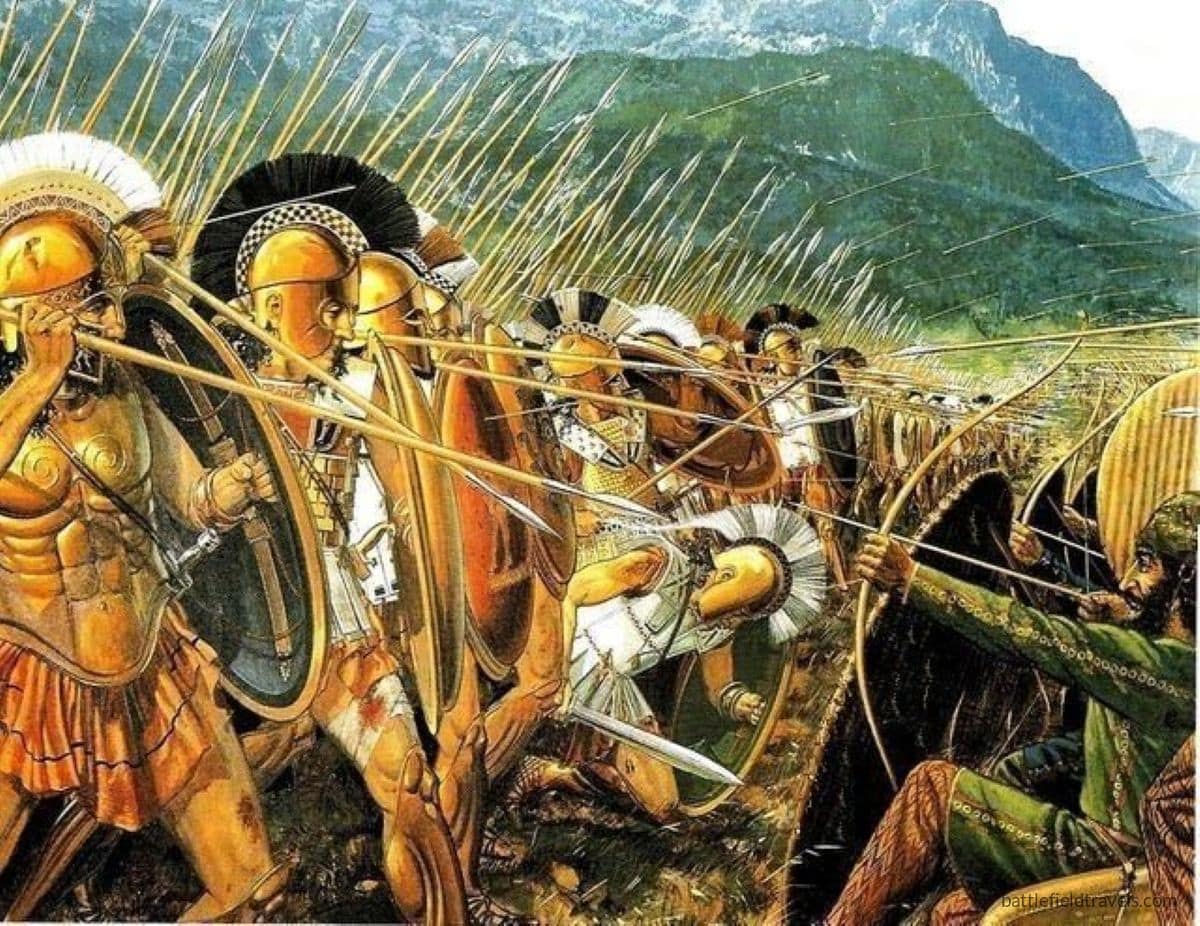
Ancient Warfare – The Spartans and their Greek allies defend the Pass of Thermopylae against a vast Persian army, 480BC. Painting by Peter Connolly
Overview of the Ancient Greek era
Ancient Greek warfare evolved over more than a thousand years, from the heroic-age conflicts of the Archaic period to the professional armies of the Hellenistic world. Warfare in Greece was shaped by rugged terrain, fiercely independent city-states, and military systems that reflected local identity and civic duty. The hoplite phalanx dominated much of the classical era, emphasising discipline, cohesion, and the political unity of the polis. At sea, Greek fleets pioneered ramming tactics, naval manoeuvre, and the massed use of the trireme fleet.
From the Homeric period to the Persian Wars, the Peloponnesian War, and the rise of Macedon to Alexander’s campaigns, Greek armies influenced the tactics, organisation, and military thought of every civilisation around the Mediterranean. The Hellenistic kingdoms that followed blended Greek, Persian, and local traditions into highly adaptive, combined-arms forces.
This section gathers essential reading on Greek military systems, campaigns, leaders, and the evolution of warfare in the ancient world.
The Amazon links on the Reading Room pages are powered by AAWP
Reading
The reference collection below includes the key books and references I have used in preparing for and undertaking studies of ancient battlefields.
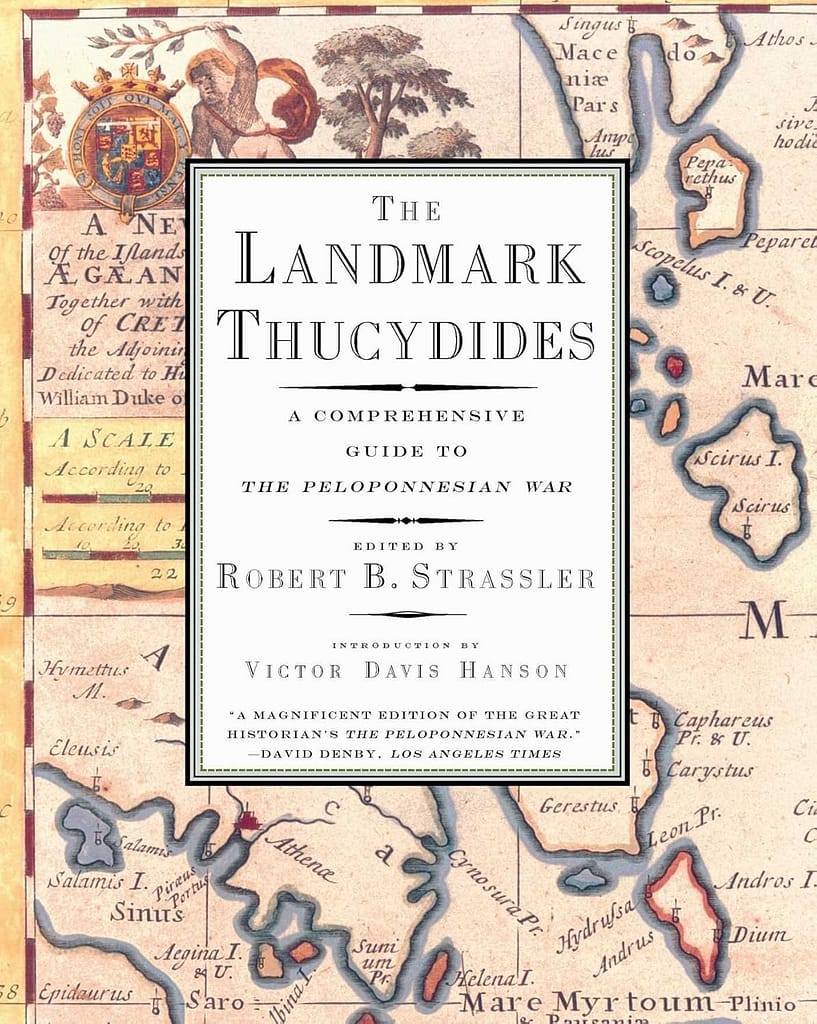
Thucydides called his account of two decades of war between Athens and Sparta “a possession for all time,” and indeed it is the first and still the most famous work in the Western historical tradition.
Considered essential reading for generals, statesmen, and liberally educated citizens for more than 2,000 years, The Peloponnesian War is a mine of military, moral, political, and philosophical wisdom.
Cicero called Herodotus “the father of history,” and his only work, The Histories, is considered the first true piece of historical writing in Western literature. With lucid prose, Herodotus’s account of the rise of the Persian Empire and its dramatic war with the Greek city sates set a standard for narrative nonfiction that continues to this day. Illustrated, annotated, and filled with maps—with an introduction by Rosalind Thomas, twenty-one appendices written by scholars at the top of their fields, and anew translation by Andrea L. Purvis
The Greeks of the classical age invented not only the central idea of Western politics―that the power of state should be guided by a majority of its citizens―but also the central act of Western warfare, the decisive infantry battle. Instead of ambush, skirmish, or combat between individual heroes, the Greeks of the fifth century B.C. devised a ferocious, brief, and destructive head-on clash between armed men of all ages. In this bold, original study, Victor Davis Hanson shows how this brutal enterprise was dedicated to the same outcome as consensual government―an unequivocal, instant resolution to dispute.
This is a military history of the two Persian invasions of Greece, the first of which came to grief at Marathon, the second at Salamis and Plataia. The conflicts are largely examined in terms of the fifth century BC, avioding modern conceptions, and from the Persian as well as the Greek point of view. The author believes Herodotus should remain central to any attempt to explain the conflicts, and reassesses his skill and insight as a military historian.
In 480 B.C., Xerxes, the King of Persia, led an invasion of mainland Greece. Its success should have been a formality. For seventy years, victory—rapid, spectacular victory—had seemed the birthright of the Persian Empire. In the space of a single generation, they had swept across the Near East, shattering ancient kingdoms, storming famous cities, putting together an empire which stretched from India to the shores of the Aegean. As a result of those conquests, Xerxes ruled as the most powerful man on the planet. Yet somehow, astonishingly, against the largest expeditionary force ever assembled, the Greeks of the mainland managed to hold out. The Persians were turned back. Greece remained free. Had the Greeks been defeated in the epochal naval battle at Salamis, not only would the West have lost its first struggle for independence and survival, but it is unlikely that there would ever have been such an entity as the West at all.
In 480 BC, a huge Persian army, led by the inimitable King Xerxes, entered the mountain pass of Thermopylae as it marched on Greece, intending to conquer the land with little difficulty. But the Greeks―led by King Leonidas and a small army of Spartans―took the battle to the Persians at Thermopylae, and halted their advance―almost. It is one of history’s most acclaimed battles, one of civilization’s greatest last stands. And in Thermopylae, renowned classical historian Paul Cartledge looks anew this history-altering moment and, most impressively, shows how its repercussions have bearing on us even today. The invasion of Europe by Xerxes and his army redefined culture, kingdom, and class. The valiant efforts of a few thousand Greek warriors, facing a huge onrushing Persian army at the narrow pass at Thermopylae, changed the way generations to come would think about combat, courage, and death.
This one is a novel, but the epic story telling makes it feel like a first person account of Thermopylae:
NATIONAL BESTSELLER • In this “powerful, historically accurate novel” (The New Yorker), the sole Spartan survivor recounts the bloody and epic battle of Thermopylae that decimated his fearsome society.
“Vivid and exciting . . . Pressfield gives the reader a perspective no ancient historian offers: a soldier’s-eye view.”—The New York Times Book Review
At Thermopylae, a rocky mountain pass in northern Greece, the feared and admired Spartan soldiers stood three hundred strong. Theirs was a suicide mission, to hold the pass against the invading millions of the mighty Persian army.
Day after bloody day they withstood the terrible onslaught, buying time for the Greeks to rally their forces. Born into a cult of spiritual courage, physical endurance, and unmatched battle skill, the Spartans would be remembered for the greatest military stand in history—one that would not end until the rocks were awash with blood, leaving only one gravely injured Spartan squire to tell the tale. . . .
Authored by Mick Prictor, a retired military officer with 40 years’ service, and a military historian specialising in terrain-focused analysis of tactics, doctrine, and command decision-making in land warfare. His work draws on extensive battlefield fieldwork—more than 280 sites worldwide—and one of the world’s largest private collections of historic military arms, uniforms, and equipment. About me
How were the books in this Greek warfare reading list selected?
This reading list is curated to highlight works that examine Greek warfare through the study of sources, archaeology, organisation, weapons, and battlefield practice. Priority is given to studies that address how Greek armies fought in practice, rather than relying solely on literary tradition or later interpretation.
Does this reading list focus only on hoplite warfare?
While hoplite warfare is an important component of Greek military history, the list also includes works that address light troops, cavalry, naval warfare, siege operations, and the evolution of tactics across different Greek states and periods.
How important was terrain in Greek warfare?
Terrain was often decisive. Narrow passes, ridgelines, river valleys, and broken ground frequently shaped the deployment and effectiveness of Greek forces. Commanders regularly sought terrain that constrained enemy movement or reinforced the strengths of their own troops.
Are these books suitable for readers new to Greek military history?
The list includes a mix of introductory works and more specialised studies. Readers new to the subject may wish to begin with the general overviews before progressing to detailed analyses of specific battles or regions.
Is this intended to be a complete bibliography of Greek warfare?
No. This is a selective reading list intended to guide further study rather than provide exhaustive coverage. Additional works may be added as new scholarship and archaeological evidence emerge.
Subscribe to Battlefield Travels and receive a free E-Book Battlefield Guide
Unlock expert battlefield analysis, campaign reconstructions, and historical insights drawn from firsthand exploration and primary sources.
🗺️ You’ll receive:
🎖️ Exclusive historical insights you won’t find elsewhere
📘 A free eBook: 10 Tips for Exploring Historic Battlefields
📰 New battlefield studies straight to your inbox as they are published
Claim Your Free Battlefield Travel Guide
Get your free e-book, exclusive tips, and updates on new battlefield studies.
Thank you!
You have successfully joined our subscriber list.
⚔️ Go deeper — Members get exclusive access to the Deep Research Collection, Field Notes, and monthly Research Dispatches. Try membership free for 7 days, cancel anytime. From $9/month.
Ancient and medieval warfare spans more than two millennia of military development, from the rise of organised armies in the Bronze Age to the emergence of professional forces and fortified states in the late Middle Ages. Conflict in this period was shaped by geography, social structures, and technological constraints, with armies built around infantry levies, elite warrior classes, and, gradually, the increasing use of cavalry.
In the ancient world, forces such as the Greek hoplite phalanx at Thermopylae, the disciplined Roman legions, and the Persian and Macedonian combined-arms systems demonstrated the effectiveness of disciplined formations supported by missile troops and specialist contingents. Siege warfare, logistics, and control of trade routes were central to imperial expansion across the Mediterranean, Near East, and Asia.
The medieval period saw the rise of armoured knights, fortified castles, and feudal military obligations, but also the persistence of professional infantry traditions in regions such as Byzantium, Islamicate states, and East Asia. From Hastings to the Crusades and from the Mongol conquests to the Hundred Years War, warfare became increasingly sophisticated, with improvements in armour, crossbows, early gunpowder weapons, and battlefield command.
Across both eras, combat remained defined by close-quarter fighting, rigid social hierarchies, and the capacity of states or rulers to mobilise manpower and resources in pursuit of strategic aims.
Related Battle Studies, Museum Pieces & Reading Resources
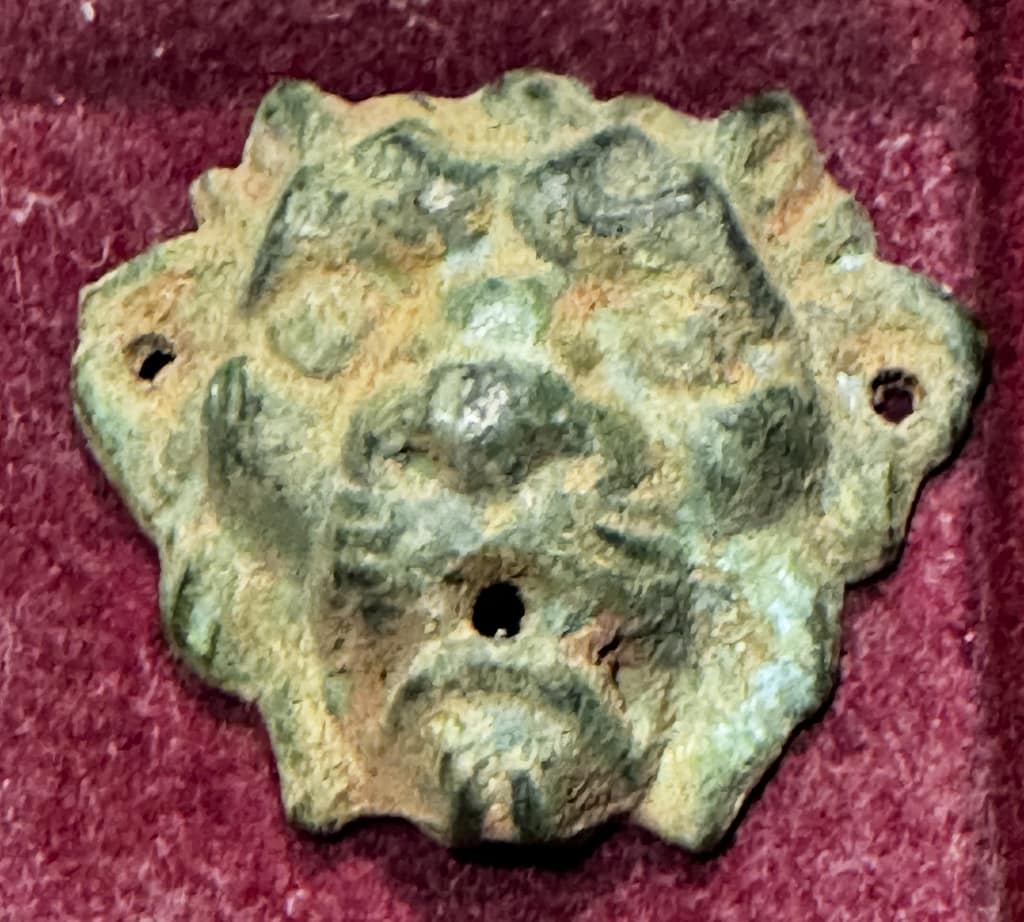
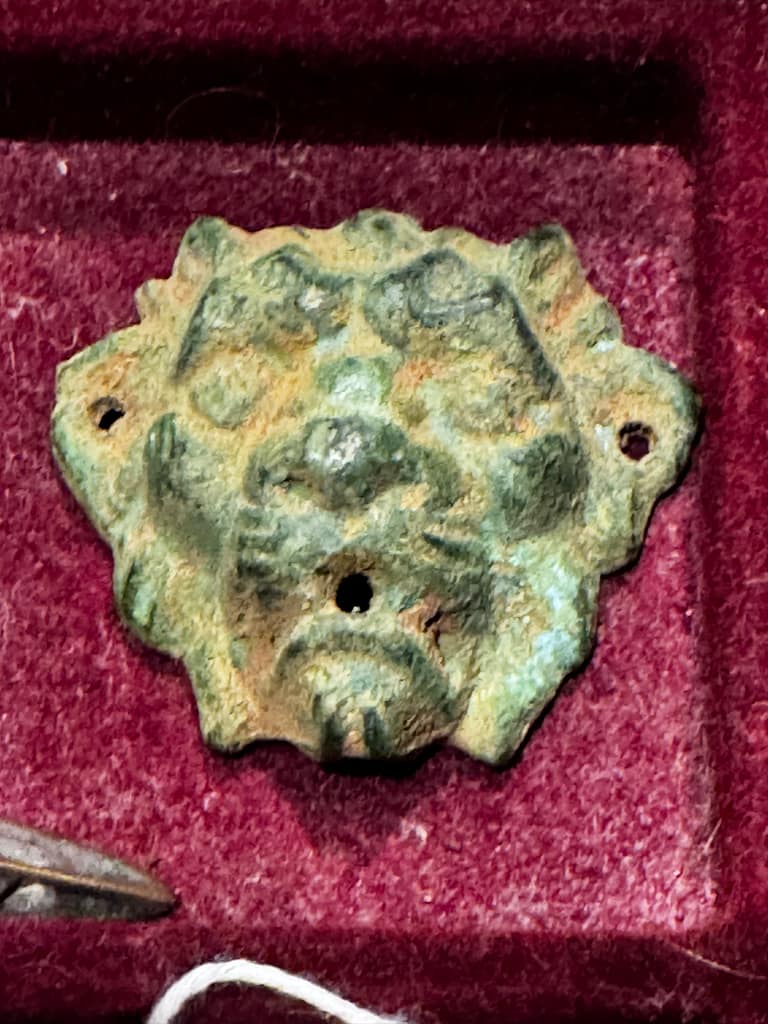
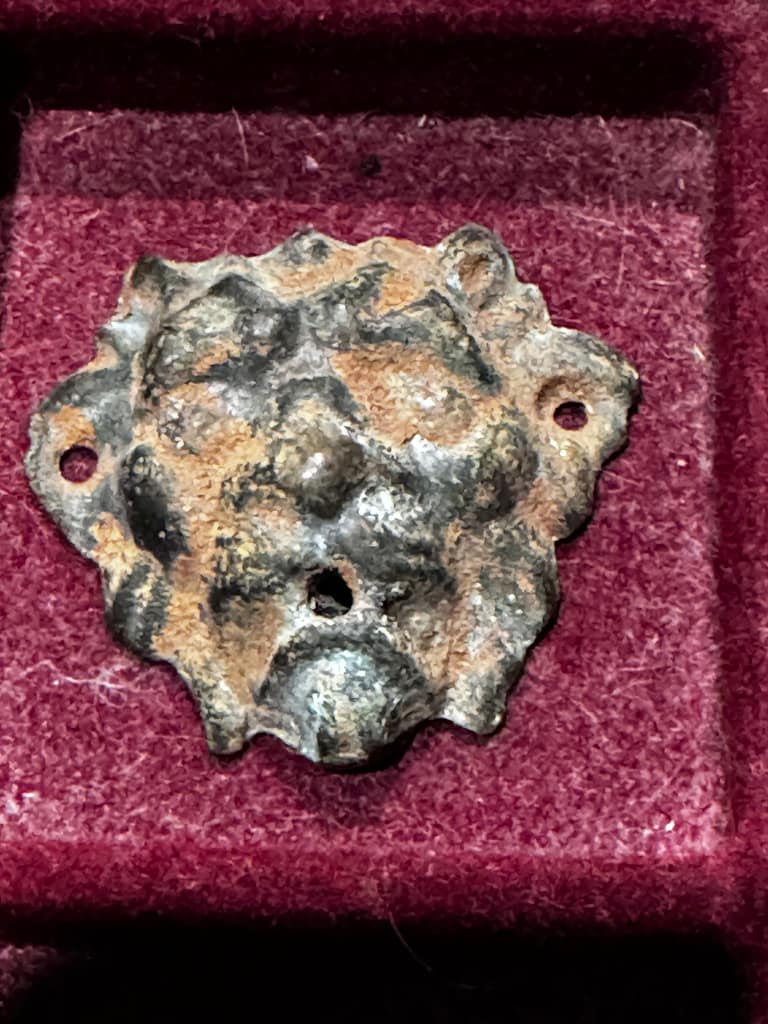
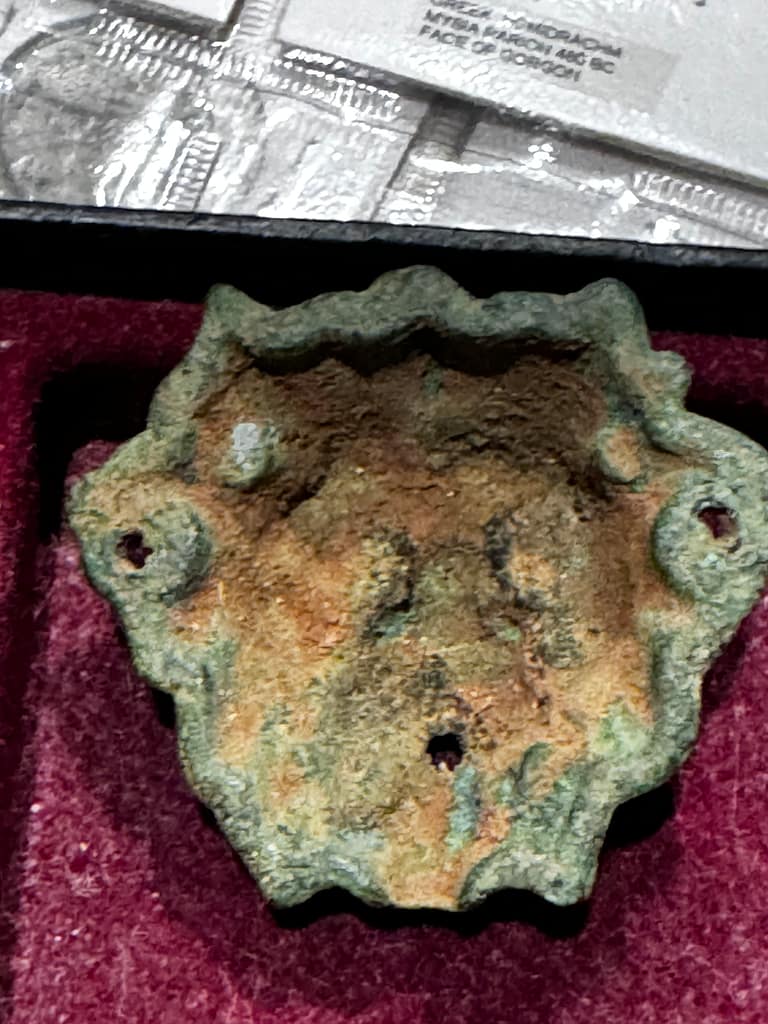
This cast bronze lion-head clasp was used as a fastening element on Roman military harness, belts, or parade equipment. The lion motif symbolised strength, authority, and imperial power, and was commonly employed in cavalry fittings and officer kit during the 1st–3rd centuries AD. Such clasps often secured baltea straps, cloak fastenings, or decorative harness sets worn in both field and ceremonial contexts. The detailed modelling reflects the high level of craftsmanship typical of Roman military metalwork.
100 Roman clasp 1100 Roman clasp 2100 Roman clasp 3
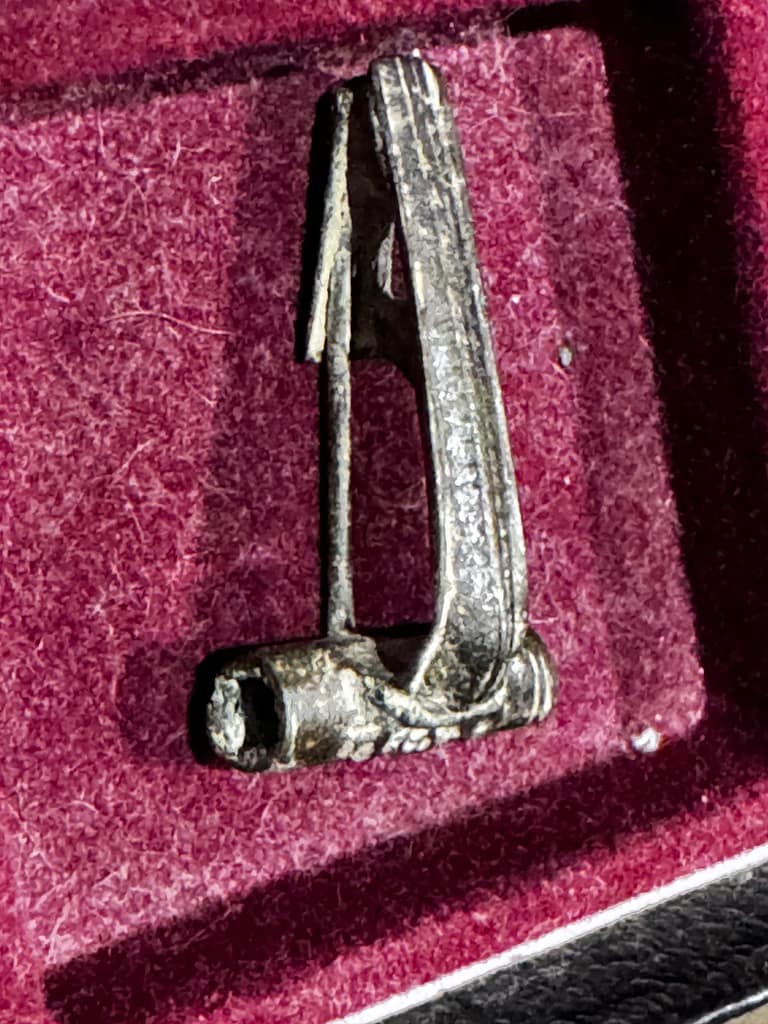
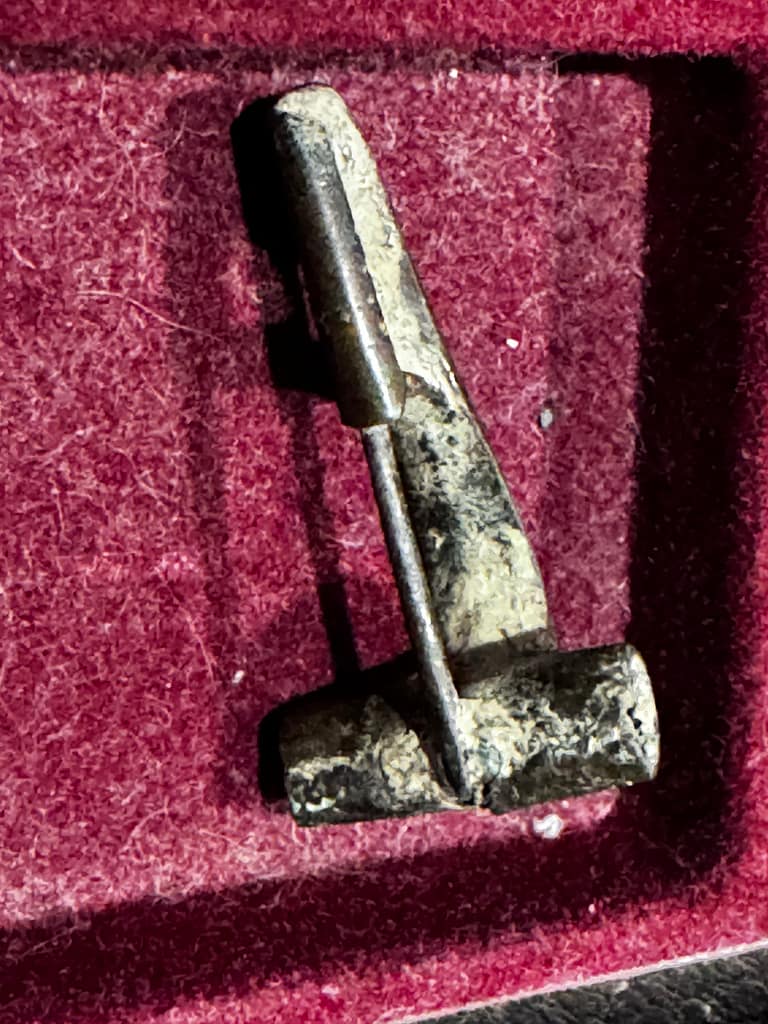
Roman crossbow brooch, from my collection
The crossbow brooch was a distinctive fastener used by Roman soldiers and officials during the late Empire (3rd–5th centuries AD). Featuring a transverse bar, arched bow, and flared foot, it secured the heavy woollen cloaks worn on campaign and in garrison. Larger, more ornate types were associated with officers and senior administrative ranks. Cast from bronze or brass, the crossbow brooch is one of the most recognisable items of late Roman military dress.
100 Roman brooch 1100 Roman brooch 2
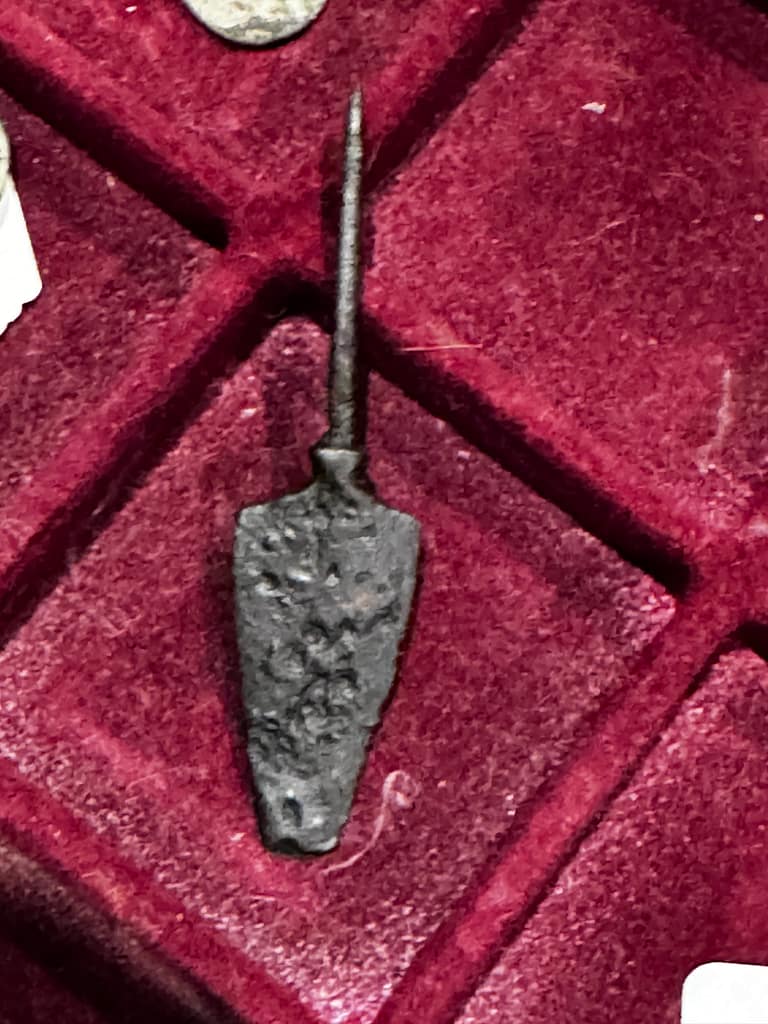
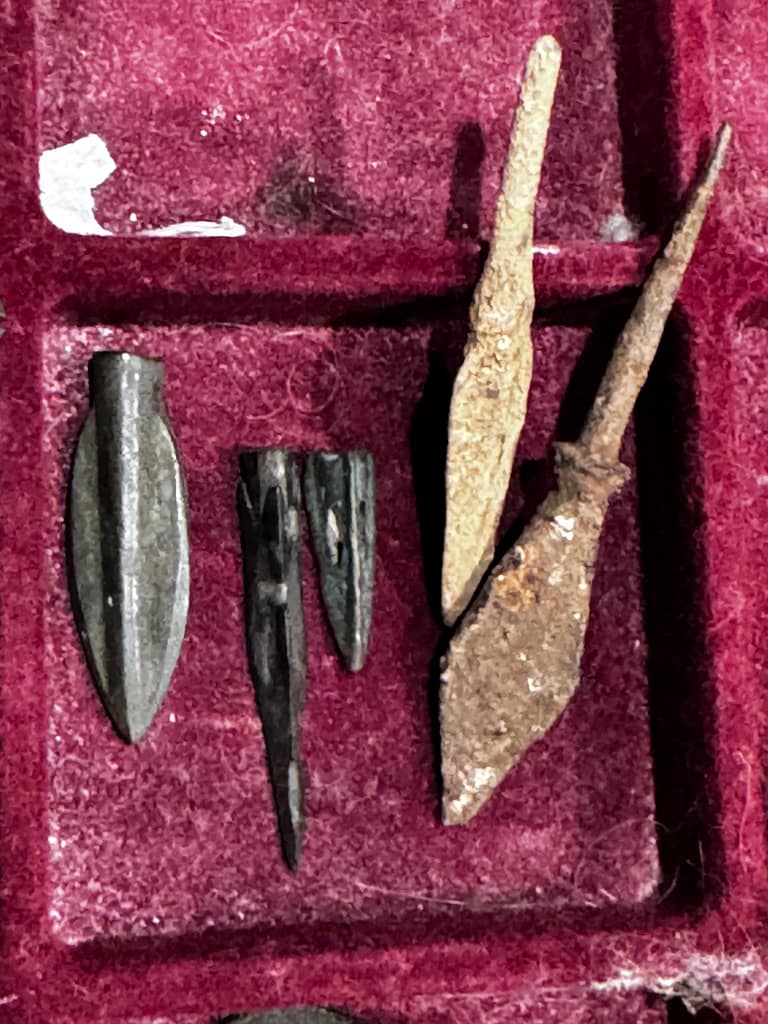
Roman/Barbarian arrow heads, discovered in Dacia, from my collection
These iron arrowheads were recovered from the province of Dacia, where Roman legions clashed with local Dacian and later Gothic and Sarmatian forces. The group includes both Roman socketed points and “barbarian” tanged types, reflecting the mixed tactical environment of the region. Dacia saw sustained frontier warfare from the Dacian Wars of Trajan (AD 101–106) through the 3rd-century crises. Such arrowheads illustrate the variety of missile weapons used in steppe-influenced and Romanised formations along the Danubian frontier.
300 arrow heads 01 (2)300 arrow heads 01
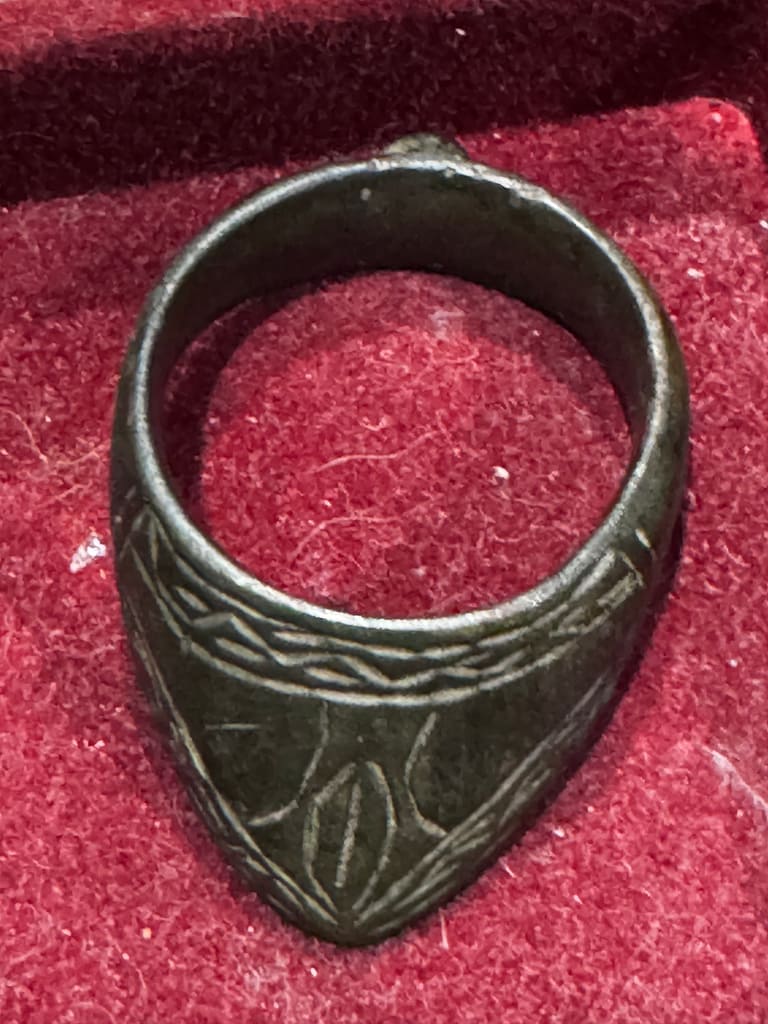
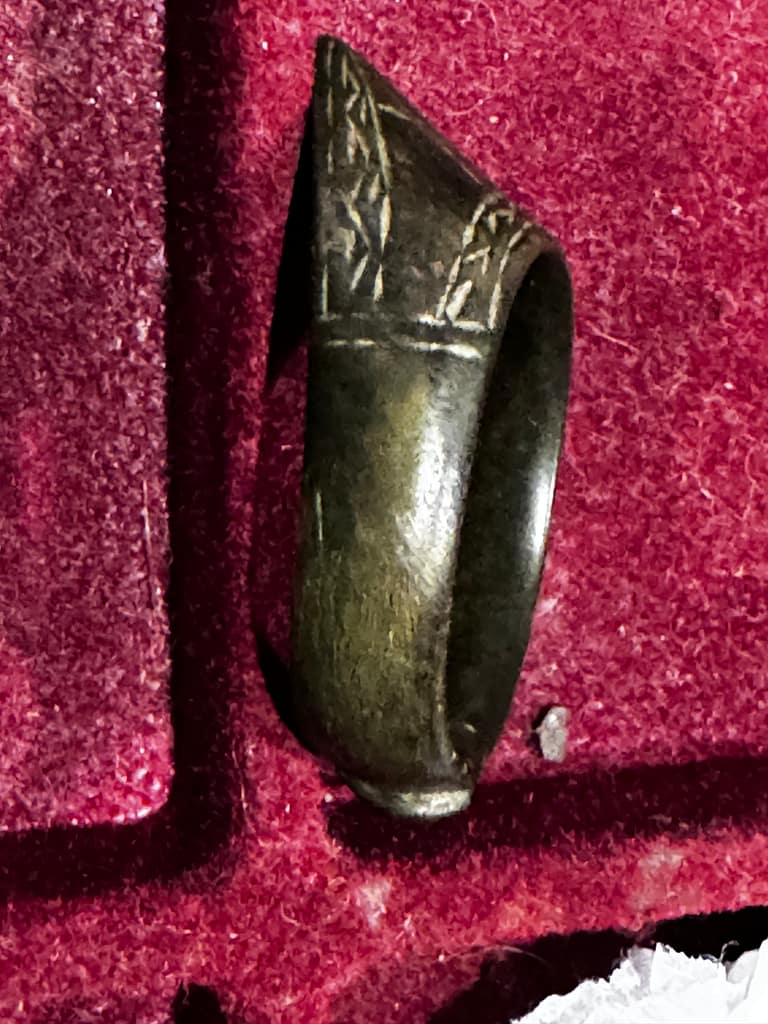
Roman/Barbarian archer’s thumb ring, from my collection
This stone or bone thumb ring was used by archers employing the “thumb draw,” a technique common among steppe and eastern auxiliaries serving Rome. The design protected the thumb when releasing the bowstring, allowing greater power and accuracy. Similar rings are found in Sarmatian, Dacian, and eastern Roman contexts from the 1st–4th centuries AD. Its presence in the Danubian region reflects the integration of steppe archery traditions into Roman auxiliary forces and frontier warfare.
300 thumb ring 1300 thumb ring 2
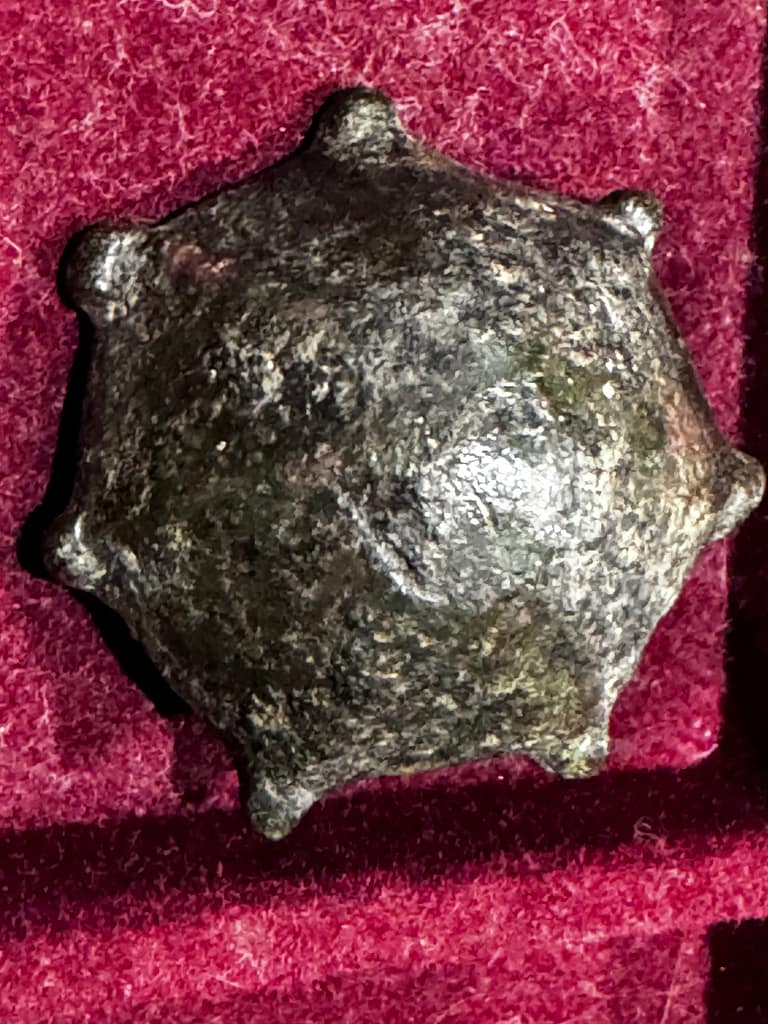
Roman sword pommel, from my collection
This bronze pommel fragment once capped the grip of a Roman sword, likely a spatha used by cavalry or late infantry units. Pommels balanced the blade and secured the tang, and their form can indicate period and unit type. This example’s simple, rounded design corresponds to common 2nd–4th-century patterns found across frontier provinces. As a surviving component of a weapon rarely preserved complete, it illustrates the construction methods and martial equipment of Rome’s professional fighting forces.
300 sword pommel
Found this useful? Buy me a coffee — it helps fund future battlefield research
Authored by Mick Prictor, a retired military officer with 40 years’ service, and a military historian specialising in terrain-focused analysis of tactics, doctrine, and command decision-making in land warfare. His work draws on extensive battlefield fieldwork—more than 280 sites worldwide—and one of the world’s largest private collections of historic military arms, uniforms, and equipment. About me
Subscribe to Battlefield Travels and receive a free E-Book Battlefield Guide
Unlock expert battlefield analysis, campaign reconstructions, and historical insights drawn from firsthand exploration and primary sources.
🗺️ You’ll receive:
🎖️ Exclusive historical insights you won’t find elsewhere
📘 A free eBook: 10 Tips for Exploring Historic Battlefields
📰 New battlefield studies straight to your inbox as they are published
Claim Your Free Battlefield Travel Guide
Get your free e-book, exclusive tips, and updates on new battlefield studies.
Thank you!
You have successfully joined our subscriber list.
⚔️ Go deeper — Members get exclusive access to the Deep Research Collection, Field Notes, and monthly Research Dispatches. Try membership free for 7 days, cancel anytime. From $9/month.