Reconstructing Korean War battlefields through terrain analysis, primary sources and on-site research
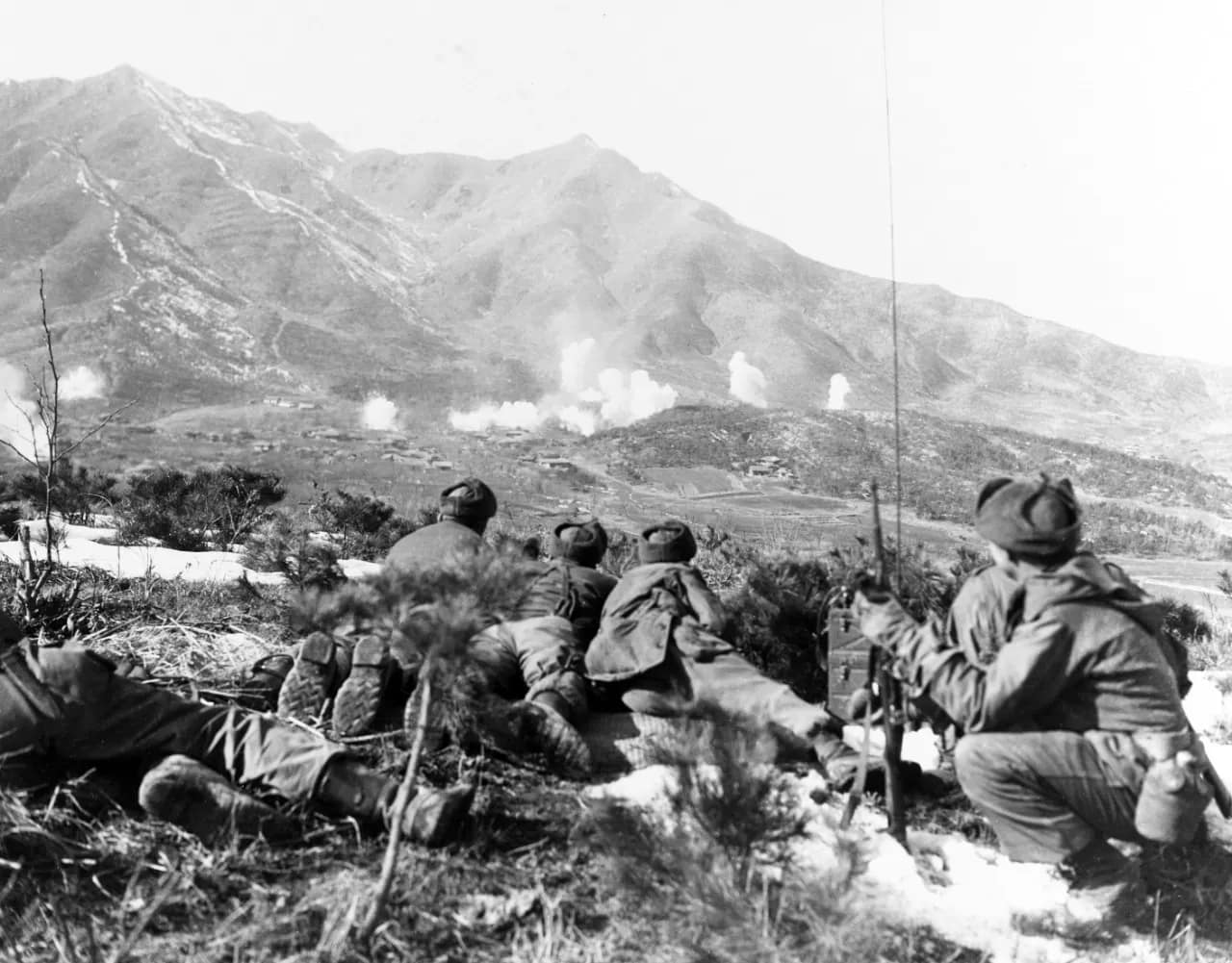
Walking the battlefields of the Korean War (1950-1953)
The Korean War was one of the most consequential conflicts of the 20th century. Fought across the Korean Peninsula between United Nations forces, the Democratic People’s Republic of Korea, and later the Chinese People’s Volunteer Army, the war combined periods of bold manoeuvre with brutal positional warfare in terrain that often favoured the defender.
1950: Dramatic opening moves
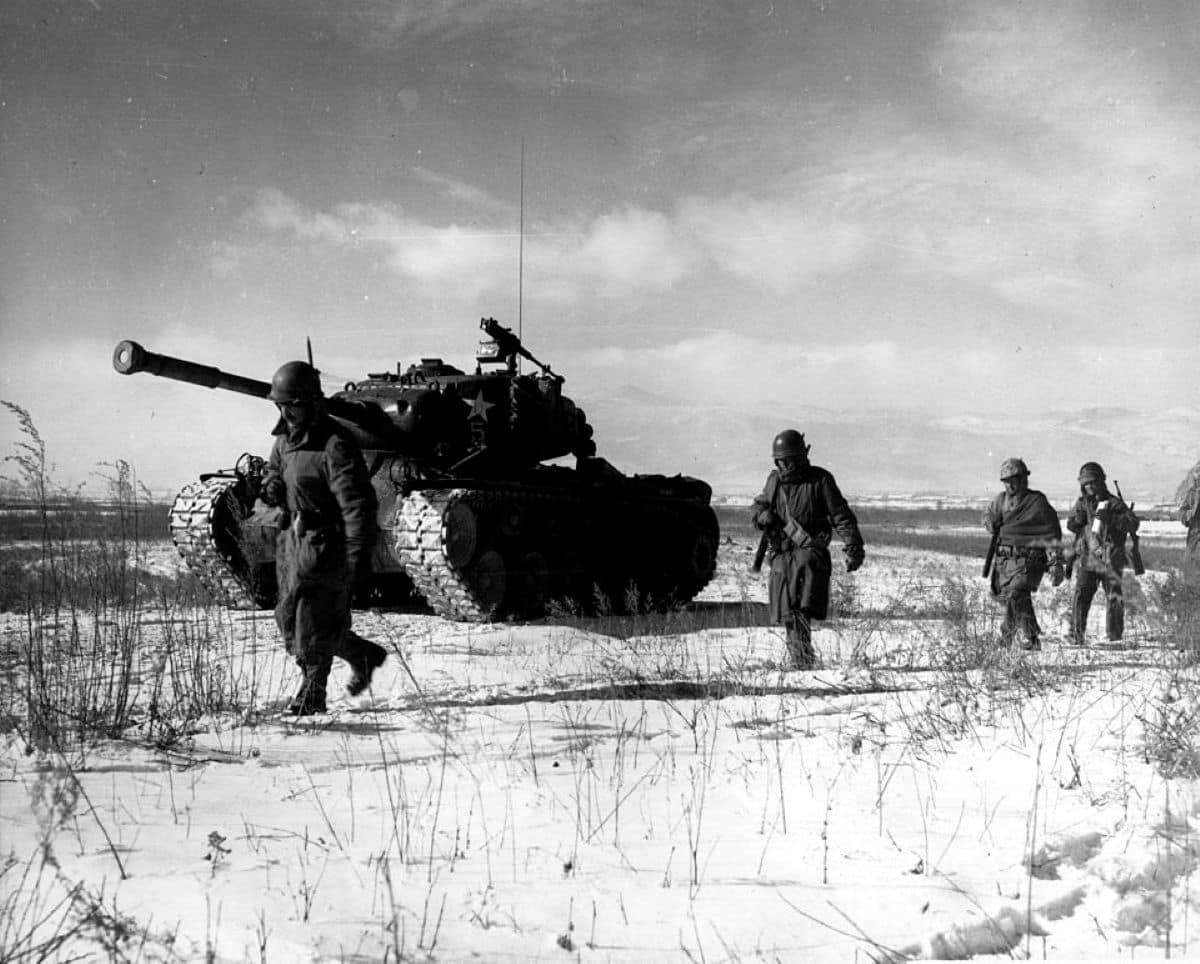
The war opened in June 1950 with the North Korean invasion, sweeping southwards and forcing South Korean and UN forces into the Pusan Perimeter, a defensive line anchored on ridges and river lines aroun dteh southern city of Pusan. General MacArthur’s daring Inchon landings shifted the strategic balance, allowing Allied forces to retake Seoul and push north towards the Yalu River. Massive intervention by Chinese forces transformed the war again, forcing UN units into a fighting withdrawal through snow-covered mountains, narrow valleys and harsh winter conditions.
1951-53: Positional warfare
By 1951, the conflict settled into a series of attritional battles along successive defensive belts — the Kansas Line, the Jamestown Line and the approaches to the Iron Triangle. Some of the war’s most famous engagements, such as Heartbreak Ridge, Bloody Ridge, Chipyong-ni, The Hook and Hill 266, were fought for control of high points, spurs and ridgelines that offered observation, artillery dominance and control of movement corridors.
Fighting in Korea was defined by the terrain’s harsh realities. Steep slopes, knife-edged ridges and narrow valleys restricted mechanised movement and required infantry-centric tactics. Weather extremes — from humid summers to −30°C winters — added another layer of difficulty. Every position, from isolated outposts to fortified ridgeline complexes, depended on logistics, engineering, and the ability to hold or seize ground under punishing conditions.
Armistice negotiations
Armistice negotiations commenced on 10 July 1951 in the North Korean town of Kaesong. In October 1951, the talks moved to the nearby village of Panmunjom, which remains the site of formal North Korea-South Korea interactions. An armistice ending hostilities was signed on 27 July 1953, although the war has never officially ended.
Methodology
This collection of battlefield studies examines the Korean War through a terrain-focused lens, combining period maps, unit narratives, aerial photography and on-site reconnaissance. The aim is not only to recount what happened across these battlefields, but to explain why each engagement unfolded the way it did, shaped by terrain, weather, doctrine and the decisions of commanders on both sides.
Battle Studies in the Korean War
Below are all current BattlefieldTravels studies for the Korean War, covering key battles, campaign phases and associated sites. New studies are added as further battlefields are walked and analysed.
-
⚔️ Joint Security Area – Panmunjom, DMZ, North/South Korea, 1953 – ongoing

The Panmunjom negotiations ultimately led to the signing of the Korean Armistice Agreement on 27 July 1953. The agreement effectively ended the hostilities and established the DMZ, but it was not a peace treaty. Consequently, North and South Korea technically remain at war, as no formal peace treaty has been signed.

Tactical Innovations
Over thousands of years of warfare, armies have sought ways to gain advantage on the battlefield. Sometimes the solution was a new weapon. Sometimes it was a radical new method. Often it was a combination of both. From the disciplined ranks of the Greek phalanx to pike-and-shot warfare to the interlocking machine-gun fire plans of the twentieth century, tactical innovations have repeatedly reshaped how battles are fought.
-
💡 Tactical Innovations: Machine Gun Theory

This article explains how machine guns are employed on the battlefield, including the key concepts of cone of fire, beaten zone, grazing fire, enfilade fire, and mutually supporting machine-gun positions. The article forms part of the Tactical Innovations in Warfare series.


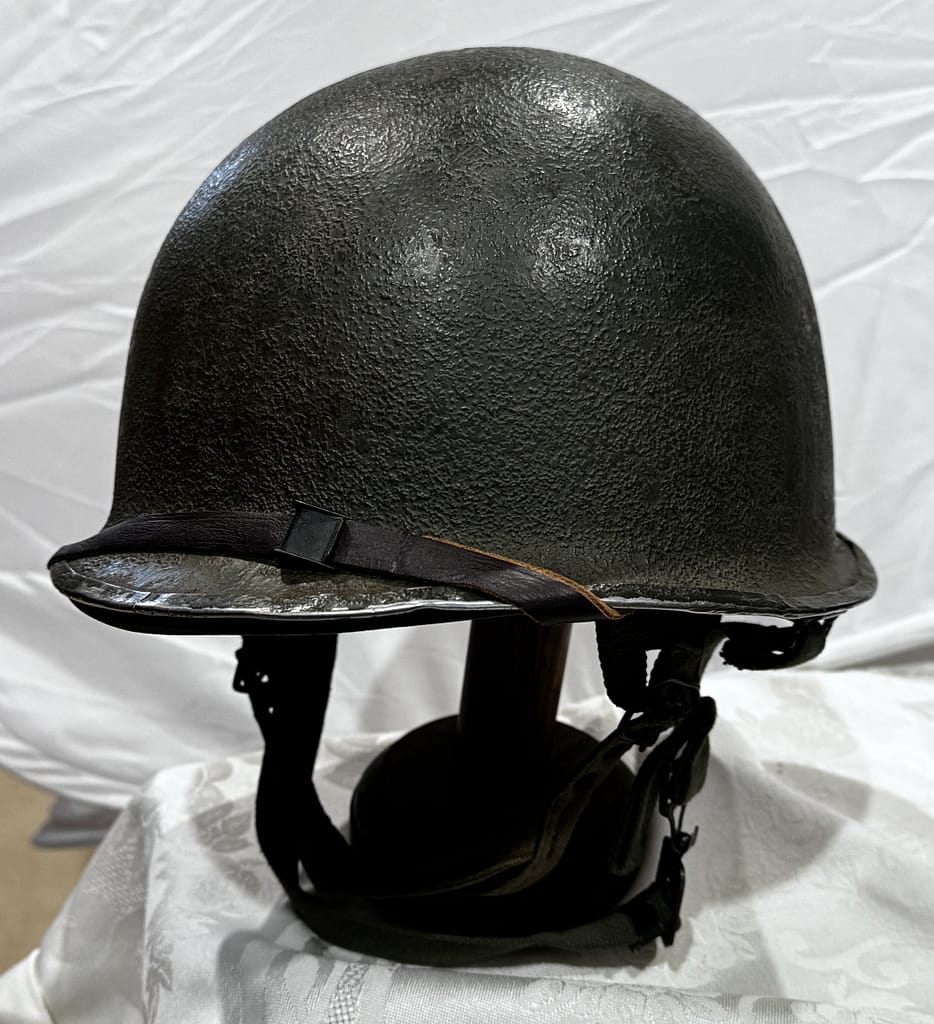
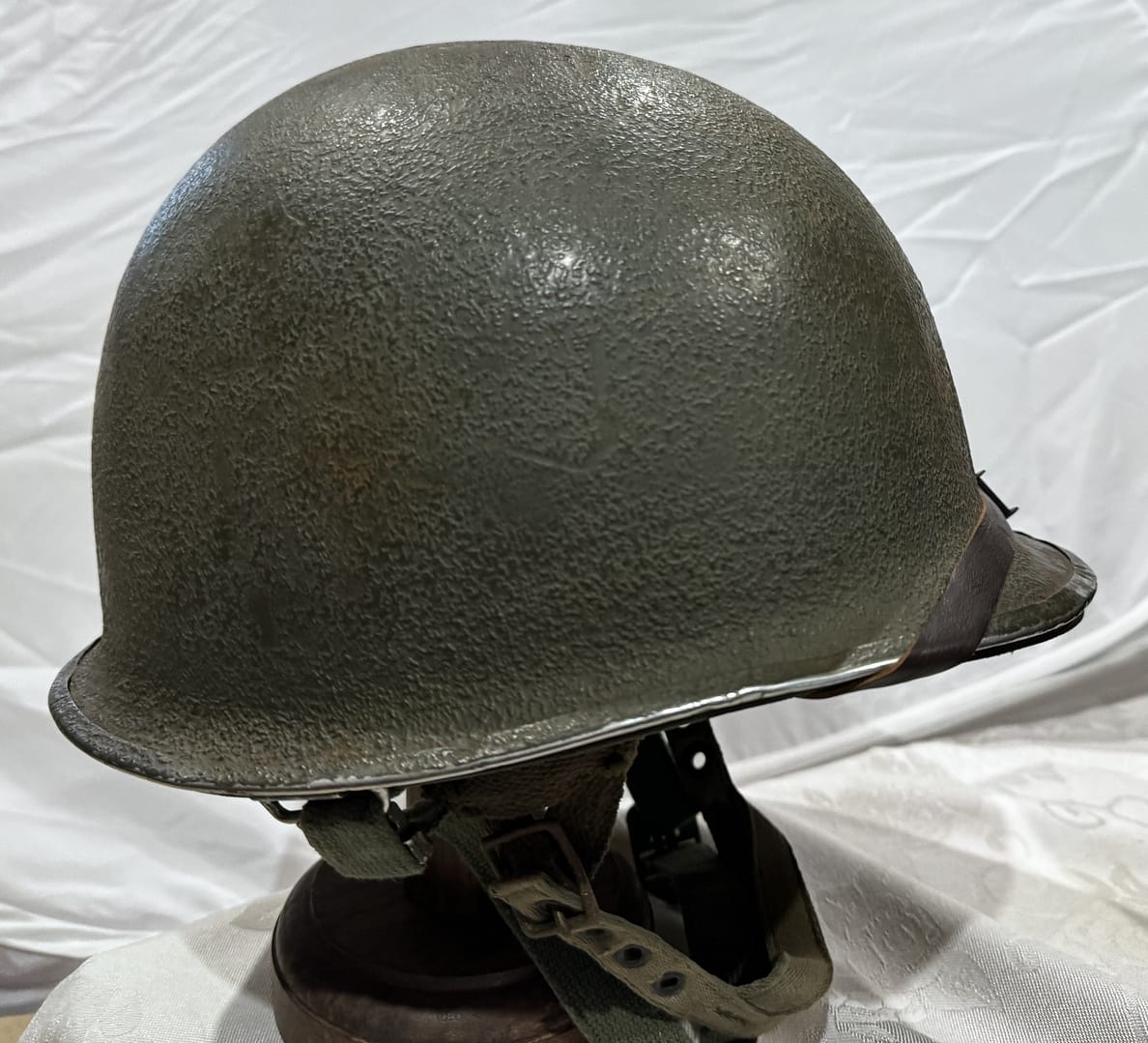
Authored by Mick Prictor, a retired military officer with 40 years’ service, and a military historian specialising in terrain-focused analysis of tactics, doctrine, and command decision-making in land warfare. His work draws on extensive battlefield fieldwork—more than 280 sites worldwide—and one of the world’s largest private collections of historic military arms, uniforms, and equipment. About me
⚔️ Go deeper — Members get exclusive access to the Deep Research Collection, Field Notes, and monthly Research Dispatches. Try membership free for 7 days, cancel anytime. From $9/month.
Explore Related Themes
Armies: American Army • North Korean Army • Chinese Army • ROK Army
Methods: Ambush • Envelopment • Raid • Airborne • Riverine
Environments: Forest Warfare • Mountain Warfare
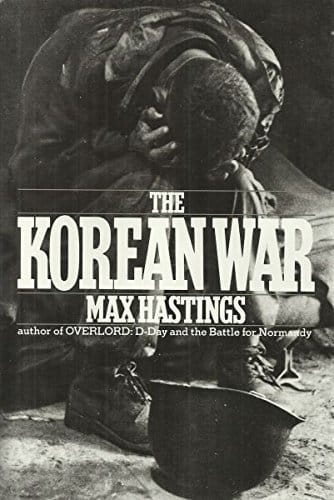
Further Study: Korean War further reading
The landing page spans the North Korean invasion, the UN counteroffensive, Chinese intervention, and the static battles of 1951–53 along the central and western fronts.
The collection includes Joint Security Area Panmunjom, and will expand to include Kapyong, Heartbreak Ridge, Chipyong-ni, Bloody Ridge, The Hook, the Pusan Perimeter and other major engagements.
Korea’s rugged mountains and steep ridges dominated manoeuvre, supply and defensive operations, making high ground and narrow corridors decisive in nearly every battle.
Yes. After 1951, the front stabilised, producing fortified lines, trench systems, outposts and repeated assaults reminiscent of WW1 but shaped by modern firepower.
Many ridgelines, memorials and preserved outposts along the DMZ and former frontlines are visitable, though some fall within restricted or heavily monitored areas.
Subscribe to Battlefield Travels and receive a free E-Book Battlefield Guide
Unlock expert battlefield analysis, campaign reconstructions, and historical insights drawn from firsthand exploration and primary sources.
🗺️ You’ll receive:
🎖️ Exclusive historical insights you won’t find elsewhere
📘 A free eBook: 10 Tips for Exploring Historic Battlefields
📰 New battlefield studies straight to your inbox as they are published

⚔️ Go deeper — Members get exclusive access to the Deep Research Collection, Field Notes, and monthly Research Dispatches. Try membership free for 7 days, cancel anytime. From $9/month.