The Russian Civil War (1917–1922) erupted in the last years of World War One following the collapse of the Tsarist regime and the Bolshevik seizure of power in October 1917. The conflict pitted the Red Army against a fragmented coalition of anti-Bolshevik forces known collectively as the Whites, supported at various times by foreign expeditionary forces, Cossack hosts, nationalist armies, and regional warlords. Fighting stretched across an immense front from the Baltic to Siberia and from the Arctic ports to the Caucasus, with campaigns shaped by railways, river routes, and control of major industrial centres.
The Red Army, reorganised under Trotsky, benefited from centralised command, internal lines, and control of key population centres. The Whites, operating across vast distances with poor coordination, lacked unified political aims and consistent supply. The collapse of Kolchak’s Siberian forces, Denikin’s retreat in the south, and Yudenich’s failure before Petrograd marked the decisive phases of the war. By 1922 the Bolsheviks had consolidated control across most of the former empire, laying the foundations of the Soviet Union. The conflict caused millions of deaths through combat, famine, and disease, and reshaped the political landscape of Eastern Europe and Central Asia.
Russian Civil War Uniforms and Headgear
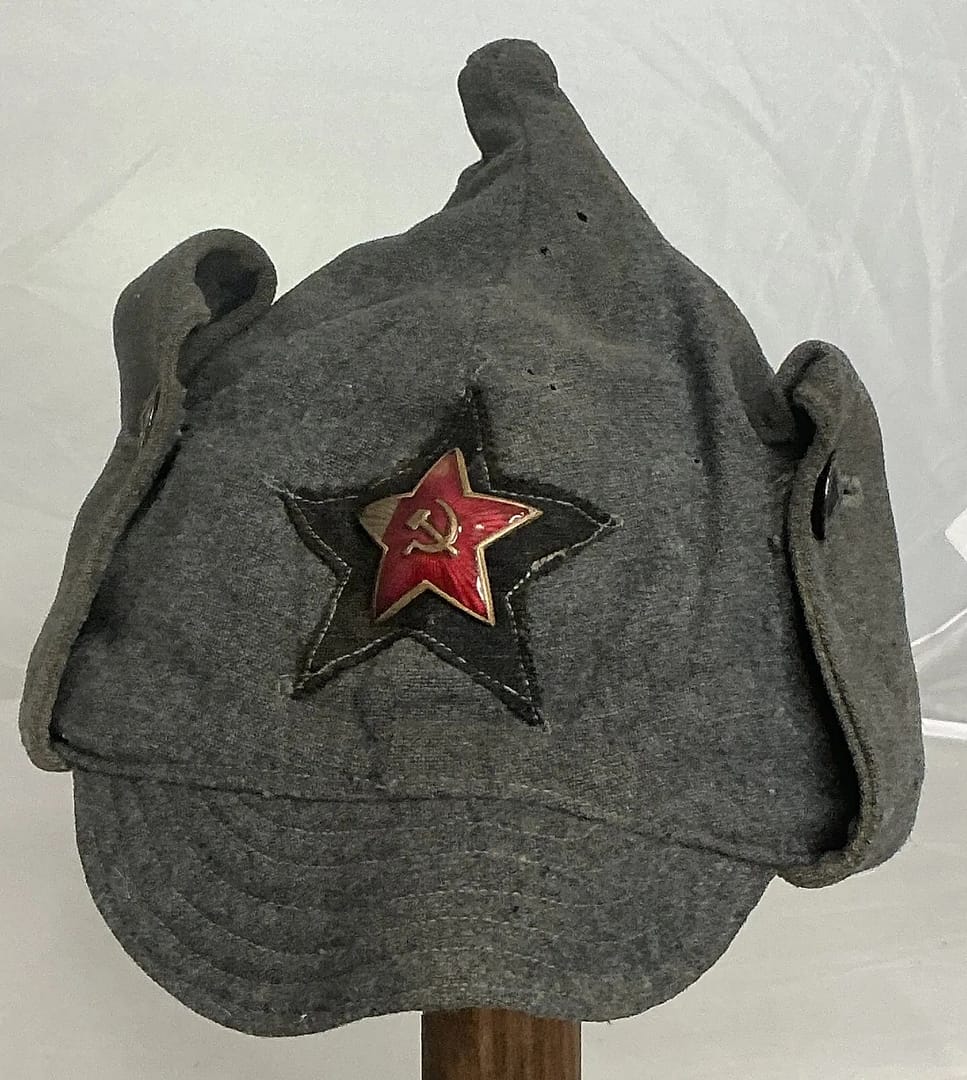
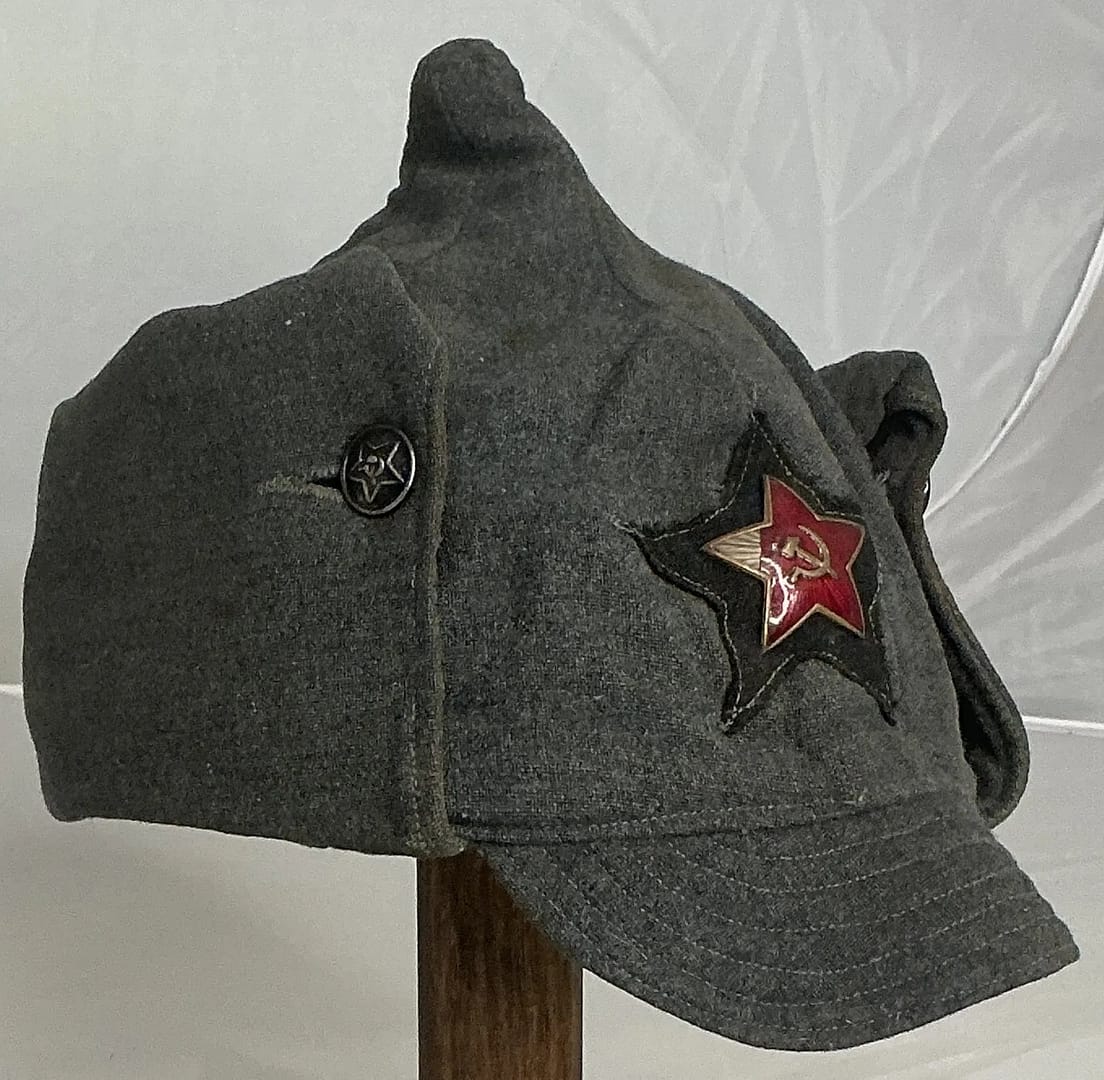
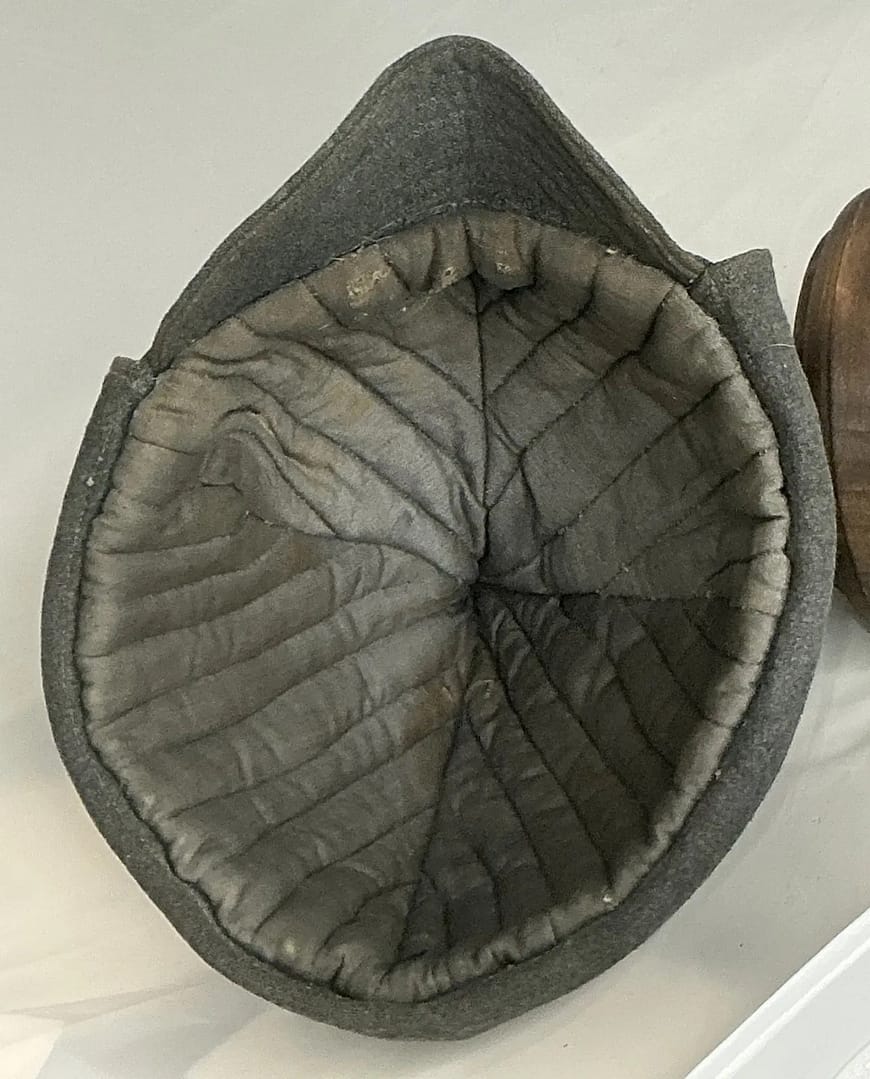
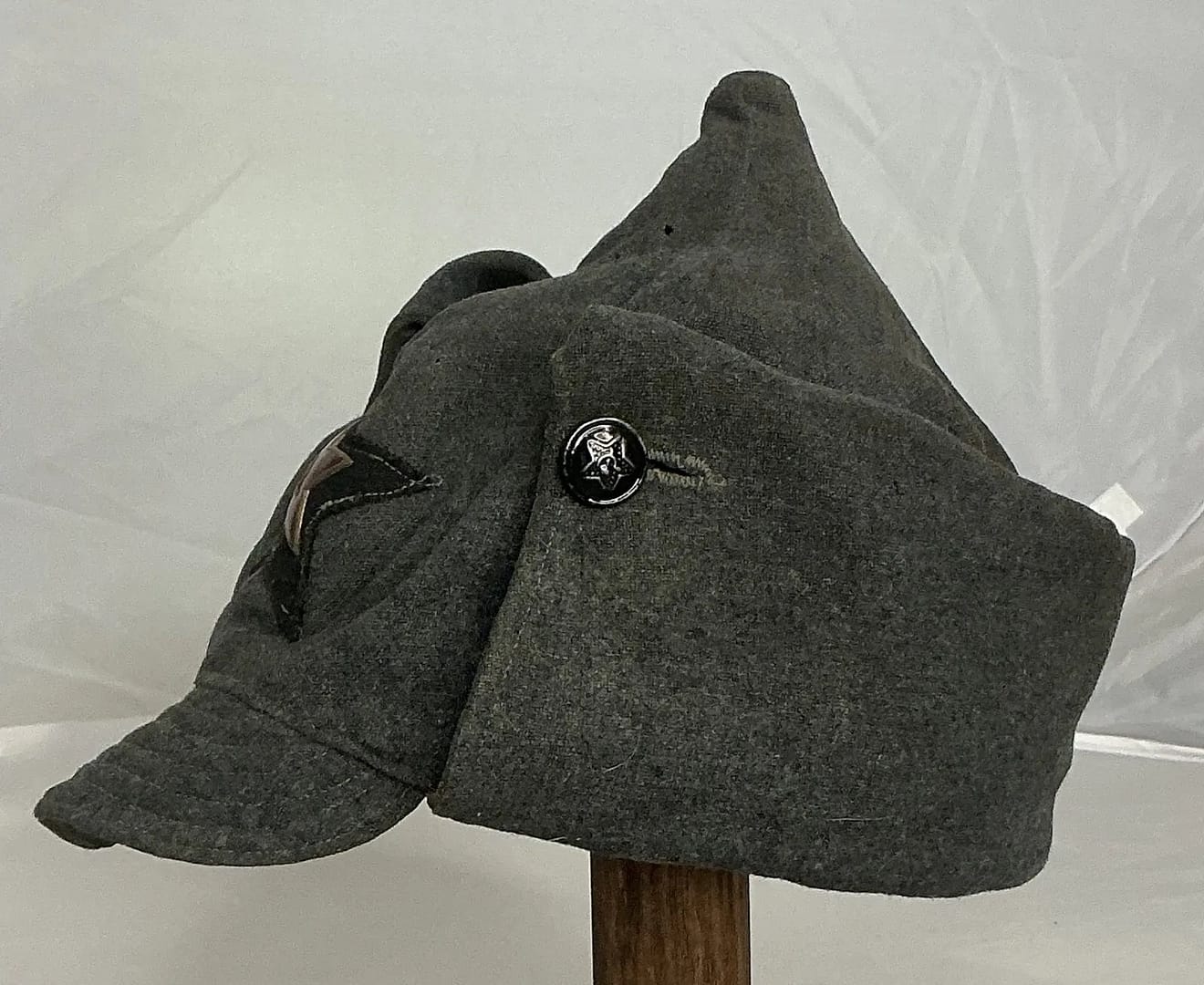
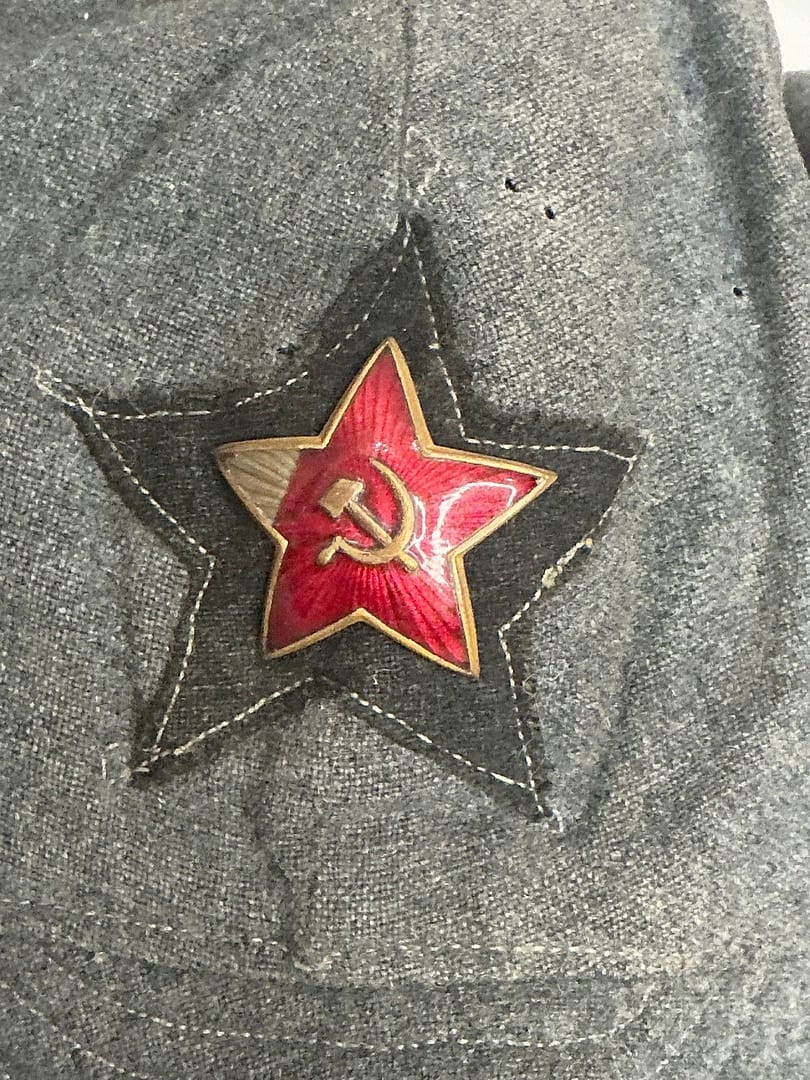
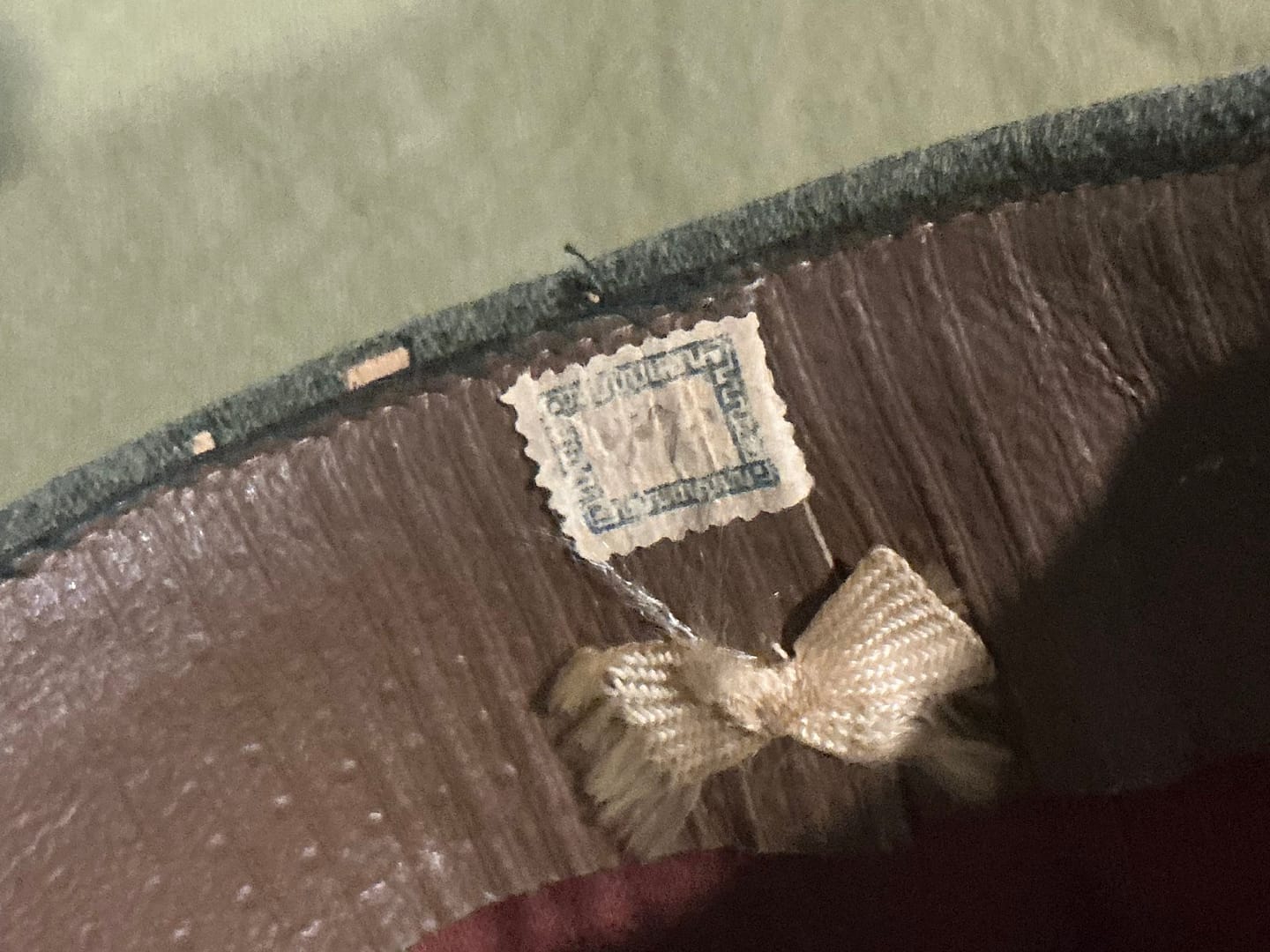
Russian Civil War: Red Army ‘Budenovka’ peaked cap., From my personal collection.
The Budenovka was the iconic woollen winter cap of the early Red Army, introduced during the Civil War. Its distinctive pointed crown and cloth star badge were intended to evoke medieval Russian helmets and promote a new revolutionary military identity. Made from thick felted wool and often lined for winter use, the Budenovka offered limited protection but strong symbolic value. Worn by infantry and cavalry alike, it became a visual hallmark of the Red Army during the campaigns of 1919–1921.
WW1 Imperial Russian Model 1897 wool Gymnastiorka tunic, 88th Artillery Regiment. From my personal collection.
Imperial Russian Gymnastiorka, typical of the tunics worn by both White and Red Armies during the Russian Civil War.
This Imperial Russian Model 1897 wool gymnastiorka tunic is attributed to the 88th Artillery Regiment and represents the simple, practical field dress worn by Russian soldiers during the First World War. Characterised by its pullover design and stand collar, the gymnastiorka reflected the utilitarian approach of the Tsarist army. Such tunics were widely worn across the Eastern Front and illustrate both the scale of Russian mobilisation and the distinctive appearance of Imperial forces during the conflict.


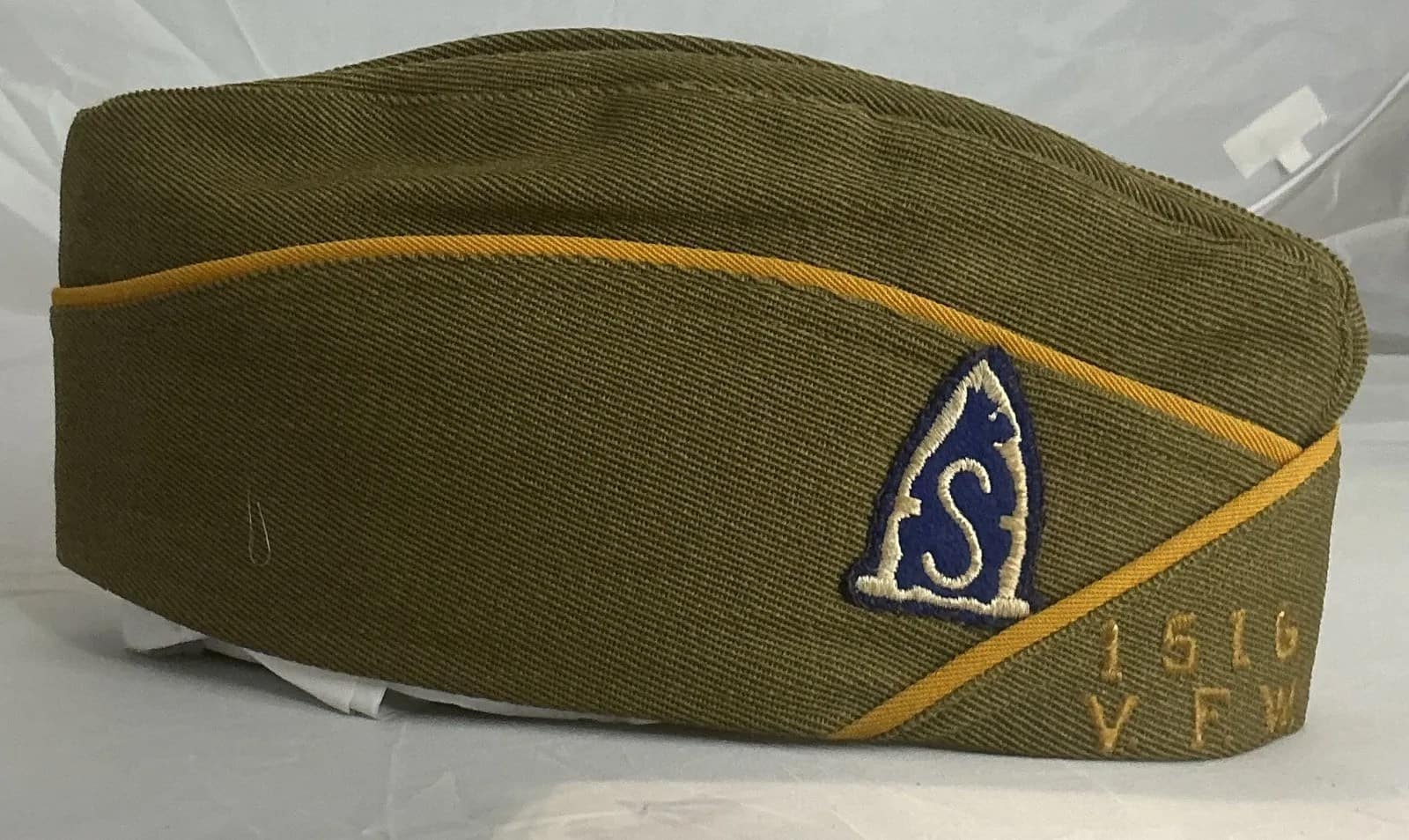
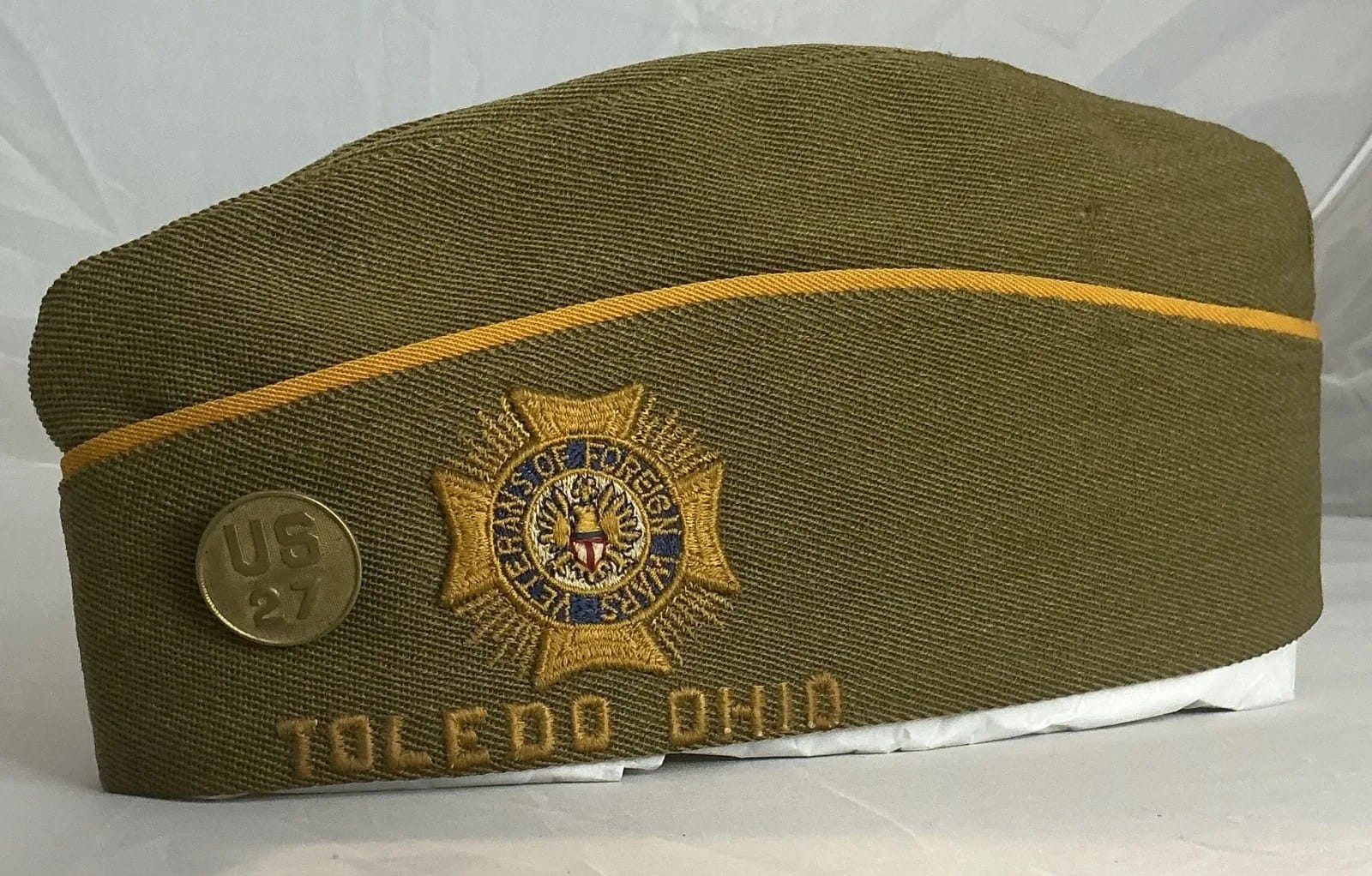
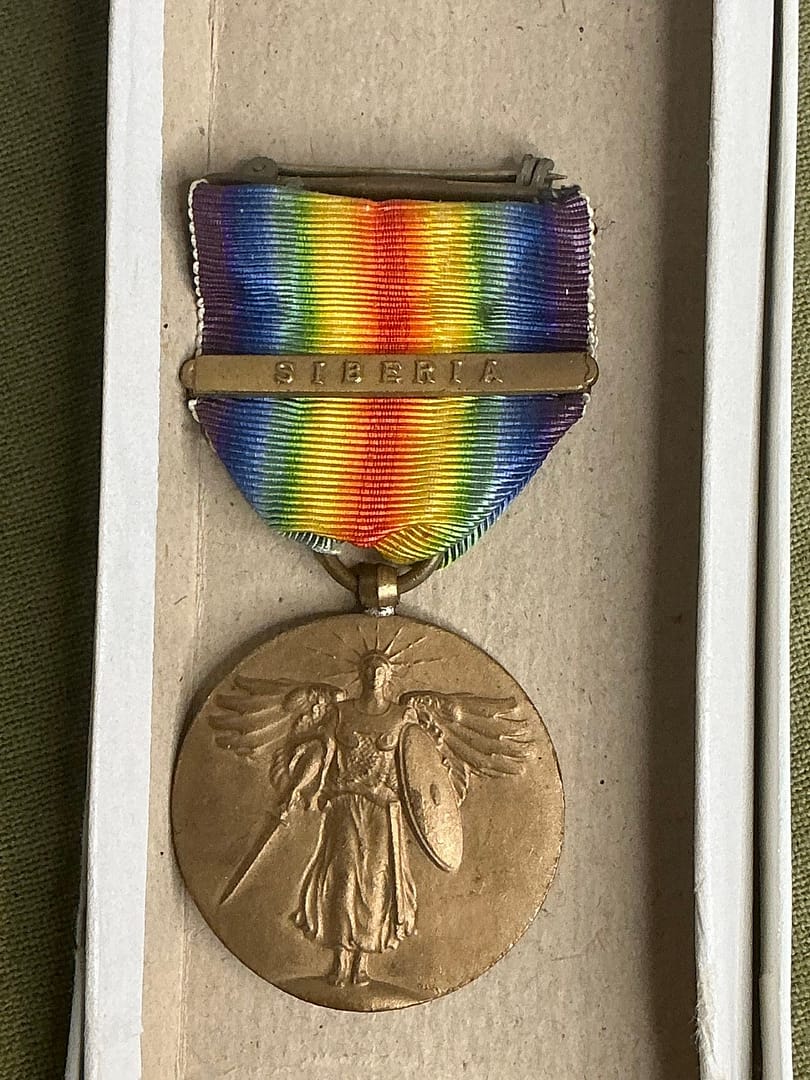
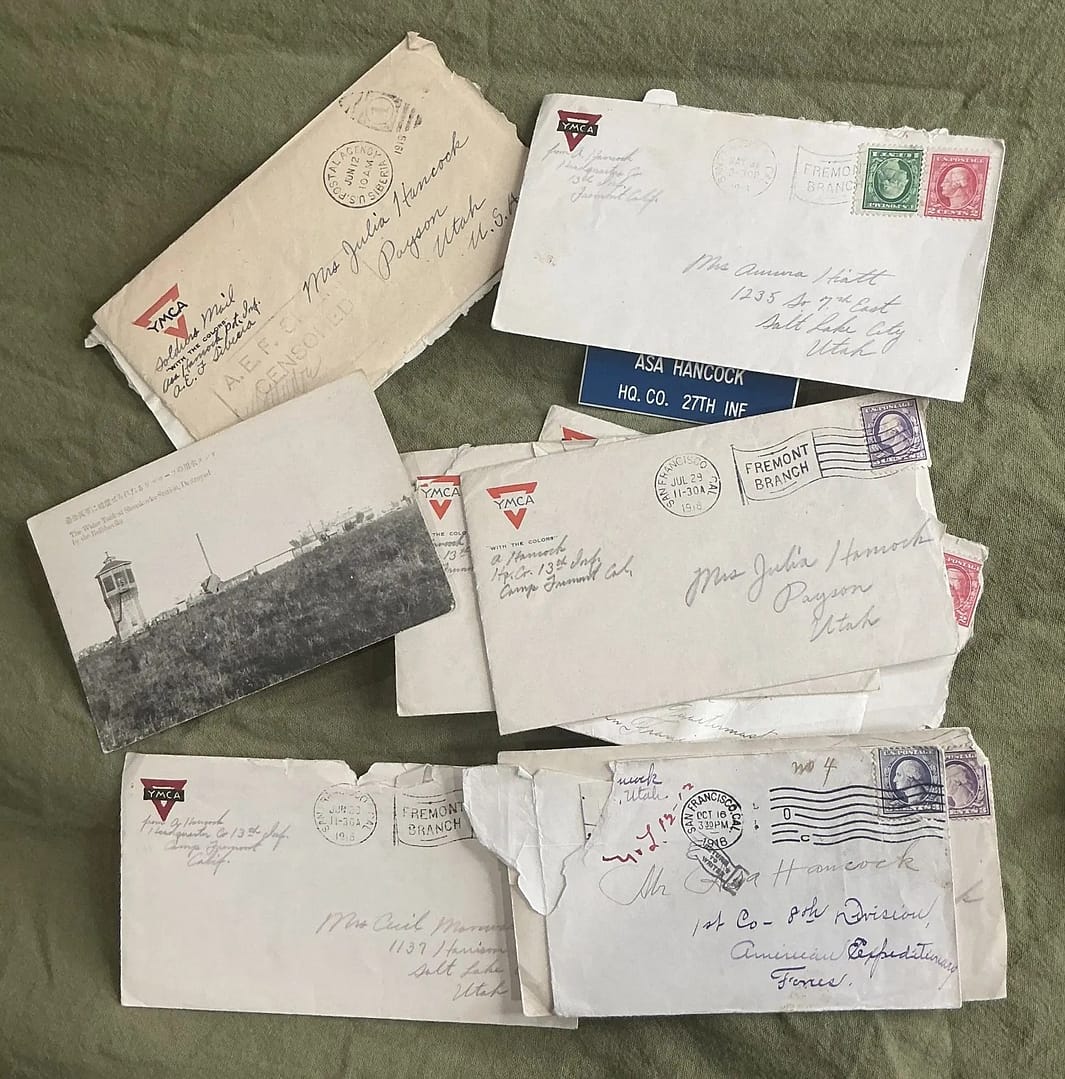
Russian Civil War American Expeditionary Force – Siberia Intervention, 27th Infantry Regiment grouping. From my personal collection.
A uniform grouping from an American soldier of the 27th Infantry Regiment ‘Wolfhounds’, who served with the American Expeditionary Force – Siberia Intervention. The grouping comprises:
– a US M1917 tunic with the Polar Bear ‘S’ patch for the SIberia intervention force;
– plain olive drab wool garrison cap
– Veterans of Foreign Wars (VFW) garrison cap 1516 Toledo Ohio Chapter with the SIberia Expedition patch
– Victory Medal with clasp ‘Siberia’



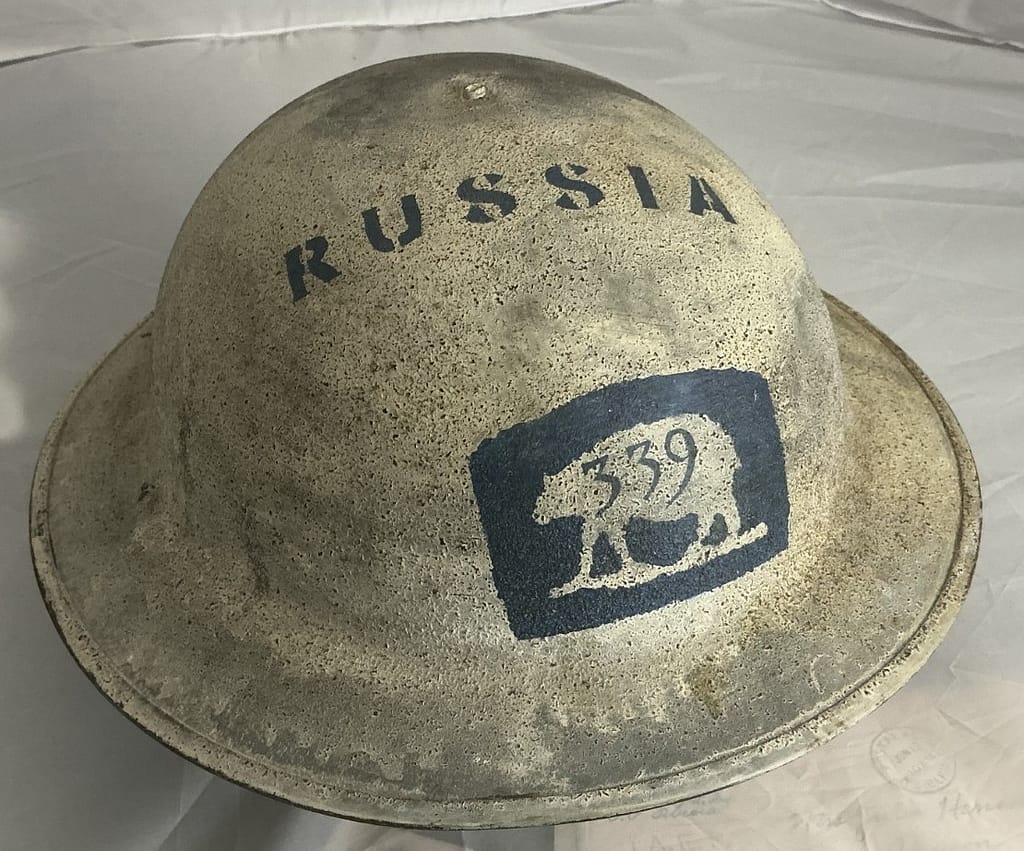
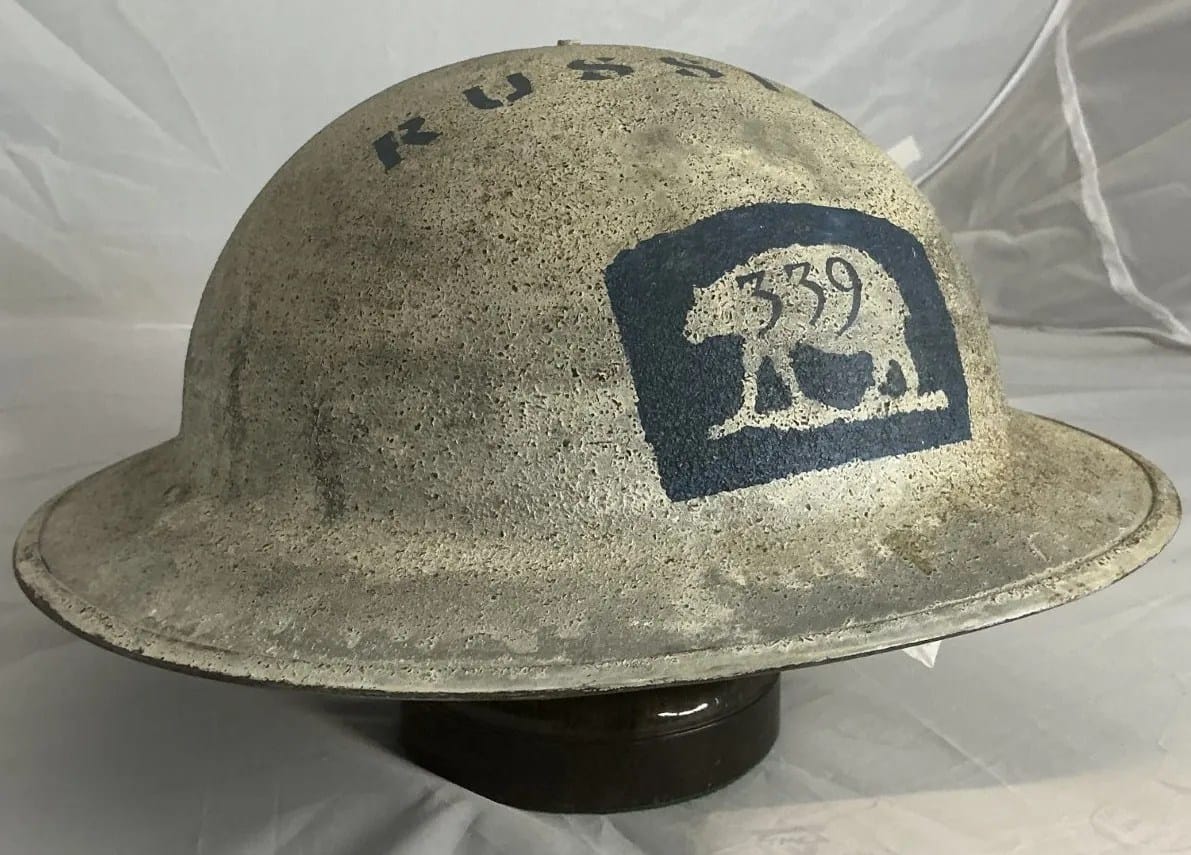
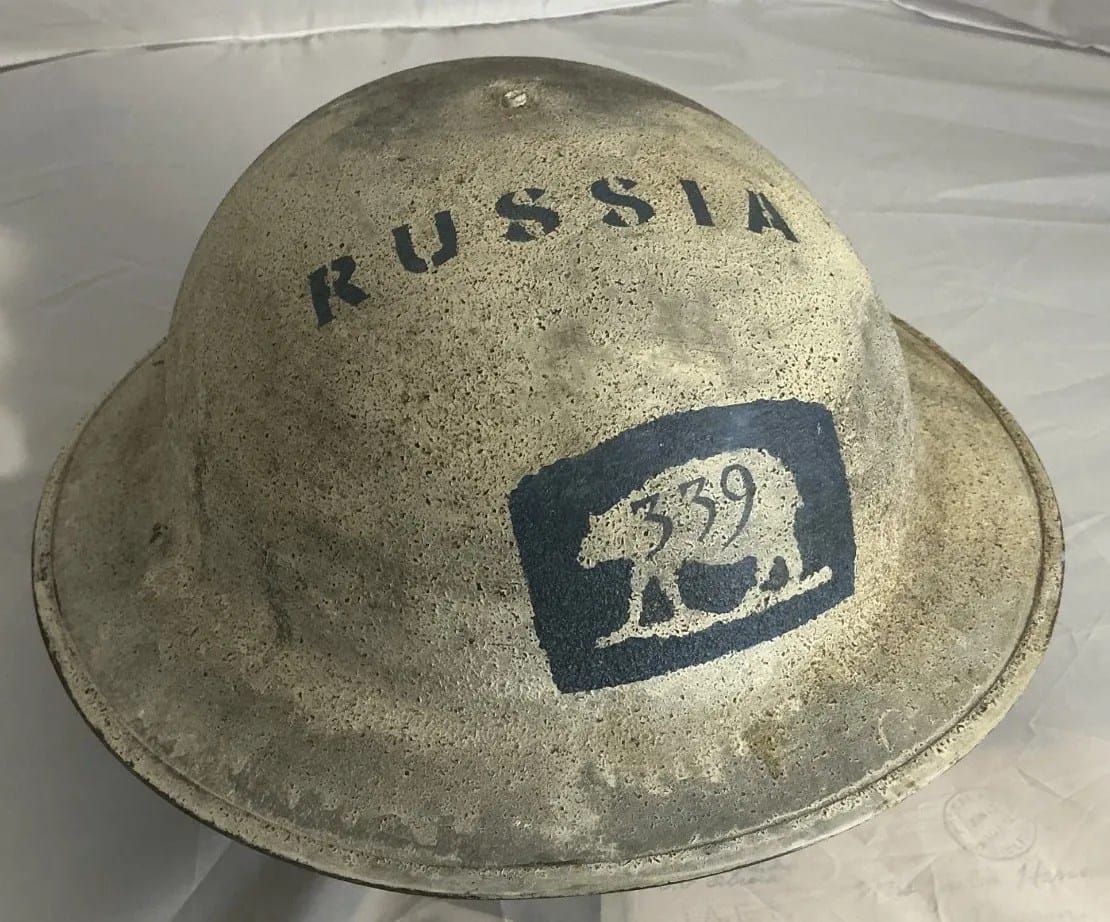
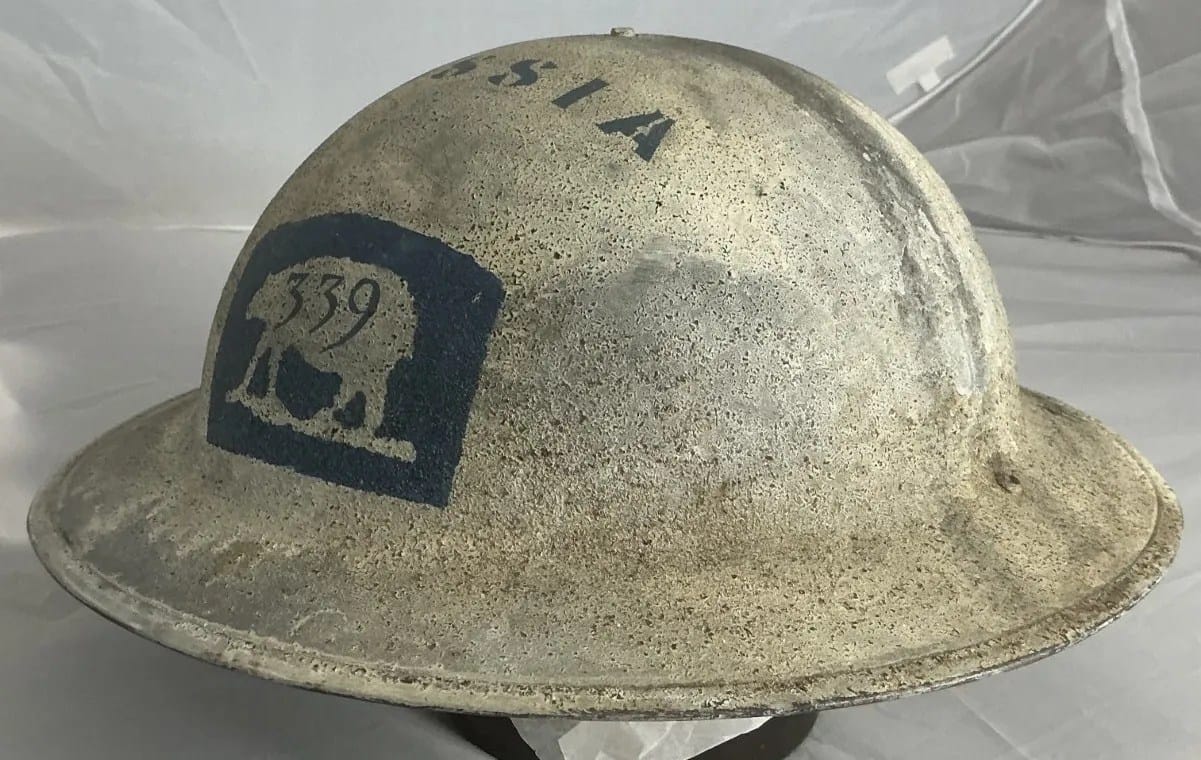
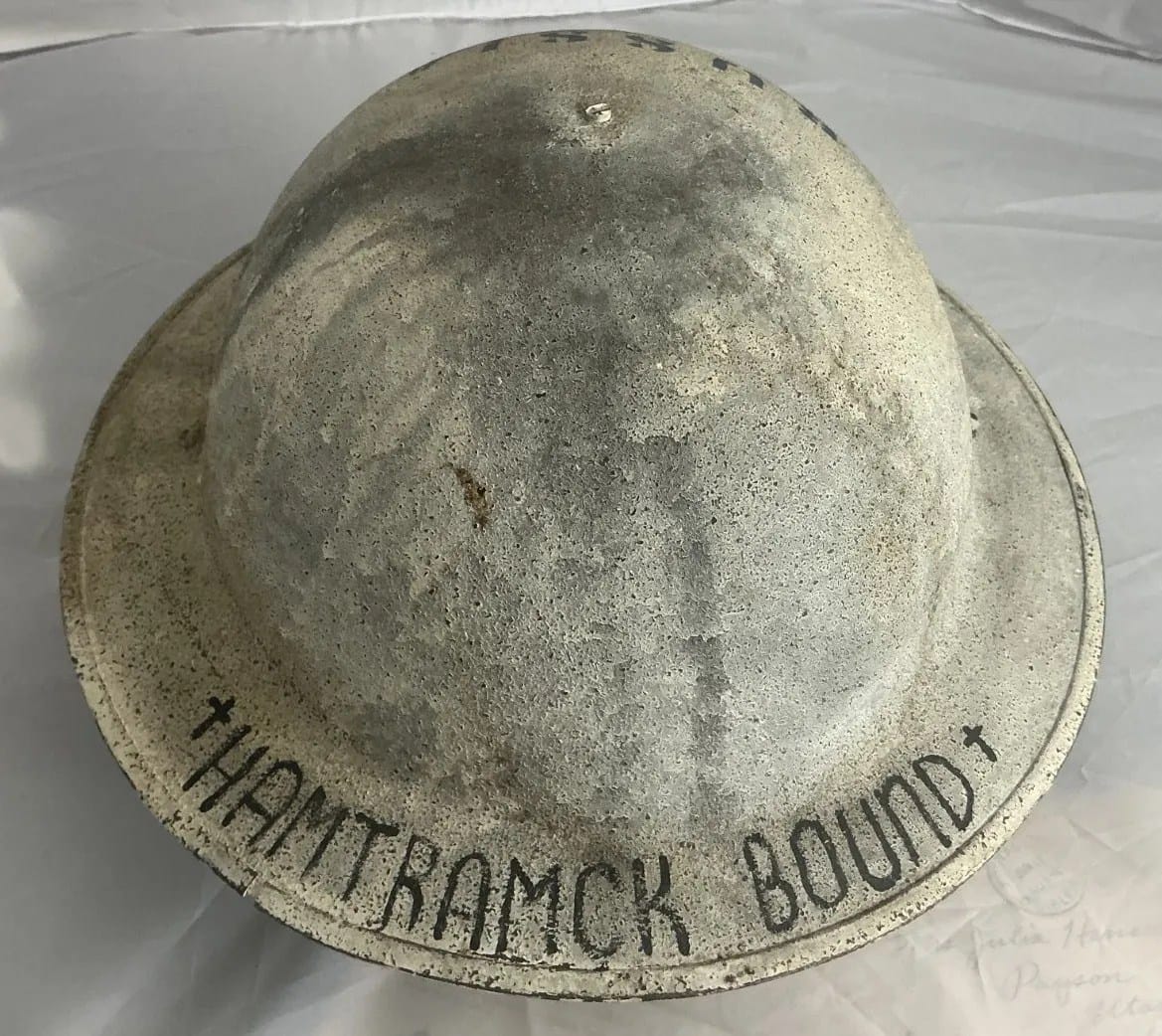
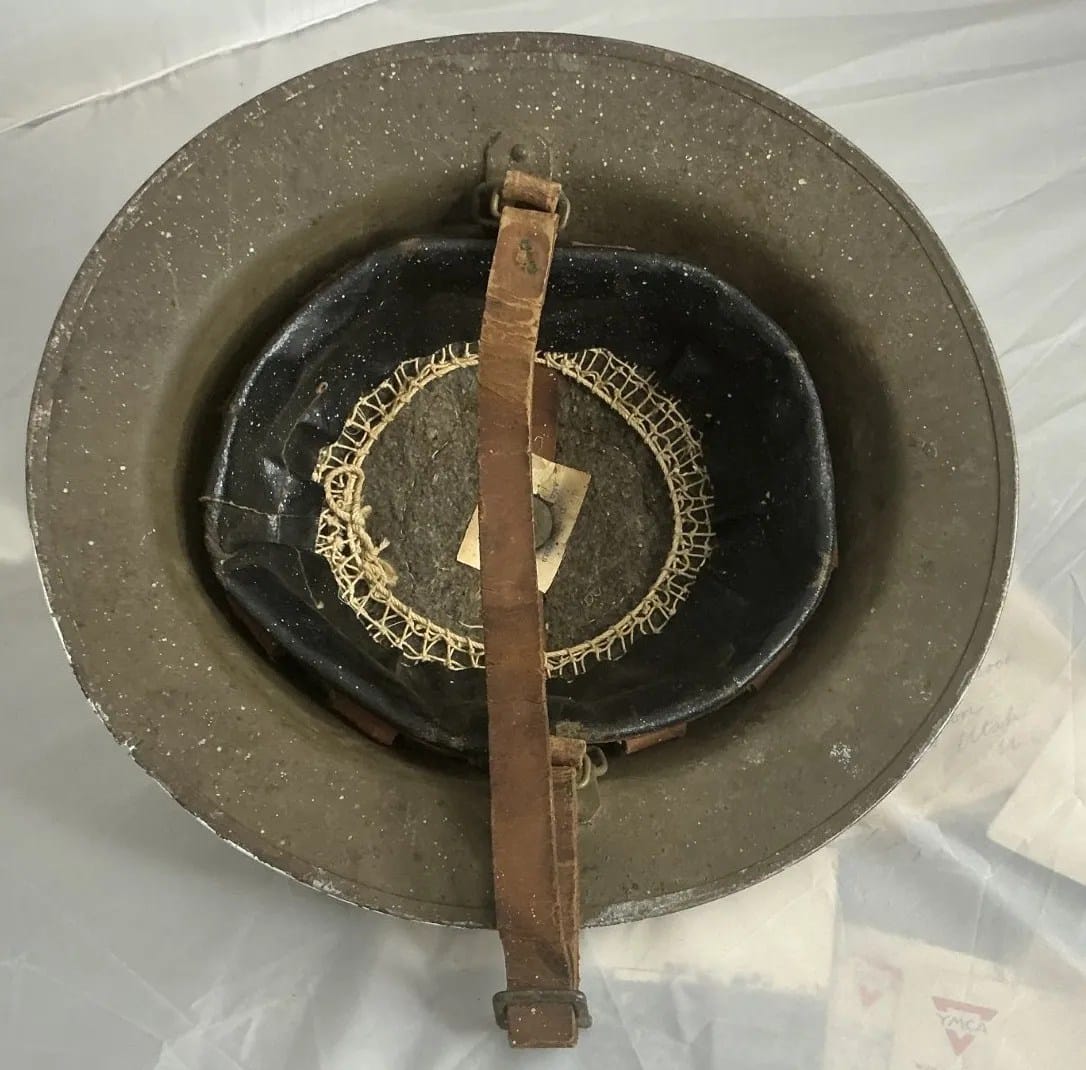
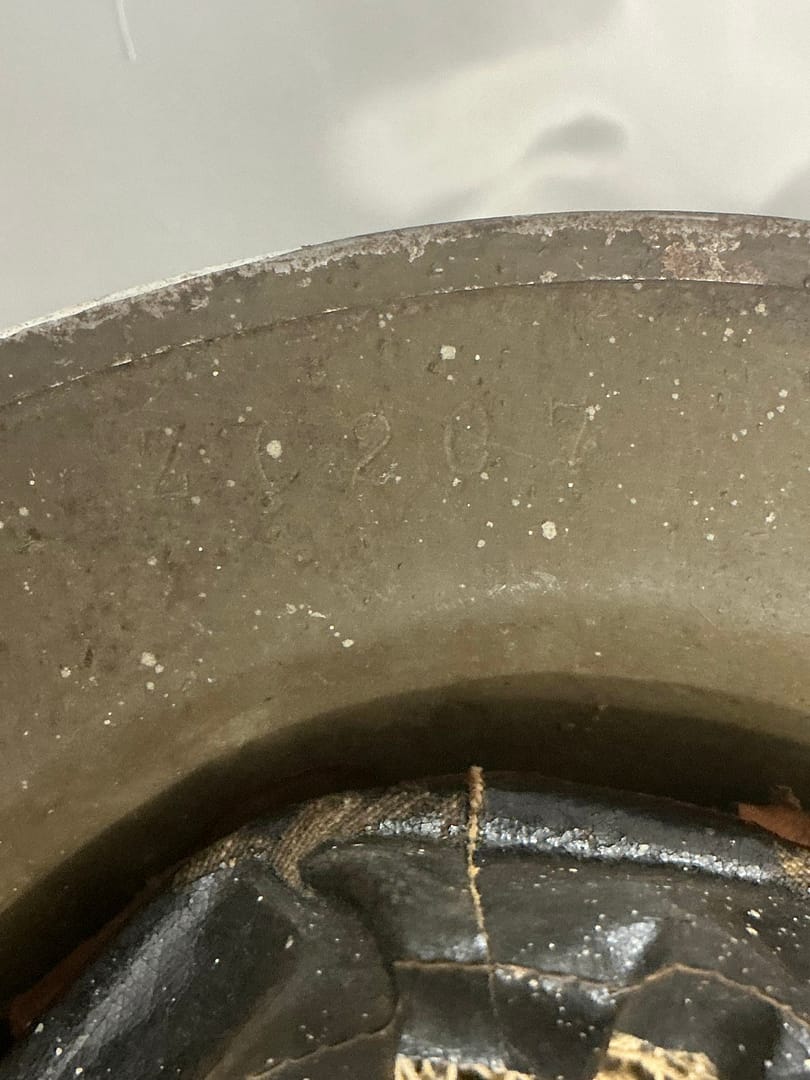
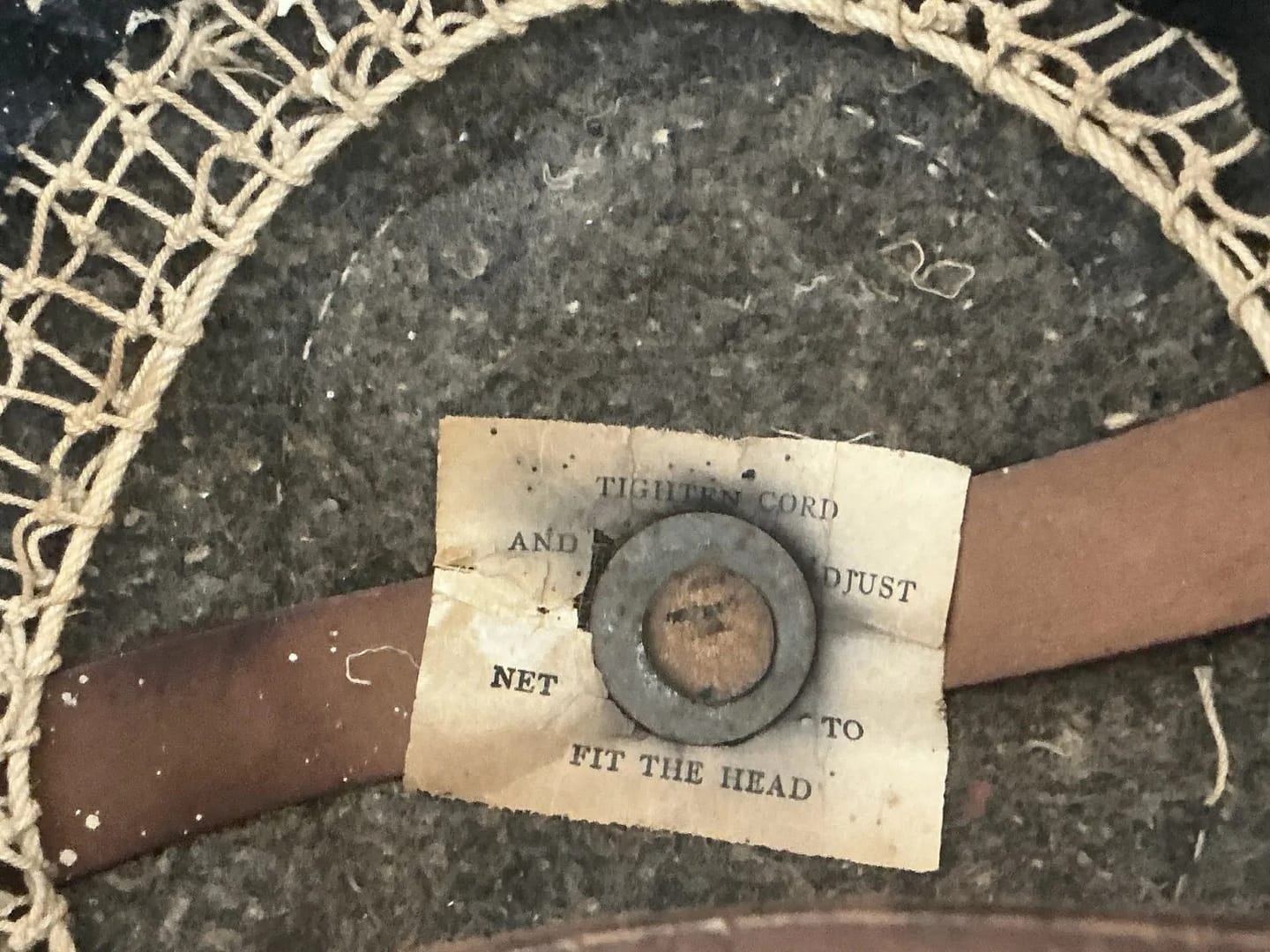
Russian Civil War: American North Russia Expeditionary Force (ANREF) US Model 1917 Brodie Helmet, 339th Infantry Regiment. From my personal collection.
Hand painted with Polar Bear crest , and marked ‘Hamtramck Bound’. The U.S. M1917 was the American-manufactured version of the British Brodie helmet, issued to troops of the 339th Infantry Regiment during the North Russia (Archangel) Intervention of 1918–1919. Its shallow steel bowl and wide brim provided basic overhead protection against shrapnel but little ballistic resistance. Worn with U.S. winter equipment and British webbing, the helmet became closely associated with the “Polar Bears,” whose operations along the Dvina and Vaga Rivers formed one of the harshest Allied campaigns of the war.
WW1 US Pattern 1917 infantry tunic, 339th Infantry Regiment,
American North Russia Expeditionary Force. From my personal collection. From my personal collection.


🧭 From Weapons to Battlefield Use
This page shows weapons and equipment of the Russian Civil War. All items are from my personal collection.
But what images and data don’t show is how these weapons were actually used on the ground—how weapon characteristics, tactics, innovation, terrain, and movement shaped their effectiveness in battle.
👉 That layer—how firepower, tactics, and terrain interact in real engagements—is explored in:
⚔️Battlefield Studies ◊ 💡Tactical Innovations ◊ 📝Field Notes
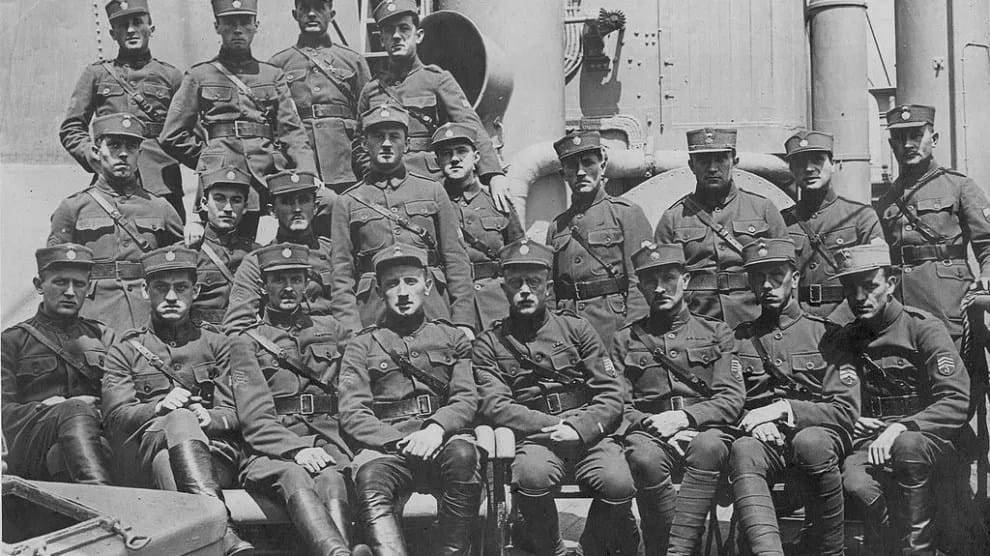
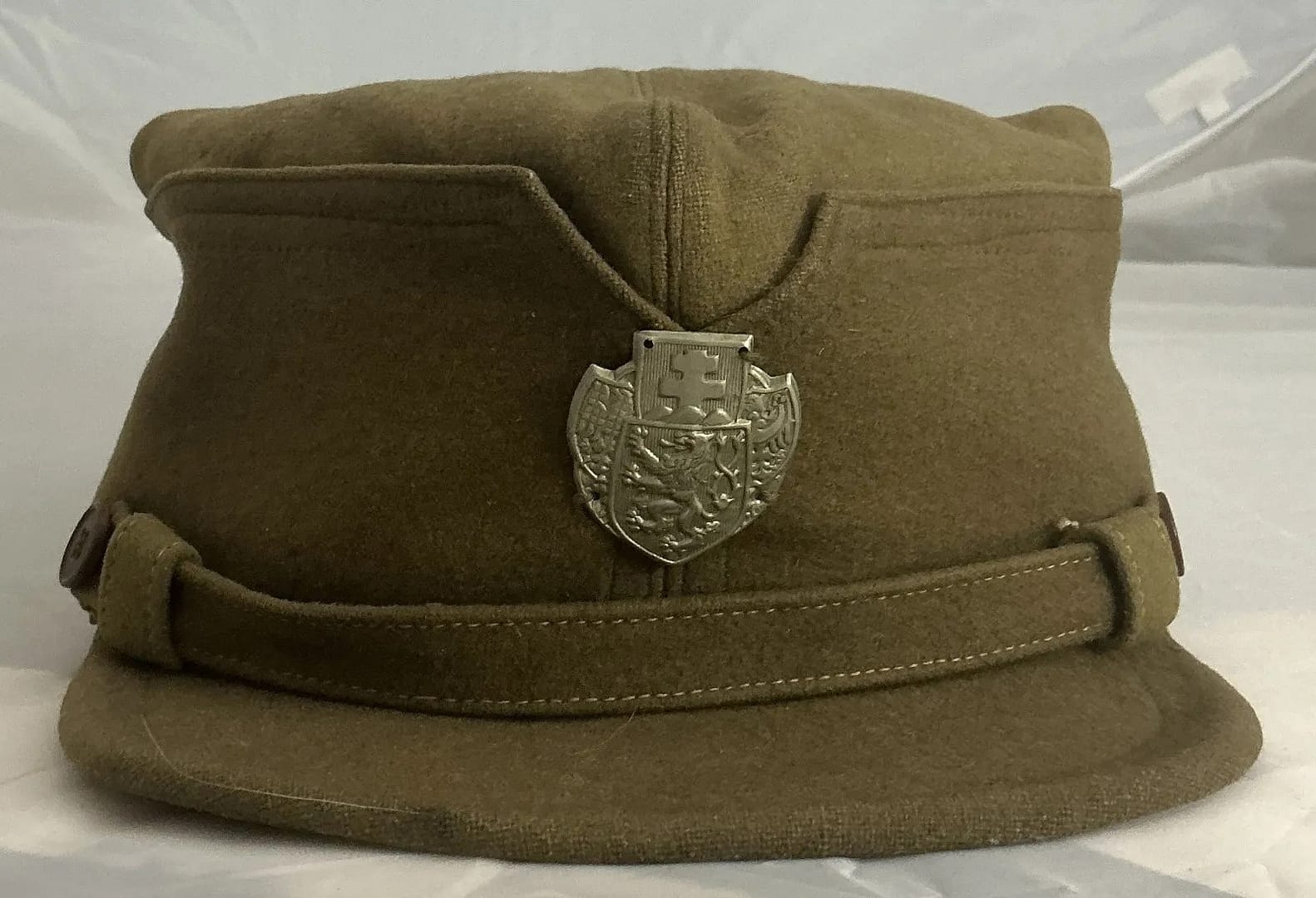
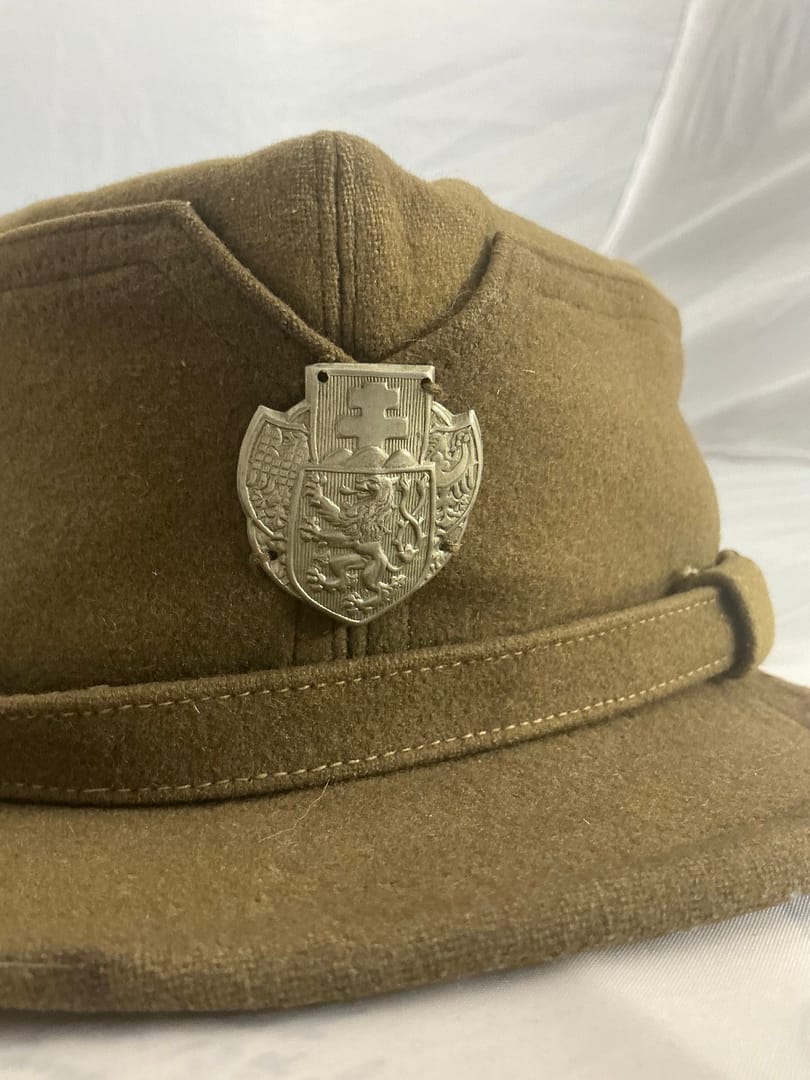
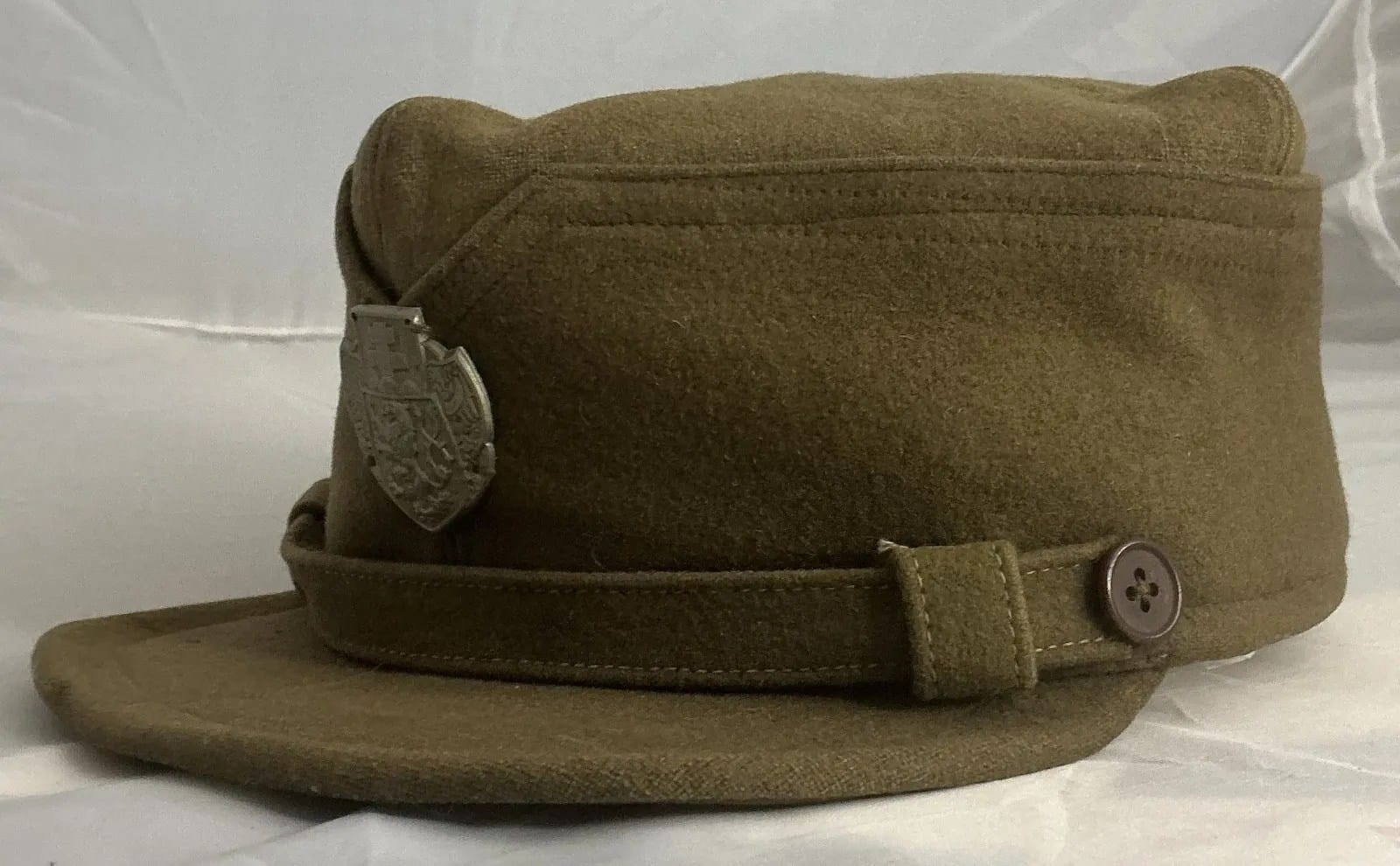
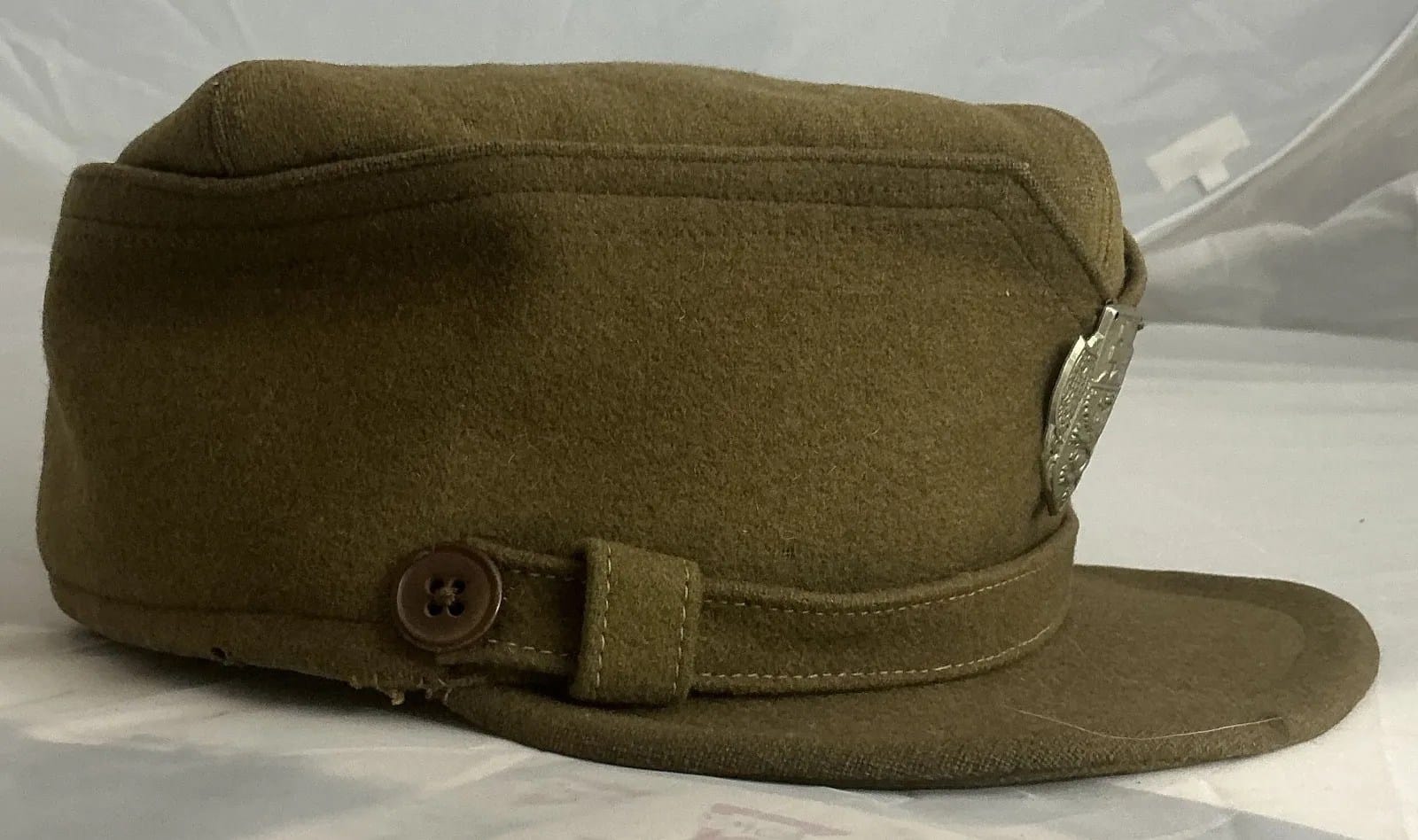
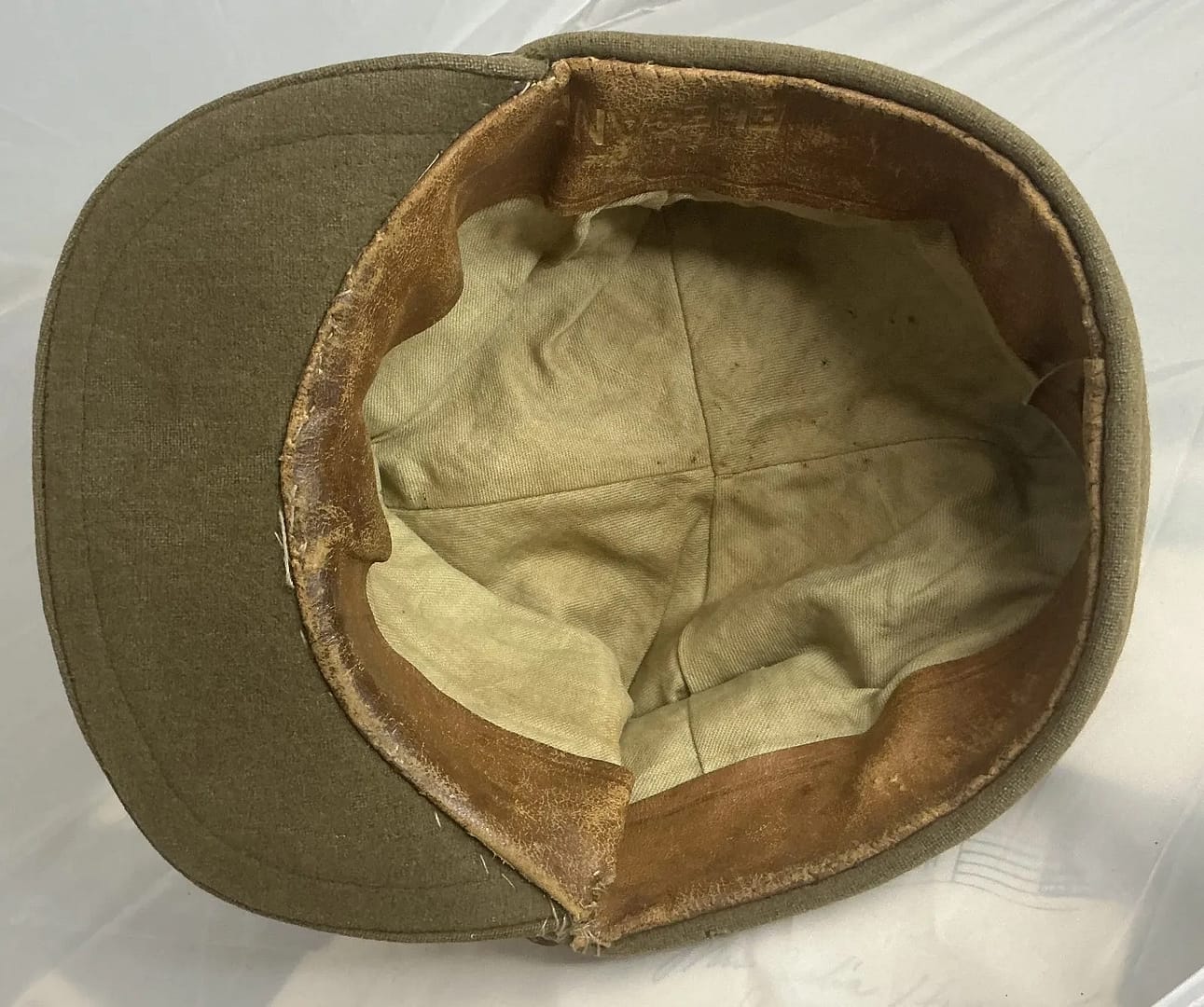
Czech legion peaked soft cap, from my personal collection.
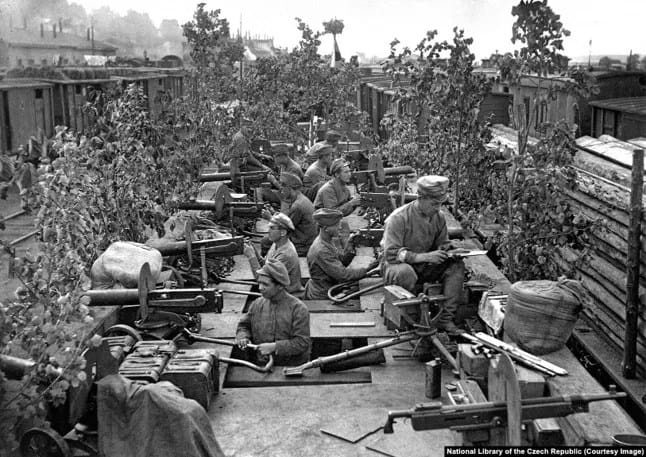
The Czechoslovak Legion was originally comprised of Czech and Slovak volunteer units raised for service in the Imperial Russian Army during the early part of WW1. By 1917, the Czech Legion was recruitiung dirctly from Czech and Slovak prisoners of war from the Austro-Hungarian Army. When Bolshevik Russia made a separate peace with Germany, the Allies wanted to
1. Protect the massive quantities of stores thay had shipped to Russia,
2. Assist the 40,000 man Czechoslovak Legion out of Russia via Vladivostok and move it to the Western Front. These were effectively the original aims of the Allied Intervention in Russia in 1918.
The Czech Legion cap, often a soft field cap with national cockade, was worn by Czechoslovak volunteers fighting to secure independence from Austria-Hungary. Stranded along the Trans-Siberian Railway in 1918, the Legion seized control of key towns and vast stretches of the line, shaping the strategic geography of the Civil War. Their disciplined operations, including actions at Kazan, Irkutsk, and along the Volga, allowed them to influence White movements and eventually secure evacuation via Vladivostok. The cap represents one of the most remarkable volunteer forces of the conflict.
Russian Civil War weapons
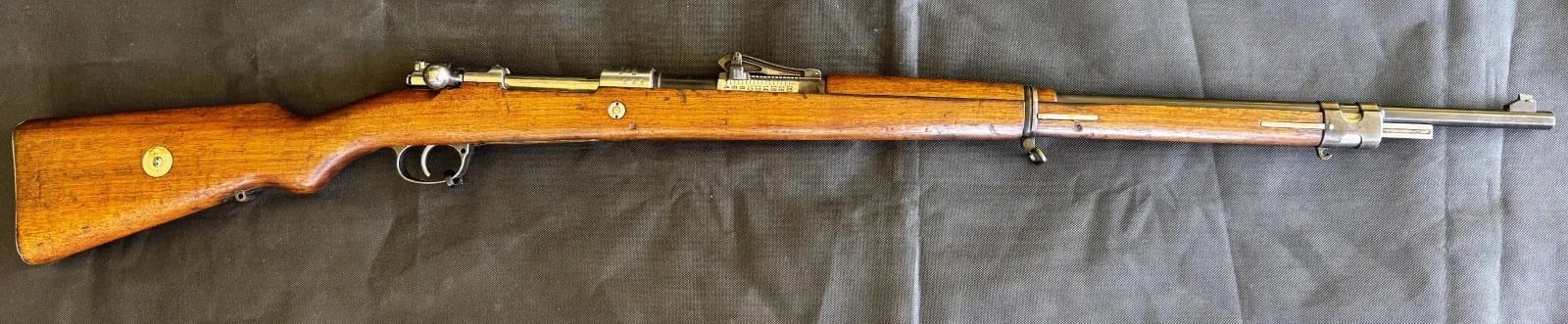
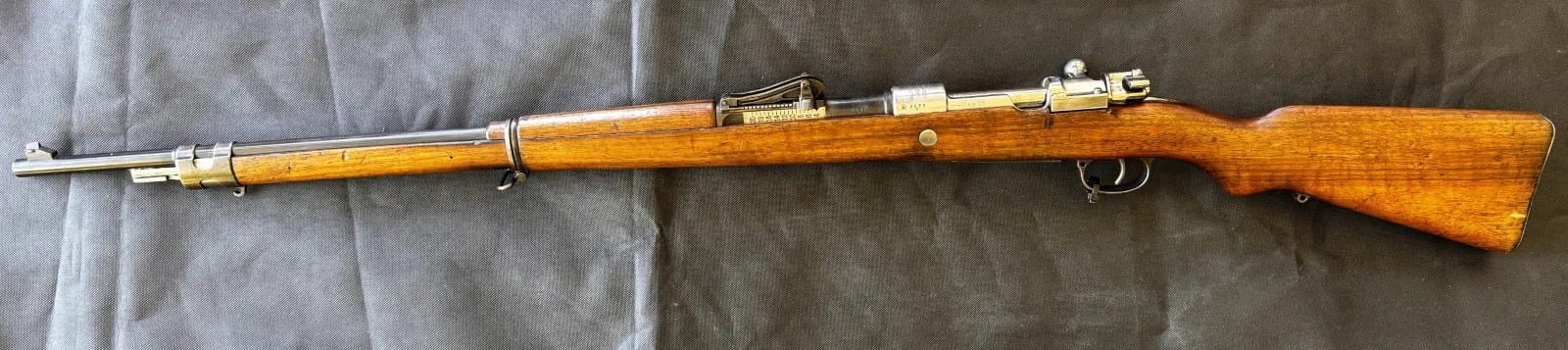
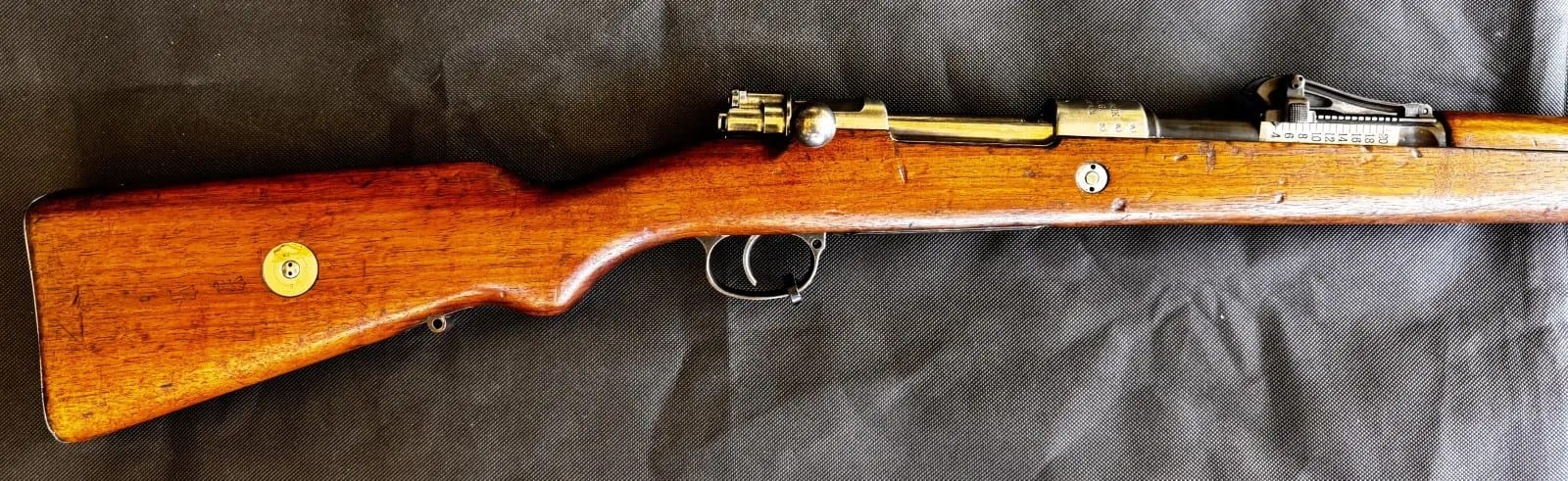
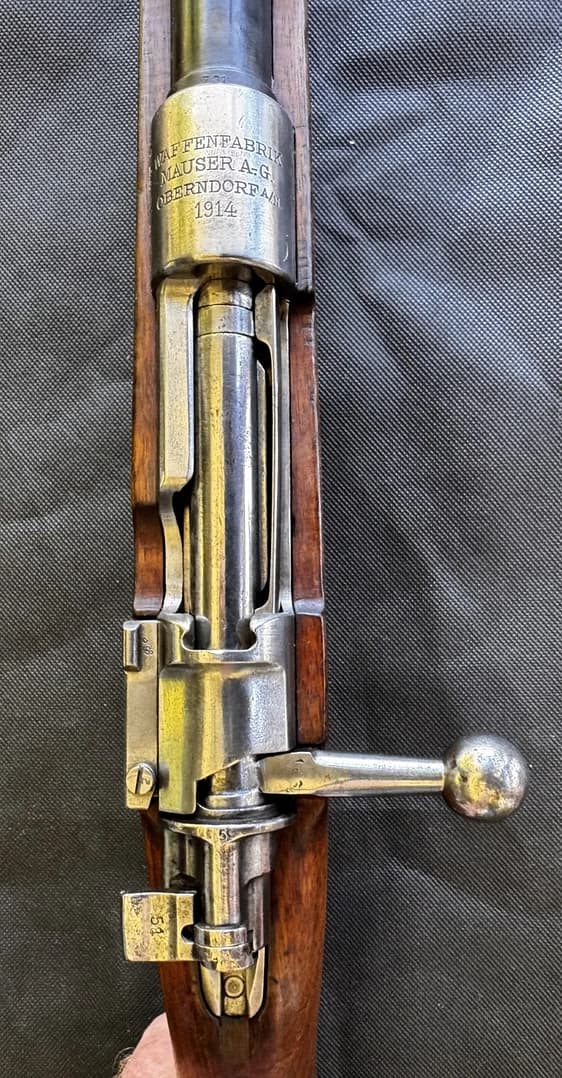
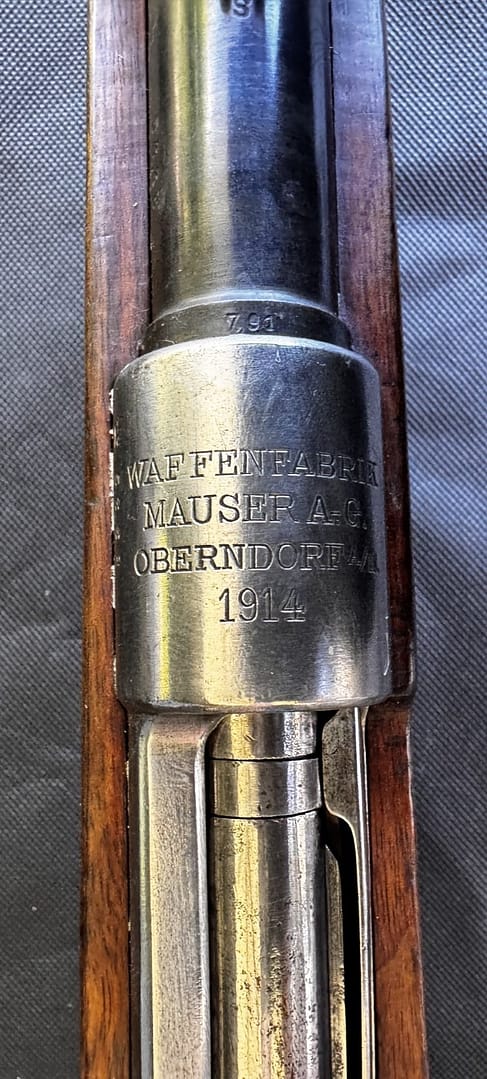
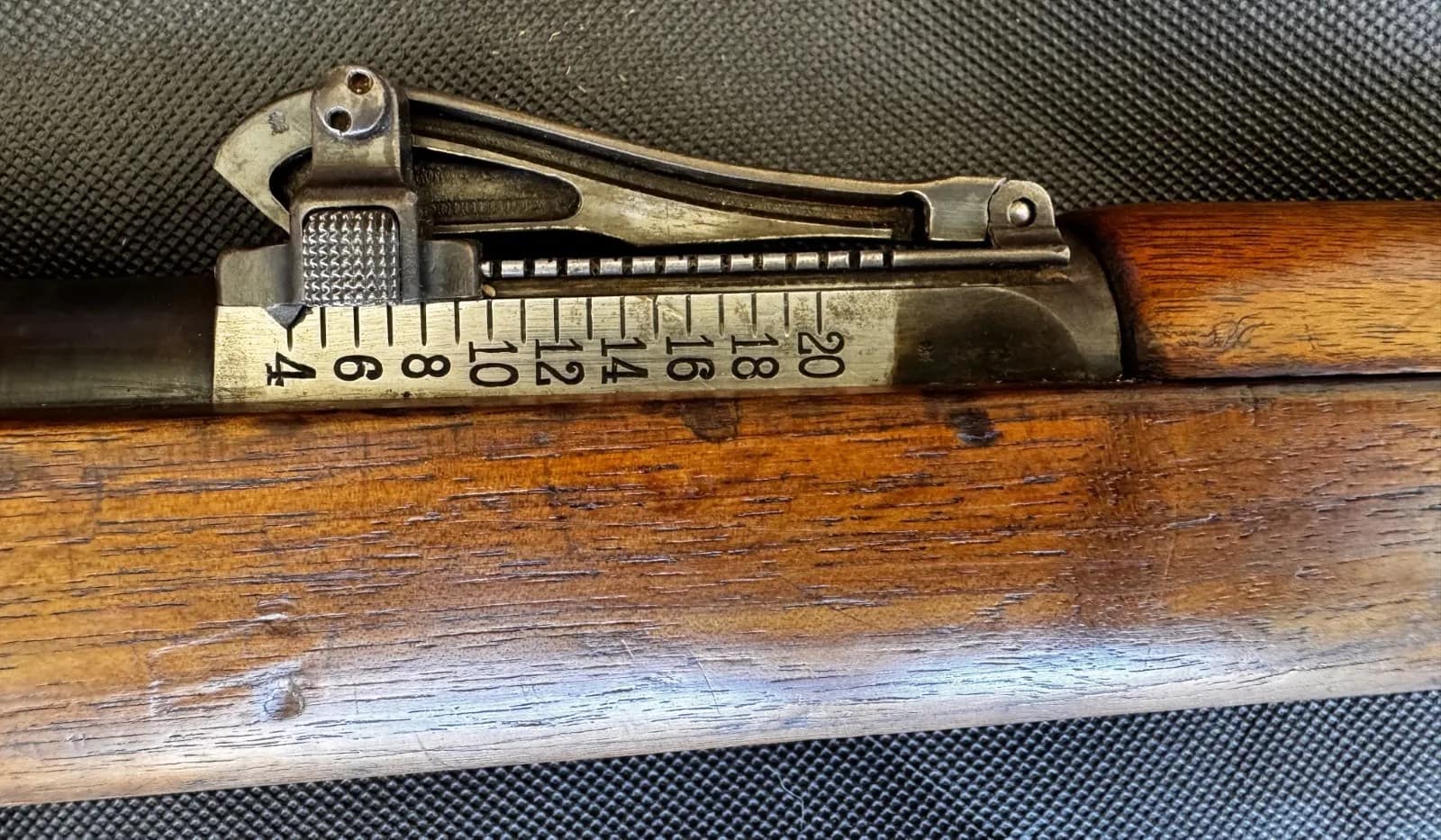
WW1 German Gewehr 98 Rifle. Mauser, Oberndorf 1914
German troops, including both regular and Freikorps irregulars, participated in the Russian Civil War, especially in teh Baltic states. The Mauser Gewehr 98 was the standard service rifle of the Imperial German Army during the First World War, produced by Mauser at Oberndorf and other arsenals. Chambered in 7.92×57mm, it featured a strong bolt action, long barrel, and excellent accuracy, reflecting German emphasis on marksmanship.
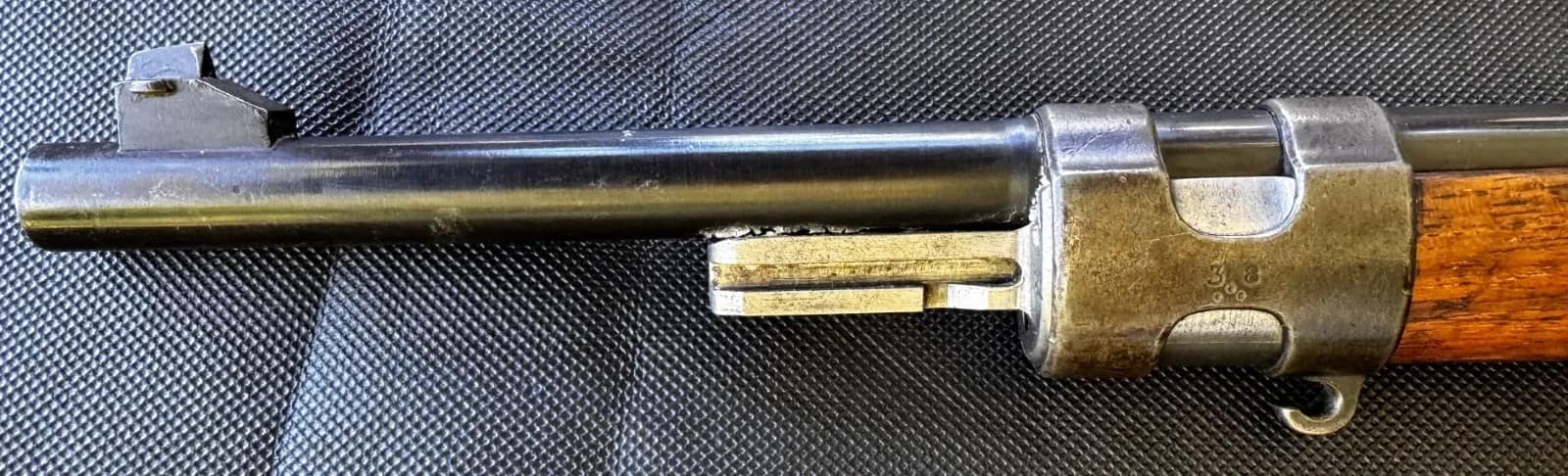
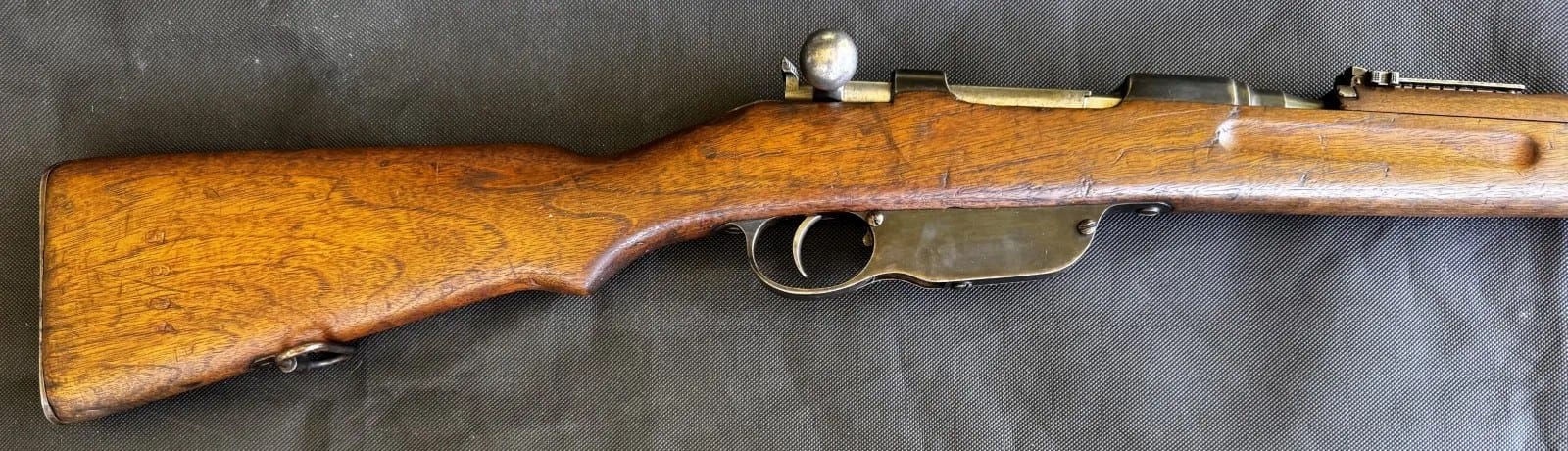
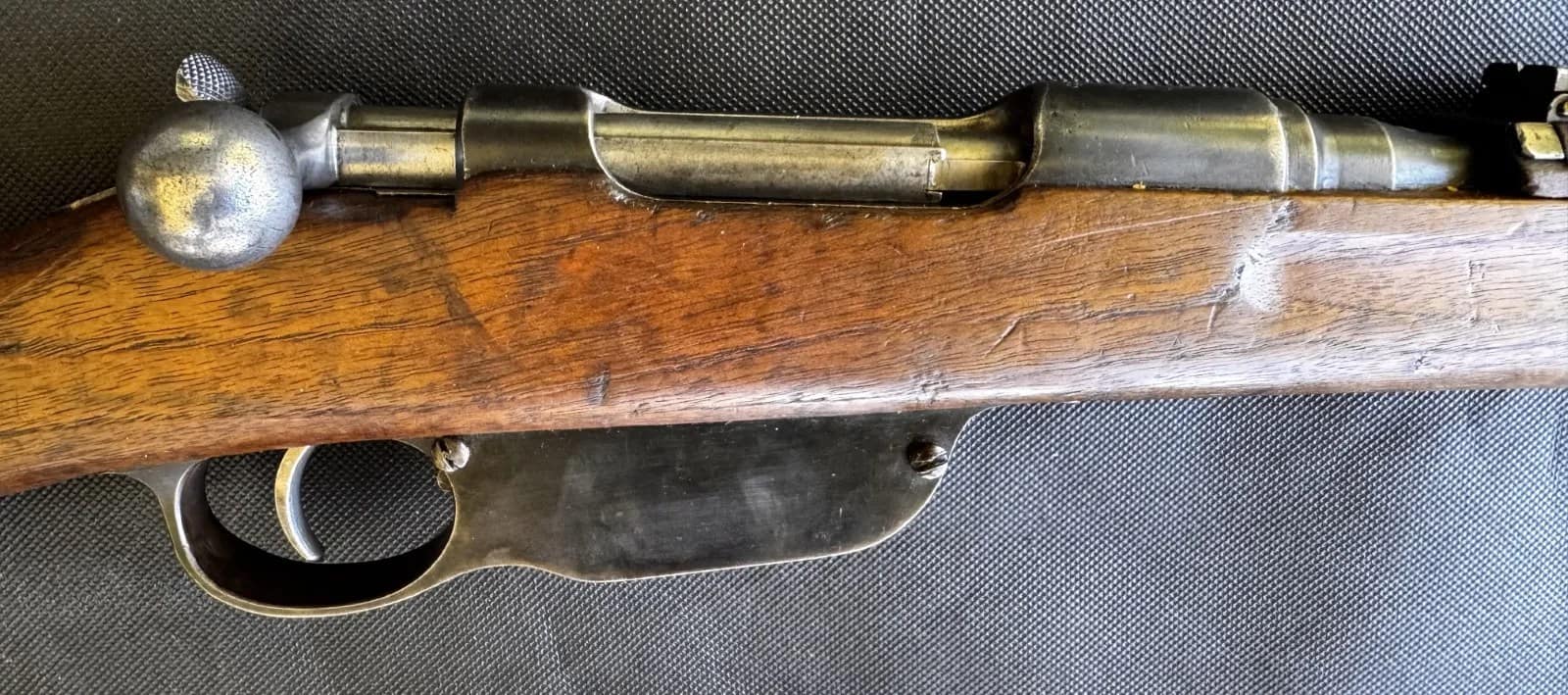
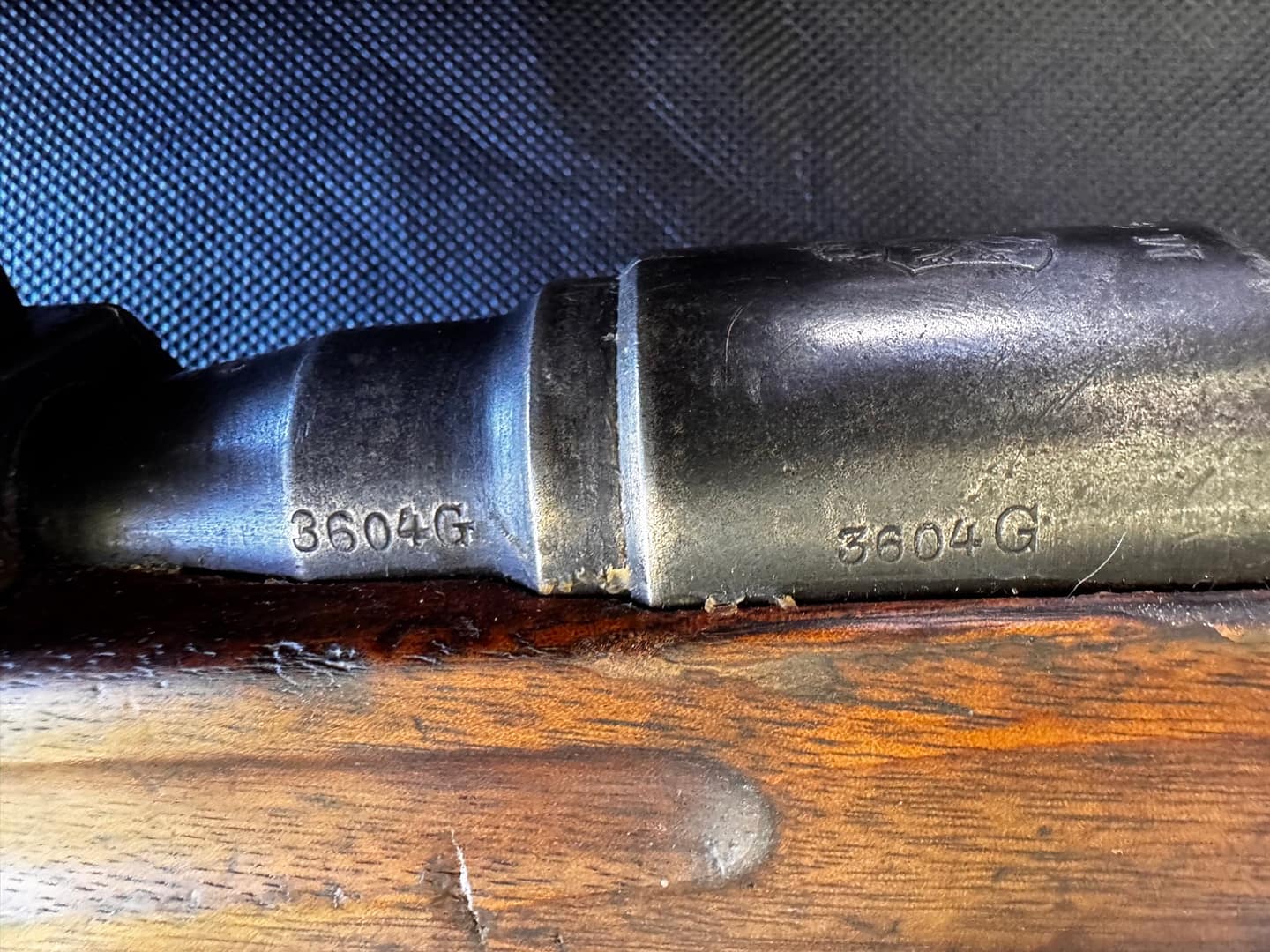
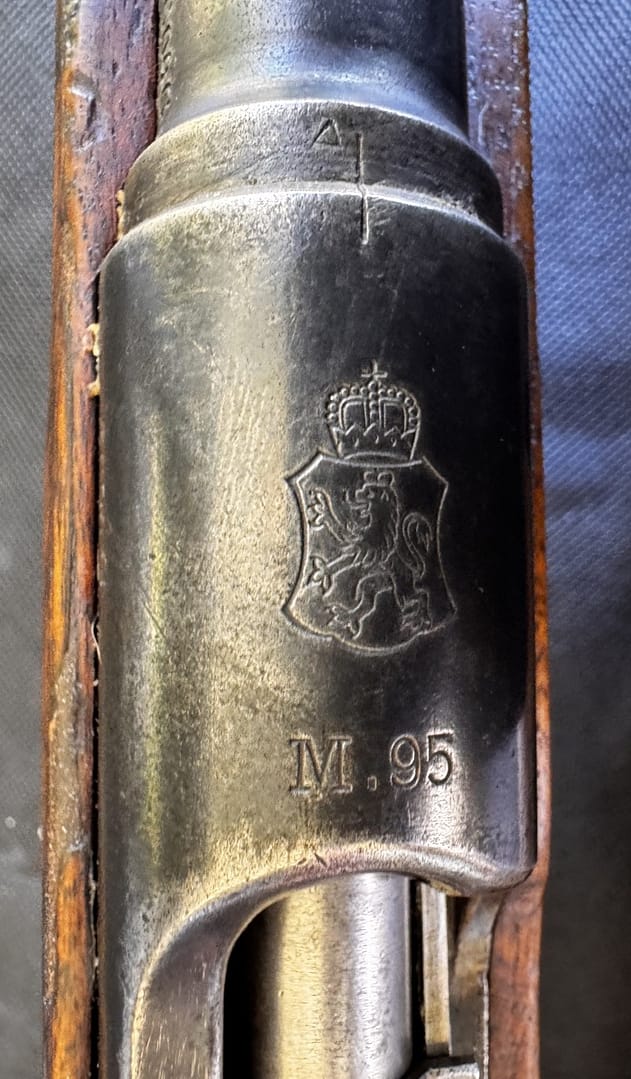
WW1 Austro-Hungarian Mannlicher Model 1895 Straight-Pull Rifle, From my personal collection
Millions of Mannlicher M1895 rifles were captured by Imperial Russian forces and were used by both sides in teh Civil War. The Mannlicher Model 1895 was the standard service rifle of the Austro-Hungarian Army during the First World War. Designed by Ferdinand Mannlicher, it featured a distinctive straight-pull bolt action that allowed rapid cycling and was chambered in 8×50mmR, later updated to 8×56mmR. Widely issued to infantry and support troops, the rifle served on multiple fronts and became synonymous with Austro-Hungarian forces during the conflict.


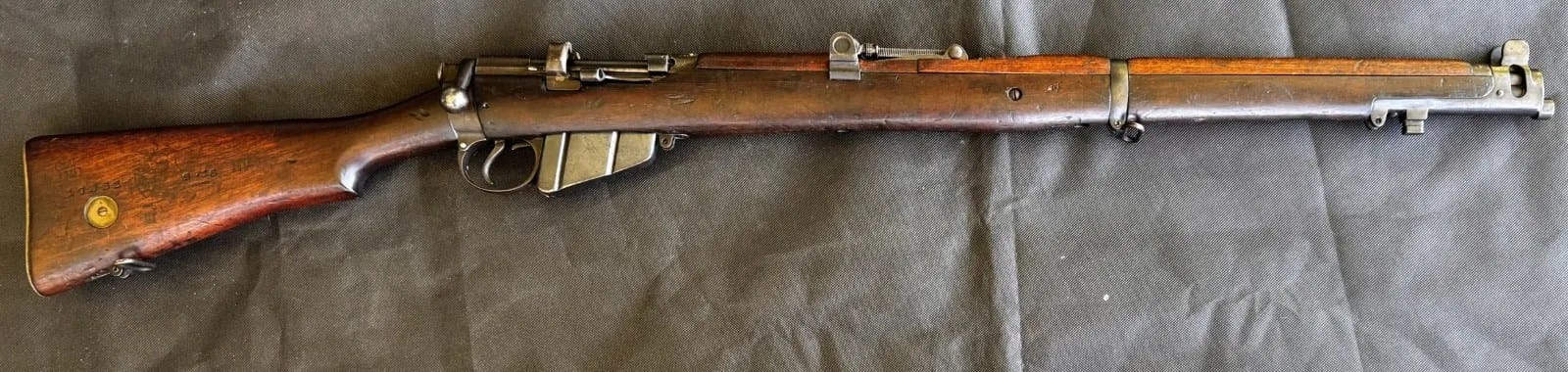
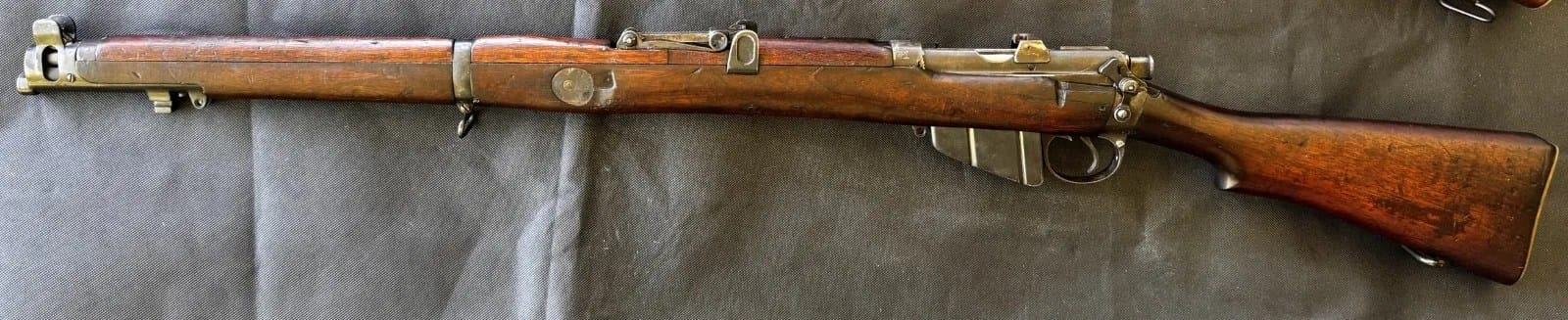
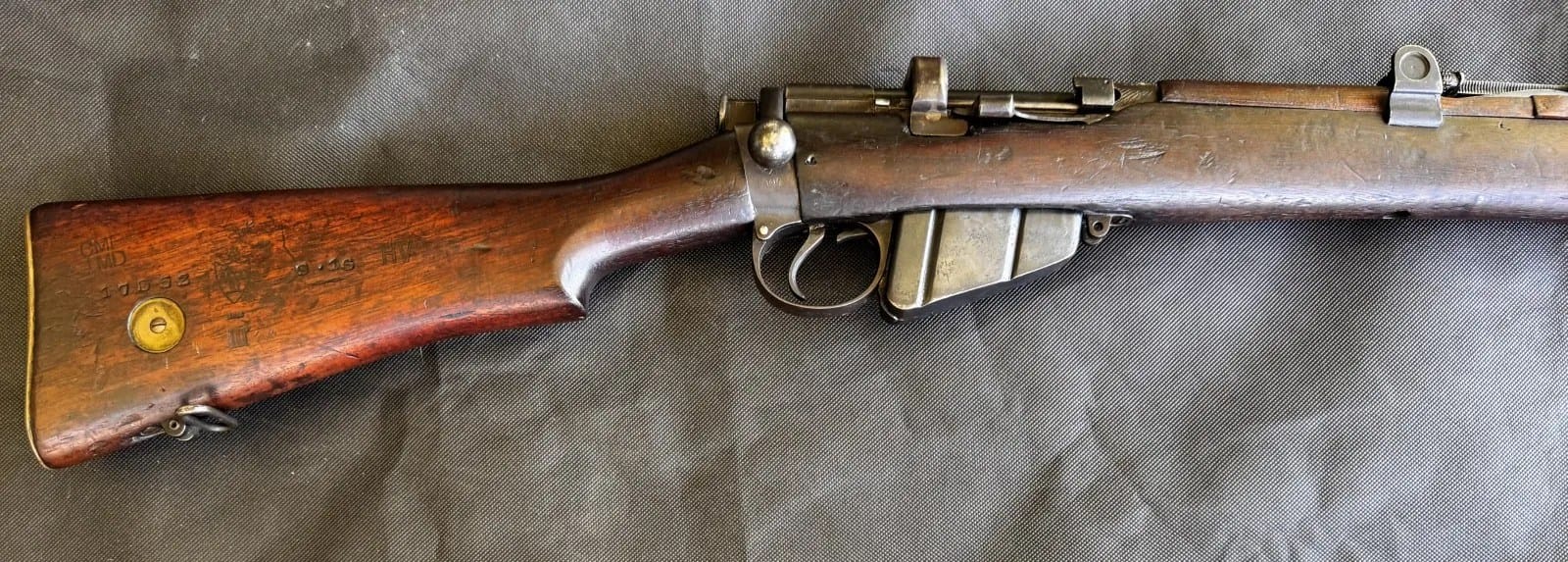
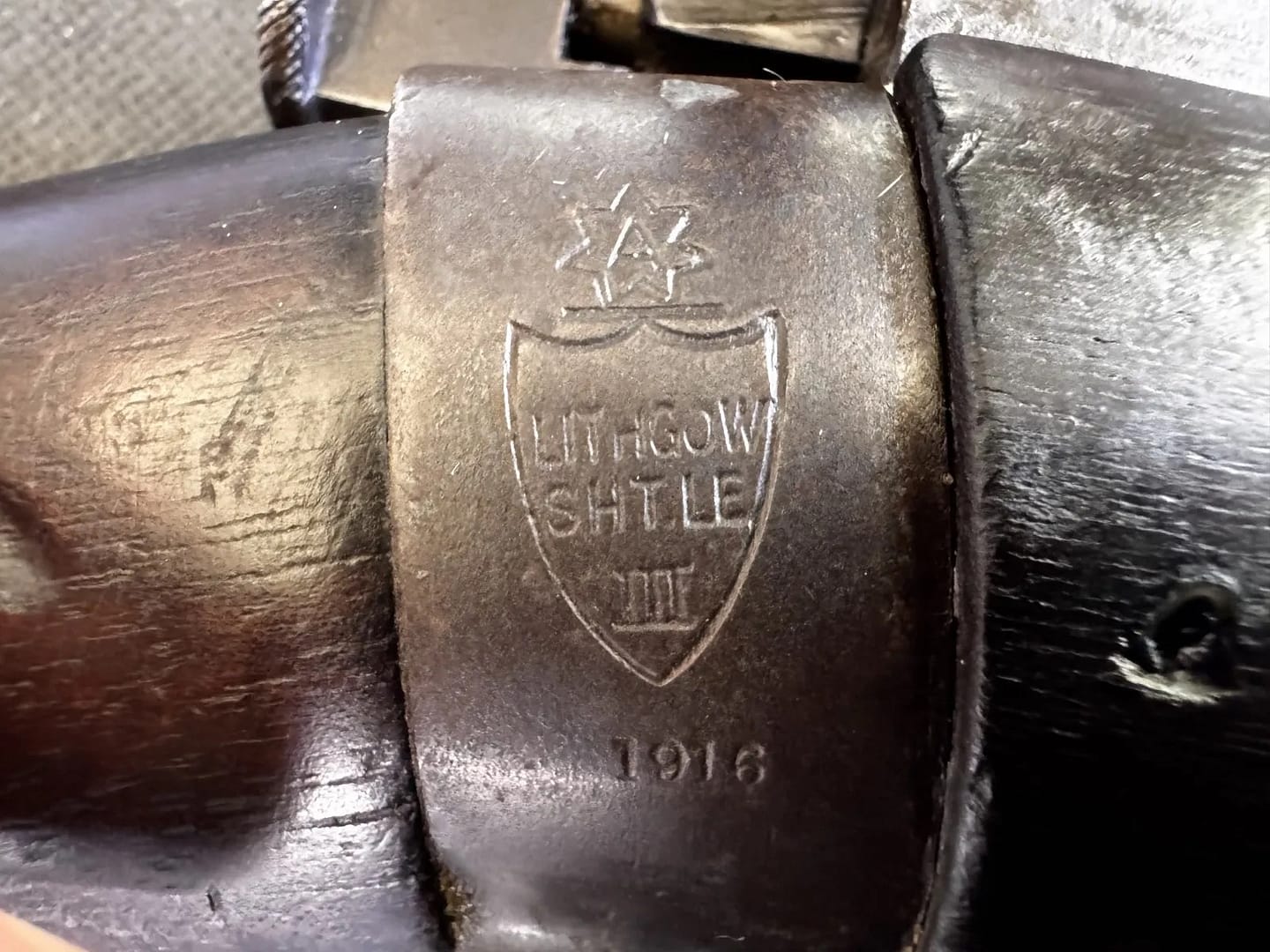
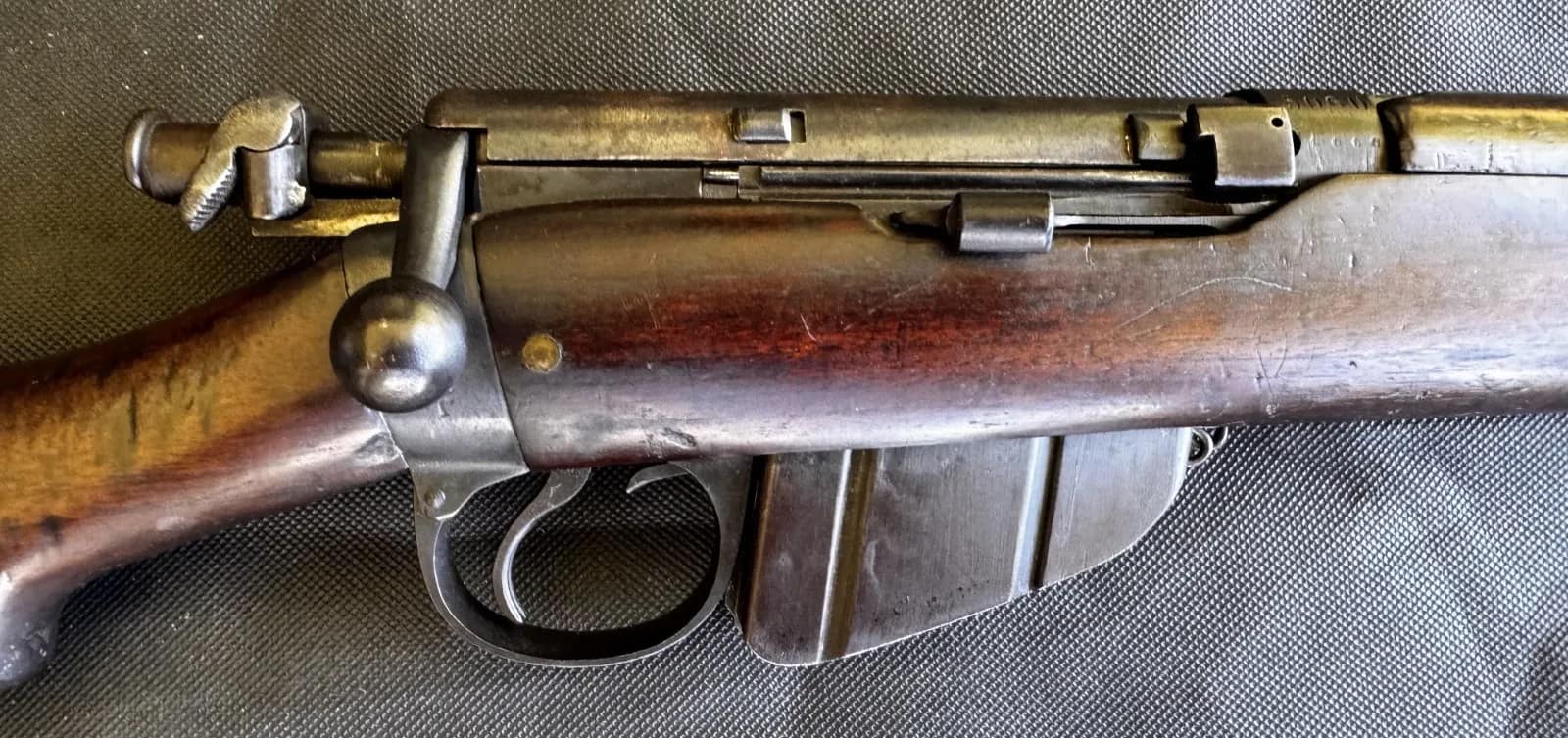
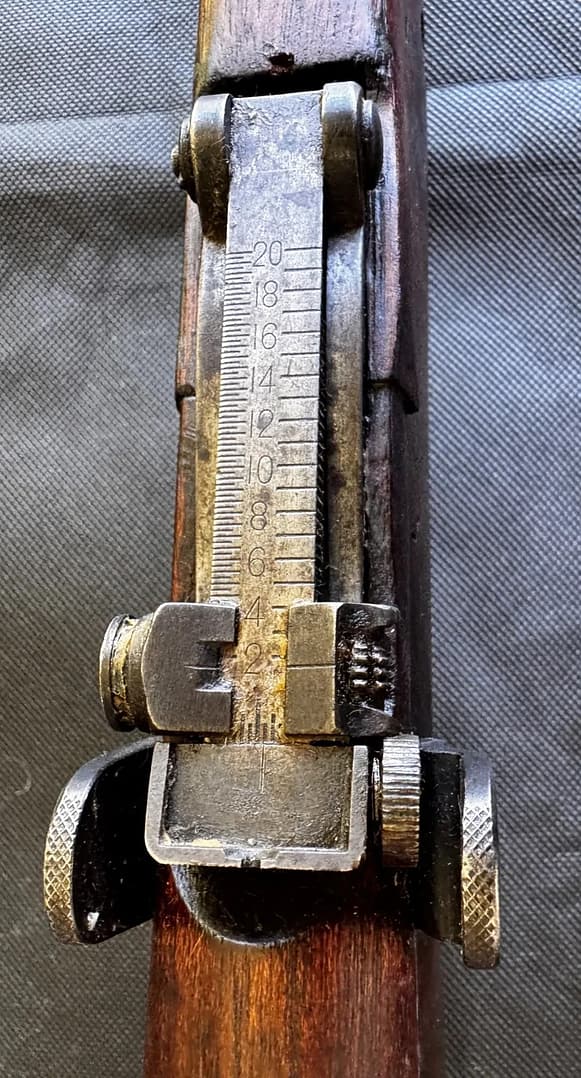
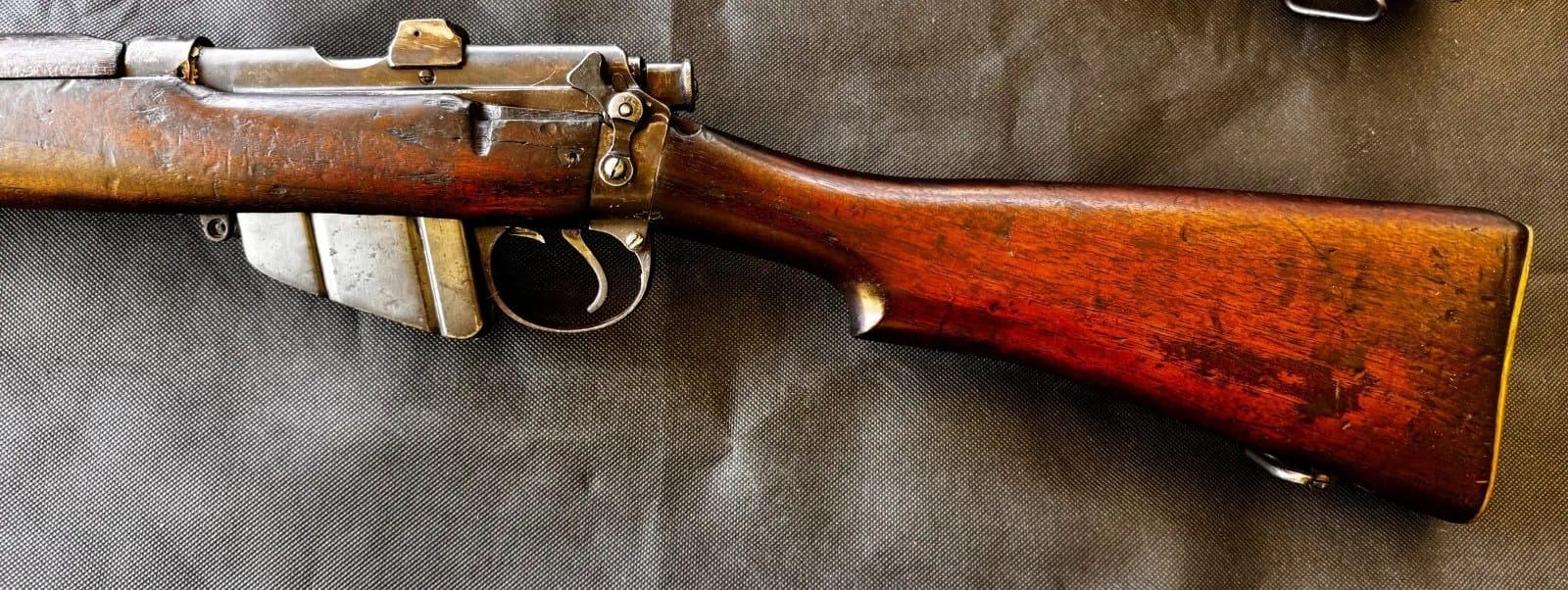
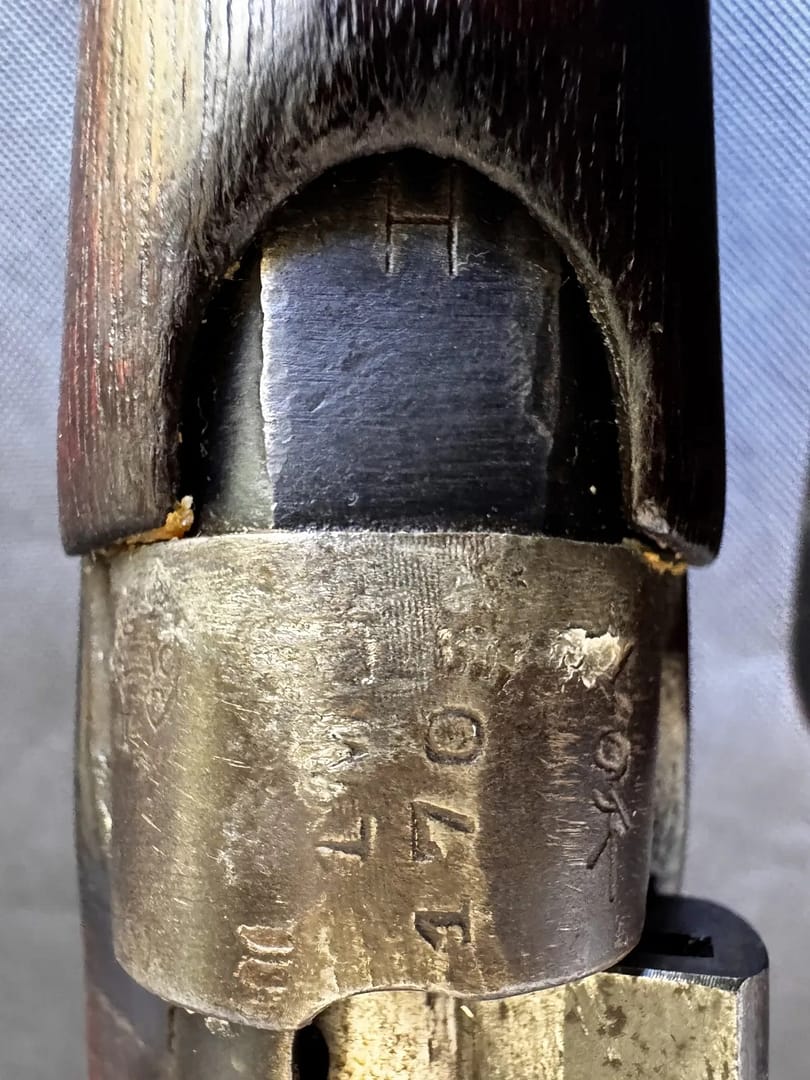
WW1 Australian Rifle No.1 Mk III, Lee-Enfield. Lithgow Small Arms Factory 1916
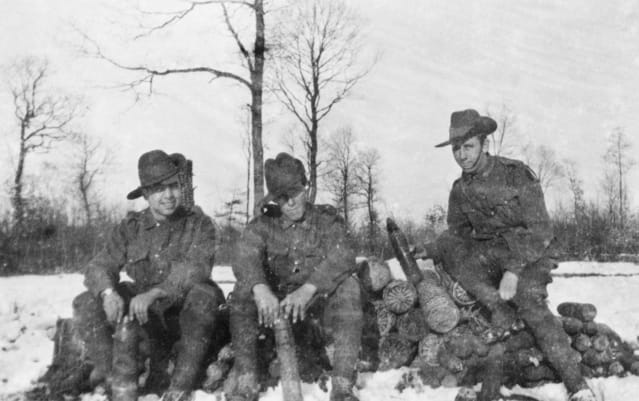
Approximately 200 Australian volunteers fought in North Russia as part of the 45th Battalion, Royal Fusiliers. Two Victoria Crosses were awarded to AUstralian soldiers during the intervetion: Corporal Arthur Percy SULLIVAN for actions at the Sheika River, and Sergeant Samuel George PEARSE for actions at Yemtsa.
ASPI Article on the Australian involvement in the Russian Civil War
The Rifle No.1 Mk III Short Magazine Lee-Enfield was the standard service rifle of Australian forces during the First World War, with rifles produced at the Lithgow Small Arms Factory from 1912 onward. Chambered in .303 British, it combined a smooth bolt action with a ten-round magazine, enabling rapid, accurate fire. Rifles dated 1916 equipped Australian troops on the Western Front and in the Middle East, becoming iconic to the AIF.
Found this useful? Buy me a coffee — it helps fund future battlefield research


Authored by Mick Prictor, a retired military officer with 40 years’ service, and a military historian specialising in terrain-focused analysis of tactics, doctrine, and command decision-making in land warfare. His work draws on extensive battlefield fieldwork—more than 280 sites worldwide—and one of the world’s largest private collections of historic military arms, uniforms, and equipment. About me
FAQ: Russian Civil War Weapons and Equipment
The Russian Civil War was fought between roughly 1917 and 1922 following the collapse of the Russian Empire and the Bolshevik seizure of power. It involved multiple factions, including the Red Army, White forces, nationalist movements, and foreign intervention forces, across a vast geographic area.
The conflict shaped the political map of the 20th century by establishing the Soviet Union and influencing global ideological competition for decades. It also demonstrated the complexity of modern civil war, with fluid fronts, irregular forces, and immense human cost.
The collection focuses on weapons, equipment, and material culture used by the various forces involved. These items help illustrate the technological transition from late imperial equipment to early Soviet military systems and the diverse sources of supply used by all sides.
Physical objects provide insight into the lived experience of soldiers and the practical realities of the war — logistics, equipment shortages, foreign support, and the mix of old and new technology that characterised the conflict.
No. One of the defining features of the Russian Civil War was the lack of standardisation. Many forces relied on a mixture of imperial Russian stocks, captured equipment, foreign aid, and locally produced items, reflecting the fragmented nature of the conflict.
The war highlights the importance of political legitimacy, morale, logistics, and control of key population centres, as well as the challenges of operating across vast and diverse terrain — themes that continue to appear in modern conflicts.
Subscribe to Battlefield Travels and receive a free E-Book Battlefield Guide
Unlock expert battlefield analysis, campaign reconstructions, and historical insights drawn from firsthand exploration and primary sources.
🗺️ You’ll receive:
🎖️ Exclusive historical insights you won’t find elsewhere
📘 A free eBook: 10 Tips for Exploring Historic Battlefields
📰 New battlefield studies straight to your inbox as they are published

⚔️ Go deeper — Members get exclusive access to the Deep Research Collection, Field Notes, and monthly Research Dispatches. Try membership free for 7 days, cancel anytime. From $9/month.