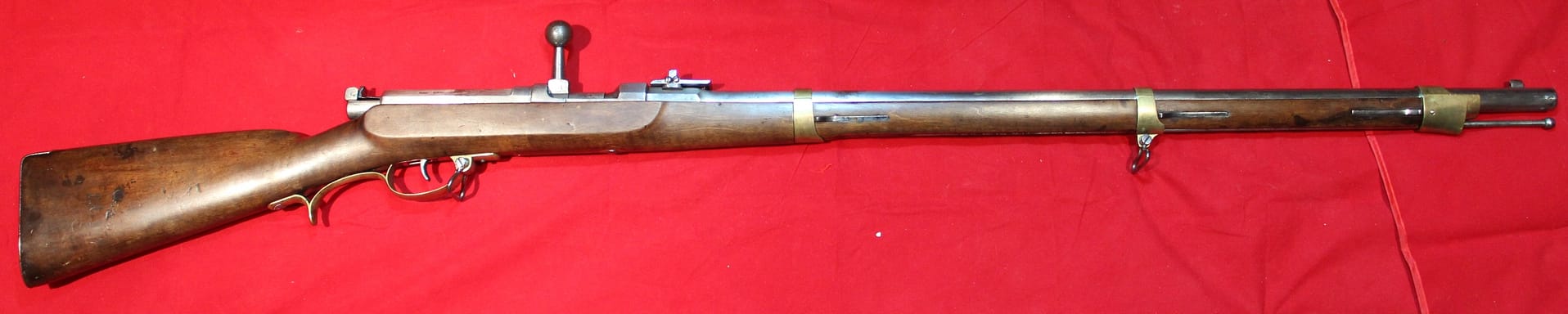
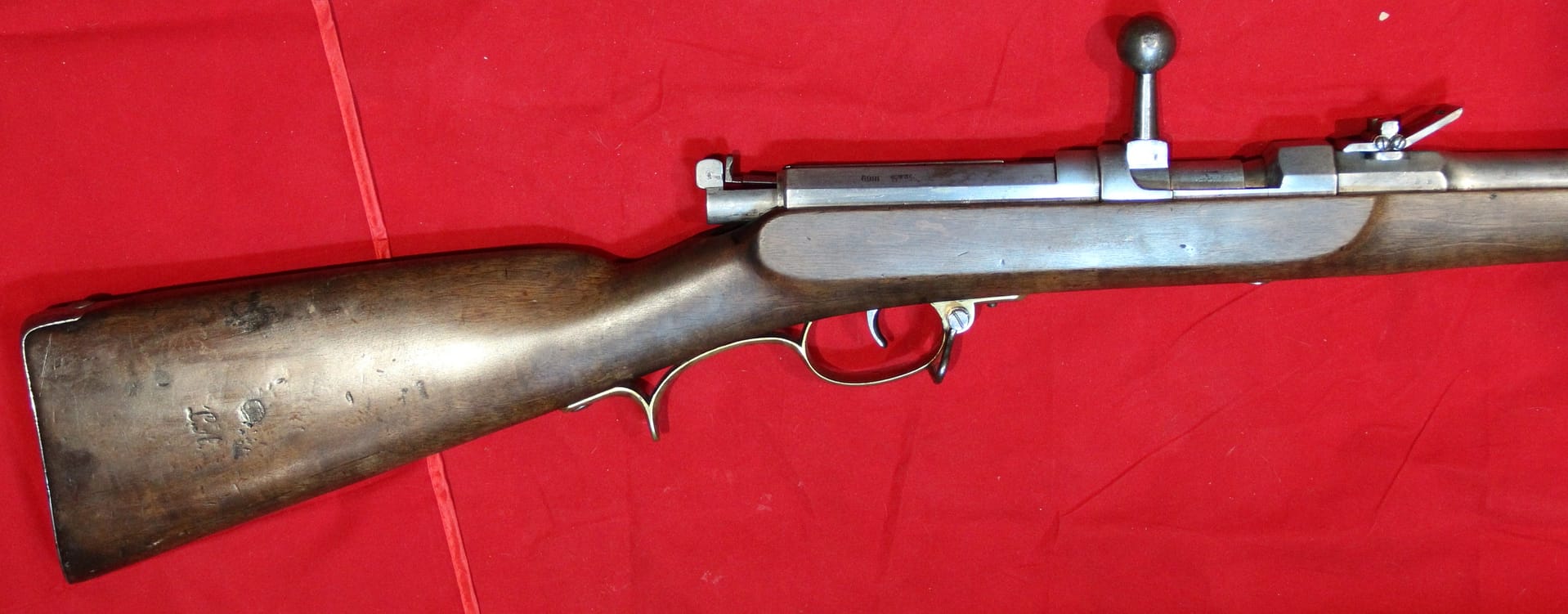
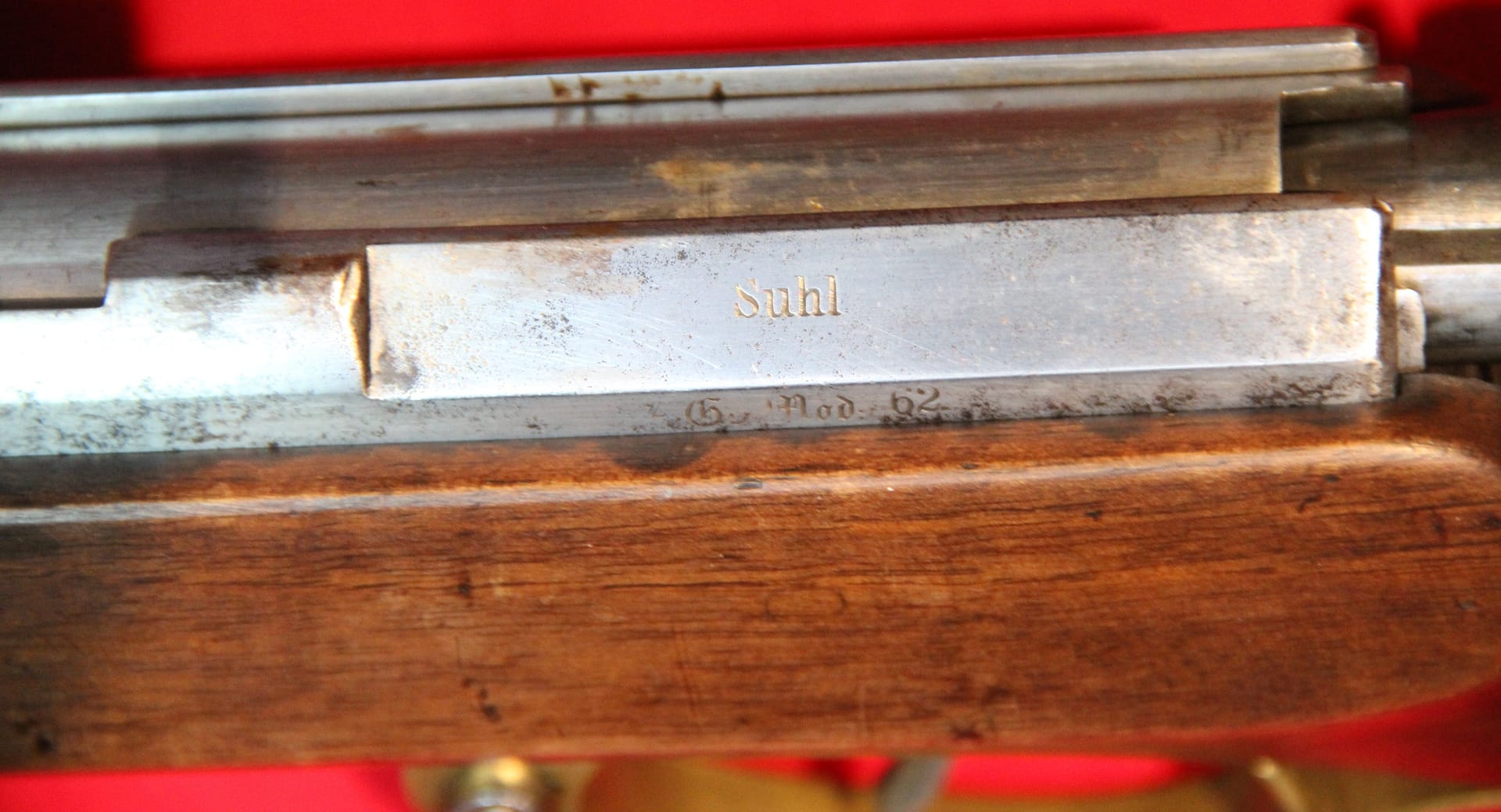
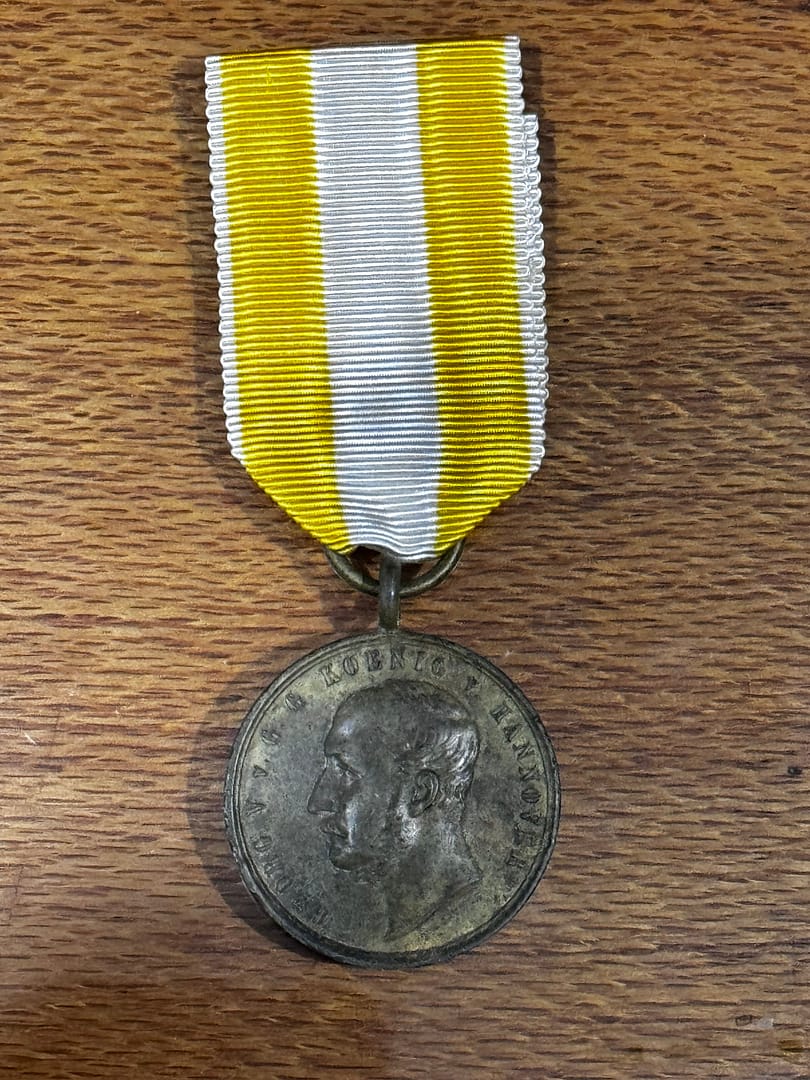
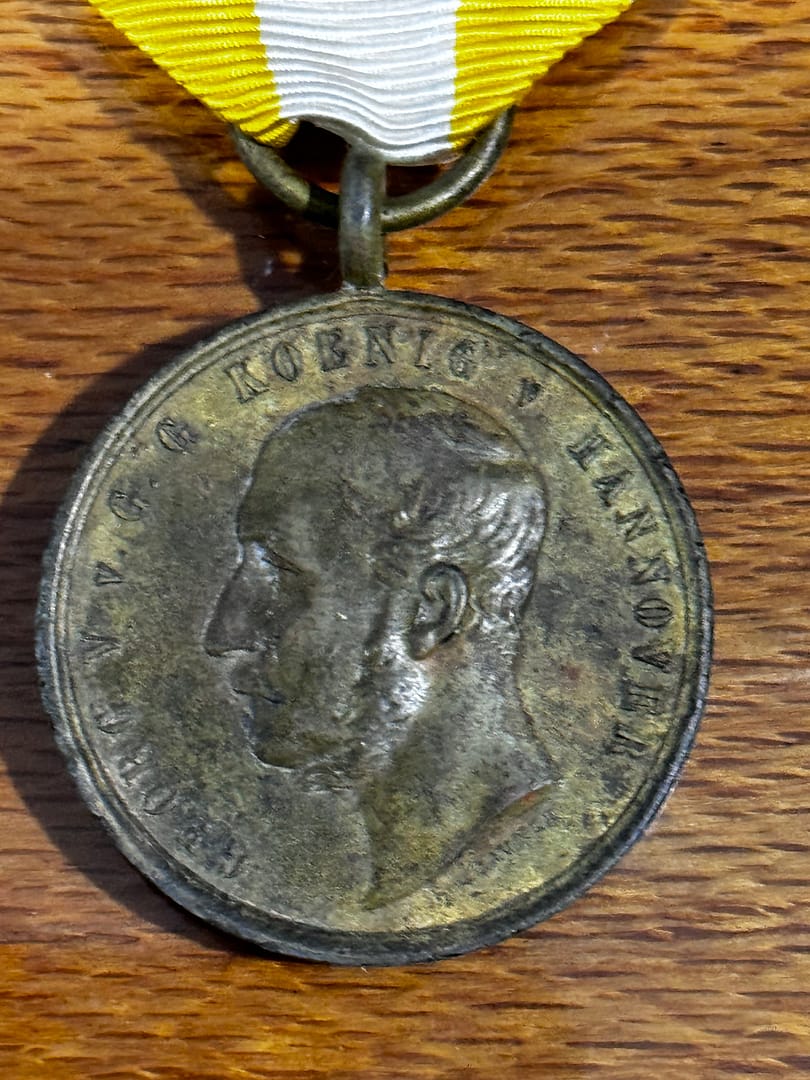
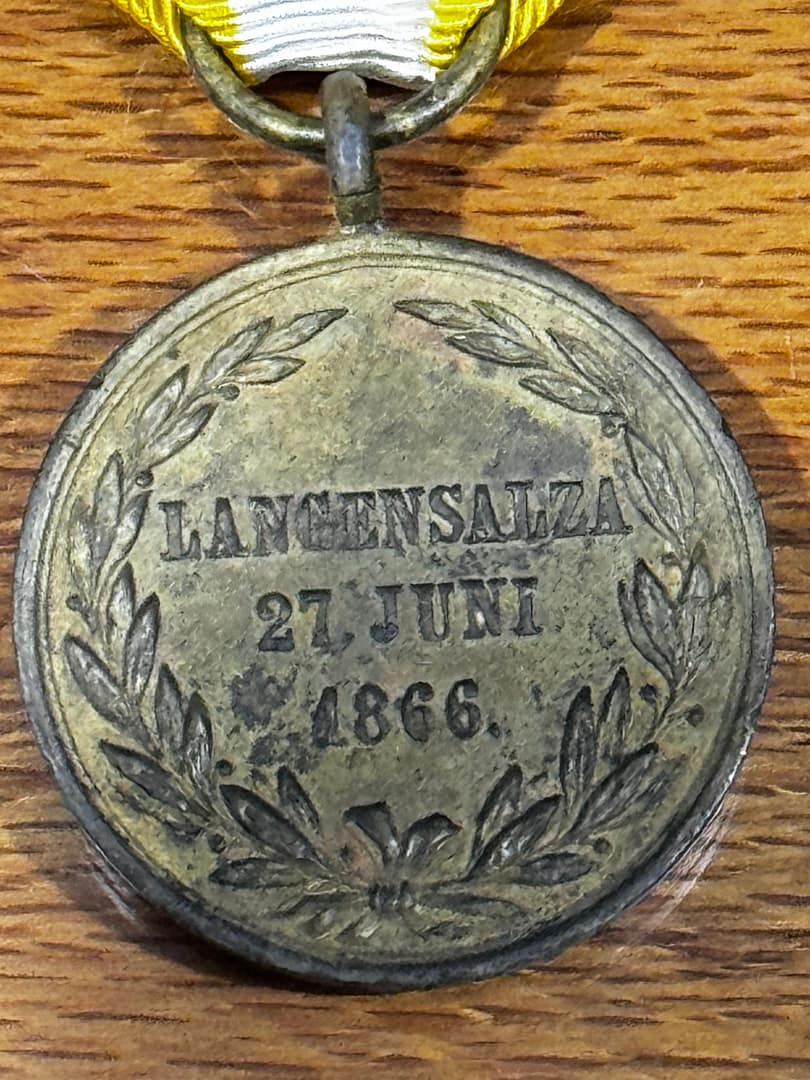
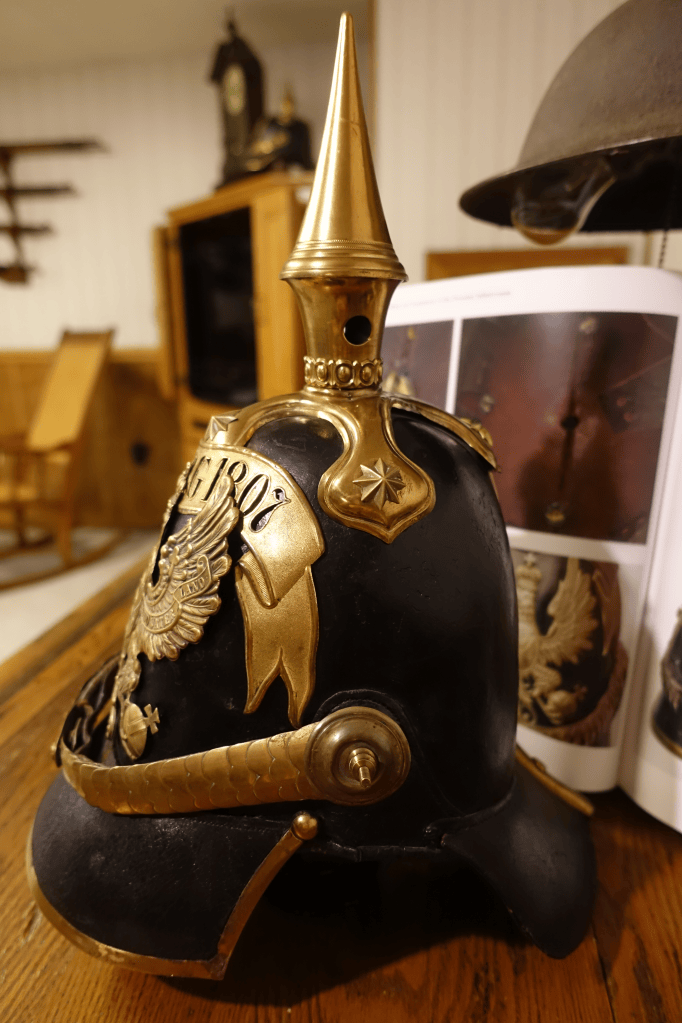
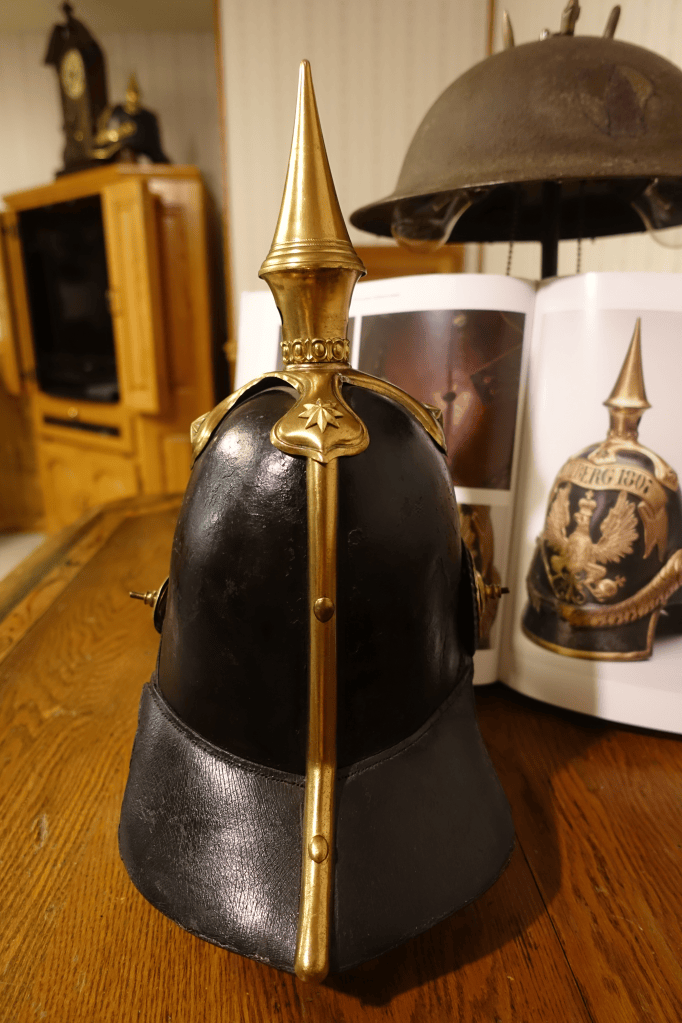
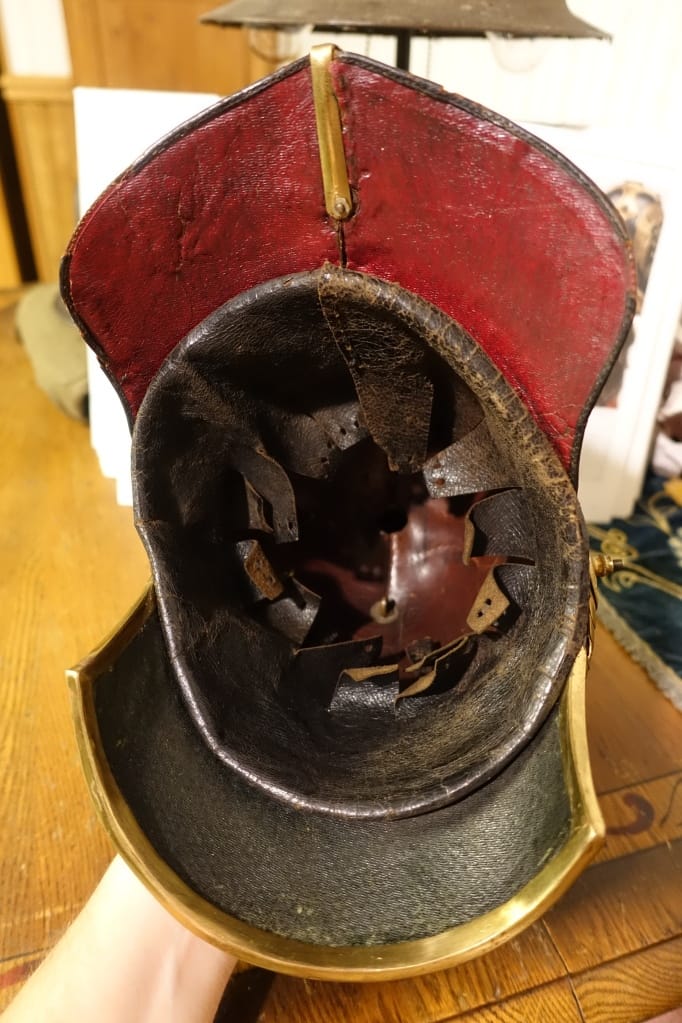
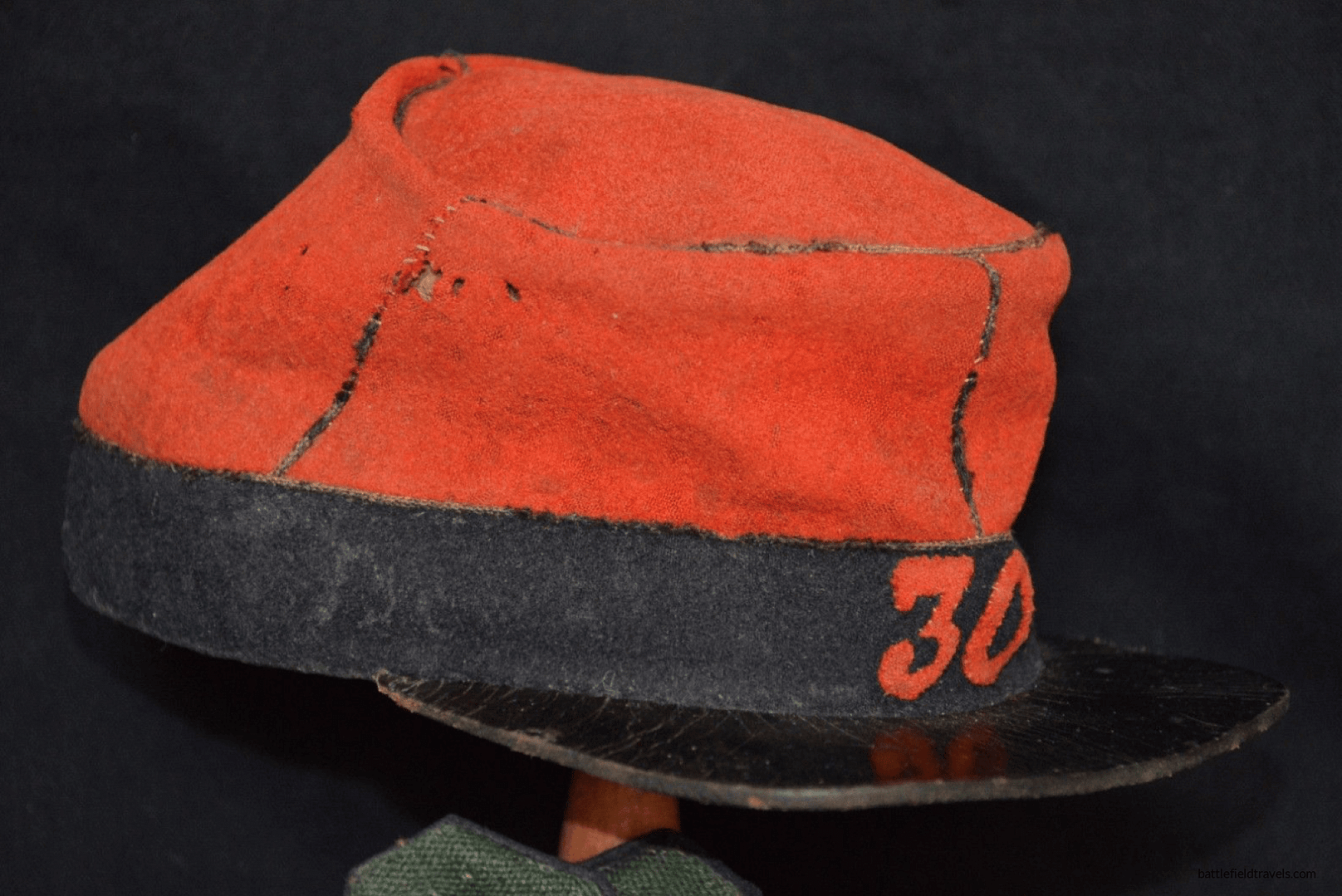
Selected works on the Austro-Prussian War
Overview of the Austro-Prussian War
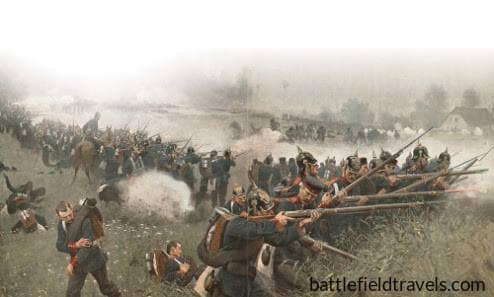
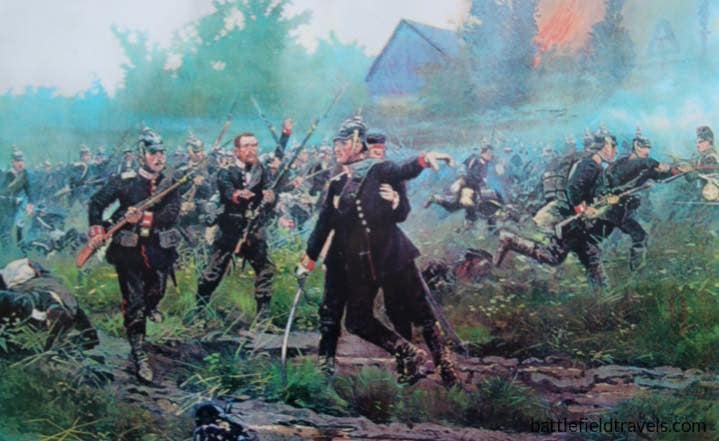
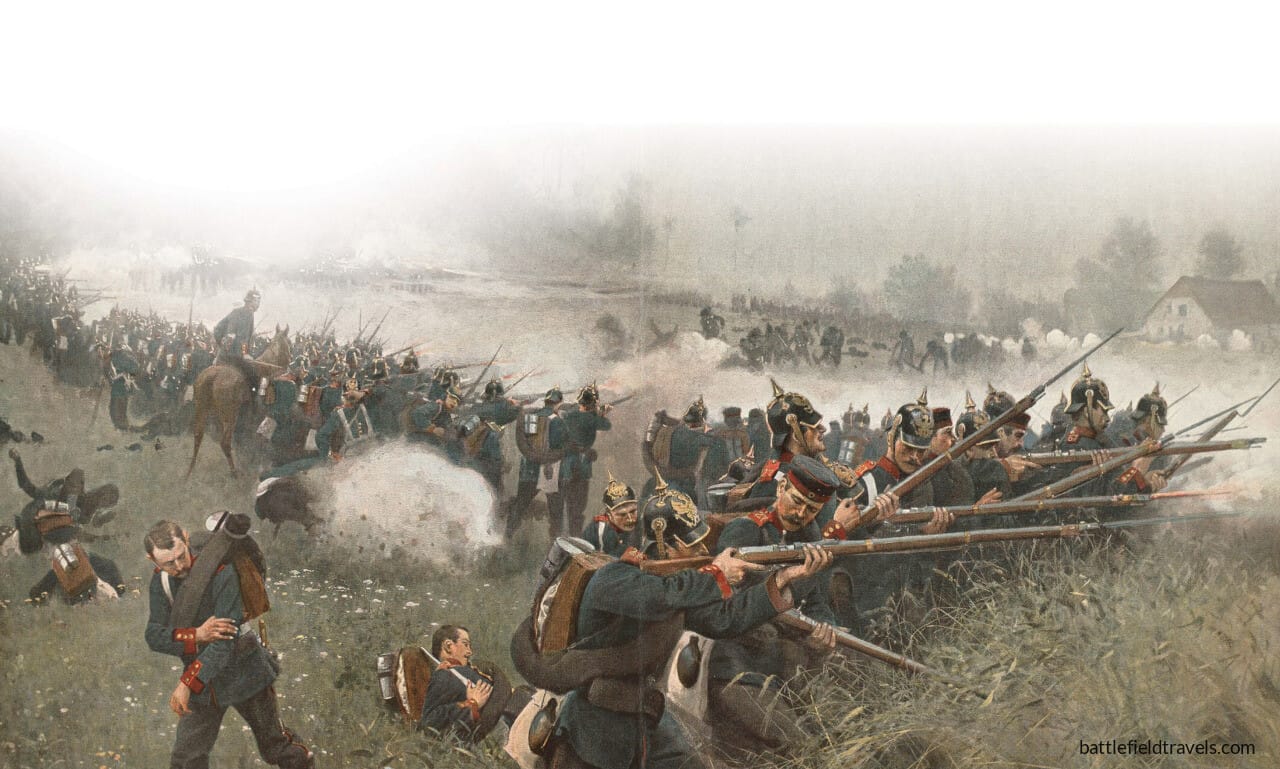
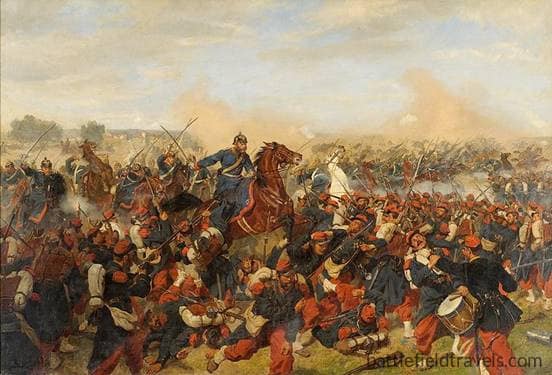
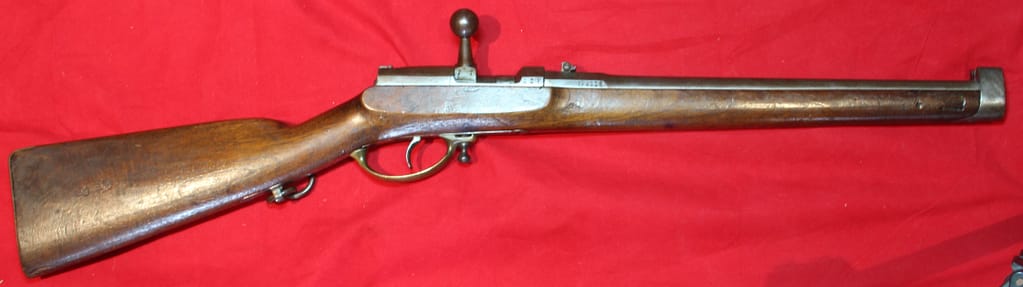
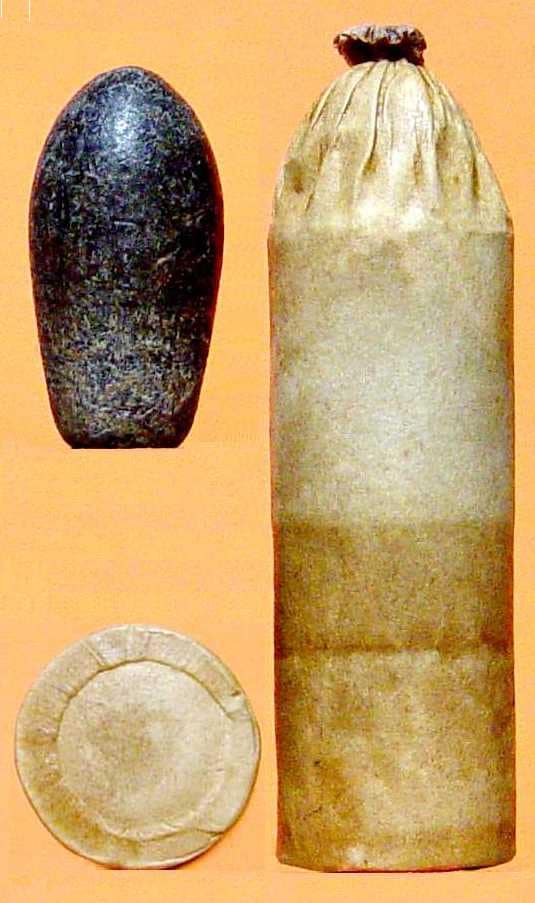
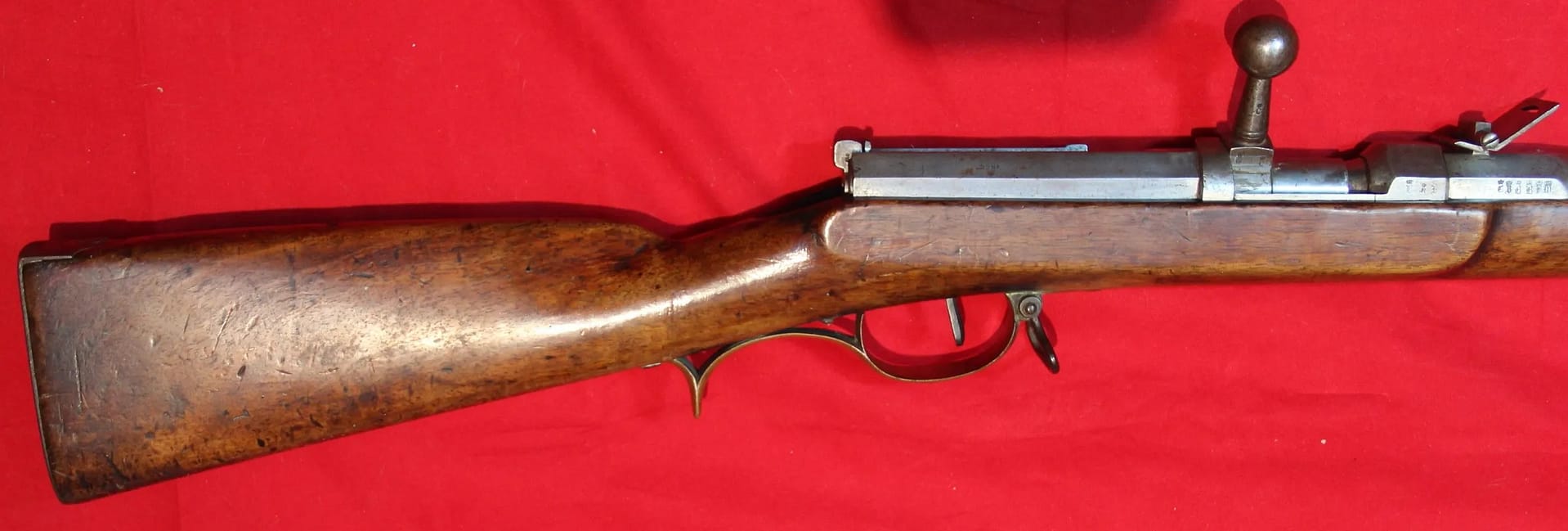
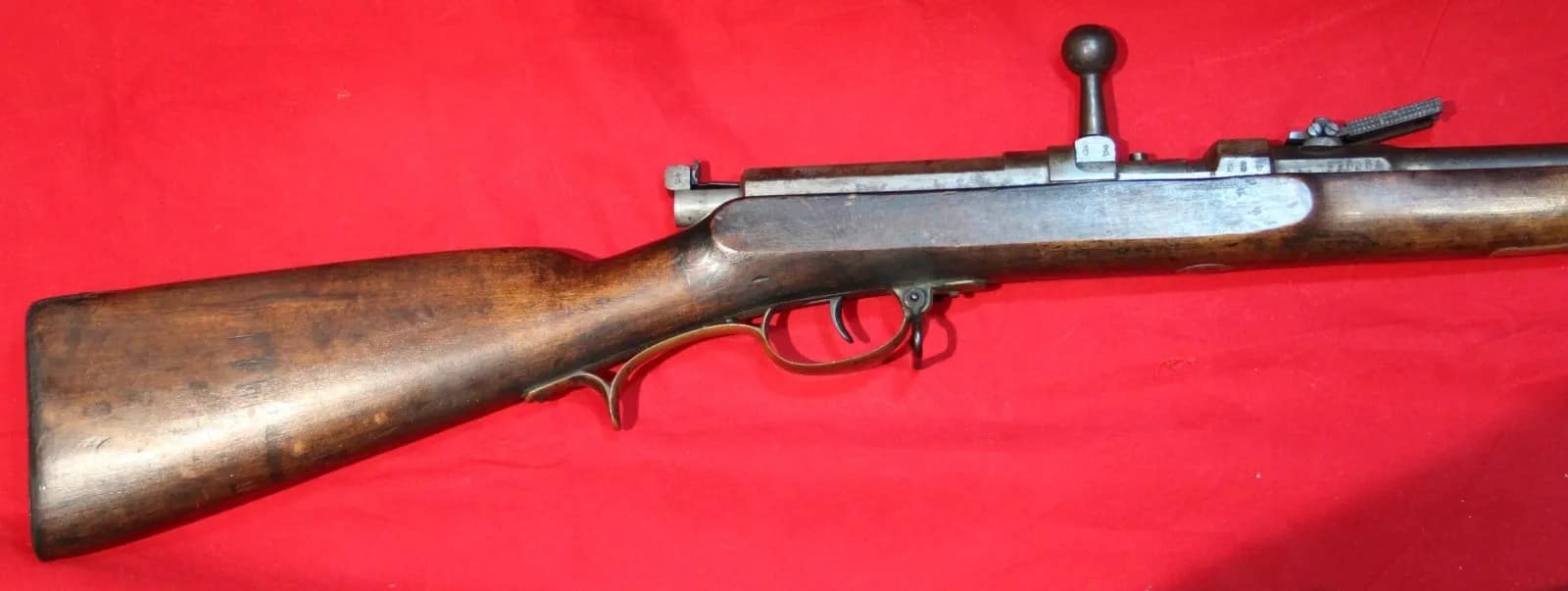
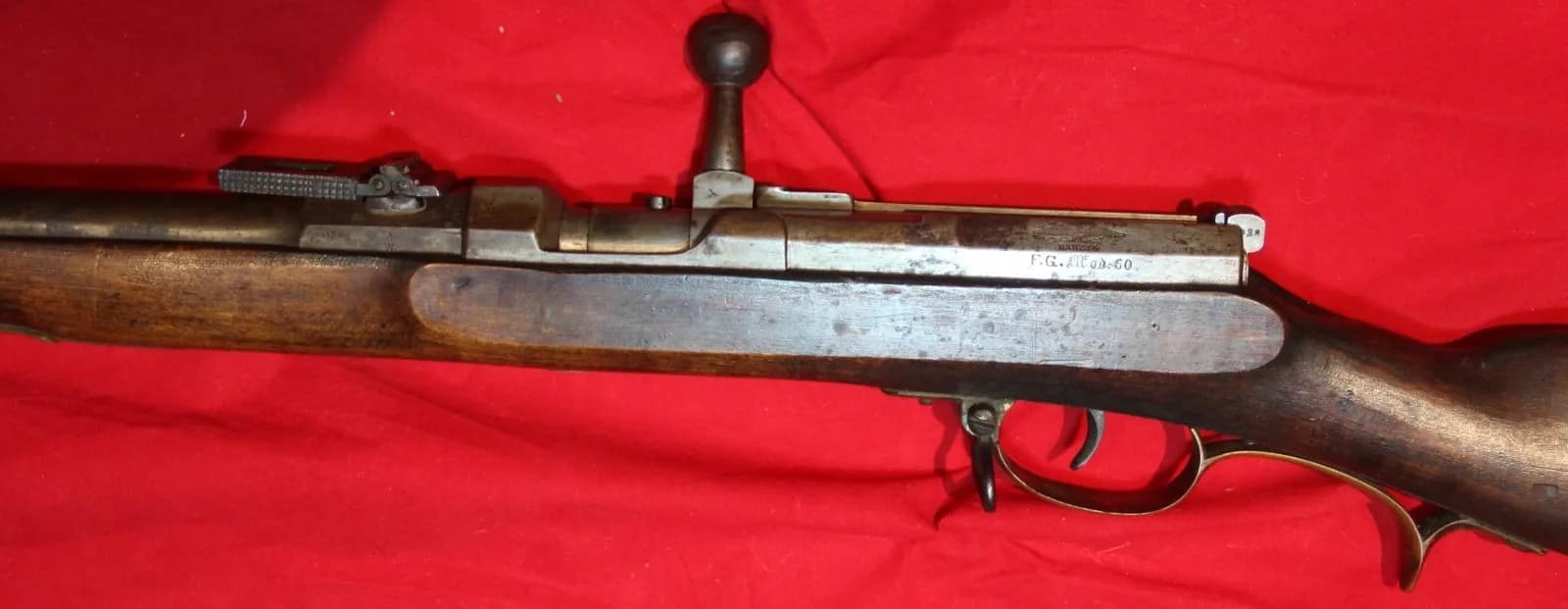
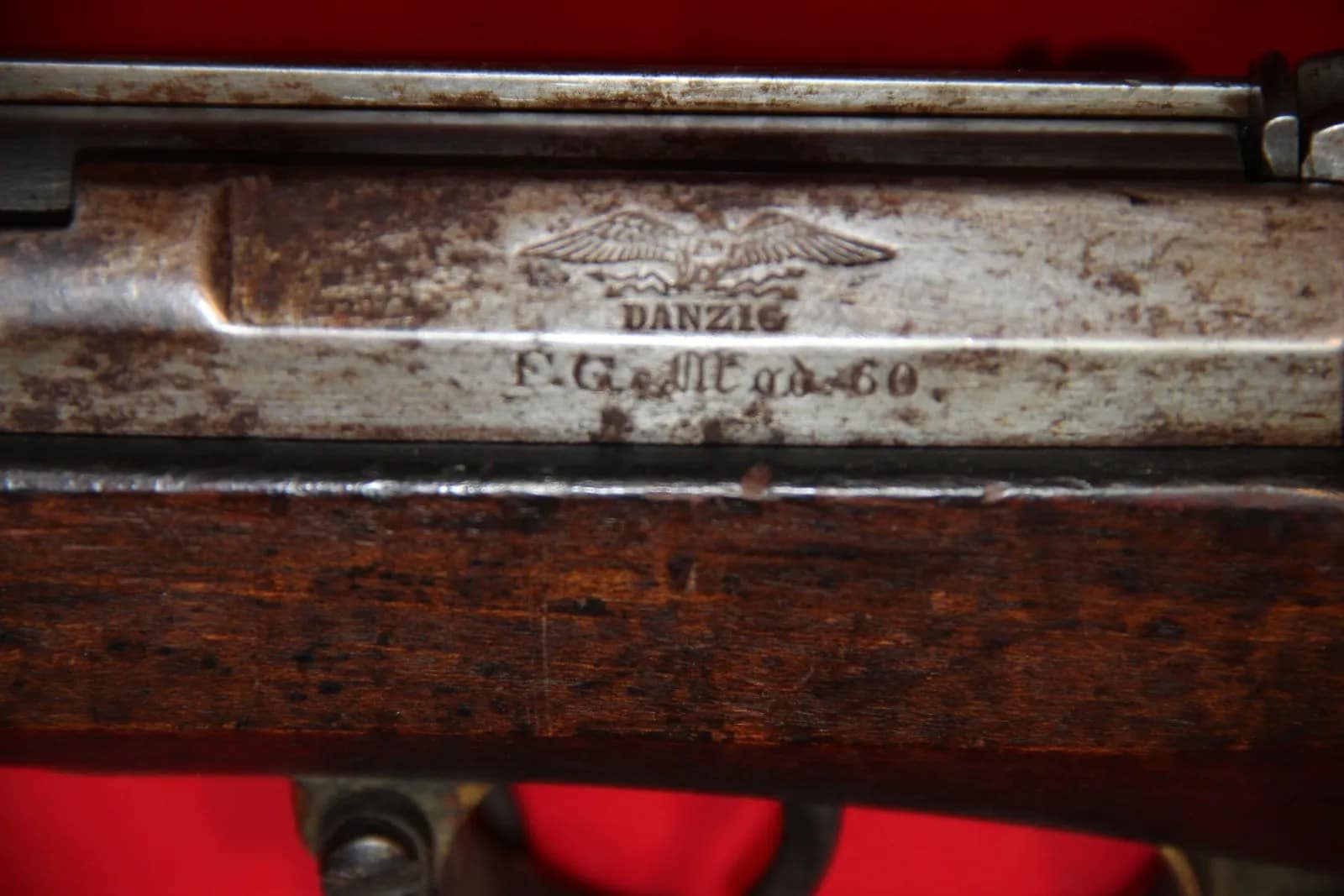
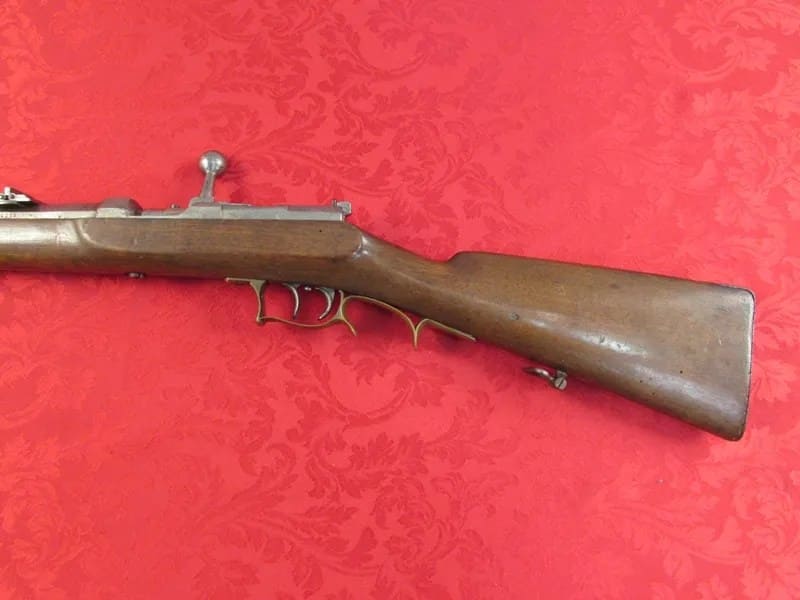
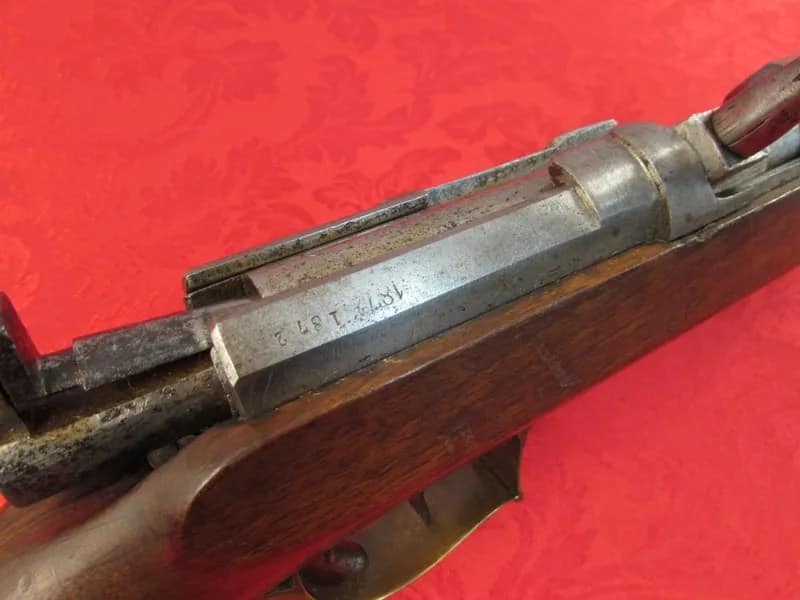
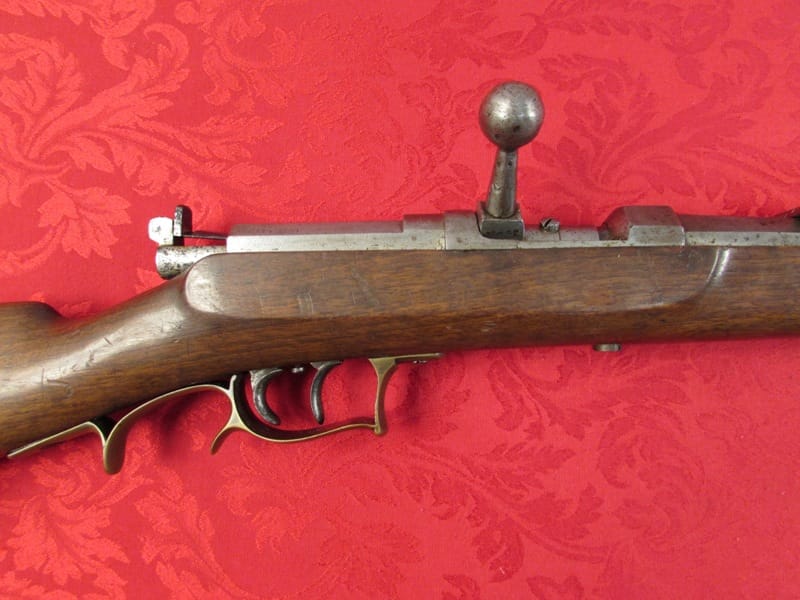
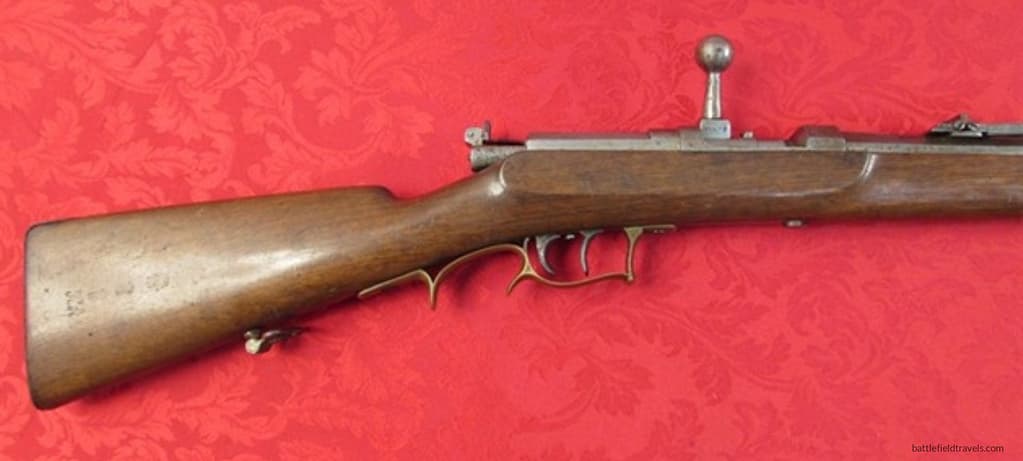
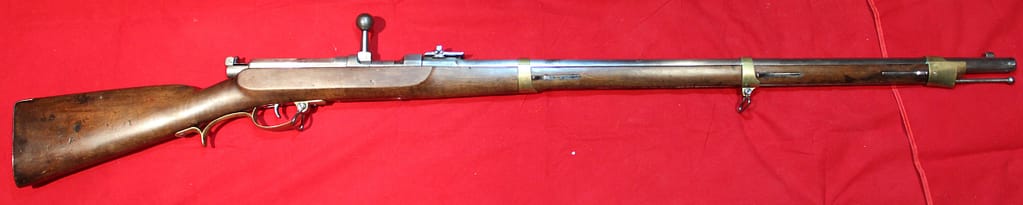
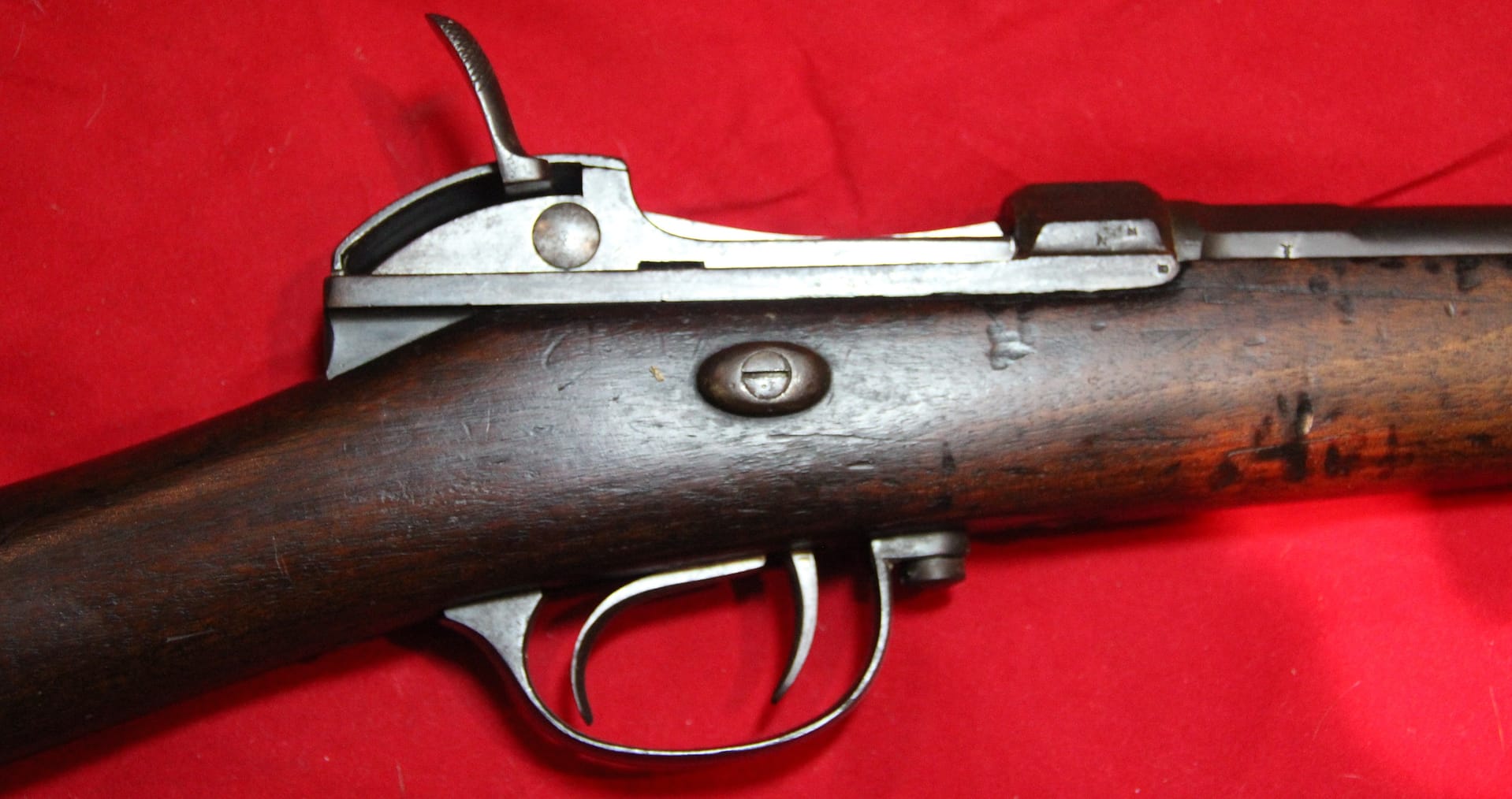
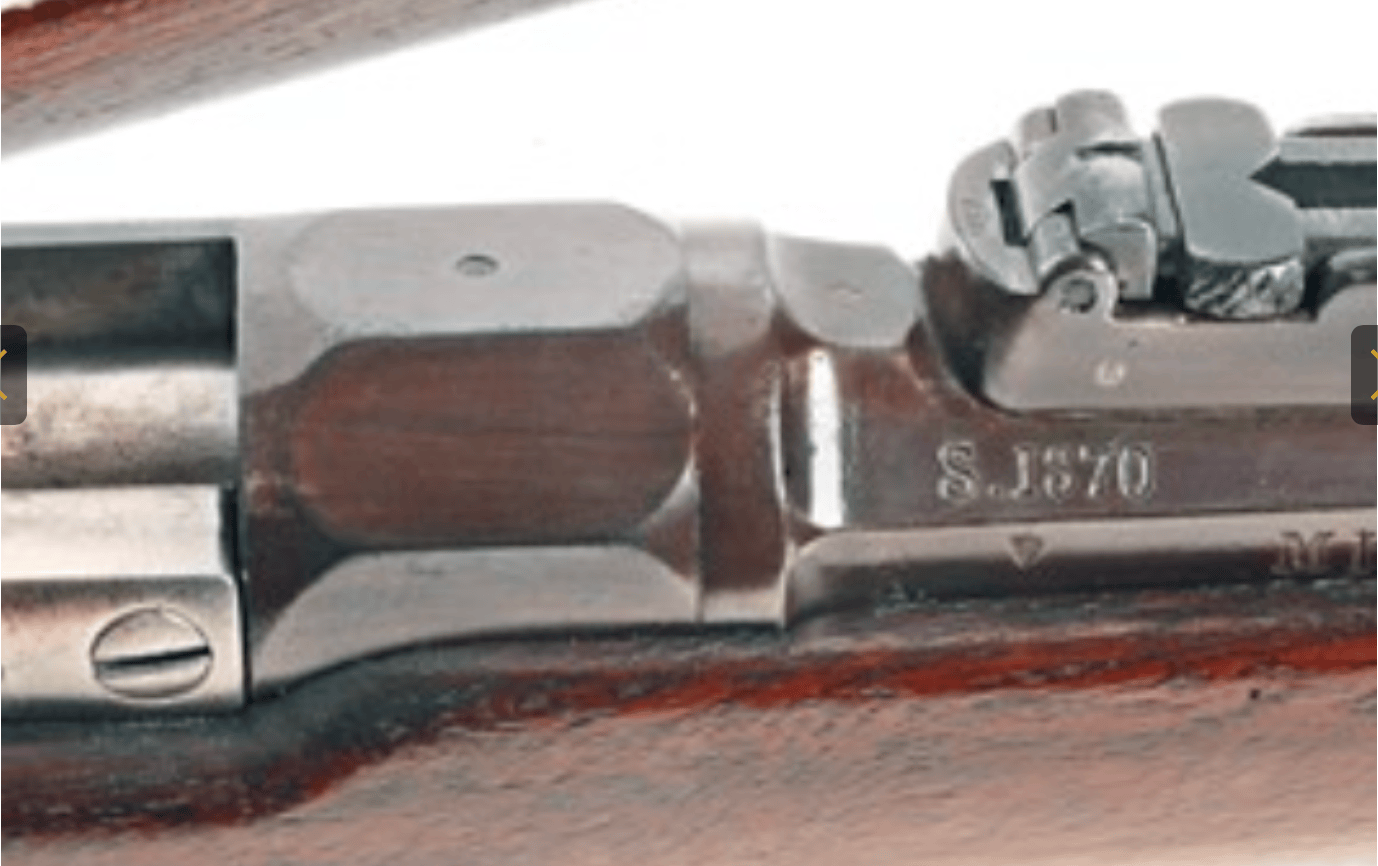
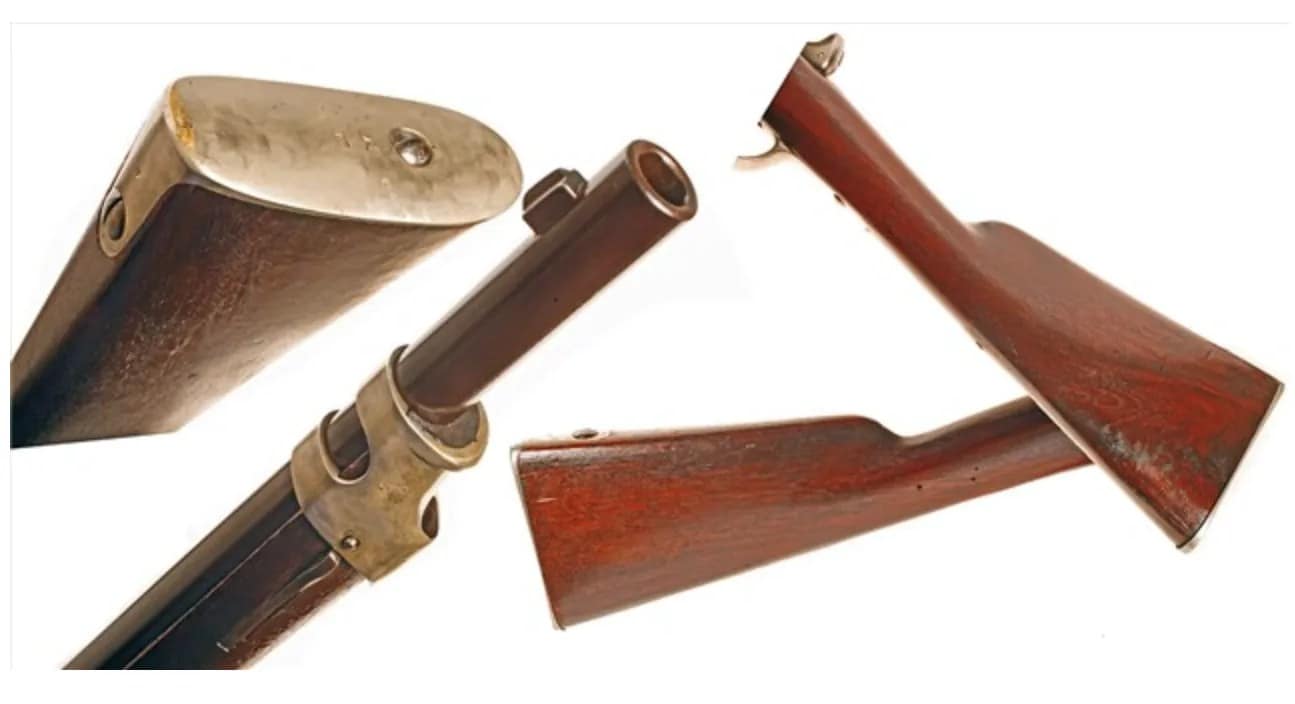
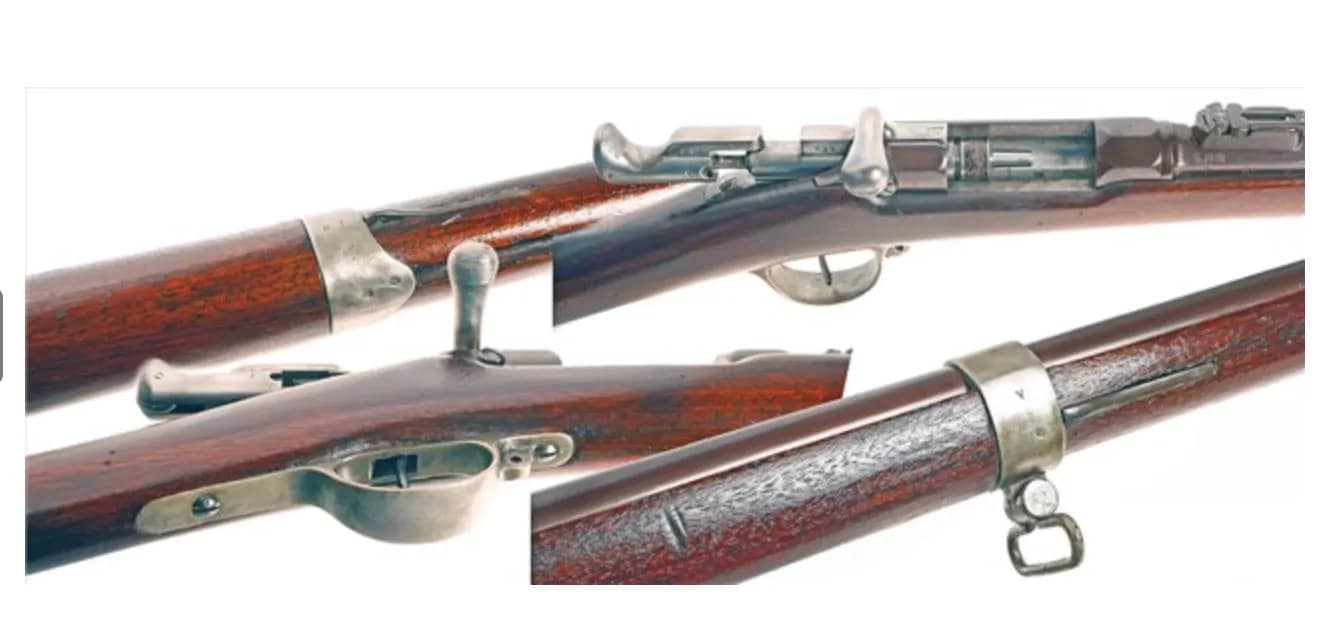
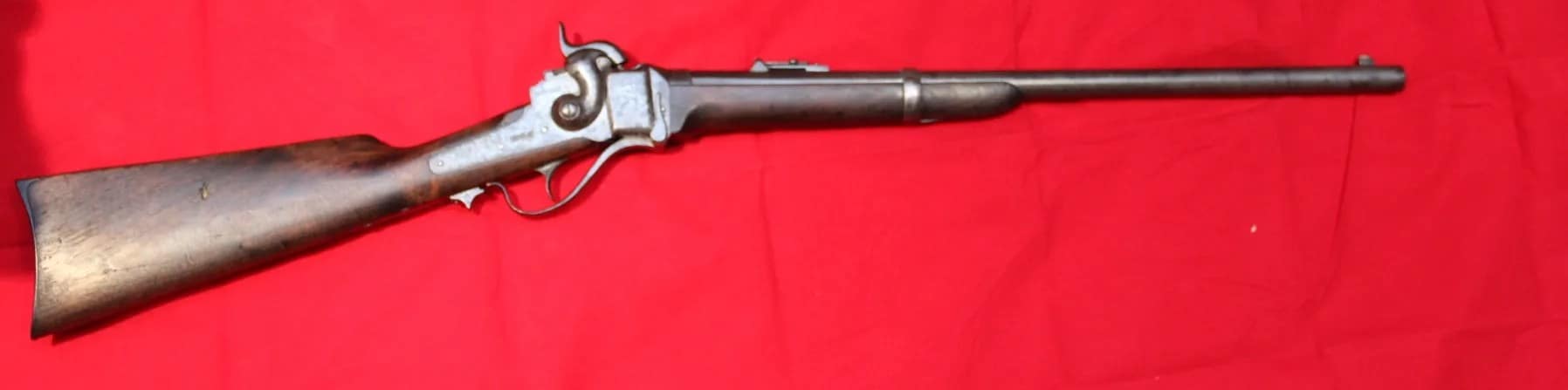
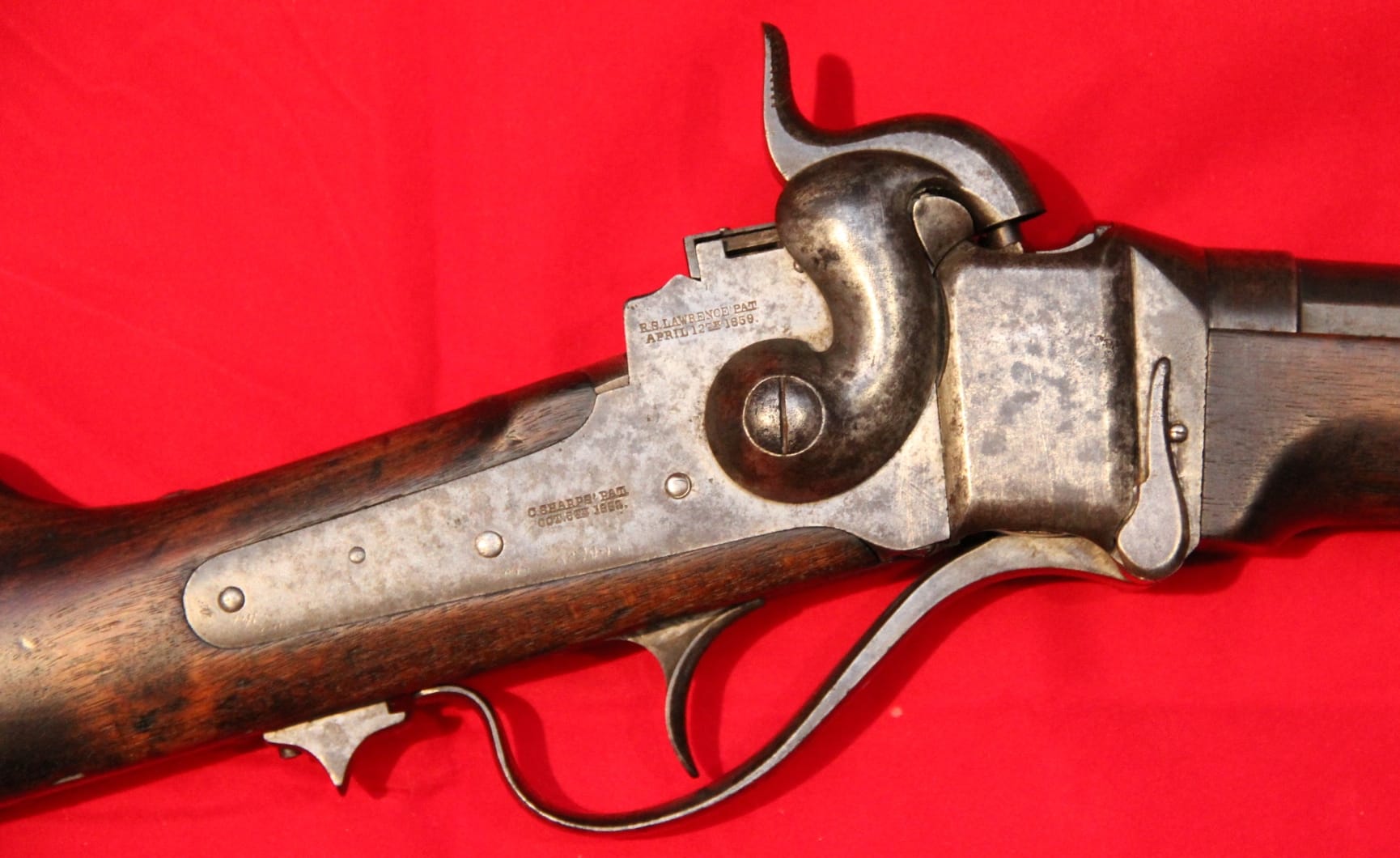
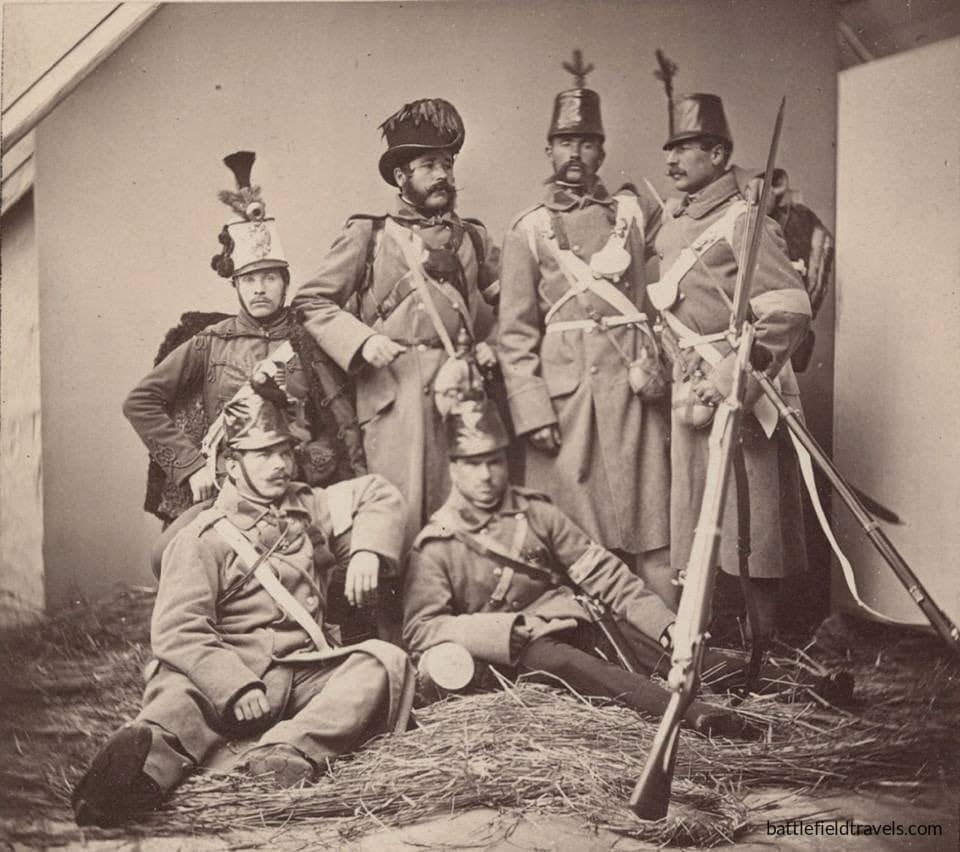
The Austro-Prussian War of 1866 — known in Germany as the Deutscher Krieg (German War) and in much of the English-speaking world as the Seven Weeks War — was one of the most consequential and least-studied conflicts of the nineteenth century. In seven weeks of campaigning, Prussia shattered Austria’s position as the dominant German-speaking power, expelled her from the German Confederation, and laid the foundations for the unified German Empire proclaimed five years later. The war’s brevity disguised its revolutionary significance: it was the first major conflict in which breech-loading rifles were used at scale by a major European army, and the first systematic test of what would become known as Auftragstaktik — Prussian mission command doctrine.
Chief of the Prussian General Staff since 1857, Helmuth von Moltke the Elder had transformed that institution into the most professional military planning body in the world. His campaign design concentrated three separate Prussian armies — the Elbe Army, First Army, and Second Army — converging on Bohemia through mountain passes that the Austrians had believed would delay any Prussian advance long enough to allow them to concentrate. Moltke’s railways delivered his forces faster than Austrian calculations had allowed. By the time Feldzeugmeister Ludwig von Benedek, commanding the Austrian Army of the North, recognised the scale of what was approaching, his options had already narrowed to a defensive battle at Königgrätz or a fighting withdrawal that his army’s condition made impossible.
Outcomes of the war
The political consequences were immediate and lasting. The Peace of Prague expelled Austria from German affairs permanently, dissolved the German Confederation, and allowed Prussia to annex Hanover, Nassau, Hesse-Kassel, and Frankfurt. The North German Confederation that followed was Prussia’s instrument, and its constitution was the template for the German Empire of 1871. Austria, reoriented away from Germany, reached the Ausgleich compromise with Hungary in 1867 to create the Austro-Hungarian dual monarchy. The war’s shadow fell across European politics for the next half-century.
The Literature
The Austro-Prussian War has attracted less English-language scholarship than either the Napoleonic Wars or the Franco-Prussian War of 1870, which is unfortunate given its significance. The core literature divides between operational histories, biographical studies, and the narrower but increasingly rich literature on weapons and tactical doctrine.
Geoffrey Wawro’s The Austro-Prussian War: Austria’s War with Prussia and Italy in 1866 (Cambridge University Press, 1996) remains the essential starting point for any serious study. Wawro draws extensively on Austrian and Prussian archival sources and is particularly strong on the institutional failures of the Austrian army — the logistics, the command culture, the tactical doctrine — that made defeat inevitable before the first shot was fired. His treatment of the Italian front, often neglected in English-language accounts, is unusually thorough.
Quintin Barry’s Road to Königgrätz: Helmuth von Moltke and the Austro-Prussian War 1866 (Helion, 2010) provides the clearest single-volume operational narrative in English. Barry’s approach is methodical rather than analytical — he is at his best tracing the movements of corps and divisions across the Bohemian theatre — and the book serves well as a campaign companion for anyone visiting the battlefields.
Gordon Craig’s The Battle of Königgrätz (Lippincott, 1964), though now sixty years old, has never been surpassed as a single-battle study. Craig writes with unusual clarity about both the operational context and the human experience of the fighting, and his analysis of why the Austrian command system failed under pressure remains sharp.
The Amazon links on the Reading Room pages are powered by AAWP

Reading
The reference collection below includes the key books and references I have used in preparing for and undertaking Franco-Prussian War battlefield studies.
Austro-Prussian War


Authored by Mick Prictor, a retired military officer with 40 years’ service, and a military historian specialising in terrain-focused analysis of tactics, doctrine, and command decision-making in land warfare. His work draws on extensive battlefield fieldwork—more than 280 sites worldwide—and one of the world’s largest private collections of historic military arms, uniforms, and equipment. About me
FAQ – Austro-Prussian War (1866) Reading Room
This reading list is curated to prioritise works that examine the war through operational analysis, command decision-making, terrain, doctrine, and mobilisation. Emphasis is placed on studies grounded in primary sources that explain how the opposing armies planned, manoeuvred, and fought in practice.
While major engagements are represented, the list also includes works that address manoeuvre, rail-based mobilisation, staff planning, and the cumulative effects of terrain and logistics on operations across the campaign.
Terrain played a significant role in shaping movement, deployment, and combat. Rivers, ridgelines, villages, and road networks influenced both tactical engagements and operational tempo, often interacting closely with emerging artillery and infantry firepower.
I recommend starting with Geoffrey Wawro’s book. The list includes a mix of accessible overviews and more specialised operational studies. Readers new to the conflict may wish to begin with the general histories before progressing to detailed analyses of specific battles or command systems.
No. This is a selective reading list intended to guide serious study rather than provide exhaustive coverage. Additional works may be added as scholarship and archival research continue to evolve.
Subscribe to Battlefield Travels and receive a free E-Book Battlefield Guide
Unlock expert battlefield analysis, campaign reconstructions, and historical insights drawn from firsthand exploration and primary sources.
🗺️ You’ll receive:
🎖️ Exclusive historical insights you won’t find elsewhere
📘 A free eBook: 10 Tips for Exploring Historic Battlefields
📰 New battlefield studies straight to your inbox as they are published

⚔️ Go deeper — Members get exclusive access to the Deep Research Collection, Field Notes, and monthly Research Dispatches. Try membership free for 7 days, cancel anytime. From $9/month.