Spanish conquest of the New World
The Spanish Conquest of the New World was one of history’s most rapid and transformative military campaigns. Following Columbus’s first voyage in 1492, successive expeditions under conquistadors such as Hernán Cortés and Francisco Pizarro extended Spanish authority across the Caribbean, Mexico, and South America. Driven by a fusion of royal ambition, personal enrichment, and religious zeal, the conquistadors combined Renaissance military organisation, seafaring skill, and firearms with indigenous alliances and ruthless opportunism.
In 1519, Cortés landed in Mexico with fewer than six hundred men, forging a coalition of discontented tribes to overthrow the Aztec Empire at Tenochtitlán by 1521. Pizarro’s capture of the Inca ruler Atahualpa at Cajamarca in 1532 and conquest of Peru repeated the pattern on an even grander scale. Steel weapons, horses, and cannon provided tactical advantage, but disease, political division, and calculated diplomacy were equally decisive.
By the 1570s, Spanish rule extended from northern Mexico to Chile, supported by a colonial bureaucracy and missionary infrastructure. The conquests redefined global power, transferring vast wealth to Europe and initiating centuries of demographic and cultural change. Yet they also generated enduring debate over the morality of empire and the destruction of indigenous civilisations. The Spanish Conquest remains a study in audacity, logistics, and asymmetric warfare at the dawn of the modern world.
Related Battle Studies, Museum Pieces & Reading Resources


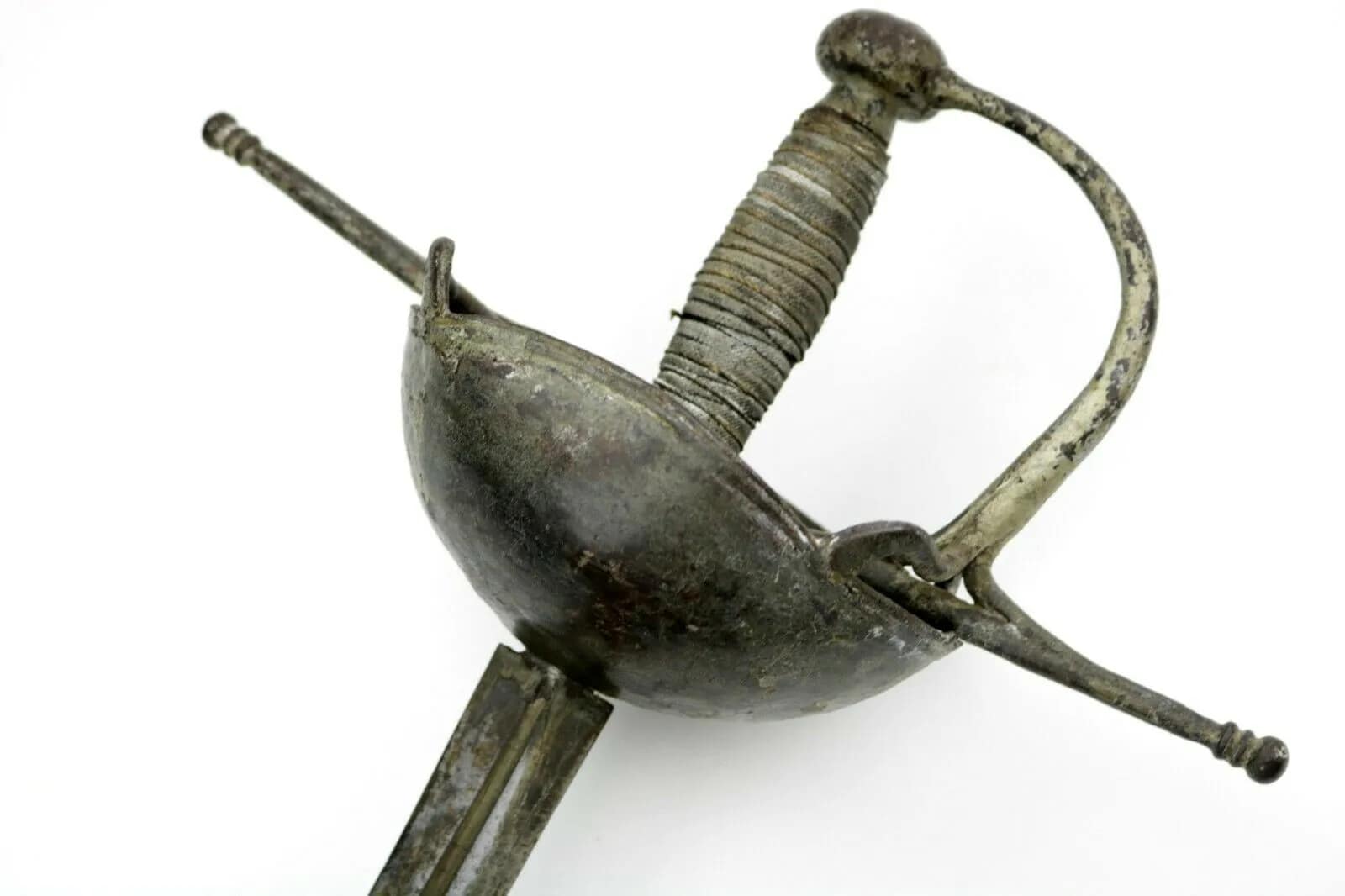
c1600 Spanish Bilbao Cup-Hilt Rapier, from my personal collection.
This Spanish Bilbao cup-hilt rapier, dating to around 1600, represents one of the most refined thrusting swords of the late Renaissance. The deep, hemispherical guard—developed in the Basque port of Bilbao—offered excellent hand protection while allowing quick changes of line in rapier fencing. Typically fitted with a long, narrow blade optimised for thrusting, the Bilbao type became widely used in Spain and across its European and colonial territories. Its elegant balance and protective cup made it a favoured weapon among soldiers, officers, and gentlemen during the transition from medieval cut-and-thrust swords to early modern civilian duelling arms.


🧭 From Weapons to Battlefield Use
This page shows weapons and equipment of the Spanish Conquest. All items are from my personal collection.
But what images and data don’t show is how these weapons were actually used on the ground—how weapon characteristics, tactics, innovation, terrain, and movement shaped their effectiveness in battle.
👉 That layer—how firepower, positioning, and terrain interact in real engagements—is explored in:
⚔️Battlefield Studies ◊ 💡Tactical Innovations ◊ 📝Field Notes
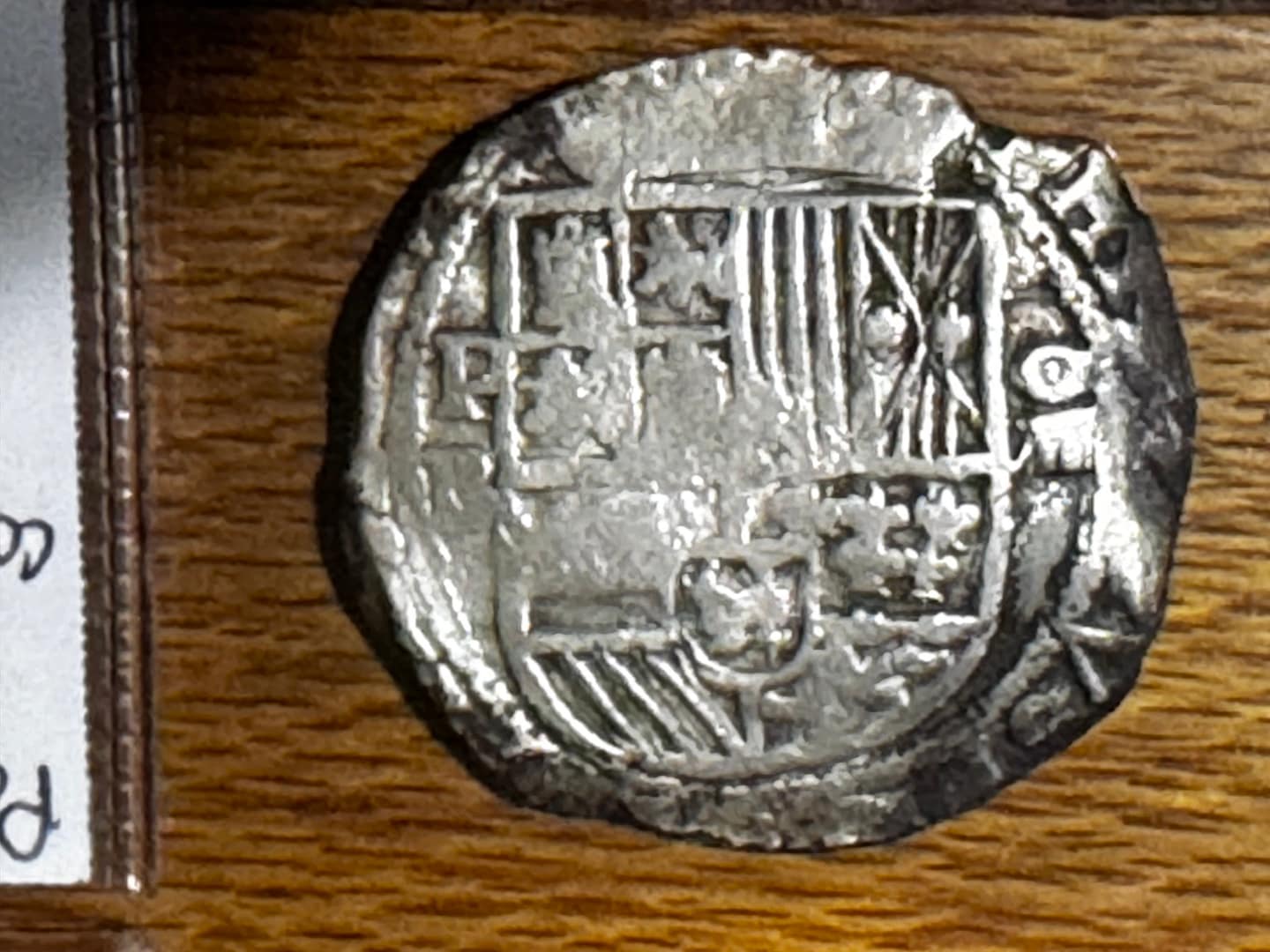
Spanish Colonial 8-Reale Cob ‘Piece-of-Eight’, Philip II, 1574-79, Potosi mint, Bolivia, from my personal collection
This 8-reale cob was struck at the Potosí mint between 1574 and 1579 under King Philip II of Spain. Produced from silver mined in the Cerro Rico, Potosí cobs were hammer-struck, irregularly shaped coins intended for high-value trade across the Spanish Empire. The obverse typically bears a simplified Habsburg shield, while the reverse shows a cross with quadrants representing the kingdoms of Castile and León. These early cobs circulated widely in Europe, the Americas, and Asia, forming a cornerstone of global commerce in the late 16th century.
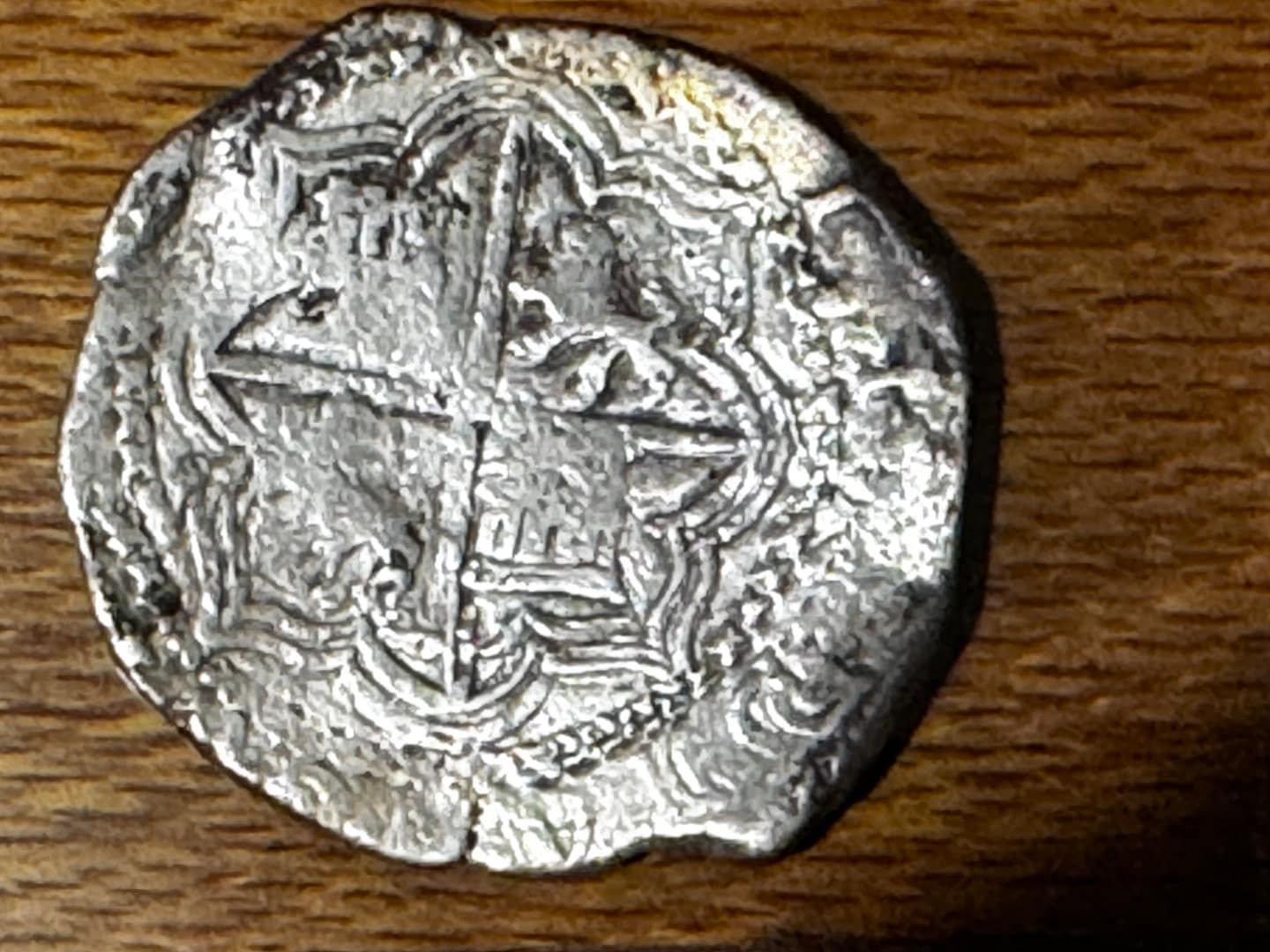
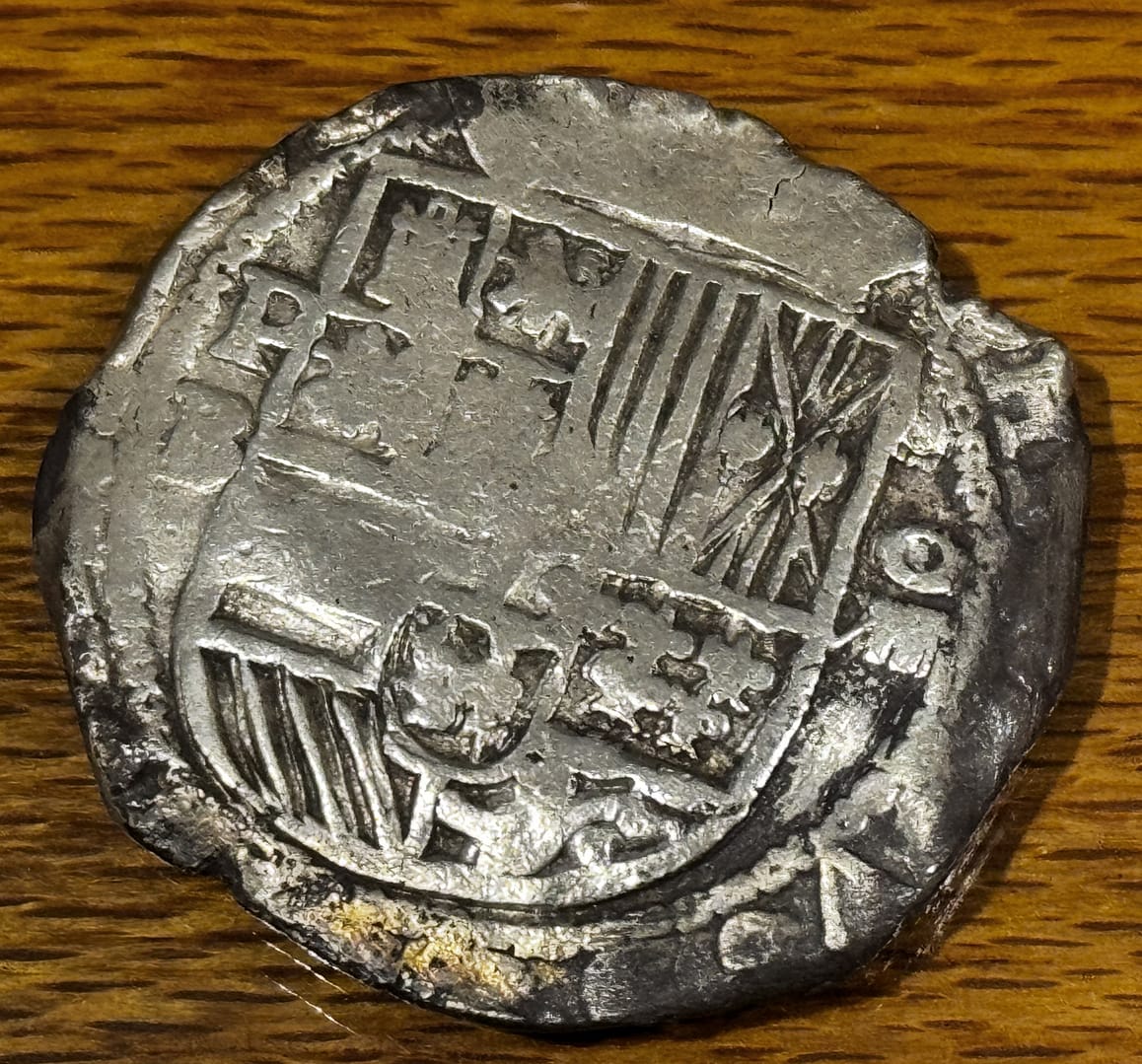
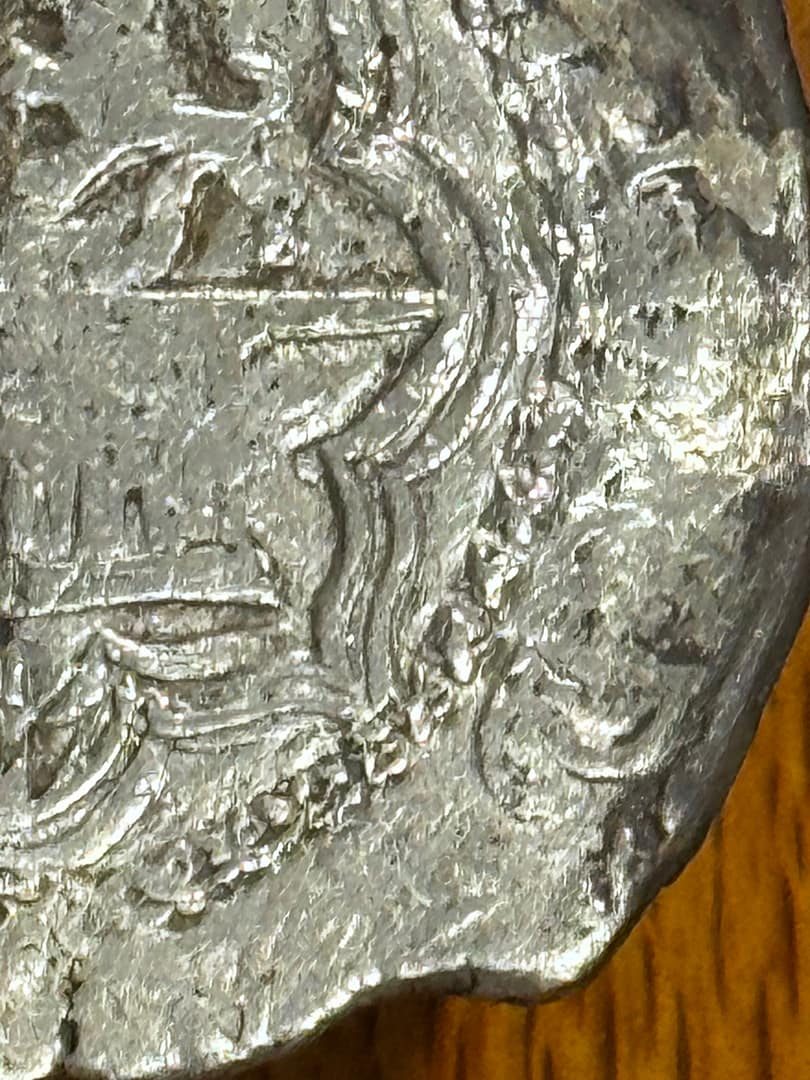
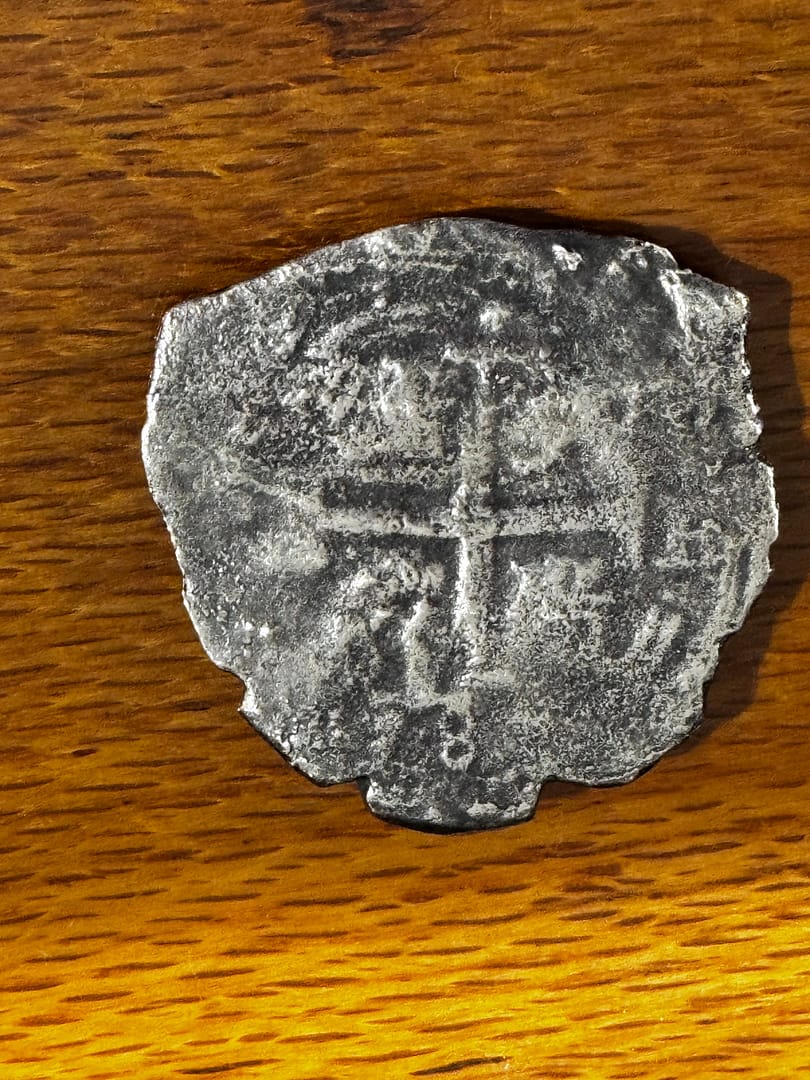
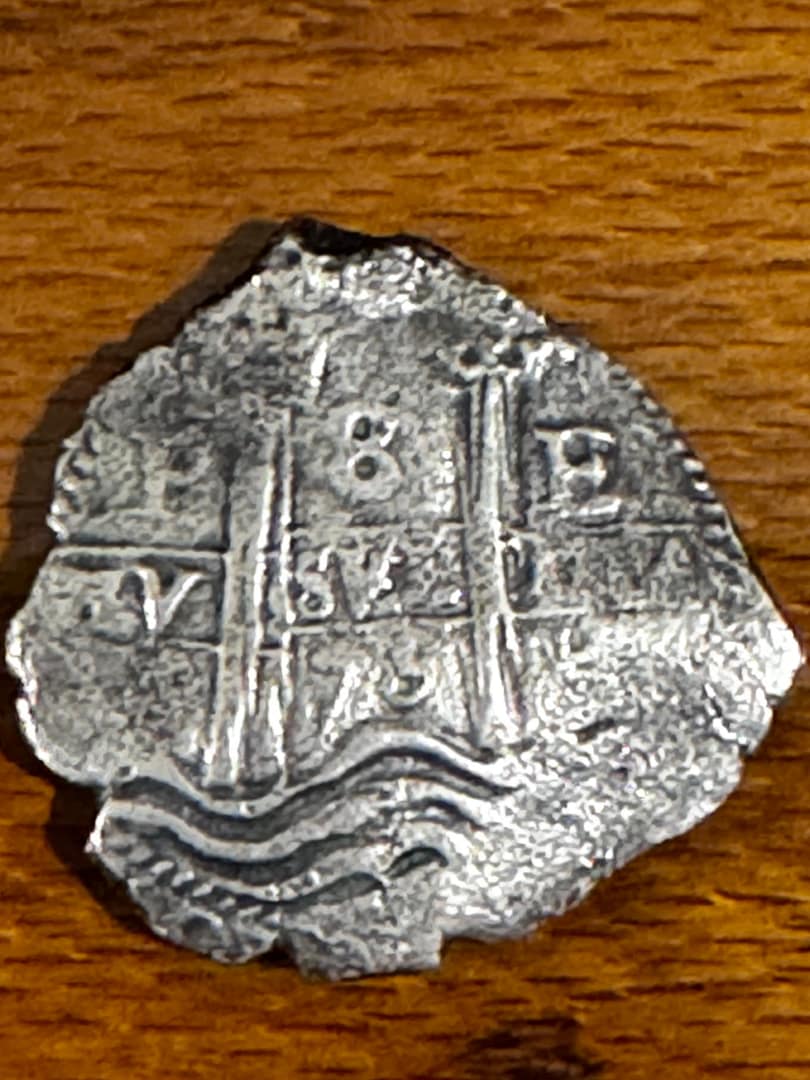
Spanish Colonial 8-Reale Cob ‘Piece-of-Eight’, 1679, Charles II, Potosi mint, Bolivia, from my personal collection.
This 8-reale cob was minted in 1679 at Potosí during the reign of Charles II, the last Habsburg king of Spain. Unlike modern machine-struck coins, cobs were cut from planchets and hammered by hand, resulting in their characteristic crude, asymmetrical form. The obverse displays the crowned Habsburg shield, while the reverse features a Jerusalem-style cross with mint marks and assayers’ initials. By the late 17th century, Potosí cobs served as an international currency, circulating in the Caribbean, North America, Europe, and particularly the Manila galleon trade linking Spanish America and Asia.
Found this useful? Buy me a coffee — it helps fund future battlefield research


Authored by Mick Prictor, a retired military officer with 40 years’ service, and a military historian specialising in terrain-focused analysis of tactics, doctrine, and command decision-making in land warfare. His work draws on extensive battlefield fieldwork—more than 280 sites worldwide—and one of the world’s largest private collections of historic military arms, uniforms, and equipment. About me
Subscribe to Battlefield Travels and receive a free E-Book Battlefield Guide
Unlock expert battlefield analysis, campaign reconstructions, and historical insights drawn from firsthand exploration and primary sources.
🗺️ You’ll receive:
🎖️ Exclusive historical insights you won’t find elsewhere
📘 A free eBook: 10 Tips for Exploring Historic Battlefields
📰 New battlefield studies straight to your inbox as they are published

⚔️ Go deeper — Members get exclusive access to the Deep Research Collection, Field Notes, and monthly Research Dispatches. Try membership free for 7 days, cancel anytime. From $9/month.