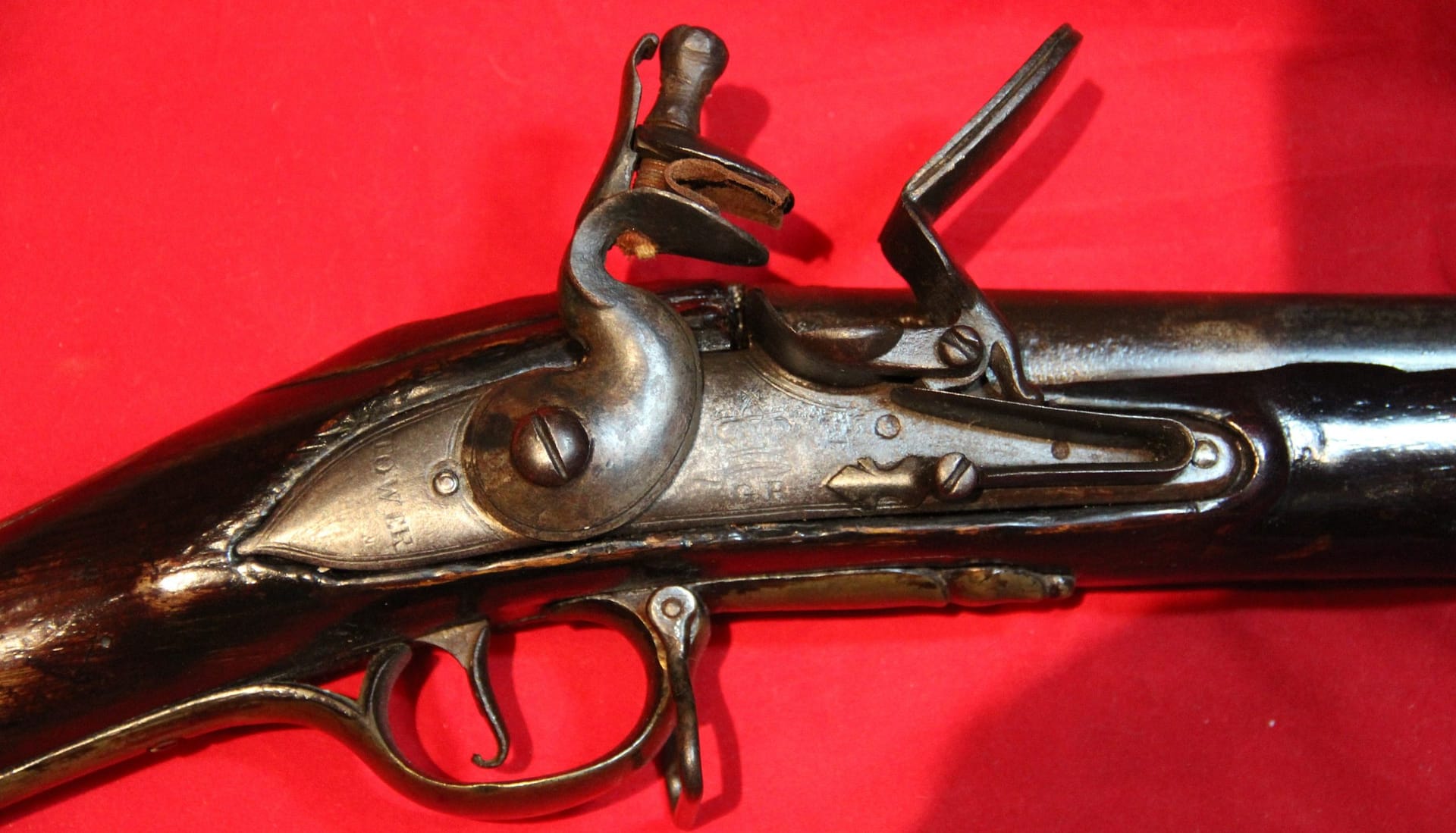
Overview of the Seven Years War
The Seven Years’ War (1756–1763) was the first truly global conflict of the modern era, fought simultaneously in Europe, North America, the Caribbean, West Africa, and India. Sometimes described as the “first world war,” it pitted Britain and Prussia against France, Austria, Russia, and Spain, with alliances shifting as the struggle spread across continents.
In Europe, the war was defined by Frederick the Great’s campaigns, where the Prussian army fought for survival against numerically superior enemies. Battles such as Chotusitz (1742), Rossbach (1757), Leuthen (1757), and Kunersdorf (1759) demonstrated the discipline, firepower, and tactical innovation that established Prussia as a major power. Britain, meanwhile, waged its own global war at sea and in the colonies, fighting against France in Canada, the Caribbean, and India, including the Battle of Bushy Run (1763) and the Siege of Fort William Henry (1757).
The conflict reshaped the balance of power. Britain emerged as the dominant naval and colonial empire, while Prussia secured its position as a leading European military state. Just as importantly, the war represents the maturity of the 18th-century military system, characterised by professional standing armies, linear tactics, and increasingly standardised weapons and equipment.
Weapons technology
From a technology perspective, the Seven Years’ War represents the mature phase of the smoothbore flintlock era. Armies entered the conflict equipped largely with weapons little changed from earlier wars: smoothbore muskets such as the Brown Bess, socket bayonets, and muzzle-loading artillery formed the backbone of all major armies. Linear tactics, close-order drill, and controlled volleys defined battlefield combat.
By the end of the war, however, most combatants were adapting their weapons and equipment in response to operational experience. British forces shortened the barrels of their muskets after fighting in the forests of North America, improving handling and mobility. Artillery became increasingly important, forming a significantly larger proportion of field forces in 1763 than in 1756. Across Europe, reforms such as those associated with Prince Joseph Wenzel of Liechtenstein in the Austrian artillery arm reflected growing recognition of the decisive role of firepower and mobility.
The uniforms, muskets, artillery, and equipment of this period illustrate both the peak of the linear warfare system and the beginnings of change that would shape later eighteenth-century armies. Studying these artefacts provides insight into how soldiers were equipped, organised, and supplied during one of the defining conflicts of the eighteenth century.
Explore the Seven Years’ War: [Battle Studies] · [Weapons & Equipment] · [Recommended Reading] · [Quiz]
All artefacts shown are from my personal collection and photographed firsthand.
Related Battle Studies, Museum Pieces & Reading Resources


British Weapons of the Seven Years War
Pattern 1756 Long Land Musket, marked to the 27th Regiment, Enniskillen Fusiliers. From my personal collection.
This Pattern 1756 Long Land musket, marked to the 27th Regiment of Foot (Enniskillen Fusiliers), represents the British Army’s primary infantry weapon during the mid-Seven Years War period. A .75-calibre flintlock with a 46-inch barrel, it incorporated improvements to lock strength, furniture, and bayonet fit over the earlier Pattern 1742. The 27th Foot served extensively in North America—including Louisbourg, Ticonderoga, and Quebec—making marked examples extremely scarce. Regimental branding reflects the period practice of unit-level property control on arms issued for overseas campaigning.


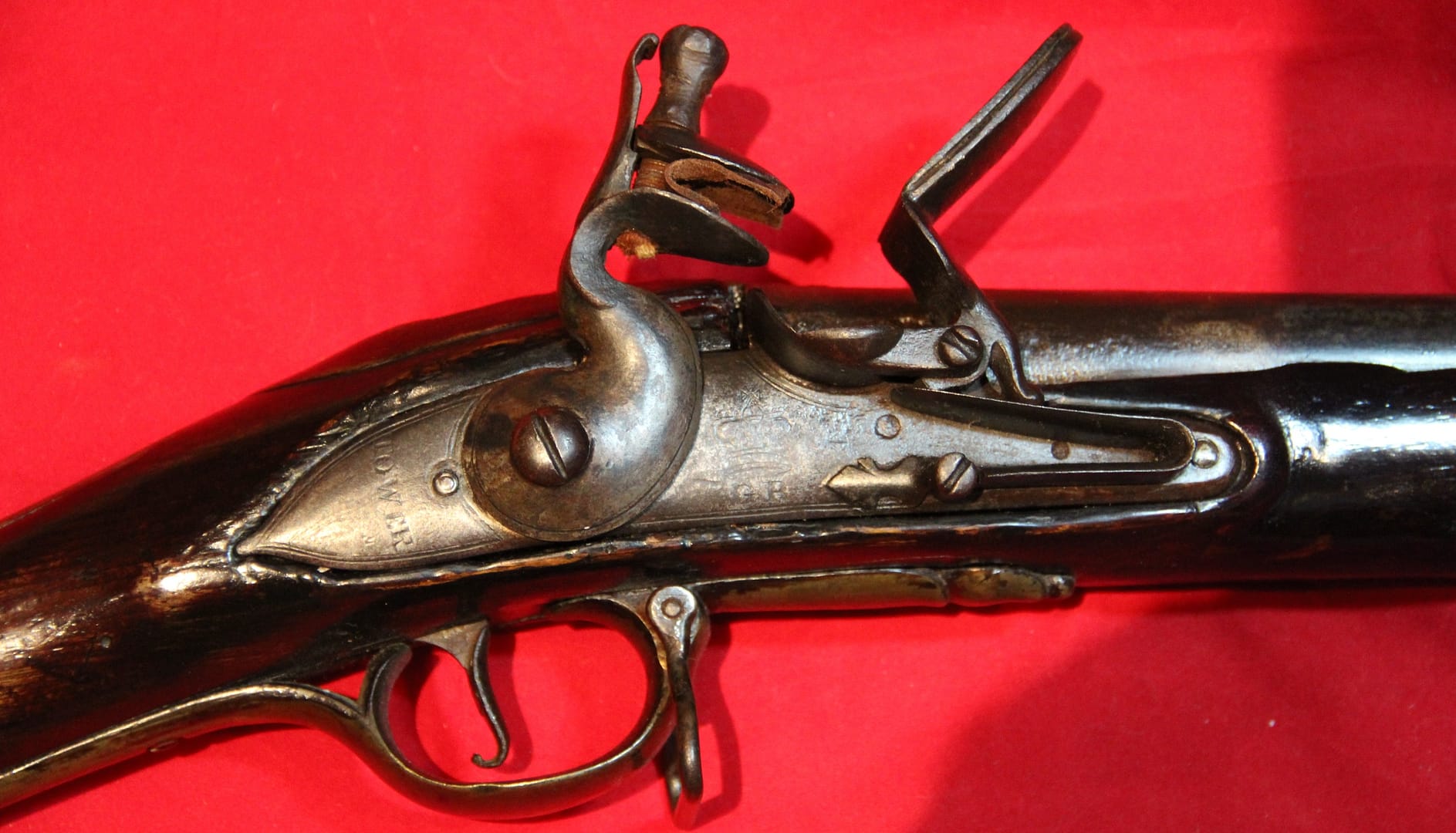
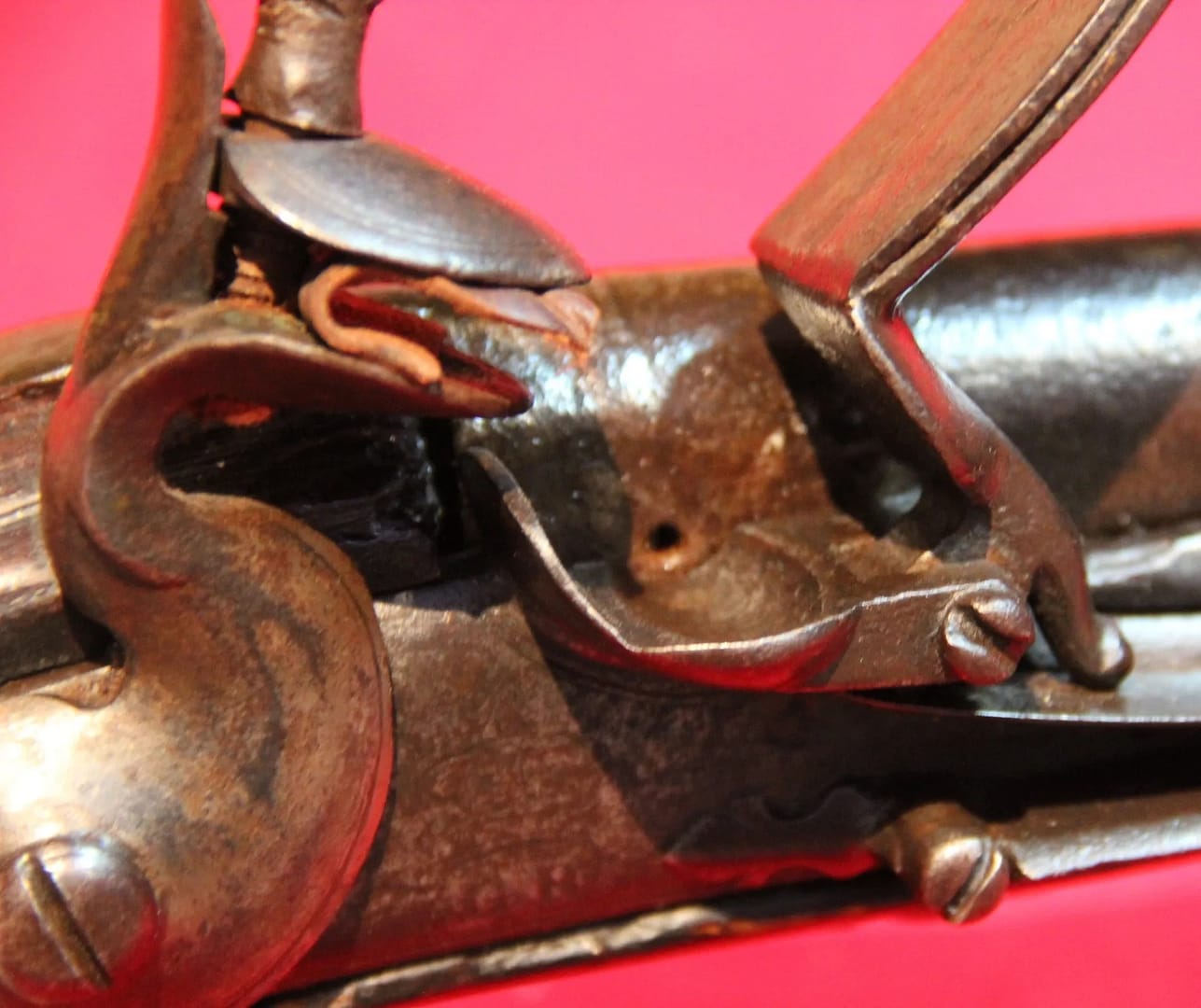
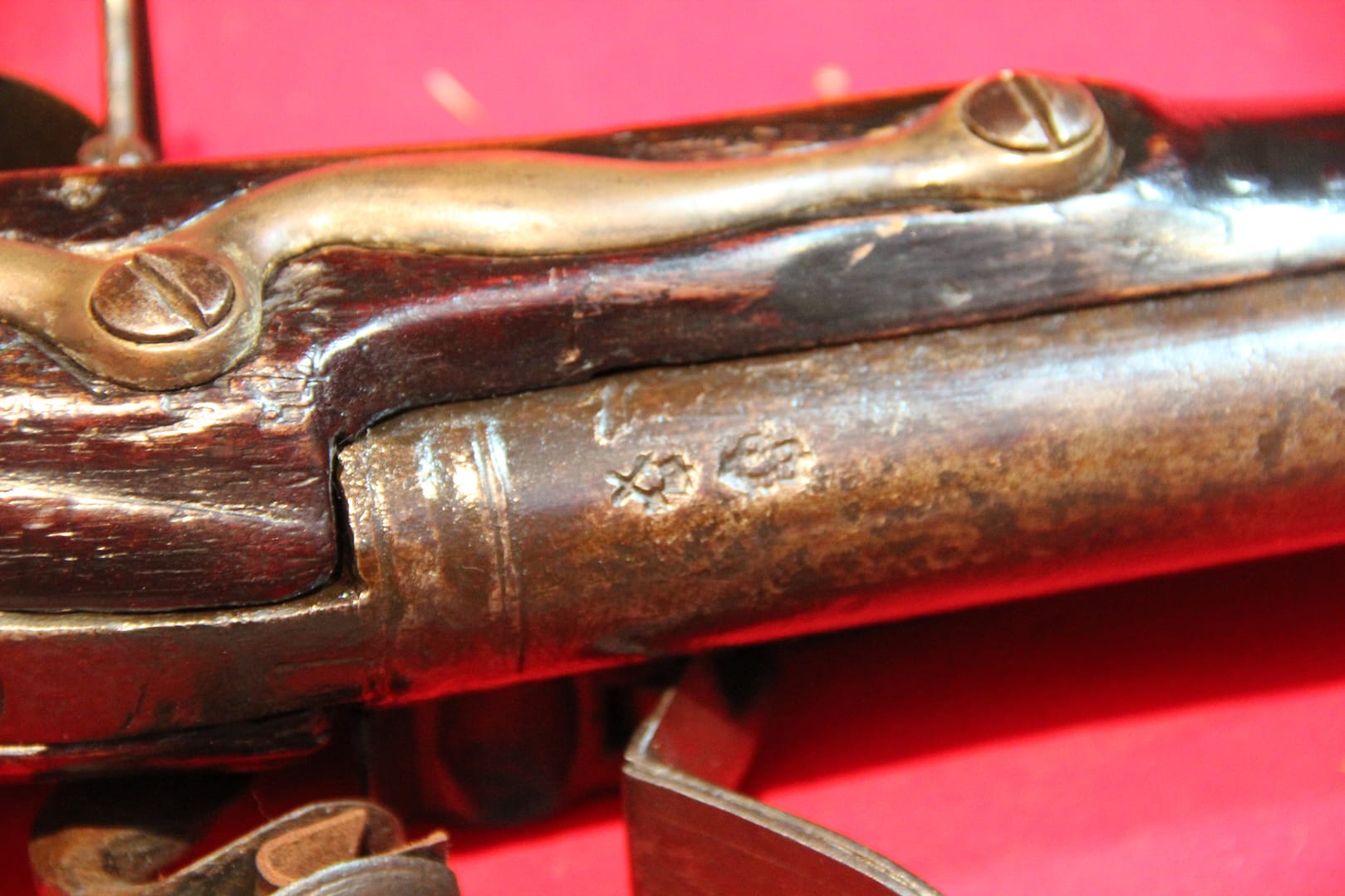
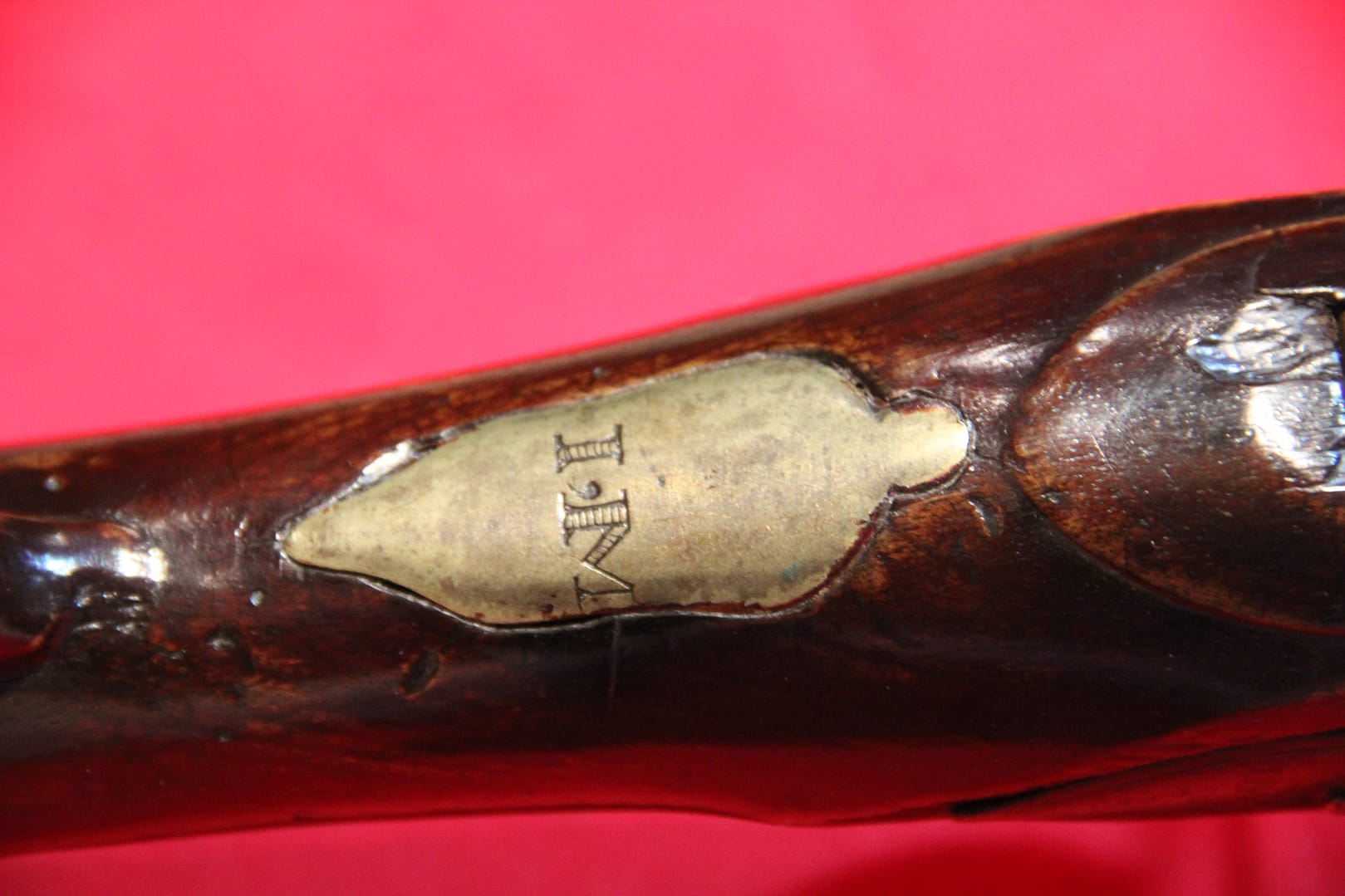
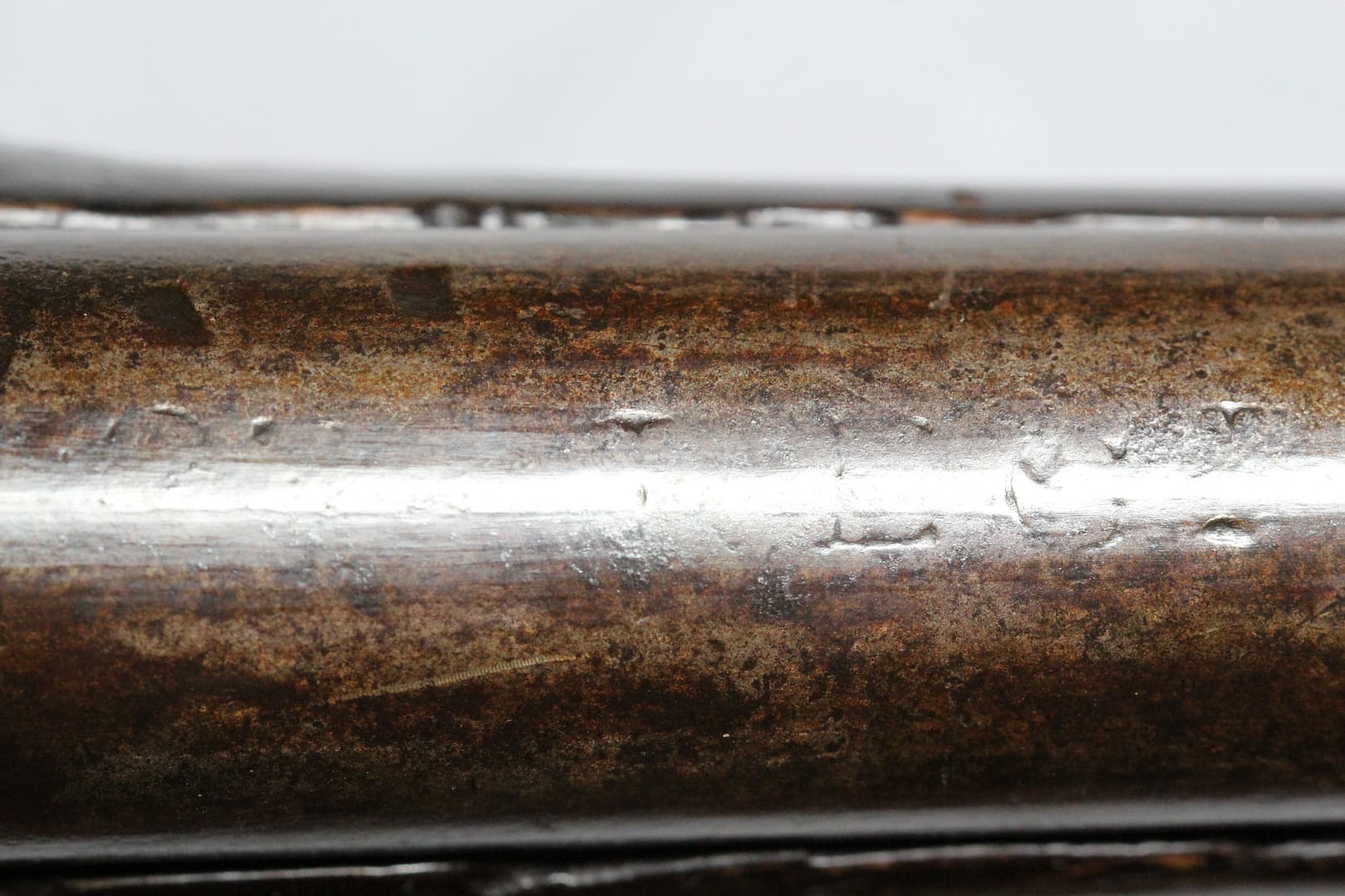
English Long Land Pattern Musket, Pattern 1742, marked Farmer 1748. Probably restocked in beech wood. From my personal collection.
This Pattern 1742 Long Land musket, maker-marked Farmer 1748, represents the principal British infantry firearm of the mid-18th century. A .75-calibre flintlock with a 46-inch barrel, it provided reliable volley fire during the War of Austrian Succession and early Seven Years’ War. Many surviving examples were restocked post-service; this musket shows a later beechwood stock, replacing the original walnut. The Pattern 1742 formed the backbone of British line infantry armament before the evolution of the 1756 and 1769 Brown Bess patterns.

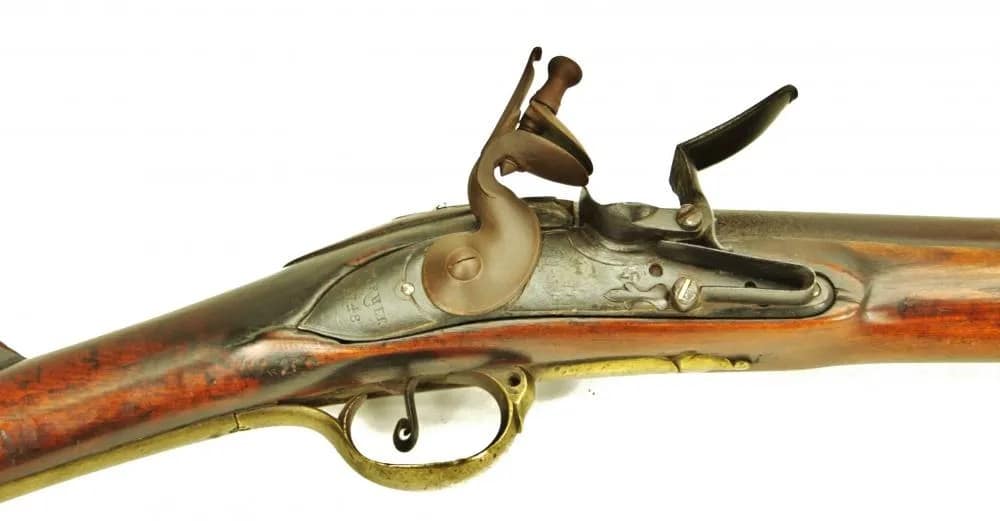
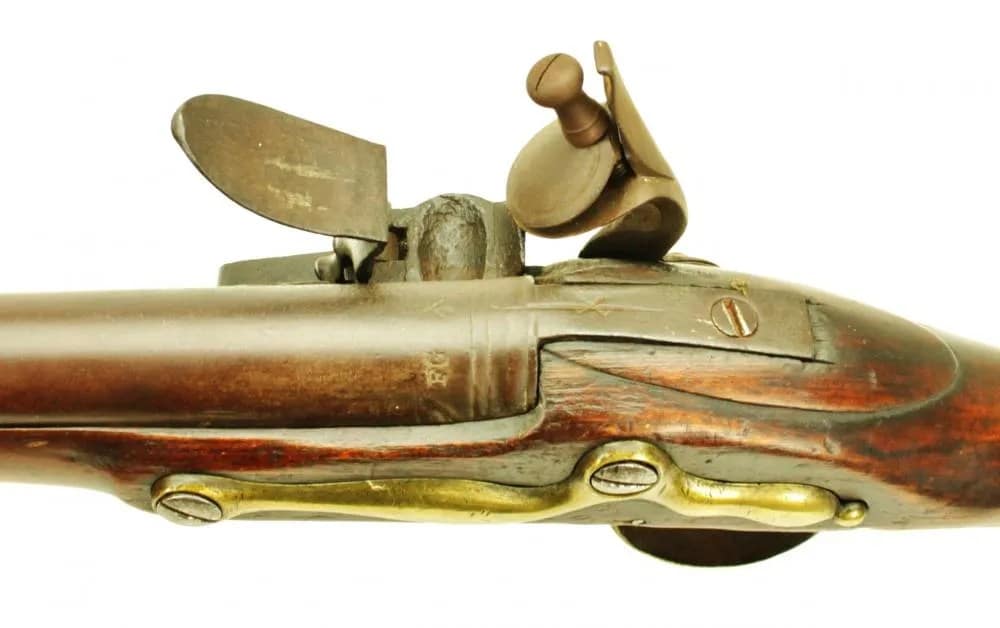
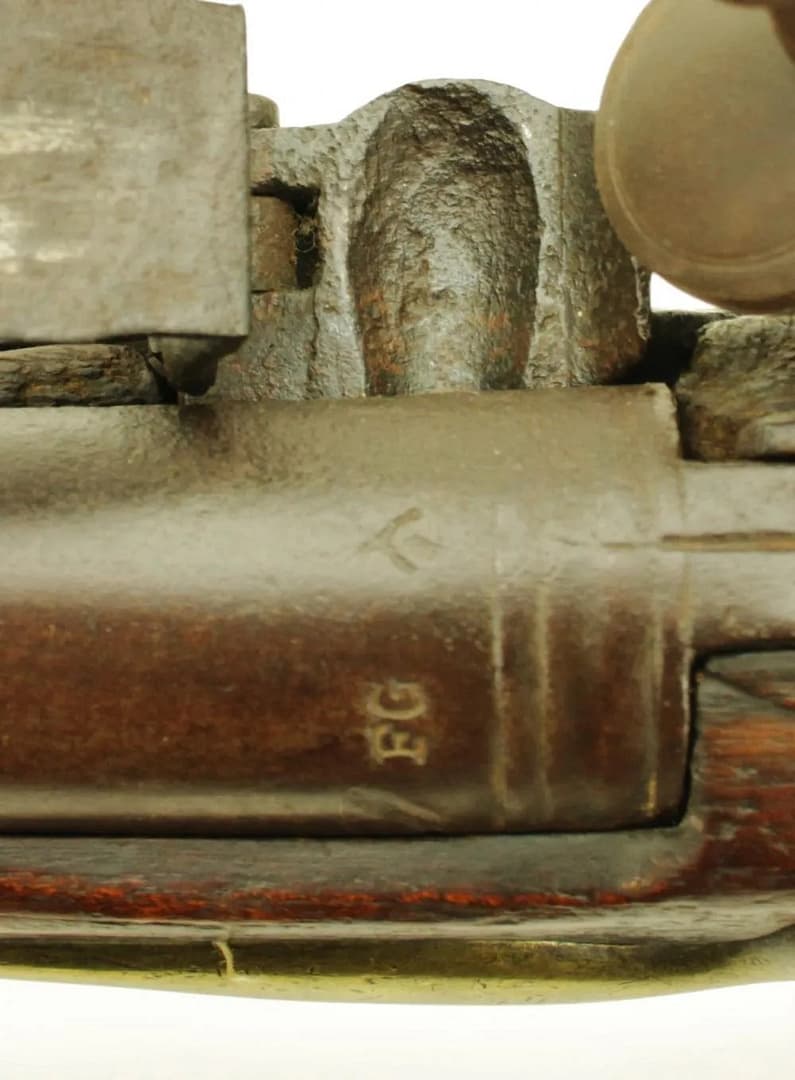
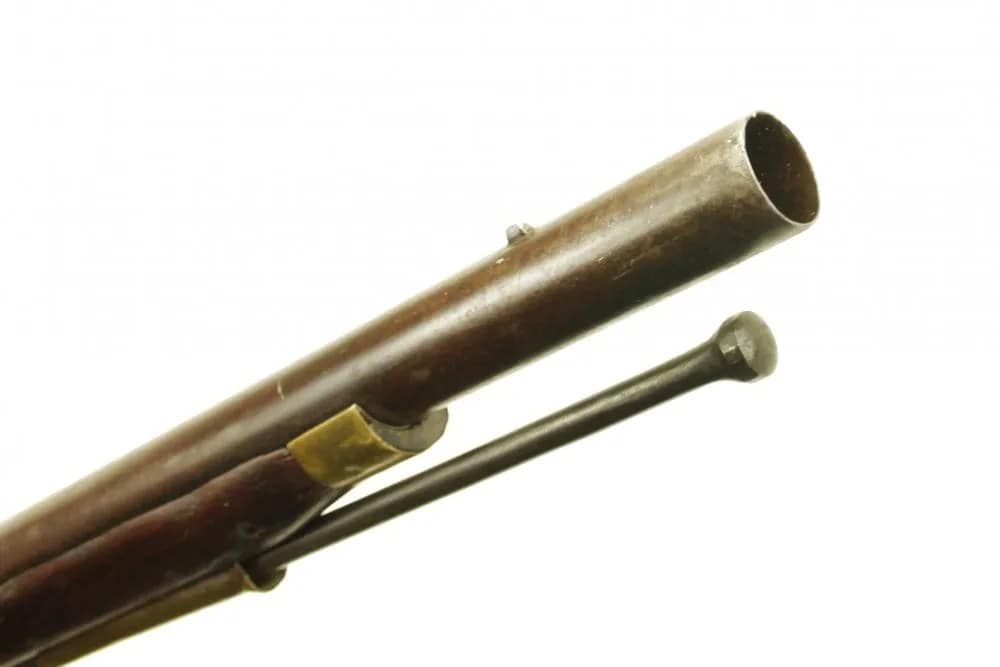
English Model 1756 Long Land Pattern pistol. TOWER. From my personal collection.
The Model 1756 Long Land Pattern pistol was the standard British cavalry and infantry officer’s pistol of the mid-18th century. Marked TOWER, indicating manufacture or assembly at the Tower of London, it featured a large-bore flintlock mechanism, brass furniture, and full walnut stock. Designed for close-range mounted combat, it saw service during the Seven Years War and early American campaigns. Its robust construction made it reliable under field conditions.
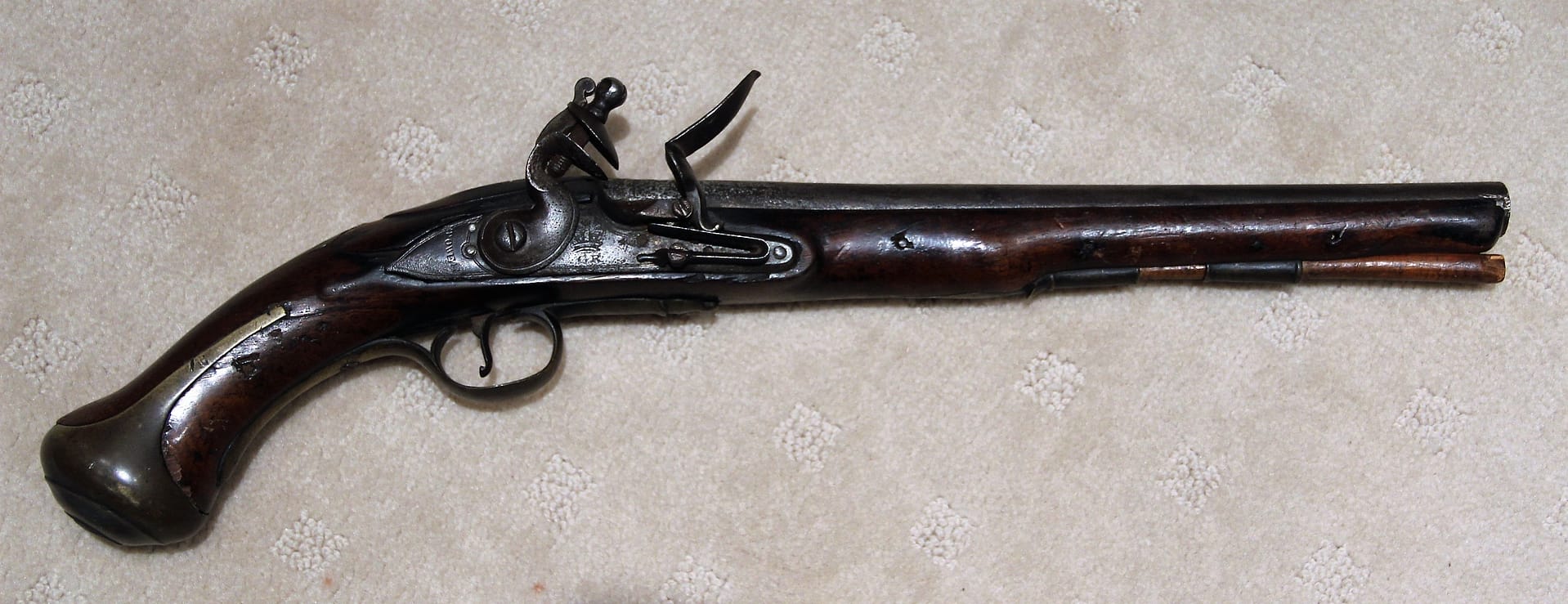
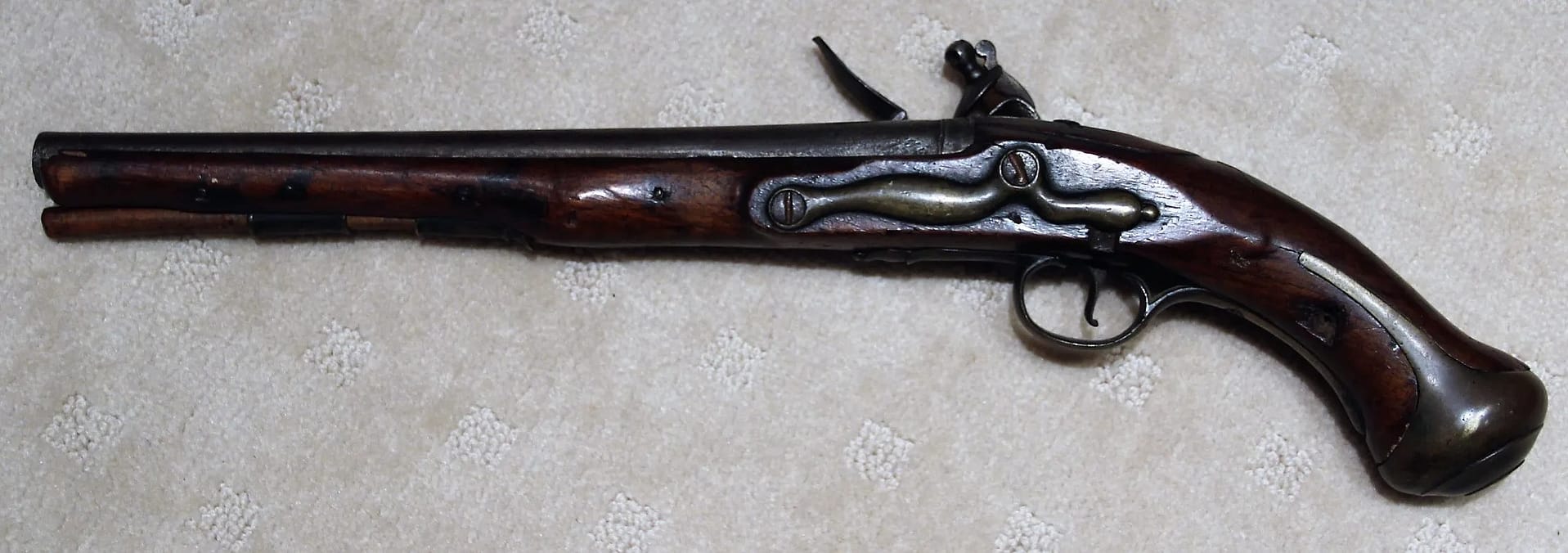
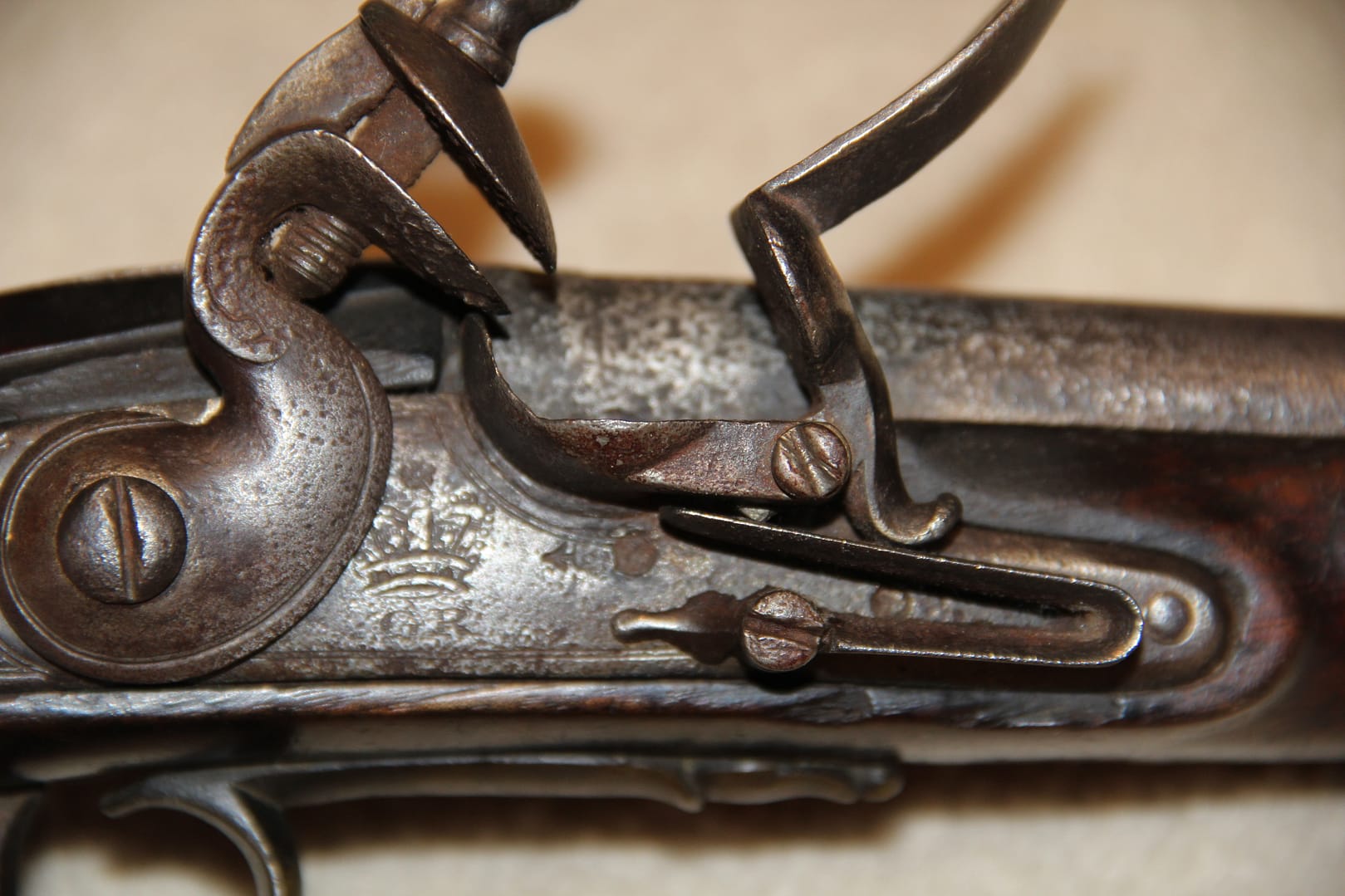
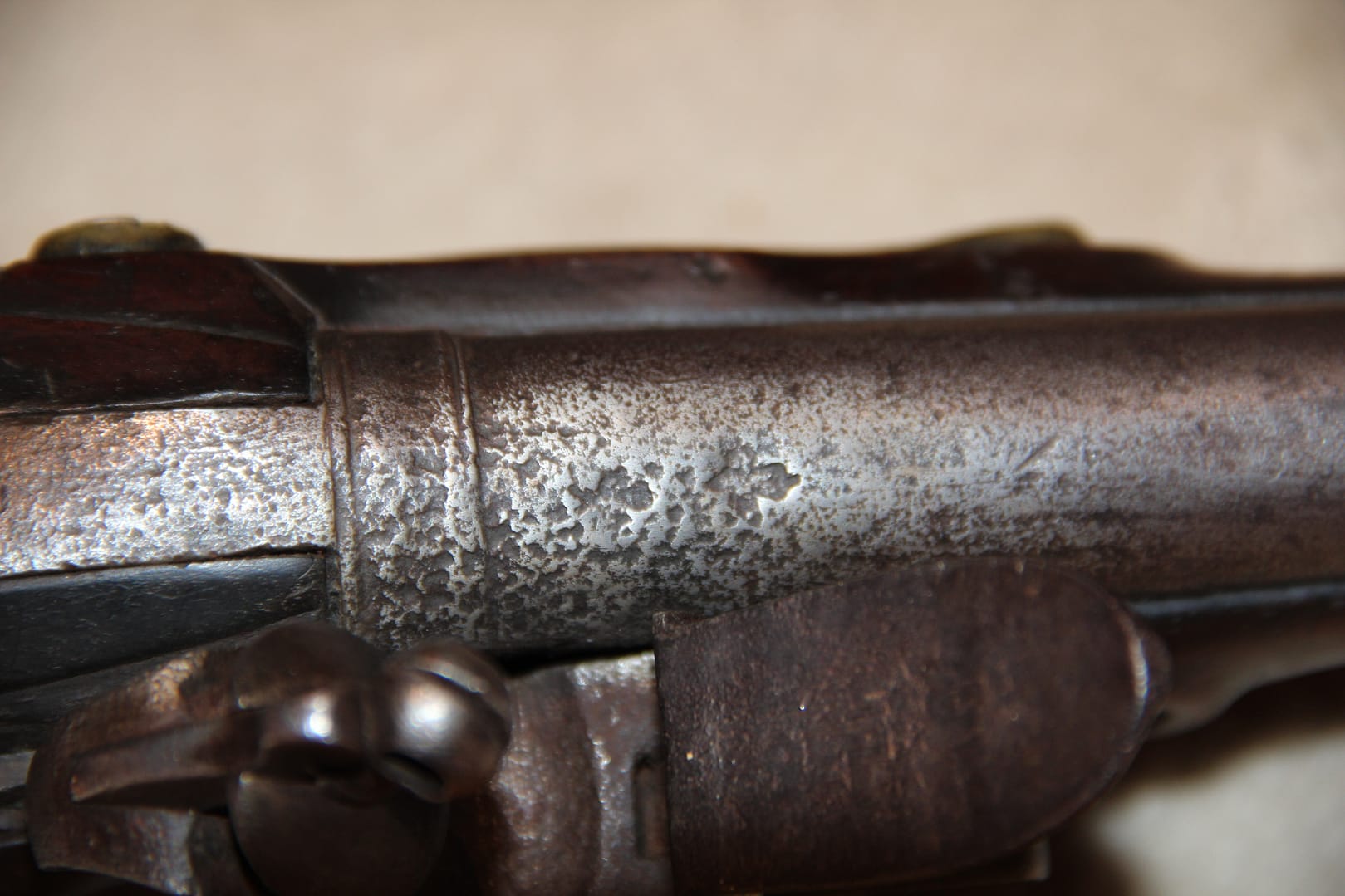
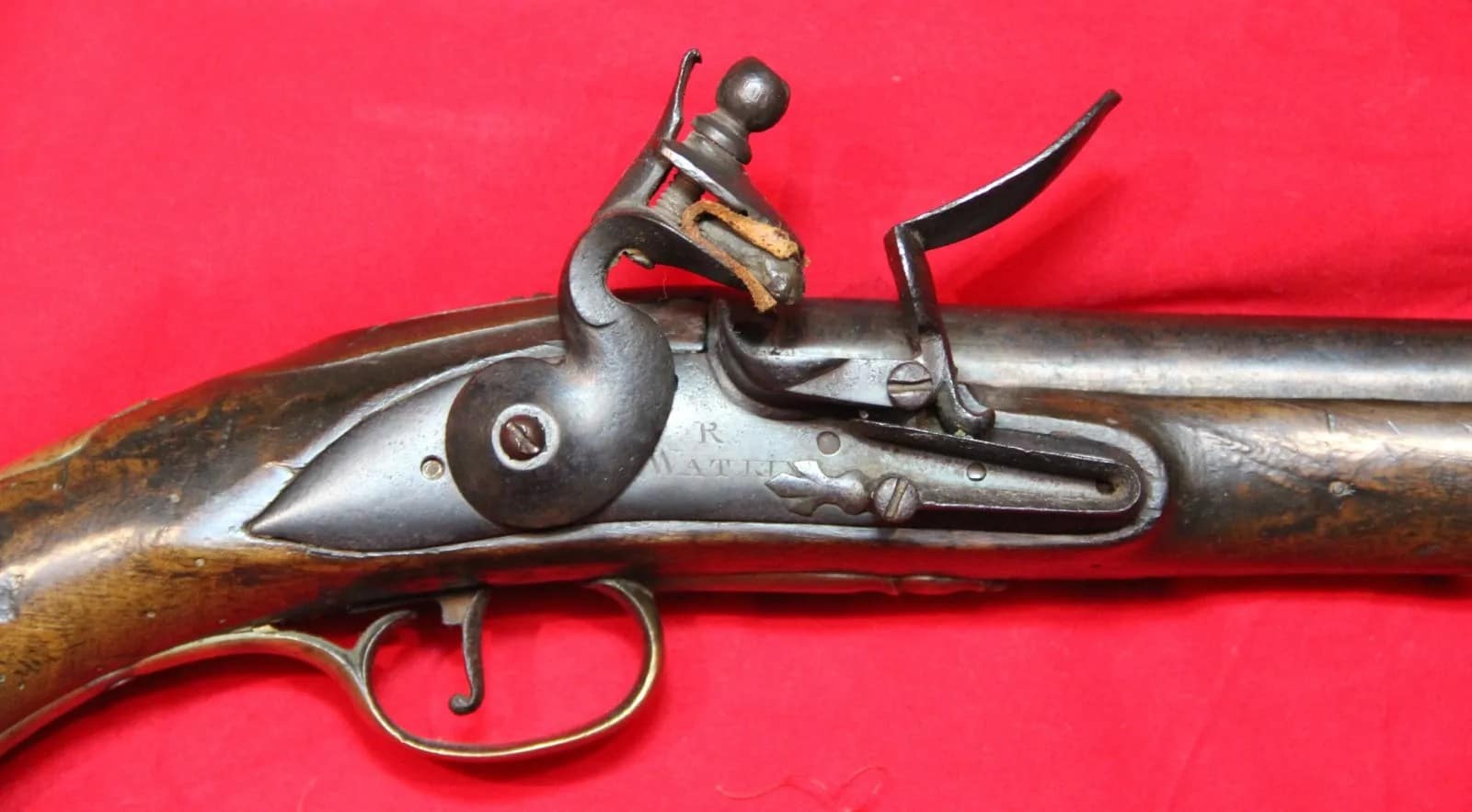
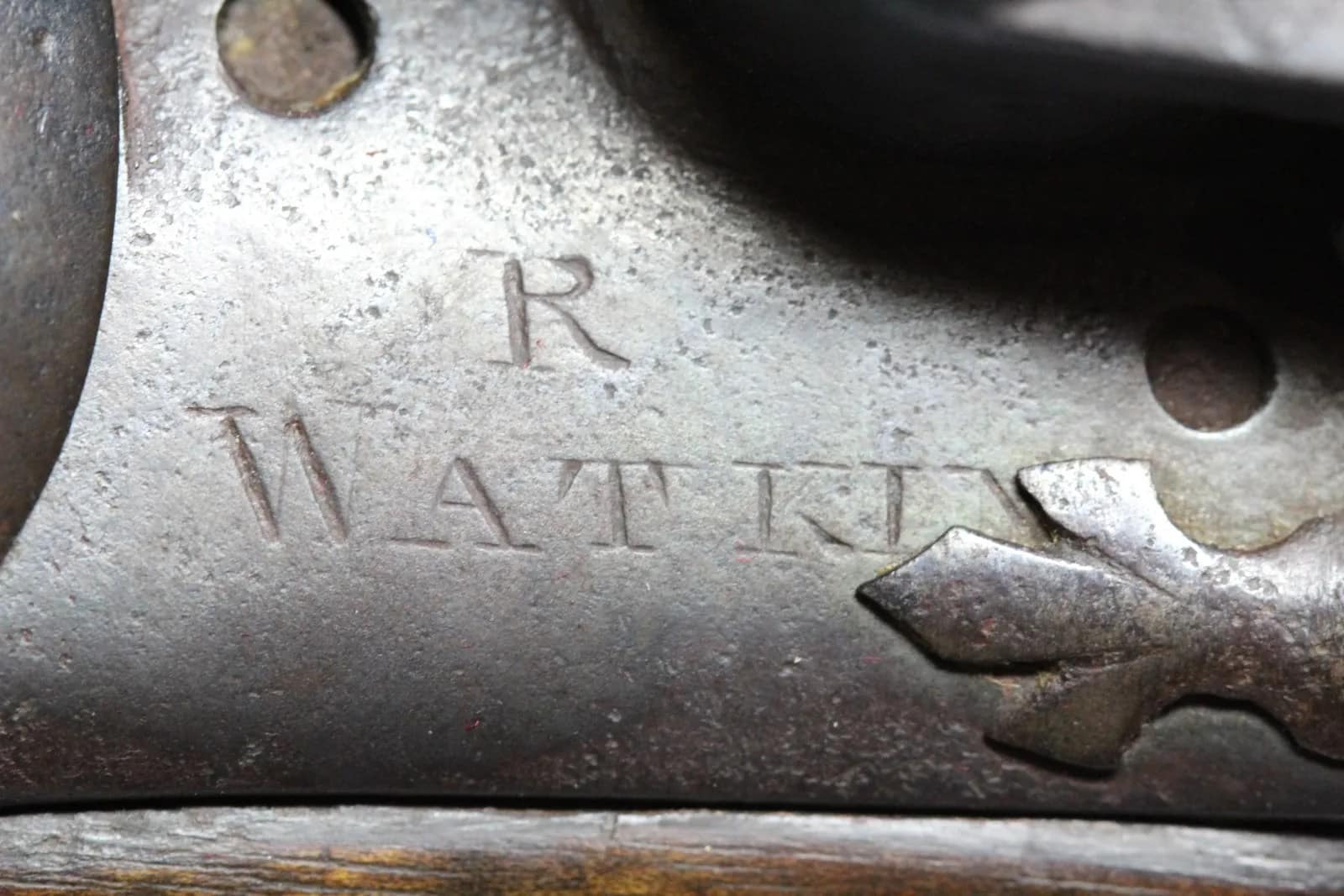
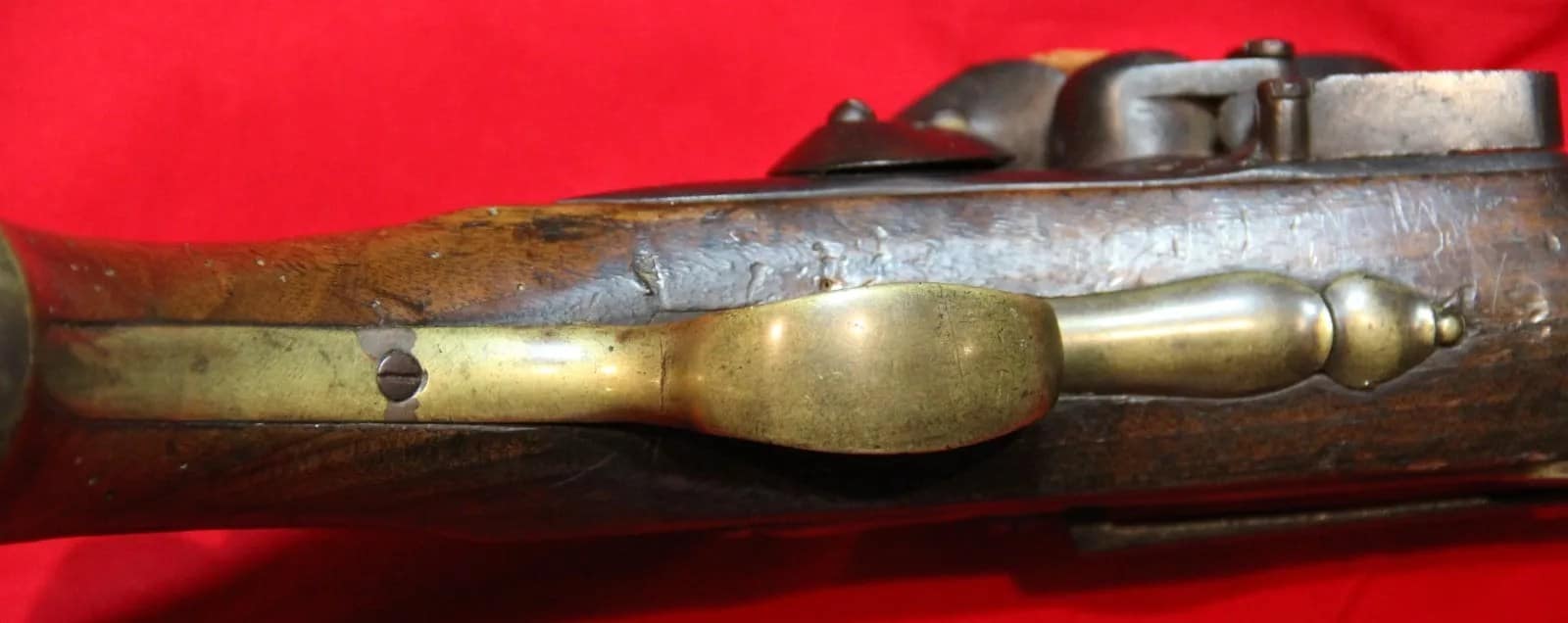
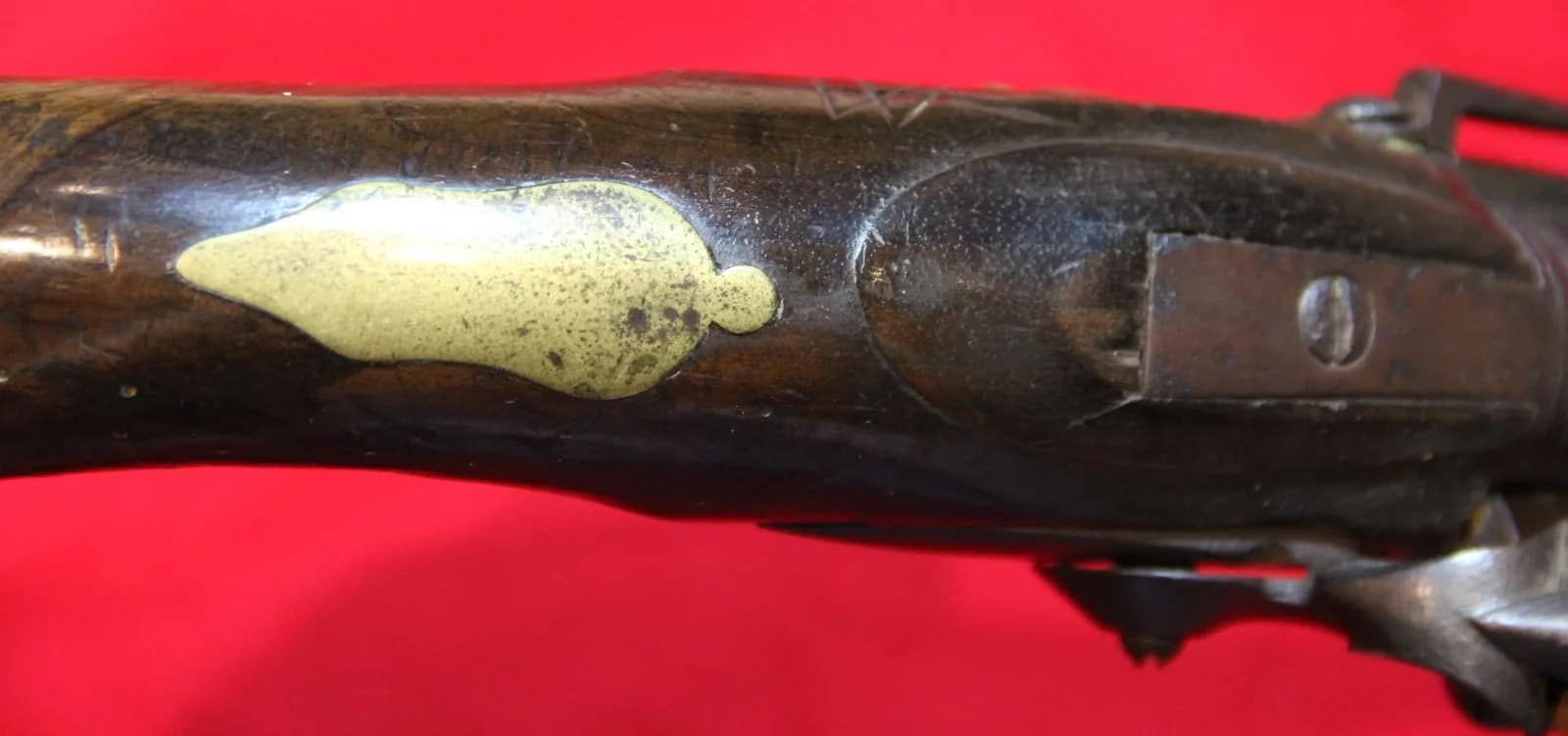
Land Pattern Pistol by Robert Watkin, c.1745. From my personal collection.
This flintlock Land Pattern pistol, made by London gunmaker Robert Watkin around 1745, is associated with the rapid mobilisation of British forces during the Jacobite Rising of 1745. Pistols of this type were produced for cavalry and volunteer units, including the Yorkshire Blues, a regiment raised from loyalist cavalry to defend northern England against the advancing Jacobite army. Typically of large calibre with brass furniture and a robust lock, Land Pattern pistols were designed for mounted service and close combat. This example reflects both the emergency expansion of government forces and the growing standardisation of British military small arms in the mid-18th century.
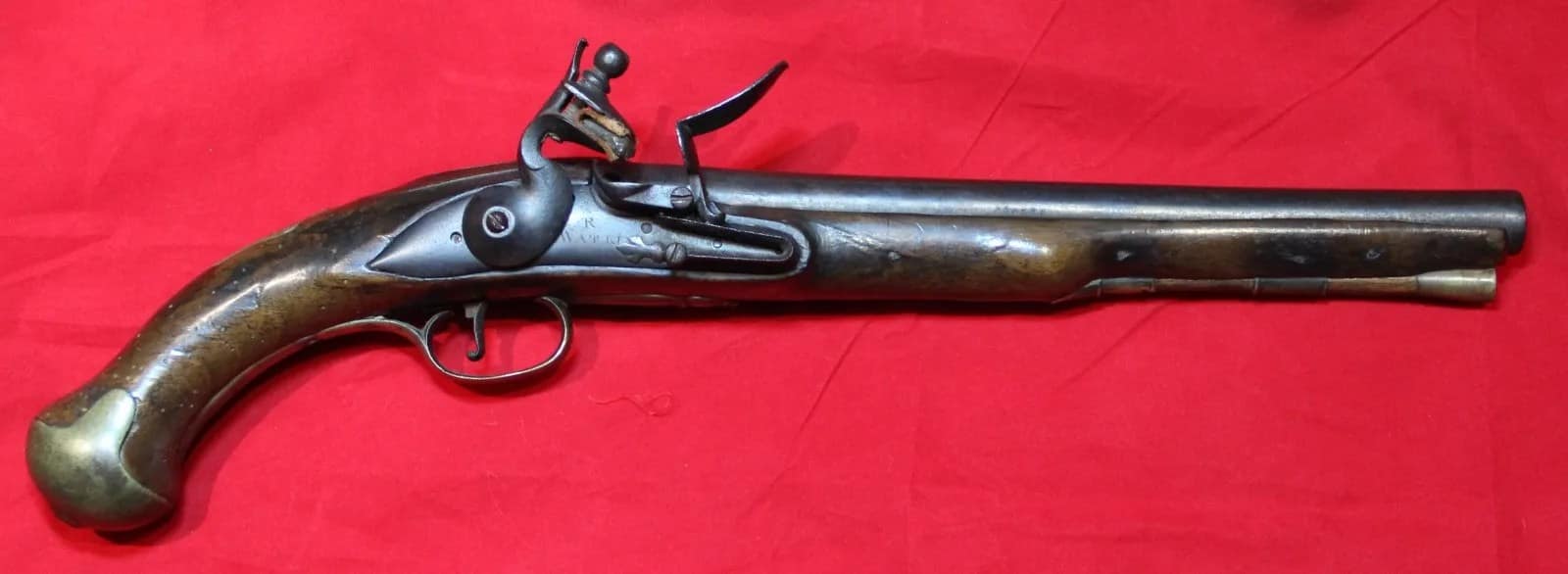
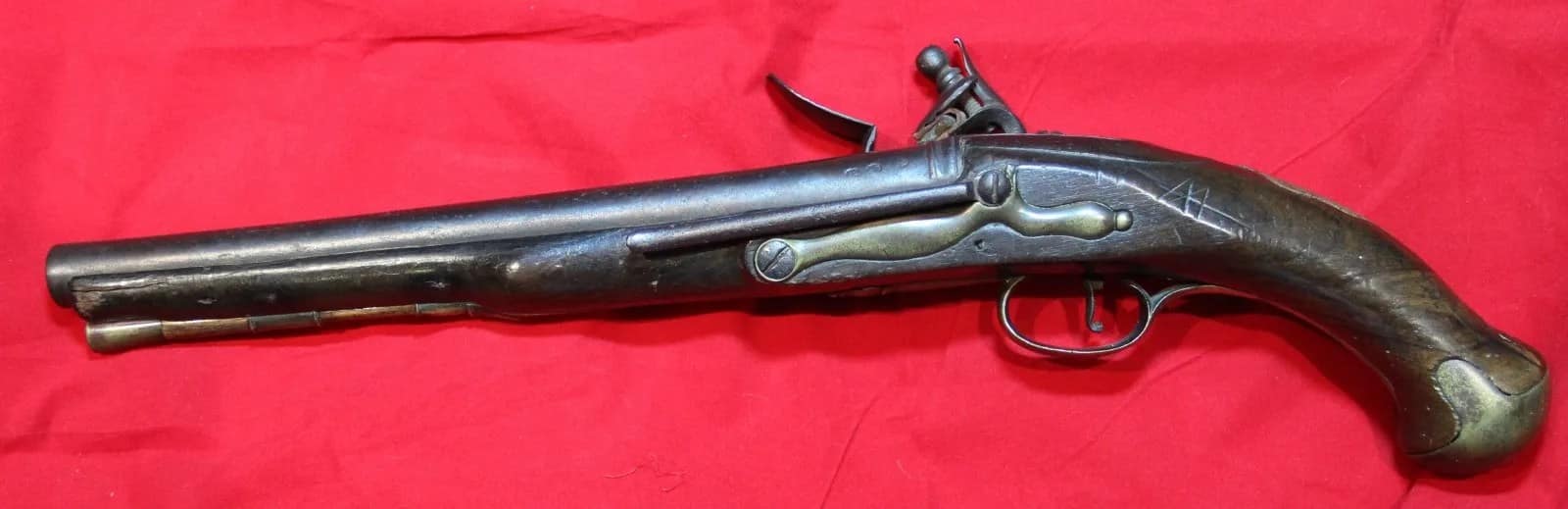
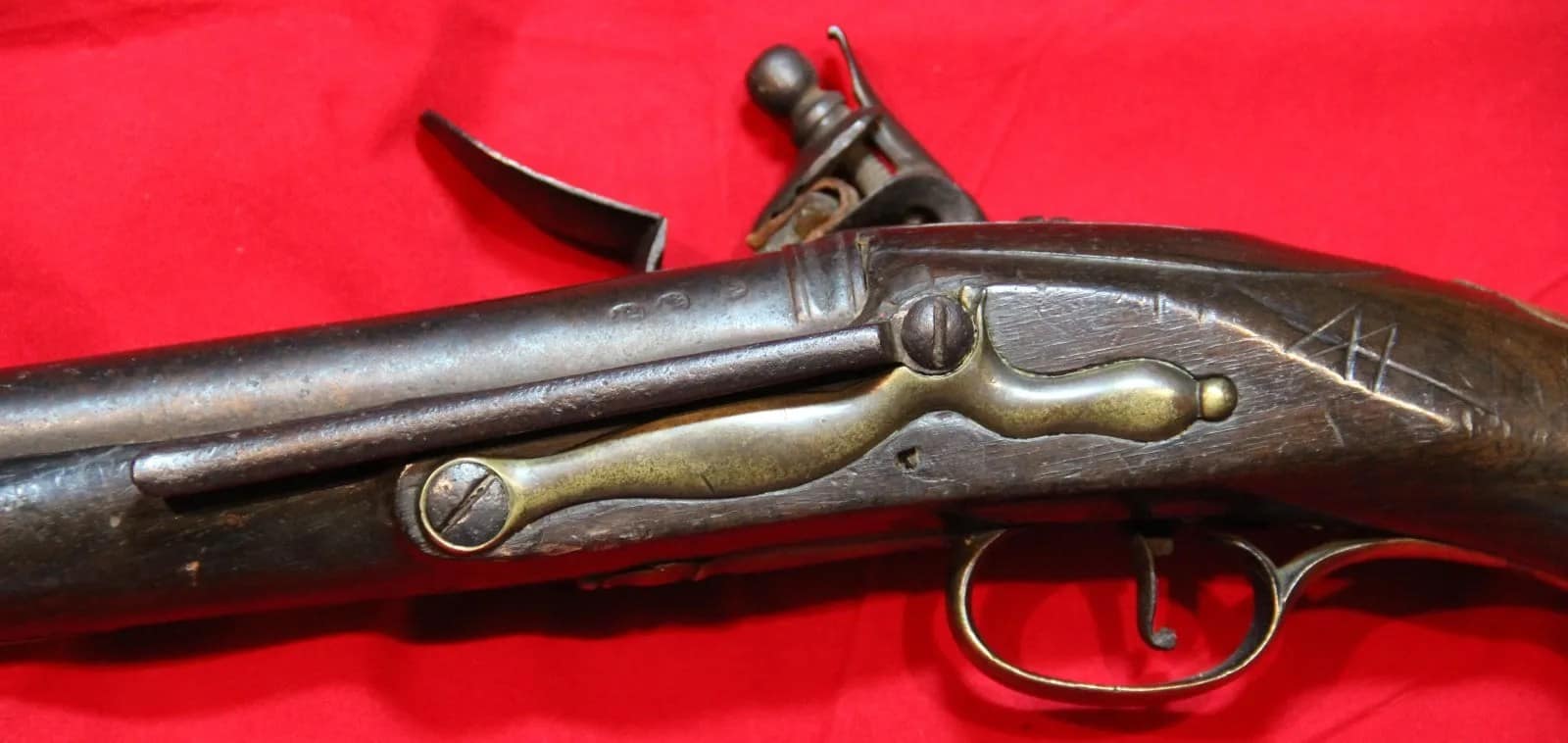
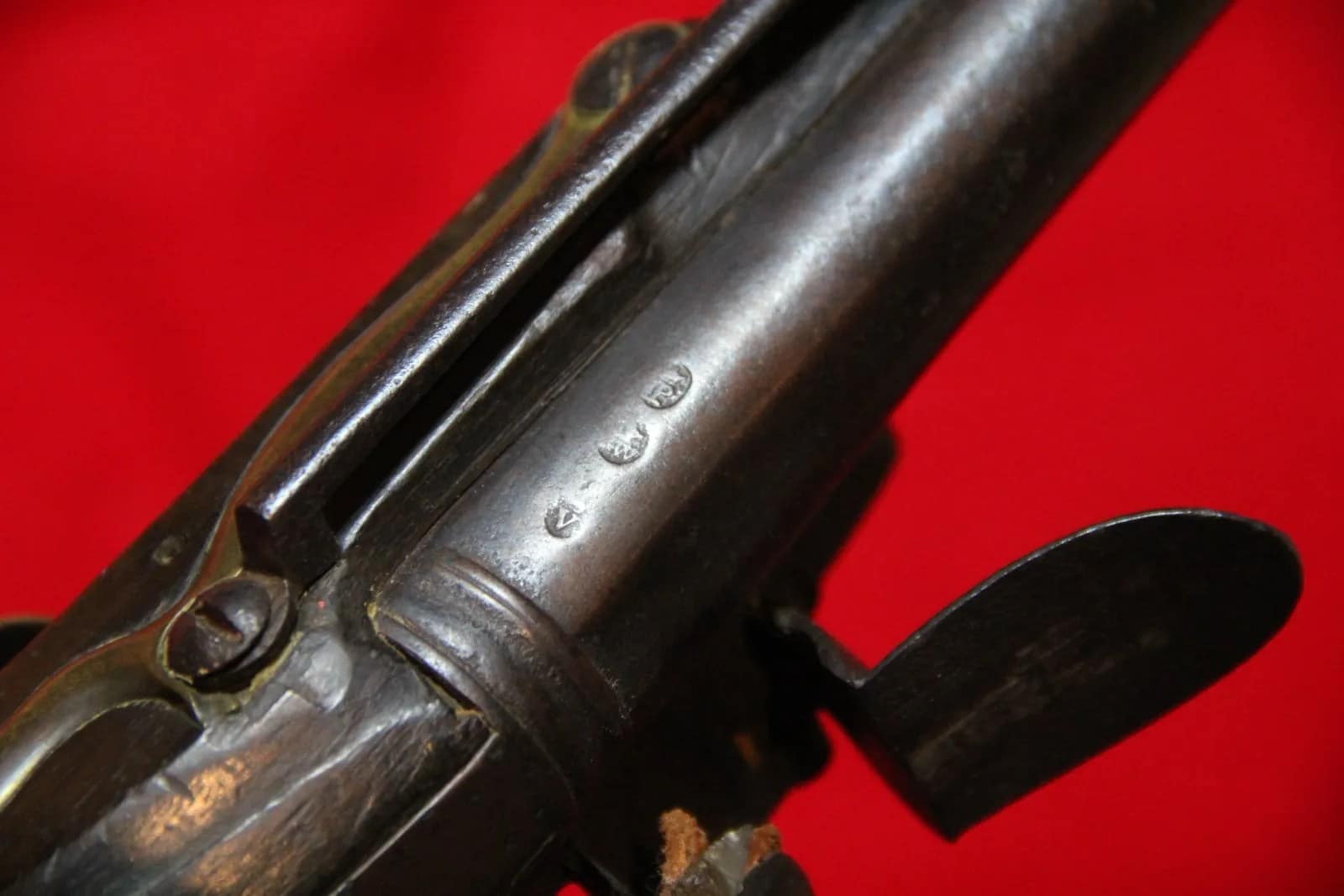
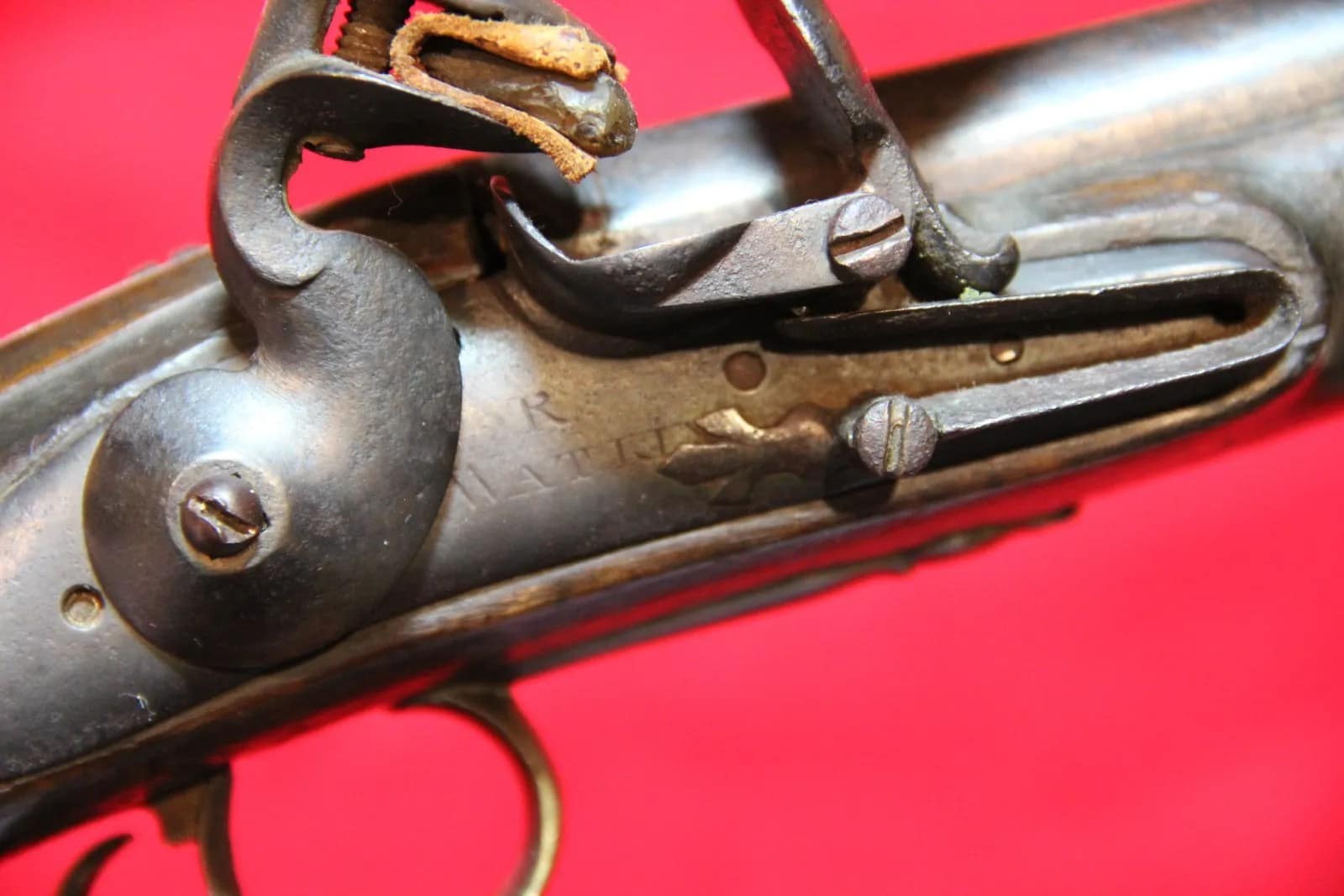
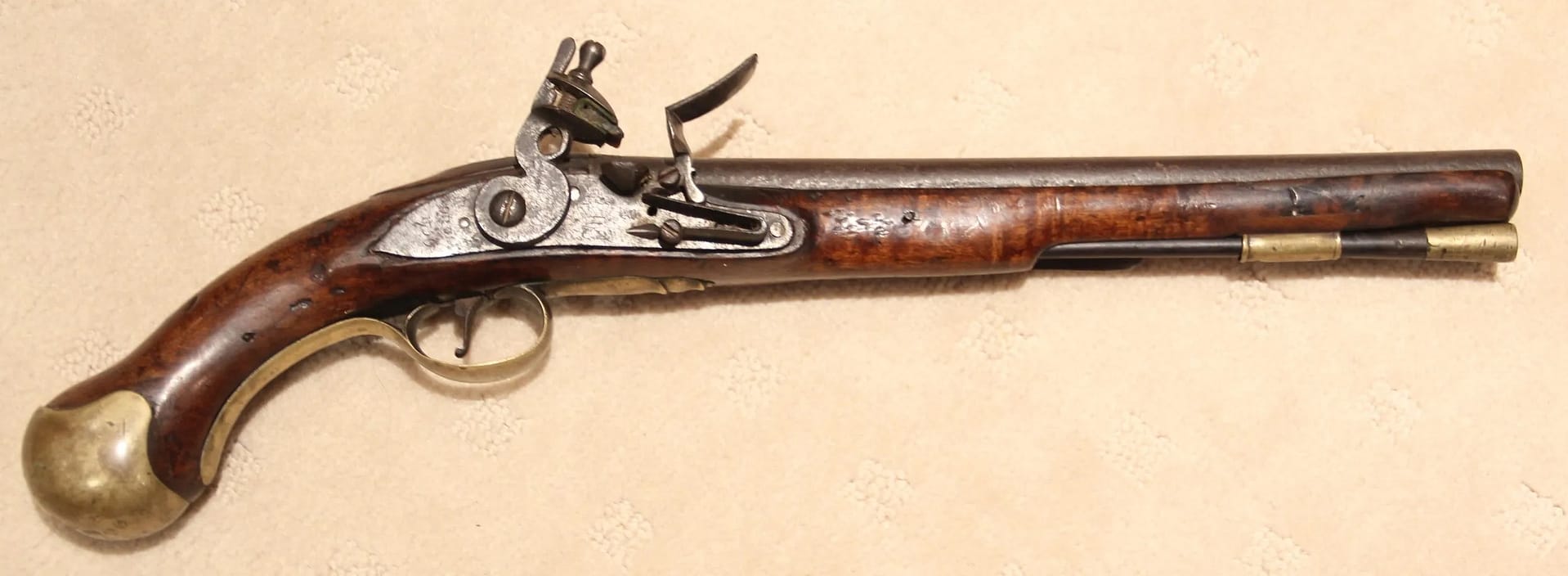
English Pattern 1718 Sea Service Pistol (Manufactured by Jordan, 1759). From my personal collection.
This flintlock Sea Service pistol, produced in 1759 by the contractor Jordan, is an example of the Pattern 1718 design widely issued to the Royal Navy during the mid-18th century. Typically of large calibre and built for durability, these pistols featured robust brass furniture and a simple, sturdy lock suited to the harsh maritime environment. Sea Service pistols were carried aboard warships for close-quarters fighting, boarding actions, and by naval landing parties ashore. Pistols of this type saw service during the global conflicts of the period, including the Seven Years’ War, reflecting the practical demands of naval warfare.
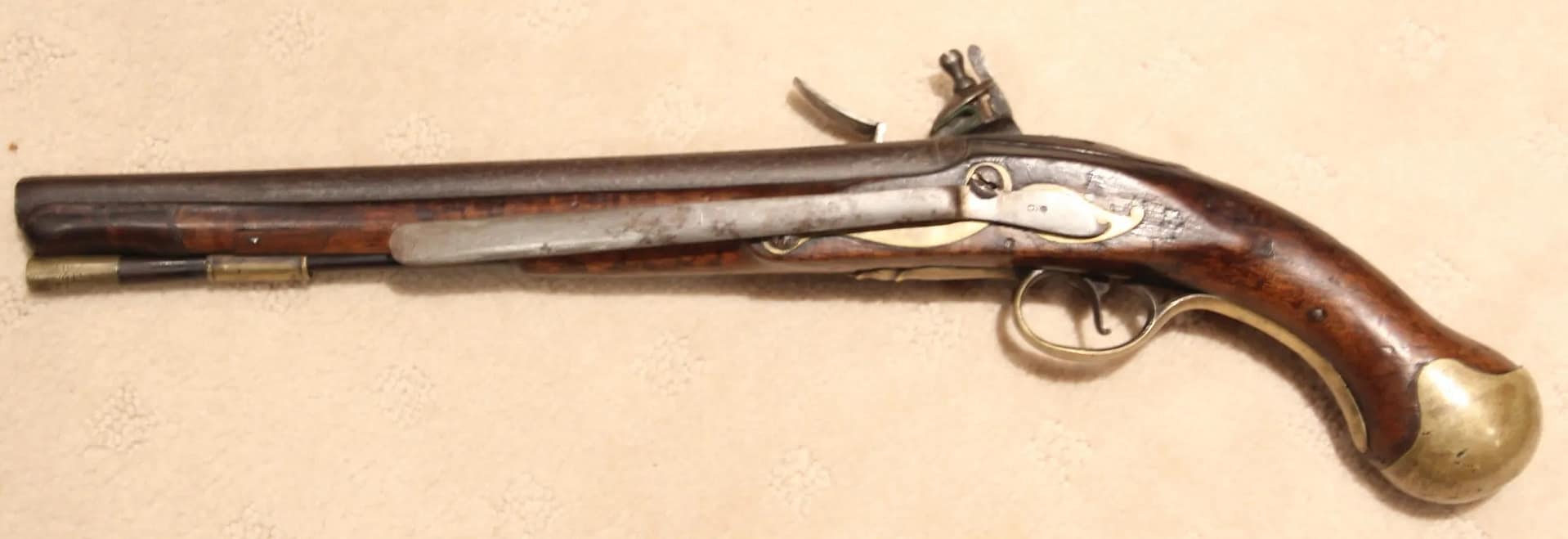
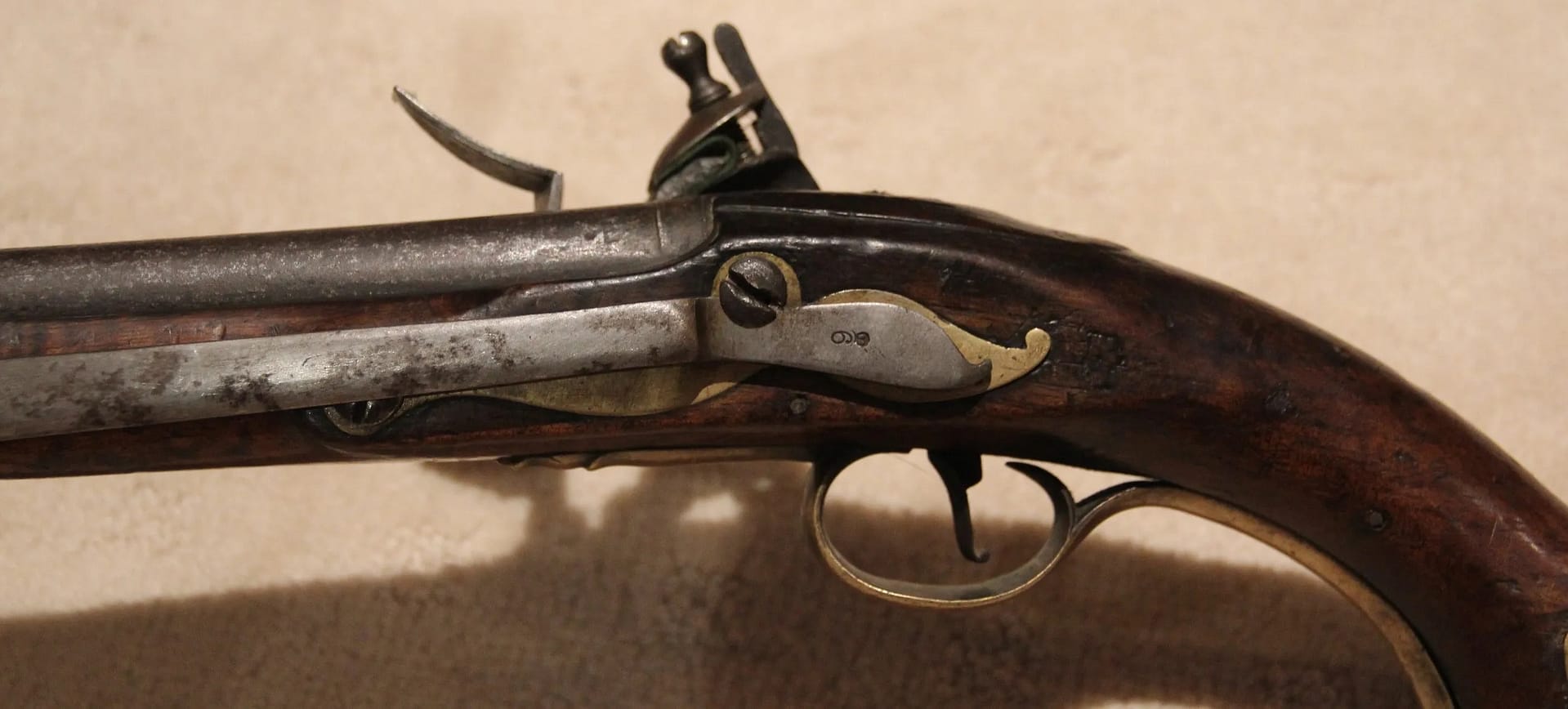
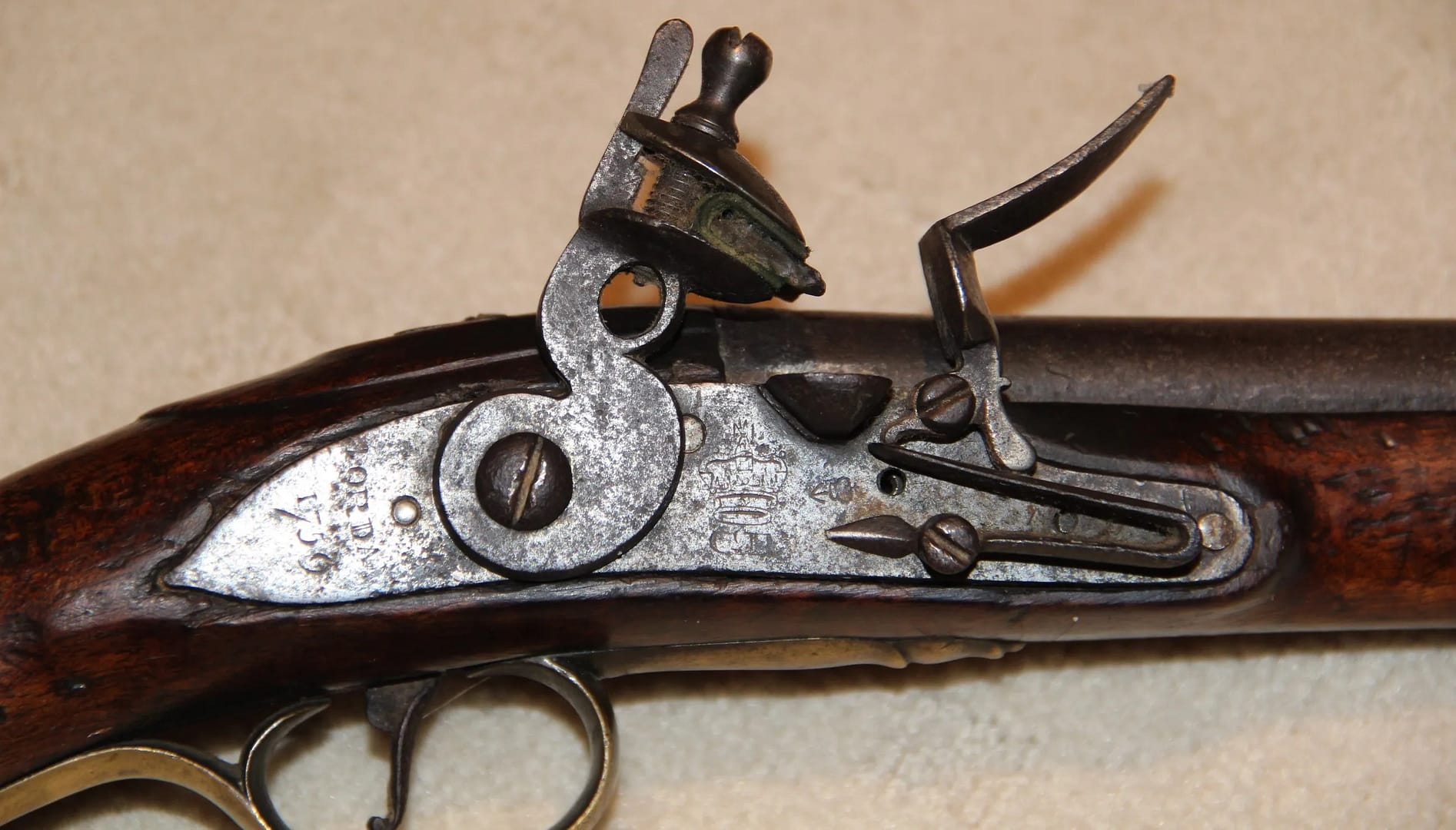
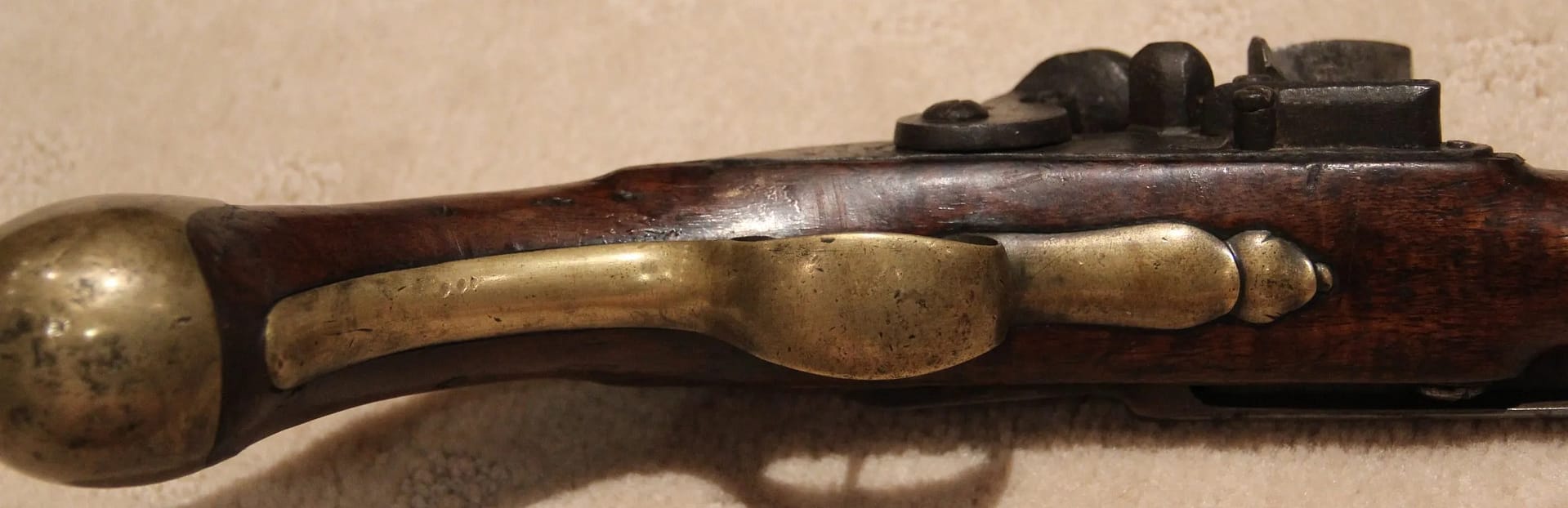
English Basket Hilt Heavy Cavalry Troopers Sword circa 1750. From my personal collection.
This basket-hilt broadsword, circa 1750, was typical of British heavy cavalry issued weapons before the introduction of more standardised 1780s patterns. Featuring a broad, straight blade optimised for powerful cutting blows, it was paired with an iron basket hilt providing substantial hand protection. Carried by dragoon and horse regiments, the sword reflects mid-18th-century British cavalry doctrine which emphasised close-quarter shock action. Its form continues the long tradition of Scottish and English basket-hilted military swords. Dish shaped hilt 3/4 basket with wide central knucklebow and three curved branches. Ovoid pommel. Described in George Neumann Swords and Blades 253.S English Horseman Sabre circa 1750. 32 inch blade. 38 inch overall. Grip covered in fishskin and brass twist wire. From my personal collection.


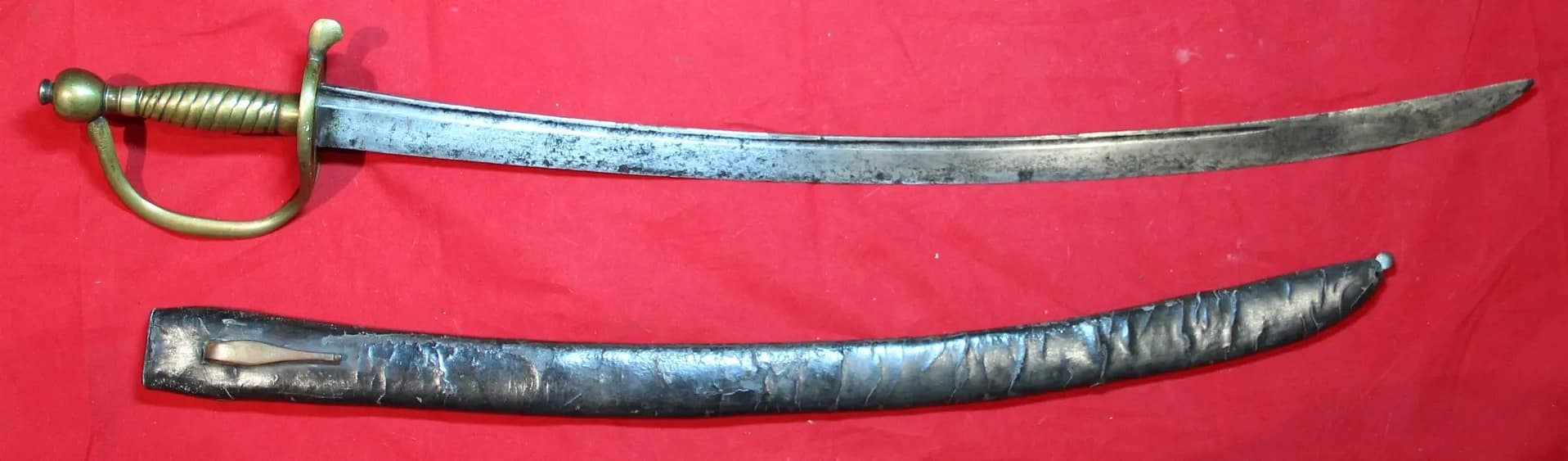
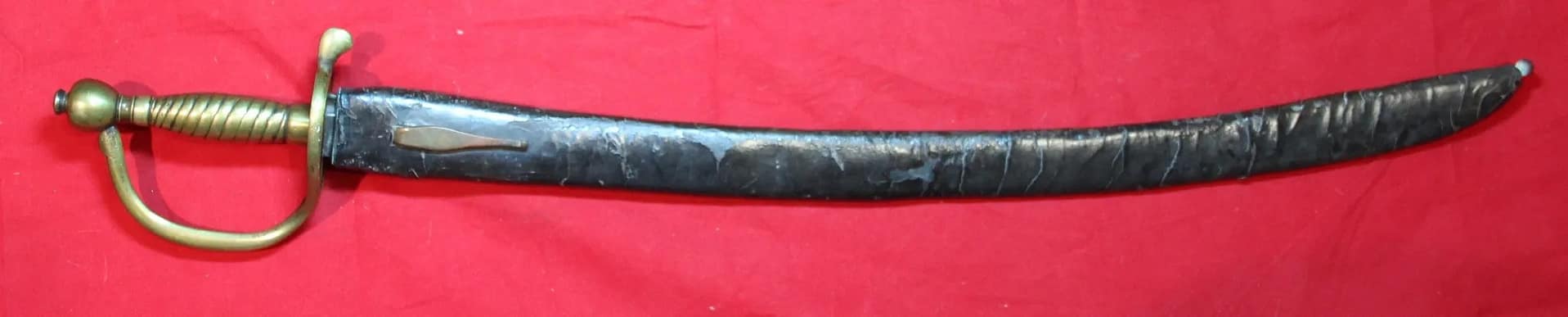
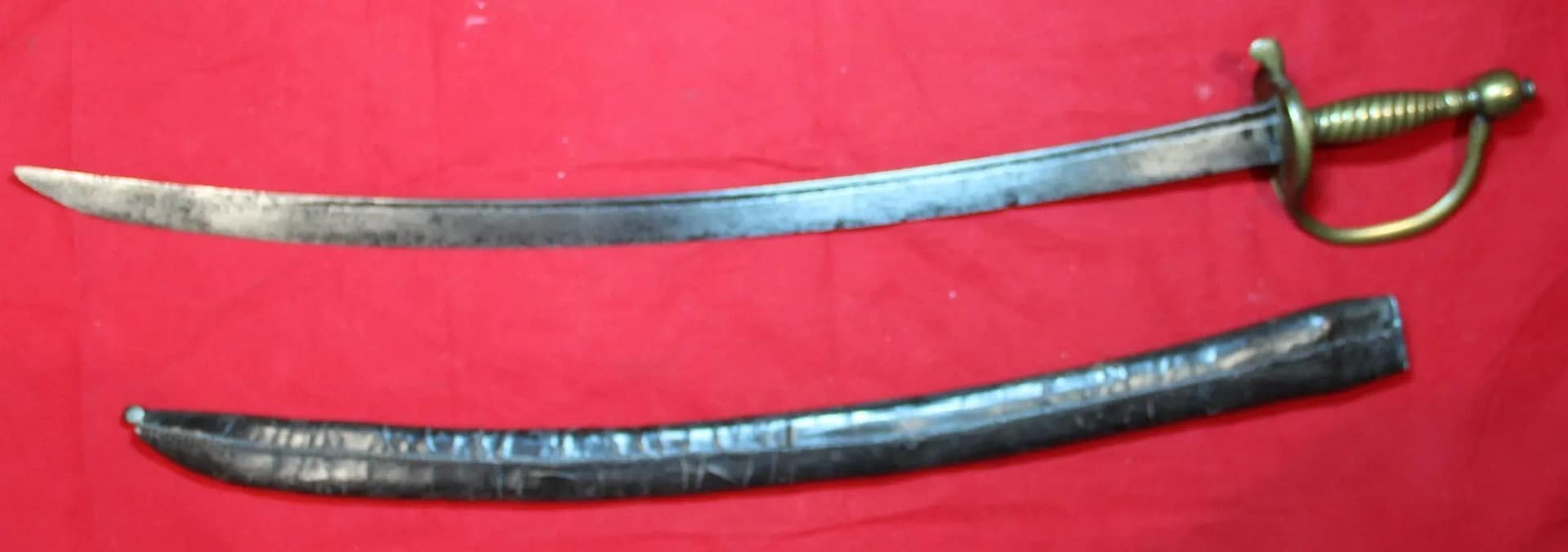
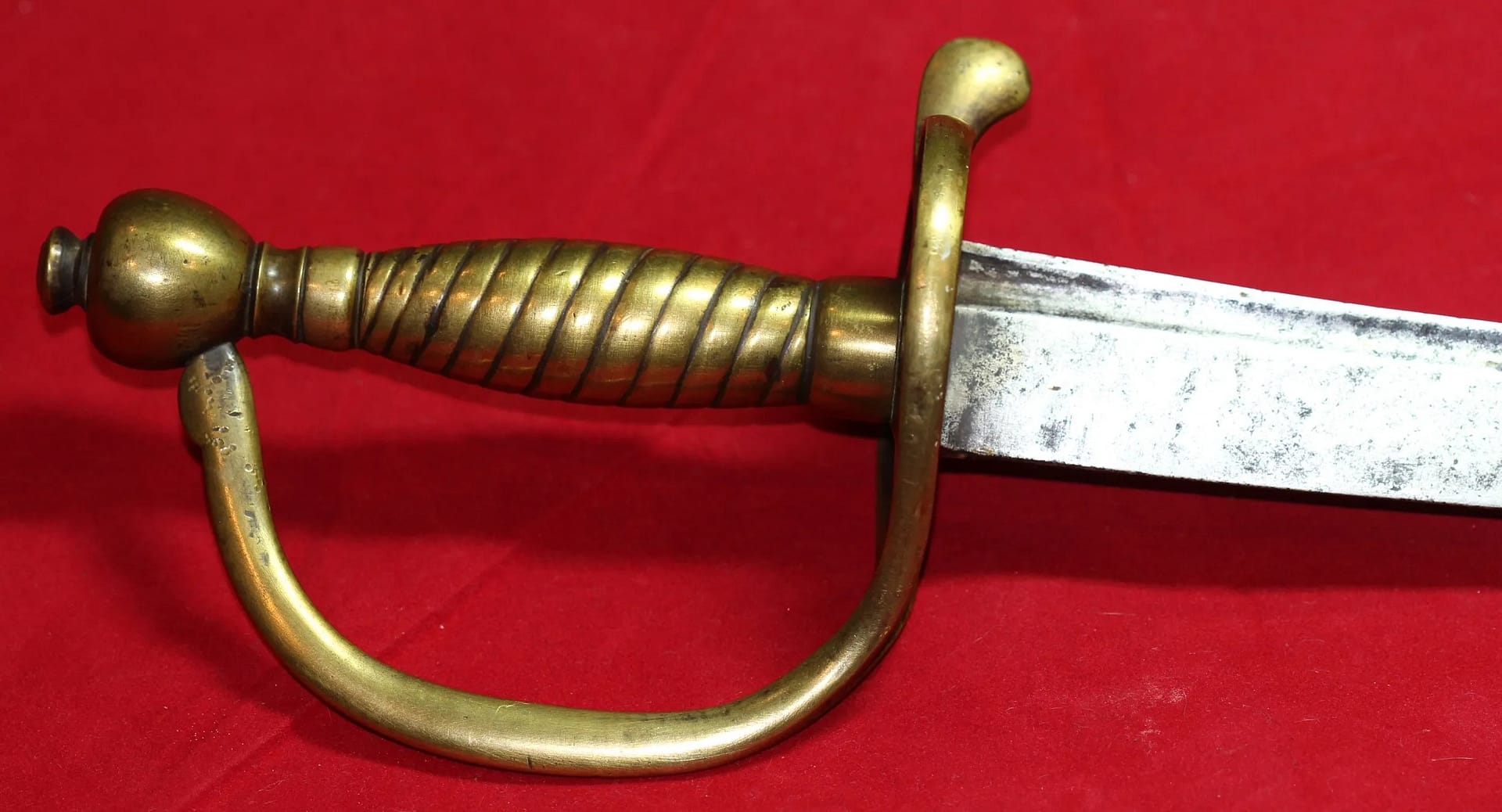
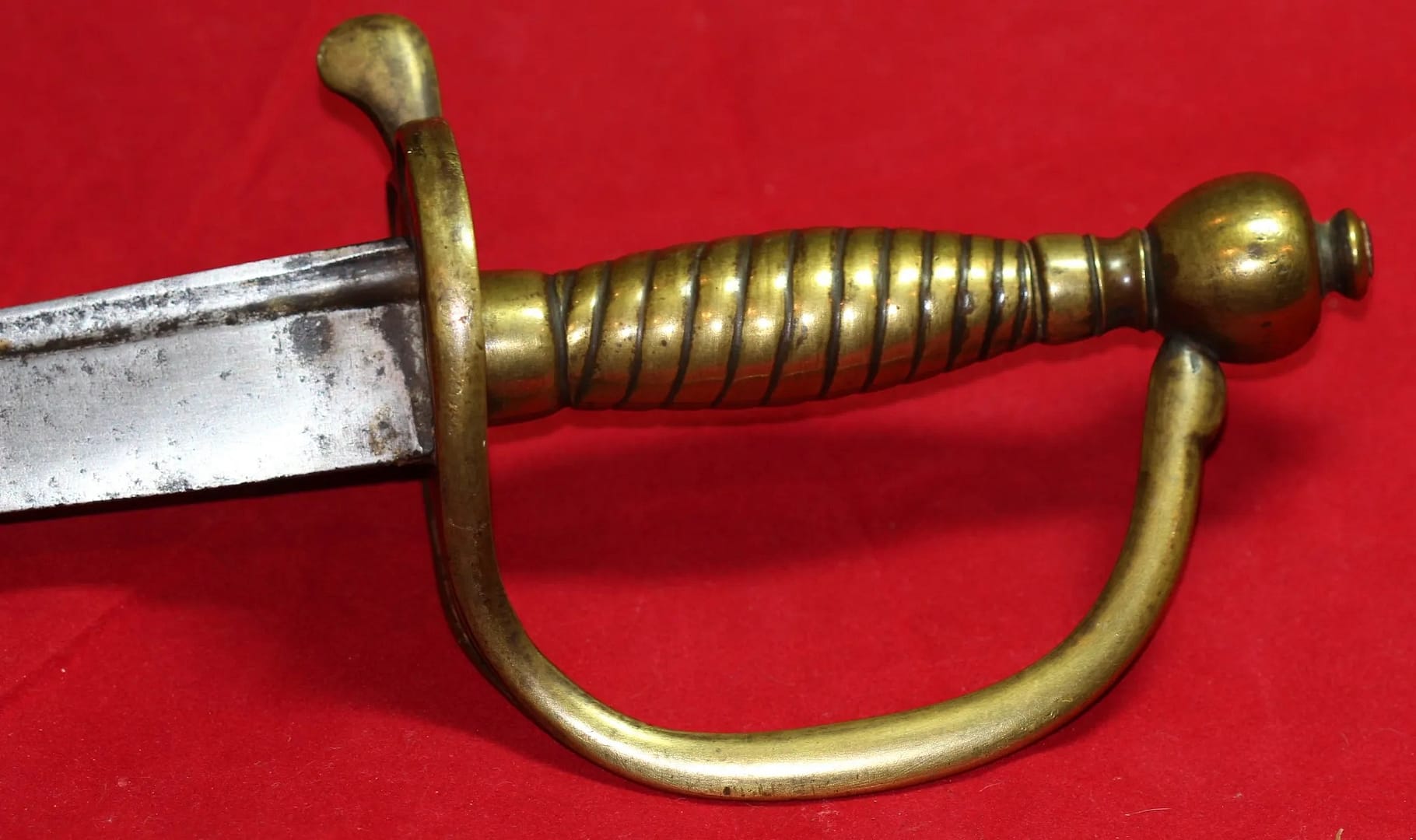
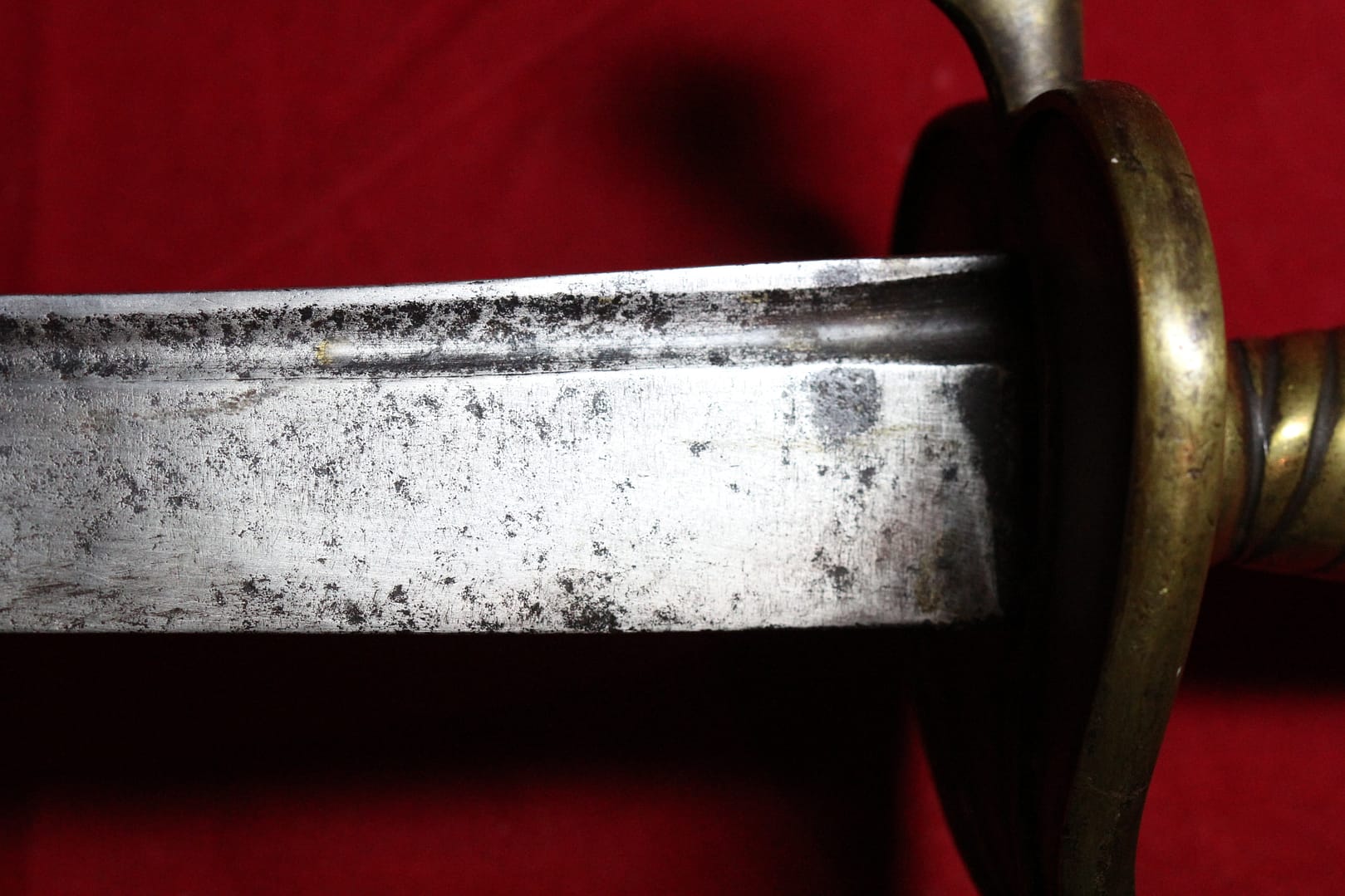
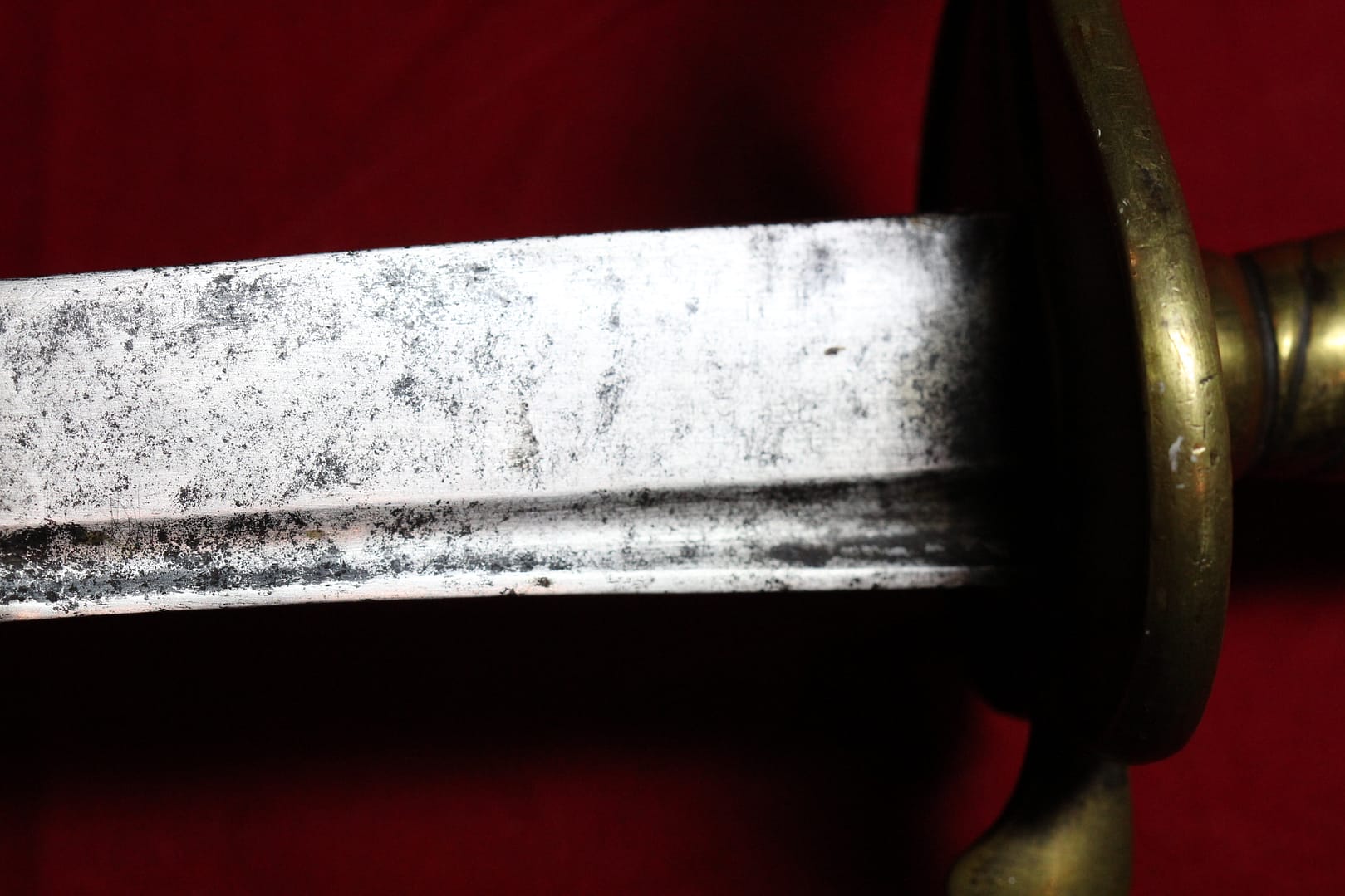
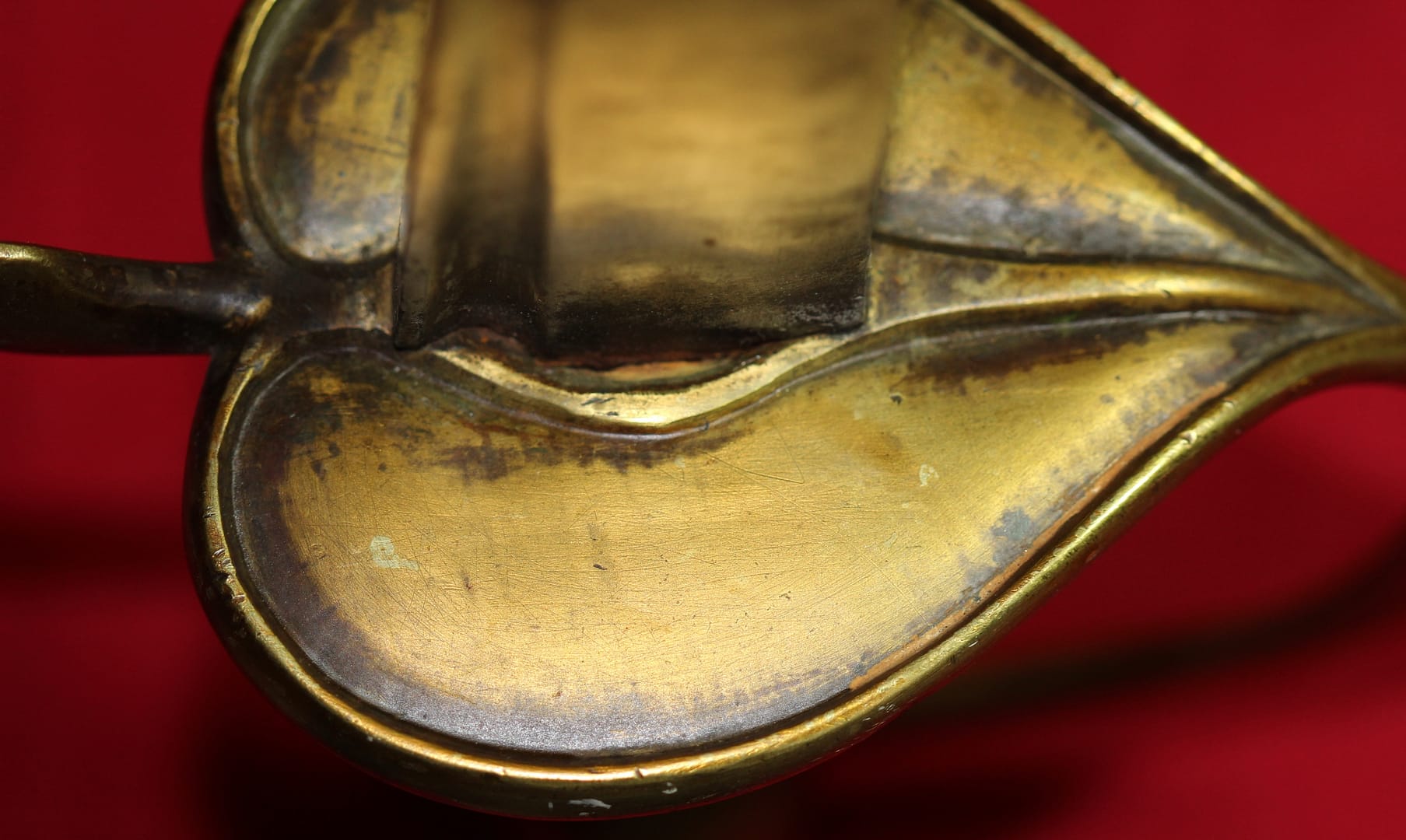
English Pattern 1742 Infantry Hanger. From my personal collection.
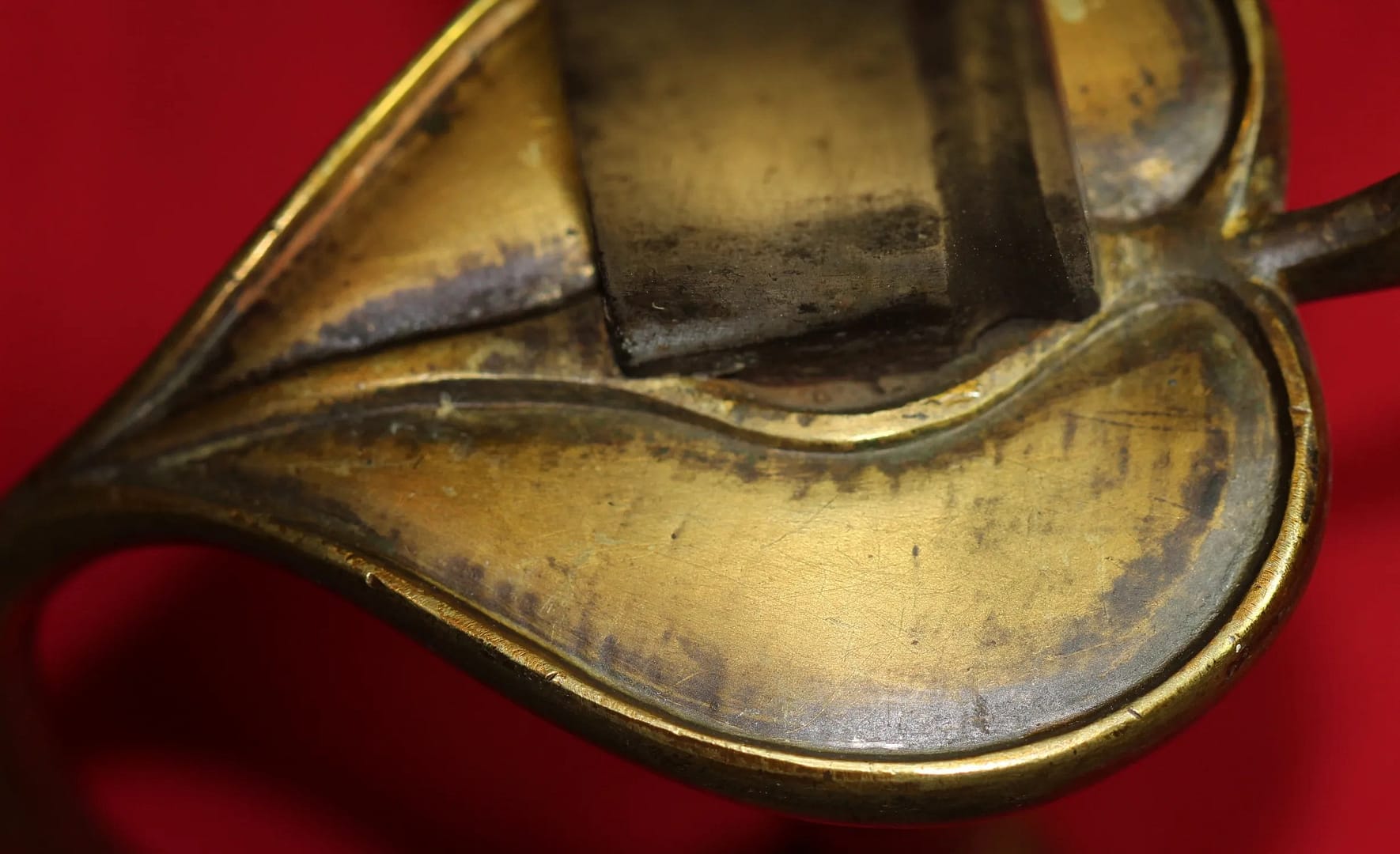
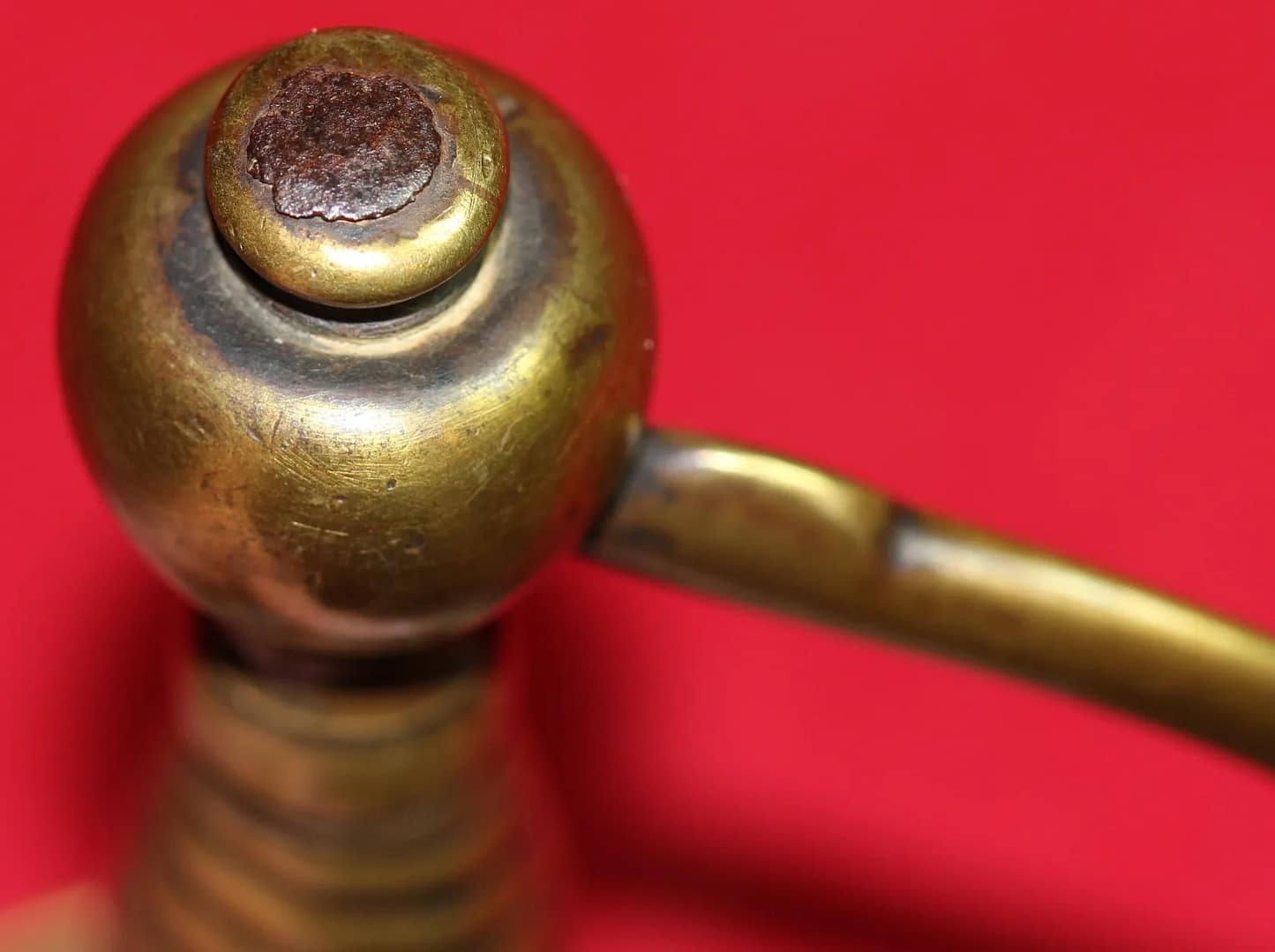
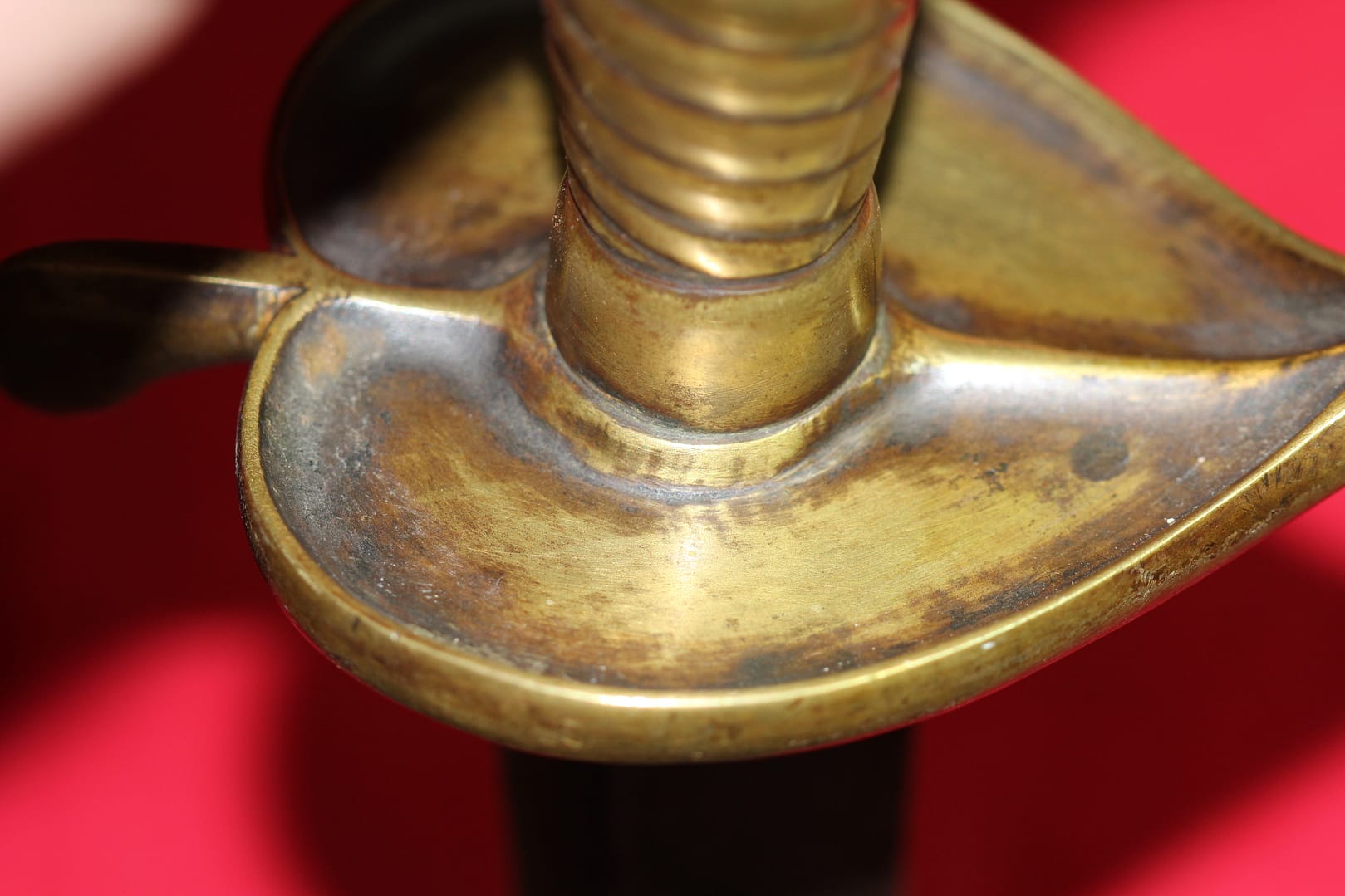
The Pattern 1742 infantry hanger was a short sabre issued to British grenadiers, sergeants, and some line infantry during the mid-18th century. Featuring a curved blade, brass guard, and simple knucklebow, it served as a secondary close-combat weapon complementing the musket and bayonet. Although increasingly superseded by bayonet fighting, hangers remained in service through the Seven Years War. The Pattern 1742 is one of the last widely issued infantry swords in British service.
🧭 From Weapons to Battlefield Use
This page shows weapons and equipment of the Seven Years War. All items are from my personal collection.
But what images and data don’t show is how these weapons were actually used on the ground—how weapon characteristics, tactics, innovation, terrain, and movement shaped their effectiveness in battle.
👉 That layer—how firepower, tactics, and terrain interact in real engagements—is explored in:
⚔️Battlefield Studies ◊ 💡Tactical Innovations ◊ 📝Field Notes
Prussian Weapons of the Seven Years War
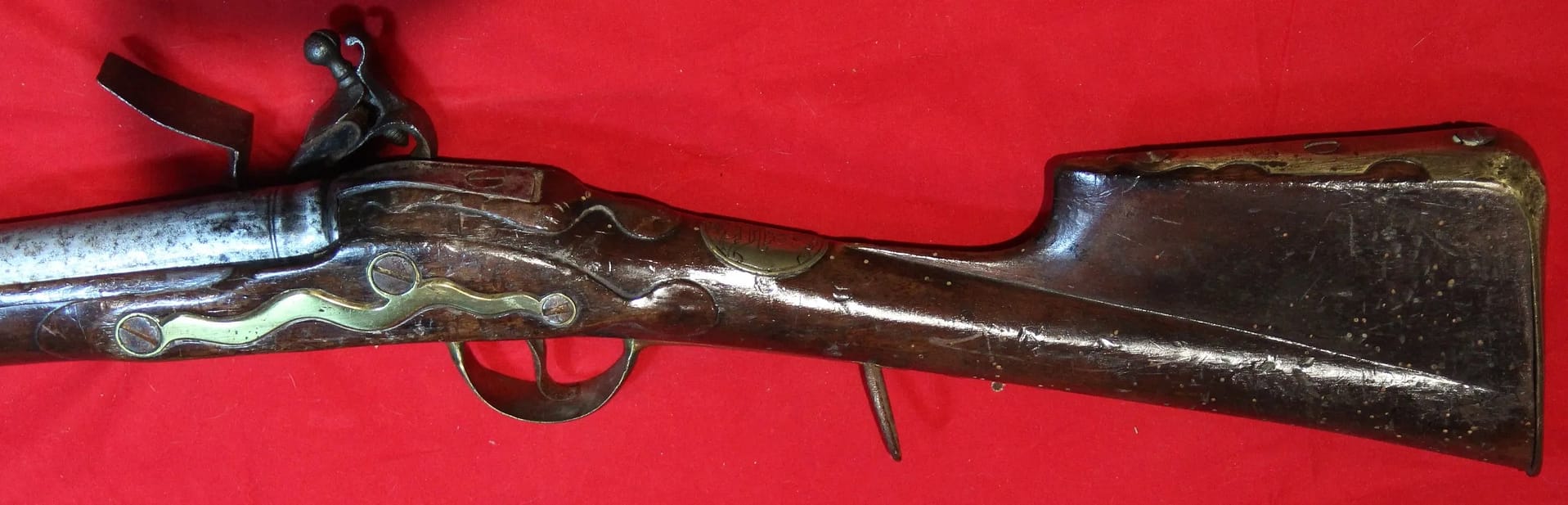
Prussian Model 1740 Musket, marked POTZDAM MAGAZ, inspected by S&D (initials of Splittgerber and Daum, the inspectors at the Royal Arsenal). From my personal collection.
The Prussian Model 1740 musket was a .72–.73 calibre flintlock produced at the Potsdam Arsenal, marked POTZDAM MAGAZ. The “S&D” inspection stamp denotes Splittgerber and Daum, the principal inspectors responsible for Frederick the Great’s early-war small-arms programme. Lighter and handier than earlier Prussian models, the 1740 musket equipped line infantry during the campaigns of the War of Austrian Succession and the early Seven Years’ War. Known for its robust lock and crisp trigger, it was the hallmark weapon of Frederick’s disciplined infantry battalions.

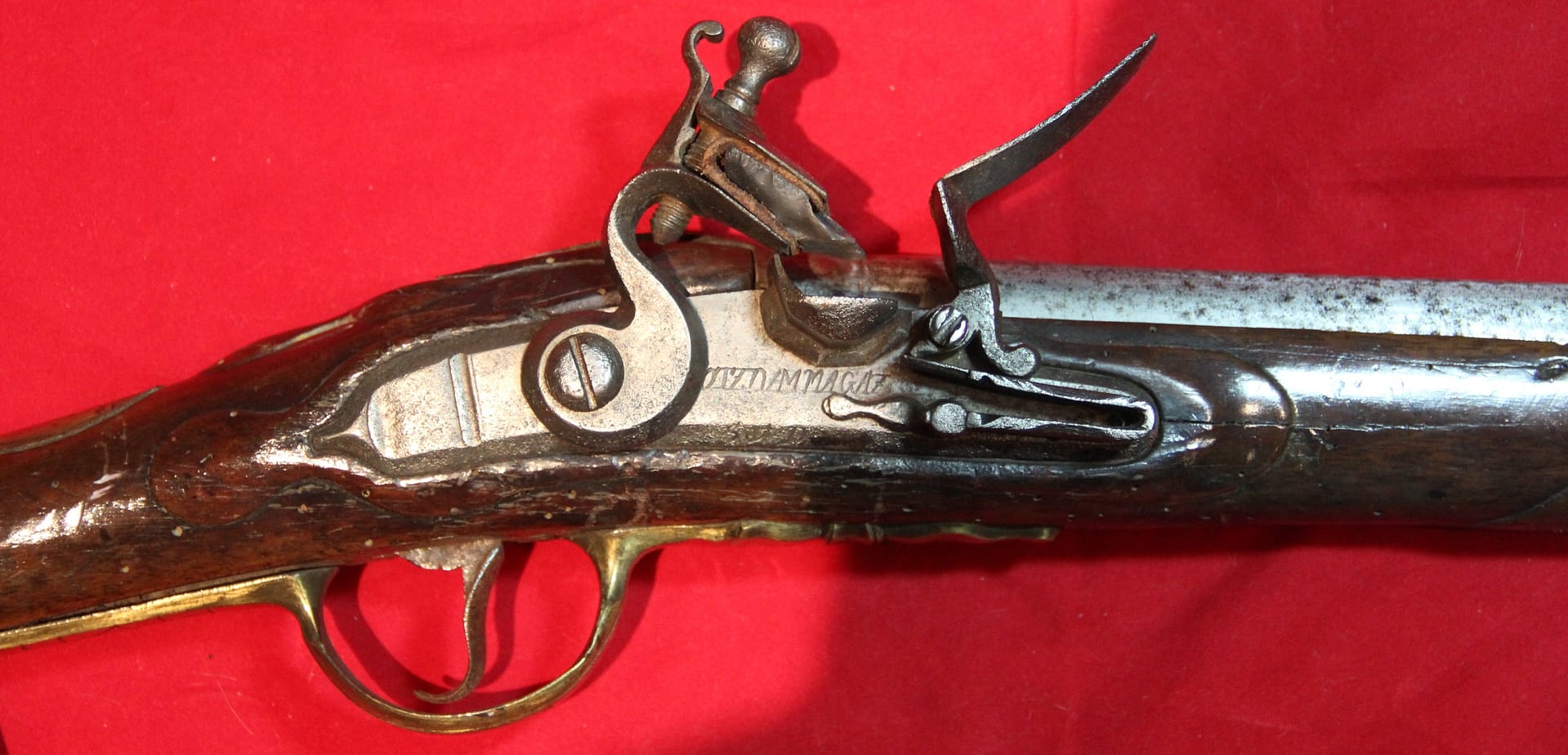
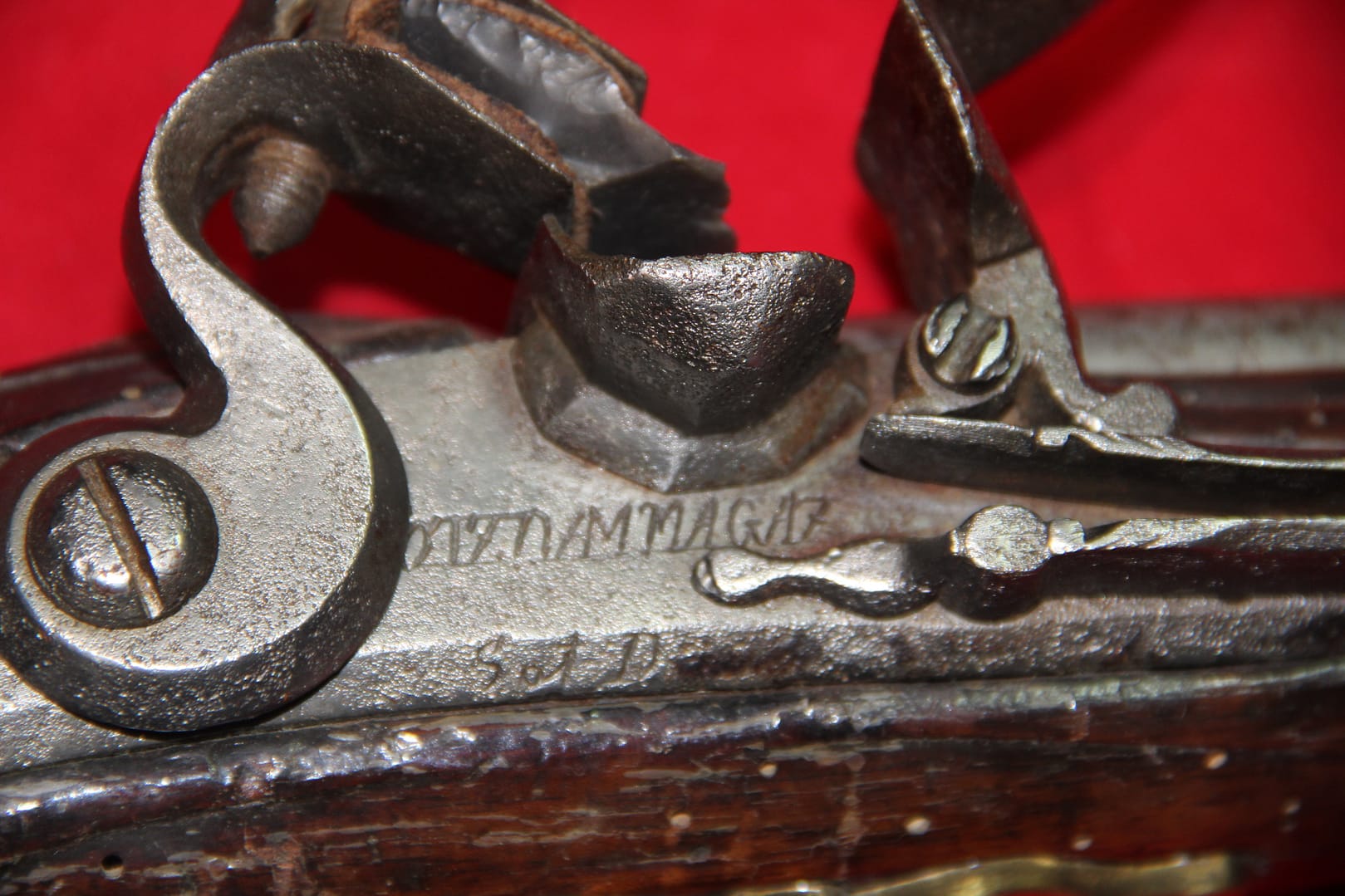
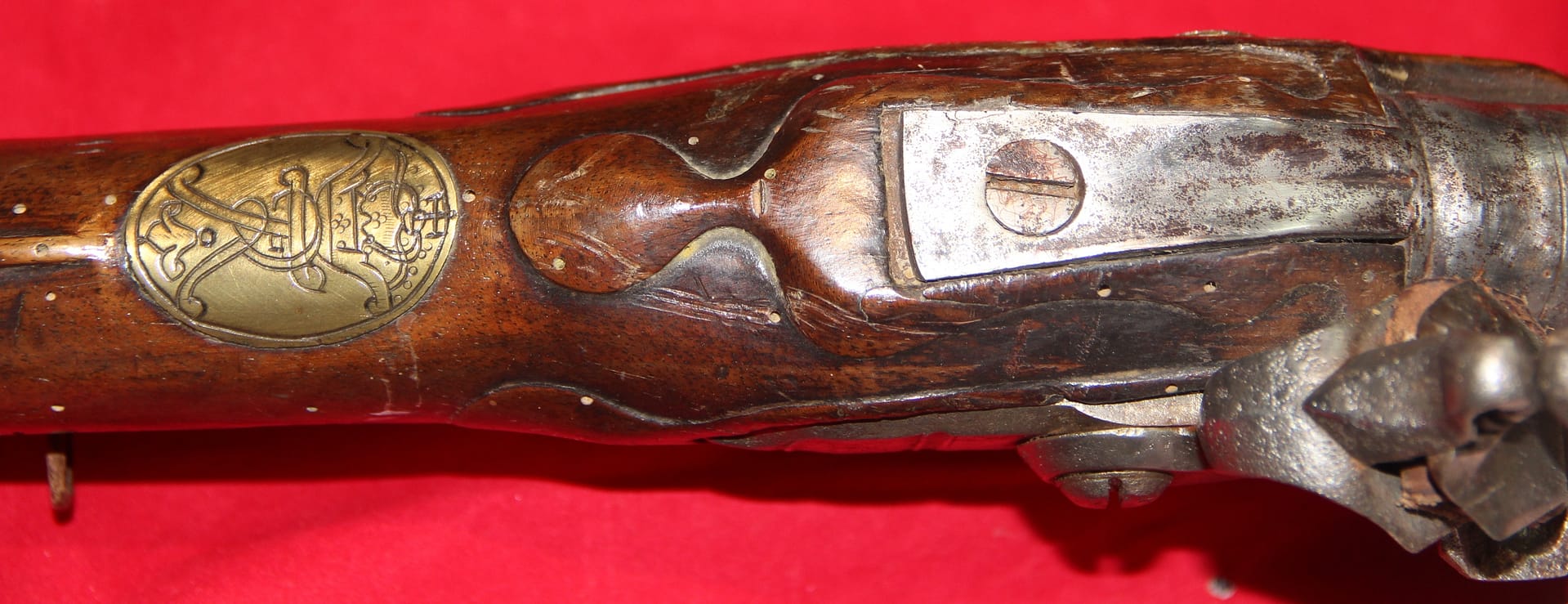
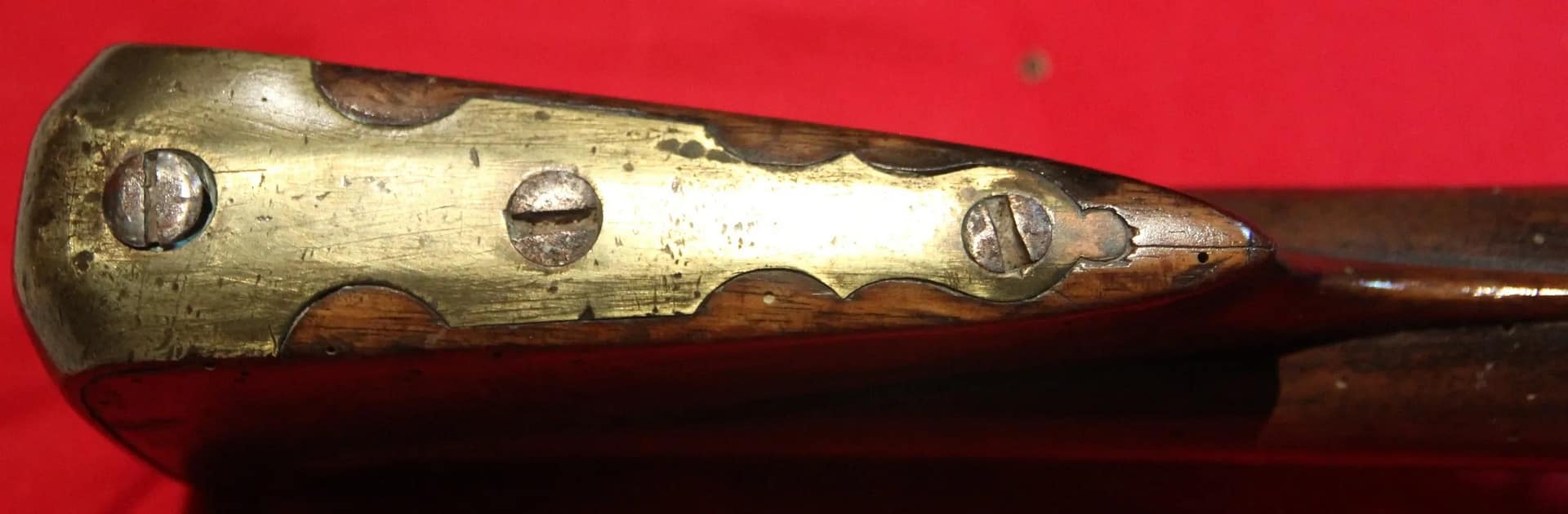
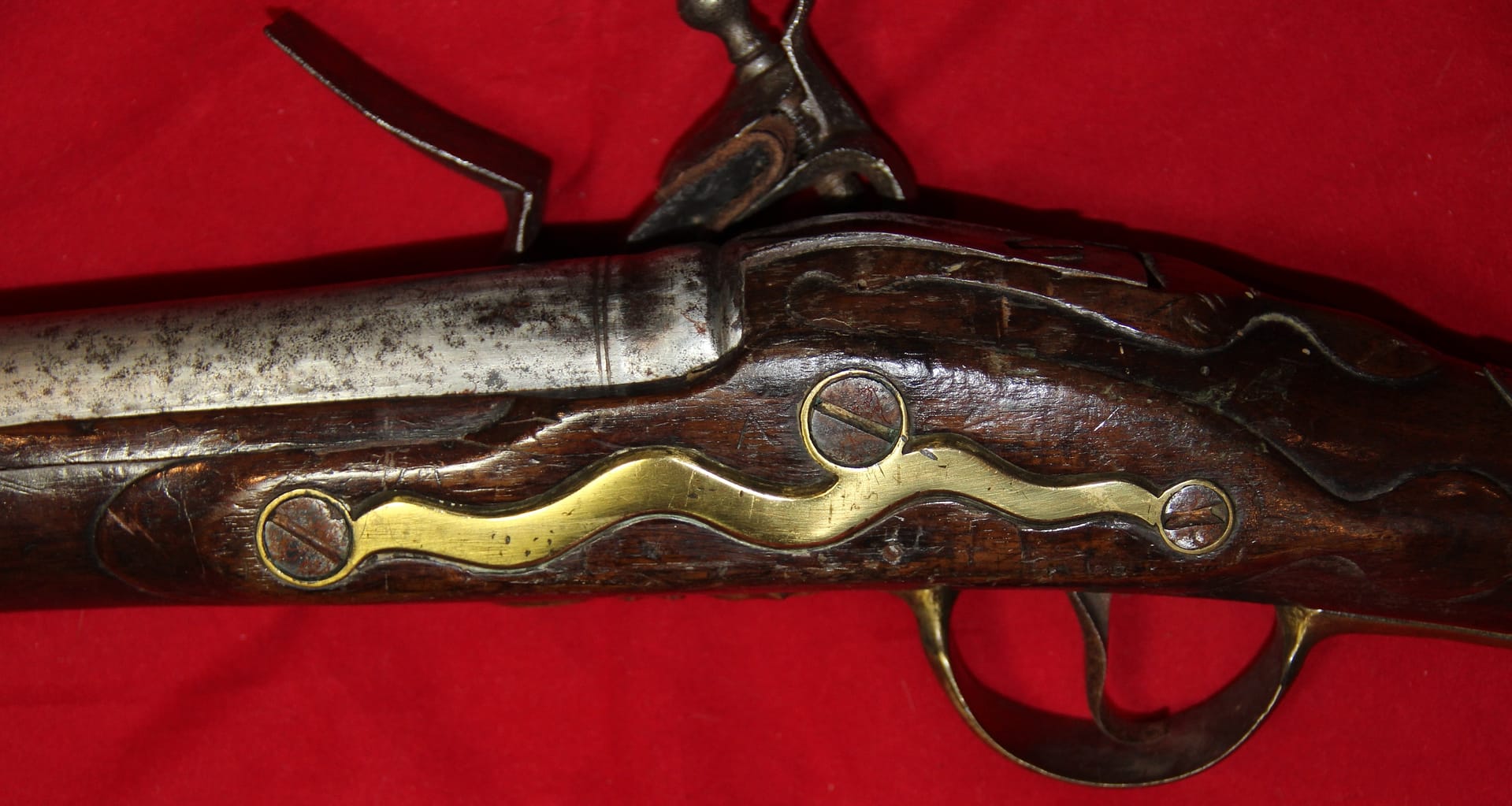
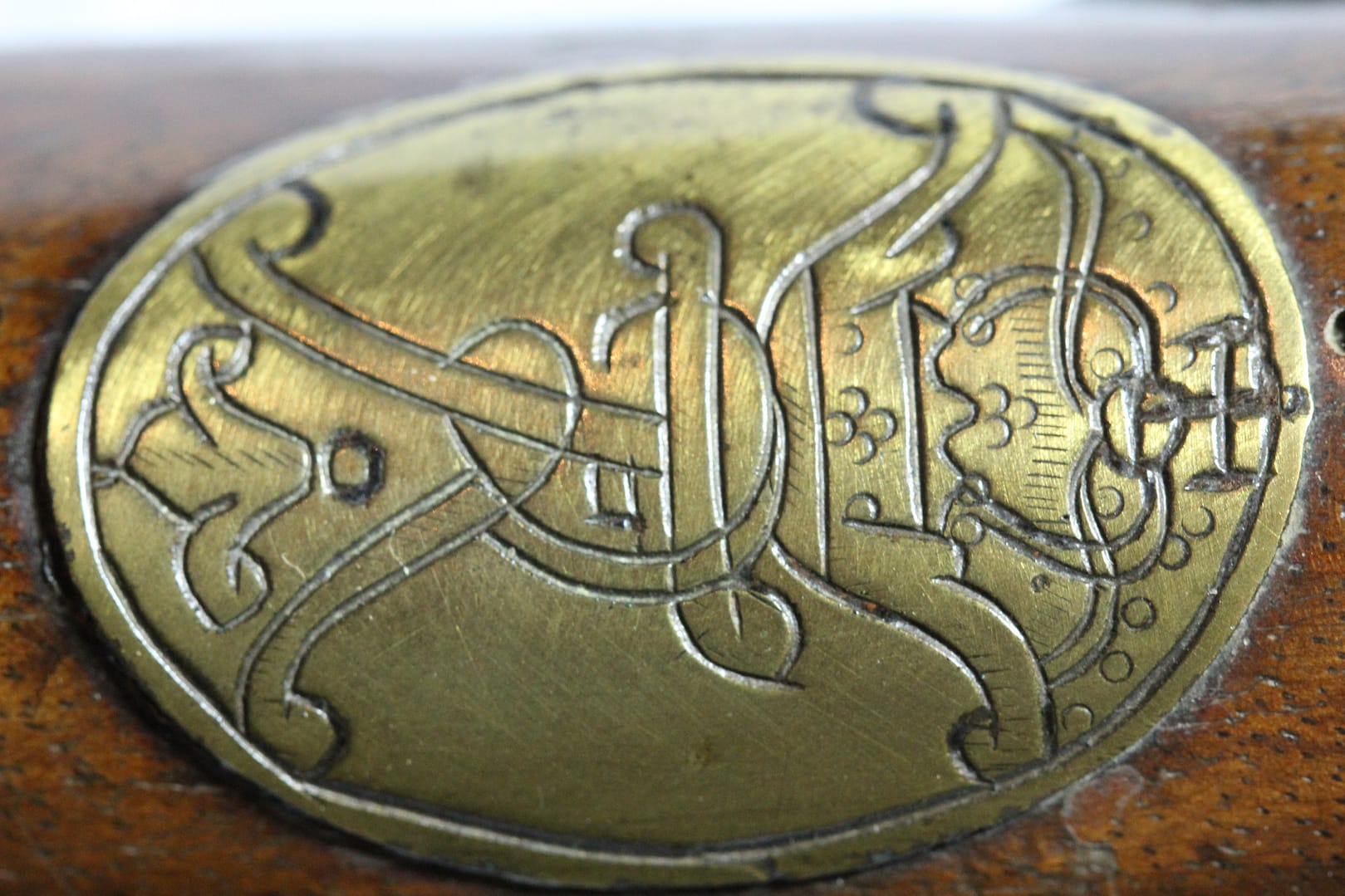
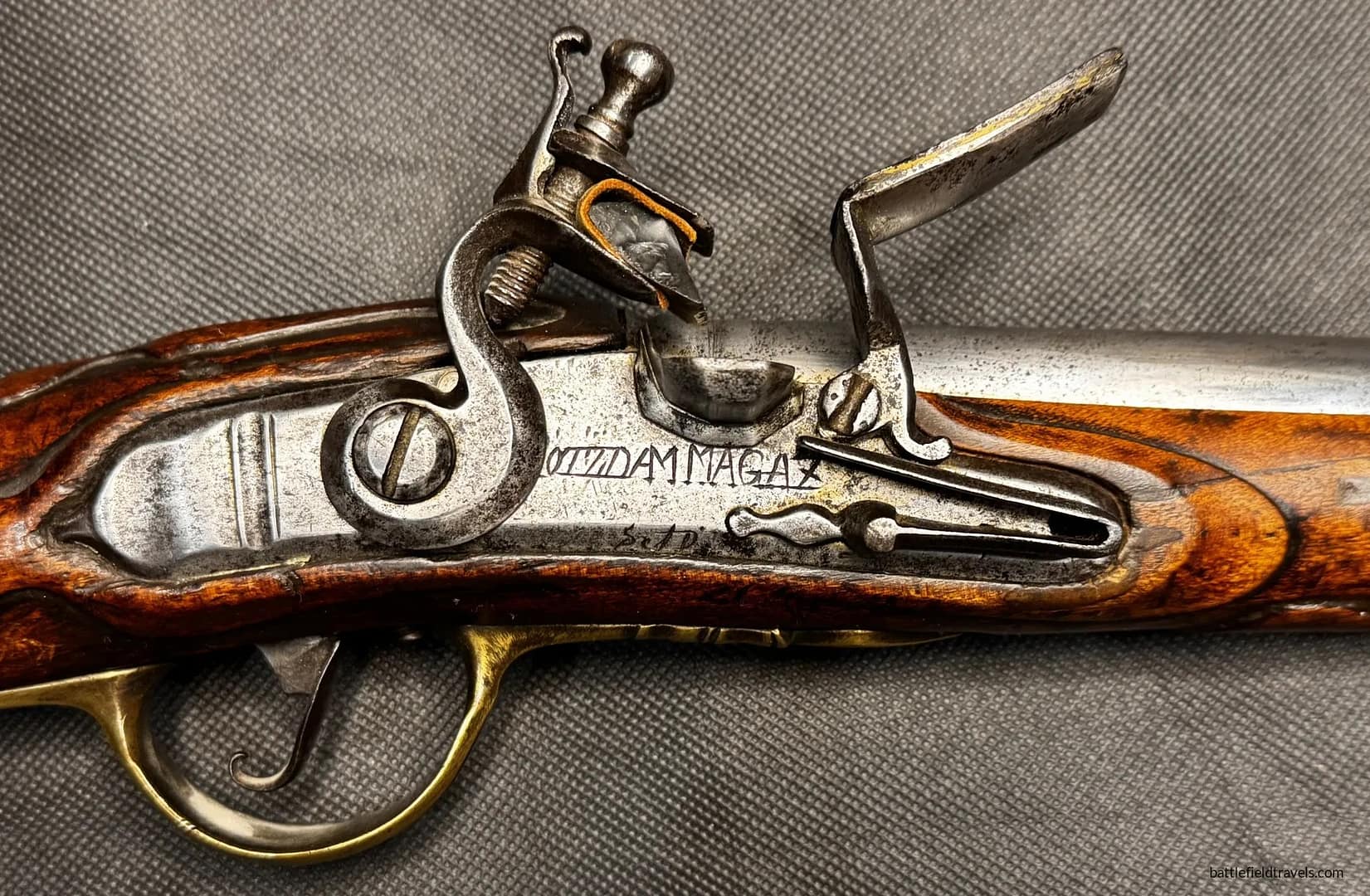
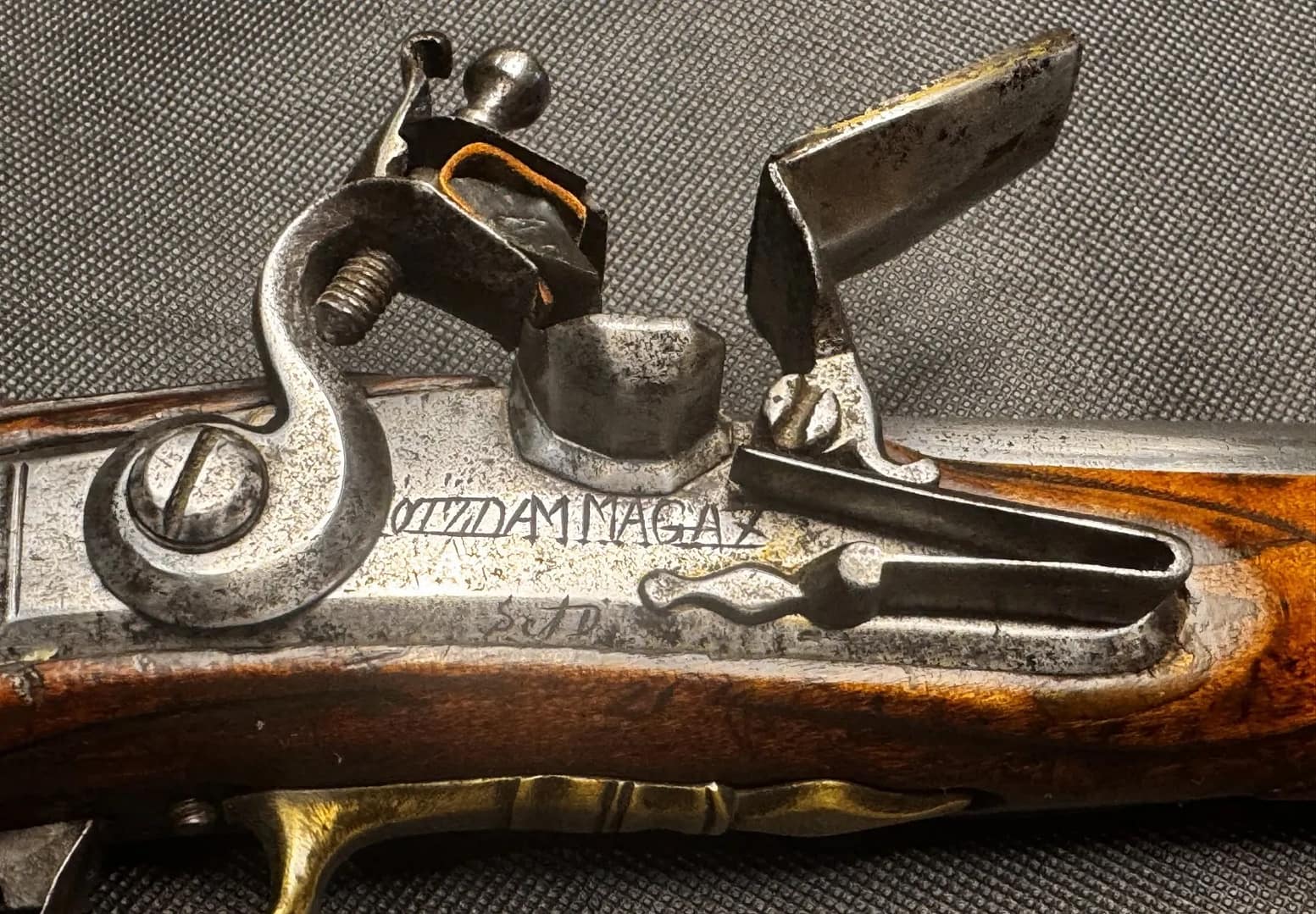
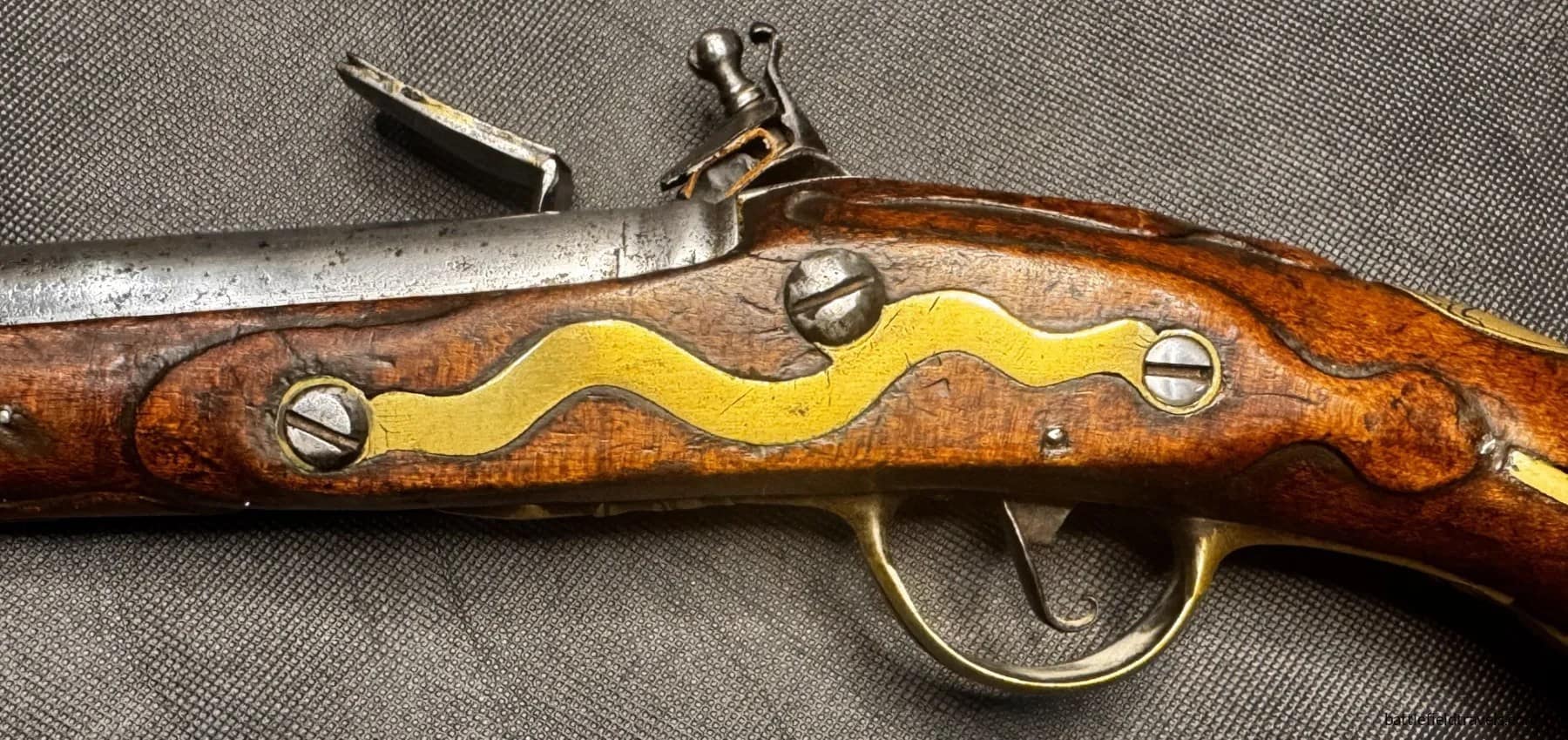
Prussian Model 1742 Hussar Pistol. POTZDAM MAGAZ. From my personal collection.
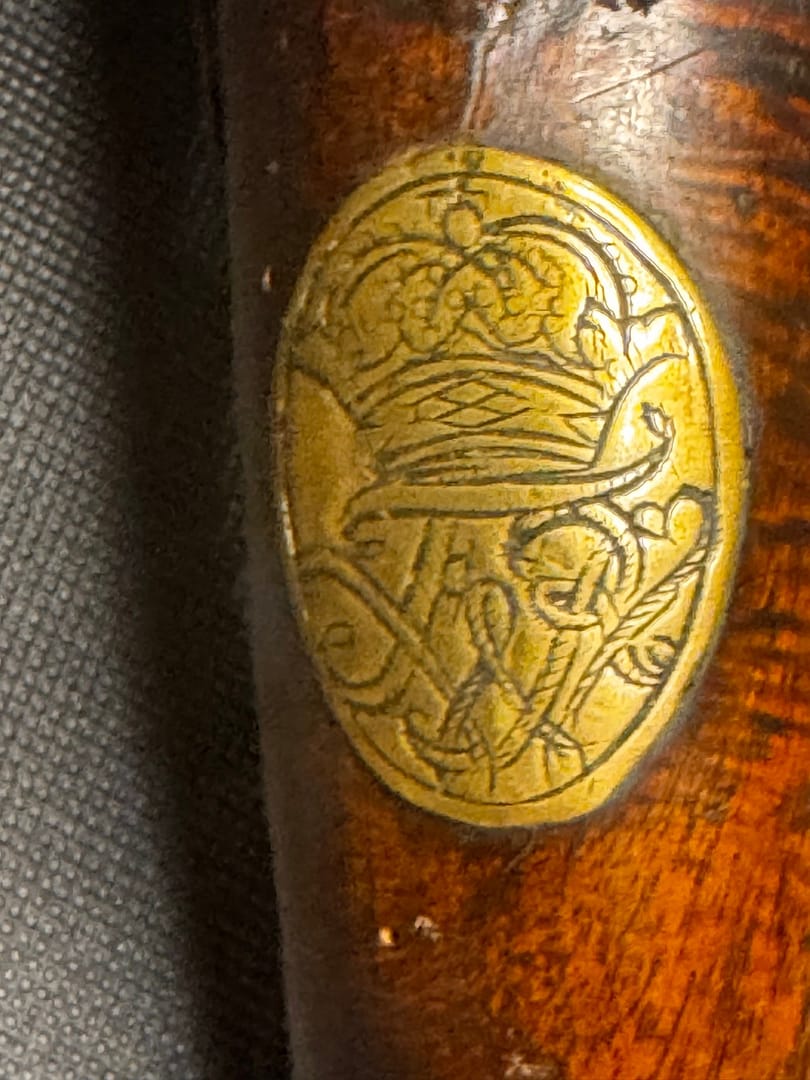
The Prussian Model 1742 Hussar pistol was issued to light cavalry regiments raised during Frederick the Great’s reforms. The escutcheon plate is engaved ‘FR’ for Fridericus Rex. Manufactured at the Potsdam Arsenal and stamped POTZDAM MAGAZ, it featured a large-bore flintlock mechanism, brass furniture, and a sturdy full-stock suitable for mounted use. Carried in saddle holsters, these pistols complemented the curved sabres used in shock charges and skirmish actions. They saw action in Silesia, Bohemia, and Saxony, reflecting Prussia’s increasing reliance on aggressive hussar tactics in the 1740s–1750s.
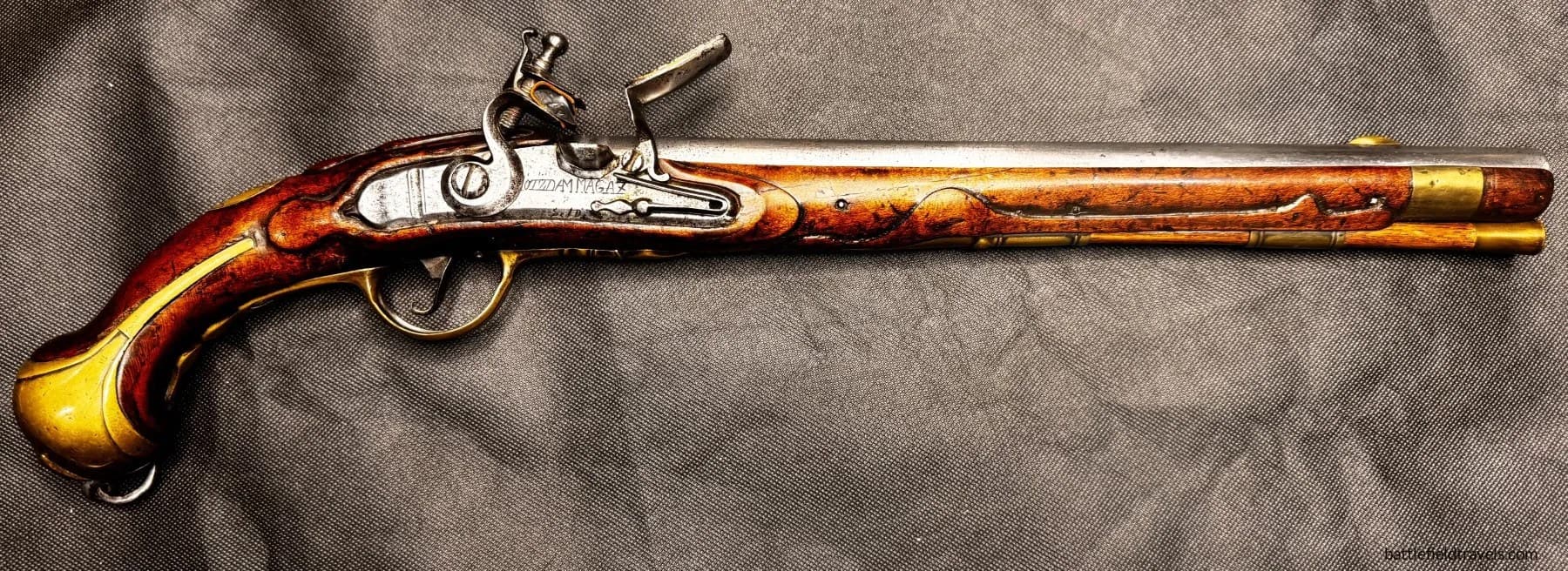
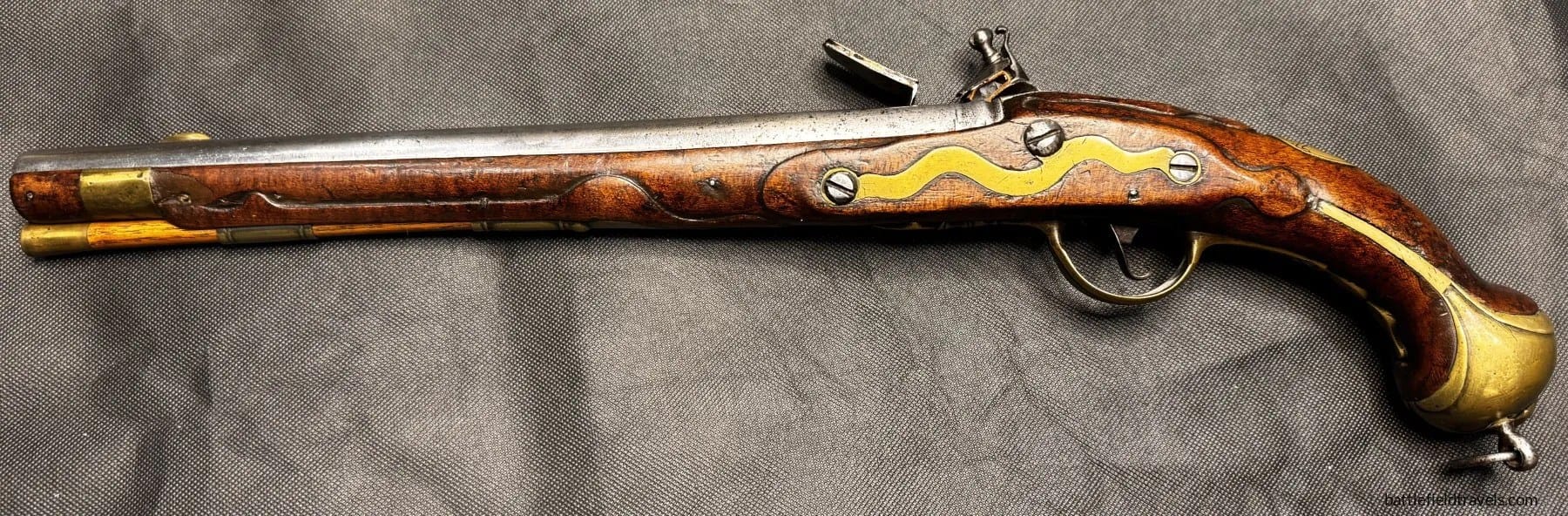
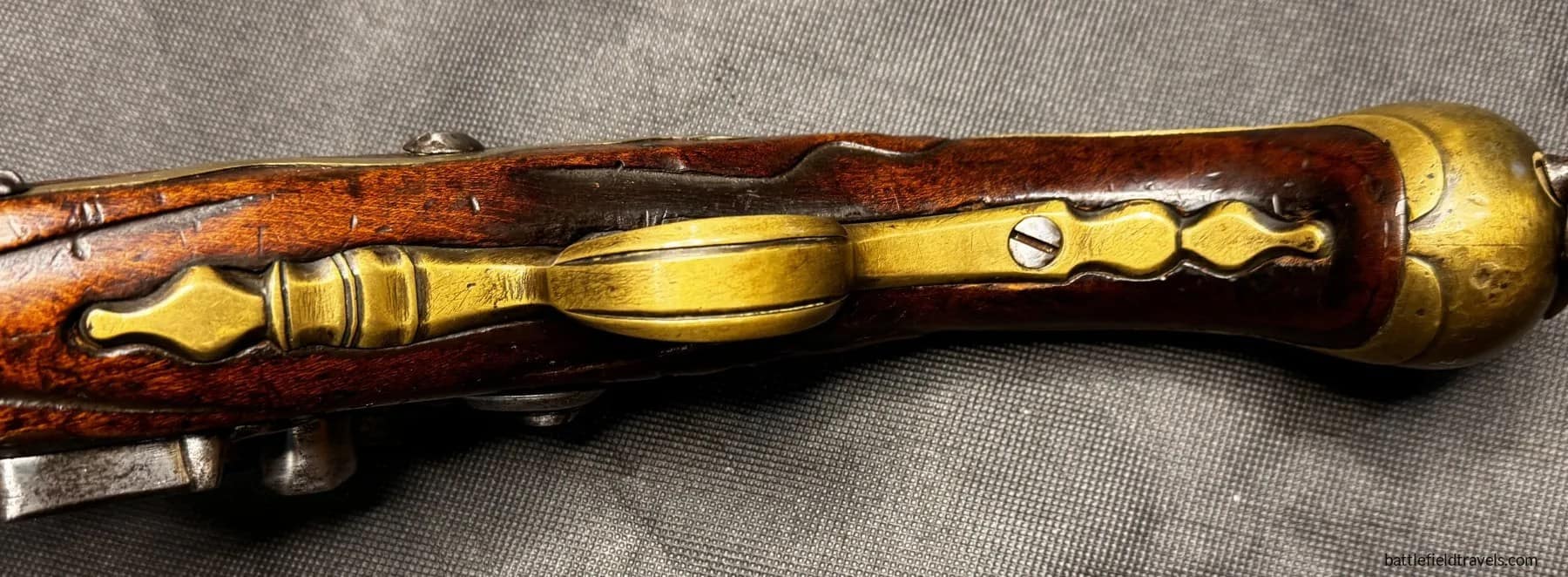
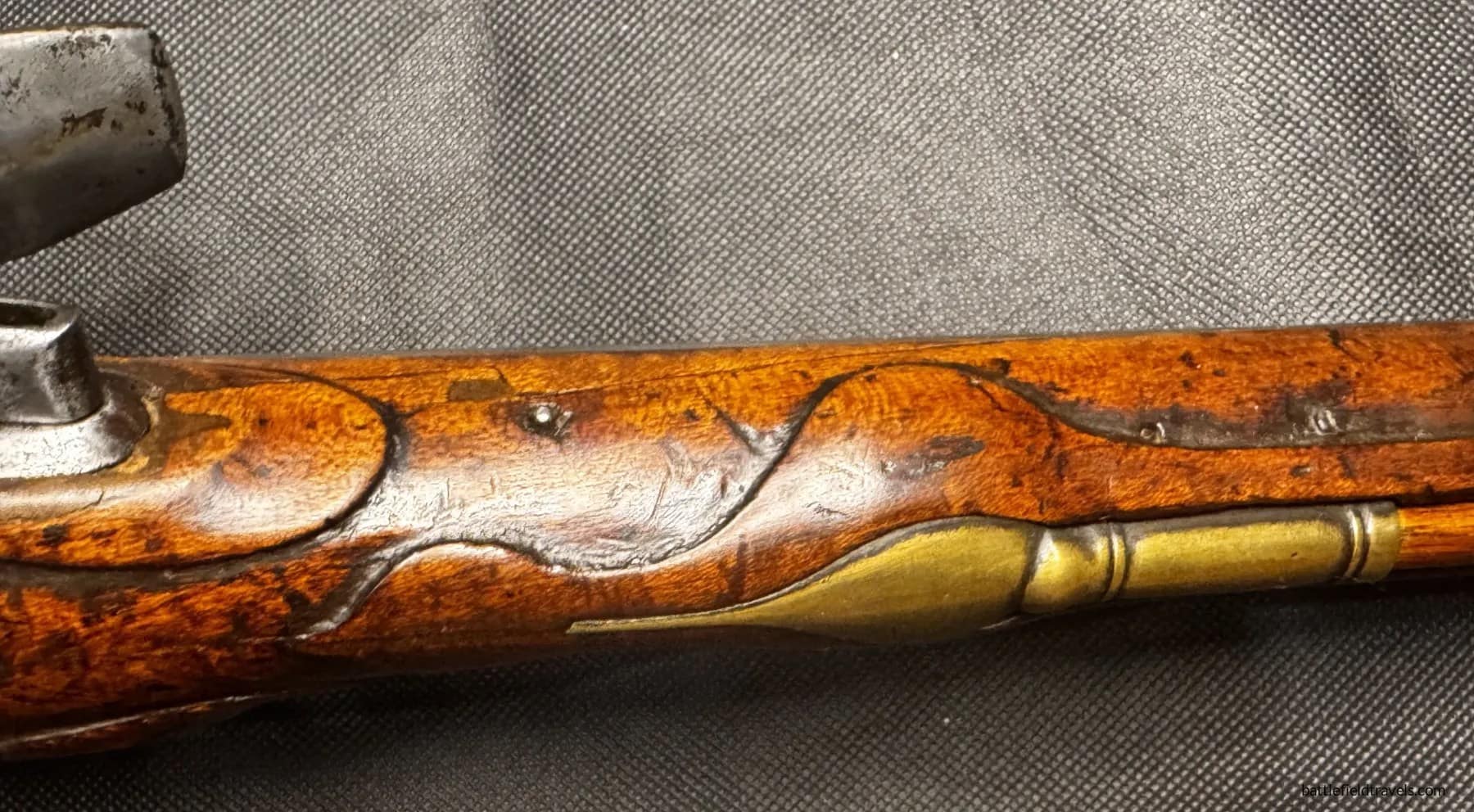
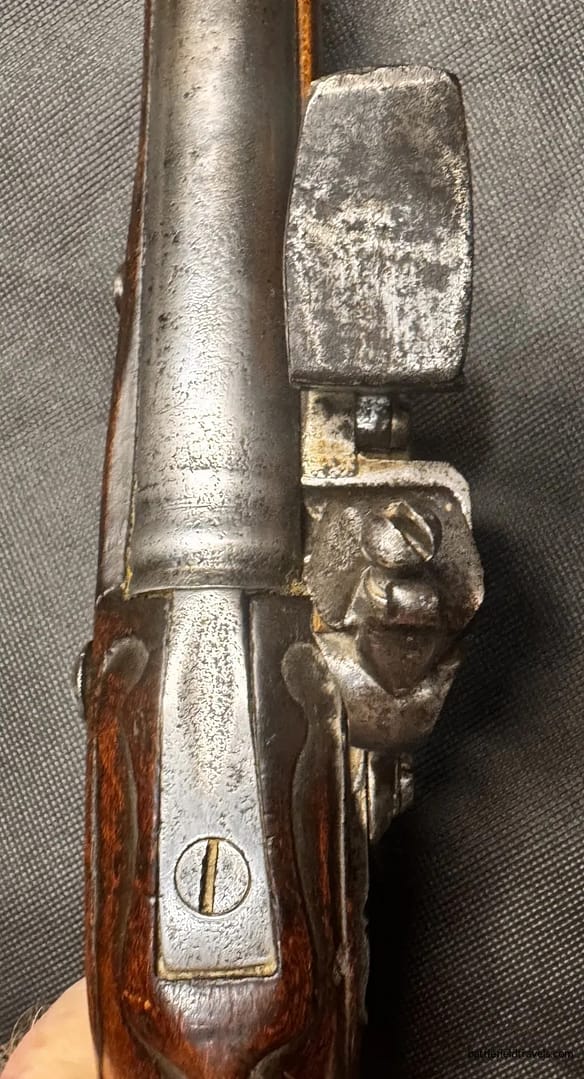
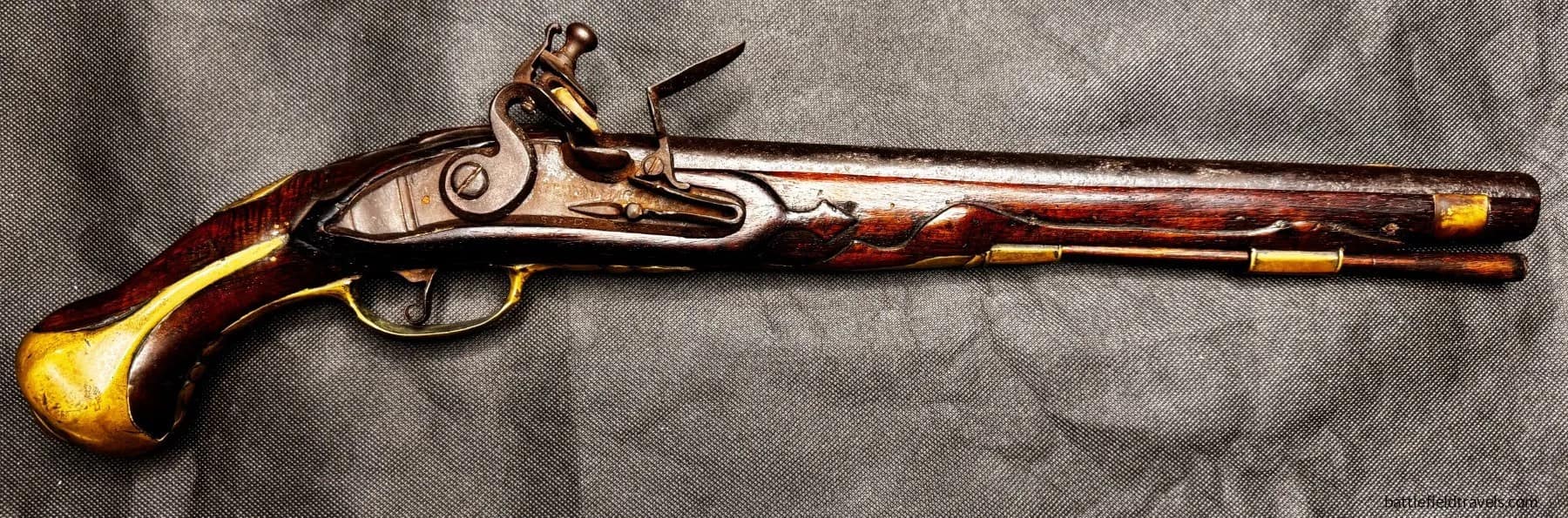
Prussian Model 1731 Hussar Pistol. POTZDAM MAGAZ. From my personal collection.
The Prussian Model 1731 Hussar pistol was issued to light cavalry regiments raised during Frederick William I’s (Frederick the Great’s father) reign. The escutcheon plate is engaved ‘FWR’ for Fridericus Wilhelmus Rex. Manufactured at the Potsdam Arsenal and engraved POTZDAM MAGAZ, it featured a large-bore flintlock mechanism, brass furniture, and a sturdy full-stock suitable for mounted use. Carried in saddle holsters, these pistols complemented the curved sabres used in shock charges and skirmish actions. They saw action in Silesia, Bohemia, and Saxony, reflecting Prussia’s increasing reliance on aggressive hussar tactics in the 1740s–1750s.
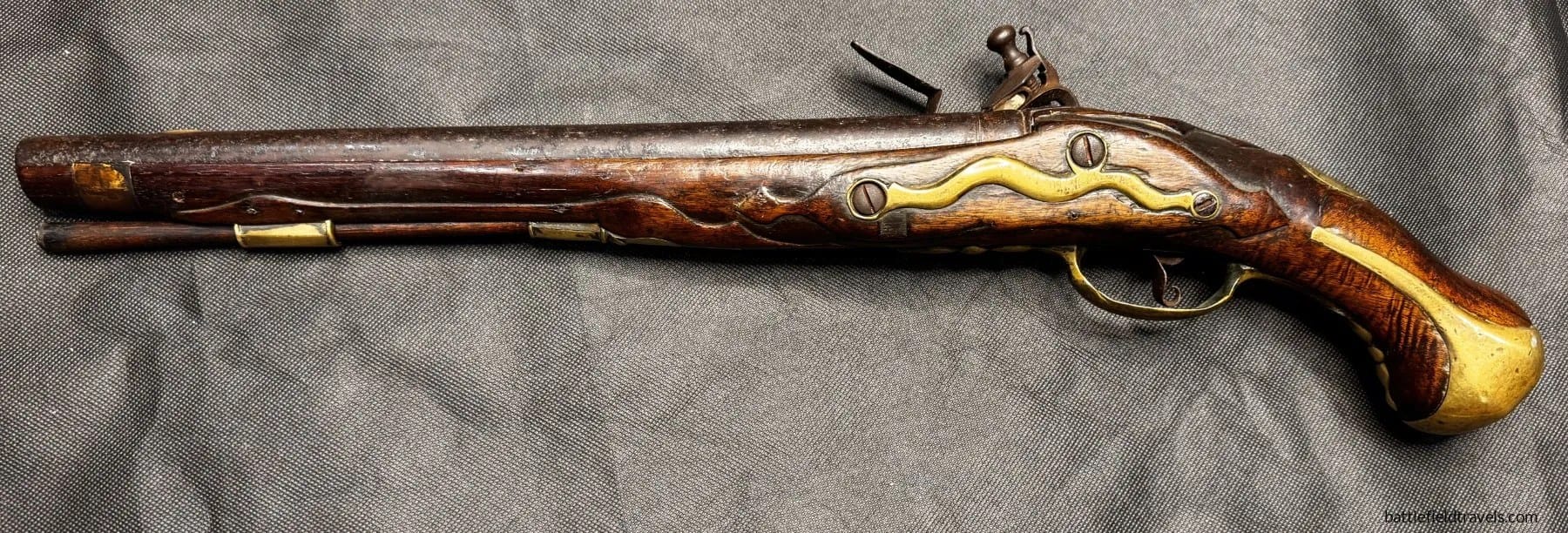
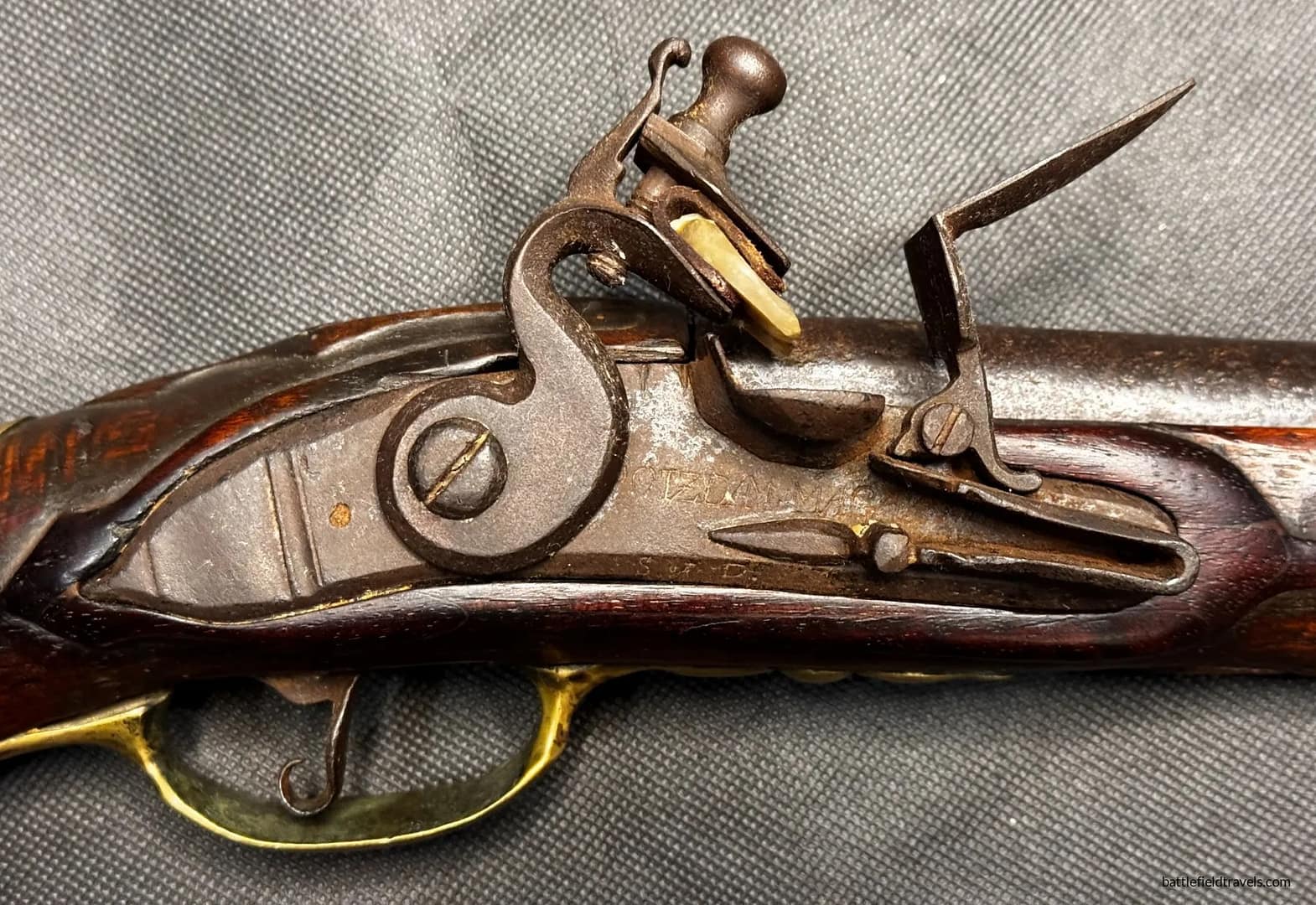
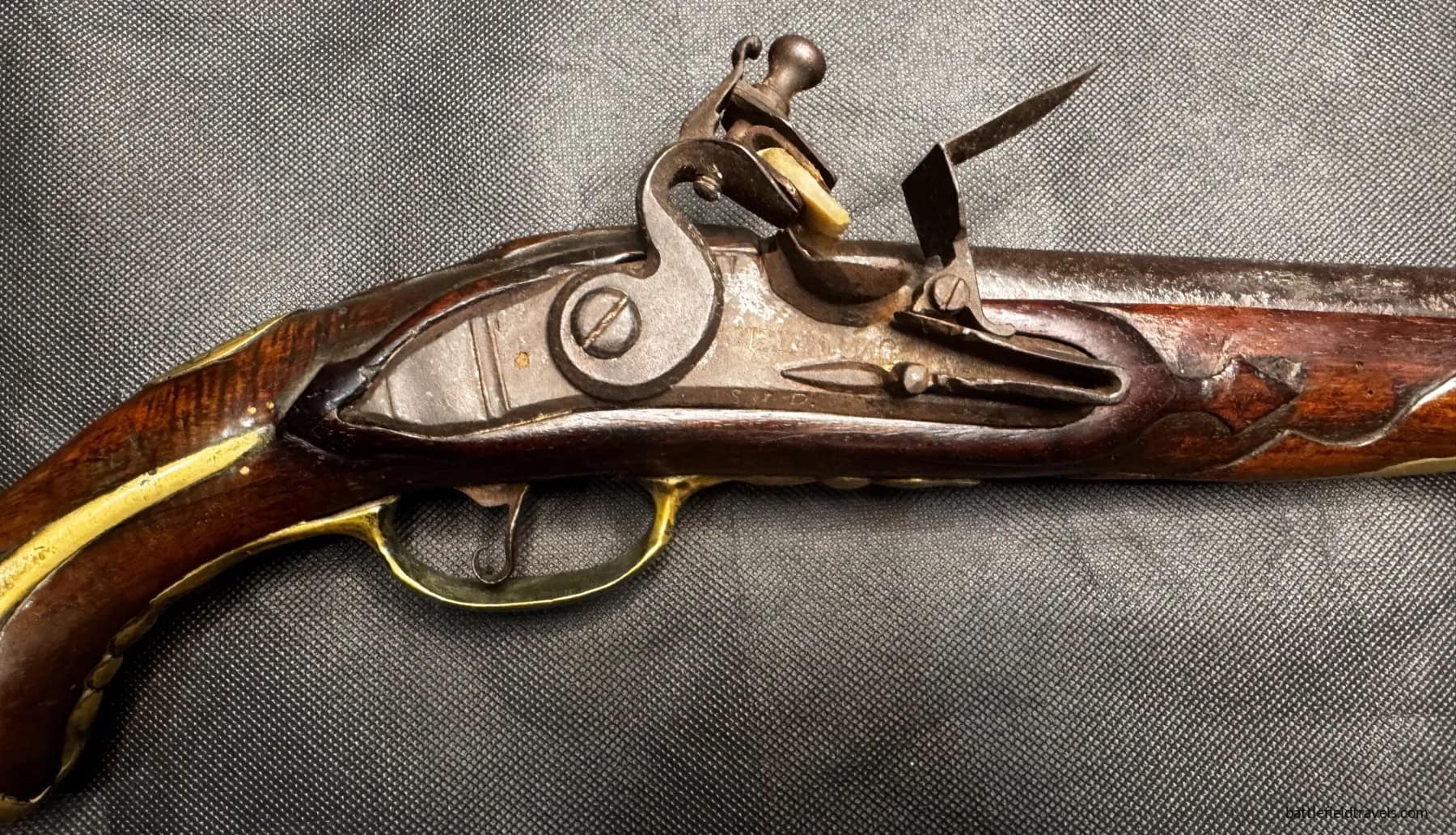
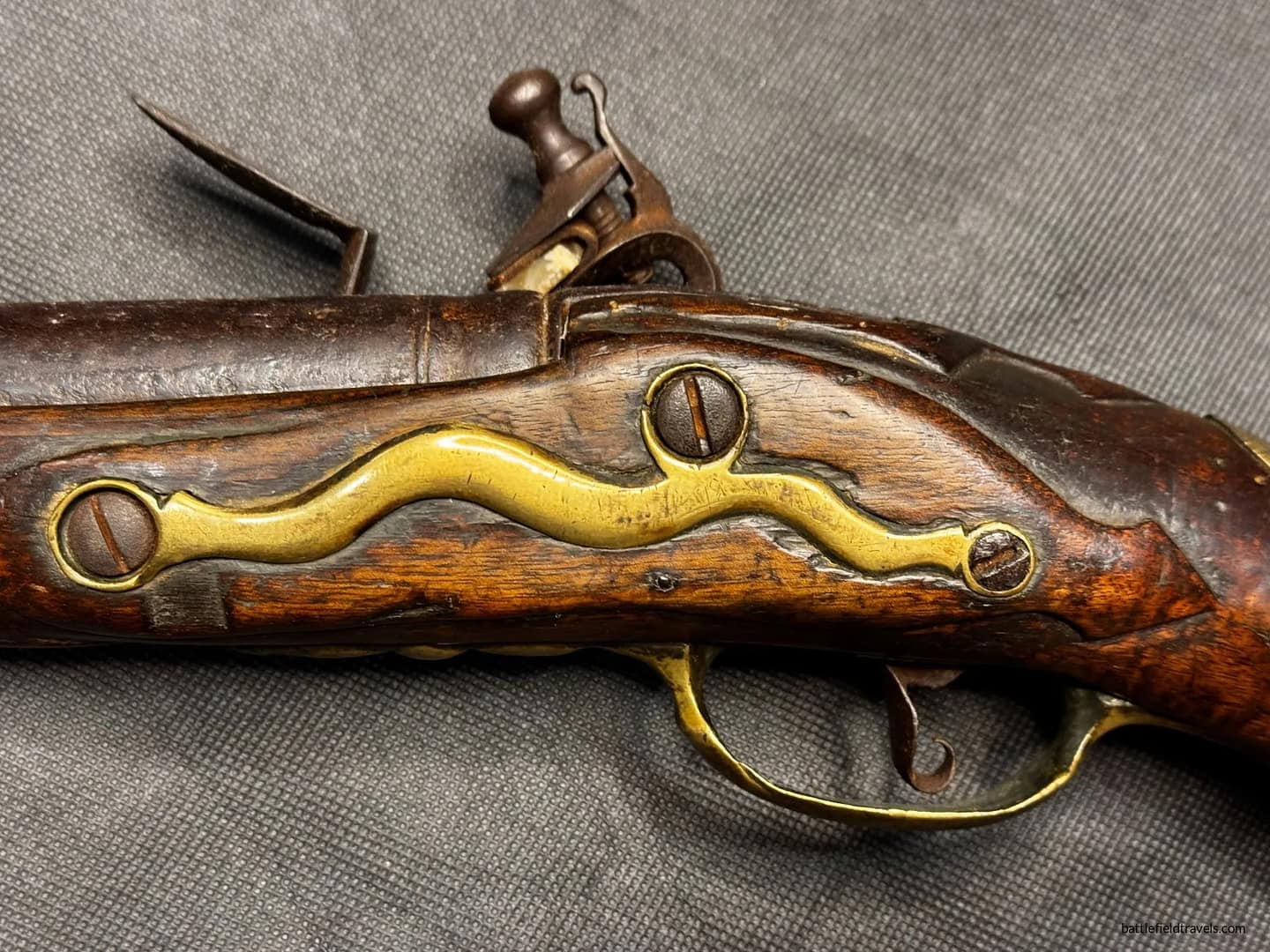
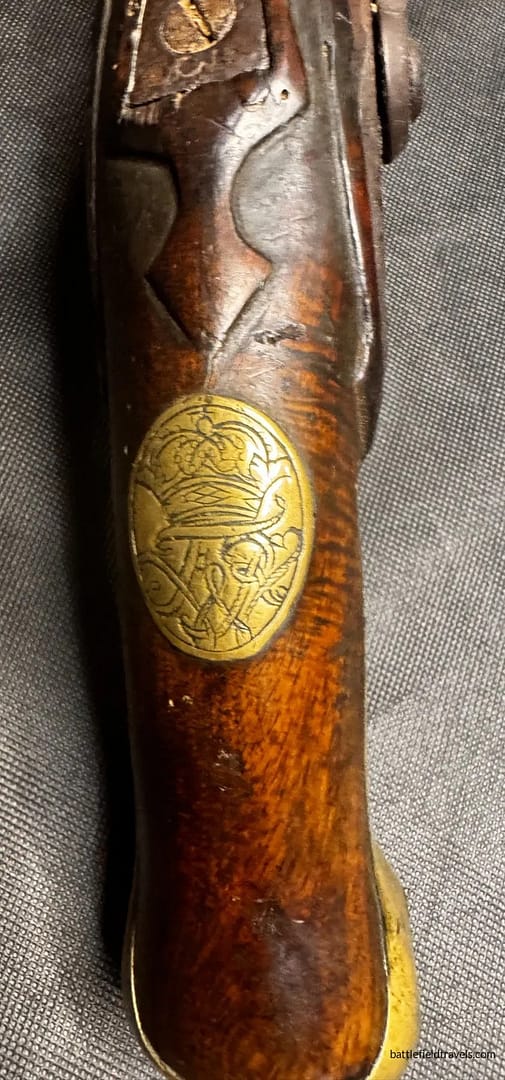
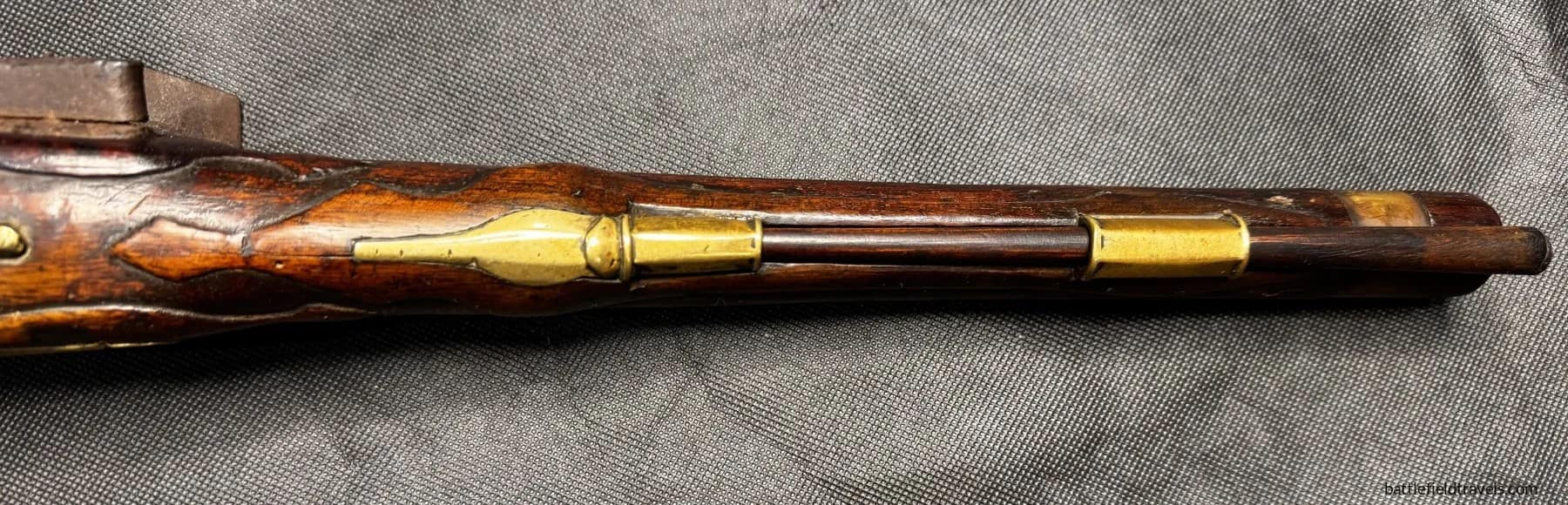
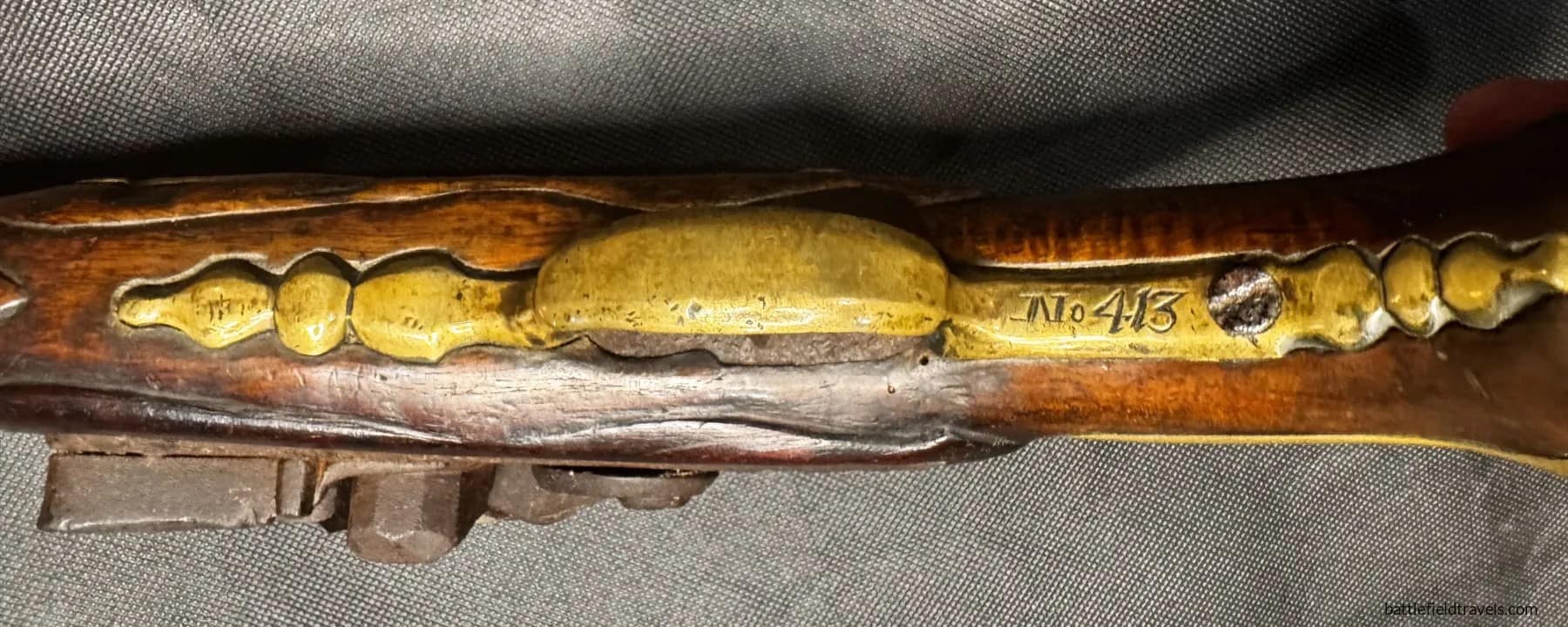
Prussian Model 1742 Officer’s Pistol. From my personal collection.
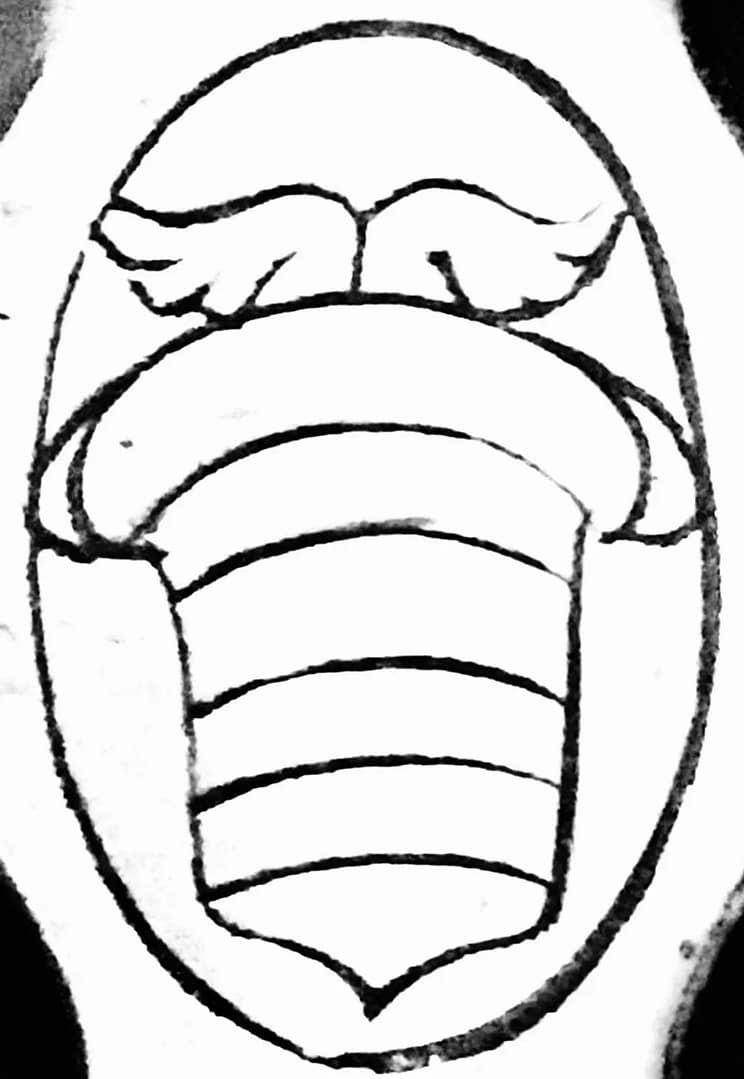
The Prussian officer’s pistol follows the design cues from the Model 1742 Hussar pistol but it is about 2/3 the size, and more finely made. It would have been a privately made pistol for an officer in Frederick the Great’s army. The escutcheon plate is engaved with a symbol that may represent the principality or family. . Lockplate is stamped AFS, it featured a smaller-bore flintlock mechanism, brass furniture, and a sturdy full-stock suitable for mounted use. Carried in saddle holsters, these pistols complemented the curved sabres used in shock charges and skirmish actions. They saw action in Silesia, Bohemia, and Saxony, reflecting Prussia’s increasing reliance on aggressive hussar tactics in the 1740s–1750s.


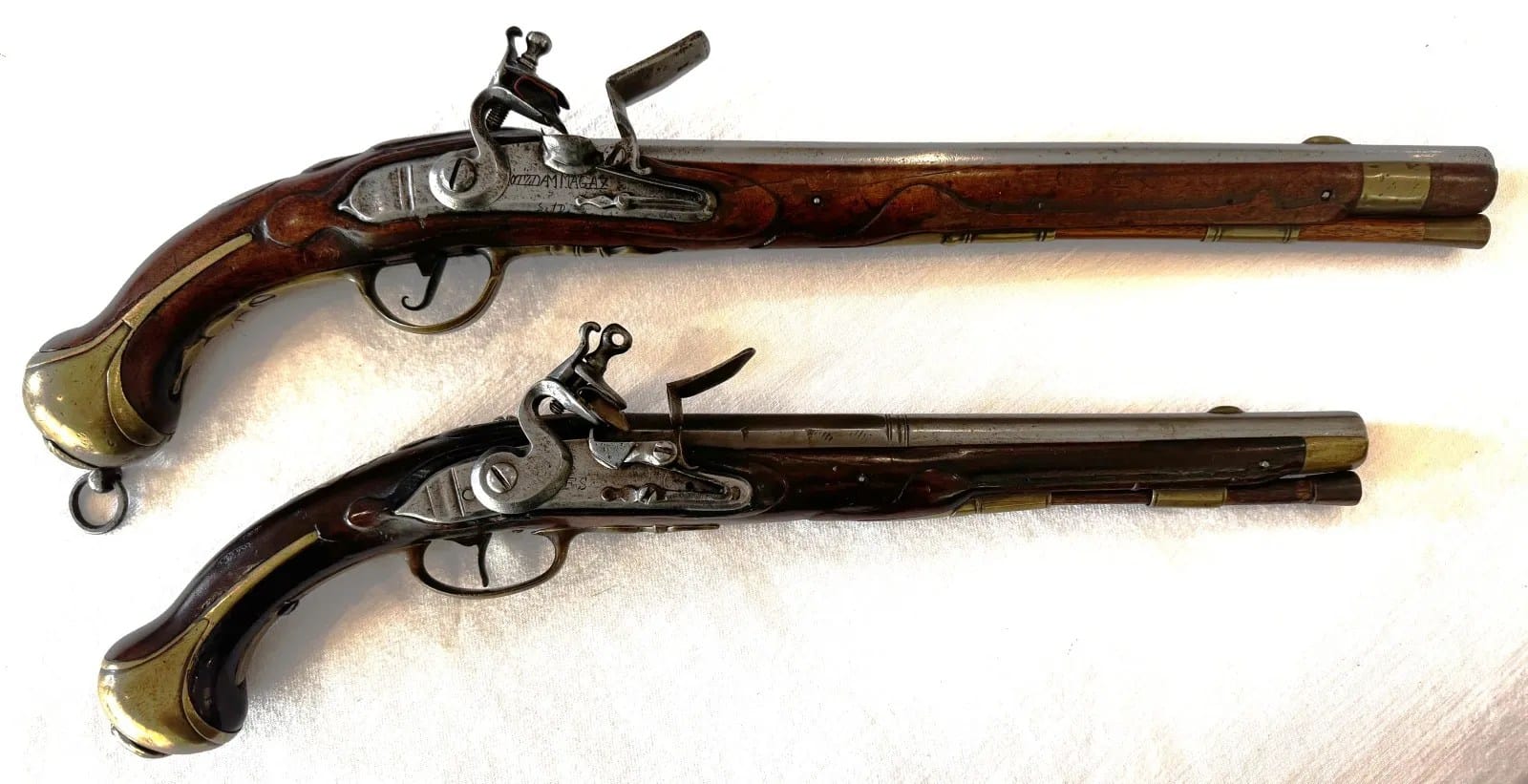
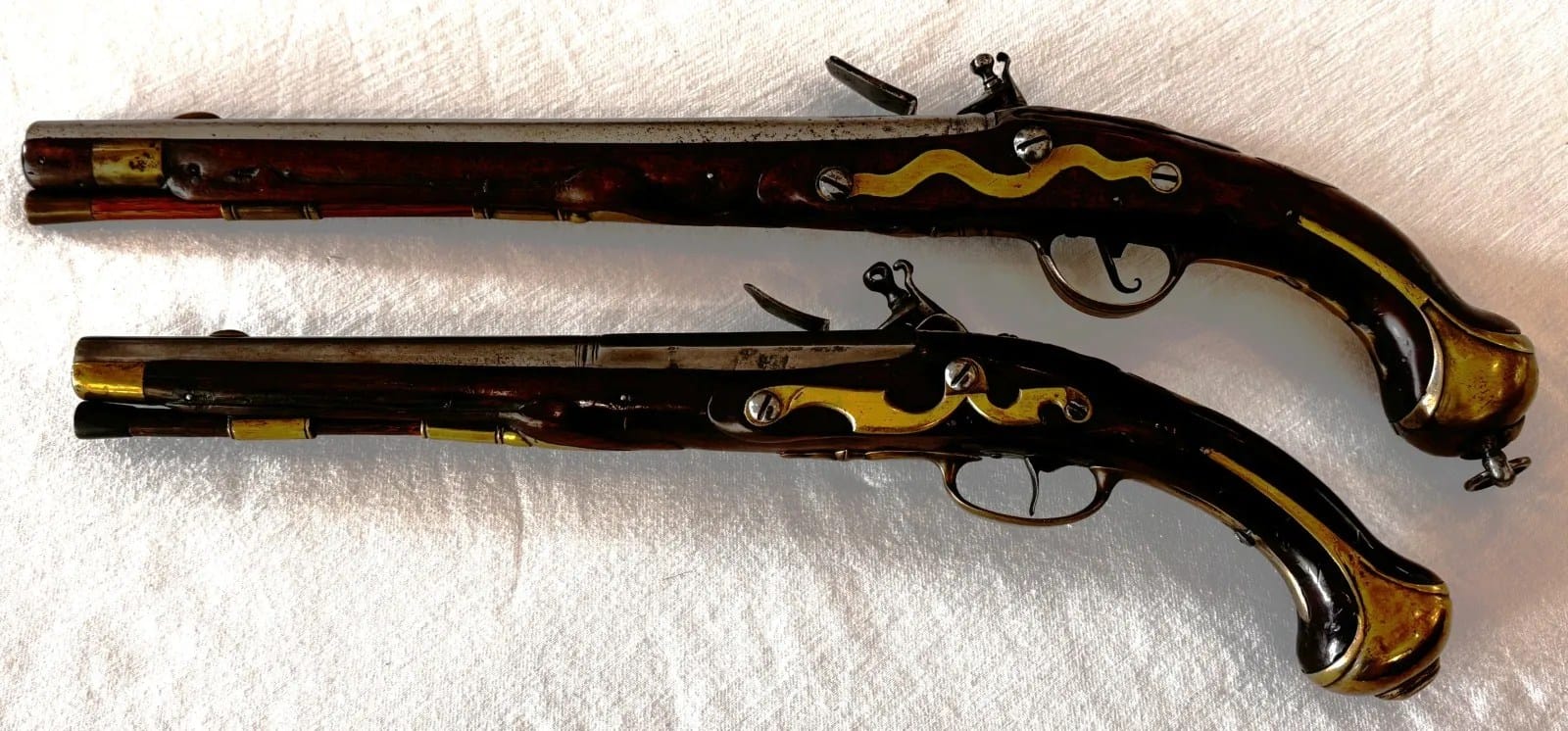
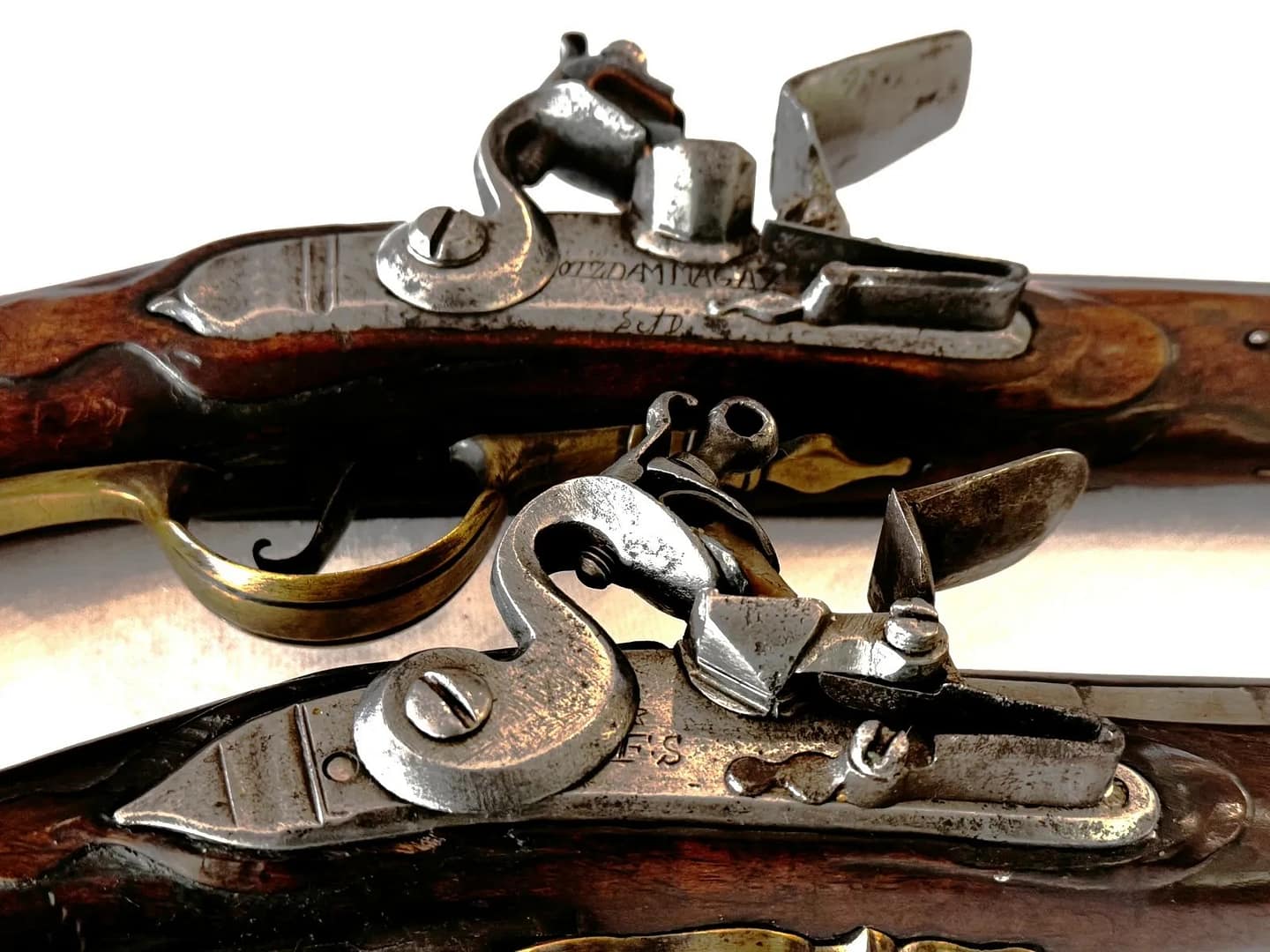
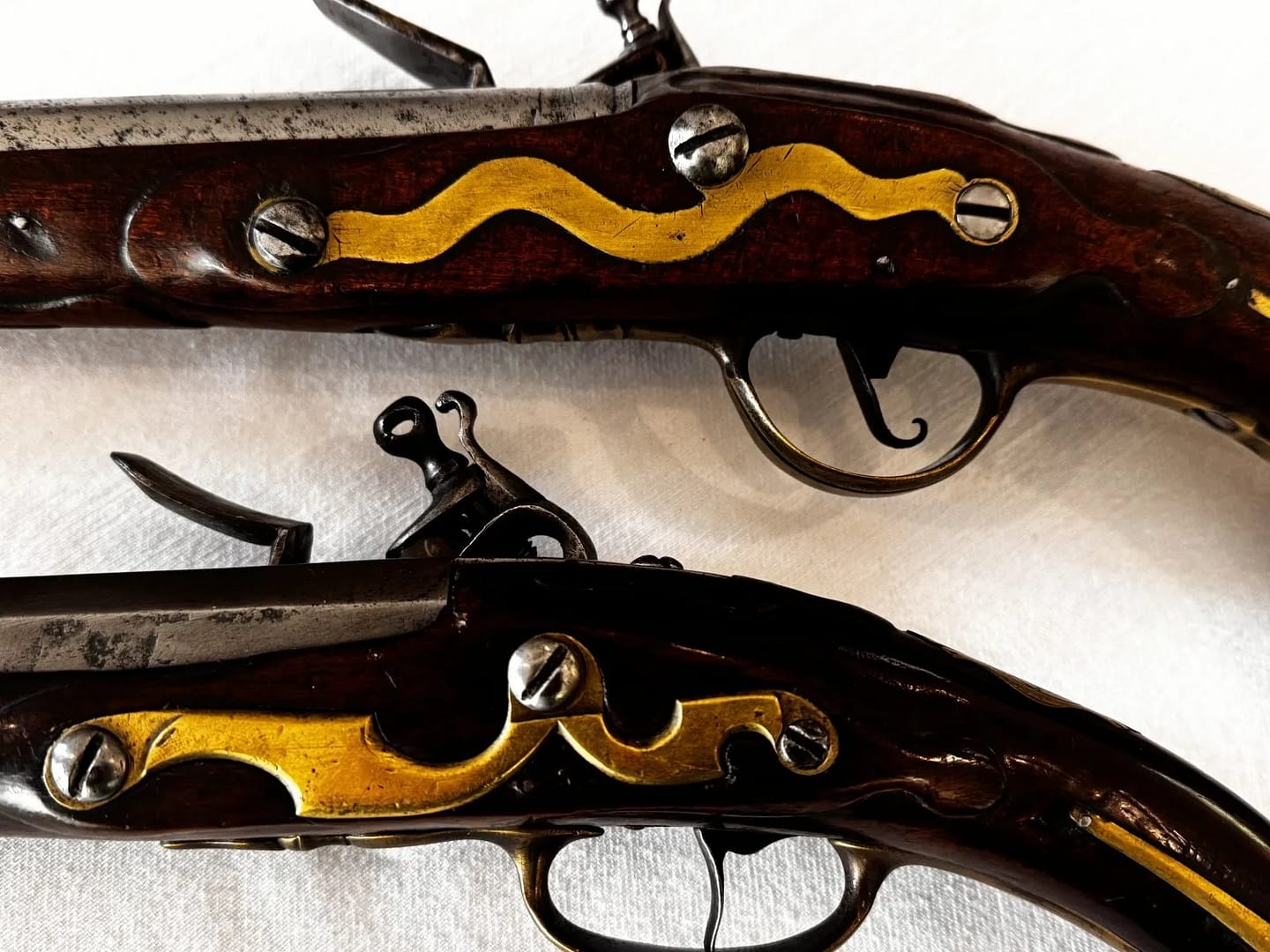
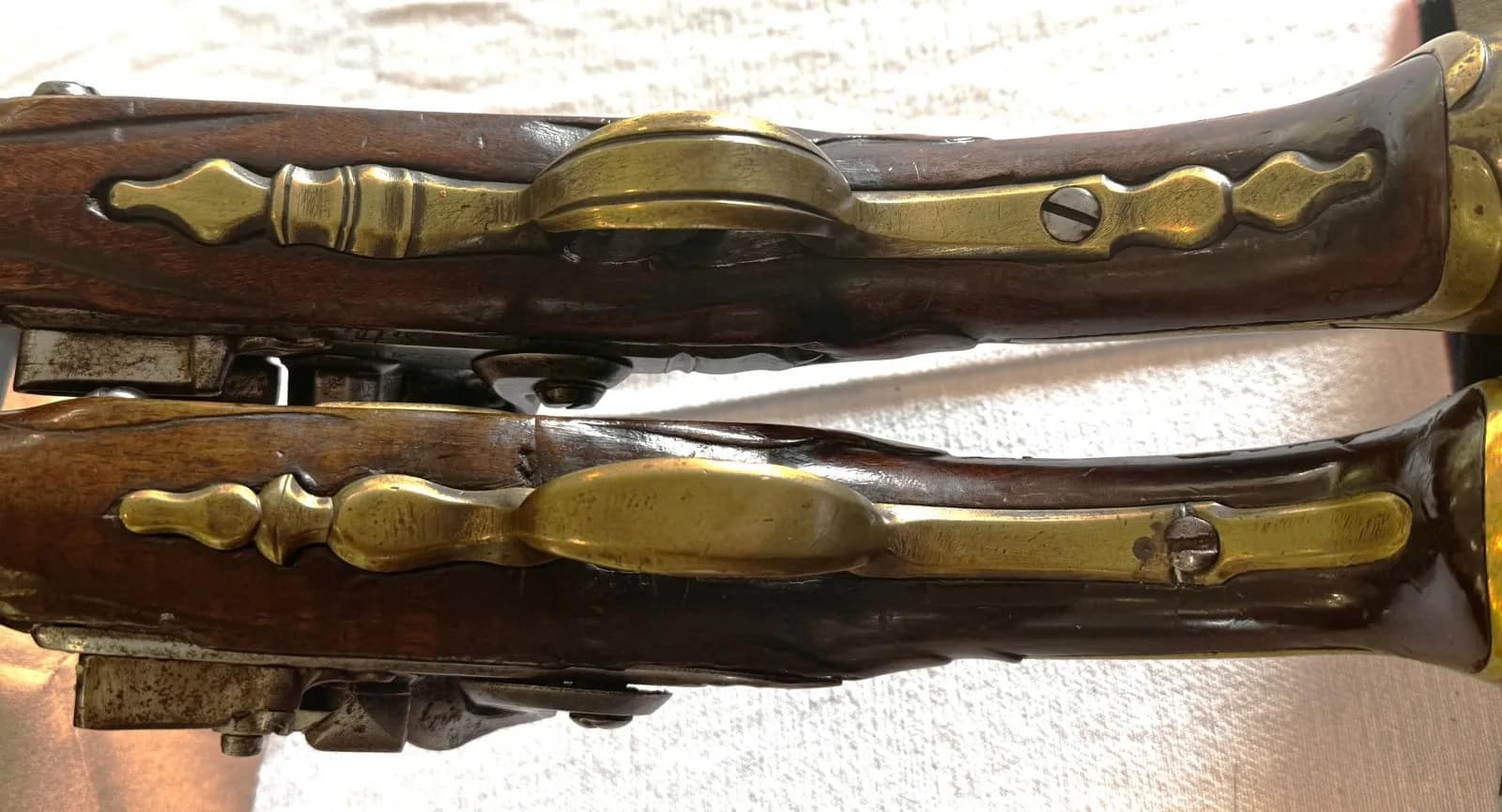
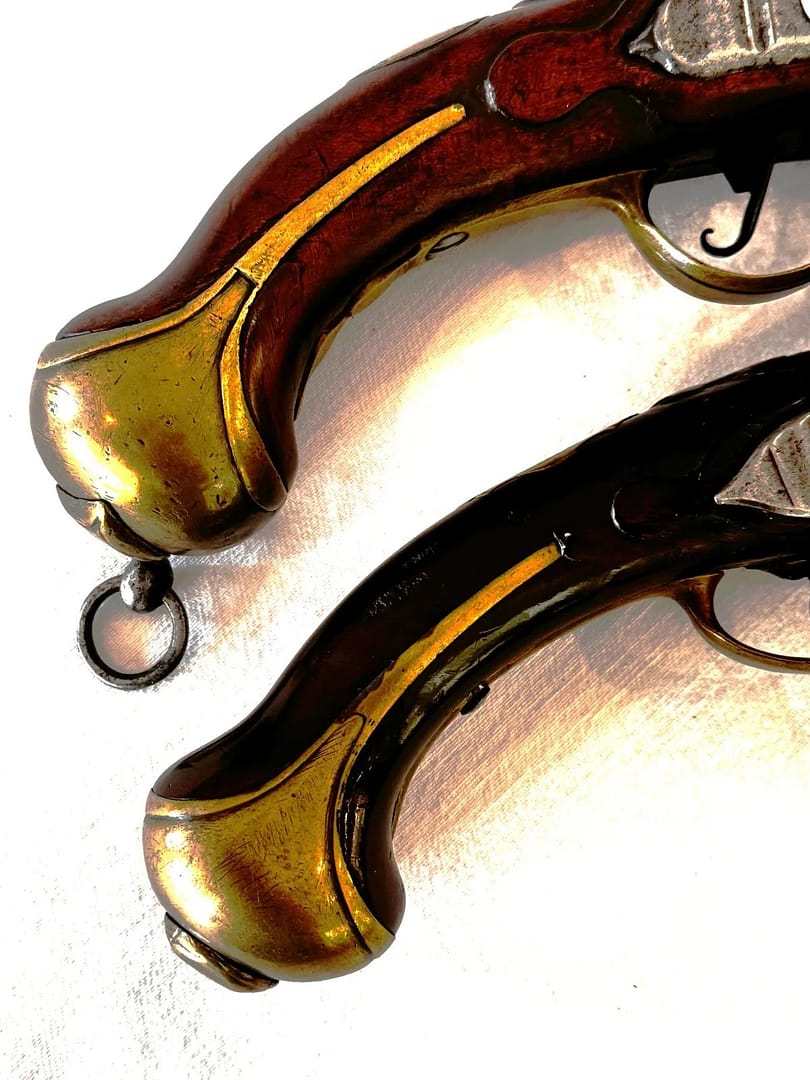
Comparison of the arsenal-issued enlisted soldier’s Prussian Model 1742 Hussar Pistol versus a privately purchased officer’s pistol in the same style. From my personal collection.
This is a comparison of the two pistols displayed immediately above. The Prussian Model 1742 is a well known pattern that served Frederick’s army for more than 47 years prior to being superseded by the very similar-looking Model 1789 (See the Napoleonic weapons page). The escutcheon plate is engaved ‘FR’ for Fridericus Rex. The pistol was manufactured at the Potsdam Arsenal and the lockplate is engraved POTZDAM MAGAZ.
The officer’s pistol follows the design cues—lockplate style, buttcap, decorative stock carving, hammer and frizzen shape, 3-screw sideplate—from the Model 1742 Hussar pistol but it is about 2/3 the size, and more finely made. It would have been a privately made pistol for an officer in Frederick the Great’s army. The escutcheon plate is engaved with a symbol that may represent the principality or family. Lockplate is marked with a star over the initials ‘AFS’. The escutcheon plate is marked with some sort of heraldry symbol that may represent a Princely state, a family symbol, or, less likely, a regimental symbol. What is it? A beehive with wings? A bee? a sheaf of wheat? an updies down hat? If you have any suggestions, please drop me a line or add a comment below.
French Weapons of the Seven Years War
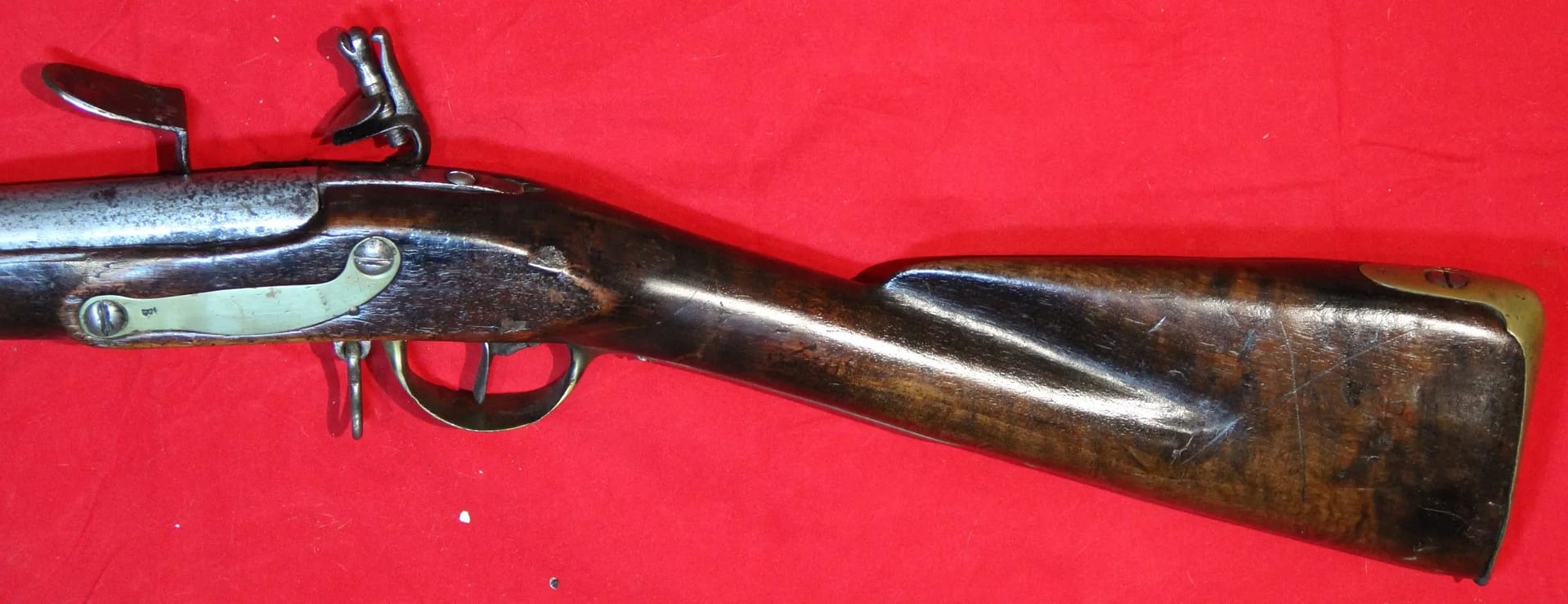
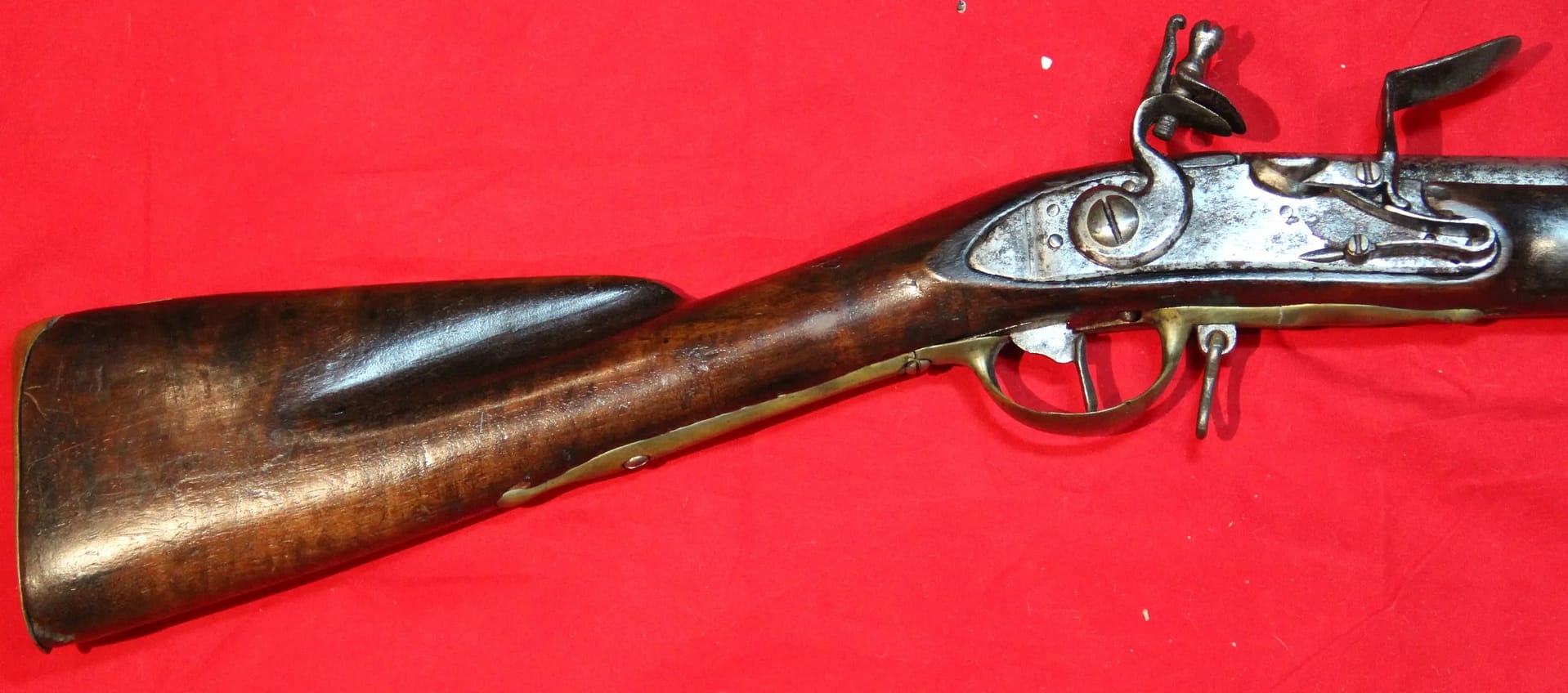
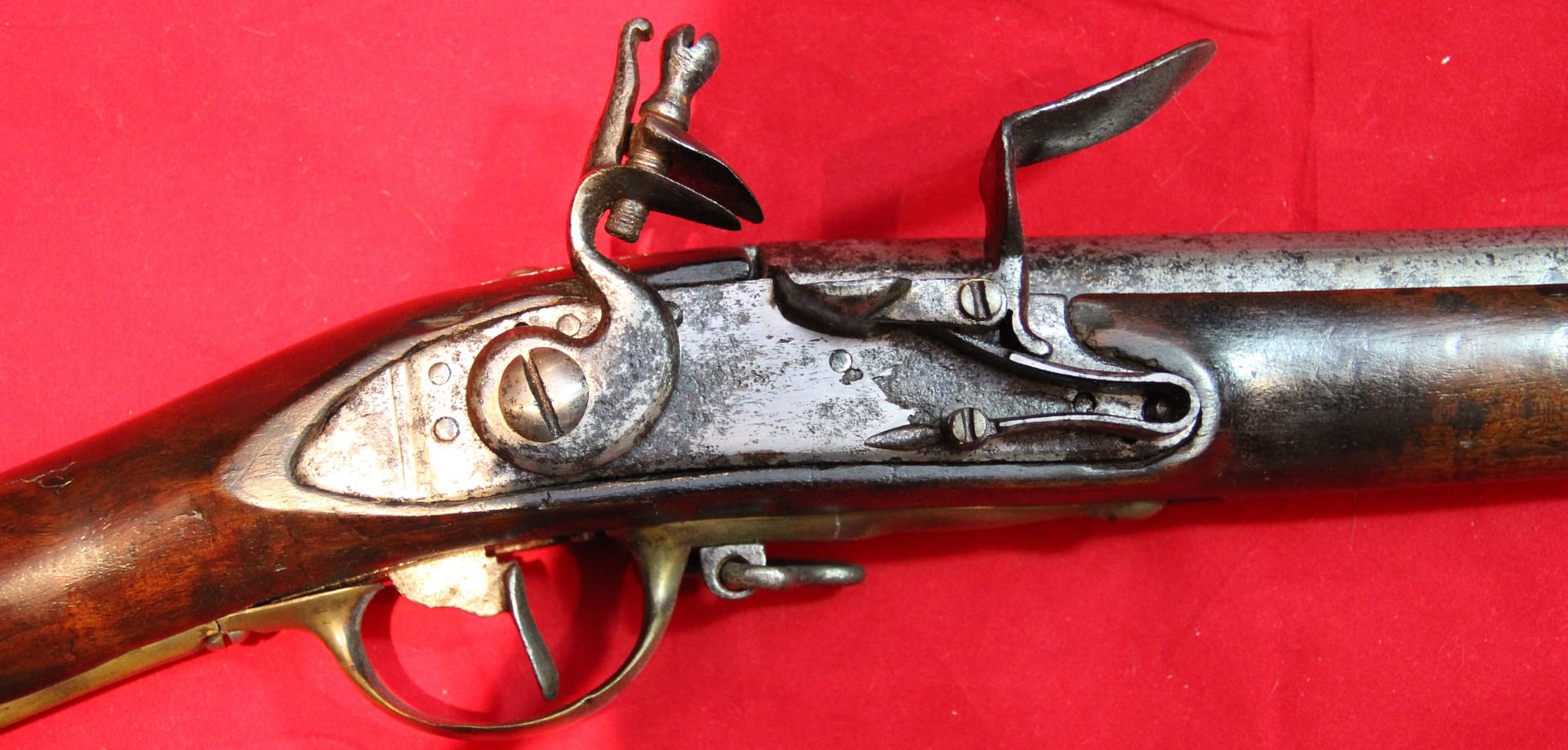
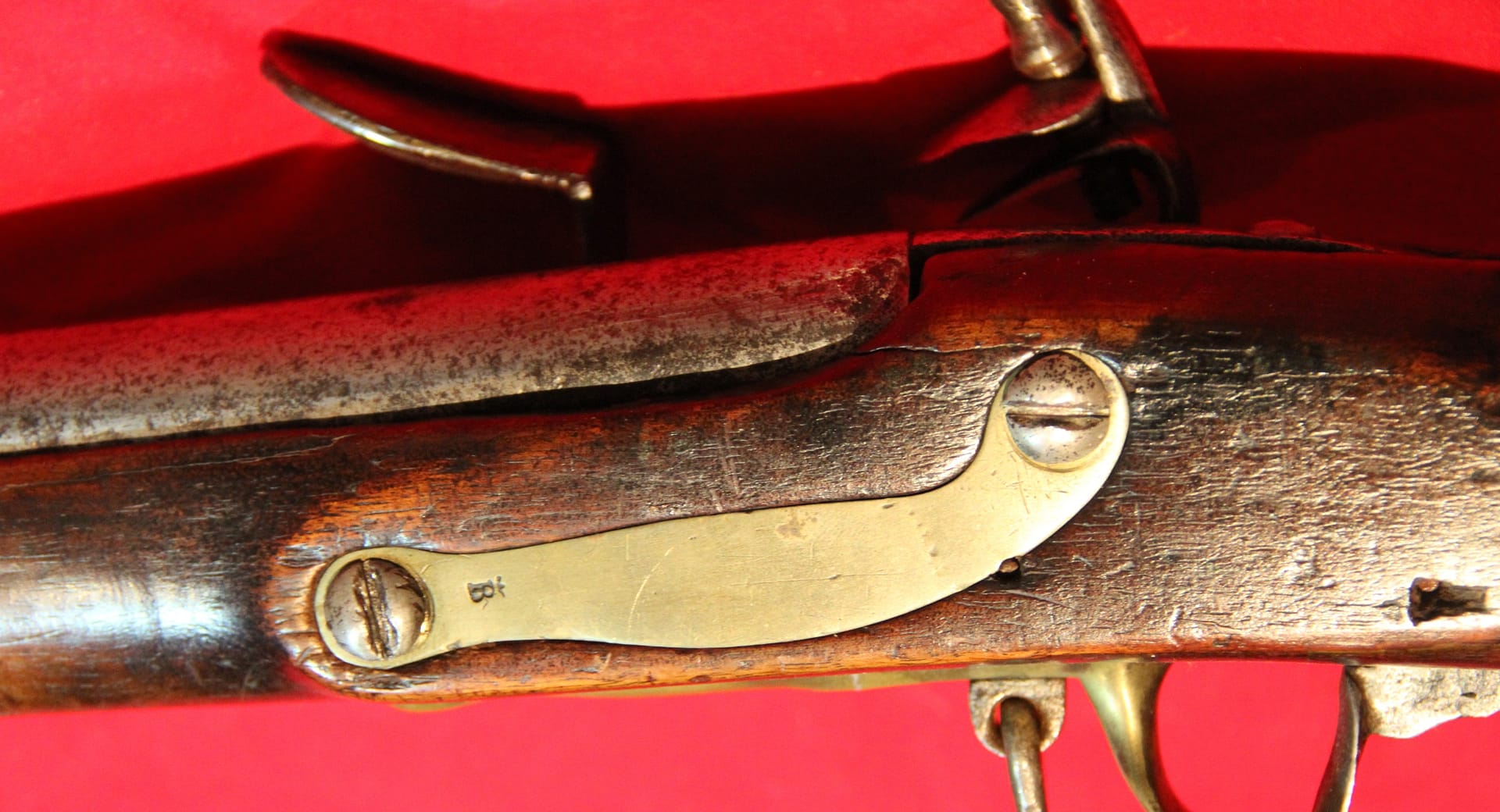
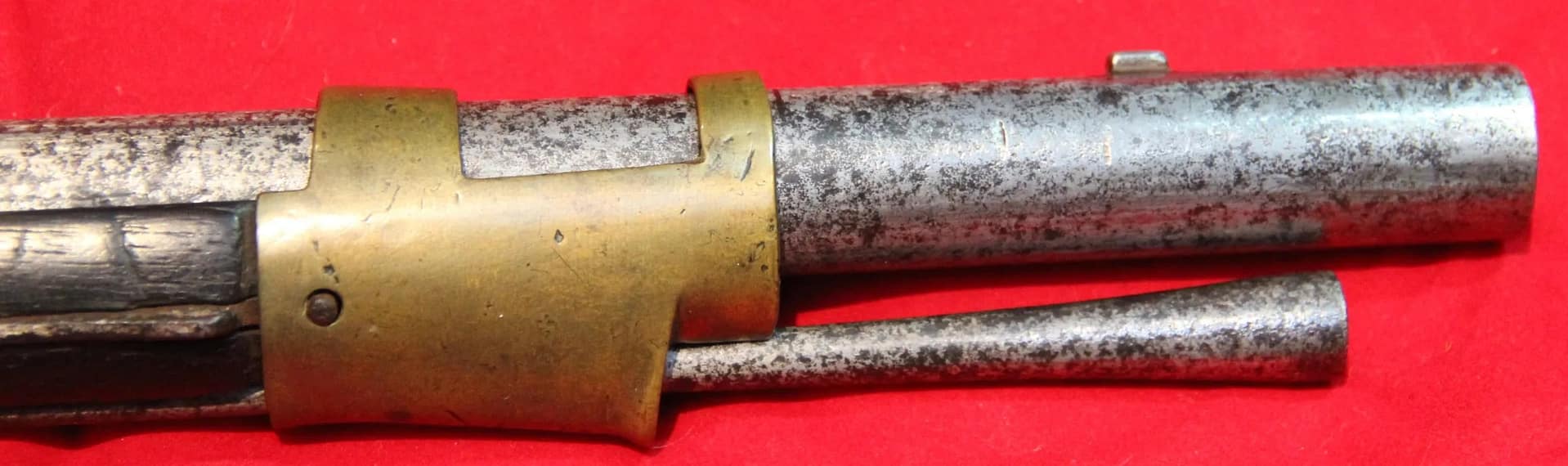
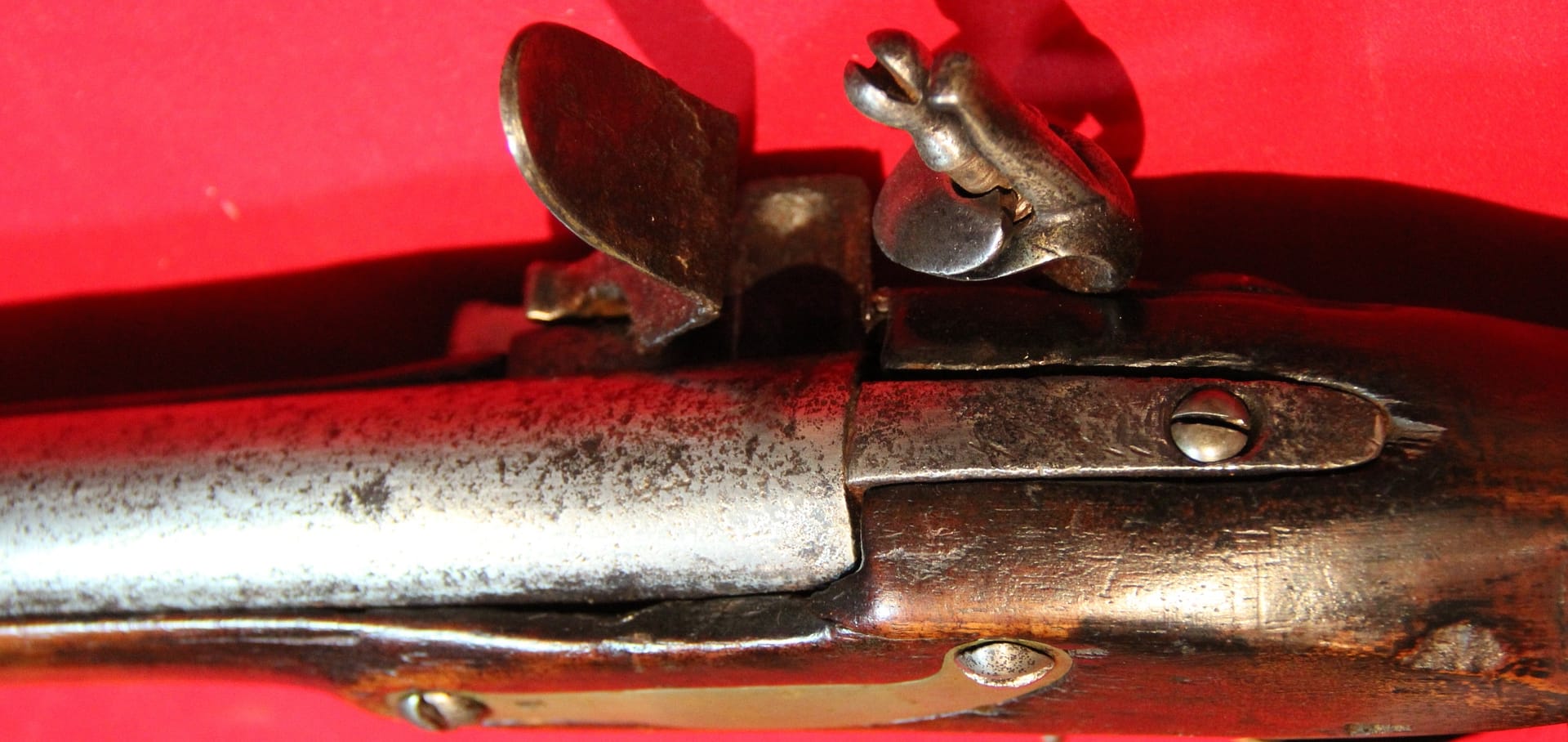
French Model 1754 Marine Musket.
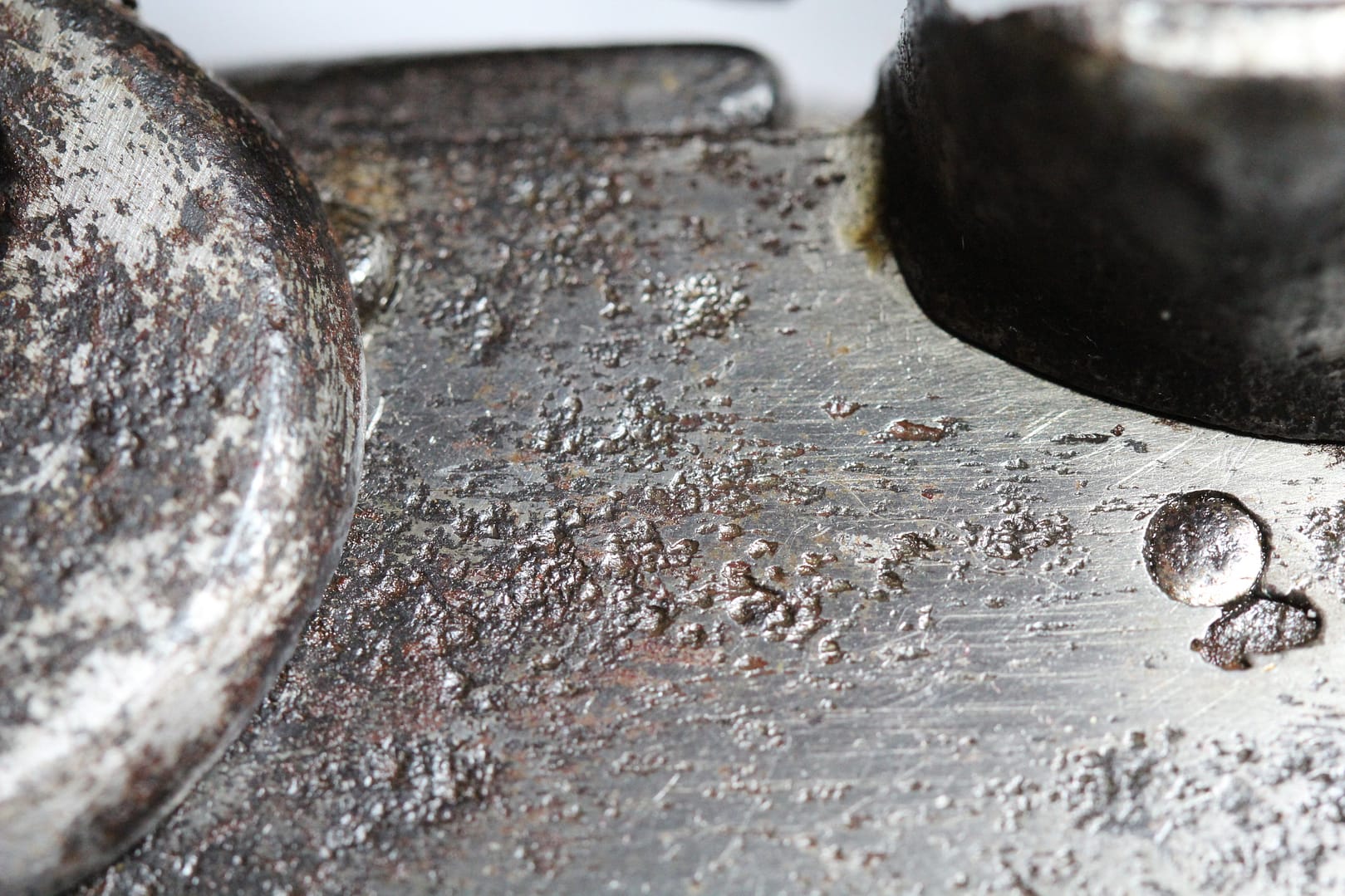
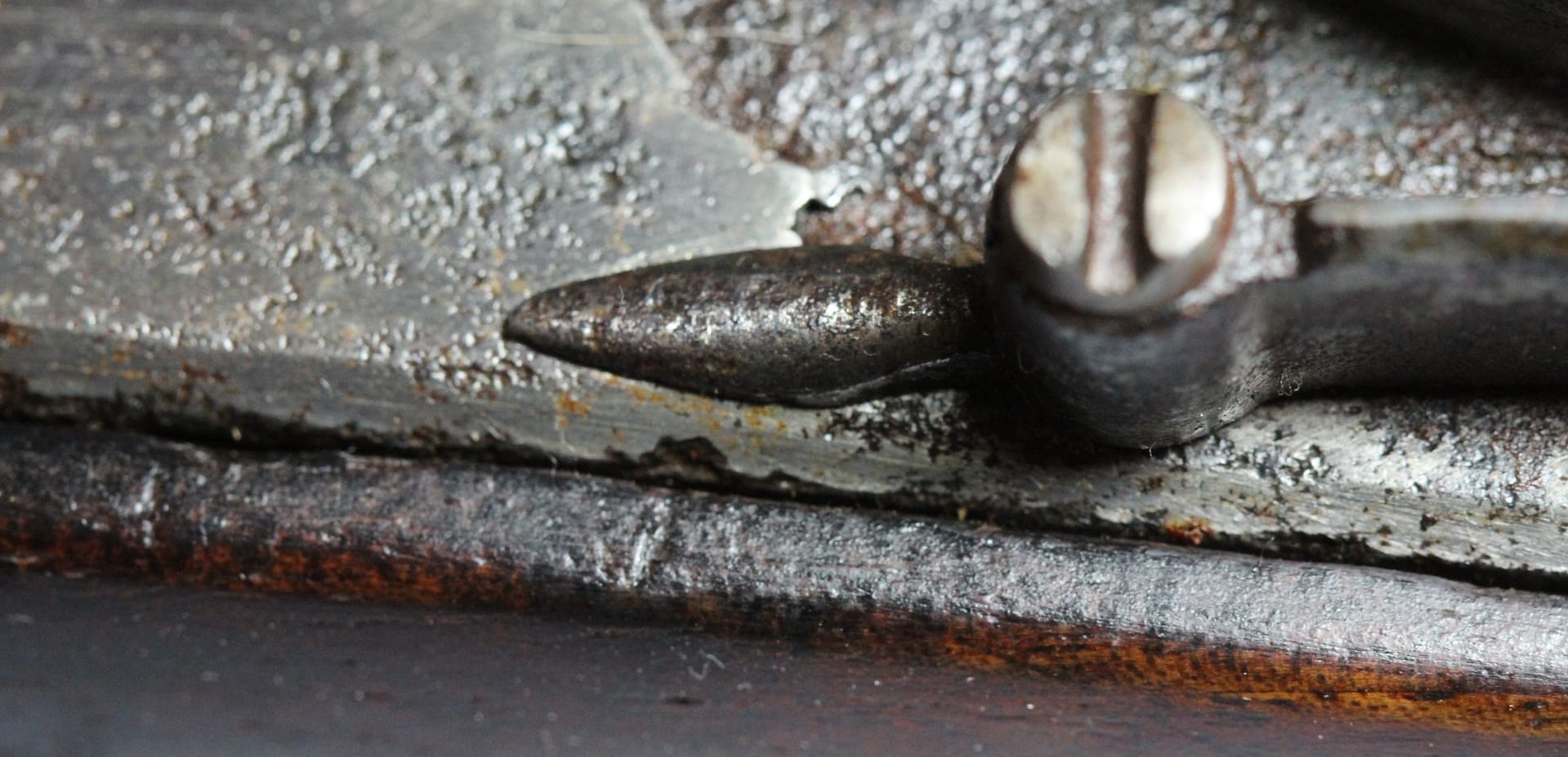
Manufactured circa 1763. Pattern 1754 lockplate and pattern 1763 furniture and stock. Probably one of thousands of guns made in the transition between 1754 and 1763 models in an effort to use ordinance components. Possibly a rebuilt weapon during the Revolution, as broken weapons were reassembled from components. Brass furniture indicates marine use. This musket was found in an attic in Scituate, Massachusetts, about 100 years after the war. Scituate was the site of a garrison of 300 French Marines during the Revolutionary War. The Smithsonian Instituite restored the gun in the 1990s. From my personal collection.


French Model 1766 flintlock musket. From my personal collection.
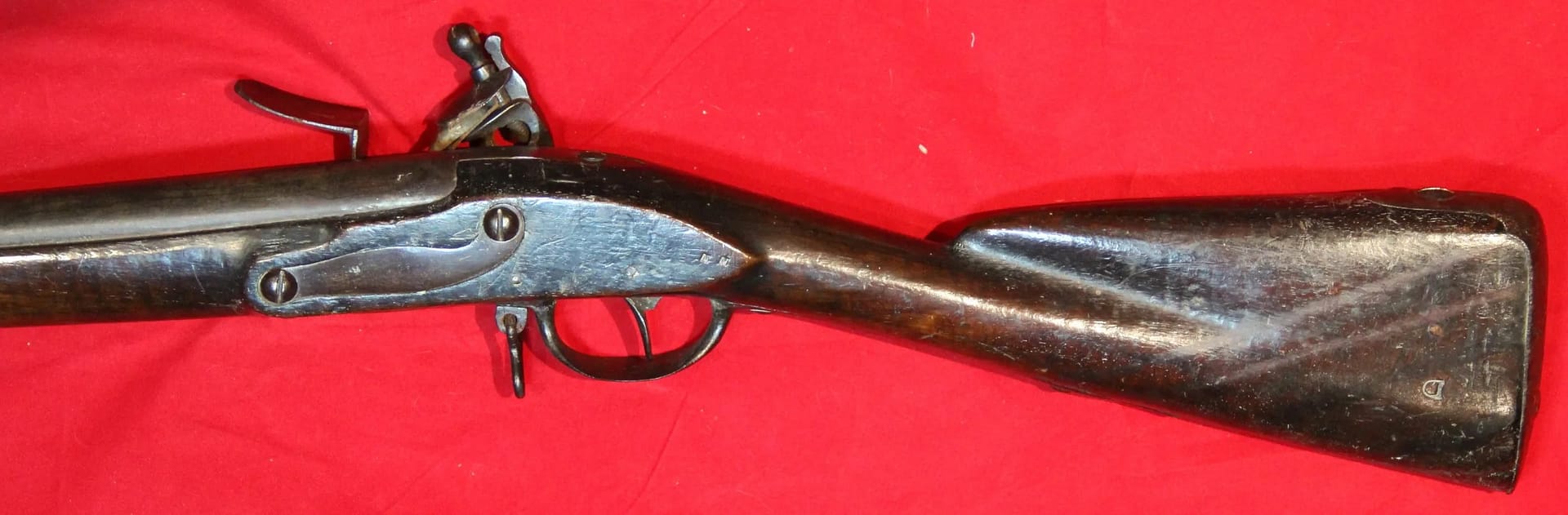
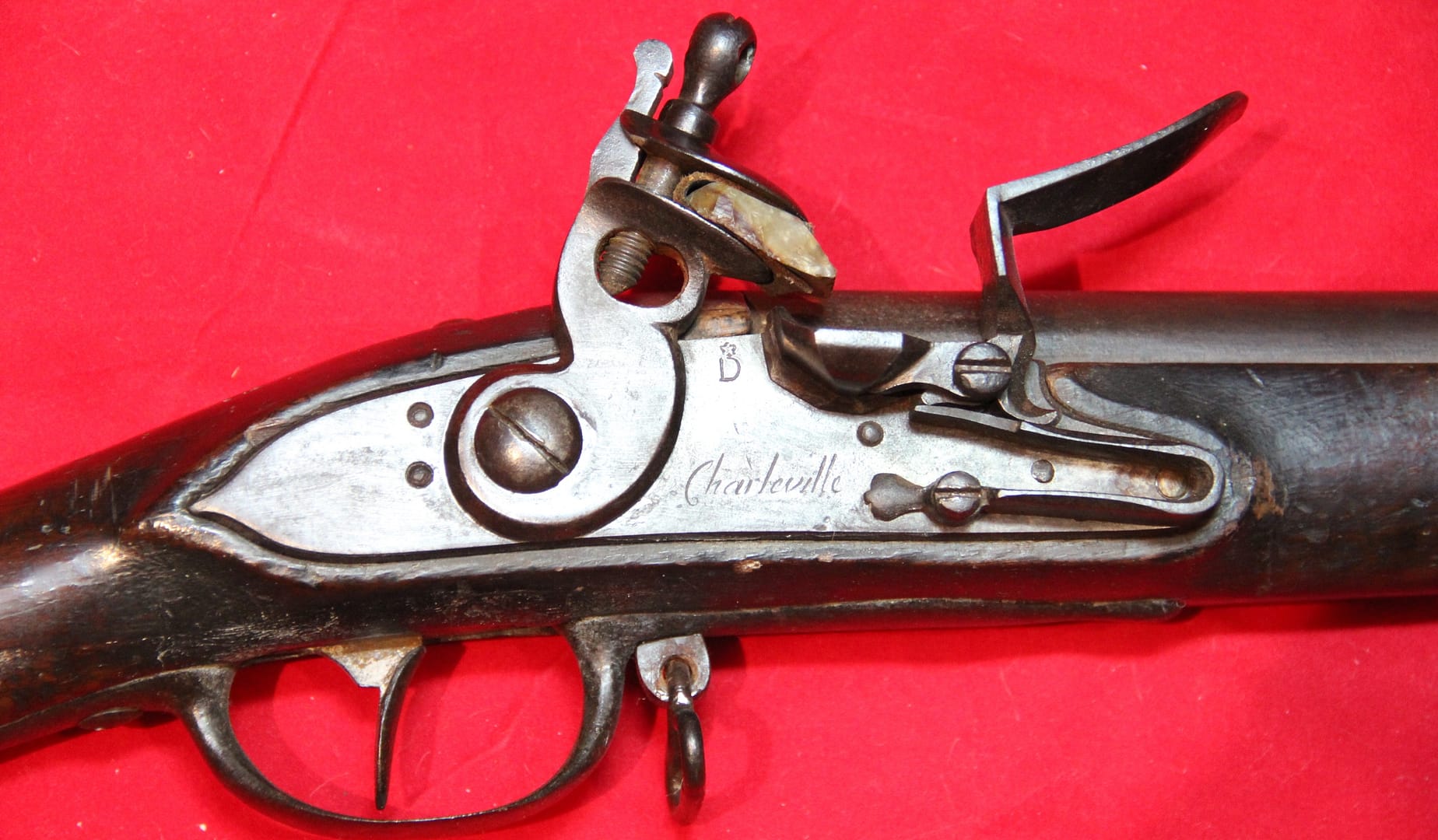
Although this particular pattern did not see service in the Seven Years War, the French Model 1766 musket was refinement of the earlier 1746, 1754 and 1763 muskets, featuring strengthened furniture, improved lock geometry, and a more robust barrel band arrangement. A .69-calibre weapon with a reputation for reliability, it armed French infantry during the later Seven Years War and formed the basis of weapons supplied to American Continental forces. Its mechanical simplicity and standardisation influenced U.S. musket production well into the early 19th century.


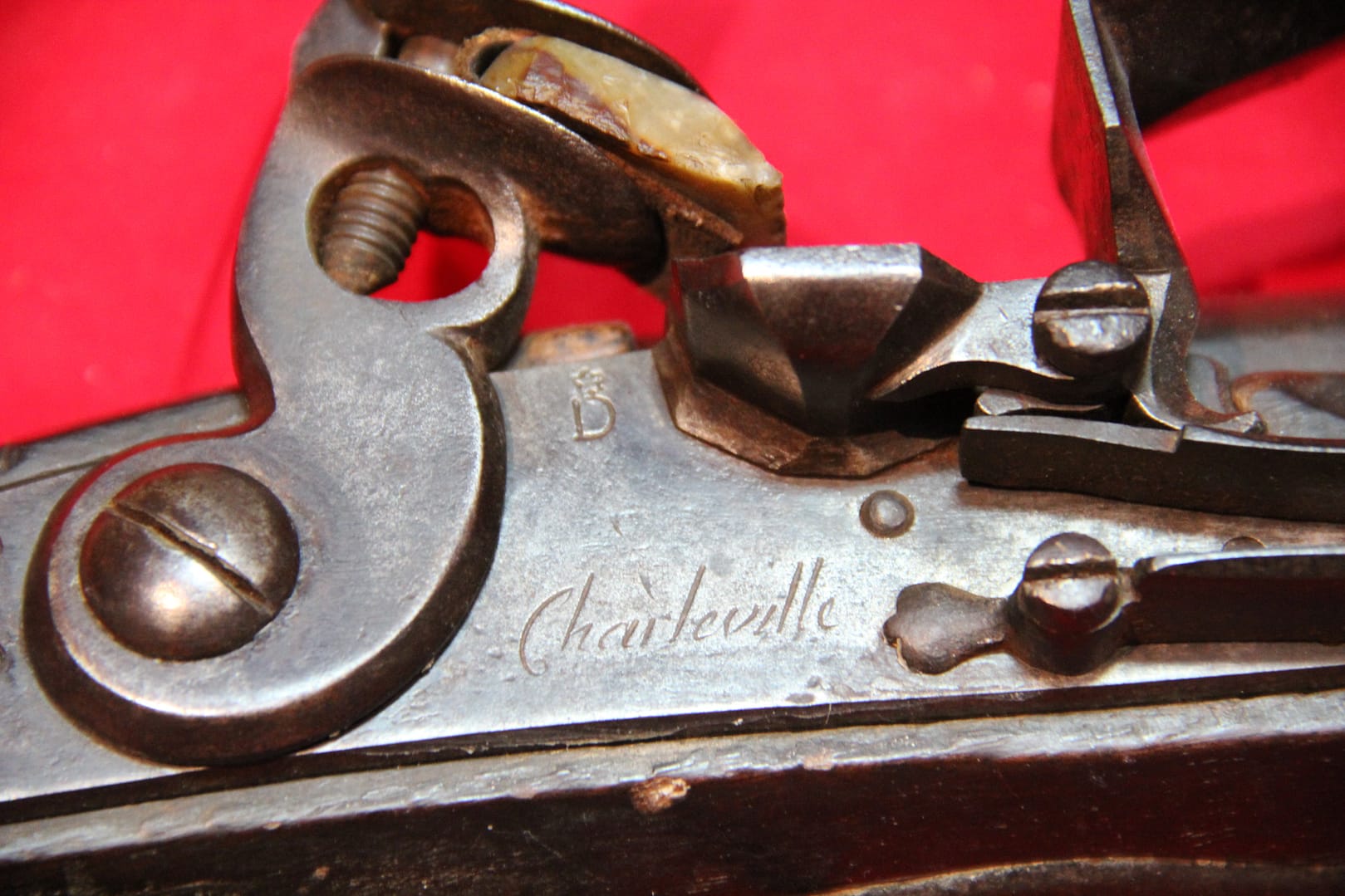
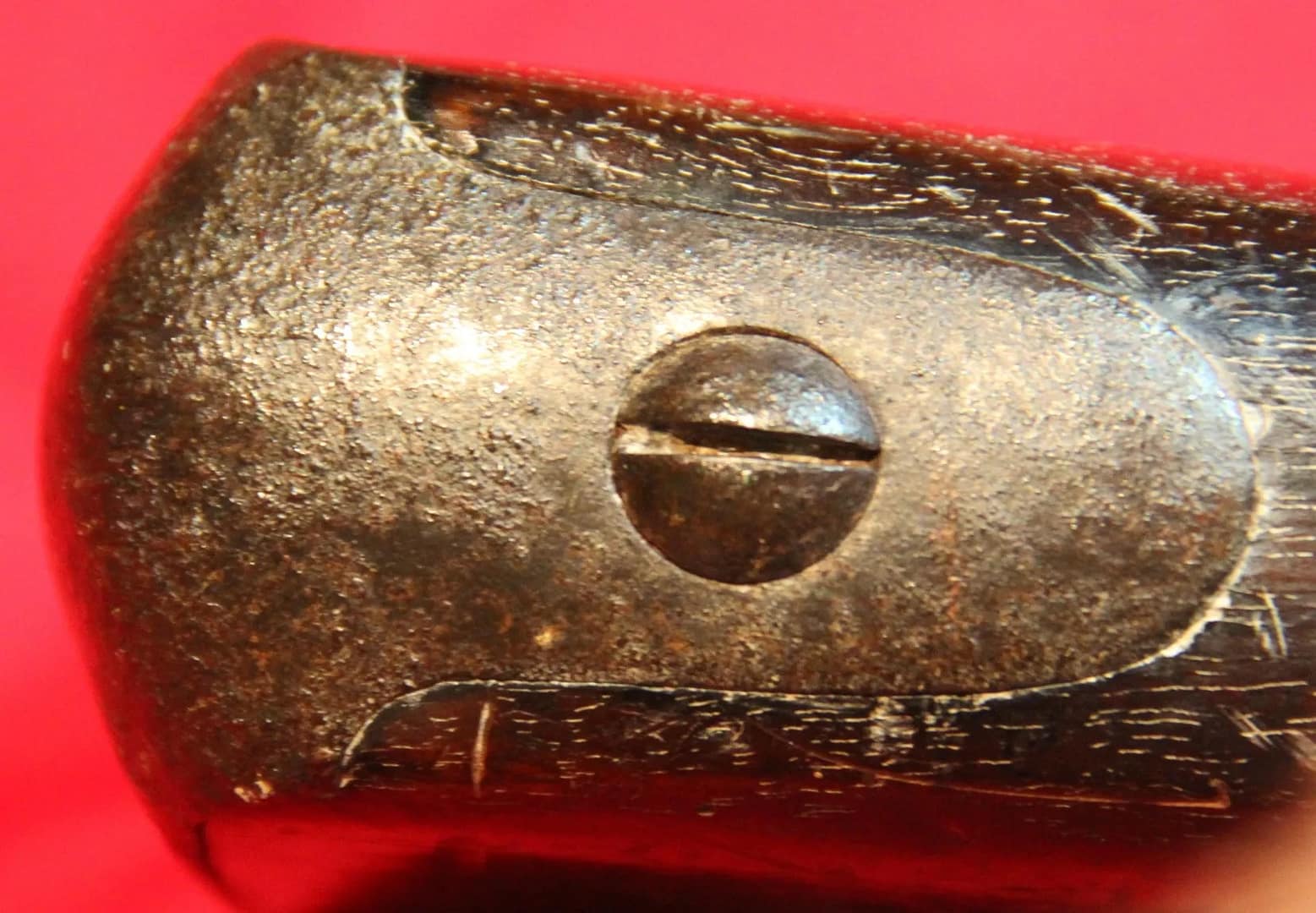
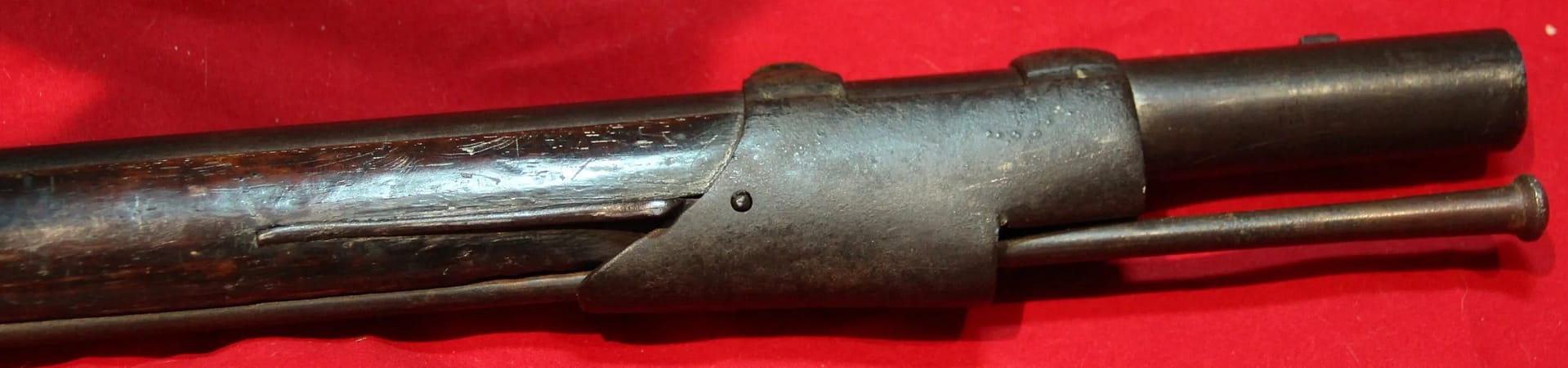
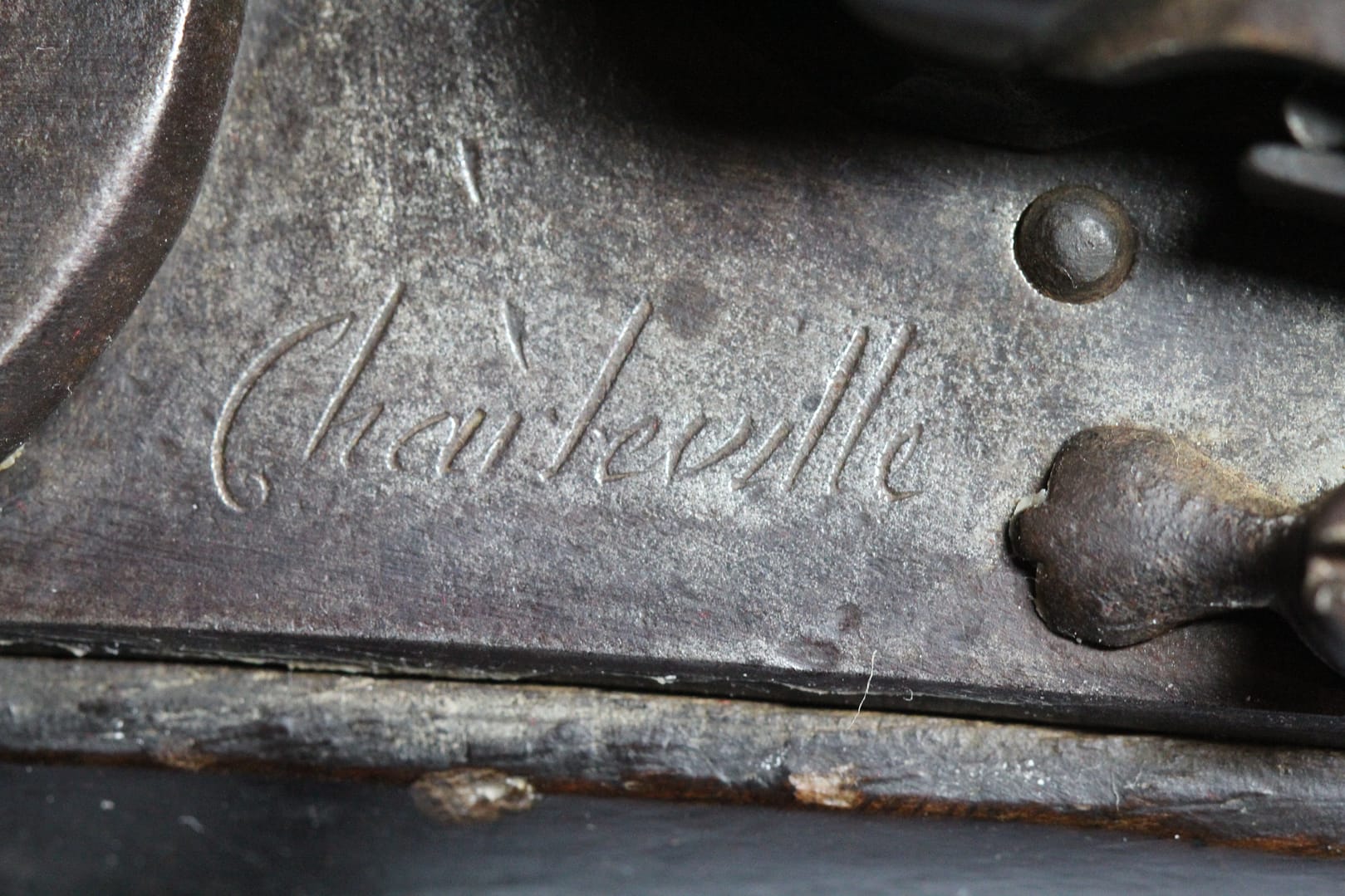
Massive French Fortress Musket, circa 1750. From my personal collection.
This exceptionally large French fortress musket, circa 1750, was designed for static defence and anti-artillery sniping from ramparts. With a bore of approximately 0.80 calibre and an oversized barrel, it fired heavy projectiles intended to disable artillery crews or harass siege works at long range. The stock is signed “Maqueline”, and the lockplate is a pre-1717 unbridled form, indicating production by a private armourer supplying fortress garrisons. Such heavy wall guns were too unwieldy for field use but were valued for accuracy and destructive power in garrison warfare.



French Model 1733 Cavalry Pistol, the first standard handgun to be adopted by the French military. Jean Fournier, Charleville. From my personal collection.
The French Model 1733 cavalry pistol was the first fully standardised handgun adopted by the French Army. A large-bore flintlock with brass mounts and a robust lockplate, it was carried by heavy cavalry, dragoons, and mounted officers. This example is marked Jean Fournier, Charleville, one of the principal armourers of the royal manufactory. The 1733 pistol introduced production uniformity later seen in the Charleville musket series and became a widely copied pattern across Europe during the mid-18th century.
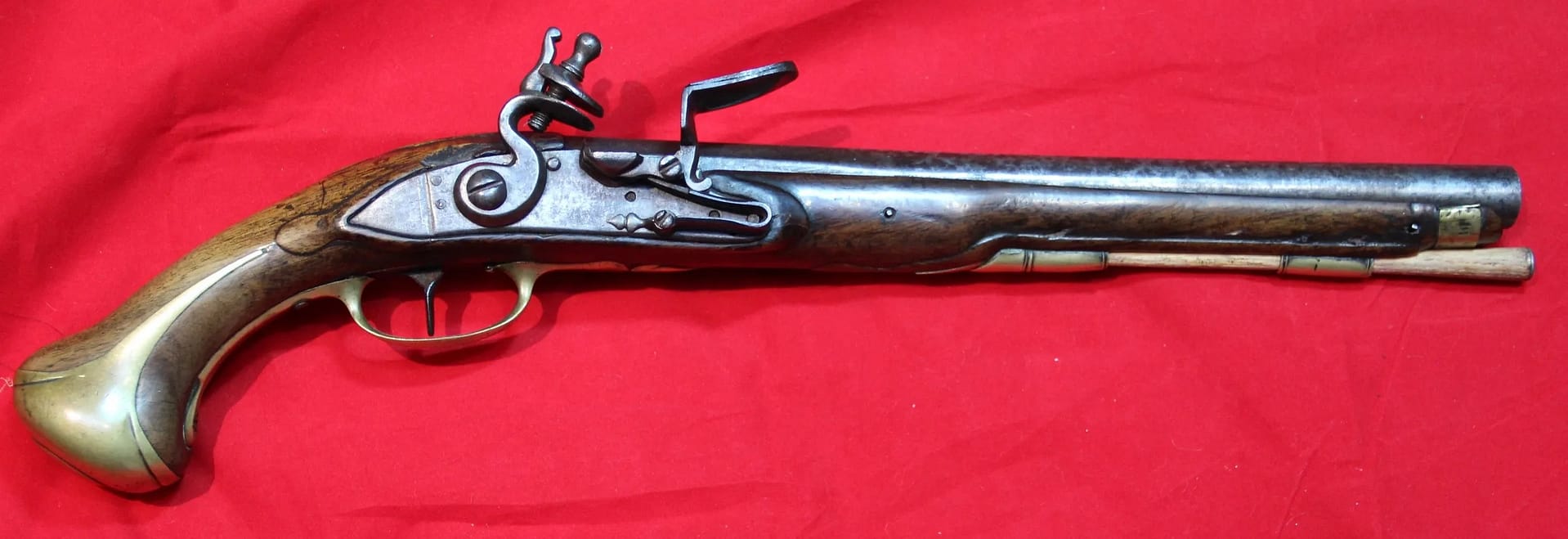
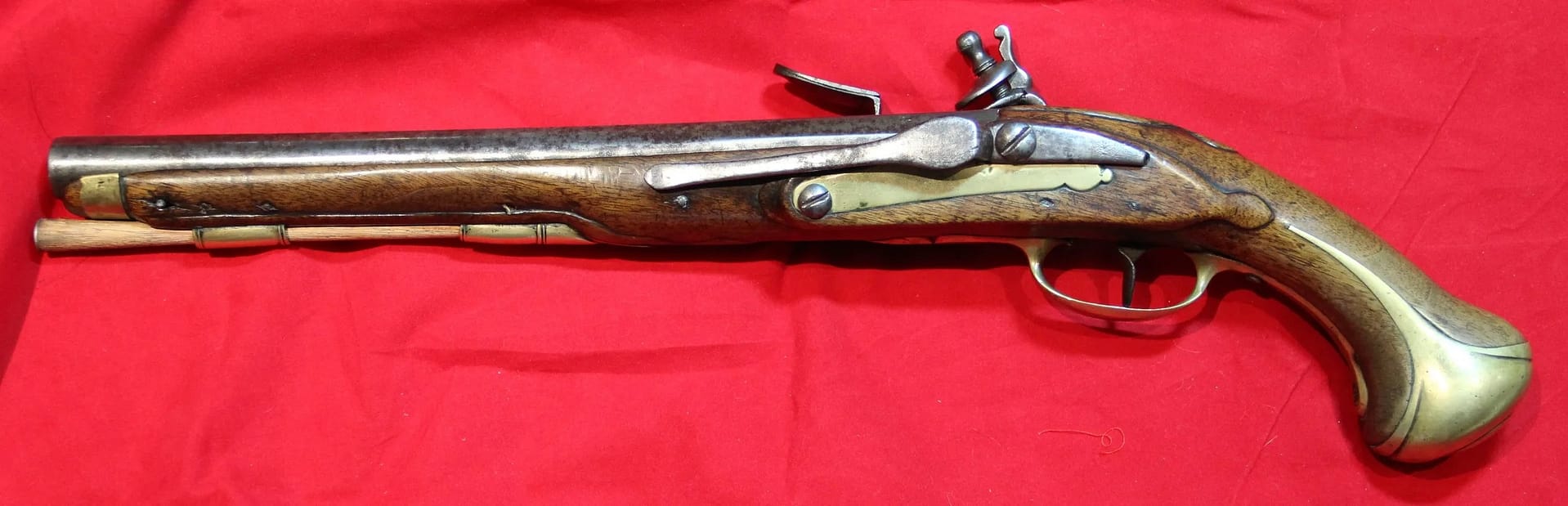
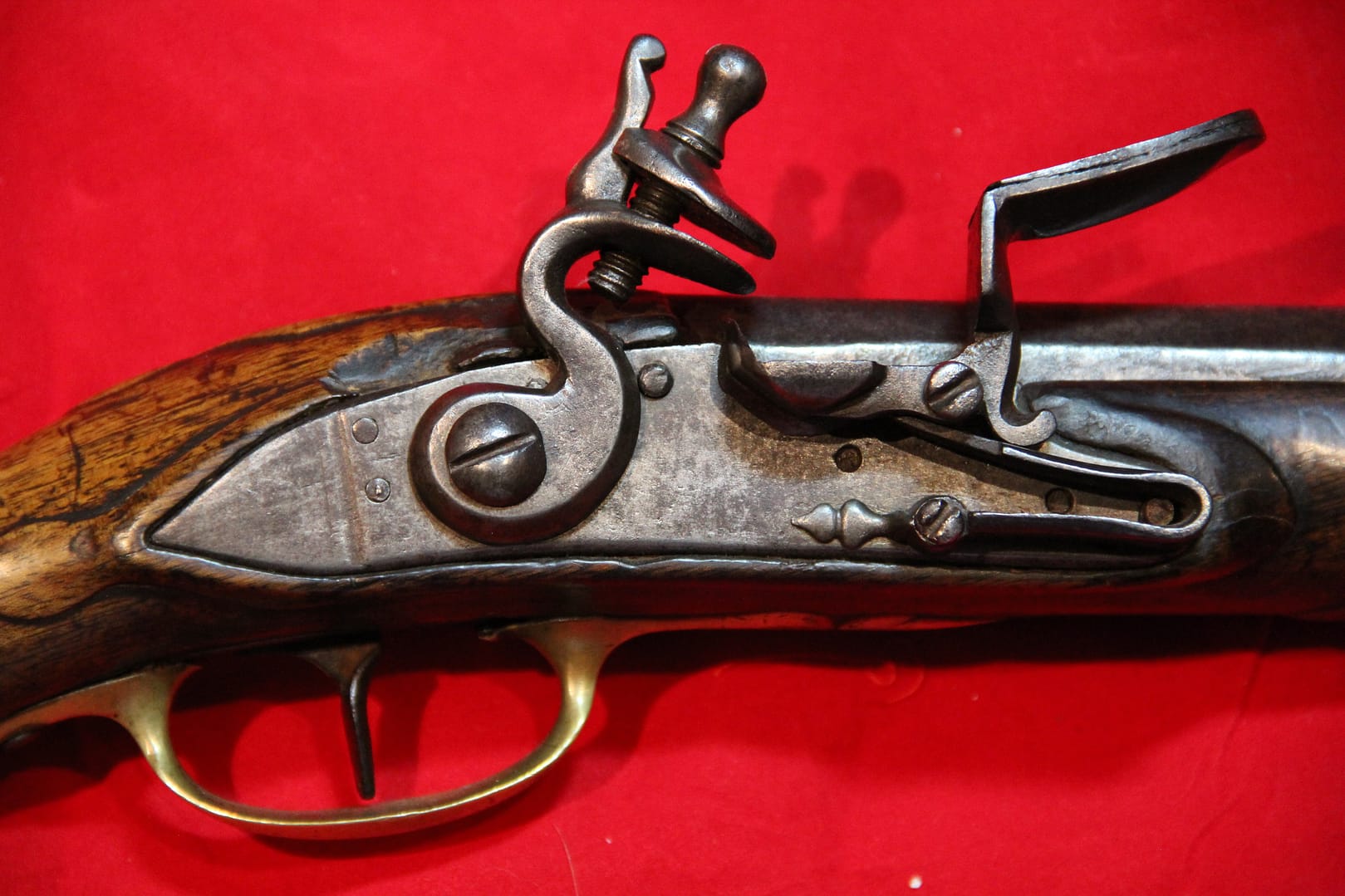
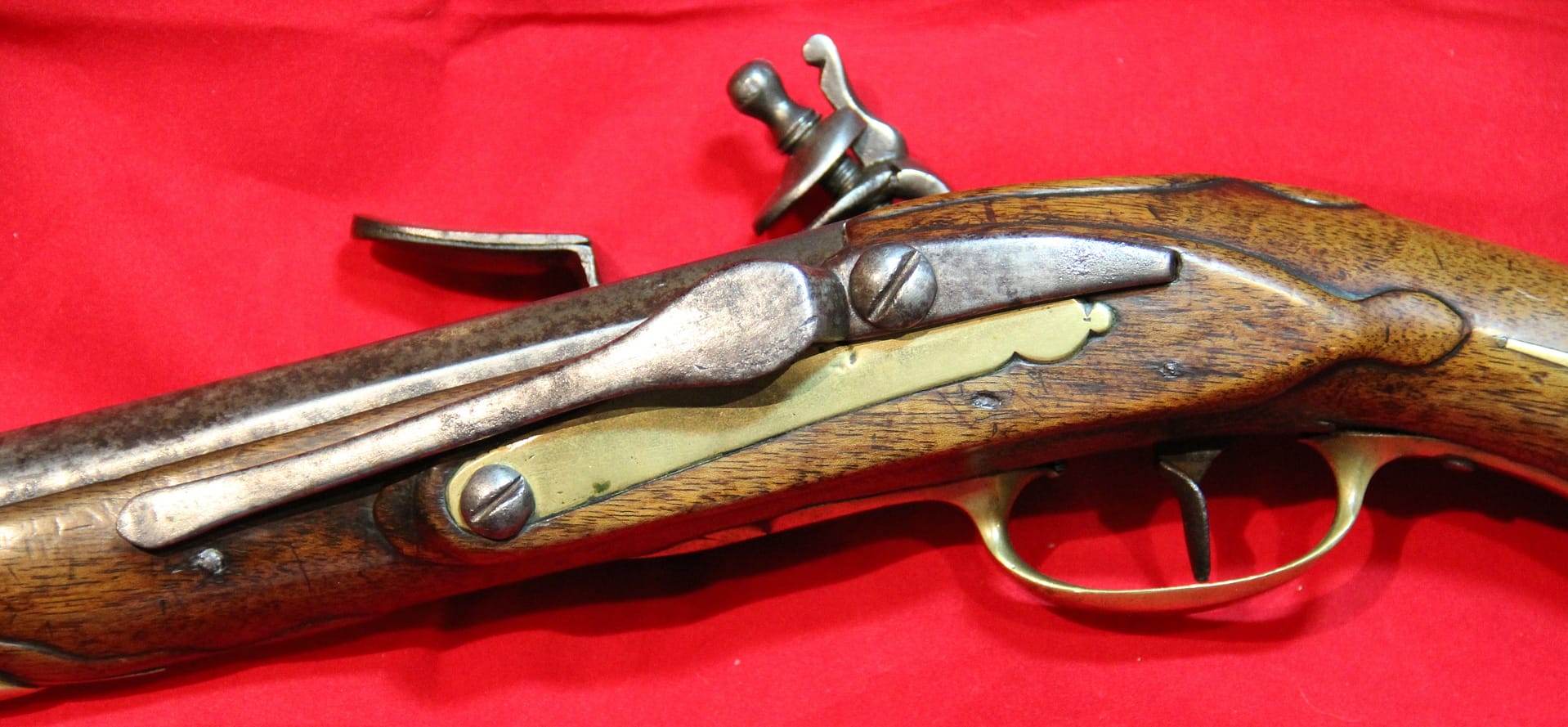
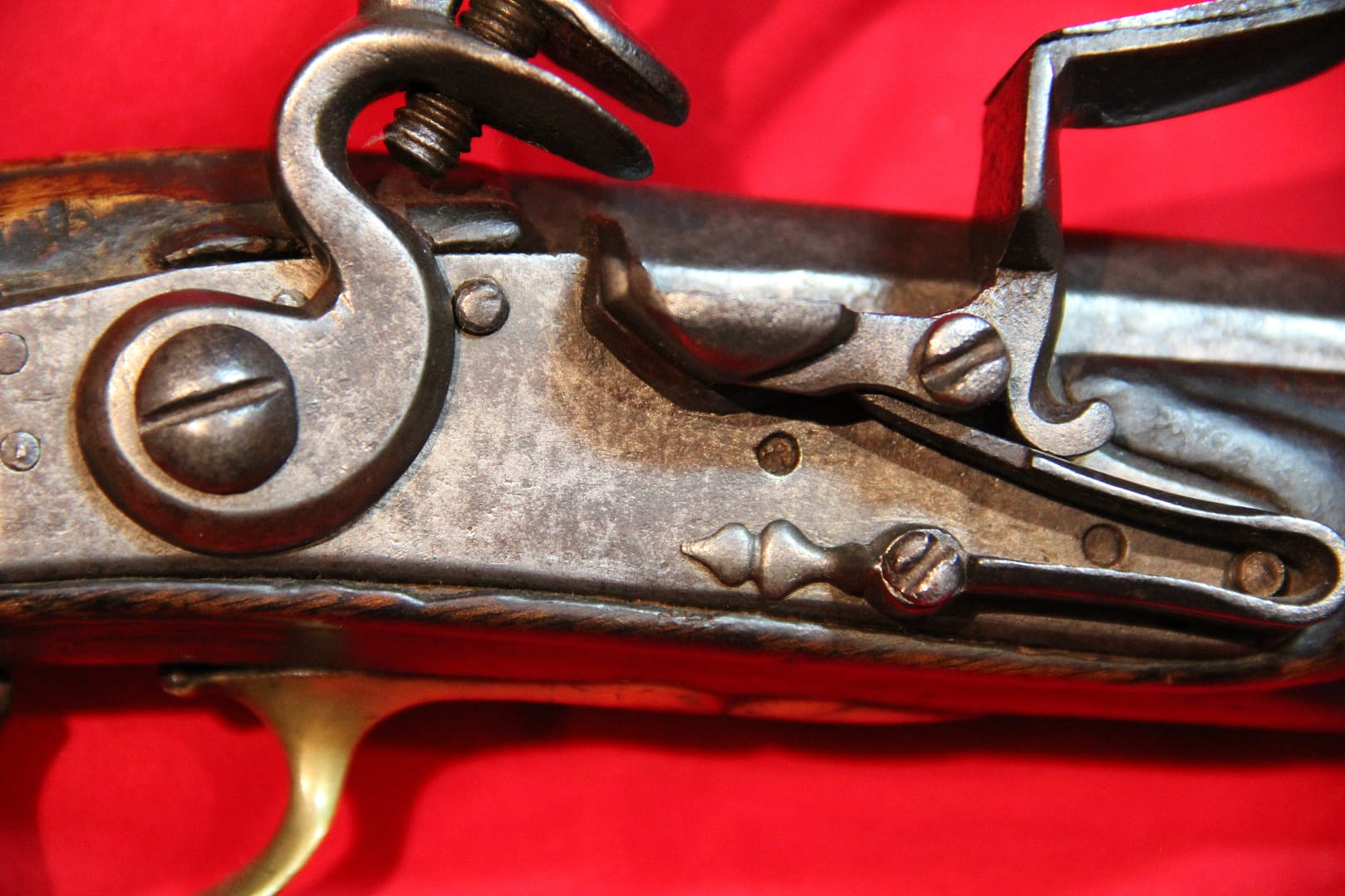
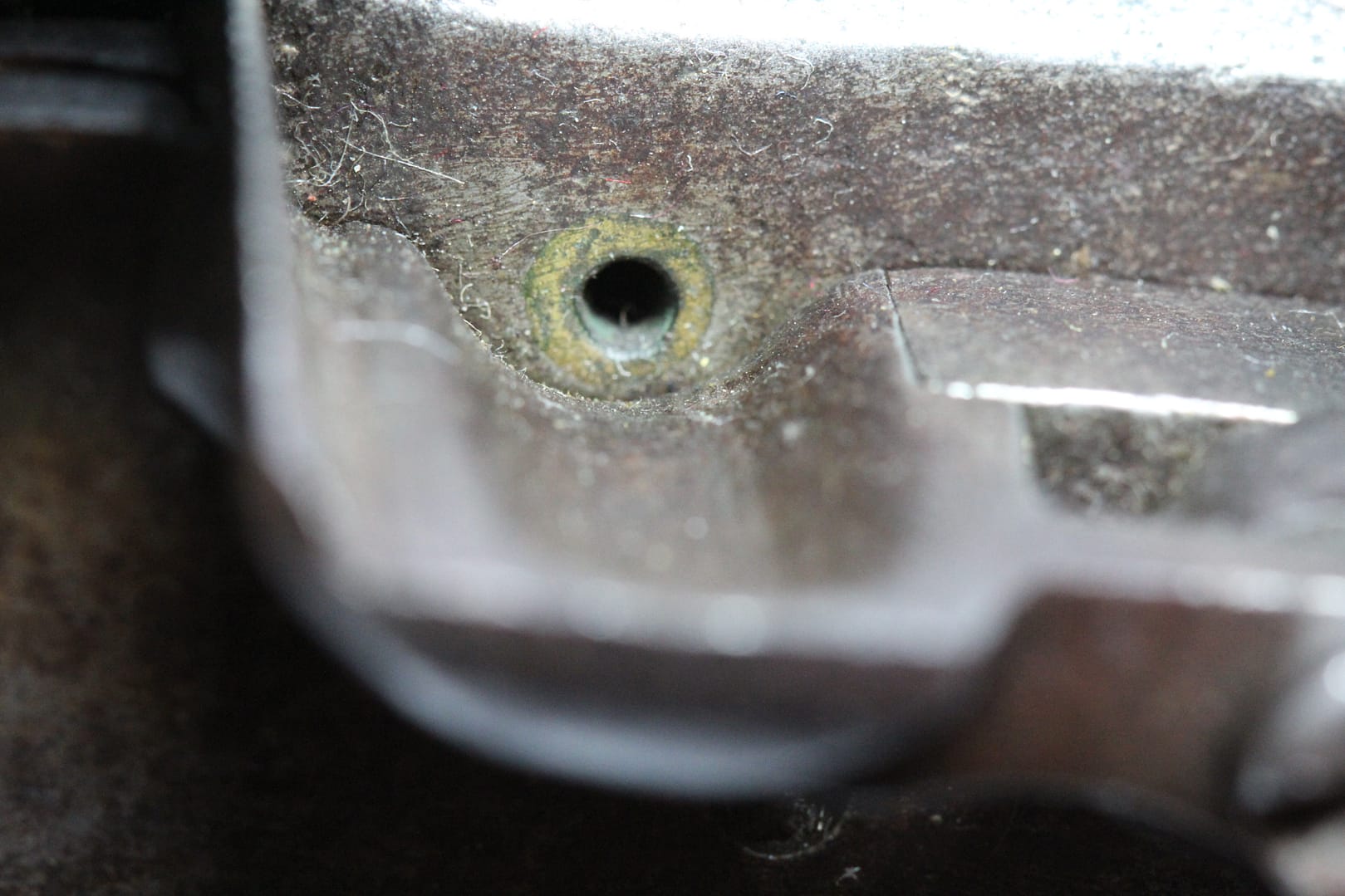
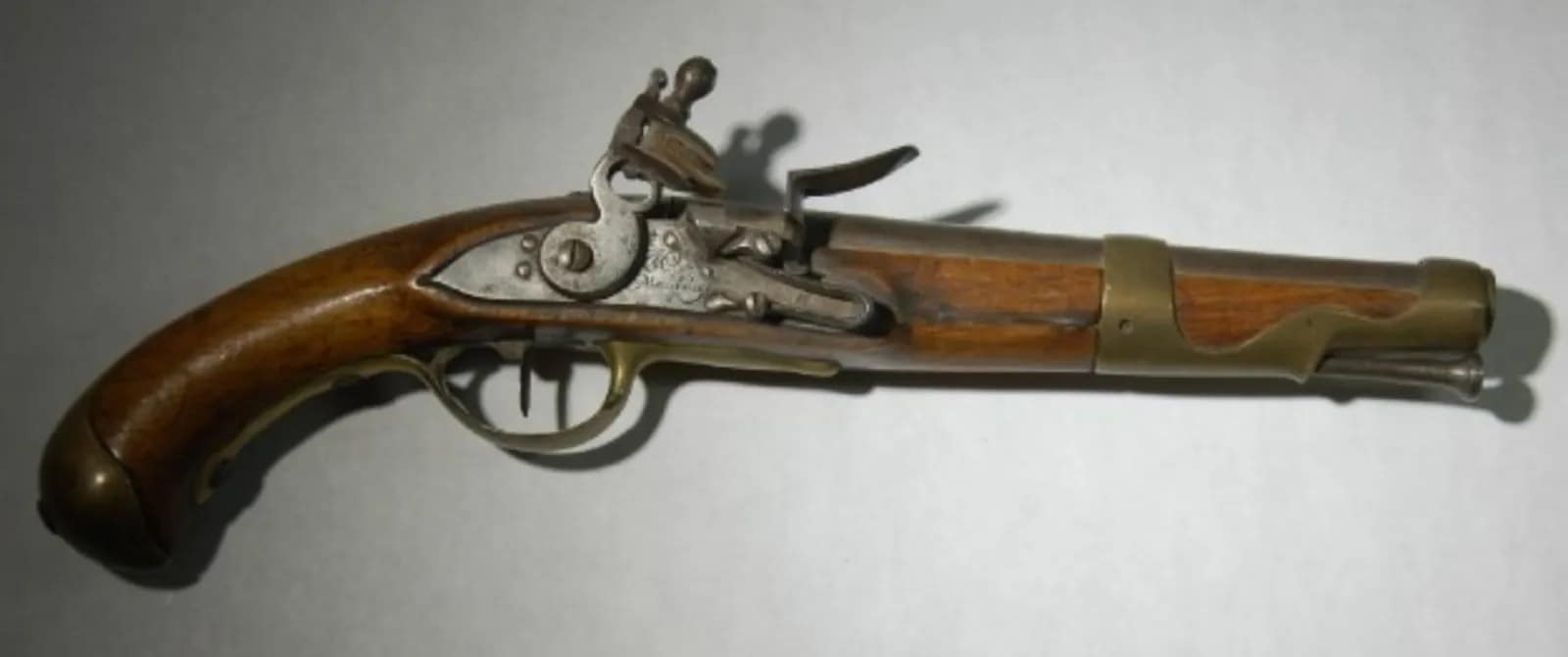
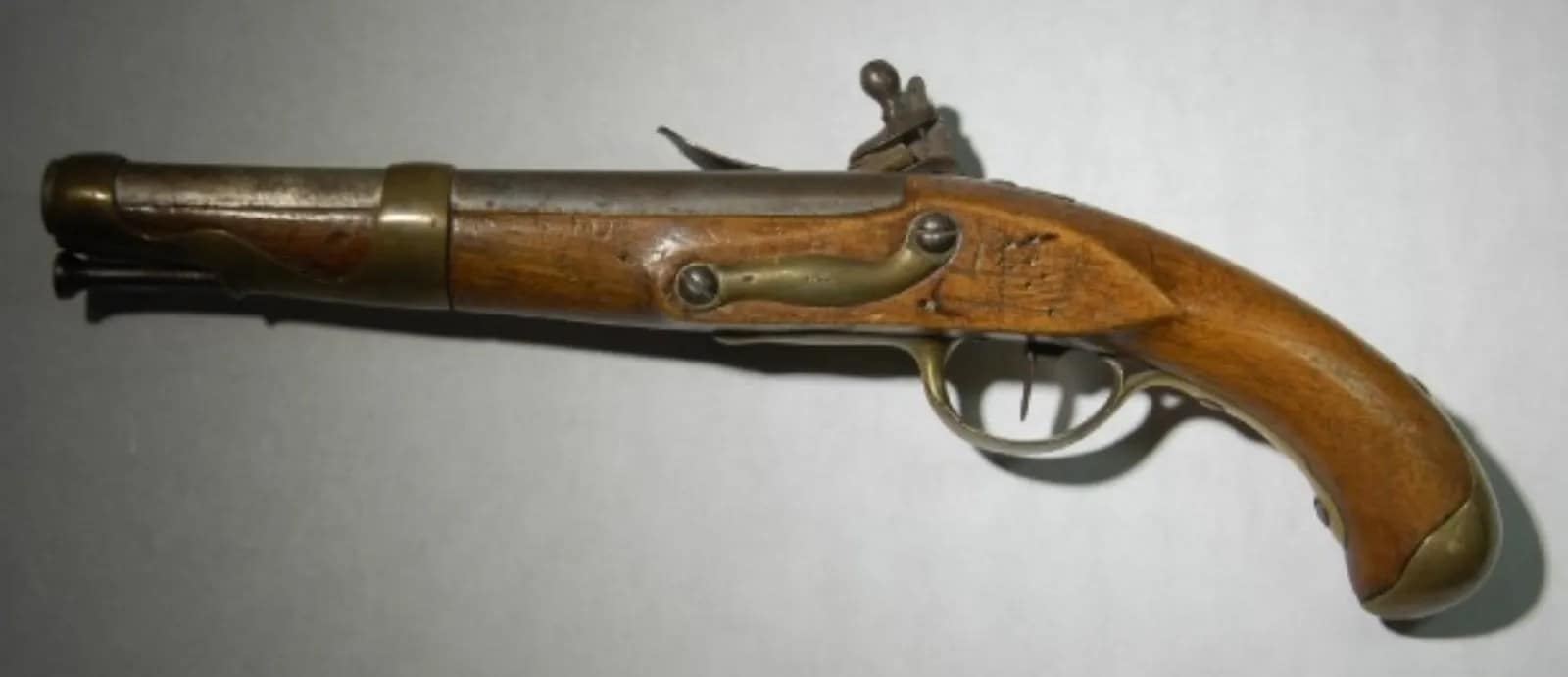
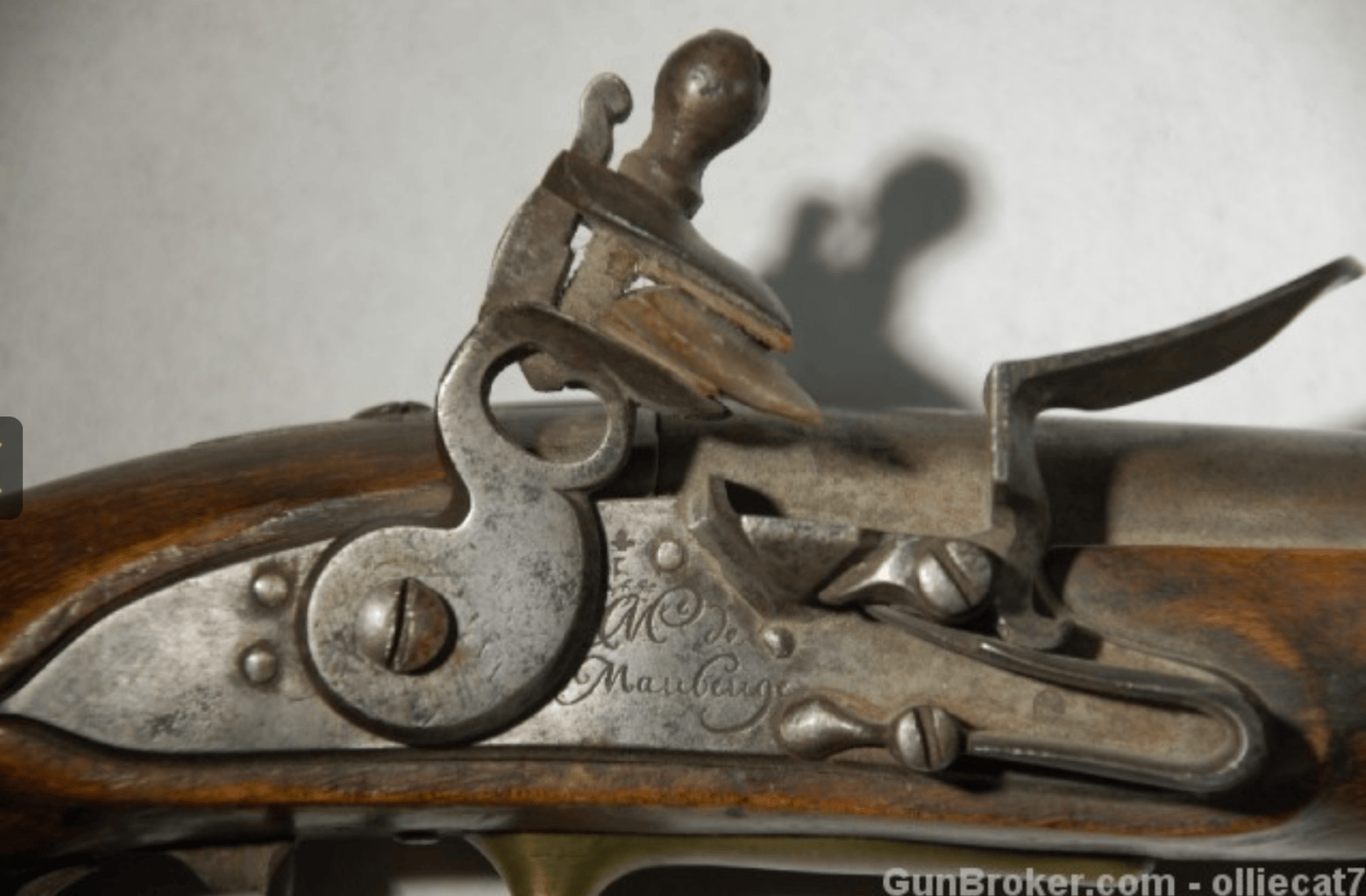
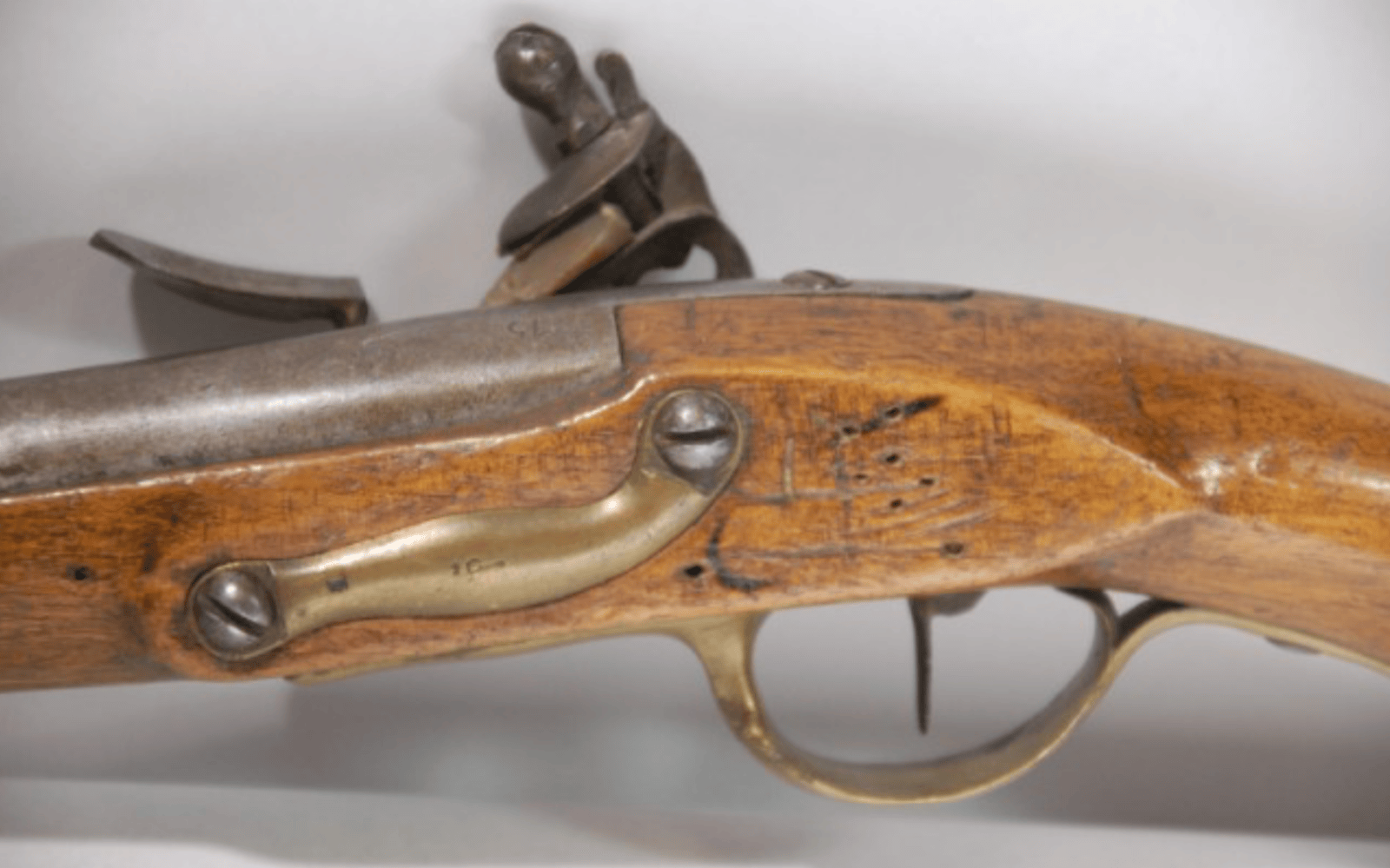
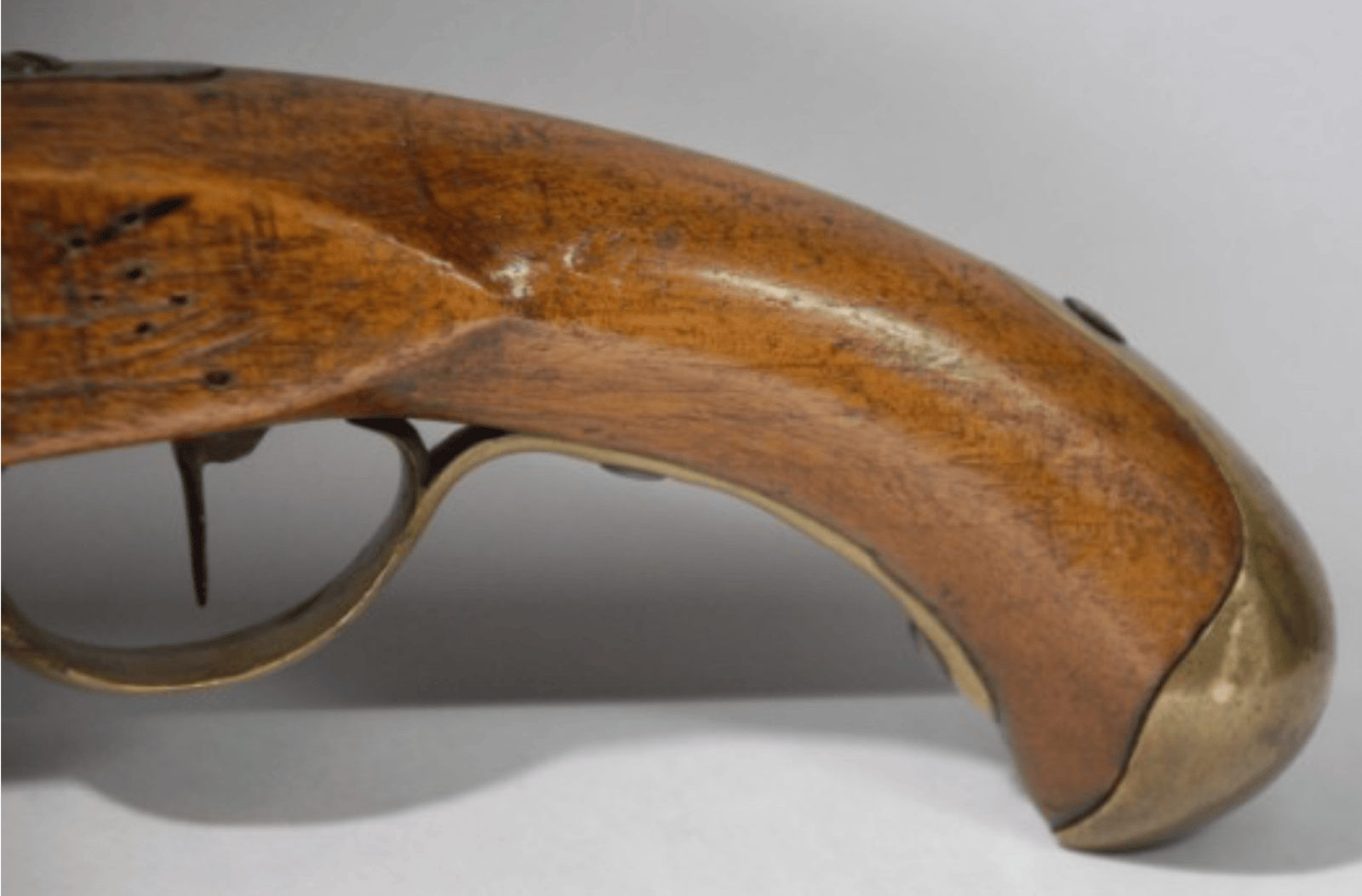
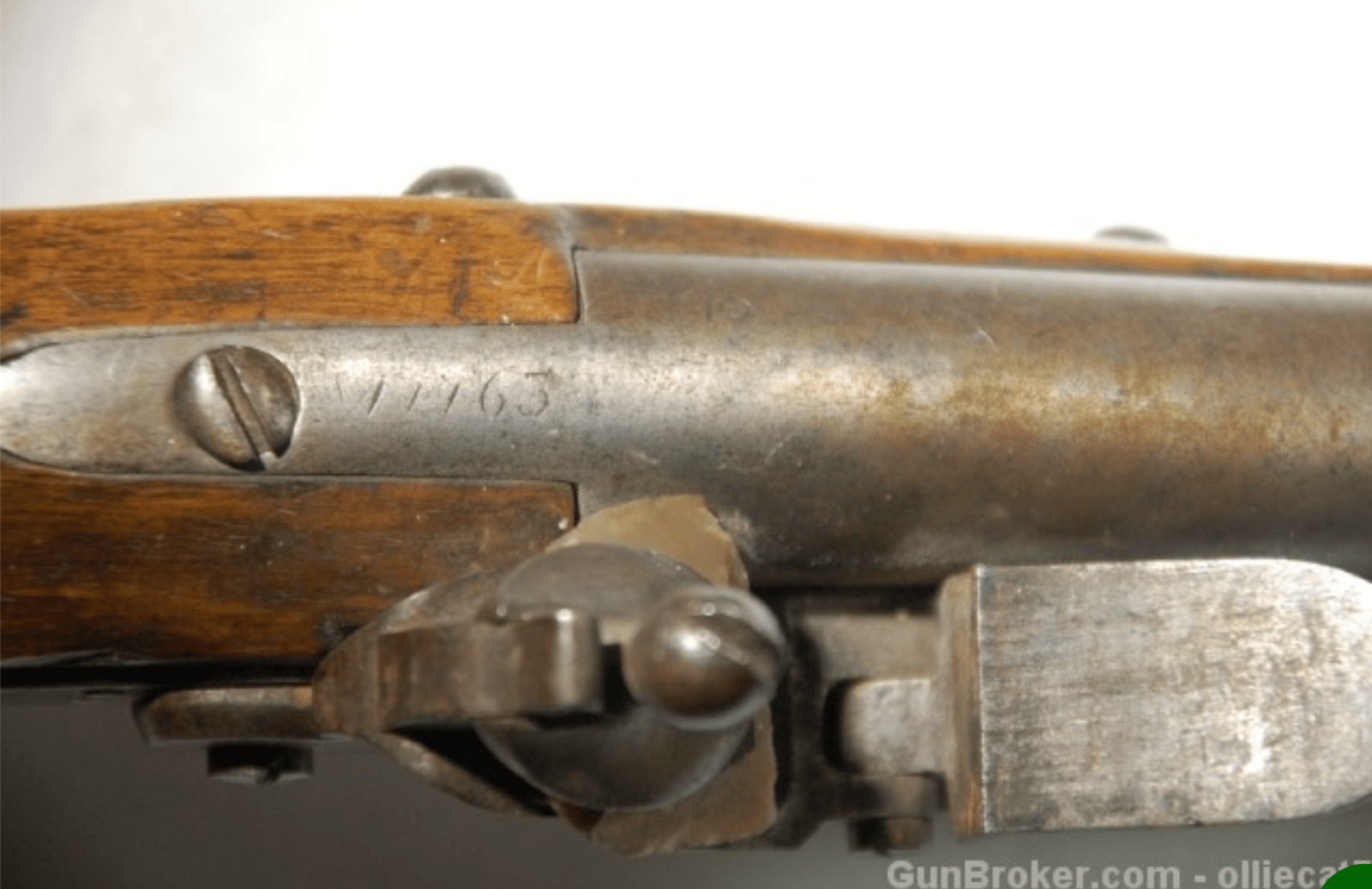
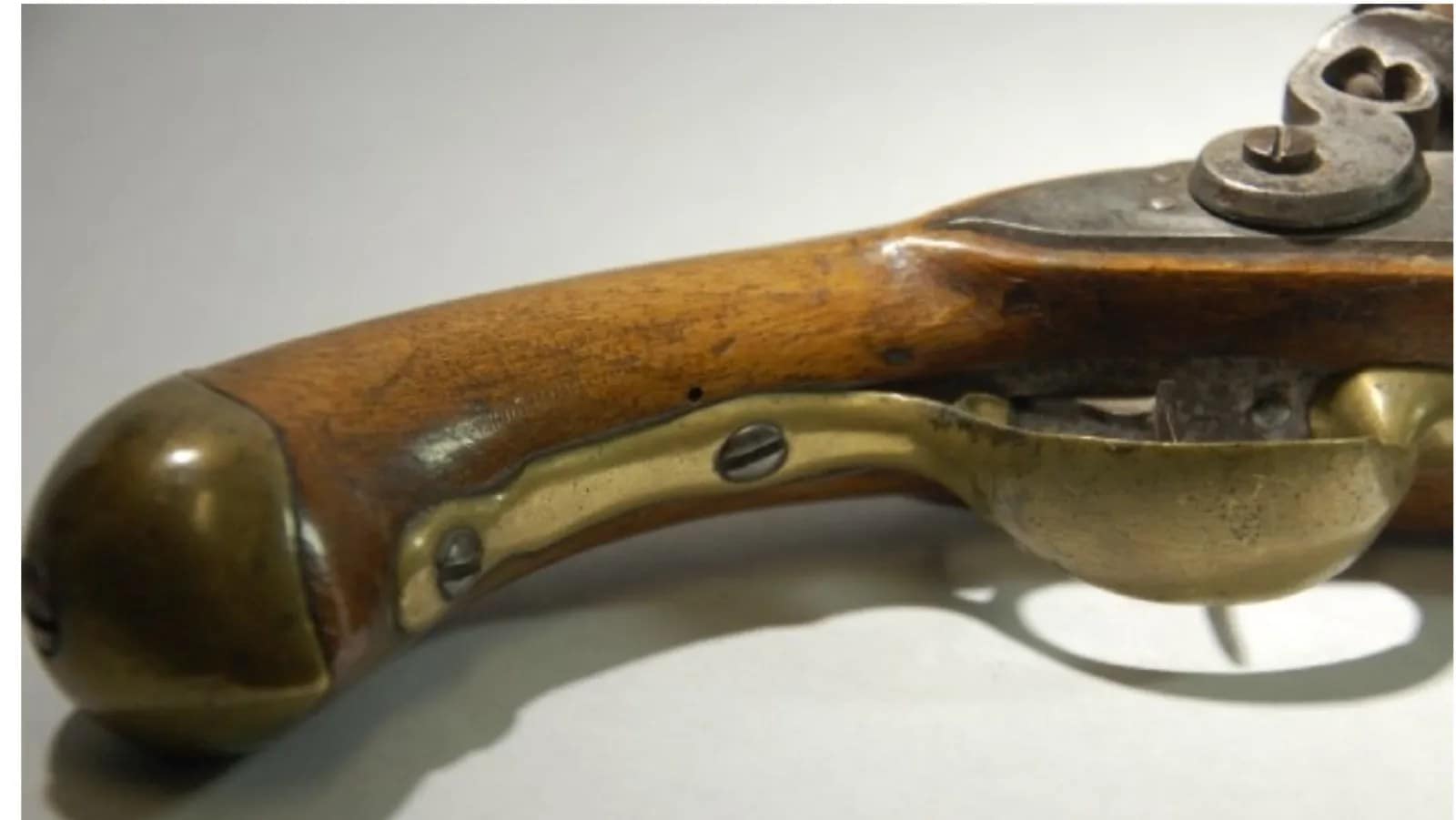
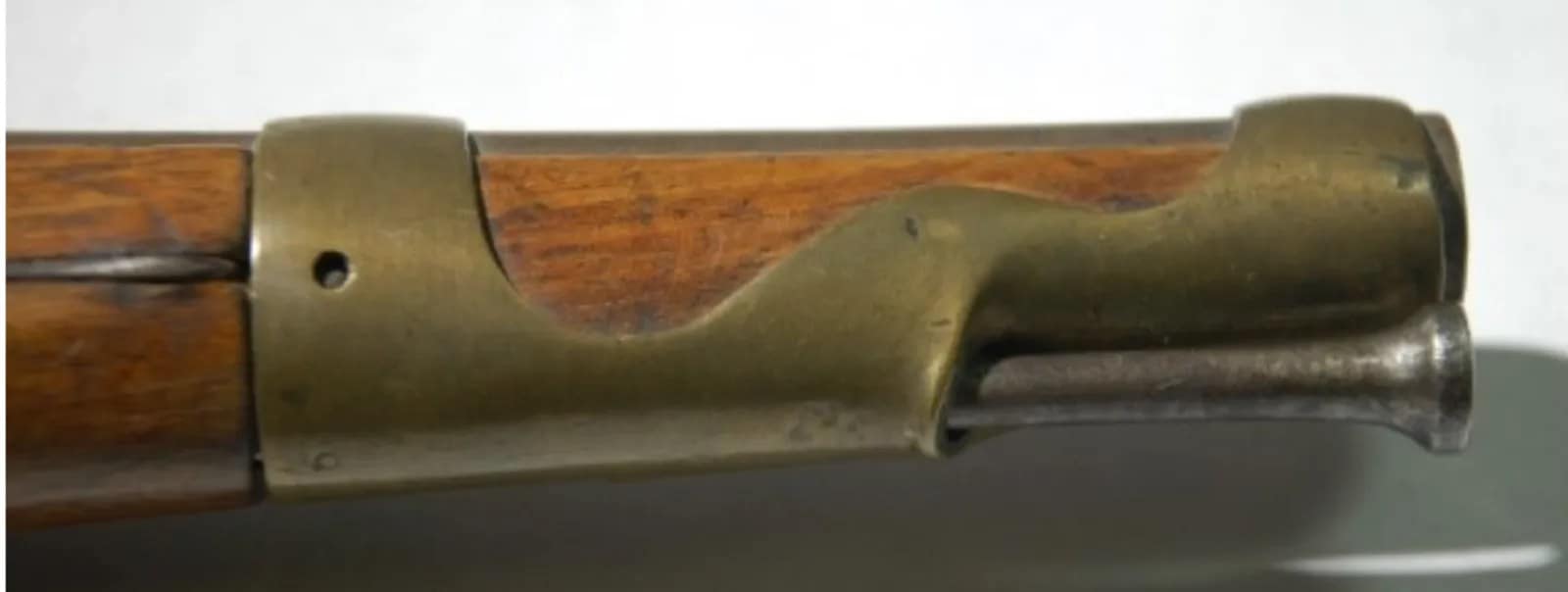
French Model 1763 Flintlock Pistol. Manufactured at the Maubeuge Royal Armoury. From my personal collection.
The French Model 1763 flintlock pistol was introduced to equip cavalry and mounted troops of the Royal French Army at the end of the Seven Years’ War. Manufactured at the Maubeuge Royal Armoury, it was a single-shot, smoothbore pistol of approximately .69 calibre with brass furniture and steel ramrod. Designed for close-range mounted combat, it complemented sabre use during shock action. Lockplates were marked with the royal cypher and manufactory stamp, identifying origin and inspection. The Model 1763 reflects early efforts at standardisation within the Ancien Régime military system and remained in service through the American War of Independence.
Austrian Weapons of the Seven Years War
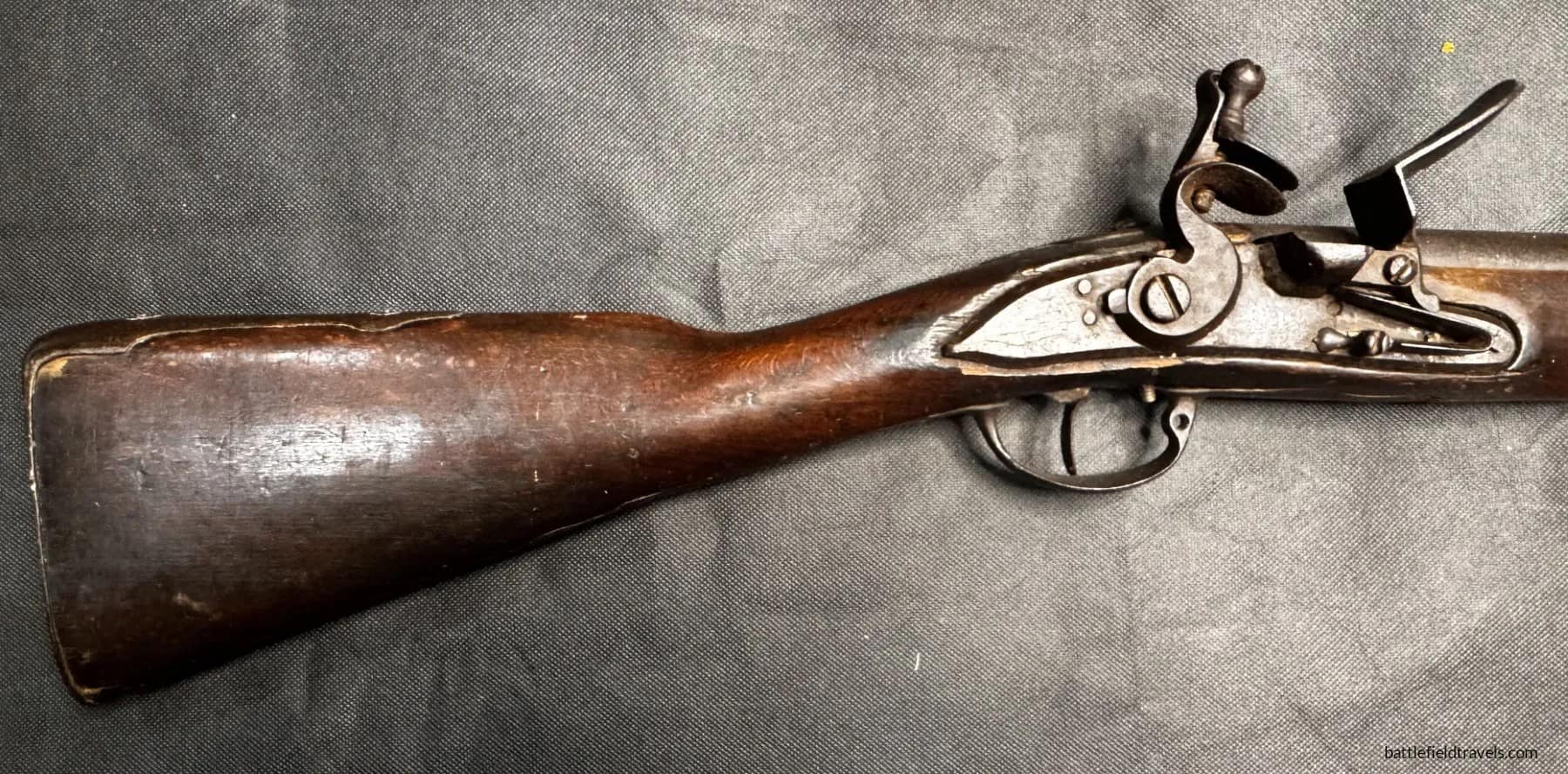
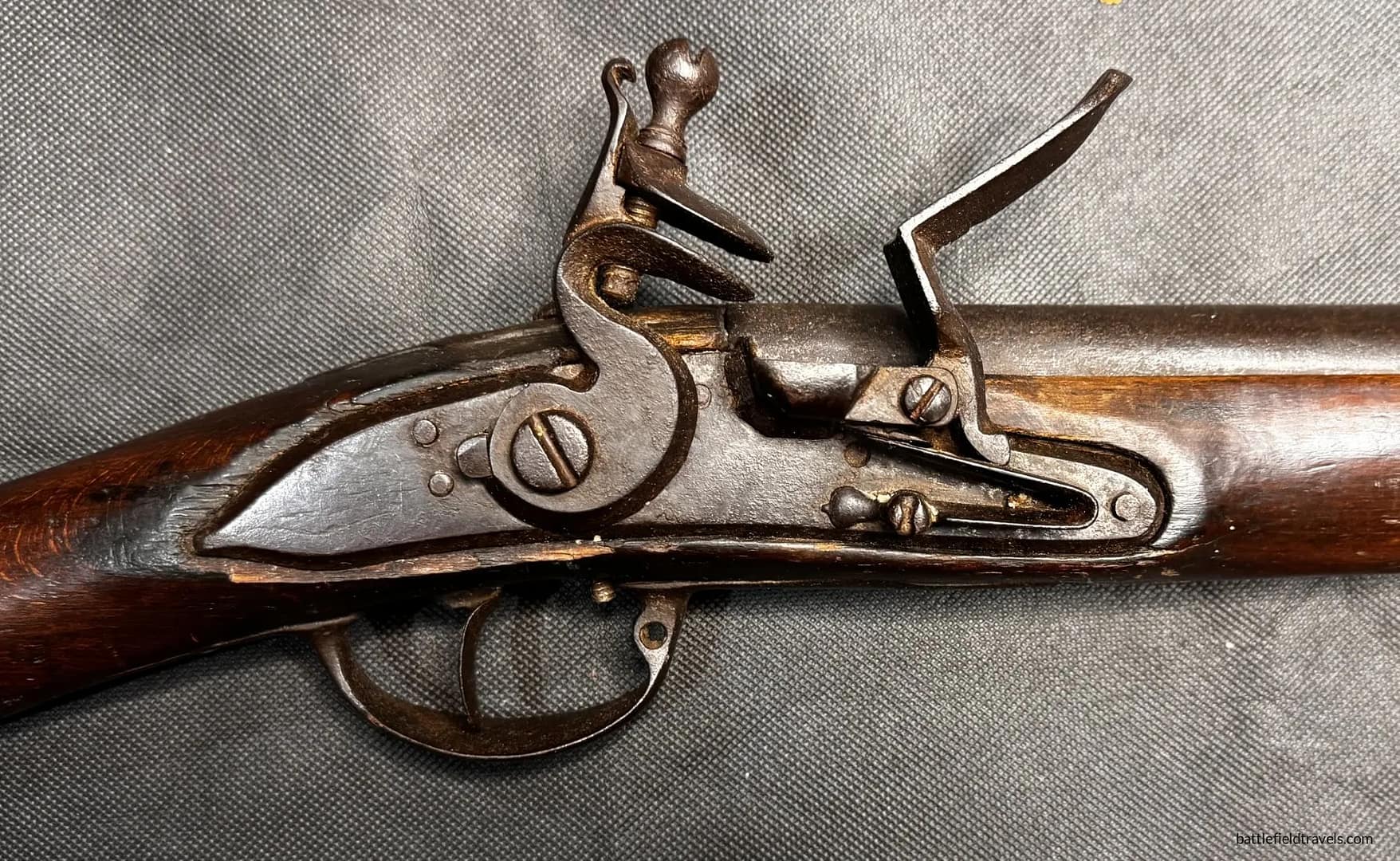
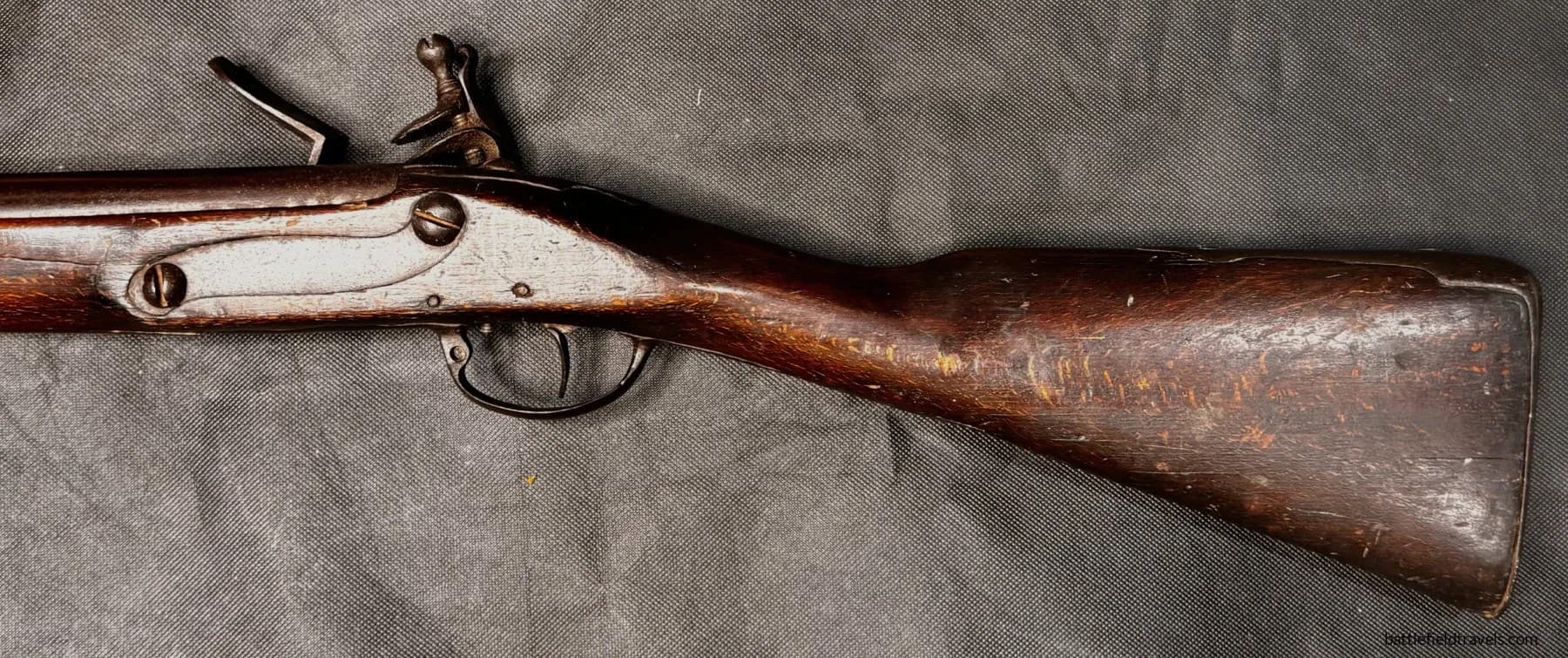
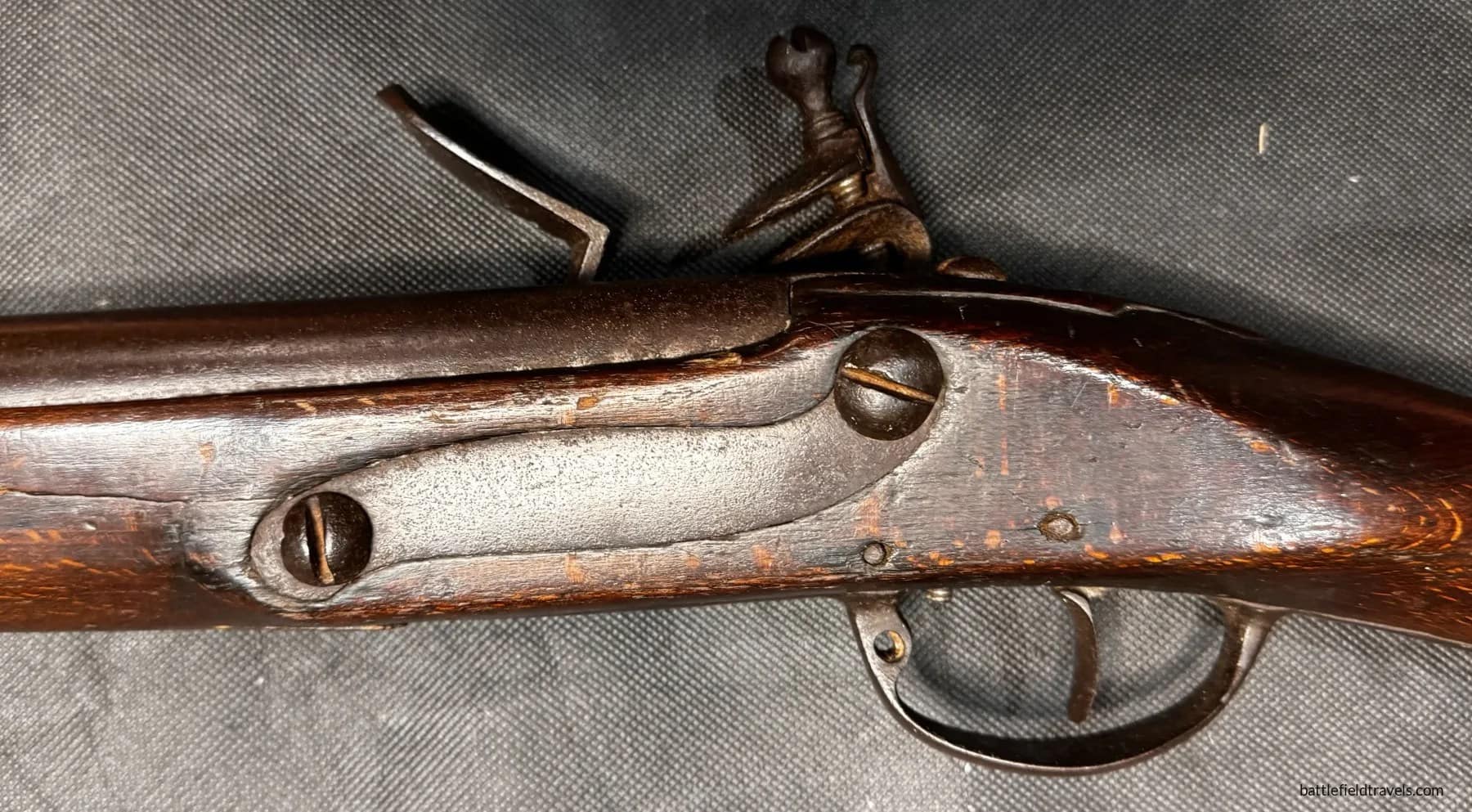
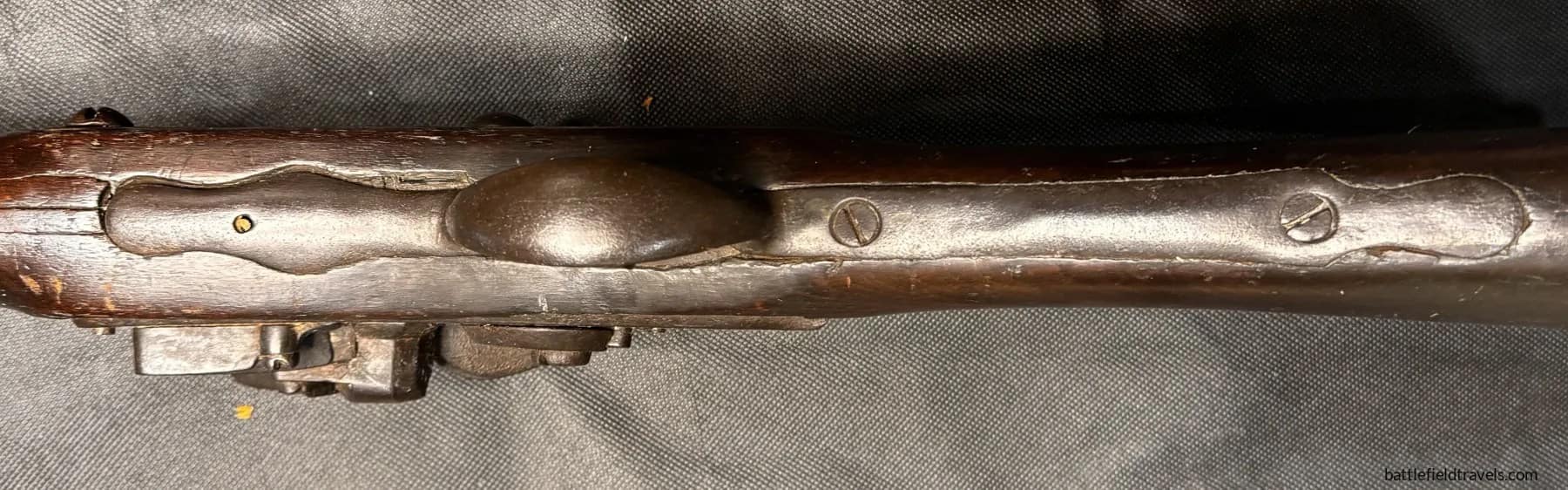
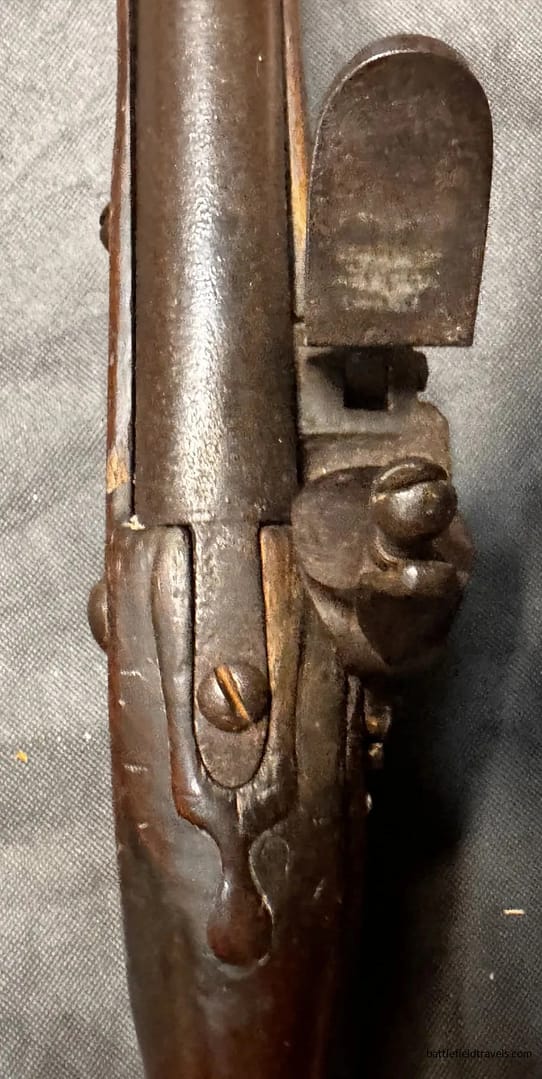
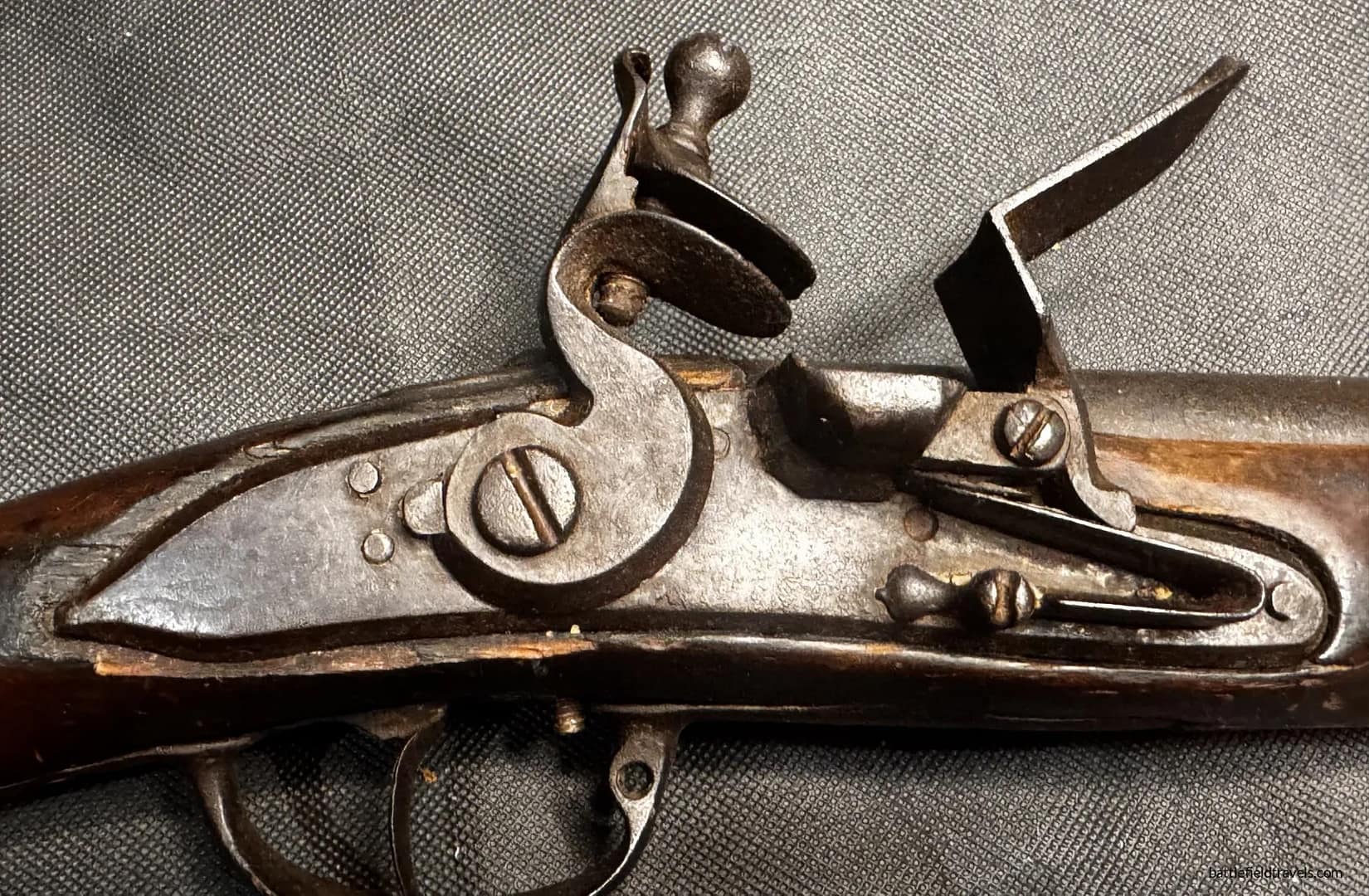
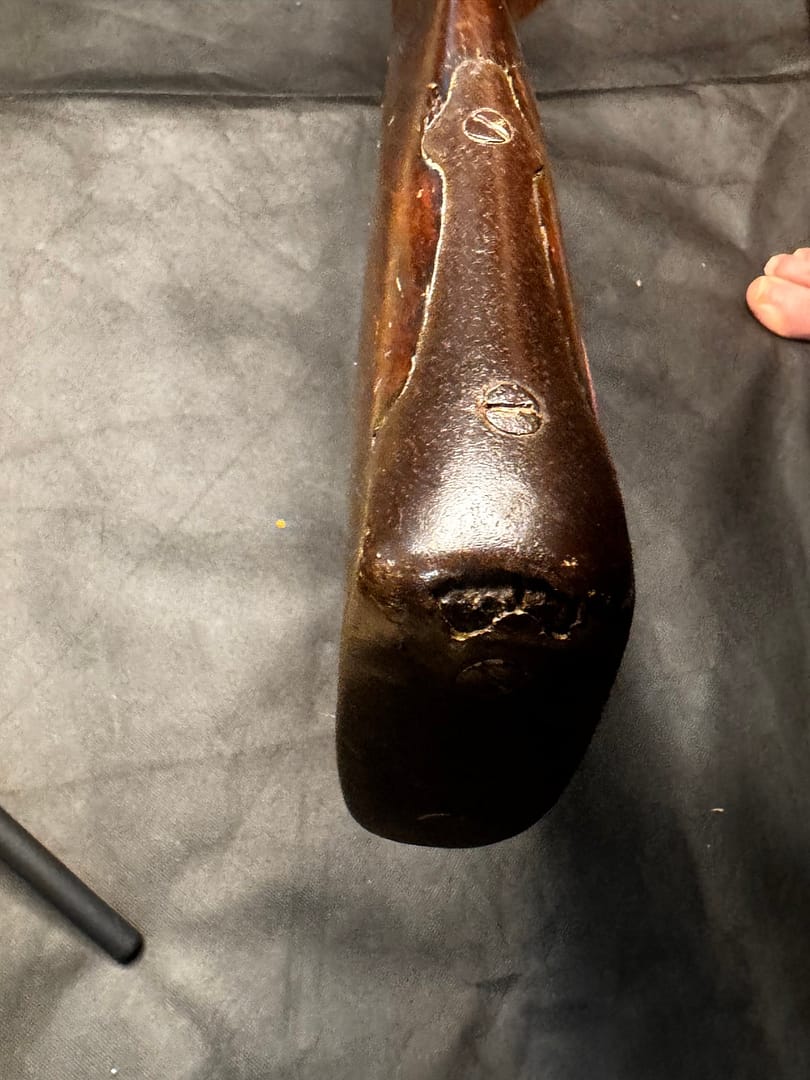
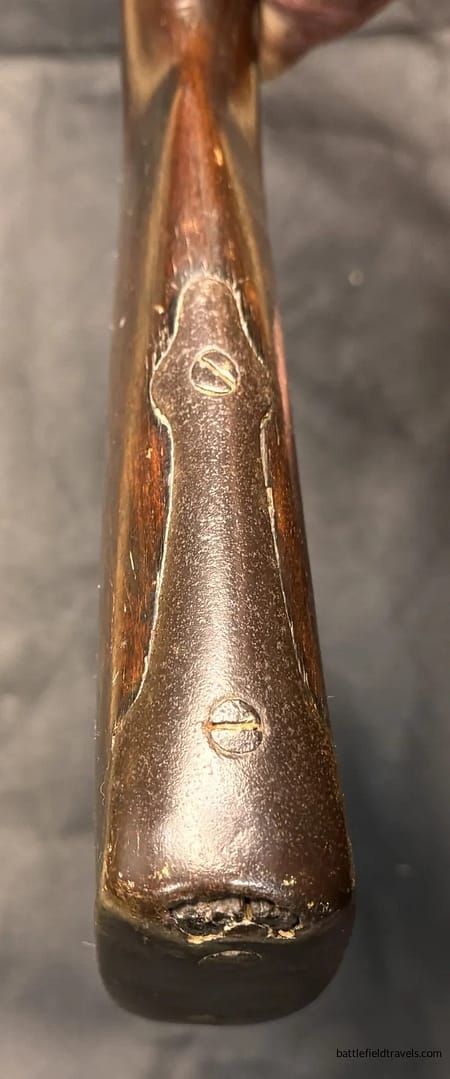
Model 1754 Austrian musket. From my personal collection.
The Austrian Model 1754 musket was the Habsburg Army’s standard .70-calibre infantry weapon during the War of Austrian Succession and the early Seven Years War. Built at Vienna and regional armouries, it featured a robust lock, wooden ramrod, and long barrel optimised for line-volley fire. Although heavier than contemporary Prussian muskets, it was durable and capable of sustained battlefield use. The M1754 armed the bulk of Austrian infantry battalions in Bohemia, Silesia, and Saxony.


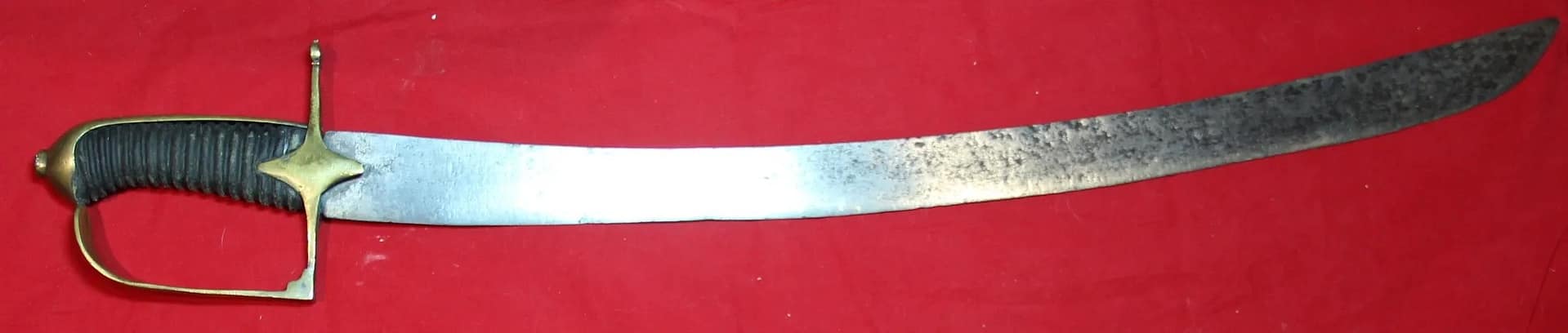
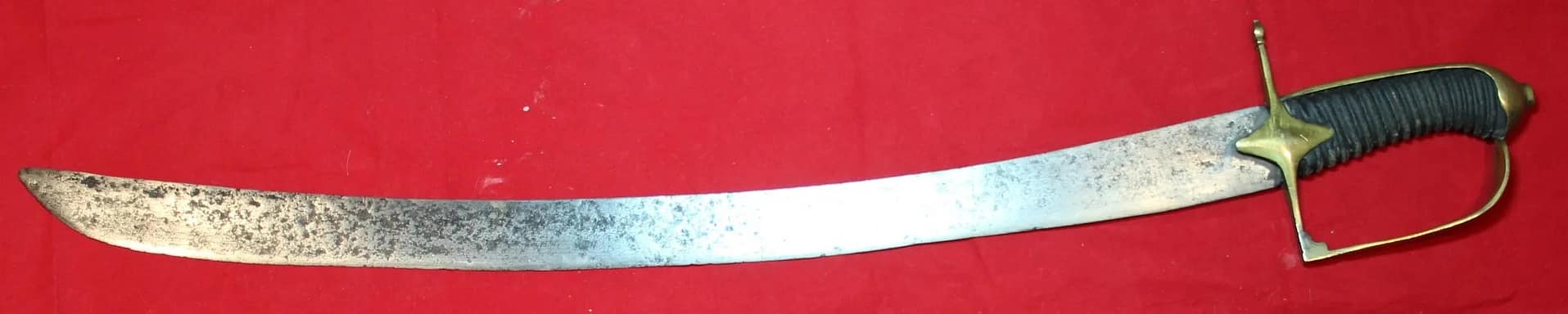
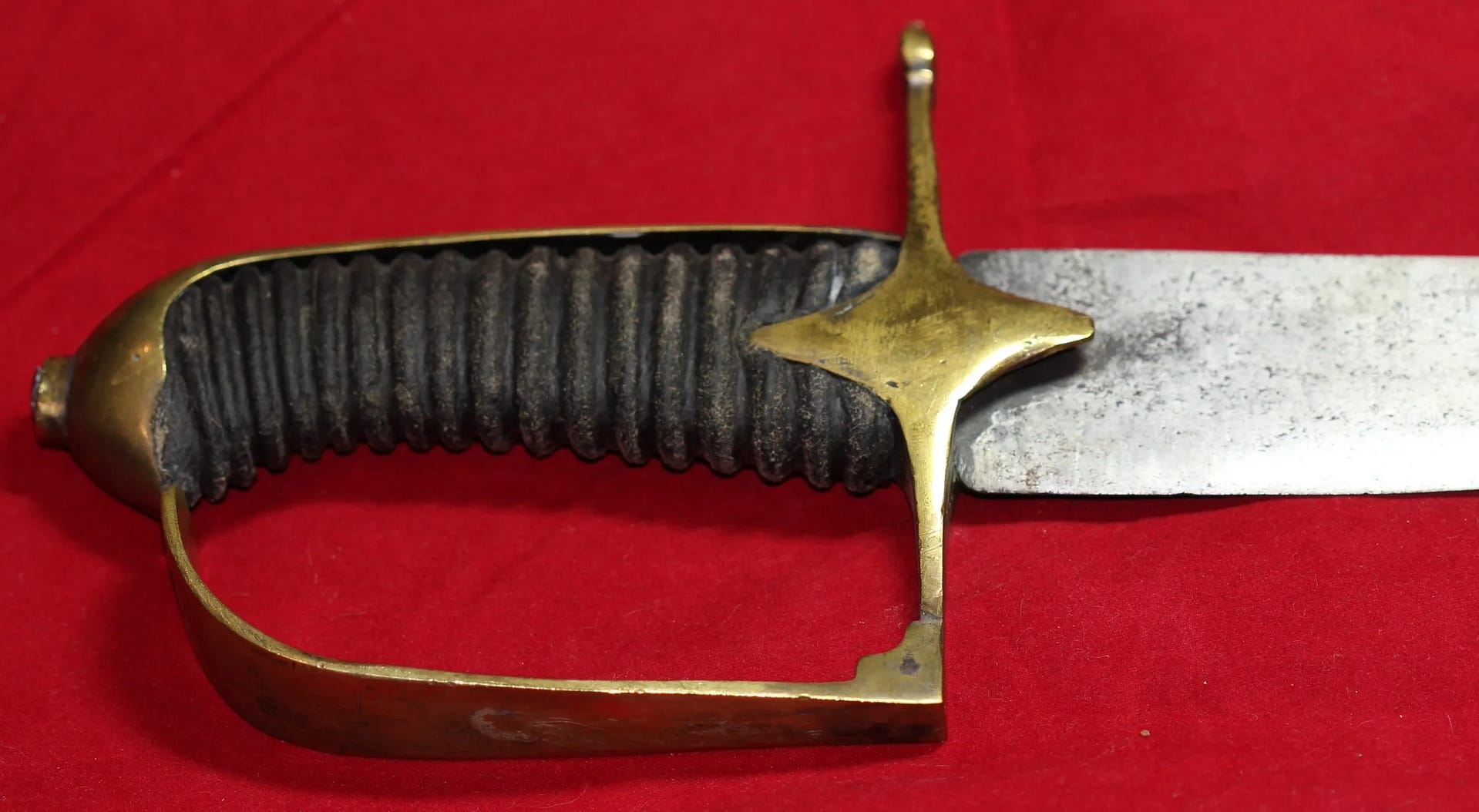
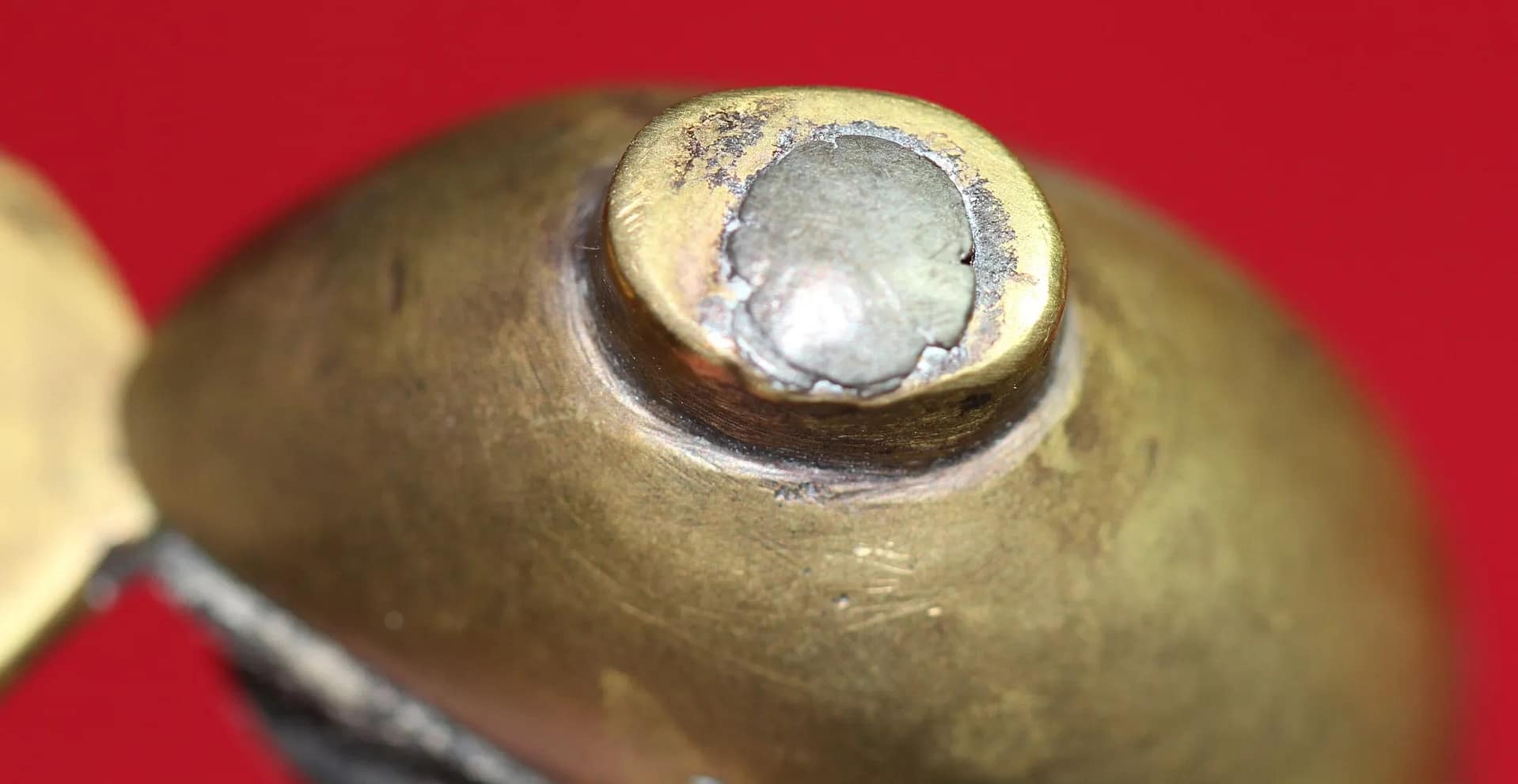
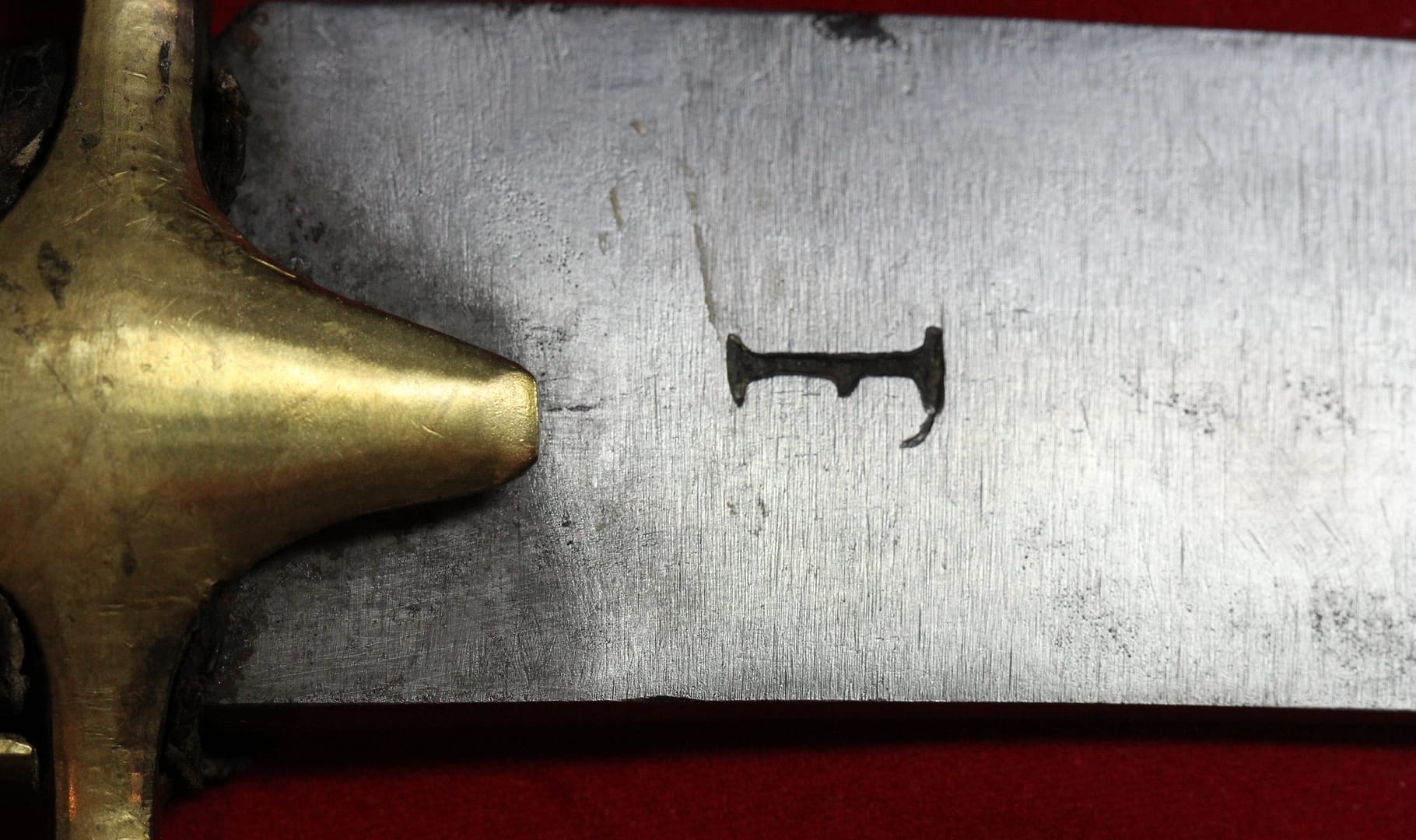
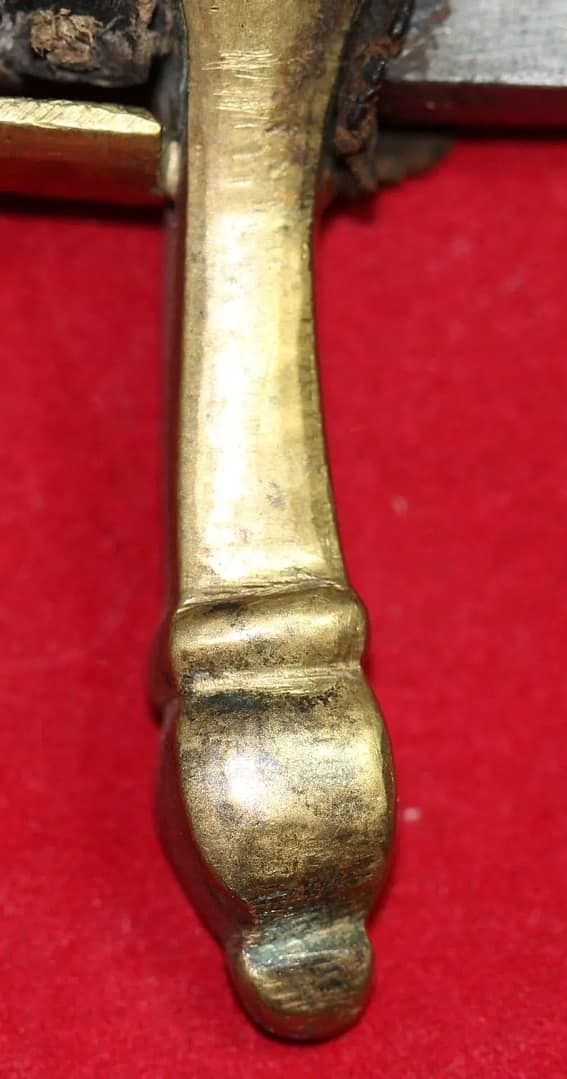
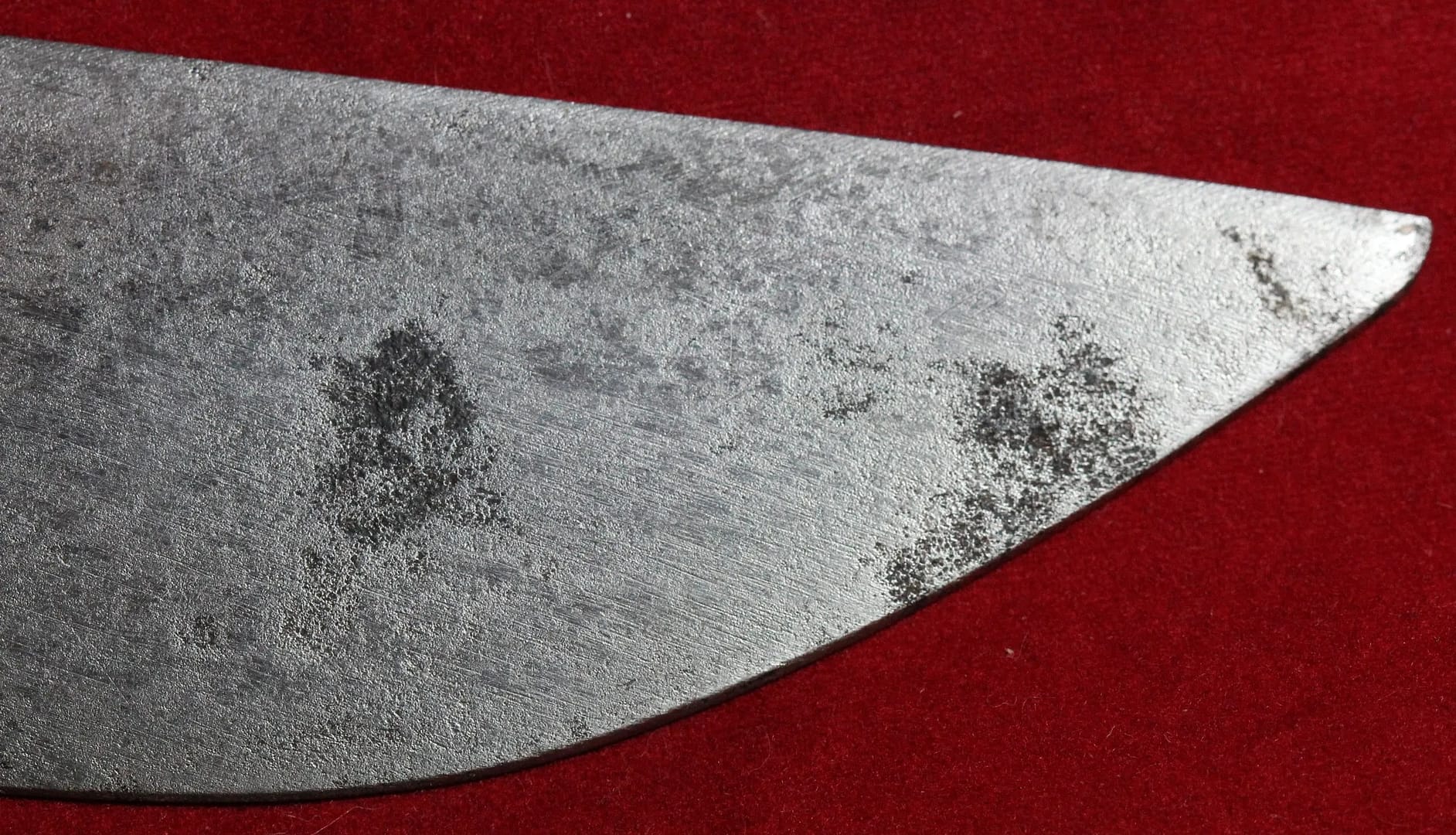
Circa 1760 Austrian Infantry hanger. From my personal collection.
The Austrian infantry hanger of circa 1760 was issued to grenadiers and chosen men during the Seven Years War. Featuring a broad, slightly curved blade and brass hilt with simple knucklebow, it was intended for close-in fighting where long muskets were unwieldy. Austrian hangers followed Germanic military design traditions and complemented the M1754 musket. Though increasingly ceremonial by the late 18th century, they remained practical weapons during the Silesian and Bohemian campaigns.
Russian Weapons of the Seven Years War
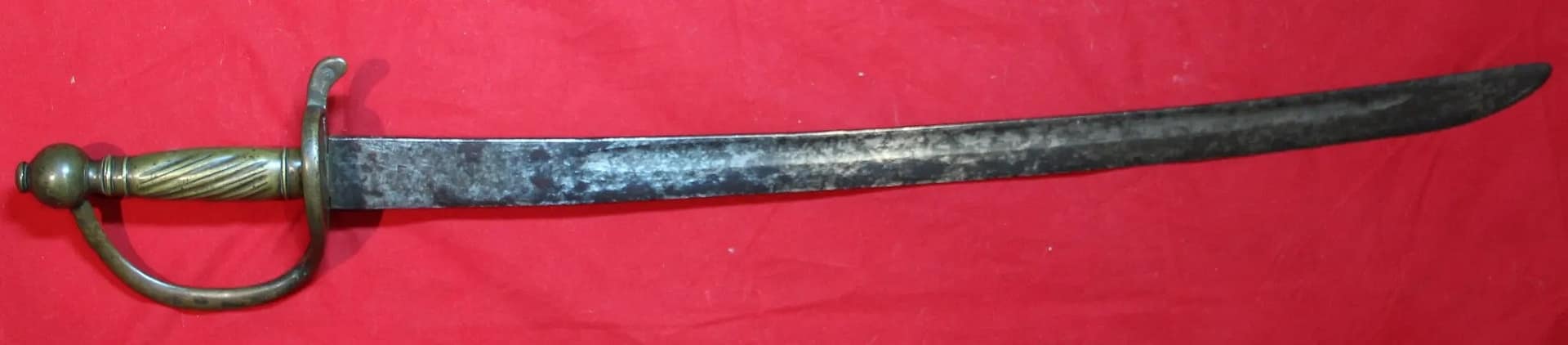
Circa 1760 Russian infantry hanger. From my personal collection.
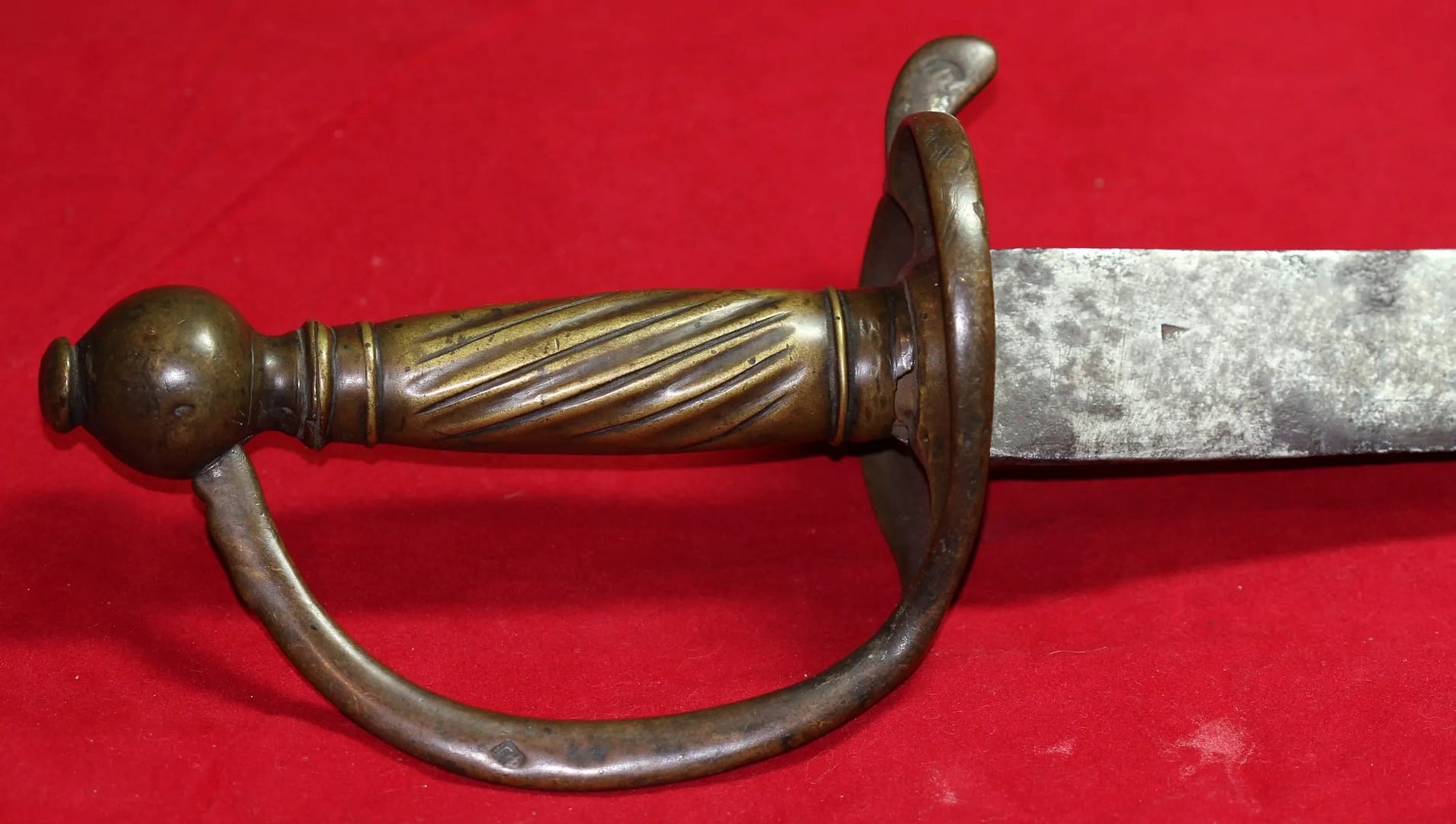
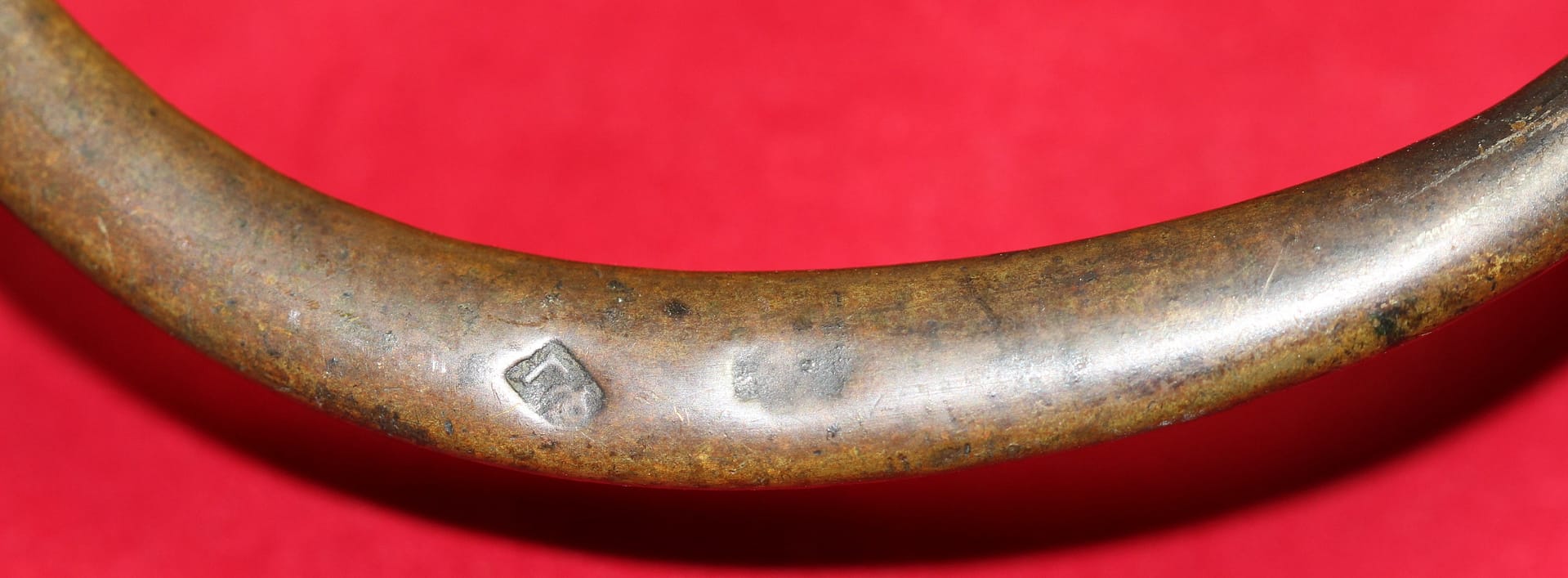
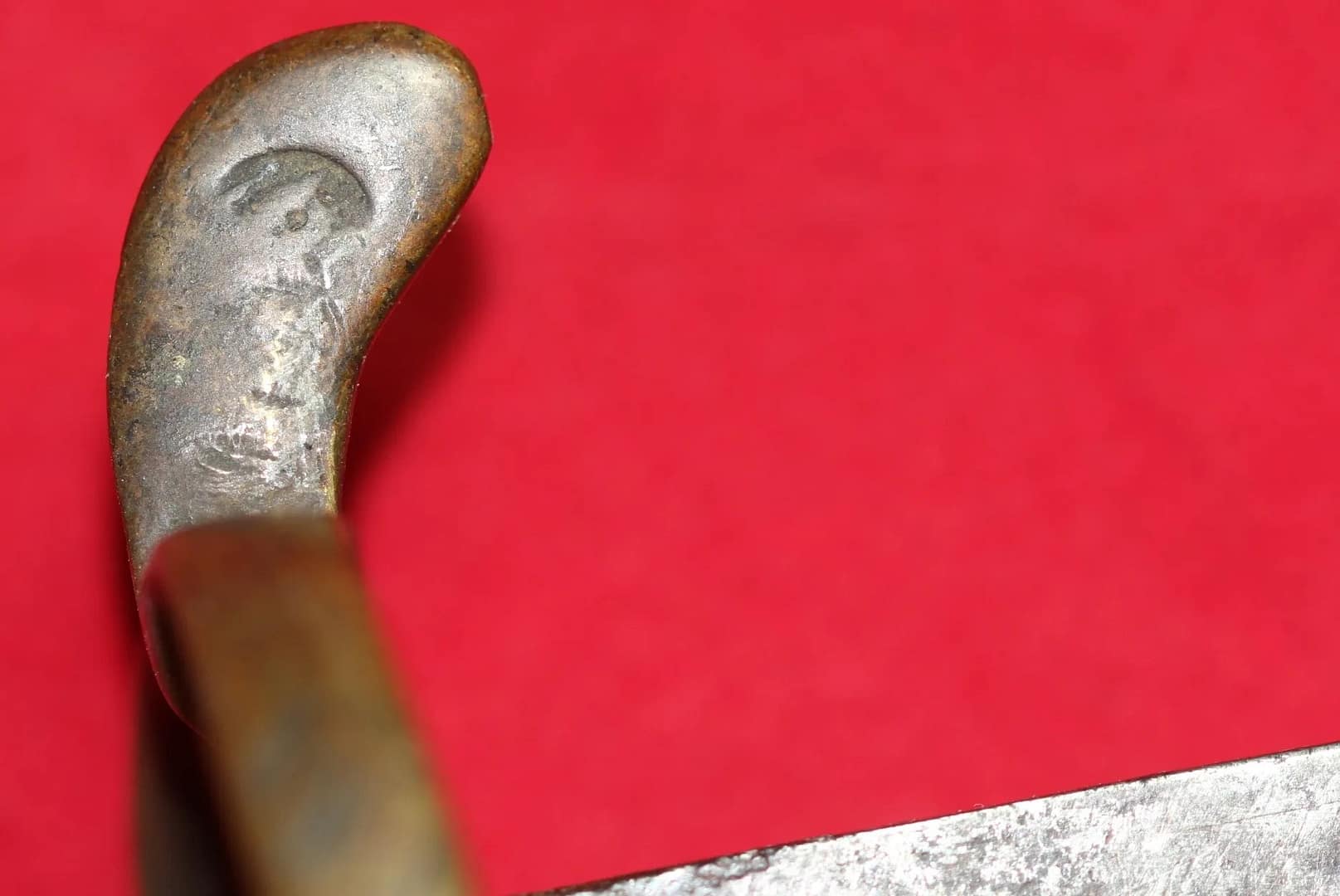
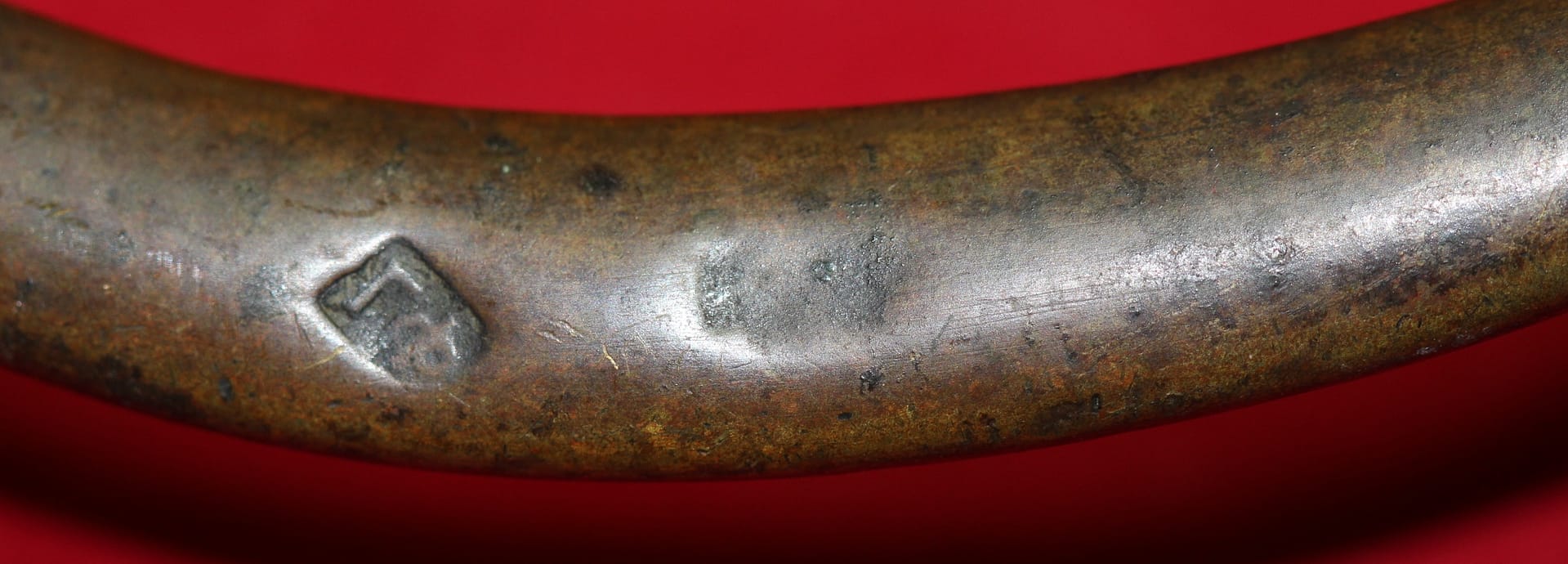
This mid-18th-century Russian infantry hanger features a curved blade and brass hilt in the style used by Elizabethan and early Catherine-era regiments. Carried by NCOs, grenadiers, and line infantry, hangers supplemented muskets during close combat and were used extensively in the Seven Years War against Prussia. Their design reflects Central and Eastern European influences, including Polish sabre traditions and earlier Russian shashka forms.

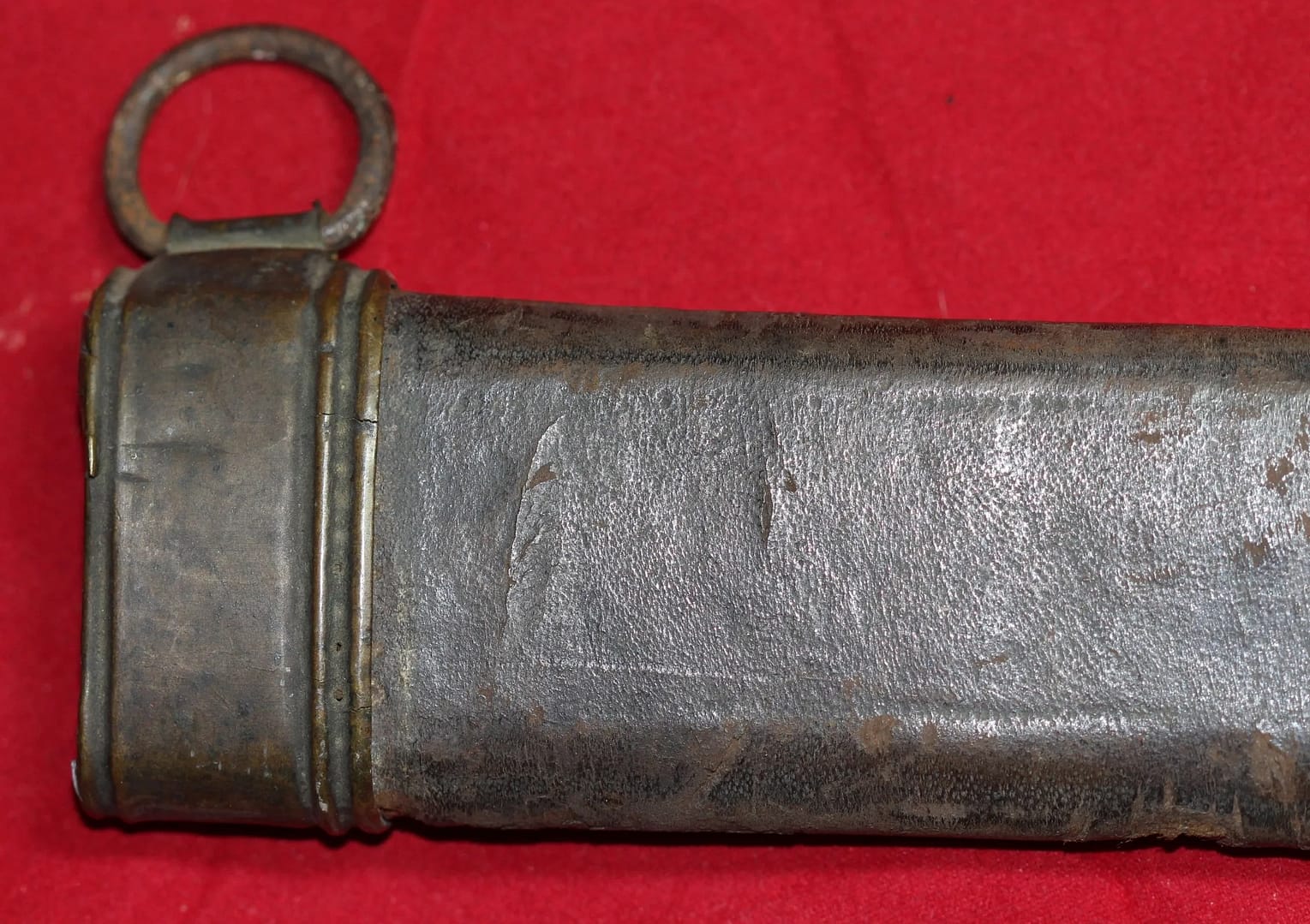
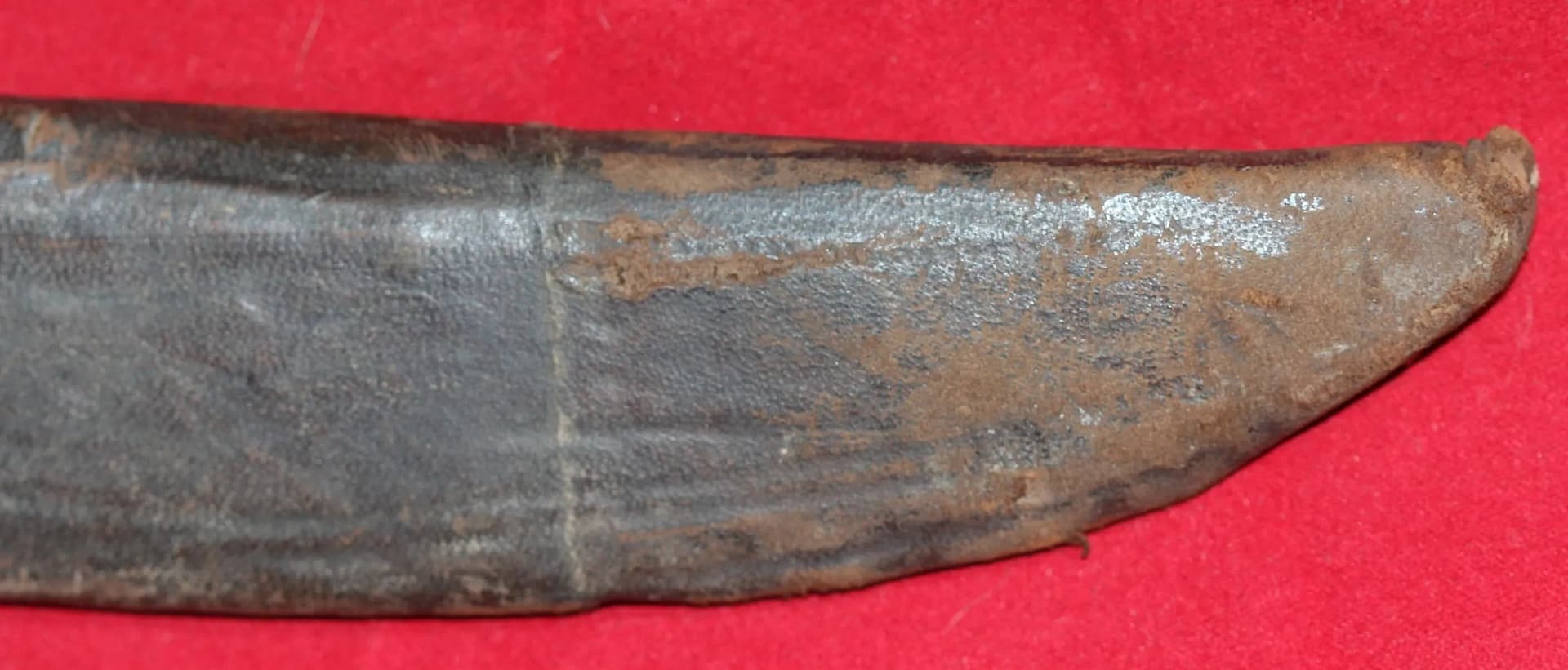
Found this useful? Buy me a coffee — it helps fund future battlefield research


Authored by Mick Prictor, a retired military officer with 40 years’ service, and a military historian specialising in terrain-focused analysis of tactics, doctrine, and command decision-making in land warfare. His work draws on extensive battlefield fieldwork—more than 280 sites worldwide—and one of the world’s largest private collections of historic military arms, uniforms, and equipment. About me
Seven Years War weapons FAQ
The war was fought primarily with smoothbore flintlock muskets such as the Pattern 1742 and 1756 British Brown Bess, French Model 1746, 1754, 1763 Charleville patterns, and Prussian Mod 1740 infantry muskets. These were supported by socket bayonets, muzzle-loading artillery, and cavalry swords. The basic infantry weapons were broadly similar across European armies.
Smoothbore flintlock muskets defined how battles were fought, shaping linear tactics, close-order formations, and controlled volleys. Their limited range and accuracy made discipline, drill, and coordinated firepower essential to battlefield success.
Yes. Although armies began the war with established flintlock systems, operational experience led to improvements. British forces shortened musket barrels after fighting in North America, while artillery and logistical reforms reflected the increasing importance of firepower and mobility.
Artillery played a growing role throughout the conflict. By 1763, guns formed a larger proportion of field armies than at the start of the war, reflecting improvements in organisation, mobility, and battlefield integration.
After observing the superior Prussian artillery at Chotusitz and other battles, Prince Joseph Wenzel of Liechtenstein was instrumental in developing Austrian artillery reforms that emphasised standardisation, mobility, and improved organisation, influencing artillery practice across Europe.
Rifles were used in limited numbers, primarily by specialist light infantry units and frontier troops, particularly in North America. However, the vast majority of soldiers were equipped with smoothbore muskets.
The war represents the mature phase of linear warfare and demonstrated the importance of professional standing armies, disciplined firepower, and artillery coordination. Lessons learned influenced military reforms in the late eighteenth century.
The artefacts illustrate how soldiers were equipped and supplied during the conflict and highlight the dominance of the flintlock system alongside the growing importance of artillery and logistical organisation.
Subscribe to Battlefield Travels and receive a free E-Book Battlefield Guide
Unlock expert battlefield analysis, campaign reconstructions, and historical insights drawn from firsthand exploration and primary sources.
🗺️ You’ll receive:
🎖️ Exclusive historical insights you won’t find elsewhere
📘 A free eBook: 10 Tips for Exploring Historic Battlefields
📰 New battlefield studies straight to your inbox as they are published

⚔️ Go deeper — Members get exclusive access to the Deep Research Collection, Field Notes, and monthly Research Dispatches. Try membership free for 7 days, cancel anytime. From $9/month.