Overview of the American Revolution
The American Revolution (1775–1783) was both a colonial uprising and an international war. What began as a dispute over taxation and representation between Britain and its American colonies expanded into a global conflict as France, Spain, and the Dutch Republic entered the war. Fighting took place across North America, the Caribbean, the Atlantic, and beyond, transforming a rebellion into part of a wider struggle between European powers.
In North America, campaigns ranged from New England to the Carolinas. Battles such as Bunker Hill (1775), Trenton (1776), and Saratoga (1777) demonstrated the resilience of the Continental Army under George Washington and the importance of European support. Later fighting in the southern colonies, including Kings Mountain (1780), Cowpens (1781), and Yorktown (1781), reflected the increasingly complex nature of the war, combining conventional operations with irregular fighting.
Weapons, equipment, and battlefield adaptation
From a military perspective, the American Revolution represents the export of the mature European flintlock linear warfare system into a very different operational environment. Armies on both sides were equipped primarily with smoothbore flintlock muskets such as the British Land Pattern (“Brown Bess”) and French Charleville, fitted with socket bayonets and supported by muzzle-loading artillery.
At the same time, the conflict encouraged greater use of light infantry tactics, skirmishing, and open-order fighting, particularly in wooded terrain and frontier environments. American militia forces, Continental regulars, British line infantry, Hessian auxiliaries, and French expeditionary troops all brought different equipment traditions, reflecting the diversity of 18th-century military systems.
Naval power, blockades, and privateering played an essential role in shaping the strategic outcome, while artillery and logistics were critical in major sieges such as Yorktown. The uniforms, muskets, artillery, and equipment of this period illustrate both the high point of eighteenth-century flintlock warfare and the adaptations required to fight across varied terrain and theatres.
Studying these artefacts provides insight into how European military systems were adapted to colonial conditions during one of the defining conflicts of the late eighteenth century.
👉 For historical context and battlefield studies, see → American Revolution Conflict Page
All artefacts shown are from my personal collection and photographed firsthand.
Related Battle Studies, Museum Pieces & Reading Resources


Long Guns of the American Revolutionary War
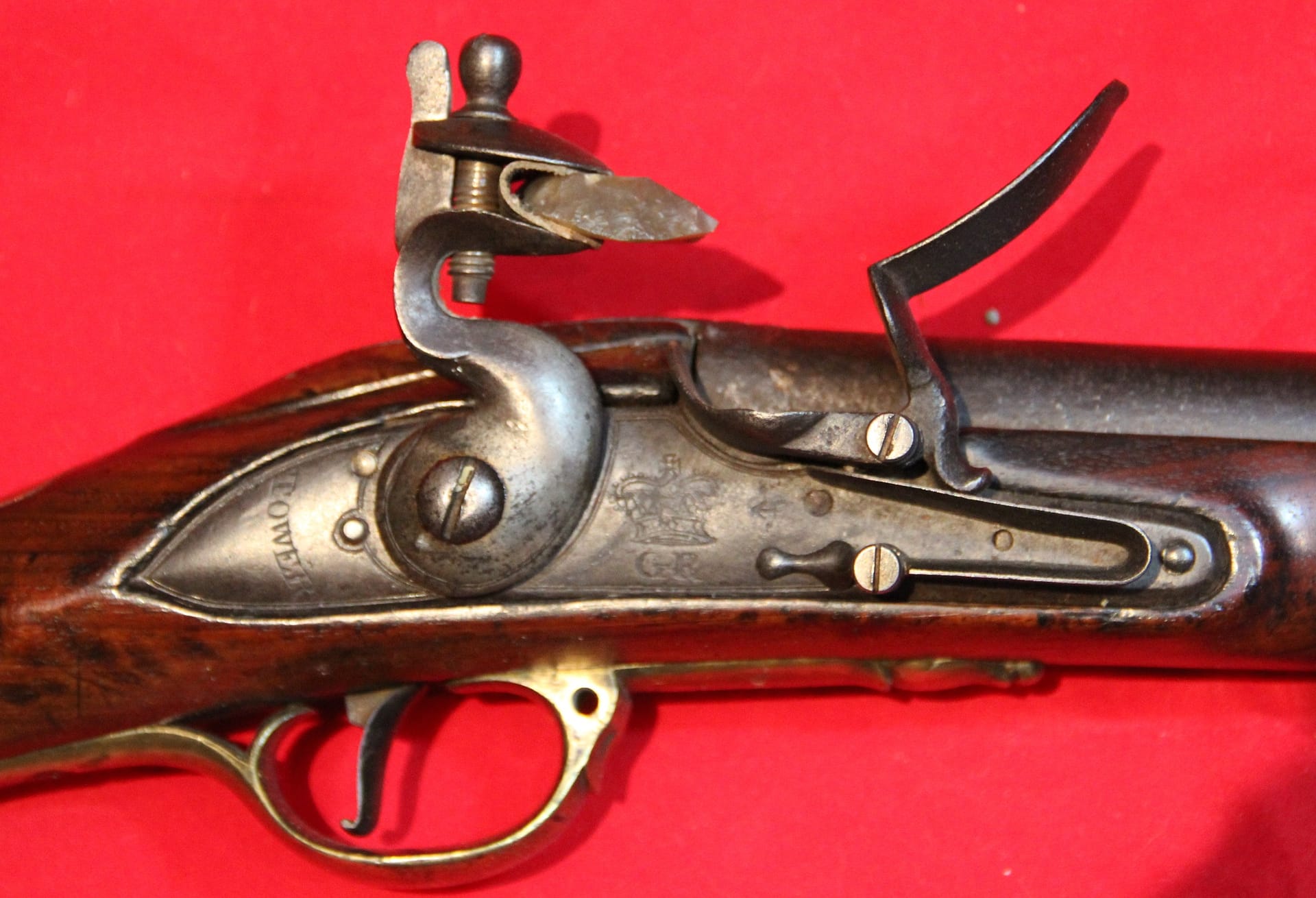
Pattern 1756 Long Land Musket, marked to the 27th Regiment, Enniskillen Fusiliers. From my personal collection.
This Pattern 1756 Long Land musket, marked to the 27th Regiment of Foot (Enniskillen Fusiliers), represents the British Army’s primary infantry weapon during the mid-Seven Years War period. A .75-calibre flintlock with a 46-inch barrel, it incorporated improvements to lock strength, furniture, and bayonet fit over the earlier Pattern 1742. The 27th Foot served extensively in North America—including Louisbourg, Ticonderoga, and Quebec—making marked examples extremely scarce. Regimental branding reflects the period practice of unit-level property control on arms issued for overseas campaigning.


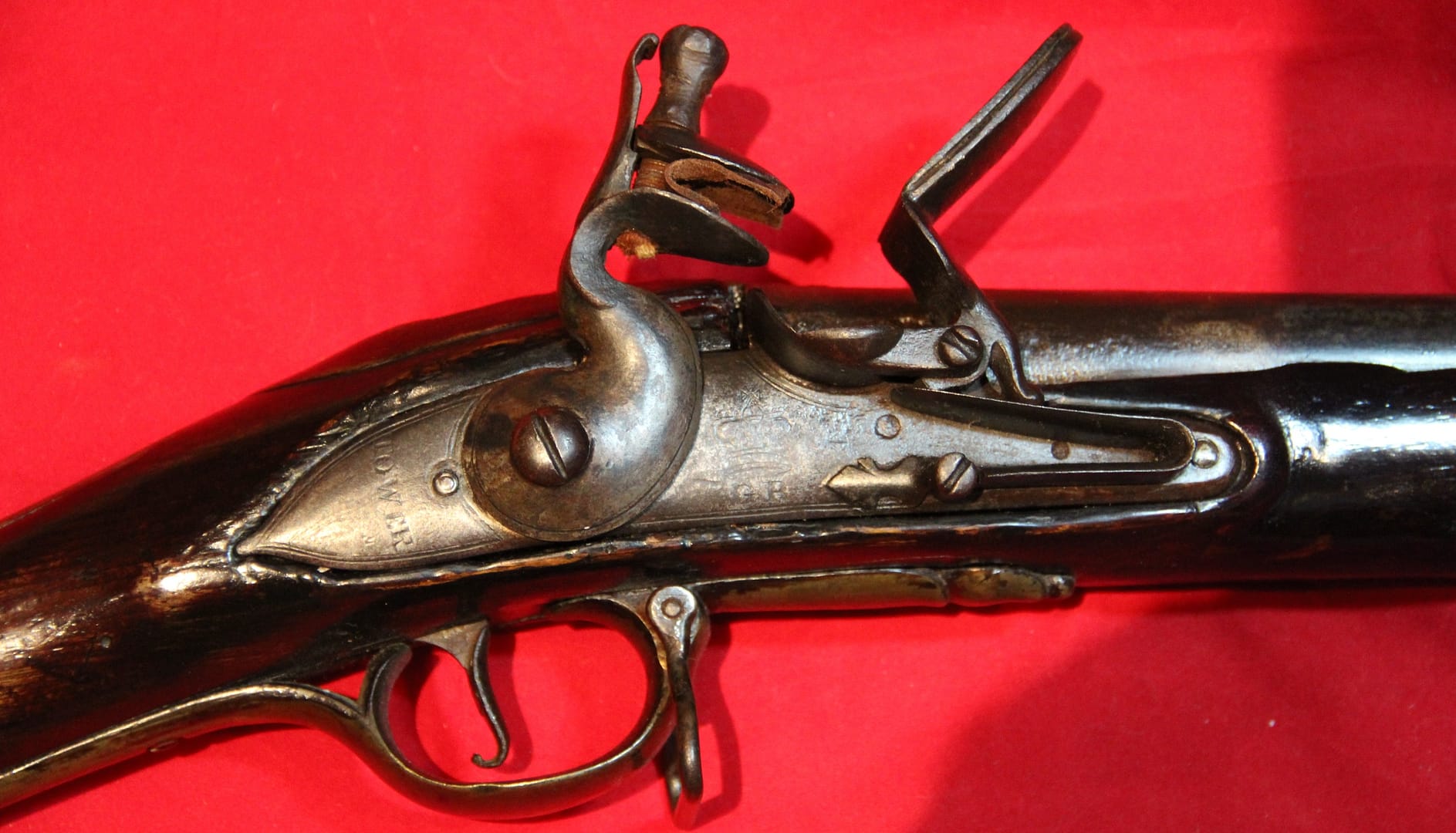
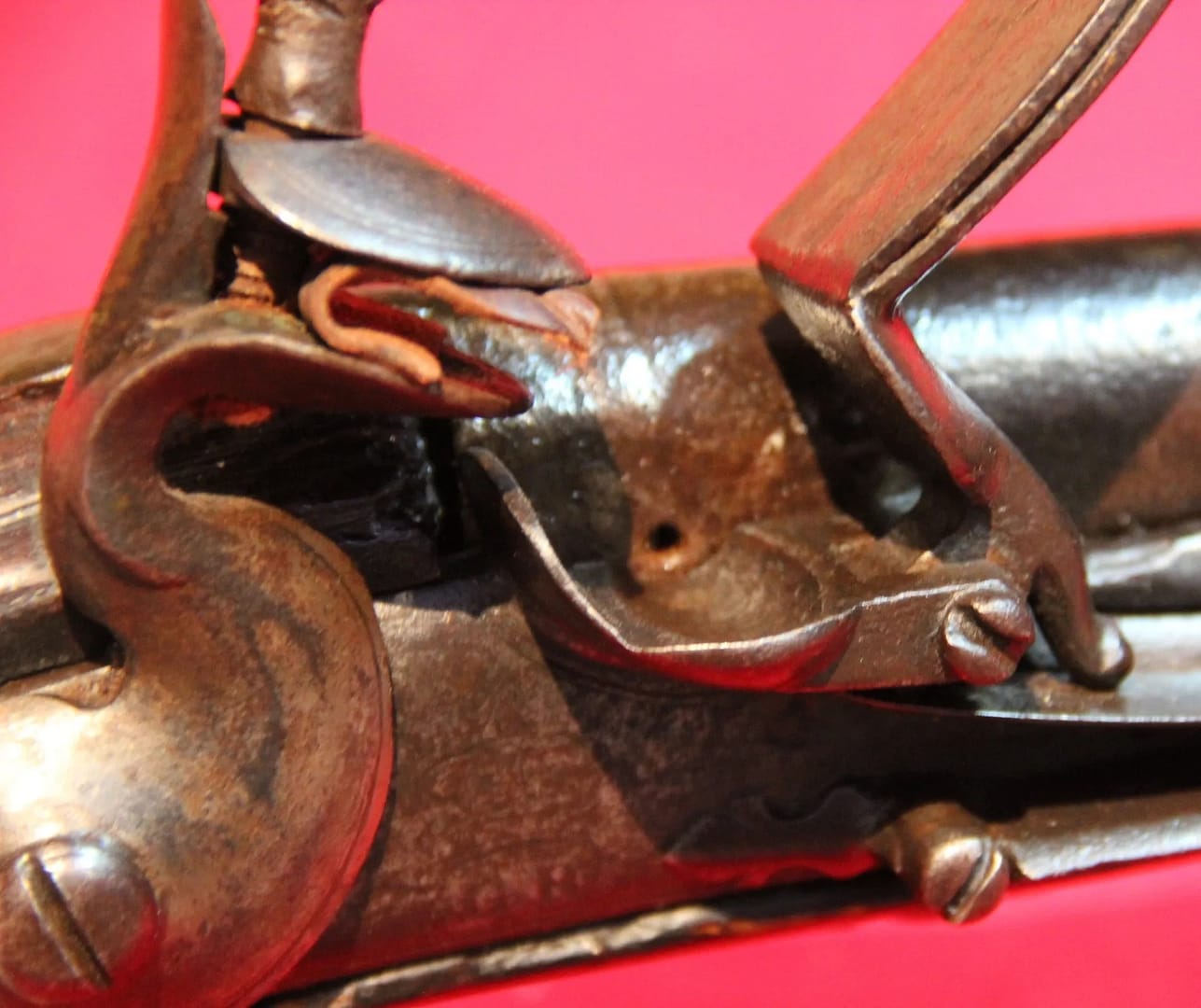
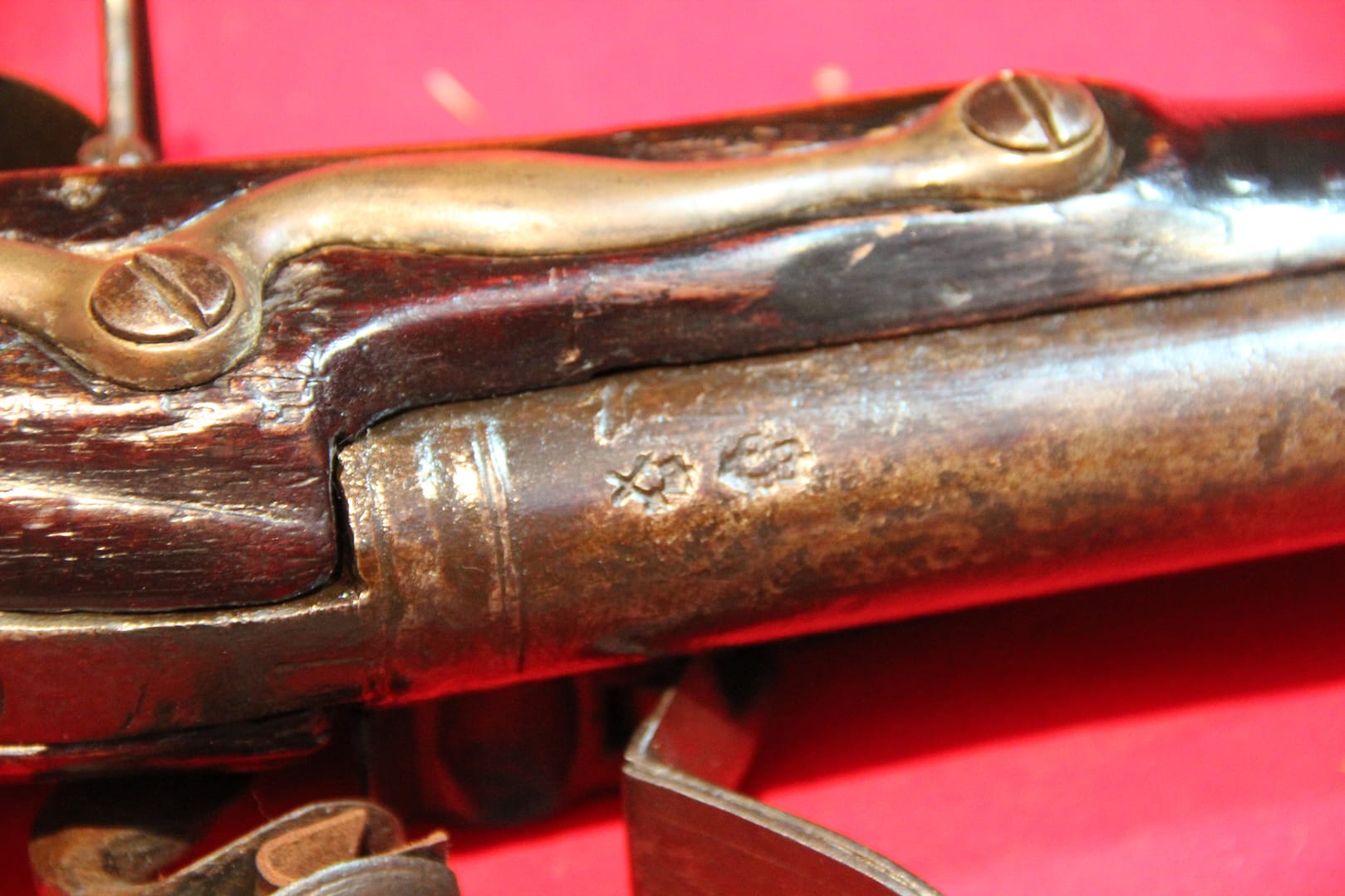
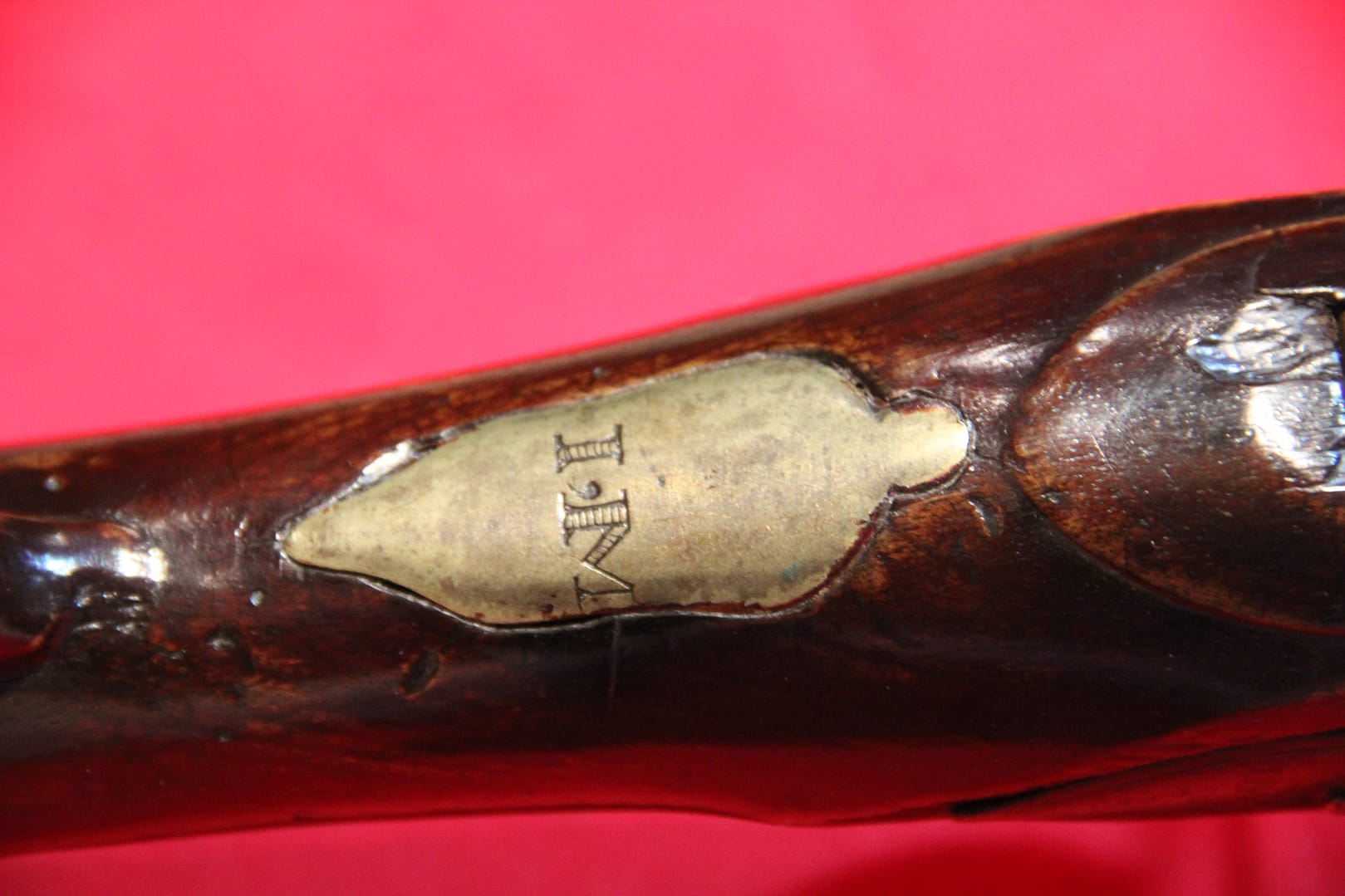
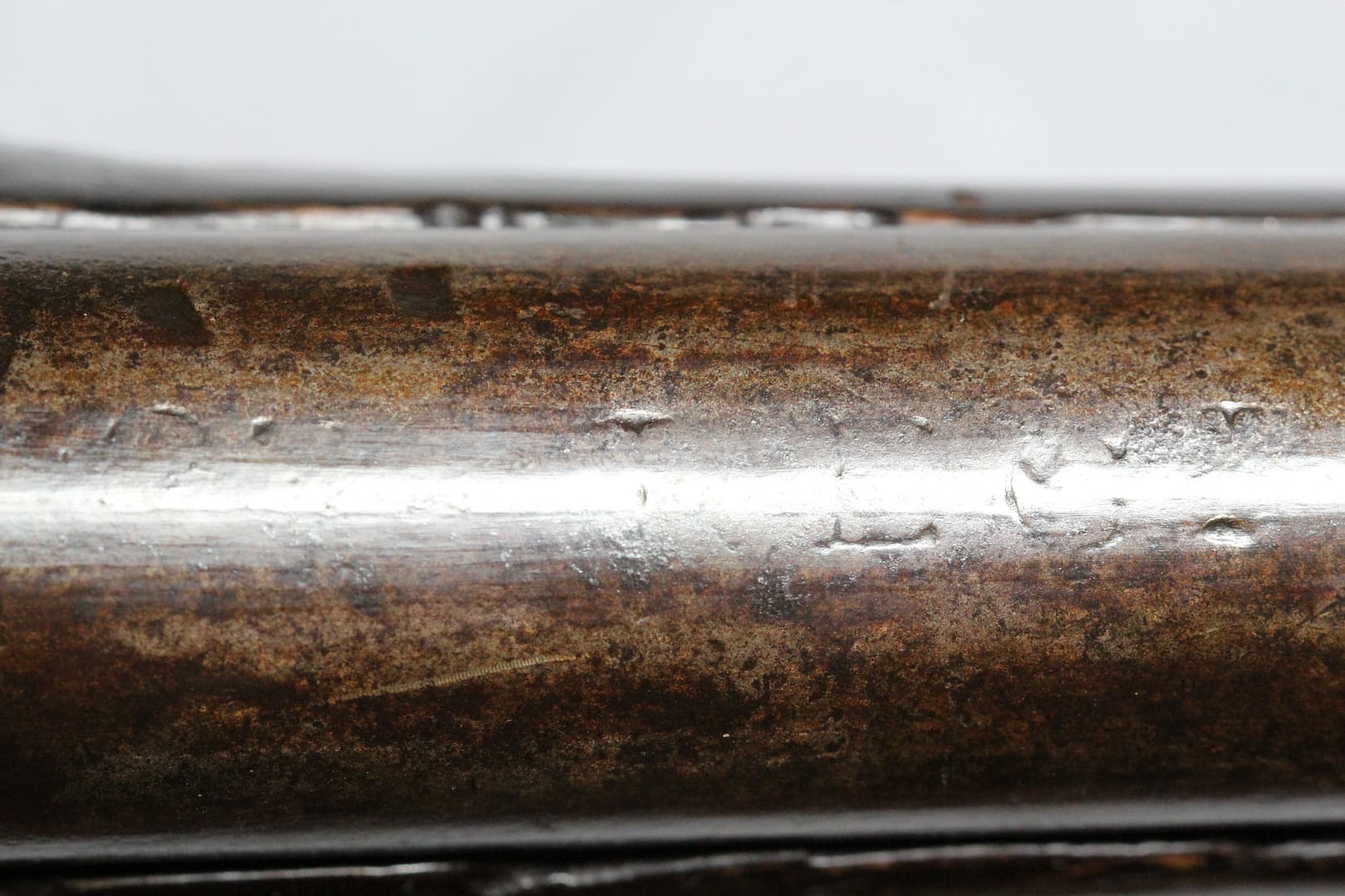
1768 Short Land Pattern Brown Bess, Marked to ’60th Regiment’ (Royal Americans). From my personal collection.
This 1768 Short Land Pattern Brown Bess, marked to the 60th Regiment of Foot (Royal Americans), represents one of the most important British infantry arms of the late 18th century. A .75-calibre flintlock with a 42-inch barrel, the Short Land was lighter and more manoeuvrable than earlier Long Land patterns. The 60th Foot—raised in North America with mixed colonial and European recruits—served throughout the Seven Years War, Pontiac’s War, and the American Revolution. Regimental-marked examples are scarce, reflecting frontier service and hard use.


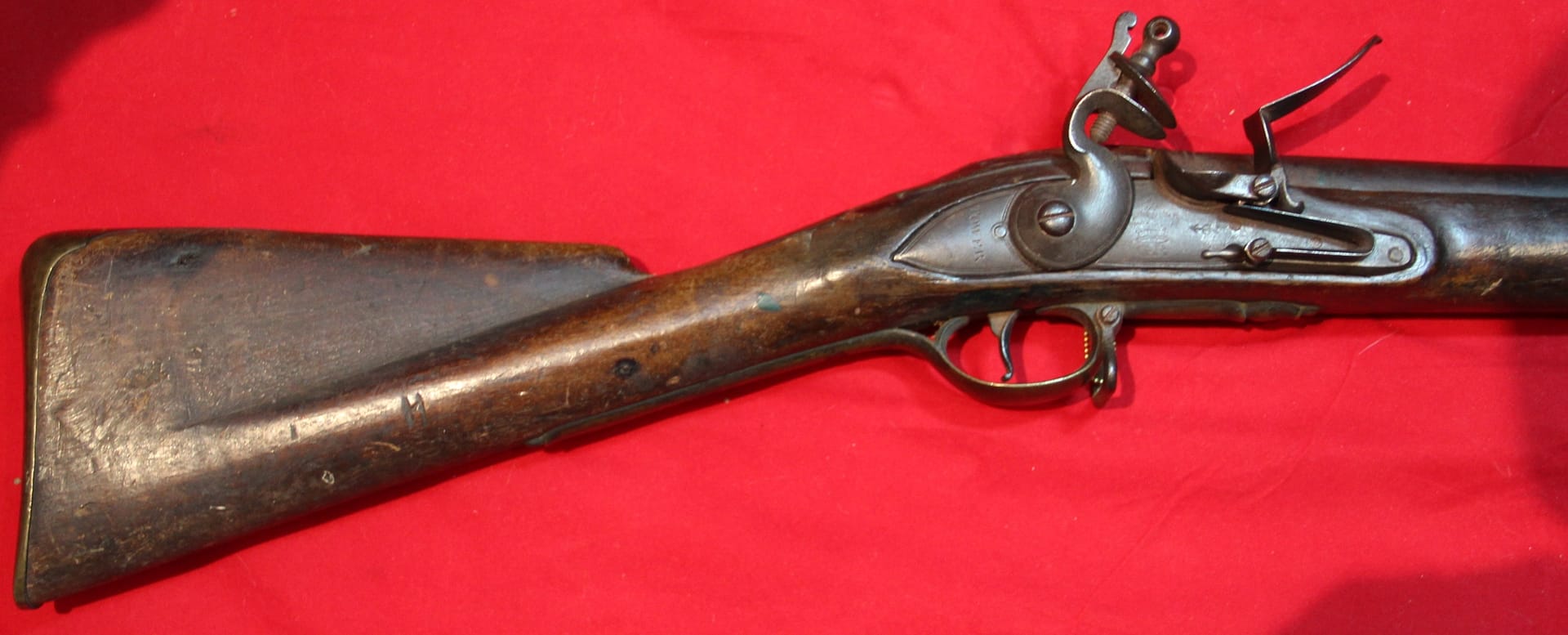
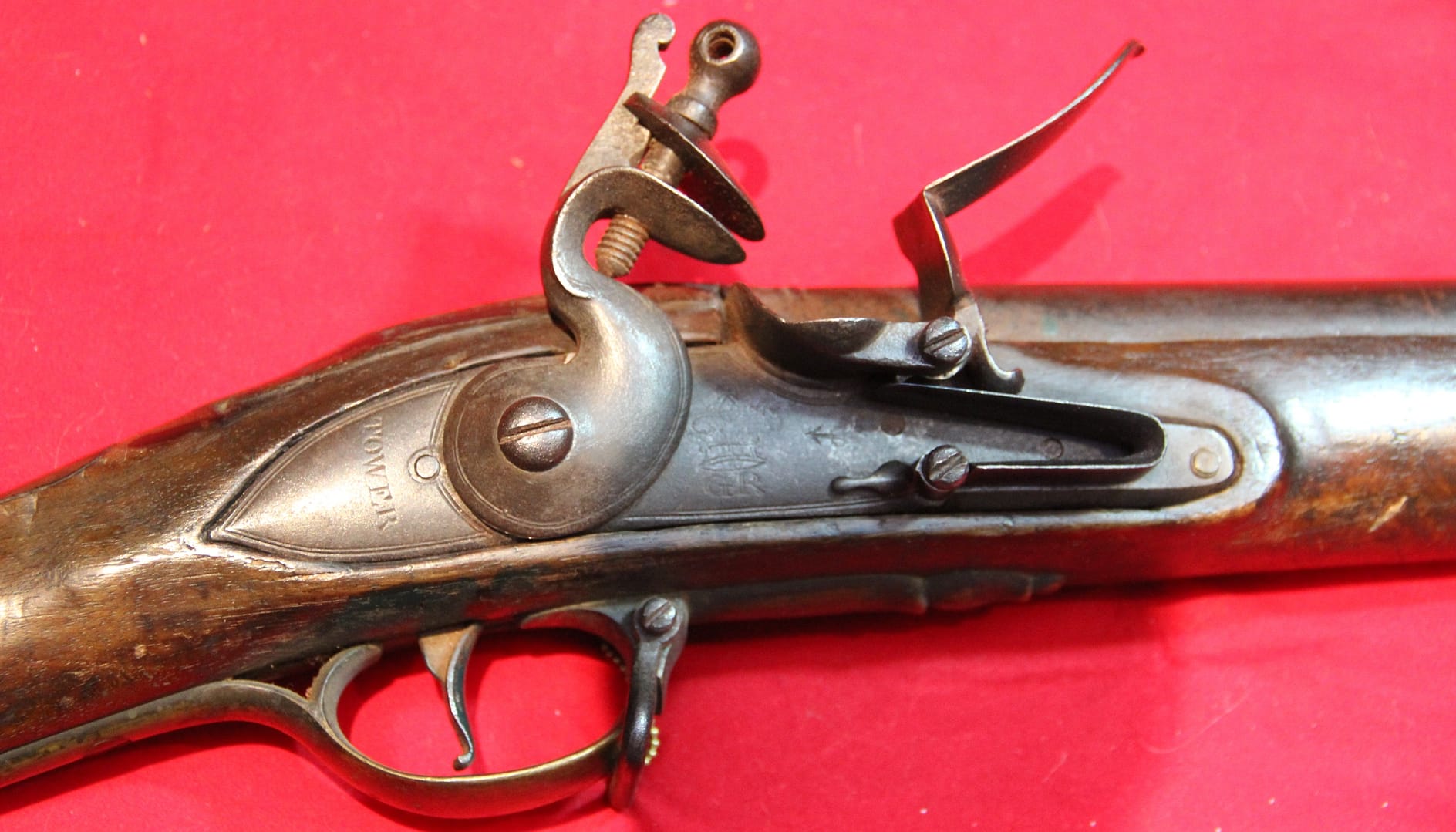
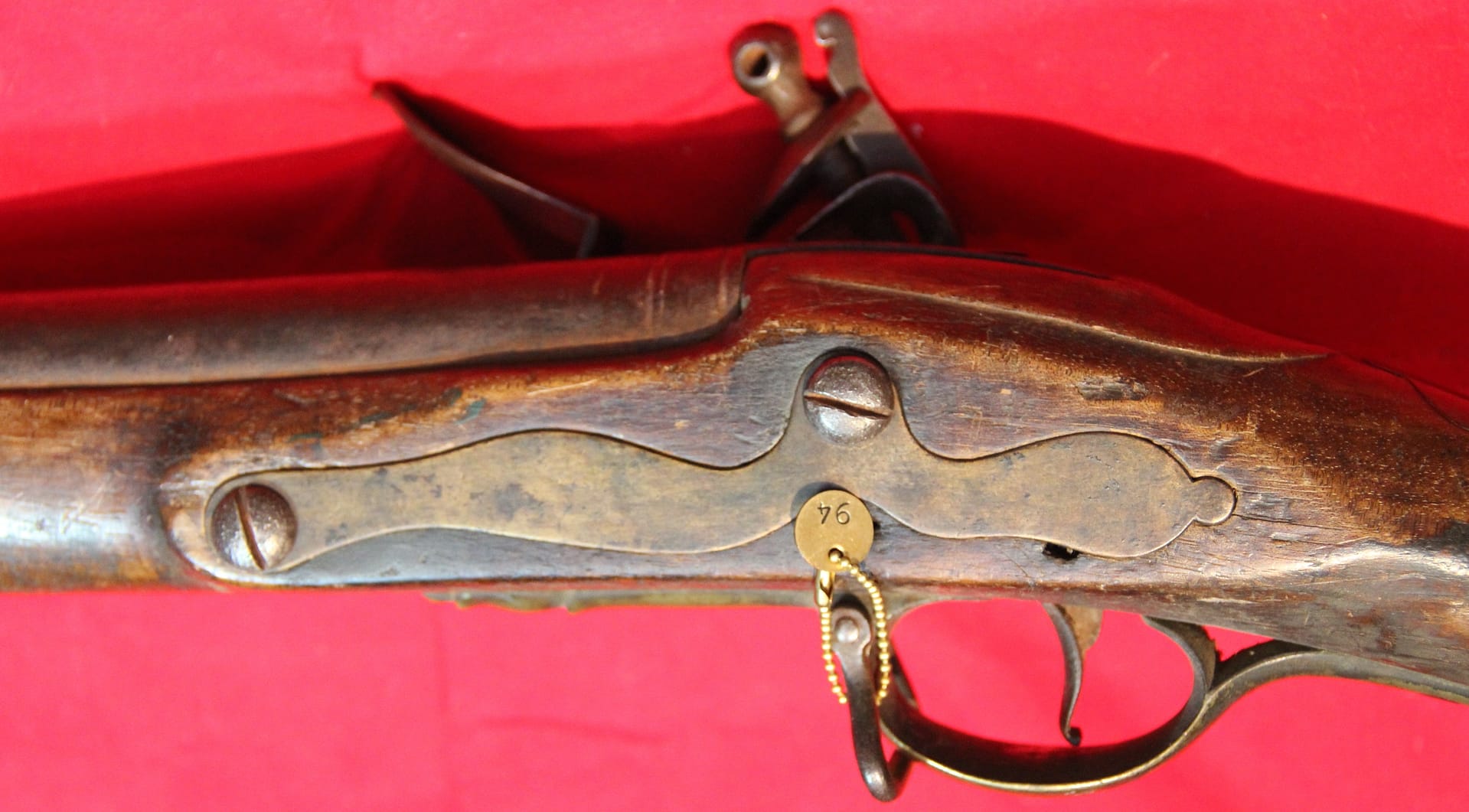
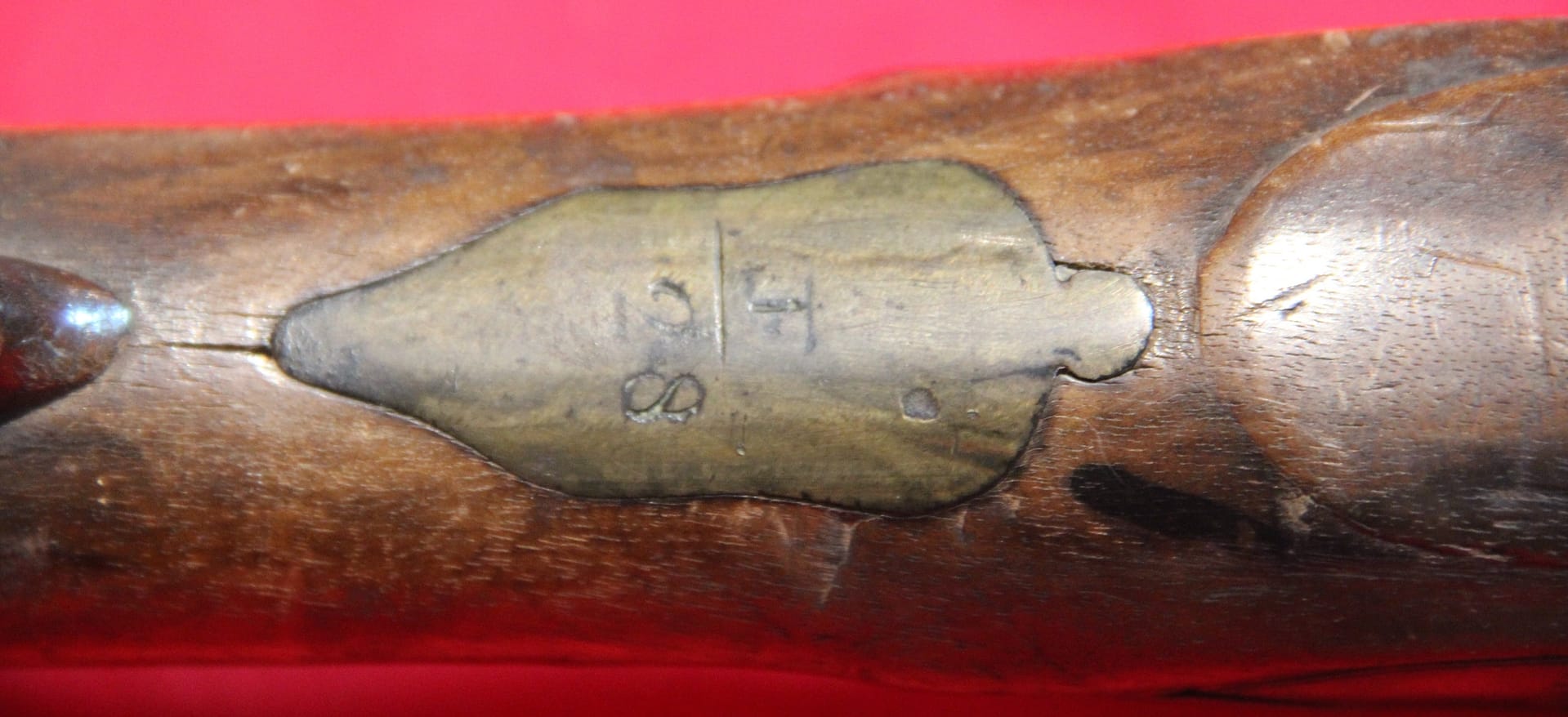
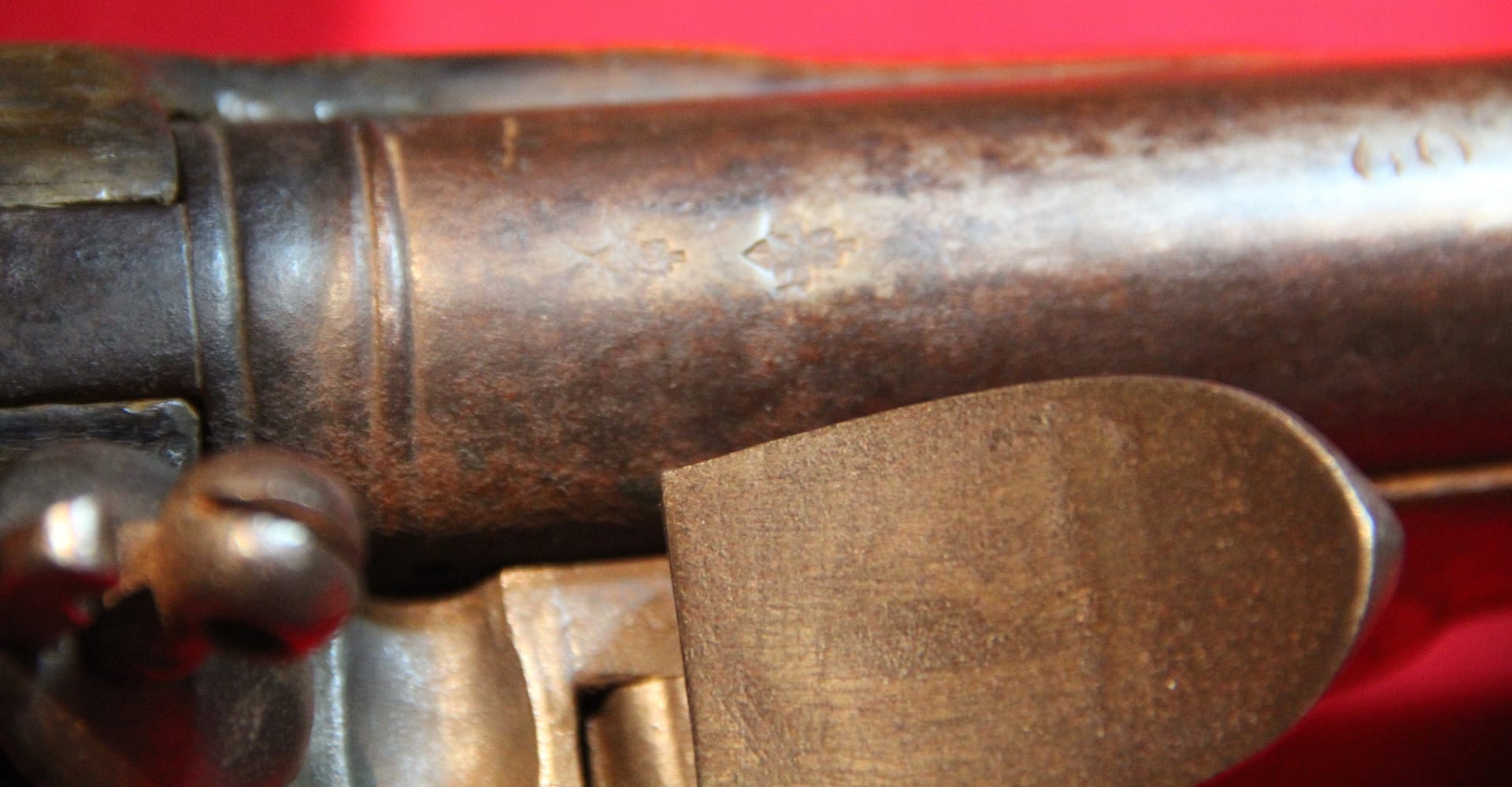
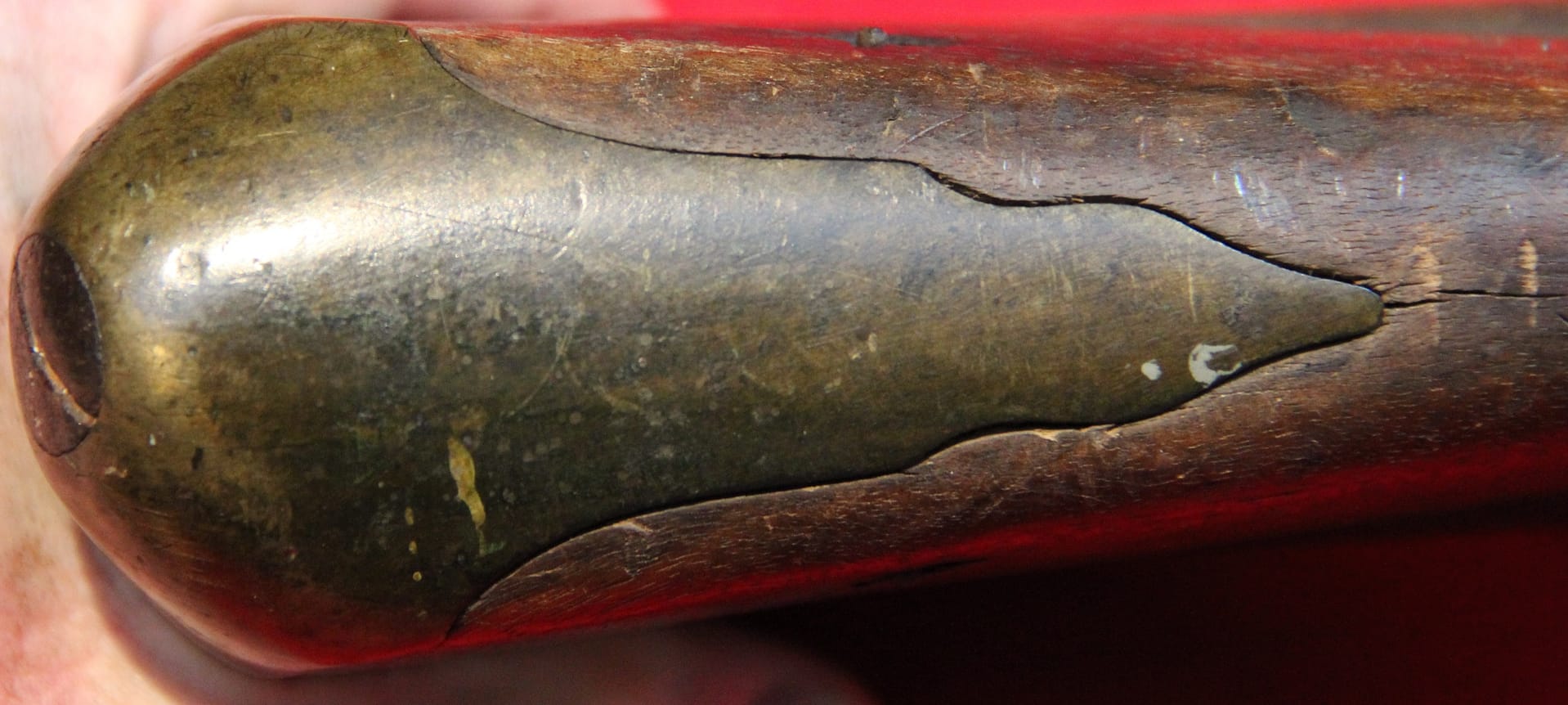
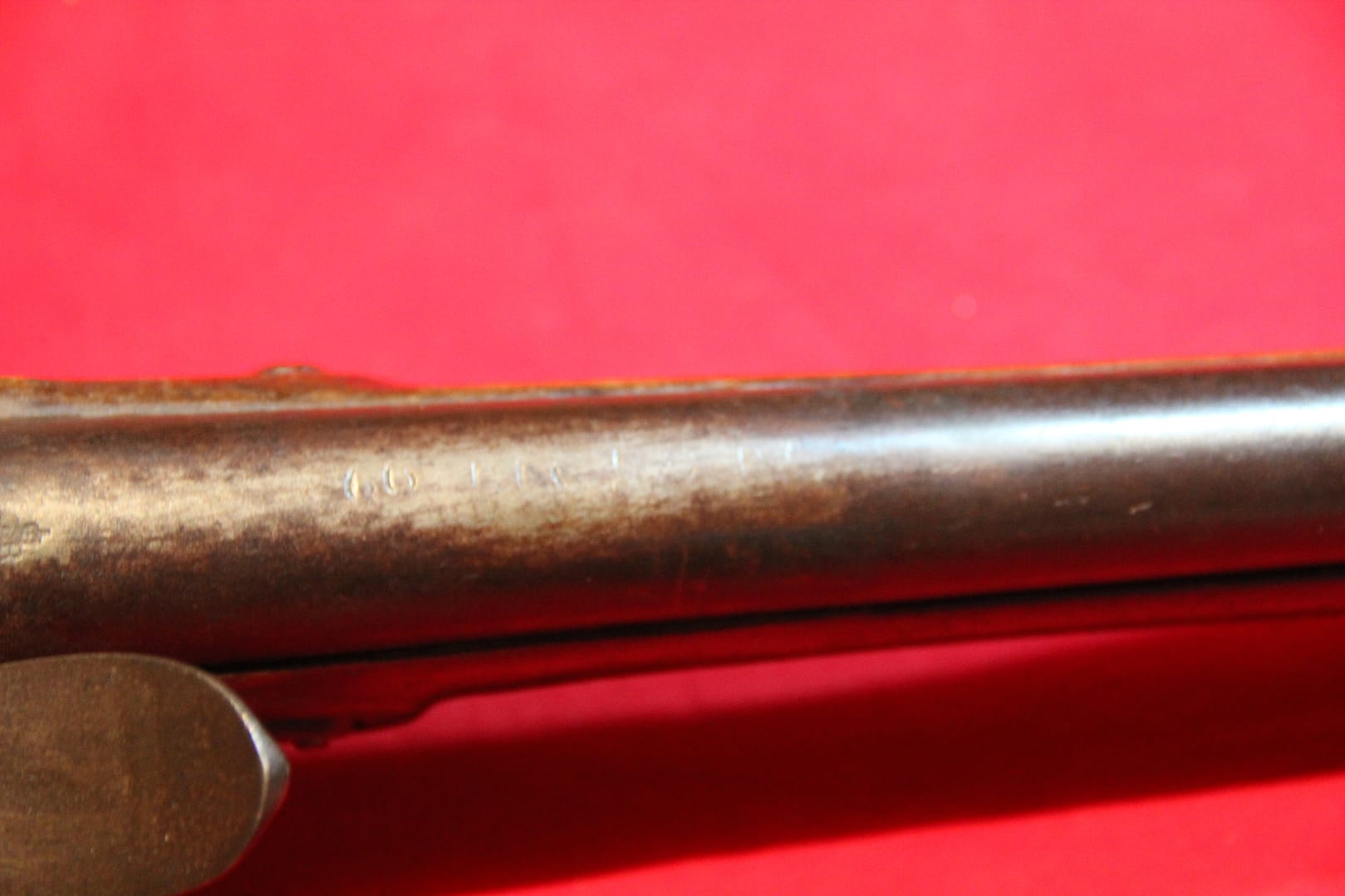
Short Land Pattern Musket, “1777-S” Simplified Brown Bess. From my personal collection.
The Short Land Pattern musket, often referred to as the “1777-S” simplified Brown Bess, represents the evolution of Britain’s standard infantry arm during the later stages of the American Revolutionary War. Introduced to streamline production and reduce cost, the simplified pattern retained the robust .75 calibre smoothbore barrel and flintlock mechanism while omitting some earlier refinements. Designed for mass issue to British line infantry, it fired a round ball and was fitted with a socket bayonet for close combat. The Short Land Pattern became one of the most widely used military firearms of the late eighteenth century, reflecting Britain’s need to equip large armies for global war.


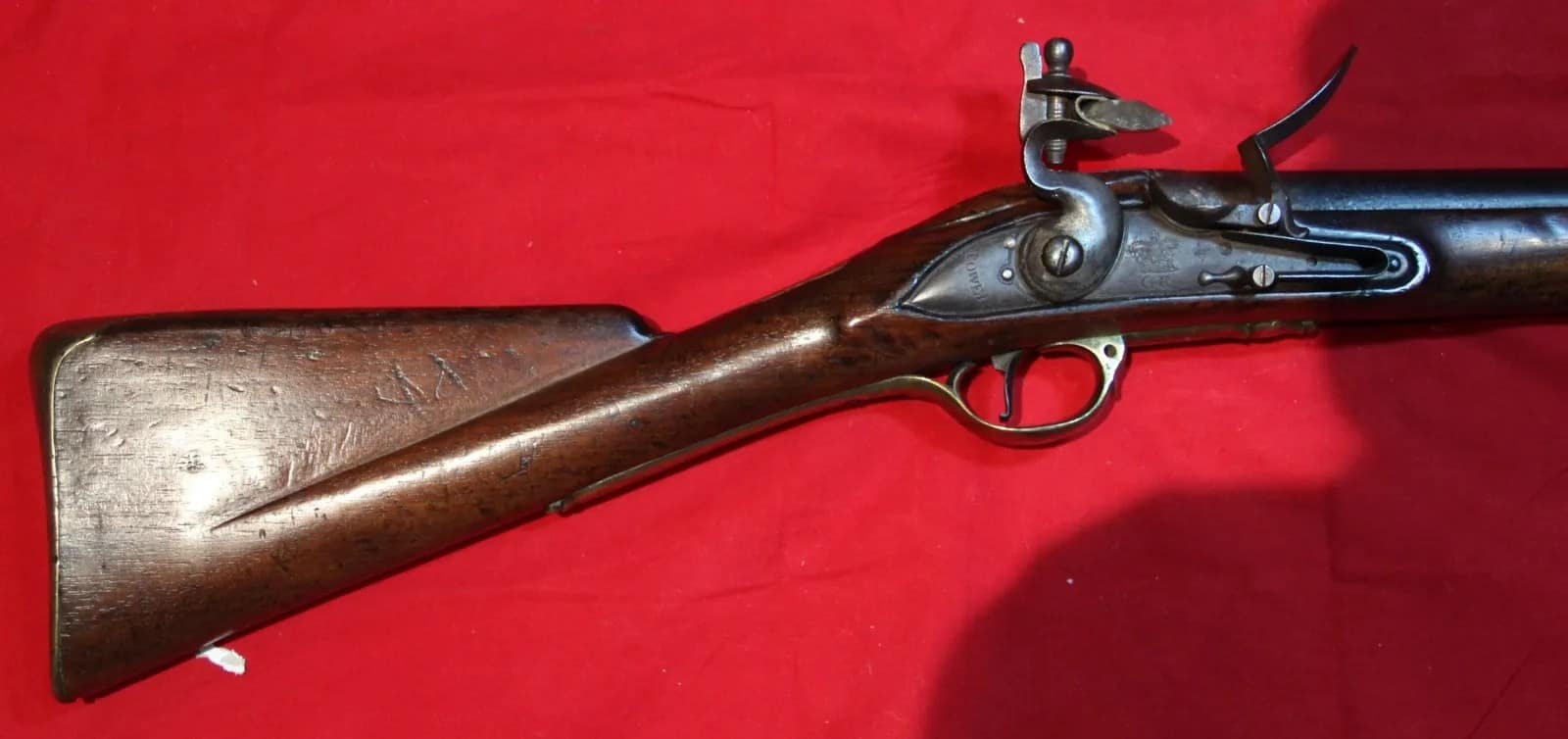
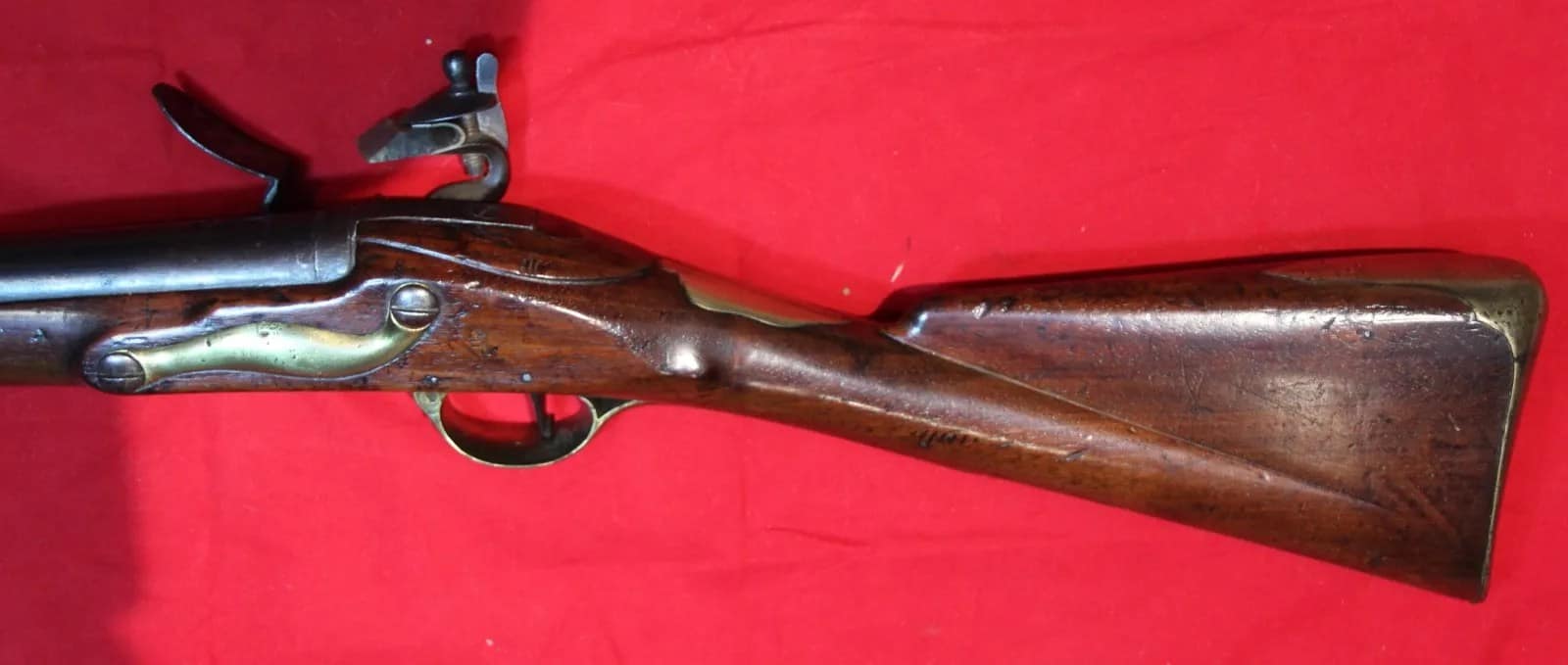
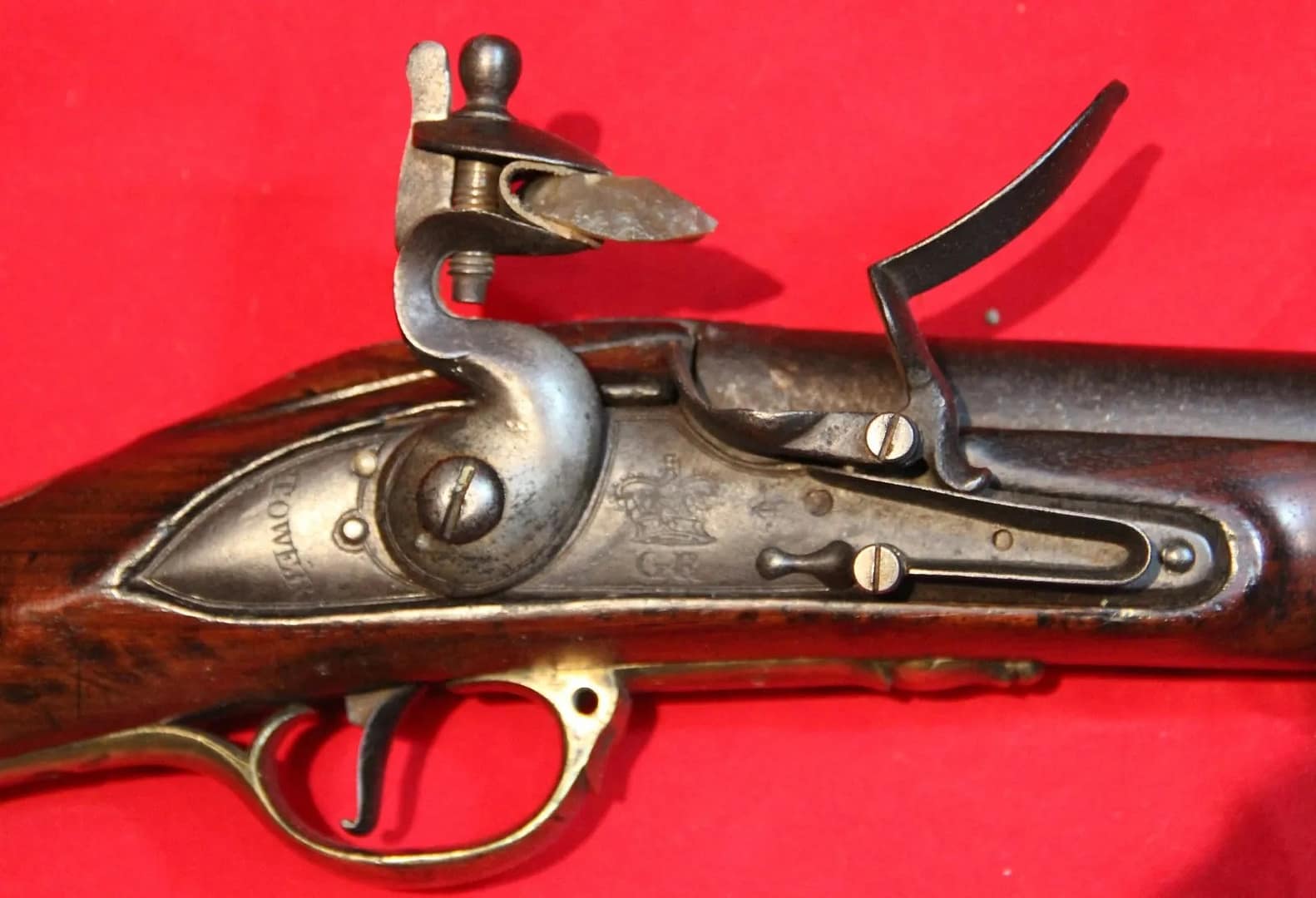
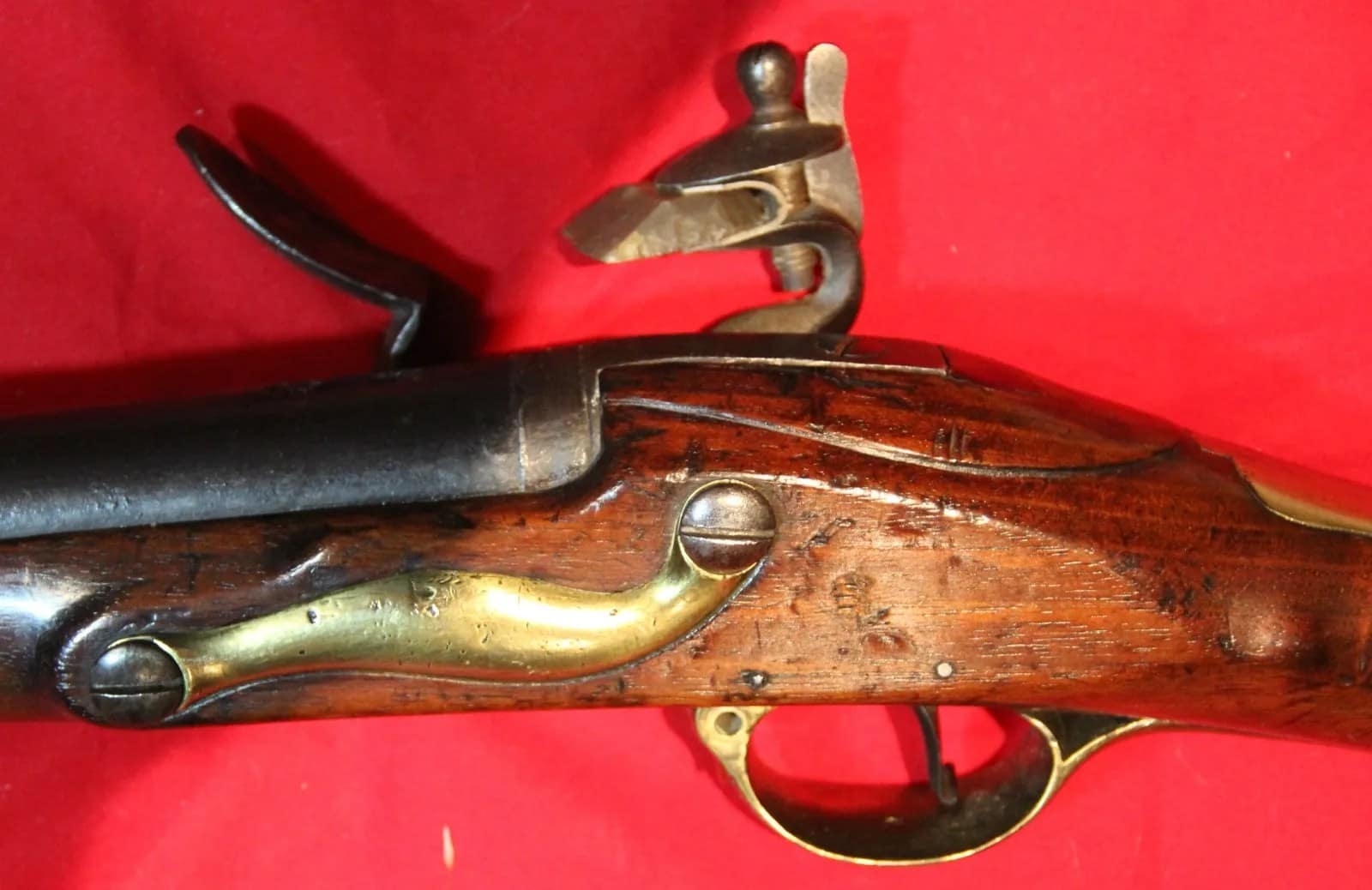
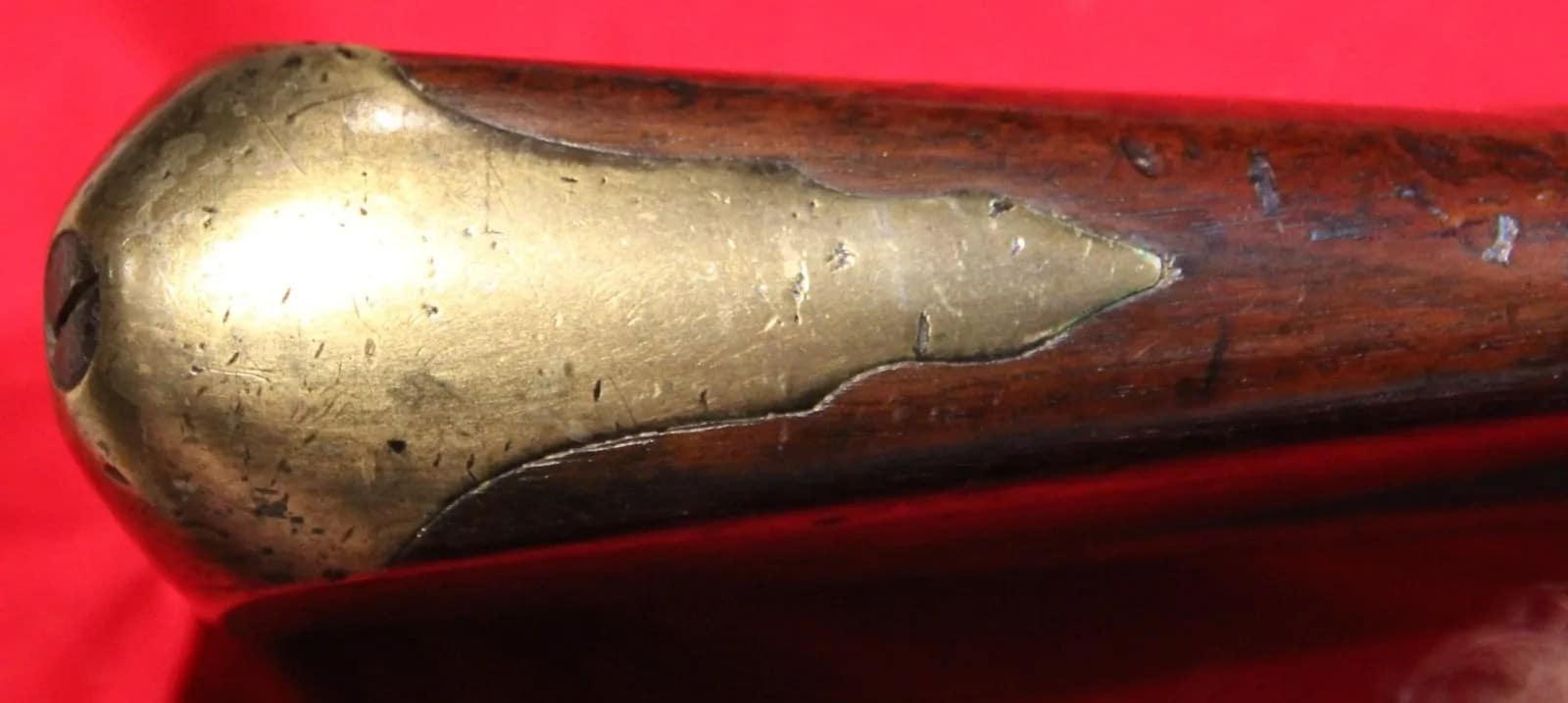
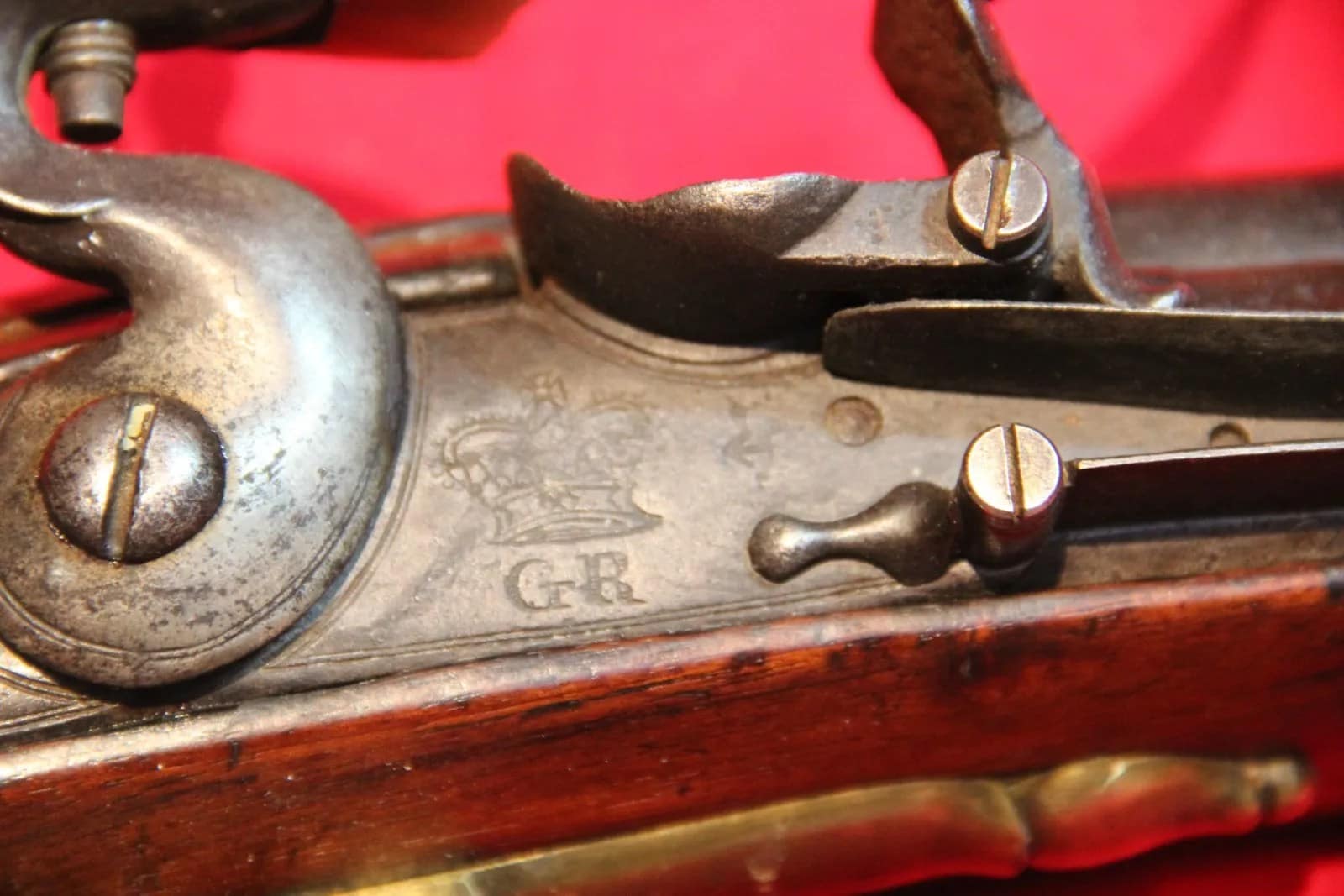
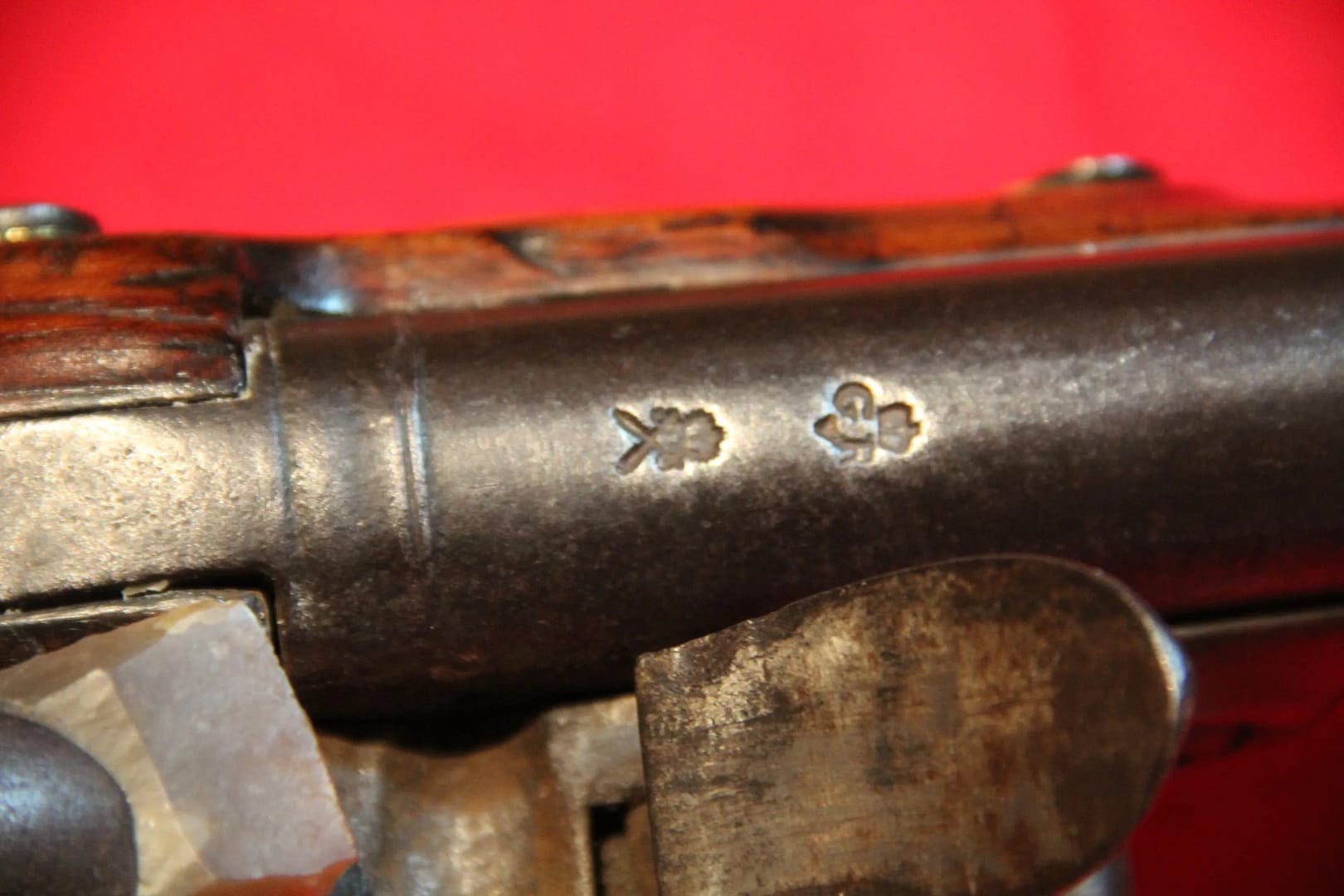
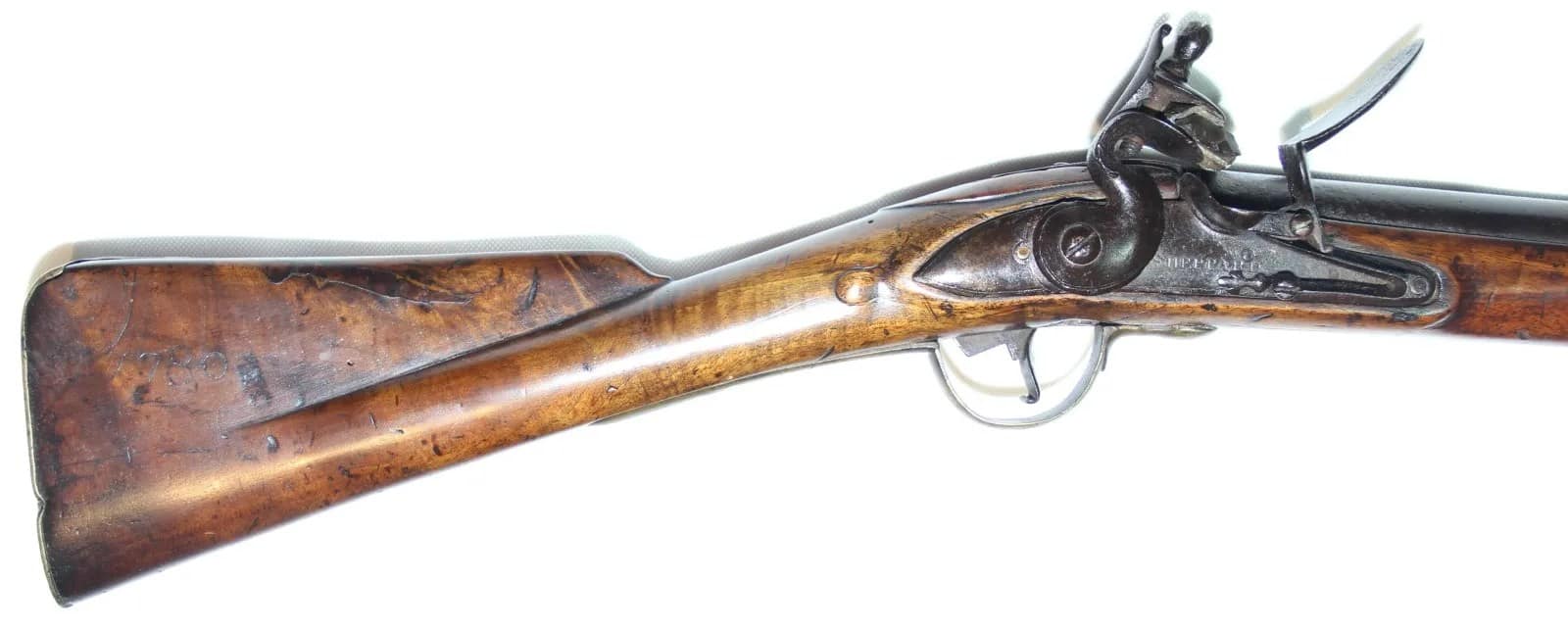
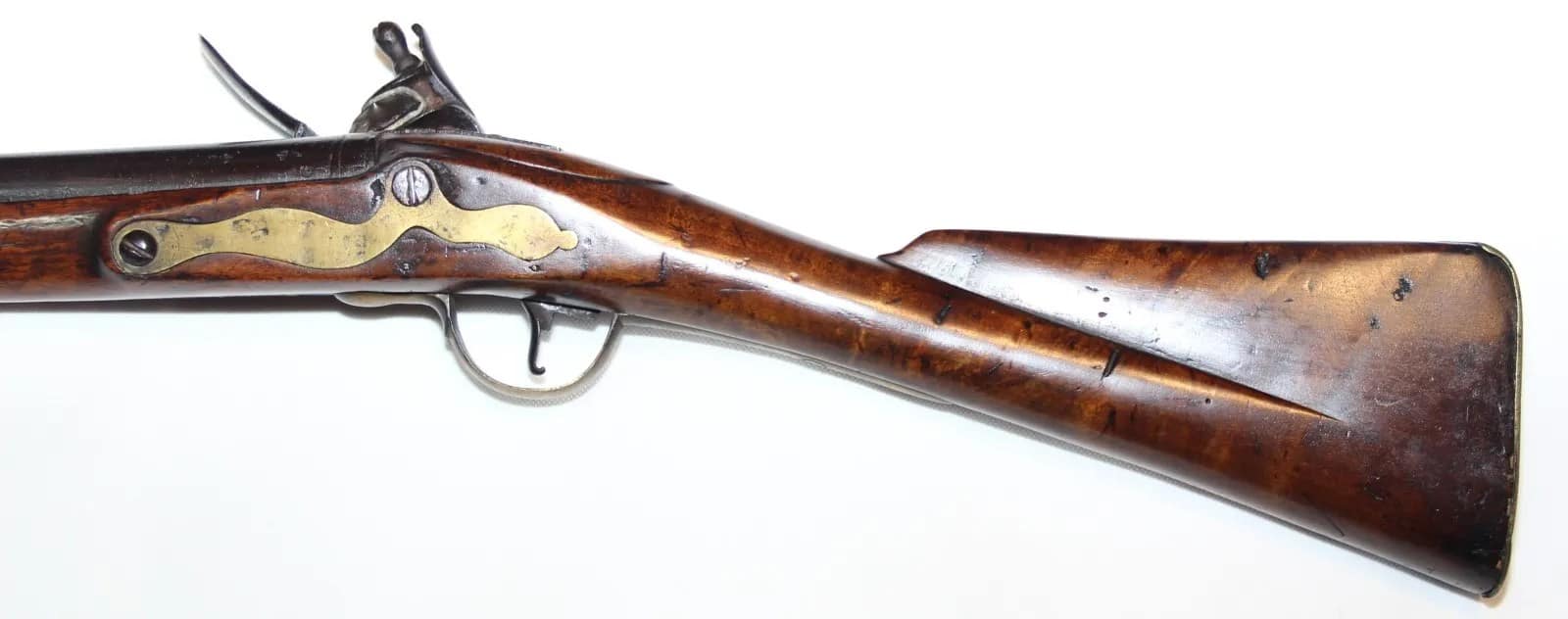
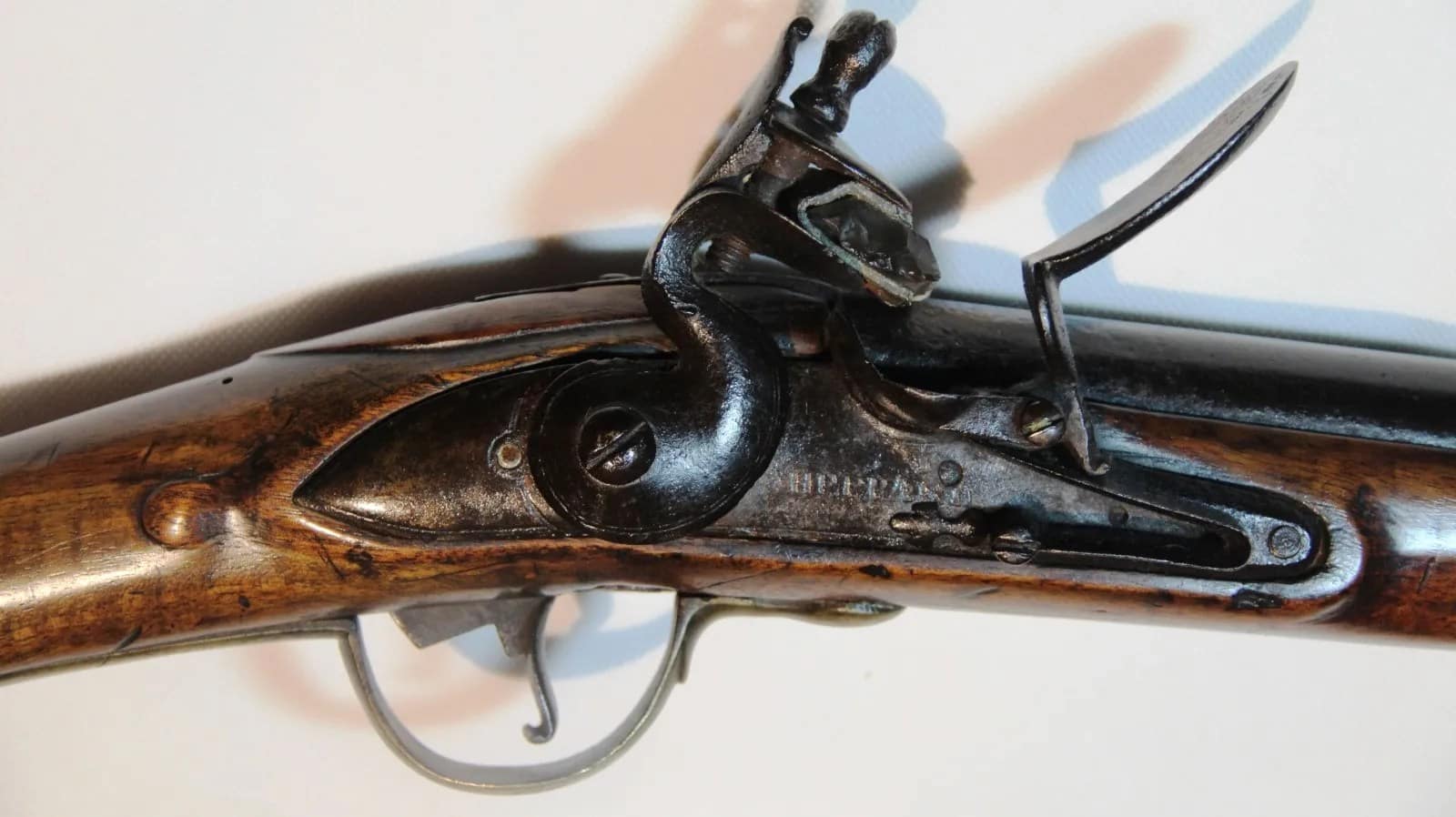
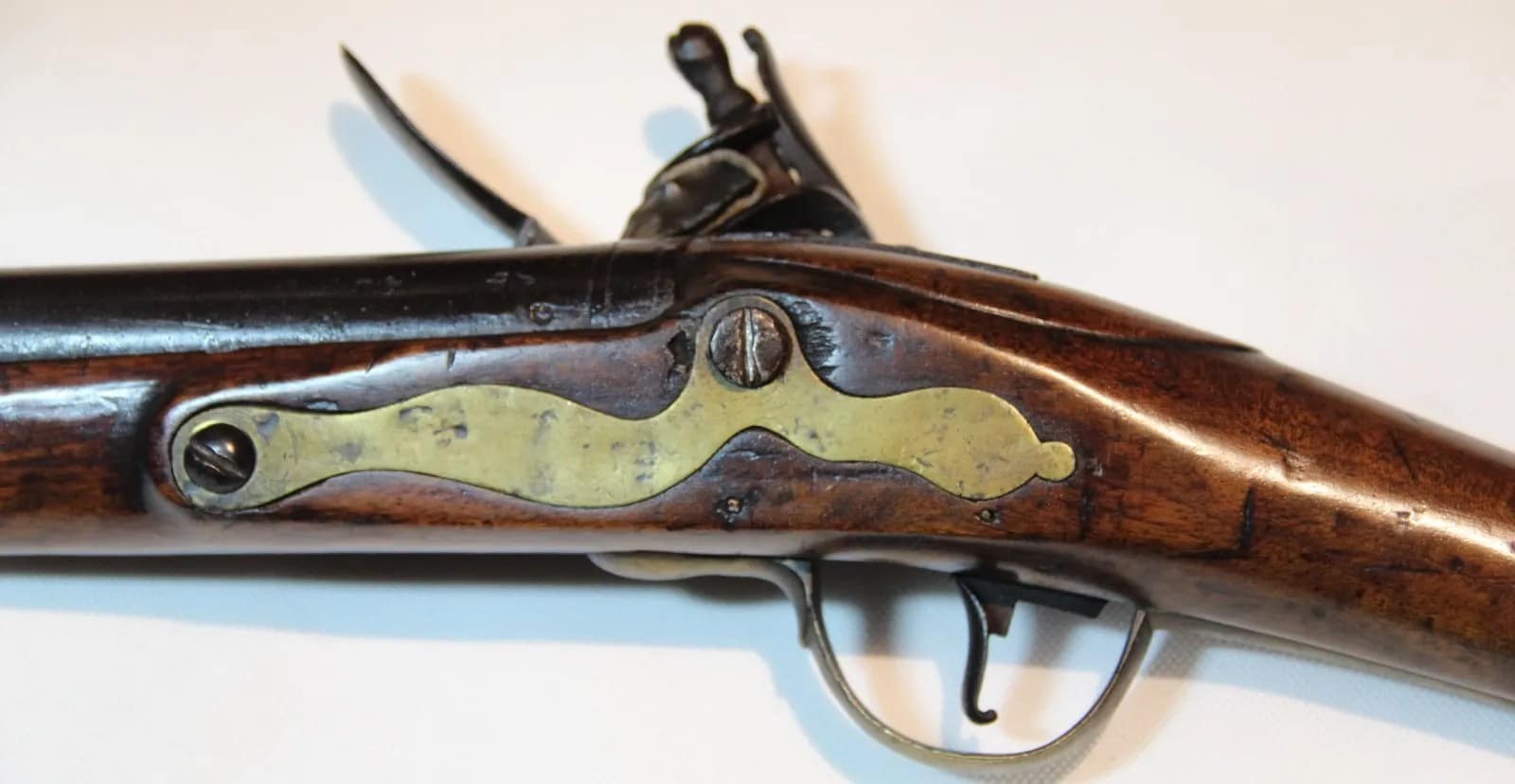
1780 English Sea Service Musket (Lockplate Marked Sheppard). From my personal collection.
This English Sea Service flintlock musket, dating to circa 1780 and bearing a lockplate marked “Sheppard,” represents the standard naval shoulder arm of the late 18th century. Typically of .75 calibre, Sea Service muskets featured simplified construction with robust furniture and, in some cases, blackened barrels to resist corrosion in maritime environments. Designed for use aboard Royal Navy vessels and by naval landing parties, they prioritised durability and ease of maintenance over refinement. Muskets of this type saw widespread service during the American Revolutionary War and the wars of the late 18th century, reflecting the practical demands of naval warfare.


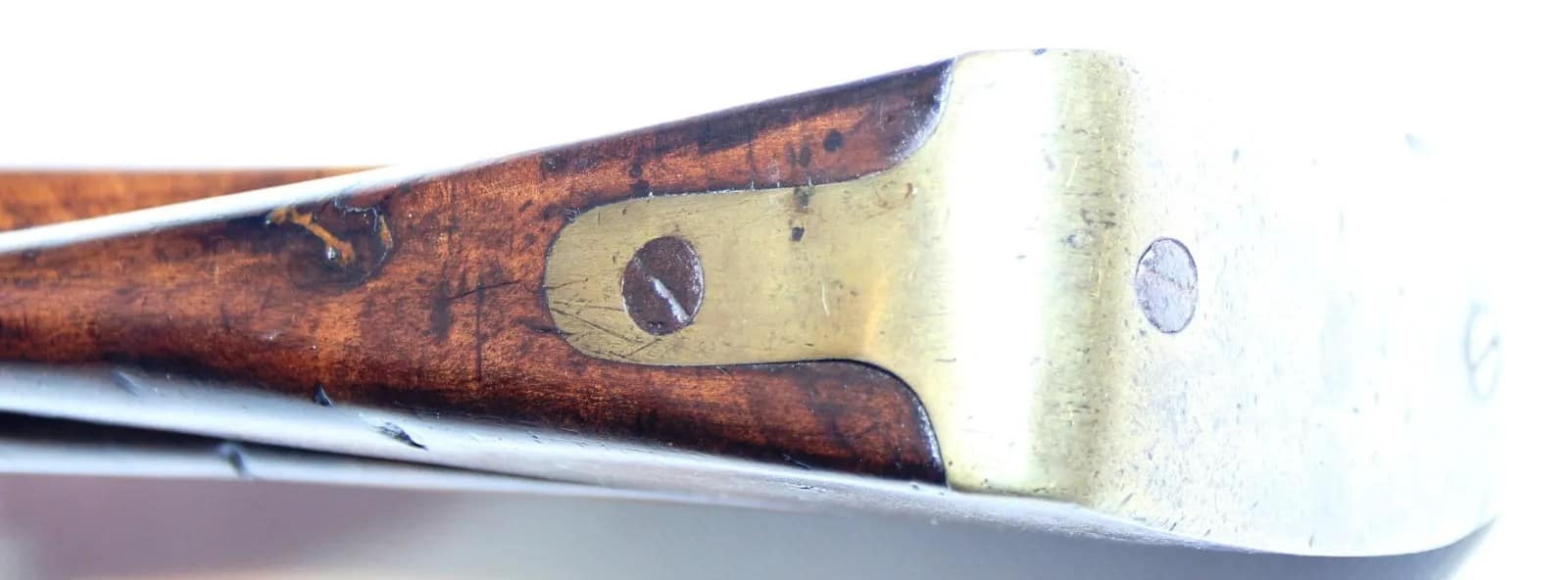
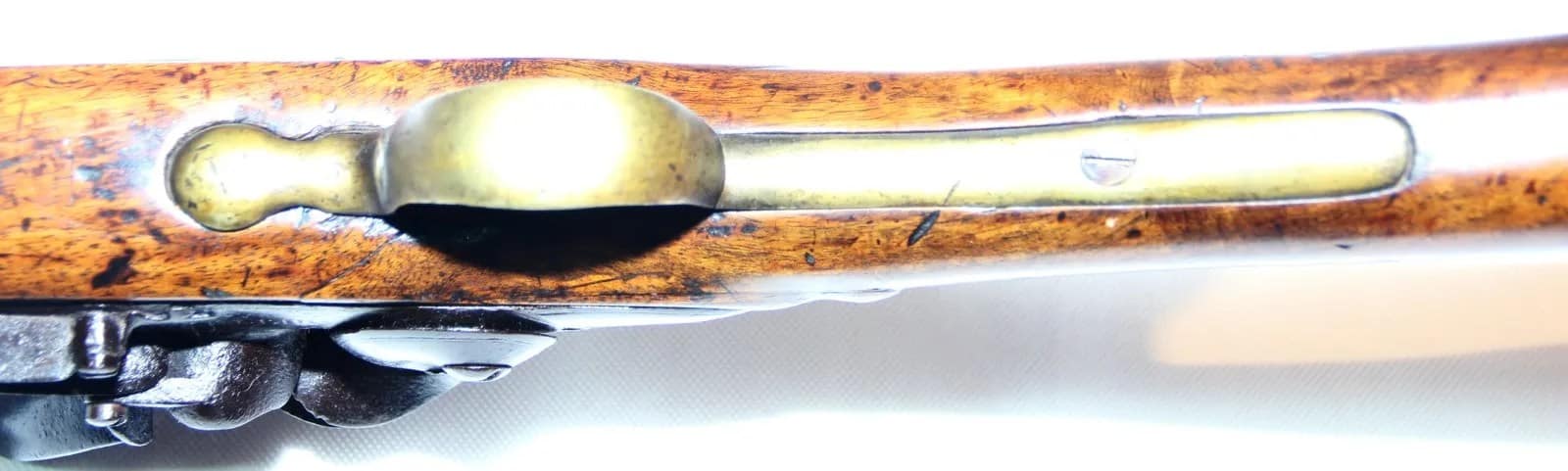

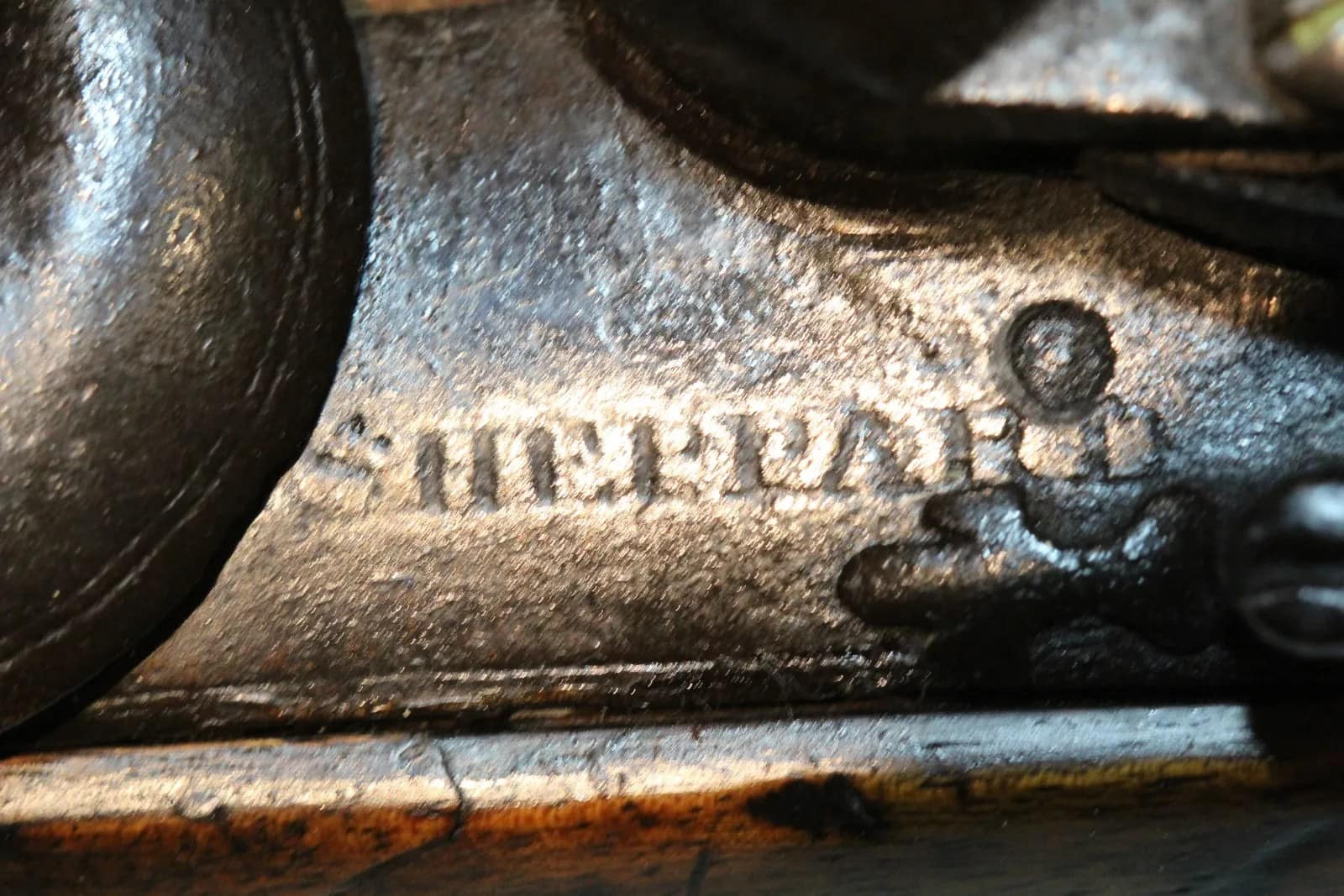
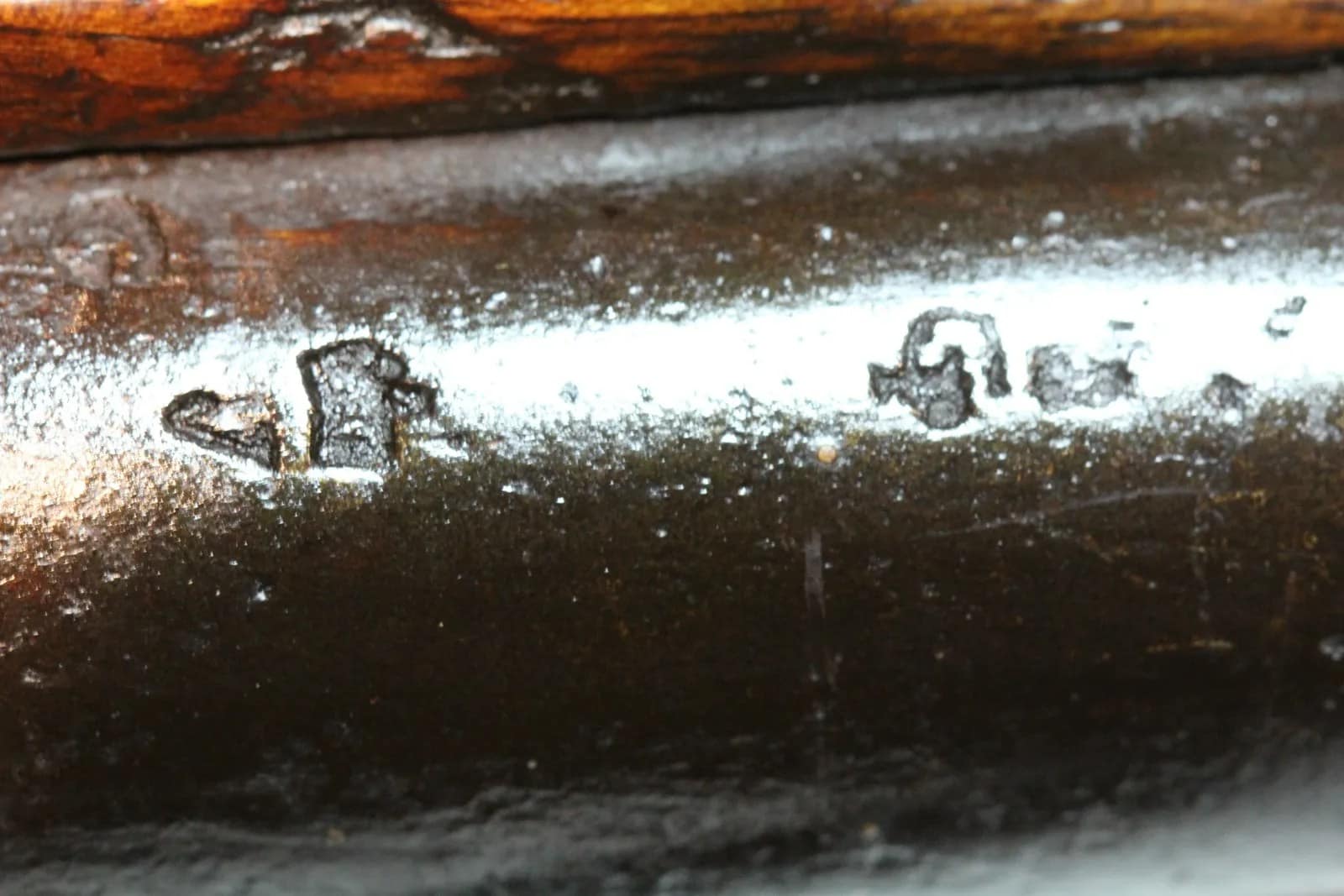
French Model 1766 flintlock musket. From my personal collection.
The closest thing to a standard infantry weapon of the Continental Army. The French Model 1766 musket was a major refinement of the Charleville system, featuring strengthened furniture, improved lock geometry, and a more robust barrel band arrangement. A .69-calibre weapon with a reputation for reliability, it armed French infantry during the later Seven Years War and formed the basis of weapons supplied to American Continental forces. Its mechanical simplicity and standardisation influenced U.S. musket production well into the early 19th century.


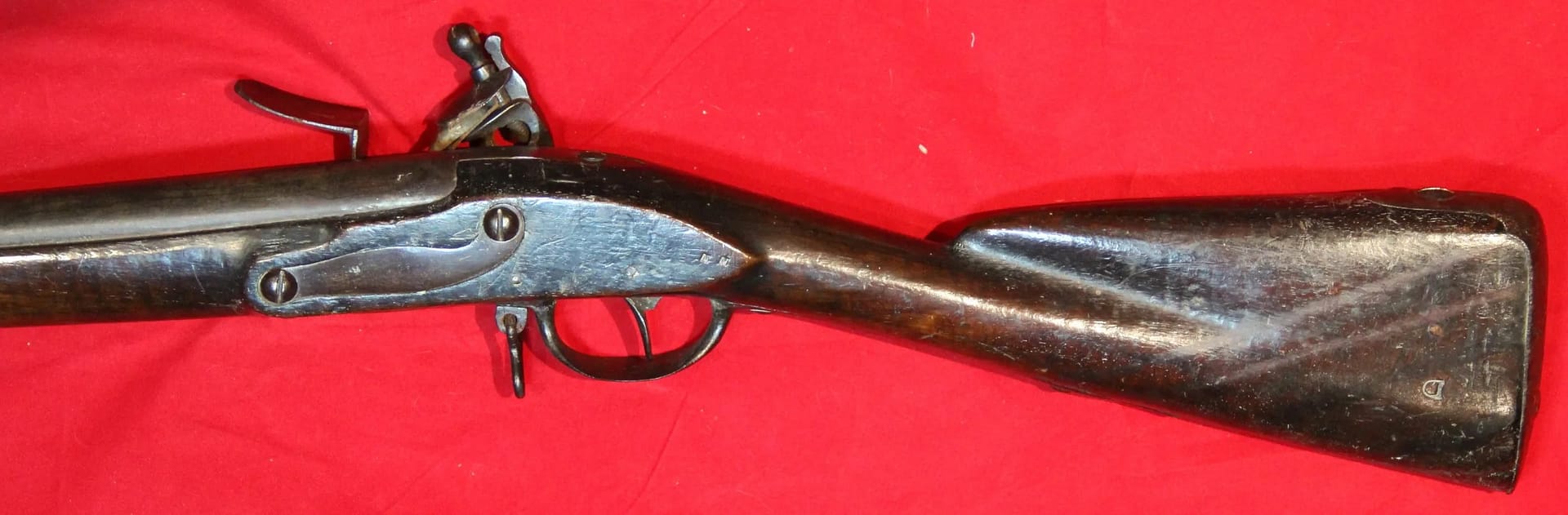
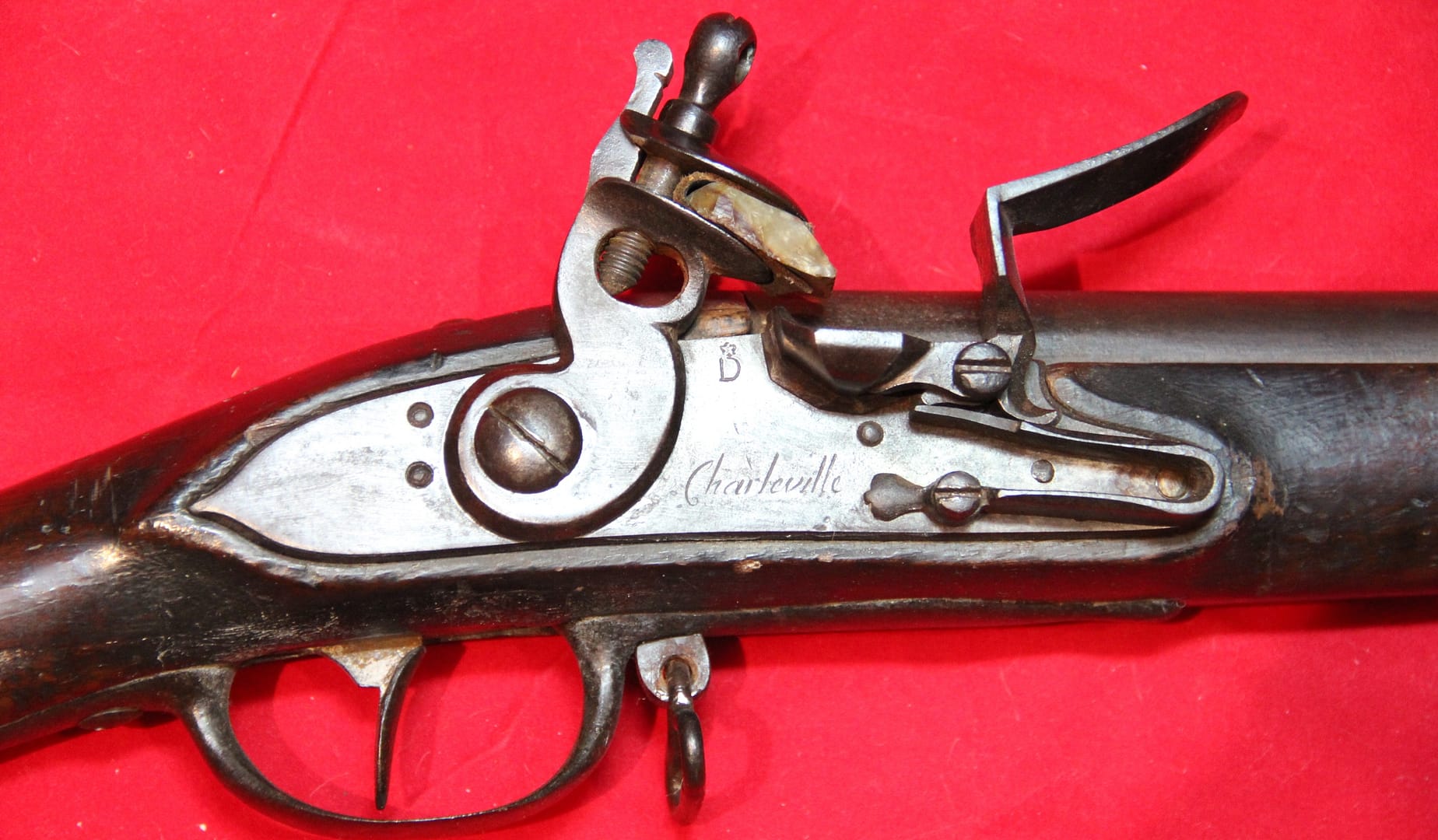
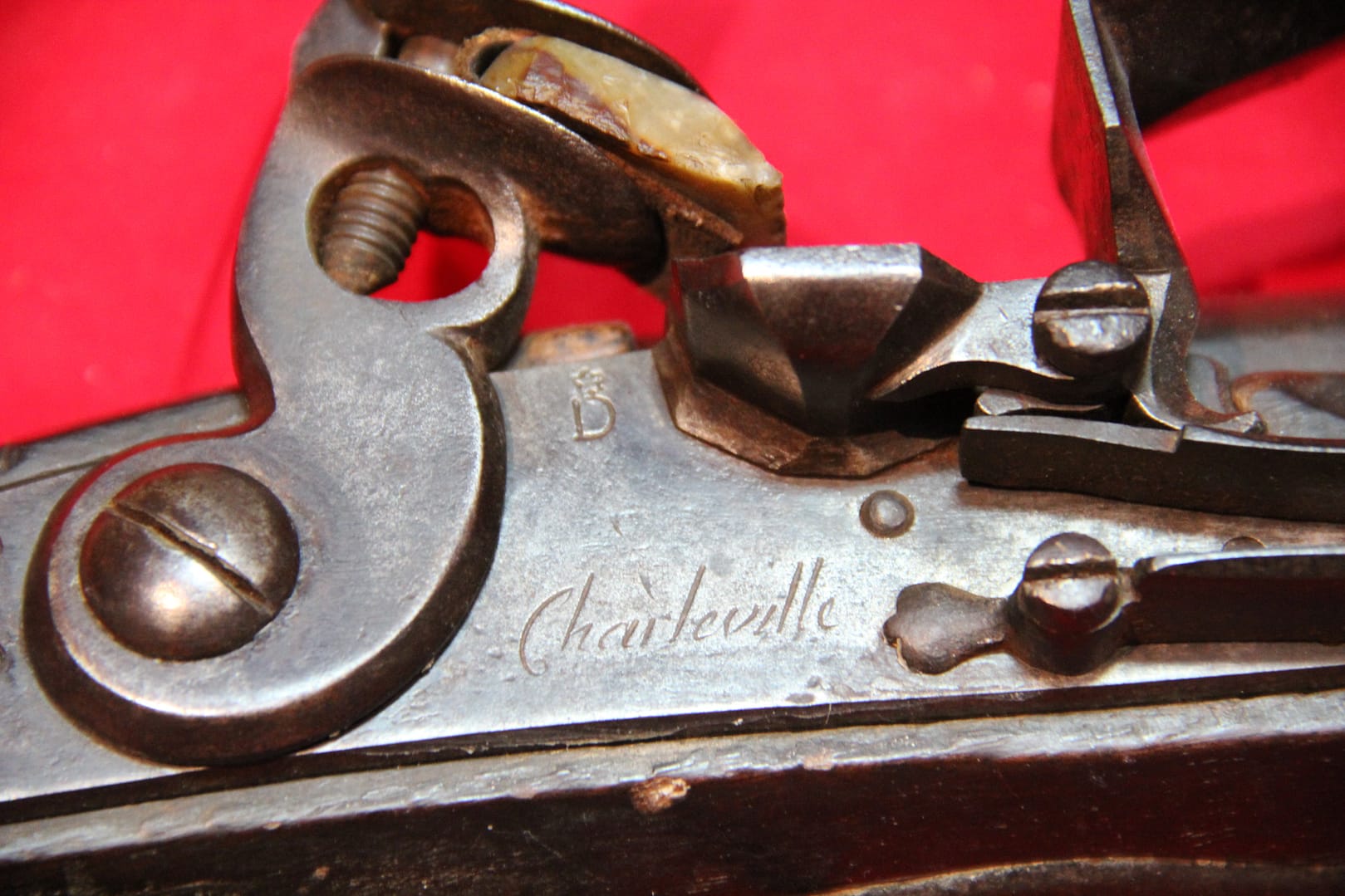
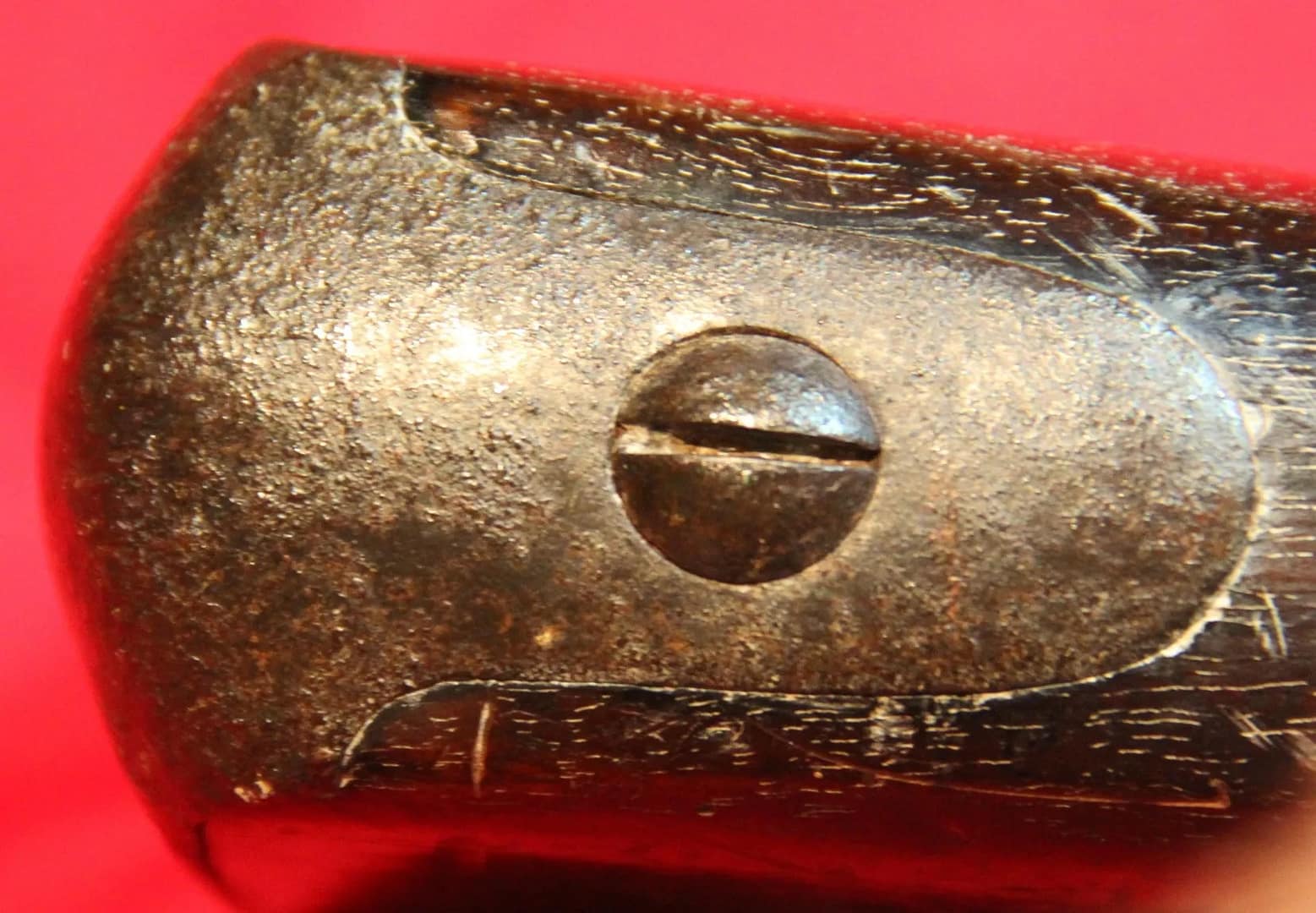
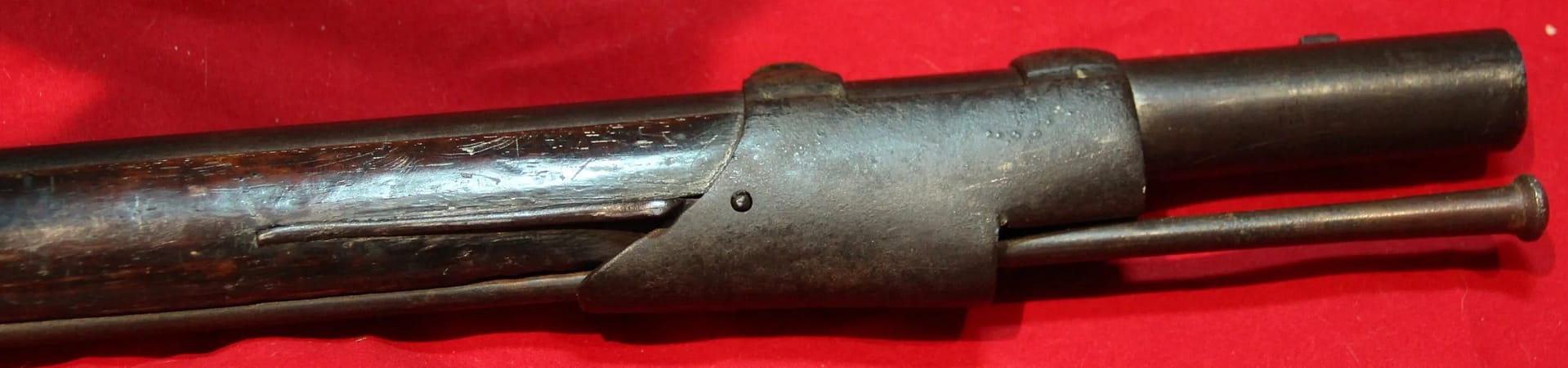
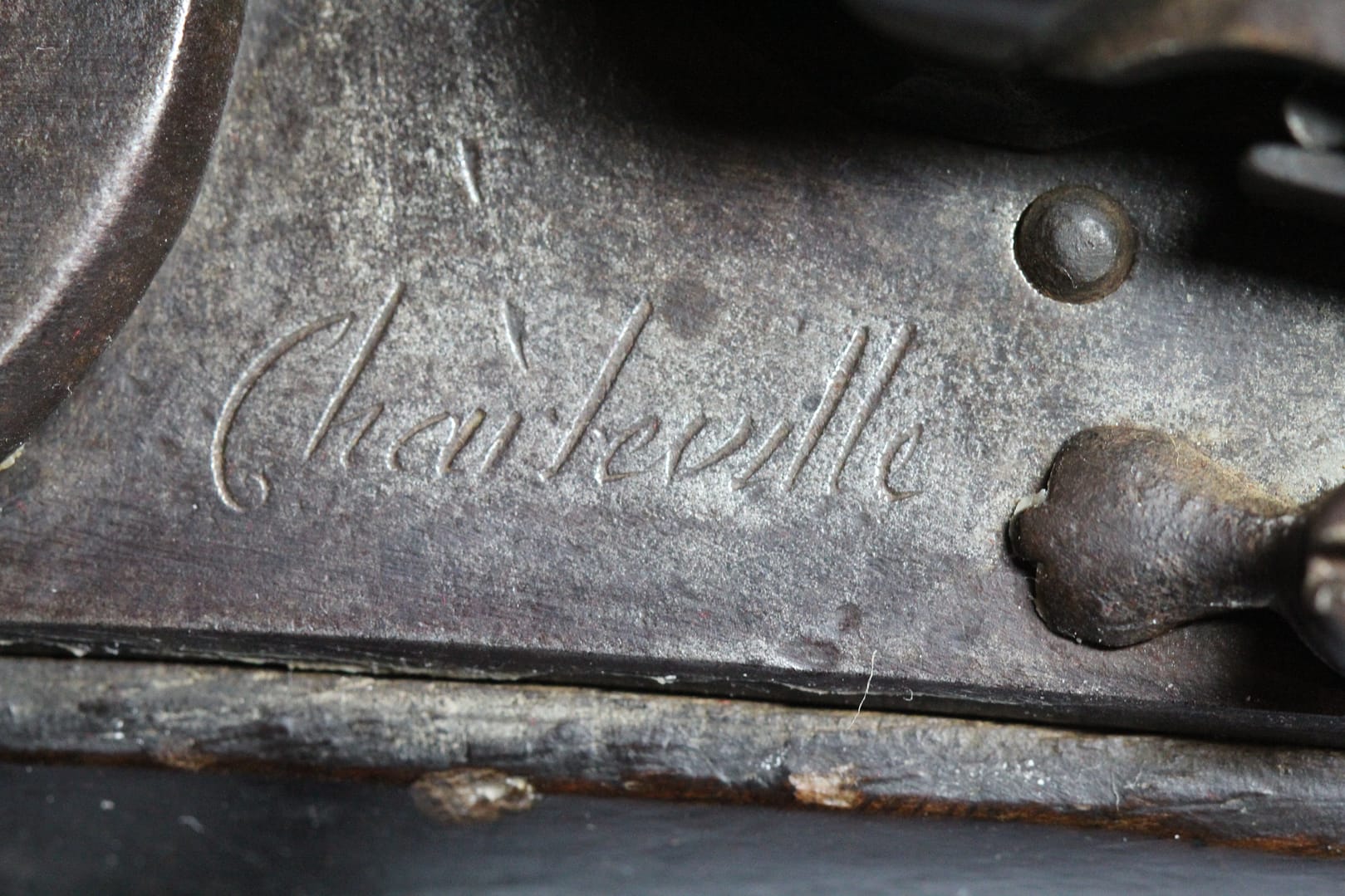
French Model 1754 Marine Musket.
Manufactured circa 1763. Pattern 1754 lockplate and pattern 1763 furniture and stock. Probably one of thousands of guns made in the transition between 1754 and 1763 models in an effort to use ordinance components. Possibly a rebuilt weapon during the Revolution, as broken weapons were reassembled from components. Brass furniture indicates marine use. This musket was found in an attic in Scituate, Massachusetts, about 100 years after the war. Scituate was the site of a garrison of 300 French Marines during the Revolutionary War. The Smithsonian Instituite restored the gun in the 1990s. From my personal collection.


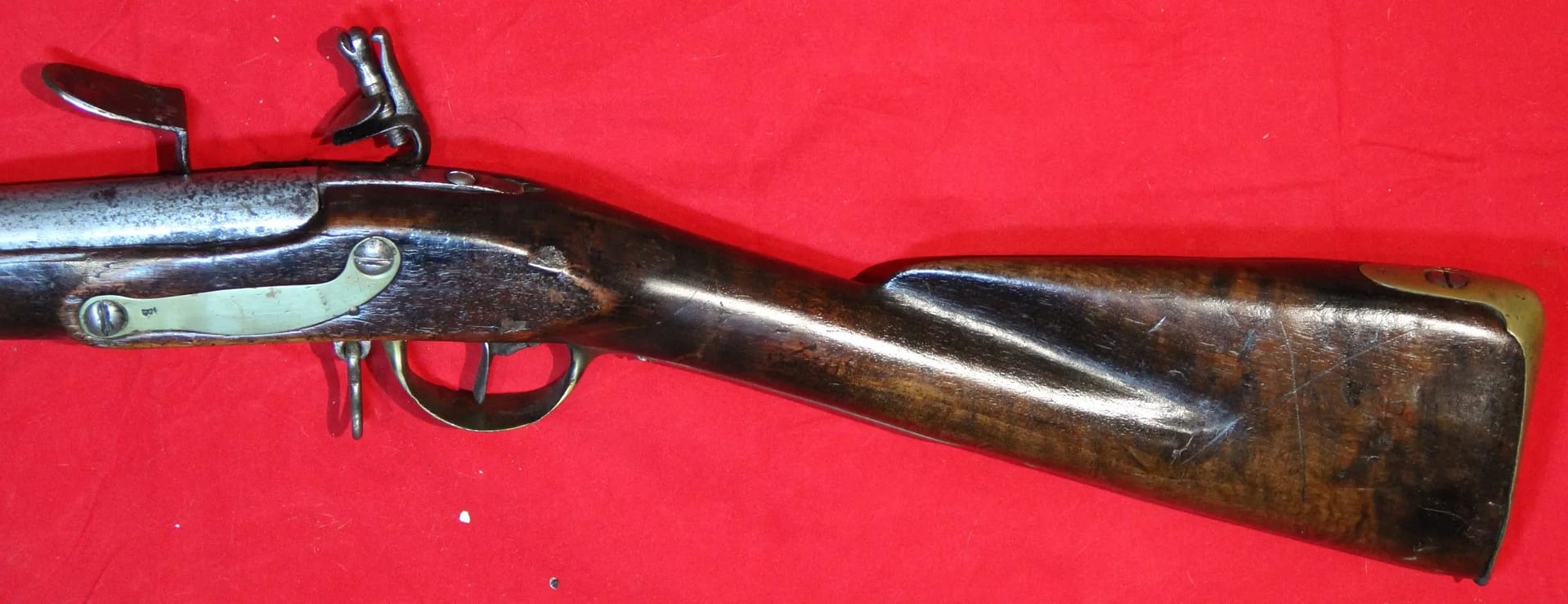
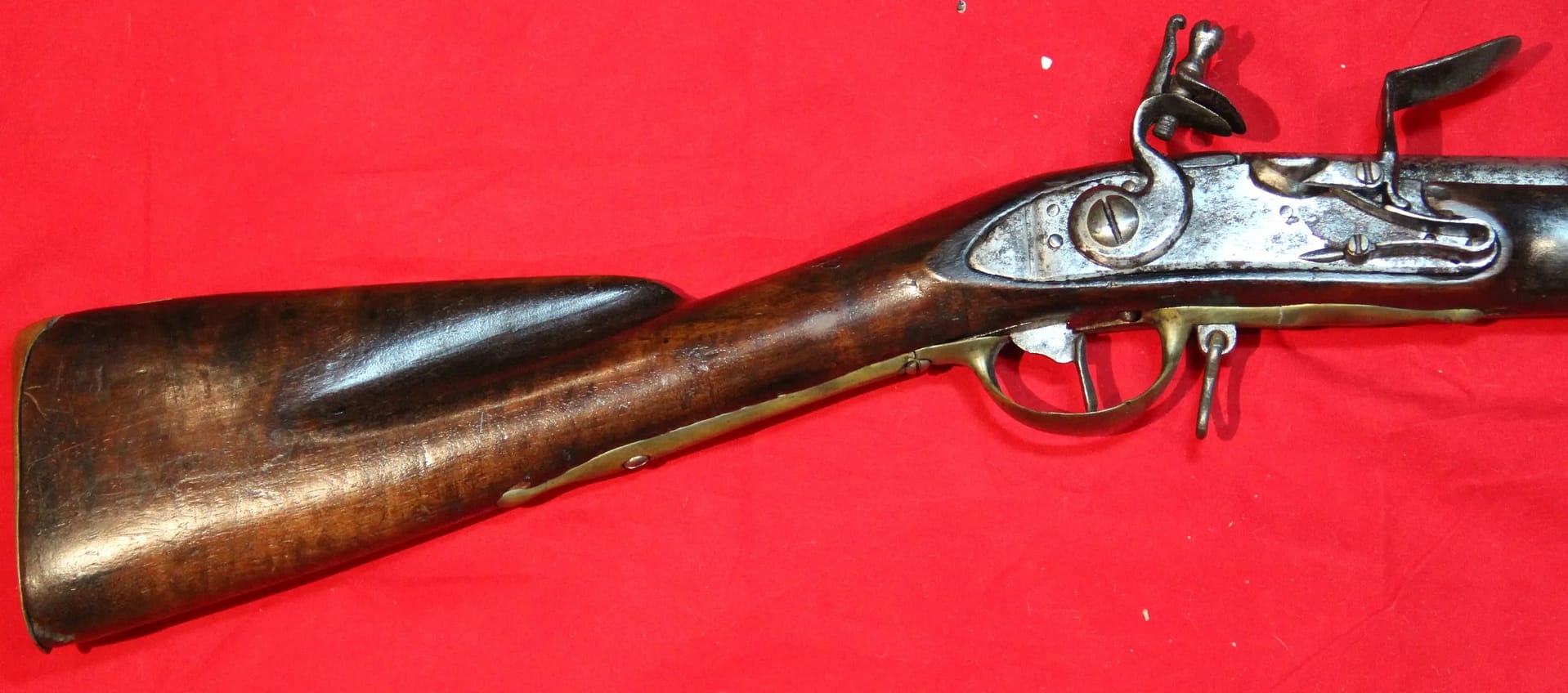
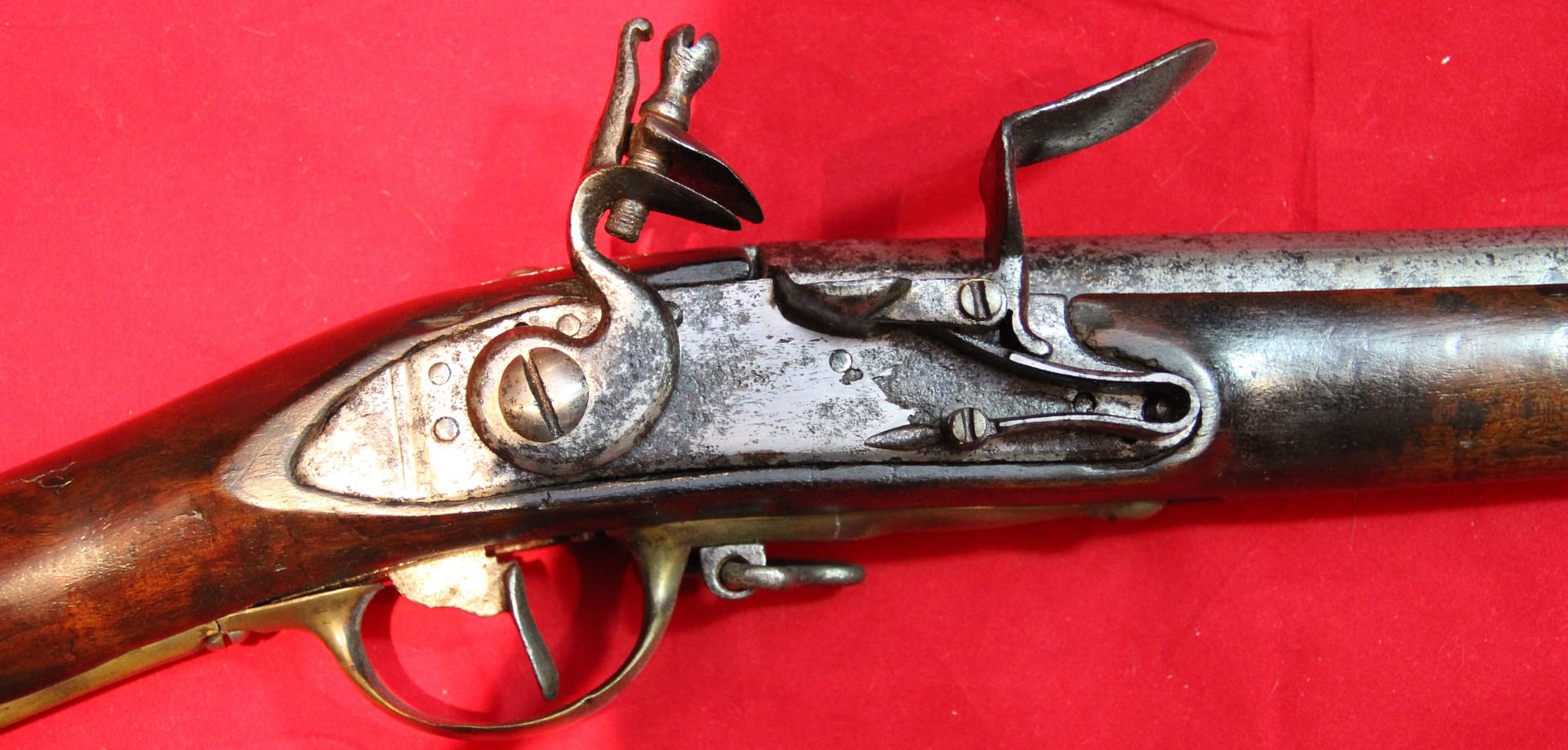
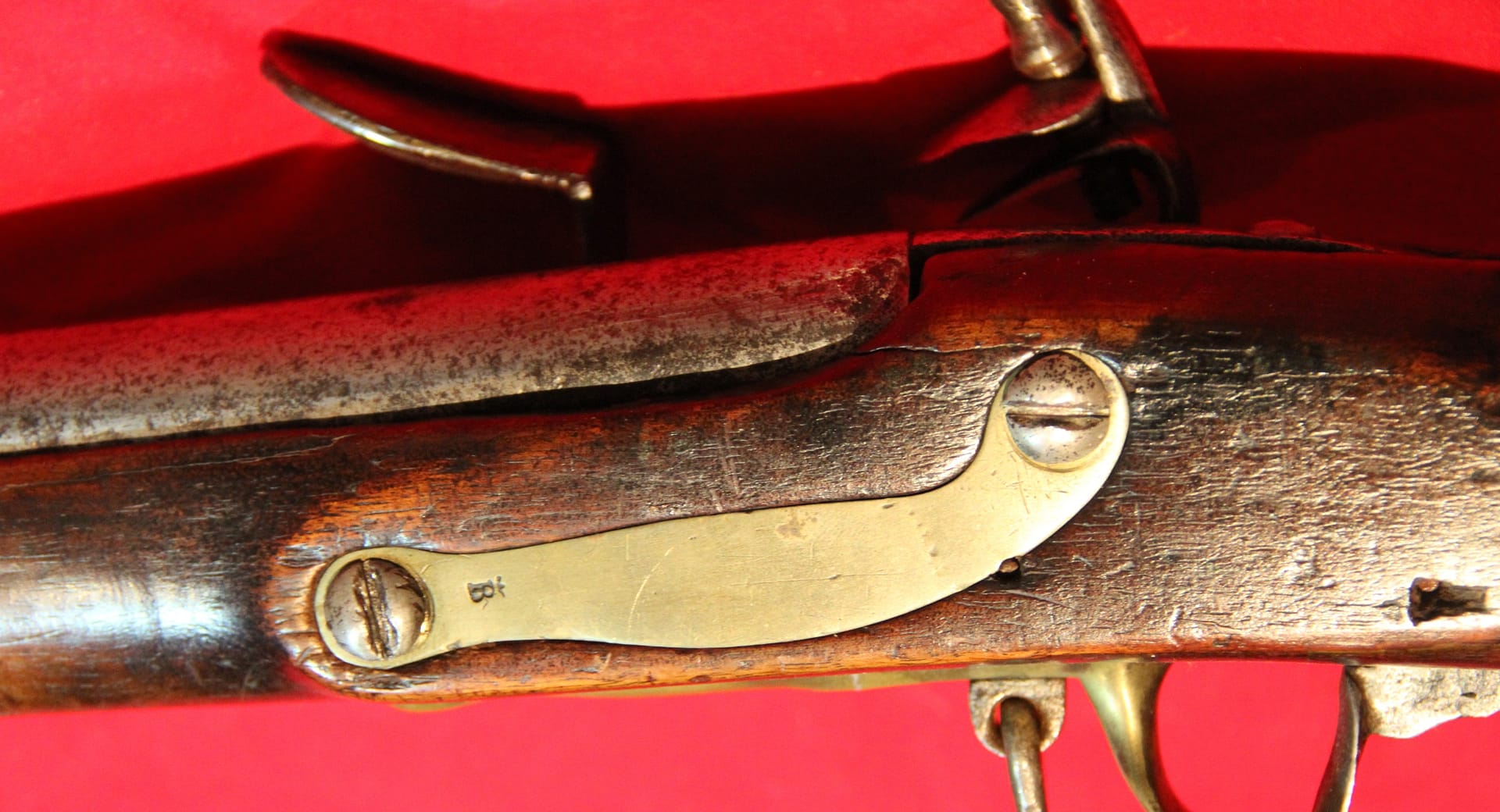
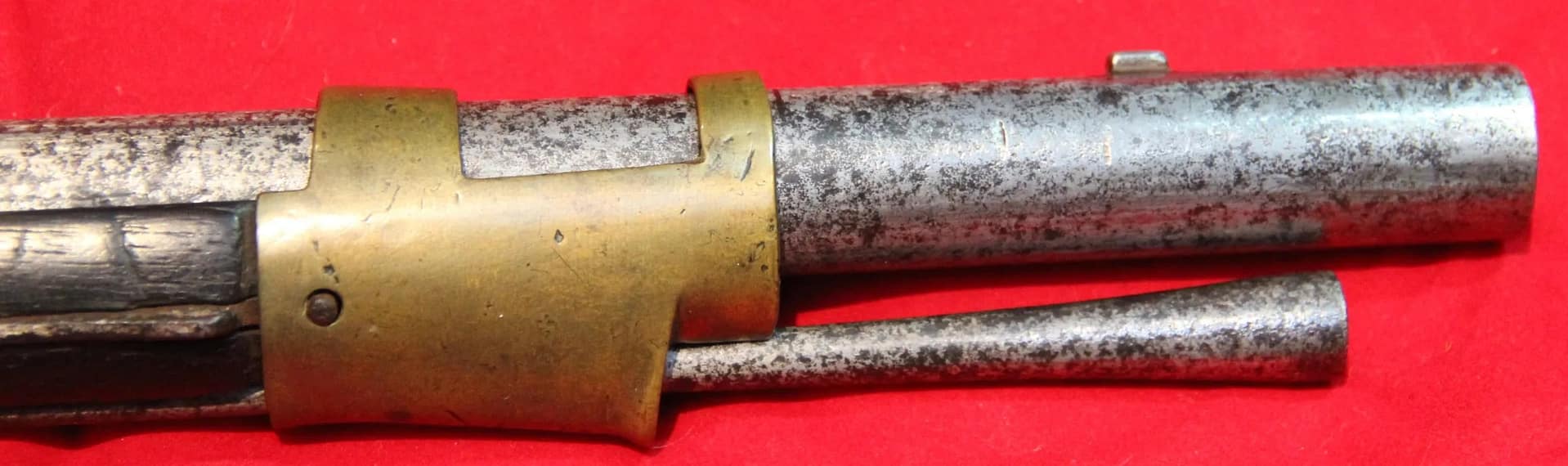
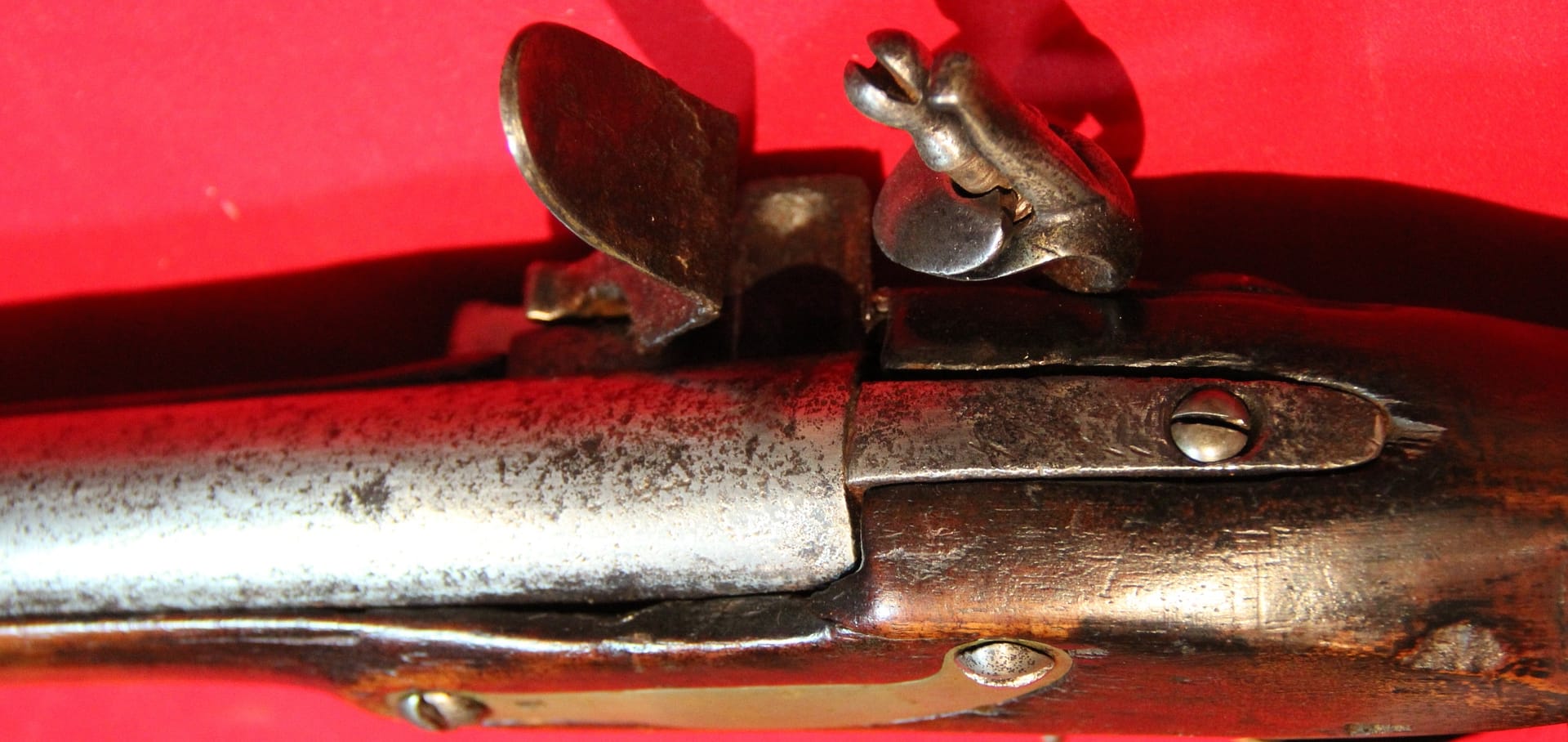
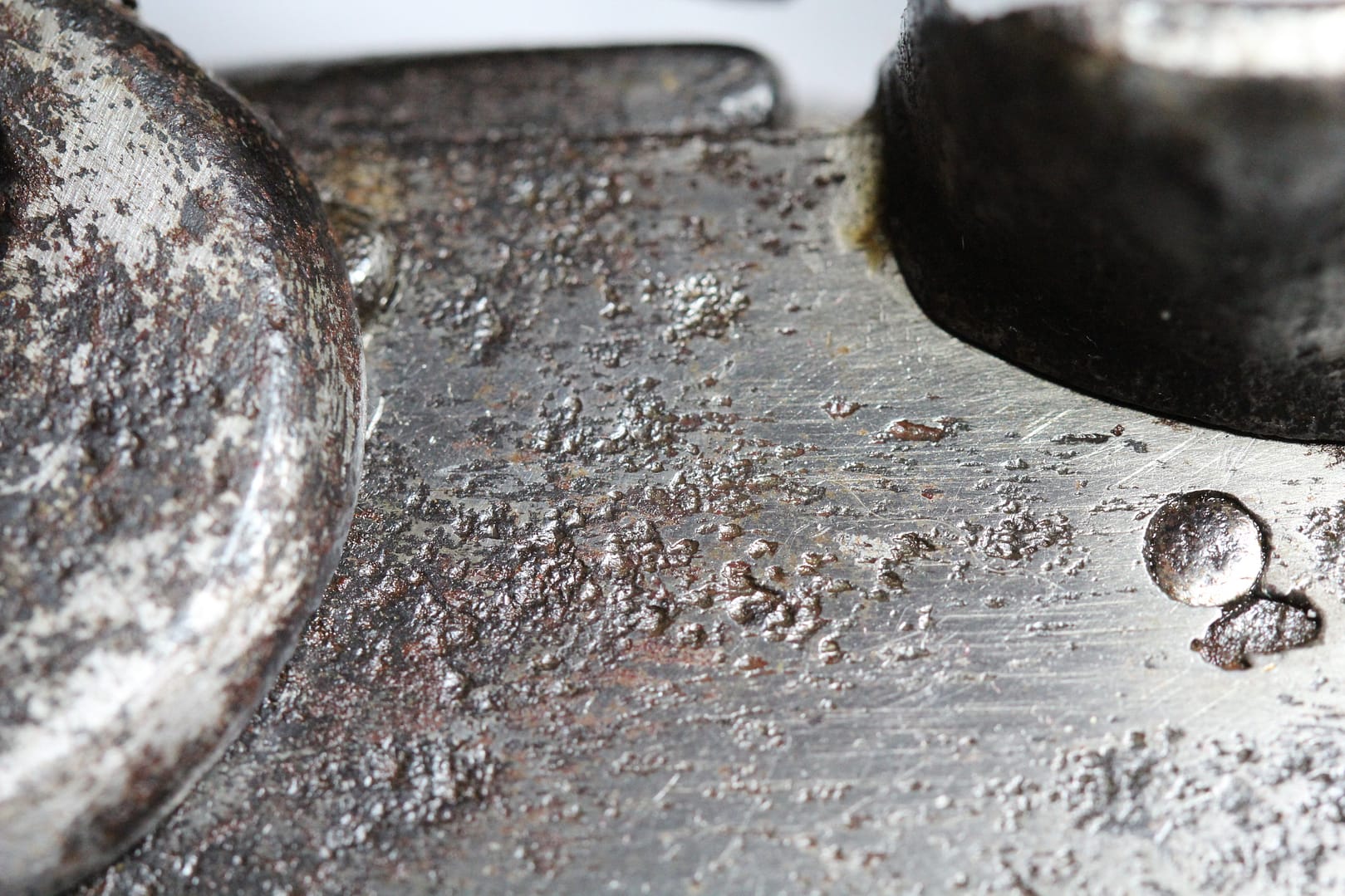
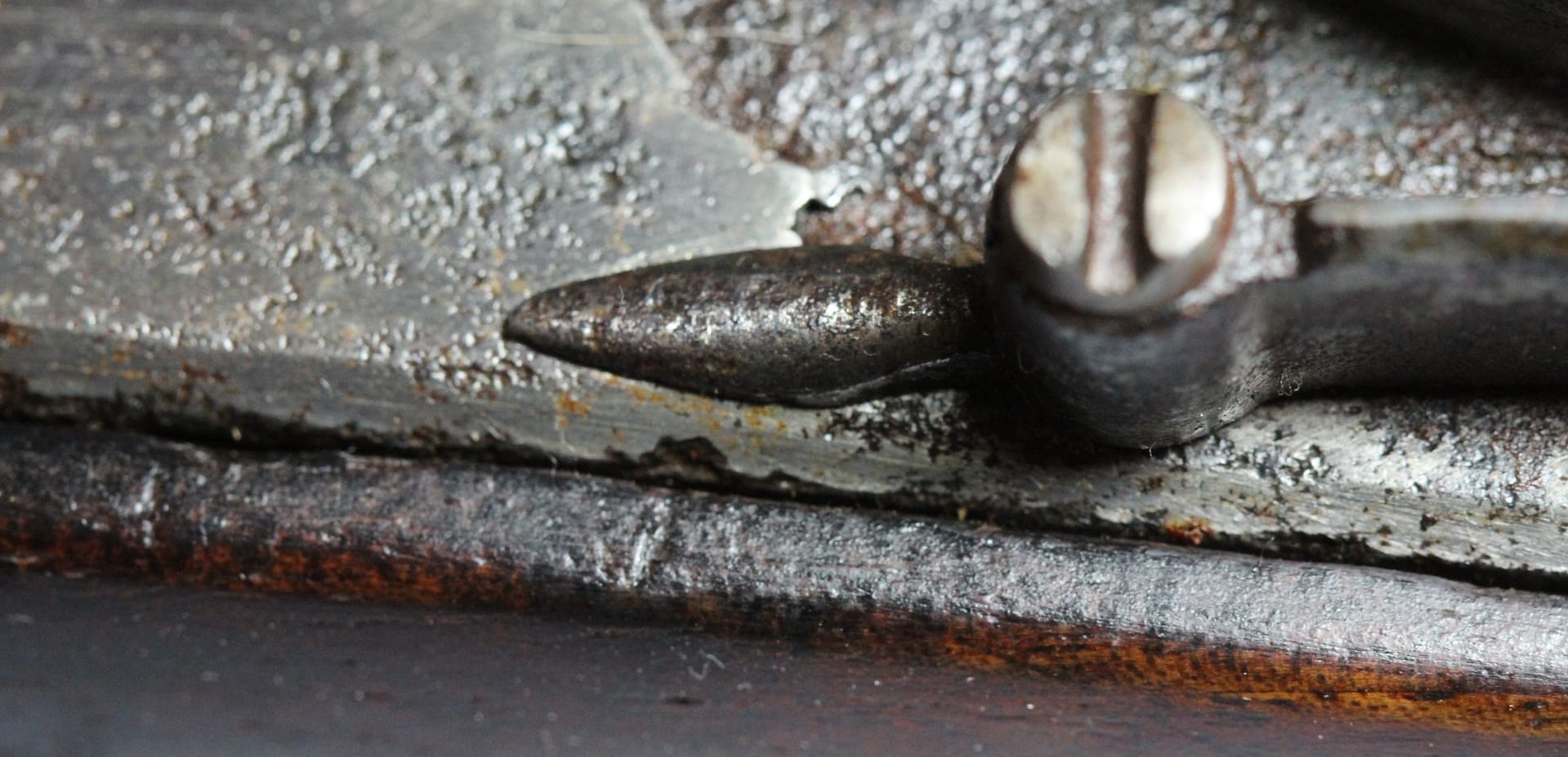
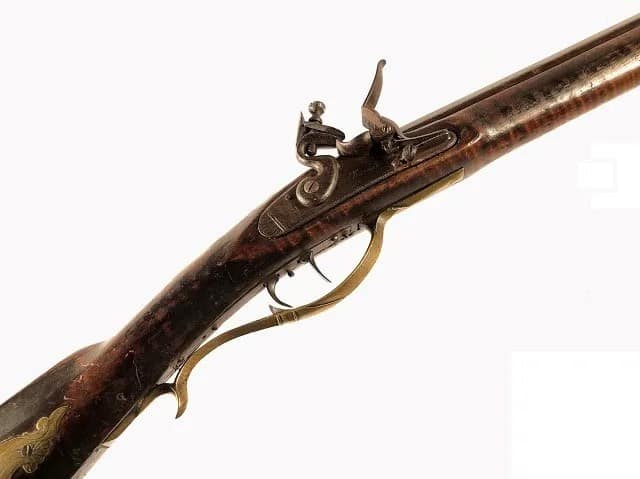
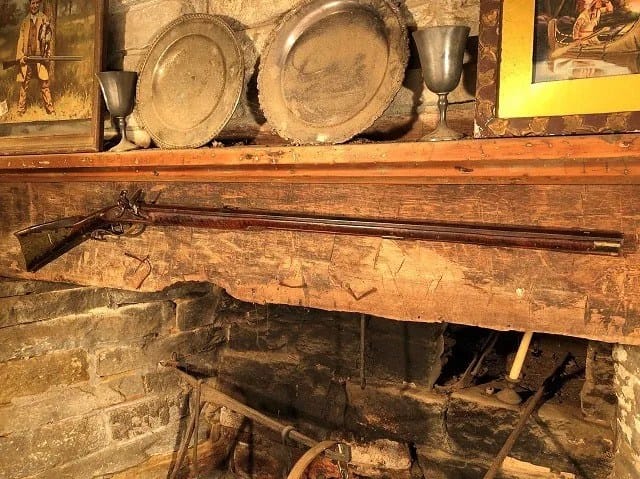
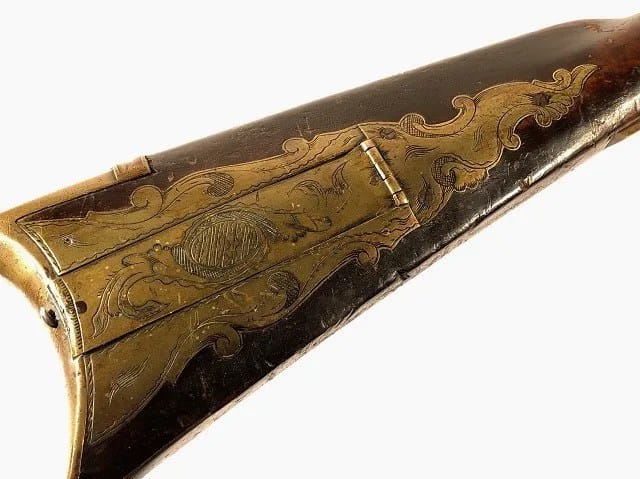
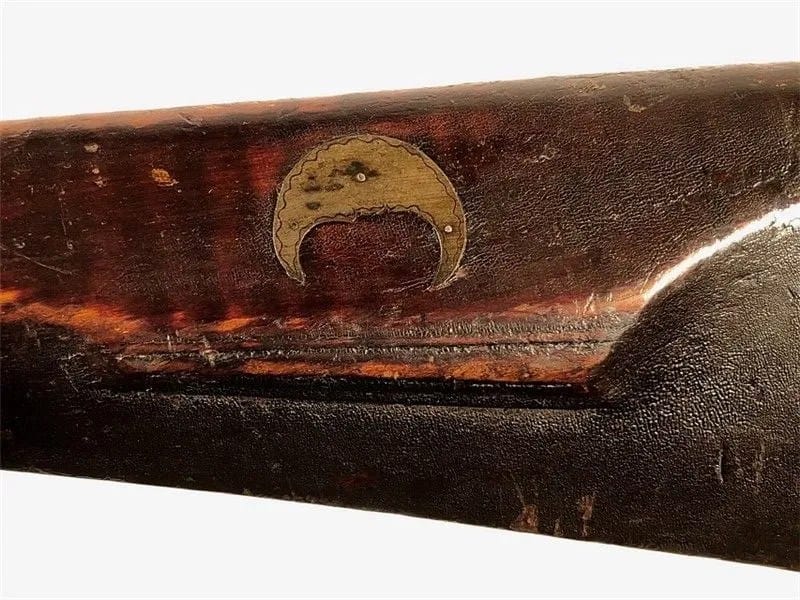
c1780 Pennsylvania Long Rifle, from my collection
This c.1780 Pennsylvania long rifle reflects the American frontier gunmaking tradition combining Germanic rifling techniques with local craftsmanship. Featuring a slender maple stock, long octagonal barrel, and precision rifling, it provided exceptional accuracy beyond the effective range of smoothbore muskets. Used by backcountry hunters, militia, and early rifle companies, the long rifle played a significant role in the American Revolution, particularly in skirmishing, frontier defence, and sharpshooting roles.
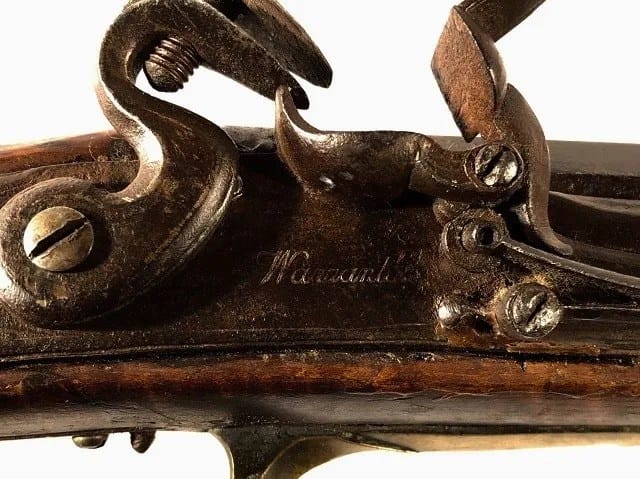
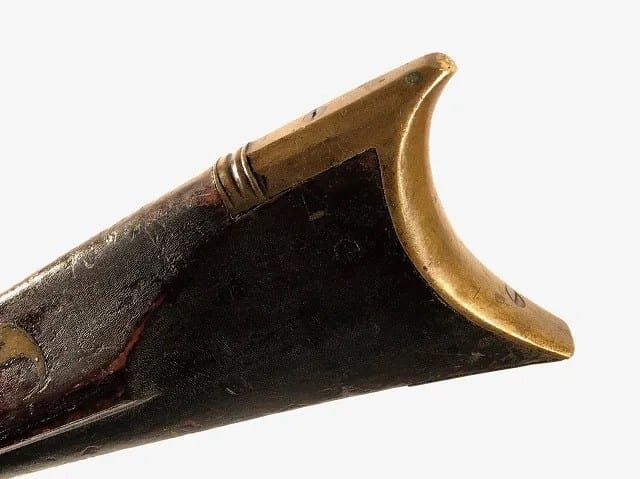
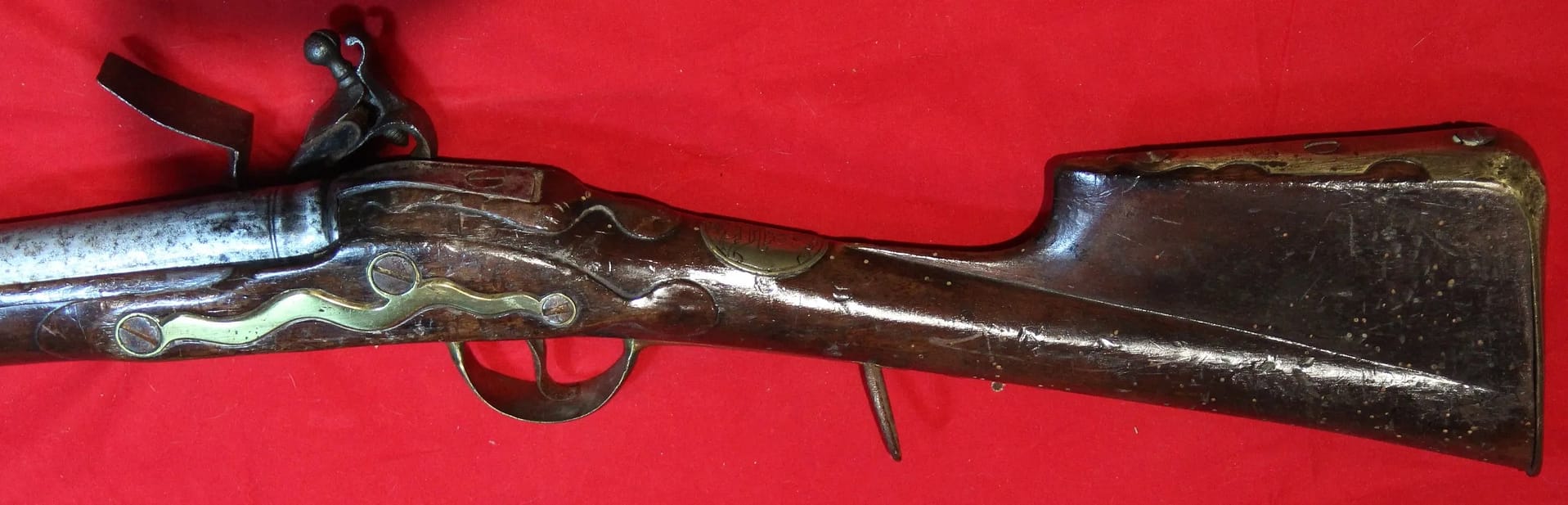
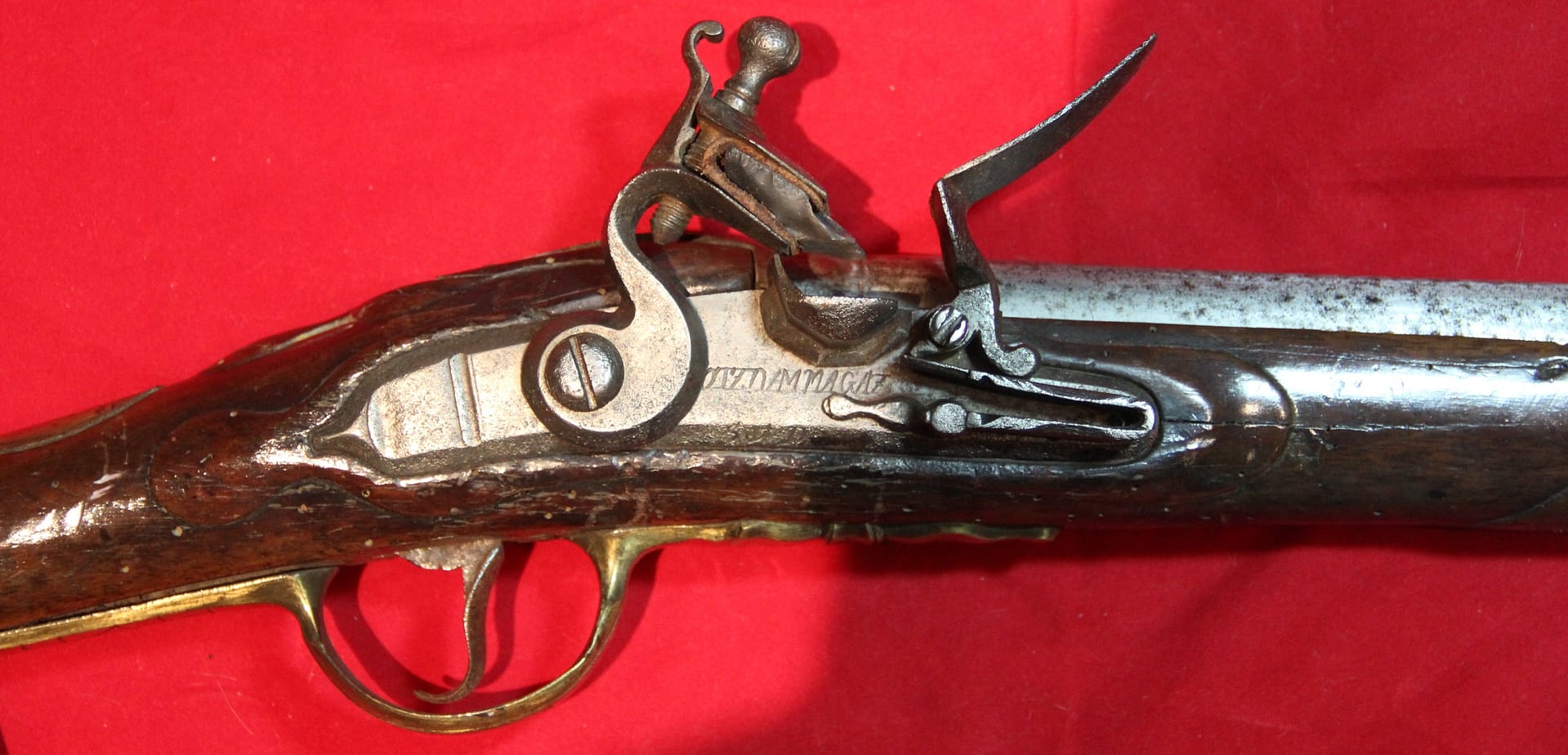
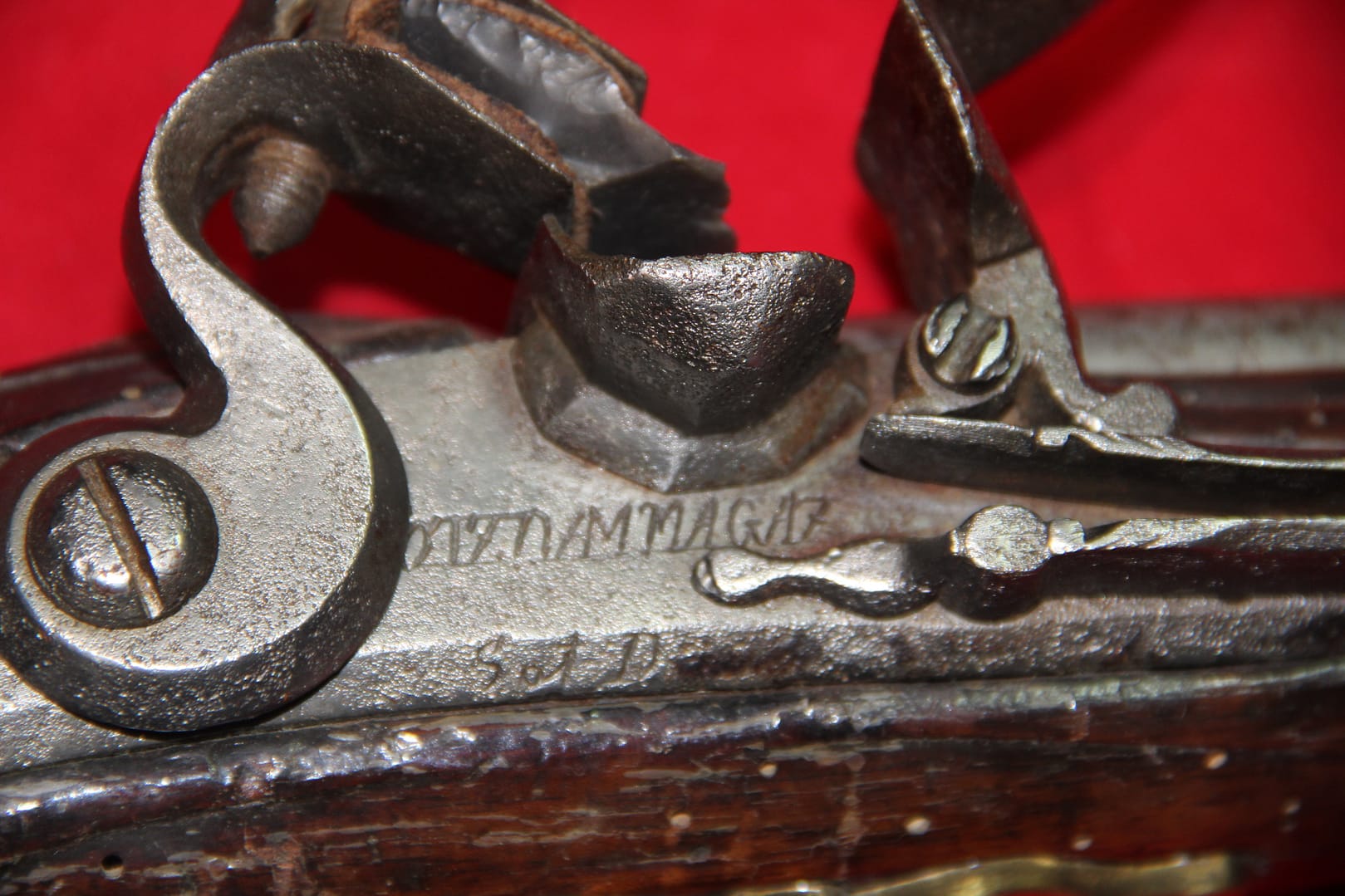
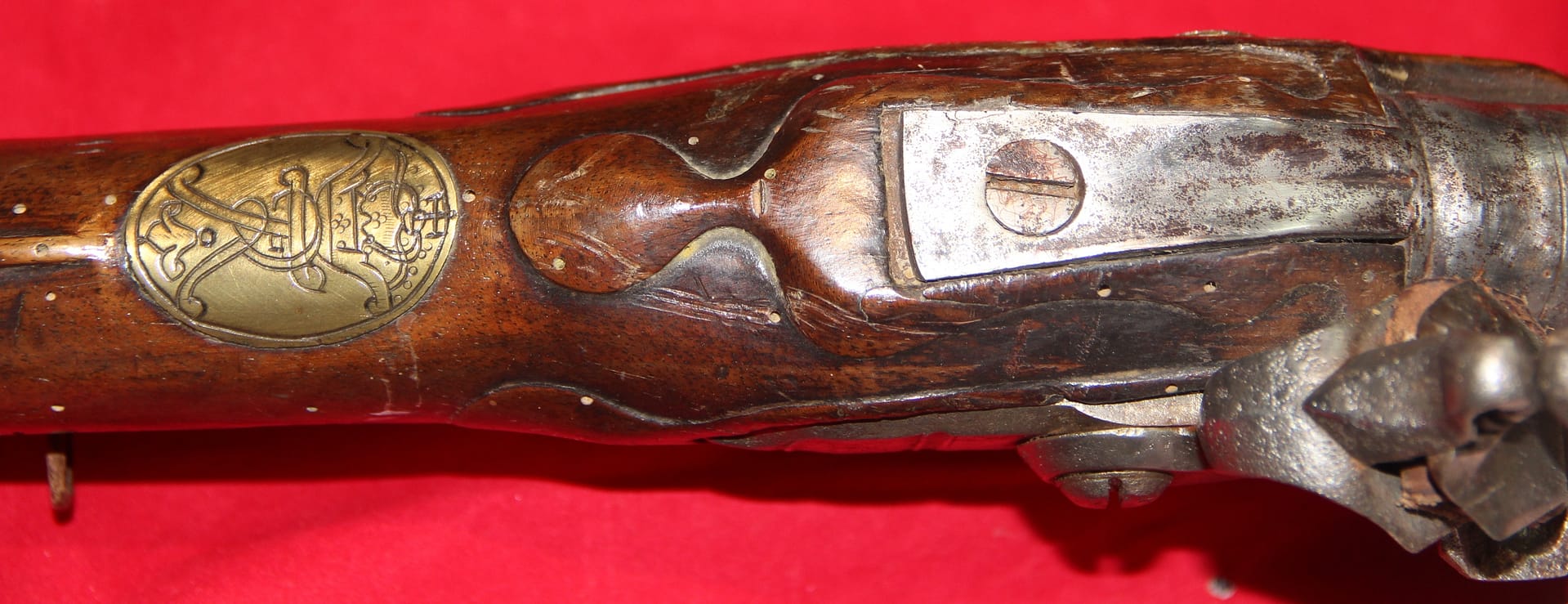
Prussian Model 1740 Musket, marked POTZDAM MAGAZ, inspected by S&D (initials of Splittgerber and Daum, the inspectors at the Royal Arsenal). From my personal collection.
The Prussian Model 1740 musket was a .72–.73 calibre flintlock produced at the Potsdam Arsenal, marked POTZDAM MAGAZ. The “S&D” inspection stamp denotes Splittgerber and Daum, the principal inspectors responsible for Frederick the Great’s early-war small-arms programme. Lighter and handier than earlier Prussian models, the 1740 musket equipped line infantry during the campaigns of the War of Austrian Succession and the Seven Years’ War. This musket and Germanic derivatives were used by Hessian and other German contingents during teh American Revolutionary War.

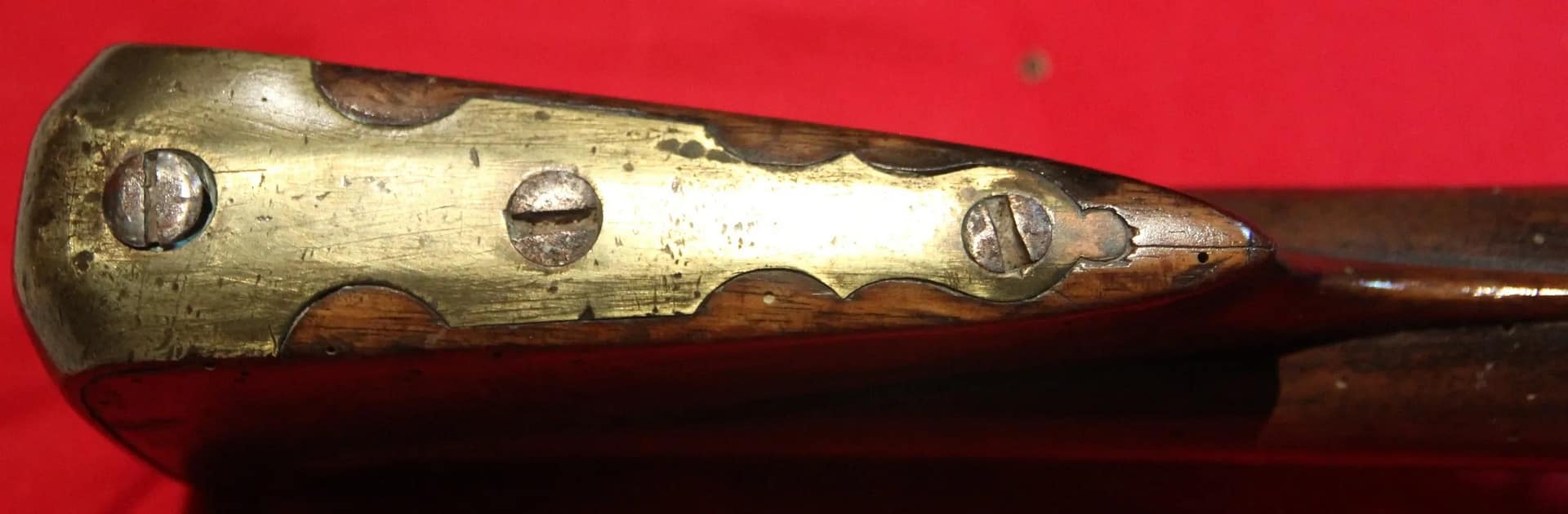
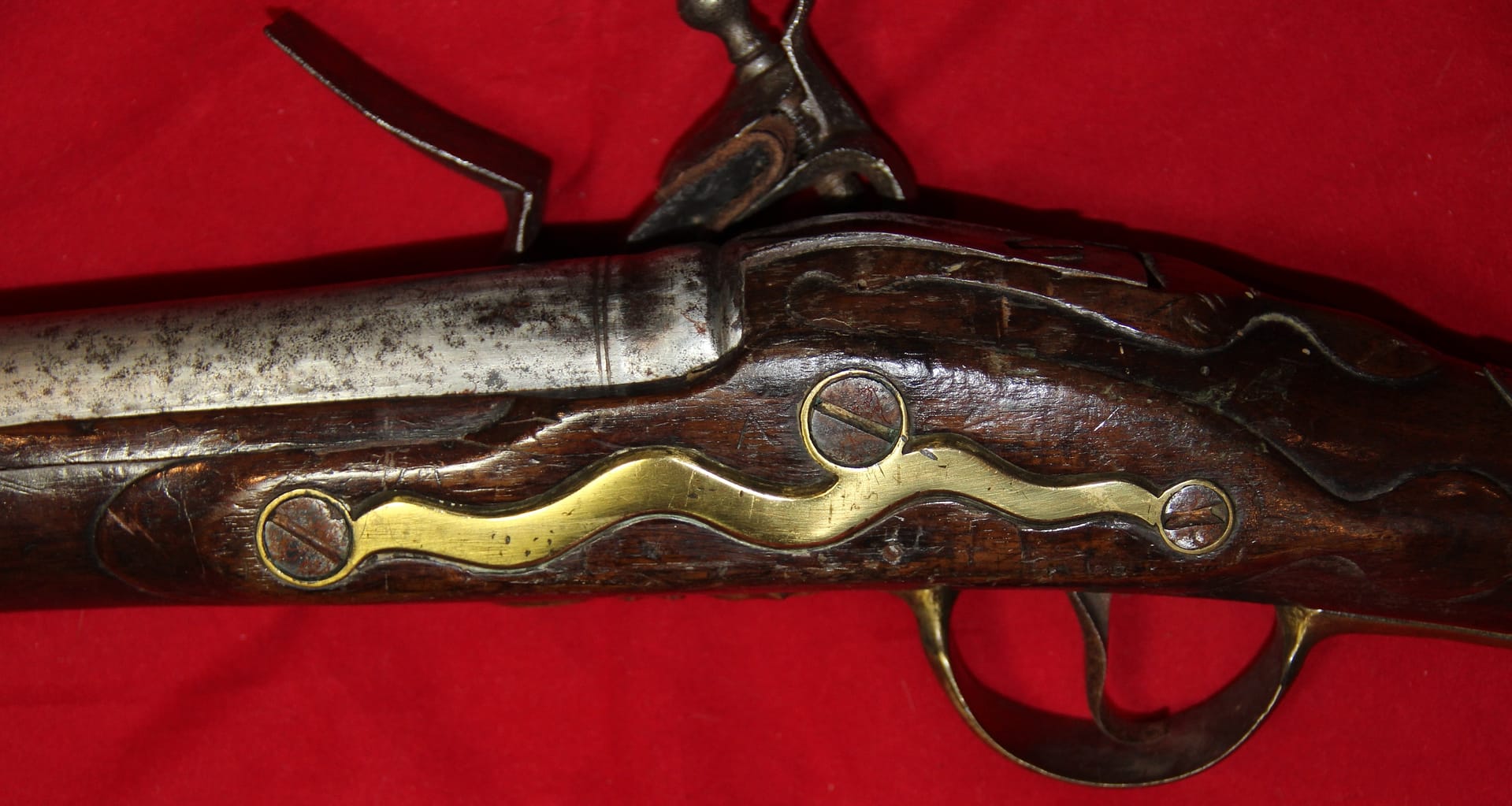
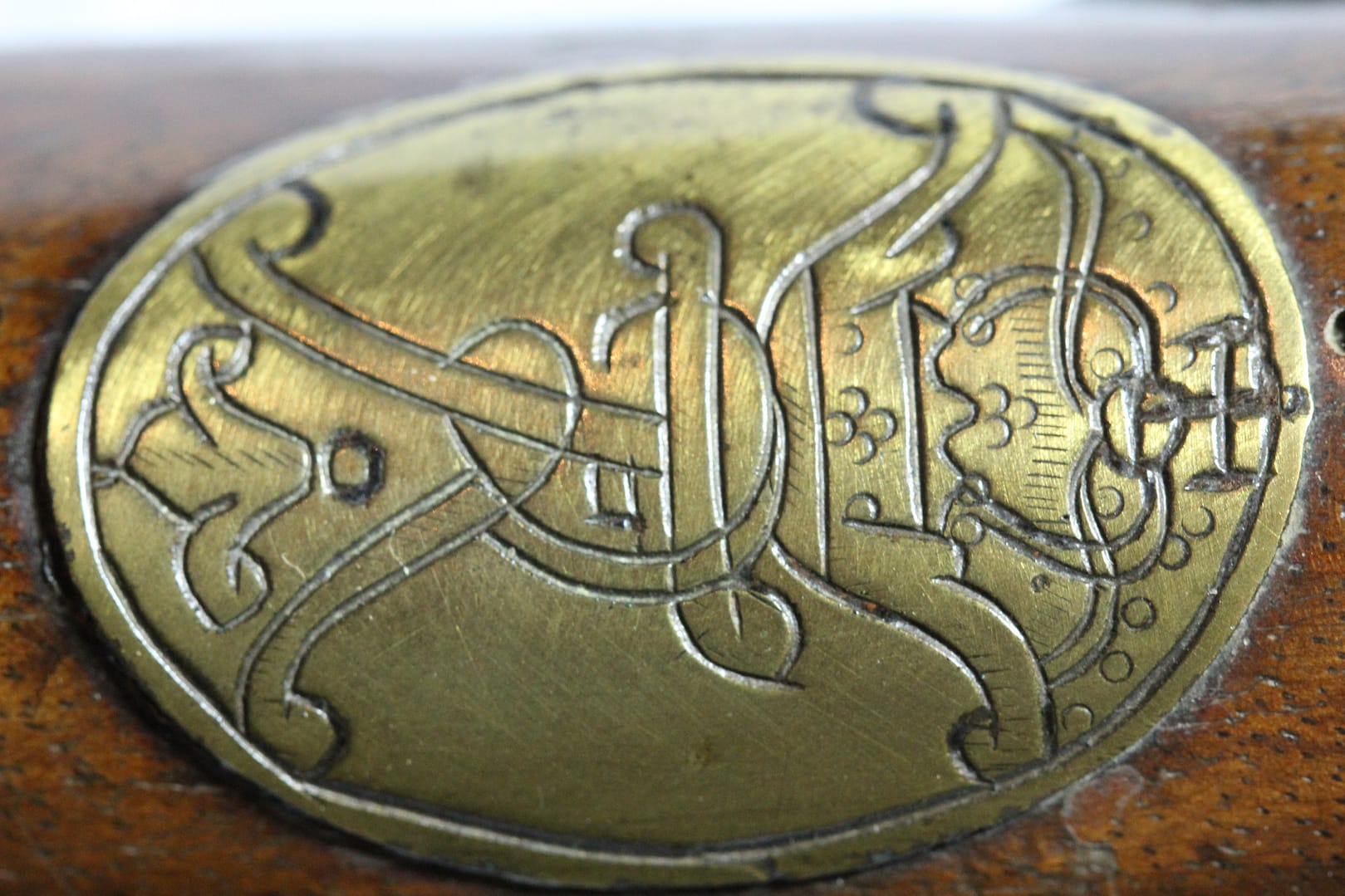
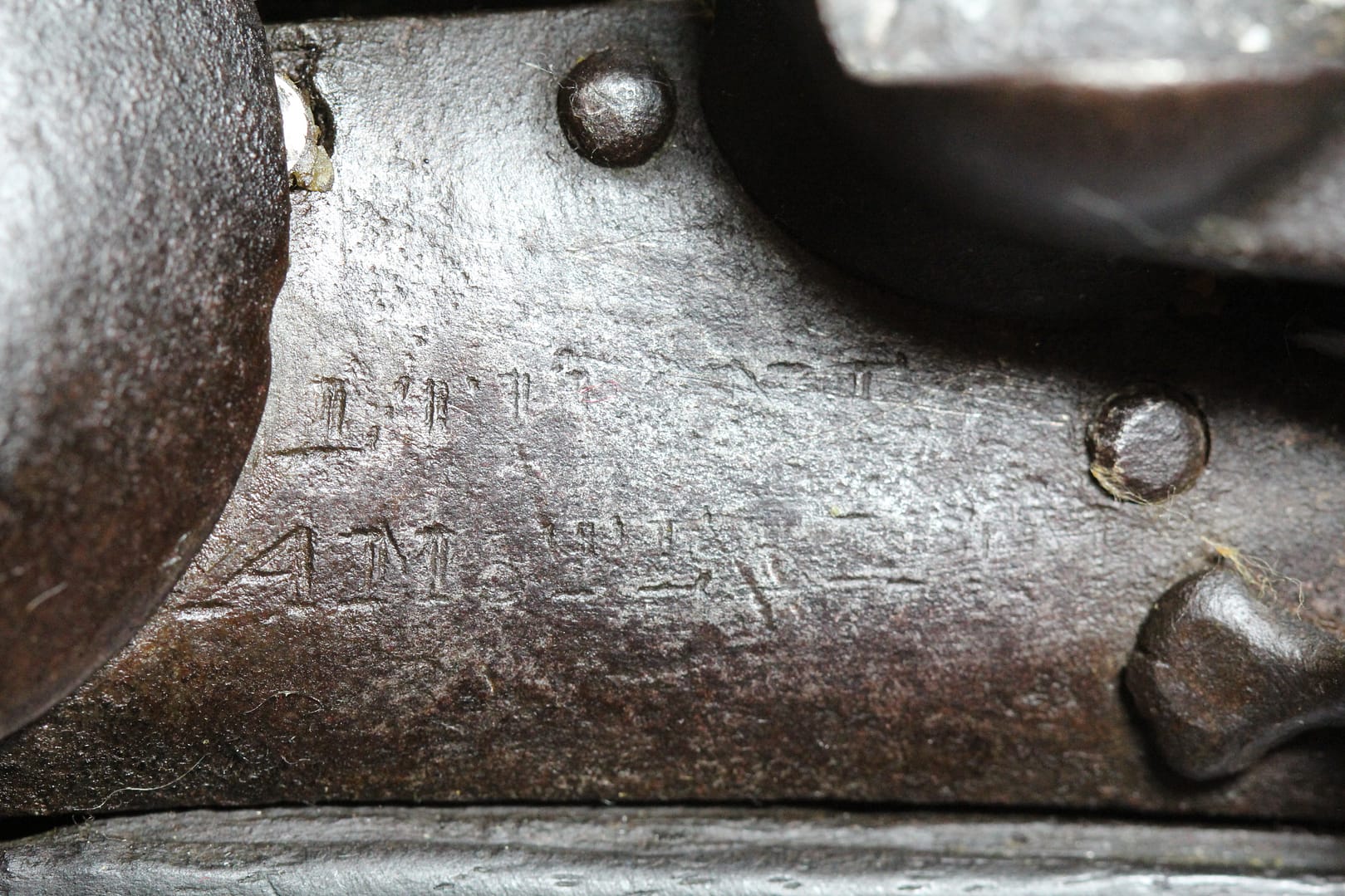
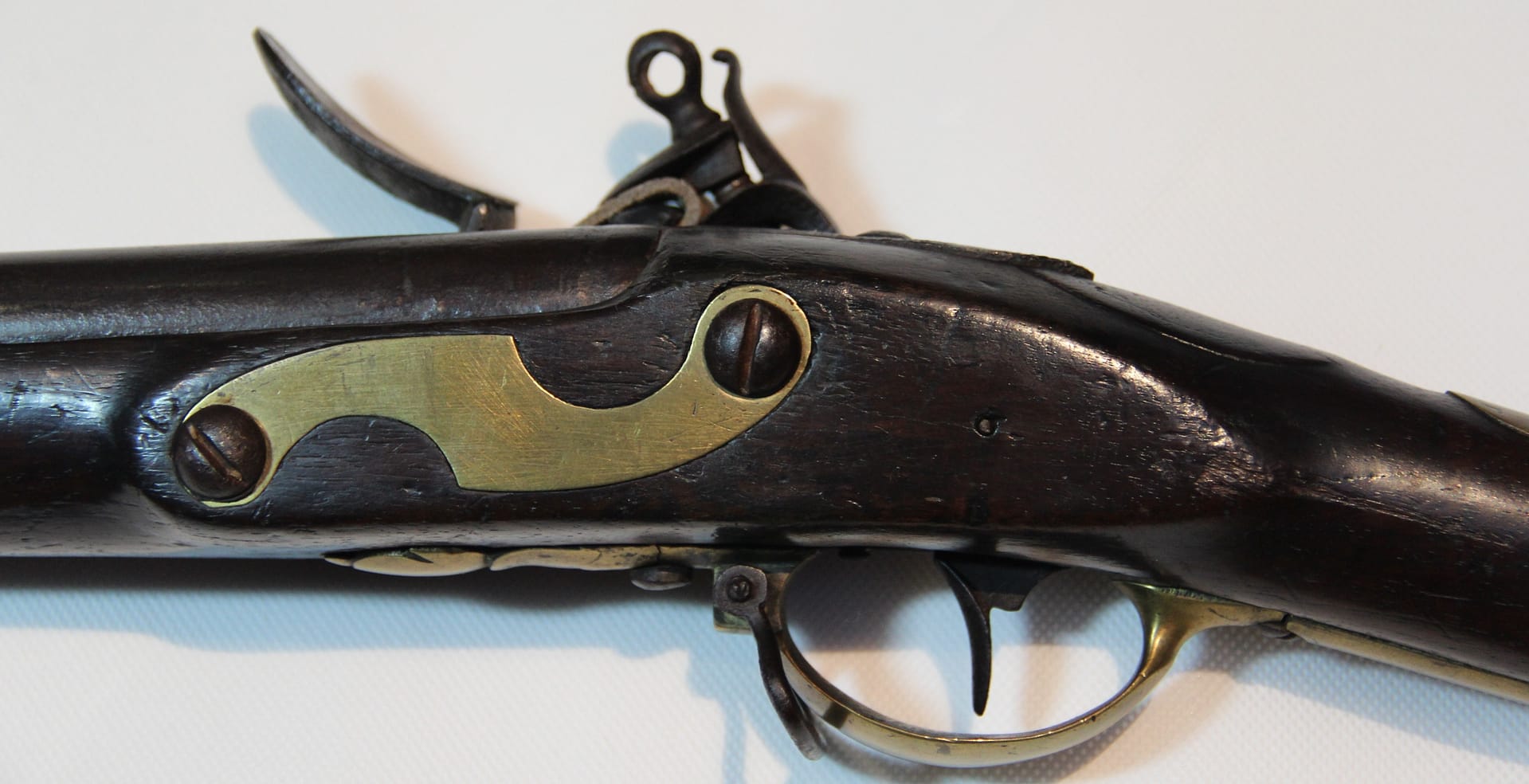
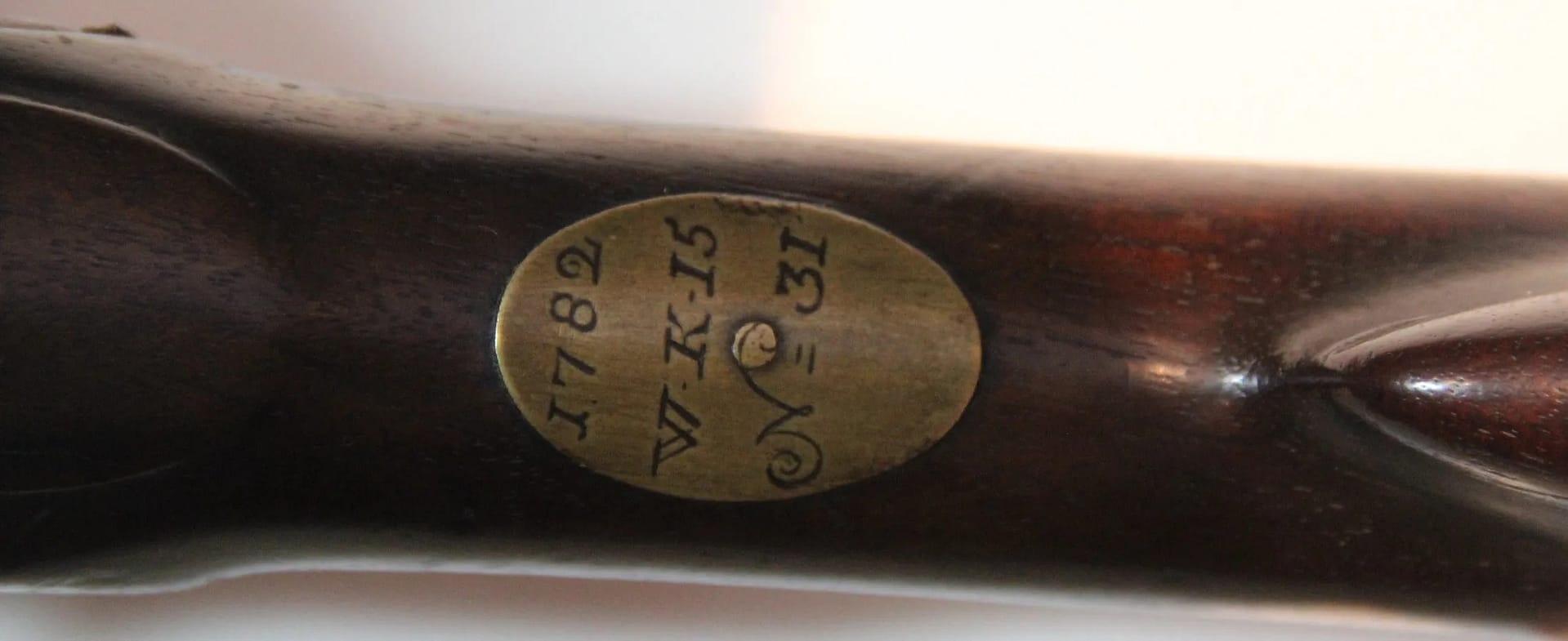
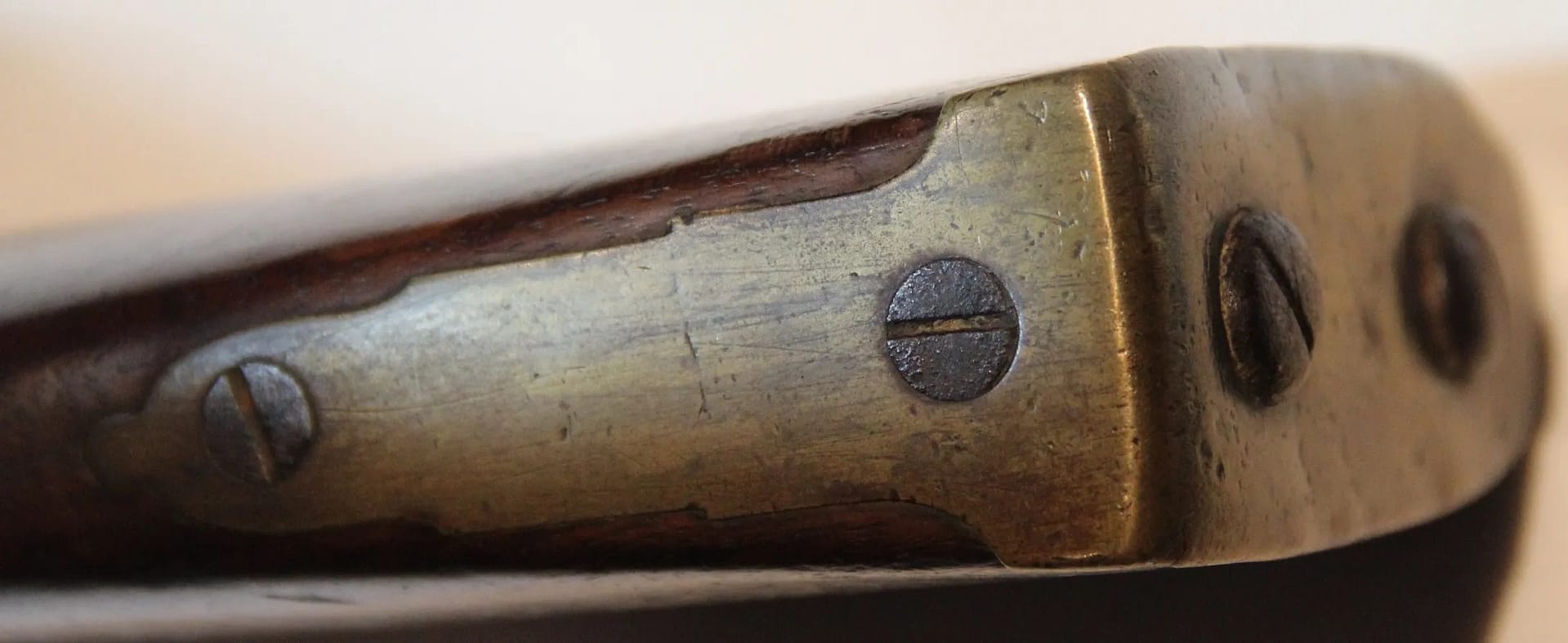
1770 Dutch Light Infantry Musket – a type commonly used by the Patriot forces, from my collection. From my personal collection.
This 1770 Dutch light infantry musket represents the type widely used by Patriot forces during the American War of Independence. Dutch muskets, typically .72–.75 calibre with distinctive brass furniture and flat-faced locks, were imported in significant numbers by colonial authorities and private agents. Light, well-balanced, and suited to skirmish tactics, they were favoured by militia and light companies. Surviving, intact Dutch muskets from this period are increasingly scarce.


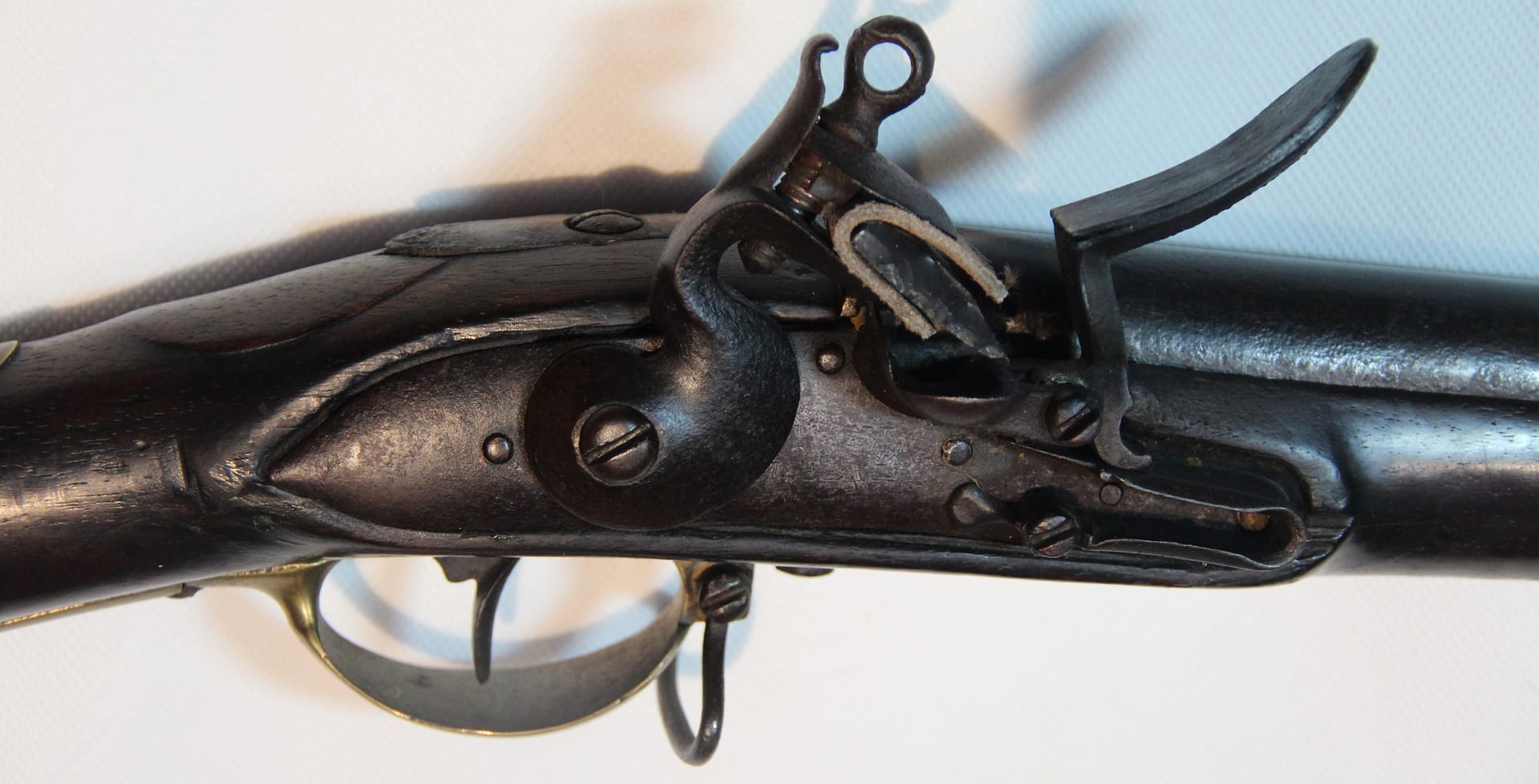
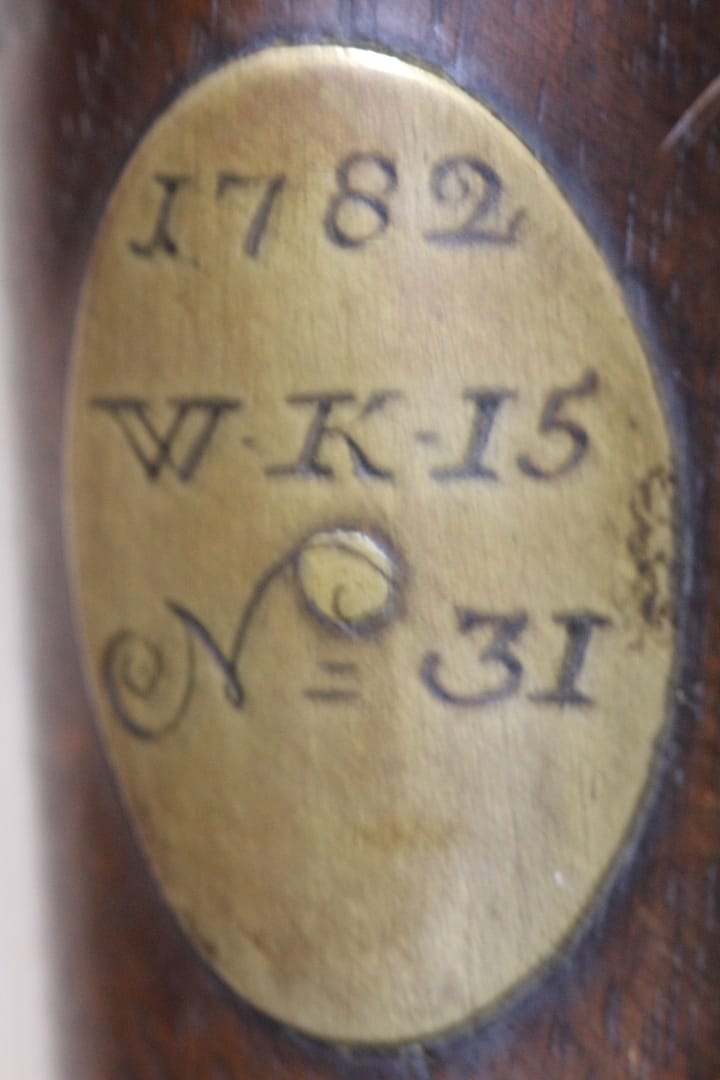
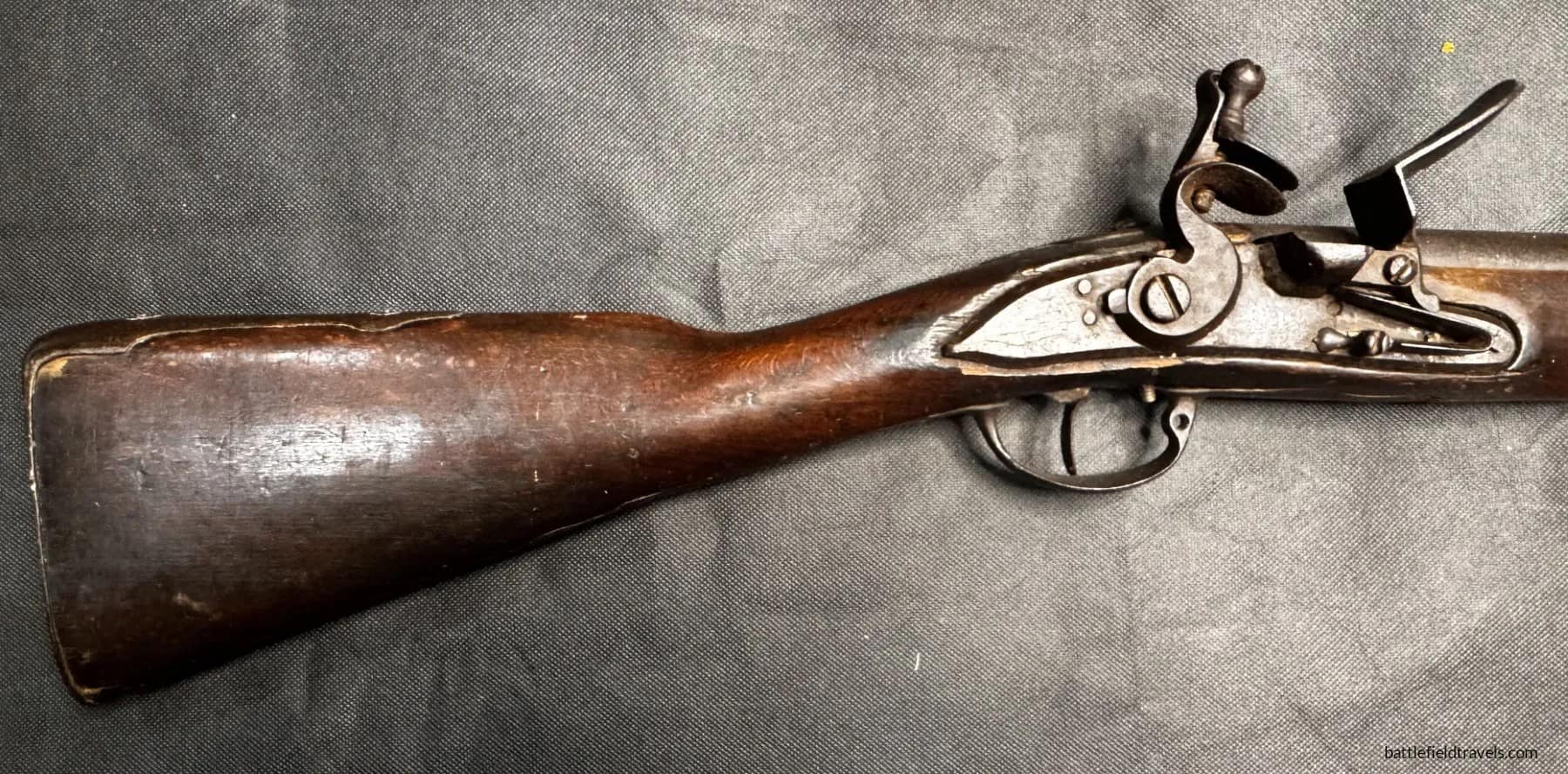
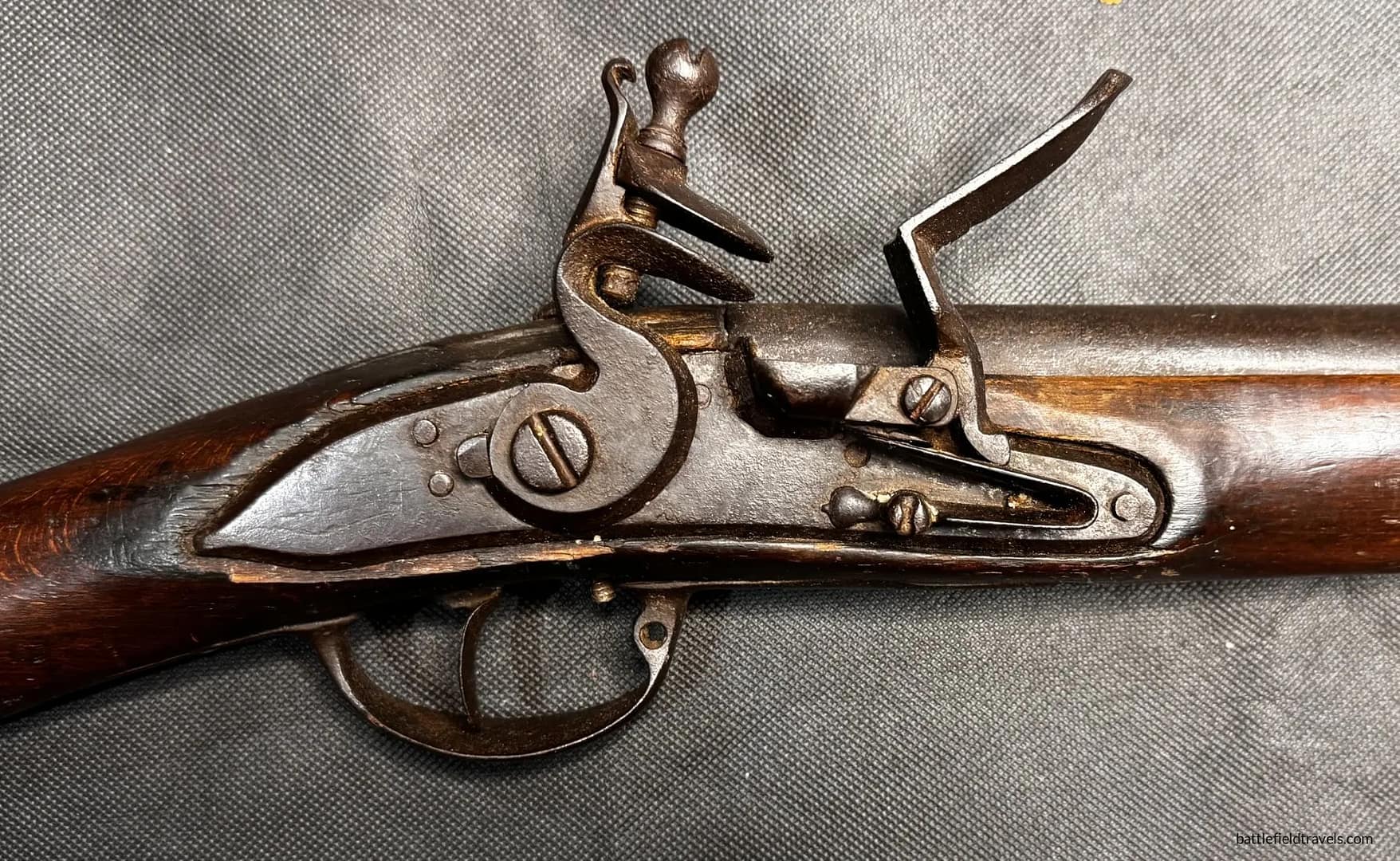
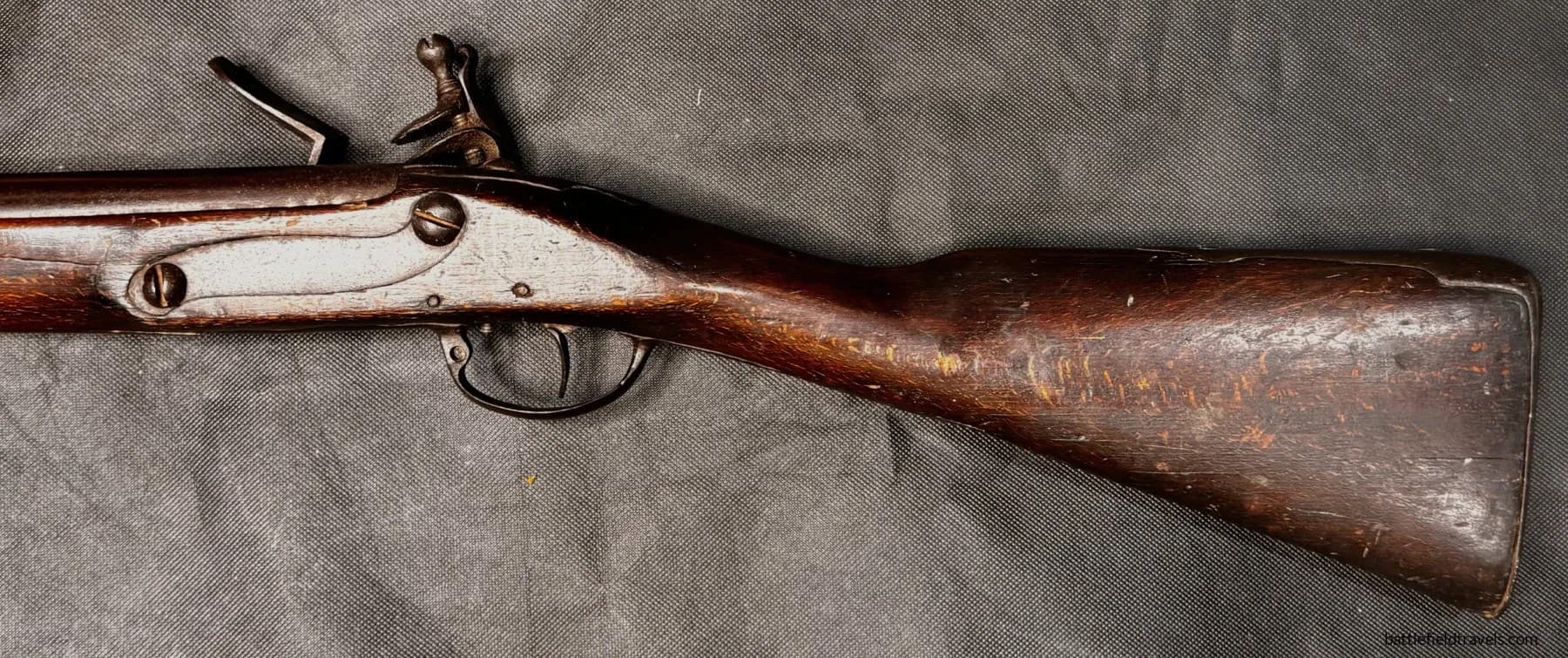
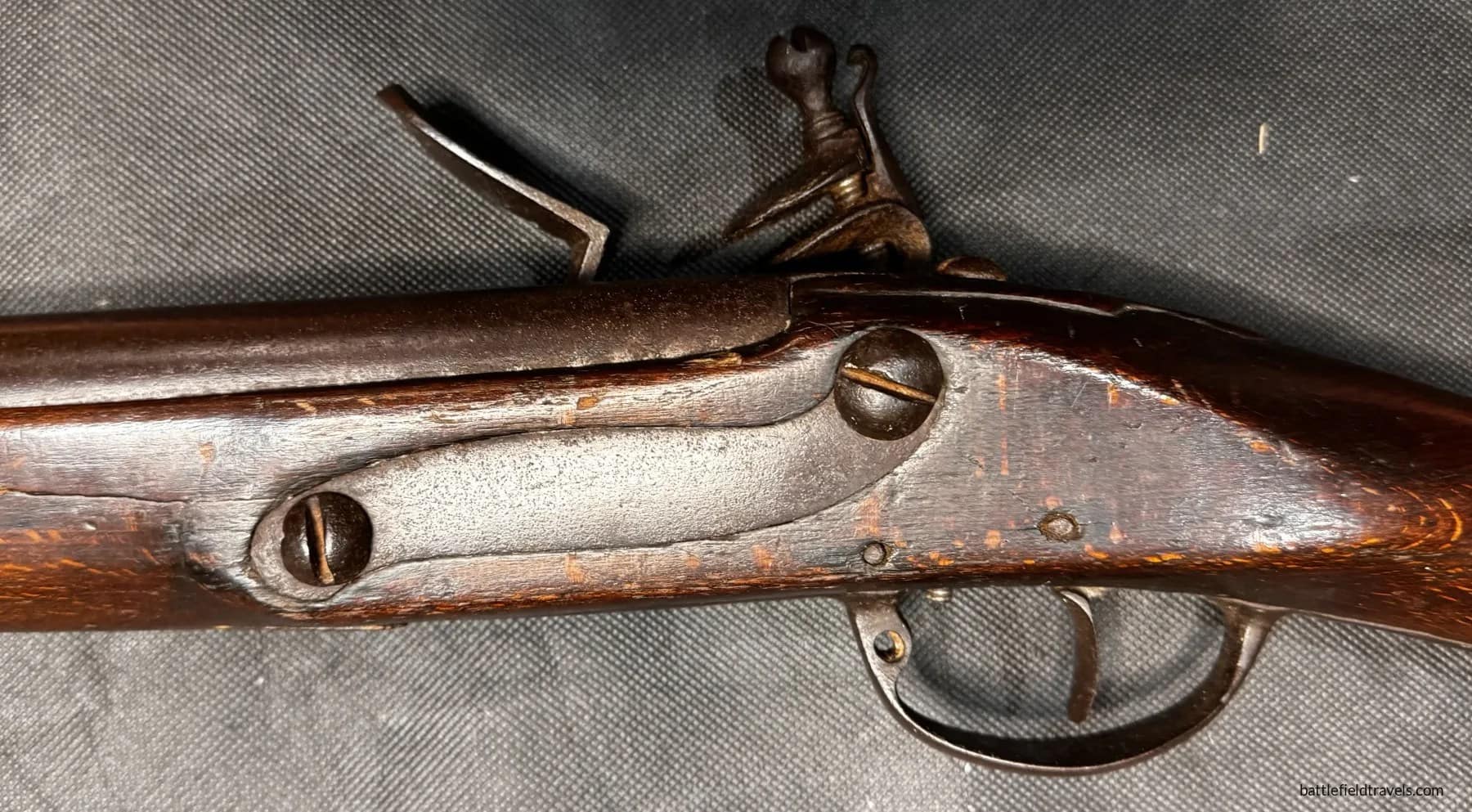
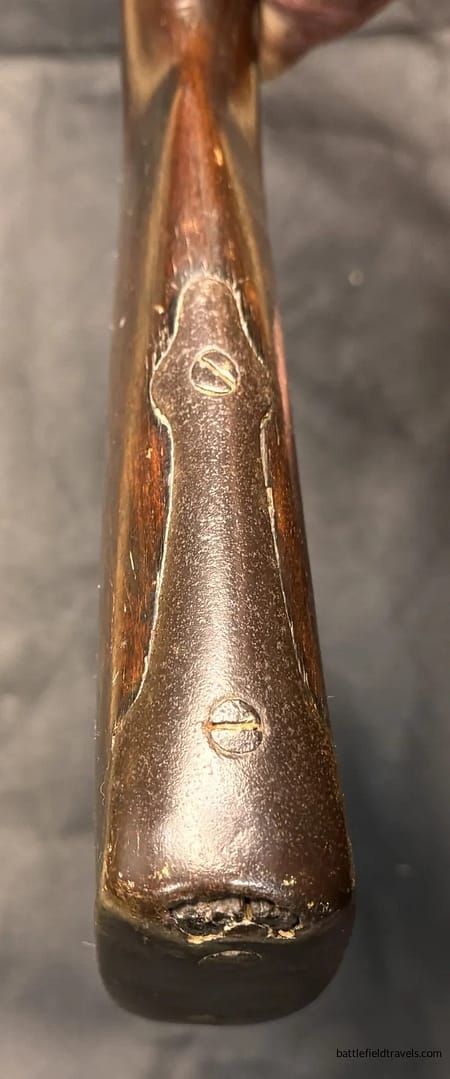
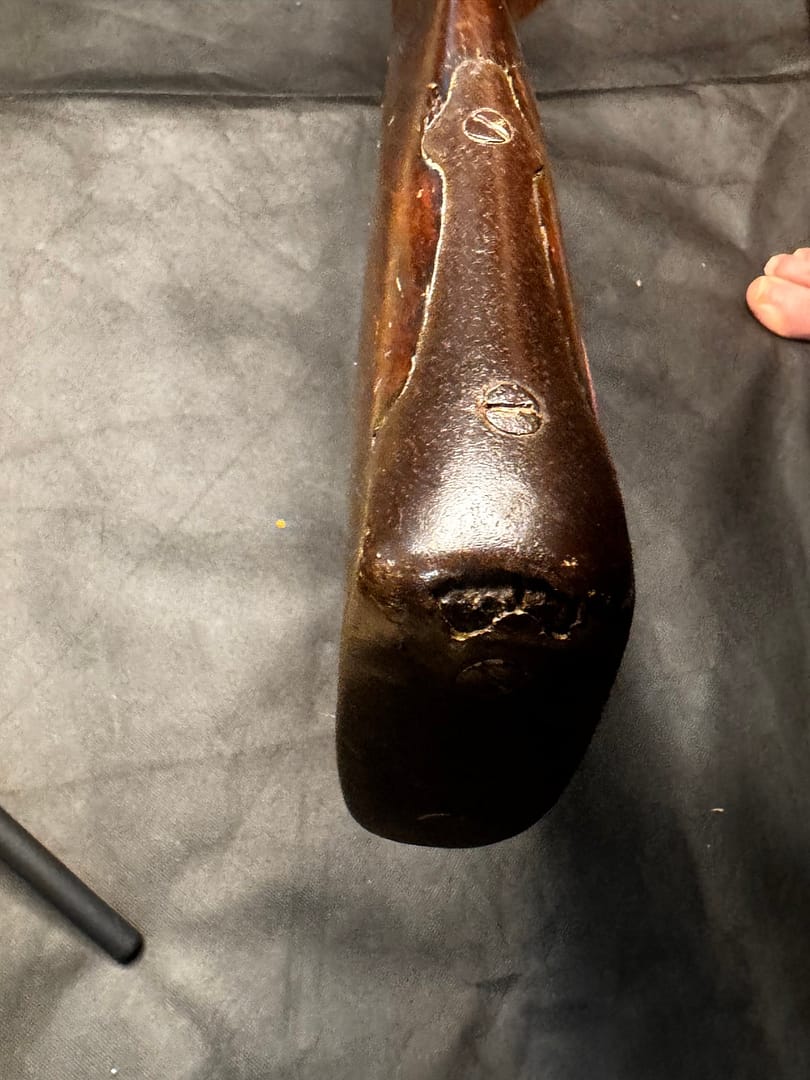
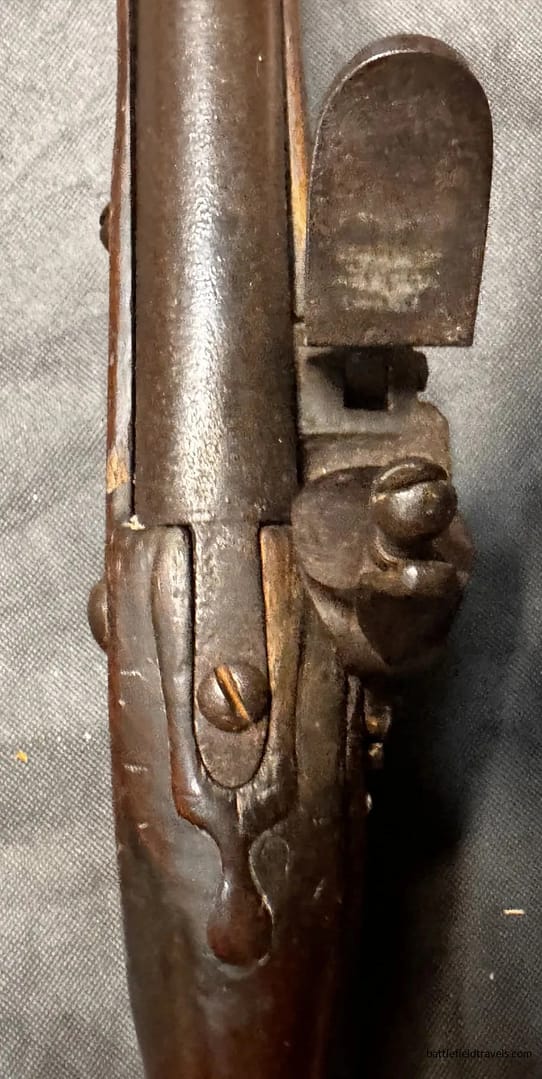
Model 1754 Austrian musket. From my personal collection.
The Austrian Model 1754 musket was the Habsburg Army’s standard .70-calibre infantry weapon during the War of Austrian Succession and the early Seven Years War. Built at Vienna and regional armouries, it featured a robust lock, wooden ramrod, and long barrel optimised for line-volley fire. Although heavier than contemporary Prussian muskets, it was durable and capable of sustained battlefield use. The M1754 armed the bulk of Austrian infantry battalions in Bohemia, Silesia, and Saxony.


🧭 From Weapons to Battlefield Use
This page shows weapons and equipment of the American Revolutionary War. All items are from my personal collection.
But what images and data don’t show is how these weapons were actually used on the ground—how weapon characteristics, tactics, innovation, terrain, and movement shaped their effectiveness in battle.
👉 That layer—how firepower, tactics, and terrain interact in real engagements—is explored in:
⚔️Battlefield Studies ◊ 💡Tactical Innovations ◊ 📝Field Notes
Hand Guns of the American Revolutionary War
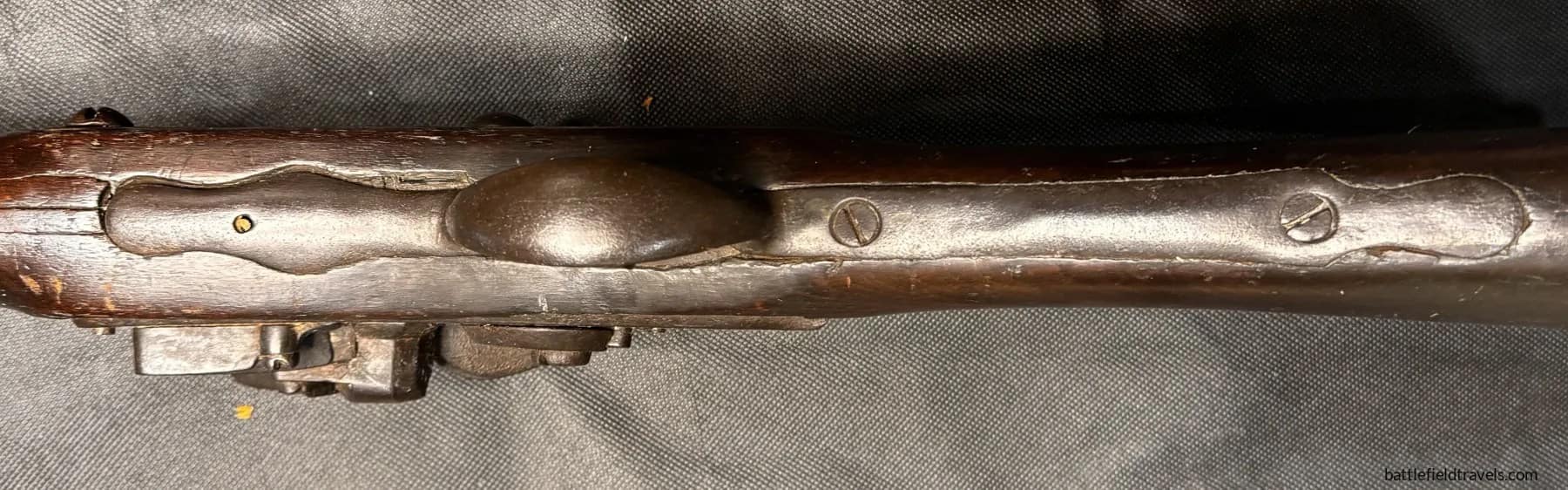
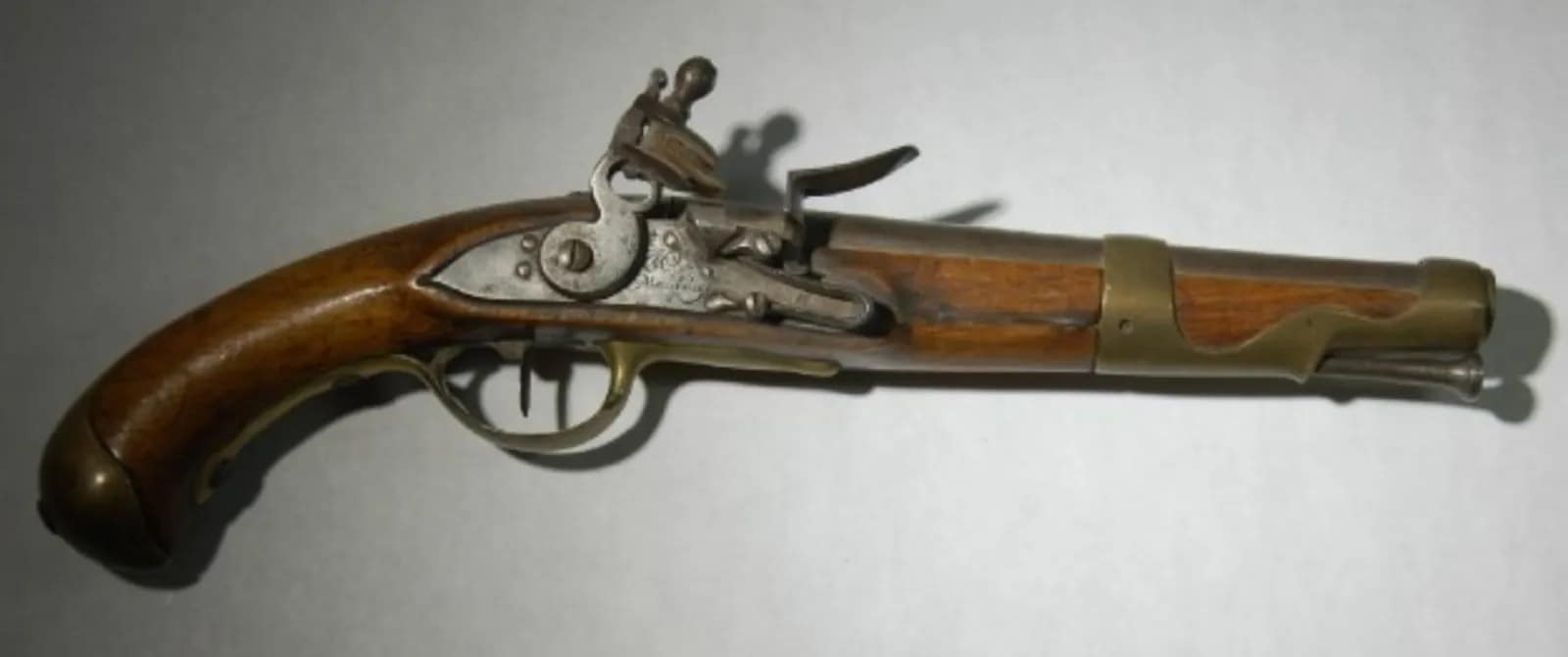
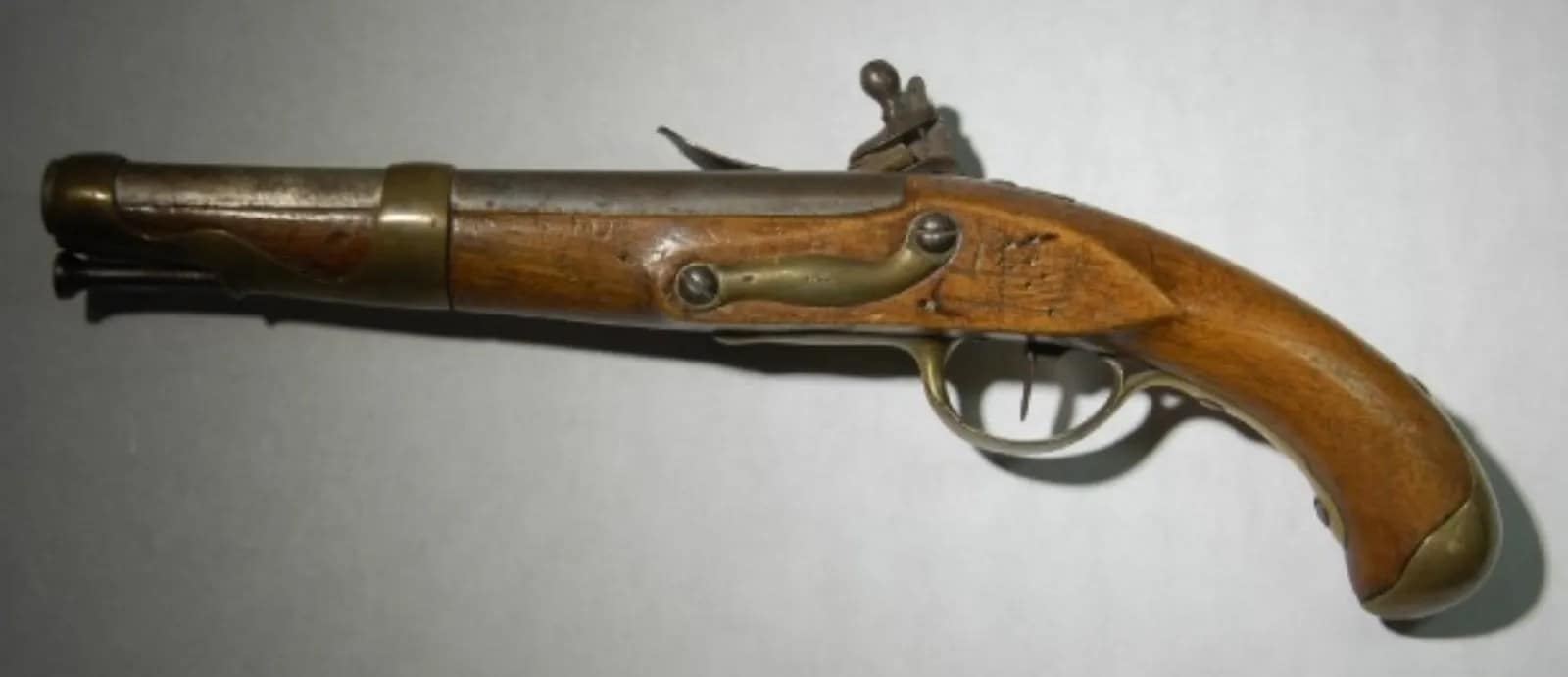
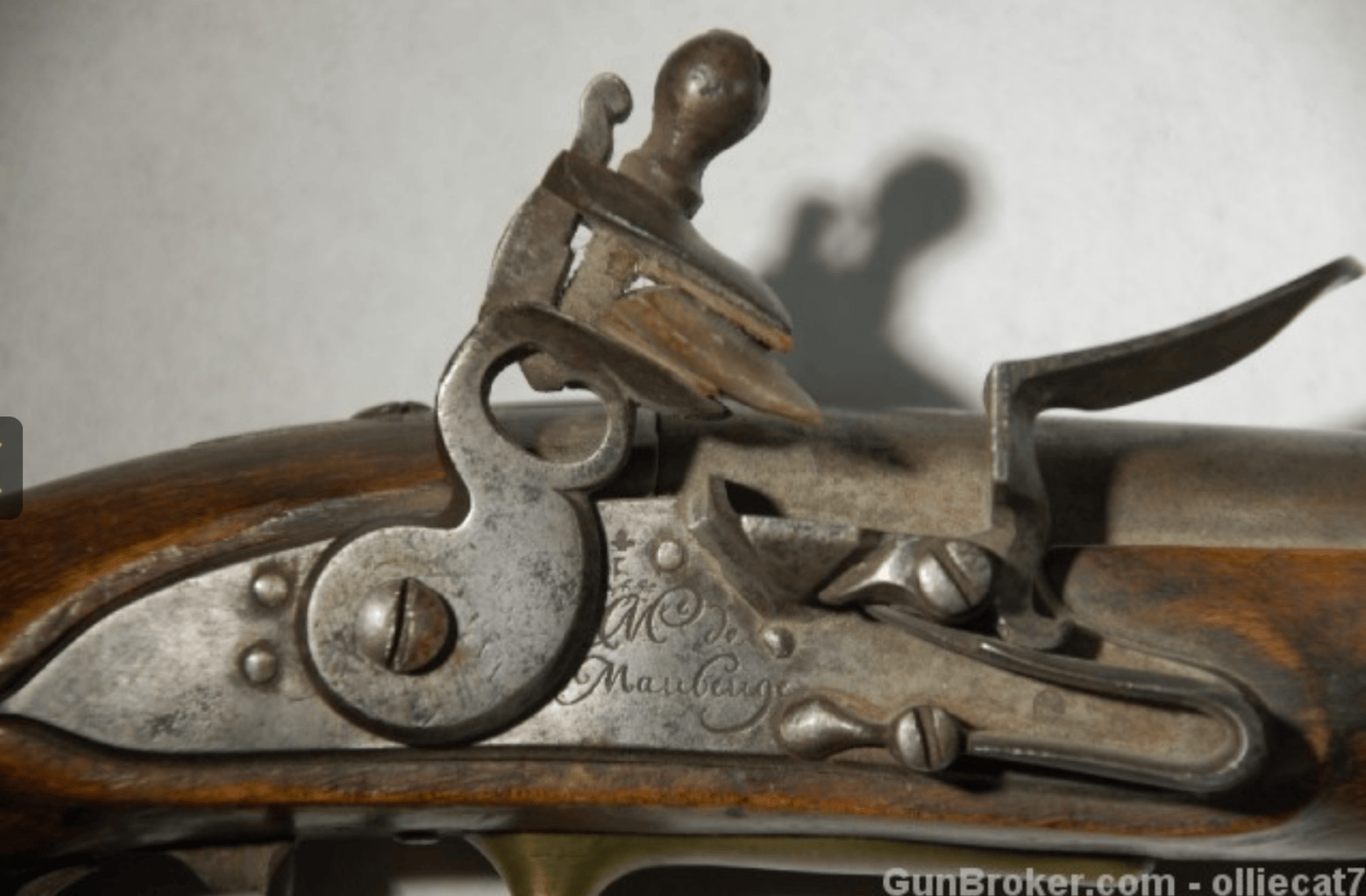
French Model 1763 Flintlock Pistol. Manufactured at the Maubeuge Royal Armoury. From my personal collection.
The French Model 1763 flintlock pistol was introduced to equip cavalry and mounted troops of the Royal French Army at the end of the Seven Years’ War. Manufactured at the Maubeuge Royal Armoury, it was a single-shot, smoothbore pistol of approximately .69 calibre with brass furniture and steel ramrod. Designed for close-range mounted combat, it complemented sabre use during shock action. Lockplates were marked with the royal cypher and manufactory stamp, identifying origin and inspection. The Model 1763 reflects early efforts at standardisation within the Ancien Régime military system and remained in service through the American War of Independence.
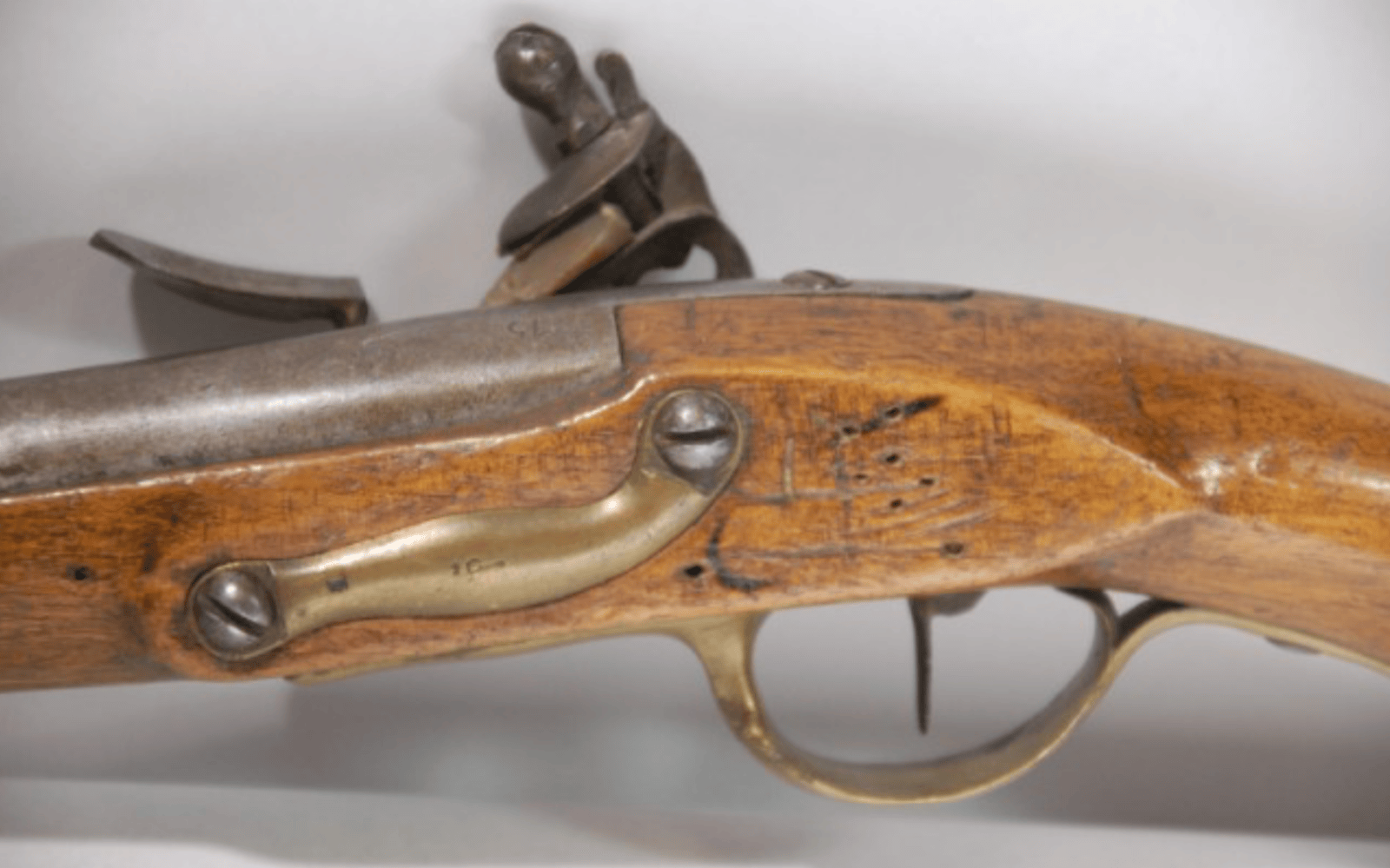
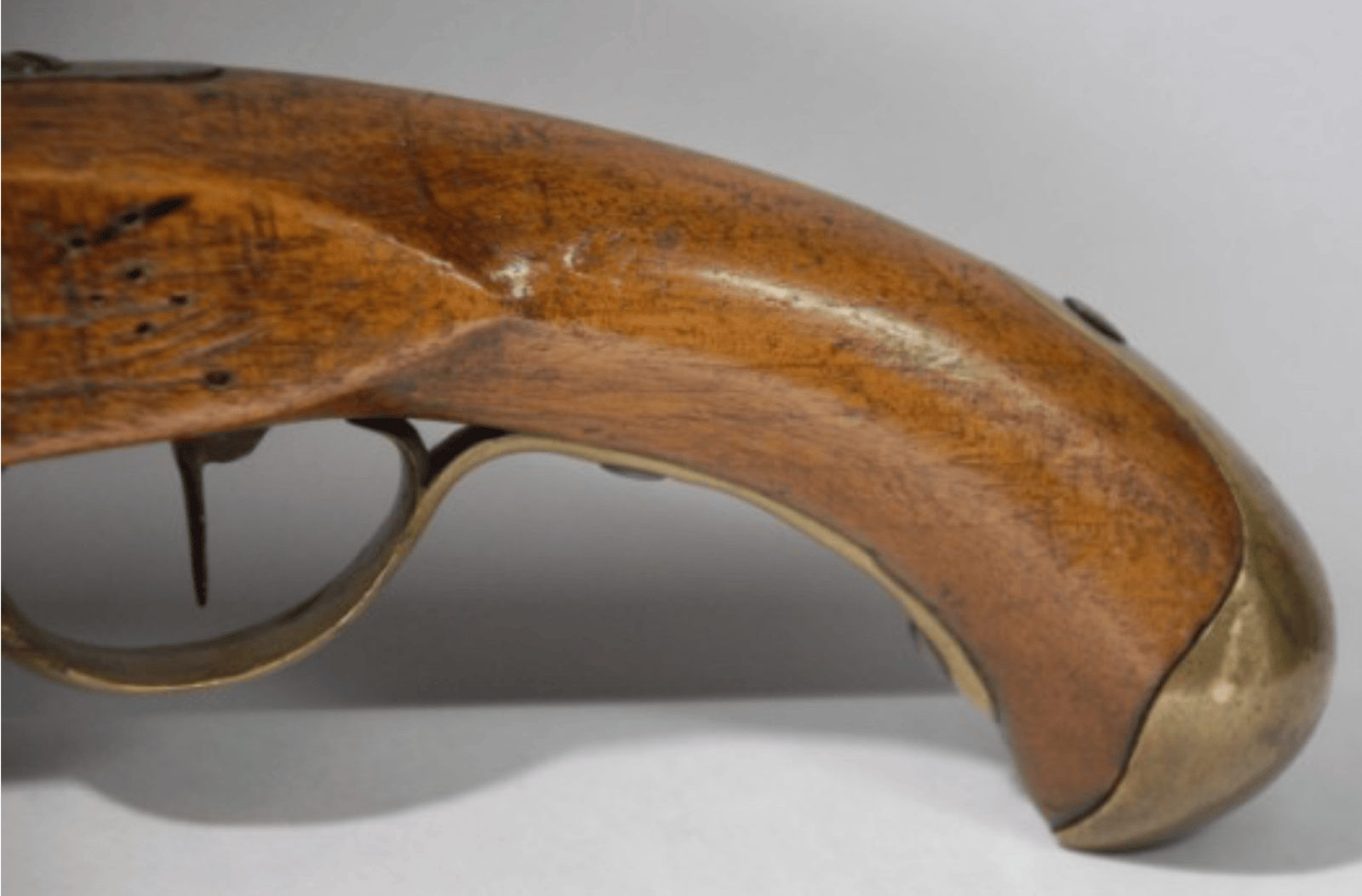
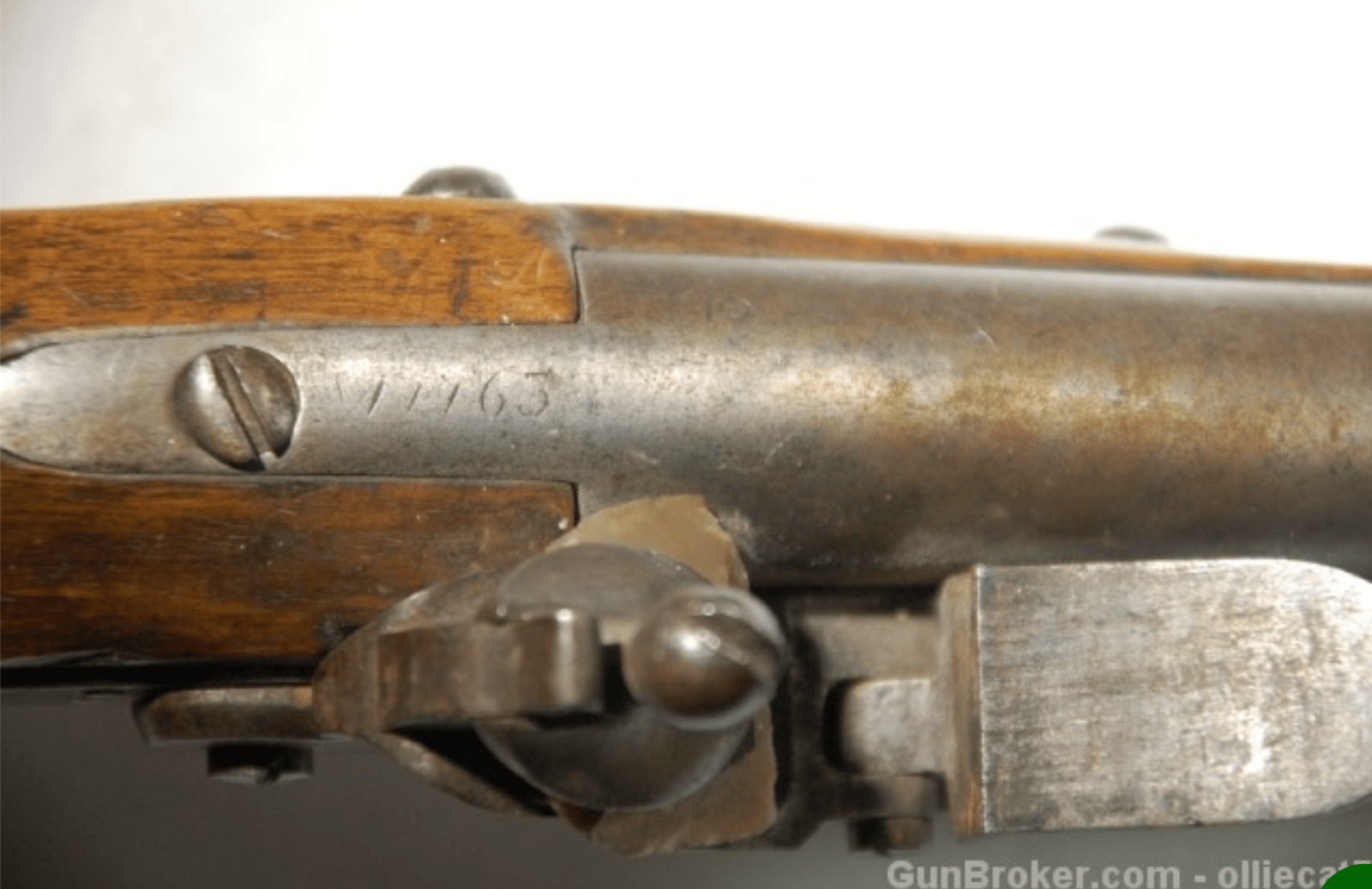
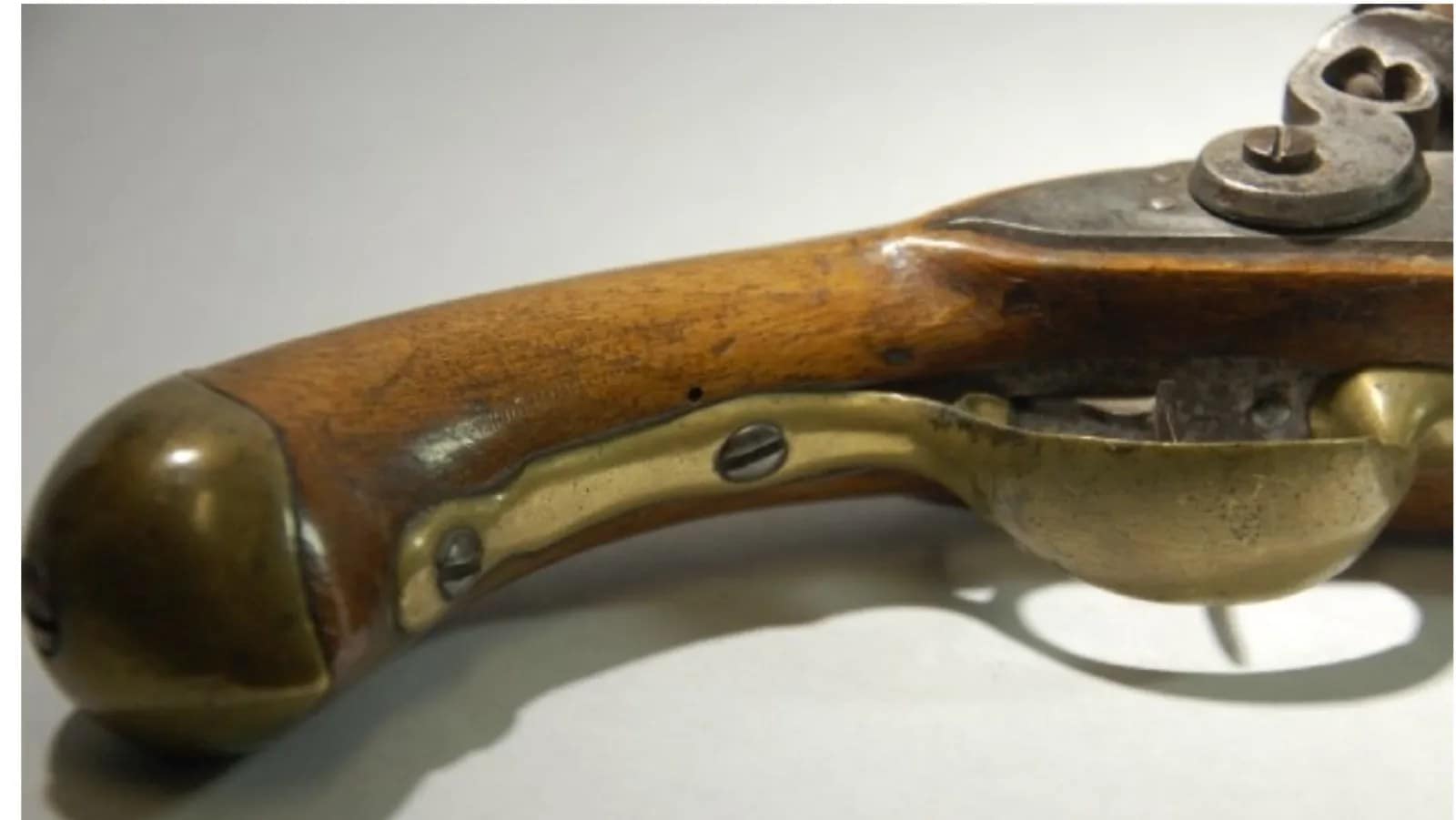
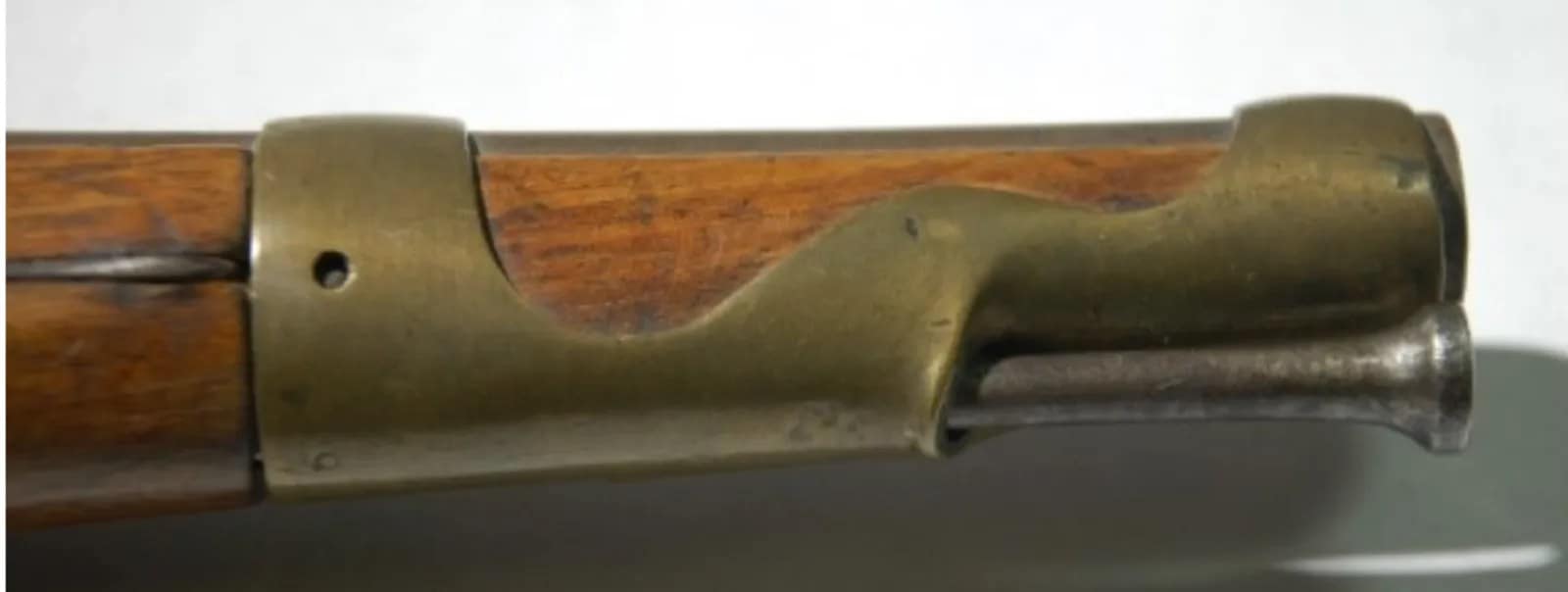
French Model 1777 flintlock cavalry pistol, 1st type. From my personal collection.
The French Model 1777 cavalry pistol (1st Type) introduced significant improvements in lock strength, barrel band design, and standardisation across the French cavalry. A .69-calibre flintlock with brass mounts, it equipped dragoons, hussars, and line cavalry from the late 1770s through the Revolutionary Wars. Though criticised for some production complexity, the M1777 established the design lineage that influenced later French and American military pistols.
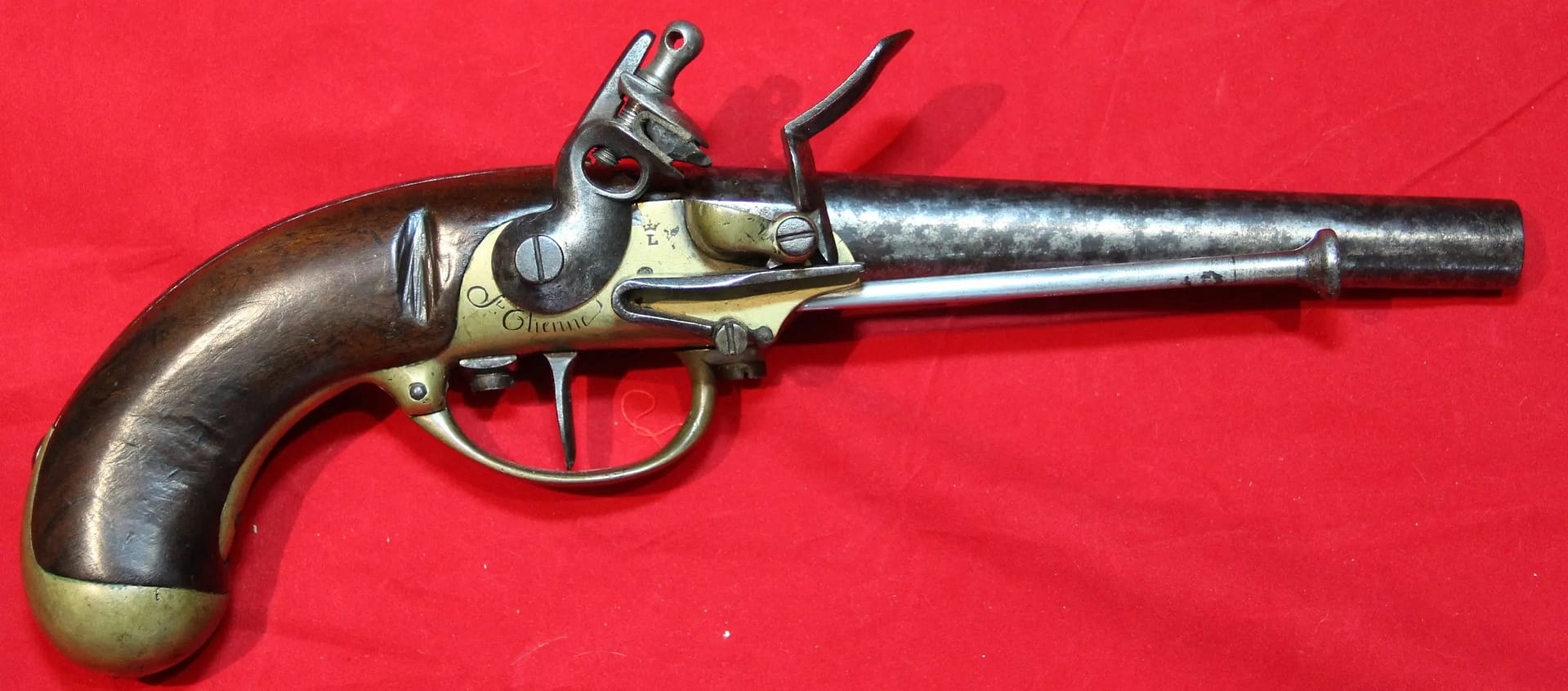
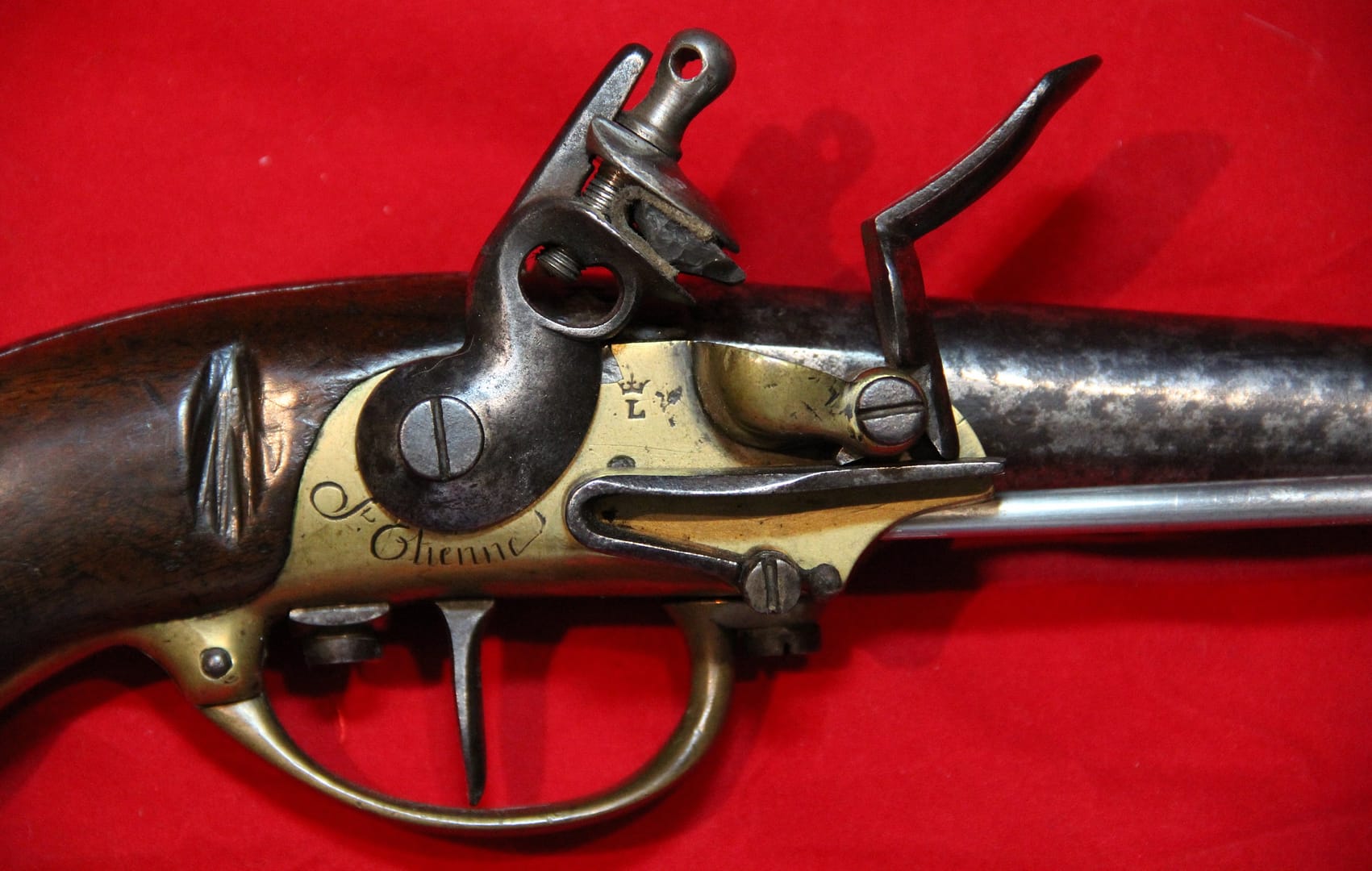
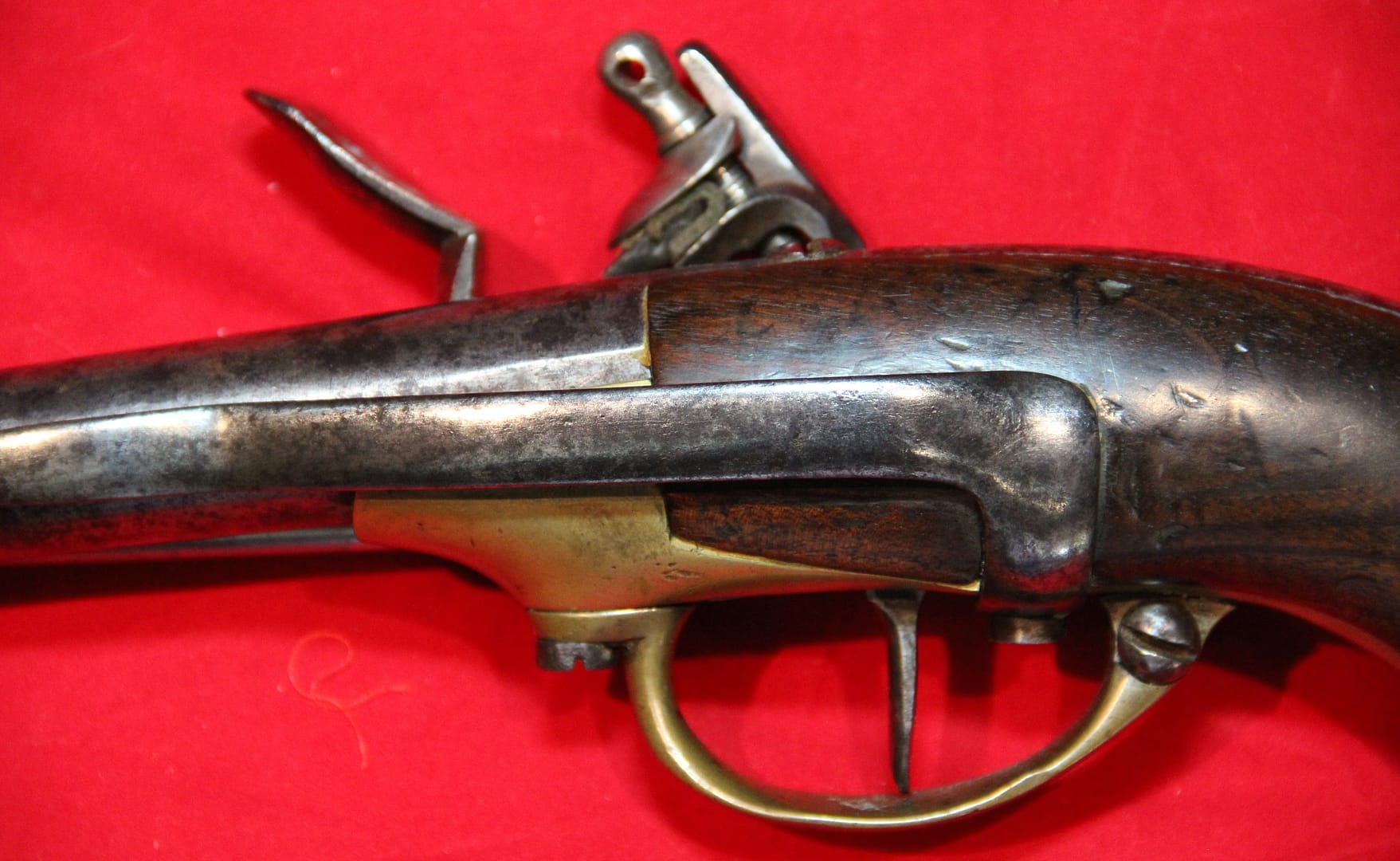
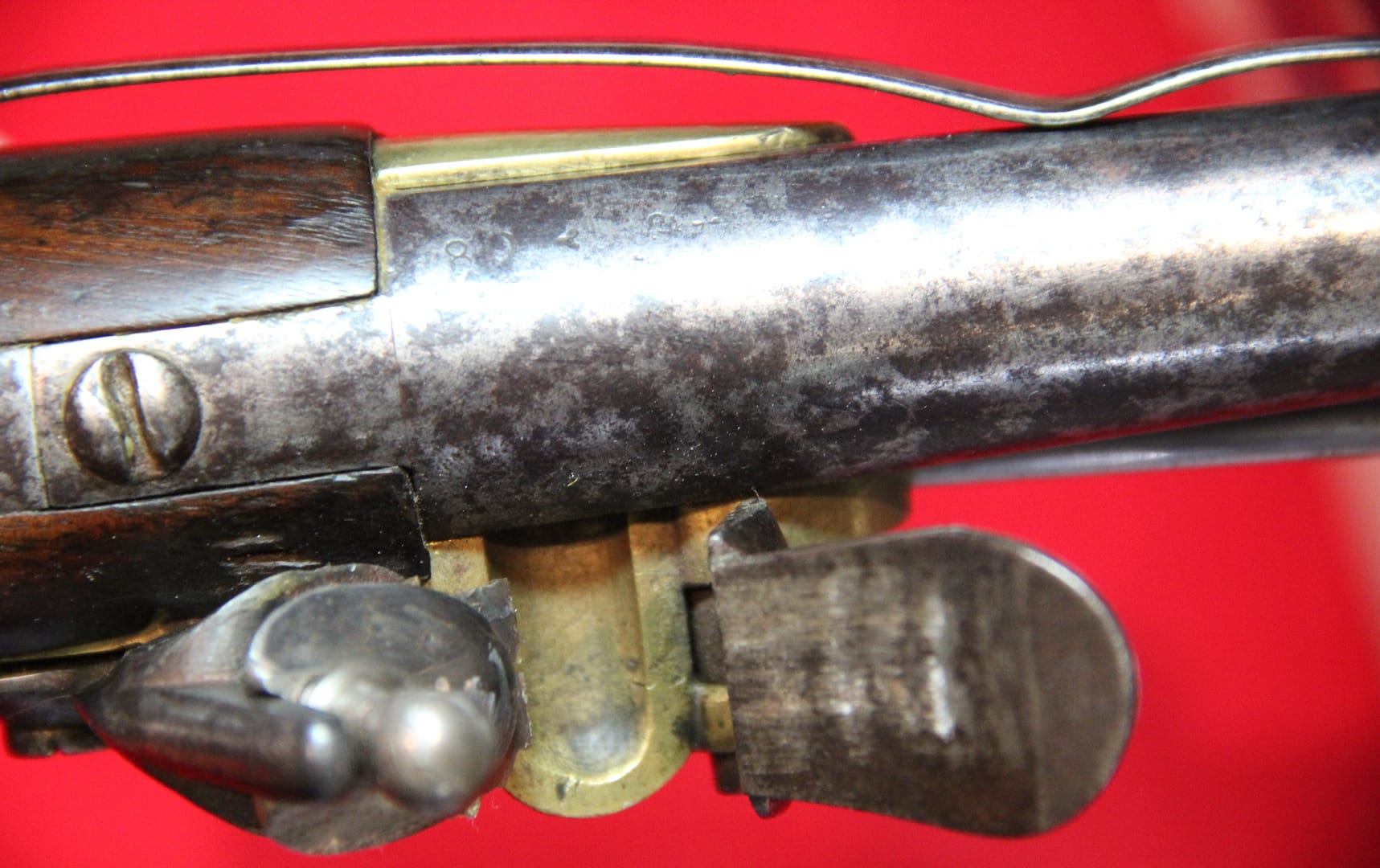
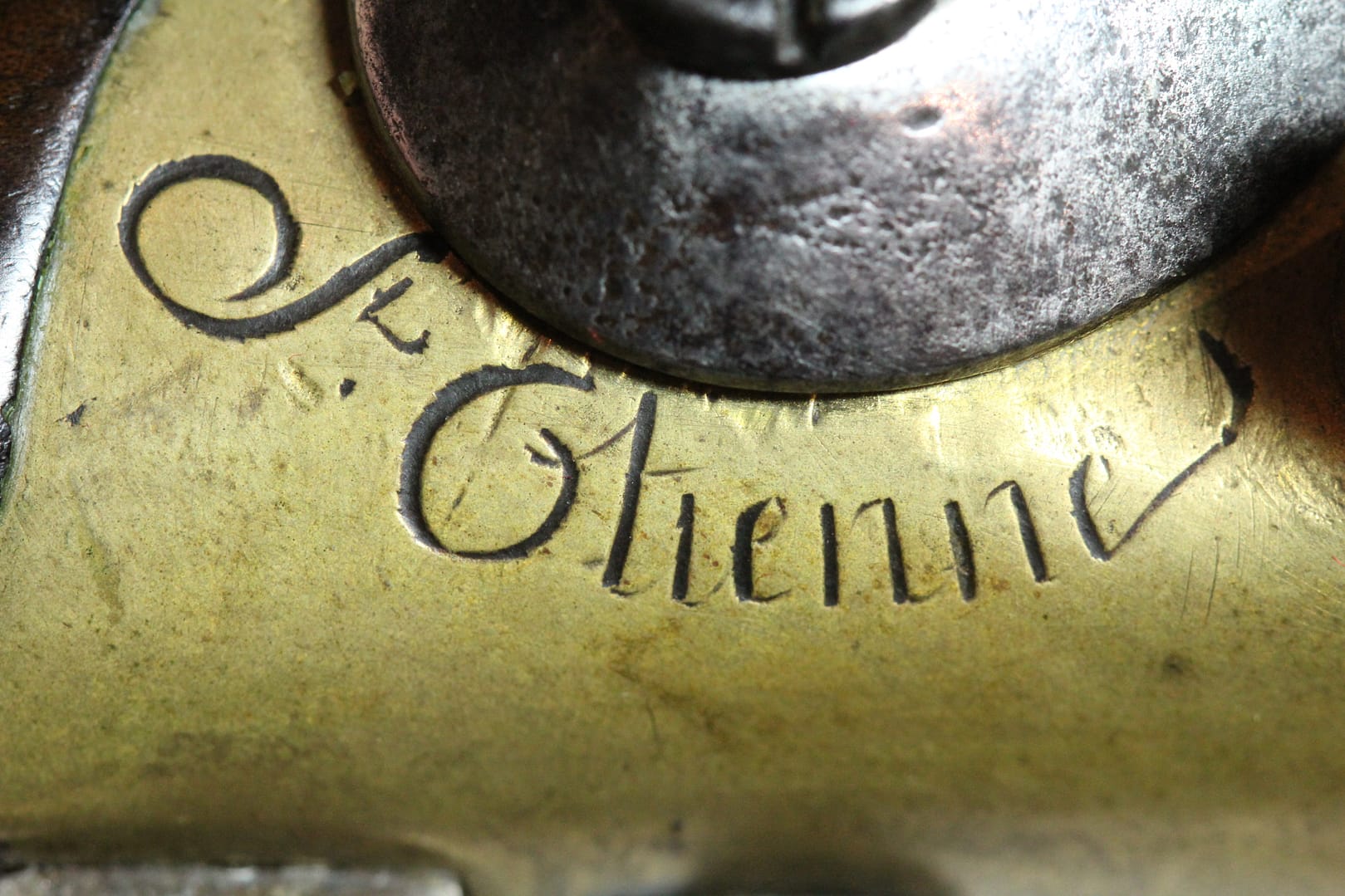
English Model 1756 Long Land Pattern pistol. TOWER. From my personal collection.
The Model 1756 Long Land Pattern pistol was the standard British cavalry and infantry officer’s pistol of the mid-18th century. Marked TOWER, indicating manufacture or assembly at the Tower of London, it featured a large-bore flintlock mechanism, brass furniture, and full walnut stock. Designed for close-range mounted combat, it saw service during the Seven Years War and early American campaigns. Its robust construction made it reliable under field conditions.
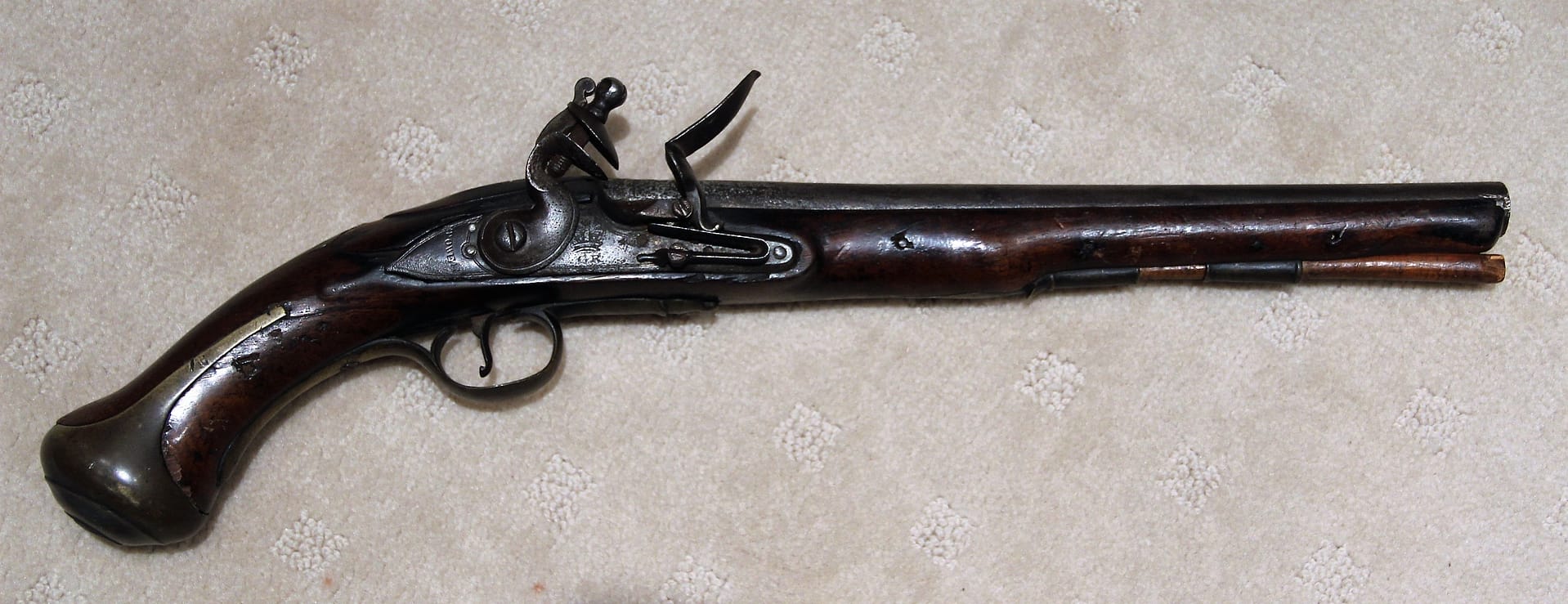
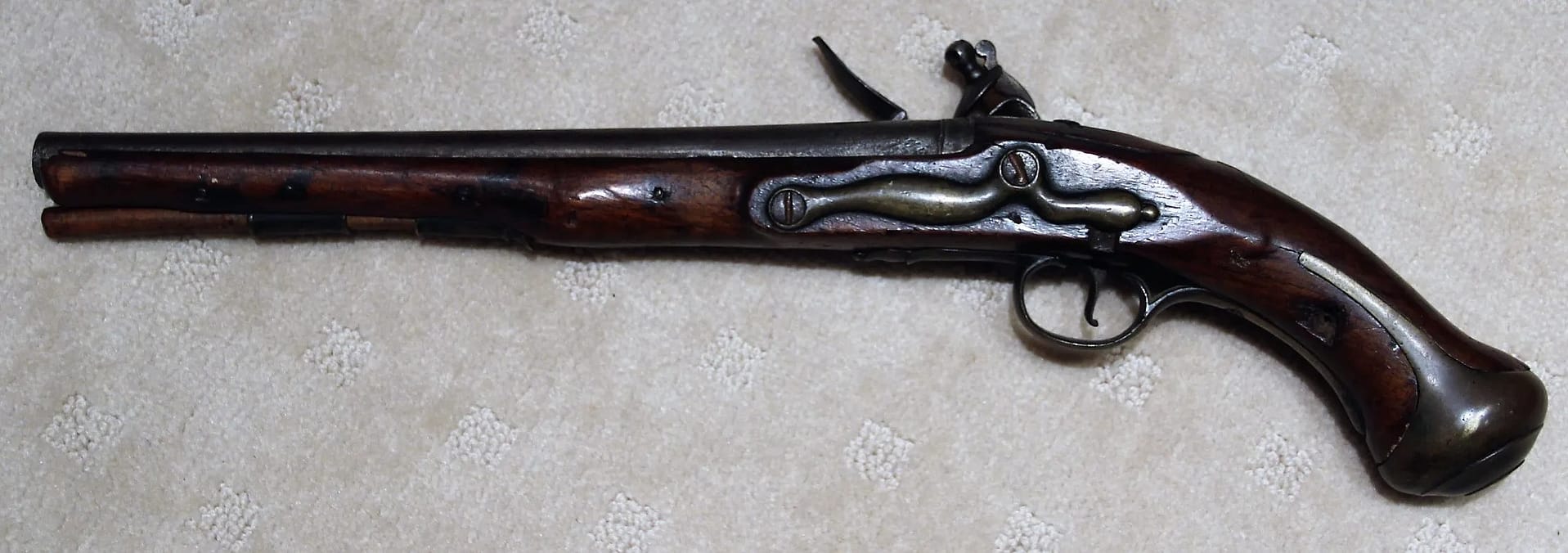
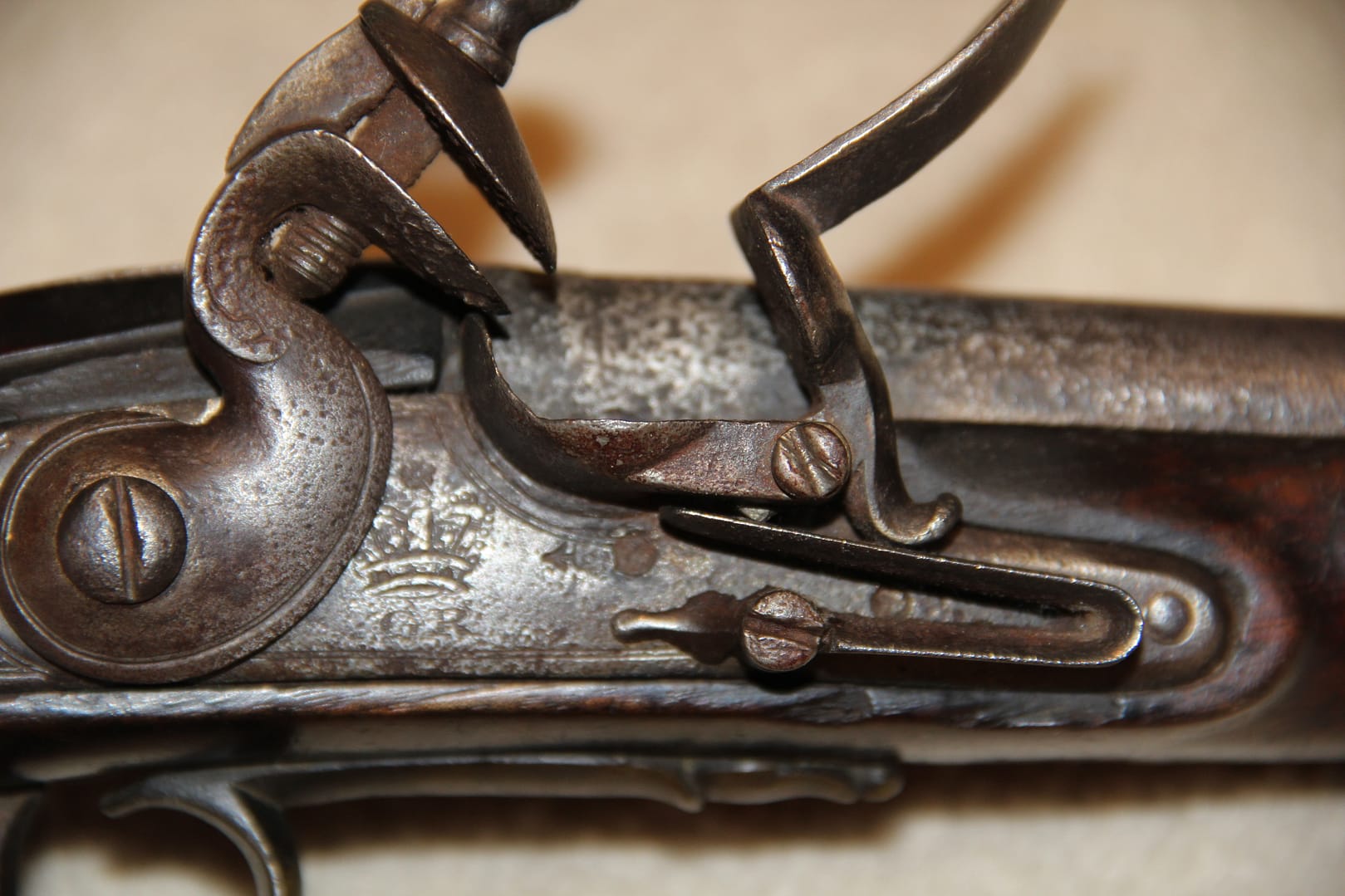
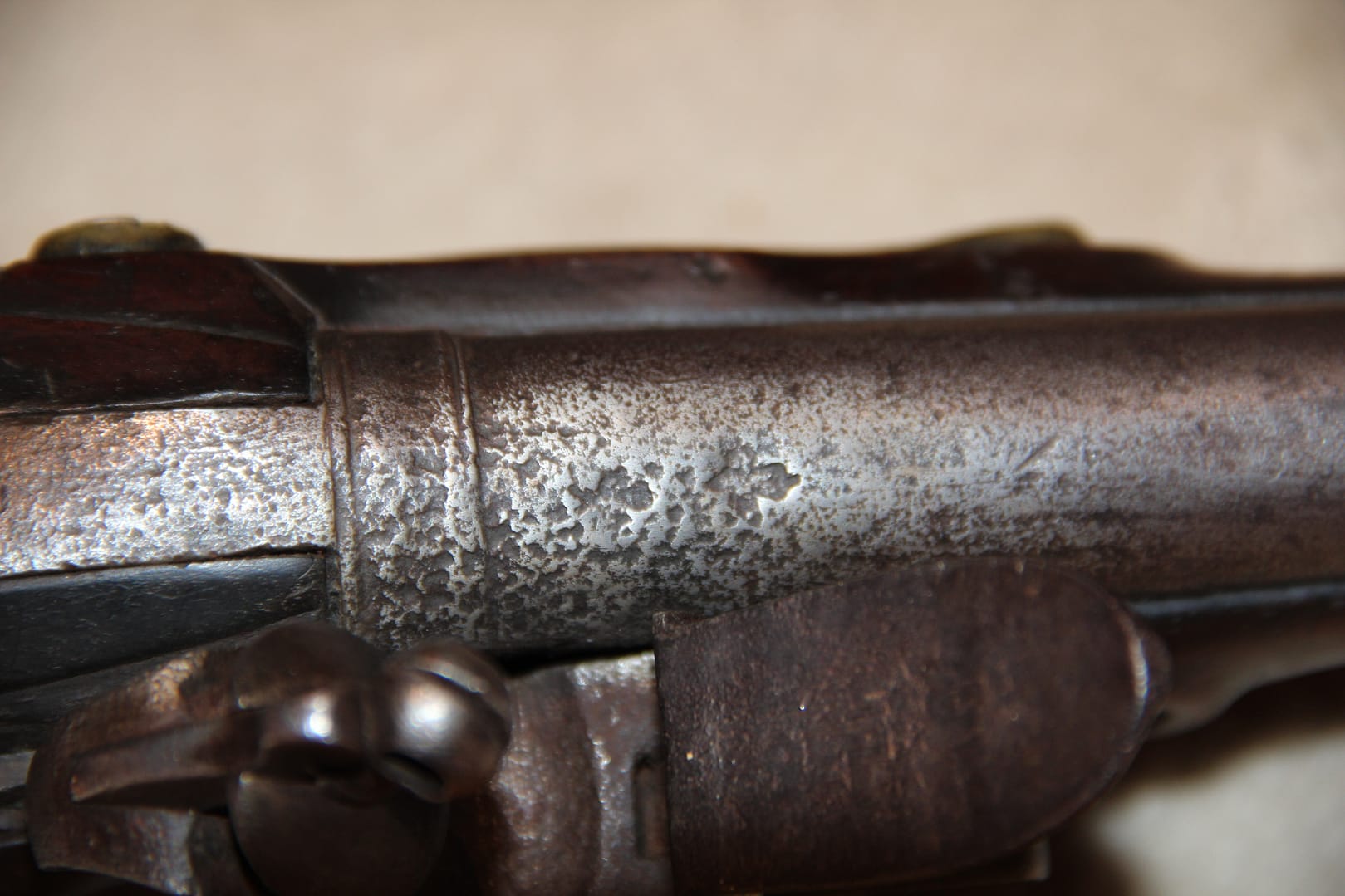
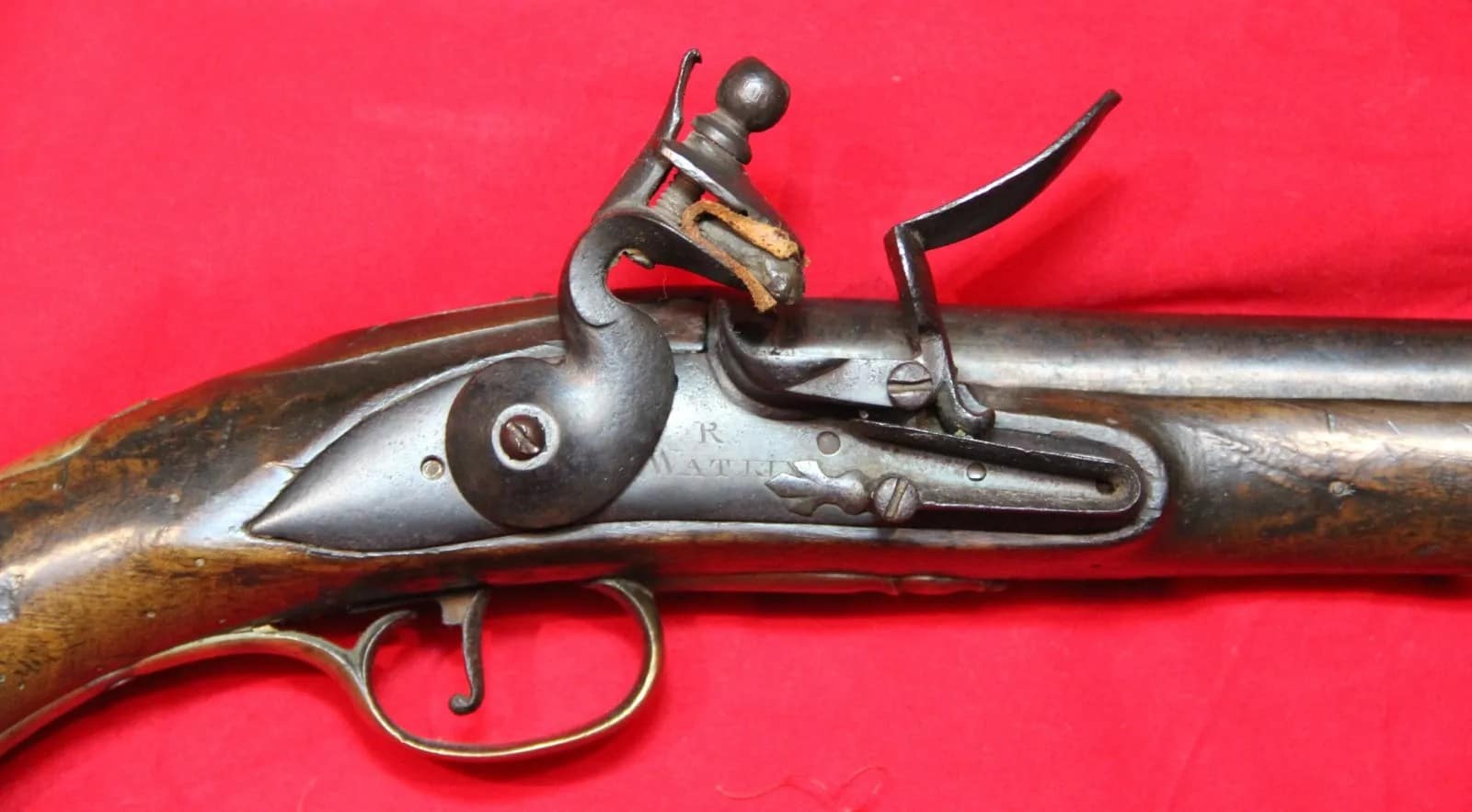
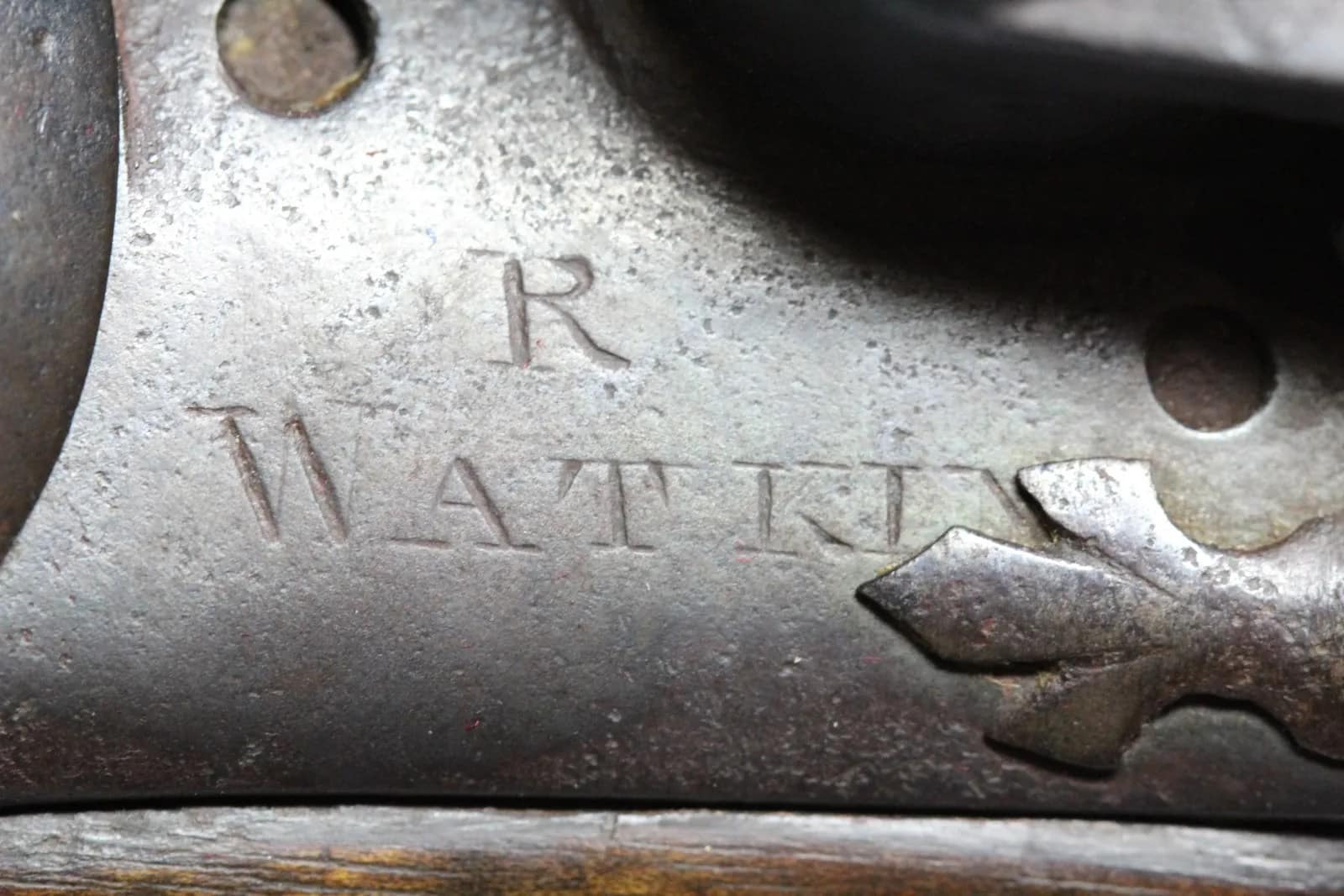
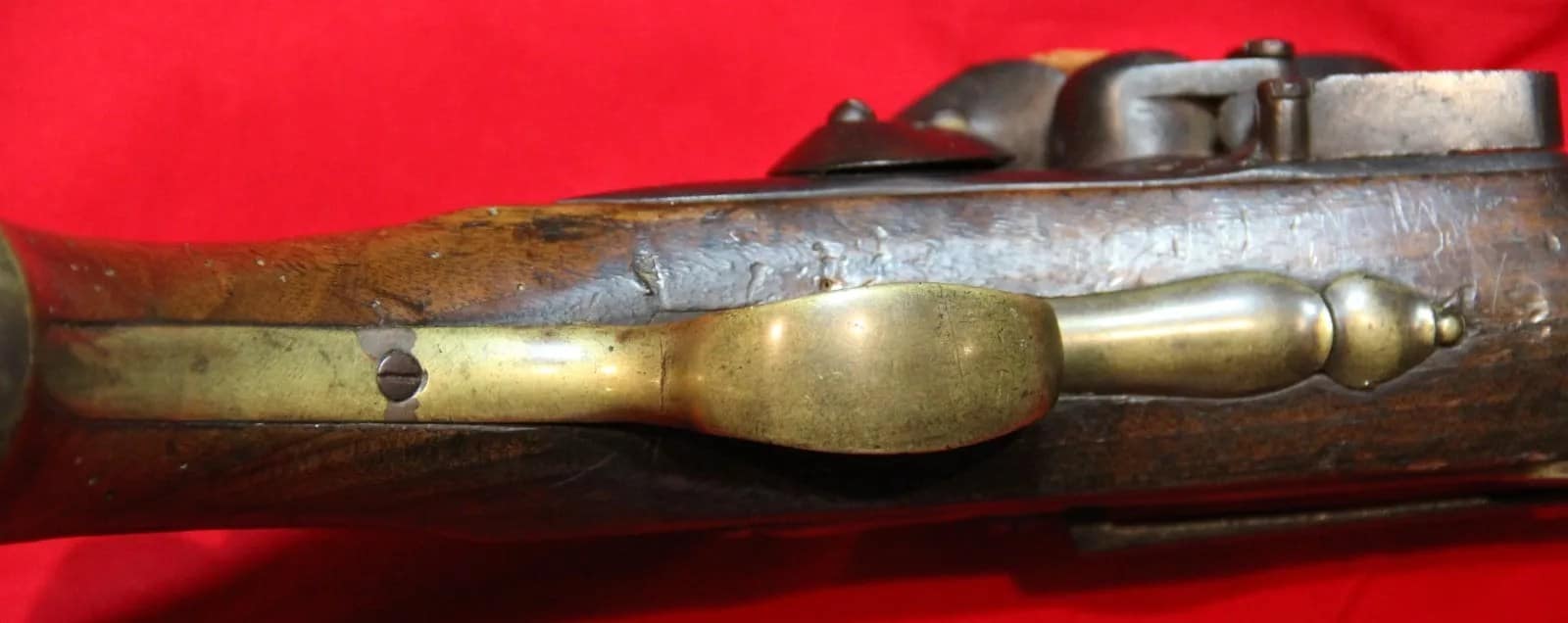
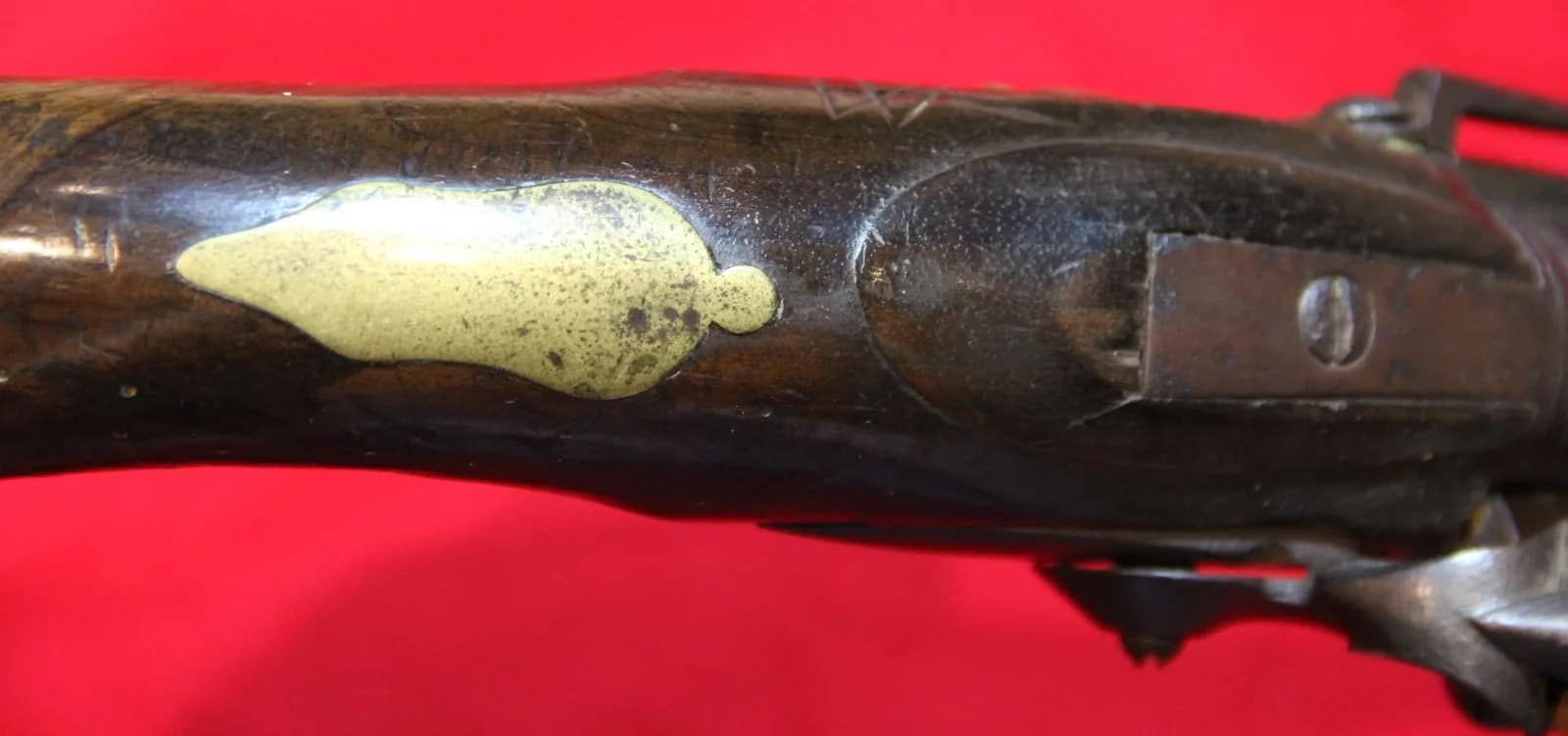
Land Pattern Pistol by Robert Watkin, c.1745. From my personal collection.
This flintlock Land Pattern pistol, made by London gunmaker Robert Watkin around 1745, is associated with the rapid mobilisation of British forces during the Jacobite Rising of 1745. Pistols of this type were produced for cavalry and volunteer units, including the Yorkshire Blues, a regiment raised from loyalist cavalry to defend northern England against the advancing Jacobite army. Typically of large calibre with brass furniture and a robust lock, Land Pattern pistols were designed for mounted service and close combat. This example reflects both the emergency expansion of government forces and the growing standardisation of British military small arms in the mid-18th century.
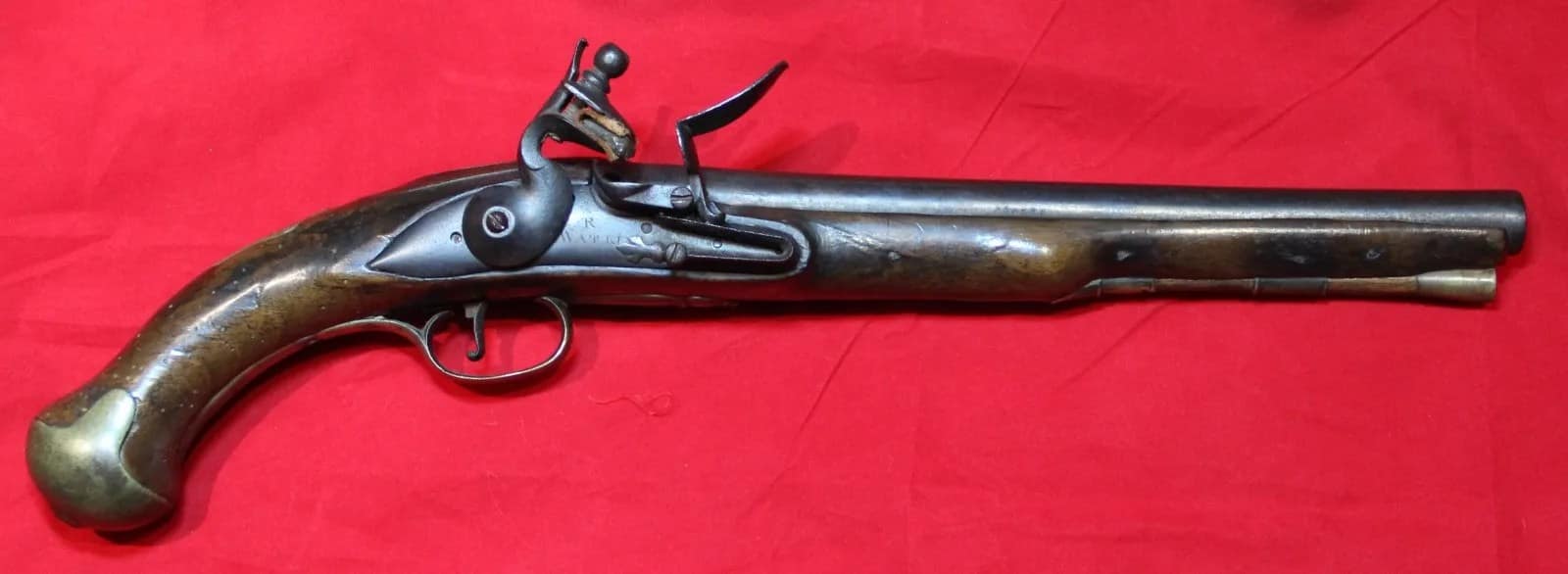
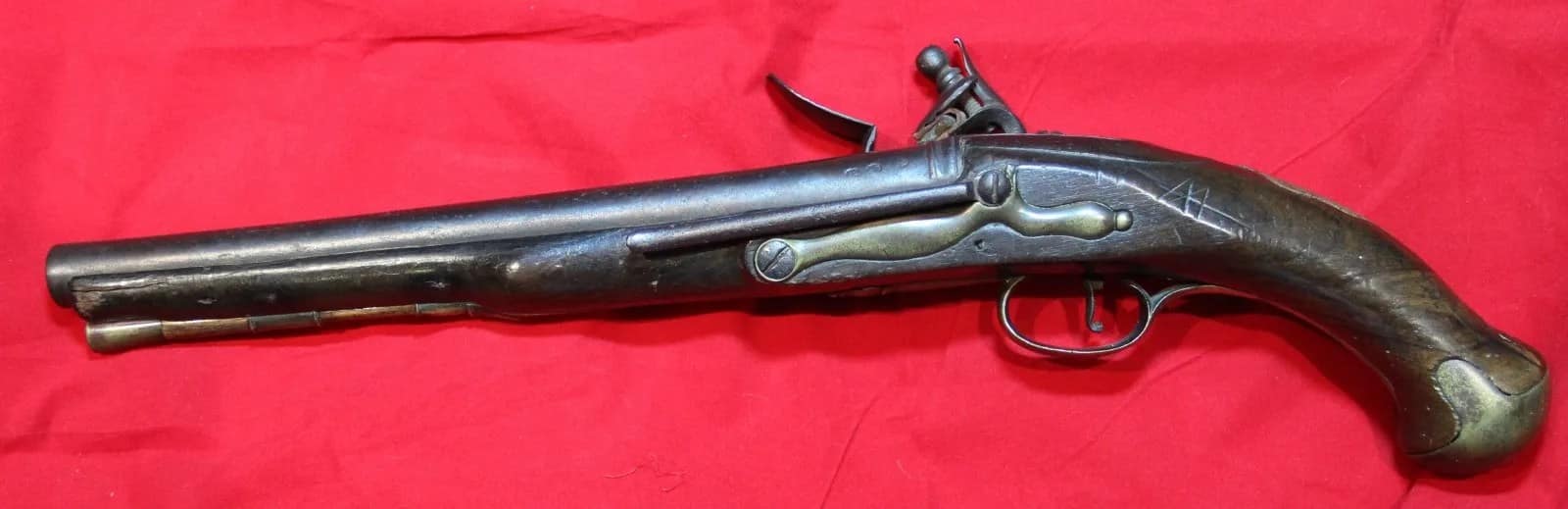
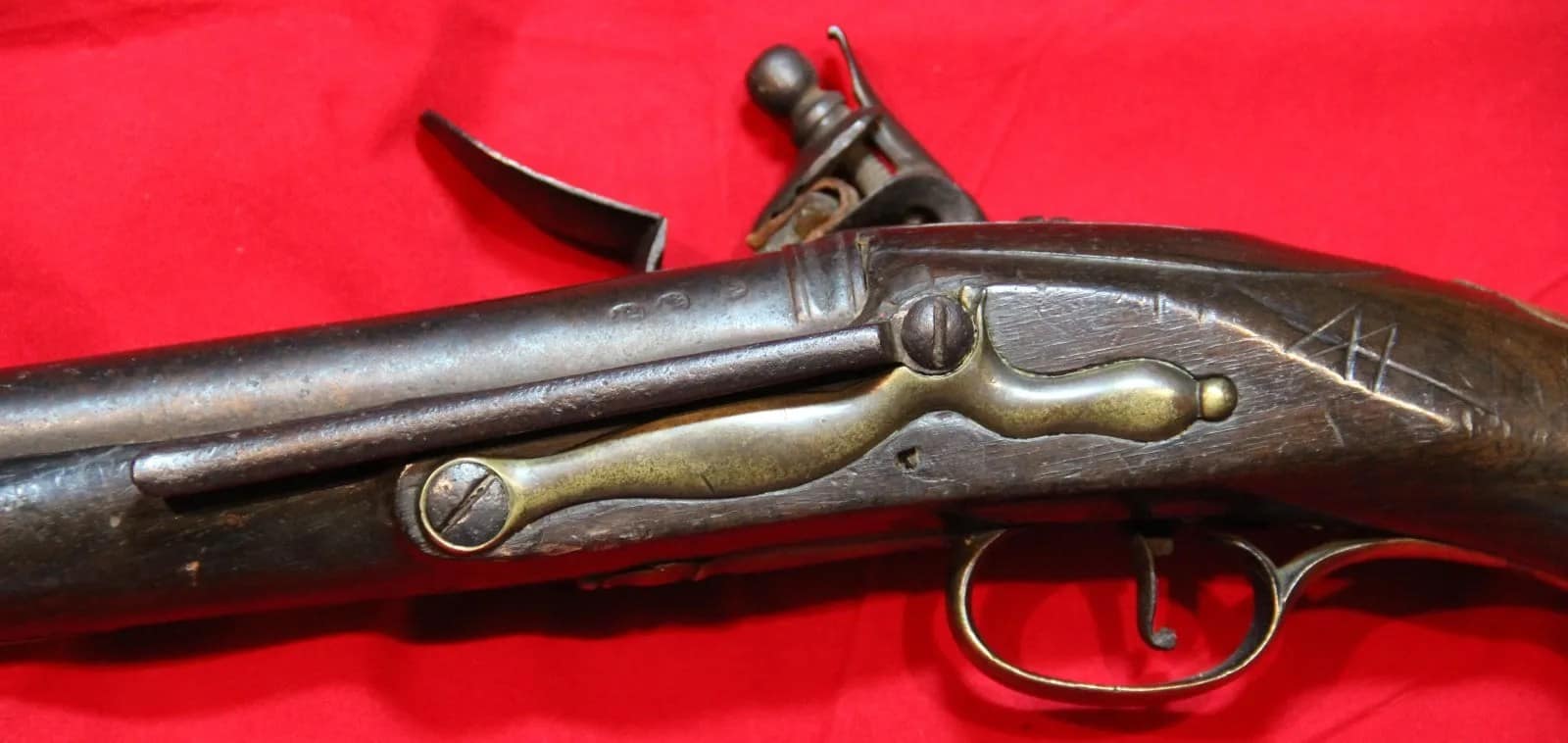
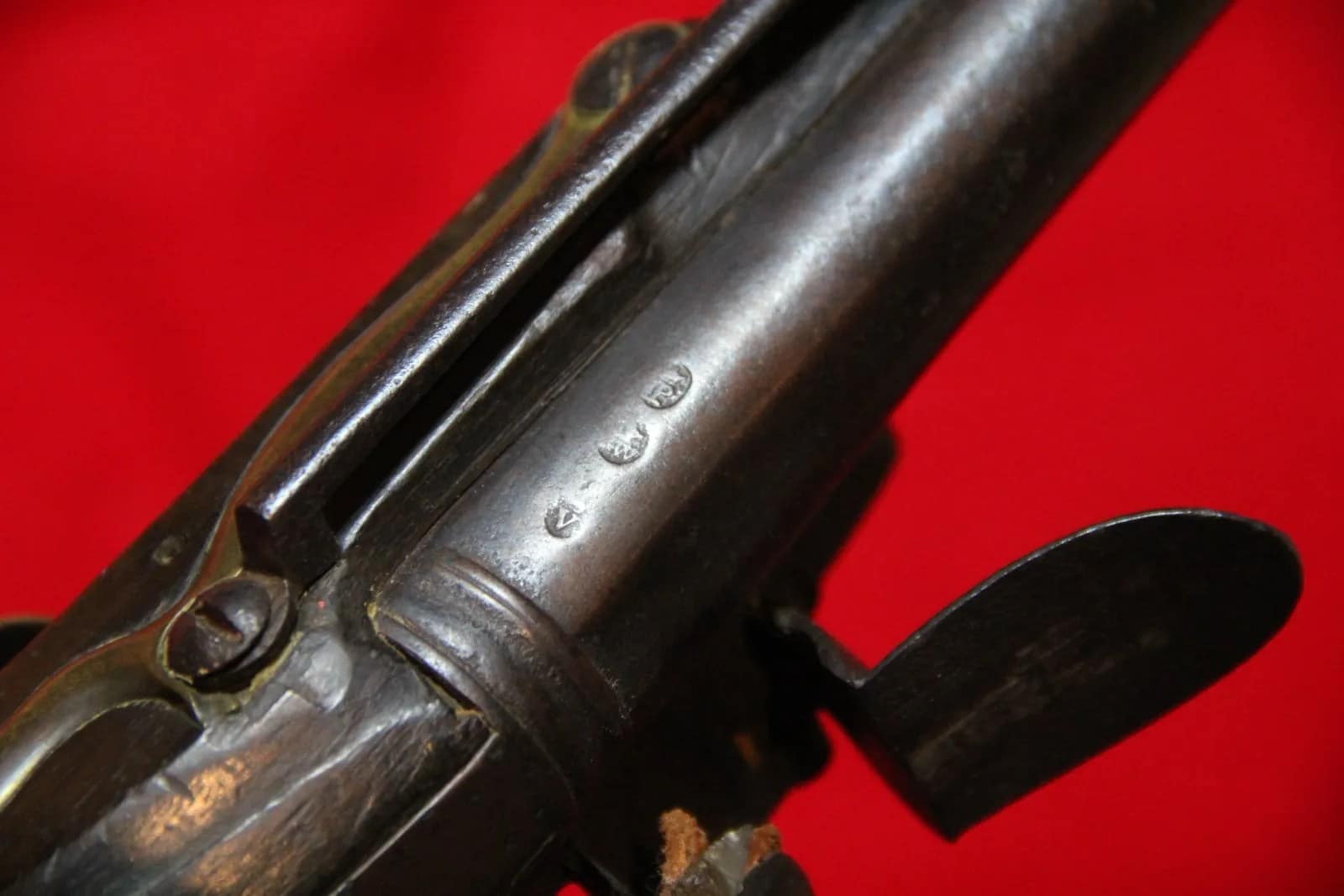
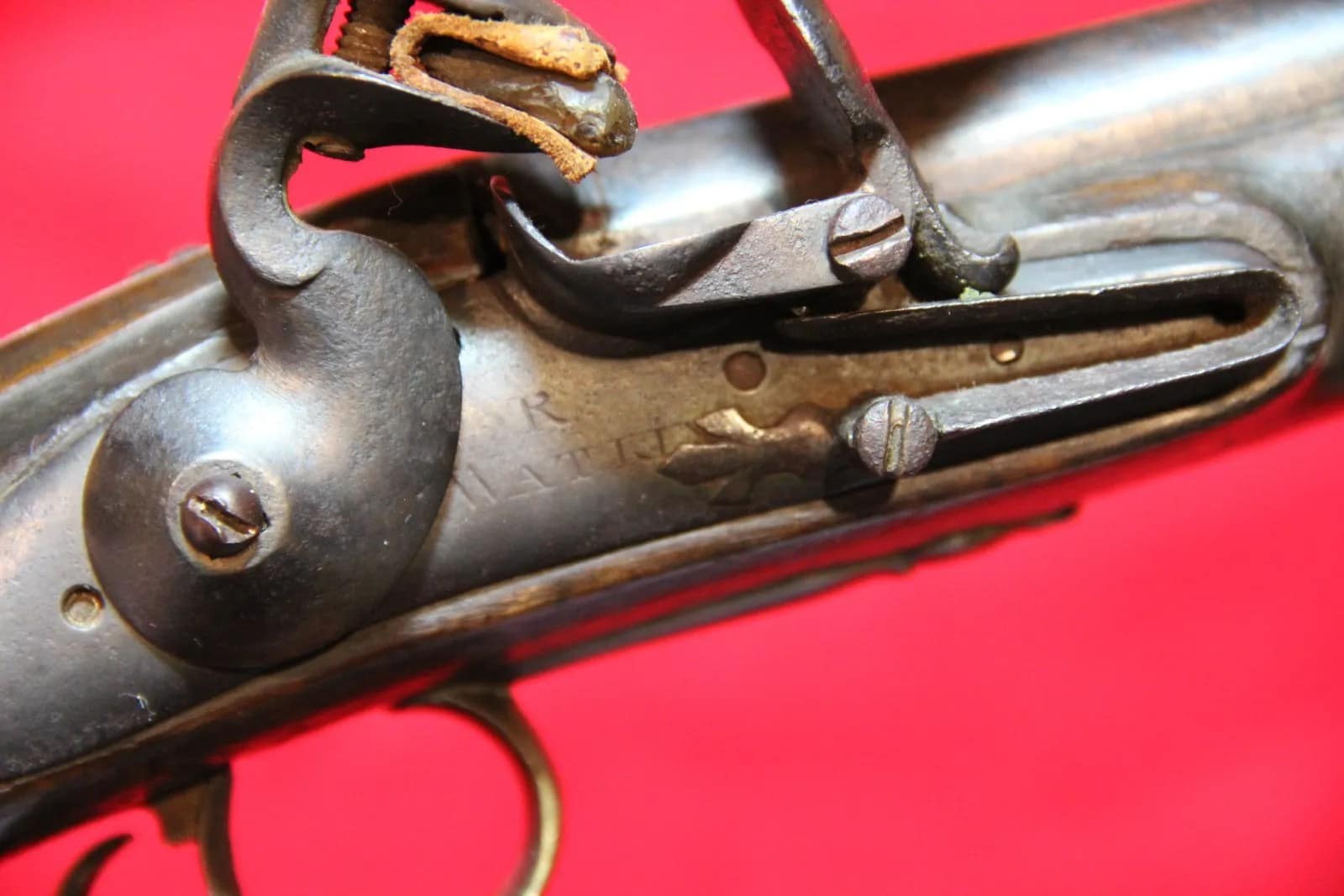
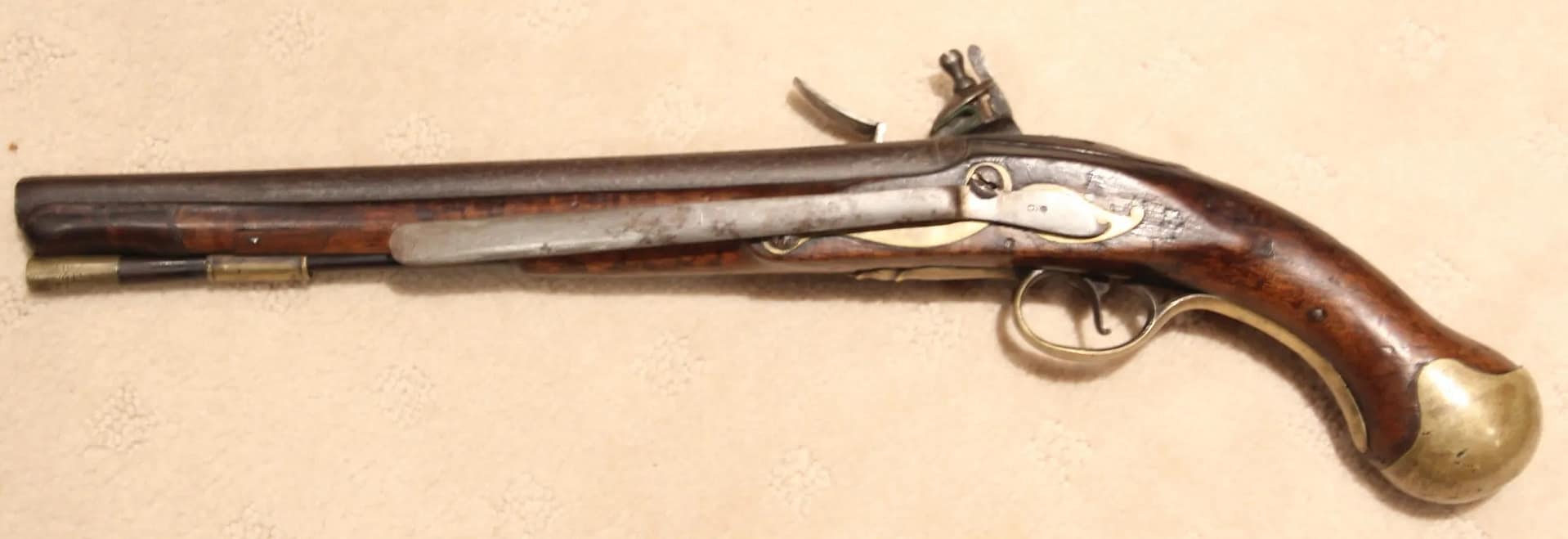
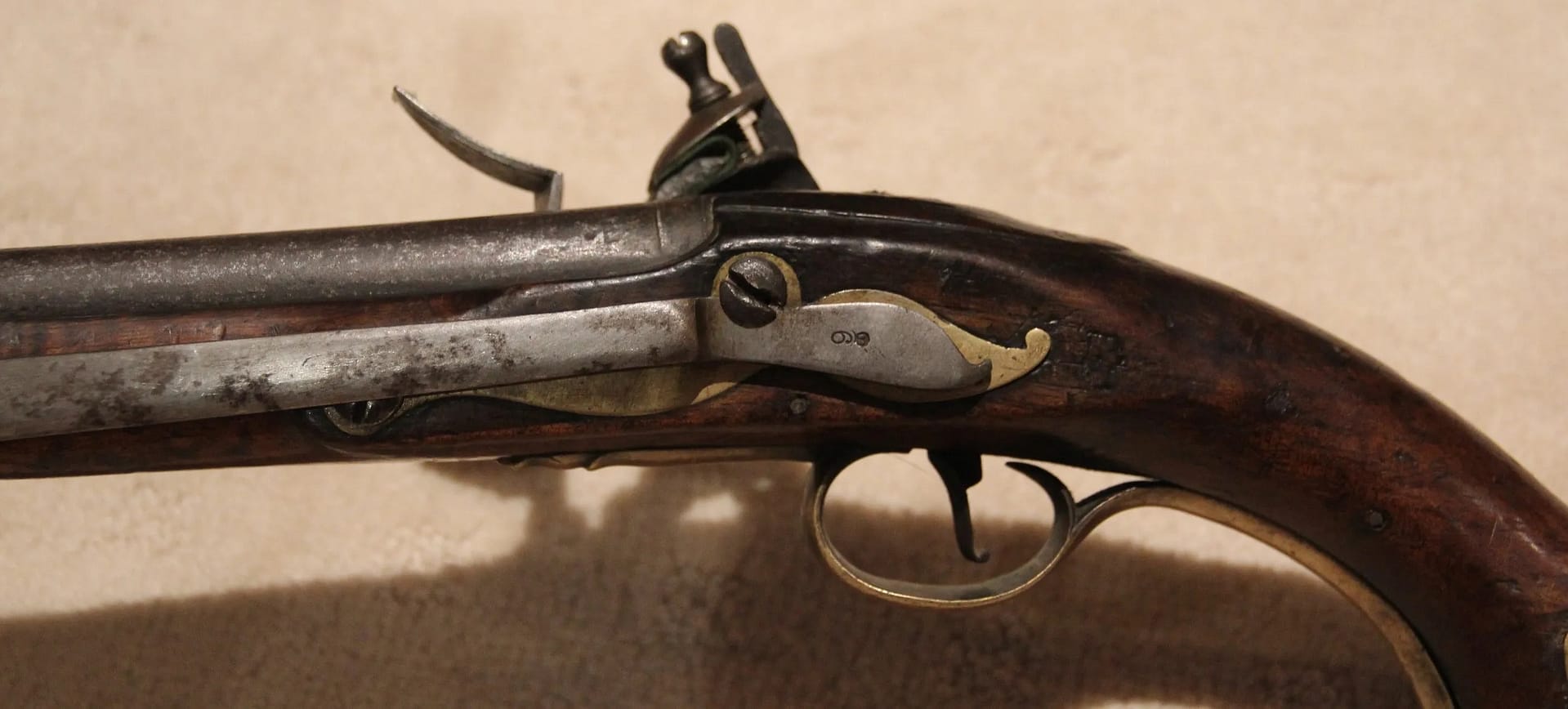
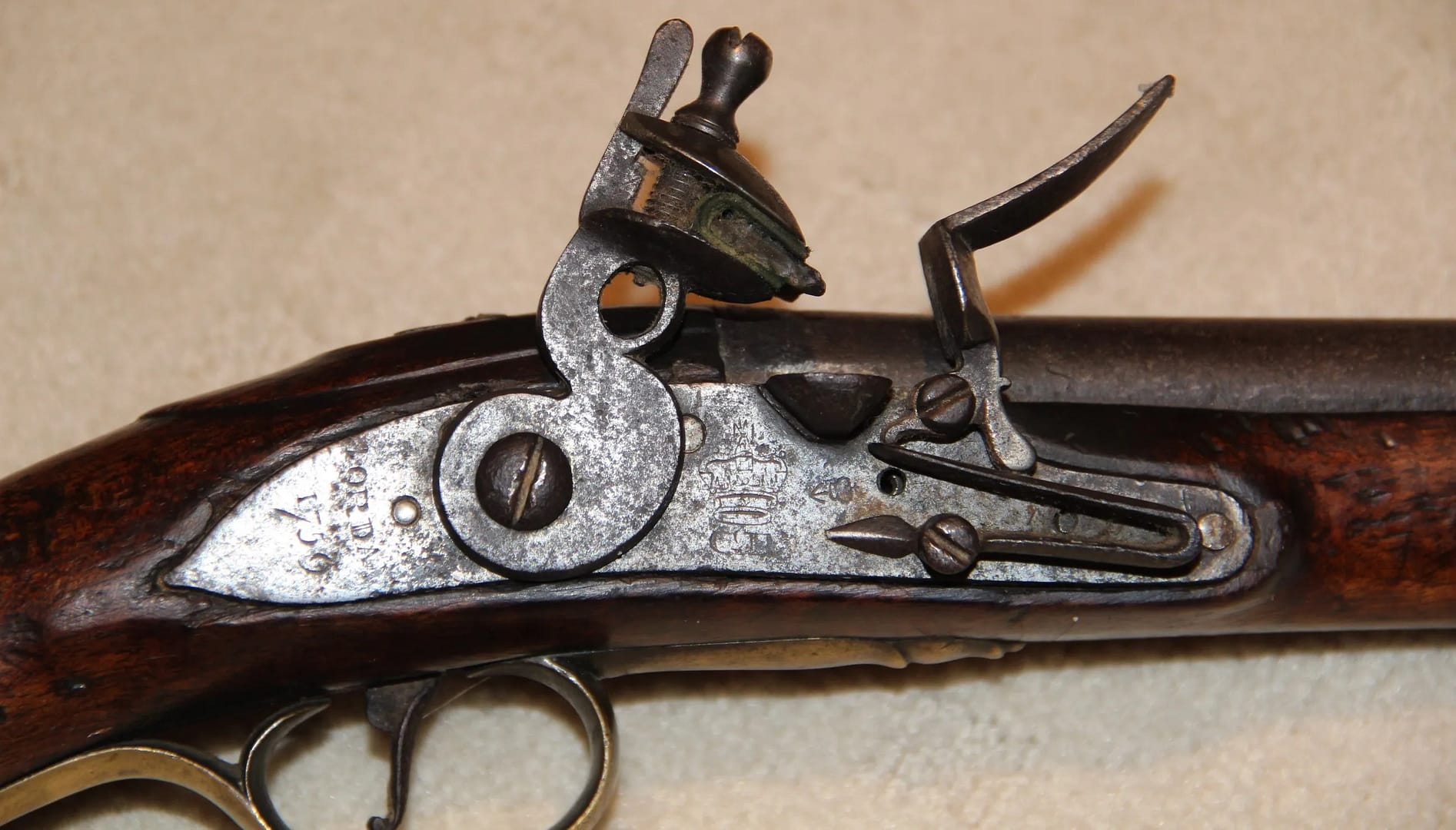
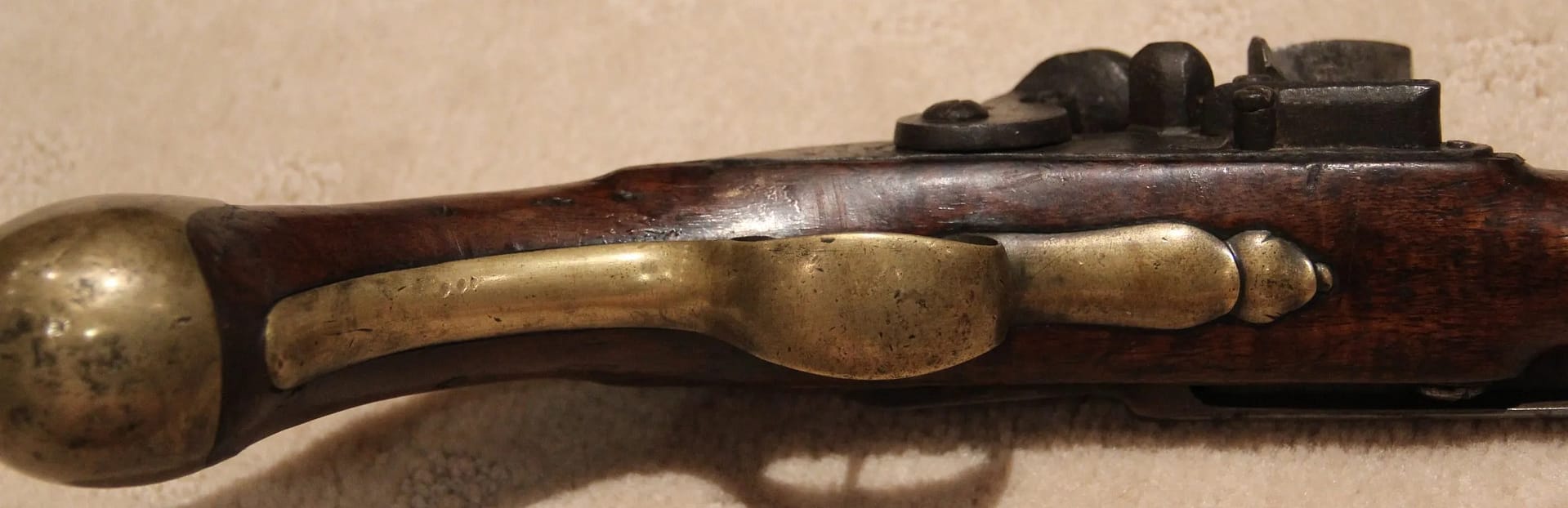
English Pattern 1718 Sea Service Pistol (Manufactured by Jordan, 1759). From my personal collection.
This flintlock Sea Service pistol, produced in 1759 by the contractor Jordan, is an example of the Pattern 1718 design widely issued to the Royal Navy during the mid-18th century. Typically of large calibre and built for durability, these pistols featured robust brass furniture and a simple, sturdy lock suited to the harsh maritime environment. Sea Service pistols were carried aboard warships for close-quarters fighting, boarding actions, and by naval landing parties ashore. Pistols of this type saw service during the global conflicts of the period, including the Seven Years’ War, reflecting the practical demands of naval warfare.
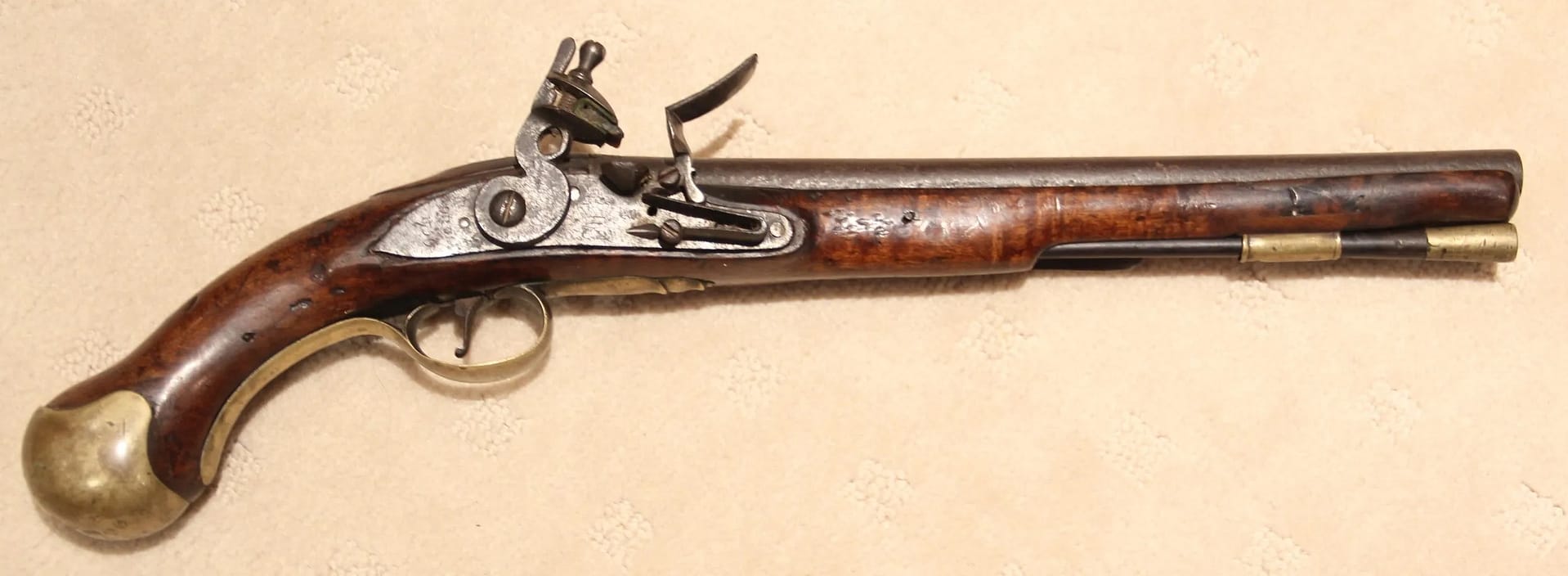
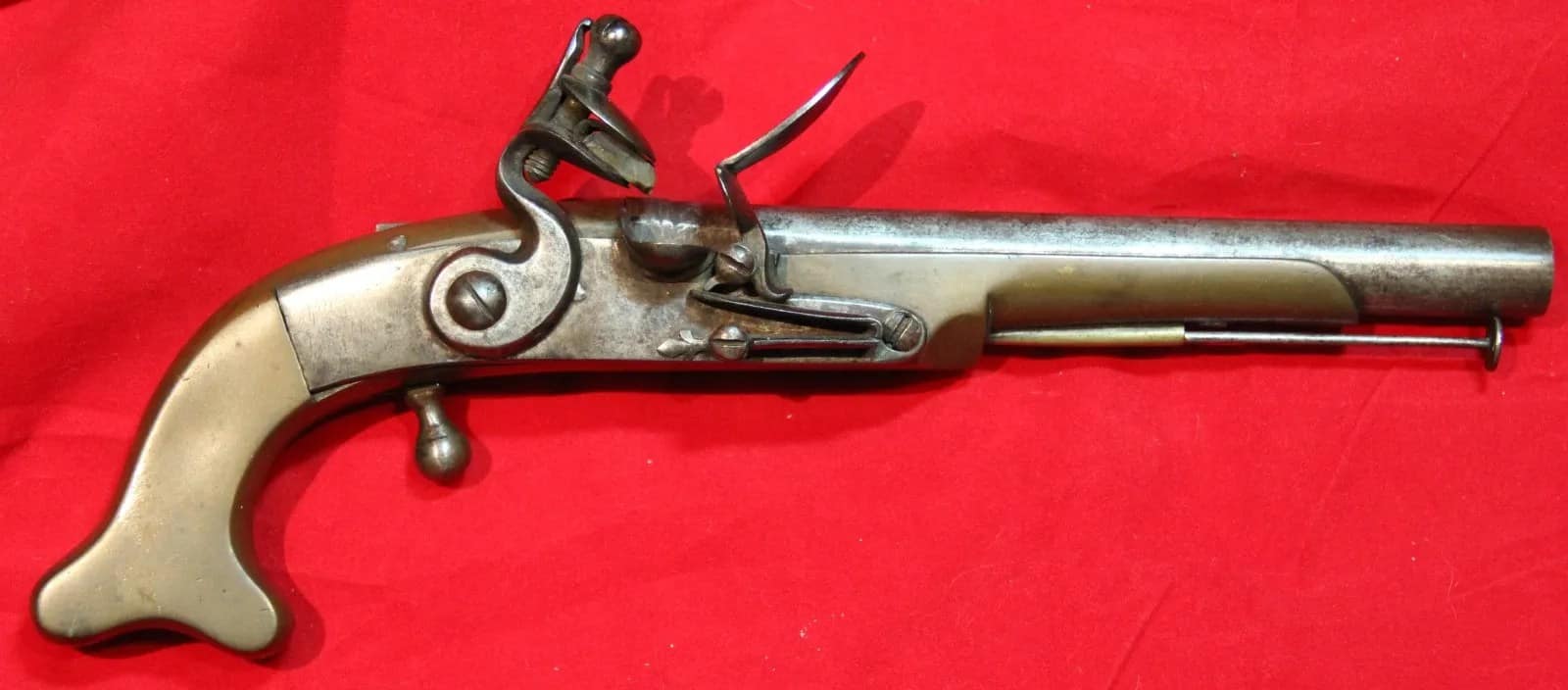
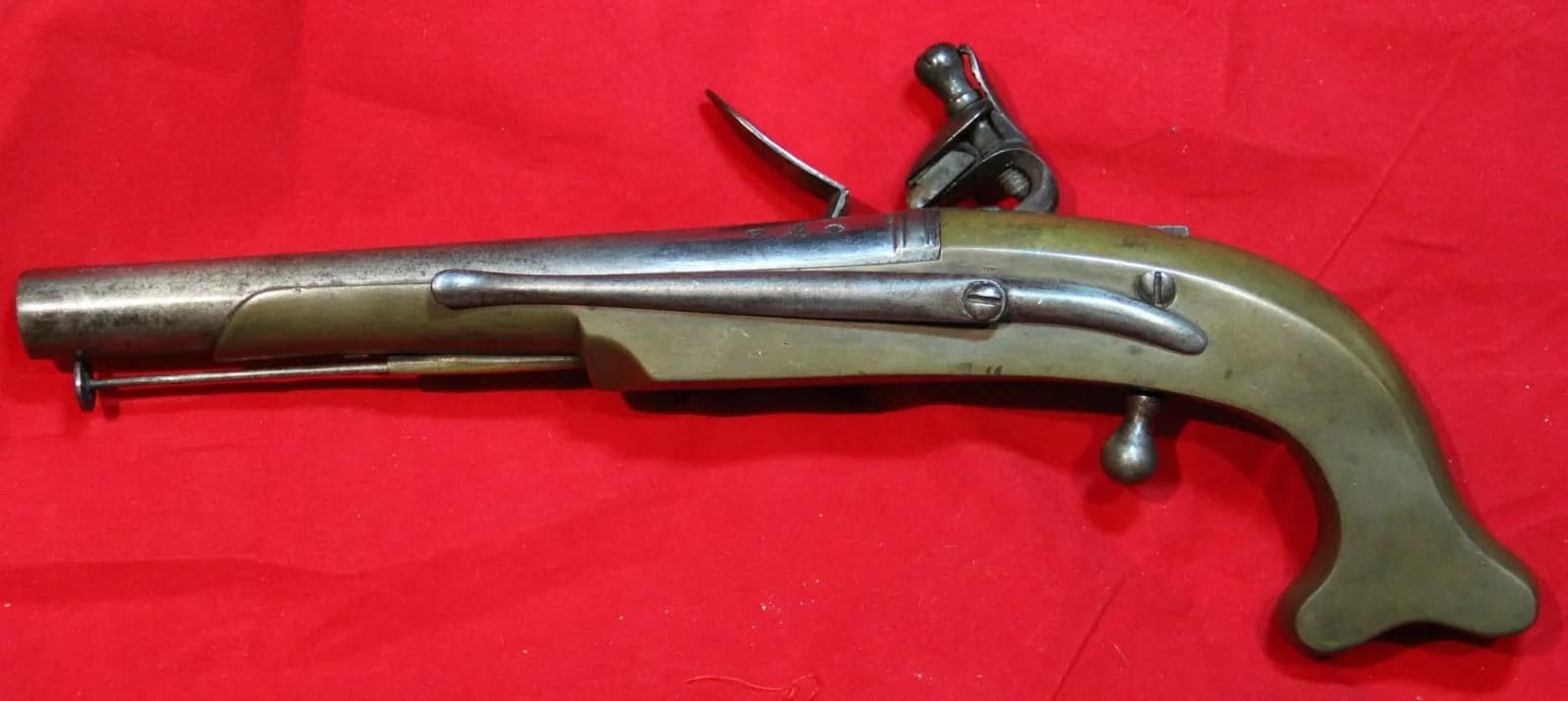
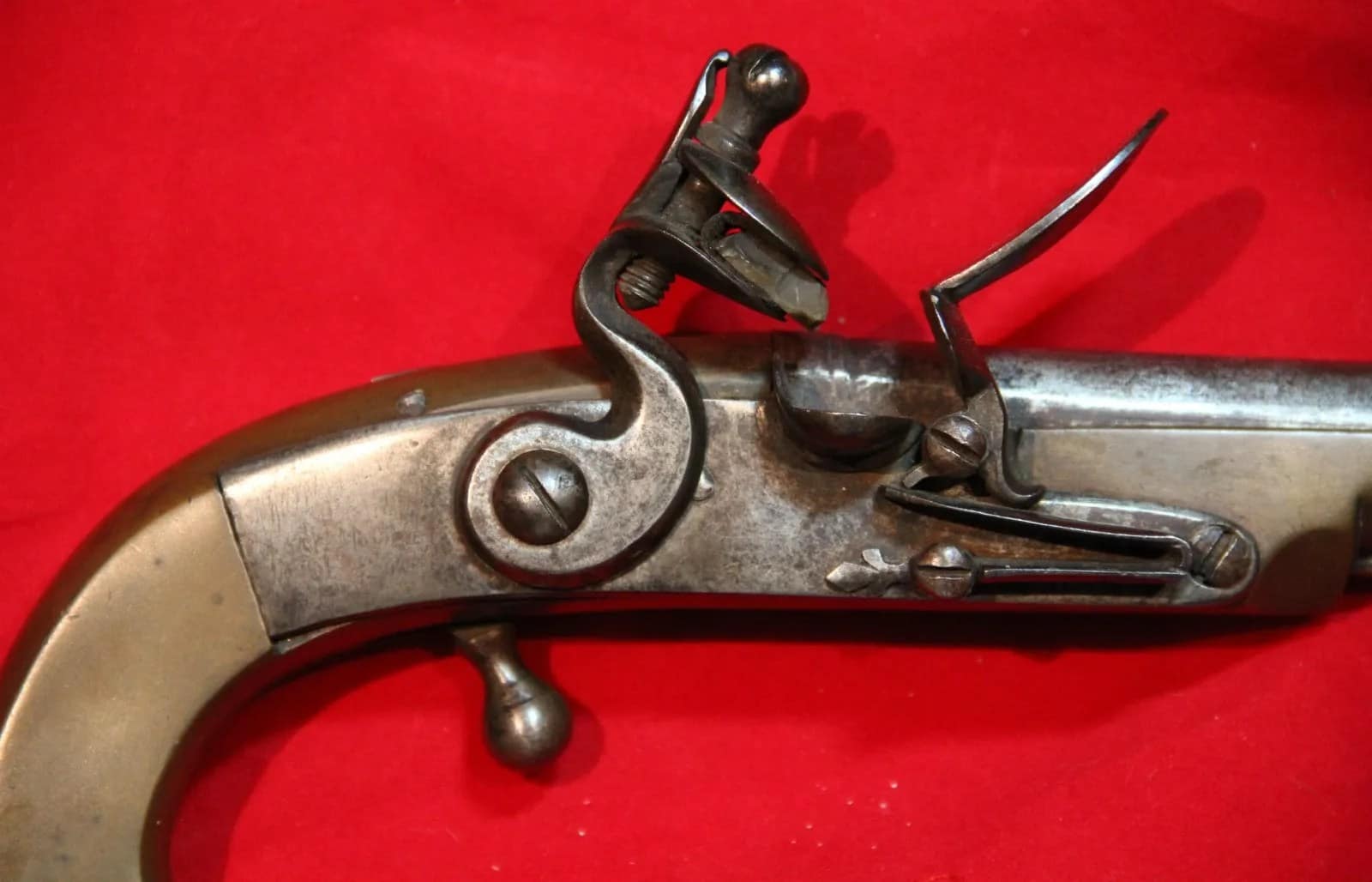
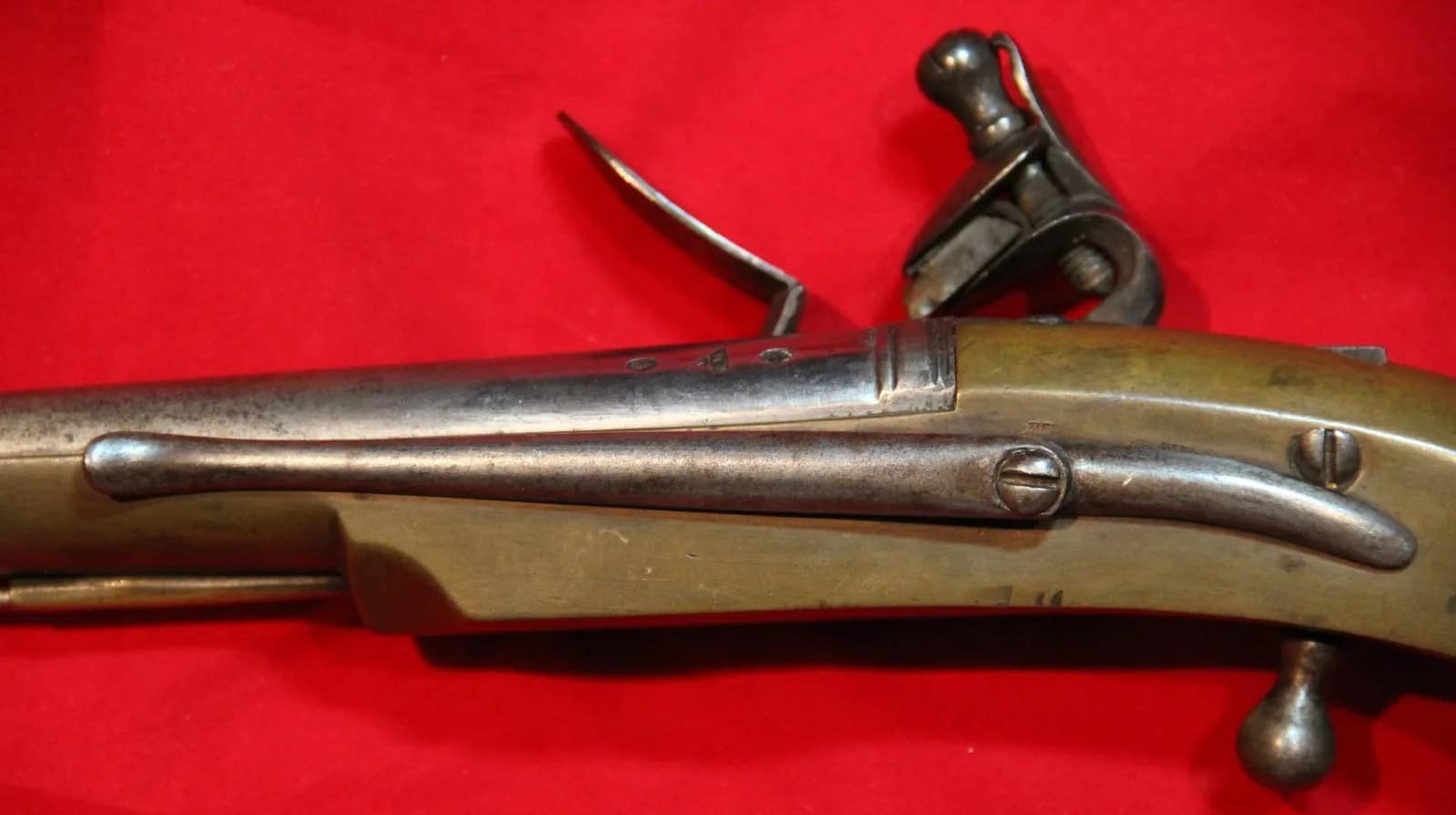
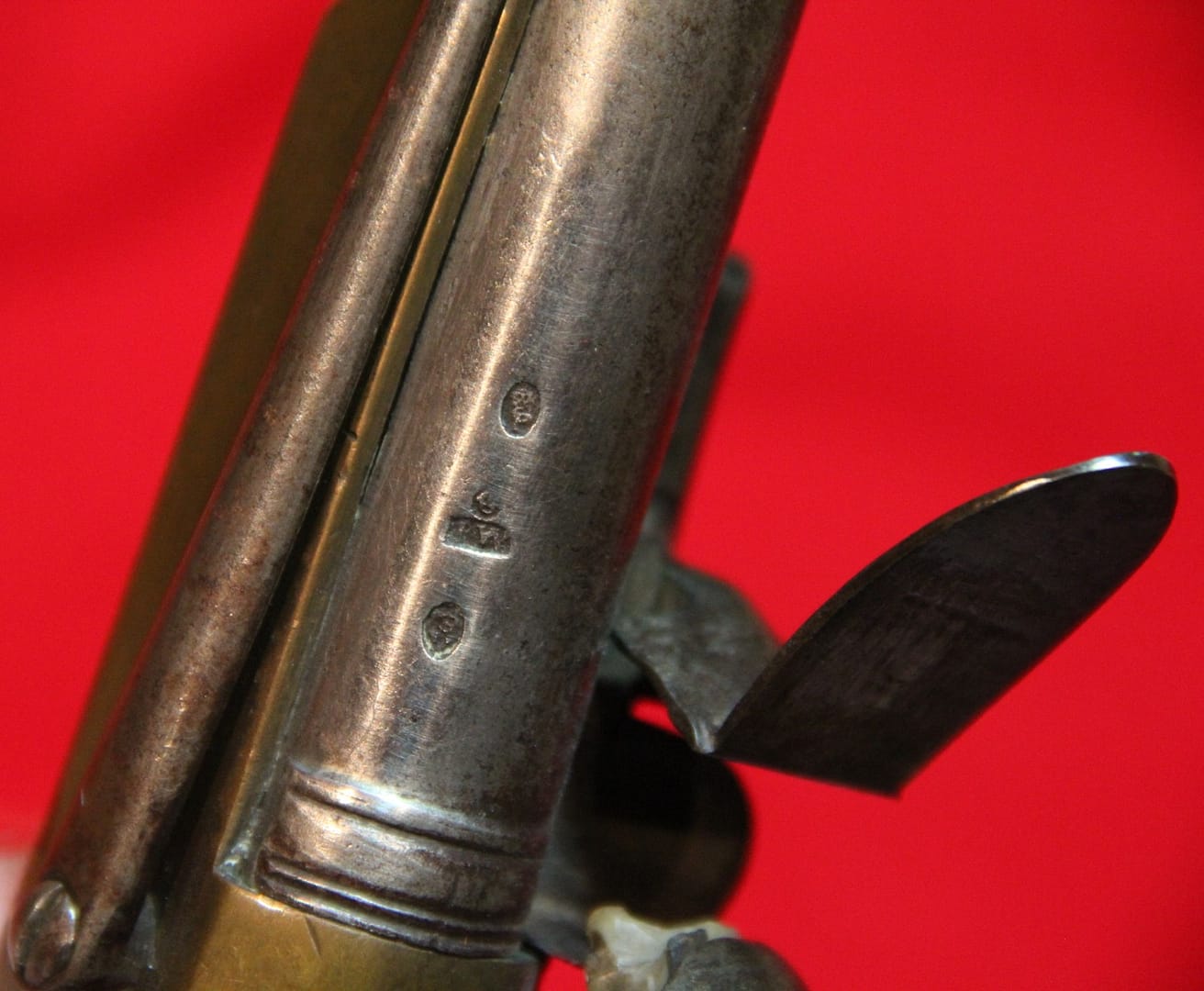
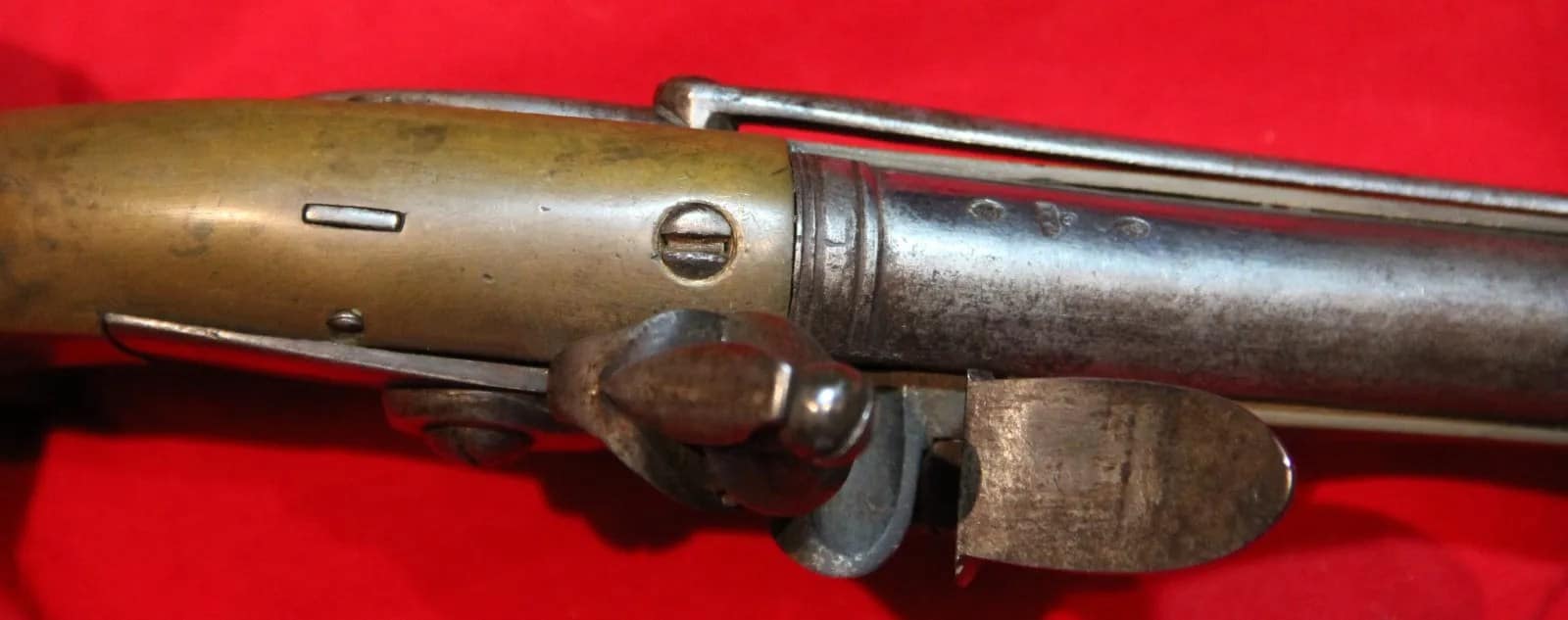
English 1780 John Waters Black Watch Pistol. 42nd Highland Regiment. From my personal collection.
This flintlock pistol, made by London gunsmith John Waters circa 1780, is associated with Highland regiments of the British Army, notably the Black Watch (42nd Regiment of Foot). Typically of .56–.65 calibre and featuring brass mounts with a ramrod beneath the barrel, pistols of this type were carried by officers and sometimes NCOs as personal sidearms during the late 18th century. They represent the style of privately purchased or regimental weapons used during the era of the American Revolutionary War and the wider conflicts of the period. Such pistols reflect the craftsmanship and martial traditions associated with Highland regiments.
Edged Weapons of the American Revolutionary War
c1755 English Heavy Dragoon basket-hilt sword.
This c.1755 English heavy dragoon basket-hilt sword represents the style issued to British heavy cavalry regiments during the mid-18th century. Featuring a broad, straight blade optimised for powerful cuts and thrusts, it was paired with a protective iron basket guarding the hand. Used in the War of Austrian Succession and Seven Years War, the sword reflects the era’s emphasis on shock cavalry tactics and continues the long British tradition of basket-hilted military sabres.


English Basket Hilt Heavy Cavalry Troopers Sword circa 1750. From my personal collection.
This basket-hilt broadsword, circa 1750, was typical of British heavy cavalry issued weapons before the introduction of more standardised 1780s patterns. Featuring a broad, straight blade optimised for powerful cutting blows, it was paired with an iron basket hilt providing substantial hand protection. Carried by dragoon and horse regiments, the sword reflects mid-18th-century British cavalry doctrine which emphasised close-quarter shock action. Its form continues the long tradition of Scottish and English basket-hilted military swords. Dish shaped hilt 3/4 basket with wide central knucklebow and three curved branches. Ovoid pommel. Described in George Neumann Swords and Blades 253.S English Horseman Sabre circa 1750. 32 inch blade. 38 inch overall. Grip covered in fishskin and brass twist wire. From my personal collection.


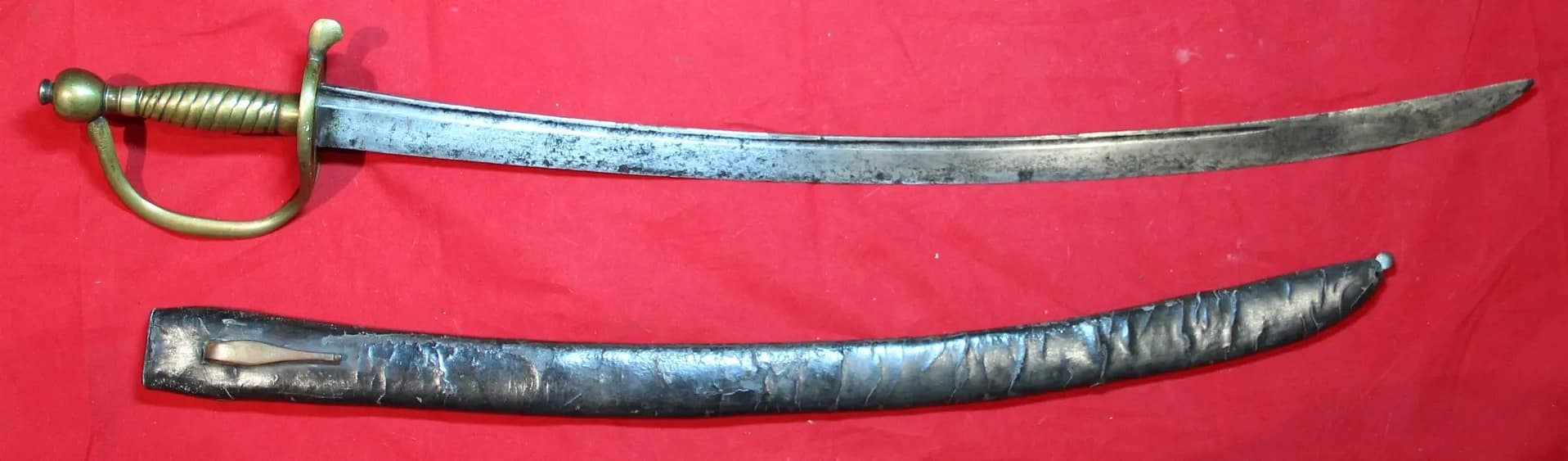
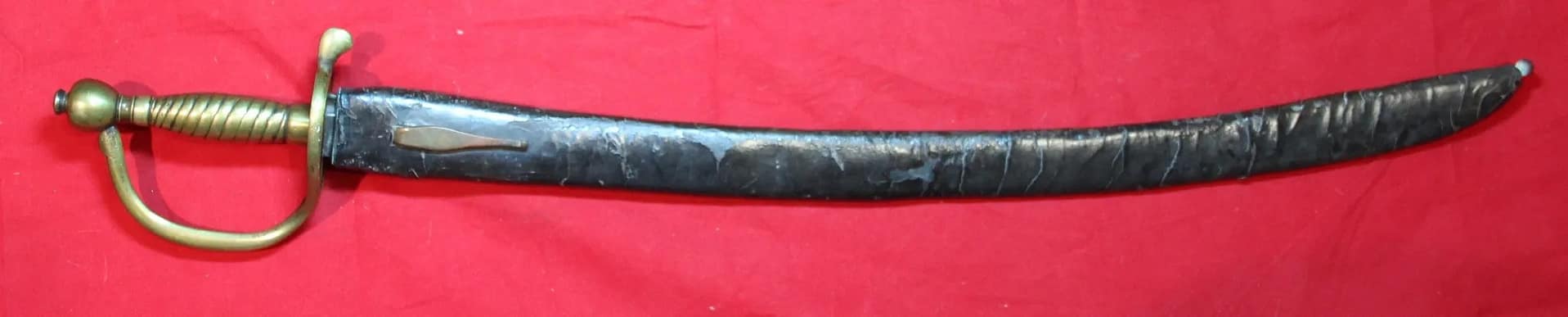
English Pattern 1742 Infantry Hanger. From my personal collection.
The Pattern 1742 infantry hanger was a short sabre issued to British grenadiers, sergeants, and some line infantry during the mid-18th century. Featuring a curved blade, brass guard, and simple knucklebow, it served as a secondary close-combat weapon complementing the musket and bayonet. Although increasingly superseded by bayonet fighting, hangers remained in service through the Seven Years War. The Pattern 1742 is one of the last widely issued infantry swords in British service.
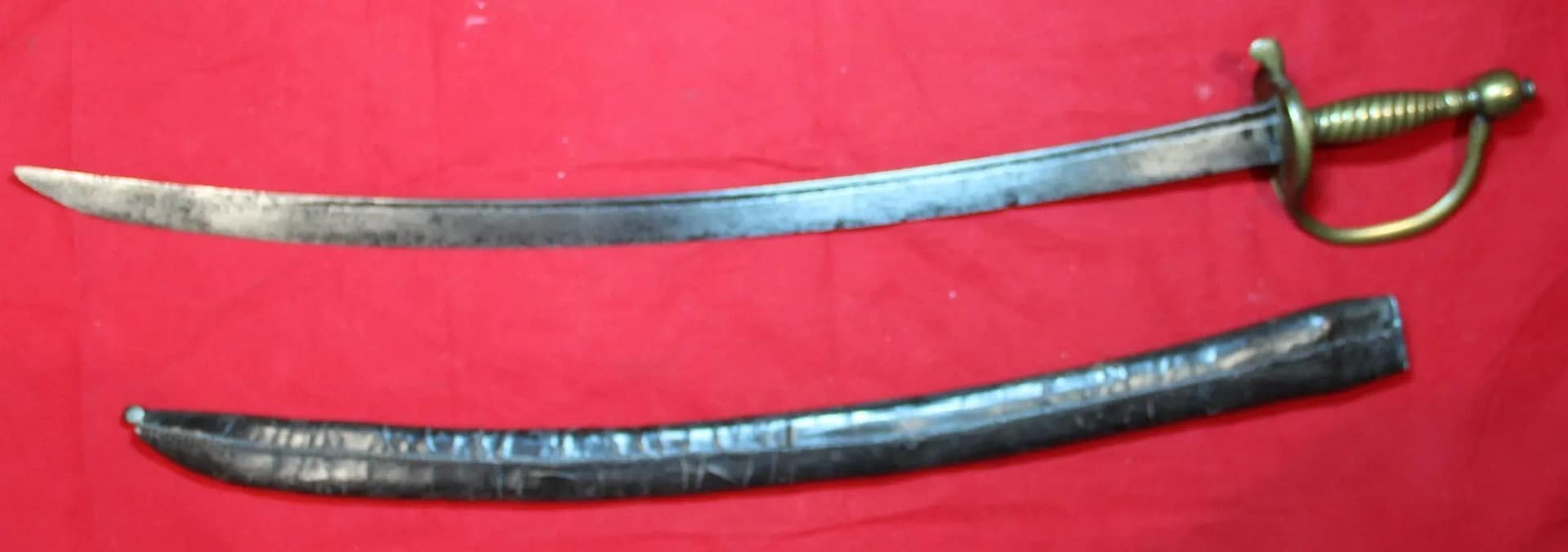
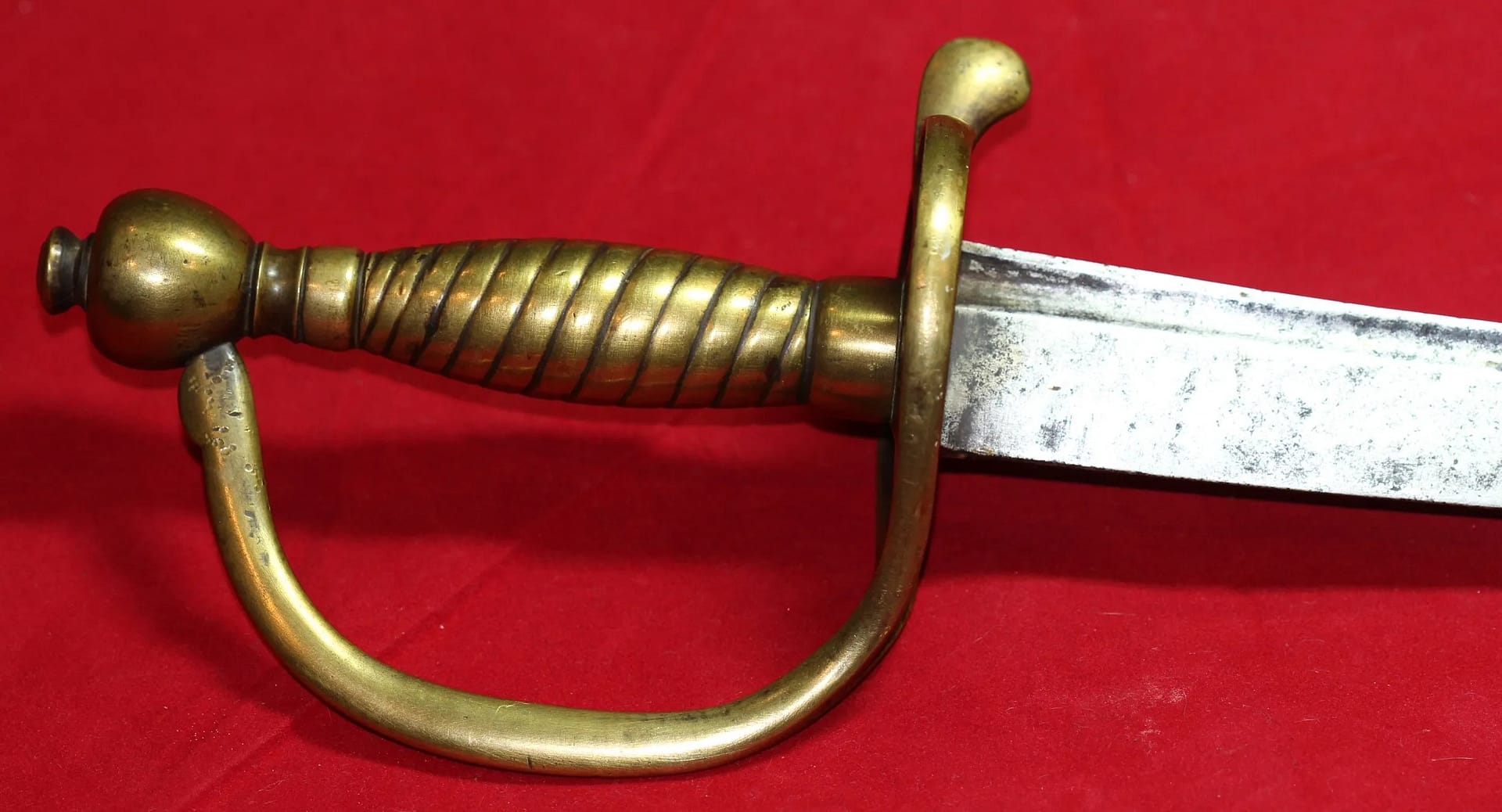
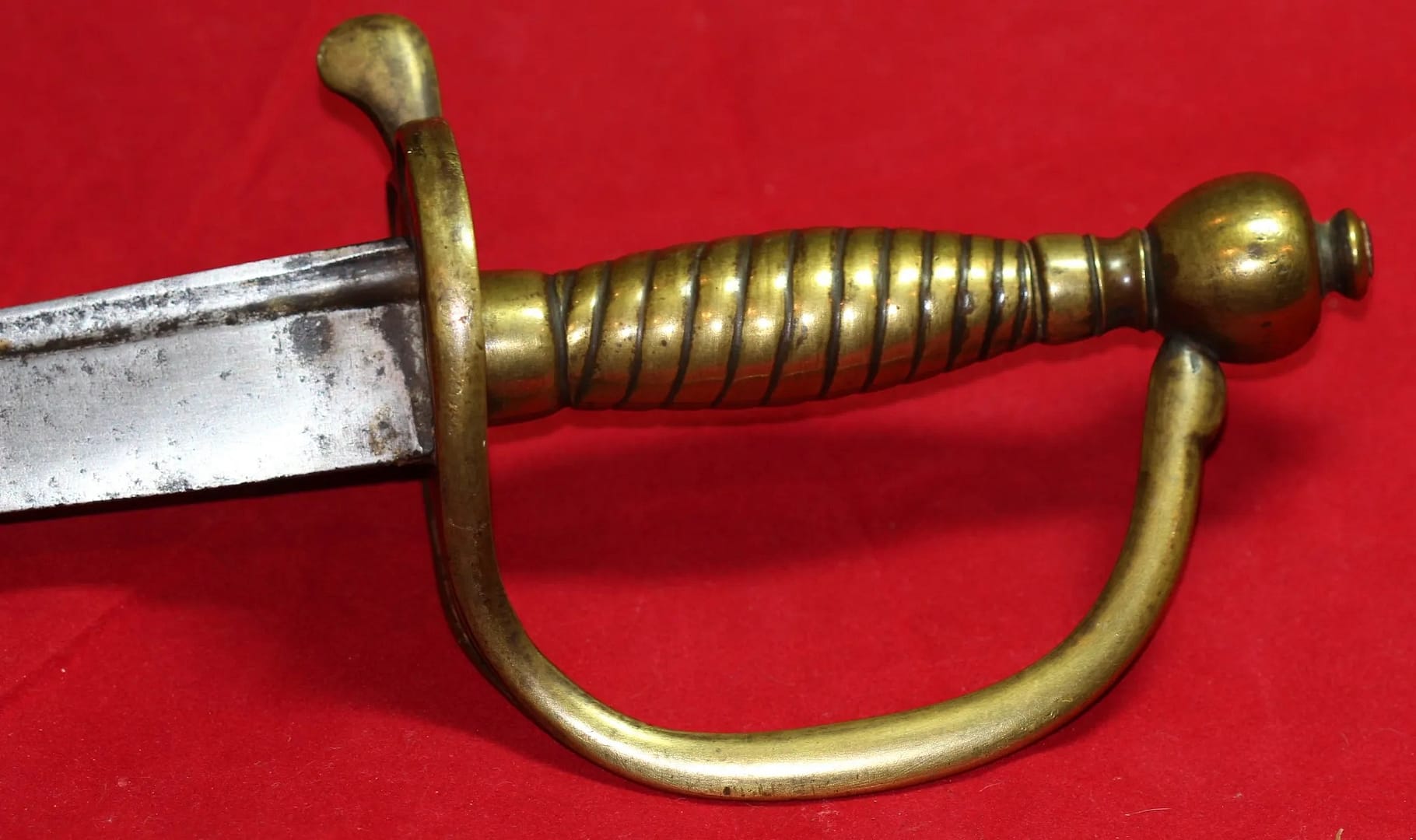
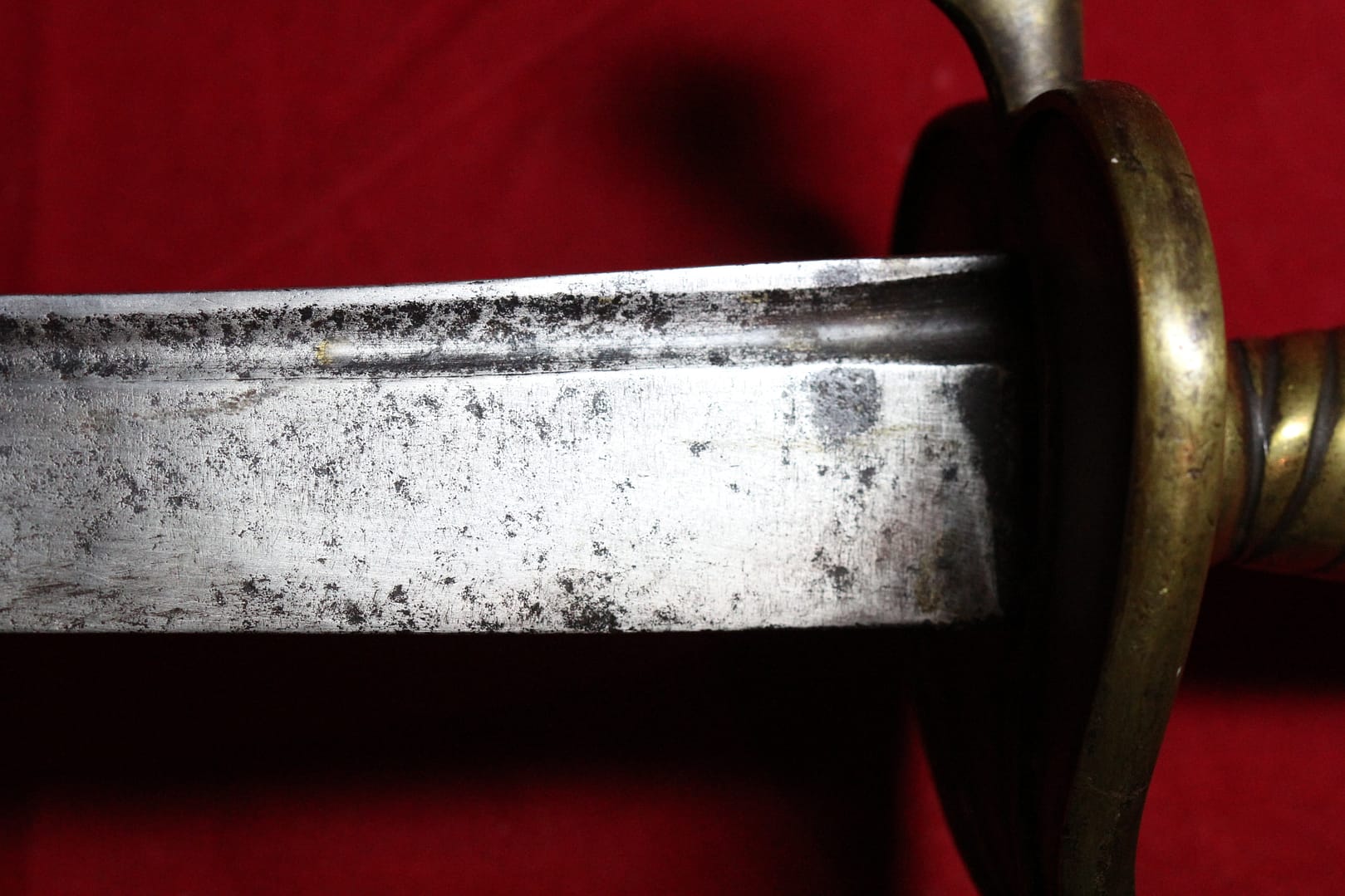
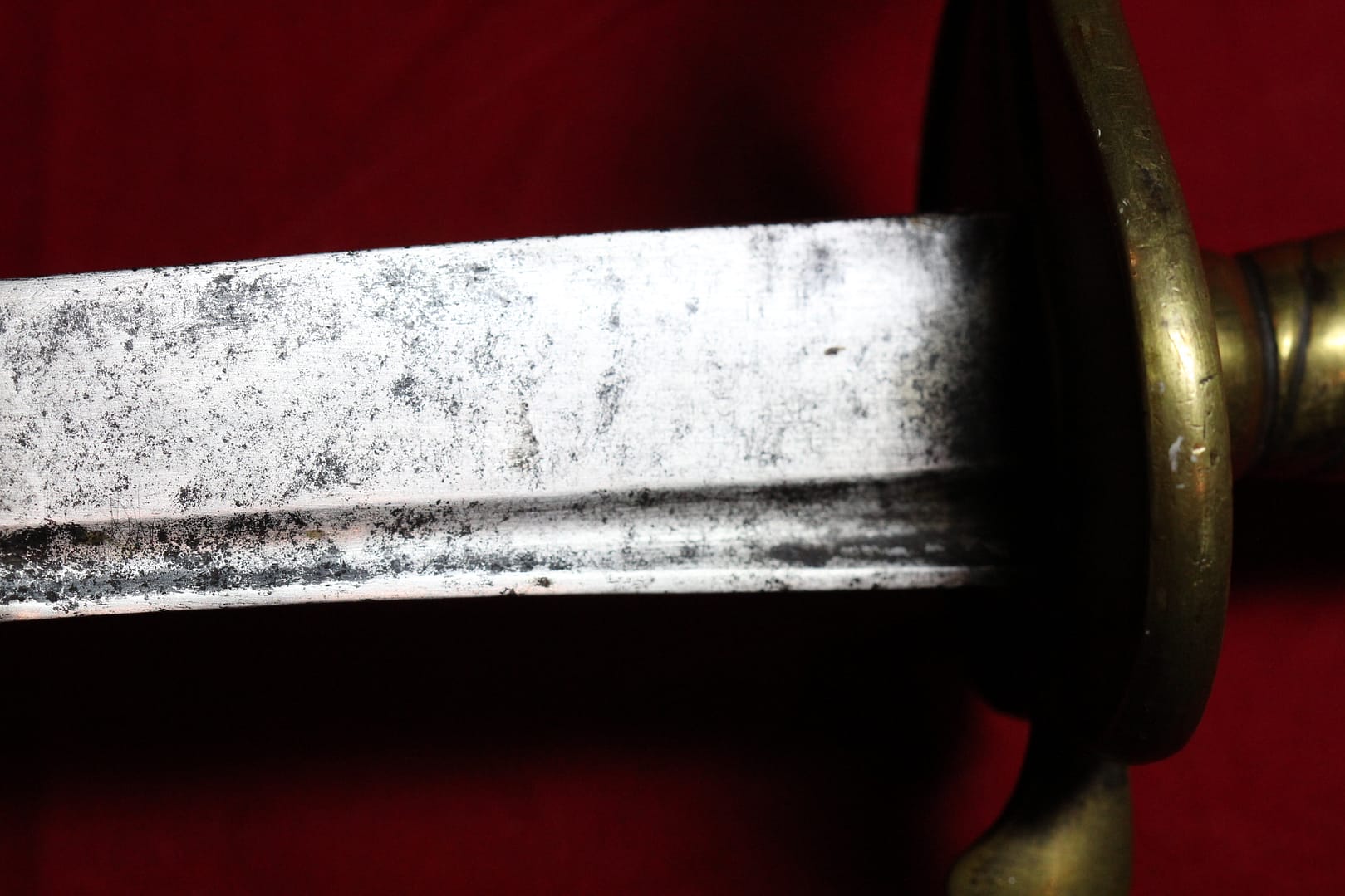
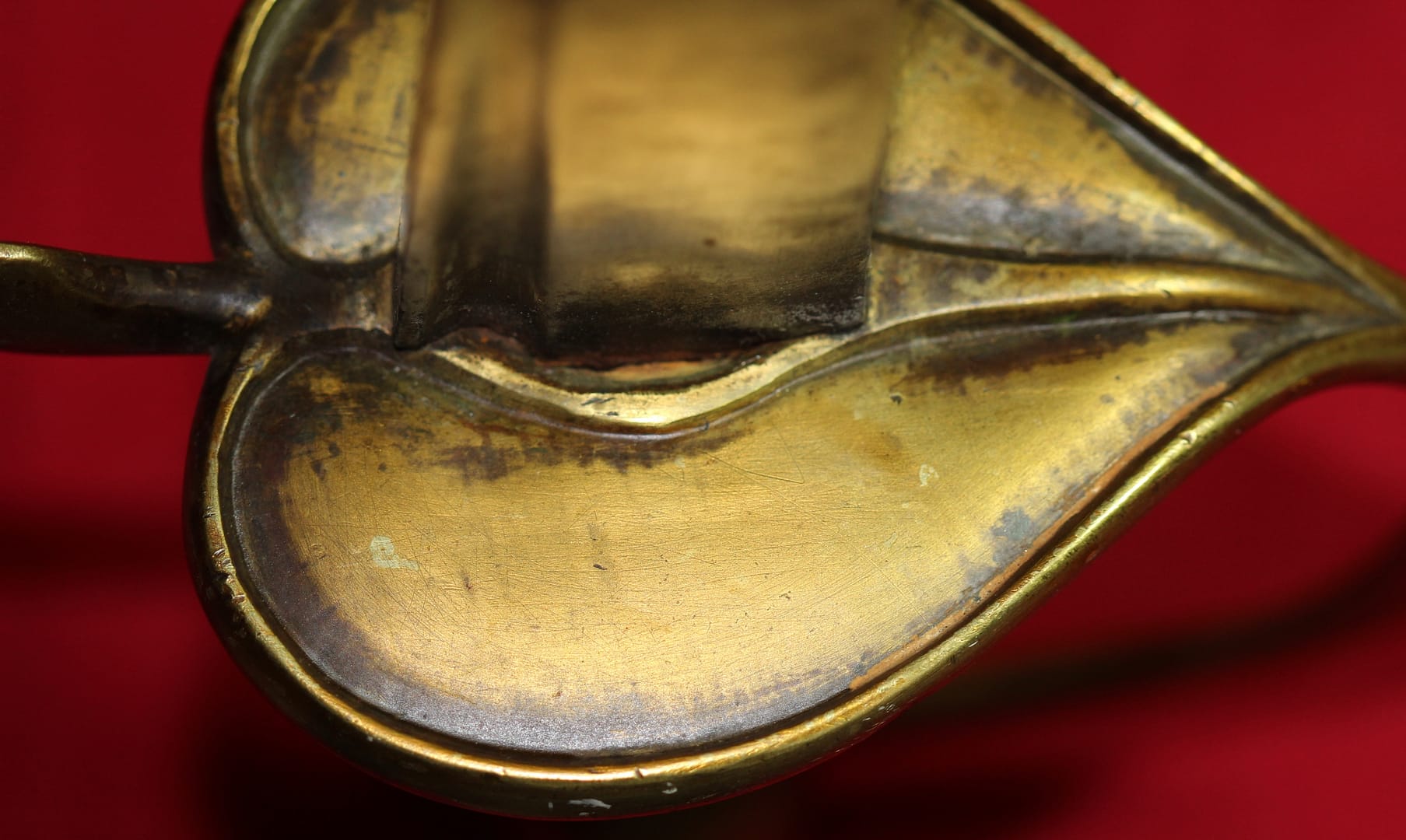
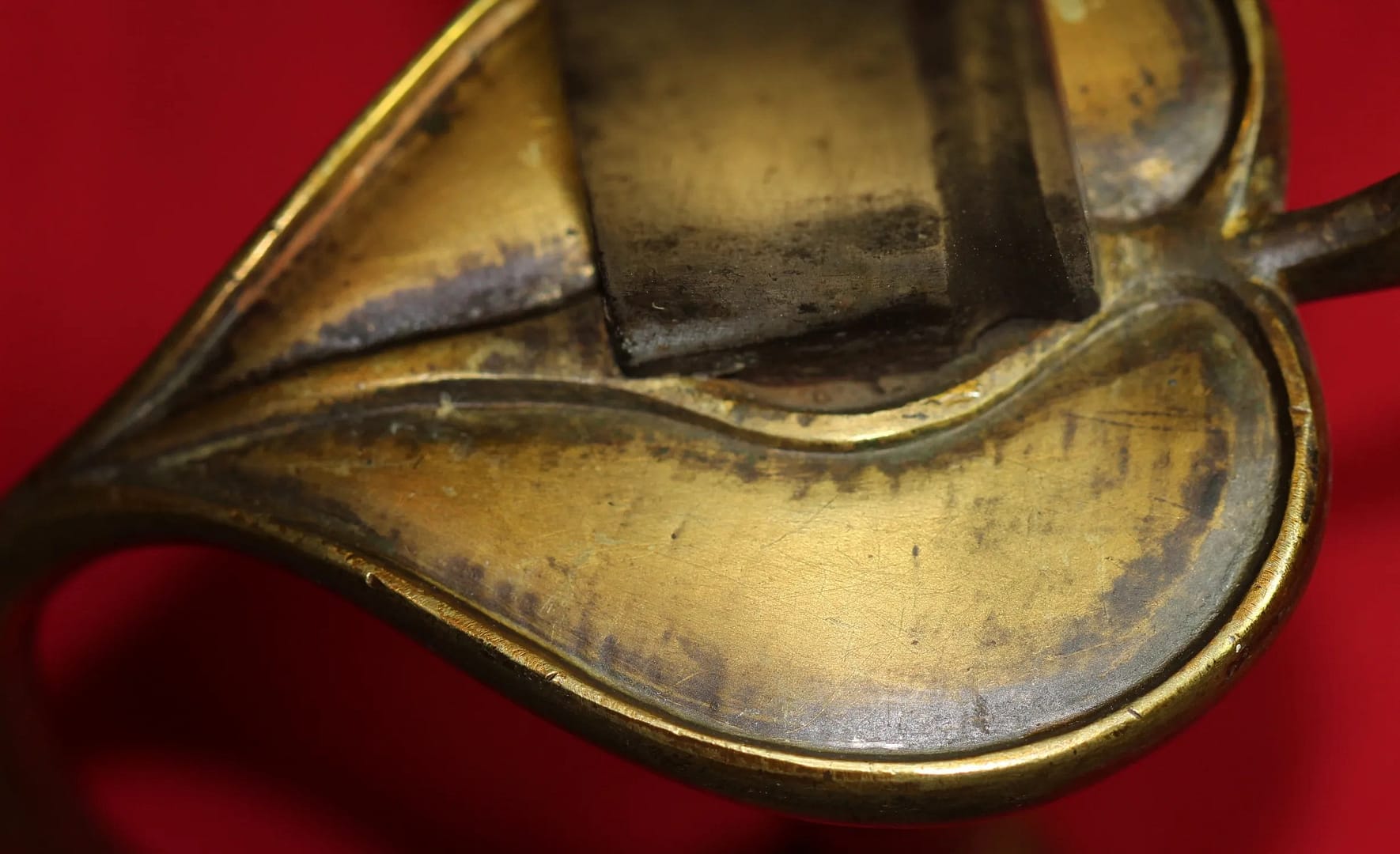
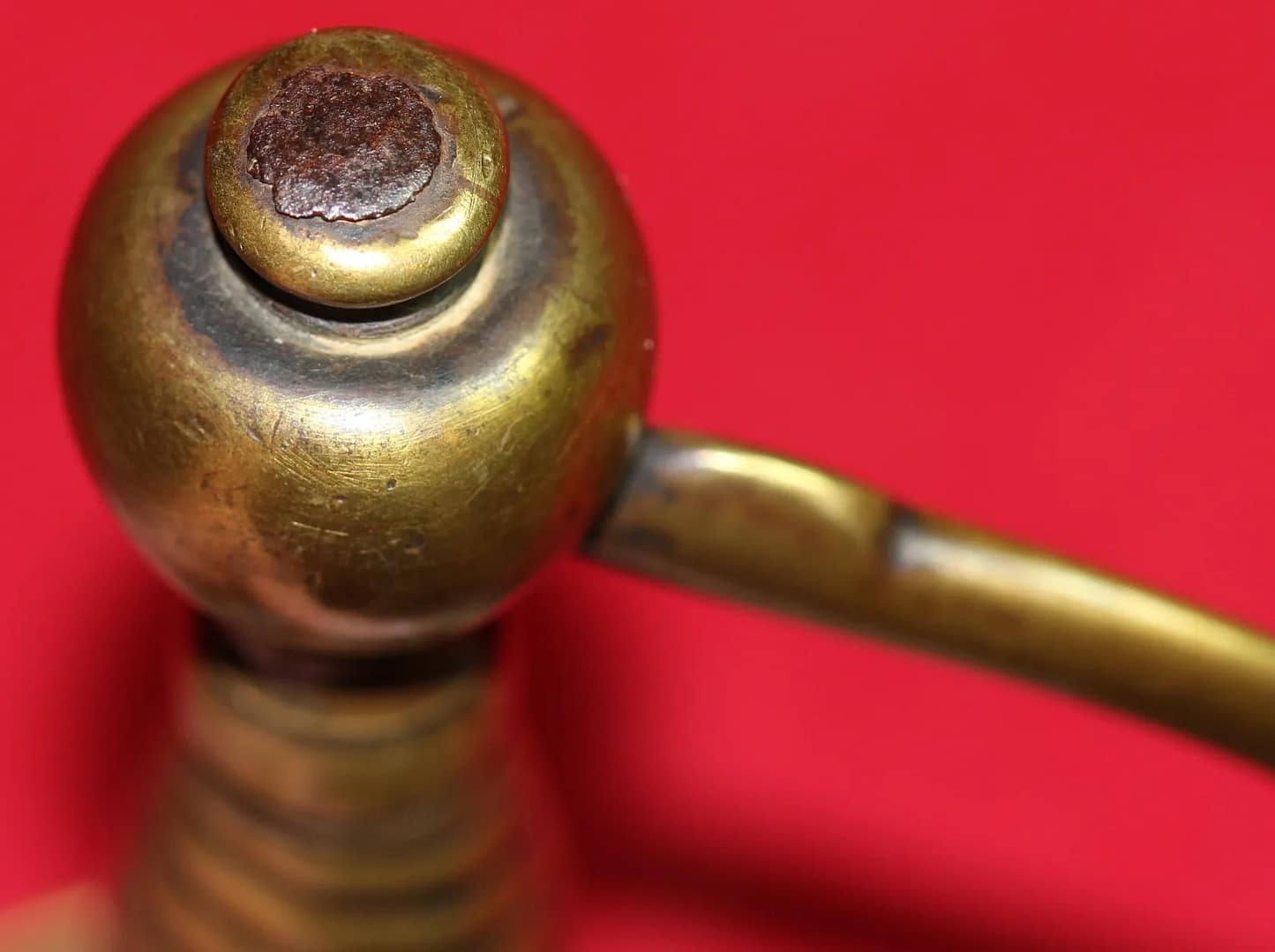
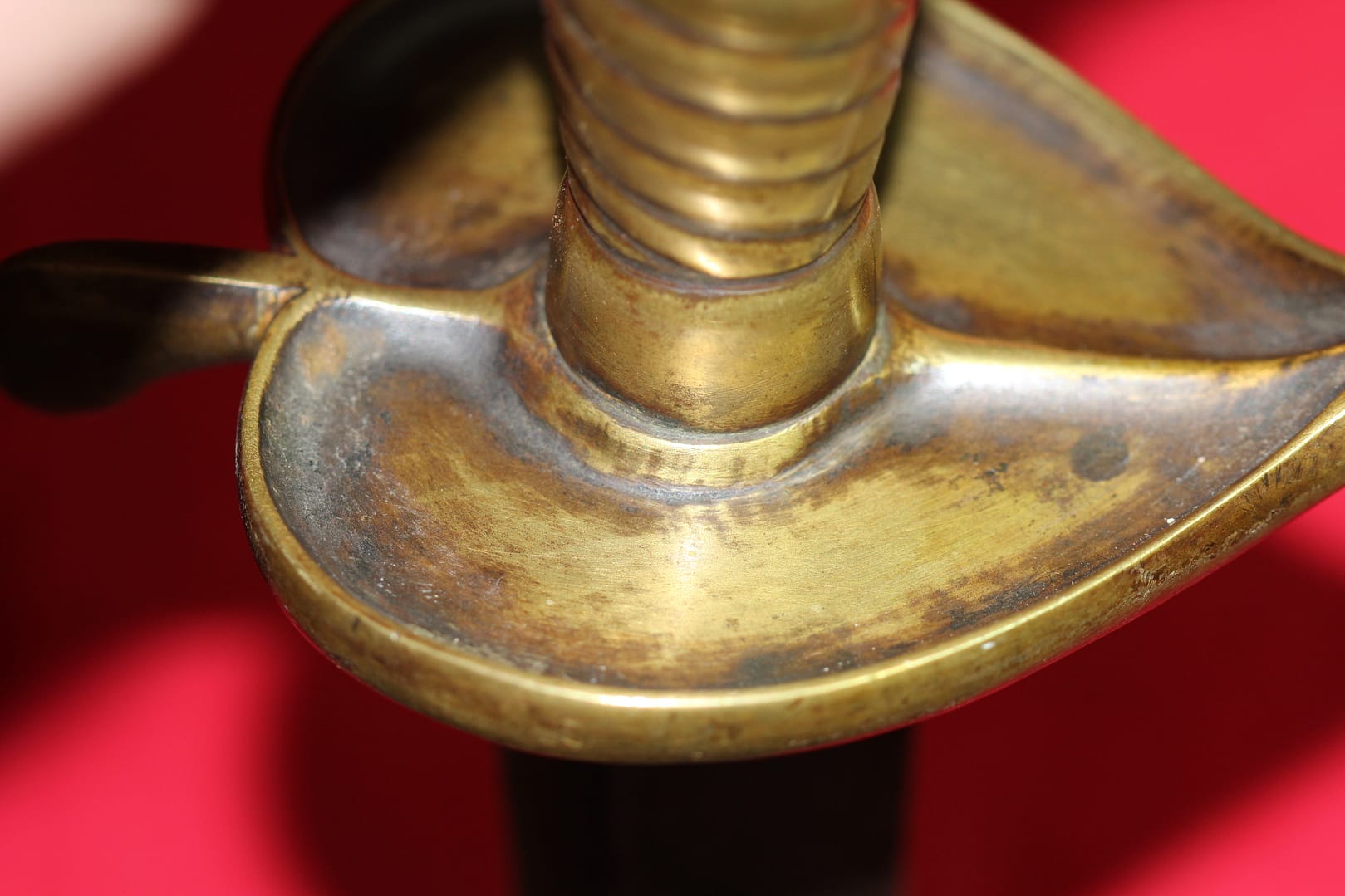
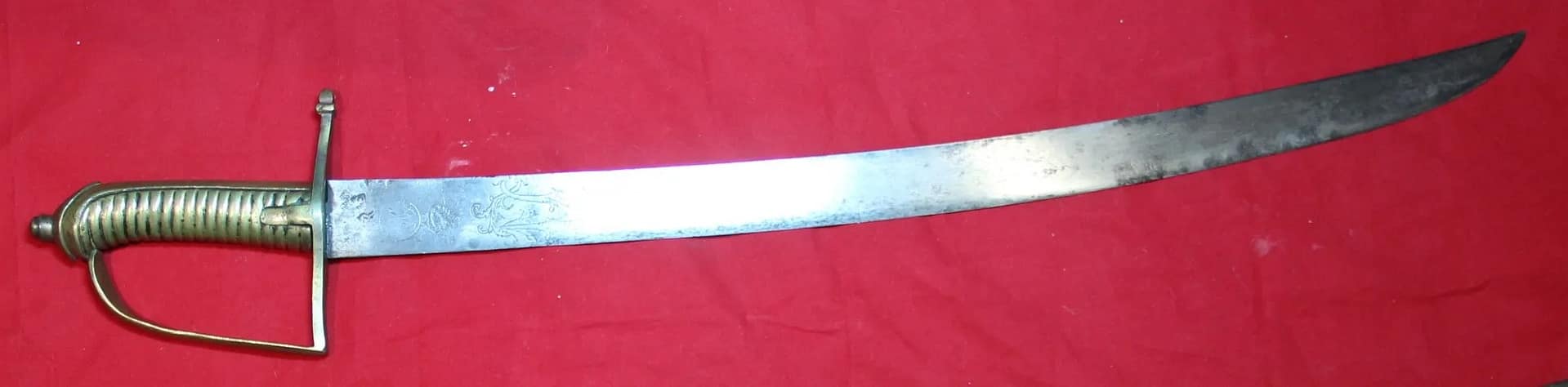
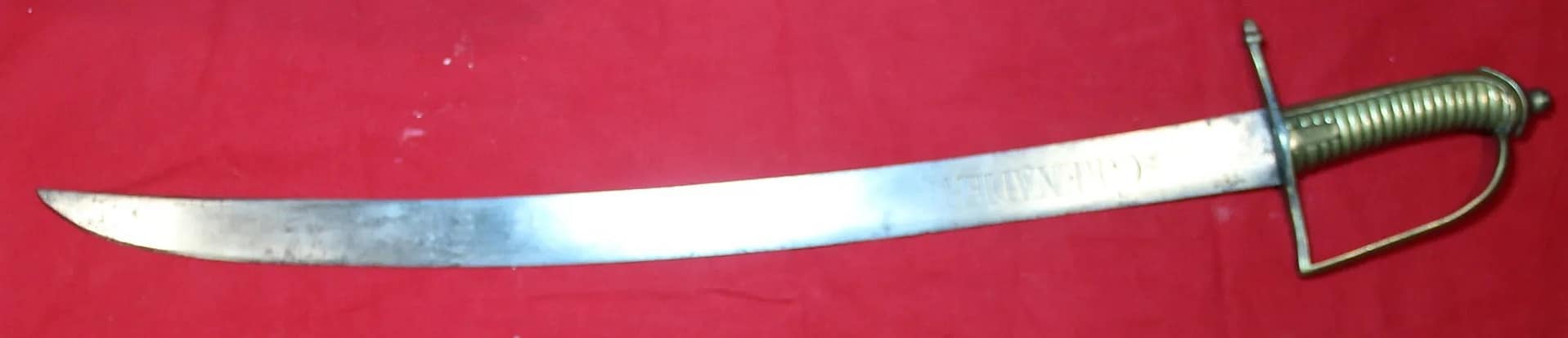
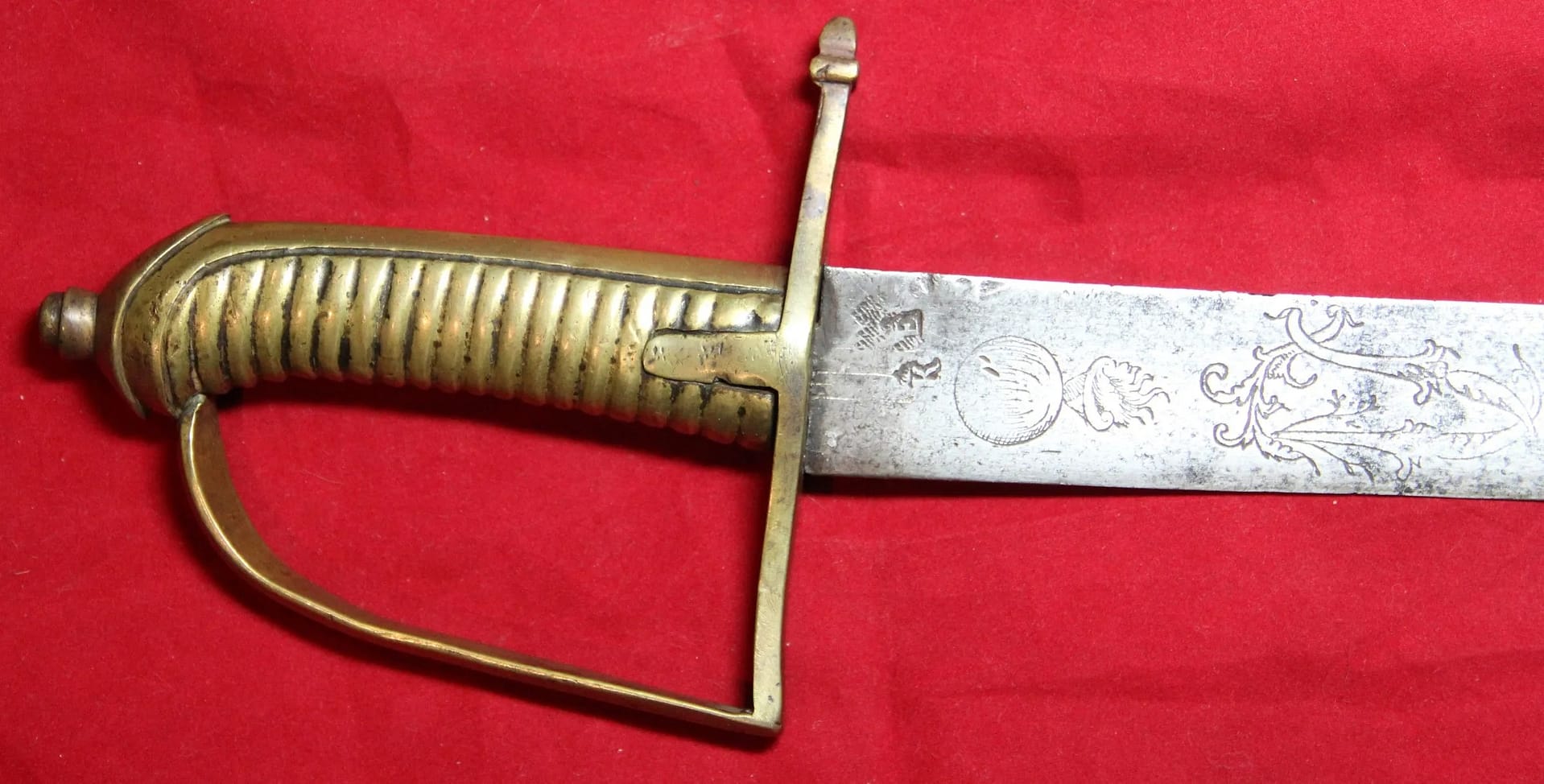
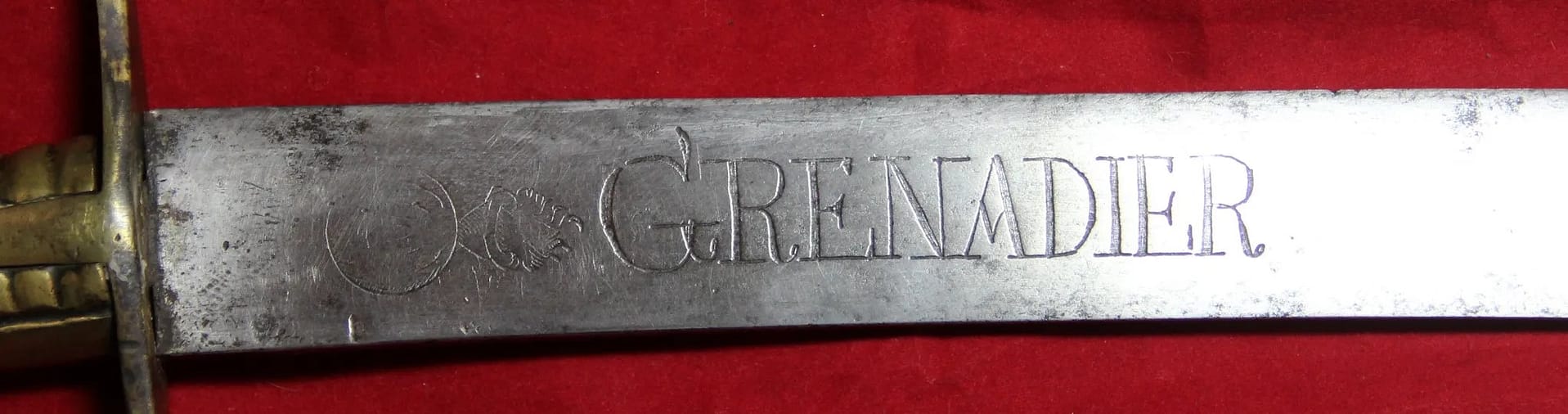
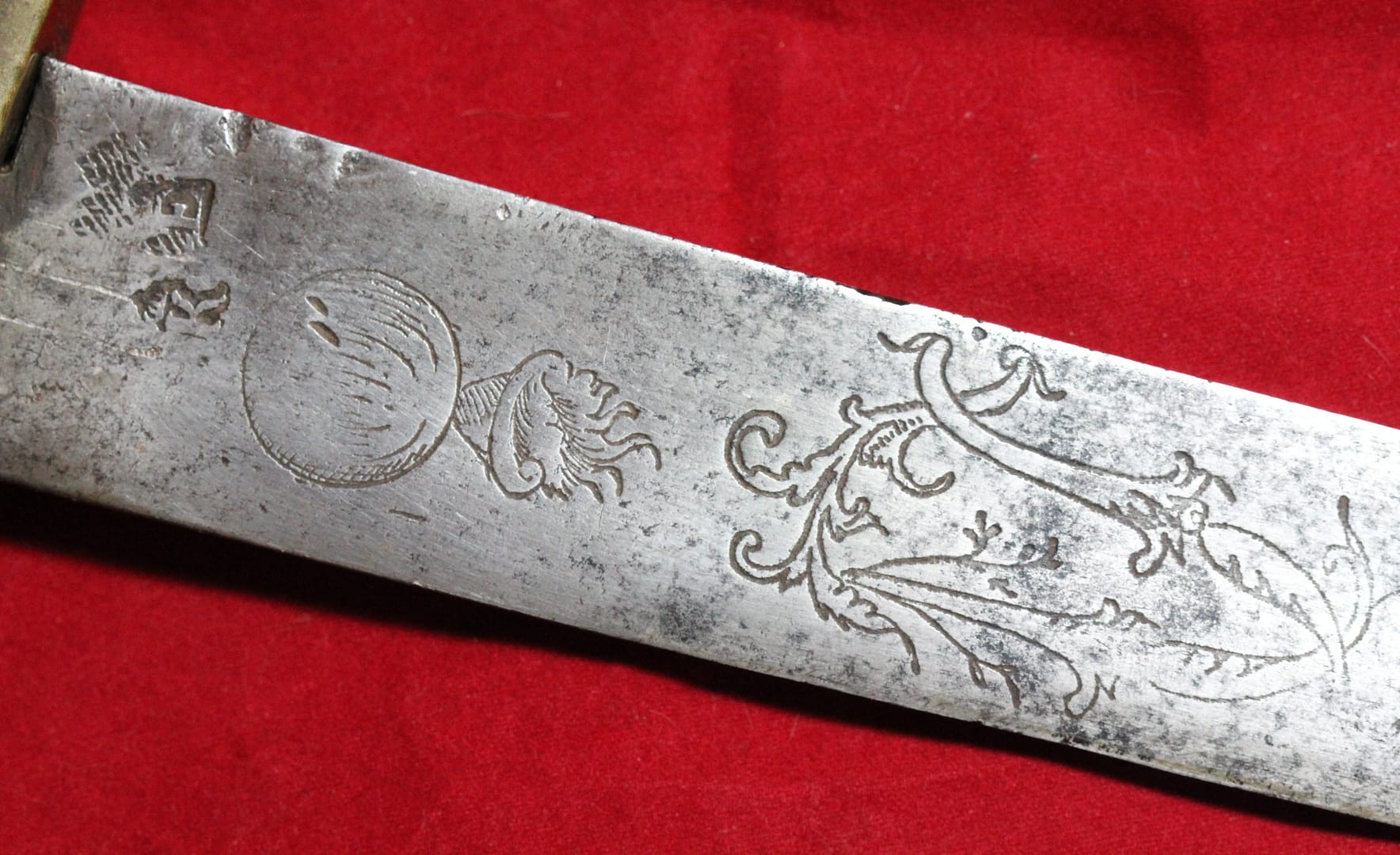
French Pattern 1767 Grenadier Hanger (short infantry sword). From my personal collection.
The Pattern 1767 grenadier hanger was the last widely issued infantry sword of the French Army. Carried by grenadiers and elite companies, it featured a curved single-edged blade and brass hilt with characteristic ribbed grip. Intended for close-quarter fighting and as a symbol of elite status, the hanger saw service during the American War of Independence with French expeditionary forces at Yorktown and in the Caribbean.
Found this useful? Buy me a coffee — it helps fund future battlefield research


Authored by Mick Prictor, a retired military officer with 40 years’ service, and a military historian specialising in terrain-focused analysis of tactics, doctrine, and command decision-making in land warfare. His work draws on extensive battlefield fieldwork—more than 280 sites worldwide—and one of the world’s largest private collections of historic military arms, uniforms, and equipment. About me
American Revolution weapons & equipment FAQ
The most common infantry weapons were smoothbore flintlock muskets such as the British Land Pattern (“Brown Bess”) and the French Charleville. Both fired a .69–.75 calibre round ball and were fitted with socket bayonets, making them effective for both firing and close combat. Rifles were used in smaller numbers, particularly by American rifle units, offering greater accuracy but slower loading.
Yes. British forces primarily used the Land Pattern musket, while American forces used a mixture of captured British arms, French Charleville muskets supplied after 1777, and locally produced weapons. This variety reflects the logistical challenges faced by the Continental Army during the early years of the war.
Rifles, such as the American long rifle, provided superior accuracy and were valuable for skirmishing and specialist units. However, they were slower to load and could not easily mount bayonets, so smoothbore muskets remained the primary battlefield weapon for most infantry engagements.
Artillery was crucial in both field battles and sieges. Guns were used to support infantry attacks, defend positions, and conduct siege operations such as at Yorktown. American artillery, under leaders like Henry Knox, played a key role in improving the Continental Army’s battlefield capability.
Militia units often brought personal weapons, including hunting rifles and older muskets, leading to considerable variation in equipment. Regular troops, including British line infantry and Continental Army units, were more uniformly equipped with standard muskets, bayonets, and military accoutrements.
The wooded and varied terrain of North America encouraged greater use of light infantry tactics and skirmishing compared to European battlefields. While linear tactics remained dominant, both sides adapted by employing open-order fighting and using terrain for cover and manoeuvre.
All artefacts shown are from my personal collection and photographed firsthand. They represent original examples of the weapons and equipment used during the American Revolution.
A flintlock musket is a muzzle-loading firearm that uses a flint striking steel to ignite gunpowder. This system dominated military small arms from the late seventeenth century until the early nineteenth century.
Subscribe to Battlefield Travels and receive a free E-Book Battlefield Guide
Unlock expert battlefield analysis, campaign reconstructions, and historical insights drawn from firsthand exploration and primary sources.
🗺️ You’ll receive:
🎖️ Exclusive historical insights you won’t find elsewhere
📘 A free eBook: 10 Tips for Exploring Historic Battlefields
📰 New battlefield studies straight to your inbox as they are published

⚔️ Go deeper — Members get exclusive access to the Deep Research Collection, Field Notes, and monthly Research Dispatches. Try membership free for 7 days, cancel anytime. From $9/month.