America’s old west
The American Old West, spanning roughly from the 1840s to 1912, was defined by rapid frontier expansion, conflict with Native American nations, and the emergence of a distinctive frontier culture. The westward movement of settlers, miners, and ranchers—driven by railroads, land policies, and resource discoveries—brought sustained clashes with tribal groups defending their homelands. Campaigns on the Great Plains, Southwest, and Northwest pitted U.S. cavalry units against highly mobile Native forces skilled in irregular warfare, culminating in decisive actions such as the Little Bighorn, Washita, and Wounded Knee. Skilful Native American leaders like Cochise and Geronimo led guerrilla campaigns that lasted for many years.
Beyond military operations, the frontier produced a complex environment of lawlessness, informal justice, and local power structures. Cattle trails, mining towns, and railheads fostered criminal activity, while figures such as Wyatt Earp, Billy the Kid, the James Gang and the Dalton Gang became embedded in popular memory.
On the new frontiers, bitter struggles emerged over whether old-world institutions like slavery would permeate into the new territories. Nowhere was this more vicious than the ‘Bleeding Kansas’ fighting along the Kansas-Missouri border area.
The weapons of the frontier became legendary themselves; names like Colt, Smith & Wesson and Winchester entered popular folklore. By the 1890s, the closing of the frontier marked the end of a turbulent era that shaped American identity and mythology.
You may also like these battlefield studies


Weapons of America’s Old West and Indian Wars
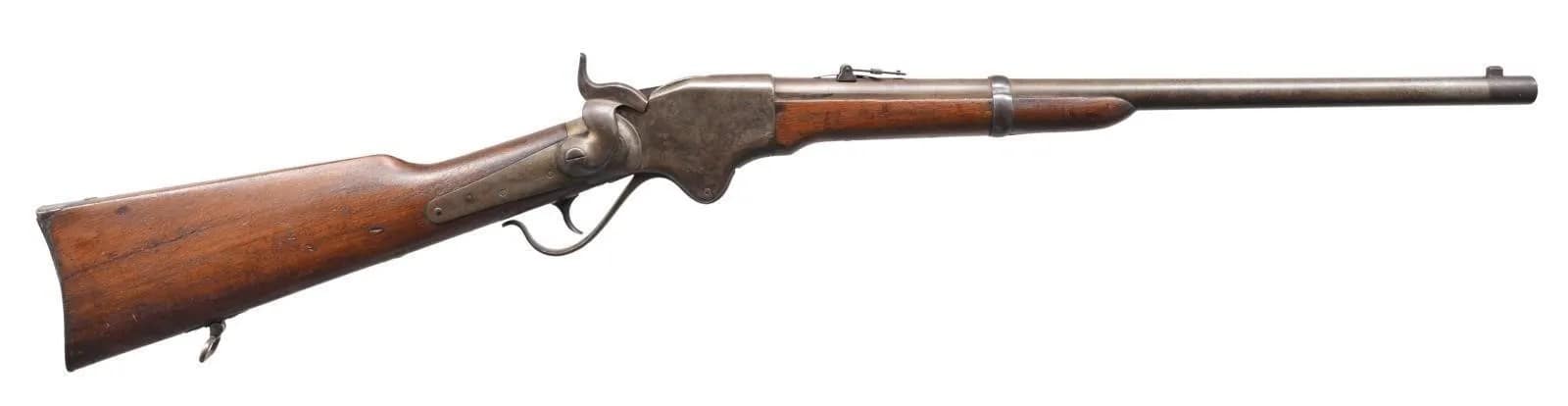
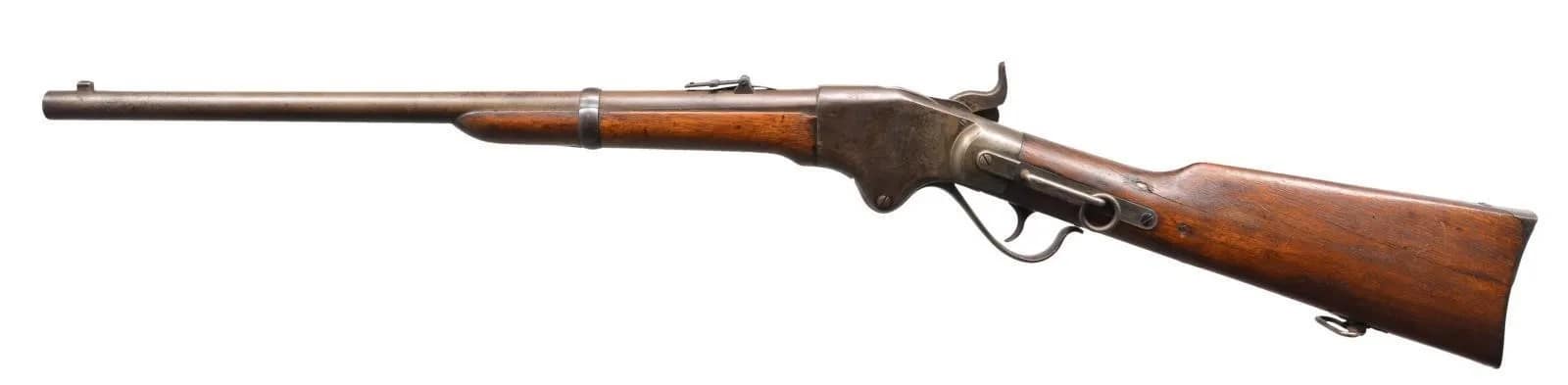
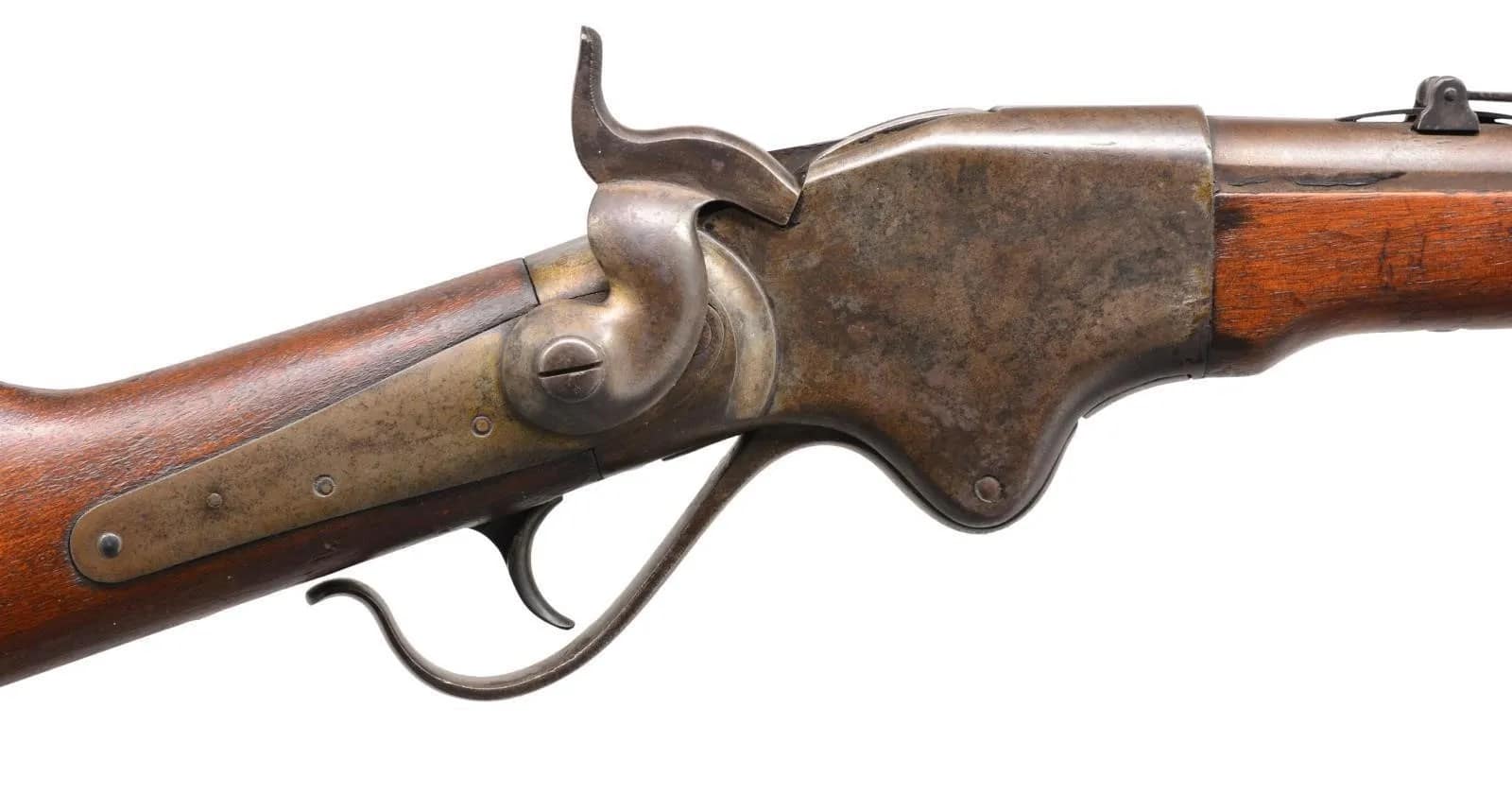
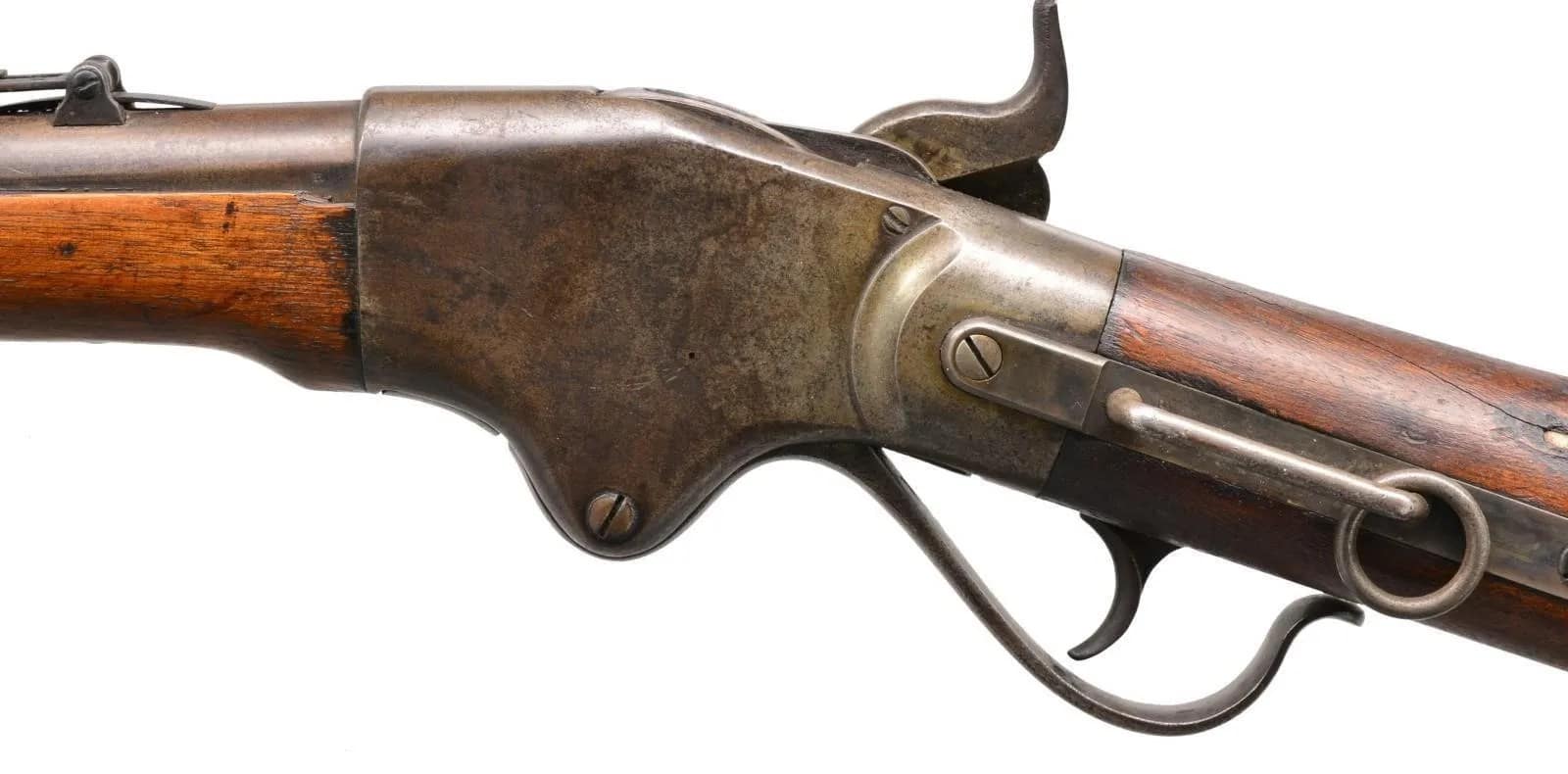
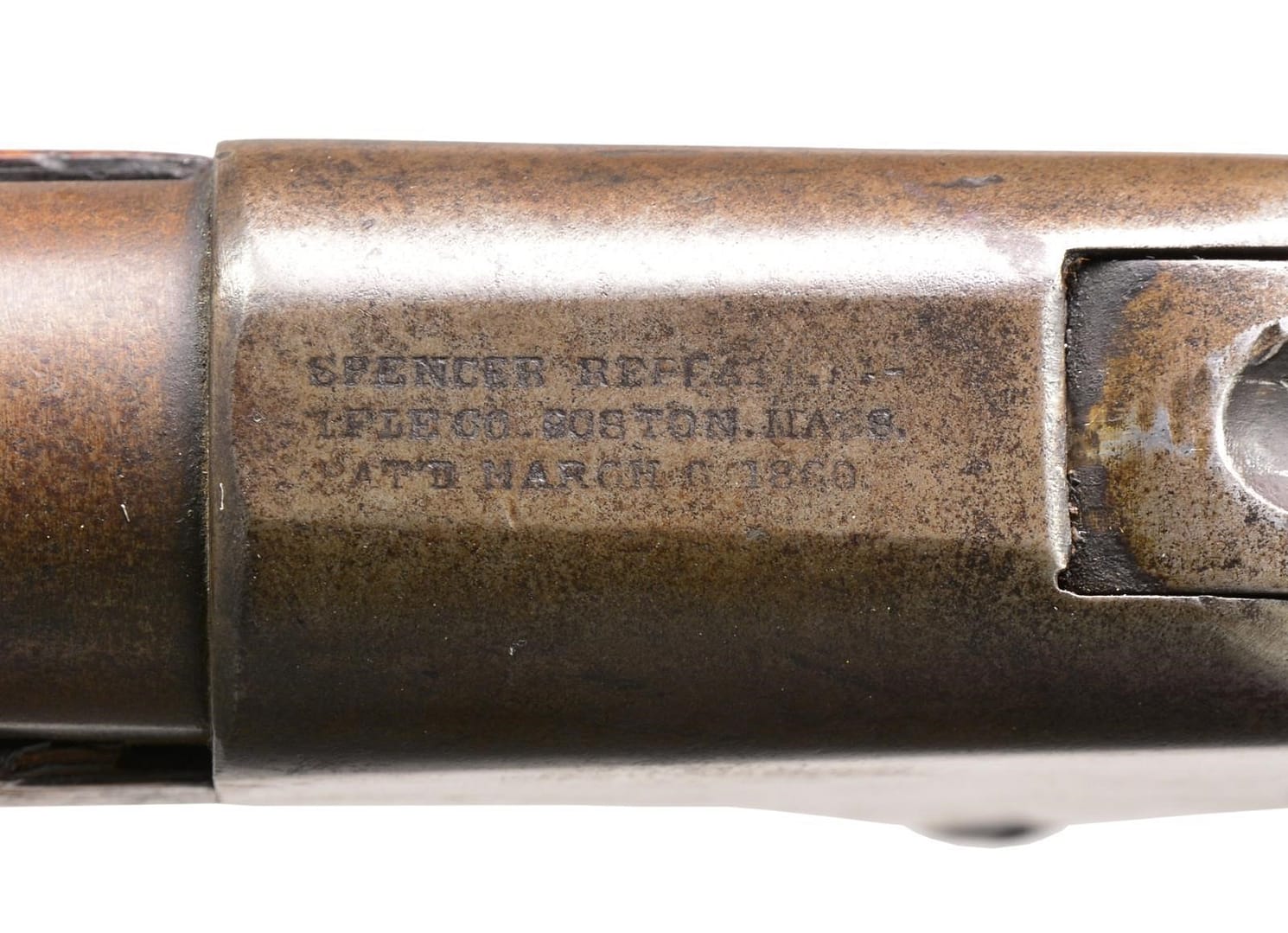
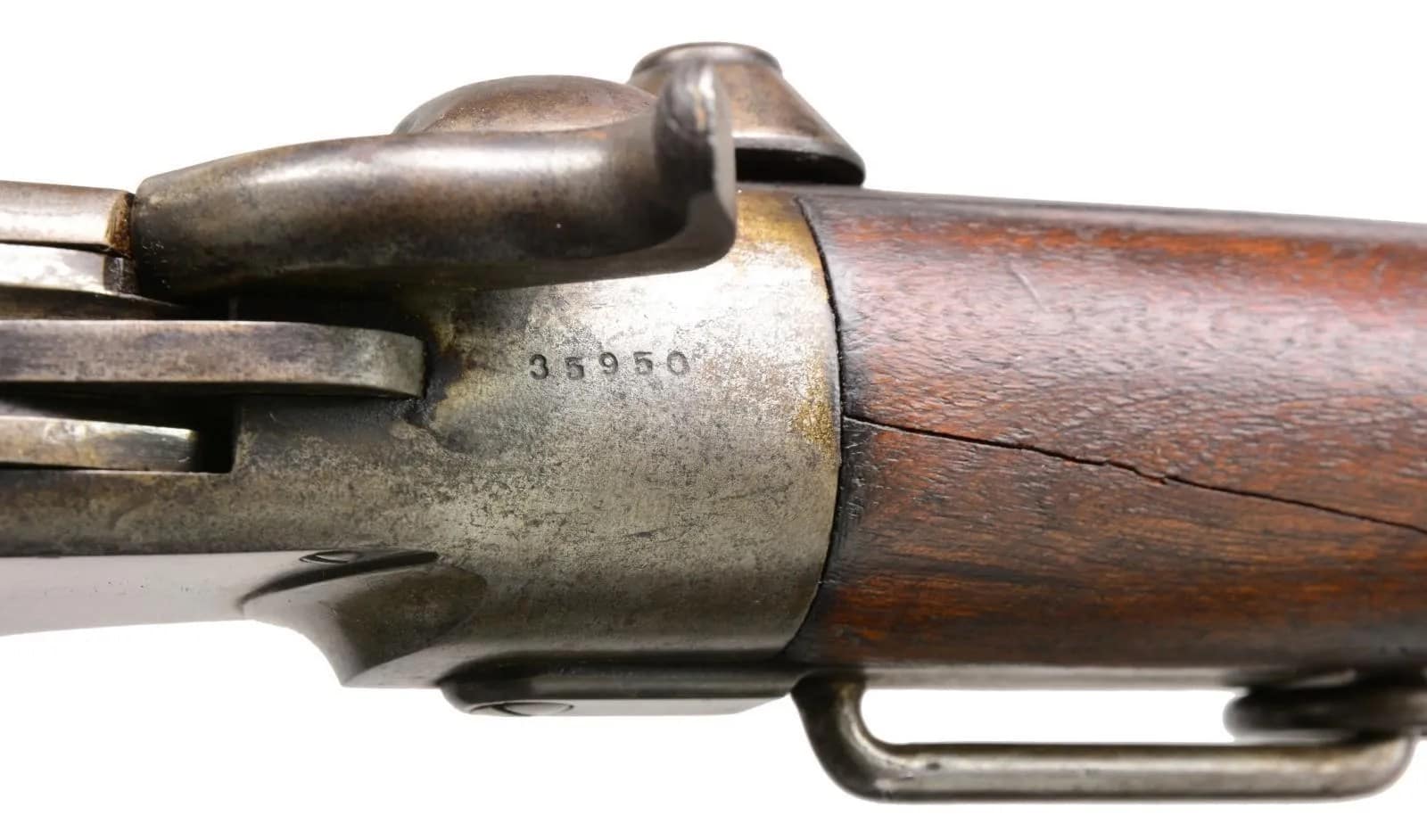
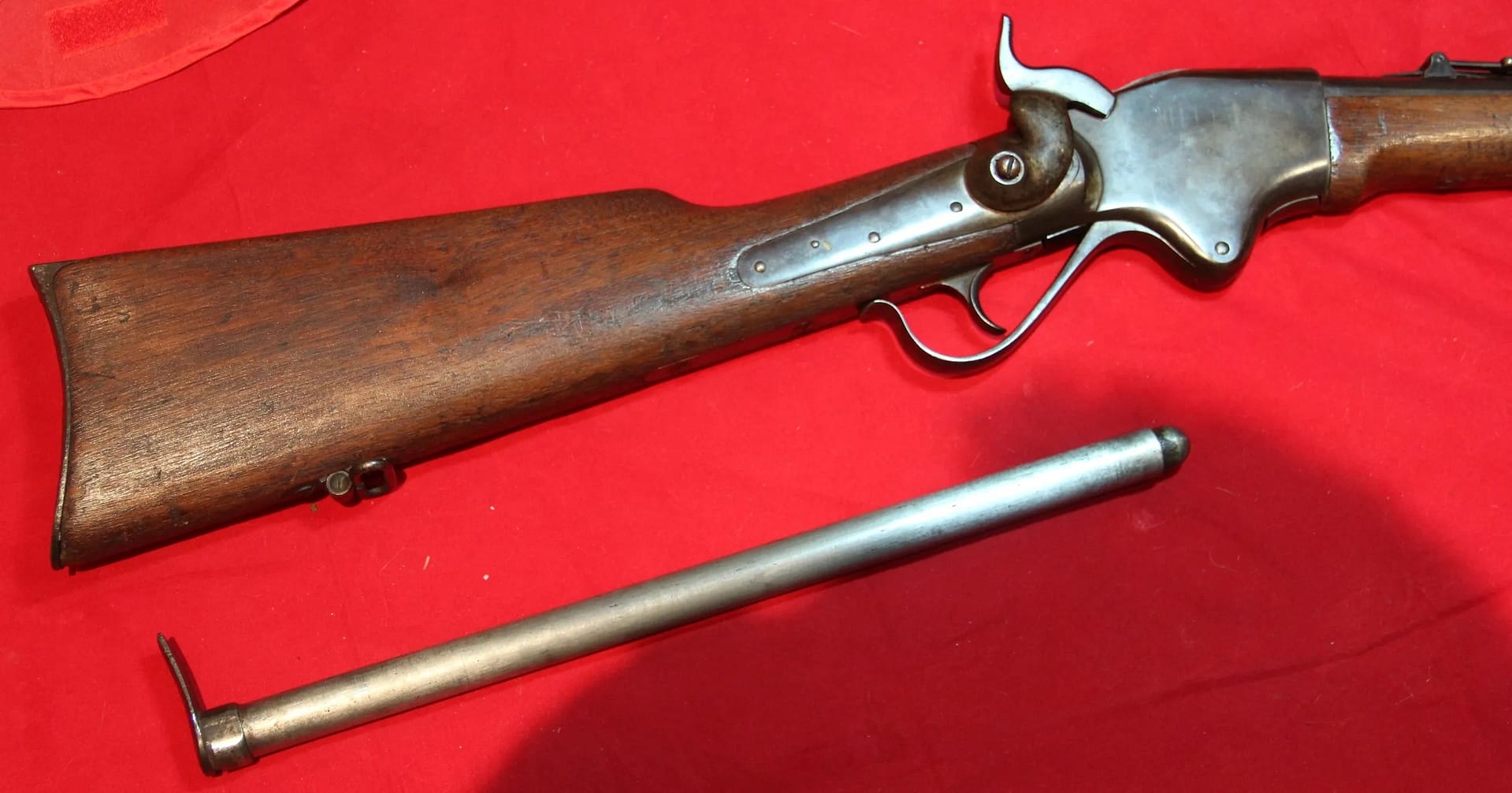
Model 1860 Spencer 7-shot Civil War Cavalry Carbine, from my personal collection.
The Spencer Model 1860 cavalry carbine was a lever-action, 7-shot repeating firearm chambered in .56-56 rimfire. Designed by Christopher Spencer, it offered Union cavalry an unprecedented rate of fire compared with muzzle-loading carbines. Cartridges were fed from a tubular magazine housed in the buttstock, allowing mounted troopers to deliver rapid, sustained volleys during charges or skirmishes. The Spencer saw extensive service with Federal cavalry from 1863 onward and played a decisive role in late-war mobile operations.
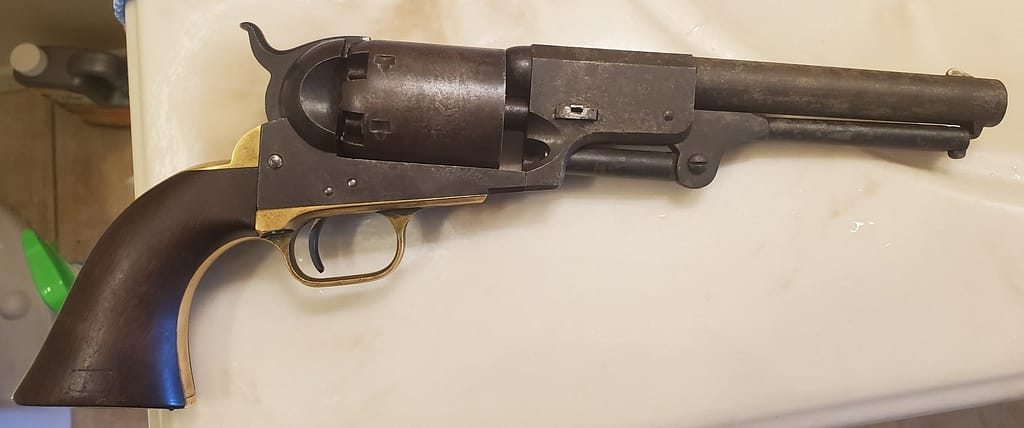
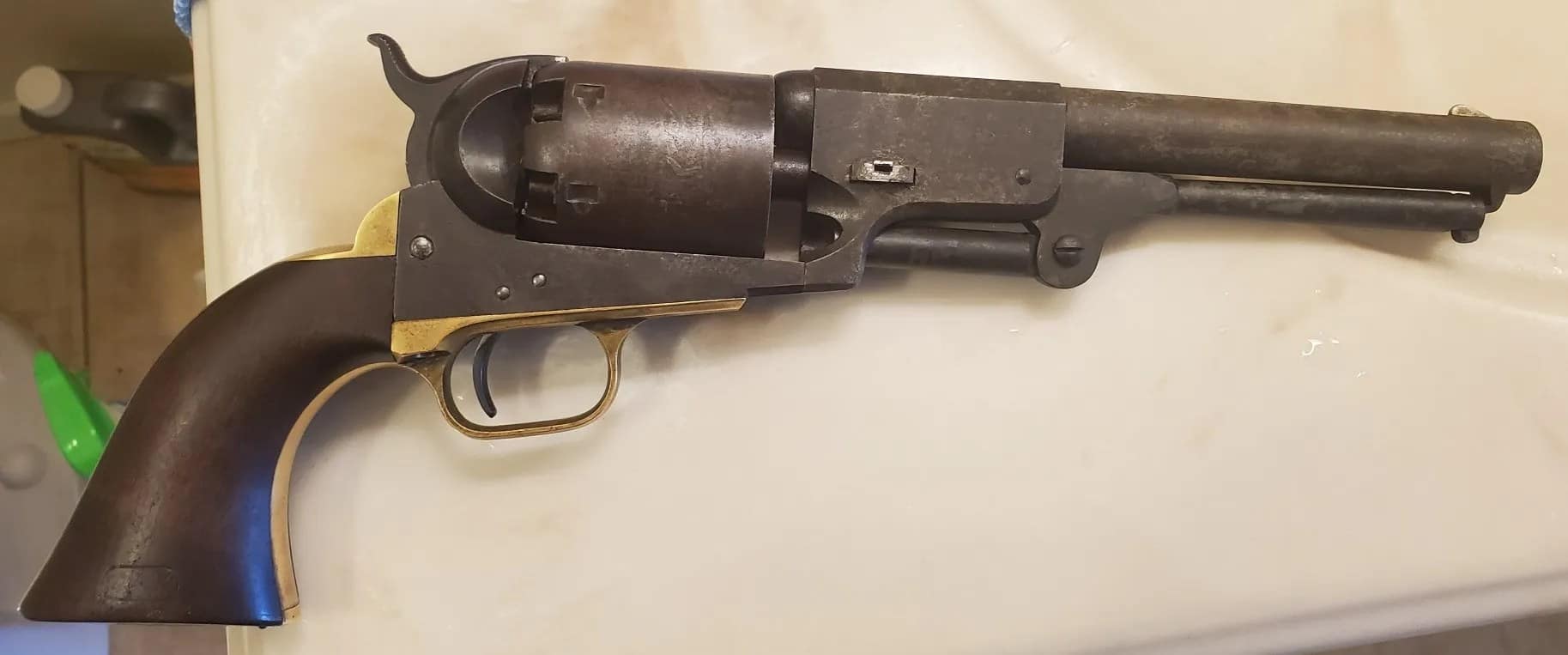
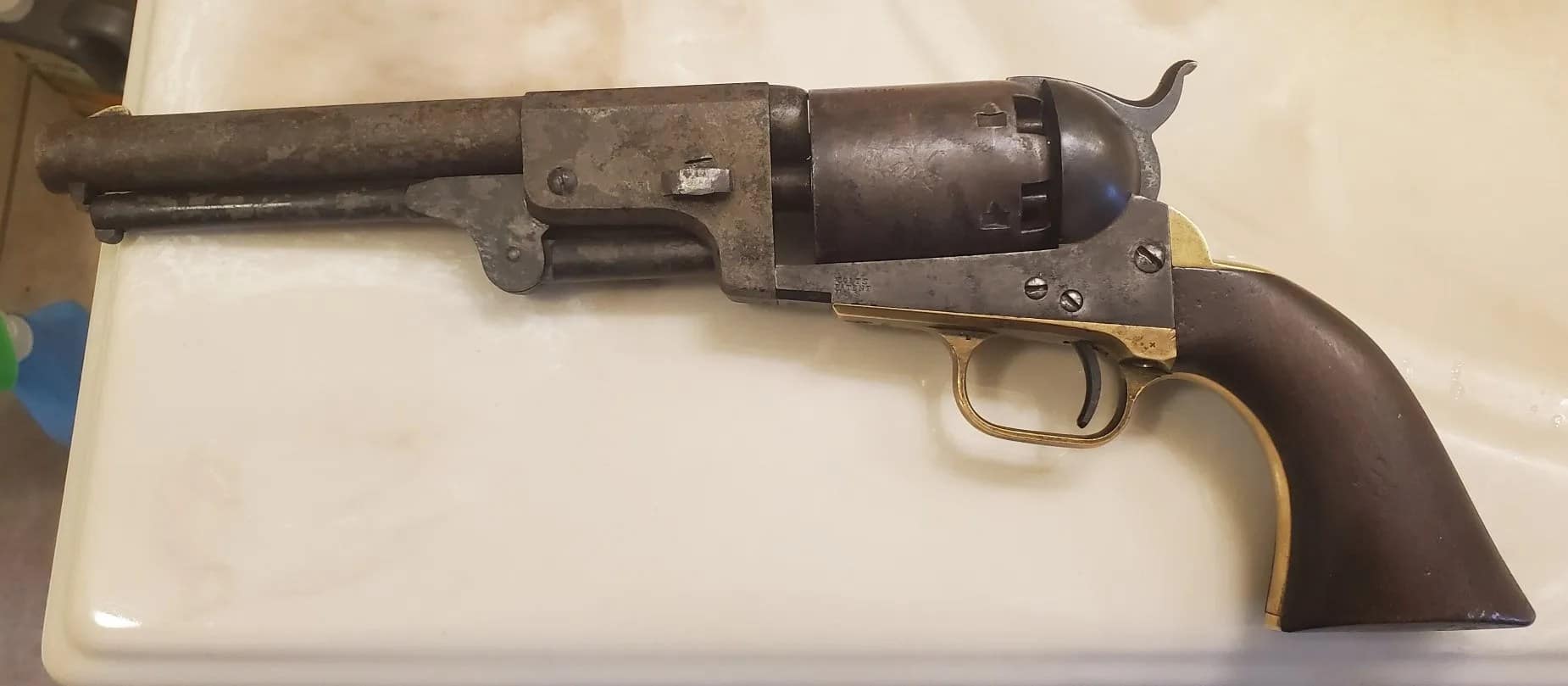
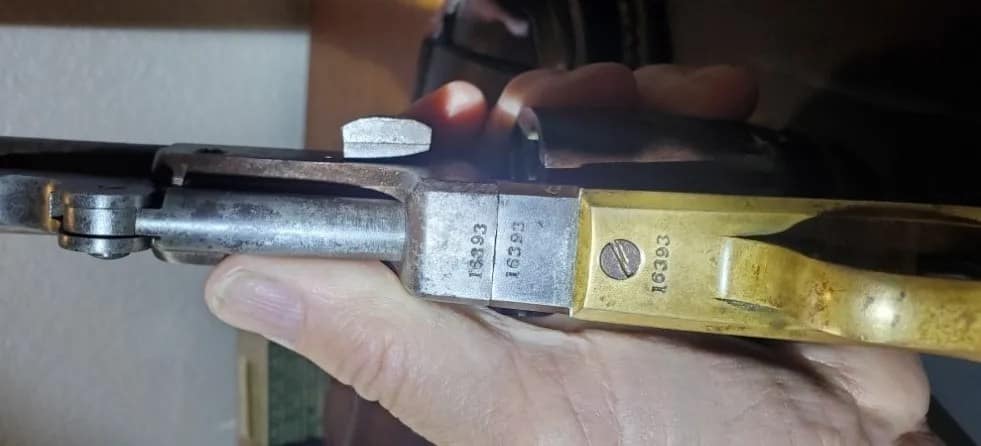
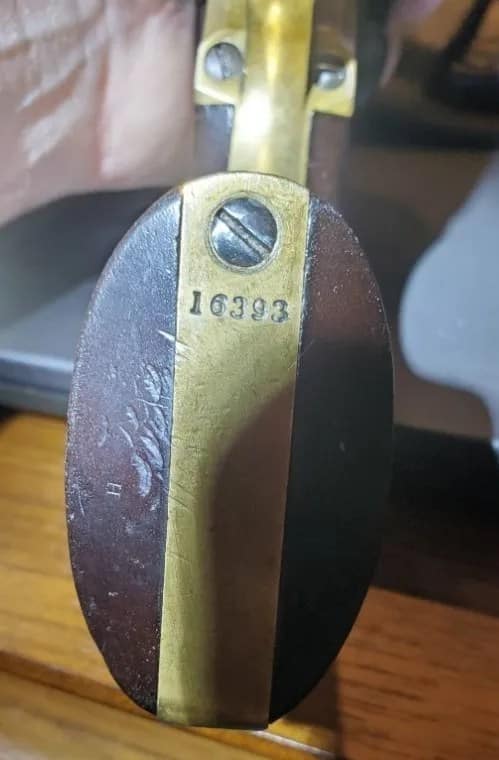
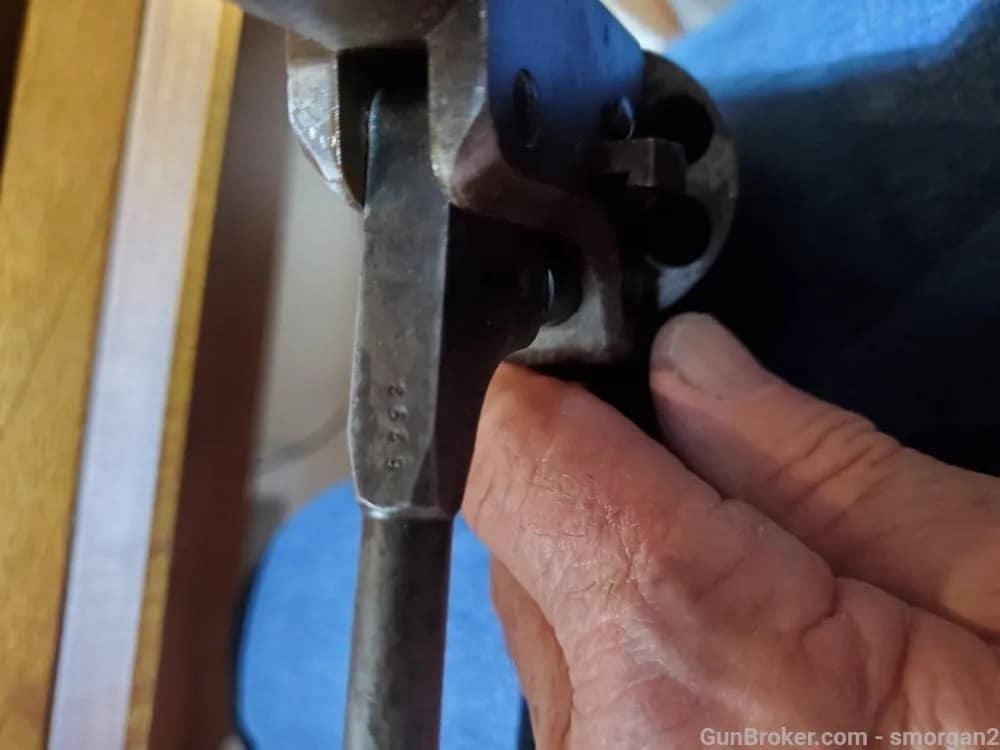
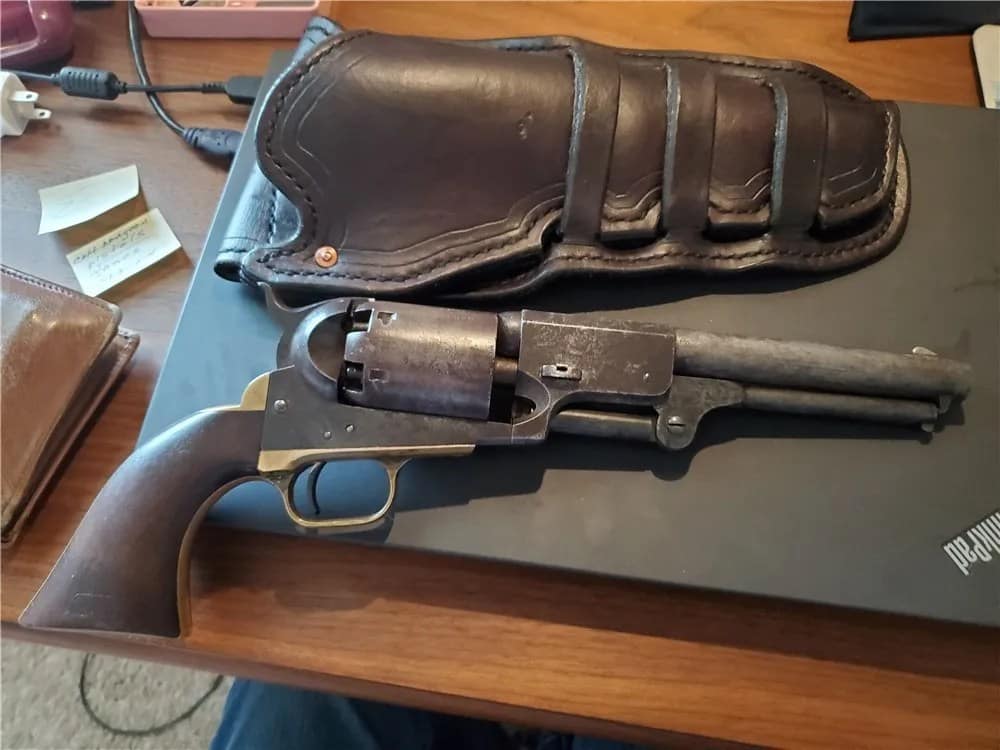
Model 1847 Colt Dragoon, 3rd Model, .44″ caliber. From my personal collection.
The Colt Model 1847 Dragoon revolver, 3rd Model, was a .44-calibre percussion handgun designed for mounted service following the Mexican–American War. Larger and more powerful than the later Model 1860 Army, it featured a robust frame, six-shot cylinder, and improved cylinder locking notches. Although production ended before the Civil War, many Dragoon revolvers remained in service with both Union and Confederate cavalry, valued for their stopping power and durability in the field.
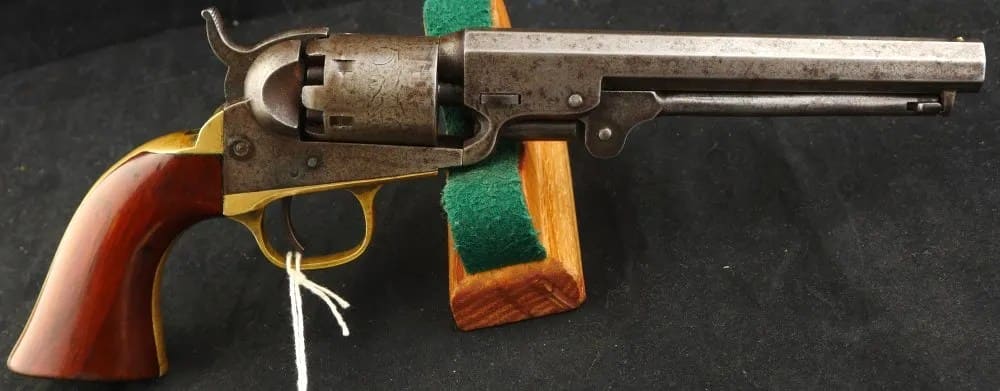
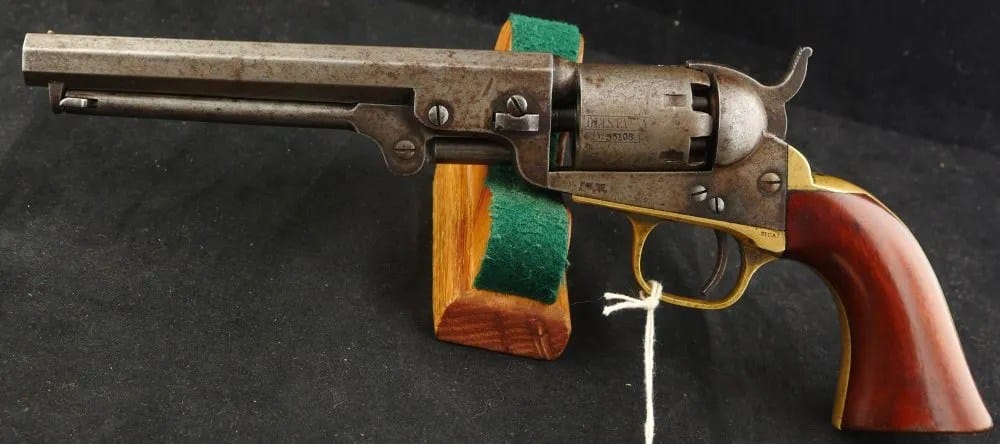
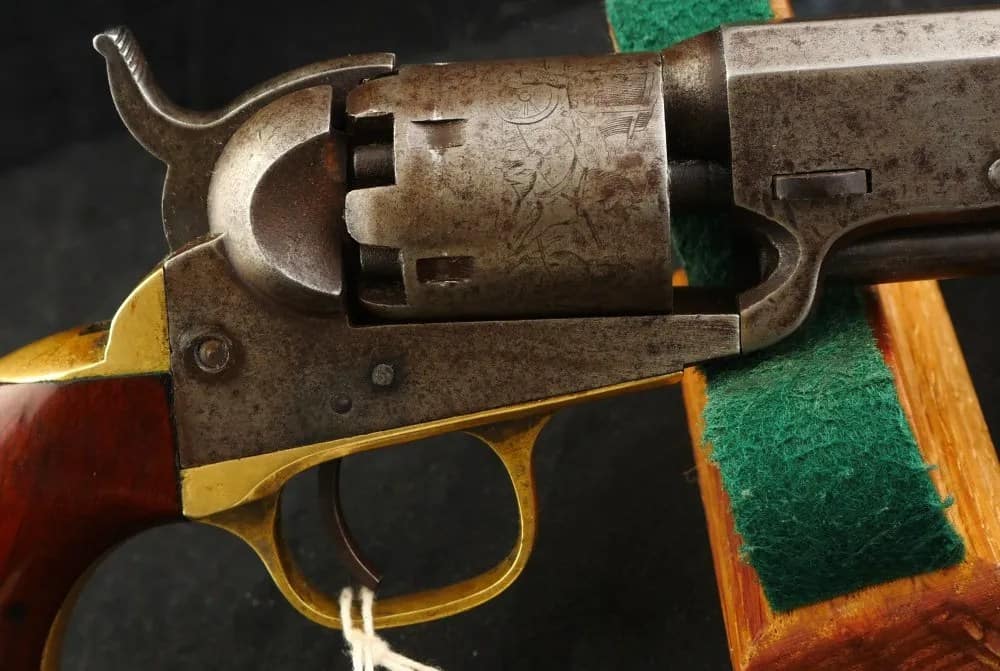
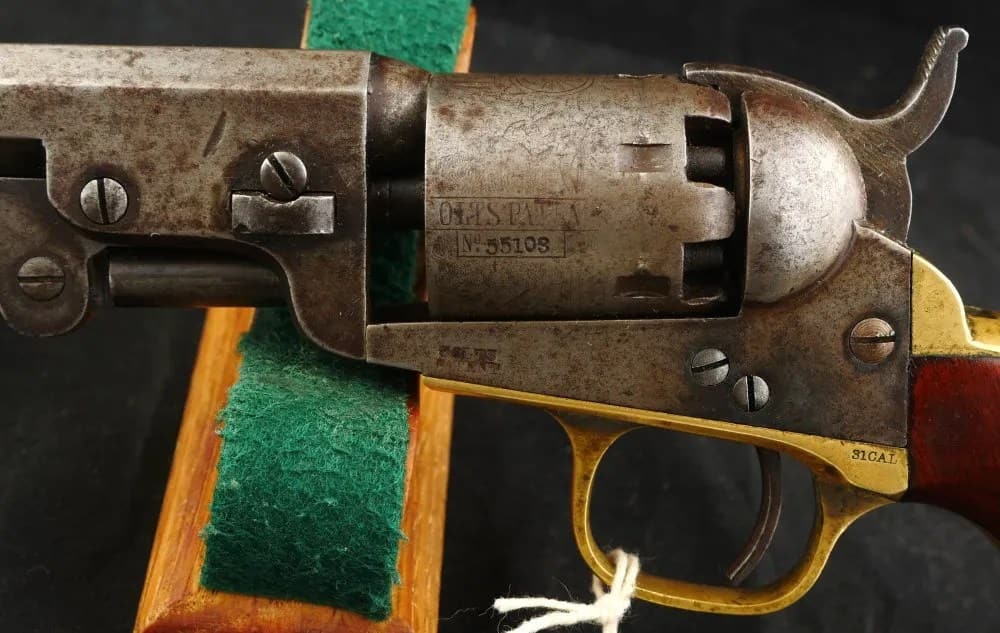
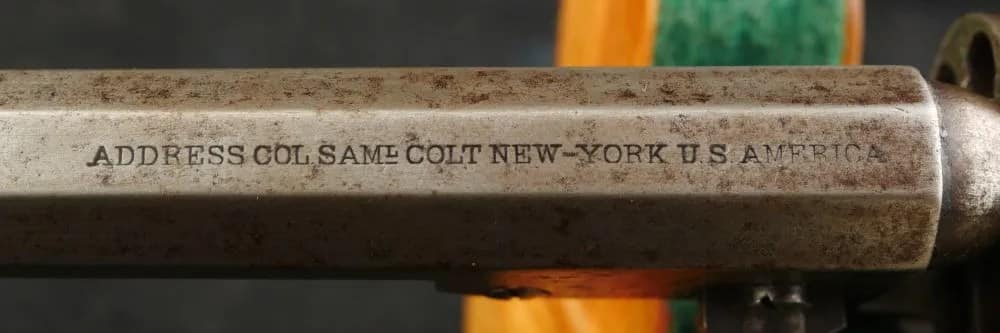
Model 1849 Colt Pocket, 6″ barrel, .31″ caliber. From my personal collection.
The Colt Model 1849 Pocket revolver was the most widely produced Colt percussion handgun, chambered in .31 calibre. Intended as a compact civilian and officer’s sidearm, it featured a five-shot cylinder, slender profile, and, in this example, the longer 6-inch barrel for improved accuracy. Though not a frontline cavalry weapon, the 1849 Pocket was privately purchased by officers, scouts, surgeons, and staff across both armies, making it one of the most commonly carried personal sidearms of the Civil War.


🧭 From Weapons to Battlefield Use
This page shows weapons and equipment of America’s Old West. All items are from my personal collection.
But what images and data don’t show is how these weapons were actually used on the ground—how weapon characteristics, tactics, innovation, terrain, and movement shaped their effectiveness in battle.
👉 That layer—how firepower, tactics, and terrain interact in real engagements—is explored in:
⚔️Battlefield Studies ◊ 💡Tactical Innovations ◊ 📝Field Notes
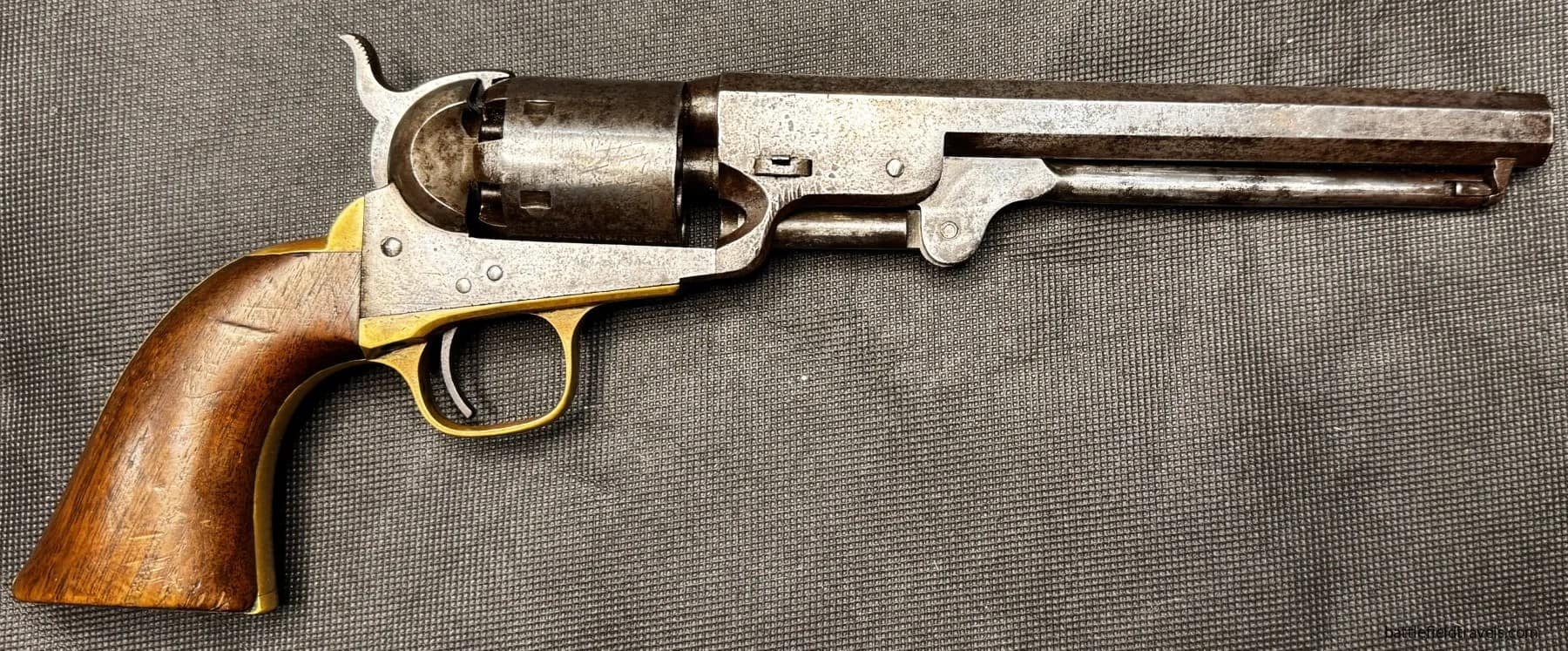
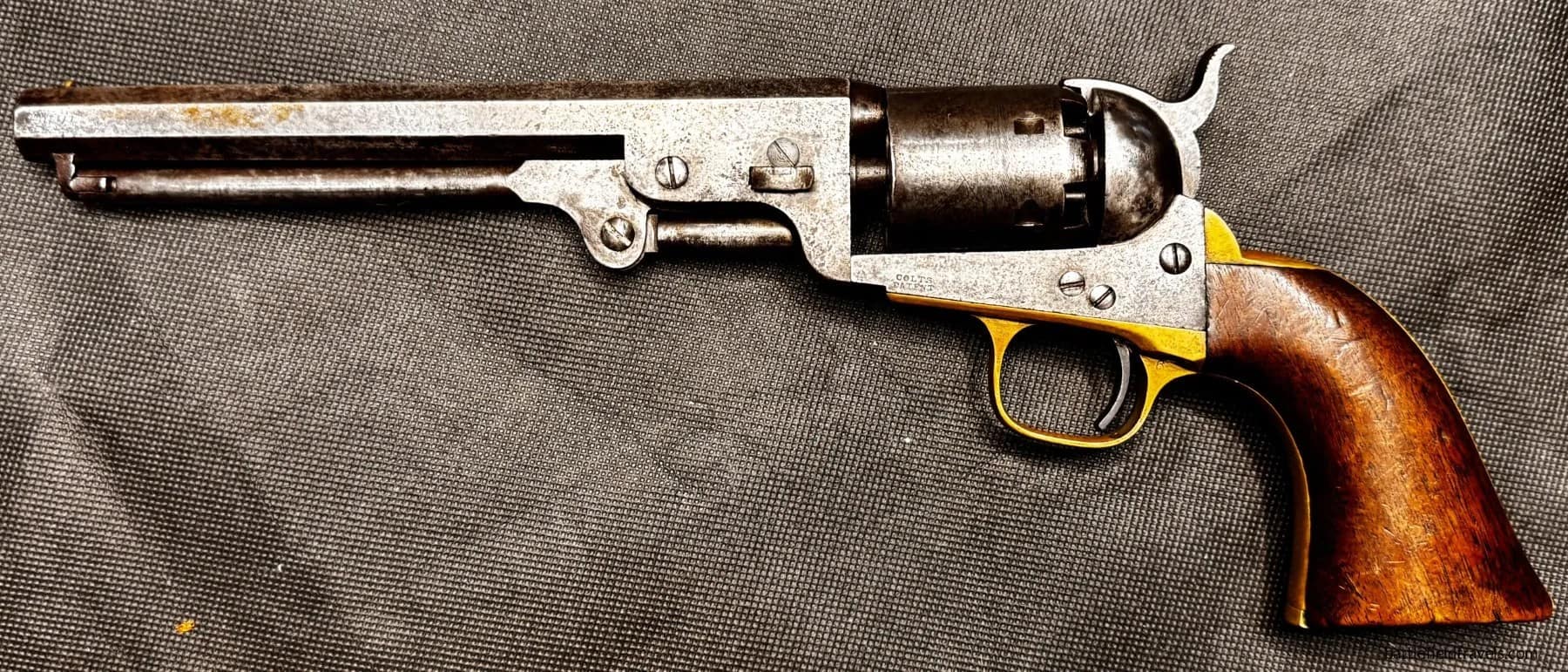
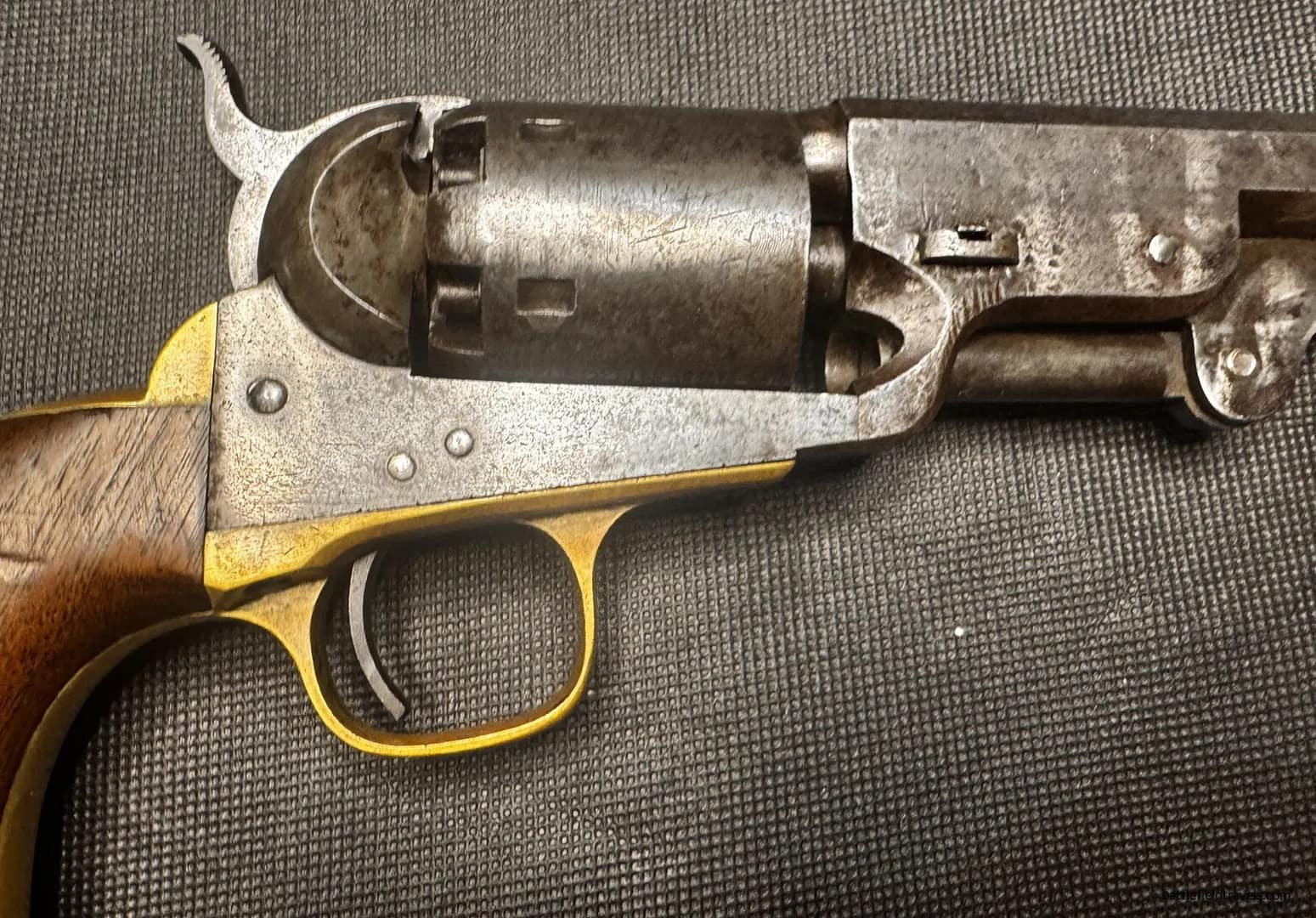
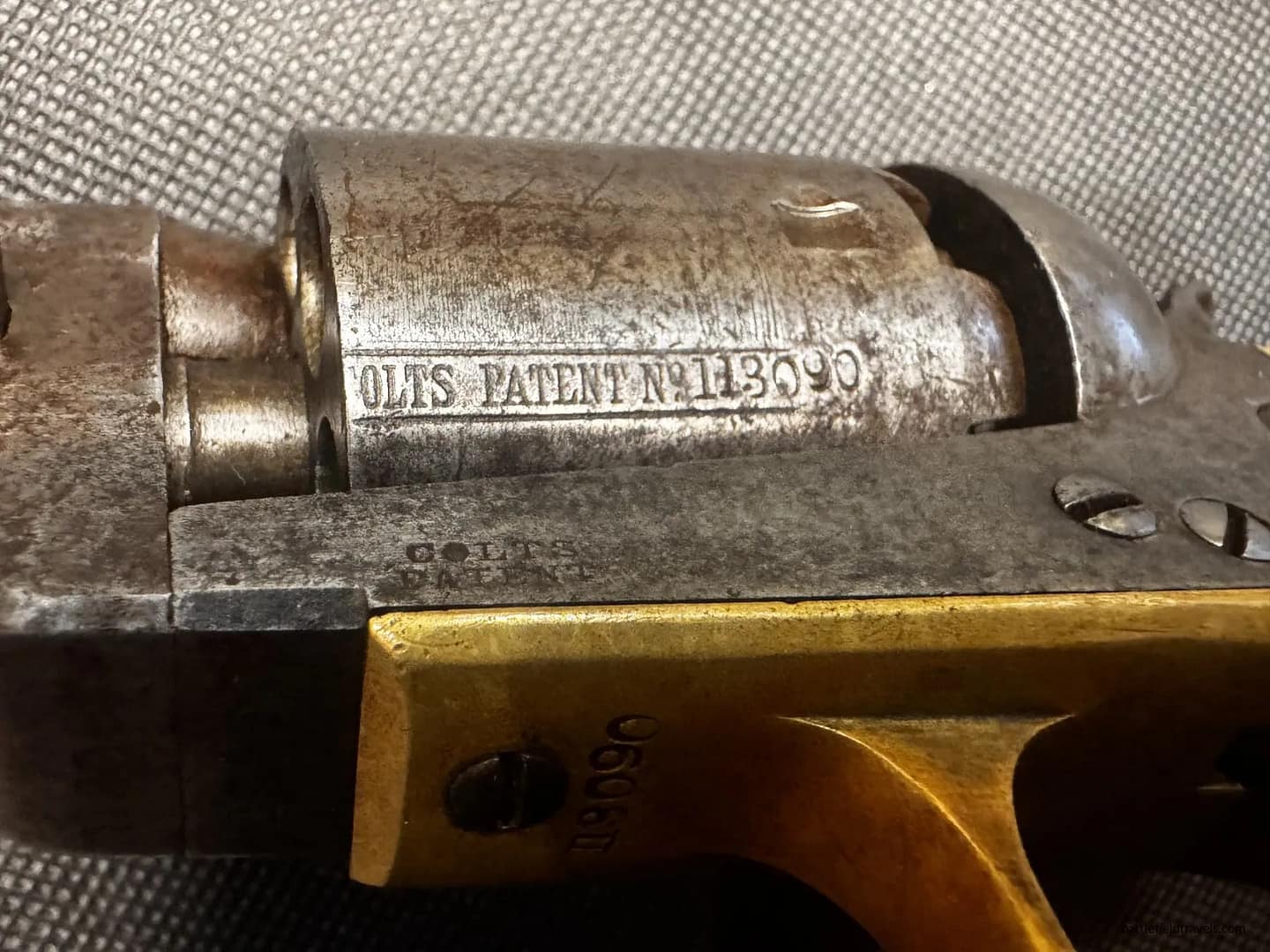
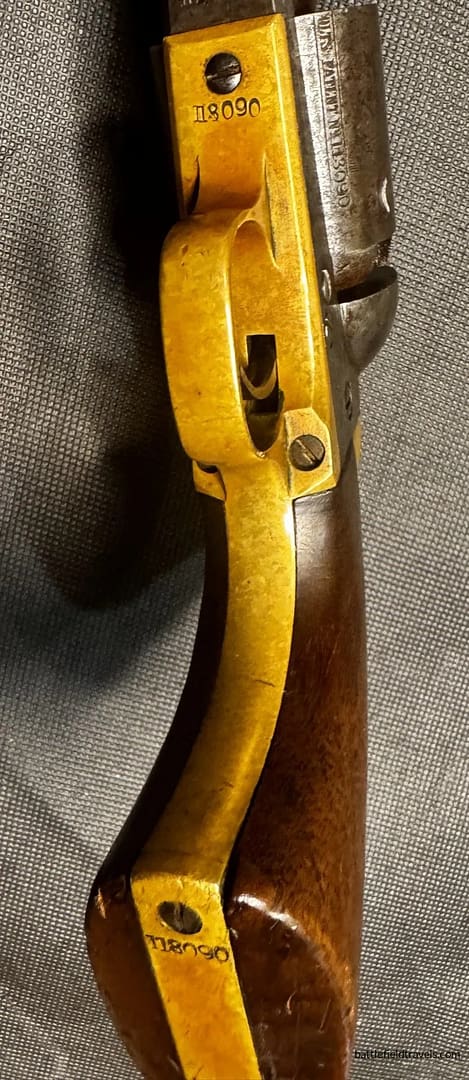
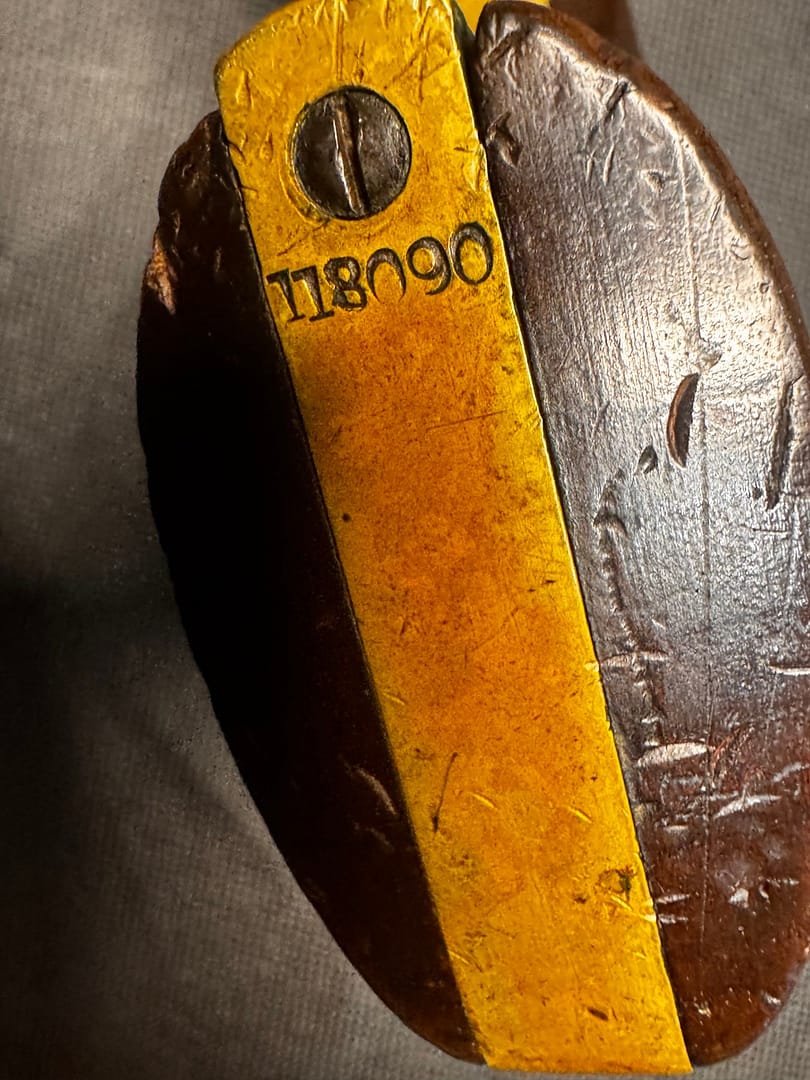
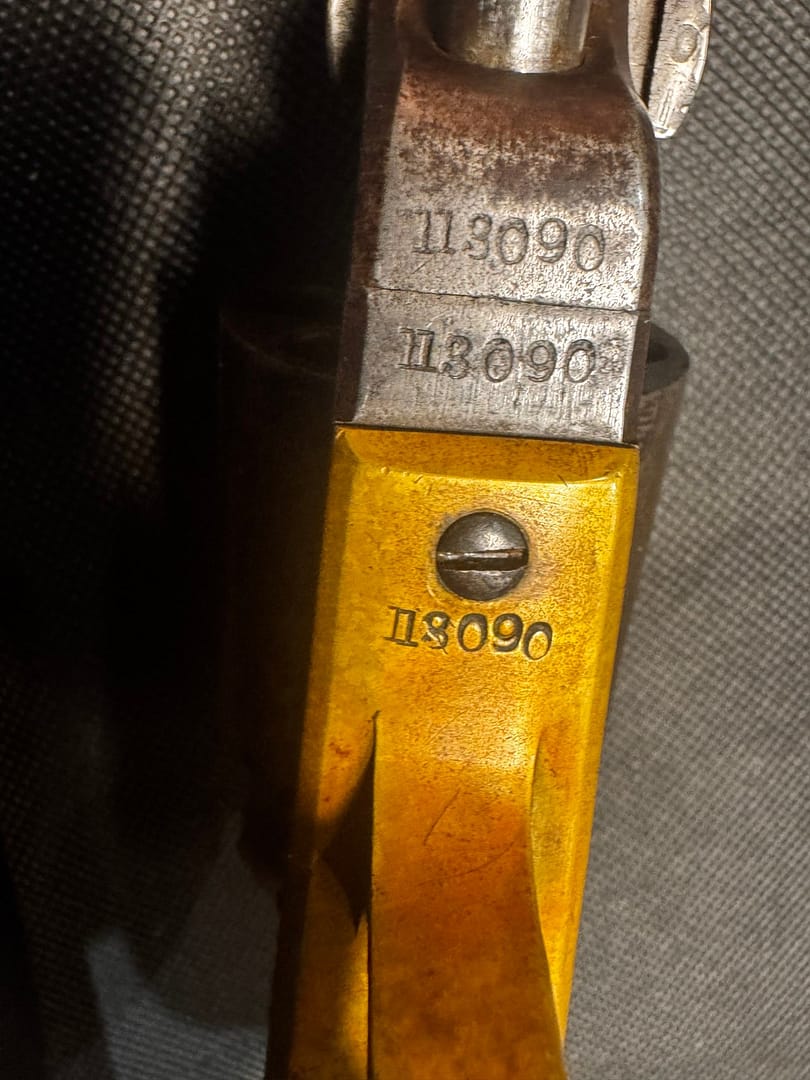
Model 1851 Colt Navy revolver .36″ caliber. From my personal collection.
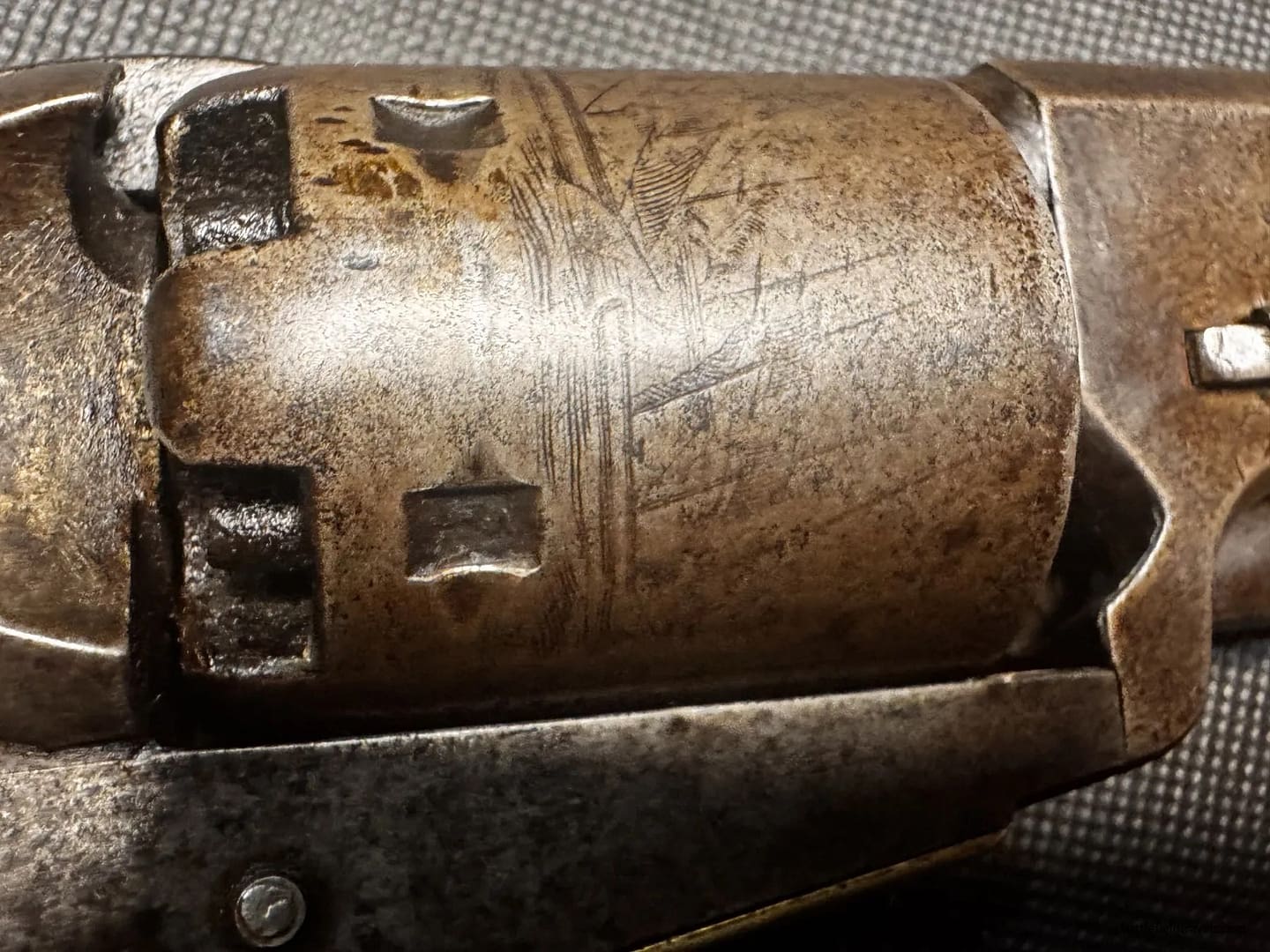
The Colt Model 1851 Navy was a .36-calibre percussion revolver and one of the most iconic handguns of the mid-19th century. Featuring an octagonal barrel, six-shot cylinder engraved with the Texas Navy battle scene, and excellent balance, it became the preferred sidearm of many officers and naval personnel. Widely used by both Union and Confederate forces, the 1851 Navy gained a reputation for accuracy, reliability, and handling, remaining in service long after the war.
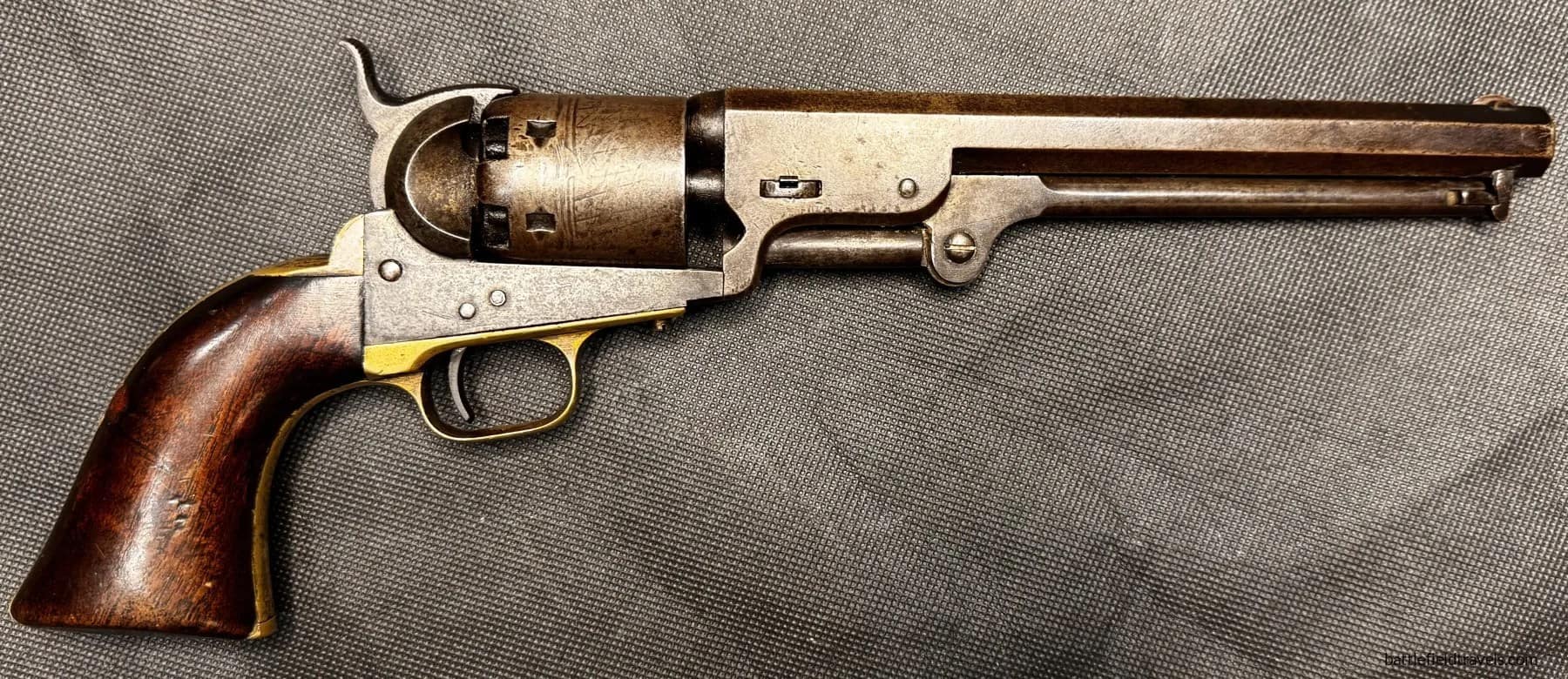
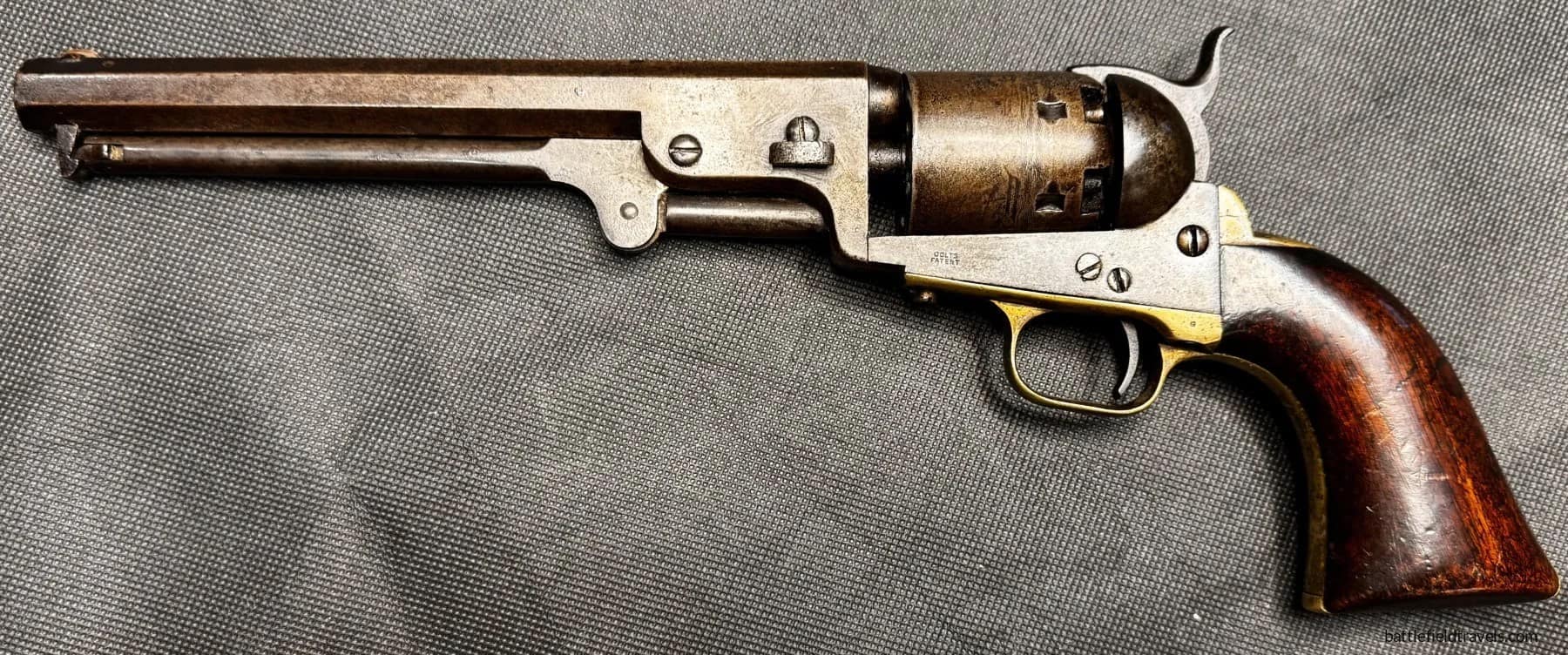
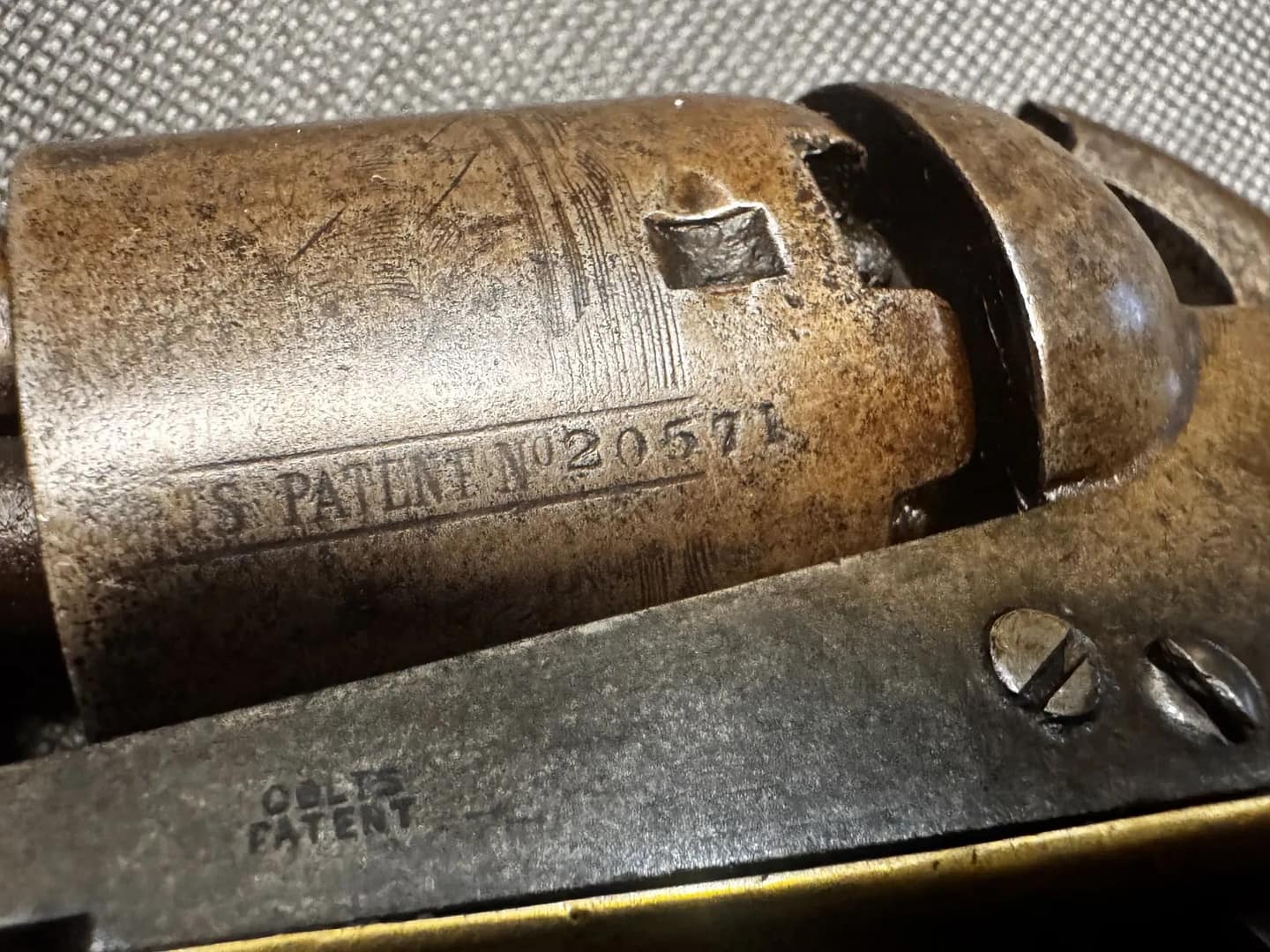
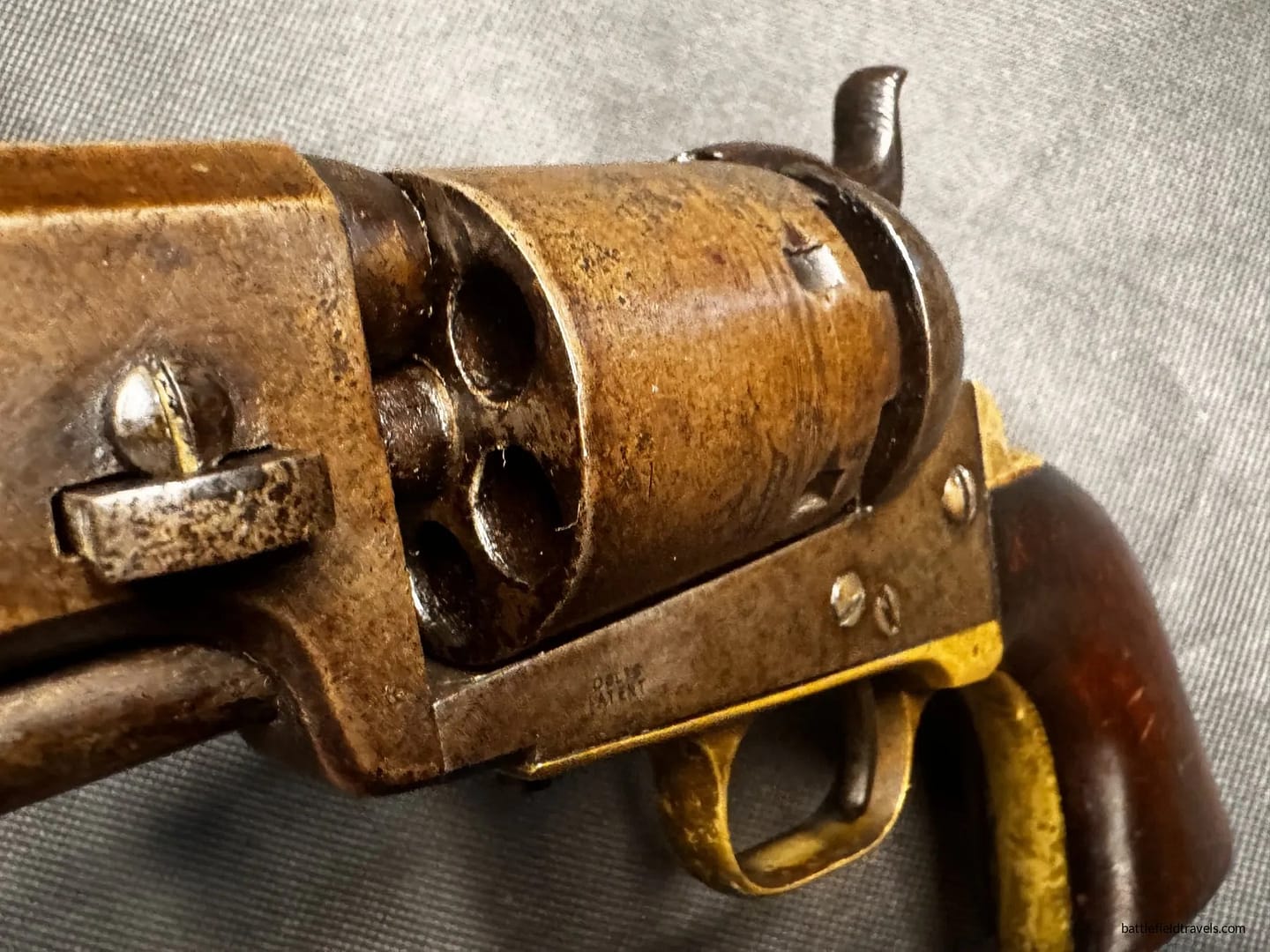
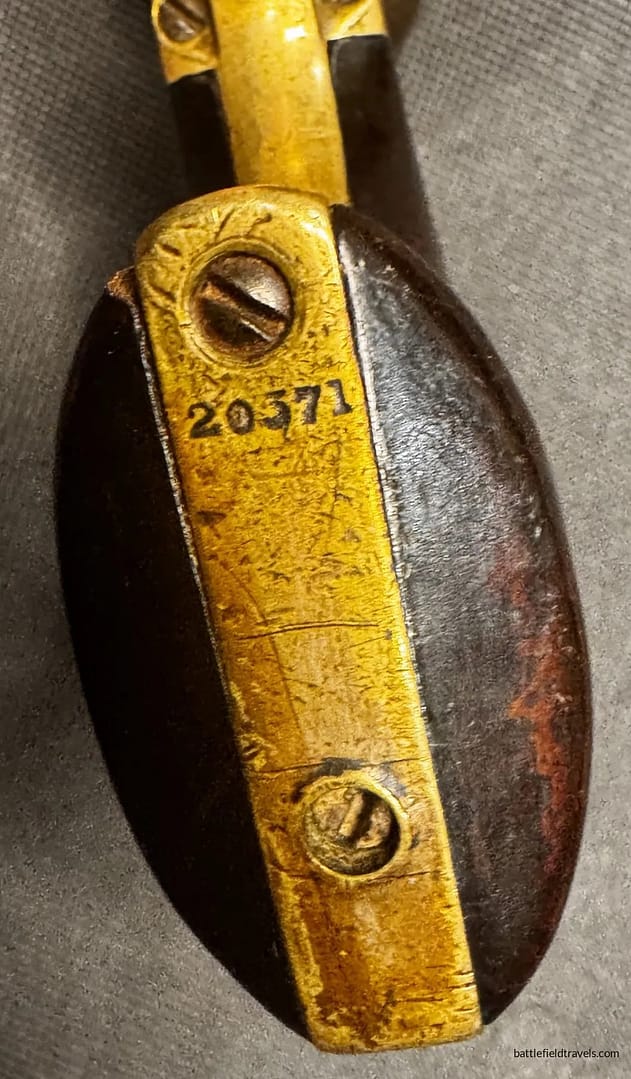
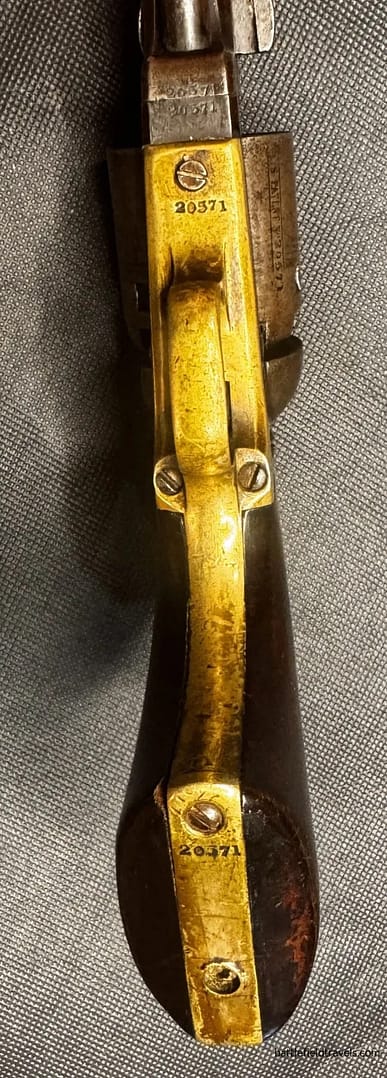
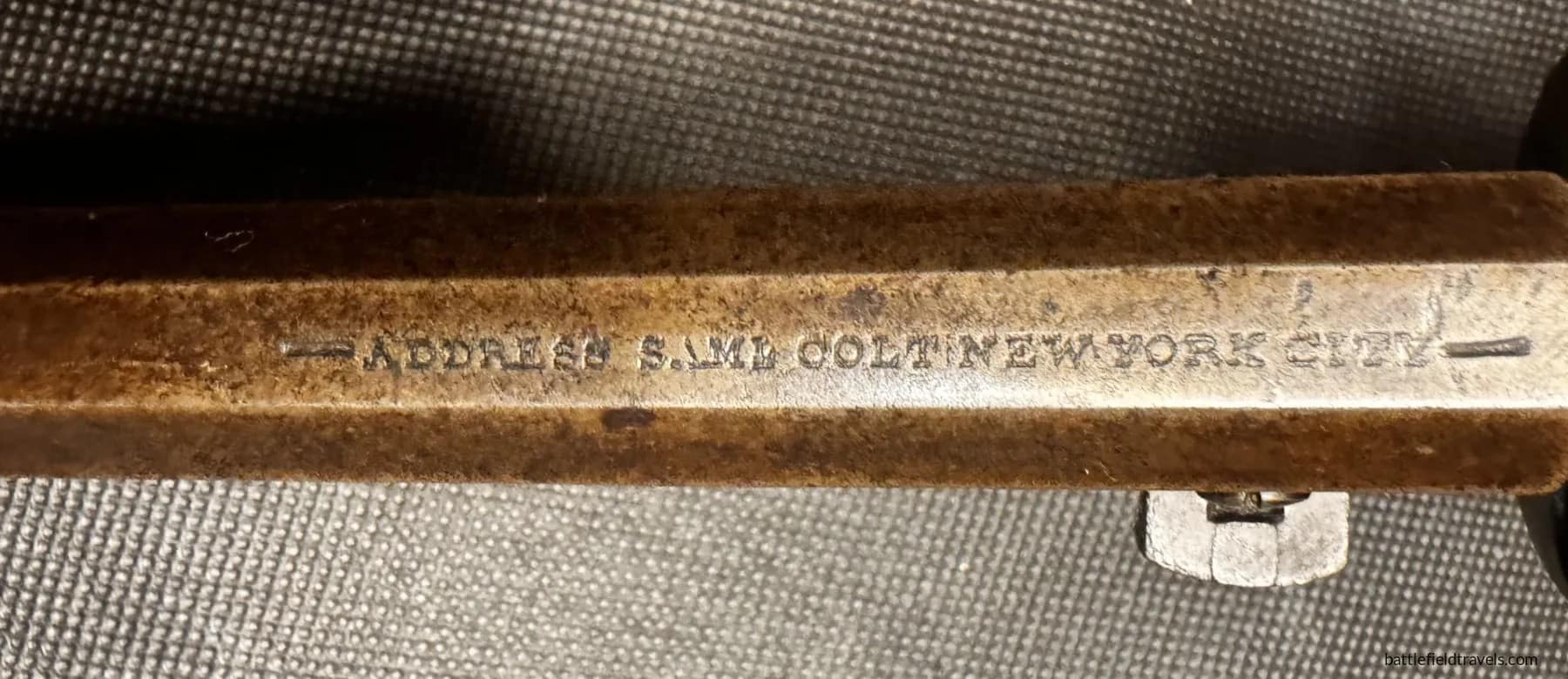
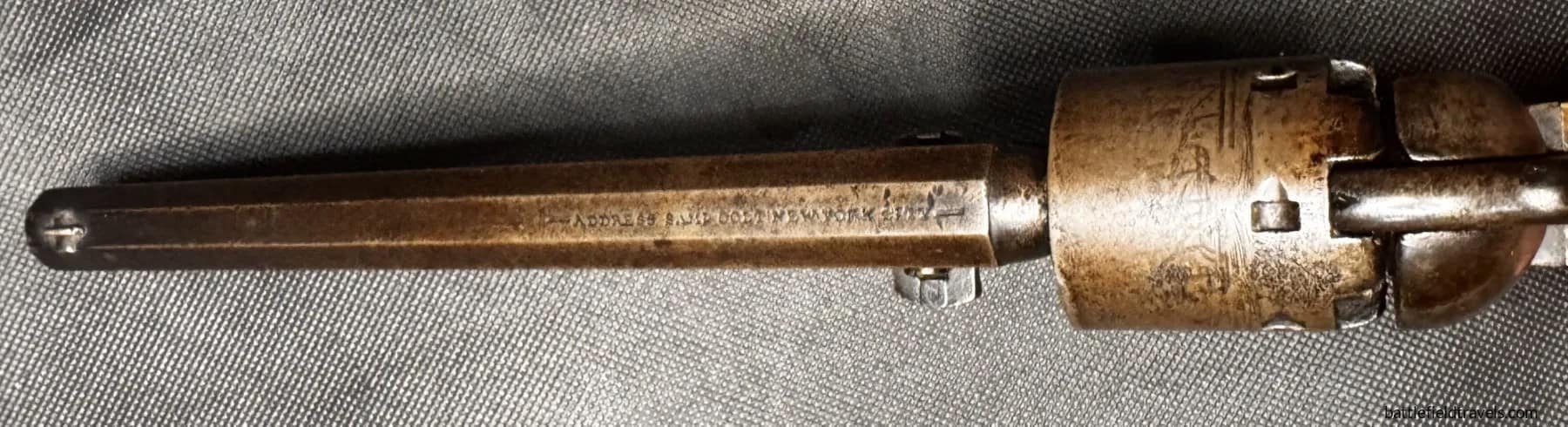
Model 1851 Colt Navy revolver .36″ caliber. From my personal collection.
The Colt Model 1851 Navy was a .36-calibre percussion revolver and one of the most iconic handguns of the mid-19th century. Featuring an octagonal barrel, six-shot cylinder engraved with the Texas Navy battle scene, and excellent balance, it became the preferred sidearm of many officers and naval personnel. Widely used by both Union and Confederate forces, the 1851 Navy gained a reputation for accuracy, reliability, and handling, remaining in service long after the war.
Found this useful? Buy me a coffee — it helps fund future battlefield research


Authored by Mick Prictor, a retired military officer with 40 years’ service, and a military historian specialising in terrain-focused analysis of tactics, doctrine, and command decision-making in land warfare. His work draws on extensive battlefield fieldwork—more than 280 sites worldwide—and one of the world’s largest private collections of historic military arms, uniforms, and equipment. About me
Subscribe to Battlefield Travels and receive a free E-Book Battlefield Guide
Unlock expert battlefield analysis, campaign reconstructions, and historical insights drawn from firsthand exploration and primary sources.
🗺️ You’ll receive:
🎖️ Exclusive historical insights you won’t find elsewhere
📘 A free eBook: 10 Tips for Exploring Historic Battlefields
📰 New battlefield studies straight to your inbox as they are published

⚔️ Go deeper — Members get exclusive access to the Deep Research Collection, Field Notes, and monthly Research Dispatches. Try membership free for 7 days, cancel anytime. From $9/month.