
Overview of the Anglo-Zulu War
The Anglo–Zulu War of 1879 was fought between the British Empire and the Zulu Kingdom in southern Africa. Sparked by imperial ambitions to consolidate control over southern Africa, the conflict followed an ultimatum to King Cetshwayo demanding the disbandment of his army and acceptance of British suzerainty. When the Zulus refused, Lord Chelmsford invaded Zululand in January 1879 with three columns totalling about 17,000 men.
Early operations exposed British overconfidence. At Isandlwana on 22 January, a Zulu impi of some 20,000 warriors encircled and annihilated a British column, inflicting one of the British Empire’s worst defeats. The same day, a small garrison at Rorke’s Drift repelled repeated assaults, earning 11 Victoria Crosses and symbolic redemption.
Subsequent campaigns demonstrated the British Empire’s capacity for recovery. Reinforced and re-organised, Chelmsford advanced again in June, defeating the Zulu army at Ulundi on 4 July. The destruction of the Zulu military system and Cetshwayo’s capture ended the war, though sporadic resistance persisted.
Weapons and Military Technology
The campaign illustrates the stark contrast between industrial-era firepower and a highly disciplined pre-industrial military system. British forces were equipped with the Martini-Henry rifle, a powerful single-shot breech-loader firing a large-calibre cartridge, supported by artillery and proto-machine guns like the Gatling gun. These weapons provided devastating firepower when properly deployed, particularly in defensive positions.
Zulu warriors fought with traditional weapons including the iklwa stabbing spear, throwing spears, shields, and limited numbers of firearms obtained through trade. Their strength lay in mobility, discipline, and the tactical use of massed formations such as the “horns of the buffalo,” which proved decisive at Isandlwana.
The artefacts below illustrate the weapons and equipment carried by both British soldiers and Zulu warriors during the campaign, reflecting the meeting of industrial and traditional systems of warfare. All artefacts shown are from my personal collection and photographed firsthand.
👉 For historical context and battlefield studies, see → Anglo-Zulu War Conflict Page
Related Battle Studies, Museum Pieces & Reading Resources
 🏛️ Franco-Prussian War (1870–1871) Weapons and Equipment
 🏛️ American Civil War (1861–1865) Weapons and Equipment
 🏛️ Second Anglo-Afghan War (1879) Weapons and Equipment
 🏛️ Spanish conquest of the New World (1493–1833) Weapons and Equipment
 🏛️ Austro-Prussian War (1866) Weapons and Equipment
 ⚔️ Battle of Isandlwana, South Africa,
22 January 1879
British Weapons of the Anglo-Zulu War
English Model 1871 Mark I Martini-Henry .577/.450 infantry rifle, dated 1875. From my personal collection
The Martini-Henry was the standard British infantry rifle during the Anglo-Zulu War of 1879. A single-shot, falling-block, breech-loading design chambered for the powerful .577/450 cartridge, it offered long-range accuracy and rapid aimed fire in trained hands. Its heavy recoil and black-powder fouling demanded discipline and good maintenance, particularly during sustained action. At battles such as Isandlwana and Rorke’s Drift, the rifle’s strengths and limitations were revealed in close-quarter fighting against fast-moving Zulu formations armed with assegais and shields..


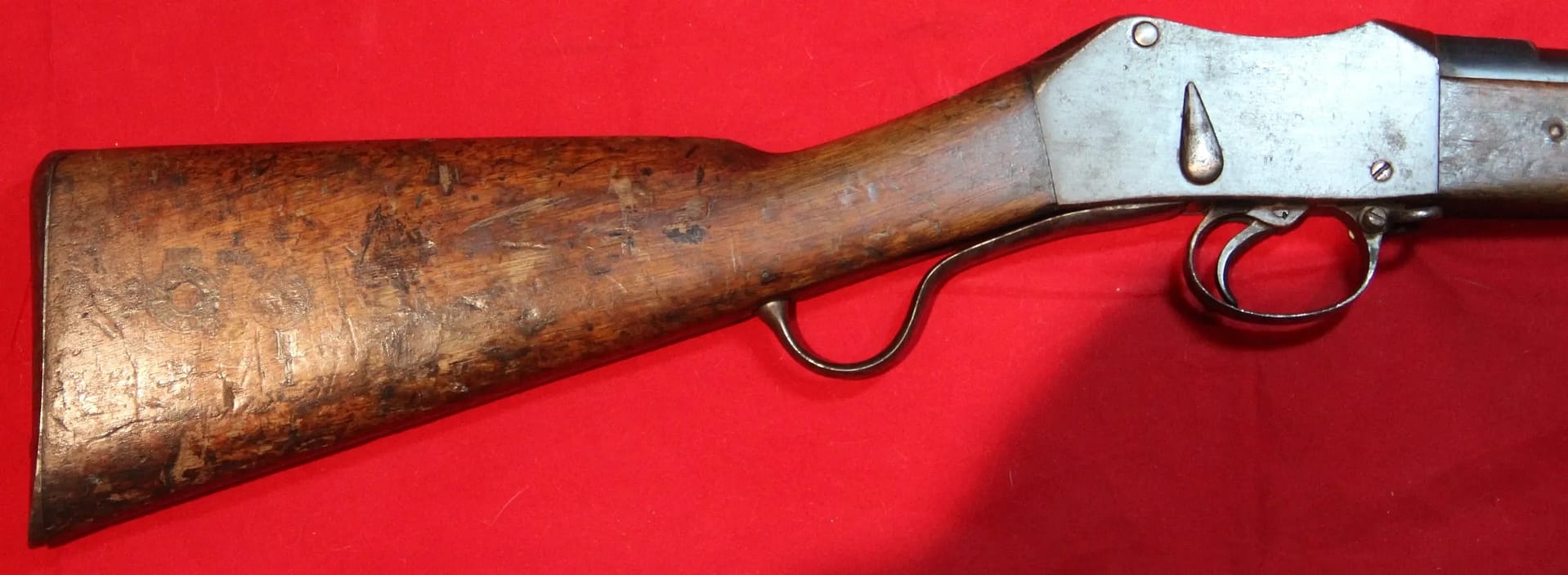
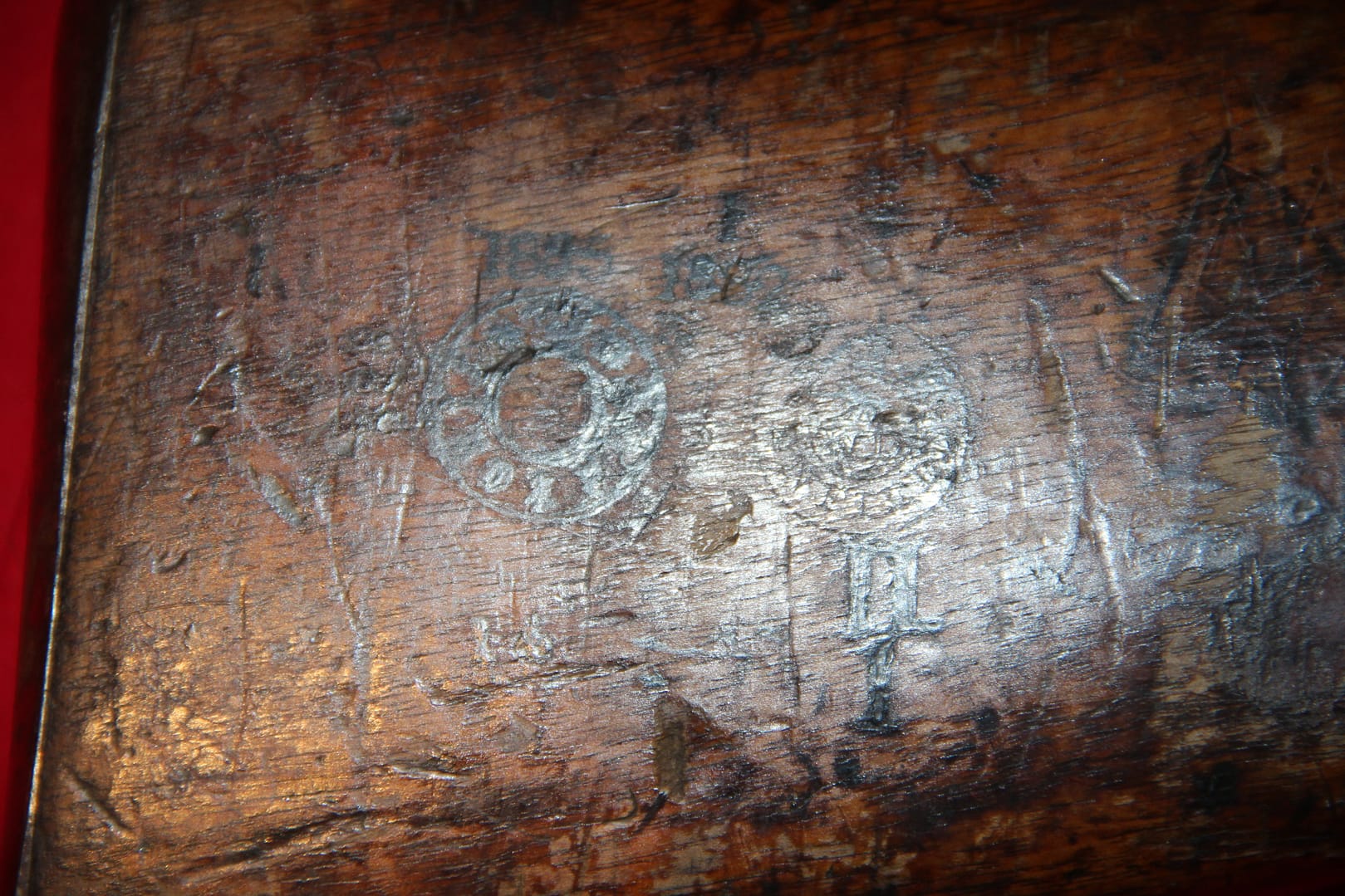
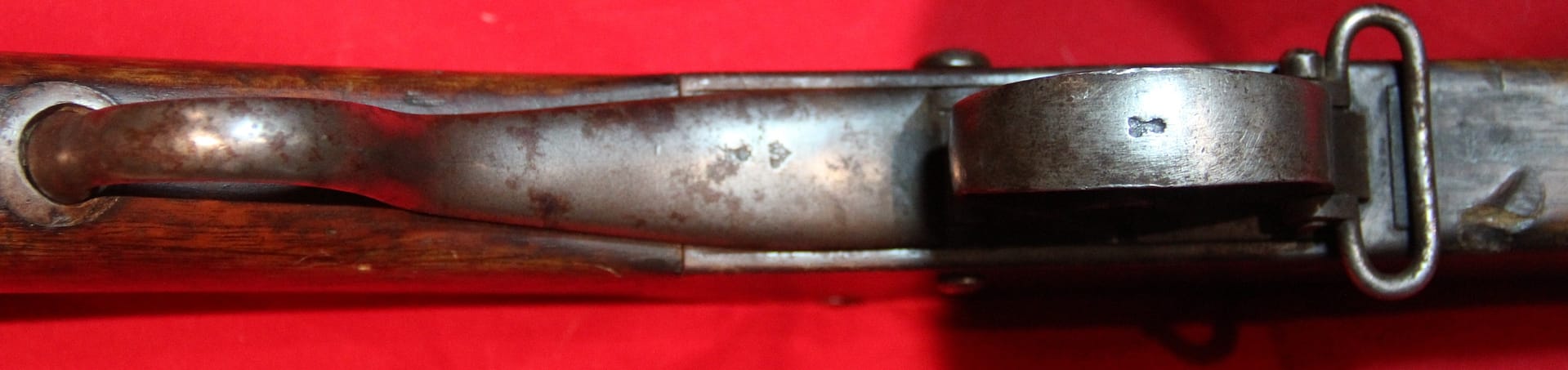
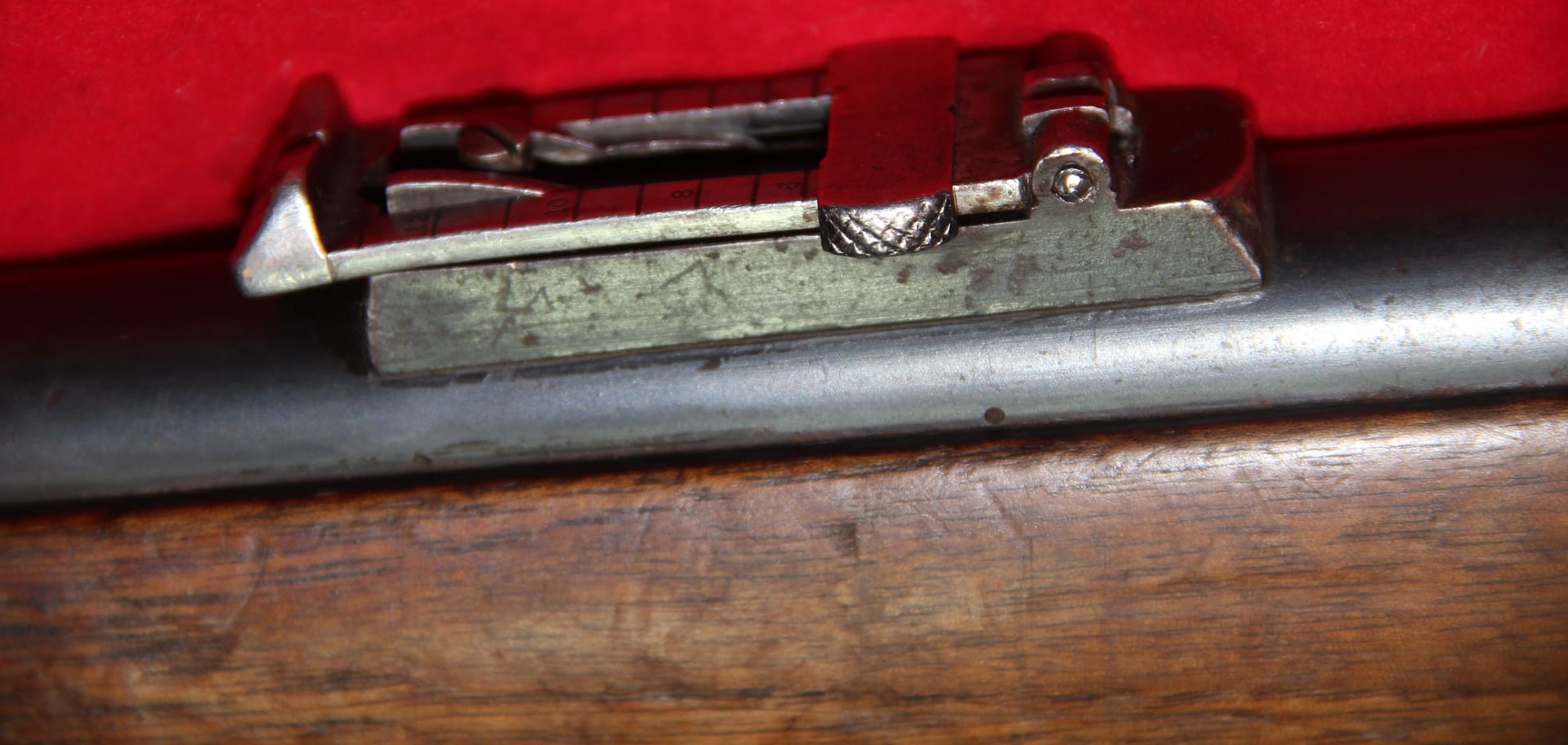
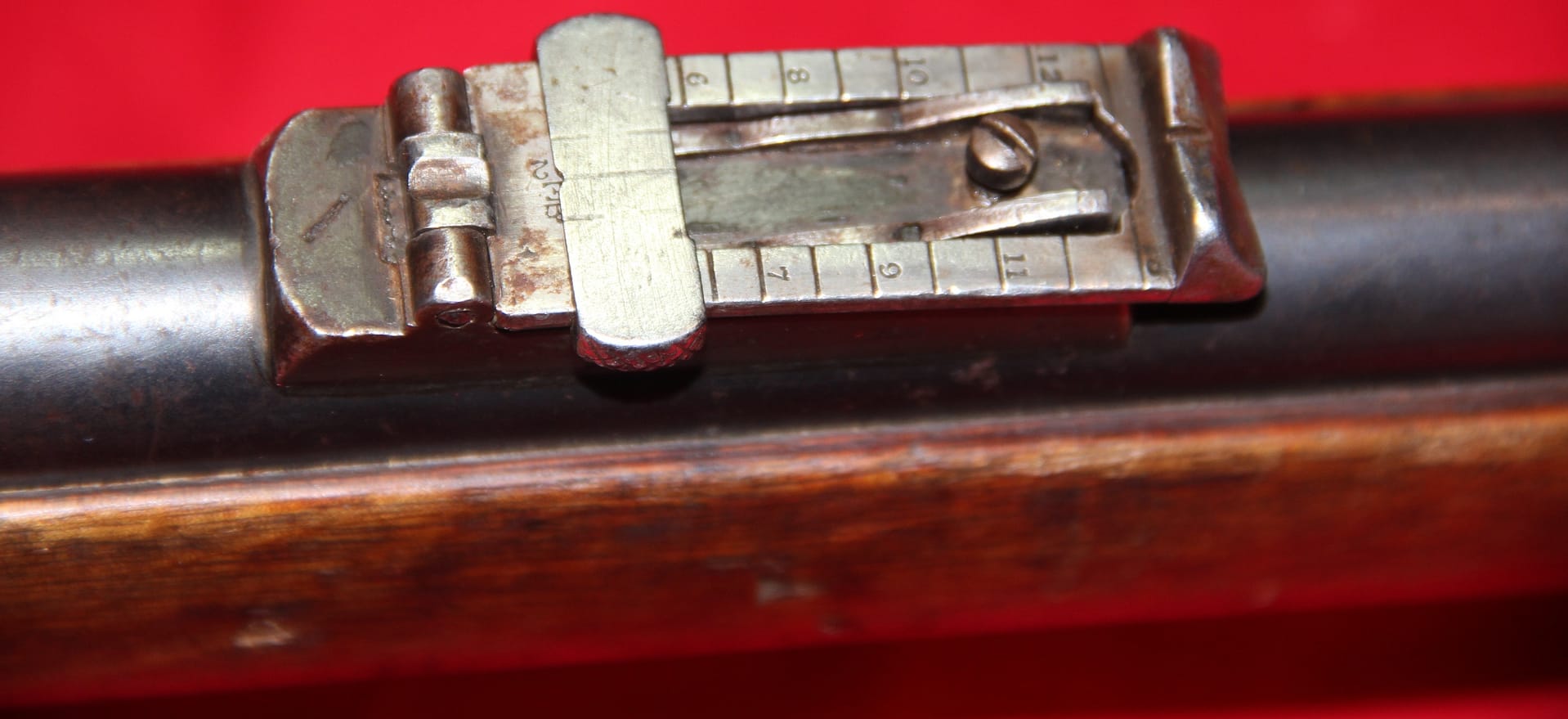
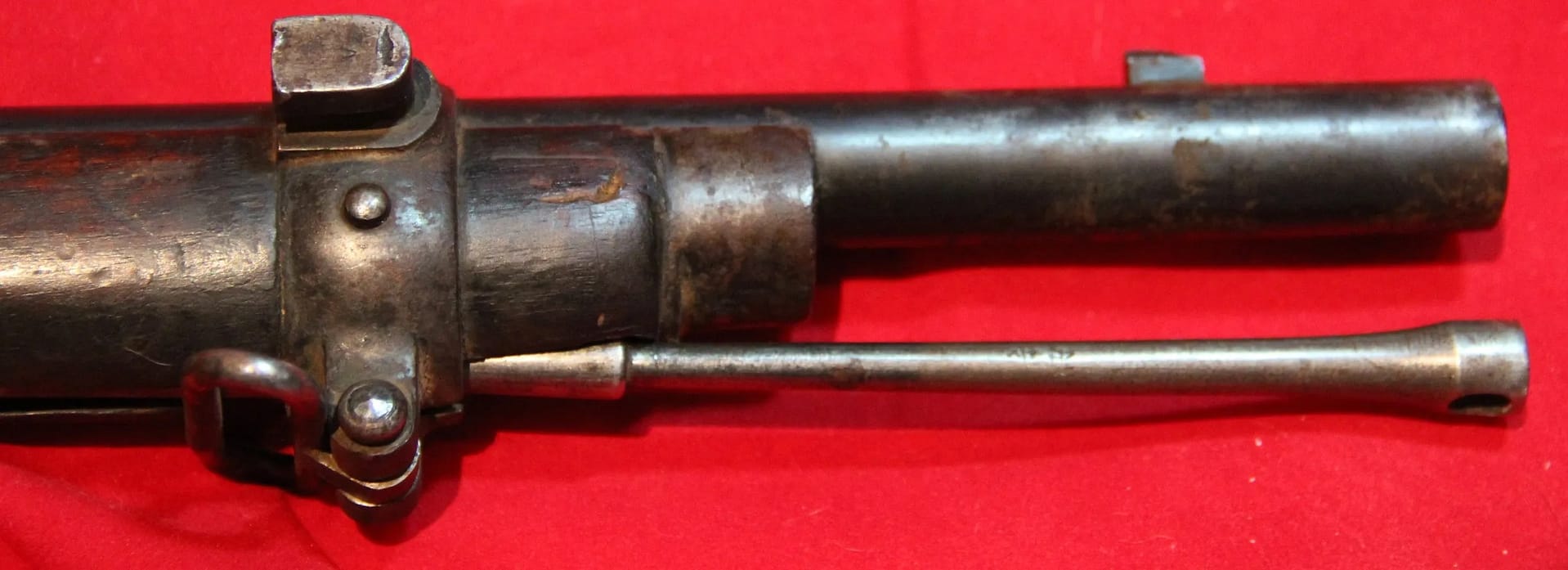
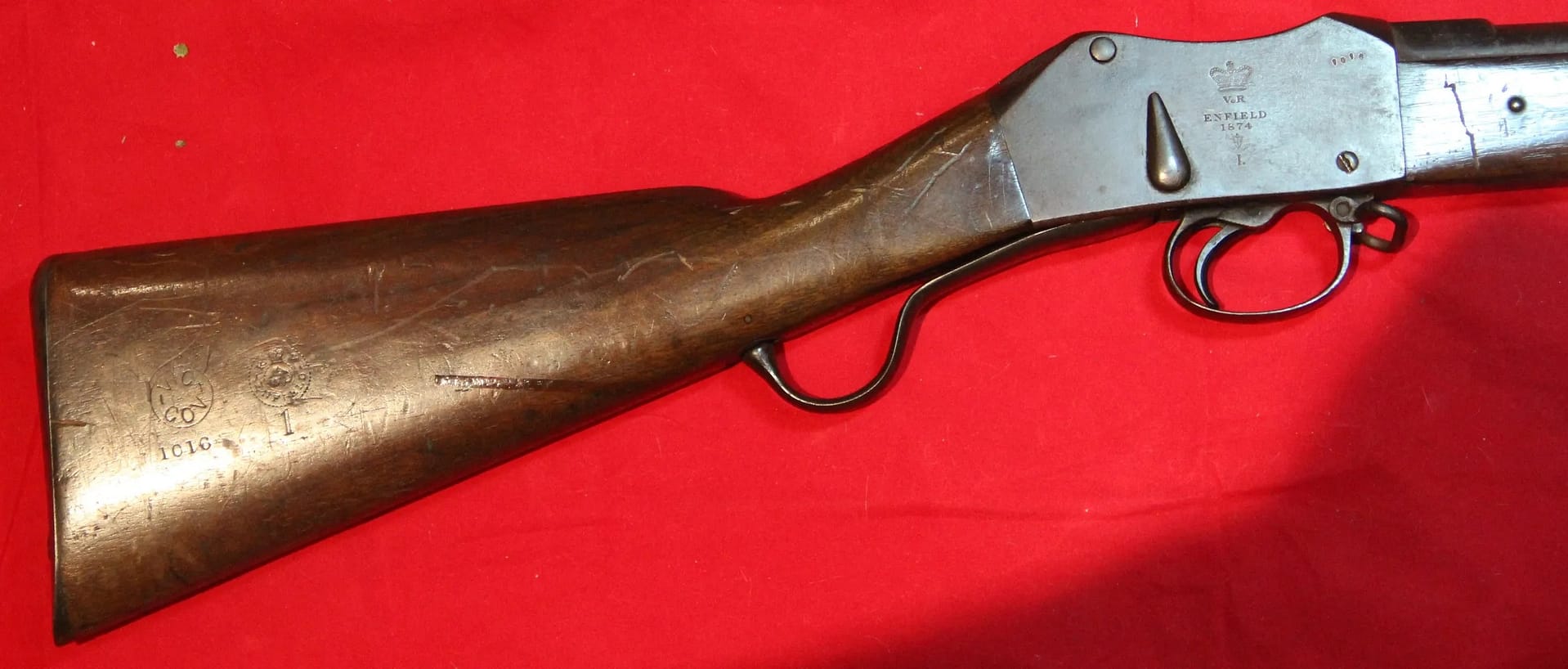
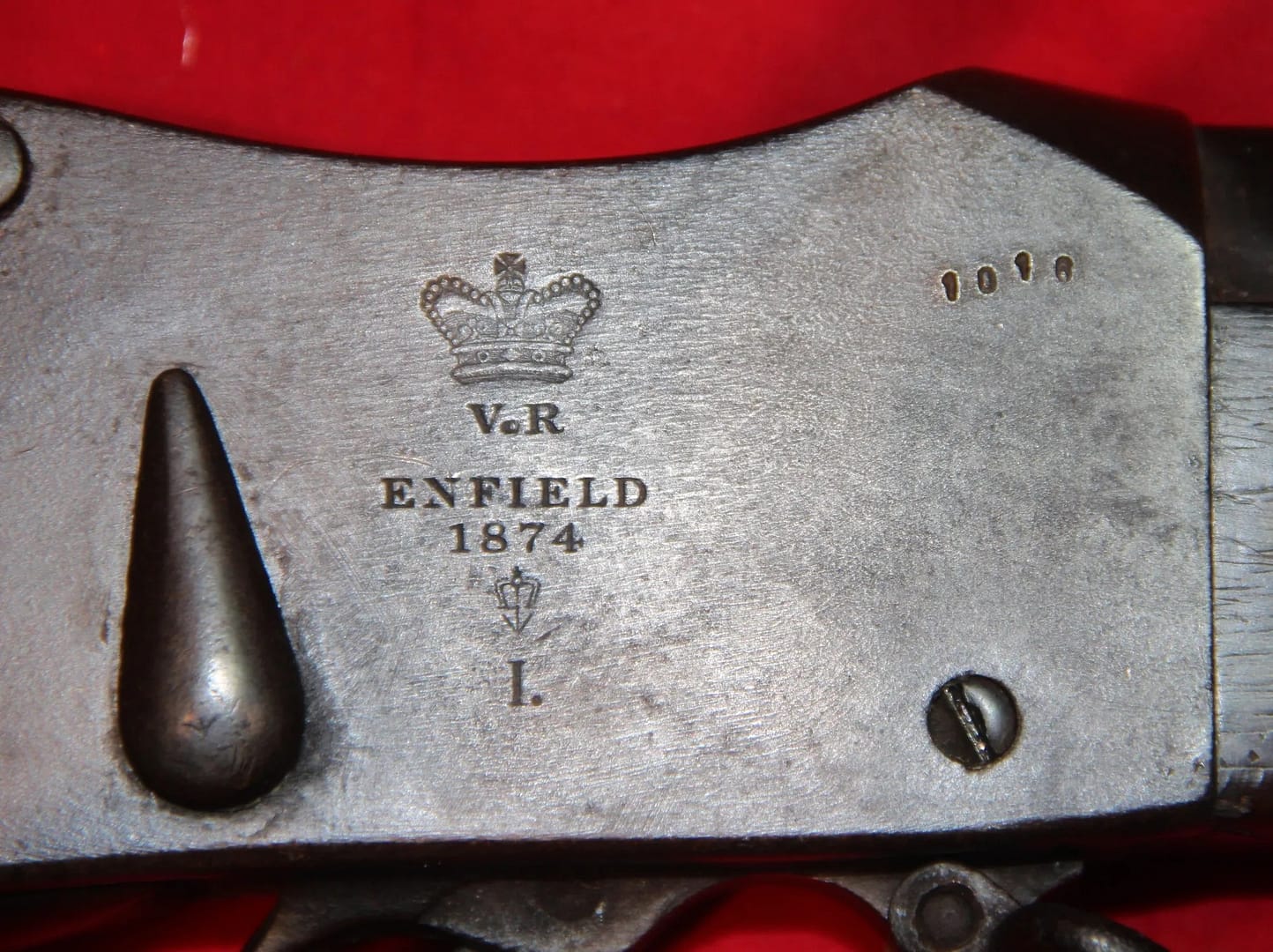
English Model 1871 Mark I Martini-Henry .577/.450 infantry rifle, dated 1874. From my personal collection
The Martini-Henry was the standard British infantry rifle during the Anglo-Zulu War of 1879. A single-shot, falling-block, breech-loading design chambered for the powerful .577/450 cartridge, it offered long-range accuracy and rapid aimed fire in trained hands. Its heavy recoil and black-powder fouling demanded discipline and good maintenance, particularly during sustained action. At battles such as Isandlwana and Rorke’s Drift, the rifle’s strengths and limitations were revealed in close-quarter fighting against fast-moving Zulu formations armed with assegais and shields.


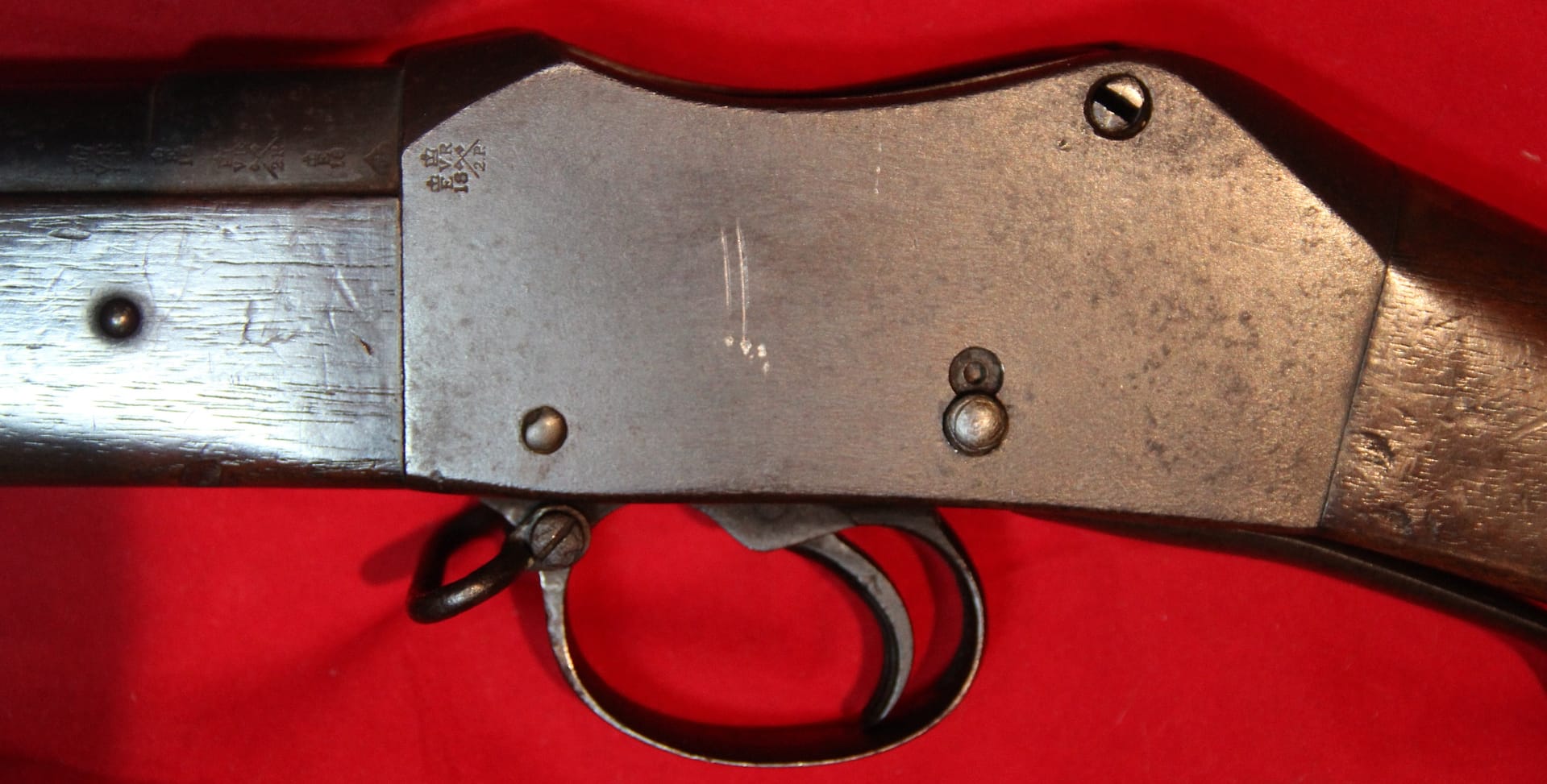
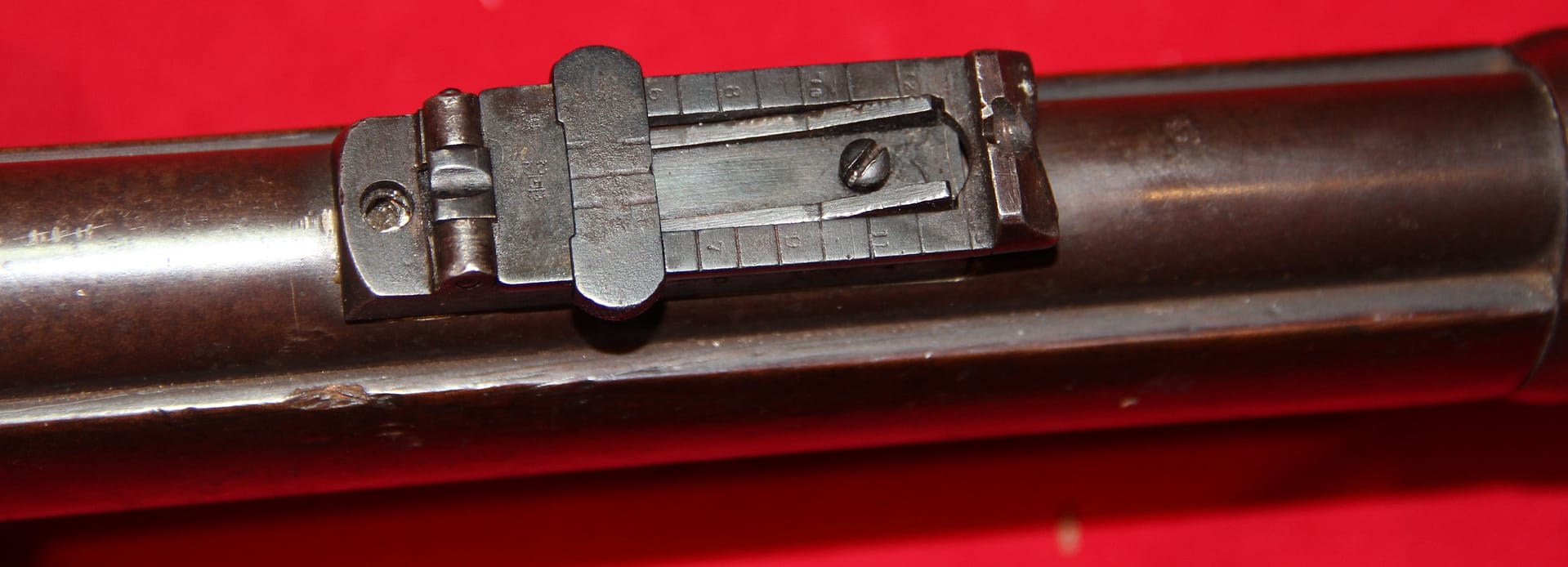
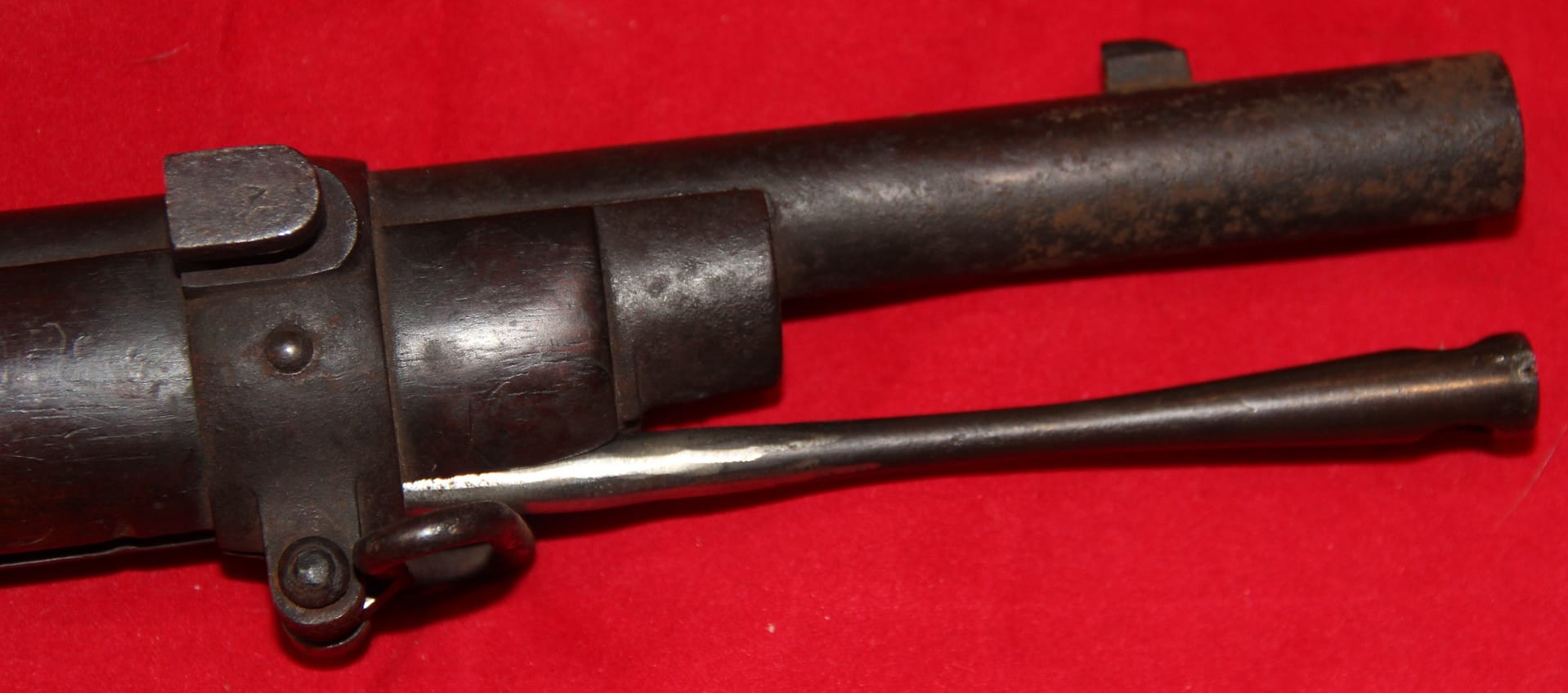
English Martini-Henry bayonet.
From my personal collection.


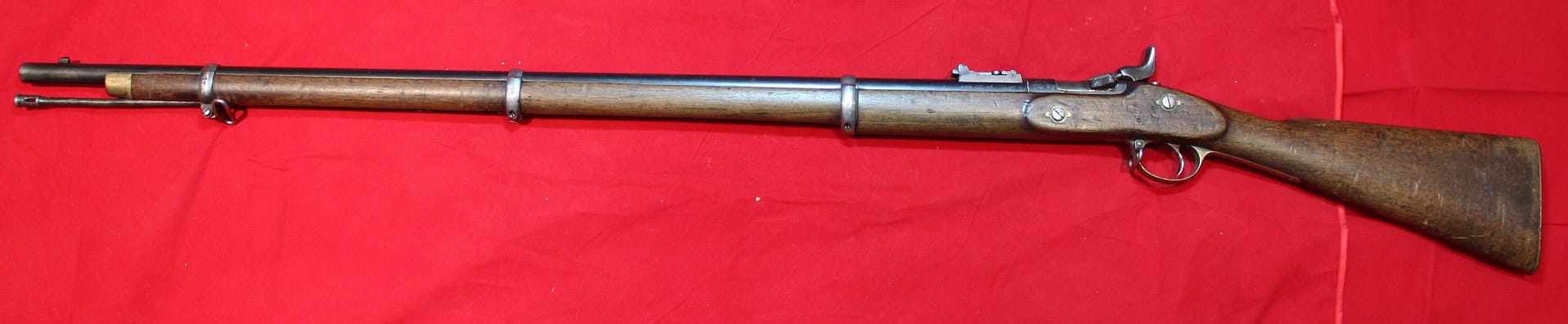
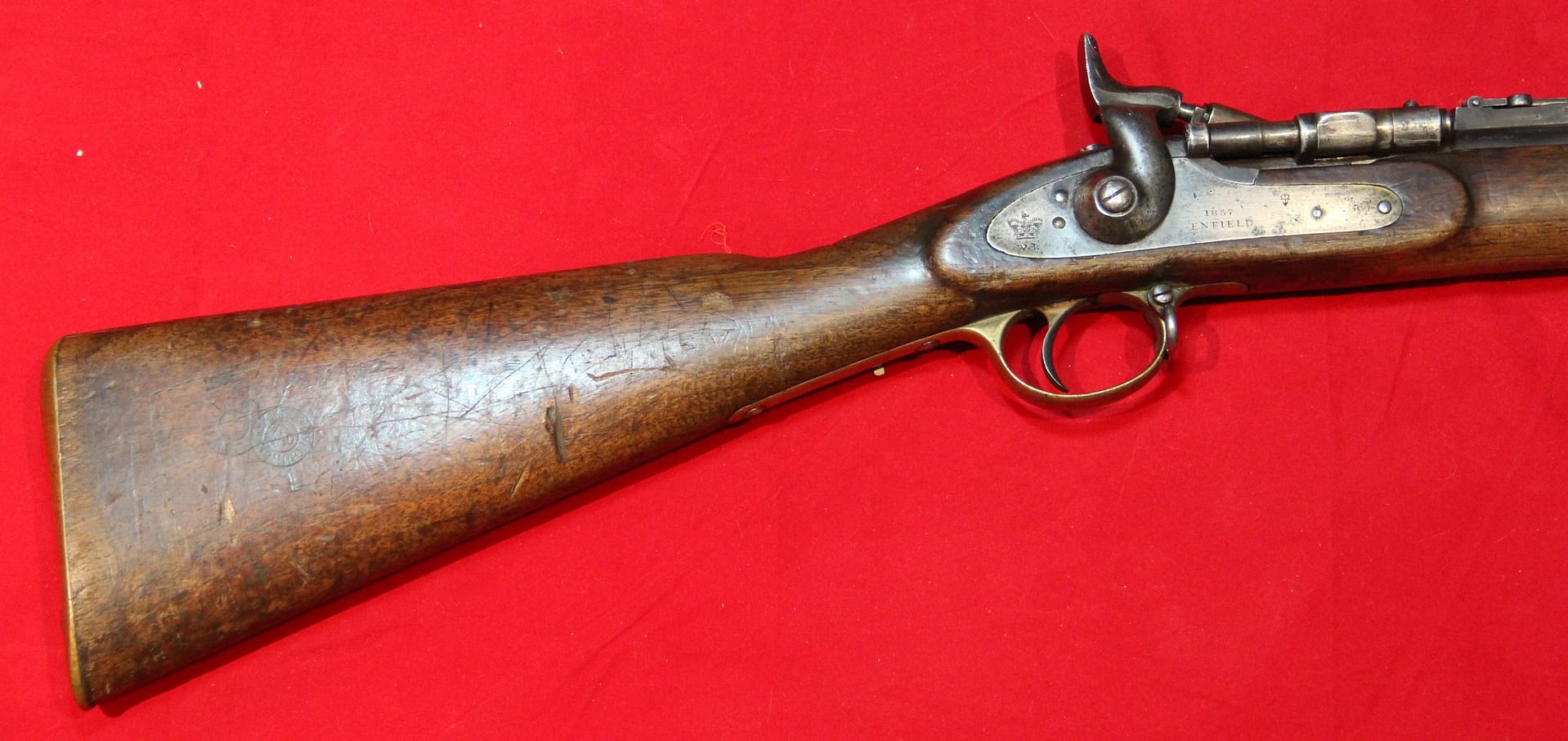
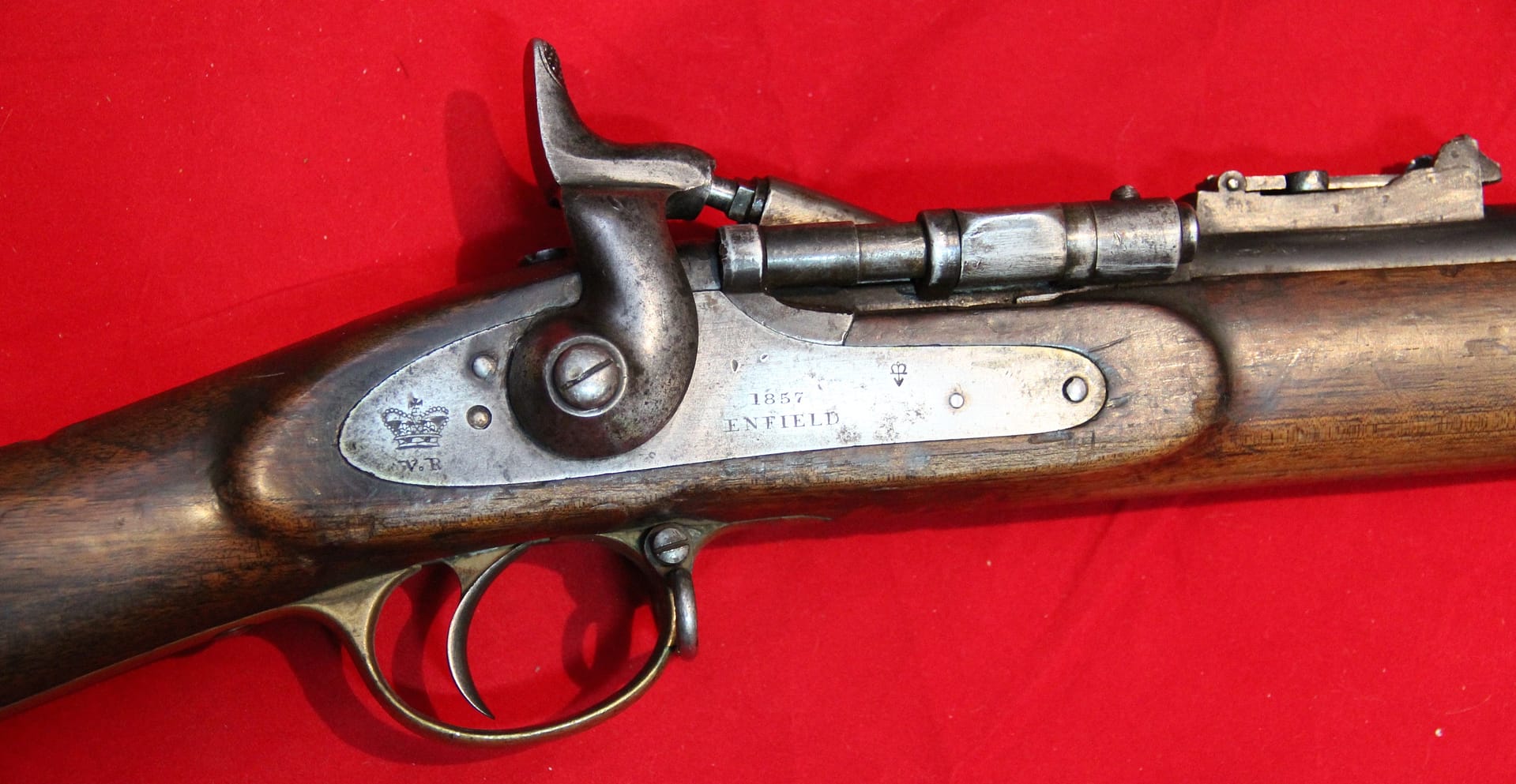
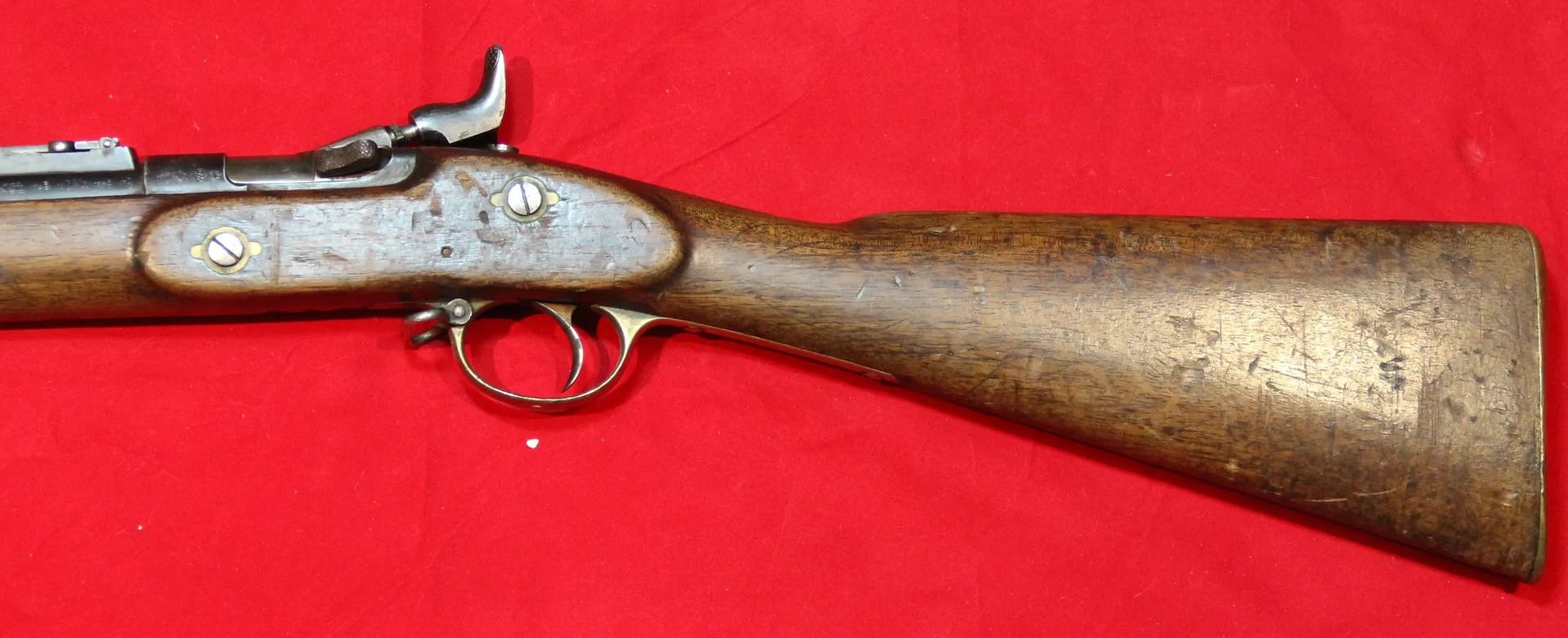
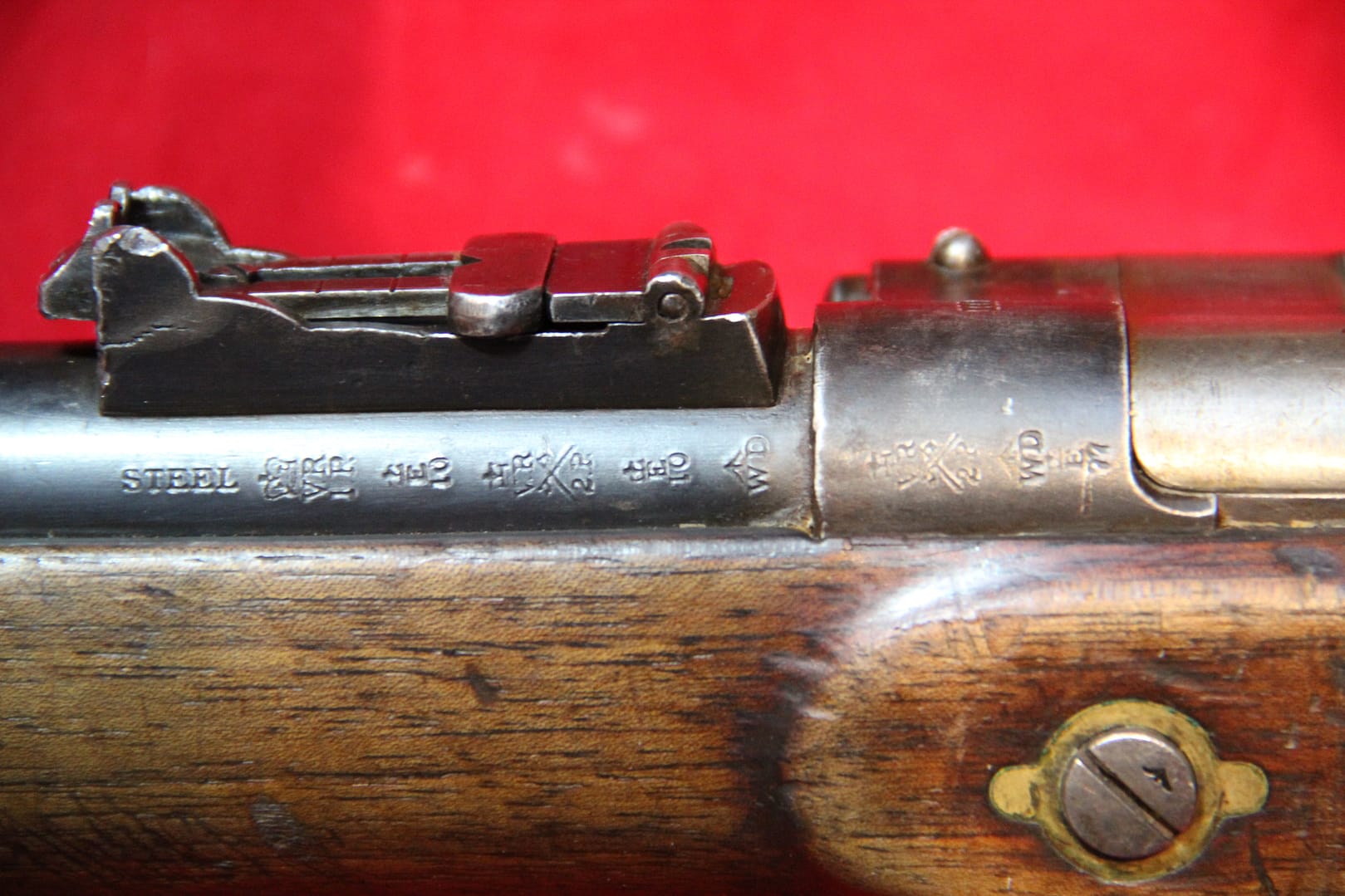
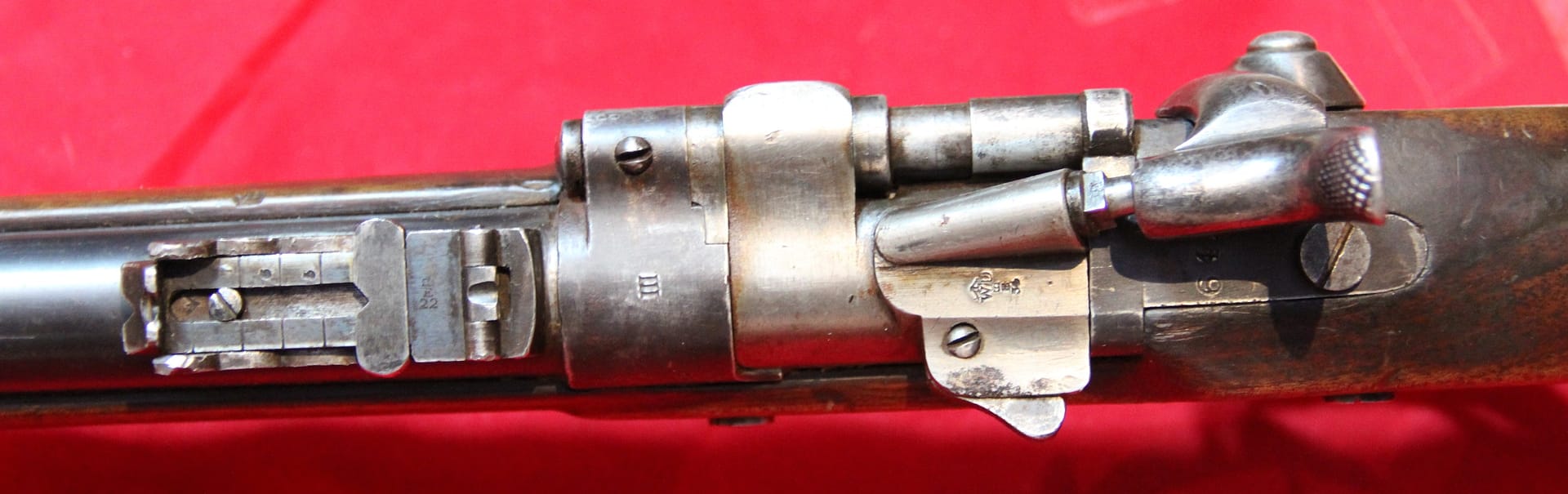
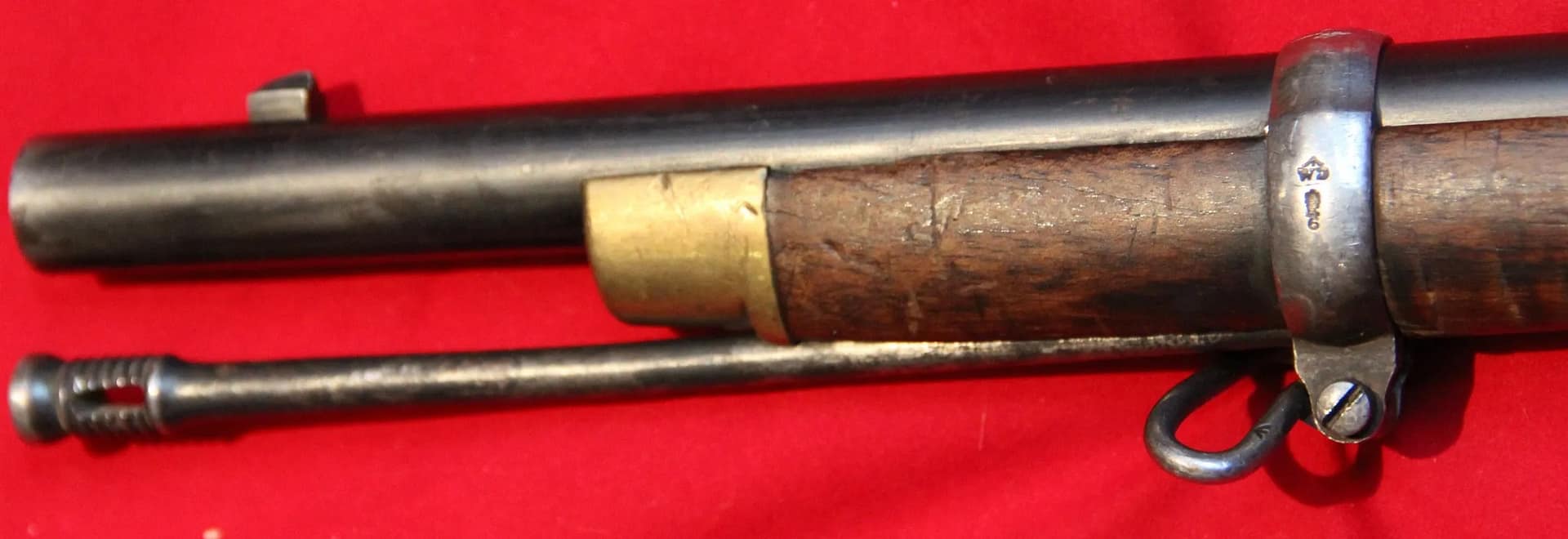
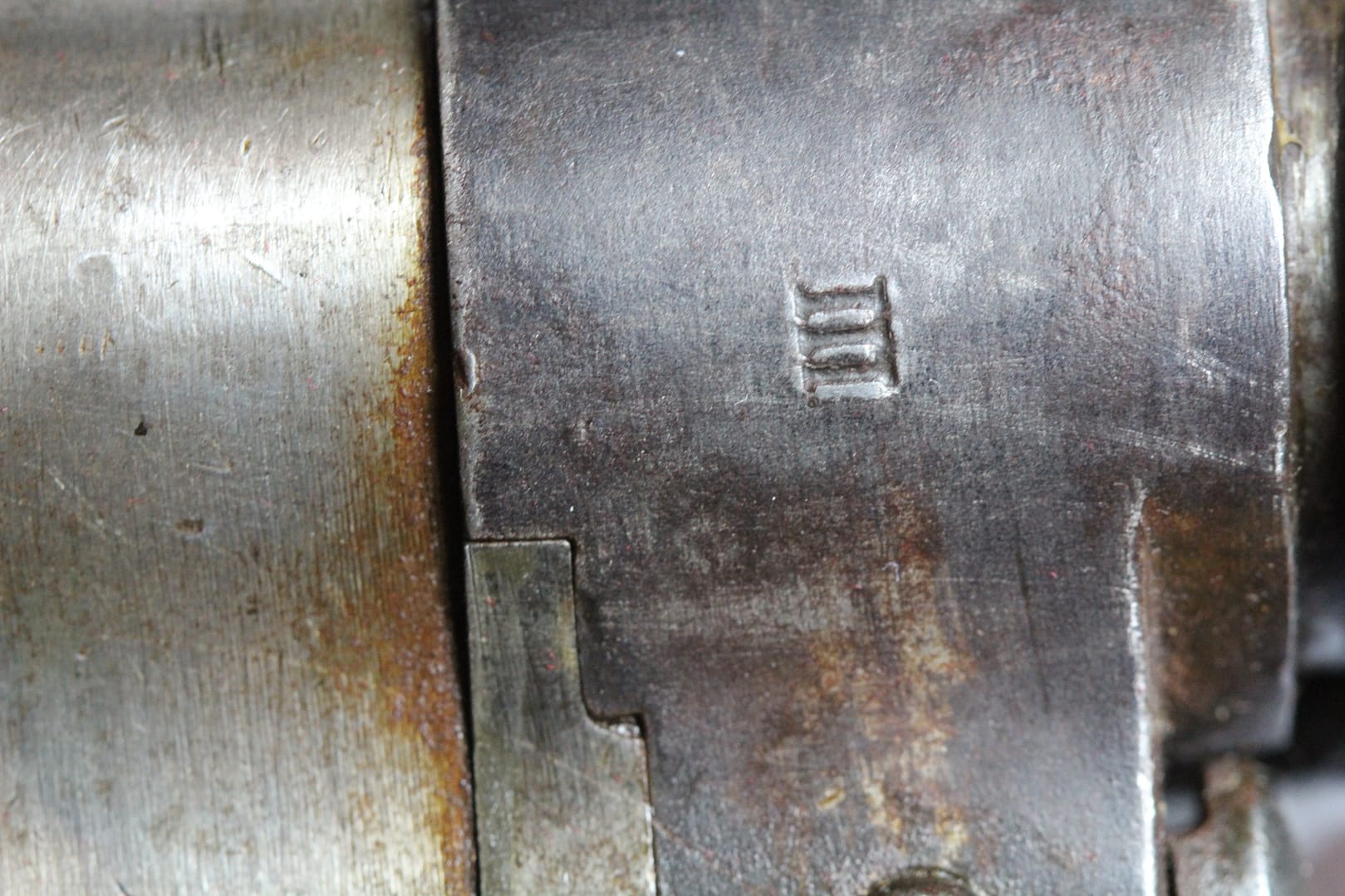
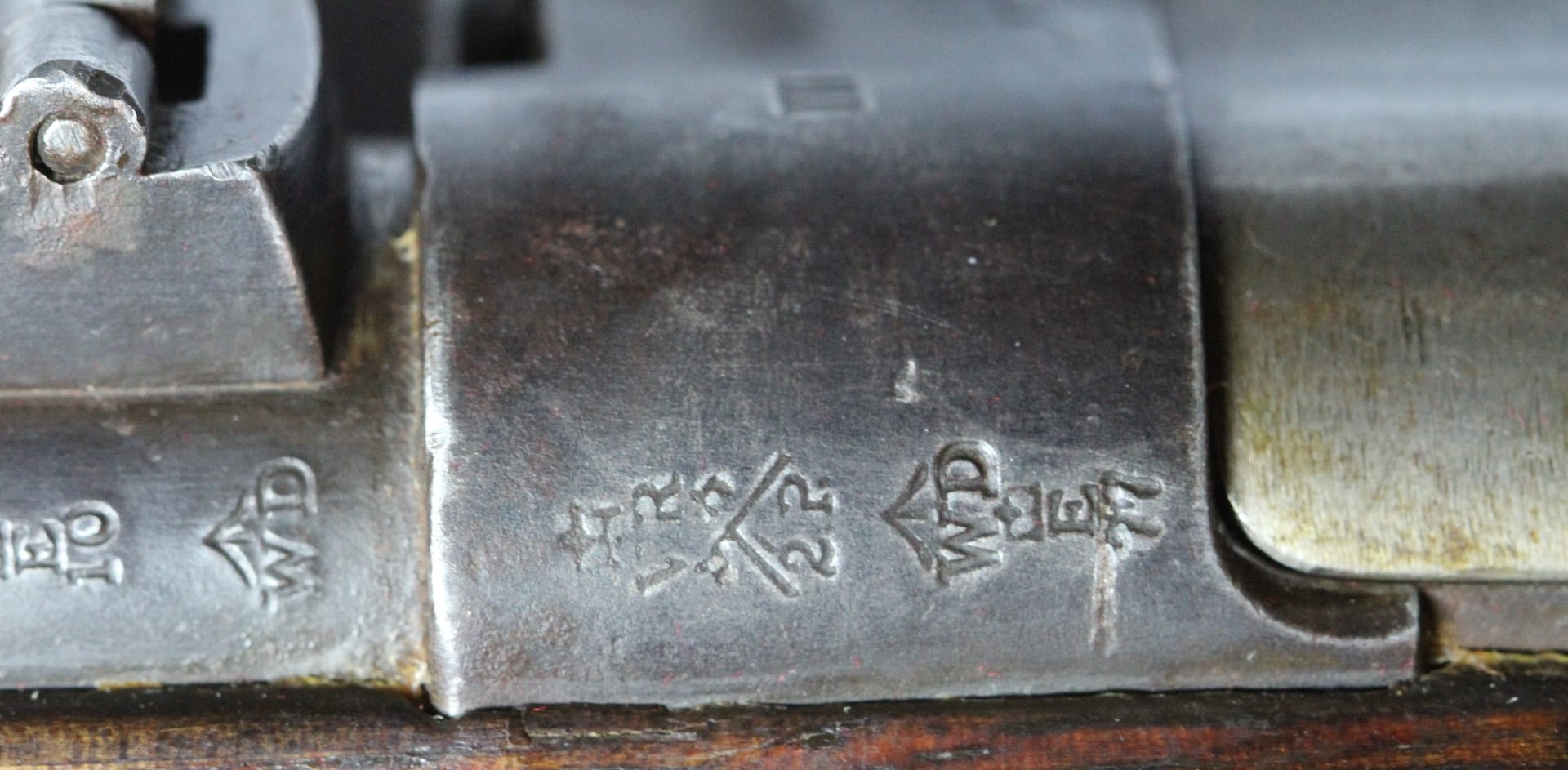
British Model 1857 Snider-Enfield Mark III, Centrefire 0.577″
The 1857 Snider-Enfield rifle-musket was a .577-calibre, rifled, centrefire cartridge rifle widely used by British forces and colonial troops. Initially produced as a conversion of the Pattern 1853 Enfield Rifle, by the Mark III version they were new builds as breech-loaders. Accurate to 600 yards, it offered major improvements in range and reliability. Its greased cartridge controversy helped trigger the 1857 Indian Uprising, making it one of the most consequential small arms of the era.

🧭 From Weapons to Battlefield Use
This page shows weapons and equipment of the Anglo-Zulu War. All items are from my personal collection.
But what images and data don’t show is how these weapons were actually used on the ground—how weapon characteristics, tactics, innovation, terrain, and movement shaped their effectiveness in battle.
👉 That layer—how firepower, tactics, and terrain interact in real engagements—is explored in:
⚔️Battlefield Studies ◊ 💡Tactical Innovations ◊ 📝Field Notes
Zulu weapons of the Anglo-Zulu War
Zulu Nguni cow hide shield. uFasimbi Regiment. From my personal collection.
The Zulu isihlangu was a large, oval shield made from the hide of the Nguni cattle breeds valued for their toughness and distinctive patterned colouring. Constructed by stretching a single cured hide over a central wooden stave, it offered effective protection against spear thrusts and limited small-arms fire at longer ranges. The shield was integral to Zulu close-combat tactics, particularly the classic “horns of the buffalo” formation, where warriors used the shield to hook, deflect, or control an opponent’s weapon before striking with the iklwa stabbing spear. Shield colour and pattern were often associated with specific regiments (amabutho), giving commanders a clear means of identifying units during battle. During the Anglo-Zulu War of 1879, British troops encountered these shields in massed assaults at Isandlwana, Rorke’s Drift, and Khambula, where their combination of mobility, protection, and regimental identity played a central role in Zulu fighting effectiveness.


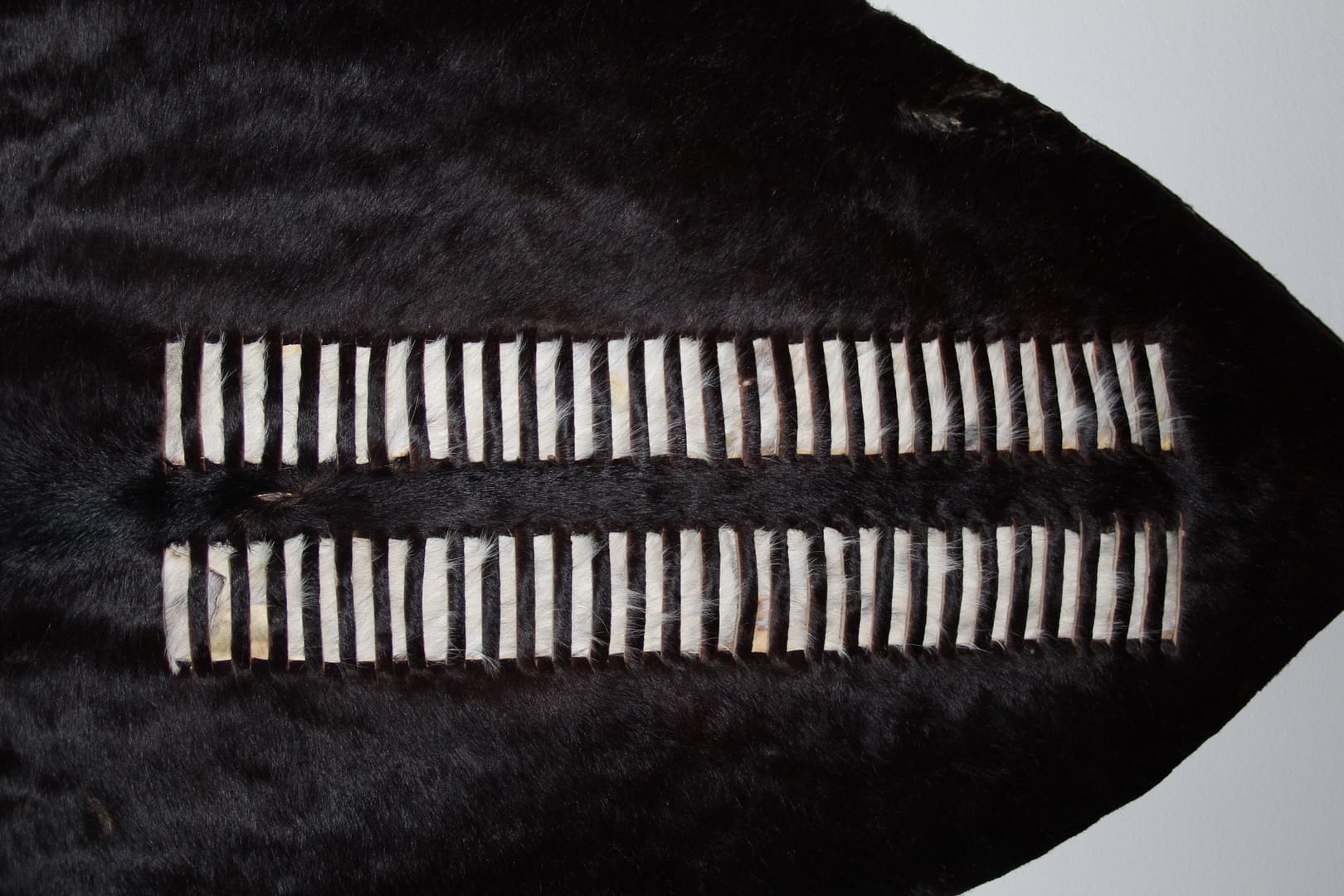
Zulu Nguni cow hide shield. White with scattered black spots. amaMboza Regiment. From my personal collection.
The Zulu isihlangu was a large, oval shield made from the hide of the Nguni cattle breeds valued for their toughness and distinctive patterned colouring. Constructed by stretching a single cured hide over a central wooden stave, it offered effective protection against spear thrusts and limited small-arms fire at longer ranges. The shield was integral to Zulu close-combat tactics, particularly the classic “horns of the buffalo” formation, where warriors used the shield to hook, deflect, or control an opponent’s weapon before striking with the iklwa stabbing spear. Shield colour and pattern were often associated with specific regiments (amabutho), giving commanders a clear means of identifying units during battle. During the Anglo-Zulu War of 1879, British troops encountered these shields in massed assaults at Isandlwana, Rorke’s Drift, and Khambula, where their combination of mobility, protection, and regimental identity played a central role in Zulu fighting effectiveness.


Zulu Iklwa and Knobkerrie. From my personal collection.
This Zulu iklwa and knobkerrie represent the traditional close-combat weapons carried by warriors of the Zulu Kingdom during the nineteenth century. The iklwa, a short stabbing spear popularised during the military reforms of King Shaka, was designed for thrusting in close quarters rather than throwing, reflecting the disciplined shock tactics of Zulu regiments. The knobkerrie, a hardwood club with a rounded head, served both as a weapon and a symbol of status and authority. Together, these weapons illustrate the effectiveness of the Zulu military system, which relied on mobility, cohesion, and aggressive assault tactics during conflicts such as the Anglo-Zulu War of 1879.


Anglo-Zulu War Accoutrements
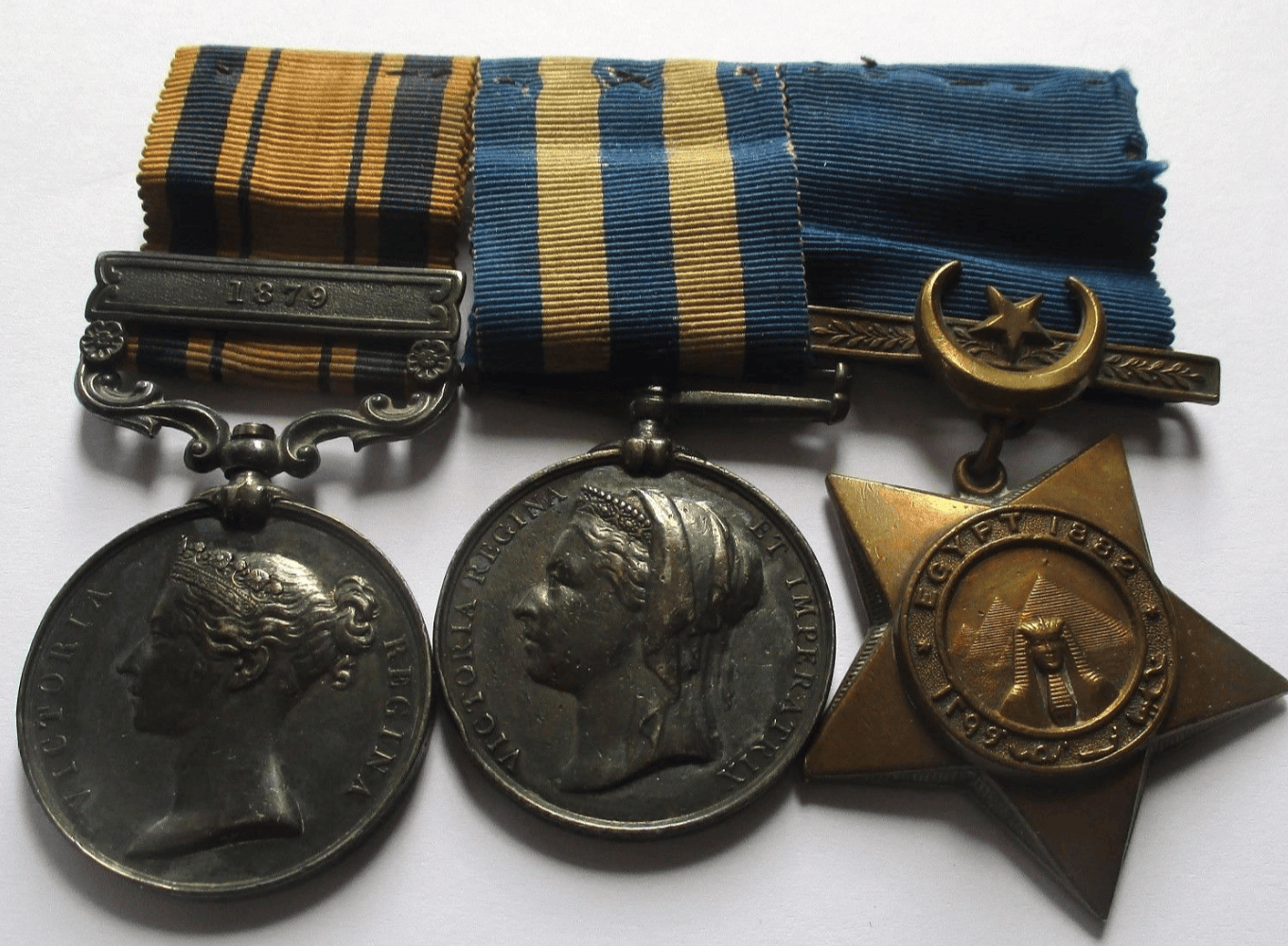
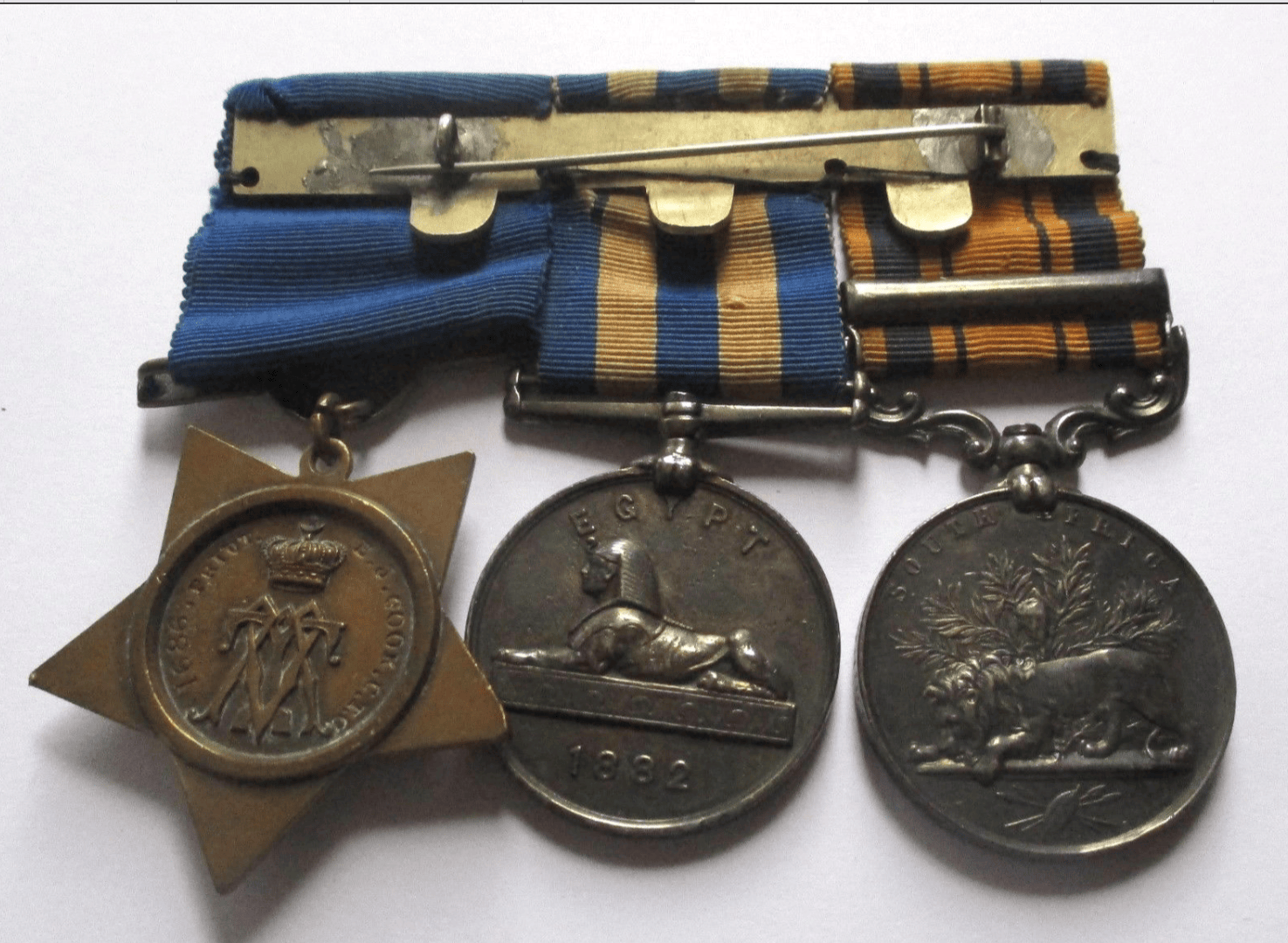
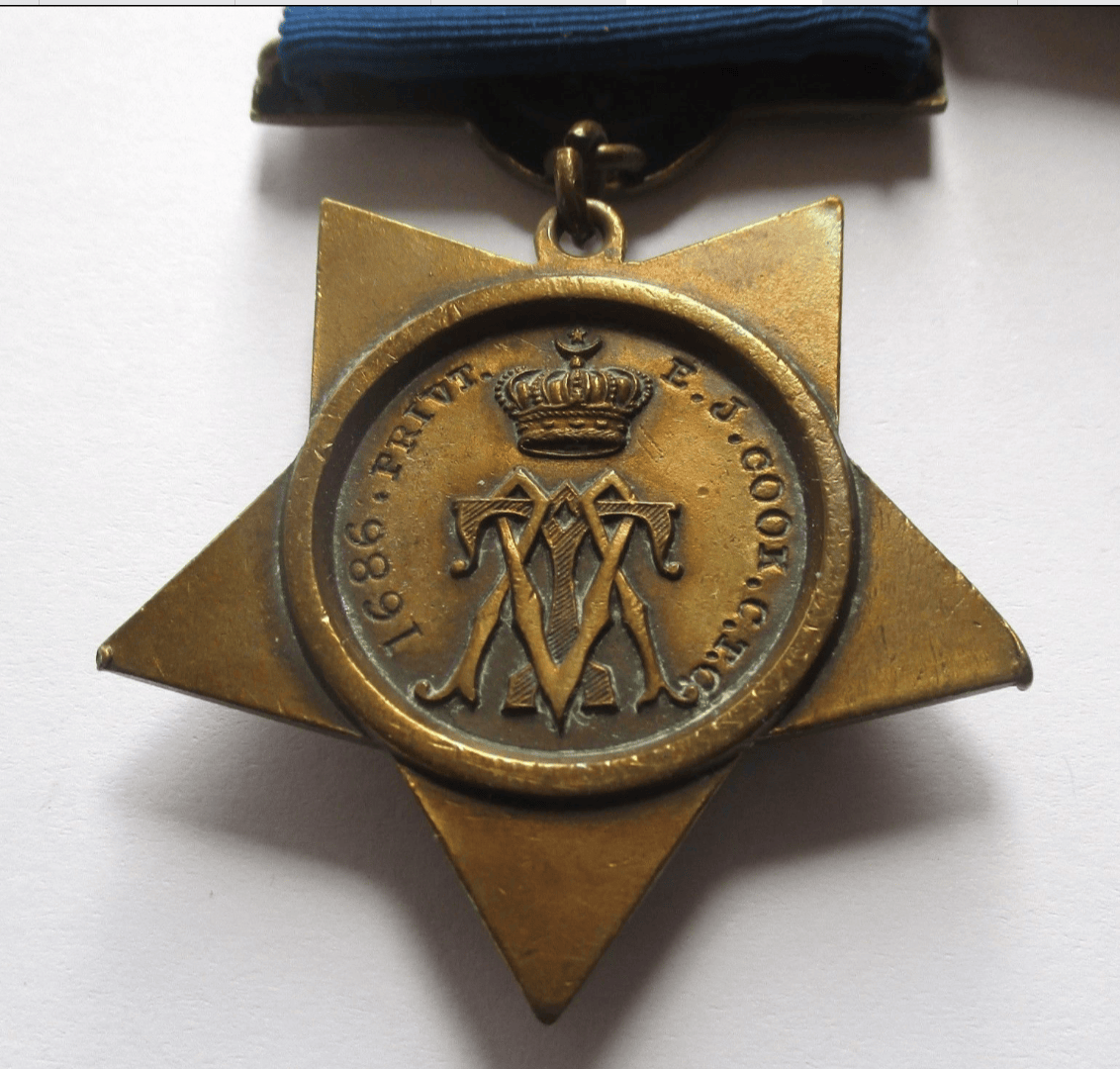
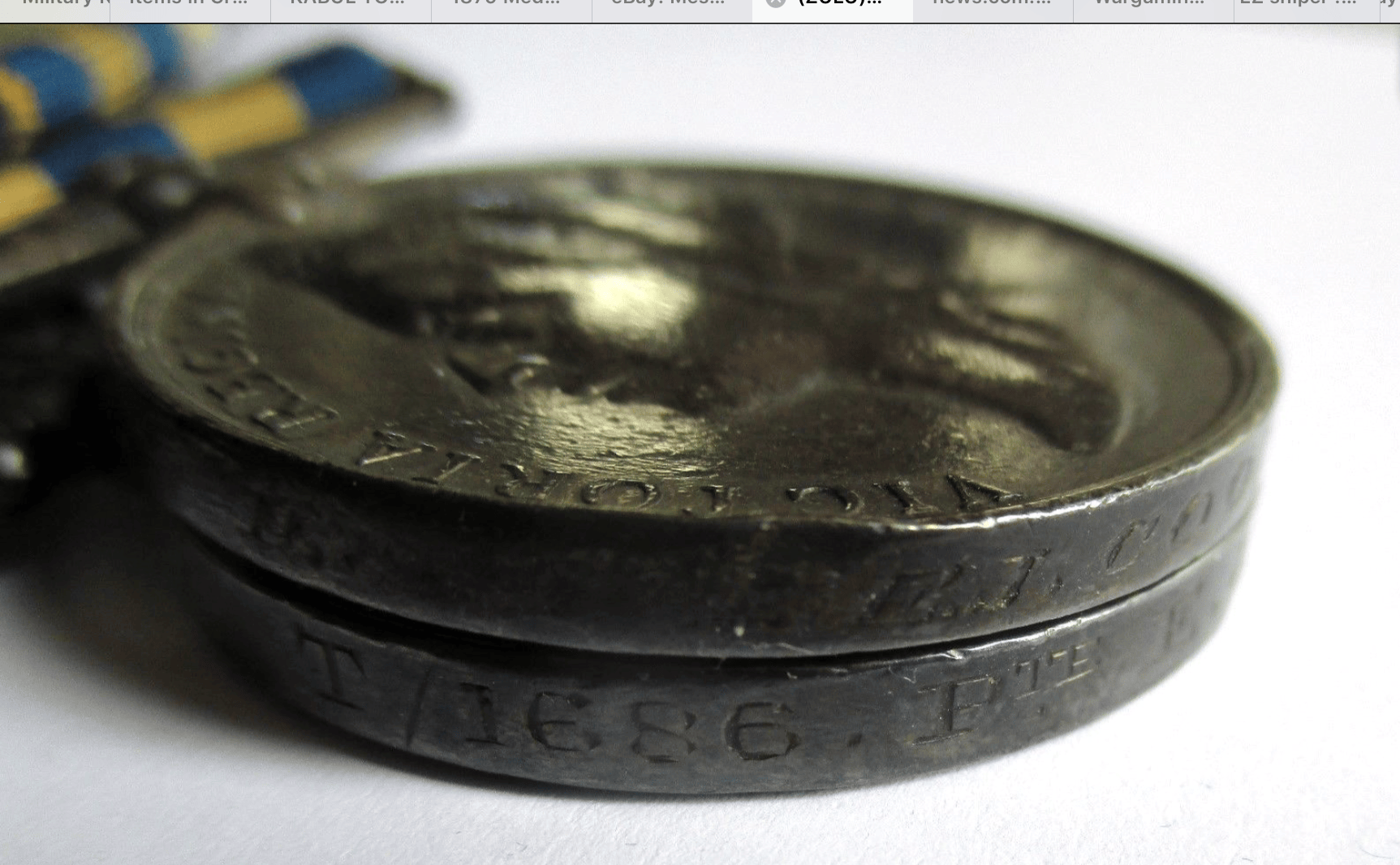
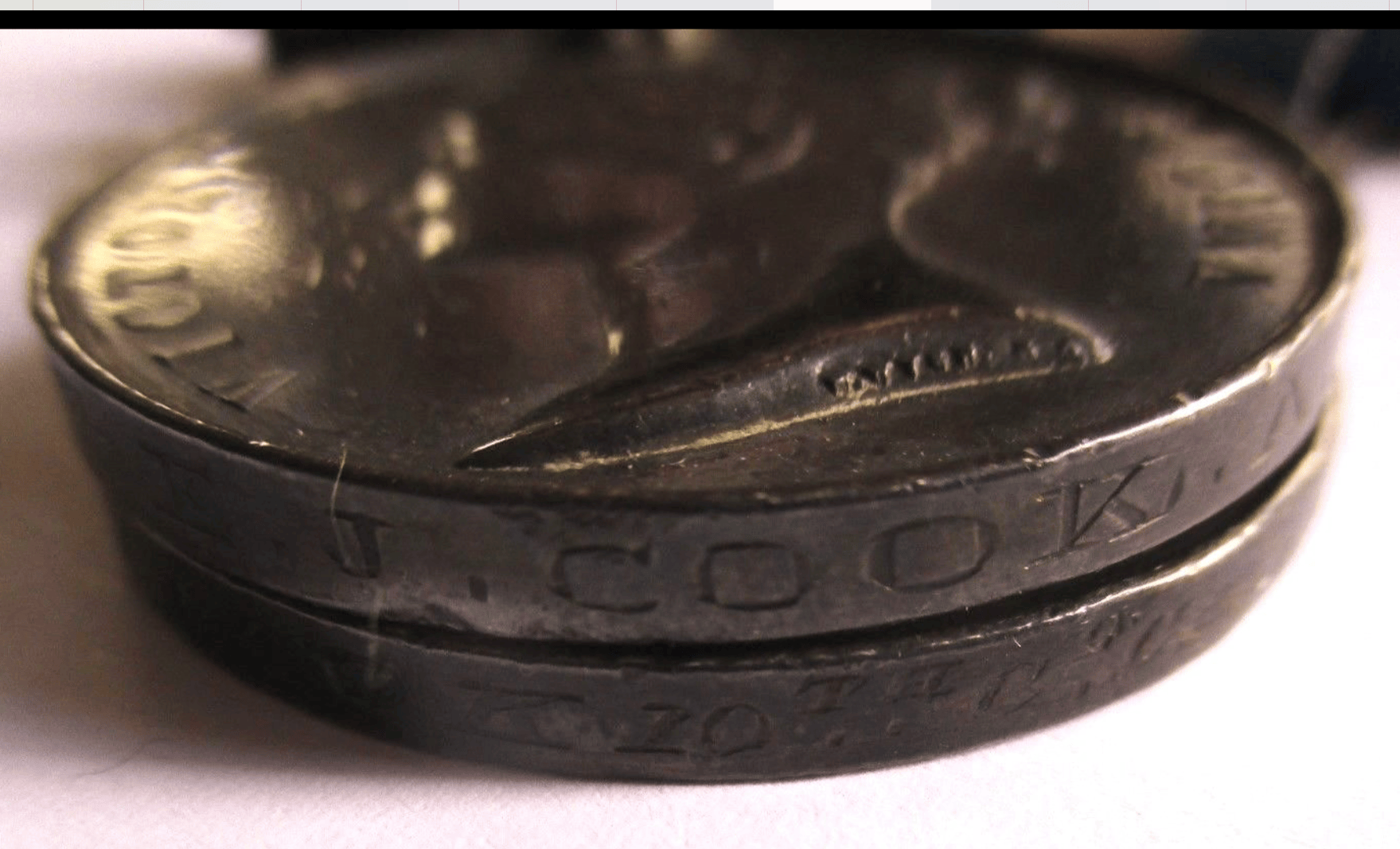
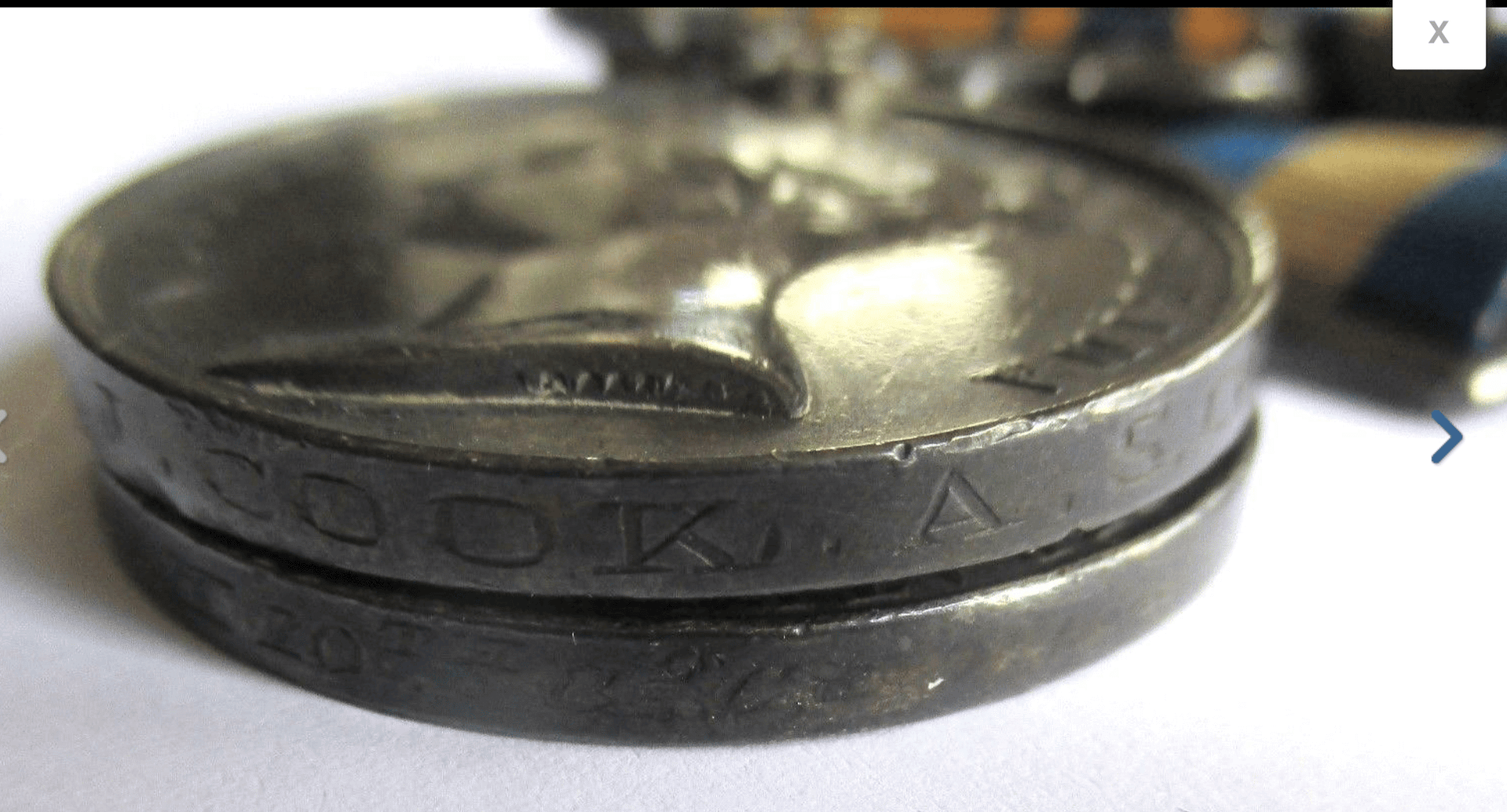
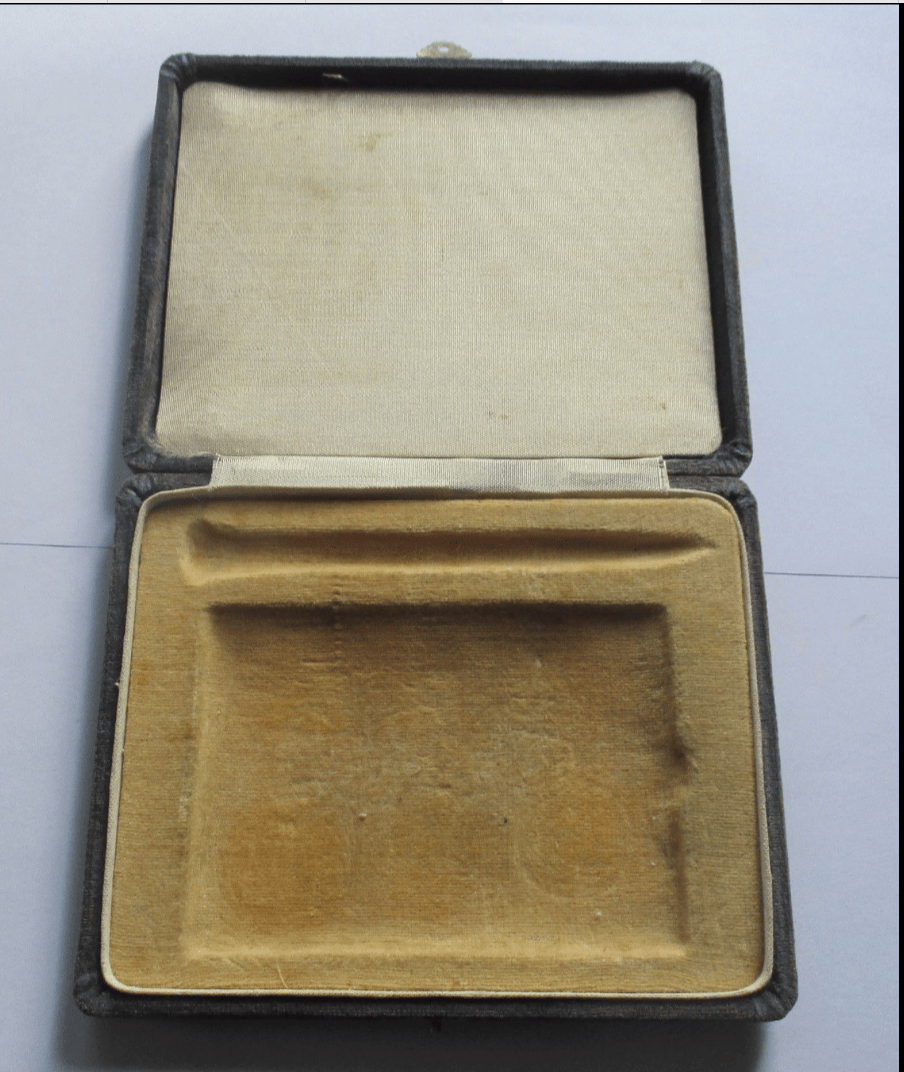
SOUTH AFRICA (Zulu War) EGYPT & KHEDIVE STAR TRIO. From my personal collection.
S.A.G.named to…….. T / 1686. E. J. COOK. A. S. CORPS.
Egypt named to ……. 1686. PTE. E. J .COOK. 10th C & CORPS.
Khedive Star named …. 1686. PRIVT. E. J. COOK. C.T.C
This three-medal group reflects a soldier’s service across two major late-Victorian campaigns. The South Africa Medal (1877–79) was awarded for participation in frontier operations culminating in the battles of Isandlwana, Rorke’s Drift, and Ulundi. The Egypt Medal (1882) recognised service in the British expedition that defeated Arabi Pasha and secured the Suez Canal. The Khedive’s Star, issued by the ruler of Egypt, accompanied the campaign medal as a theatre distinction. Together, they illustrate the mobility of British and colonial troops during an era of rapid imperial expansion.
Found this useful? Buy me a coffee — it helps fund future battlefield research


Authored by Mick Prictor, a retired military officer with 40 years’ service, and a military historian specialising in terrain-focused analysis of tactics, doctrine, and command decision-making in land warfare. His work draws on extensive battlefield fieldwork—more than 280 sites worldwide—and one of the world’s largest private collections of historic military arms, uniforms, and equipment. About me
British forces were primarily armed with the Martini-Henry rifle, a single-shot breech-loading rifle firing a powerful .577/450 cartridge. They were supported by artillery, rocket batteries, and Gatling guns. Zulu warriors fought mainly with traditional weapons such as the iklwa stabbing spear, throwing spears, and large cowhide shields, along with limited numbers of firearms obtained through trade.
The Martini-Henry was the standard British infantry rifle of the late nineteenth century. It was a single-shot breech-loading weapon known for its power, range, and reliability. When used in disciplined volleys, it provided devastating firepower against massed attacks, particularly in defensive actions such as Rorke’s Drift.
At Isandlwana, British forces were surprised, poorly concentrated, and unable to establish a strong defensive position. Ammunition supply difficulties and the extended line reduced the effectiveness of their firepower. The Zulu army used speed, discipline, and the “horns of the buffalo” formation to encircle and overwhelm the British camp.
Zulu warriors primarily used the iklwa, a short stabbing spear designed for close combat, along with throwing spears and large shields made from cowhide. Some warriors carried muskets or rifles, but these were generally less effective due to limited ammunition and training.
British artillery and Gatling guns provided significant firepower when properly deployed, particularly during defensive operations and later stages of the campaign such as Ulundi. Their presence demonstrated the growing importance of industrial firepower in colonial warfare.
Zulu tactics emphasised speed, discipline, and coordinated manoeuvre. The “horns of the buffalo” formation allowed forces to fix an enemy frontally while encircling their flanks. These tactics proved highly effective against dispersed or unprepared opponents, as seen at Isandlwana.
All artefacts shown are from my personal collection and photographed firsthand. They represent original weapons and equipment associated with the Anglo-Zulu War.
Subscribe to Battlefield Travels and receive a free E-Book Battlefield Guide
Unlock expert battlefield analysis, campaign reconstructions, and historical insights drawn from firsthand exploration and primary sources.
🗺️ You’ll receive:
🎖️ Exclusive historical insights you won’t find elsewhere
📘 A free eBook: 10 Tips for Exploring Historic Battlefields
📰 New battlefield studies straight to your inbox as they are published

⚔️ Go deeper — Members get exclusive access to the Deep Research Collection, Field Notes, and monthly Research Dispatches. Try membership free for 7 days, cancel anytime. From $9/month.