Overview of the Korean War
The Korean War (1950–1953) began with North Korea’s invasion of the South on 25 June 1950, triggering a United Nations response led by the United States. Early North Korean successes were halted at the Pusan Perimeter before UN forces counter-attacked, landing at Inchon and advancing to the Yalu River. China’s massive intervention in late 1950 reversed these gains, leading to a bitter, attritional campaign fought across mountainous terrain and extreme climates.
Key battles—Kapyong, the Imjin River, the Chosin Reservoir, and the Hook—demonstrated the importance of infantry firepower, artillery support, and defensive fortification in a war dominated by ridgelines, frost, and close combat. Commonwealth units, including Australia’s 3 RAR, Canada’s PPCLI, British 29 Brigade, and New Zealand gunners, played decisive roles in halting major Chinese offensives. The front stabilised near the 38th Parallel, where trench-line warfare and aggressive patrolling continued until the Panmunjom armistice agreement of July 1953.
The war reshaped Cold War geopolitics, solidified the U.S.–ROK alliance, and established the Demilitarised Zone (DMZ), one of the world’s most fortified boundaries. For participating nations, including Australia, it marked a transition into post-WW2 operational commitments and modern combined-arms warfare.
Related Battle Studies, Museum Pieces & Reading Resources
 ⚔️ Joint Security Area – Panmunjom, DMZ, North/South Korea, 1953 – ongoing
 🏛️ World War Two (1939–1945) Weapons and Equipment
 🏛️ Vietnam War (1955–1975) Weapons and Equipment
 📚 Vietnam War (1955–75),
Recommended Reading
 🏛️ French Indochina War (1946–1954) Weapons and Equipment
 🏛️ French Algerian War (1954–1962) Weapons and Equipment
Australian Army Slouch Hat, Northcote Hats, 1953
This Australian slouch hat, manufactured by Northcote Hats in 1953, represents the standard headdress worn by 3 RAR and supporting Australian units during the Korean War. Constructed from khaki fur felt with a reinforced brim and puggaree, it carried the brass Rising Sun badge on the left-turned brim. Although steel helmets were worn in combat, the slouch hat remained the principal dress and parade item, symbolising Australian identity across operations from Kapyong and Maryang San to the static-line battles along the Jamestown Line.


🧭 From Weapons to Battlefield Use
This page shows weapons and equipment of the Korean War. All items are from my personal collection.
But what images and data don’t show is how these weapons were actually used on the ground—how weapon characteristics, tactics, innovation, terrain, and movement shaped their effectiveness in battle.
👉 That layer—how firepower, tactics, and terrain interact in real engagements—is explored in:
⚔️Battlefield Studies ◊ 💡Tactical Innovations ◊ 📝Field Notes
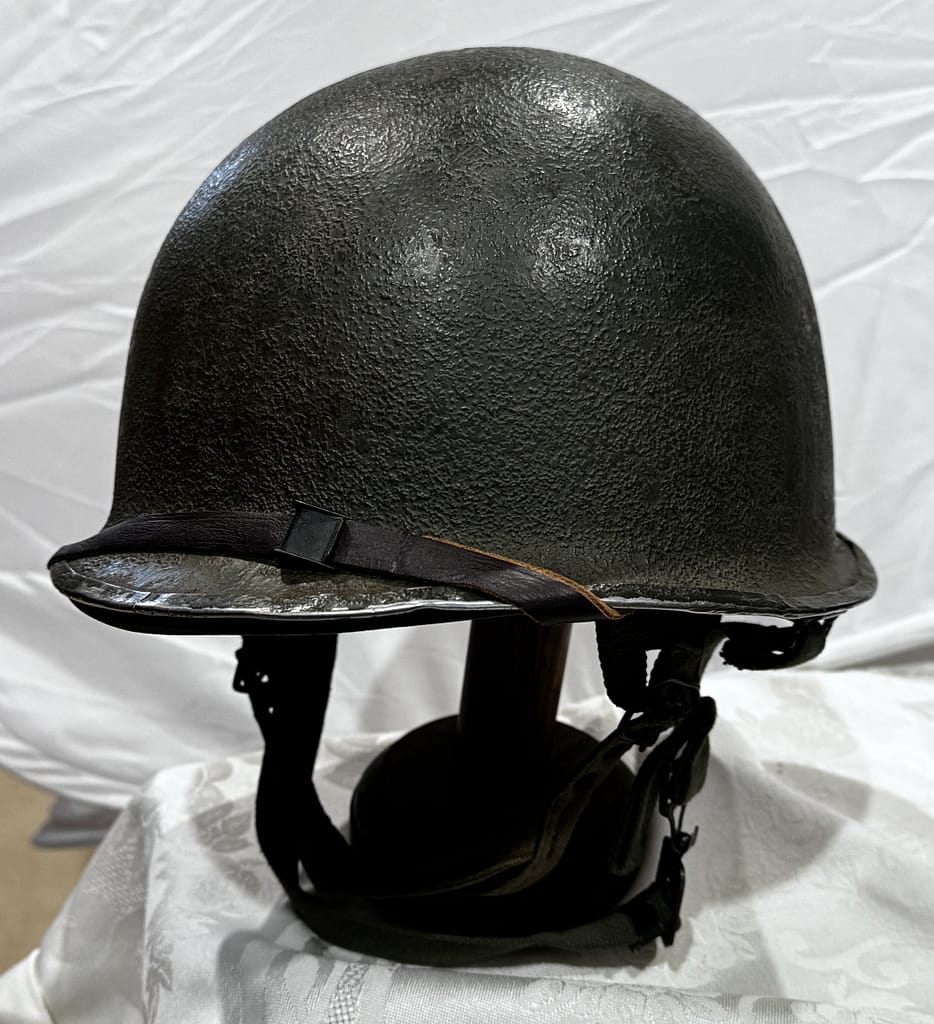
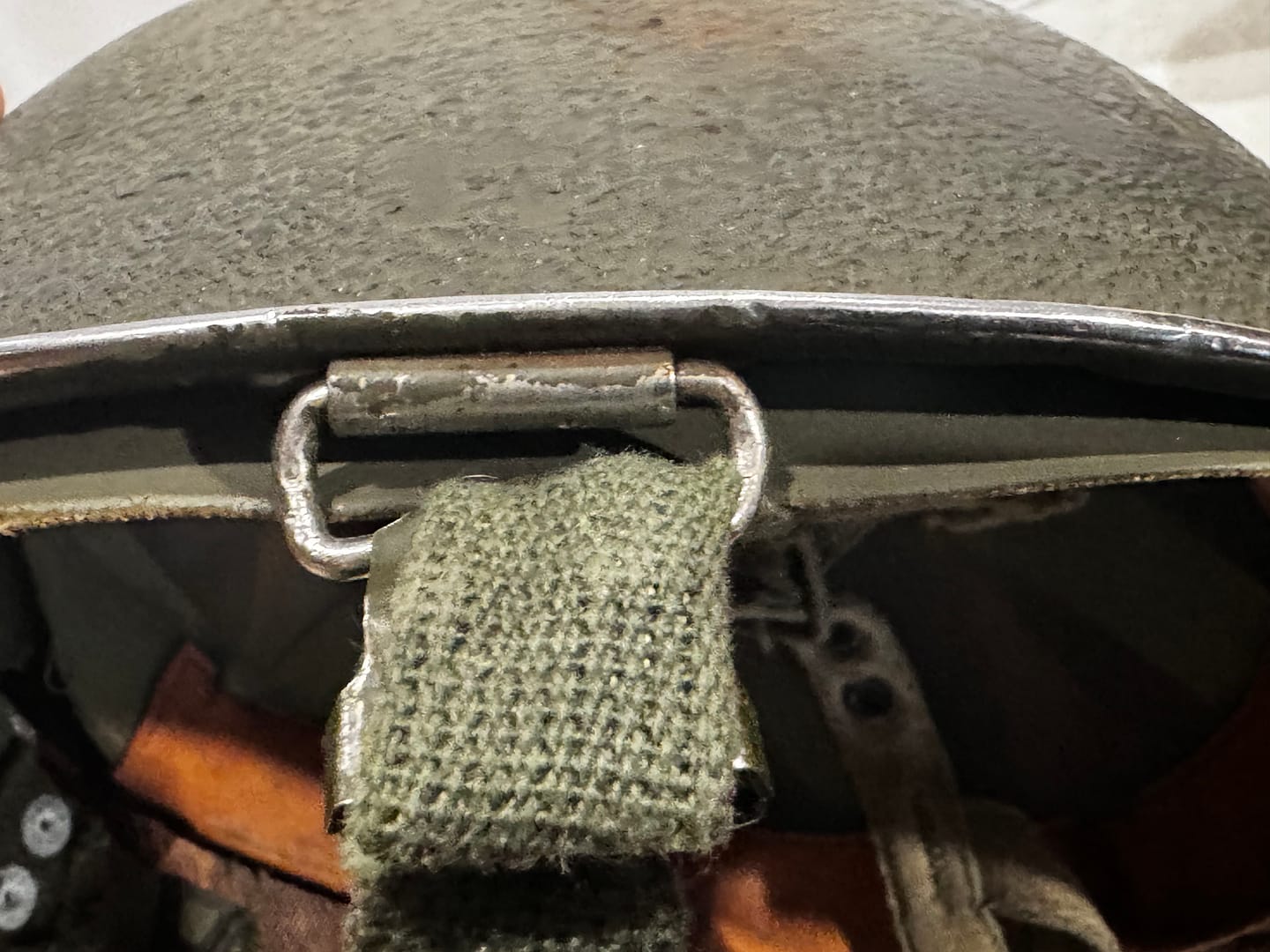
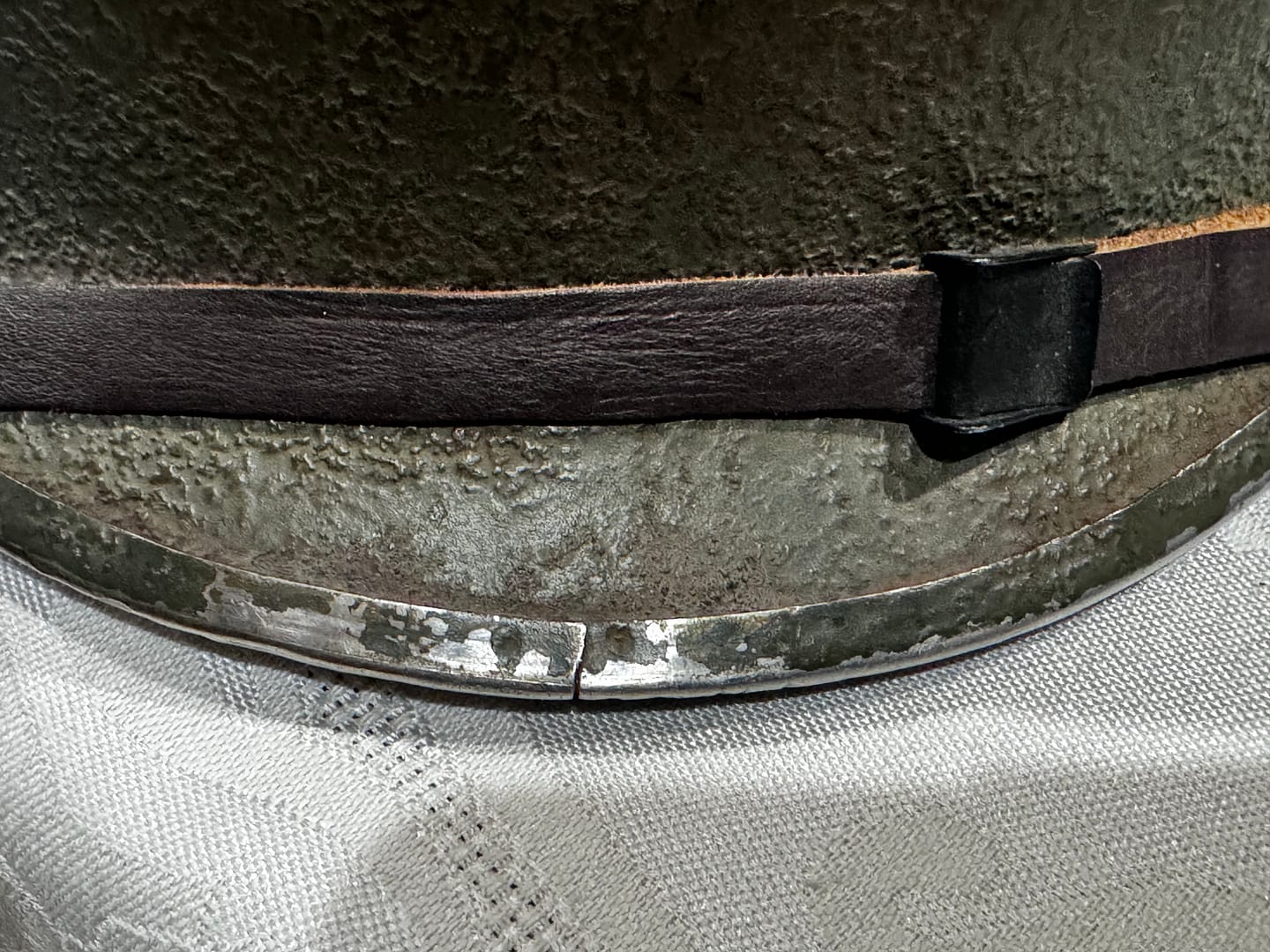
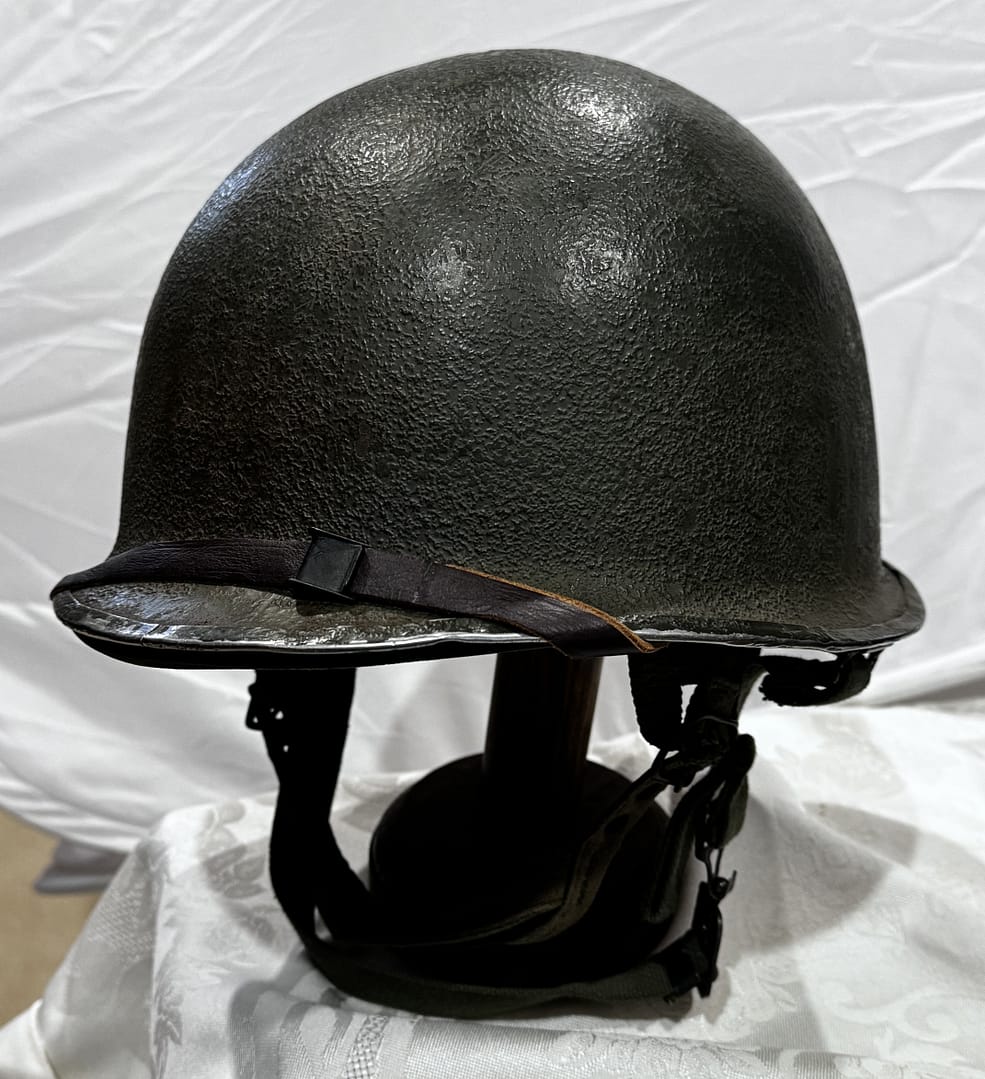
US MC1 Paratrooper Helmet. Front seam, Swivel Bail. Late WW2 or Korea
This airborne-pattern M1 helmet features the early front-seam rim and later swivel-bail chinstrap loops adopted from 1943. Used by U.S. airborne and specialist infantry units during the Korean War, the helmet provided improved ballistic protection and a stable platform for winter covers, camouflage nets, and cold-weather liners. It was worn in operations from the Naktong Bulge to the Chosin Reservoir and throughout the fluid manoeuvre phase of 1950–51, remaining a standard U.S. helmet well into the 1960s.
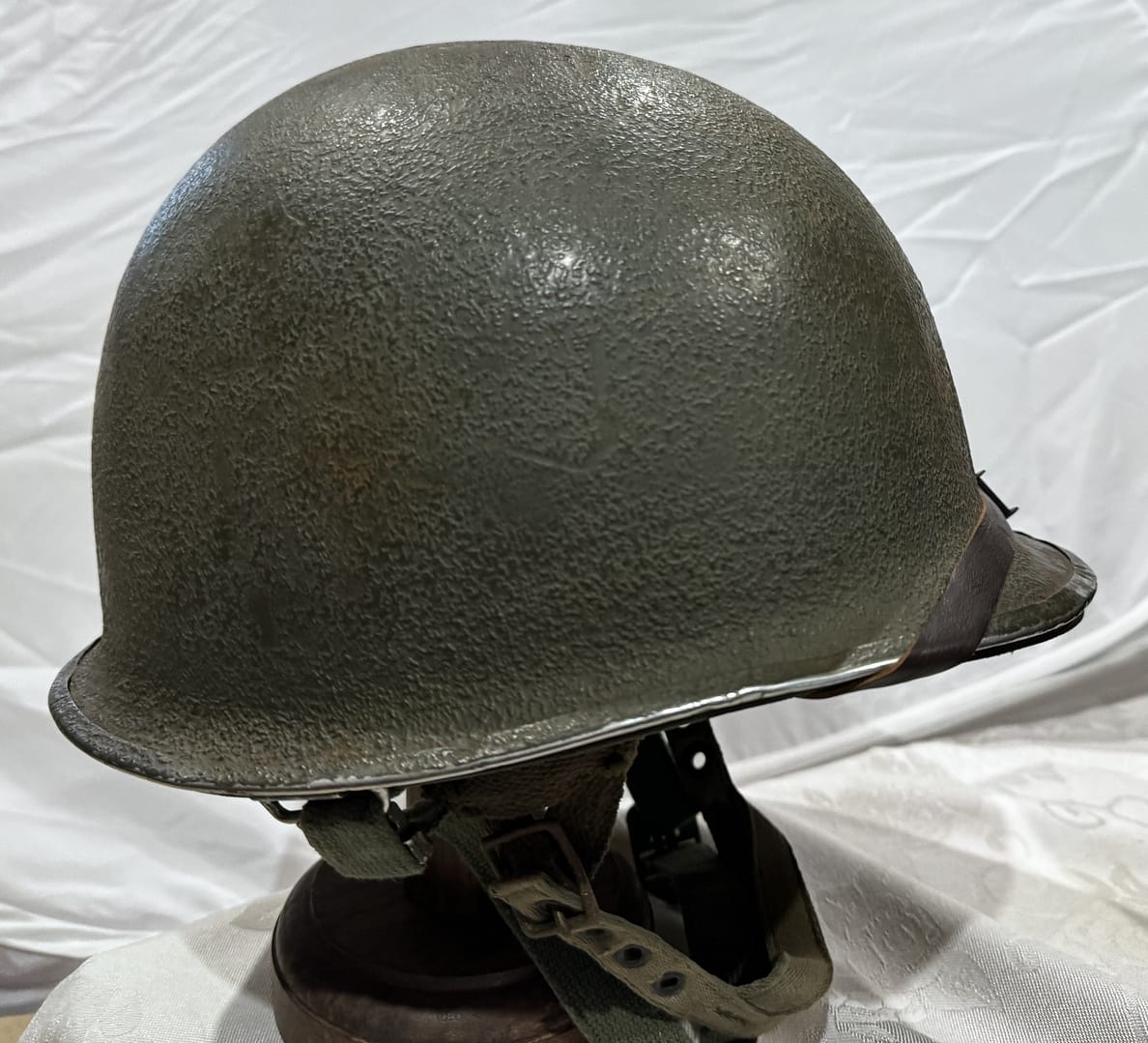
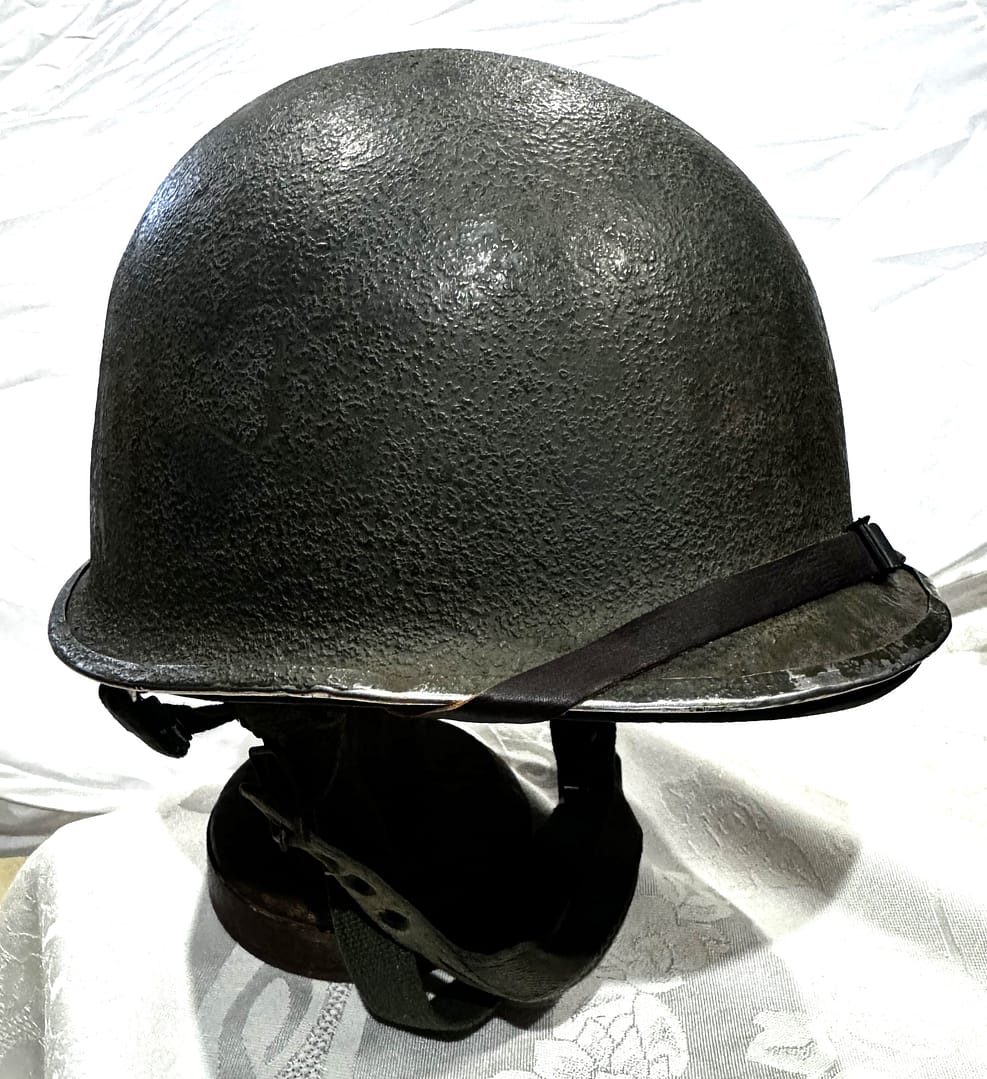
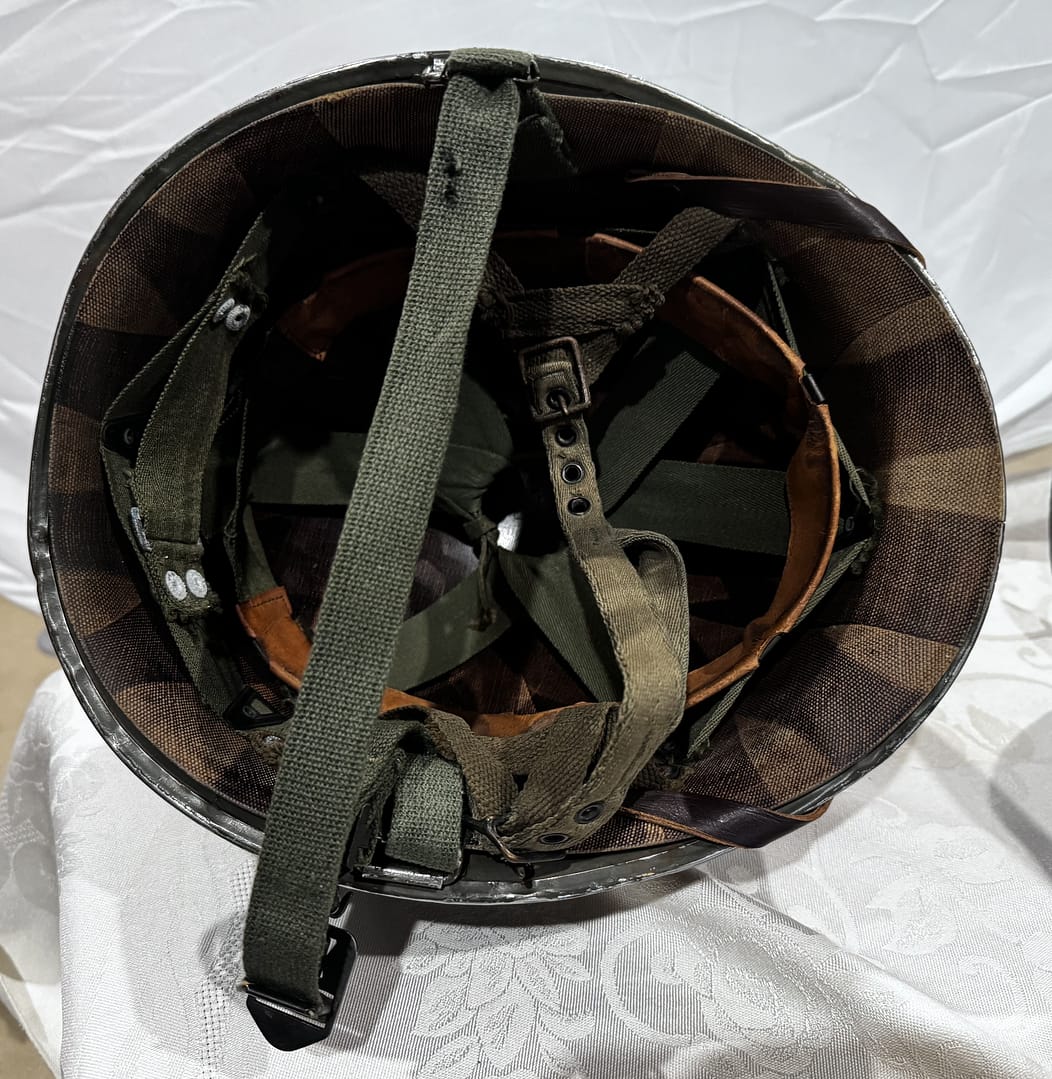
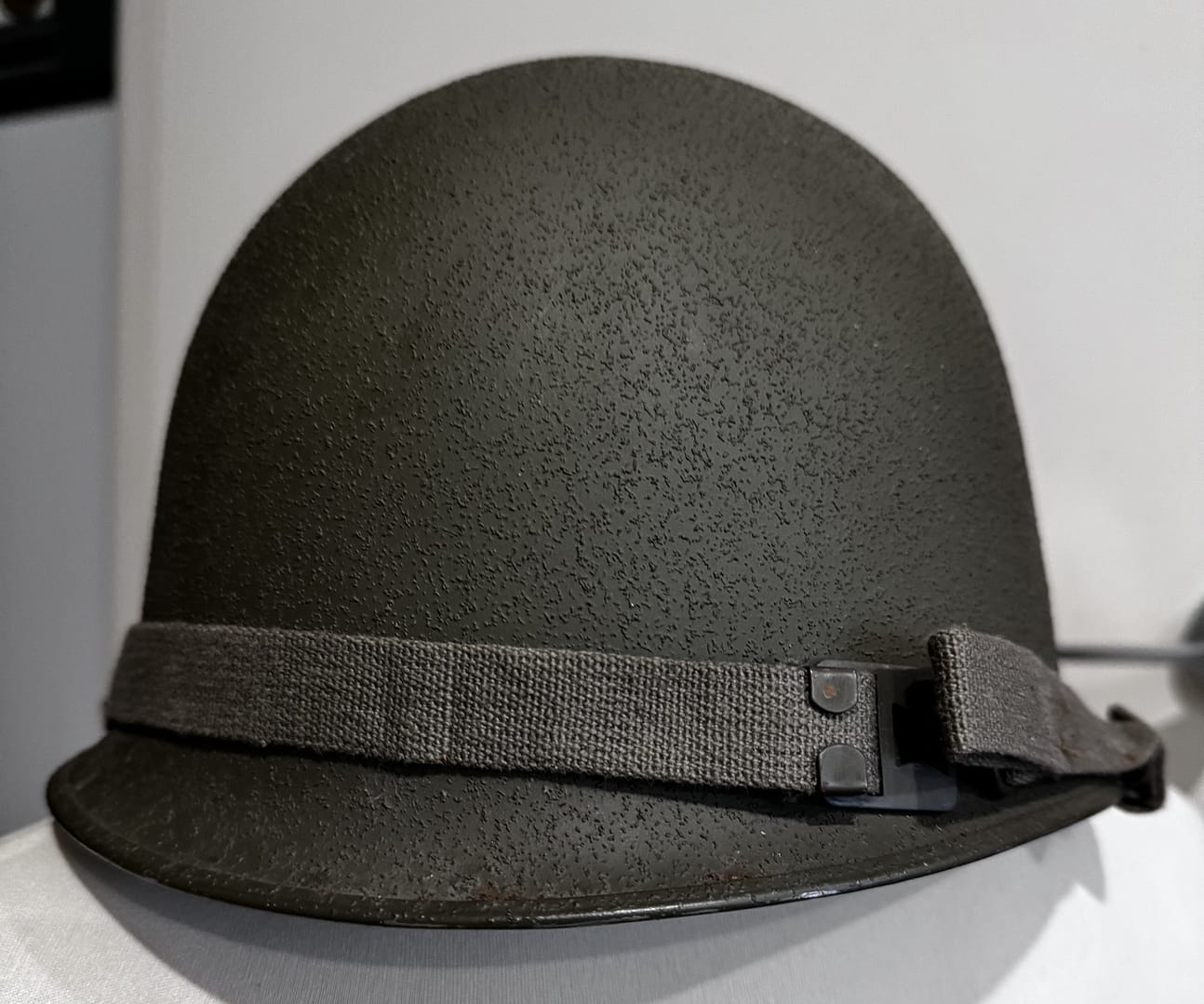
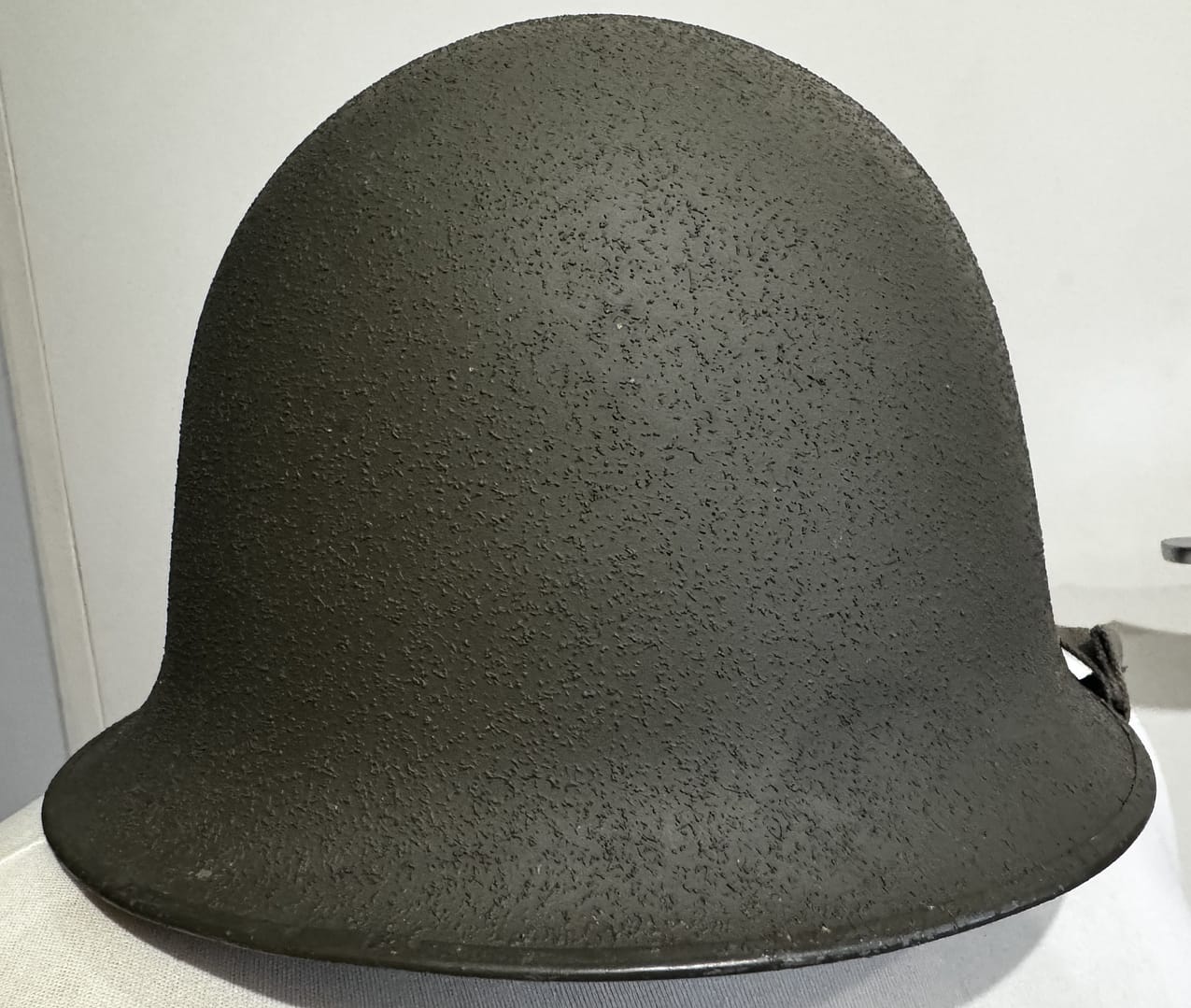
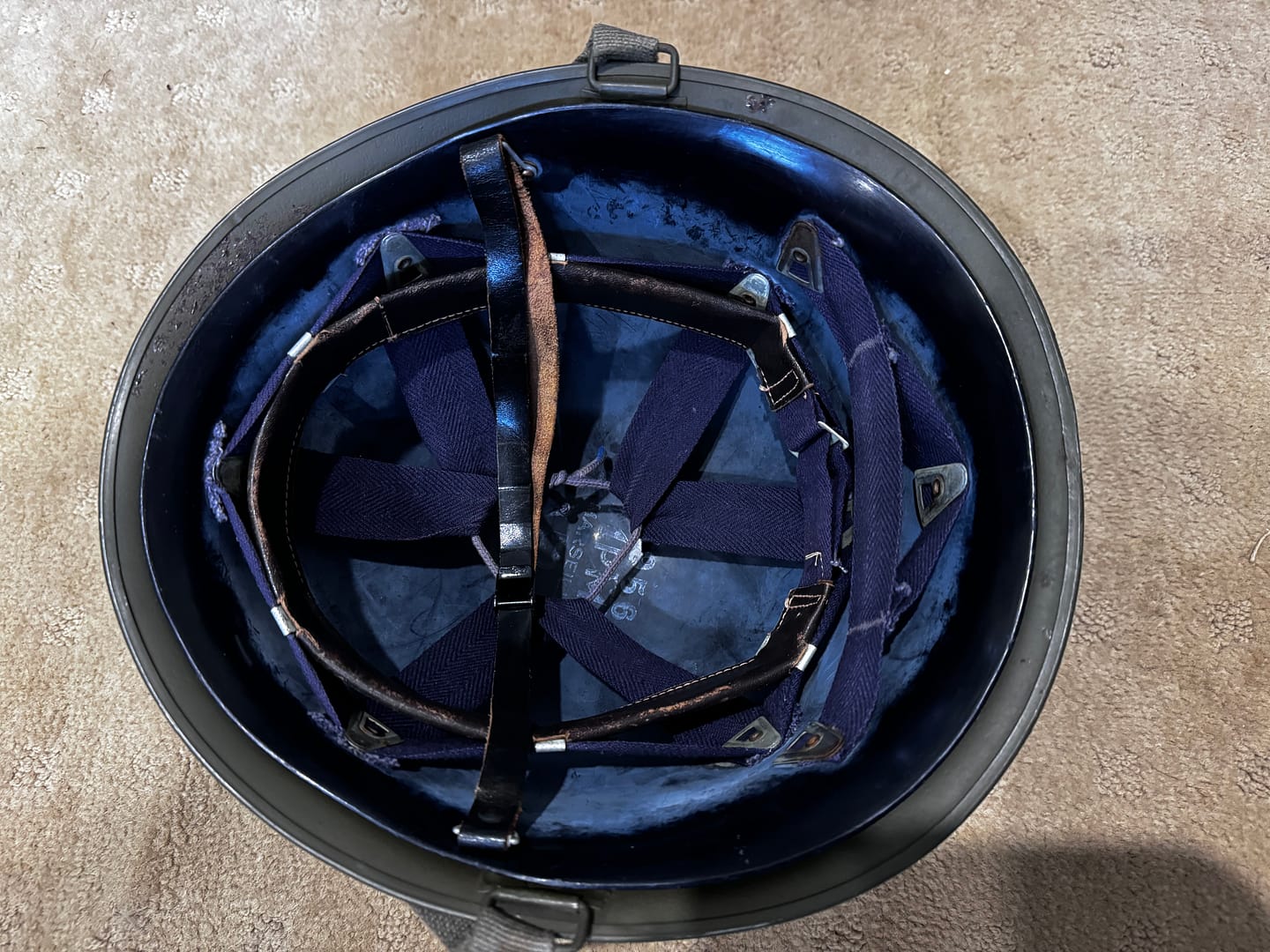
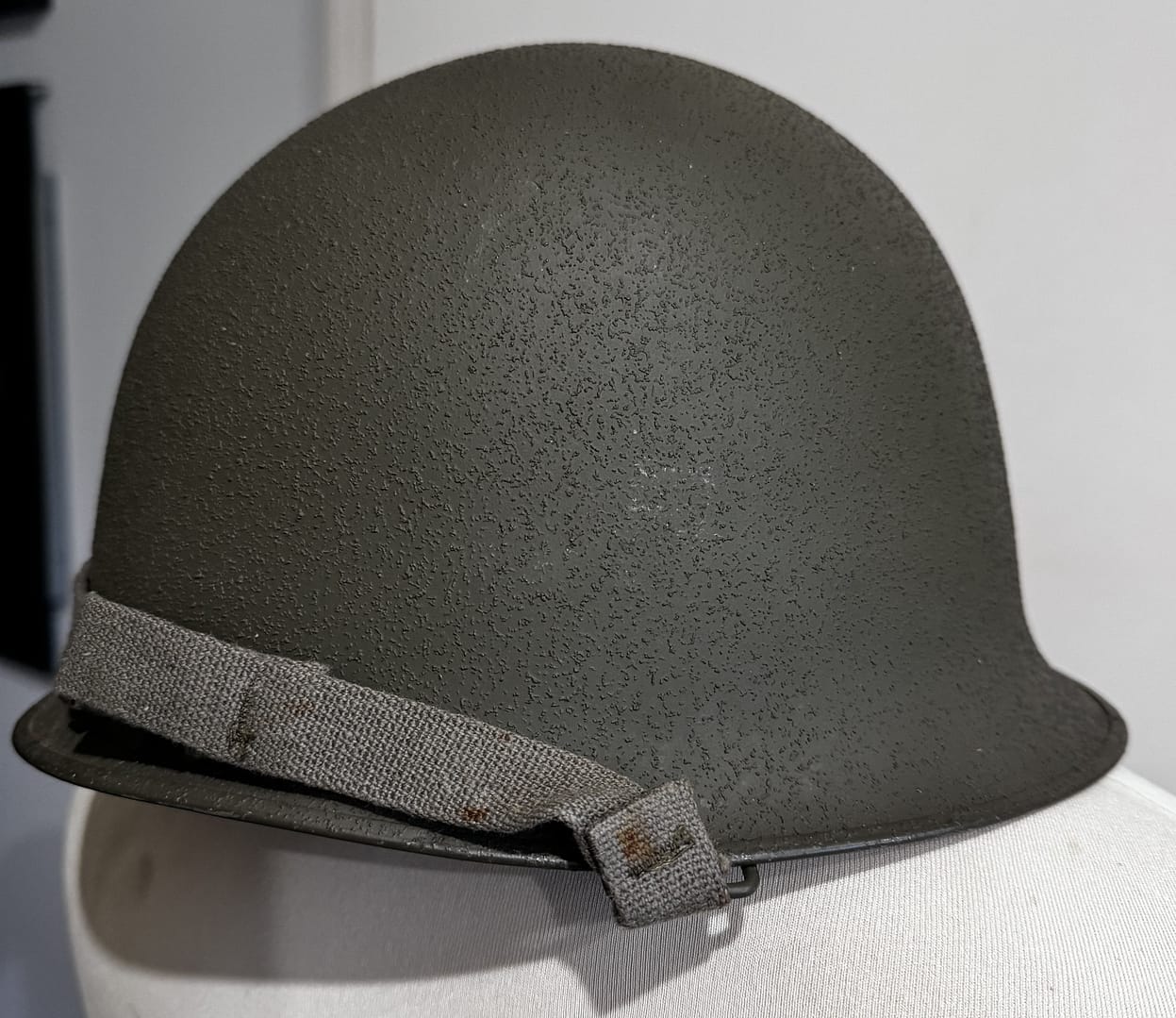
French Model 1951 Combat Helmet Korea/Algeria
The French Model 1951 helmet, based closely on the U.S. M1 pattern, was adopted after WW2 and issued to French forces serving in Korea (1950–1953) as part of the UN contingent. Featuring a double-shell system with a steel outer shell and composite liner, it offered improved comfort and ballistic protection. The M51 later equipped airborne, Foreign Legion, and colonial units in Algeria. Its dual service in Korea and North Africa makes it one of France’s most recognisable post-war combat helmets.
Found this useful? Buy me a coffee — it helps fund future battlefield research


Authored by Mick Prictor, a retired military officer with 40 years’ service, and a military historian specialising in terrain-focused analysis of tactics, doctrine, and command decision-making in land warfare. His work draws on extensive battlefield fieldwork—more than 280 sites worldwide—and one of the world’s largest private collections of historic military arms, uniforms, and equipment. About me
Subscribe to Battlefield Travels and receive a free E-Book Battlefield Guide
Unlock expert battlefield analysis, campaign reconstructions, and historical insights drawn from firsthand exploration and primary sources.
🗺️ You’ll receive:
🎖️ Exclusive historical insights you won’t find elsewhere
📘 A free eBook: 10 Tips for Exploring Historic Battlefields
📰 New battlefield studies straight to your inbox as they are published

⚔️ Go deeper — Members get exclusive access to the Deep Research Collection, Field Notes, and monthly Research Dispatches. Try membership free for 7 days, cancel anytime. From $9/month.