French colonial wars
From 1830 to 1940, France conducted a series of major colonial campaigns that created an overseas empire spanning North and West Africa, the Indian Ocean, Indochina, and the Pacific. The era began with the conquest of Algeria (1830–1871), followed by campaigns in Tunisia and Morocco, and extended through West Africa with protracted fighting in Senegal, Dahomey, and the Sahel. In Indochina, France waged expeditionary campaigns against the Nguyễn dynasty, the Black Flag Army, the Chinese Qing dynasty, and later Siam, establishing control over Tonkin, Annam, Cochinchina, Laos, and Cambodia. This equipment was used at legendary battles like the Marines at the 1884 Bac Le Ambush and the Foreign Legion in the 1884-85 Siege of Tuyen Quang.
These conflicts combined major land operations, naval campaigns, amphibious operations, riverine movement, small-unit warfare, and extended pacification operations. The Foreign Legion, Tirailleurs, Marine Infantry, and colonial cavalry became central instruments of French power projection. By 1940, France had forged one of the world’s largest empires, though at the cost of continuous campaigning, heavy garrison commitments, and rising nationalist resistance that foreshadowed the wars of decolonisation to come.
Related Battle Studies, Museum Pieces & Reading Resources


Weapons of the French Colonial Era
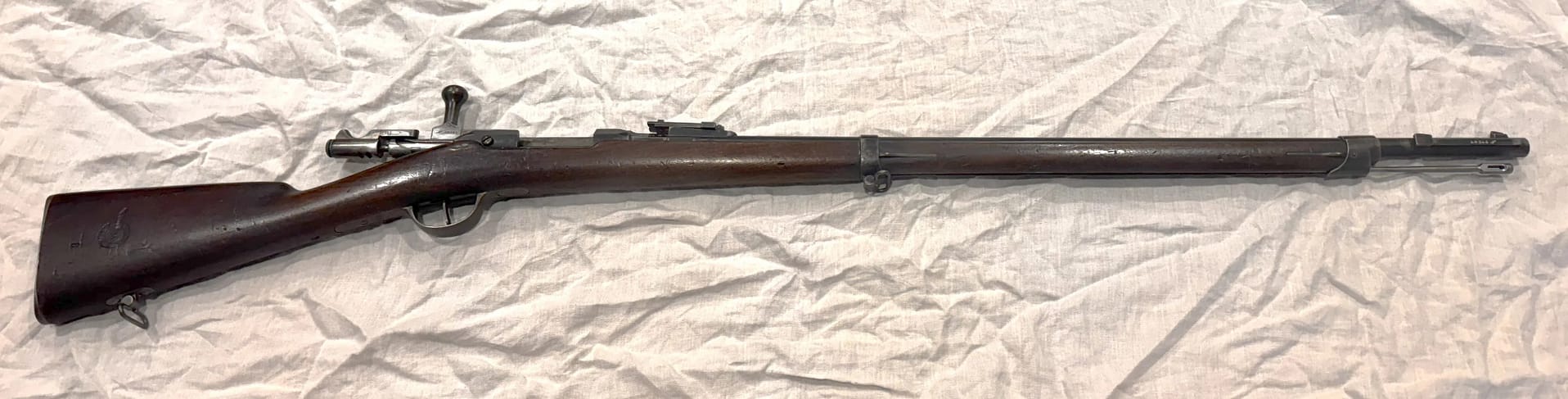
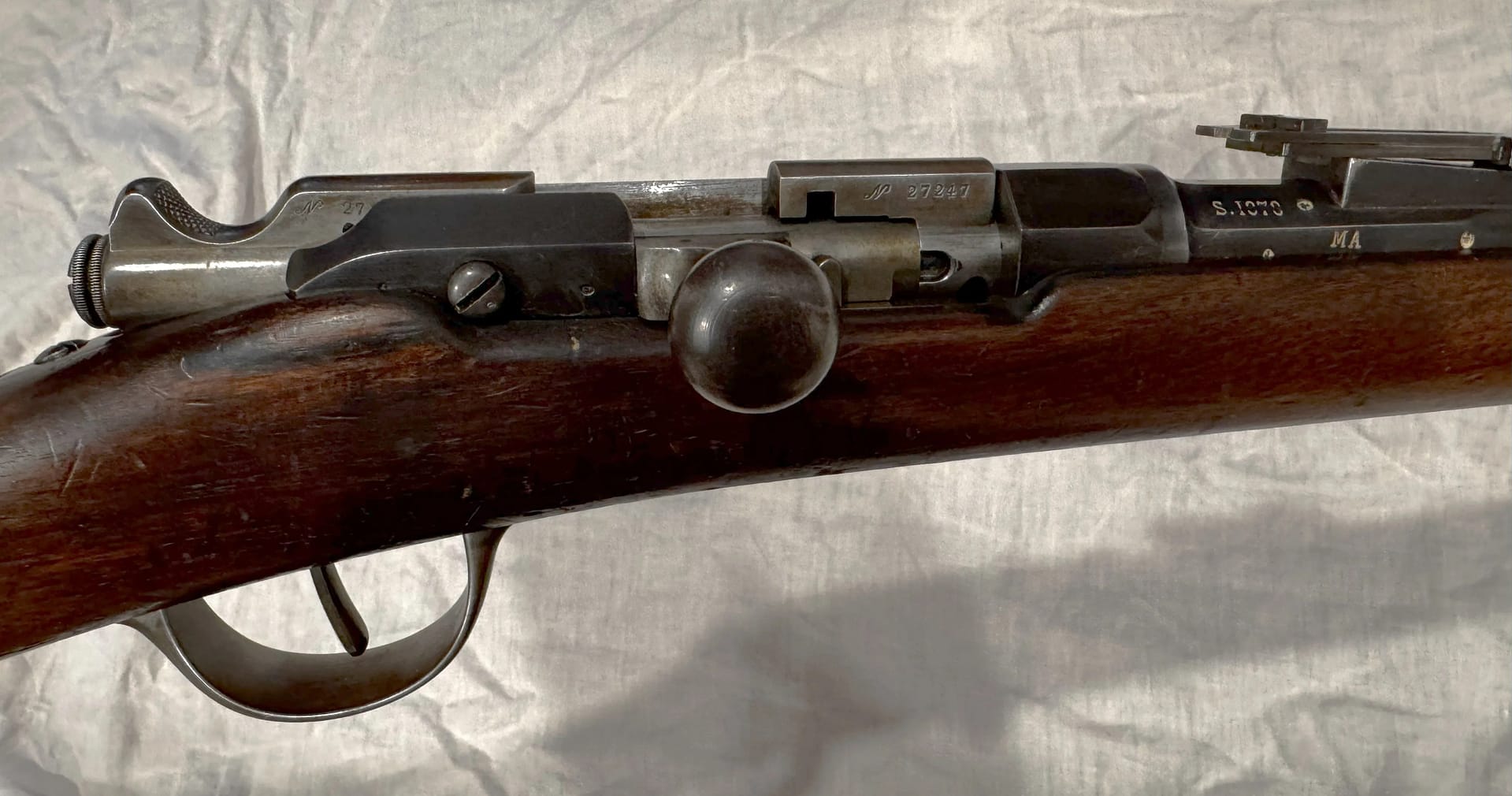
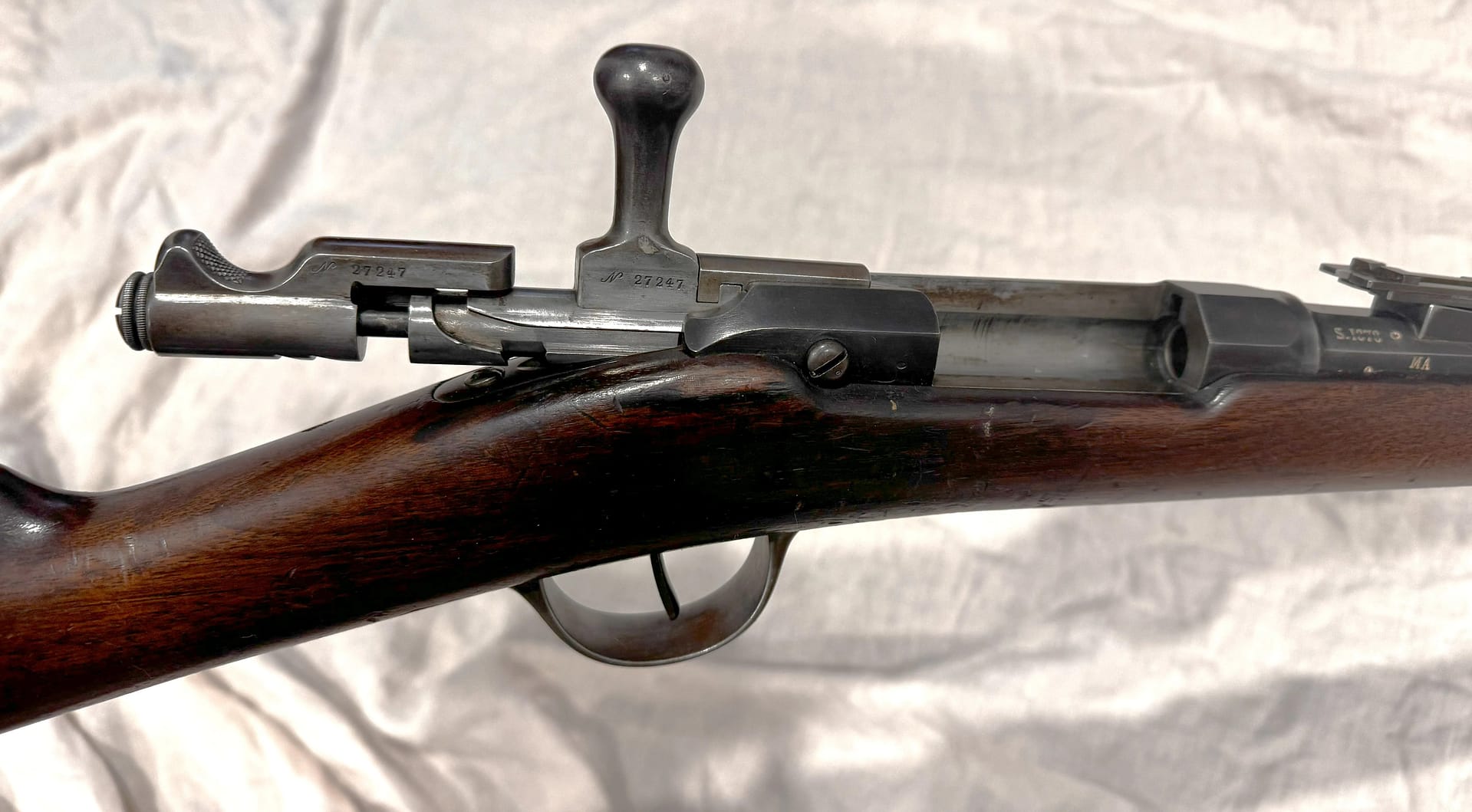
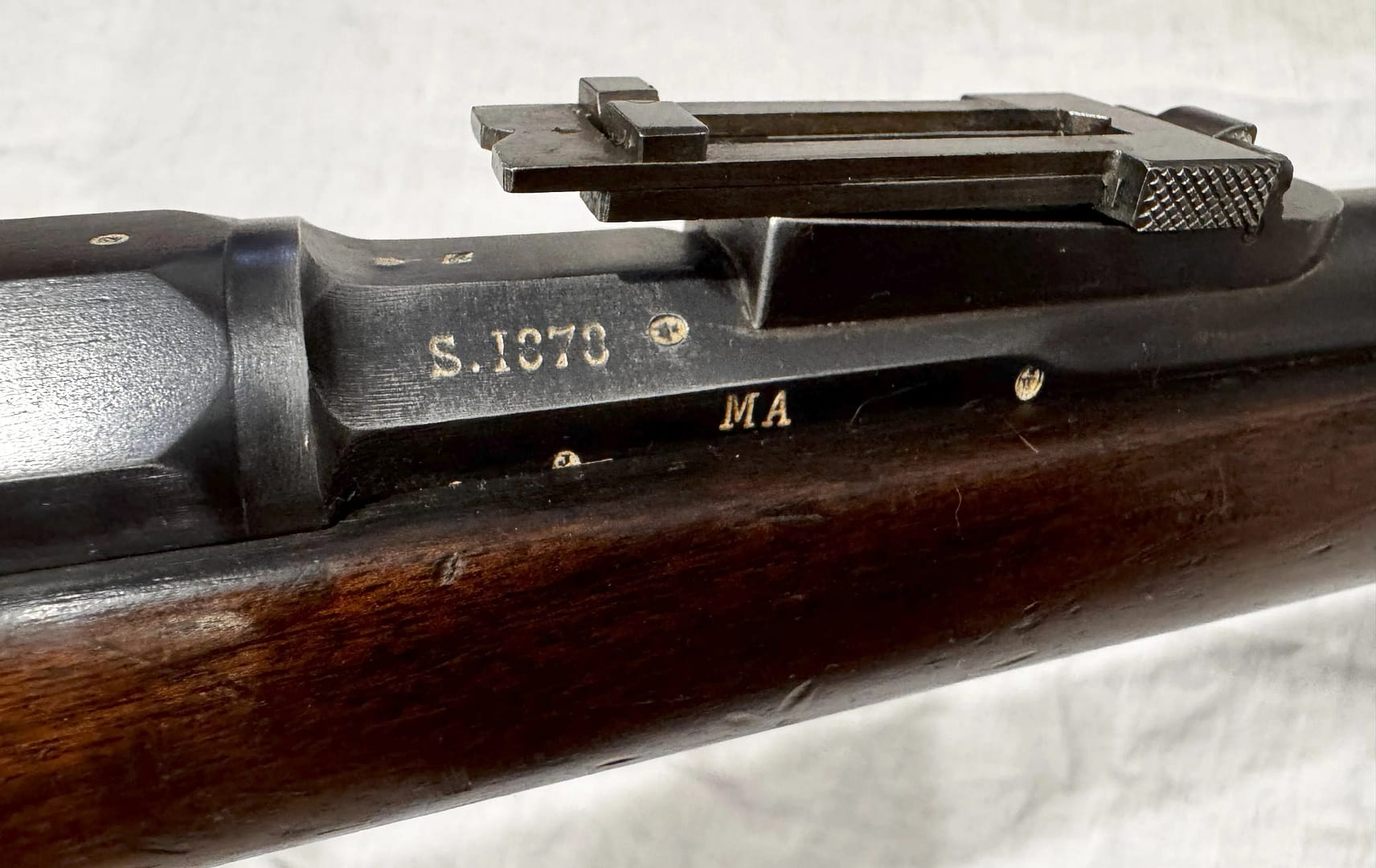
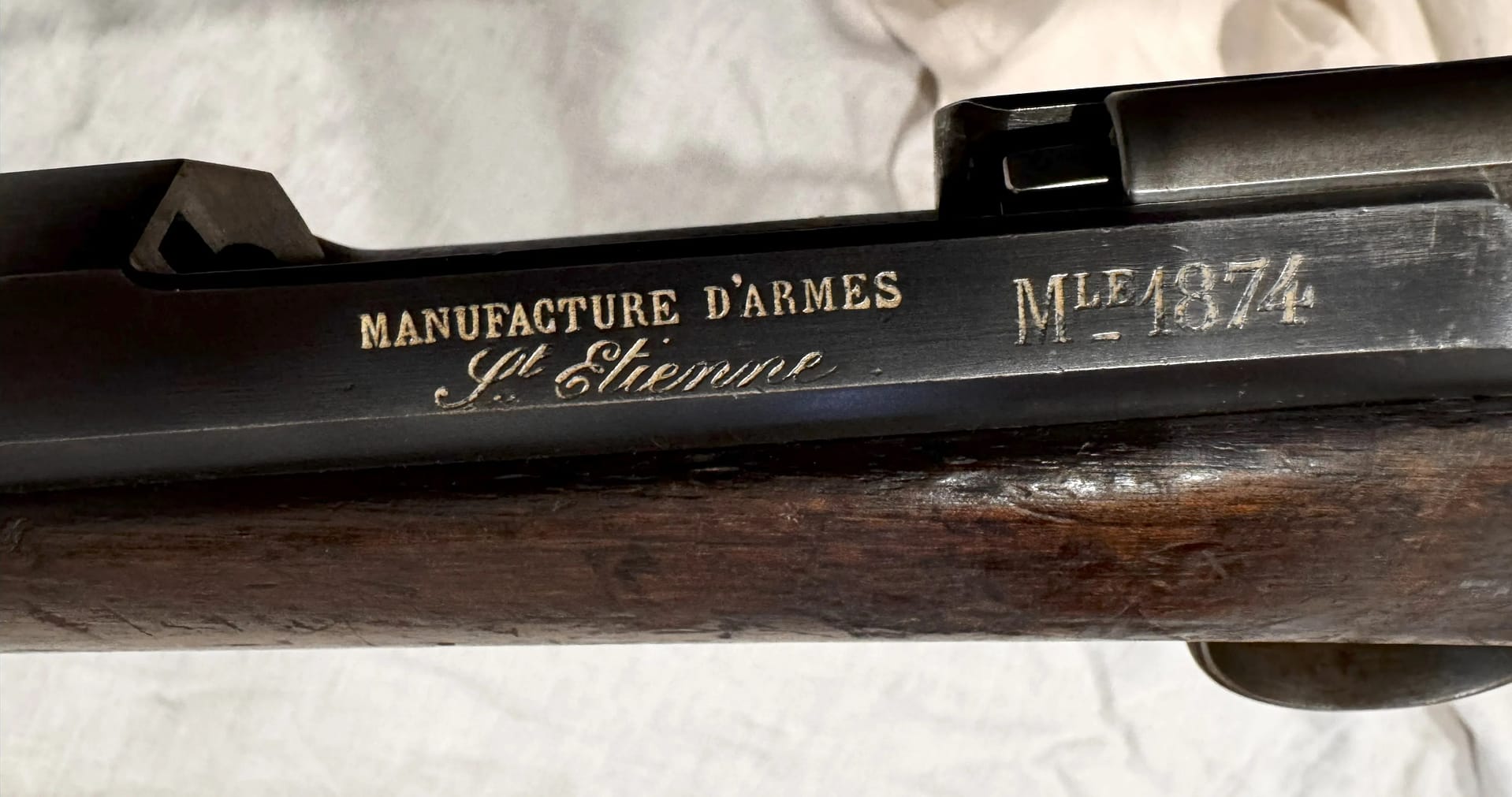
Model 1874 Fusil Gras, 11 x 59mmR, from my personal collection.
The French Model 1874 Gras was the first purpose-built metallic-cartridge infantry rifle adopted by France, chambered for the powerful 11×59mmR Gras round. Developed from the Chassepot bolt-action system, it replaced the paper-cartridge mechanism with a strengthened bolt, extractor, and all-steel receiver. Issued widely across metropolitan, colonial, and Foreign Legion units, it served in North Africa, Indochina, and the early phases of the Great War with second-line and Territorial troops. Robust, accurate, and simple to maintain, the Gras became one of France’s most widely distributed 19th-century rifles.
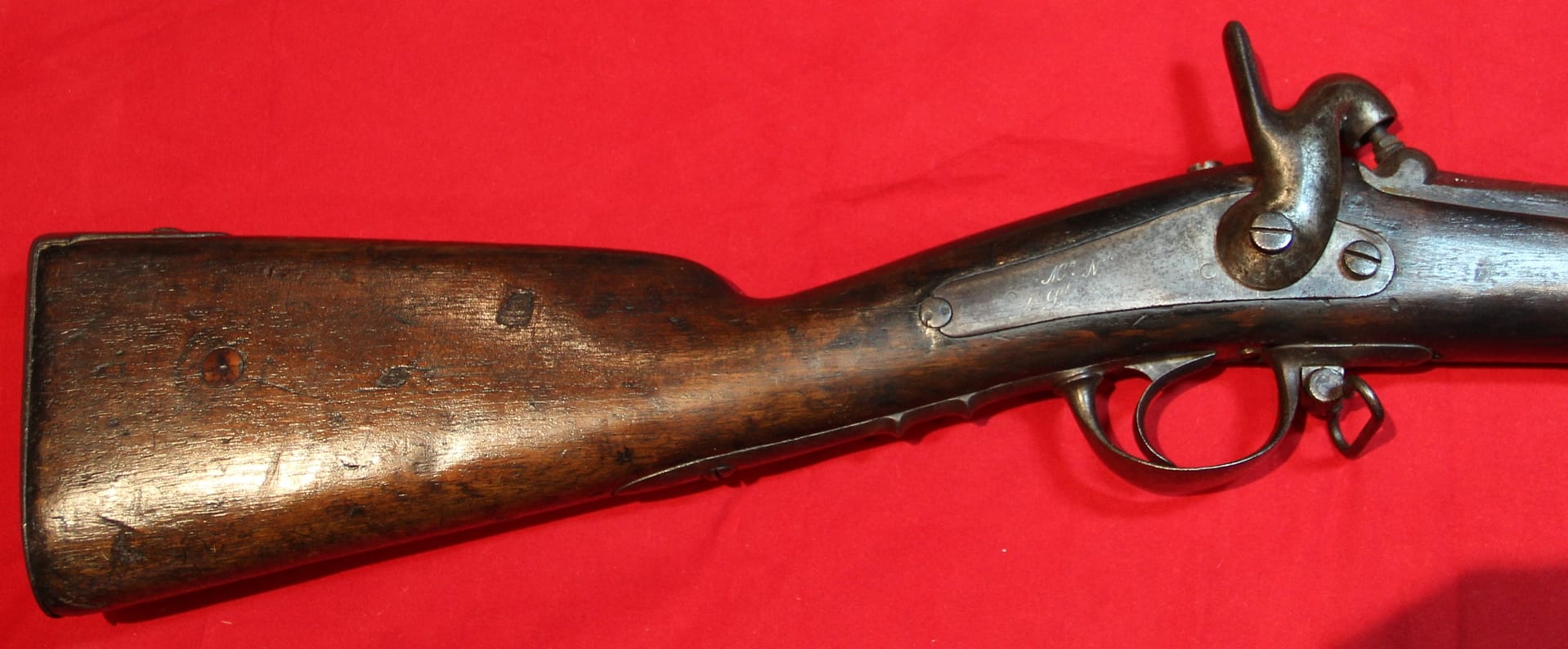
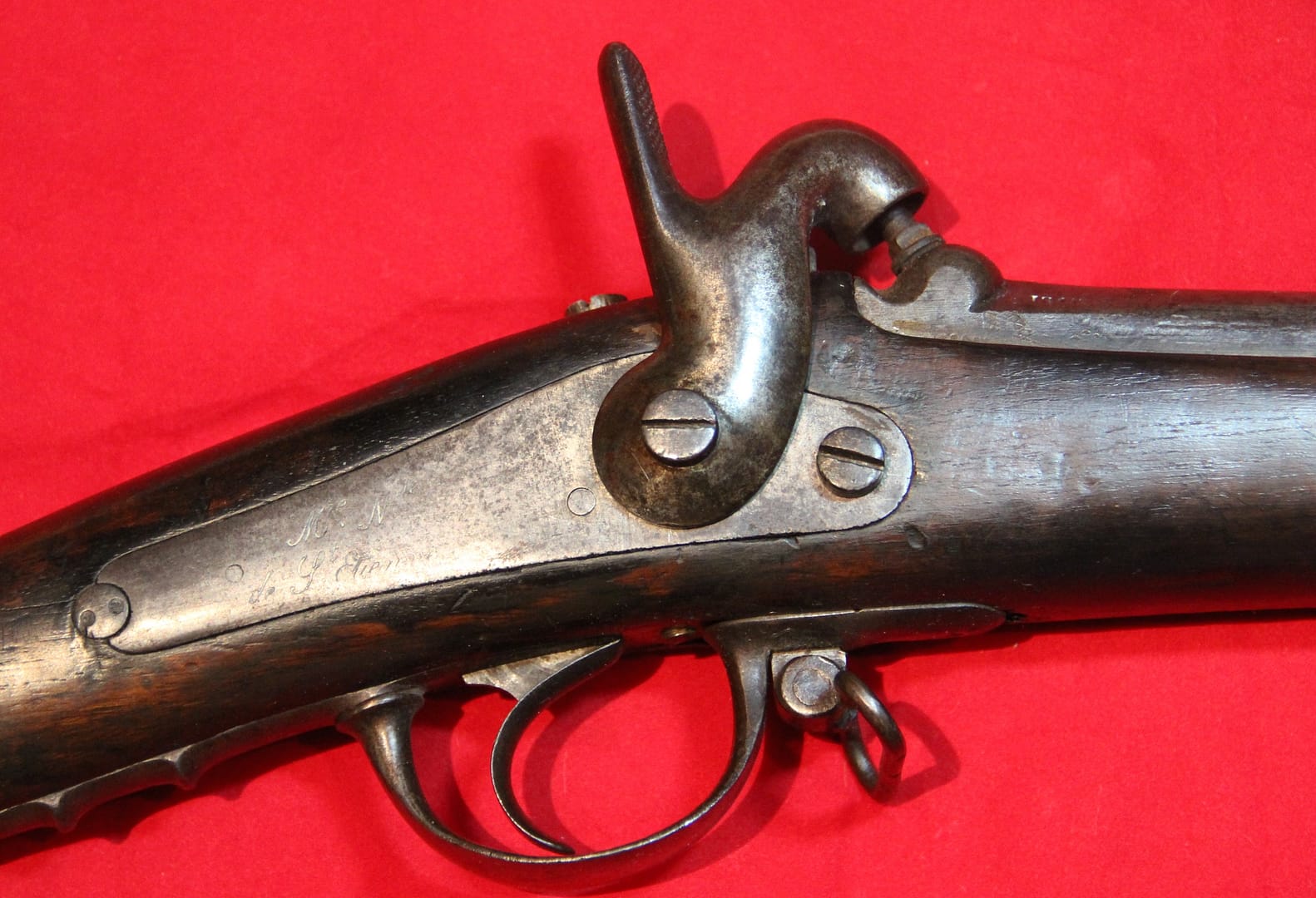
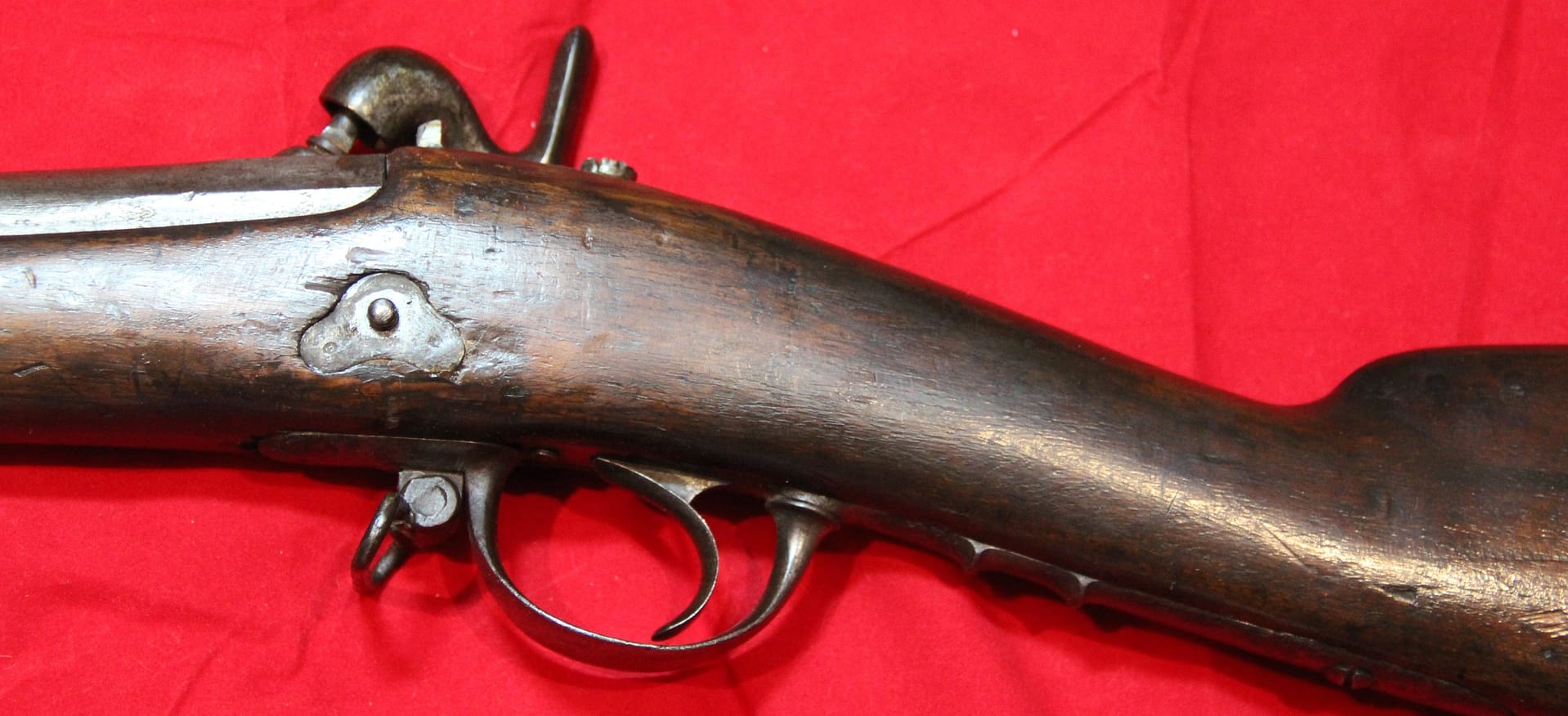
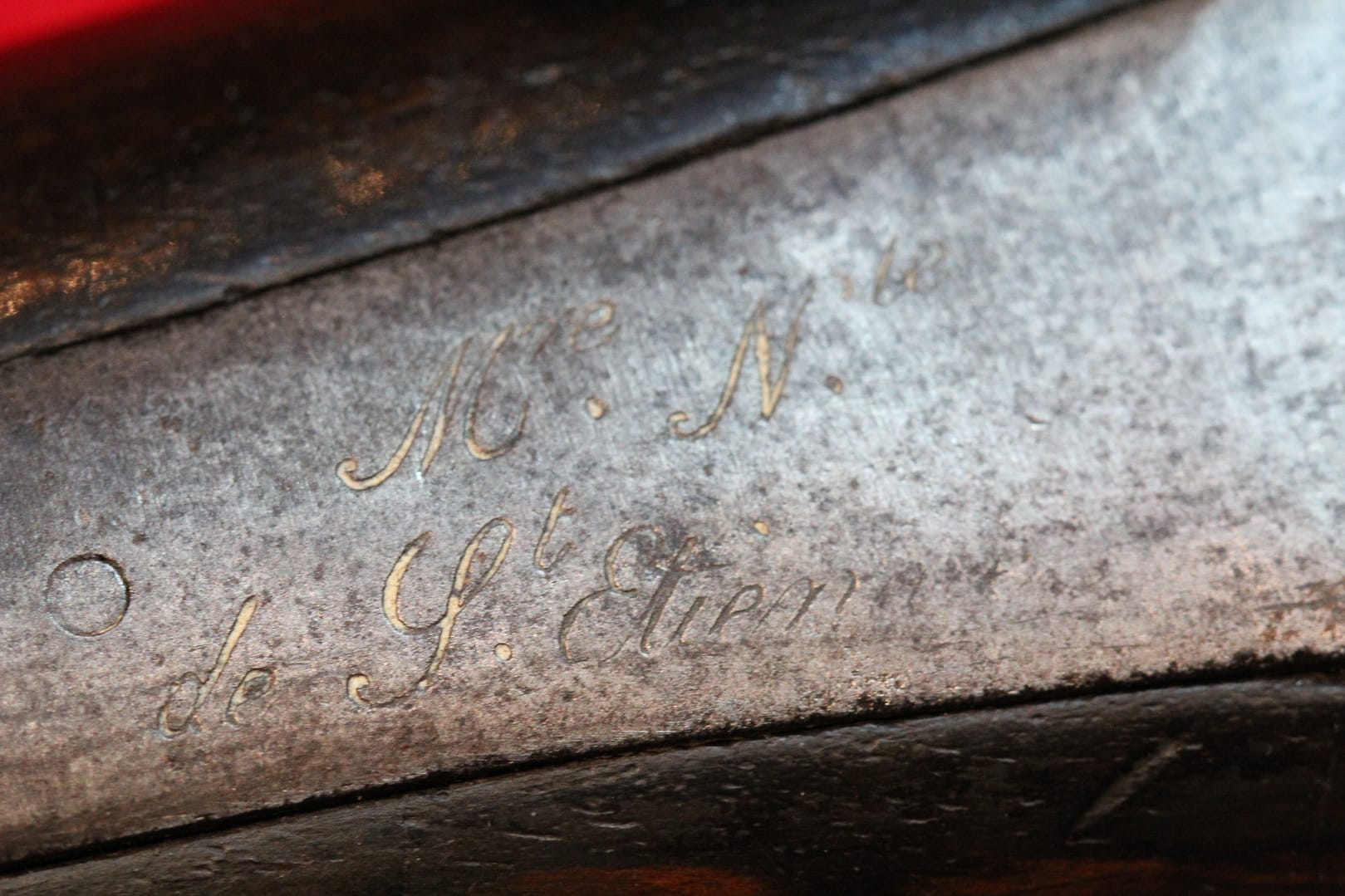
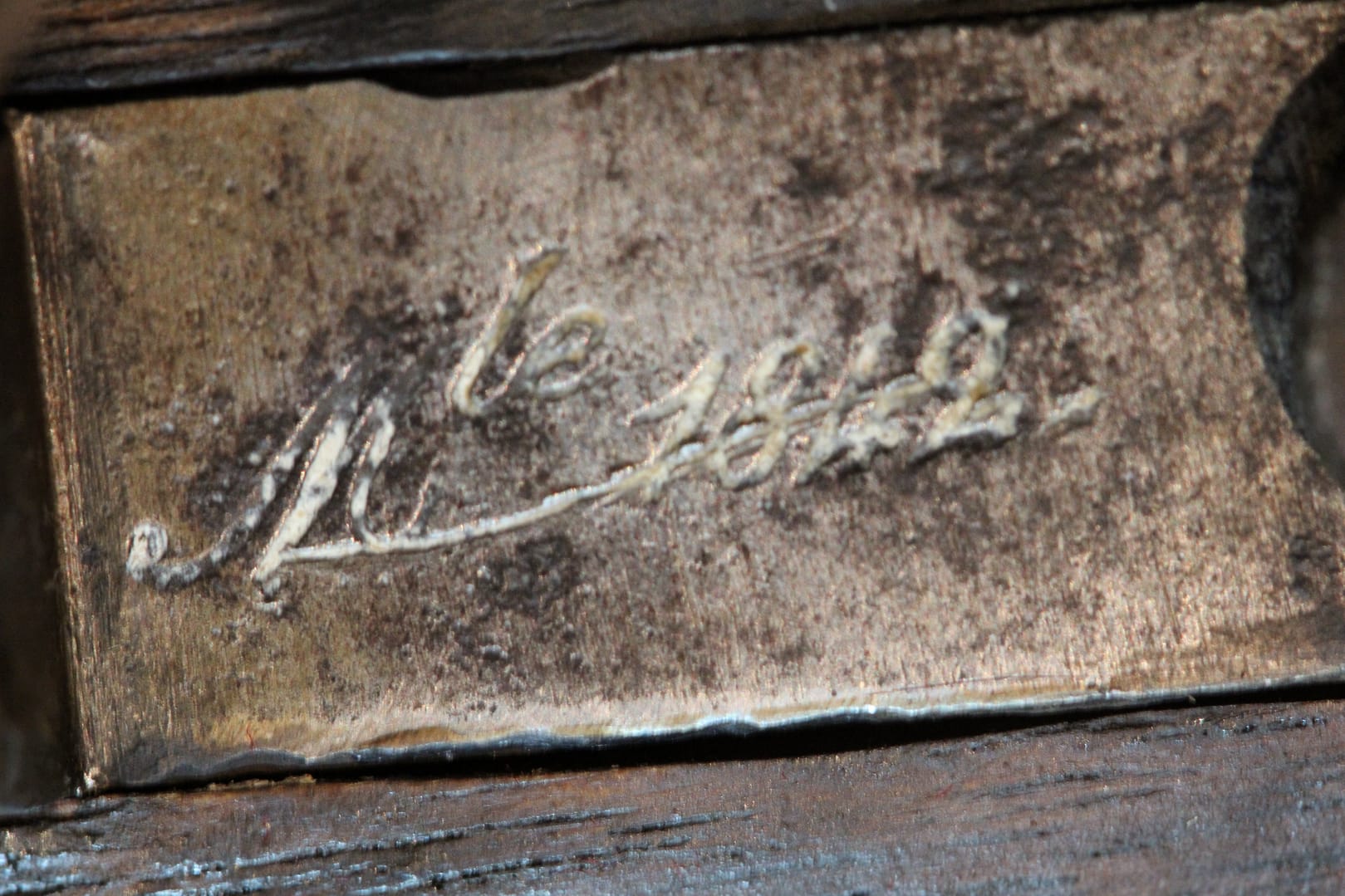
French Model 1842 Dragoon Percussion-lock Musket, from my personal collection.
The Model 1842 Dragoon musket introduced a fully percussion-lock system into French cavalry long arms. A .69-calibre smoothbore with reinforced lock, iron barrel bands, and a shorter, handier profile than the infantry musket, it was issued to dragoons and mounted gendarmes throughout the 1840s–1860s. The M1842 saw extensive service during the Second Empire, including in the Crimean War, Italian campaign, and colonial operations. Many were later converted to Minié-type rifled barrels, reflecting France’s transition from percussion to rifled-musket technology.


Headgear and uniforms
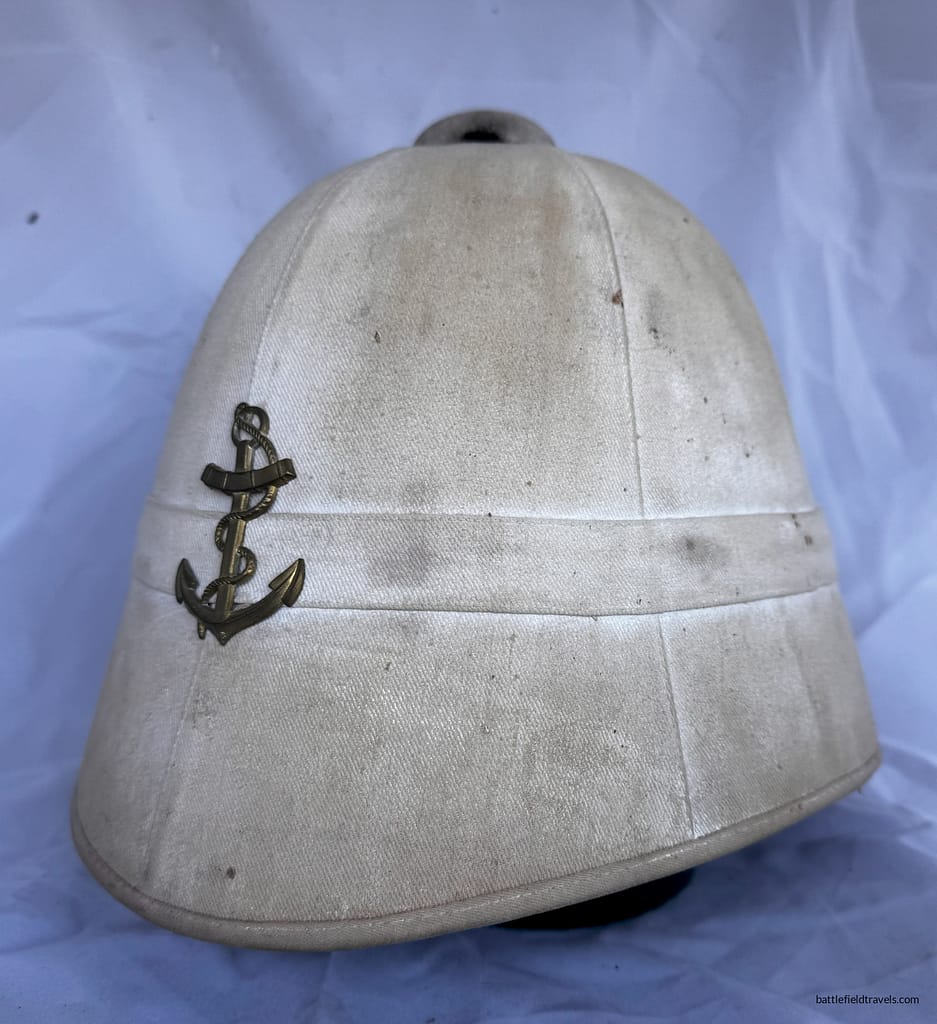
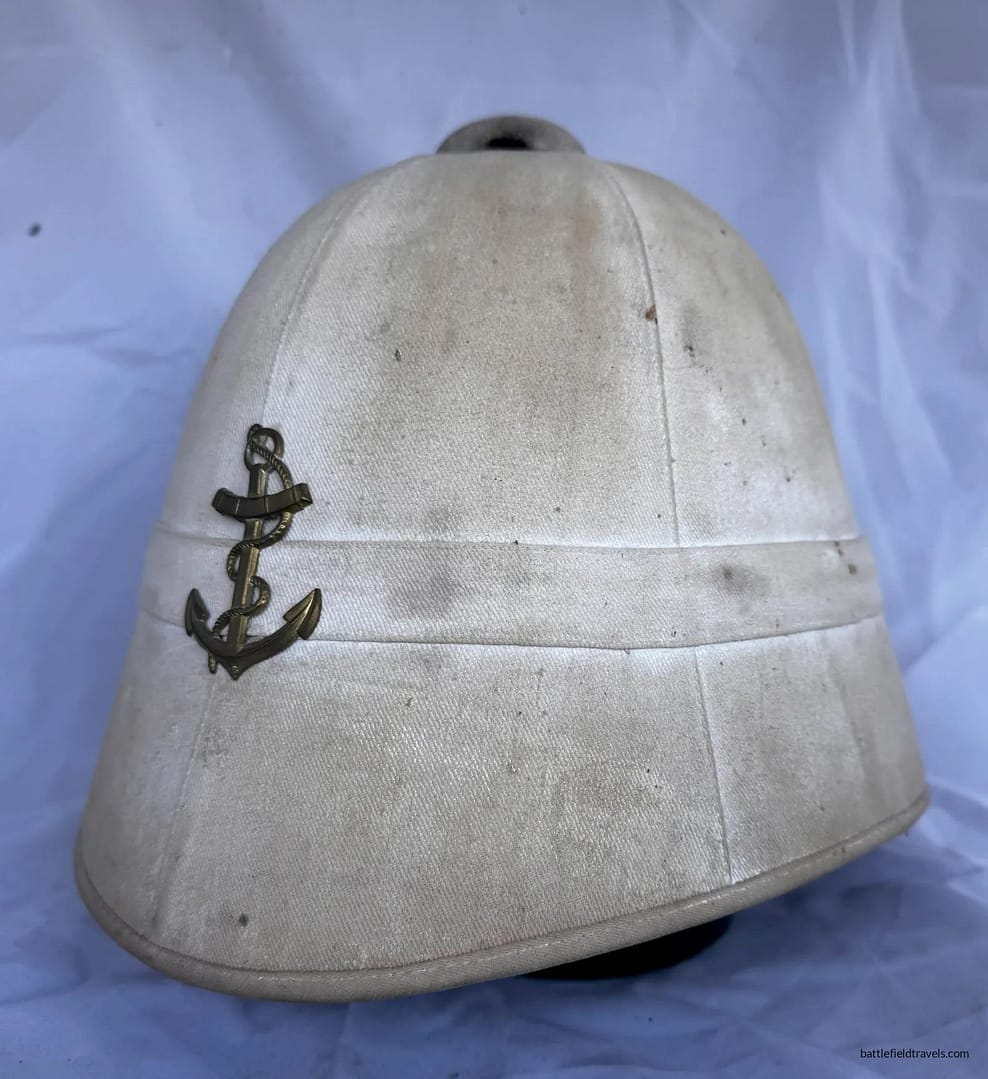
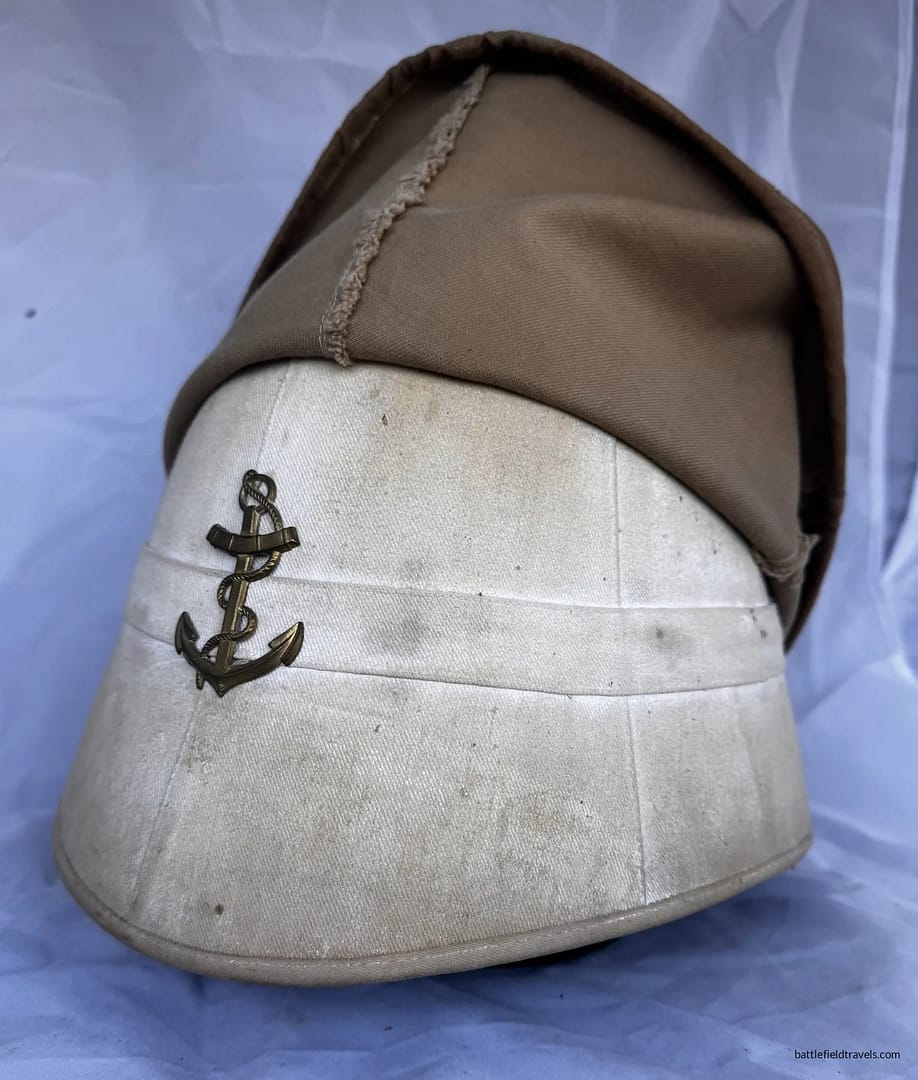
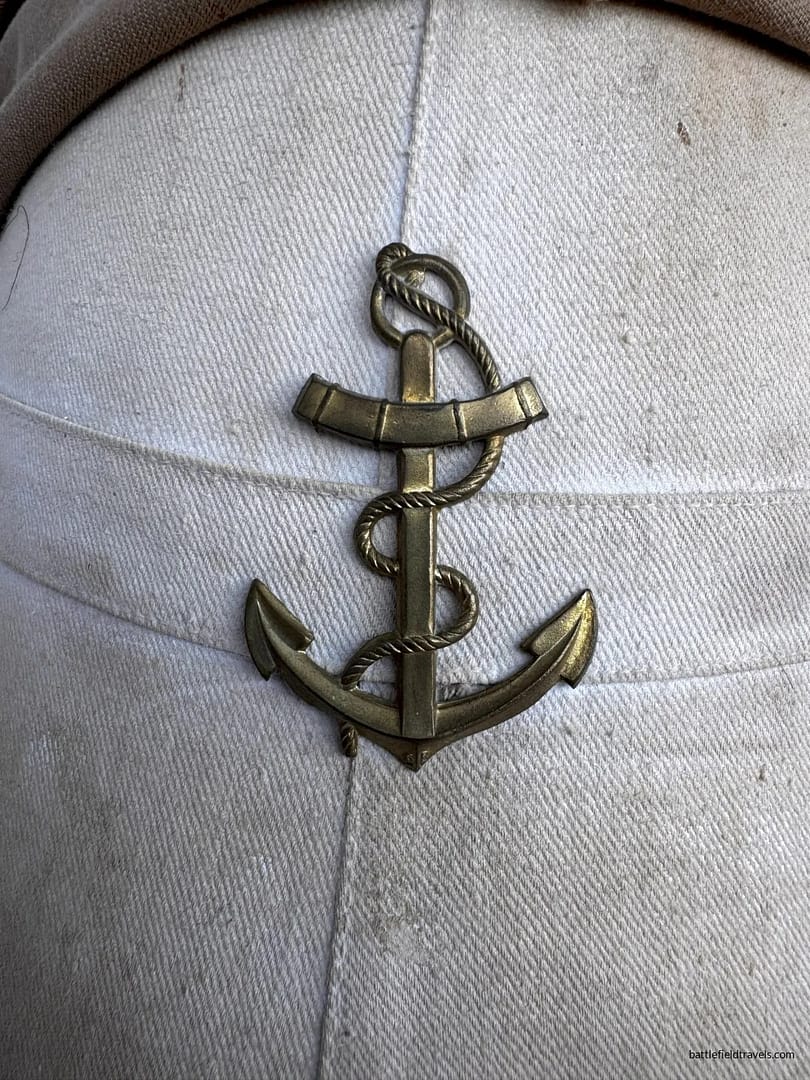
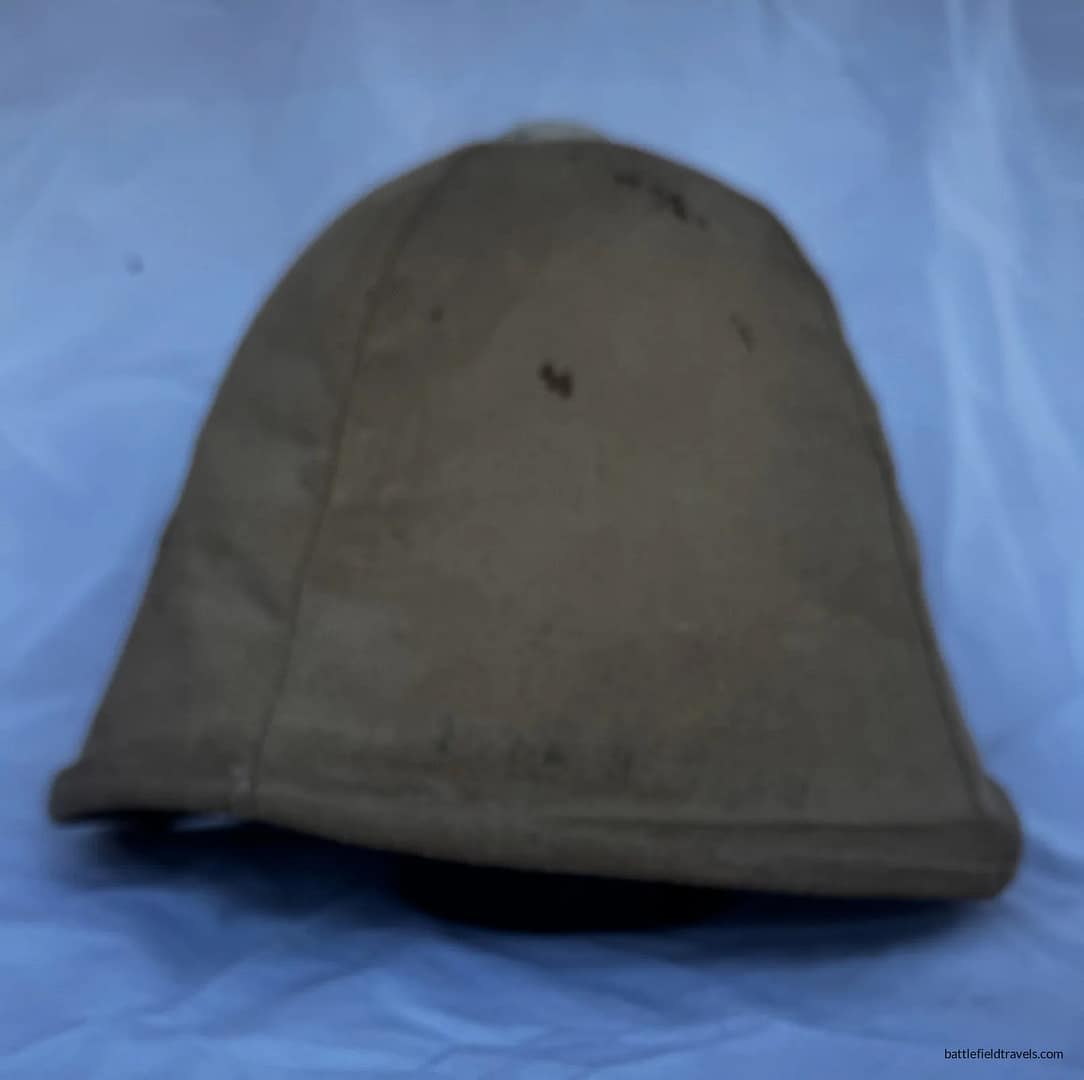
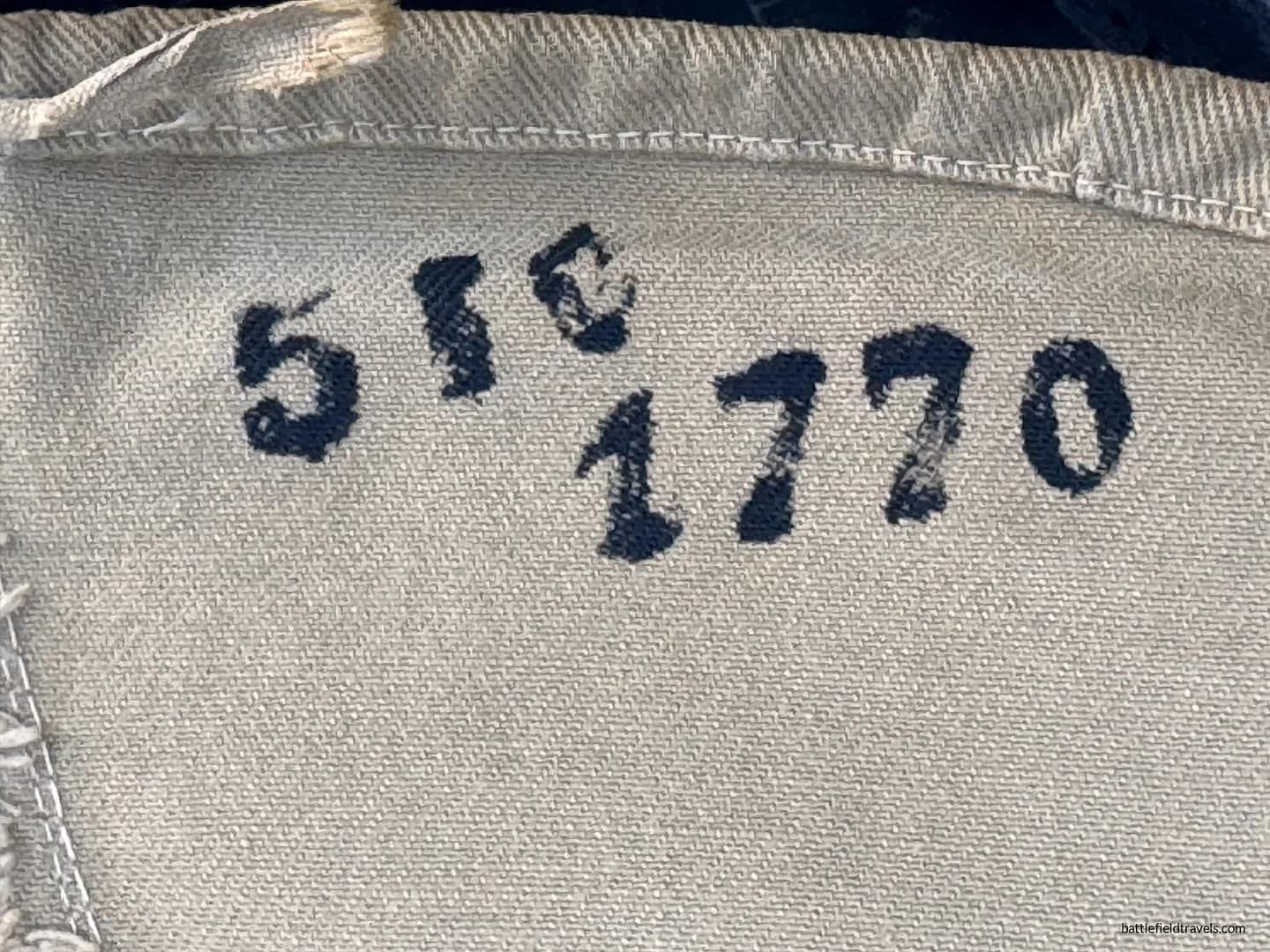
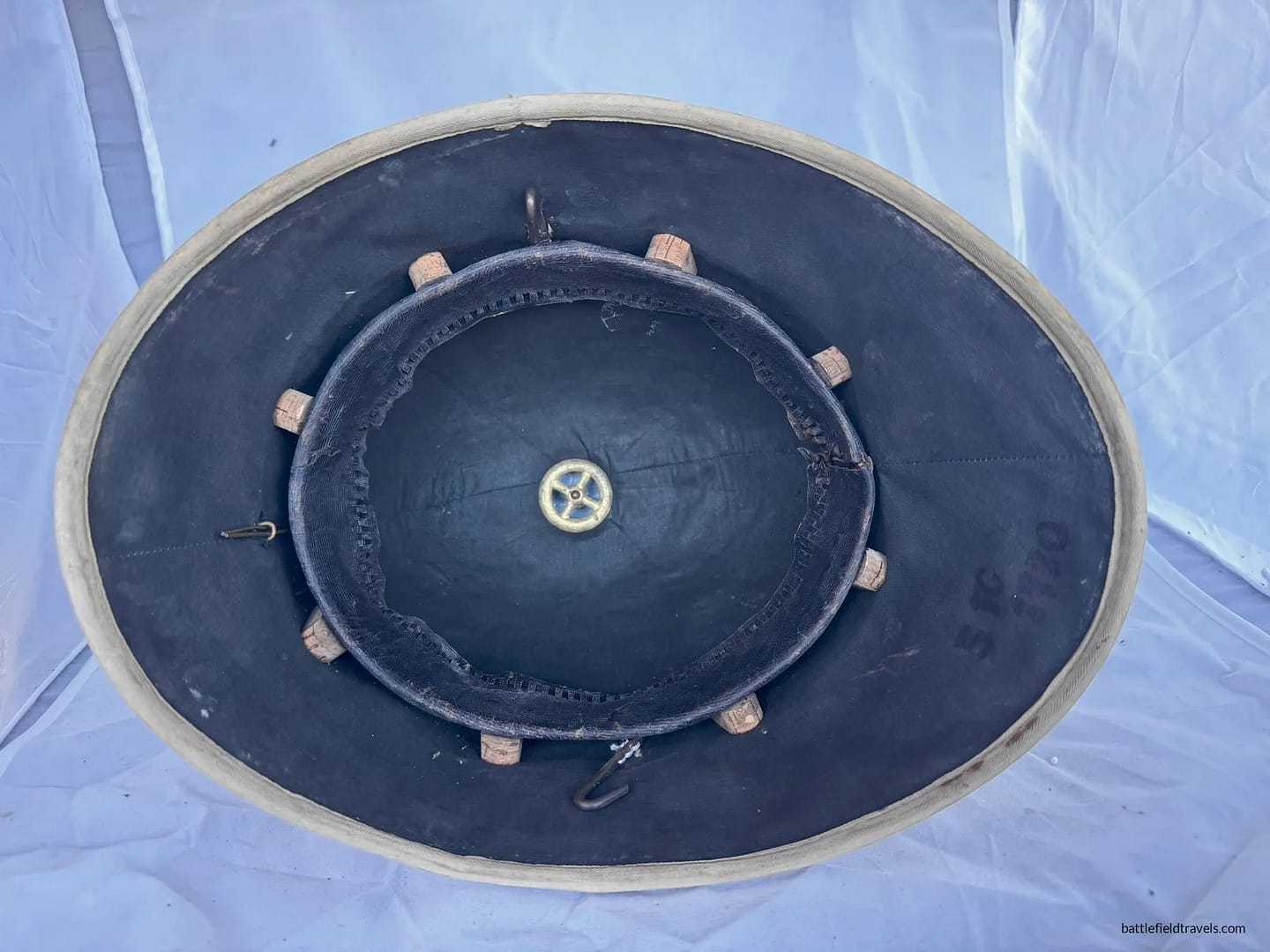
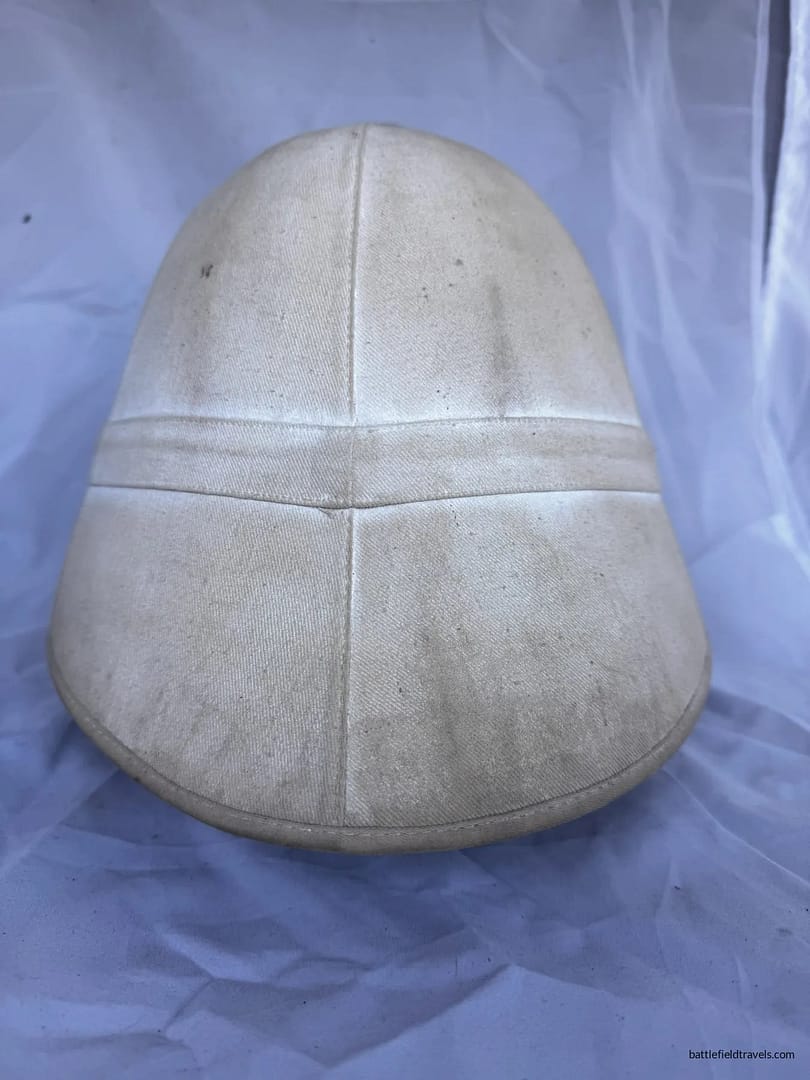
French Colonial Marine Pith Helmet, 3rd Marine Infantry Regiment, from my collection
This French Troupe de Marine pith helmet, marked to the 3e Régiment d’Infanterie de Marine, reflects the standard tropical headgear worn throughout the French colonial empire. Constructed from cork and cloth-covered, often in khaki or off-white, these helmets provided essential sun protection in Indochina, West Africa, and Madagascar. The Marine Infantry—elite, long-service colonial troops—carried these helmets during garrison duty, expeditionary warfare, and extended field campaigns. Surviving, regiment-marked examples are particularly desirable due to hard service in tropical climates.
🧭 From Weapons to Battlefield Use
This page shows weapons and equipment of the Franco-Prussian War. All items are from my personal collection.
But what images and data don’t show is how these weapons were actually used on the ground—how weapon characteristics, tactics, innovation, terrain, and movement shaped their effectiveness in battle.
👉 That layer—how firepower, tactics, and terrain interact in real engagements—is explored in:
⚔️Battlefield Studies ◊ 💡Tactical Innovations ◊ 📝Field Notes
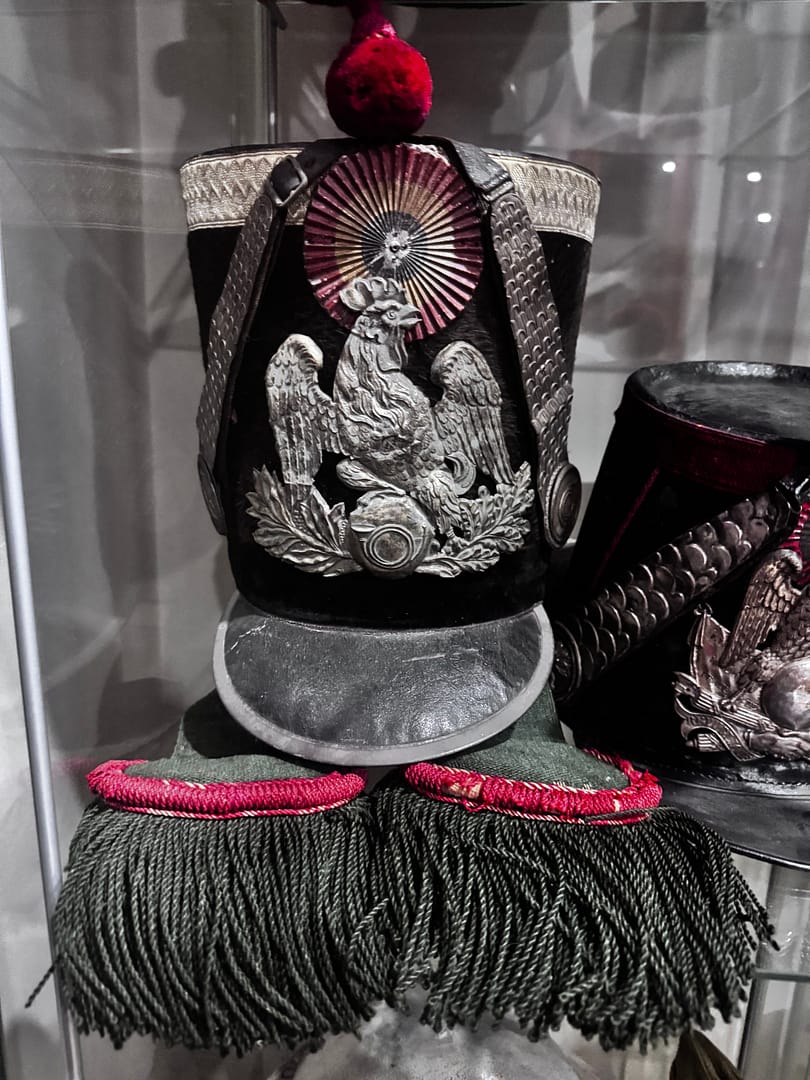
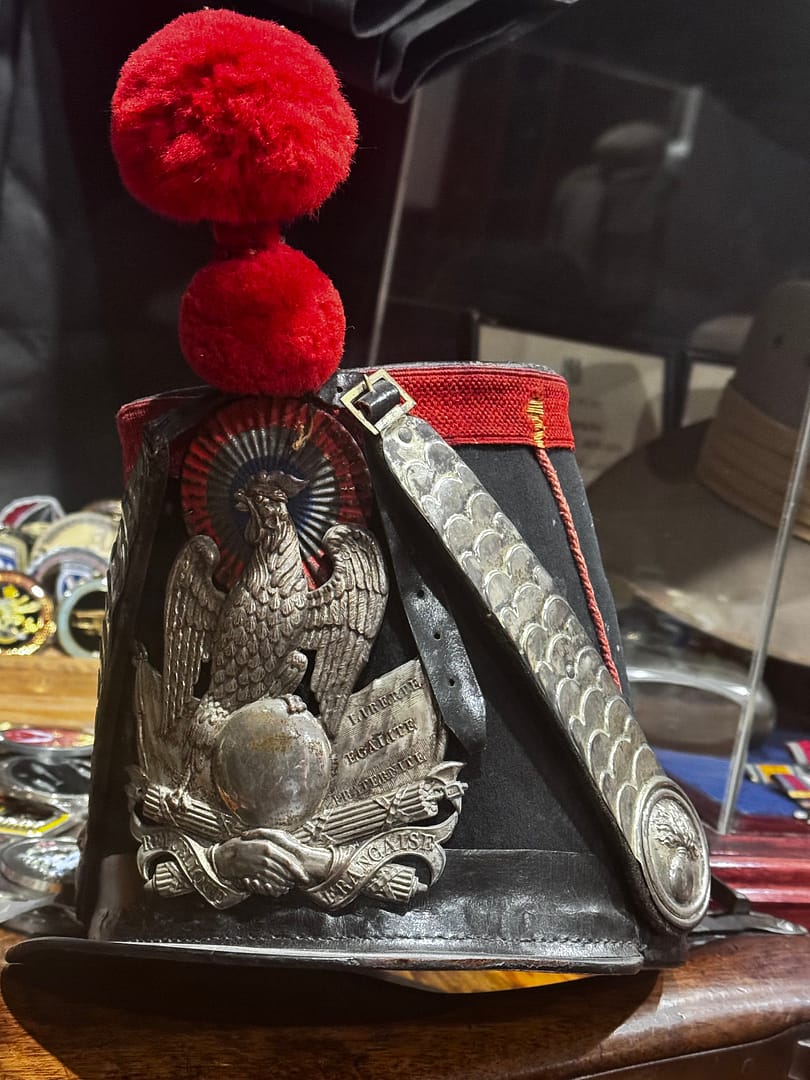
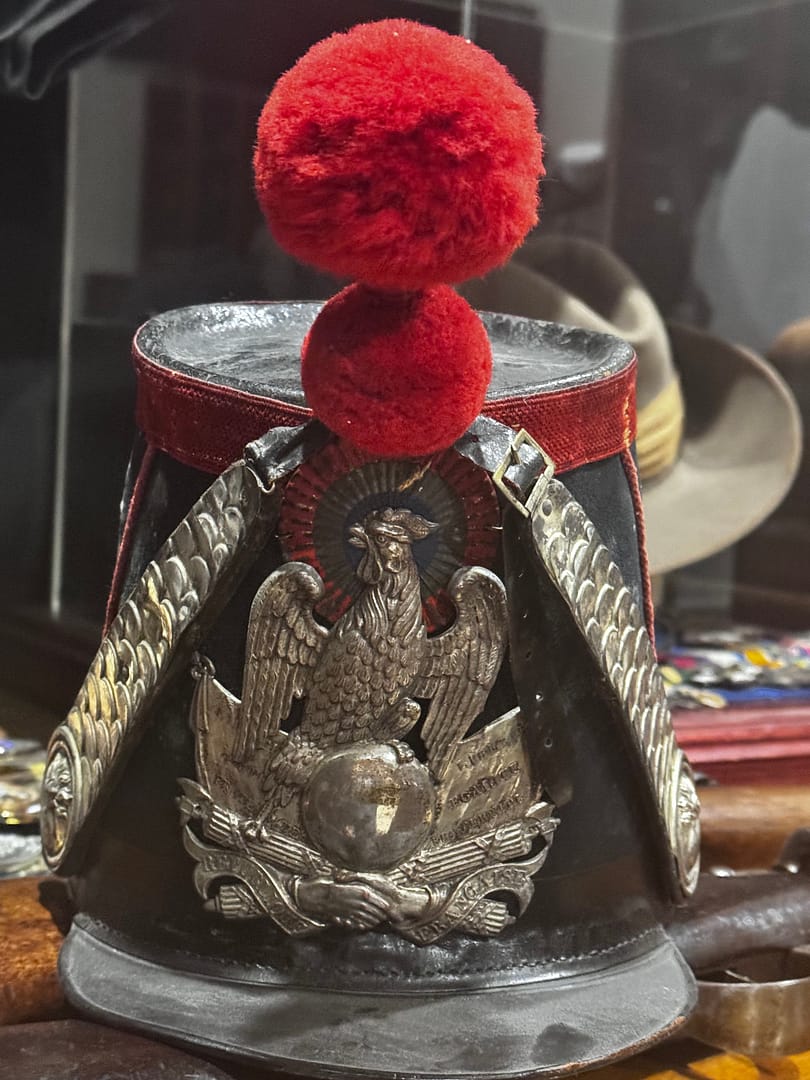
French Pattern 1837(Monarchie de Juillet) Garde Nationale Chasseur officer’s shako
This Pattern 1837 officer’s shako belonged to a Chasseur company of the Garde Nationale during the July Monarchy (1830–1848). Distinguished by its tall, elegant profile, lacquered leather body, and ornate front plate, it reflects the increasingly uniformed, semi-professional structure of the citizen militia in the 1830s. Officers’ shakos featured higher-quality trim, bullion cords, and decorative cockades. This pattern represents a transitional style between the Restoration-era stovepipe shakos and the shorter, more practical models of the Second Republic.
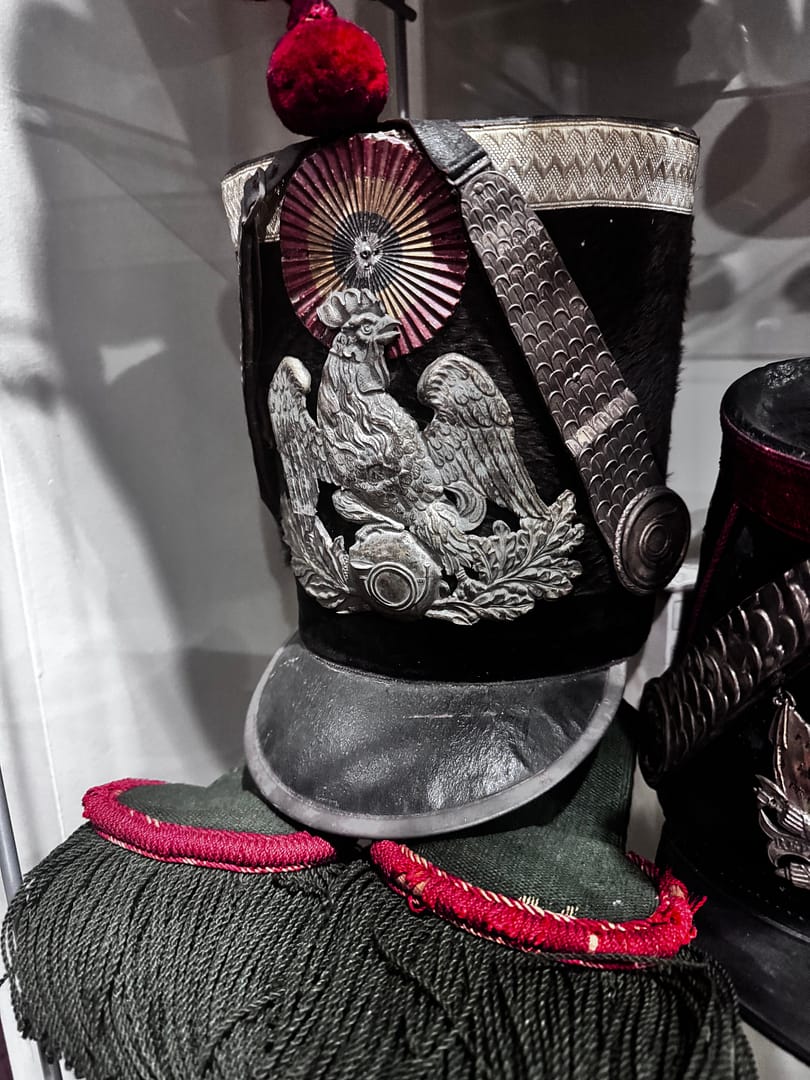


French Second Republic, Pattern 1845 Garde Nationale grenadier company shako, from my collection
The 1845 Garde Nationale Grenadier shako embodies the short-lived military aesthetics of the Second Republic (1848–1852). Characterised by its wide front plate, prominent tricolour cockade, and grenadier flaming-bomb device, it was worn by the elite companies of France’s citizen-soldier militia. These shakos were used during internal security duties, civic parades, and the turbulent political climate that preceded the rise of Napoleon III. Original grenadier-marked examples are now scarce due to limited production and hard post-service use.



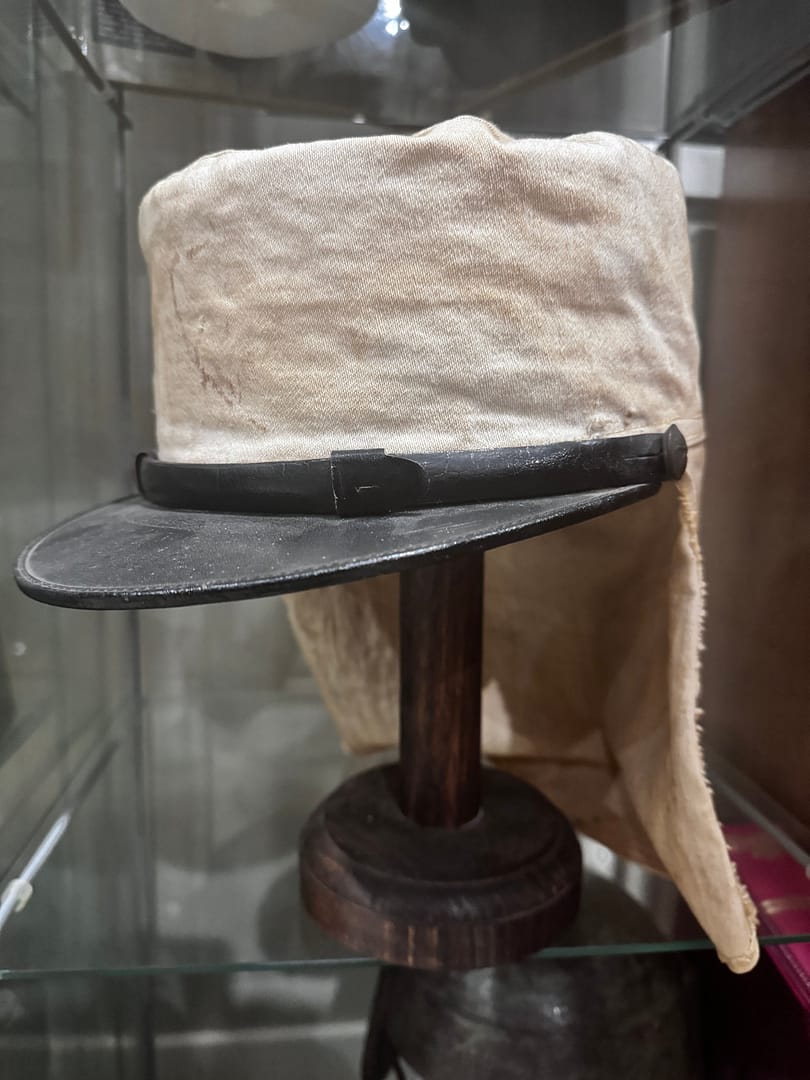
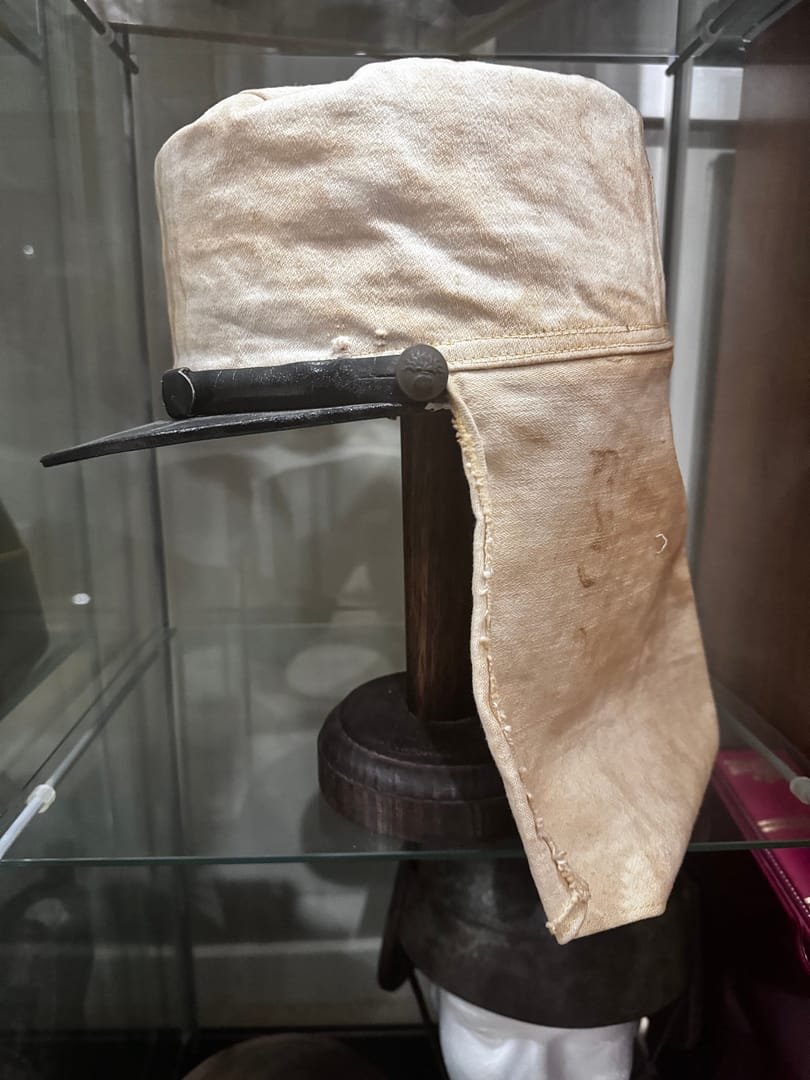
French Foreign Legion Kepi Moutarde and white cover, from my personal collection.
The iconic kepi moutarde (mustard-coloured Foreign Legion kepi) with removable white sun cover was standard wear during France’s North African campaigns of the 1920s, including the violent Rif War in Morocco. The mustard wool body and red piping identify the Legion’s pre-WWII colour scheme, while the white cover provided solar protection during desert operations. Hard-used Legion kepis from this period are rare: they were field-worn in extreme conditions and often replaced in service. This example reflects the Legion’s harsh interwar expeditionary deployments.


Accoutrements
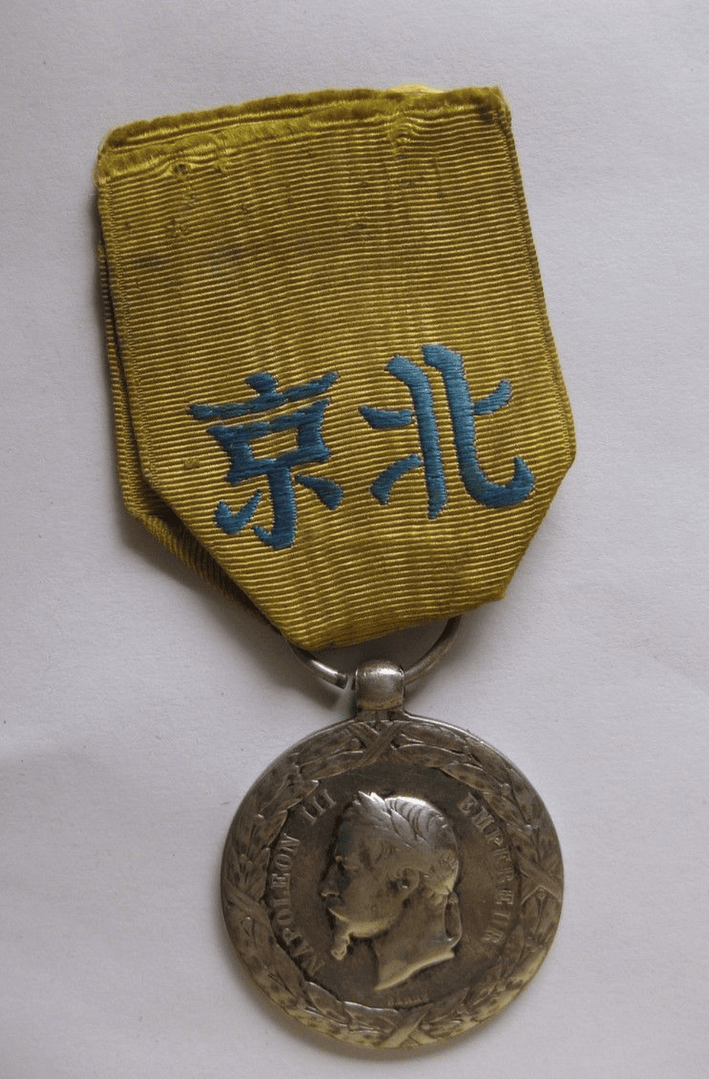
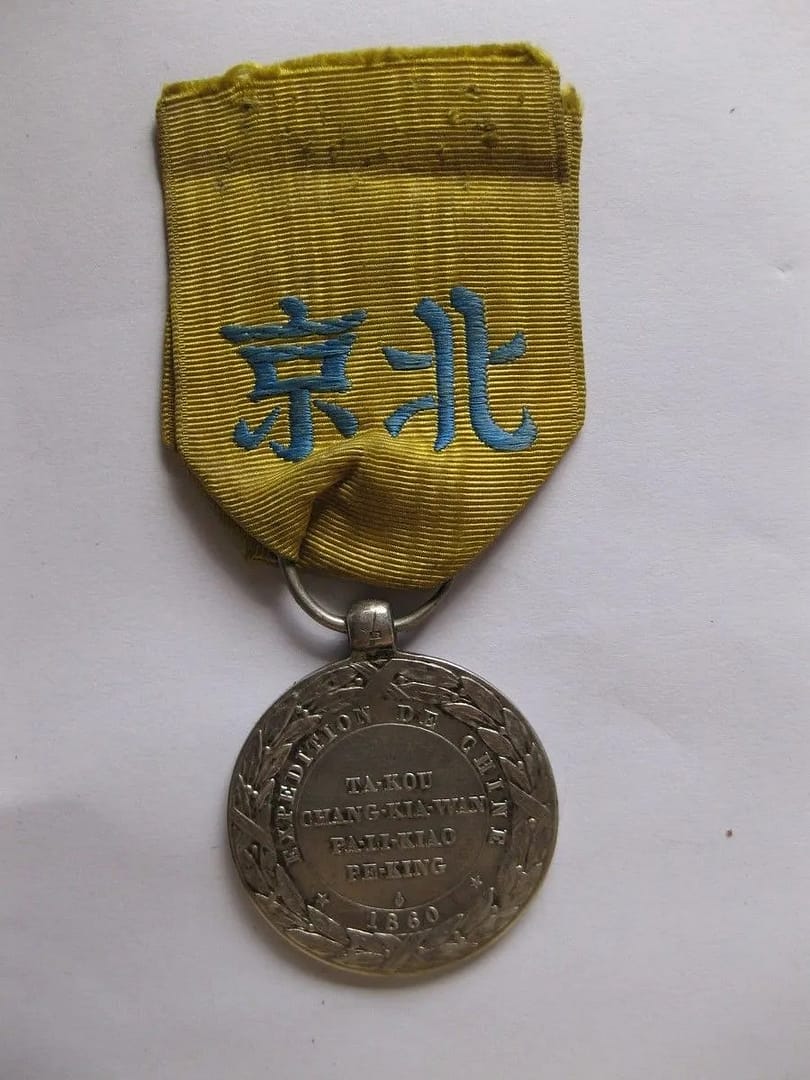
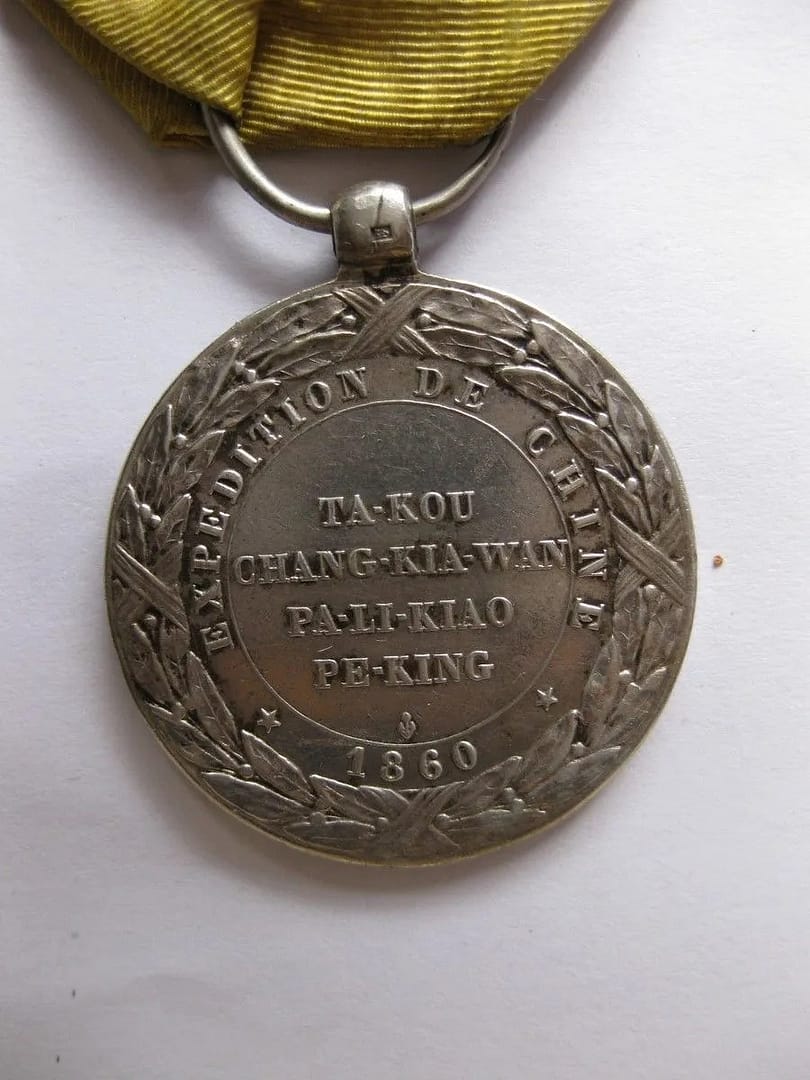
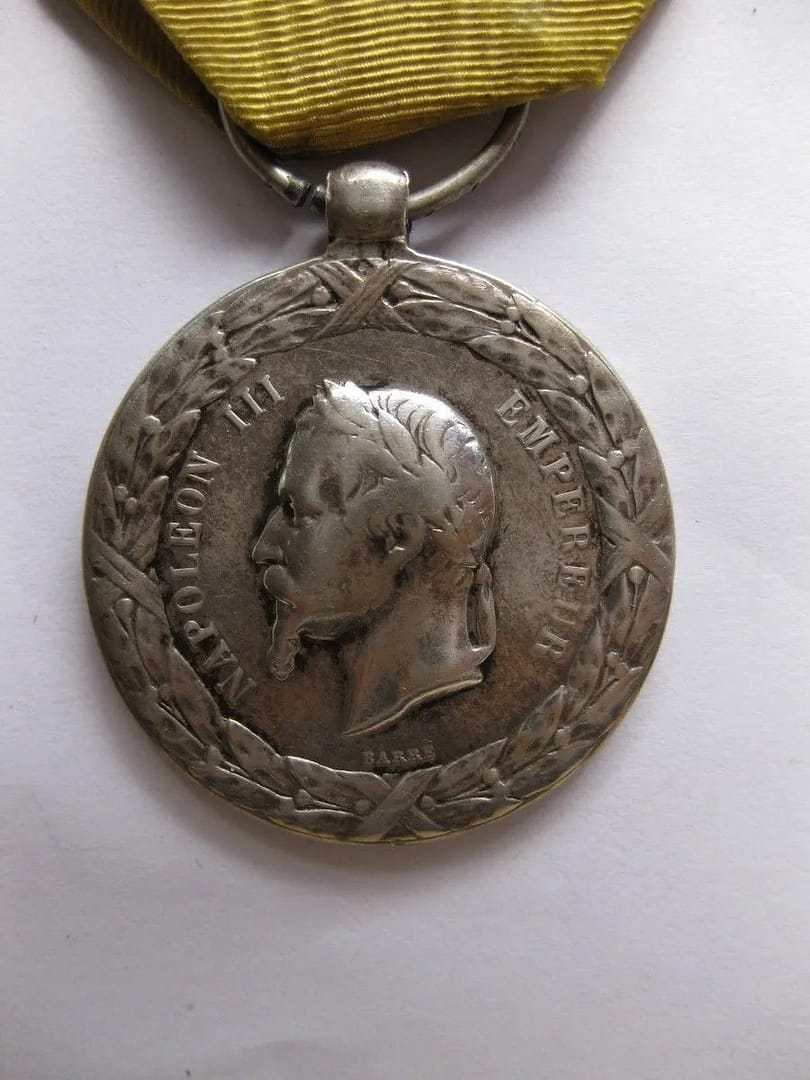
French Campaign medal, Second China War 1860 (2nd Opium War), Napoléon III, from my collection
The Médaille de la Campagne de Chine (1860) was awarded to French troops who served in the Second Opium War alongside British expeditionary forces. Struck under Napoleon III, it commemorated operations at the Taku Forts and the capture of Peking, including the infamous destruction of the Summer Palace. The obverse bears the Emperor’s profile while the reverse lists the principal theatres of the campaign. Original medals with correct ribbons and unmarred suspension rings are highly collectible due to limited issue.
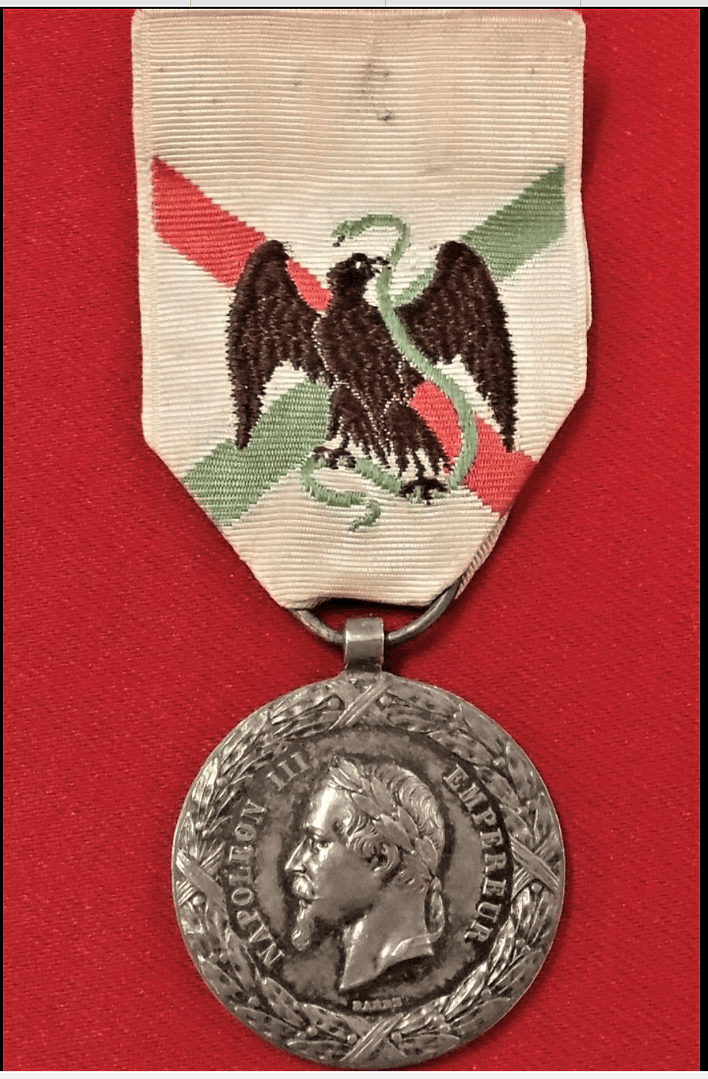
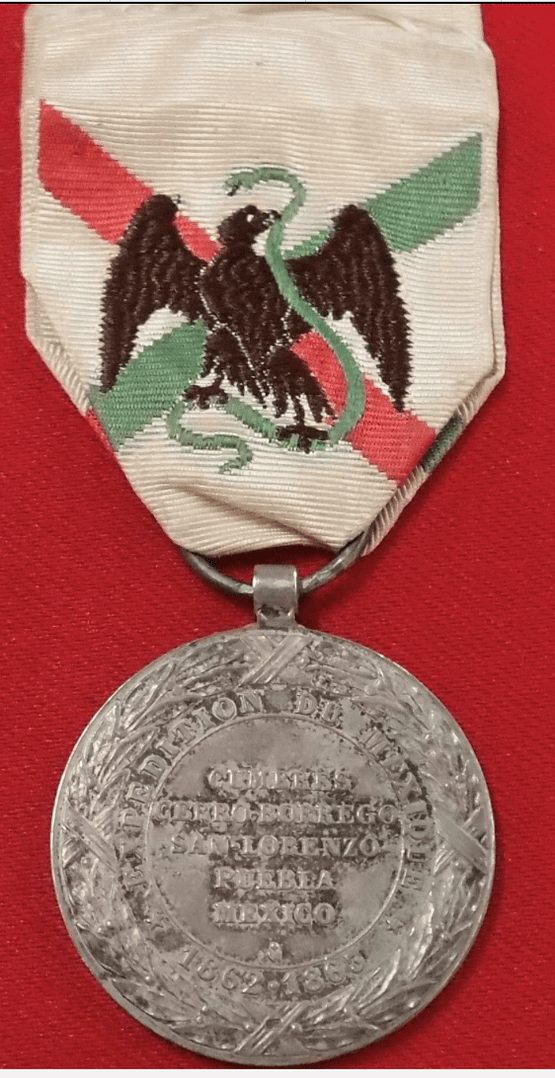
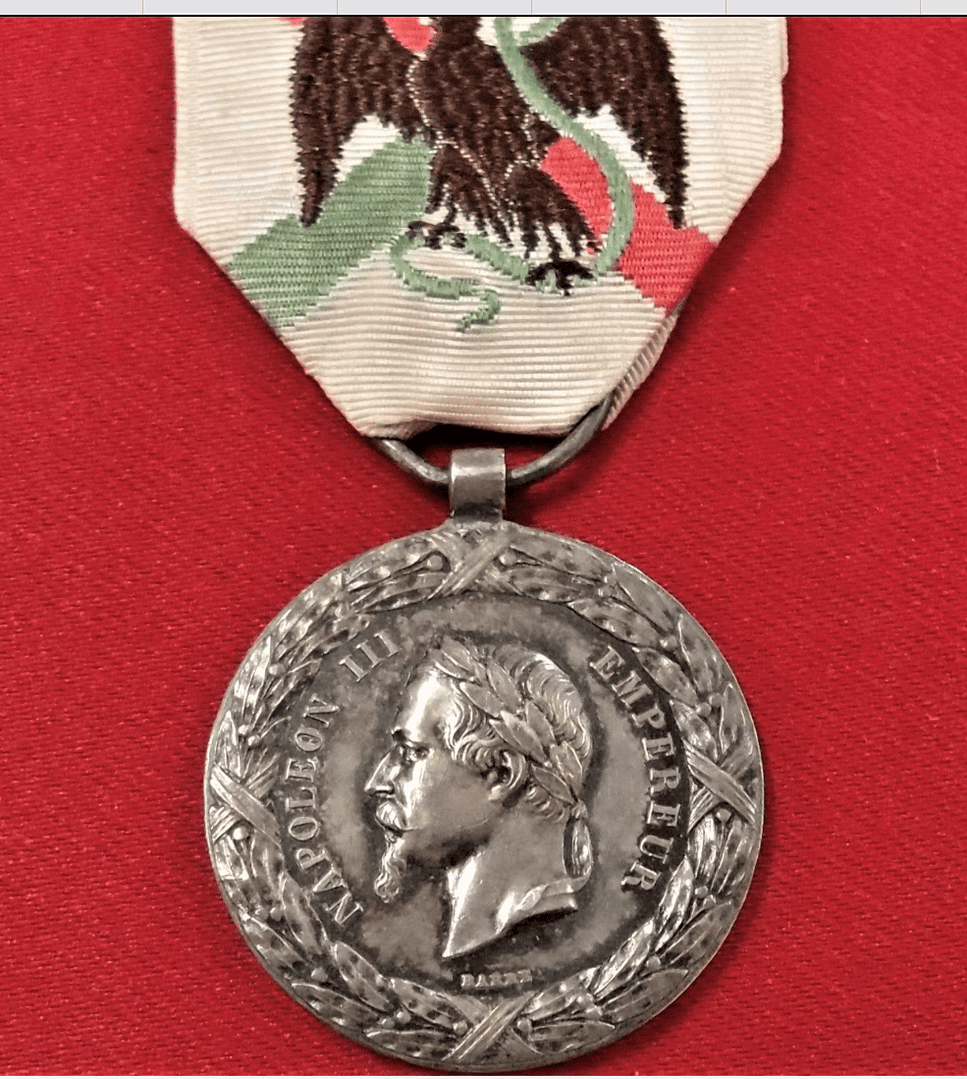
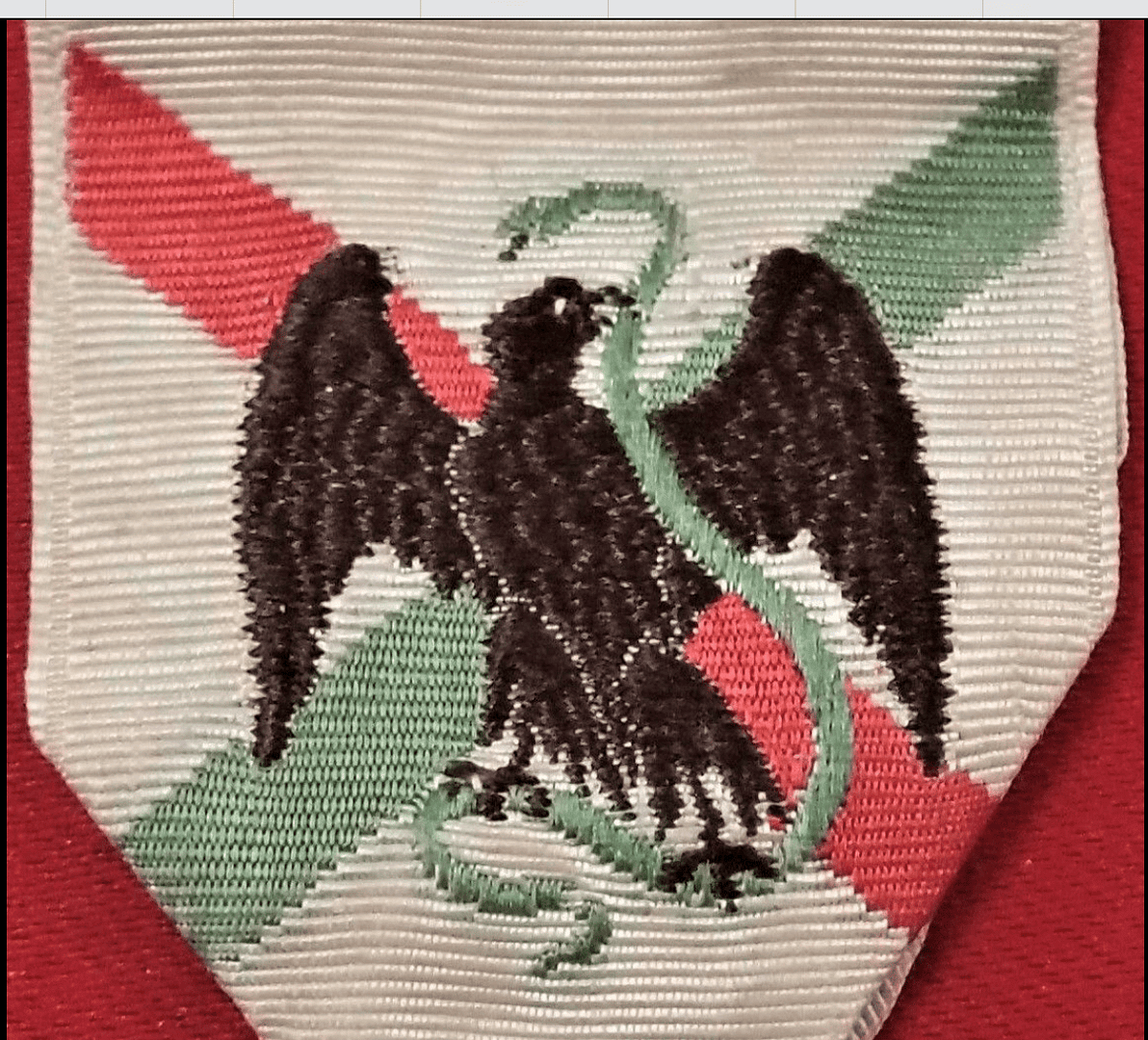
French Campaign medal for the 1863-1867 Mexican Intervention, from my collection
The medal was instituted by Imperial decree on 29 August 1863 to be awarded to participants in the French Expeditionary Corps whose purpose was to create a French-dominated empire in Mexico under Archduke Maximilian of Austria. Battle of Camerone. The Médaille de la Campagne du Mexique commemorates French service during the Mexican Intervention, where expeditionary troops attempted to install Emperor Maximilian I. Awarded to Foreign Legion, Marine Infantry, cavalry, and line units, the medal marks actions at Puebla, Mexico City, and numerous hard-fought guerrilla engagements. Service in Mexico was notoriously harsh, marked by disease, ambush warfare, and extreme climate. The medal remains strongly associated with the Legion’s legendary stand at Camerone (30 April 1863).
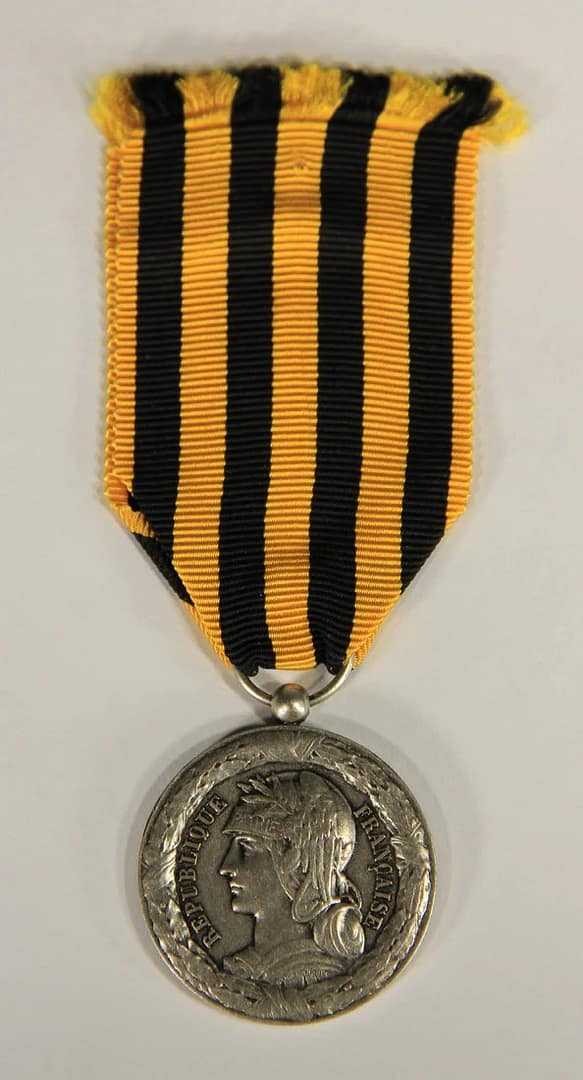
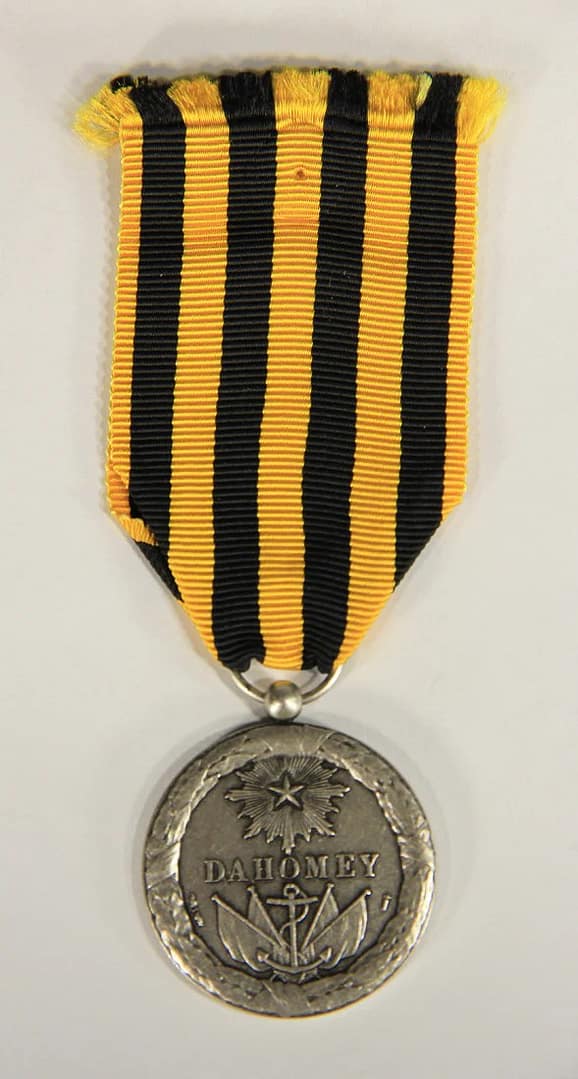
French 1892 Dahomey Campaign Medal, from my collection
The 1892 Dahomey Campaign Medal was awarded for service in the French military expedition against the Kingdom of Dahomey (in present-day Benin), culminating in the capture of Abomey. The campaign was characterised by operations in dense tropical terrain against a determined indigenous force, notably the Dahomey army and its female warrior units, the so-called “Amazons”. The medal reflects France’s late-nineteenth-century colonial campaigns in West Africa, where European firepower and discipline were applied in environments that imposed severe constraints on movement, logistics, and command decision-making..
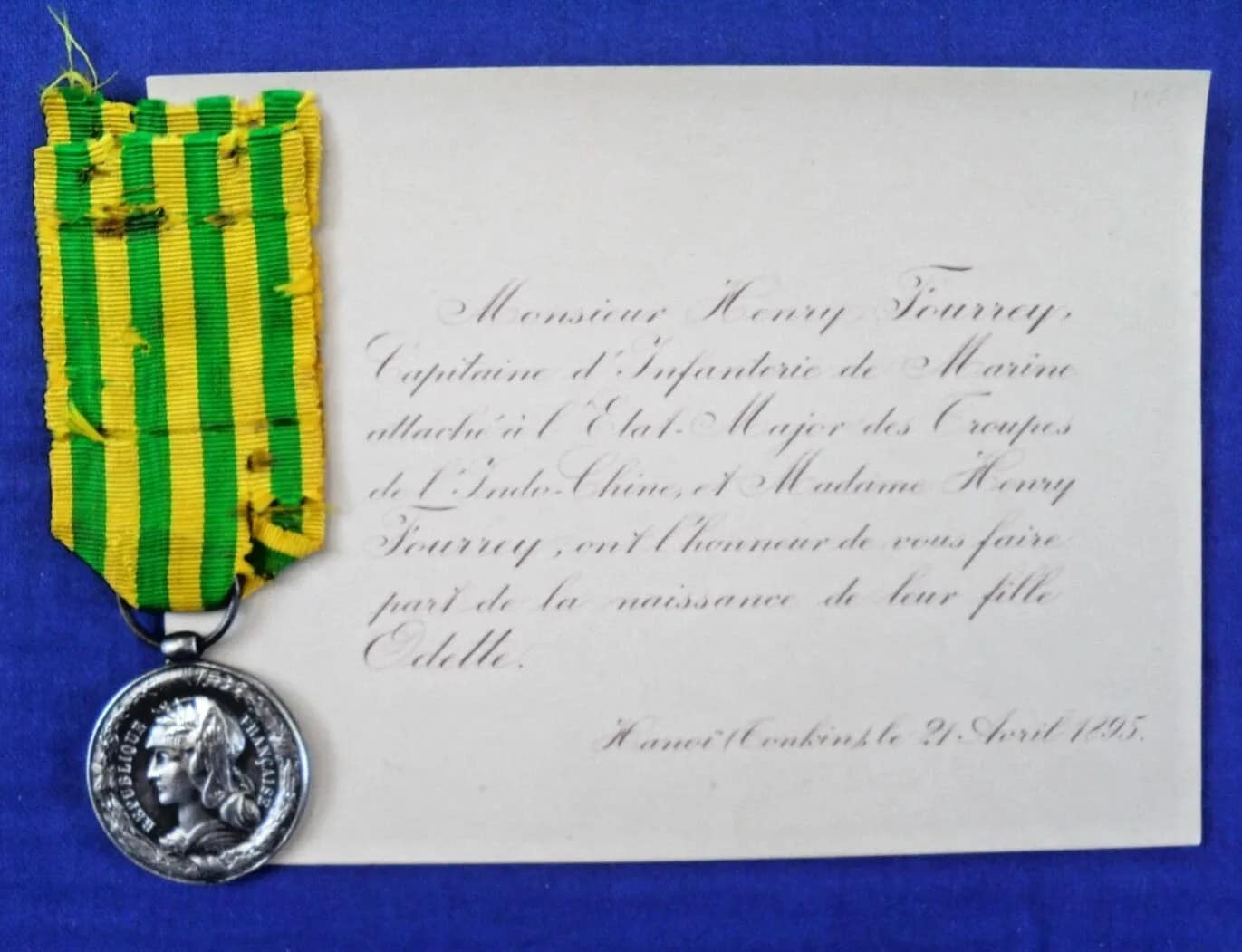
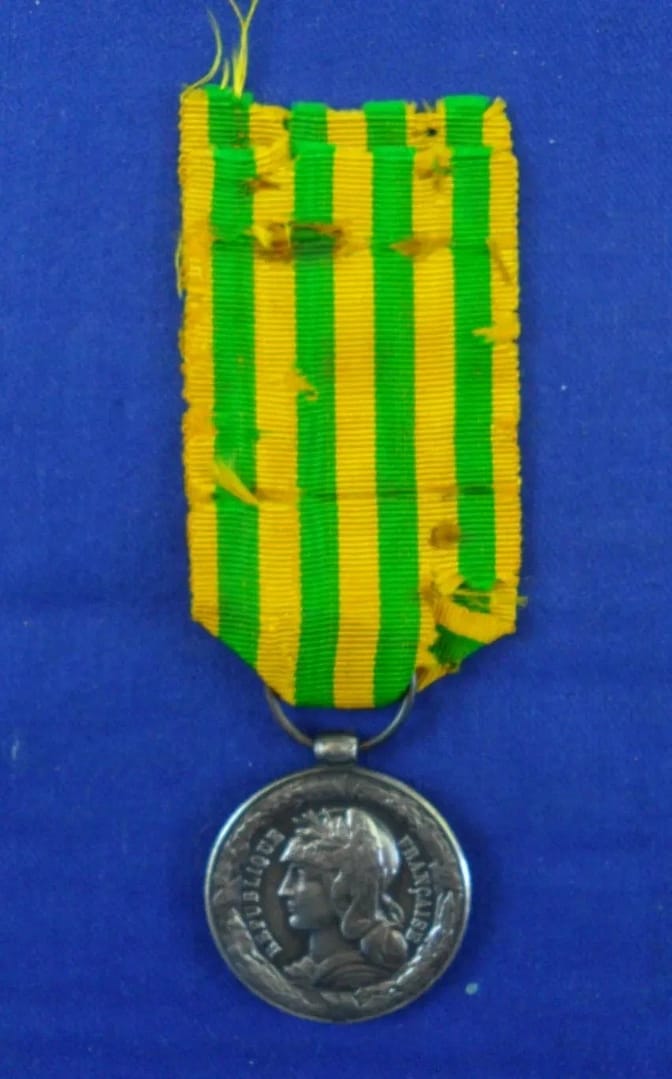
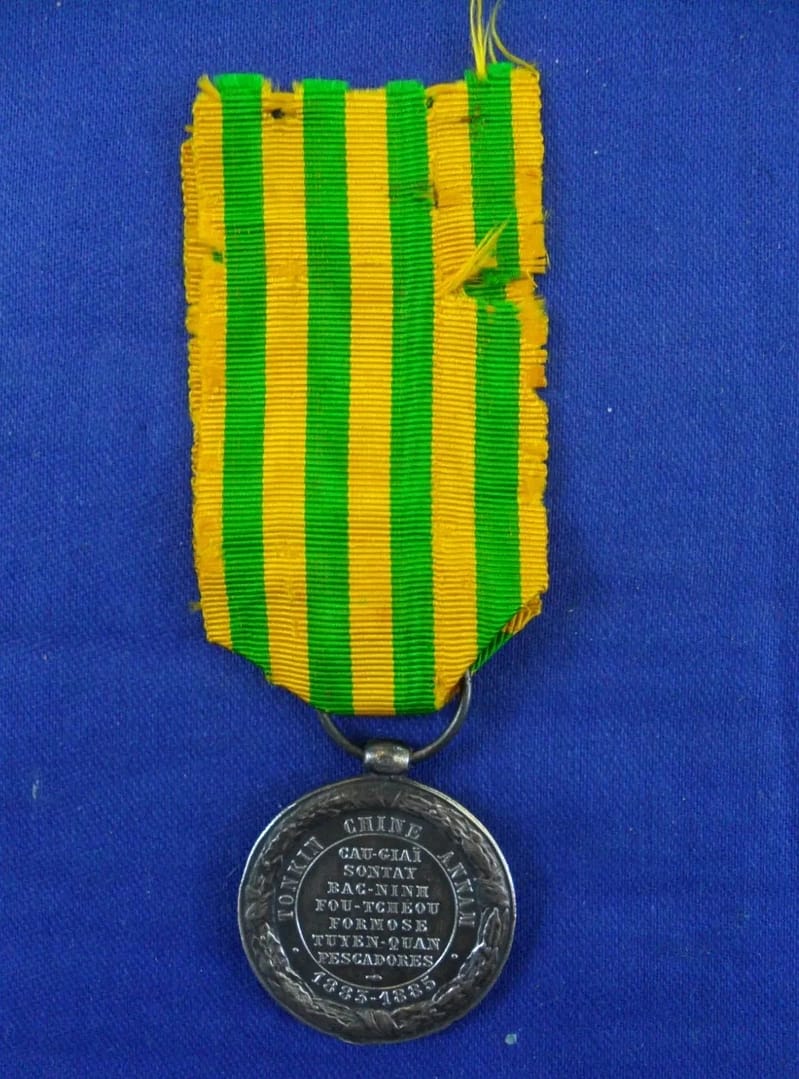
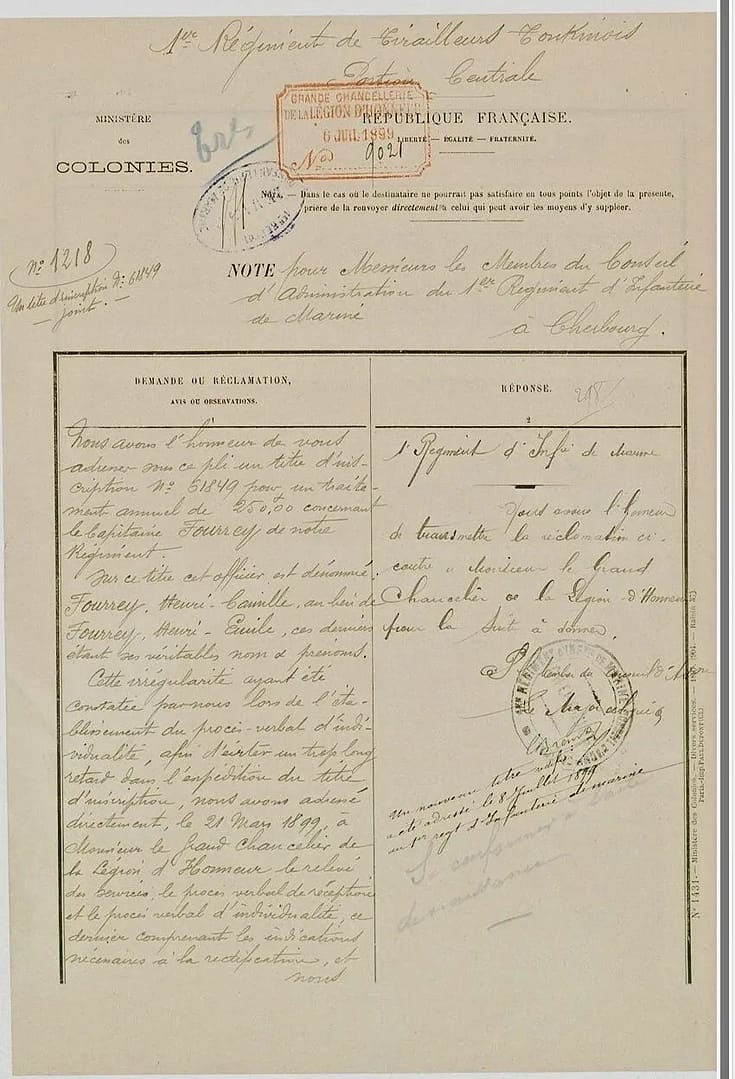
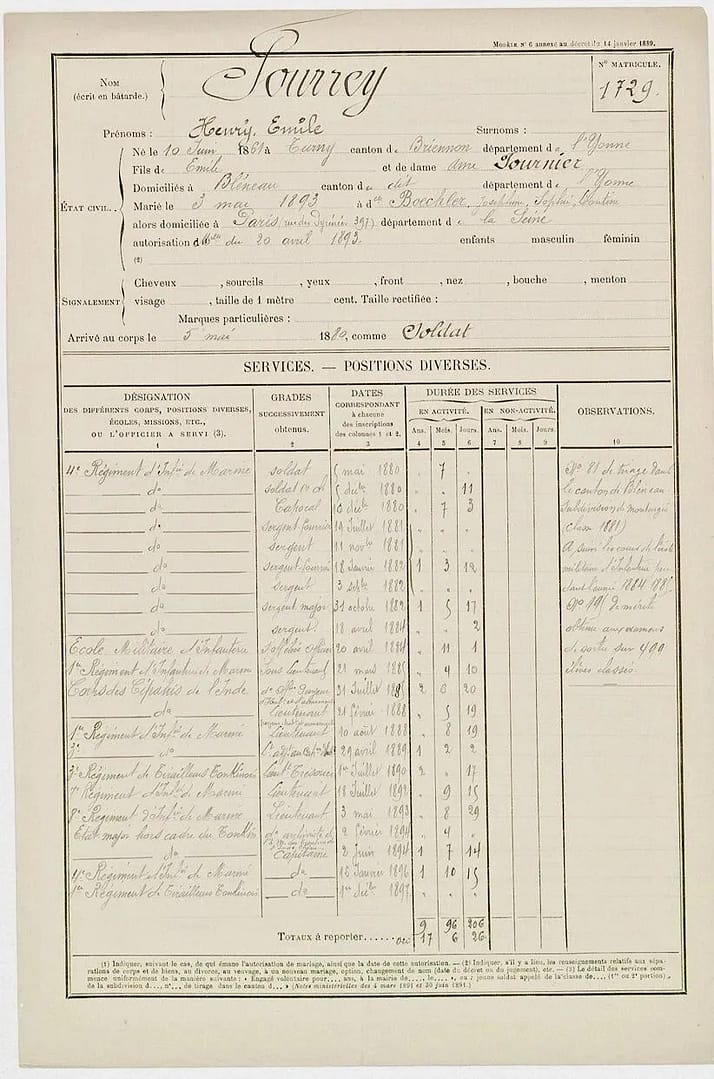
French Tonkin Campaign Medal 1885, from my collection
The Tonkin Campaign Medal was awarded for service in French military operations in northern Vietnam during the 1880s and early 1890s, including the Sino-French War and subsequent pacification campaigns. Fighting was conducted in complex terrain dominated by rivers, dense vegetation, villages, and steep hills, where ambush, small-unit actions, and extended lines of communication shaped operations. The medal reflects the challenges of colonial warfare in Tonkin, where command decision-making was heavily influenced by terrain, climate, and the need to adapt European doctrine to local conditions.
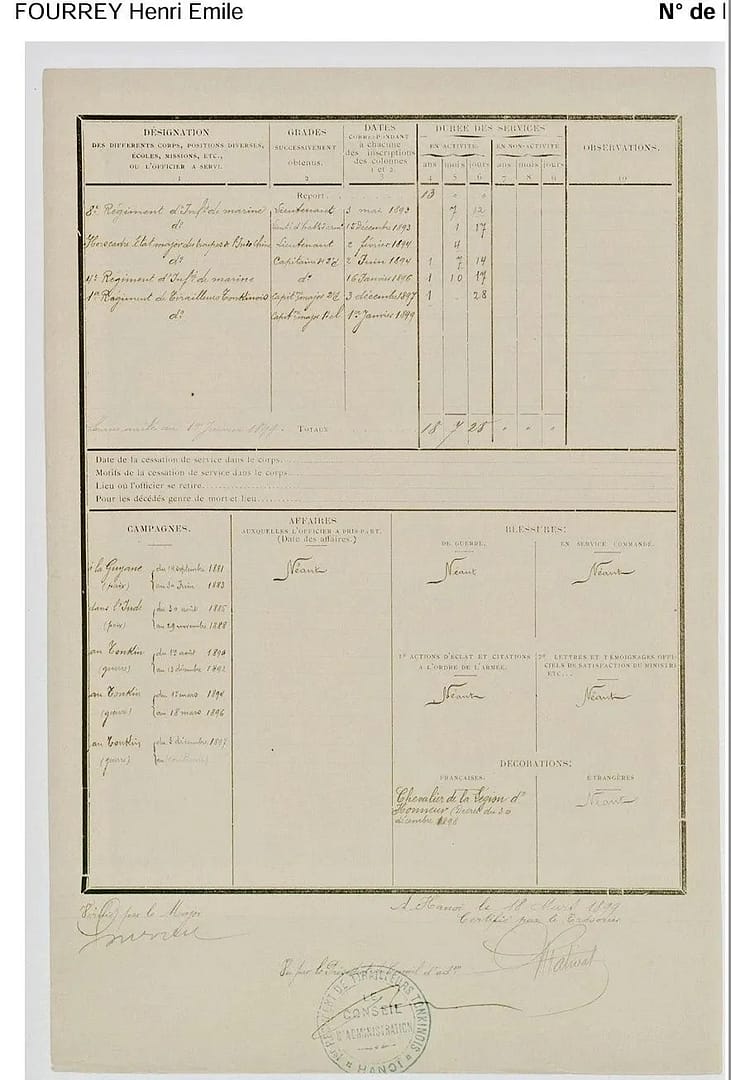
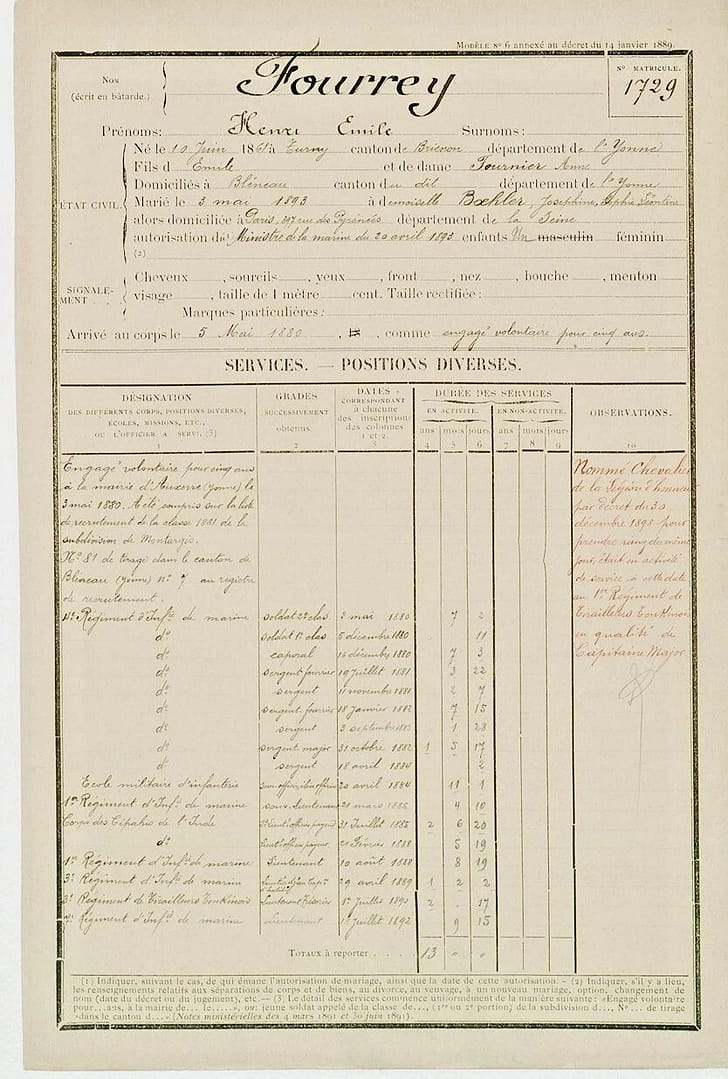
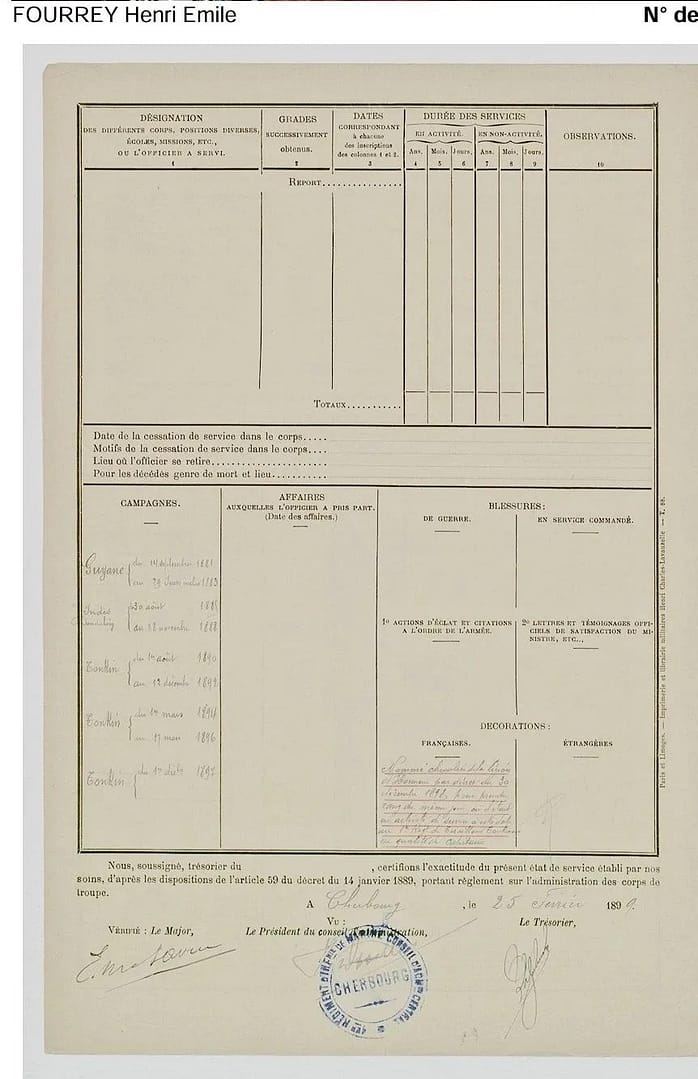
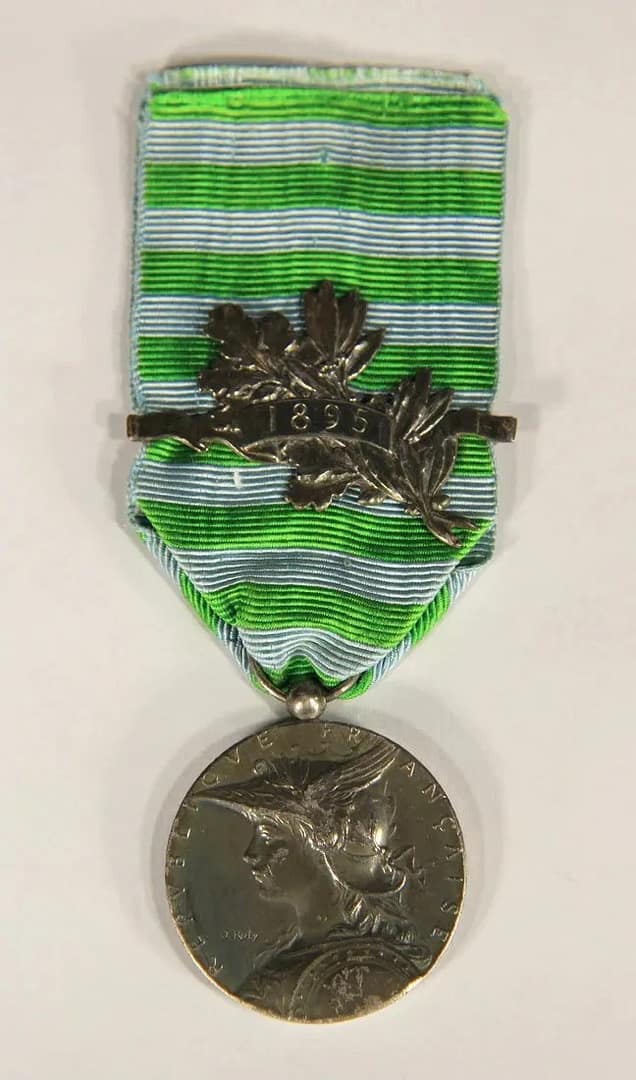
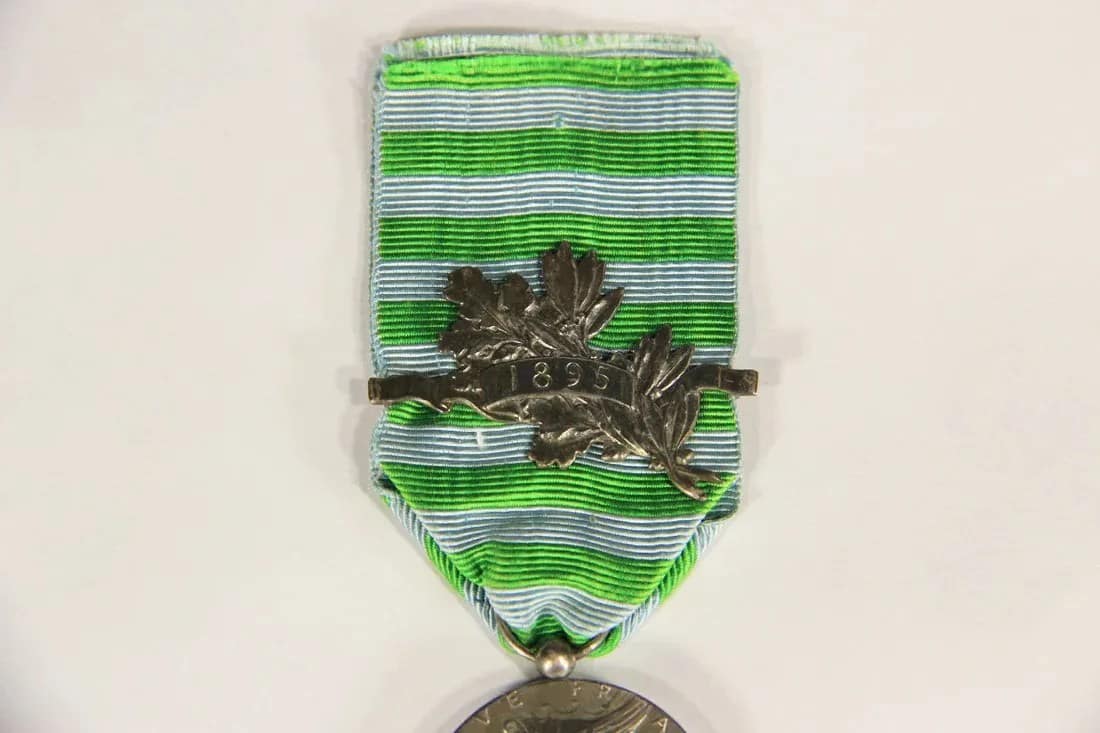
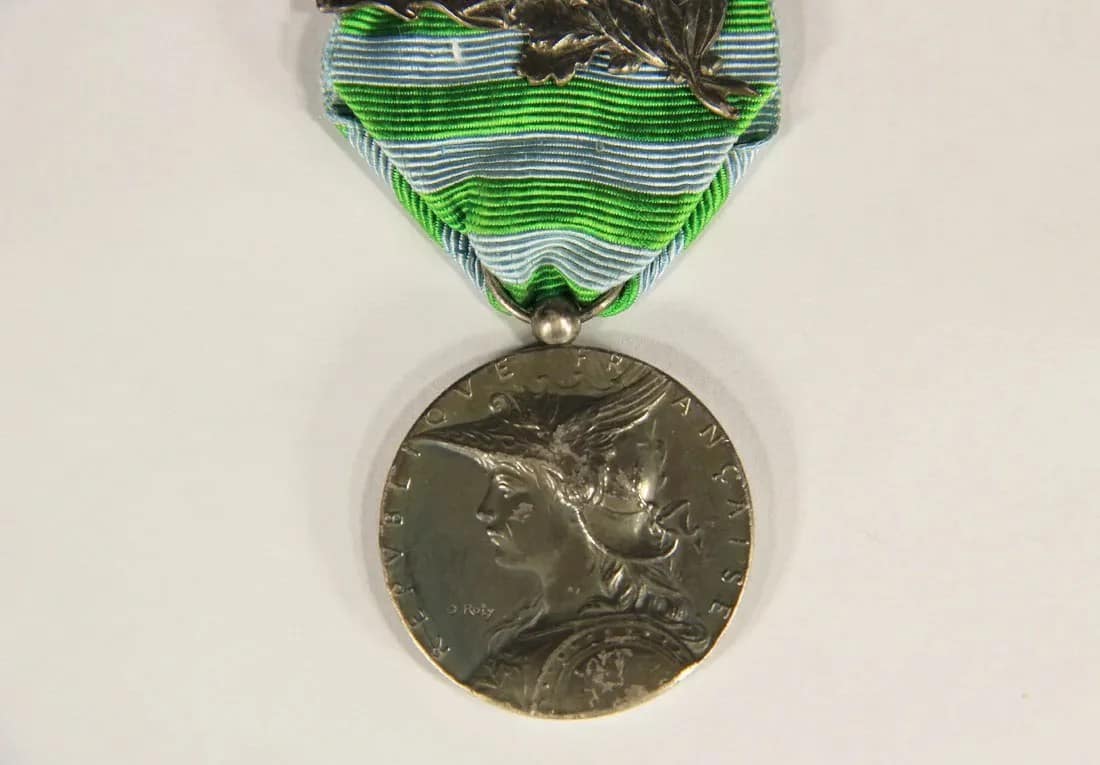
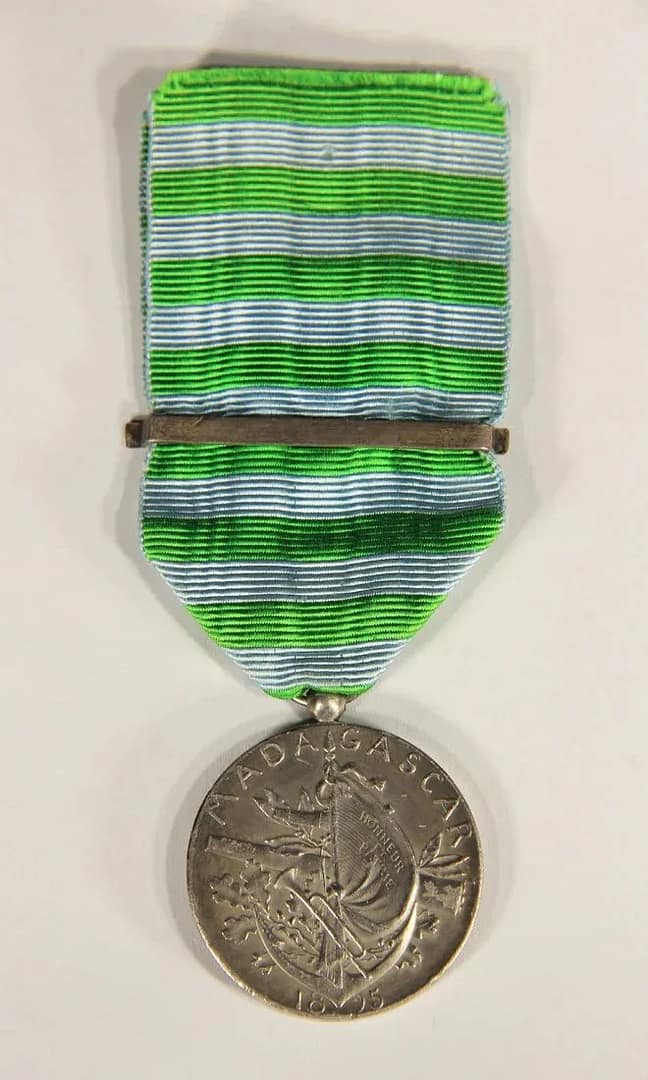
French Madagascar Campaign Medal (1895), from my collection
The Madagascar Campaign Medal was awarded for service in the French expedition of 1895, which resulted in the capture of Antananarivo and the establishment of French control over the island. The campaign was conducted under exceptionally difficult conditions, with operations constrained by rugged terrain, poor tracks, river crossings, disease, and climate rather than sustained battlefield combat alone. The medal reflects the realities of late-nineteenth-century colonial warfare, where terrain, logistics, and environmental factors often exerted a greater influence on command decision-making and operational outcomes than enemy resistance.
Found this useful? Buy me a coffee — it helps fund future battlefield research


Authored by Mick Prictor, a retired military officer with 40 years’ service, and a military historian specialising in terrain-focused analysis of tactics, doctrine, and command decision-making in land warfare. His work draws on extensive battlefield fieldwork—more than 280 sites worldwide—and one of the world’s largest private collections of historic military arms, uniforms, and equipment. About me
Subscribe to Battlefield Travels and receive a free E-Book Battlefield Guide
Unlock expert battlefield analysis, campaign reconstructions, and historical insights drawn from firsthand exploration and primary sources.
🗺️ You’ll receive:
🎖️ Exclusive historical insights you won’t find elsewhere
📘 A free eBook: 10 Tips for Exploring Historic Battlefields
📰 New battlefield studies straight to your inbox as they are published

⚔️ Go deeper — Members get exclusive access to the Deep Research Collection, Field Notes, and monthly Research Dispatches. Try membership free for 7 days, cancel anytime. From $9/month.
This is really cool. Thanks for sharing !
Thanks. Just a tiny fraction of my collection!